





Top Cars for Commuting

Top Cars for Commuting
The best commuter cars are fuel-efficient, comfortable, reliable, safe, easy to park, and affordable to own. For most drivers, the strongest picks are the Toyota Prius, Honda Civic, Toyota Camry Hybrid, Hyundai Elantra, Kia K4, Mazda3, Honda Accord Hybrid, Toyota Corolla Hybrid, Kia Niro Hybrid, and Toyota RAV4 Hybrid.
The simple answer is this: if you want the best overall commuting car, buy a Toyota Prius or Honda Civic. If you want more comfort, buy a Toyota Camry Hybrid or Honda Accord Hybrid. If you want a small SUV, buy a Kia Niro Hybrid, Toyota RAV4 Hybrid, or Honda CR-V Hybrid.
Toyota Prius: Best Overall Commuter Car
The Toyota Prius is still one of the best commuting cars because it is extremely fuel-efficient, easy to drive, and practical enough for daily use.
Edmunds lists the 2026 Toyota Prius at up to 57 mpg combined in its most efficient front-wheel-drive form. That makes it one of the easiest cars to recommend if your commute is long, fuel prices matter, and you want a proven hybrid.
The Prius is no longer just the boring fuel-saver people remember. It looks better, drives better, and still gives you the low running costs commuters care about.
Honda Civic: Best Gas Commuter Car
The Honda Civic is one of the safest answers for commuters who do not want a hybrid.
It is efficient, reliable, easy to service, comfortable, and strong on resale value. It also works well for city driving, highway commuting, students, first-time buyers, and daily office travel.
Consumer Reports notes that the Honda Civic hatchback earned a 2026 IIHS Top Safety Pick award. That matters because a commuter car should not only save fuel. It should also protect you in daily traffic.
Toyota Camry Hybrid: Best Comfortable Commuter
The Toyota Camry Hybrid is one of the best commuter cars if you want more space and comfort than a compact car.
It gives you strong fuel economy, a quiet cabin, good reliability reputation, and enough room for longer drives. It is especially good for people who spend serious time on highways and do not want to feel cramped.
The Camry Hybrid is the commuter car for someone who wants low fuel cost without giving up midsize comfort.
Hyundai Elantra: Best Budget Commuter
The Hyundai Elantra is a strong commuting choice if price matters.
It gives you a roomy cabin, good fuel economy, modern features, and a lower starting price than many rivals. AP News reported Edmunds’ list of the least expensive new cars for 2026, noting the Hyundai Elantra at $23,870 with strong fuel economy around 35 mpg.
For buyers who want a new car without pushing the budget too far, the Elantra is one of the better commuter options.
Kia K4: Best Value New Commuter
The Kia K4 is another smart pick for commuters who want value, technology, and warranty coverage.
It replaced the Forte and gives shoppers a modern compact sedan with a roomy cabin and strong standard features. AP News also listed the Kia K4 among the five least expensive new cars for 2026, with pricing around $23,535 and fuel economy up to 33 mpg.
The K4 makes sense if you want a new commuter car that feels modern without luxury-car pricing.
Mazda3: Best Commuter for Driving Feel
The Mazda3 is the best commuter car if you want something that feels more premium and more enjoyable to drive.
It is not always the most fuel-efficient compact car, but it has a nicer interior than many competitors, sharp handling, and a mature design. It also comes as a sedan or hatchback, which gives buyers more flexibility.
Consumer Reports lists the Mazda3 sedan and hatchback as 2026 IIHS Top Safety Pick+ winners, making it a strong option for commuters who want safety and a premium feel.
Honda Accord Hybrid: Best Highway Commuter
The Honda Accord Hybrid is excellent for longer highway commutes.
It is bigger than a Civic, more comfortable over distance, and more efficient than many non-hybrid midsize sedans. If you drive 40, 60, or 80 miles a day, the Accord Hybrid gives you the space and refinement that make the commute less tiring.
It is also a smart choice if you want one car that can handle commuting during the week and family use on weekends.
Toyota Corolla Hybrid: Best Simple Hybrid Commuter
The Toyota Corolla Hybrid is a great commuter for buyers who want simplicity and fuel savings.
It is smaller and cheaper than a Camry Hybrid, but still gives you Toyota hybrid efficiency and low daily running costs. It is easy to park, easy to drive, and practical for city and suburban commuting.
If you want a no-drama hybrid sedan, the Corolla Hybrid belongs on the shortlist.
Kia Niro Hybrid: Best Small SUV-Style Commuter
The Kia Niro Hybrid is a smart choice if you want commuter-car efficiency with a small crossover shape.
It is easier to get in and out of than a low sedan, has useful cargo space, and gets excellent fuel economy. It is not a rugged SUV, but that is not the point. It is a commuter-friendly hybrid with more practicality than a small sedan.
The Niro is ideal for drivers who want high MPG but prefer a hatchback or small SUV layout.
Toyota RAV4 Hybrid: Best Commuter SUV
The Toyota RAV4 Hybrid is one of the best commuter SUVs because it combines strong fuel economy, available AWD, cargo space, and long-term reliability reputation.
It costs more than a compact sedan, but it makes sense if you need more room, drive in bad weather, carry gear, or want one vehicle for commuting and family use.
For many buyers, the RAV4 Hybrid is the practical middle ground between efficiency and SUV usefulness.
What Makes a Good Commuter Car?
A good commuter car should be cheap to run, comfortable in traffic, safe, reliable, and easy to live with.
Fuel economy matters, but it is not the only thing. A car with great MPG but uncomfortable seats, loud road noise, poor visibility, or weak safety features can become annoying fast.
The best commuter car should have:
Good MPG.
Comfortable seats.
Strong safety ratings.
Reliable powertrain.
Low maintenance costs.
Easy parking.
Good visibility.
Apple CarPlay and Android Auto.
Adaptive cruise control if you drive highways.
Enough cargo space for daily life.
Best Used Cars for Commuting
If you are buying used, look at the Toyota Prius, Honda Civic, Toyota Corolla, Mazda3, Toyota Camry, Honda Accord, Hyundai Elantra, Kia Forte, Toyota RAV4 Hybrid, and Honda CR-V.
For used commuter cars, condition matters more than badge. A well-maintained Mazda3 can be better than a neglected Civic. A clean Corolla with service records can be better than a newer car with accident history.
Before buying used, check service records, tire condition, brakes, accident history, open recalls, and whether the car has the safety and tech features you want.
Final Thoughts: The Best Commuter Car Depends on Your Drive
The best commuter car depends on your commute.
Choose the Toyota Prius if fuel savings are your top priority.
Choose the Honda Civic if you want the best all-around gas compact.
Choose the Toyota Camry Hybrid or Honda Accord Hybrid if your commute is long and comfort matters.
Choose the Hyundai Elantra or Kia K4 if you want a lower-cost new car.
Choose the Mazda3 if you want a commuter that feels more premium.
Choose the Kia Niro Hybrid, Toyota RAV4 Hybrid, or Honda CR-V Hybrid if you want SUV practicality with commuter-friendly efficiency.
A great commuter car should save money, reduce stress, and hold up over years of daily driving.
How Long Is Car Finance?
How Long Is Car Finance?
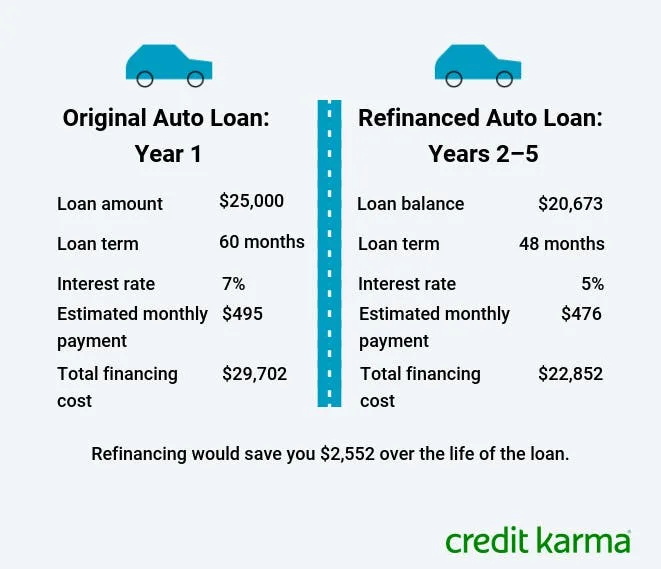
Car finance usually lasts 36 to 72 months, but many buyers now choose terms as long as 84 months to lower the monthly payment.
The simple answer is this: the best car finance term is usually 48 to 60 months if you can afford the payment. A longer loan can make the monthly payment look easier, but it usually means paying more interest and staying in debt longer. Edmunds recommends a 60-month auto loan if you can manage it.
Common Car Finance Terms
Most car loans are offered in these lengths:
36 months: Higher payment, less interest, faster payoff.
48 months: Strong balance if the vehicle price is reasonable.
60 months: Common and usually the best practical term for many buyers.
72 months: Lower payment, but more interest and more risk of negative equity.
84 months: Lowest payment, but usually the riskiest option.
The Consumer Financial Protection Bureau explains that the loan term is the length of the auto loan, usually expressed in months. A shorter term usually means higher monthly payments, while a longer term can lower the payment but increase the total cost.
What Is the Average Car Loan Length?
Car loans have gotten longer because vehicle prices and monthly payments have gone up.
Bankrate reports that the average new-car loan term was about 68.94 months in Q4 2025, while the average used-car loan term was about 67.68 months, based on Experian data.
That means many buyers are financing cars for close to six years. It may be common, but that does not automatically make it smart.
Is 72-Month Car Finance Bad?
A 72-month car loan is not always bad, but it is risky.
It can help lower the monthly payment, which may make sense if you need reliable transportation and cannot afford a shorter term. But the downside is that you pay interest for longer and may owe more than the car is worth for part of the loan.
That is called negative equity. It becomes a problem if you want to trade in the vehicle early, sell it, or if the car is totaled in an accident.
Is 84-Month Car Finance Worth It?
Usually, 84-month car finance should be avoided unless there is a strong reason.
Seven years is a long time to pay for a vehicle. By the end of the loan, the car may need tires, brakes, repairs, maintenance, and possibly major service while you are still making payments.
A long loan is especially risky on used cars because the vehicle may already have mileage and age before the loan even starts.
New Car vs Used Car Finance Length
New cars can often qualify for longer finance terms because they are newer, lower-risk collateral for lenders.
Used cars usually have shorter financing limits, especially if they are older or higher mileage. In Canada, Ratehub notes that new-car loans can stretch up to 96 months, while used-car loans are often shorter because lenders may limit financing based on vehicle age.
For used vehicles, the loan should ideally not outlast the useful life of the car. Financing an older car for six or seven years can become expensive if repairs start before the loan is paid off.
Best Car Finance Term
For most buyers, the best car finance term is:
48 months if you want to pay it off faster.
60 months if you want the best balance.
72 months only if the payment is still comfortable and the interest rate is reasonable.
84 months only if you fully understand the long-term cost.
A good rule: if you need 84 months to afford the payment, the car may be too expensive.
Final Answer
Car finance is usually 36 to 72 months, with 60 months being the best practical target for many buyers.
A longer term lowers the monthly payment, but it increases total interest and keeps you in debt longer. The smartest move is to choose the shortest loan you can comfortably afford while still leaving room for insurance, fuel, maintenance, repairs, and savings.
Can You Drive Without a Catalytic Converter?
Can You Drive Without a Catalytic Converter?
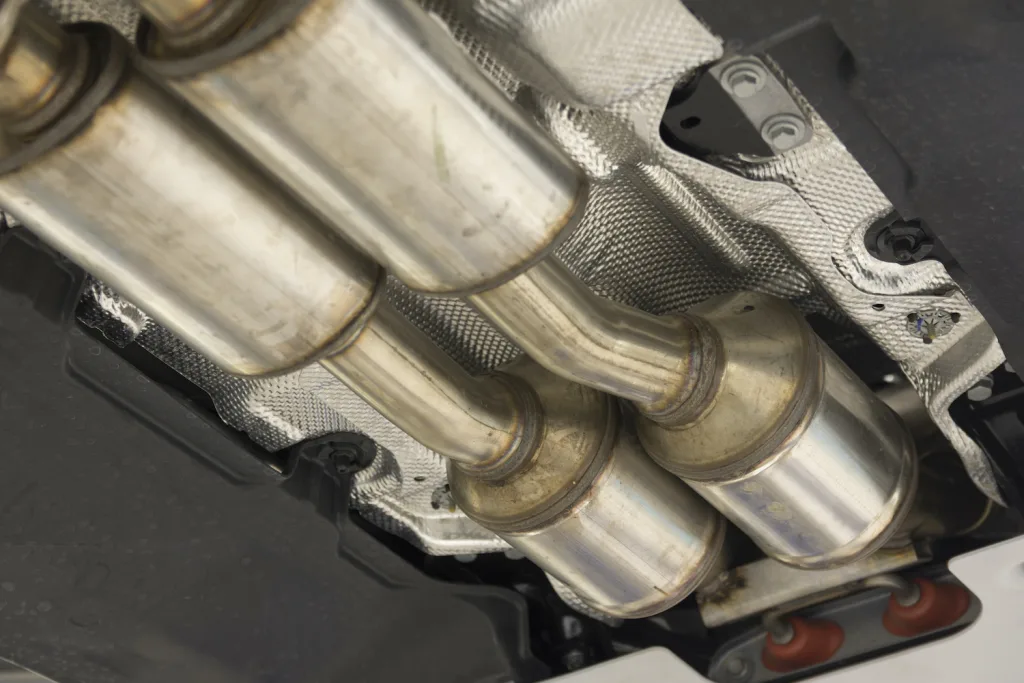
Yes, a car can physically drive without a catalytic converter, but you should not drive it that way unless it is only to get it repaired.
The simple answer is this: driving without a catalytic converter is usually illegal on public roads, will make the vehicle louder, can trigger a check engine light, can cause exhaust fumes and bad smells, and will almost always make the vehicle fail emissions inspection. The EPA treats catalytic converters as required emissions-control equipment, and federal rules prohibit tampering with or removing emissions devices on street vehicles.
So if your catalytic converter was stolen, damaged, or cut out, the car may still start and move. But it is not road-legal in the normal sense, and you should repair it as soon as possible.
What Happens If You Drive Without a Catalytic Converter?
A missing catalytic converter changes the exhaust system immediately.
The car will usually be much louder because part of the exhaust system has been removed. You may hear a harsh, raspy, metallic exhaust sound, especially during acceleration.
You may also smell strong exhaust fumes because the converter is no longer reducing harmful emissions. If the converter was stolen, there may be open exhaust piping under the vehicle, which can allow fumes to enter the cabin.
The check engine light will likely come on because the oxygen sensors detect abnormal emissions readings. The engine computer expects the catalytic converter to be there and working. Without it, the readings before and after the converter may not make sense.
Is It Illegal to Drive Without a Catalytic Converter?
Yes, in most normal street-driving situations, driving without a catalytic converter is illegal.
Federal emissions law prohibits removing or disabling required emissions equipment. The EPA has stated clearly that catalytic converters may not be removed and replaced with straight pipes or converter replacement pipes on vehicles used on public roads.
States can also enforce their own emissions and inspection rules. If your state requires emissions testing, a missing catalytic converter can cause an automatic failure. In strict emissions states like California, replacement converters must also meet specific approval rules. The California Bureau of Automotive Repair explains that catalytic converter theft can cost vehicle owners thousands to repair and can affect the vehicle’s next Smog Check.
Will a Car Run Without a Catalytic Converter?
Yes, many cars will still run without a catalytic converter.
The catalytic converter is not what makes the engine start. It sits in the exhaust system and cleans exhaust gases after combustion. If it is removed, the engine may still run, accelerate, and drive.
But “runs” does not mean “runs correctly” or “legal to drive.” Depending on the vehicle, a missing converter can cause engine codes, rough running, reduced performance, poor fuel economy, exhaust leaks, and drivability issues.
Some vehicles may go into a reduced-performance mode if the emissions system detects major faults.
Can Driving Without a Catalytic Converter Damage the Engine?
Driving briefly without a catalytic converter may not instantly destroy the engine, but it can create problems.
If the converter was cleanly removed and the exhaust is otherwise intact, the engine may run. But if the converter was stolen and pipes or oxygen sensor wiring were cut, the vehicle may have exhaust leaks, dangling sensors, damaged wiring, and incorrect air-fuel readings.
That can affect how the engine runs. It can also allow hot exhaust gases to blow near parts that were not designed for that heat.
If the missing converter leaves an open exhaust under the cabin, the bigger immediate danger is fumes and carbon monoxide exposure.
Will It Fail Emissions or Inspection?
Yes. A vehicle without a catalytic converter will usually fail emissions testing or safety inspection.
Most emissions inspections check for proper emissions equipment and scan for onboard diagnostic trouble codes. A missing catalytic converter, check engine light, or catalyst-efficiency code can cause a failure.
In California, a vehicle also needs the correct approved catalytic converter for that specific application. The California Air Resources Board explains that aftermarket catalytic converters sold or installed in California must be CARB-compliant and approved for the vehicle.
That means you cannot just install any cheap universal converter in every state and expect it to pass.
Why Do People Remove Catalytic Converters?
Some people remove catalytic converters to make the exhaust louder or chase performance gains.
That is a bad idea for a street vehicle. It can create legal trouble, emissions failure, bad smells, check engine lights, and resale issues.
The other common reason is theft. Catalytic converters contain precious metals like platinum, palladium, and rhodium, which makes them valuable to thieves. Allstate explains that converters are targeted because those metals can be resold.
If your converter was stolen, do not keep driving around like it is just a loud exhaust problem. Get the exhaust inspected and repaired.
What Should You Do If Your Catalytic Converter Was Stolen?
First, do not drive more than necessary.
If the vehicle is extremely loud, smells like exhaust, has hanging parts, or has damaged wiring, it may be safer to tow it. Driving with an open exhaust can expose you to fumes and may damage nearby components.
Second, file a police report. Insurance may require it.
Third, contact your insurance company. Comprehensive coverage may help pay for catalytic converter theft, minus your deductible.
Fourth, take the vehicle to a reputable repair shop. Ask them to inspect the exhaust pipes, oxygen sensors, wiring, heat shields, and surrounding parts.
Fifth, make sure the replacement converter is legal for your state and vehicle.
How Much Does It Cost to Replace a Catalytic Converter?
Catalytic converter replacement can cost anywhere from a few hundred dollars to several thousand dollars.
The price depends on the vehicle, converter type, emissions rules, labor, oxygen sensor damage, pipe damage, and whether the vehicle requires a CARB-compliant converter.
A basic aftermarket converter in a state with less strict rules may be cheaper. A California-compliant converter for a hybrid, truck, luxury car, or SUV can be much more expensive.
The California Bureau of Automotive Repair notes that catalytic converter theft can cost owners thousands of dollars to replace, depending on make and model.
Can You Replace It With a Straight Pipe?
No, not legally for normal street use.
A straight pipe may physically connect the exhaust, but it removes required emissions equipment. That can violate federal law, fail inspection, trigger a check engine light, and make the vehicle illegal for public roads.
A straight pipe is not a proper catalytic converter repair.
How Long Can You Drive Without a Catalytic Converter?
You should drive only as far as needed to get the vehicle inspected or repaired.
A short trip to a repair shop may be possible if the vehicle is safe to drive, but long-term driving without a catalytic converter is not smart. It creates legal, safety, emissions, and mechanical risks.
If the exhaust is open under the cabin, wiring is damaged, or fumes are entering the vehicle, tow it instead.
How to Prevent Catalytic Converter Theft
You can reduce theft risk, but you cannot eliminate it completely.
Park in well-lit areas. Park in a garage when possible. Use security cameras. Install a catalytic converter shield or cage. Etch the VIN onto the converter. Ask a shop about anti-theft hardware.
Vehicles with higher ground clearance, like trucks and SUVs, can be easier targets because thieves can get underneath faster. Hybrids can also be targeted because their converters may contain valuable metals and may experience less wear.
FAQs About Driving Without a Catalytic Converter
Can you drive a car without a catalytic converter?
Yes, many cars can physically drive without one, but it is usually illegal on public roads and should only be done briefly to get the vehicle repaired.
Is it illegal to drive without a catalytic converter?
Yes, removing or disabling a catalytic converter on a street vehicle is illegal under federal emissions law, and many states also enforce emissions inspection rules.
Will my car be louder without a catalytic converter?
Yes. A missing catalytic converter usually makes the exhaust much louder, harsher, and more raspy.
Will a car pass emissions without a catalytic converter?
No. A car without a catalytic converter will usually fail emissions inspection or smog testing.
Can no catalytic converter cause a check engine light?
Yes. The oxygen sensors and engine computer can detect catalyst-efficiency problems, which usually triggers a check engine light.
Can driving without a catalytic converter be dangerous?
Yes. The main danger is exhaust fumes, especially if the converter was stolen and the exhaust is open under the vehicle. Carbon monoxide exposure can be serious.
Final Thoughts: Repair It As Soon As Possible
You can physically drive without a catalytic converter, but you should not treat it as normal.
A missing converter makes the car louder, dirtier, illegal for street use, and likely to fail emissions testing. It can also create exhaust-fume risks and check engine lights.
If your catalytic converter was stolen or damaged, drive only if the vehicle is safe and only long enough to get it repaired. The proper fix is to install the correct legal catalytic converter for your vehicle and state.
Moonroof vs Sunroof: What’s the Difference?
Moonroof vs Sunroof: What’s the Difference?
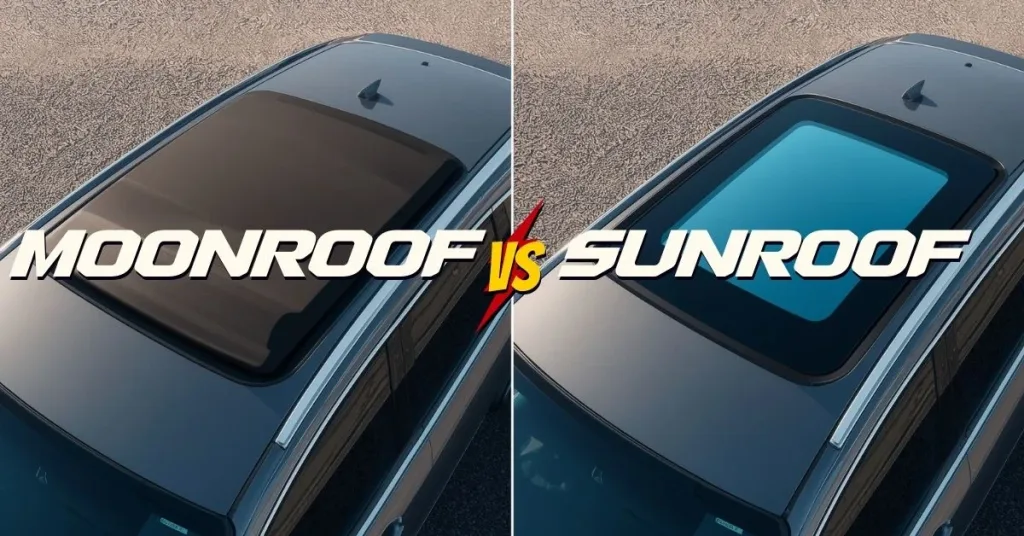
A sunroof is the general term for a roof panel that opens or lets light into the vehicle. A moonroof is usually a type of sunroof made from tinted glass, often with a sliding interior shade.
The simple answer is this: all moonroofs are sunroofs, but not all sunroofs are moonroofs. Kelley Blue Book explains that some manufacturers use the terms interchangeably, while others describe an opaque roof panel as a sunroof and a see-through glass panel as a moonroof.
What Is a Sunroof?
A sunroof is a roof panel that can open, tilt, slide, or let light into the cabin.
Traditionally, a sunroof was often a solid, body-colored panel that matched the car’s roof. When closed, it blocked light completely. Today, the word “sunroof” is used more loosely, and many dealerships use it to describe almost any roof opening.
What Is a Moonroof?
A moonroof is usually a tinted glass roof panel.
It lets light into the cabin even when closed, and it often includes a manual or power sunshade. Cars.com describes a moonroof as a transparent, sliding, tinted glass panel that is not removable.
That is why most modern vehicles technically have moonroofs, even when shoppers call them sunroofs.
What Is a Panoramic Moonroof?
A panoramic moonroof is a larger glass roof that extends over more of the cabin.
Instead of covering only the front seats, a panoramic roof often stretches toward the rear seats and makes the interior feel more open. Cars.com notes that panoramic moonroofs can make a vehicle’s interior feel more spacious and upscale.
Some panoramic roofs open. Others are fixed glass panels that only let light in.
Which One Is Better?
A moonroof is better for most modern buyers because it gives you light even when closed and usually includes a shade when you want less glare.
A panoramic moonroof is better if you want the most premium, open cabin feel.
A traditional solid sunroof is simpler, but it is rare on newer vehicles.
Are Moonroofs Worth It?
Yes, a moonroof is worth it if you like natural light, fresh air, and a more premium cabin feel.
But there are tradeoffs. A moonroof can add weight, reduce headroom, increase heat, and create possible repair concerns over time. Consumer Reports has also covered sunroof-related safety complaints, including cases involving shattered glass.
Final Answer
A sunroof is the broader term. A moonroof is usually a glass version of a sunroof.
In today’s market, most vehicles with a “sunroof” actually have a moonroof. If you are shopping, focus less on the word and more on the feature itself: does it open, is it panoramic, does it have a shade, and does it reduce headroom?
What Is a Valve Cover Gasket?
What Is a Valve Cover Gasket?
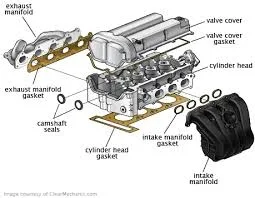
A valve cover gasket is the seal between the engine’s valve cover and the top of the cylinder head. Its job is simple: keep engine oil inside the engine and stop it from leaking out around the valve cover.
The valve cover sits on top of the engine and protects the valvetrain, including parts like the camshafts, rocker arms, valves, and timing components depending on the engine design. The gasket seals that cover so oil can lubricate those parts without leaking onto the outside of the engine.
If the valve cover gasket fails, you may notice oil leaks, a burning oil smell, smoke from the engine bay, low oil level, misfires, or oil around the spark plugs.
What Does a Valve Cover Gasket Do?
The valve cover gasket keeps oil where it belongs.
Inside the top of the engine, oil is constantly splashing and circulating to lubricate moving parts. Without a good gasket, oil can seep out between the valve cover and cylinder head.
RepairPal explains that the valve cover gasket seals the valve cover to the top of the engine and helps prevent oil leaks. When that seal wears out, oil can leak onto the engine, exhaust, spark plug tubes, or other nearby parts.
In simple terms, the gasket is a barrier. It keeps oil in and contaminants out.
Where Is the Valve Cover Gasket Located?
The valve cover gasket is located at the top of the engine, underneath the valve cover.
On many 4-cylinder engines, there is one valve cover and one valve cover gasket. On many V6 and V8 engines, there are two valve covers and two valve cover gaskets, one for each cylinder bank.
Some engines make the gasket easy to access. Others require removing intake parts, ignition coils, wiring, hoses, or other components before the valve cover can come off.
That is why replacement cost can vary a lot by vehicle.
Symptoms of a Bad Valve Cover Gasket
The most common sign of a bad valve cover gasket is an oil leak near the top of the engine.
You may see wet oil, dark residue, or grime around the valve cover. You may also smell burning oil if oil drips onto hot exhaust parts.
Common symptoms include:
Oil leaking from the top of the engine.
Burning oil smell.
Smoke from the engine bay.
Oil dripping onto the exhaust manifold.
Low engine oil level.
Oil in the spark plug wells.
Engine misfire.
Rough idle.
Check engine light.
Visible oil stains under the vehicle.
YourMechanic notes that a bad valve cover gasket can cause a burning oil smell, dirty valve cover area, low engine oil, and engine misfires if oil reaches the spark plug area.
Why Does a Valve Cover Gasket Fail?
Valve cover gaskets usually fail because of age, heat, pressure, and normal engine vibration.
Most valve cover gaskets are made of rubber, silicone, cork, or molded gasket material. Over time, heat cycles make the gasket hard, brittle, cracked, or flattened. Once it loses flexibility, it cannot seal properly.
A gasket can also leak if the valve cover is cracked, the bolts are loose, the gasket was installed incorrectly, or the PCV system is clogged and creating too much crankcase pressure.
On older vehicles, this is a very common oil leak point.
Is a Valve Cover Gasket Leak Serious?
A small valve cover gasket leak may not destroy the engine immediately, but it should not be ignored.
If the leak is minor, the vehicle may still drive normally. But the leak can get worse over time. Oil can drip onto hot exhaust parts and create a burning smell or smoke. Oil can also get into spark plug wells and cause misfires.
The bigger risk is letting the oil level get too low. Any engine oil leak becomes serious if you keep driving without checking and topping off oil.
If you smell burning oil or see smoke, get it checked quickly.
Can You Drive With a Bad Valve Cover Gasket?
You can sometimes drive with a small valve cover gasket leak, but it depends on how bad the leak is.
If the leak is minor and the oil level is full, you may be able to drive short-term while scheduling repair. But if oil is dripping onto the exhaust, causing smoke, creating misfires, or lowering the oil level quickly, you should fix it as soon as possible.
Do not ignore a leaking gasket just because the car still runs. Oil leaks usually get worse, not better.
How Much Does It Cost to Replace a Valve Cover Gasket?
A valve cover gasket replacement usually costs $150 to $600 on many common vehicles, but some engines can cost more.
The gasket itself is often not very expensive. Labor is the bigger factor. A simple 4-cylinder engine may be affordable. A V6, V8, turbocharged engine, or engine with tight access can cost more because more parts must be removed.
RepairPal provides a valve cover gasket replacement estimator and explains that the cost depends heavily on the vehicle and labor involved.
If spark plug tube seals, ignition coils, PCV parts, or the valve cover itself also need replacement, the price can increase.
Should You Replace Spark Plugs With the Valve Cover Gasket?
Sometimes, yes.
If oil has leaked into the spark plug wells, the spark plugs and ignition coils should be inspected. Oil contamination can cause misfires and poor ignition performance.
If the spark plugs are due anyway, replacing them during the valve cover gasket job can save labor. On some engines, removing ignition coils and plug access parts is already part of the job.
Ask the mechanic to check the spark plug wells before reassembling everything.
Valve Cover Gasket vs Head Gasket
A valve cover gasket and head gasket are completely different parts.
The valve cover gasket seals the top cover of the engine. It mostly keeps oil from leaking out.
The head gasket seals between the cylinder head and engine block. It handles combustion pressure, oil passages, and coolant passages. A head gasket failure is much more serious and expensive.
A valve cover gasket leak is usually a normal repair. A head gasket failure can be a major engine repair.
How to Prevent Valve Cover Gasket Leaks
You cannot prevent every gasket leak, but good maintenance helps.
Change oil on time. Keep the PCV system working properly. Do not ignore oil leaks. Use quality replacement parts. Make sure the gasket mating surfaces are cleaned properly during repair. Do not overtighten valve cover bolts because that can damage the gasket or cover.
If the valve cover is plastic, inspect it carefully. Some plastic valve covers can warp or crack with age, and replacing only the gasket may not solve the leak if the cover itself is damaged.
FAQs About Valve Cover Gaskets
What is a valve cover gasket?
A valve cover gasket is the seal between the valve cover and the cylinder head. It keeps engine oil from leaking out of the top of the engine.
What are signs of a bad valve cover gasket?
Common signs include oil leaks, burning oil smell, smoke from the engine bay, low oil level, oil around spark plugs, misfires, and oil residue around the valve cover.
Is a valve cover gasket leak expensive to fix?
It depends on the vehicle. Many repairs cost around $150 to $600, but some V6, V8, turbo, or luxury engines can cost more because access is harder.
Can I drive with a leaking valve cover gasket?
You may be able to drive short-term with a small leak, but you should monitor oil level closely. If oil is dripping onto hot exhaust parts, causing smoke, or causing misfires, repair it quickly.
Can a bad valve cover gasket cause a misfire?
Yes. If oil leaks into the spark plug wells, it can contaminate spark plugs or ignition coils and cause misfires.
Is a valve cover gasket the same as a head gasket?
No. A valve cover gasket seals the top engine cover. A head gasket seals the cylinder head to the engine block and is a much more serious repair.
Final Thoughts: A Small Gasket That Prevents Big Oil Leaks
A valve cover gasket is a simple part with an important job.
It seals the top of the engine and keeps oil from leaking out. When it fails, you may smell burning oil, see oil around the engine, notice smoke, or experience misfires if oil reaches the spark plugs.
A valve cover gasket leak is usually not as serious as a head gasket problem, but it should still be fixed before the leak worsens. Keep the oil level full, inspect the leak, and replace the gasket before a small oil seep turns into a bigger repair.
How Many Catalytic Converters Does a Car Have?
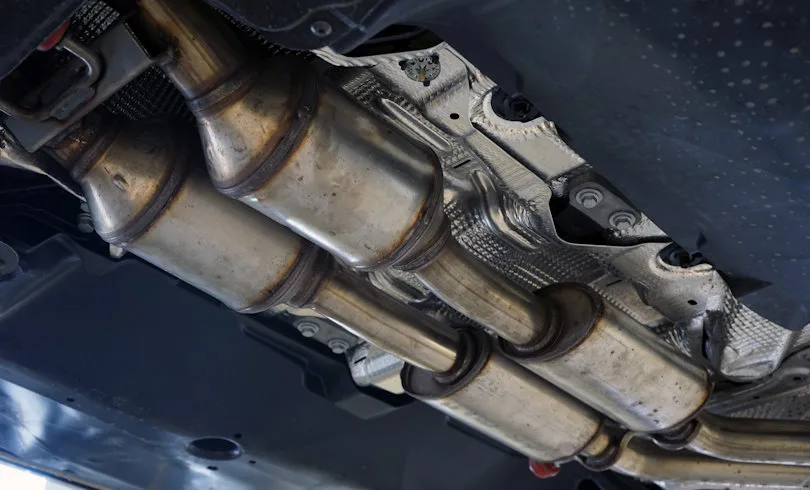
How Many Catalytic Converters Does a Car Have?
Most cars have one or two catalytic converters, but some vehicles can have three or four depending on the engine layout, emissions system, and whether the vehicle has a V6, V8, turbo engine, or dual exhaust.
The simple answer is this: a basic 4-cylinder car usually has one catalytic converter, while many V6 and V8 vehicles have two. Some modern vehicles also use smaller “pre-cats” near the engine plus a larger main catalytic converter underneath the vehicle.
A catalytic converter is part of the exhaust system. Its job is to reduce harmful emissions before exhaust gases leave the tailpipe. The EPA explains that catalytic converters are emissions-control devices, and replacement units must meet specific requirements.
What Does a Catalytic Converter Do?
A catalytic converter helps clean up exhaust gases.
Inside the converter are precious metals such as platinum, palladium, and rhodium. These metals help convert harmful exhaust pollutants into less harmful gases before they exit the vehicle.
In simple terms, a catalytic converter helps reduce:
Carbon monoxide.
Hydrocarbons.
Nitrogen oxides.
That is why removing a catalytic converter is illegal for normal street-driven vehicles. It can also trigger a check engine light, make the vehicle fail emissions testing, and create exhaust smell or drivability problems.
How Many Catalytic Converters Does a 4-Cylinder Car Have?
Most 4-cylinder cars have one catalytic converter.
Some newer 4-cylinder vehicles may have two converters: one close to the engine and another farther down the exhaust system. This can happen because automakers want the first converter to heat up quickly after startup, while the second converter gives extra emissions control.
A compact car like a Honda Civic, Toyota Corolla, Mazda3, Hyundai Elantra, or Nissan Sentra will usually have one main catalytic converter, but the exact number depends on year, engine, and emissions certification.
How Many Catalytic Converters Does a V6 Have?
Many V6 vehicles have two catalytic converters.
That is because a V6 engine usually has two cylinder banks. Each bank may have its own exhaust manifold and converter. Some V6 vehicles may also have additional downstream converters, which can bring the total to three or four.
A V6 SUV, pickup, minivan, or sedan may have one converter for each side of the engine. This is common on vehicles with dual exhaust routing or tighter emissions requirements.
How Many Catalytic Converters Does a V8 Have?
Most V8 vehicles have two catalytic converters, but some have more.
Like a V6, a V8 has two cylinder banks. Many V8 trucks, SUVs, and performance cars use one catalytic converter per bank. Some systems also include additional converters farther downstream.
That means a V8 Dodge Charger, Ram 1500, Jeep Grand Cherokee, Ford F-150, Chevy Silverado, or similar vehicle may have two or more catalytic converters depending on the exact setup.
Why Do Some Cars Have More Than One Catalytic Converter?
Some vehicles have multiple catalytic converters because modern emissions systems are more complex than older systems.
A vehicle may use:
One converter near the engine for faster warm-up.
One main converter underneath the vehicle.
Separate converters for each side of a V6 or V8 engine.
Extra converters for stricter emissions standards.
Different converter layouts for California emissions vehicles.
The California Air Resources Board has strict rules for aftermarket catalytic converters, especially for California emissions vehicles. This is one reason the exact converter setup can vary by state, emissions package, and model year.
What Is a Pre-Cat?
A pre-cat is a smaller catalytic converter located close to the engine.
Its job is to heat up quickly after startup. Catalytic converters work best when they are hot, so placing a small converter near the engine helps reduce emissions sooner.
Some vehicles have a pre-cat built into or near the exhaust manifold, plus another catalytic converter under the vehicle. This is why a car that looks like it has one main converter underneath may still have another converter closer to the engine.
How Can You Tell How Many Catalytic Converters Your Car Has?
The easiest way is to check your vehicle’s exhaust diagram, repair manual, emissions label, or parts catalog.
You can also ask a trusted mechanic or dealership service department to check by VIN. The VIN matters because the same model may have different converter setups depending on engine, drivetrain, state emissions package, and production year.
You can sometimes see catalytic converters by looking under the vehicle, but not always. Some are hidden near the engine or built into the exhaust manifold area.
Common Catalytic Converter Locations
Catalytic converters are usually found in the exhaust system between the engine and the muffler.
Common locations include:
Near the exhaust manifold.
Under the front of the vehicle.
In the mid-pipe section.
One on each exhaust bank.
Before the muffler or resonator.
On some vehicles, the converter is easy to see from underneath. On others, it is tucked up high near the engine, making it harder to access.
Why Are Catalytic Converters So Expensive?
Catalytic converters are expensive because they contain precious metals and must meet emissions standards.
Replacement cost depends on the vehicle, converter type, labor, and whether the vehicle needs a direct-fit OEM-style converter or an approved aftermarket unit. California emissions vehicles can be more expensive because the replacement converter must be approved for that application.
A stolen catalytic converter can also be expensive to replace because thieves often cut the exhaust pipes, damaging oxygen sensors, shields, and surrounding exhaust parts.
Can a Car Run Without a Catalytic Converter?
A car may physically run without a catalytic converter, but it should not be driven that way on public roads.
Removing the catalytic converter is illegal for normal street use. It can cause a check engine light, louder exhaust, fuel smell, emissions failure, and possible engine-control issues.
If your converter was stolen or damaged, get it repaired properly. Do not replace it with a straight pipe on a street vehicle.
Symptoms of a Bad Catalytic Converter
A failing catalytic converter can cause several symptoms.
Common signs include:
Check engine light.
Rotten egg smell.
Poor acceleration.
Reduced fuel economy.
Rattling noise under the vehicle.
Failed emissions test.
Engine running hot.
Loss of power at highway speeds.
A clogged catalytic converter can restrict exhaust flow, which can make the engine feel weak. A damaged converter may also rattle if the internal material breaks apart.
FAQs About Catalytic Converters
How many catalytic converters does a normal car have?
Most normal cars have one catalytic converter, especially many 4-cylinder vehicles. Some newer cars may have two.
How many catalytic converters does a V6 have?
Many V6 vehicles have two catalytic converters, one for each cylinder bank. Some may have three or four depending on the exhaust and emissions system.
How many catalytic converters does a V8 have?
Most V8 vehicles have two catalytic converters, but some trucks, SUVs, and performance cars may have more.
Why does my car have two catalytic converters?
Your car may have two converters because it has two exhaust banks, stricter emissions equipment, or a pre-cat plus a main catalytic converter.
Is it illegal to remove a catalytic converter?
Yes. Removing a catalytic converter from a street-driven vehicle is illegal and can cause emissions failure, check engine lights, and drivability problems.
How do I know if my catalytic converter is bad?
Common signs include a check engine light, rotten egg smell, poor acceleration, rattling noise, failed emissions test, and reduced fuel economy.
Final Thoughts: Most Cars Have One or Two Catalytic Converters
Most cars have one or two catalytic converters.
A 4-cylinder car usually has one. A V6 or V8 vehicle usually has two. Some modern vehicles have three or four because of pre-cats, dual exhaust layouts, or stricter emissions systems.
The exact number depends on the vehicle’s year, make, model, engine, drivetrain, and emissions package. For the most accurate answer, check by VIN or ask a mechanic to inspect the exhaust system.
How Close Can You Park To A Stop Sign
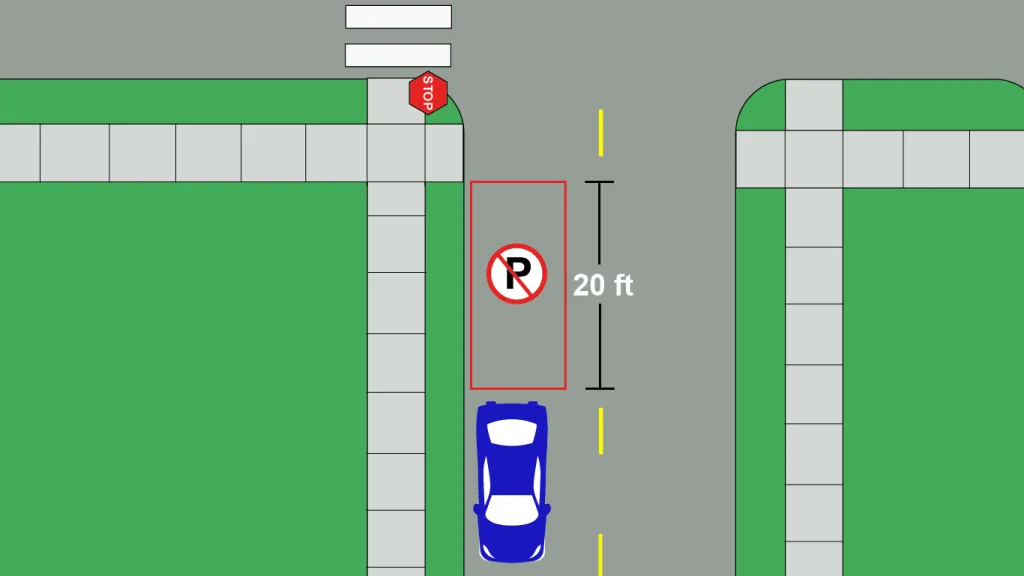
How Close Can You Park to a Stop Sign in the USA?
In most U.S. states, you generally cannot park within 30 feet of a stop sign.
The simple answer is this: leave at least 30 feet between your parked car and a stop sign unless local signs, painted curbs, or city rules require more distance. Many state laws use the same standard: no parking within 30 feet on the approach to a stop sign, flashing signal, yield sign, or traffic control signal.
For example, Florida law prohibits parking within 30 feet upon the approach to a stop sign or traffic control signal. Pennsylvania law uses the same 30-foot rule for stop signs, yield signs, flashing signals, and traffic-control signals.
Why the 30-Foot Rule Exists
The 30-foot parking rule is not random.
Stop signs need to stay visible. Drivers approaching an intersection must be able to see the sign early enough to slow down and stop safely. If a vehicle is parked too close, it can block the stop sign, reduce sightlines, and make the intersection more dangerous for drivers, pedestrians, cyclists, and other road users.
Parking too close to a stop sign can also make turning harder, especially for larger vehicles. Trucks, buses, delivery vans, emergency vehicles, and SUVs need enough space to turn without crossing too far into opposing traffic.
Is the Rule Always 30 Feet?
No. The 30-foot rule is a common U.S. standard, but local rules can vary.
Some states or cities may apply the rule differently depending on whether the stop sign is on the approach side, whether there is a marked crosswalk, whether the curb is painted, and whether local parking signs add extra restrictions.
That is why the safest advice is to leave at least 30 feet from the stop sign and also check for red curbs, no-parking signs, fire hydrants, driveways, bike lanes, crosswalks, and local parking rules.
If a posted sign says no parking farther than 30 feet, the posted sign controls.
What Does “Upon the Approach” Mean?
Many state laws say you cannot park within 30 feet upon the approach to a stop sign.
That usually means the side of the road where traffic is approaching the stop sign. In plain English, it applies before the stop sign as drivers come up to the intersection.
This matters because parking rules may not always apply the same way on every side of the intersection. The safest habit is simple: do not park close to the stop sign from any direction where your vehicle could block visibility, crosswalks, turning movement, or traffic flow.
How Do You Measure 30 Feet?
Measure from the stop sign post or traffic control device, then leave about 30 feet of clear space.
If you do not have a tape measure, 30 feet is roughly:
About two car lengths.
About 10 large walking steps.
About the length of a small school bus.
About half the length of a tractor-trailer.
When in doubt, give yourself more room. A few extra feet is much cheaper than a parking ticket or tow.
What About Crosswalks?
Even if you are far enough from the stop sign, you still need to watch for crosswalk rules.
Many states prohibit parking within 20 feet of a crosswalk at an intersection. In Florida, for example, the same parking statute prohibits parking within 20 feet of a crosswalk at an intersection and within 30 feet of a stop sign or traffic signal.
That means a legal parking spot near a stop sign may still be illegal if it is too close to a crosswalk.
California Has a Special Daylighting Rule
California is different because its newer daylighting rule focuses heavily on crosswalk visibility.
Under California’s daylighting rule, vehicles generally cannot park within 20 feet of the approach side of a marked or unmarked crosswalk, even if there is no red curb. SFMTA explains that California Vehicle Code 22500(n) prohibits stopping, standing, or parking within 20 feet of the vehicle approach side of a marked or unmarked crosswalk, or 15 feet where there is a curb extension.
So in California, do not only think about the stop sign. Think about the intersection and crosswalk too. You may get cited for being too close to the crosswalk even if there is no red paint.
What If the Curb Is Not Painted Red?
Do not assume parking is legal just because the curb is not painted.
In many places, the law applies even without red curb paint. California’s daylighting rule is a strong example: the 20-foot crosswalk restriction applies even when the curb is not painted red, as explained by local California agencies like Pleasant Hill.
The same logic applies in many cities. Painted curbs and signs help drivers, but they are not always required for a parking rule to exist.
Can You Park After the Stop Sign?
Sometimes, but you still need to be careful.
The 30-foot rule often focuses on the approach to the sign. However, you may still be restricted by crosswalks, intersections, driveways, fire hydrants, bike lanes, bus stops, red curbs, or posted no-parking zones after the sign.
If parking after a stop sign blocks visibility, narrows the road, or sits too close to the intersection, it may still be illegal or unsafe.
How Much Is a Ticket for Parking Too Close to a Stop Sign?
Ticket costs vary by city and state.
A ticket for parking too close to a stop sign may be relatively small in some towns and much higher in larger cities. In some cases, your vehicle may also be towed if it creates a hazard, blocks traffic, or violates a signed restriction.
The fine is not the only issue. Parking too close to a stop sign can also increase crash risk and make your vehicle vulnerable to being hit by turning traffic.
Other Parking Distances to Know
Stop signs are only one part of legal parking.
Many states also restrict parking near crosswalks, fire hydrants, fire station driveways, railroad crossings, traffic signals, driveways, bike lanes, bus stops, and intersections.
For example, Florida law lists several common no-parking areas, including within 20 feet of a crosswalk at an intersection, within 30 feet of a stop sign or traffic signal, within 15 feet of a fire hydrant, and within 50 feet of a railroad crossing.
The safest approach is to read the curb, read the signs, and avoid parking close to any traffic control device or intersection.
Practical Rule for Drivers
If you are not sure, use this simple rule:
Stay at least 30 feet away from a stop sign.
Stay at least 20 feet away from a crosswalk.
Stay clear of red curbs, driveways, hydrants, bike lanes, bus stops, and no-parking signs.
Leave more space near corners than you think you need.
This habit keeps your vehicle safer, reduces ticket risk, and helps other road users see clearly.
FAQs About Parking Near a Stop Sign
How close can you park to a stop sign in the U.S.?
In many U.S. states, you cannot park within 30 feet of a stop sign. Local rules can vary, so check your state law and city parking signs.
Is it illegal to park within 30 feet of a stop sign?
In many states, yes. States like Florida and Pennsylvania specifically prohibit parking within 30 feet on the approach to a stop sign or traffic control device.
How do police measure 30 feet from a stop sign?
They may measure from the signpost or traffic control device. In practice, parking enforcement may estimate based on vehicle length, curb markings, nearby landmarks, or direct measurement.
Can I park across the street from a stop sign?
Sometimes, but not if local law, signage, intersection rules, crosswalk rules, or curb markings prohibit it. Make sure your parked vehicle does not block visibility or traffic movement.
Can I park after a stop sign?
Possibly, but you still need to avoid crosswalks, intersections, red curbs, driveways, fire hydrants, bike lanes, and posted restrictions.
What if there is no red curb?
The rule may still apply. Many parking laws do not require the curb to be painted red. In California, the daylighting rule can apply near crosswalks even without red curb markings.
Final Thoughts: Leave at Least 30 Feet
In the USA, the safest general rule is to park at least 30 feet away from a stop sign.
That distance helps keep the sign visible, protects intersection sightlines, and reduces ticket risk. But do not stop your thinking there. Crosswalk rules, local parking ordinances, red curbs, hydrants, driveways, and daylighting laws can all add extra restrictions.
When in doubt, park farther back. A longer walk is better than a ticket, tow, or unsafe intersection.
Does Gasoline Go Bad?

Does Gasoline Go Bad?
Yes, gasoline does go bad.
The simple answer is this: regular gasoline usually starts degrading after about 3 to 6 months, and ethanol-blended gasoline can degrade even faster, especially if it is stored in heat, humidity, or a poorly sealed container. AAA says gasoline generally lasts three to six months, while ethanol-based gas can lose combustibility in one to three months.
That does not mean old gas instantly becomes useless the day it turns six months old. It means the fuel begins losing volatility, oxidizing, absorbing moisture, and forming gums or varnish that can make engines run poorly.
Why Gasoline Goes Bad
Gasoline is a refined fuel made from petroleum and blended with additives. Over time, its lighter, more volatile components evaporate. The fuel also oxidizes, which can create sticky deposits.
The U.S. Energy Information Administration explains that finished gasoline is blended from crude oil and other petroleum liquids before being sold at stations. Because gasoline is a blend, its stability can vary depending on fuel type, seasonal formula, ethanol content, and storage conditions.
Ethanol-blended fuel is especially sensitive because ethanol attracts water. If enough moisture enters the fuel, it can cause phase separation, where the ethanol and water separate from the gasoline. That can lead to rough running, corrosion, and fuel-system problems.
How Long Does Gasoline Last?
Most untreated gasoline lasts around 3 to 6 months.
Premium fuel may last slightly longer in some cases, while ethanol-blended fuel may degrade faster. J.D. Power notes that regular gasoline has a shelf life of about three to six months, premium or high-octane fuel may last closer to nine months, and ethanol-based gasoline can lose combustibility in one to three months.
Storage conditions matter a lot. Gas stored in a sealed approved gas can in a cool place will usually last longer than gas sitting in a hot vehicle, lawn mower, generator, motorcycle, or open container.
Signs Gasoline Has Gone Bad
Bad gasoline may look darker than fresh gas, smell sour or varnish-like, or have debris, haze, or water separation.
Your engine may also tell you the fuel is bad. Common symptoms include hard starting, rough idle, hesitation, stalling, poor acceleration, engine knocking, reduced fuel economy, or a check engine light.
Small engines are often more sensitive than cars. Lawn mowers, snowblowers, motorcycles, generators, ATVs, and carbureted equipment can have trouble quickly if stale gas gums up jets, lines, or filters.
Can Old Gas Damage an Engine?
Yes, old gas can damage or clog fuel-system components.
Stale gasoline can leave varnish and gum deposits in fuel injectors, carburetors, fuel pumps, fuel lines, and filters. In severe cases, contaminated fuel can cause poor combustion, corrosion, and expensive repairs.
If the gasoline is only slightly old and still looks and smells normal, it may be usable when diluted with fresh fuel in some situations. But if it smells bad, looks dark, contains water, or has been sitting for a year or more, do not risk it.
Can Fuel Stabilizer Stop Gas From Going Bad?
Fuel stabilizer can help, but it works best when added to fresh gasoline before storage.
A stabilizer does not magically restore badly degraded fuel. It slows oxidation and helps keep fuel usable longer. STA-BIL says its Storage formula is designed to keep fuel ready to use for up to 24 months, while its 360 formulas are designed for up to 12 months.
For seasonal vehicles and equipment, add stabilizer before storage, run the engine long enough to circulate treated fuel, and store the fuel system according to the owner’s manual.
How to Store Gasoline So It Lasts Longer
Store gasoline in an approved fuel container, tightly sealed, in a cool, dry, well-ventilated area away from heat, sparks, flames, and living spaces.
Do not store gas in random plastic jugs, water bottles, open buckets, or glass containers. The CPSC explains that portable fuel containers must meet safety standards, including rules for gasoline containers sold empty.
The best storage habits are simple: buy only what you need, use fresh fuel, keep containers sealed, label the purchase date, and add stabilizer if the gas will sit for more than a couple of months.
What Should You Do With Bad Gasoline?
Do not pour old gasoline on the ground, into a drain, into a storm sewer, into regular trash, or into a fire.
Old gasoline should be taken to a household hazardous waste facility or approved local disposal site. The EPA warns that household hazardous waste should not be poured down drains, on the ground, into storm sewers, or thrown out with regular trash.
If you are not sure where to take it, search your city or county website for “household hazardous waste gasoline disposal.”
FAQs About Gasoline Going Bad
Does gasoline go bad in a car?
Yes. Gasoline can go bad in a car, especially if the vehicle sits for months without being driven. Heat, air exposure, ethanol, and moisture can speed up degradation.
How long can gas sit in a car?
Gas can usually sit for about 3 to 6 months before quality starts becoming a concern. If the vehicle will sit longer, use fuel stabilizer or follow the storage guidance in the owner’s manual.
How can you tell if gas is bad?
Bad gas may smell sour or like varnish, look darker than normal, appear cloudy, contain sediment, or cause hard starting, rough idle, hesitation, stalling, or poor acceleration.
Can you mix old gas with new gas?
If the gas is only slightly old and not contaminated, it may sometimes be diluted with fresh gas. If it smells bad, looks dark, contains water, or has been sitting a long time, dispose of it safely instead.
Does premium gas last longer?
Premium fuel may last slightly longer than regular in some cases, but it still goes bad. Storage conditions and ethanol content matter more than octane alone.
Does ethanol gas go bad faster?
Yes. Ethanol-blended gasoline can degrade faster because ethanol attracts moisture, which can lead to water contamination and phase separation.
Final Thoughts: Gasoline Does Go Bad
Gasoline absolutely goes bad, especially when it sits for months in a tank, can, mower, motorcycle, generator, or rarely driven vehicle.
Use 3 to 6 months as the practical shelf-life range for untreated gas. Ethanol fuel can go bad faster. Stabilizer can extend storage life if added early, but it will not rescue badly degraded fuel.
The safest move is to buy only what you will use, store fuel properly, treat seasonal fuel before storage, and dispose of old gasoline through a hazardous waste program when it is clearly bad.
Bad Car Thermostat Symptoms
Bad Car Thermostat Symptoms
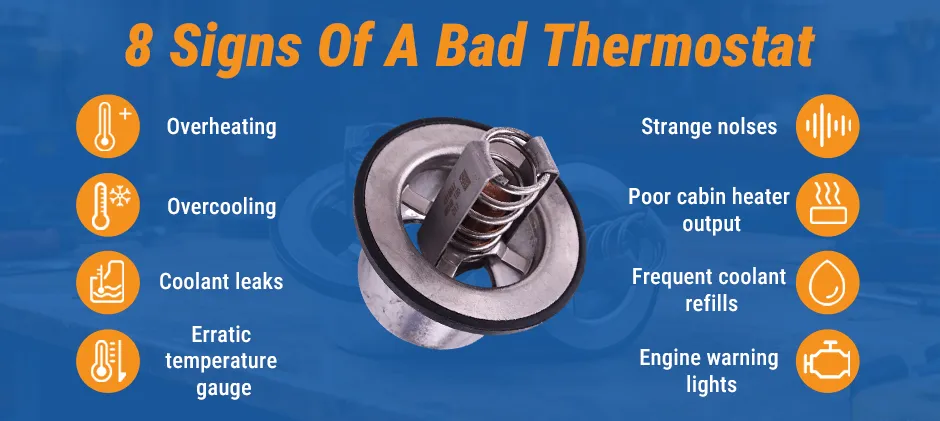
A bad car thermostat usually causes engine overheating, a temperature gauge that moves unpredictably, poor cabin heat, coolant leaks near the thermostat housing, or an engine that takes too long to warm up.
The simple answer is this: if the thermostat gets stuck closed, the engine can overheat quickly. If it gets stuck open, the engine may run too cold and the heater may blow weak or cold air. J.D. Power explains that overheating is one of the most common signs of a failing thermostat because a stuck-closed thermostat can stop coolant from reaching the radiator.
A thermostat is a small part, but it controls a major job. It helps regulate coolant flow between the engine and radiator so the engine reaches and stays near its proper operating temperature.
What Does a Car Thermostat Do?
A car thermostat is a temperature-controlled valve in the cooling system.
When the engine is cold, the thermostat stays closed so the engine can warm up faster. Once the engine reaches operating temperature, the thermostat opens and allows coolant to flow through the radiator.
That balance is important. An engine that runs too hot can suffer serious damage. An engine that runs too cold can use more fuel, run poorly, trigger warning lights, and give you weak cabin heat.
In plain English, the thermostat helps the engine stay in the right temperature range.
1. Engine Overheating
Overheating is one of the most serious bad thermostat symptoms.
If the thermostat is stuck closed, coolant cannot circulate properly to the radiator. The engine heats up fast, and the temperature gauge may climb toward the red zone.
NAPA says a rapid temperature increase during normal operation can point to a stuck-closed thermostat. If your temperature gauge rises quickly, do not keep driving like everything is fine.
Overheating can damage the head gasket, cylinder head, radiator, hoses, and even the engine itself. If the gauge is climbing or steam is coming from under the hood, pull over safely and shut the vehicle off.
2. Engine Runs Too Cold
A thermostat can also fail by staying open.
When that happens, coolant flows through the radiator too soon and too often. The engine may struggle to reach normal operating temperature, especially in cold weather.
This can cause poor fuel economy, weak heater performance, rough running, and a check engine light on some vehicles.
CarParts.com explains that modern thermostats often fail by opening too soon or sticking open, which can make the engine run too cool.
If your temperature gauge stays low even after driving for a while, the thermostat may be stuck open.
3. Temperature Gauge Fluctuates
A bad thermostat can make the temperature gauge move up and down unpredictably.
The gauge may climb, drop suddenly, then climb again. This can happen when the thermostat opens and closes at the wrong time or sticks intermittently.
Temperature fluctuation can also be caused by low coolant, air in the cooling system, a bad radiator cap, a failing water pump, a clogged radiator, or a cooling fan issue. But the thermostat is one of the first parts mechanics often check because it directly controls coolant flow.
If the gauge is not steady, do not ignore it.
4. Heater Blows Cold Air
A bad thermostat can affect the cabin heater.
Your car heater works by using hot engine coolant to warm air before it enters the cabin. If the thermostat is stuck open, the engine may not get hot enough to provide strong heat.
PartSource notes that a stuck-open thermostat can cause coolant to flow constantly through the radiator, preventing the engine from warming up enough to supply heat to the cabin.
This is especially noticeable in winter. If your heater blows cold or lukewarm air and the temperature gauge stays low, a stuck-open thermostat is a strong possibility.
5. Coolant Leaks Near the Thermostat Housing
A bad thermostat can sometimes lead to leaks around the thermostat housing.
If the thermostat sticks closed, pressure and heat can build in the cooling system. That can stress gaskets, hoses, and plastic housings. Some vehicles also have thermostat housings that crack or leak with age.
NAPA points out that leaks near the thermostat housing can happen when pressure compromises gaskets or weaker parts of the system.
Look for coolant puddles, crusty residue, a sweet coolant smell, or dampness around the thermostat housing and nearby hoses.
6. Check Engine Light
A bad thermostat can trigger the check engine light.
One common thermostat-related code is P0128, which usually means the engine is not reaching the expected operating temperature quickly enough. This often points to a thermostat stuck open, but it can also involve coolant temperature sensors, low coolant, or other cooling-system issues.
Do not replace parts blindly based only on a code. A scan tool gives direction, but the cooling system still needs proper diagnosis.
If the check engine light is on and the temperature gauge is staying low, the thermostat may be the issue.
7. Poor Fuel Economy
A stuck-open thermostat can hurt fuel economy.
When the engine runs too cool, the computer may keep the fuel mixture richer than normal because it thinks the engine is still warming up. That can waste fuel and reduce efficiency.
You may also notice the vehicle idling differently, running less smoothly, or taking longer to settle into normal operation.
Bad fuel economy alone does not prove the thermostat is bad, but combined with a low temperature gauge and weak heater, it becomes a strong clue.
8. Coolant Boiling or Steam From the Hood
Steam from the hood is a serious warning sign.
If the thermostat is stuck closed and the engine overheats, coolant may boil, overflow, or escape from the radiator cap, reservoir, hoses, or weak points in the system.
Do not open the radiator cap when the engine is hot. Hot coolant is under pressure and can cause severe burns.
If you see steam, pull over safely, shut the engine off, and let it cool before checking anything.
Stuck Open vs. Stuck Closed Thermostat
A thermostat can fail in two main ways.
A stuck-closed thermostat blocks coolant from reaching the radiator. This usually causes overheating.
A stuck-open thermostat lets coolant circulate too early and too often. This usually causes the engine to run too cold, weak cabin heat, worse fuel economy, and sometimes a check engine light.
Both are problems, but a stuck-closed thermostat is usually more urgent because overheating can destroy an engine quickly.
Can You Drive With a Bad Thermostat?
You should not keep driving with a suspected bad thermostat if the engine is overheating.
A stuck-open thermostat may let the vehicle drive, but it can still cause poor performance, bad fuel economy, weak heat, and long-term wear. A stuck-closed thermostat is much more dangerous because it can overheat the engine quickly.
If the temperature gauge is rising, stop driving. If the gauge stays cold and the heater does not work, schedule a repair soon.
How Much Does It Cost to Replace a Car Thermostat?
A thermostat replacement usually costs $150 to $500, depending on the vehicle, thermostat location, labor rate, coolant type, and whether the housing is replaced.
Some vehicles are simple. Others have thermostats buried under intake parts, attached to plastic housings, or integrated with sensors. On those vehicles, labor and parts cost more.
The thermostat itself is often not expensive. The cost comes from labor, coolant refill, bleeding air from the system, and replacing related gaskets or housings.
What Else Can Cause Similar Symptoms?
A bad thermostat is common, but it is not the only cooling-system problem.
Overheating can also come from low coolant, coolant leaks, a bad radiator cap, failing water pump, clogged radiator, bad cooling fans, air trapped in the system, collapsed hoses, or a blown head gasket.
No cabin heat can also come from low coolant, a clogged heater core, bad blend door, weak blower motor, or heater control problem.
That is why proper diagnosis matters. The thermostat may be the issue, but the whole cooling system should be checked.
How to Prevent Thermostat Problems
You cannot prevent every thermostat failure, but you can reduce risk.
Use the correct coolant. Keep the coolant level full. Fix leaks early. Follow the service schedule. Do not ignore overheating. Replace old coolant when due. Avoid mixing incompatible coolants.
If the thermostat is being replaced, use a quality part and make sure the cooling system is properly bled afterward. Air pockets can cause overheating even after a new thermostat is installed.
FAQs About Bad Car Thermostat Symptoms
What are the most common symptoms of a bad thermostat?
The most common symptoms are overheating, engine running too cold, temperature gauge fluctuations, weak cabin heat, coolant leaks near the thermostat housing, check engine light, and poor fuel economy.
What happens if the thermostat is stuck closed?
A stuck-closed thermostat blocks coolant from flowing to the radiator, which can cause rapid overheating and serious engine damage.
What happens if the thermostat is stuck open?
A stuck-open thermostat lets coolant circulate too much, causing the engine to run too cold, the heater to blow weak or cold air, and fuel economy to drop.
Can a bad thermostat cause no heat?
Yes. If the thermostat is stuck open, the engine may not warm up properly, which can cause weak or cold cabin heat.
Can I drive with a bad thermostat?
Do not drive if the engine is overheating. If the thermostat is stuck open and the engine runs cold, you may be able to drive short-term, but it should still be repaired.
How much does it cost to replace a thermostat?
Most car thermostat replacements cost about $150 to $500, depending on the vehicle and labor involved.
Final Thoughts: Do Not Ignore Cooling System Warnings
A bad thermostat can look minor at first, but it can cause major problems.
If your engine overheats, runs too cold, has weak cabin heat, leaks coolant, or shows strange temperature gauge behavior, the thermostat should be checked. A thermostat is much cheaper than a head gasket, radiator, or engine replacement.
The safest move is simple: treat temperature problems seriously, stop driving if the engine overheats, and get the cooling system diagnosed before a small repair becomes a major bill.
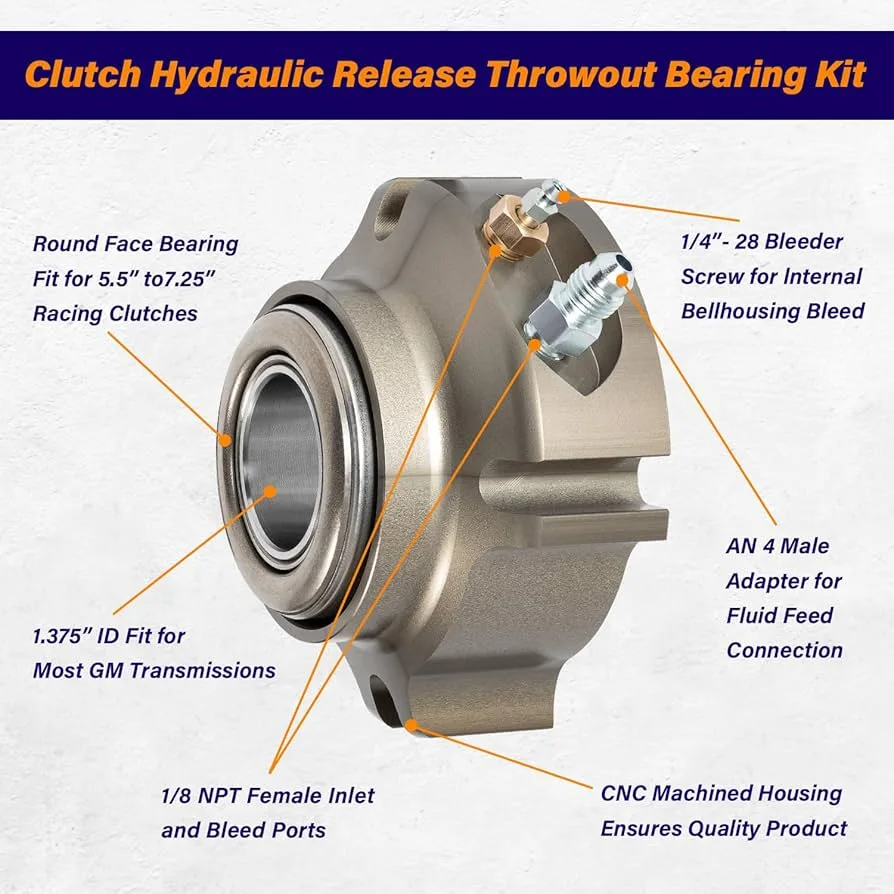
Throwout Bearing: What It Is, What It Does, and What Happens When It Fails
A throwout bearing, also called a clutch release bearing, is the part in a manual transmission system that helps disconnect the engine from the transmission when you press the clutch pedal.
The simple answer is this: the throwout bearing pushes against the clutch pressure plate so the clutch disc can disengage from the flywheel, allowing you to shift gears smoothly. When it starts failing, you may hear grinding, squealing, chirping, rattling, or whining noises when pressing the clutch pedal.
A bad throwout bearing is not something to ignore. It may start as a small noise, but if it fails completely, it can make the clutch hard to use, damage the pressure plate, and eventually leave the vehicle unable to shift properly.
What Is a Throwout Bearing?
A throwout bearing is a small but important bearing inside a manual transmission clutch system.
It sits between the clutch fork or hydraulic release mechanism and the pressure plate. When you press the clutch pedal, the release system moves the throwout bearing forward. The bearing then presses against the pressure plate fingers, releasing clamping force on the clutch disc.
That moment allows the engine and transmission to separate briefly so you can change gears.
Haynes explains the basic clutch operation clearly: the clutch connects and disconnects engine power from the gearbox so the driver can change gears. The throwout bearing is one of the key parts that makes that disengagement happen.
Why Is It Called a Throwout Bearing?
It is called a throwout bearing because it “throws out” or releases the clutch pressure.
The name sounds old-school because it is. Many mechanics also call it a clutch release bearing because that name better describes what it actually does.
Both terms mean the same thing in normal repair conversations.
If a shop tells you the release bearing is bad, they are usually talking about the throwout bearing.
Where Is the Throwout Bearing Located?
The throwout bearing is located inside the bell housing, between the engine and transmission.
That location is why replacement can be expensive. The bearing itself may not be extremely costly, but reaching it usually requires removing the transmission from the vehicle.
On most manual cars and trucks, the throwout bearing is not an easy external part you can replace in a few minutes. It is buried inside the clutch assembly area.
That is why many shops recommend replacing the full clutch kit when the throwout bearing fails, especially if the vehicle already has higher mileage.
What Does a Throwout Bearing Do?
The throwout bearing helps disengage the clutch.
When your foot is off the clutch pedal, the clutch is engaged. The engine sends power through the clutch disc into the transmission.
When you press the clutch pedal, the throwout bearing moves forward and presses on the pressure plate. That releases the clutch disc from the flywheel, allowing the transmission input shaft to slow down or separate from engine torque so you can shift gears.
When you release the pedal, the bearing moves back, the pressure plate clamps the clutch disc again, and power flows back through the drivetrain.
In simple terms: no throwout bearing, no proper clutch release.
Symptoms of a Bad Throwout Bearing
The most common symptom of a bad throwout bearing is noise when pressing the clutch pedal.
You may hear a chirping, squealing, grinding, rattling, or whining sound. The noise may appear only when the clutch pedal is pressed, or it may get worse as the pedal moves.
Other symptoms can include a rough clutch pedal feel, vibration through the pedal, difficulty shifting gears, clutch engagement problems, or a pedal that feels inconsistent.
The key clue is when the noise happens. If the noise changes when you press or release the clutch pedal, the throwout bearing becomes a strong suspect.
Throwout Bearing Noise: What It Sounds Like
A failing throwout bearing can make several different sounds.
A light chirping sound may happen in the early stages. A squealing or whining sound can appear when the bearing is dry, worn, or spinning poorly. A grinding sound is more serious and can mean the bearing is failing badly.
If the sound gets louder when you press the clutch pedal, that often points toward the throwout bearing because pressing the pedal loads the bearing against the pressure plate.
If the noise happens when your foot is off the clutch pedal, the issue may be something else, such as the input shaft bearing, pilot bearing, transmission bearing, or another clutch-related component.
Bad Throwout Bearing vs Bad Pilot Bearing
A throwout bearing and pilot bearing are not the same part.
The throwout bearing helps release the clutch when you press the pedal. The pilot bearing or pilot bushing supports the transmission input shaft where it meets the engine crankshaft.
A bad throwout bearing often makes noise when the clutch pedal is pressed.
A bad pilot bearing may make noise when the clutch is disengaged, especially when the vehicle is stopped with the clutch pedal down.
Both can create confusing clutch noises, so proper diagnosis matters. A good mechanic will listen to when the noise occurs, how the pedal feels, and whether shifting is affected.
What Causes Throwout Bearing Failure?
Throwout bearings fail from wear, heat, age, contamination, poor clutch adjustment, hydraulic problems, or driver habits.
One of the biggest causes is riding the clutch. If you rest your foot on the clutch pedal while driving, the throwout bearing can stay lightly loaded. That can make it spin more often than it should and wear out faster.
Holding the clutch pedal down for long periods at stoplights can also add wear. It is better to shift into neutral and release the clutch when safely stopped for longer periods.
Other causes include a worn clutch fork, bad clutch hydraulics, poor installation, misalignment, dirt, moisture, or a failing pressure plate.
Can You Drive With a Bad Throwout Bearing?
You can sometimes drive with a noisy throwout bearing for a short time, but it is not a smart long-term plan.
A mild noise may last for a while, but a failing bearing can get worse without much warning. If the bearing seizes, breaks apart, or damages the pressure plate, you may lose proper clutch operation.
That can make shifting difficult or impossible. It can also turn a repair that might have been a clutch service into a more expensive transmission removal and clutch-system repair.
If the noise is getting louder, the pedal feels rough, or shifting becomes difficult, stop delaying the repair.
How Much Does It Cost to Replace a Throwout Bearing?
Replacing a throwout bearing usually costs $500 to $1,500 or more, depending on the vehicle, labor rate, drivetrain layout, and whether the full clutch is replaced.
The bearing itself may only cost a small amount compared with the labor. The expensive part is removing the transmission to access it.
Because of that labor, most shops do not recommend replacing only the throwout bearing unless the clutch is nearly new. It usually makes more sense to replace the clutch disc, pressure plate, throwout bearing, pilot bearing or bushing, and sometimes resurface or replace the flywheel at the same time.
RepairPal shows clutch replacement can be a major repair because of the labor involved, and that is the same reason throwout bearing replacement often becomes part of a full clutch job.
Should You Replace the Clutch With the Throwout Bearing?
Yes, in most cases, replace the clutch when replacing the throwout bearing.
Since the transmission must usually come out, it makes sense to replace other wear parts while everything is accessible. If you replace only the bearing and the clutch fails later, you may pay the same large labor bill again.
A proper clutch job often includes:
Clutch disc.
Pressure plate.
Throwout bearing.
Pilot bearing or bushing.
Flywheel inspection.
Hydraulic inspection.
Rear main seal inspection if accessible.
This is the smarter repair because it reduces the chance of repeating the same labor.
Is a Throwout Bearing Included in a Clutch Kit?
Usually, yes.
Most clutch kits include a clutch disc, pressure plate, and throwout bearing. Some kits also include a pilot bearing or pilot bushing, alignment tool, or other small parts.
Do not assume every kit includes everything. Always check the parts list before buying.
If you are paying a shop, ask exactly what is included in the clutch replacement quote. A cheap clutch quote may not include flywheel work, hydraulic parts, rear main seal inspection, or other recommended items.
How Long Does a Throwout Bearing Last?
A throwout bearing can last 80,000 to 150,000 miles or more, depending on the vehicle and driving habits.
It may last as long as the clutch in many vehicles. But if the driver rides the clutch, sits at lights with the pedal down, or drives aggressively, the bearing can wear sooner.
City driving can also wear clutch components faster than highway driving because the clutch is used more often.
A properly driven manual vehicle can go a long time before clutch and throwout bearing replacement. A poorly driven one can wear out much sooner.
How to Make a Throwout Bearing Last Longer
The best way to protect the throwout bearing is to avoid unnecessary clutch pedal use.
Do not rest your foot on the clutch pedal while driving.
Do not hold the clutch pedal down at every long stop.
Shift into neutral when safely stopped.
Use smooth clutch engagement.
Do not slip the clutch more than necessary.
Fix hydraulic clutch problems early.
Use quality parts during clutch replacement.
A throwout bearing is designed to work when you press the clutch, not to stay loaded all the time.
Can a Bad Throwout Bearing Damage the Clutch?
Yes, a bad throwout bearing can damage the clutch system.
If the bearing fails, it can damage the pressure plate fingers. If it seizes, it may create heat, noise, rough pedal feel, and poor clutch release. In severe cases, it can contribute to clutch drag, difficult shifting, or complete clutch release failure.
This is why early diagnosis matters. A small bearing noise can eventually become a larger clutch repair.
Throwout Bearing Replacement Labor
Throwout bearing replacement is labor-heavy because the transmission must usually be removed.
On a rear-wheel-drive vehicle, the job may be more straightforward than on a front-wheel-drive car, but it still takes time. On some all-wheel-drive vehicles, performance cars, trucks, or compact engine bays, the job can be more involved.
Labor time is the main reason the cost varies so much.
If the shop already has the transmission out, it is usually wise to inspect the clutch, flywheel, rear main seal, clutch fork, hydraulic slave cylinder, and pilot bearing.
Manual Transmission Diagnosis: Do Not Guess
Clutch noises can be tricky.
A noise that sounds like a throwout bearing may also come from the pilot bearing, input shaft bearing, clutch fork, pressure plate, transmission, or even engine-related vibration.
Before approving a major repair, ask the mechanic to explain how they diagnosed it. The timing of the noise matters. Whether it happens with the pedal up, pedal down, in neutral, in gear, moving, or stopped can all point to different causes.
A good diagnosis can save money and prevent replacing the wrong part.
FAQs About Throwout Bearings
What is a throwout bearing?
A throwout bearing, also called a clutch release bearing, is the part that presses against the clutch pressure plate when you push the clutch pedal. It helps disengage the clutch so you can shift gears.
What are symptoms of a bad throwout bearing?
Common symptoms include squealing, chirping, grinding, rattling, or whining when pressing the clutch pedal. You may also feel clutch pedal vibration, rough pedal movement, or difficulty shifting.
Can I drive with a bad throwout bearing?
You may be able to drive for a short time if the noise is mild, but it is risky. If the bearing fails completely, you may lose proper clutch operation and damage other clutch components.
How much does it cost to replace a throwout bearing?
Throwout bearing replacement often costs $500 to $1,500 or more because the transmission usually has to be removed. Many shops recommend replacing the full clutch kit at the same time.
Should I replace the clutch with the throwout bearing?
Yes, usually. Since the transmission is already out, it often makes sense to replace the clutch disc, pressure plate, throwout bearing, and pilot bearing together.
How long does a throwout bearing last?
A throwout bearing can last 80,000 to 150,000 miles or more, depending on driving habits, vehicle design, clutch condition, and maintenance.
What causes a throwout bearing to fail?
Common causes include normal wear, riding the clutch, holding the clutch pedal down for long periods, heat, poor installation, clutch misalignment, contamination, or related clutch-system problems.
Final Thoughts: A Small Bearing With a Big Job
The throwout bearing is small, but it plays a major role in how a manual transmission vehicle shifts.
When it is healthy, you barely notice it. When it starts failing, you may hear squealing, grinding, chirping, or rattling every time you press the clutch pedal. Ignoring it can lead to clutch damage, poor shifting, and a more expensive repair.
If your clutch makes noise when you press the pedal, get it inspected before it gets worse. A throwout bearing problem is much easier to manage early than after it damages the rest of the clutch system.
Connect with us


