





Yes, in most cases, it is better to warm up the transmission before changing the fluid, but you do not need to make it dangerously hot.
The simple answer is this: warm transmission fluid drains faster and carries more suspended contaminants out with it, but the final fluid level must be checked exactly the way the manufacturer specifies. That last part matters most. Some transmissions need the fluid checked hot, some warm, some at a specific scan-tool temperature, and some with the engine running.
Mobil says transmission fluid drains better at operating temperature and recommends letting the vehicle idle for a few minutes before draining. For some Ram transmissions, Mopar says the fluid level is best checked at normal operating temperature, around 158 to 176°F, or 70 to 80°C.
Why Warm Transmission Fluid Drains Better
Transmission fluid gets thinner when it warms up.
That means it flows out faster when you remove the drain plug or transmission pan. Warm fluid can also carry more suspended clutch material, metal particles, and old fluid residue out of the transmission.
Cold fluid is thicker. It drains slower and may leave more old fluid behind in the pan, valve body area, and passages.
That is why many mechanics prefer a warm transmission fluid change instead of a cold one.
Warm Does Not Mean Burning Hot
You do not need to drive for an hour or make the transmission extremely hot.
For most DIY drain-and-fill jobs, a short drive or a few minutes of idling is enough to warm the fluid slightly. The goal is to make the fluid flow better, not to create a burn hazard.
Hot ATF can burn skin. Exhaust parts, transmission pans, catalytic converters, and nearby components can also be dangerously hot.
A safe DIY approach is usually:
Drive gently for 5 to 10 minutes.
Park on a level surface.
Let the vehicle sit briefly if it is too hot to work around safely.
Use gloves and eye protection.
Drain carefully.
If the pan or exhaust is too hot to touch safely, wait.
The Fluid Level Check Is the Real Key
Warming the transmission before draining is helpful, but checking the final level correctly is critical.
Automatic transmission fluid expands as it heats up. That means the fluid level reading changes with temperature. If you fill it cold when the procedure requires hot, you may underfill or overfill it. If you check it with the engine off when the procedure requires engine running, the reading may be wrong.
That is where many DIY mistakes happen.
Car Talk explains that transmission fluid checking procedures vary by vehicle. Some are checked warm with the engine running, some are checked with the engine off, and some require a specific fluid temperature.
So the best answer is not “always hot” or “always cold.” The best answer is: follow the exact service procedure for your vehicle.
Dipstick Transmissions vs Sealed Transmissions
Older transmissions often have a dipstick.
These are usually easier for DIYers because you can check fluid level from the engine bay. Many dipstick transmissions have hot and cold marks, but the correct reading still depends on the manufacturer’s instructions.
Newer transmissions often do not have a traditional dipstick. These are sometimes called sealed transmissions, even though they still have fluid and may still be serviceable. They often require a fill plug, level plug, scan tool, or instrument-cluster temperature reading.
CarCareKiosk notes that vehicles without a transmission dipstick often use a check valve or plug underneath, and the vehicle must be level when the fluid is checked.
That is why sealed transmissions are more difficult for DIY fluid changes.
Should You Warm Up a Manual Transmission?
Manual transmissions are different.
A manual gearbox does not usually have the same fluid-level temperature sensitivity as many automatic transmissions. Warming the fluid can still help it drain faster, but the level is often checked by the fill plug height rather than a hot/cold dipstick mark.
Still, use the correct gear oil or manual transmission fluid. Do not assume automatic transmission fluid and manual transmission fluid are interchangeable.
Drain-and-Fill vs Flush
A drain-and-fill removes only part of the transmission fluid.
A lot of old fluid can remain in the torque converter, cooler lines, valve body, and internal passages. That is normal. Some owners repeat drain-and-fill service after driving for a short period to gradually refresh more of the fluid.
A flush replaces more fluid, but it should be done carefully and with the correct fluid. On a neglected high-mileage transmission, an aggressive flush can sometimes expose existing problems. The fluid change did not always “cause” the failure, but it may reveal a transmission that was already worn.
For many DIYers, a simple drain-and-fill with the correct fluid is the safer approach.
Should You Change the Filter Too?
If your transmission has a serviceable filter, replacing it during a pan-drop service is often smart.
Some filters are inside the pan and easy to access once the pan is removed. Others are internal and require deeper disassembly. Some modern transmissions use integrated pan/filter assemblies.
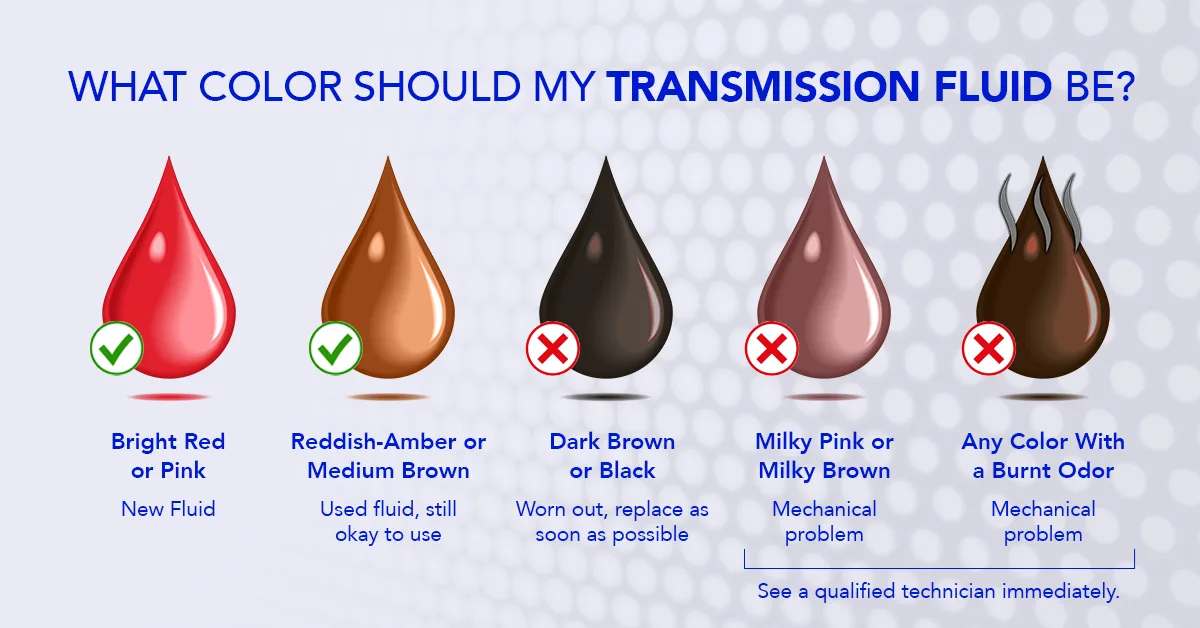
If the transmission pan is coming off, inspect the magnet, pan debris, gasket, and filter. A light film of gray material on the magnet can be normal. Large metal chunks, heavy debris, burnt smell, or black fluid are warning signs.
What Happens If You Check the Fluid at the Wrong Temperature?
You can end up with the wrong fluid level.
An underfilled transmission may slip, shift harshly, hesitate, overheat, or damage clutch packs.
An overfilled transmission can foam the fluid, cause erratic shifting, leaks, overheating, and pressure problems.
This is why many modern service procedures specify a narrow fluid temperature range. The fluid level is only accurate when the transmission is in that range.
For example, the Mopar Ram procedure says level checking is best at normal operating temperature and that the engine should remain running during the procedure.
Can You Change Transmission Fluid Cold?
Yes, you can drain transmission fluid cold, but it may not be ideal.
Cold fluid drains slower. It may leave more old fluid behind. It may also make it harder to estimate refill amount if the service procedure depends on operating temperature.
However, some DIYers prefer cold drain-and-fill work because it reduces burn risk and allows a measured “same amount out, same amount in” approach. That can work only if the transmission was already at the correct level before draining and the vehicle’s service procedure allows a proper final level check afterward.
The safest plan is still to perform the final level check by the book.
How Warm Should the Transmission Be?
For a basic DIY service, warm enough to flow well is usually enough.
For the final level check, the correct temperature depends on the vehicle. Some procedures specify a range around normal operating temperature. Others require a scan tool reading, dashboard transmission temperature display, or fluid temperature chart.
Do not guess if the vehicle has no dipstick. Look up the official procedure first.
How to Warm the Transmission Properly
To warm the transmission before a fluid change, drive gently for a short time.
A normal 5 to 10 minute drive is usually enough for a drain-and-fill. Shift through all gears, drive normally, and avoid hard acceleration. The goal is not to overheat the fluid.
If the procedure requires the final level to be checked hot, you may need to bring the transmission to the exact target range after refilling. That may require idling, shifting through gear positions, using a scan tool, or driving until the temperature is correct.
Use the Exact Transmission Fluid Spec
Do not guess on fluid type.
Transmissions are extremely sensitive to fluid chemistry, friction modifiers, viscosity, and manufacturer specifications. The wrong fluid can cause harsh shifts, slipping, shudder, overheating, and long-term damage.
For Ram, Dodge, Jeep, Chrysler, Toyota, Honda, Ford, GM, Nissan, Hyundai, Kia, BMW, Mercedes-Benz, and other brands, use the fluid spec listed in the owner’s manual or service information.
“Universal” fluid should only be used if it clearly lists your required specification.
Do Not Change Fluid If the Transmission Is Already Failing Without Diagnosis
If the transmission is slipping, banging into gear, flaring shifts, overheating, or full of burnt fluid, do not assume a fluid change will fix it.
A fluid change can help if the issue is low, old, or wrong fluid. But if clutches are worn, solenoids are failing, or the torque converter is damaged, fluid alone may not solve the problem.
A fluid service on a failing transmission should be done with realistic expectations.
DIY Transmission Fluid Change Checklist
Use the correct fluid.
Use the correct filter and gasket if applicable.
Warm the fluid slightly before draining.
Keep the vehicle level.
Measure what comes out.
Inspect the old fluid.
Inspect the pan and magnet.
Replace the filter if serviceable.
Torque pan bolts correctly.
Refill slowly.
Check level using the manufacturer procedure.
Do not overfill.
Test drive gently.
Recheck for leaks.
FAQs About Warming Up Transmission Fluid
Does transmission fluid need to be warm before changing it?
It is usually better if it is warm because warm fluid drains faster and carries more contaminants out. But it does not need to be dangerously hot.
Can you change transmission fluid cold?
Yes, but cold fluid drains more slowly and may leave more old fluid behind. The final level still needs to be checked according to the vehicle’s service procedure.
Should the engine be running when checking transmission fluid?
It depends on the vehicle. Many automatic transmissions are checked with the engine running, but some are not. Always follow the owner’s manual or service procedure.
Why does transmission fluid level change when hot?
Transmission fluid expands as it warms up. That is why hot and cold readings can differ and why many transmissions require a specific temperature range for accurate level checking.
Is a transmission flush better than a drain-and-fill?
Not always. A drain-and-fill is often safer and simpler for DIYers. A flush replaces more fluid but should be done correctly and may not be ideal for neglected high-mileage transmissions.
Can changing transmission fluid cause problems?
Changing fluid does not usually damage a healthy transmission. But if the transmission is already worn or failing, fresh fluid may reveal existing issues. Wrong fluid or wrong level can definitely cause problems.
Final Thoughts: Warm It Up, But Check It Correctly
A transmission does not have to be fully hot before a fluid change, but warming it up is usually helpful.
Warm fluid drains better, flows faster, and can carry more old material out of the transmission. But the most important step is not the drain temperature. It is the final fluid-level check.
Use the correct fluid, keep the vehicle level, avoid burns, and follow the exact service procedure for your transmission. That is what separates a proper fluid change from an expensive mistake.