Every year, people argue endlessly about the most reliable truck, the most reliable pickup truck, or the most reliable full-size truck.
Spec sheets get posted. Brand loyalty flares up. Marketing wins the conversation.
Then Reddit shows up and ruins everything.
Buried in long threads full of mechanics, soldiers, contractors, and people who have actually abused trucks for a living, one conclusion keeps coming back with uncomfortable consistency:
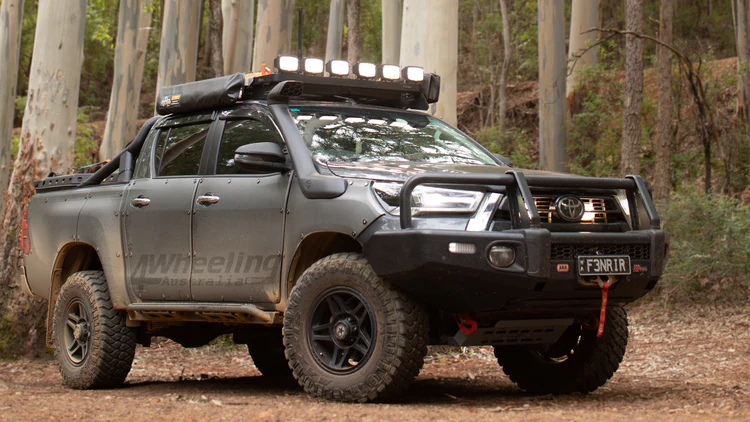
If you ever come across a Toyota Hilux, let nothing stand in your way of owning it.
And that’s not hyperbole. That’s experience talking.
“You Literally Can’t Kill It” — The Comment That Says Everything
One Reddit comment with 700+ upvotes summed it up better than any automotive journalist ever could:
“If you ever come across a Toyota Hilux, let nothing stand in your way of owning it. Top Gear did a segment on one, you literally can’t kill it.”
That Top Gear episode didn’t review the Toyota Hilux. They tried to destroy it.
Flooded it. Set it on fire. Dropped a building on it.
It still ran.
That episode didn’t create the Hilux legend. It confirmed what people in war zones, deserts, mountains, and farms already knew.
Why Americans Keep Saying “I Wish We Got the Hilux”
Reddit is full of this exact sentiment:
“Really wish we would get the Hilux in the states… I had one in Afghanistan and it was amazing.”
That’s not nostalgia. That’s field experience.
In Afghanistan, the Middle East, Africa, and parts of South America, the Hilux isn’t a lifestyle truck. It’s infrastructure. It’s used because:
It runs on bad fuel
It survives heat, dust, and neglect
It can be fixed with basic tools
It doesn’t quit when everything else does
That’s why guerrilla fighters, NGOs, farmers, and militaries all independently chose the same truck.
Not because it looks good. Because it works.
“Why Is the Hilux Banned in the U.S.?”
This question comes up every single time.
One Redditor asked:
“If the Hilux is banned in the U.S. for safety standards, how are people importing and driving them?”
The answer is frustratingly simple.
The Chicken Tax
Another user dropped the real explanation:
“Look up the chicken tax. That’s why we can’t get good small trucks imported here.”
The Chicken Tax is a decades-old tariff that makes importing light trucks financially impossible. That’s why the Hilux never officially came to the U.S. — not because it’s unsafe, but because it would undercut domestic trucks too hard.
Ironically, as another commenter pointed out:
“U.S. trucks don’t meet the safety standards in a lot of other countries either.”
“So How Are People Driving Hiluxes in the U.S.?”
Because of loopholes.
Reddit explains it bluntly:
Importers bring in Hilux models that are 25 years old
Japanese-market imports are legal under classic vehicle rules
You just need money, patience, and paperwork
That’s why you occasionally see a Hilux in the wild — and why its owner will never sell it.
The Military Stories That Seal the Deal
One of the most telling comments didn’t come from a car enthusiast. It came from someone who watched special forces abuse these trucks daily:
“The SEALs on our base took a Hilux and chopped everything off so it was just two seats, the frame, and the wheels… and they drove it like that.”
Another commenter added:
“US Special Forces converted Tacomas into Hiluxes by swapping front clips. Close enough.”
That’s not marketing. That’s operational trust.
When lives depend on a vehicle starting every time, nobody cares about brand image.
So… Is the Hilux the Most Reliable Truck Ever?
If reliability means:
Surviving neglect
Running after catastrophic abuse
Being repaired anywhere in the world
Functioning without dealer support
Then yes — the Hilux might be the most reliable truck ever built.
But there’s a catch.
The Best Trucks Americans Can Actually Buy
Since most people can’t realistically get a Hilux, Reddit consensus usually shifts to these alternatives:
Toyota Tacoma
Often described as “the Hilux we’re allowed to have.” Not as indestructible, but extremely durable and proven.
Toyota Tundra
Overbuilt, understressed, and famous for million-mile examples.
Ford Ranger (older generations)
Simple, honest, and shockingly long-lasting.
These trucks don’t get the same mythical stories — but they share the same engineering philosophy: simplicity over innovation.
Why Modern Trucks Struggle to Match This
Reddit threads consistently blame the same killers:
Electronics overload
Downsized turbo engines
Emissions systems
First-year redesigns
The Hilux avoids all of that.
That’s why it wins.
The Brutally Honest Conclusion
If you ask Reddit:
Most reliable truck ever: Toyota Hilux
Most reliable truck you can buy in the U.S.: Toyota Tacoma
Most reliable full-size truck: Toyota Tundra
And the reason is painfully simple:
Reliability doesn’t come from innovation. It comes from restraint.
That’s not exciting. But it works — everywhere on Earth.
Below are 15 high-CTR, click-bait FAQs written specifically to rank for “most reliable truck / most reliable pickup truck / most reliable trucks of all time”, aligned with informational + commercial intent and reinforced by real Reddit ownership sentiment (Hilux/Tacoma angle).
1. What is the most reliable truck ever built?
Based on real-world abuse, military use, and decades of owner reports, the Toyota Hilux is widely considered the most reliable truck ever built. It’s famous for surviving conditions that destroy normal vehicles.
2. Why do people say the Toyota Hilux is “impossible to kill”?
Because it has been flooded, burned, crushed, stripped down, and still driven. Even Top Gear failed to destroy one, which cemented its global reputation for indestructibility.
3. Why isn’t the Toyota Hilux sold in the United States?
The Hilux is blocked mainly due to the Chicken Tax, a U.S. tariff on imported light trucks. It’s not because the truck is unreliable or unsafe, but because it would compete too effectively with domestic pickups.
4. What is the most reliable truck you can actually buy in the U.S.?
For American buyers, the closest equivalent to the Hilux is the Toyota Tacoma, which consistently ranks as the most reliable pickup truck sold in the U.S.
5. Is the Toyota Tacoma really that reliable long-term?
Yes. Tacomas regularly exceed 300,000–400,000 miles with original engines and transmissions. It’s the most frequently recommended truck by mechanics and long-term owners.
6. What is the most reliable full-size truck?
Among full-size pickups, the Toyota Tundra is widely regarded as the most reliable due to its overbuilt engines and conservative engineering.
7. Are American trucks less reliable than Toyota trucks?
Not always, but Toyota trucks are more forgiving of neglect. American trucks like the Ford F-150 can be very reliable if you choose the right engine and model year.
8. Which American truck has the best reputation for reliability?
Older generations of the Ford F-150 and Chevrolet Silverado with simpler drivetrains are known to last a long time, especially when electronics are kept minimal.
9. Are diesel trucks more reliable than gas trucks?
Older diesel engines like the 7.3 Power Stroke and 5.9 Cummins are legendary for longevity, often reaching 500,000–1,000,000 miles. Modern diesels are more complex and less forgiving.
10. What trucks do militaries and NGOs rely on most?
Globally, militaries, aid groups, and contractors overwhelmingly rely on the Toyota Hilux because it runs on poor fuel, survives extreme climates, and can be repaired anywhere in the world.
11. Why do guerrilla fighters and special forces use Toyota pickups?
Because Toyota trucks keep running when supply chains fail. Reddit users and military veterans consistently mention Hilux and Tacoma platforms being used due to their reliability under extreme abuse.
12. Are newer trucks less reliable than older trucks?
In many cases, yes. Newer trucks often suffer from electronics overload, turbo stress, and emissions complexity. Older, simpler trucks tend to last longer with fewer catastrophic failures.
13. What usually kills trucks, if not engines?
Rust, electronics, emissions systems, and neglected maintenance kill trucks far more often than engines or transmissions. That’s why simpler trucks dominate reliability discussions.
14. Is buying the “most reliable truck” actually worth it?
Yes. Reliable trucks cost less to maintain, depreciate slower, and remain usable long after payments end. That’s why Tacomas and Tundras hold some of the highest resale values in the market.
15. So, which truck is the most reliable overall?
Here’s the honest breakdown:
Most reliable truck ever: Toyota Hilux
Most reliable pickup truck in the U.S.: Toyota Tacoma
Most reliable full-size truck: Toyota Tundra
Different markets, same philosophy: simple engineering beats flashy innovation every time.
The Data Finally Settles the Argument (and the Results Are Not What People Expect)
Every year, buyers ask the same questions:
What is the most reliable SUV?
Which SUV is the most reliable long-term?
What is the most reliable and luxurious SUV?
And every year, the answers online are vague, opinionated, or stuck in the past.
This time, we’re not guessing.
Below is a clean rewrite based entirely on the latest reliability scores, owner satisfaction data, and road-test results. Some winners make sense. Others will genuinely surprise you.
First, a Reality Check About “SUV Reliability”
Reliability is not the same as:
Being expensive
Feeling luxurious
Having the best road test score
True reliability rankings weigh:
Predicted failure rates
Long-term ownership issues
Consistency across trims
Owner satisfaction after the honeymoon period
That’s why some “boring” SUVs dominate this list, while some popular ones barely make it.
The Most Reliable Compact SUVs (2025)
This is where the data gets uncomfortable for brand loyalists.
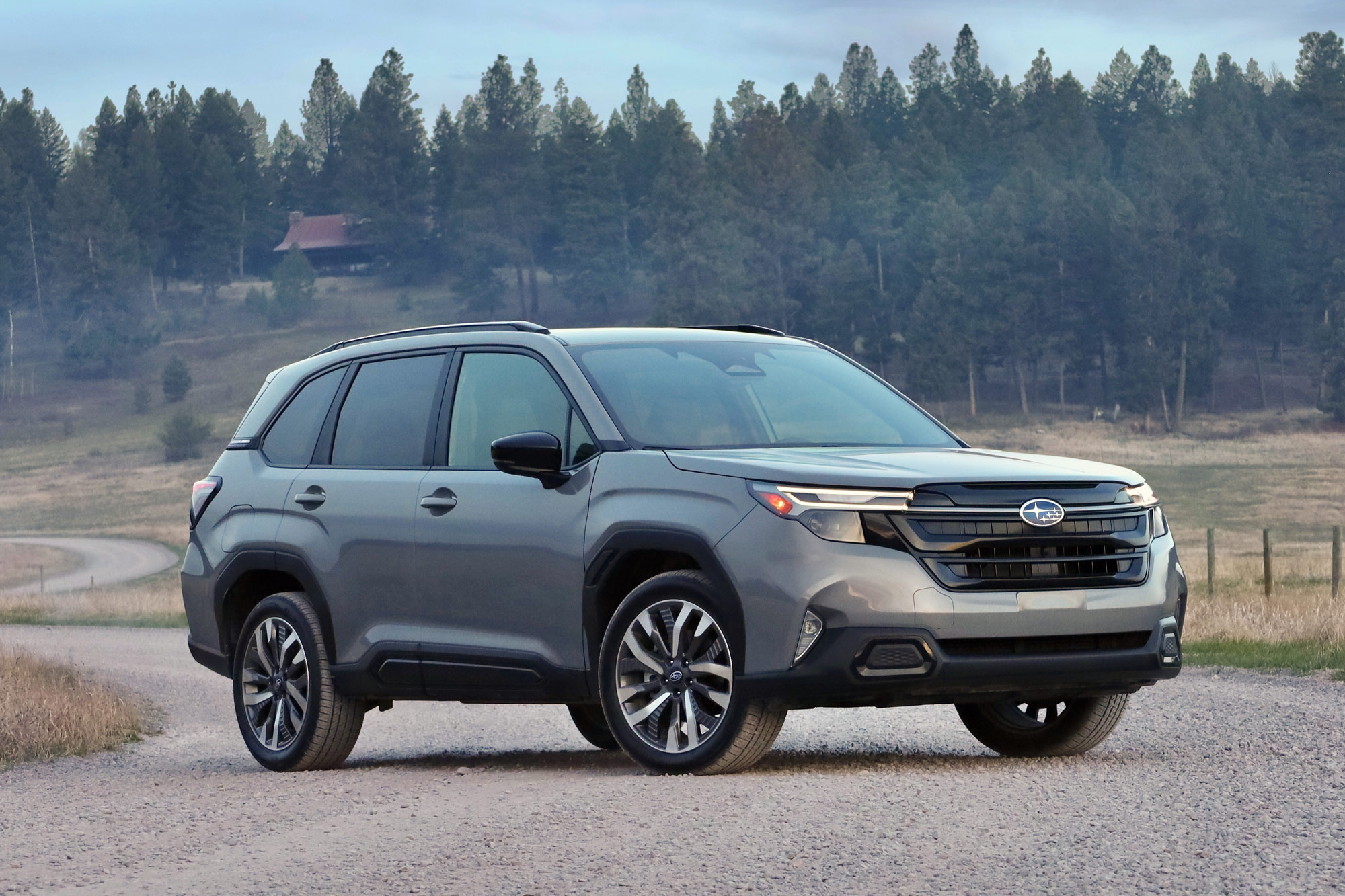
🥇 Subaru Forester (2025)
Reliability score: 98 / 100
Yes, 98.
The Forester isn’t flashy, fast, or luxurious, but from a pure reliability standpoint, nothing else in the compact SUV segment touches it right now. High road-test scores, strong owner satisfaction, and extremely low predicted failure rates put it at the top.
This is the SUV people keep for 10–15 years without drama.
🥈 Toyota RAV4 (2025)
Reliability score: 86 / 100
The RAV4 remains the safe answer for a reason. It doesn’t lead the category anymore, but it stays near the top thanks to conservative engineering and predictable ownership costs.
It’s not the most exciting SUV on the road. It is one of the least risky.
🥉 Toyota RAV4 Plug-In Hybrid (2025)
Reliability score: 84 / 100 | Satisfaction: 5 / 5
This one surprises people.
Despite the added complexity of a plug-in hybrid system, the RAV4 PHEV scores extremely well for reliability and satisfaction. Owners love it, even if the price is higher.
Other Standouts Worth Noting
Toyota RAV4 Hybrid – Consistent, predictable, boring in the best way
Subaru Crosstrek – Solid all-rounder with strong road-test results
The Shockers
Seeing the Chevrolet Trailblazer and Ford Escape even near this list will surprise many people. They’re not leaders, but their reliability scores are no longer disastrous.
The Most Reliable Midsize SUVs (2024–2025)
This category proves one thing very clearly: Toyota and Lexus still run this segment.
🥇 Ford Edge (2024)
Reliability score: 74 / 100
This one blindsides almost everyone.
The Edge quietly earned one of the highest reliability scores in the midsize class. No hype. No fanbase. Just solid, boring dependability.
🥈 Toyota Venza (2024)
Reliability score: 71 / 100
Hybrid efficiency without Toyota’s usual reliability penalty. Not exciting, but extremely safe as a long-term ownership bet.
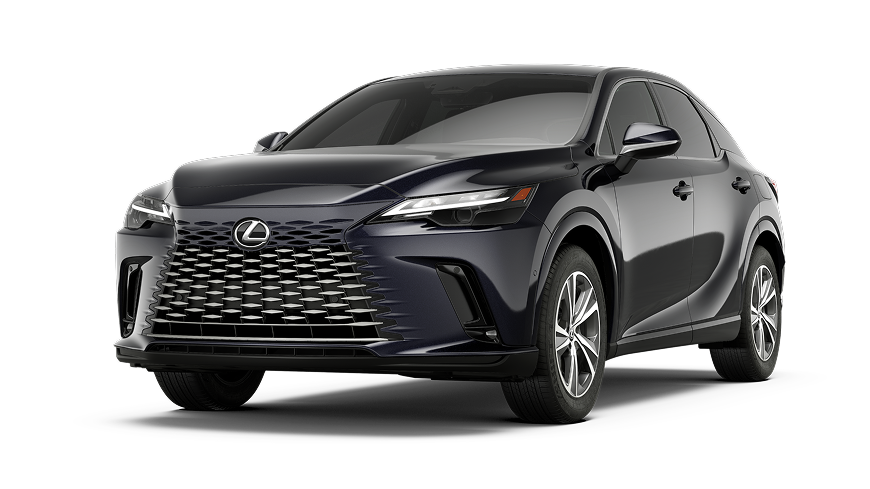
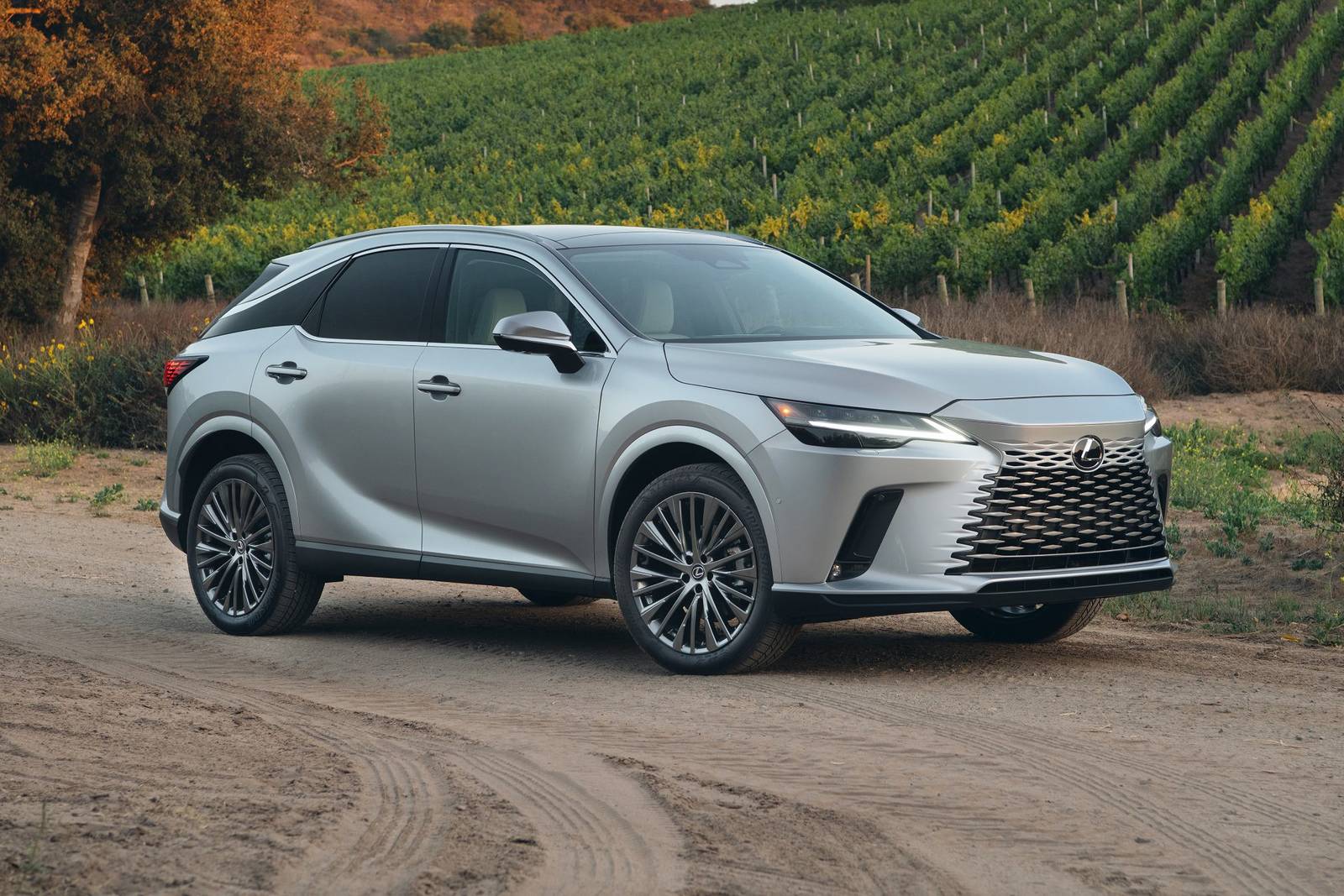
🥉 Lexus RX Hybrid (2025)
Reliability score: 67 / 100 | Road test: 86 / 100
If your question is “what is the most reliable and luxurious SUV?”, this is the most defensible answer.
Luxury SUVs usually fall apart as they age. The RX Hybrid doesn’t.
Also Making the Cut
Toyota Highlander
Toyota Highlander Hybrid
Toyota Land Cruiser – Lower road-test score, absurd durability
BMW X5 – Shockingly strong reliability and top-tier satisfaction
Yes, BMW showing up here is real — and unexpected.
The Most Reliable Large SUVs (2025)
This is the hardest category to win. Size and complexity destroy reliability.
Still, a few survive.
Top Performers
Lexus GX – Old-school engineering still works
Lexus TX Hybrid – Strong reliability with modern comfort
Toyota Sequoia – Built like a tank, drives like one too
BMW X7 – Expensive, but better than expected
Large SUVs rarely excel here. These are exceptions, not rules.
The Most Reliable Electric SUVs (And Why This List Is Awkward)
Electric SUVs are improving — but the data is blunt.
Highest-Ranked EV SUVs for Reliability
Nissan Ariya
Lexus RZ
Audi Q4 e-tron
The Problem?
They score lower in owner satisfaction, mainly due to slow charging and real-world usability issues.
Ironically, the fastest-charging EV SUVs — like those from Kia and Hyundai — score worse for predicted reliability.
Progress comes with growing pains.
So… Which SUV Is the Most Reliable?
Here’s the clean answer buyers actually need:
Most reliable SUV overall: Subaru Forester
Safest mainstream choice: Toyota RAV4
Most reliable and luxurious SUV: Lexus RX Hybrid
Best midsize surprise: Ford Edge
Built-to-last large SUV: Lexus GX / Toyota Land Cruiser
There is no single winner for everyone.
But there are clear winners if you care about keeping your SUV long after the warranty expires.
Final Take (No Marketing Spin)
If reliability is your top priority, the data keeps repeating the same lesson:
Conservative engineering beats innovation every single time.
The SUVs that last aren’t the ones trying to impress you today. They’re the ones designed to still function a decade from now.
1. What is the most reliable SUV you can buy right now?
Based on the latest reliability scores, the Subaru Forester (2025) currently ranks as the most reliable SUV overall, with a near-perfect reliability score that beats every major competitor.
2. Why did the Subaru Forester suddenly beat Toyota in reliability?
Because Subaru has kept the Forester mechanically conservative while competitors added complexity. Fewer drivetrain changes and proven components pushed its predicted reliability far ahead this year.
3. Is the Toyota RAV4 still one of the most reliable SUVs?
Yes. The Toyota RAV4 remains one of the safest reliability choices on the market, even if it no longer sits at the absolute top of the rankings.
4. Which SUV is the most reliable and luxurious at the same time?
The Lexus RX Hybrid is the strongest answer. It combines above-average reliability with high owner satisfaction, something most luxury SUVs fail to do long-term.
5. Are hybrid SUVs more reliable than gas SUVs?
In many cases, yes. Toyota and Lexus hybrids consistently score as reliable or more reliable than their gas equivalents because the hybrid systems reduce engine and transmission stress.
6. Why do Toyota and Lexus dominate SUV reliability rankings?
Because they introduce new technology slowly and reuse proven platforms. That conservative approach results in fewer failures once vehicles age past the warranty period.
7. Which midsize SUV reliability result surprised experts the most?
The Ford Edge. It earned one of the highest reliability scores in its class, outperforming several brands with stronger reputations.
8. Are luxury SUVs usually less reliable?
Yes. Luxury SUVs typically suffer from complex electronics and experimental features. Lexus is the rare exception because it prioritizes durability over innovation.
9. What is the most reliable large SUV?
Among large SUVs, the Lexus GX stands out thanks to old-school engineering and a proven platform that sacrifices modern flair for longevity.
10. Are electric SUVs reliable yet?
Not fully. Electric SUVs from Lexus, Nissan, and Audi score highest for predicted reliability, but they still lag behind gas and hybrid SUVs in owner satisfaction due to charging limitations.
11. Why do some popular SUVs score low in reliability despite strong reviews?
Early reviews focus on comfort and technology, not long-term durability. Reliability scores reflect issues that appear years later, especially with electronics and powertrain complexity.
12. Is it smarter to buy a highly reliable SUV than a fun or powerful one?
If long-term ownership matters, yes. Reliable SUVs cost less to maintain, depreciate slower, and cause fewer ownership headaches over 8–12 years.
13. What’s the biggest mistake people make when shopping for a “reliable SUV”?
They focus on brand reputation alone instead of specific model-year data. Even reliable brands produce weak years, and average brands occasionally produce standout vehicles.
Every year, millions of buyers search “most reliable car brands” hoping for a simple answer. What they usually get is a watered-down list filled with marketing fluff, short-term quality awards, and brands that look great for the first three years and then quietly fall apart.
This is not that list.
This is about which car brands still work when the warranty is gone, the payments are over, and repairs come out of your own pocket. The brands that mechanics trust, owners keep for decades, and forums are full of 300,000 km stories instead of excuses.
Some of the results will not surprise you. A few will absolutely annoy certain fanbases.
What “Most Reliable” Actually Means (Not the Marketing Version)
True long-term reliability is about:
Engines that tolerate abuse
Transmissions that don’t grenade after 150,000 km
Electronics that don’t age like smartphones
Parts that are affordable and widely available
It is not about:
Touchscreens
Launch reviews
Horsepower wars
Short-term “initial quality” trophies
With that cleared up, here’s what the latest long-term data and ownership patterns really show.
1. Toyota — Still the King, and It’s Not Even Close
Toyota’s dominance in reliability isn’t luck. It’s philosophy.
Toyota avoids radical redesigns, introduces new tech slowly, and over-engineers critical components. Their engines are rarely stressed. Their transmissions are tuned for survival, not excitement.
That’s why Toyotas routinely cross 300,000 km (186,000 miles) with nothing more than oil changes, brakes, and suspension wear.
They may not always be thrilling, but when people say “I just want something that works,” they’re describing Toyota.
2. Lexus — Luxury Without the Reliability Tax
Lexus is proof that luxury does not have to mean fragile.
While most luxury brands chase cutting-edge tech and complexity, Lexus sticks to proven Toyota platforms and refines them. The result is luxury vehicles that age like economy cars instead of science experiments.
Owners don’t just keep Lexus vehicles longer. They complain less while doing it.
That’s why Lexus consistently ranks as the most reliable luxury brand, year after year.
3. Mazda — The Brand That Quietly Beat Everyone
Mazda might be the most underrated reliability brand of the last decade.
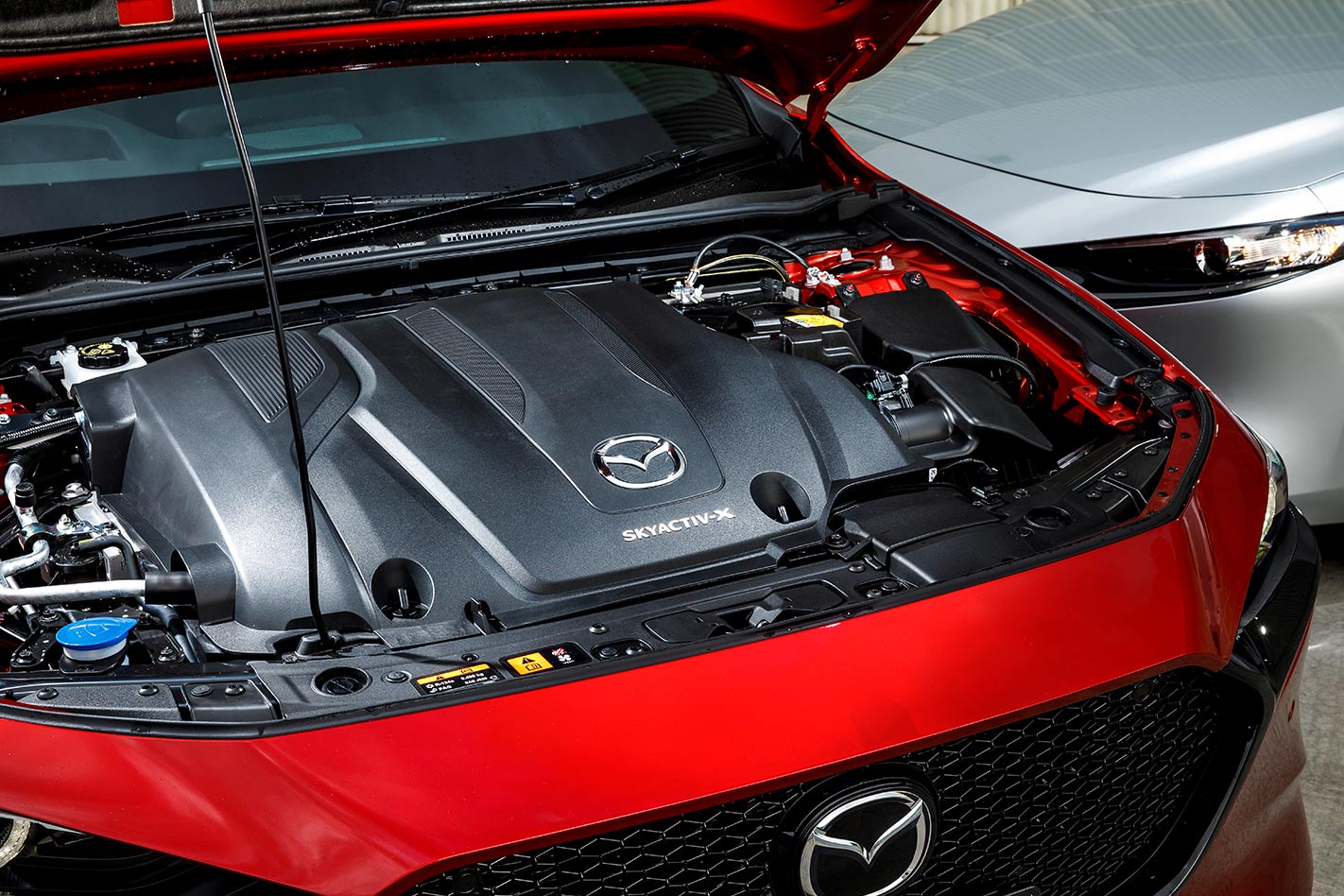
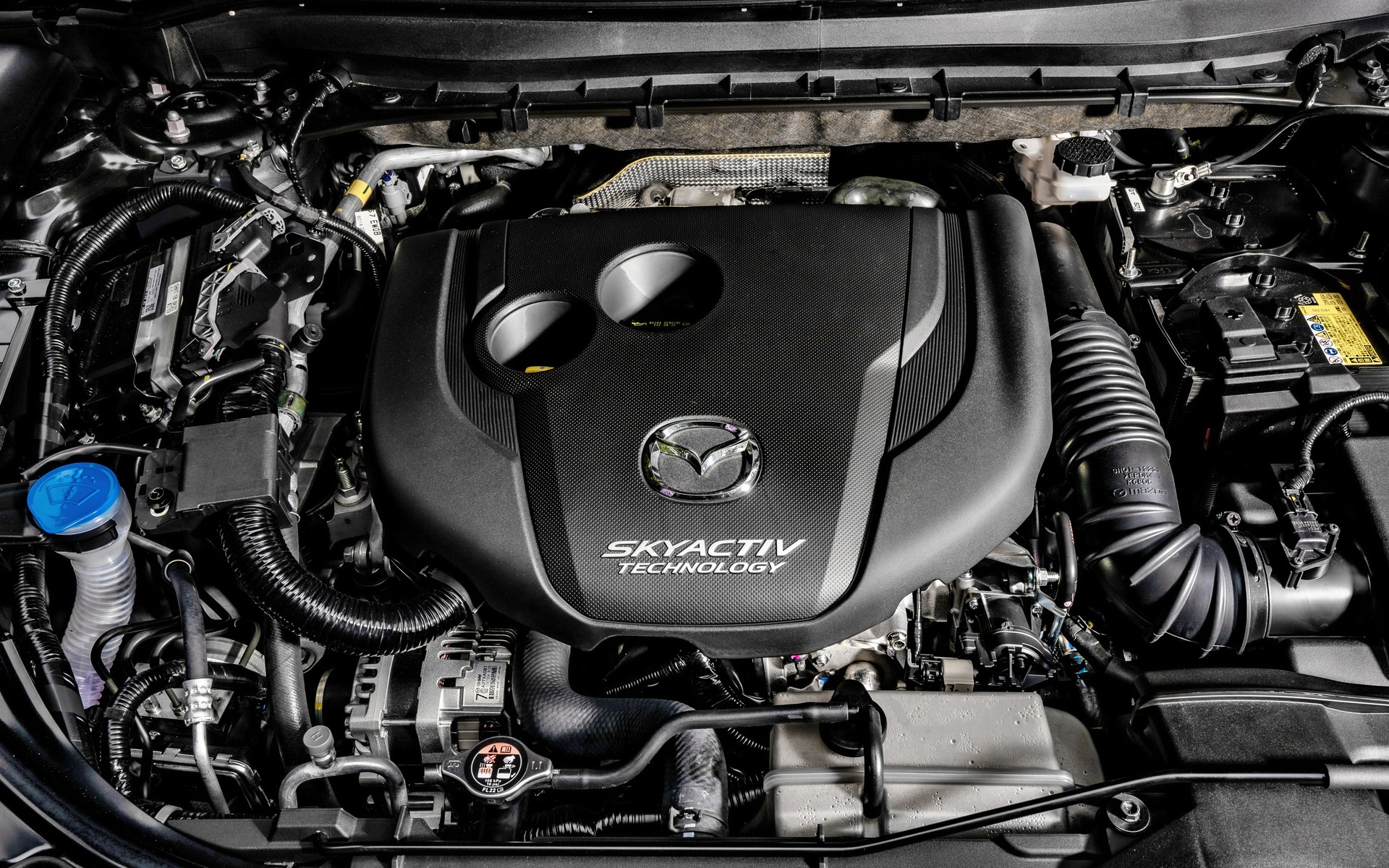
While competitors rushed into small turbo engines and complex dual-clutch transmissions, Mazda stuck with naturally aspirated engines, traditional automatics, and simple mechanical layouts.
Their Skyactiv engines are now widely regarded as some of the most durable modern engines on the road.
Mazda doesn’t scream reliability in ads. Owners discover it years later when nothing breaks.
4. Honda — Still Strong, Just Less Forgiving Than Before
Honda built its reputation on engines that seemed physically incapable of dying.
While newer models are more complex than old Hondas, the brand still ranks near the top for long-term dependability when properly maintained.
Honda engines are efficient, durable, and well-understood by mechanics worldwide. Skip maintenance, though, and modern Hondas are less forgiving than the legends of the 1990s.
Still, when cared for, Hondas age gracefully.
5. Subaru — Reliable When You Respect the Rules
Subaru reliability sparks endless debate, and here’s why.
Subarus are reliable if you maintain them exactly as intended. Ignore maintenance or abuse them, and they will let you know quickly.
Owners who follow service schedules often keep Subarus well past 250,000 km. Owners who don’t become loud critics online.
All-wheel drive adds complexity, but it doesn’t automatically mean unreliability. Neglect does.
Brands That Didn’t Make the Cut (And Why That Matters)
Several brands consistently fall behind in long-term reliability rankings due to:
Overcomplicated electronics
Early adoption of unproven tech
Cost-cutting in critical components
This is especially true among newer EV-focused brands and luxury manufacturers that prioritize innovation speed over durability testing.
New doesn’t mean bad. It just means unproven.
The EV Reality Nobody Likes to Admit (Yet)
Electric vehicles are improving, but current long-term data still shows higher problem rates than traditional gasoline and hybrid vehicles, mainly due to software, electronics, and early-generation design issues.
That gap is closing, but as of now, gas and hybrid platforms still dominate reliability rankings.
The Hard Truth About Reliability Rankings
Here’s the part most articles avoid:
Brand reliability matters, but model-specific reliability matters more.
A reliable brand can still produce a problematic model. An average brand can produce a rock-solid one. That’s why buyers who research specific engines and generations win long-term.
Blind brand loyalty is how people get burned.
What Smart Buyers Do Differently
Buyers who end up with reliable cars tend to:
Choose proven powertrains
Avoid first-year redesigns
Prioritize maintenance history over mileage
Ignore gimmicks and focus on fundamentals
That’s not exciting advice. It’s effective advice.
The Bottom Line (No Sugarcoating)
If your goal is a car that:
Starts every morning
Survives neglect better than average
Costs less to keep alive over 10–15 years
Then the most reliable car brands in 2025–2026 are still dominated by: Toyota, Lexus, Mazda, Honda, and Subaru.
Not because they’re perfect. But because they understand something many brands forget:
Cars don’t need to impress you for five minutes. They need to survive for fifteen years.
That’s real reliability.
1. What is the most reliable car brand right now?
Based on long-term ownership data and recent reliability studies, Toyota is still widely considered the most reliable car brand overall, especially for long-term ownership beyond the warranty period.
2. Why does Toyota always top reliability lists?
Because Toyota uses conservative engineering, proven powertrains, and avoids rushing untested technology. That philosophy results in fewer major failures as vehicles age.
3. Is Lexus really more reliable than other luxury brands?
Yes. Lexus is consistently ranked the most reliable luxury brand because it uses Toyota-based engineering with higher-quality materials and fewer experimental systems.
4. Which car brand lasts the longest with basic maintenance?
Toyota and Lexus vehicles routinely exceed 300,000 km (186,000 miles) with routine maintenance, making them among the longest-lasting brands on the road.
5. Is Mazda actually reliable, or is that overhyped?
Mazda is quietly one of the most reliable modern brands. Its focus on naturally aspirated engines and simple automatics has paid off in long-term durability.
6. Are Honda cars still reliable in 2025–2026?
Yes, Honda remains highly reliable, though newer models are less forgiving of skipped maintenance than older Hondas. Proper care is key.
7. Which car brands do mechanics trust the most?
Mechanics consistently favor Toyota, Lexus, Honda, and Mazda because their engines and transmissions are predictable, parts are widely available, and repairs are straightforward.
8. Are Japanese car brands really more reliable than others?
In long-term data, yes. Japanese brands dominate reliability rankings due to conservative design choices and slower adoption of unproven technology.
9. What is the most reliable luxury car brand to own long-term?
Lexus is the clear winner. It delivers luxury features without the reliability penalty typically associated with European luxury brands.
10. Are reliable cars boring to drive?
Not necessarily. Brands like Mazda prove that reliability and engaging driving dynamics can coexist without sacrificing durability.
11. Do electric vehicles rank among the most reliable car brands?
Not yet. EV-focused brands currently show higher problem rates, mainly due to software and electronics issues. Traditional gas and hybrid brands still dominate reliability rankings.
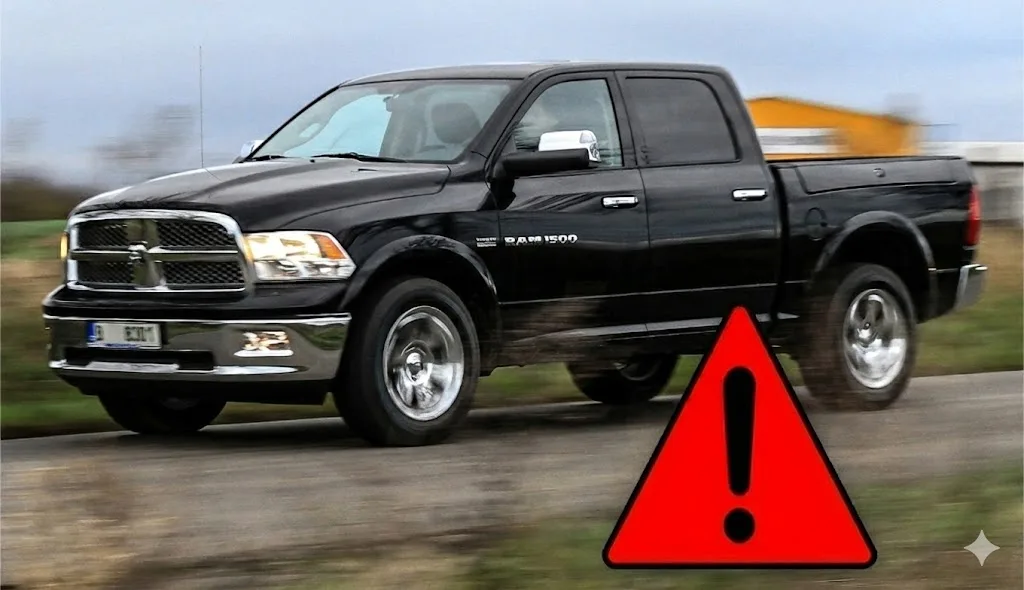
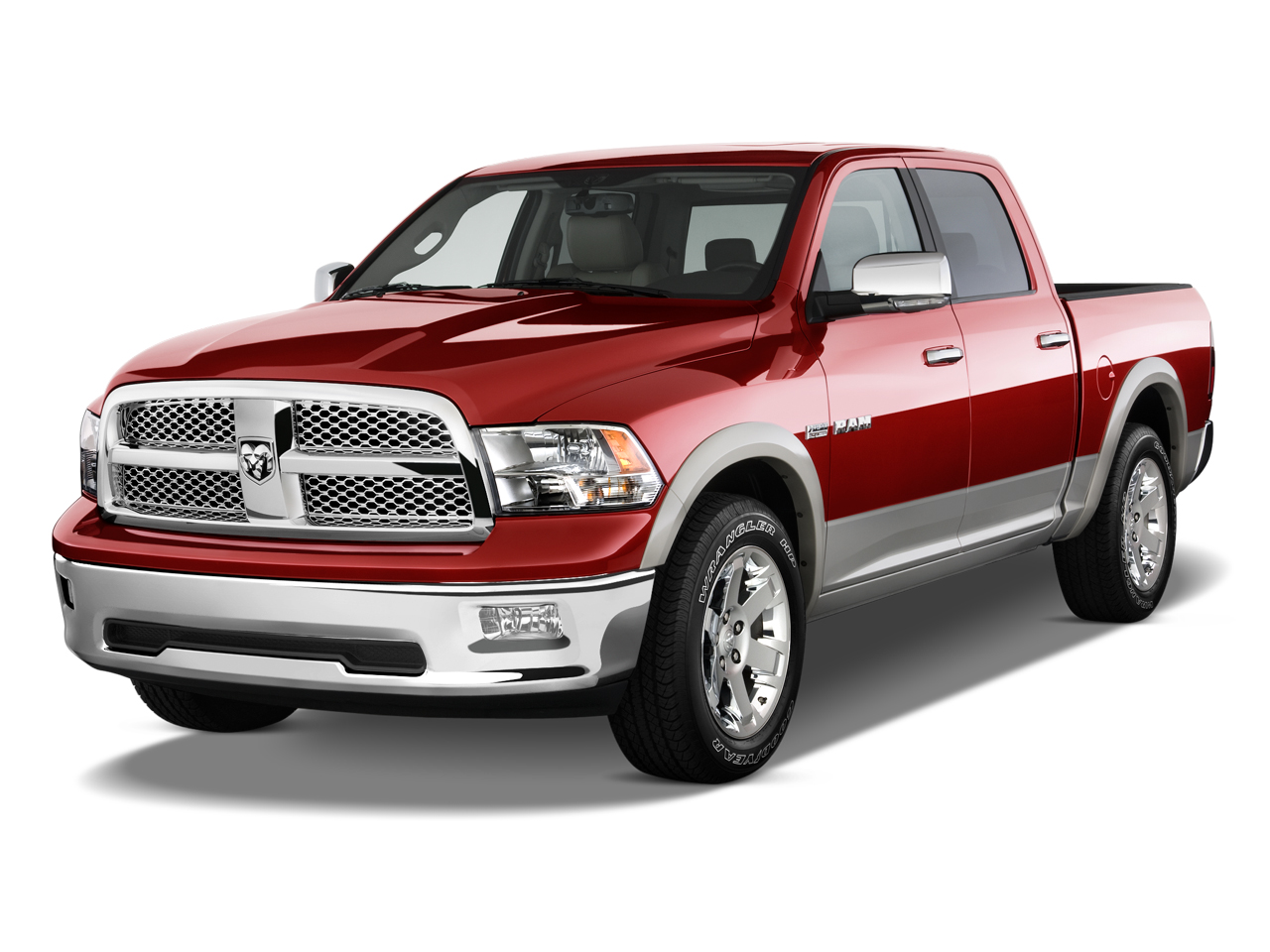
Type “are Ram 1500 reliable” into Google and you’ll see two completely different stories. One side claims the Ram 1500 is one of the most comfortable, best-driving half-ton trucks ever built. The other side swears it’s unreliable, expensive to fix, and full of problems.
Both stories exist for a reason.
The Ram 1500 is not unreliable in the simple, old-school sense. It’s unreliable in a modern, misunderstood way. And if you don’t understand why, you’re likely to end up disappointed, even if the truck itself is doing exactly what it was designed to do.
This is the full picture, without brand bias, hype, or forum drama.
What Kind of Truck Is the Ram 1500 Really?
The Ram 1500 has never tried to be the most basic truck in the segment. Ram made a conscious decision years ago to prioritize comfort, ride quality, and daily usability over raw simplicity.
That decision shaped everything:
Coil-spring rear suspension instead of leaf springs
Softer ride tuning
More advanced interiors
Heavier use of electronics and driver aids
This makes the Ram 1500 feel better to drive than many rivals. It also makes reliability harder to define, because comfort and complexity always come with trade-offs.
Why Ram 1500 Reliability Is So Heavily Debated
The problem isn’t that people are lying. It’s that buyers expect different things from the same truck.
Some buyers treat the Ram 1500 like a workhorse that should tolerate neglect, missed maintenance, and hard use forever. Others treat it like a premium daily driver that occasionally tows.
The Ram 1500 is built for the second group.
When used and maintained as intended, it holds up well. When treated like an indestructible farm tool, issues show up faster than in simpler, more utilitarian trucks.
Engines: Where Reliability Is Mostly Won or Lost
V8 Models: Strong, But Not Carefree
The V8-powered Ram 1500s are known for strong performance, smooth power delivery, and excellent towing confidence. When maintained properly, these engines can last a very long time.
Where problems appear is neglect. Skipped oil changes, cheap oil, or short-trip abuse accelerate wear. Owners who stay disciplined rarely report catastrophic failures. Owners who don’t often do.
V6 Models: Less Exciting, More Forgiving
V6 versions tend to be less stressed and more forgiving of daily use. They’re not thrilling, but they generally deliver predictable ownership when maintained correctly.
They also appeal to buyers who don’t tow heavy loads regularly, which reduces drivetrain strain over time.
Transmission Reliability: Better Than Its Reputation
One of the most common fears around the Ram 1500 is the transmission. In reality, major transmission failures are not as common as online comments suggest.
Most issues trace back to:
Missed fluid services
Heavy towing without proper cooling
Aggressive driving habits
In normal use, the transmission is one of the more durable components of the truck.
Electronics: The Real Source of Complaints
If there’s one area where Ram 1500 reliability takes a hit, it’s electronics.
Infotainment glitches, sensors triggering warning lights, and software-related annoyances are the most frequently reported issues. These problems are rarely catastrophic, but they can be frustrating and sometimes expensive to diagnose.
This is where reliability perception suffers the most. A truck that runs fine but throws warning messages feels unreliable, even if it never leaves you stranded.
Suspension and Ride Quality: A Double-Edged Sword
The Ram 1500’s suspension is one of its biggest strengths and one of its most misunderstood features.
The coil-spring rear suspension delivers excellent ride comfort and stability, especially when the truck is unloaded. It’s a major reason the Ram feels less harsh than many competitors.
However, this setup is more complex than leaf springs. Over time, bushings and joints wear out. That doesn’t mean the suspension is unreliable, but it does mean maintenance and repairs can be slightly more involved.
Towing and Work Use: Where Expectations Matter Most
The Ram 1500 tows confidently within its rated limits. The problems begin when owners consistently push beyond those limits or treat the truck as a heavy-duty replacement.
If you regularly haul extreme payloads or tow at the upper edge of capacity every day, this is not the right truck. Reliability drops when a vehicle is used outside its design intent.
Used properly, the Ram 1500 performs exactly as advertised.
Long-Term Ownership: What High-Mileage Rams Have in Common
High-mileage Ram 1500s do exist, and they share some clear traits:
Consistent maintenance
Early attention to warning signs
Conservative driving habits
Realistic use expectations
The trucks that fail early almost always show the opposite pattern.
Mileage alone is not the deciding factor. Maintenance history matters far more.
Why Some Owners Swear by the Ram 1500
Owners who love their Ram 1500 usually mention the same things:
Comfortable ride
Quiet cabin
Confident highway behavior
Strong towing feel
Daily-driver friendliness
For these buyers, the trade-off in complexity is worth it.
Why Some Owners Say They’d Never Buy One Again
Owners who dislike the Ram 1500 often expected:
Appliance-level simplicity
Minimal electronics
Ultra-low maintenance involvement
Indestructible work-truck behavior
That mismatch creates frustration, not because the truck is failing, but because it isn’t what they wanted it to be.
Is the Ram 1500 Reliable Compared to Other Full-Size Trucks?
Within the full-size truck segment, the Ram 1500 sits in the middle to upper-middle for reliability.
It’s not the simplest truck. It’s not the most bulletproof. But it also offers better comfort and ride quality than many rivals.
In other words, it trades a bit of old-school toughness for everyday livability.
Buying Used: Where Most Reliability Stories Begin
Used Ram 1500s are where reputations are made or destroyed.
A well-maintained used Ram 1500 can be an excellent value. A neglected one can become expensive very quickly. Service records matter more than mileage, trim, or appearance.
If you buy based on price alone, you’re rolling the dice.
The Honest Verdict
So, are Ram 1500 trucks reliable?
Yes, conditionally.
They are reliable when:
Maintained properly
Used within their design limits
Owned by drivers who understand modern truck complexity
They feel unreliable when:
Neglected
Abused
Expected to behave like simpler, older trucks
The Ram 1500 doesn’t hide its expectations. It rewards informed ownership and punishes careless ownership. That’s why the reliability debate never ends.
Not because the truck is bad.
But because many buyers don’t understand what they’re actually buying.
1. Are Ram 1500 trucks actually reliable, or is that just marketing?
The Ram 1500 is moderately to above-average reliable for a full-size pickup. It’s not bulletproof, but it’s far from unreliable junk when maintained properly.
2. Why do some people say the Ram 1500 is unreliable?
Because most complaints come from electronics and sensors, not engines or transmissions. Warning lights and infotainment glitches hurt perception even when the truck still drives fine.
3. Do Ram 1500 engines last a long time?
Yes. Many Ram 1500 engines regularly exceed 300,000 km (186,000 miles) with proper maintenance. Engine failures are far less common than internet comments suggest.
4. Are Ram 1500 transmissions a problem?
Not generally. Major transmission failures are less common than expected. Most issues are linked to skipped fluid services or heavy towing abuse.
5. Which Ram 1500 years are the most reliable?
Later model years tend to be more consistent, while early redesign years usually see more complaints. Maintenance history matters more than the badge year alone.
6. Is the Ram 1500 reliable as a daily driver?
Yes. In fact, it’s one of the best daily-driving full-size trucks thanks to its ride comfort and interior quality, which reduces long-term wear from constant use.
7. Does the Ram 1500 have more problems than Ford or Chevy trucks?
Not significantly. Compared within the full-size truck segment, the Ram 1500 sits mid-pack to slightly above average. It trades simplicity for comfort.
8. Are Ram 1500 trucks expensive to maintain?
Maintenance costs are slightly higher than basic work trucks, but lower than luxury SUVs. Repairs feel expensive mainly because of electronic diagnostics, not constant breakdowns.
9. What are the most common Ram 1500 reliability issues?
Most reported issues involve:
Electronics and sensors
Infotainment systems
Suspension wear over time Major engine or transmission failures are much rarer.
10. Is the Ram 1500 reliable for towing?
Yes, within rated limits. Problems arise when owners tow heavy loads constantly or exceed capacity, which accelerates wear on any half-ton truck.
11. Can a Ram 1500 last 10–15 years?
Absolutely. High-mileage Rams that last long almost always share one thing: consistent maintenance. Age alone does not make them unreliable.
12. Is the Ram 1500 less reliable because of its coil-spring suspension?
No. The suspension improves ride quality and doesn’t reduce reliability. It’s more complex than leaf springs, but failures are not common with normal upkeep.
13. Is buying a used Ram 1500 risky?
Only if you ignore service history. A well-maintained used Ram 1500 can be a great buy. A neglected one can become expensive fast.
14. Why do Ram 1500 owners either love or hate their trucks?
Expectation mismatch. Owners who expect comfort and modern tech are usually happy. Owners who expect old-school, zero-maintenance toughness often aren’t.
Ask most pickup owners what suspension their truck has and you’ll hear the same answer every time: leaf springs in the back, something basic up front. That assumption is exactly why the 2012 Ram 1500 caught the truck world off guard.
Because no, it does not use the same old-school suspension setup as most half-ton trucks of its era.
And that single engineering choice explains why the 2012 Ram 1500 rides the way it does, handles the way it does, and still gets argued about online to this day.
The Short Answer (What Everyone Came Here For)
The Ram 1500 from 2012 uses:
Front: Independent front suspension with coil springs
Yes, coil springs in the rear. On a full-size pickup. In 2012.
That was a big deal.
Why the 2012 Ram 1500’s Suspension Was a Big Deal
At the time, nearly every half-ton pickup relied on rear leaf springs. Leaf springs are cheap, durable, and great for payload numbers. They are also terrible for ride quality when the truck is unloaded.
Ram went a different direction.
Instead of leaf springs, the 2012 Ram 1500 uses a five-link rear suspension with coil springs. This design is far more common in SUVs and performance vehicles than in work trucks.
The result was immediate and obvious: the Ram 1500 rode smoother, handled bumps better, and felt less like a farm tool when driven daily.
Truck purists hated it. Daily drivers loved it.
Front Suspension: More Sophisticated Than You Think
Up front, the 2012 Ram 1500 uses an independent front suspension with coil springs and upper and lower control arms.
This setup allows each front wheel to move independently, which improves steering precision, reduces vibration, and makes the truck feel more planted on uneven roads.
It’s not exotic, but it’s well-tuned. Combined with the rear coil setup, it gives the Ram a noticeably more composed ride than many competitors from the same era.
Ride Quality: The Real Reason Ram Did This
Here’s the truth most specs sheets don’t tell you.
The 2012 Ram 1500 was engineered to be a truck people actually drive every day, not just something that looks tough in a parking lot. The coil-spring rear suspension absorbs road imperfections better, especially when the bed is empty.
That’s why owners often describe it as “SUV-like” on the highway.
If you commute, road-trip, or daily-drive your truck, this suspension setup is a major advantage.
But What About Towing and Payload?
This is where the internet arguments start.
Yes, leaf springs are traditionally better for raw payload numbers. But Ram didn’t ignore towing or hauling. The multi-link rear suspension was designed to maintain stability under load while still improving ride quality.
In real-world use, the 2012 Ram 1500 tows confidently within its rated limits. The suspension geometry keeps the truck stable, and the coil springs don’t automatically mean weakness.
The misconception is that coils equal “soft.” In reality, spring rate and suspension tuning matter far more than spring type alone.
Off-Road Behavior: Better Than Expected
Another surprise.
The coil-spring rear suspension allows better axle articulation than traditional leaf springs. That means improved traction over uneven terrain and a smoother experience on trails, gravel roads, and snow.
It’s not a hardcore rock crawler from the factory, but for light to moderate off-road use, the suspension design works in the truck’s favor.
Why Some Truck Guys Still Complain About It
Simple answer: tradition.
Leaf springs are familiar. They’re easy to understand. They’ve been around forever. When Ram switched to coils, many assumed it was a downgrade for “real truck work.”
In practice, the complaints usually come from people who:
Regularly haul maximum payloads
Prefer old-school truck feel
Judge trucks by spec-sheet numbers alone
For everyone else, the suspension is a net positive.
Does This Suspension Affect Reliability?
The suspension itself is not unreliable, but it is more complex.
Instead of leaf springs, you now have:
Control arms
Bushings
Mounting points
Coil springs
Over time, bushings and joints wear out. That’s normal. The difference is that repairs can be slightly more involved than replacing leaf springs.
That said, failures are not common when the truck is maintained properly.
Why the 2012 Ram 1500 Still Feels “Different” Today
Drive a 2012 Ram 1500 back-to-back with many other trucks from the same era and you’ll notice it immediately.
It rides smoother. It feels more composed. It doesn’t bounce or chatter as much when unloaded.
That’s not marketing. That’s suspension engineering.
The Bottom Line Nobody Puts in the Headline
The 2012 Ram 1500 didn’t just have a different suspension. It changed how half-ton trucks could feel.
By using a coil-spring, multi-link rear suspension, Ram traded a bit of old-school simplicity for comfort, control, and everyday usability.
If you love traditional leaf-spring toughness above all else, it might not be your favorite setup.
But if you’ve ever thought, “Why can’t a truck ride better without giving up capability?” — the 2012 Ram 1500 is your answer.
That’s why people still argue about it today.
1. What suspension does the 2012 Ram 1500 actually use?
The Ram 1500 uses an independent front suspension with coil springs and a multi-link rear suspension with coil springs, not leaf springs in the back. That alone made it controversial when it launched.
2. Does the 2012 Ram 1500 really not have rear leaf springs?
Correct. Unlike most half-ton trucks of its era, the 2012 Ram 1500 uses rear coil springs with a five-link setup, which was almost unheard of at the time.
3. Why did Ram switch to coil springs in the rear?
Ride quality. Coil springs absorb bumps better when the truck is unloaded, making the Ram 1500 feel smoother and more controlled in daily driving than leaf-spring rivals.
4. Is the front suspension independent or solid axle?
The front suspension is independent, with upper and lower control arms and coil springs. This improves steering precision and reduces harshness over uneven roads.
5. Does the coil-spring rear suspension make the truck less capable?
Not within rated limits. The 2012 Ram 1500 still tows and hauls confidently. The idea that coils are “weak” is mostly a myth tied to old truck stereotypes.
6. Why does the 2012 Ram 1500 ride better than other trucks from that era?
Because most competitors still used rear leaf springs, which are stiff when unloaded. The Ram’s coil-spring rear suspension dramatically improves ride comfort on pavement.
7. Is the 2012 Ram 1500 suspension good for towing?
Yes. The suspension geometry is designed to stay stable under load. While leaf springs handle extreme payloads better, the Ram’s setup works well for real-world towing.
8. How does the suspension affect handling compared to other pickups?
The Ram 1500 feels more planted and less bouncy, especially on highways. Body control is better, and the truck feels less like it’s hopping over bumps.
9. Is the suspension more expensive to maintain than leaf springs?
Slightly. The multi-link rear suspension has more bushings and joints, which can wear over time. However, failures are not common with normal maintenance.
10. Does the coil-spring rear suspension help off-road?
Yes, in moderate off-road use. Coil springs allow better axle articulation than leaf springs, improving traction on uneven terrain and gravel roads.
11. Why do some truck owners dislike the 2012 Ram 1500 suspension?
Mostly tradition. Some truck buyers prefer leaf springs because they’re simpler and associated with heavy work. The dislike is more philosophical than practical.
12. Did this suspension design hurt payload ratings?
Slightly on paper, yes. Leaf-spring trucks often post higher maximum payload numbers, but in everyday use the difference rarely matters for most owners.
13. Is the 2012 Ram 1500 suspension reliable long-term?
Yes. The design itself is not unreliable. Like any suspension, bushings and components wear with age, but widespread failures are not common.
14. Can the suspension be lifted or modified easily?
Yes, but it’s more complex than leaf-spring setups. Lifts require proper geometry correction due to the multi-link rear and independent front suspension.
15. Why is the 2012 Ram 1500 suspension still talked about today?
Because it changed expectations. It proved a half-ton truck could ride comfortably without sacrificing real capability, and that idea reshaped modern pickup design.
Can You Tune a 2012 Ram 1500? Yes — But the Results Might Surprise You
If you own a 2012 Ram 1500, chances are you’ve asked yourself this question at least once: can I tune it, and is it actually worth it? The short answer is yes. The long answer is where things get interesting, and where most owners either end up thrilled or quietly regretful.
Tuning a 2012 Ram 1500 isn’t some fringe mod. It’s one of the most common upgrades owners consider once the truck is paid off, out of warranty, or simply starts to feel slower than it should. But tuning isn’t magic, and it’s not risk-free either. Understanding what really happens after the tune is what separates smart upgrades from expensive mistakes.
This is the full, unfiltered truth.
Why the 2012 Ram 1500 Is a Sweet Spot for Tuning
The Ram 1500 from 2012 sits in a rare middle ground. It’s modern enough to use advanced engine management and electronic transmissions, but old enough to avoid the heavy software locks and encryption found in newer trucks.
That matters because modern tuning is less about turning screws and more about reprogramming behavior. Throttle response, shift timing, torque management, fuel delivery, and ignition timing are all controlled by the ECU and TCM. On a 2012 Ram 1500, those systems are accessible without extreme workarounds.
In simple terms, it’s tunable without being hostile.
Which 2012 Ram 1500 Engines Respond Best to Tuning?
Not all Ram 1500s respond the same way to tuning. Engine choice matters more than most people realize.
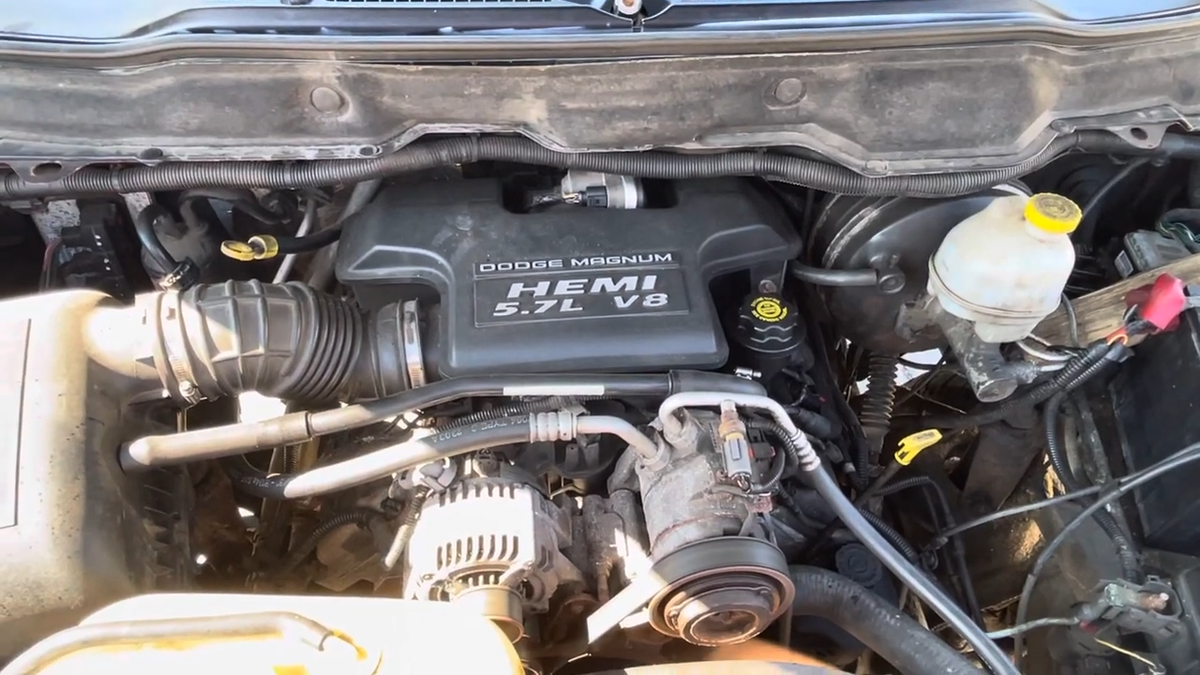
5.7L HEMI V8: The Real Reason People Tune
If you have the 5.7L HEMI, tuning actually makes sense.
From the factory, the engine is tuned conservatively. Throttle mapping is soft. Torque management is aggressive. Shift points are designed for emissions compliance and drivetrain longevity, not driver satisfaction.
A proper tune wakes the truck up immediately. Throttle response sharpens. Mid-range torque becomes more accessible. Gear changes feel deliberate instead of hesitant. The truck feels lighter, even though nothing physical has changed.
Horsepower gains exist, but the bigger difference is how usable the power becomes.
4.7L V8: Gains Are There, Expectations Matter
Yes, you can tune the 4.7L. Yes, it responds. But the transformation isn’t dramatic unless paired with other modifications.
You’ll notice improved drivability and smoother power delivery, but this isn’t an engine that suddenly feels fast after tuning. The value here is refinement, not raw performance.
V6 Models: Drivability Over Drama
Tuning a V6 Ram 1500 won’t turn it into a performance truck. What it will do is remove sluggish throttle response, clean up shift behavior, and make daily driving feel less strained.
If you tow lightly or commute daily, this can still be worthwhile. Just don’t expect miracles.
What a Tune Actually Changes in the Truck
This is where most online explanations fall apart.
A real tune doesn’t just add power. It changes how the truck behaves.
Key adjustments typically include throttle sensitivity, air-to-fuel ratios, ignition timing, transmission shift points, torque management limits, and speed limiters. Together, these changes redefine how the engine and transmission communicate.
The result isn’t just more power. It’s confidence. The truck responds when you ask it to, instead of pausing to think about it.
The Biggest Benefit Isn’t Horsepower
This surprises most owners.
After tuning, the most common reaction isn’t “this is fast.” It’s “this feels right.”
The stock calibration is designed to protect components, satisfy emissions regulations, and appeal to the broadest possible audience. A tune removes that generic filter. The truck becomes more direct, more predictable, and more satisfying to drive.
For towing, this matters even more. Shift points improve. Downshifts happen sooner. Hills feel less stressful. The engine works with you instead of against you.
Fuel Economy: The Truth Nobody Likes
Tuning doesn’t magically improve fuel economy. It gives you access to performance. What you do with that access determines your MPG.
Some drivers see minor improvements during steady highway driving. Others see fuel economy drop immediately because they enjoy the new responsiveness.
The tune doesn’t force you to burn more fuel. Your right foot does.
Will a Tune Damage a 2012 Ram 1500?
This is the question that scares people, and the answer depends on context.
A conservative, well-developed tune on a healthy engine is unlikely to cause damage on its own. The danger comes when tuning exposes problems that already exist.
Old spark plugs, weak ignition coils, clogged injectors, cooling system issues, or neglected maintenance can all become obvious after tuning. The engine is being asked to perform closer to its potential, and weaknesses stop hiding.
Tuning doesn’t create problems. It reveals them.
Transmission Stress: Real Risk or Overblown Fear?
The automatic transmission in the 2012 Ram 1500 is generally robust, but tuning does change how it’s used.
Firmer shifts and revised torque management reduce slip, which can actually help longevity in some cases. However, aggressive driving, heavy towing, or repeated wide-open throttle pulls will stress any drivetrain.
If your transmission is already slipping or overdue for service, tuning will not be kind to it.
High-Mileage Trucks: Tune or Leave Them Alone?
High mileage does not automatically mean no tuning.
In fact, many owners with 200,000 km or more say tuning made their truck feel younger again. Throttle response improves. Gear hunting reduces. Daily driving becomes less tiring.
The key is condition. A well-maintained high-mileage truck is often a better candidate than a low-mileage truck that’s been neglected.
Emissions, Inspections, and Legal Reality
This is where enthusiasm meets bureaucracy.
Some tunes retain emissions compliance. Others disable systems that inspections rely on. In regions with strict testing, this can become a real problem.
Before tuning, owners should understand local inspection requirements. Ignoring this step leads to frustration later.
The Mistake That Ruins Most Tuning Experiences
Cheap tuning.
Poorly developed tunes cause harsh shifts, inconsistent throttle response, check engine lights, and even detonation risk under load. Saving money on the tune often costs more in repairs later.
A proper tune isn’t just about numbers. It’s about calibration, testing, and restraint.
Does Tuning Change Reliability Long-Term?
Yes, but not in the way most people think.
A tuned truck driven responsibly can remain reliable for years. A tuned truck driven aggressively every day will wear faster. The tune doesn’t decide reliability. Driver behavior does.
Think of tuning as removing the governor on how honestly the truck responds to abuse.
Is Tuning Worth It on a 2012 Ram 1500?
For most owners, yes, if expectations are realistic.
Tuning won’t turn the truck into something it isn’t. What it will do is unlock what was already there but restricted. The Ram 1500 becomes more responsive, more confident, and more engaging to drive.
For enthusiasts, it’s one of the most satisfying upgrades available. For casual owners expecting effortless gains with zero responsibility, it can be disappointing.
The Verdict Nobody Puts in the Headline
Yes, you can tune a 2012 Ram 1500. And it’s one of the best years to do it.
But tuning doesn’t make the truck better for free. It makes it more honest. Honest about its condition. Honest about how it’s driven. Honest about how well it’s been maintained.
If your truck is solid, tuning brings out its best qualities. If it’s tired, tuning will make sure you find out.
That’s not hype. That’s just how it works.
1. Can you actually tune a 2012 Ram 1500, or is that a myth?
Yes, you absolutely can tune a Ram 1500 from 2012. In fact, it’s considered one of the best Ram years to tune because the ECU is accessible and not heavily locked down like newer models.
2. Why do people say the 2012 Ram 1500 “wakes up” after a tune?
Because the factory tune is extremely conservative. Throttle delay, soft shift points, and heavy torque management make the truck feel slower than it really is. A tune removes those limits, making the truck feel sharper almost immediately.
3. How much horsepower do you really gain from tuning a 2012 Ram 1500?
Realistically, gains are modest on paper but noticeable in driving. Most owners feel the improvement more in throttle response and mid-range pull than raw peak horsepower numbers.
4. Is tuning a 2012 Ram 1500 safe for the engine?
On a healthy engine, yes. A conservative tune will not harm the engine by itself. The risk comes when tuning exposes existing problems like worn plugs, cooling issues, or neglected maintenance.
5. Can tuning damage the transmission on a 2012 Ram 1500?
Not automatically. In fact, firmer shifts can reduce clutch slip. Problems usually happen when a tuned truck is driven aggressively all the time or tows heavy loads without proper transmission servicing.
6. Does tuning improve towing performance on a 2012 Ram 1500?
Yes, and this is one of the biggest benefits. A tune improves downshift logic, throttle response under load, and torque delivery, making towing feel more controlled and less stressful.
7. Will tuning hurt fuel economy on a 2012 Ram 1500?
It depends on how you drive. Some owners see similar or slightly better highway fuel economy. Most see worse mileage simply because the truck feels better and gets driven harder.
8. Is tuning worth it on a high-mileage 2012 Ram 1500?
It can be. Many high-mileage trucks respond very well to tuning if they’ve been maintained properly. A neglected high-mileage truck, however, is a risky candidate.
9. What’s the biggest mistake people make when tuning a 2012 Ram 1500?
Going cheap. Poor-quality tunes cause harsh shifts, drivability issues, check engine lights, and long-term wear. Cheap tuning usually ends up being the most expensive option.
10. Can a tune fix problems like sluggish acceleration or gear hunting?
It can significantly reduce both, as long as those issues are software-related. If the cause is mechanical, tuning will not fix it and may make it more noticeable.
11. Will tuning void anything on a 2012 Ram 1500?
At this age, factory warranties are usually no longer relevant. However, tuning can affect extended warranties or emissions compliance depending on where you live.
12. Are all 2012 Ram 1500 engines equally good for tuning?
No. The 5.7L HEMI responds the best and delivers the most noticeable gains. Smaller engines benefit more in drivability than outright performance.
13. Does tuning make the 2012 Ram 1500 less reliable long-term?
Not inherently. Reliability depends more on driving style and maintenance after tuning than on the tune itself. Abuse shows up faster once factory limits are removed.
14. Can you daily-drive a tuned 2012 Ram 1500 without issues?
Yes. Many owners daily-drive tuned trucks for years. The key is restraint. Occasional spirited driving is fine; constant wide-open throttle is not.
15. Is tuning a 2012 Ram 1500 actually worth it, or just hype?
For most owners, it’s worth it. The truck feels more responsive, more confident, and more enjoyable to drive. Just understand this: tuning doesn’t make the truck better for free, it makes it more honest.
Search “Jeep Grand Cherokee reliability” and you’ll fall into one of the most polarized debates in the SUV world. On one side, you’ll find owners claiming their Grand Cherokee crossed 300,000 km without breaking a sweat. On the other, horror stories describing warning lights, suspension failures, and repair bills that feel more luxury-brand than mainstream SUV.
Both sides are right. And both sides are wrong.
The Jeep Grand Cherokee is not unreliable in the way cheap cars are unreliable. It is unreliable in a far more nuanced, frustrating, and misunderstood way. To understand it properly, you need to stop thinking in absolutes and start looking at years, engines, drivetrains, and ownership behavior.
This is the long, uncomfortable truth most reviews never give you.
Why the Jeep Grand Cherokee’s Reliability Is So Heavily Debated
Buyers walk in expecting Toyota-like durability because the Grand Cherokee is a mainstream SUV. But they also expect luxury comfort, advanced tech, and real off-road capability. That combination is inherently complex.
The Grand Cherokee sits in a strange middle ground. It is not a simple crossover. It is not a true luxury SUV. It is not a barebones off-roader. It tries to be all three, and that ambition shapes its reliability profile more than any single mechanical flaw.
Understanding the Jeep Grand Cherokee Platform
The Grand Cherokee has always been built differently than most competitors.
Unlike many unibody crossovers that prioritize on-road comfort above all else, the Grand Cherokee has traditionally been engineered with:
Real four-wheel-drive systems
Legitimate towing capability
Suspension travel that can handle poor surfaces
Engines designed for torque, not just fuel economy
That foundation gives it strengths most rivals cannot match. It also introduces wear points that don’t exist on simpler vehicles.
Reliability, in this case, is not about “will it break,” but “what wears out sooner because of what this SUV is designed to do.”
Reliability by Generation: This Is Where Most Buyers Get Burned
Early Grand Cherokees: Mechanically Tough, Technologically Primitive
Older Grand Cherokees earned a reputation for ruggedness because they were simple. Fewer sensors. Fewer modules. Fewer electronic dependencies.
When something failed, it usually failed mechanically. Mechanics could diagnose it quickly. Parts were widely available. Repairs were straightforward.
The tradeoff was refinement. Fuel economy was poor. Interiors aged quickly. Safety and infotainment tech feel archaic today.
From a pure reliability standpoint, these models were easier to live with long term, even if they felt crude.
2011–2020: Where the Reputation Was Made (and Ruined)
This generation is responsible for most of the internet outrage.
Jeep modernized the Grand Cherokee aggressively during this period. More electronics. Air suspension options. Multiple drive modes. Touchscreen-heavy interiors. Advanced driver assistance systems.
When these vehicles are new or well-maintained, they feel excellent. When they age without proper care, issues stack up fast.
This generation isn’t unreliable because it’s poorly engineered. It’s unreliable because neglect is punished harder than in simpler SUVs.
Buyers who followed maintenance schedules often report long-term satisfaction. Buyers who skipped services or bought neglected used examples often regret it deeply.
2021 and Newer: Improved, But Not “Bulletproof”
Newer Grand Cherokees show meaningful improvements:
Better software stability
Improved interior build quality
Refined drivetrains
Smoother suspension tuning
However, complexity hasn’t decreased. If anything, it’s increased. Reliability has improved in consistency, not simplicity.
These models are less prone to random failures but still demand disciplined maintenance and realistic ownership expectations.
Engines That Define the Grand Cherokee Experience
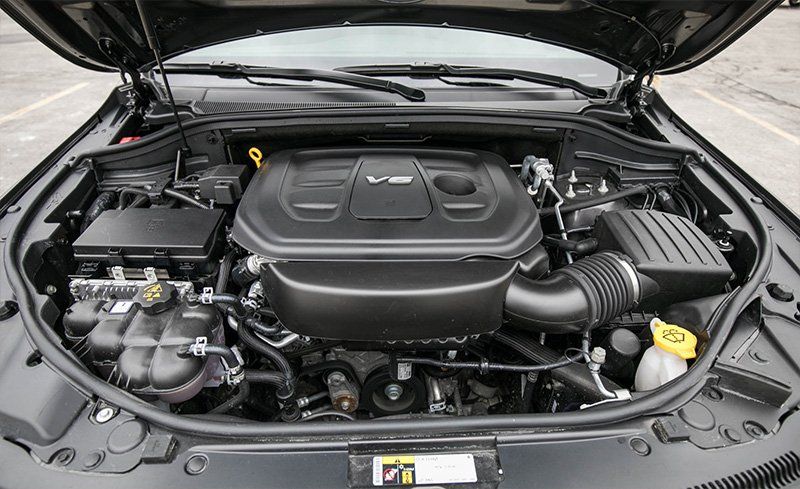
The 3.6L V6: The Reliability Backbone
If there is one reason many Grand Cherokees survive high mileage, it’s this engine.
The V6 is not flashy. It’s not exotic. It’s not especially exciting. What it is, however, is proven.
Common issues exist, but they are predictable and manageable. With proper oil changes and cooling system care, this engine routinely reaches high mileage without internal failure.
For buyers prioritizing reliability over performance, this is the safest choice by a wide margin.
The V8 Option: Power at a Price
The V8 transforms the Grand Cherokee into something special. Towing becomes effortless. Acceleration feels confident. Highway passing requires no planning.
But reliability expectations must shift.
This engine demands strict oil change intervals and quality lubricants. Heat management matters. Short trips and poor maintenance accelerate wear significantly.
Owners who treat it casually often face expensive repairs. Owners who treat it like a performance engine often enjoy long service lives.
Diesel Models: Impressive, but Risky Long Term
Diesel Grand Cherokees offer outstanding torque and fuel efficiency. On paper, they look like the ultimate long-distance SUV.
In reality, emissions systems, sensors, and high repair costs make long-term ownership a calculated risk. When things go wrong, they rarely go wrong cheaply.
This is not a diesel you buy casually.
Transmission Reliability: Better Than You Think
One of the most surprising truths about the Grand Cherokee is that its automatic transmission is rarely the problem.
The widely used 8-speed automatic is smooth, responsive, and generally durable. Failures usually trace back to:
Missed fluid services
Overheating from heavy towing
Aggressive driving combined with poor maintenance
In isolation, the transmission is one of the more reliable components of the vehicle.
Suspension: The Silent Reliability Divider
This is where ownership experiences split dramatically.
Grand Cherokees equipped with conventional suspension tend to age reasonably well. Components wear, but repairs are predictable and manageable.
Models equipped with air suspension deliver incredible ride comfort and off-road versatility. They also introduce compressors, air lines, sensors, and control modules that age poorly if not maintained.
Air suspension is not unreliable by design. It is unreliable when owners assume it’s maintenance-free.
Electronics: The Real Source of Most Complaints
If you strip away exaggeration, most Grand Cherokee reliability complaints are electronic, not mechanical.
Owners report issues such as:
Infotainment freezing or rebooting
Warning lights triggered by sensor faults
Intermittent driver assistance errors
Software glitches after updates
These issues are rarely catastrophic. They are, however, irritating and sometimes expensive to diagnose.
This is where buyers expecting appliance-like simplicity feel betrayed.
Real Ownership Costs: The Hidden Reliability Metric
Many people misunderstand reliability as “how often it breaks.”
A better metric is “how painful it is when it does.”
The Grand Cherokee uses heavier-duty components than many crossovers. That means higher parts costs and longer labor times. Even routine repairs can feel expensive compared to compact or midsize crossovers.
Owners who budget like they own a premium SUV are rarely shocked. Owners who budget like they own a budget crossover often are.
High Mileage Reality: Can It Actually Last?
Yes, a Jeep Grand Cherokee can last a very long time.
But it will not forgive neglect.
High-mileage examples that succeed almost always share these traits:
Consistent maintenance records
Conservative driving habits
Early attention to warning signs
Willingness to invest in preventative care
High-mileage failures almost always involve deferred maintenance, ignored symptoms, or abused drivetrains.
Why Some Owners Love It and Others Swear Never Again
This is not a coincidence.
The Grand Cherokee rewards informed ownership and punishes casual ownership. It’s not a vehicle you buy purely on emotion without consequences.
People who understand what they’re buying often become repeat owners. People who don’t often become loud critics.
Neither side is lying. They simply had different expectations.
Is the Jeep Grand Cherokee Reliable Enough to Buy Used?
It can be, but used buyers need to be especially careful.
A well-maintained Grand Cherokee can be a fantastic value. A neglected one can become a financial sinkhole quickly.
Service records matter more here than mileage alone. A higher-mileage vehicle with meticulous maintenance is often safer than a low-mileage one with gaps in care.
The Verdict Most Articles Avoid
The Jeep Grand Cherokee is not unreliable junk. It is not bulletproof perfection.
It is a capable, comfortable, complex SUV that demands adult ownership.
If you want the easiest possible ownership experience with minimal involvement, this is not your vehicle. If you want a capable SUV that feels substantial, drives confidently, and rewards care, it can be deeply satisfying.
Reliability, in the case of the Grand Cherokee, is not a yes-or-no question. It’s a contract between you and the vehicle.
1. Is the Jeep Grand Cherokee actually reliable?
The Jeep Grand Cherokee is moderately reliable, not class-leading but not unreliable junk either. Reliability depends heavily on model year, engine choice, and maintenance. Well-maintained examples can last a long time, while neglected ones can become expensive quickly.
2. Which Jeep Grand Cherokee years are the most reliable?
Generally, newer models (2021 and up) show improved reliability due to better electronics and build quality. Among older models, versions with the 3.6L V6 tend to be the safest long-term choice when properly maintained.
3. Which Jeep Grand Cherokee years should I avoid?
Years with early infotainment systems, complex air suspension setups, or poor maintenance histories are riskier. Problems are usually not catastrophic failures but frequent electronic or suspension issues that drive up ownership costs.
4. Is the Jeep Grand Cherokee reliable past 200,000 km (125,000 miles)?
Yes, many Grand Cherokees reach and exceed 200,000 km if maintenance is done on time. High-mileage success almost always correlates with documented service history and conservative driving.
5. Is the V6 Jeep Grand Cherokee reliable?
Yes. The 3.6L V6 is widely considered the most reliable engine offered in the Grand Cherokee lineup. It balances power, fuel economy, and long-term durability better than the V8 or diesel options.
6. Is the V8 Jeep Grand Cherokee reliable long-term?
It can be, but it requires strict maintenance discipline. The V8 delivers strong performance but is less forgiving of skipped oil changes, short trips, or overheating. Long-term ownership costs are higher.
7. Are Jeep Grand Cherokee transmissions reliable?
Yes. The automatic transmission used in most Grand Cherokees is generally reliable. Issues usually stem from missed fluid services or heavy towing abuse, not from inherent design flaws.
8. Does the Jeep Grand Cherokee have a lot of electrical problems?
Electronics are the most common complaint area. Infotainment glitches, sensors, and warning lights appear more often than major mechanical failures. Most issues are fixable but can be frustrating to diagnose.
9. Is air suspension on the Jeep Grand Cherokee reliable?
Air suspension offers excellent ride comfort and off-road capability but is less reliable long-term than standard suspension. Repairs can be expensive as the system ages, especially if preventative maintenance is ignored.
10. Are Jeep Grand Cherokees expensive to maintain?
Maintenance and repairs are more expensive than average midsize SUVs but cheaper than true luxury SUVs. Parts are heavier-duty, and labor costs are higher due to complexity.
11. Is a used Jeep Grand Cherokee a good idea?
It can be a great value if service records are strong. Buying a cheap, neglected used Grand Cherokee is risky. Maintenance history matters more than mileage alone.
12. How does Jeep Grand Cherokee reliability compare to Toyota or Honda SUVs?
Toyota and Honda SUVs are generally more reliable and cheaper to own long-term. The Grand Cherokee trades some reliability for better towing, off-road capability, and a more substantial driving feel.
13. Can the Jeep Grand Cherokee be a daily driver?
Yes, many owners daily-drive Grand Cherokees without issue. It’s comfortable, stable in bad weather, and practical. Just understand that long-term ownership requires more attention than simpler crossovers.
14. What are the most common Jeep Grand Cherokee problems?
The most common issues involve:
Electronics and sensors
Air suspension components
Cooling system wear
Suspension bushings on higher-mileage vehicles
Major engine or transmission failures are less common than online forums suggest.
15. Is the Jeep Grand Cherokee worth buying despite reliability concerns?
Yes, if you know what you’re buying. The Grand Cherokee is worth it for buyers who value capability, comfort, and driving confidence and are willing to maintain it properly. It is not ideal for buyers seeking ultra-low-effort ownership.
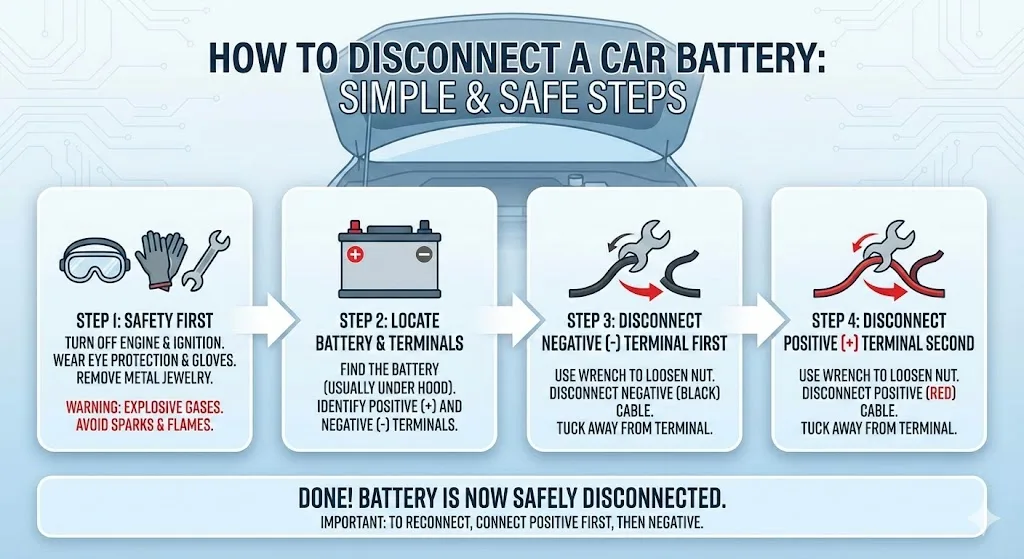
Rule: Remove negative first, positive second Reconnect positive first, negative last
This prevents short circuits, ECU damage, sparks, and electrical system faults.
Safe Car Battery Disconnection Guide
Knowing how to disconnect a car battery properly is essential for safety when performing maintenance, replacing components, storing a vehicle, or working on electrical systems. Incorrect battery disconnection can cause short circuits, ECU damage, blown fuses, electrical fires, and module failures.
Learning the correct battery terminal order protects your wiring system, alternator, ECU, starter motor, and onboard electronics.
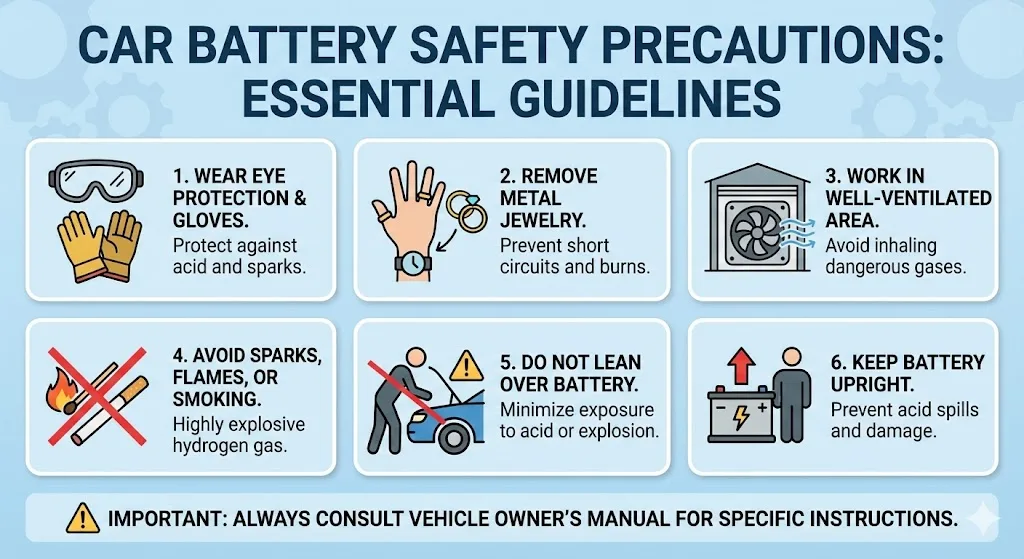
• Never disconnect battery with engine running • Never bridge terminals with tools • Never touch both terminals simultaneously • Avoid sparks near battery gases • Avoid disconnecting high-voltage hybrid systems • Keep cables isolated from metal
If You Have Electrical Issues After Disconnecting
Common issues:
Dashboard warning lights Module relearn required
Radio not working Anti-theft reset required
Windows not functioning Window calibration required
If electrical issues occur after battery disconnection, professional diagnostics are required. Modern vehicles depend on adaptive ECUs, control modules, and learning systems.
Service diagnostics typically include:
Terminal and wiring inspection
Battery testing
Electrical system scans
ECU reset procedures
Module relearning
Charging system testing
Battery replacement
Safety Precautions That Actually Matter
Never allow tools to touch both terminals at the same time. Never let the positive terminal contact the vehicle body. Never smoke near a battery. Avoid open flames or sparks near the battery. Do not lean directly over the battery while working. Avoid touching battery acid residue. Wash hands after handling terminals or cables.
Batteries contain acid and can emit flammable gas. Treat them with respect.
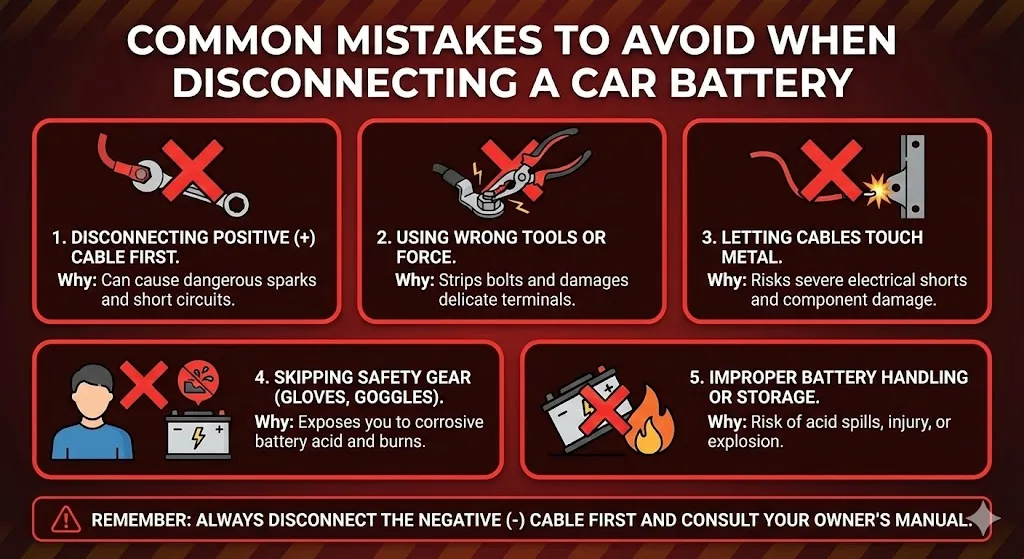
Common Mistakes to Avoid
Disconnecting the positive terminal first Letting cables touch the battery after removal Allowing tools to bridge terminals Forgetting about memory resets Ignoring corrosion on terminals Over-tightening clamps Working with the vehicle powered on Removing the battery without securing cables
People don’t buy Jeeps the same way they buy normal cars. No one ends up in a Jeep by accident. It’s always a deliberate choice. Something about the look, the reputation, the image, the idea of where it can go and what it represents pulls people in.
That’s why the question “Are Jeeps reliable?” keeps coming up.
Because buying a Jeep isn’t just buying transportation. It’s buying into a lifestyle idea — adventure, freedom, capability, independence. And the fear most people have isn’t about fuel economy or depreciation. It’s much simpler than that.
They’re asking: will this thing let me down?
The truth is, Jeep reliability isn’t a simple yes or no. It depends on what kind of Jeep you’re talking about, how it’s used, and what you expect from it.
What Reliability Actually Means in Real Life
Most people think reliability means “nothing ever goes wrong.” That’s not realistic for any modern vehicle.
Real reliability is more basic than that. The car starts. The car runs. The car gets you where you’re going. It doesn’t constantly strand you. It doesn’t live in the shop.
Some brands engineer cars to live easy lives — smooth roads, light use, predictable conditions. Jeep doesn’t. Jeep builds vehicles meant to deal with rough roads, bad weather, uneven terrain, heavy loads, dirt, dust, heat, cold, and stress. That changes how reliability looks.
Jeep focuses more on mechanical strength and structural durability than on long-term electronic perfection. That’s an important distinction.
Jeep as a Brand
Jeep doesn’t build “appliance cars.” It builds machines.
That means you get strong drivetrains, solid structures, capable platforms, and vehicles that tolerate abuse better than most crossovers and sedans. But it also means you get more complexity, more systems, more electronics, and more things that can go wrong over time.
So Jeep reliability isn’t usually about engines exploding or frames failing. It’s more about electronics, sensors, software, and system integration.
Some owners have years of trouble-free driving. Others deal with small recurring issues that add up. That inconsistency is what gives Jeep its reputation — not constant catastrophic failure, but uneven ownership experiences.
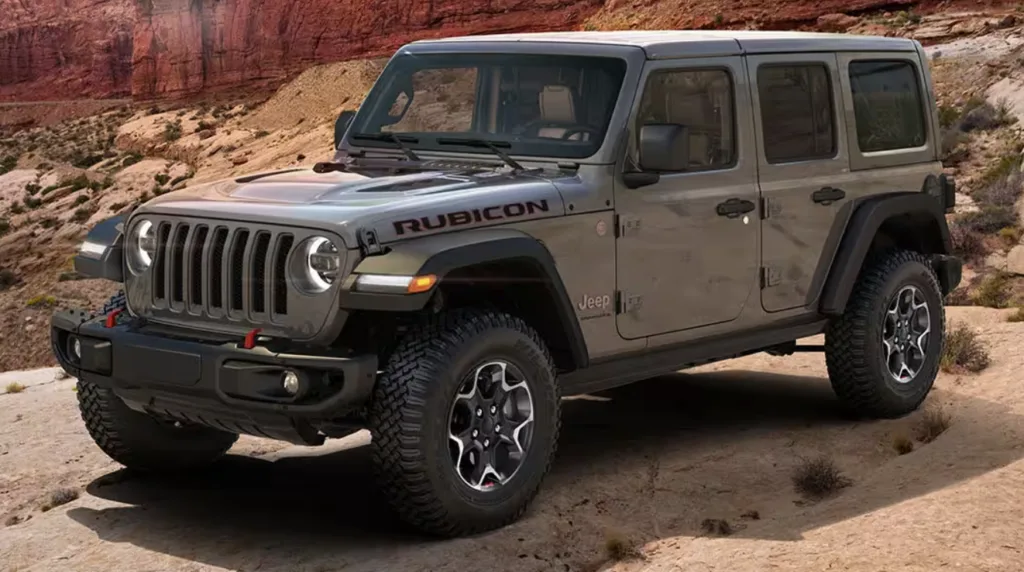
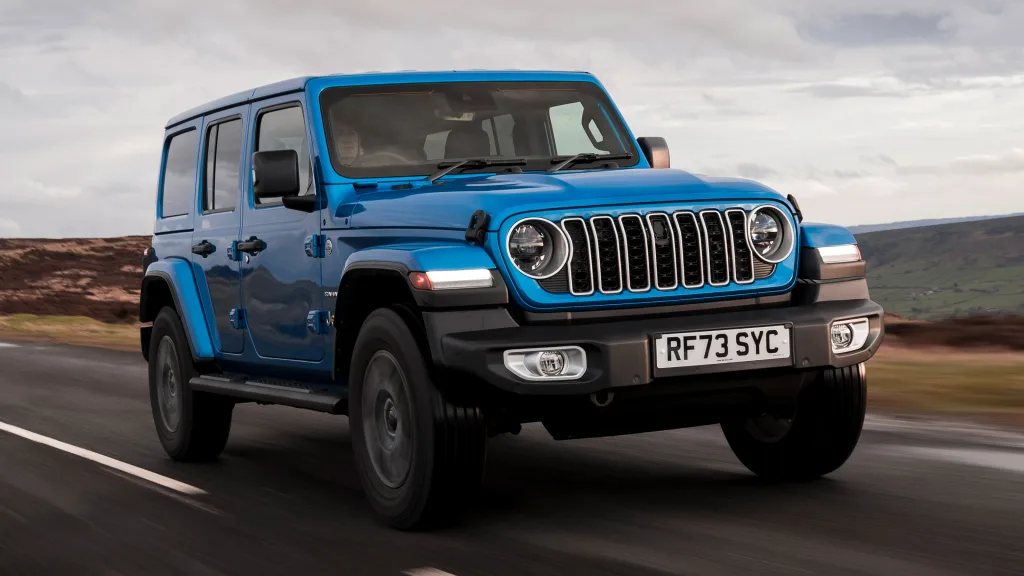
The Wrangler Reality
The Wrangler is the purest Jeep there is.
Mechanically, it’s one of the toughest vehicles you can buy. Simple structure, strong frame, solid axles, traditional 4WD systems, and a design that prioritizes durability over comfort. Wranglers are built to be driven in conditions that destroy normal cars.
That’s why old Wranglers are still everywhere. Rusty, dented, lifted, rebuilt — but still running.
Where Wranglers struggle isn’t the mechanical side. It’s the modern side. Electronics, infotainment systems, sensors, electrical components, and seals are where problems show up. A Wrangler will often keep driving even when parts of it stop behaving properly.
In simple terms: Wranglers are mechanically reliable, electronically inconsistent.
They usually keep moving, even when they’re annoying to live with.
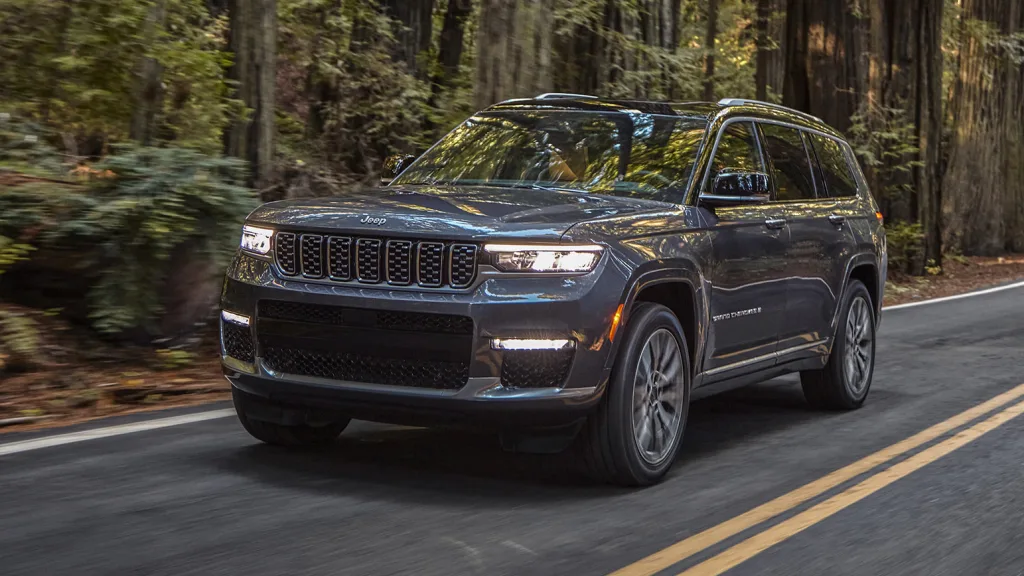
The Grand Cherokee Reality
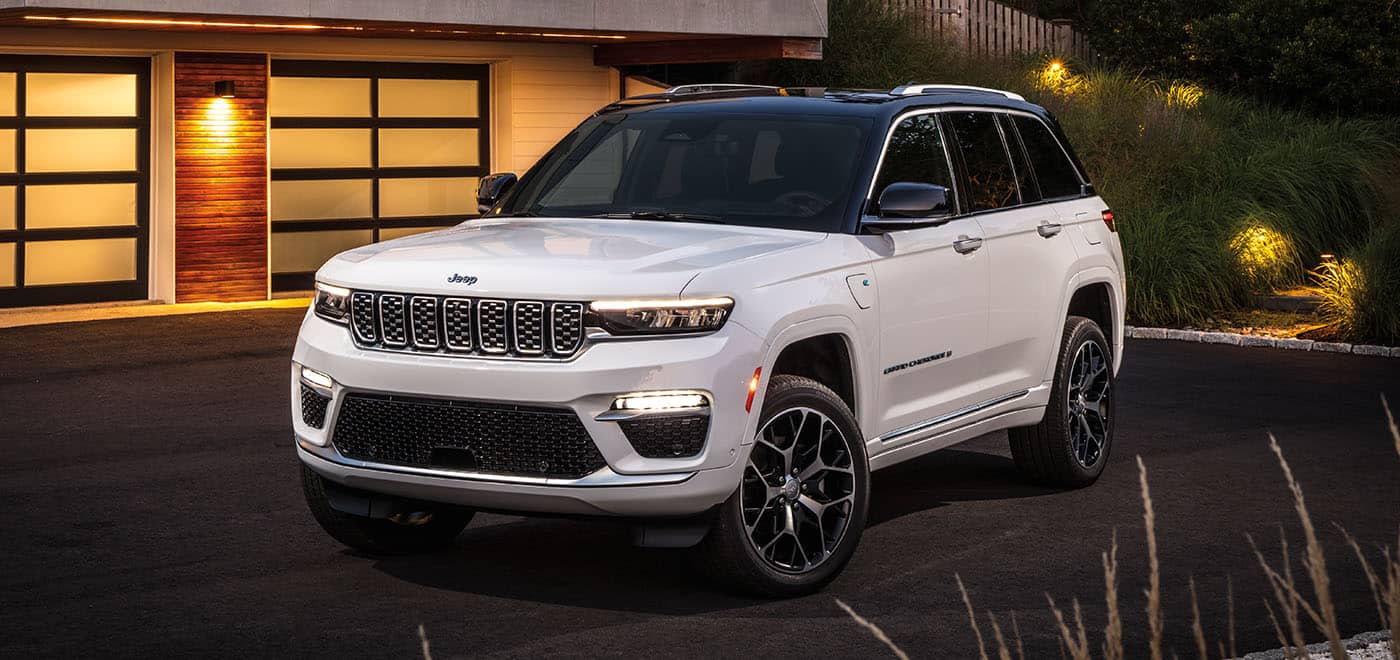
All-new 2021 Jeep® Grand Cherokee L Summit Reserve
The Grand Cherokee is a very different kind of Jeep.
It’s not a tool. It’s not a simple machine. It’s a modern SUV packed with technology, comfort systems, electronics, software, and complex integration. Air suspension, digital dashboards, advanced safety systems, hybrid drivetrains, infotainment platforms — all of it adds complexity.
Mechanically, Grand Cherokees are generally solid. The engines and drivetrains are not the main weak point.
The issues tend to come from systems. Sensors, software, electronics, air suspension components, power management, and infotainment glitches are what frustrate owners.
Grand Cherokees don’t usually fail dramatically. They fail gradually, inconveniently, and expensively. That’s why ownership experiences vary so much. Some people love them for years. Others feel like they’re always fixing something small.
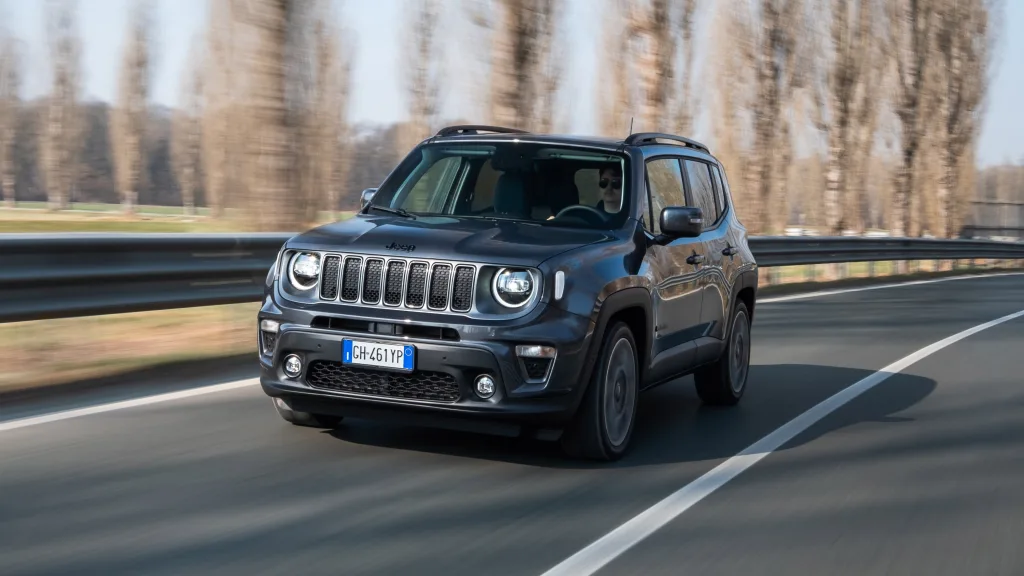
Cherokee, Compass, Renegade
These are daily drivers with Jeep styling and branding.
They’re not hardcore off-road machines, and they’re not luxury SUVs. They’re modern crossovers with Jeep identity. Their reliability is average for modern vehicles — not exceptional, not terrible.
They behave like normal modern cars: electronics matter, maintenance matters, and build quality consistency matters.
They don’t have legendary durability, but they’re not disasters either.
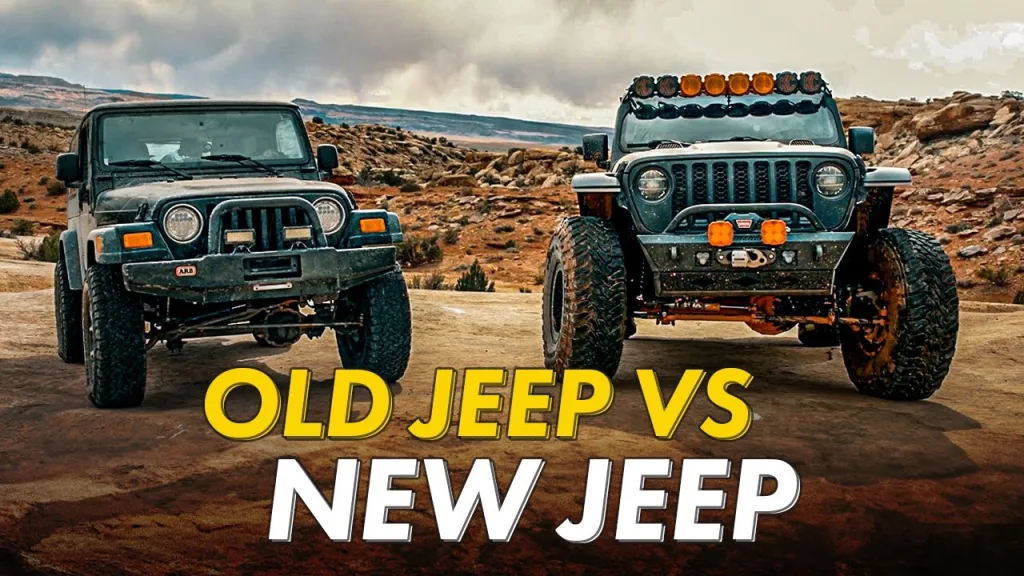
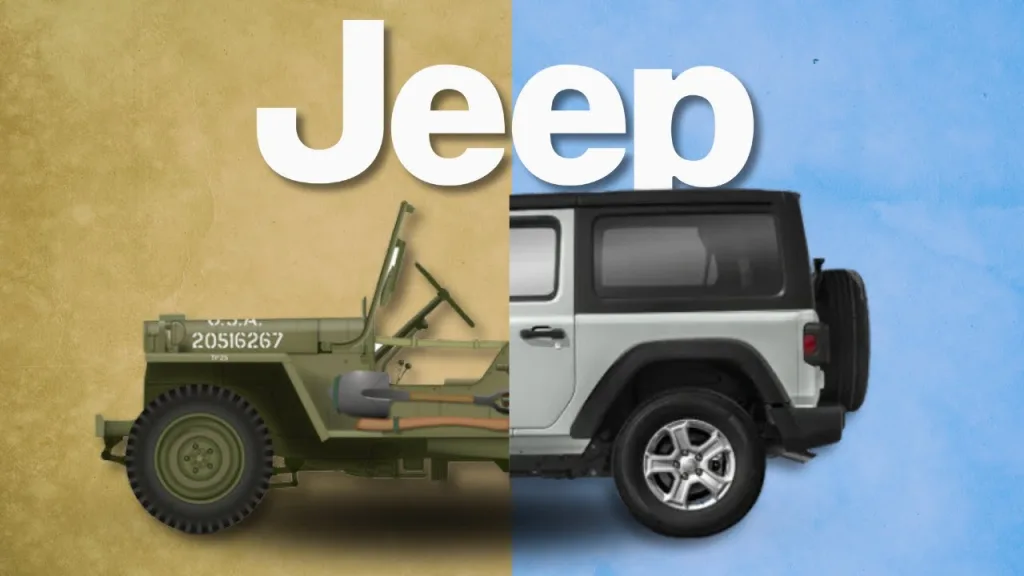
Old Jeeps vs New Jeeps
Older Jeeps are simpler. Fewer systems. Less software. Less integration. That makes them easier to keep alive long-term.
Newer Jeeps are more powerful, more comfortable, more efficient, and far more complex. Complexity always increases long-term risk, regardless of brand.
That’s not a Jeep problem — that’s a modern car problem.
Why People Still Buy Jeeps
If people only cared about reliability, they wouldn’t buy Jeeps.
They’d buy Toyotas.
People buy Jeeps because they feel different. They look different. They carry a different identity. They feel like machines with purpose instead of appliances with screens.
People forgive quirks when they love the experience. They don’t forgive boredom.
The Honest Answer
Are Jeeps reliable?
Mechanically, many of them are strong. Structurally, most of them are durable. Electronically, they’re inconsistent. System-wise, they’re complex. Ownership-wise, they’re unpredictable.
Jeeps don’t behave like boring commuter cars. They don’t age like simple sedans. They don’t live easy lives.
They’re built to survive hard conditions, not to live perfect lives.
If you want invisible ownership, buy something else. If you want character, capability, and identity, you accept the trade-offs.
Because Jeep reliability isn’t about perfection.
It’s about whether the vehicle keeps going when conditions aren’t perfect.
And in that sense, most Jeeps are reliable in the only way that really matters to Jeep owners: They may not always behave, but they usually keep moving.
1. Are Jeeps reliable compared to other brands? Jeeps aren’t built with the same priorities as brands like Toyota or Honda. They focus more on capability, drivetrain strength, and structural durability than long-term electronic simplicity. That means they’re often mechanically strong but can be less consistent when it comes to electronics and systems. Reliability with Jeep depends more on the specific model and how it’s used than the badge itself.
2. Are Jeep Wranglers reliable for daily driving? Yes, many people daily-drive Wranglers without major issues. Mechanically they’re very tough, but they’re not refined cars. Expect more noise, more quirks, and more maintenance than a normal crossover. They’re dependable machines, but not low-effort ownership vehicles.
3. Are Jeep Grand Cherokees reliable long term? Grand Cherokees are generally solid mechanically, but long-term ownership can involve more electronic and system-related issues than simpler vehicles. They don’t usually fail in dramatic ways, but they can develop recurring small problems that make ownership feel inconsistent.
4. Are older Jeeps more reliable than newer ones? In some ways, yes. Older Jeeps are simpler and have fewer electronic systems, which can make them easier to keep running long-term. Newer Jeeps are more comfortable and capable, but added complexity increases the chance of system-related problems over time.
5. Are Jeeps expensive to maintain? They can be. Parts, servicing, and repairs often cost more than mainstream commuter cars, especially for models with advanced systems like air suspension or hybrid drivetrains. Maintenance isn’t outrageous, but it’s rarely cheap.
6. Can Jeeps last over 200,000 miles? Yes, many Jeeps do, especially Wranglers and well-maintained Grand Cherokees. Longevity depends heavily on maintenance, driving conditions, and how the vehicle is used. Abuse and neglect shorten lifespan quickly, while proper care extends it significantly.
7. Who should buy a Jeep? Jeeps make the most sense for people who value capability, identity, and driving experience more than perfect reliability. If you want a vehicle with character and purpose, a Jeep fits. If you want invisible ownership and zero drama, another brand may suit you better.
For decades, the Jeep Grand Cherokee has occupied a rare place in the SUV pantheon — part capable off-roader, part luxury cruiser, part family hauler, and all personality. Its blend of rugged capability and everyday usability has won fans around the world, but behind the rugged fenders lies a question that won’t go away: are Jeep Grand Cherokees reliable? Ask five owners, and you’ll get seven answers. The story isn’t black and white — it’s evolutionary, complex, and worth unpacking in detail.
This article digs deep into Jeep Grand Cherokee reliability, covering:
Year-by-year performance
Best and worst model years
Common problems owners face
Trim-specific reliability differences
Hybrid & plug-in hybrid (4xe) concerns
How it compares with rivals
What owners actually experience
Practical advice for buyers
Whether you’re asking “is the Jeep Grand Cherokee reliable?” or “what year is the most reliable Jeep Grand Cherokee?,” this is your definitive guide.
Why Reliability Is Such a Big Deal for the Grand Cherokee
SUV buyers in the mid-size class tend to think in terms of practical reliability — will this SUV get me across the country? Will it last through long winters, mountain trails, and daily commuting without draining my wallet?
With the Jeep Grand Cherokee, opinions have historically skewed in two directions:
Loyal owners praise its capability, comfort, and rugged charm.
Customer surveys and reliability ratings often place it below some Japanese and Korean rivals in long-term dependability.
Consumer Reports data portrays the Grand Cherokee as comfortable and competent — but not a leader in reliability rankings. In fact, Jeep as a brand has trailed other automakers in reliability surveys, though the gap has reportedly narrowed recently. (Consumer Reports)
That dichotomy captures the Grand Cherokee experience: loved by fans, questioned by statisticians.
Understanding Reliability Ratings
To understand Jeep Grand Cherokee reliability, we need to unpack how reliability is measured:
Consumer Reports
Consumer Reports ranks vehicles based on:
Owner surveys
Problem frequency
Severity of issues
According to CR, some recent Grand Cherokee model years (like 2022 and 2025) are less reliable than the average car of the same year, with multiple recalls noted on newer models. (Consumer Reports)
RepairPal Ratings
RepairPal rates the Grand Cherokee 3.5 out of 5 for reliability, which places it in the middle of the midsize SUV pack. Expected annual repair costs are modest compared to some luxury crossovers, but above the simplest, most reliable SUVs. (RepairPal.com)
Owner Sentiment
Owner reviews — from forums to social media — paint a more nuanced picture. Some owners report zero issues after years of use. Others endure persistent electronics glitches, transmission quirks, or suspension problems. Real-world reliability varies widely by year, drivetrain, and usage.
Reliability by Era: The Good, the Bad, and the Questionable
It’s often said that reliability is about the year, not the badge. That’s absolutely true for the Grand Cherokee.
Nineties and Early 2000s (Classic Era)
Early generations of the Grand Cherokee — like the ZJ and WJ — are often celebrated for mechanical simplicity and durability. These models used robust engines and hydraulic systems that, without a lot of electronics, tended to age well.
Long-time Jeep fans will tell you these early Cherokees are mechanically charming and simple to fix — a trait that appeals to off-roaders and DIY owners.
2011–2015: A Rough Patch
This era includes several of the most controversial model years for reliability.
Industry and owner reports highlight a spike in complaints around 2011 and 2012, likely tied to the introduction of a new generation with more electronics and new drivetrain calibrations. (autopom!)
Some sources even list 2014 as one of the years with more mechanical flaws and owner complaints. (CoPilot Search)
Vehicles with brand-new engineering typically experience early adopter problems — software gremlins, sensor issues, and teething problems that take several years to refine. The Grand Cherokee was no exception.
Transmission issues, electrical glitches, and persistent power module faults were among the issues many owners cited in this era.
Mid-Cycle Maturity (2016–2019)
By the mid-2010s, Jeep had begun to refine the platform. Many reliability analyses and owner surveys point to improved performance in this era.
According to some reliability trackers and expert guides, 2016, 2019, and later models in this era rank better in dependability and owner satisfaction.
Repair frequency dropped, and drivetrains became more proven and robust. It’s also worth noting that 2019 models are often cited among the best years for used Grand Cherokee buyers.
2020s: Innovation Meets Complex Tech
The latest Grand Cherokees arrived with heavy upgrades — including advanced infotainment, hybrid powertrains (like the 4xe), air suspension options, and driver assist tech.
This complexity brings capability, yes — but also more potential failure points.
Consumer reviews of 2022 and 2025 models, for instance, note issues like battery problems, infotainment glitches, alignment issues, and the occasional breakdown.
These complaints often center on tech and electronics — not the mechanical robustness that defined earlier generations.
The Real Weak Spots: What Owners Report Most
Every vehicle has its Achilles’ heels. In the Grand Cherokee’s case, these are the areas most frequently flagged by owners and data trackers:
Transmission
Owners have reported rough shifting, slipping gears, delayed engagement, and occasional failures in automatic transmissions. These issues have appeared across multiple years, from older models to vehicles as recent as 2024.
Electrical and Infotainment Systems
Modern Jeep infotainment systems and electronic modules — including Uconnect and integrated power modules — have been points of frustration. These systems sometimes freeze, reboot, or drain the battery unexpectedly.
Plug-In Hybrid (4xe) Concerns
Recent news highlights significant recalls affecting the 4xe plug-in hybrid models (2022–2025) due to potential engine casting debris that could lead to severe engine damage or fire risk. (Car and Driver)
Another recall affects some 2022–2026 plug-in hybrids for a software defect that could cause loss of drive power. (
Prior recalls have even prompted stern advisories to park vehicles outdoors until fixes are completed due to fire risk.
Comparing Grand Cherokee Reliability With Rivals
Measured purely by reliability scores from independent testers, the Jeep Grand Cherokee often ranks below some competitors.
Consumer Reports data generally places Jeep below brands like Toyota, Honda, and Subaru, which consistently earn high marks for long-term reliability. One analysis even stated that Jeep as a brand has one of the lower reliability averages in industry surveys.
That said, the Grand Cherokee still holds strengths in:
Off-road capability
Interior luxury and comfort
Powertrain versatility
Tow ratings and utility
Buyers willing to trade a bit of long-term predictability for capability often find value here.
Best and Worst Years to Own or Buy
Here’s a rounded list based on owner feedback, reliability trackers, and expert guides — not all sources agree, but patterns emerge:
Best Years for Reliability
2016–2019: Generally stable platforms with fewer major issues.
2019 again stands out in multiple guides for good balance of durability and up-to-date tech.
Certain older early-2000s models (like 2003 with V8) also earn respect for mechanical simplicity.
Years with Higher Complaint Rates
2011–2012: Early generations with elevated issue reports.
2014: Another year flagged for complaints and mechanical problems.
Newer model years occasionally surface reliability notices due to recalls — not necessarily endemic design flaws, but issues worth knowing before buying.
Real Owner Perspectives: Reliability Beyond the Spreadsheet
Owner reviews often highlight the difference between daily reliability and long-term dependability.
Some Grand Cherokee owners report:
Years of trouble-free use even with high mileage.
Strong V6 performance and smooth 8-speed automatics in everyday driving.
A luxurious cabin that rivals vehicles at higher price points.
Others note:
Infotainment quirks that never quite get fully resolved.
Suspension or air-ride issues that lead to expensive repairs.
Electronics failures that don’t show up until after warranty expiration.
The net takeaway? Many owners enjoy reliable service with regular maintenance, but variability is real. Real world reliability isn’t simply “good” or “bad” — it’s model-year and configuration dependent.
Longevity: How Far Can a Grand Cherokee Go?
Unlike simple metrics, longevity depends on:
Maintenance history
Driving conditions
Trim and drivetrain selection
Climate and terrain usage
Timely software/recall fixes
A well-maintained Grand Cherokee — especially older models — is capable of exceeding 200,000 miles with regular service, careful driving, and attention to service intervals.
But newer, more complex systems may require more frequent software or electronic updates — not necessarily reliability failures, but ongoing maintenance commitments.