





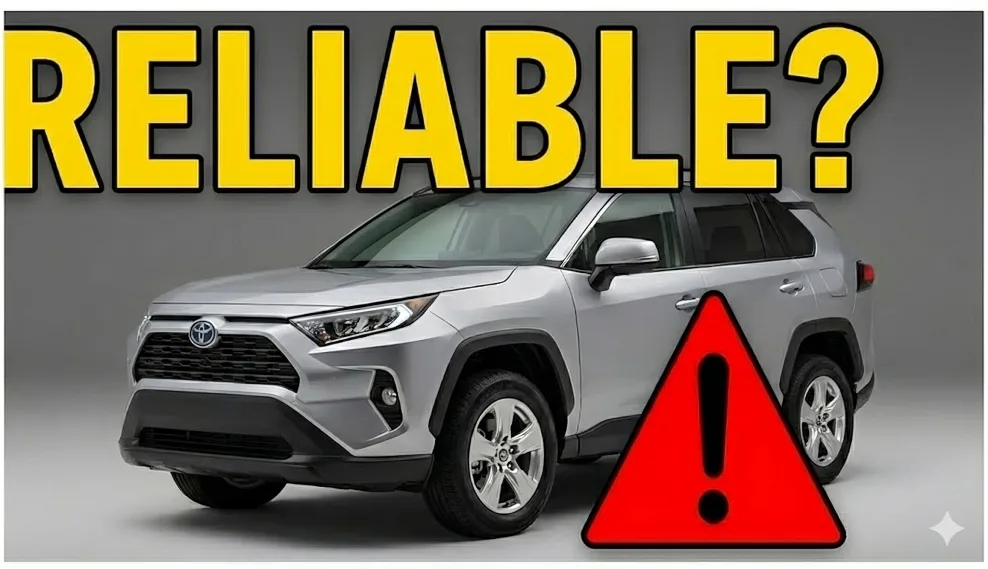
Every year, millions of buyers search “most reliable car brands” hoping for a simple answer. What they usually get is a watered-down list filled with marketing fluff, short-term quality awards, and brands that look great for the first three years and then quietly fall apart.
This is not that list.
This is about which car brands still work when the warranty is gone, the payments are over, and repairs come out of your own pocket. The brands that mechanics trust, owners keep for decades, and forums are full of 300,000 km stories instead of excuses.
Some of the results will not surprise you.
A few will absolutely annoy certain fanbases.
What “Most Reliable” Actually Means (Not the Marketing Version)
True long-term reliability is about:
- Engines that tolerate abuse
- Transmissions that don’t grenade after 150,000 km
- Electronics that don’t age like smartphones
- Parts that are affordable and widely available
It is not about:
- Touchscreens
- Launch reviews
- Horsepower wars
- Short-term “initial quality” trophies
With that cleared up, here’s what the latest long-term data and ownership patterns really show.
1. Toyota — Still the King, and It’s Not Even Close
Toyota’s dominance in reliability isn’t luck. It’s philosophy.
Toyota avoids radical redesigns, introduces new tech slowly, and over-engineers critical components. Their engines are rarely stressed. Their transmissions are tuned for survival, not excitement.
That’s why Toyotas routinely cross 300,000 km (186,000 miles) with nothing more than oil changes, brakes, and suspension wear.
They may not always be thrilling, but when people say “I just want something that works,” they’re describing Toyota.
2. Lexus — Luxury Without the Reliability Tax
Lexus is proof that luxury does not have to mean fragile.
While most luxury brands chase cutting-edge tech and complexity, Lexus sticks to proven Toyota platforms and refines them. The result is luxury vehicles that age like economy cars instead of science experiments.
Owners don’t just keep Lexus vehicles longer. They complain less while doing it.
That’s why Lexus consistently ranks as the most reliable luxury brand, year after year.
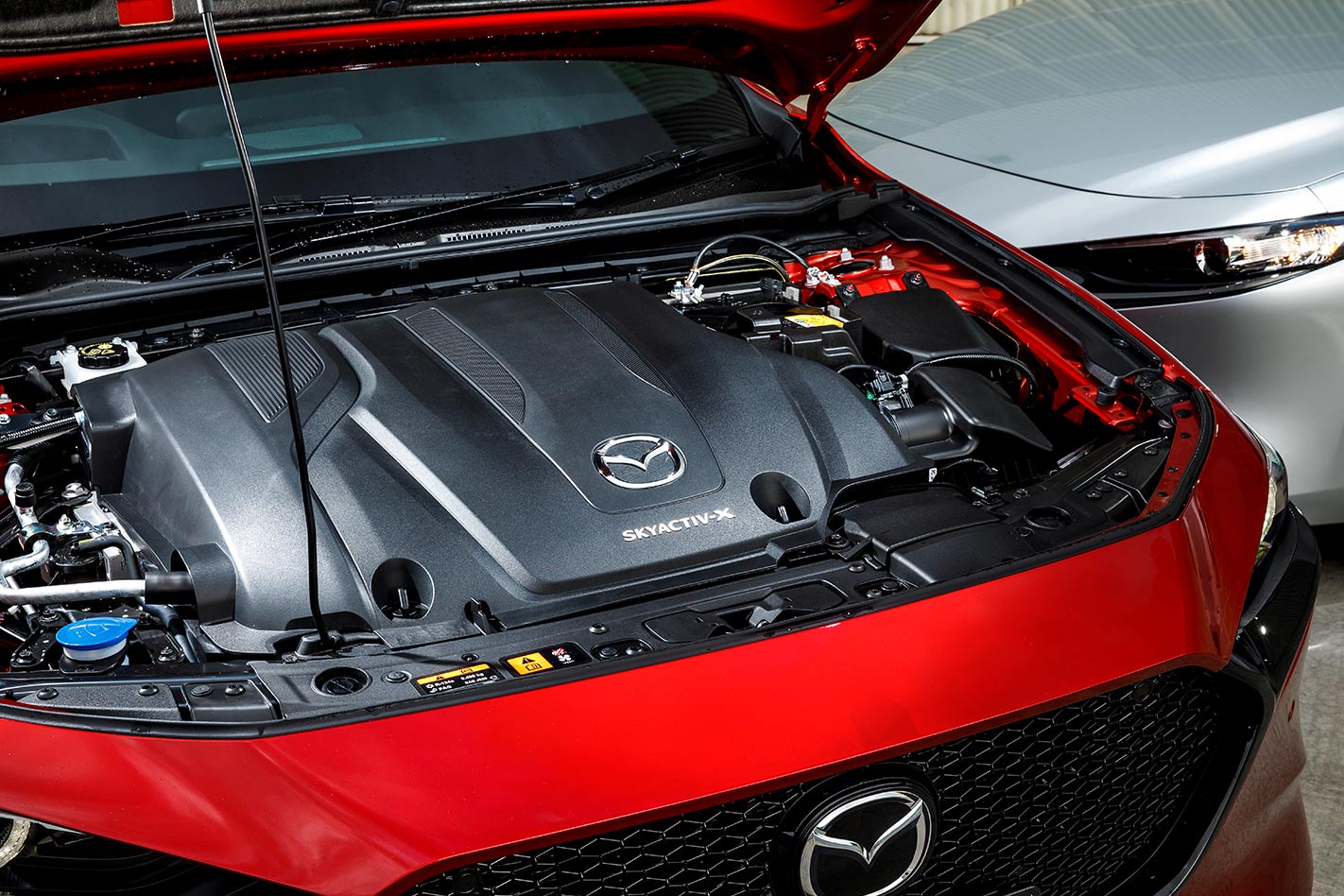
3. Mazda — The Brand That Quietly Beat Everyone
Mazda might be the most underrated reliability brand of the last decade.
While competitors rushed into small turbo engines and complex dual-clutch transmissions, Mazda stuck with naturally aspirated engines, traditional automatics, and simple mechanical layouts.
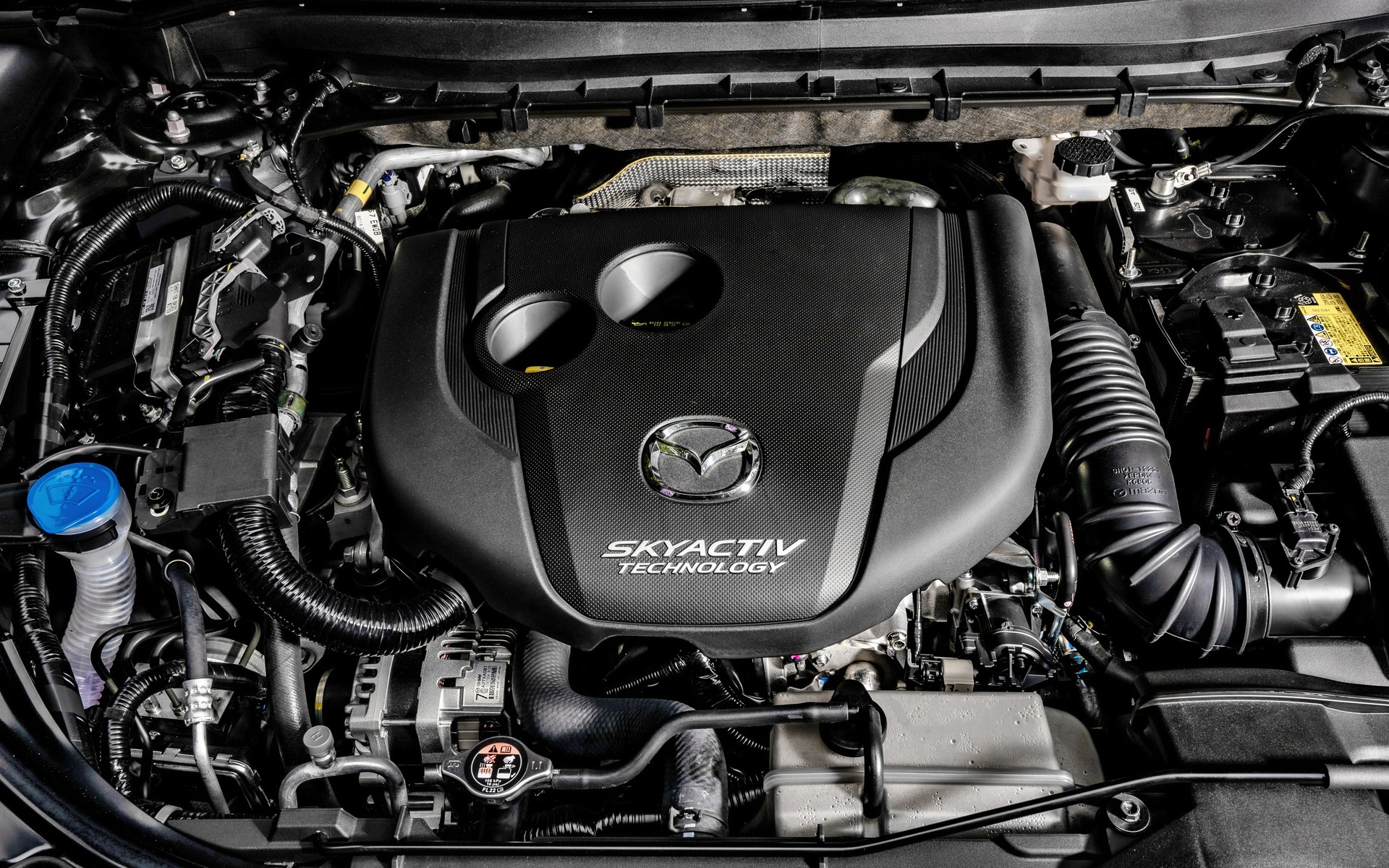
Their Skyactiv engines are now widely regarded as some of the most durable modern engines on the road.
Mazda doesn’t scream reliability in ads. Owners discover it years later when nothing breaks.
4. Honda — Still Strong, Just Less Forgiving Than Before
Honda built its reputation on engines that seemed physically incapable of dying.
While newer models are more complex than old Hondas, the brand still ranks near the top for long-term dependability when properly maintained.
Honda engines are efficient, durable, and well-understood by mechanics worldwide. Skip maintenance, though, and modern Hondas are less forgiving than the legends of the 1990s.
Still, when cared for, Hondas age gracefully.
5. Subaru — Reliable When You Respect the Rules
Subaru reliability sparks endless debate, and here’s why.
Subarus are reliable if you maintain them exactly as intended. Ignore maintenance or abuse them, and they will let you know quickly.
Owners who follow service schedules often keep Subarus well past 250,000 km. Owners who don’t become loud critics online.
All-wheel drive adds complexity, but it doesn’t automatically mean unreliability. Neglect does.
Brands That Didn’t Make the Cut (And Why That Matters)
Several brands consistently fall behind in long-term reliability rankings due to:
- Overcomplicated electronics
- Early adoption of unproven tech
- Cost-cutting in critical components
This is especially true among newer EV-focused brands and luxury manufacturers that prioritize innovation speed over durability testing.
New doesn’t mean bad. It just means unproven.
The EV Reality Nobody Likes to Admit (Yet)
Electric vehicles are improving, but current long-term data still shows higher problem rates than traditional gasoline and hybrid vehicles, mainly due to software, electronics, and early-generation design issues.
That gap is closing, but as of now, gas and hybrid platforms still dominate reliability rankings.
The Hard Truth About Reliability Rankings
Here’s the part most articles avoid:
Brand reliability matters, but model-specific reliability matters more.
A reliable brand can still produce a problematic model. An average brand can produce a rock-solid one. That’s why buyers who research specific engines and generations win long-term.
Blind brand loyalty is how people get burned.
What Smart Buyers Do Differently
Buyers who end up with reliable cars tend to:
- Choose proven powertrains
- Avoid first-year redesigns
- Prioritize maintenance history over mileage
- Ignore gimmicks and focus on fundamentals
That’s not exciting advice. It’s effective advice.
The Bottom Line (No Sugarcoating)
If your goal is a car that:
- Starts every morning
- Survives neglect better than average
- Costs less to keep alive over 10–15 years
Then the most reliable car brands in 2025–2026 are still dominated by:
Toyota, Lexus, Mazda, Honda, and Subaru.
Not because they’re perfect.
But because they understand something many brands forget:
Cars don’t need to impress you for five minutes.
They need to survive for fifteen years.
That’s real reliability.
1. What is the most reliable car brand right now?
Based on long-term ownership data and recent reliability studies, Toyota is still widely considered the most reliable car brand overall, especially for long-term ownership beyond the warranty period.
2. Why does Toyota always top reliability lists?
Because Toyota uses conservative engineering, proven powertrains, and avoids rushing untested technology. That philosophy results in fewer major failures as vehicles age.
3. Is Lexus really more reliable than other luxury brands?
Yes. Lexus is consistently ranked the most reliable luxury brand because it uses Toyota-based engineering with higher-quality materials and fewer experimental systems.
4. Which car brand lasts the longest with basic maintenance?
Toyota and Lexus vehicles routinely exceed 300,000 km (186,000 miles) with routine maintenance, making them among the longest-lasting brands on the road.
5. Is Mazda actually reliable, or is that overhyped?
Mazda is quietly one of the most reliable modern brands. Its focus on naturally aspirated engines and simple automatics has paid off in long-term durability.
6. Are Honda cars still reliable in 2025–2026?
Yes, Honda remains highly reliable, though newer models are less forgiving of skipped maintenance than older Hondas. Proper care is key.
7. Which car brands do mechanics trust the most?
Mechanics consistently favor Toyota, Lexus, Honda, and Mazda because their engines and transmissions are predictable, parts are widely available, and repairs are straightforward.
8. Are Japanese car brands really more reliable than others?
In long-term data, yes. Japanese brands dominate reliability rankings due to conservative design choices and slower adoption of unproven technology.
9. What is the most reliable luxury car brand to own long-term?
Lexus is the clear winner. It delivers luxury features without the reliability penalty typically associated with European luxury brands.
10. Are reliable cars boring to drive?
Not necessarily. Brands like Mazda prove that reliability and engaging driving dynamics can coexist without sacrificing durability.
11. Do electric vehicles rank among the most reliable car brands?
Not yet. EV-focused brands currently show higher problem rates, mainly due to software and electronics issues. Traditional gas and hybrid brands still dominate reliability rankings.
Connect with us


