




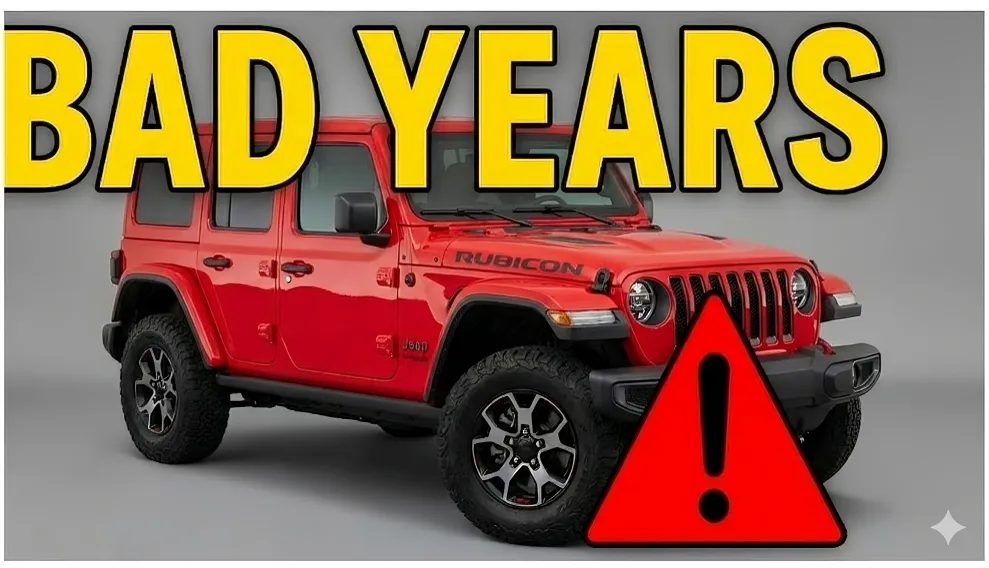
Search “Jeep Grand Cherokee reliability” and you’ll fall into one of the most polarized debates in the SUV world. On one side, you’ll find owners claiming their Grand Cherokee crossed 300,000 km without breaking a sweat. On the other, horror stories describing warning lights, suspension failures, and repair bills that feel more luxury-brand than mainstream SUV.
Both sides are right. And both sides are wrong.
The Jeep Grand Cherokee is not unreliable in the way cheap cars are unreliable. It is unreliable in a far more nuanced, frustrating, and misunderstood way. To understand it properly, you need to stop thinking in absolutes and start looking at years, engines, drivetrains, and ownership behavior.
This is the long, uncomfortable truth most reviews never give you.
Why the Jeep Grand Cherokee’s Reliability Is So Heavily Debated

The core problem with Grand Cherokee reliability discussions is expectation mismatch.
Buyers walk in expecting Toyota-like durability because the Grand Cherokee is a mainstream SUV. But they also expect luxury comfort, advanced tech, and real off-road capability. That combination is inherently complex.
Complexity is the enemy of cheap reliability.
The Grand Cherokee sits in a strange middle ground. It is not a simple crossover. It is not a true luxury SUV. It is not a barebones off-roader. It tries to be all three, and that ambition shapes its reliability profile more than any single mechanical flaw.
Understanding the Jeep Grand Cherokee Platform
The Grand Cherokee has always been built differently than most competitors.
Unlike many unibody crossovers that prioritize on-road comfort above all else, the Grand Cherokee has traditionally been engineered with:
- Real four-wheel-drive systems
- Legitimate towing capability
- Suspension travel that can handle poor surfaces
- Engines designed for torque, not just fuel economy
That foundation gives it strengths most rivals cannot match. It also introduces wear points that don’t exist on simpler vehicles.
Reliability, in this case, is not about “will it break,” but “what wears out sooner because of what this SUV is designed to do.”
Reliability by Generation: This Is Where Most Buyers Get Burned

Early Grand Cherokees: Mechanically Tough, Technologically Primitive
Older Grand Cherokees earned a reputation for ruggedness because they were simple. Fewer sensors. Fewer modules. Fewer electronic dependencies.
When something failed, it usually failed mechanically. Mechanics could diagnose it quickly. Parts were widely available. Repairs were straightforward.
The tradeoff was refinement. Fuel economy was poor. Interiors aged quickly. Safety and infotainment tech feel archaic today.
From a pure reliability standpoint, these models were easier to live with long term, even if they felt crude.
2011–2020: Where the Reputation Was Made (and Ruined)
This generation is responsible for most of the internet outrage.
Jeep modernized the Grand Cherokee aggressively during this period. More electronics. Air suspension options. Multiple drive modes. Touchscreen-heavy interiors. Advanced driver assistance systems.
When these vehicles are new or well-maintained, they feel excellent. When they age without proper care, issues stack up fast.
This generation isn’t unreliable because it’s poorly engineered. It’s unreliable because neglect is punished harder than in simpler SUVs.
Buyers who followed maintenance schedules often report long-term satisfaction. Buyers who skipped services or bought neglected used examples often regret it deeply.
2021 and Newer: Improved, But Not “Bulletproof”
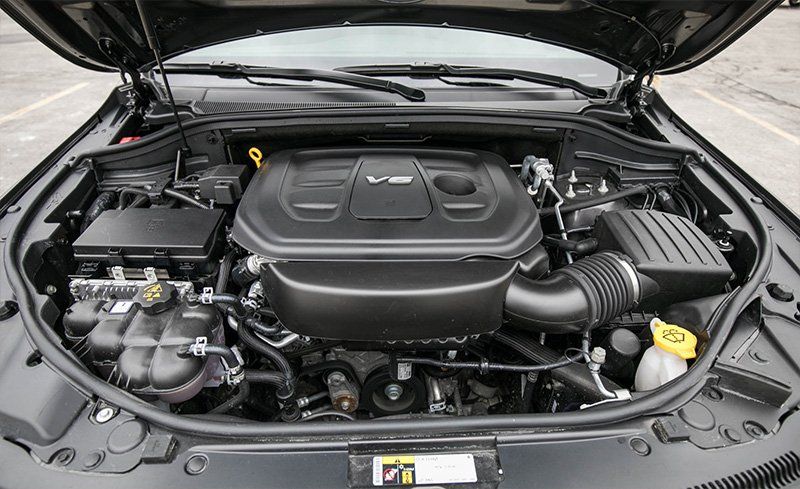
Newer Grand Cherokees show meaningful improvements:
- Better software stability
- Improved interior build quality
- Refined drivetrains
- Smoother suspension tuning
However, complexity hasn’t decreased. If anything, it’s increased. Reliability has improved in consistency, not simplicity.
These models are less prone to random failures but still demand disciplined maintenance and realistic ownership expectations.
Engines That Define the Grand Cherokee Experience
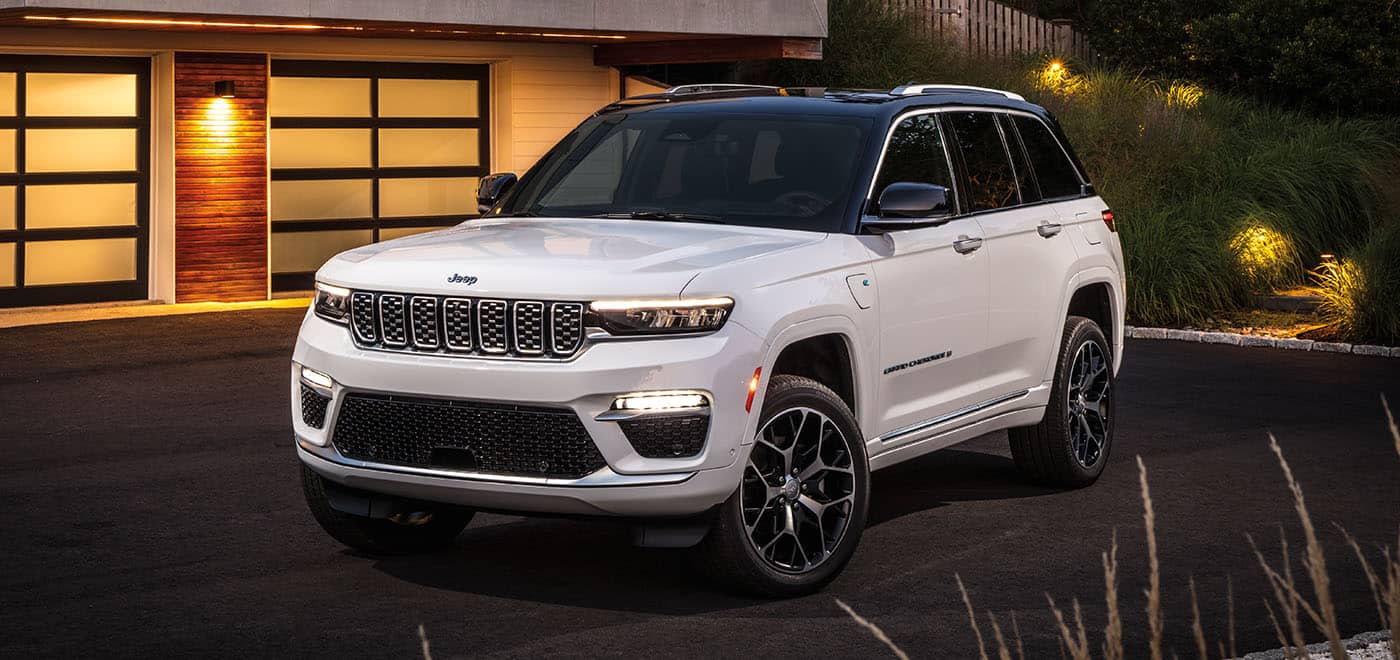
The 3.6L V6: The Reliability Backbone
If there is one reason many Grand Cherokees survive high mileage, it’s this engine.
The V6 is not flashy. It’s not exotic. It’s not especially exciting. What it is, however, is proven.
Common issues exist, but they are predictable and manageable. With proper oil changes and cooling system care, this engine routinely reaches high mileage without internal failure.
For buyers prioritizing reliability over performance, this is the safest choice by a wide margin.
The V8 Option: Power at a Price
The V8 transforms the Grand Cherokee into something special. Towing becomes effortless. Acceleration feels confident. Highway passing requires no planning.
But reliability expectations must shift.
This engine demands strict oil change intervals and quality lubricants. Heat management matters. Short trips and poor maintenance accelerate wear significantly.
Owners who treat it casually often face expensive repairs. Owners who treat it like a performance engine often enjoy long service lives.
Diesel Models: Impressive, but Risky Long Term
Diesel Grand Cherokees offer outstanding torque and fuel efficiency. On paper, they look like the ultimate long-distance SUV.
In reality, emissions systems, sensors, and high repair costs make long-term ownership a calculated risk. When things go wrong, they rarely go wrong cheaply.
This is not a diesel you buy casually.
Transmission Reliability: Better Than You Think
One of the most surprising truths about the Grand Cherokee is that its automatic transmission is rarely the problem.
The widely used 8-speed automatic is smooth, responsive, and generally durable. Failures usually trace back to:
- Missed fluid services
- Overheating from heavy towing
- Aggressive driving combined with poor maintenance
In isolation, the transmission is one of the more reliable components of the vehicle.
Suspension: The Silent Reliability Divider
This is where ownership experiences split dramatically.
Grand Cherokees equipped with conventional suspension tend to age reasonably well. Components wear, but repairs are predictable and manageable.
Models equipped with air suspension deliver incredible ride comfort and off-road versatility. They also introduce compressors, air lines, sensors, and control modules that age poorly if not maintained.
Air suspension is not unreliable by design. It is unreliable when owners assume it’s maintenance-free.
Electronics: The Real Source of Most Complaints
If you strip away exaggeration, most Grand Cherokee reliability complaints are electronic, not mechanical.
Owners report issues such as:
- Infotainment freezing or rebooting
- Warning lights triggered by sensor faults
- Intermittent driver assistance errors
- Software glitches after updates
These issues are rarely catastrophic. They are, however, irritating and sometimes expensive to diagnose.
This is where buyers expecting appliance-like simplicity feel betrayed.
Real Ownership Costs: The Hidden Reliability Metric
Many people misunderstand reliability as “how often it breaks.”
A better metric is “how painful it is when it does.”
The Grand Cherokee uses heavier-duty components than many crossovers. That means higher parts costs and longer labor times. Even routine repairs can feel expensive compared to compact or midsize crossovers.
Owners who budget like they own a premium SUV are rarely shocked. Owners who budget like they own a budget crossover often are.
High Mileage Reality: Can It Actually Last?
Yes, a Jeep Grand Cherokee can last a very long time.
But it will not forgive neglect.
High-mileage examples that succeed almost always share these traits:
- Consistent maintenance records
- Conservative driving habits
- Early attention to warning signs
- Willingness to invest in preventative care
High-mileage failures almost always involve deferred maintenance, ignored symptoms, or abused drivetrains.
Why Some Owners Love It and Others Swear Never Again
This is not a coincidence.
The Grand Cherokee rewards informed ownership and punishes casual ownership. It’s not a vehicle you buy purely on emotion without consequences.
People who understand what they’re buying often become repeat owners. People who don’t often become loud critics.
Neither side is lying. They simply had different expectations.
Is the Jeep Grand Cherokee Reliable Enough to Buy Used?
It can be, but used buyers need to be especially careful.
A well-maintained Grand Cherokee can be a fantastic value. A neglected one can become a financial sinkhole quickly.
Service records matter more here than mileage alone. A higher-mileage vehicle with meticulous maintenance is often safer than a low-mileage one with gaps in care.
The Verdict Most Articles Avoid
The Jeep Grand Cherokee is not unreliable junk.
It is not bulletproof perfection.
It is a capable, comfortable, complex SUV that demands adult ownership.
If you want the easiest possible ownership experience with minimal involvement, this is not your vehicle. If you want a capable SUV that feels substantial, drives confidently, and rewards care, it can be deeply satisfying.
Reliability, in the case of the Grand Cherokee, is not a yes-or-no question. It’s a contract between you and the vehicle.
1. Is the Jeep Grand Cherokee actually reliable?
The Jeep Grand Cherokee is moderately reliable, not class-leading but not unreliable junk either. Reliability depends heavily on model year, engine choice, and maintenance. Well-maintained examples can last a long time, while neglected ones can become expensive quickly.
2. Which Jeep Grand Cherokee years are the most reliable?
Generally, newer models (2021 and up) show improved reliability due to better electronics and build quality. Among older models, versions with the 3.6L V6 tend to be the safest long-term choice when properly maintained.
3. Which Jeep Grand Cherokee years should I avoid?
Years with early infotainment systems, complex air suspension setups, or poor maintenance histories are riskier. Problems are usually not catastrophic failures but frequent electronic or suspension issues that drive up ownership costs.
4. Is the Jeep Grand Cherokee reliable past 200,000 km (125,000 miles)?
Yes, many Grand Cherokees reach and exceed 200,000 km if maintenance is done on time. High-mileage success almost always correlates with documented service history and conservative driving.
5. Is the V6 Jeep Grand Cherokee reliable?
Yes. The 3.6L V6 is widely considered the most reliable engine offered in the Grand Cherokee lineup. It balances power, fuel economy, and long-term durability better than the V8 or diesel options.
6. Is the V8 Jeep Grand Cherokee reliable long-term?
It can be, but it requires strict maintenance discipline. The V8 delivers strong performance but is less forgiving of skipped oil changes, short trips, or overheating. Long-term ownership costs are higher.
7. Are Jeep Grand Cherokee transmissions reliable?
Yes. The automatic transmission used in most Grand Cherokees is generally reliable. Issues usually stem from missed fluid services or heavy towing abuse, not from inherent design flaws.
8. Does the Jeep Grand Cherokee have a lot of electrical problems?
Electronics are the most common complaint area. Infotainment glitches, sensors, and warning lights appear more often than major mechanical failures. Most issues are fixable but can be frustrating to diagnose.
9. Is air suspension on the Jeep Grand Cherokee reliable?
Air suspension offers excellent ride comfort and off-road capability but is less reliable long-term than standard suspension. Repairs can be expensive as the system ages, especially if preventative maintenance is ignored.
10. Are Jeep Grand Cherokees expensive to maintain?
Maintenance and repairs are more expensive than average midsize SUVs but cheaper than true luxury SUVs. Parts are heavier-duty, and labor costs are higher due to complexity.
11. Is a used Jeep Grand Cherokee a good idea?
It can be a great value if service records are strong. Buying a cheap, neglected used Grand Cherokee is risky. Maintenance history matters more than mileage alone.
12. How does Jeep Grand Cherokee reliability compare to Toyota or Honda SUVs?
Toyota and Honda SUVs are generally more reliable and cheaper to own long-term. The Grand Cherokee trades some reliability for better towing, off-road capability, and a more substantial driving feel.
13. Can the Jeep Grand Cherokee be a daily driver?
Yes, many owners daily-drive Grand Cherokees without issue. It’s comfortable, stable in bad weather, and practical. Just understand that long-term ownership requires more attention than simpler crossovers.
14. What are the most common Jeep Grand Cherokee problems?
The most common issues involve:
- Electronics and sensors
- Air suspension components
- Cooling system wear
- Suspension bushings on higher-mileage vehicles
Major engine or transmission failures are less common than online forums suggest.
15. Is the Jeep Grand Cherokee worth buying despite reliability concerns?
Yes, if you know what you’re buying. The Grand Cherokee is worth it for buyers who value capability, comfort, and driving confidence and are willing to maintain it properly. It is not ideal for buyers seeking ultra-low-effort ownership.
Connect with us


