





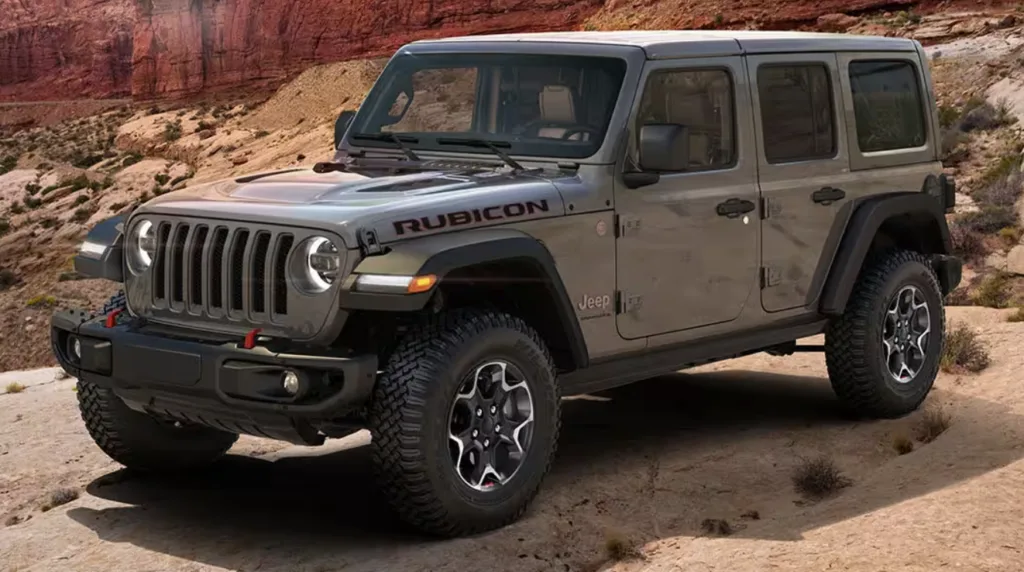
An Honest, Real-World Answer
People don’t buy Jeeps the same way they buy normal cars. No one ends up in a Jeep by accident. It’s always a deliberate choice. Something about the look, the reputation, the image, the idea of where it can go and what it represents pulls people in.
That’s why the question “Are Jeeps reliable?” keeps coming up.
Because buying a Jeep isn’t just buying transportation. It’s buying into a lifestyle idea — adventure, freedom, capability, independence. And the fear most people have isn’t about fuel economy or depreciation. It’s much simpler than that.
They’re asking: will this thing let me down?
The truth is, Jeep reliability isn’t a simple yes or no. It depends on what kind of Jeep you’re talking about, how it’s used, and what you expect from it.
What Reliability Actually Means in Real Life
Most people think reliability means “nothing ever goes wrong.” That’s not realistic for any modern vehicle.
Real reliability is more basic than that. The car starts. The car runs. The car gets you where you’re going. It doesn’t constantly strand you. It doesn’t live in the shop.
Some brands engineer cars to live easy lives — smooth roads, light use, predictable conditions. Jeep doesn’t. Jeep builds vehicles meant to deal with rough roads, bad weather, uneven terrain, heavy loads, dirt, dust, heat, cold, and stress. That changes how reliability looks.
Jeep focuses more on mechanical strength and structural durability than on long-term electronic perfection. That’s an important distinction.
Jeep as a Brand
Jeep doesn’t build “appliance cars.” It builds machines.
That means you get strong drivetrains, solid structures, capable platforms, and vehicles that tolerate abuse better than most crossovers and sedans. But it also means you get more complexity, more systems, more electronics, and more things that can go wrong over time.
So Jeep reliability isn’t usually about engines exploding or frames failing. It’s more about electronics, sensors, software, and system integration.
Some owners have years of trouble-free driving. Others deal with small recurring issues that add up. That inconsistency is what gives Jeep its reputation — not constant catastrophic failure, but uneven ownership experiences.
The Wrangler Reality
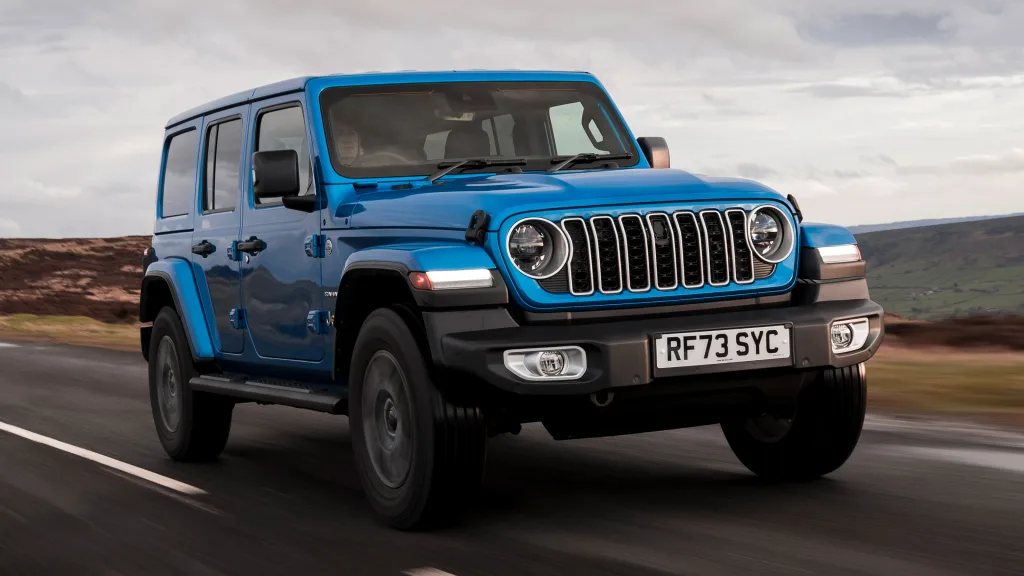
The Wrangler is the purest Jeep there is.
Mechanically, it’s one of the toughest vehicles you can buy. Simple structure, strong frame, solid axles, traditional 4WD systems, and a design that prioritizes durability over comfort. Wranglers are built to be driven in conditions that destroy normal cars.
That’s why old Wranglers are still everywhere. Rusty, dented, lifted, rebuilt — but still running.
Where Wranglers struggle isn’t the mechanical side. It’s the modern side. Electronics, infotainment systems, sensors, electrical components, and seals are where problems show up. A Wrangler will often keep driving even when parts of it stop behaving properly.
In simple terms: Wranglers are mechanically reliable, electronically inconsistent.
They usually keep moving, even when they’re annoying to live with.
The Grand Cherokee Reality
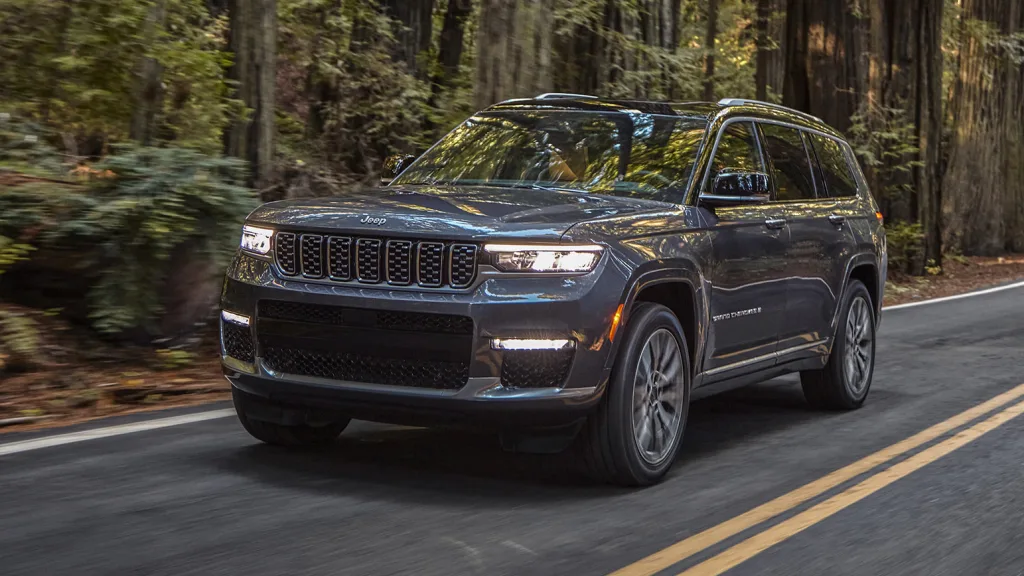
The Grand Cherokee is a very different kind of Jeep.
It’s not a tool. It’s not a simple machine. It’s a modern SUV packed with technology, comfort systems, electronics, software, and complex integration. Air suspension, digital dashboards, advanced safety systems, hybrid drivetrains, infotainment platforms — all of it adds complexity.
Mechanically, Grand Cherokees are generally solid. The engines and drivetrains are not the main weak point.
The issues tend to come from systems. Sensors, software, electronics, air suspension components, power management, and infotainment glitches are what frustrate owners.
Grand Cherokees don’t usually fail dramatically. They fail gradually, inconveniently, and expensively. That’s why ownership experiences vary so much. Some people love them for years. Others feel like they’re always fixing something small.
Cherokee, Compass, Renegade
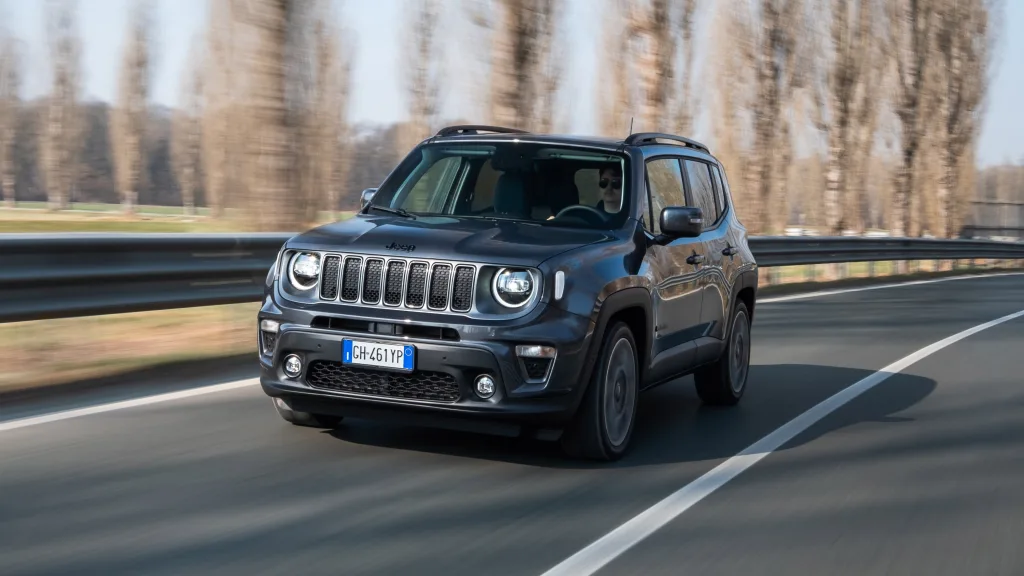
These are daily drivers with Jeep styling and branding.
They’re not hardcore off-road machines, and they’re not luxury SUVs. They’re modern crossovers with Jeep identity. Their reliability is average for modern vehicles — not exceptional, not terrible.
They behave like normal modern cars: electronics matter, maintenance matters, and build quality consistency matters.
They don’t have legendary durability, but they’re not disasters either.
Old Jeeps vs New Jeeps
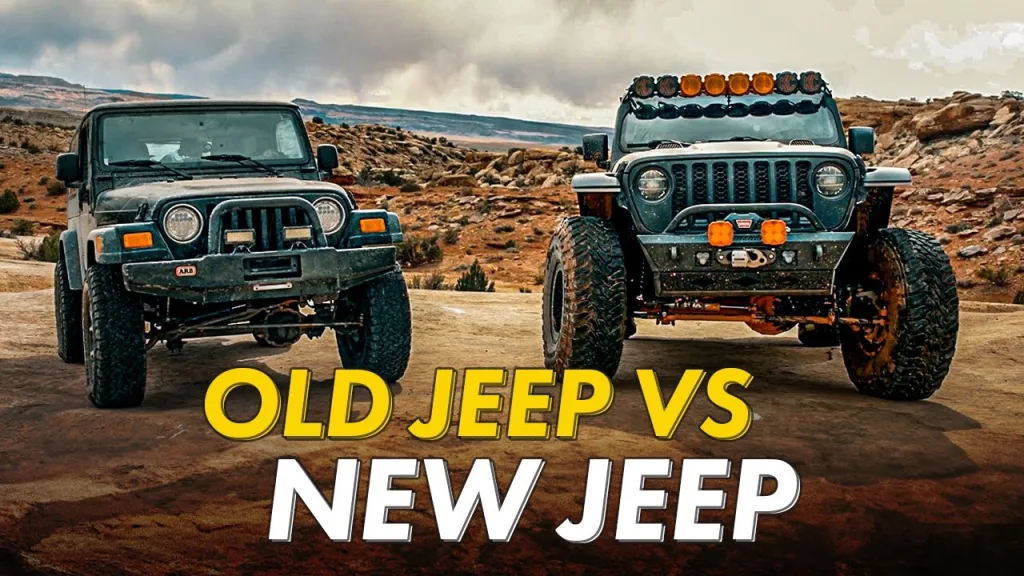
Older Jeeps are simpler. Fewer systems. Less software. Less integration. That makes them easier to keep alive long-term.
Newer Jeeps are more powerful, more comfortable, more efficient, and far more complex. Complexity always increases long-term risk, regardless of brand.
That’s not a Jeep problem — that’s a modern car problem.
Why People Still Buy Jeeps
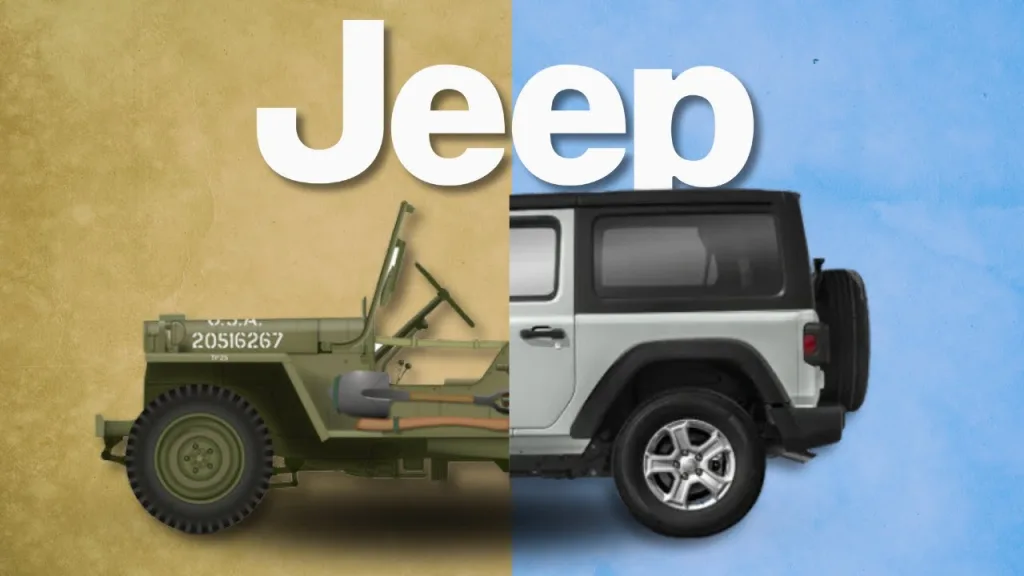
If people only cared about reliability, they wouldn’t buy Jeeps.
They’d buy Toyotas.
People buy Jeeps because they feel different. They look different. They carry a different identity. They feel like machines with purpose instead of appliances with screens.
People forgive quirks when they love the experience. They don’t forgive boredom.
The Honest Answer
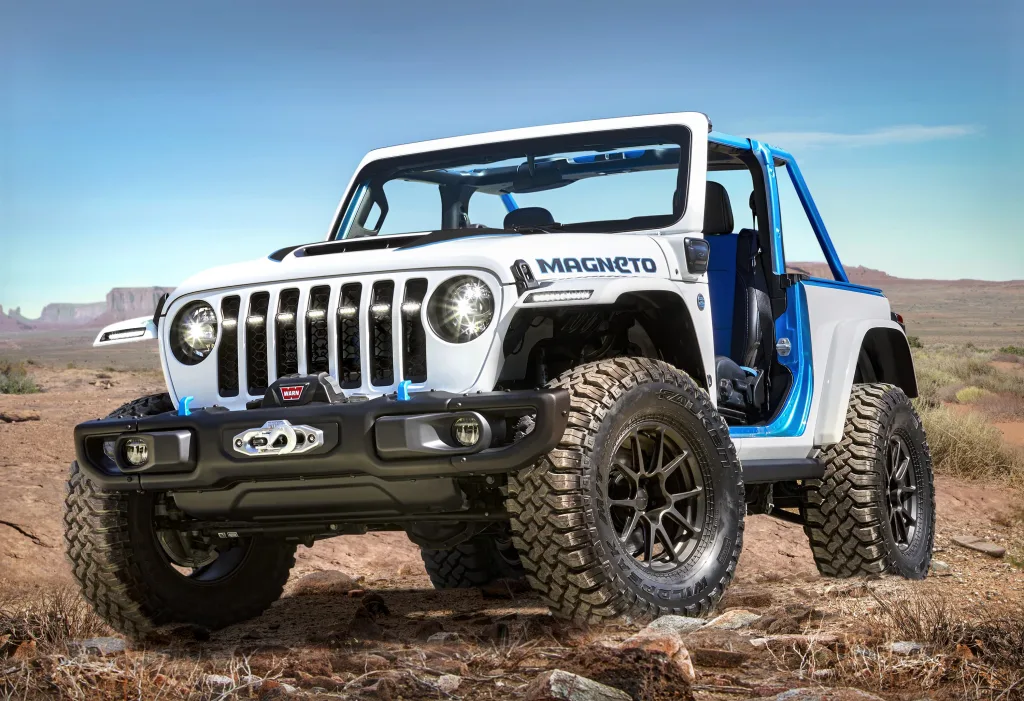
Are Jeeps reliable?
Mechanically, many of them are strong.
Structurally, most of them are durable.
Electronically, they’re inconsistent.
System-wise, they’re complex.
Ownership-wise, they’re unpredictable.
Jeeps don’t behave like boring commuter cars. They don’t age like simple sedans. They don’t live easy lives.
They’re built to survive hard conditions, not to live perfect lives.
If you want invisible ownership, buy something else.
If you want character, capability, and identity, you accept the trade-offs.
Because Jeep reliability isn’t about perfection.
It’s about whether the vehicle keeps going when conditions aren’t perfect.
And in that sense, most Jeeps are reliable in the only way that really matters to Jeep owners:
They may not always behave, but they usually keep moving.
1. Are Jeeps reliable compared to other brands?
Jeeps aren’t built with the same priorities as brands like Toyota or Honda. They focus more on capability, drivetrain strength, and structural durability than long-term electronic simplicity. That means they’re often mechanically strong but can be less consistent when it comes to electronics and systems. Reliability with Jeep depends more on the specific model and how it’s used than the badge itself.
2. Are Jeep Wranglers reliable for daily driving?
Yes, many people daily-drive Wranglers without major issues. Mechanically they’re very tough, but they’re not refined cars. Expect more noise, more quirks, and more maintenance than a normal crossover. They’re dependable machines, but not low-effort ownership vehicles.
3. Are Jeep Grand Cherokees reliable long term?
Grand Cherokees are generally solid mechanically, but long-term ownership can involve more electronic and system-related issues than simpler vehicles. They don’t usually fail in dramatic ways, but they can develop recurring small problems that make ownership feel inconsistent.
4. Are older Jeeps more reliable than newer ones?
In some ways, yes. Older Jeeps are simpler and have fewer electronic systems, which can make them easier to keep running long-term. Newer Jeeps are more comfortable and capable, but added complexity increases the chance of system-related problems over time.
5. Are Jeeps expensive to maintain?
They can be. Parts, servicing, and repairs often cost more than mainstream commuter cars, especially for models with advanced systems like air suspension or hybrid drivetrains. Maintenance isn’t outrageous, but it’s rarely cheap.
6. Can Jeeps last over 200,000 miles?
Yes, many Jeeps do, especially Wranglers and well-maintained Grand Cherokees. Longevity depends heavily on maintenance, driving conditions, and how the vehicle is used. Abuse and neglect shorten lifespan quickly, while proper care extends it significantly.
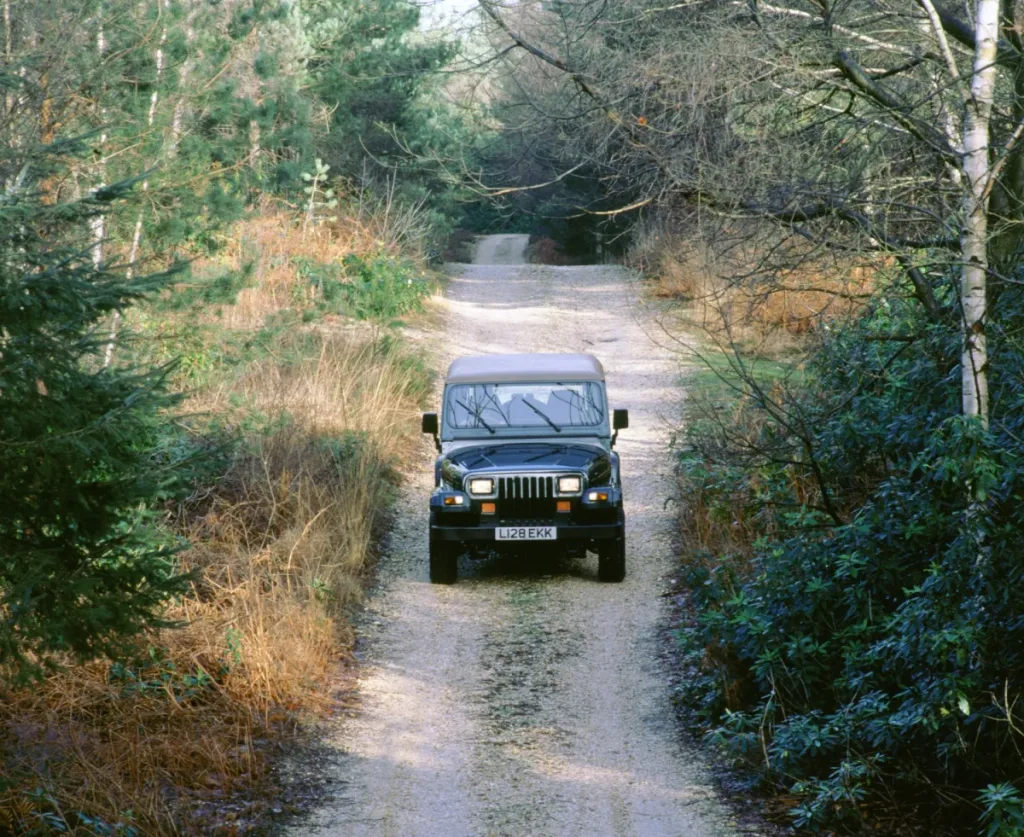
7. Who should buy a Jeep?
Jeeps make the most sense for people who value capability, identity, and driving experience more than perfect reliability. If you want a vehicle with character and purpose, a Jeep fits. If you want invisible ownership and zero drama, another brand may suit you better.
Connect with us


