




Jeep Grand Cherokee Reliability – Mechanic Advice
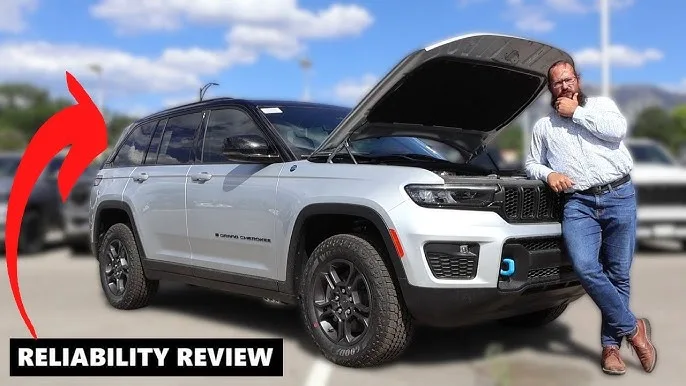
Are Jeep Grand Cherokees reliable vehicles?
It’s one of the most searched questions in the midsize SUV segment, and for good reason. The Jeep Grand Cherokee occupies a unique position in the market. It is not a compact crossover, not a full-size SUV, and not a hardcore off-roader like the Wrangler. Instead, it sits in the middle: a premium two-row midsize SUV that blends comfort, performance, towing capability, luxury features, and legitimate off-road engineering.
That combination makes it desirable — and controversial.
Searches for jeep grand cherokee reliability, jeep grand cherokee reliability by year, and jeep grand cherokee years to avoid dominate buyer research behavior because the Grand Cherokee has developed a reputation that is both respected and questioned. Some owners report decades of dependable service. Others report catastrophic failures, early breakdowns, and expensive repairs.
So what’s the truth?
To answer that question properly, you have to move beyond marketing claims and reliability charts and listen to real owners. One of the clearest pictures of real-world grand cherokee reliability comes from a long Reddit discussion titled “How reliable is the GC really?” in the r/JeepGrandCherokee community. Owners from multiple generations, trims, and production years shared their experiences — good, bad, and everything in between.
What emerges from that discussion is not a simple answer — but a clear pattern.
Jeep Grand Cherokee Reliability by Year: Why Model Year Matters More Than Brand
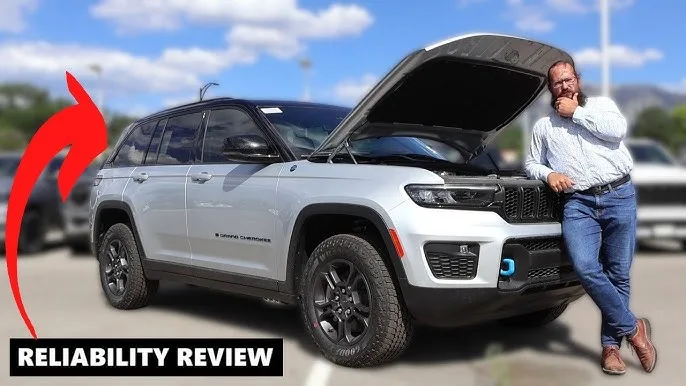
The most consistent theme across hundreds of owner comments is this:
Jeep Grand Cherokee reliability by year matters more than the Jeep badge itself.
Owners are not divided by brand loyalty — they are divided by production cycles.
Some report near-perfect reliability:
A 2021 owner with 28,000 miles reported:
“No issues. Zero. Powertrain is strong. It’s been a good experience for us so far.”
A 2019 Trailhawk owner:
“Zero issues here. Love it.”
A 2016 Limited owner with 149,000 miles:
“No real issues. Regular maintenance.”
A family with multiple Grand Cherokees:
“2011 with 190k miles… great SUV. 2016 with 70k miles… never a thing wrong with it.”
A 2012 owner with 126,000 miles:
“12 years of worry-free service.”
At the same time, other owners report severe failures:
A 2018 model:
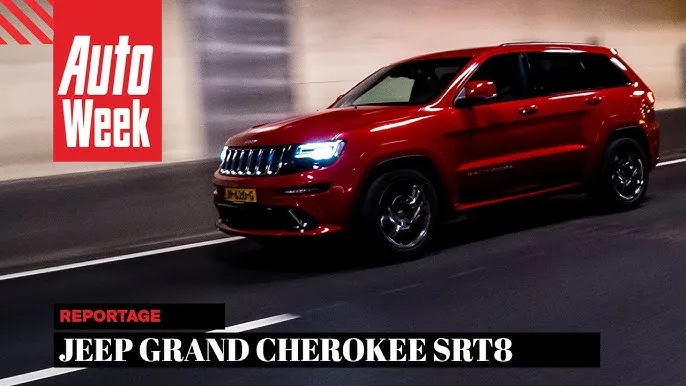
“Camshaft replaced at 71,000 miles.”
A 2017 model:
“Engine blew around 60k miles, transmission clutch pack went out at 110k.”
A 2018 Limited:
“Transmission valve failure, then engine failure at 84,000 miles.”
A 2025 Summit:
“Electrical issue killing the batteries before 200 miles.”
A 2023 Overland:
“Three big issues and one tow truck visit within the first year.”
This contrast explains why people don’t just search is jeep grand cherokee reliable anymore — they search jeep grand cherokee reliability by year and jeep grand cherokee years to avoid.
Reliability is not consistent across the lineup. It is production-cycle dependent.
Are Jeep Grand Cherokees Reliable Vehicles? The Conditional Answer
Are Jeep Grand Cherokees reliable vehicles?
The honest answer is: yes — conditionally.
They are not universally unreliable.
They are not universally dependable.
They are year-dependent, generation-dependent, drivetrain-dependent, and maintenance-dependent.
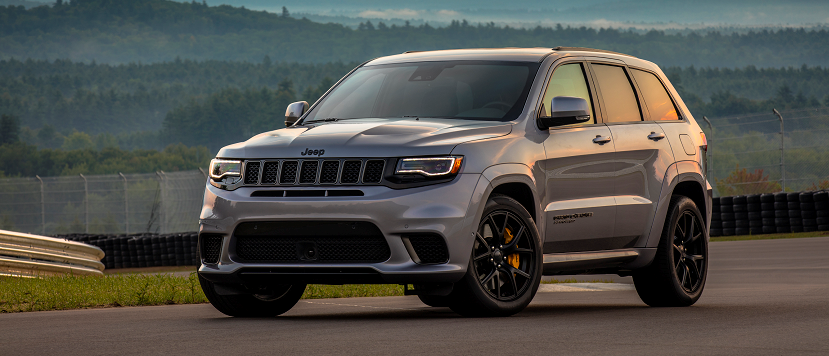
This is why owners themselves differentiate between Jeep brand reliability and Jeep Grand Cherokee reliability. As one owner put it:
“Jeep makes some real turds, but the Grand Cherokee isn’t one of them.”
That statement reflects a broader truth: the Grand Cherokee has historically been one of Jeep’s better-engineered platforms — but not every version of it.
Jeep Grand Cherokee Best Years vs Jeep Grand Cherokee Years to Avoid
From real ownership patterns, clear reliability clusters appear.
The Jeep Grand Cherokee best years tend to share three traits:
- Mature platforms (not first-year redesigns)
- Proven drivetrains
- Stabilized electronics and software
Owners consistently praise:
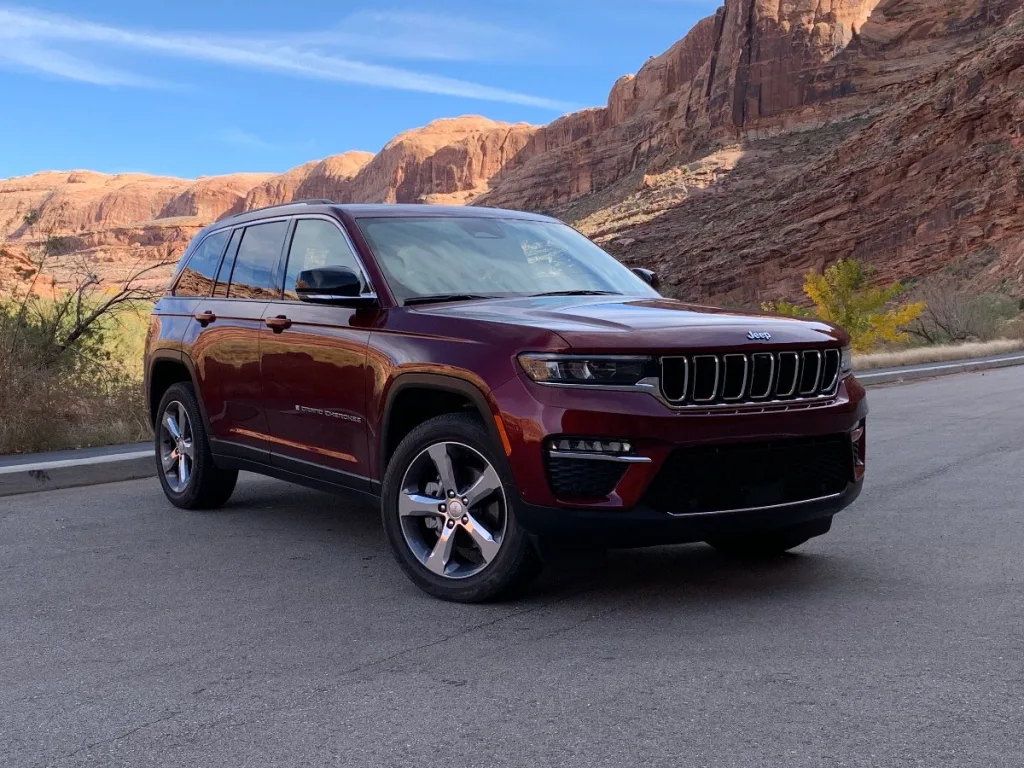
- 2010–2012 models with proven powertrains
- 2015 models with stable mechanical platforms
- 2016–2019 models with refined transmissions and electronics
- 2019 Trailhawk trims with high long-term satisfaction
- 2017 Overland models exceeding 130k miles without failures
These production windows align with searches like:
- jeep grand cherokee best years
- best years for jeep grand cherokee
- best jeep grand cherokee years
- best year for jeep grand cherokee
- best year jeep grand cherokee
- best grand cherokee years
The Jeep Grand Cherokee years to avoid tend to show:
- Early redesign production issues
- Oil cooler housing failures
- Camshaft and valvetrain failures
- Electrical drain problems
- Infotainment instability
- Transmission valve body failures
- Air suspension electrical faults
- Software-driven system failures
These years drive searches like:
- jeep grand cherokee years to avoid
- what year jeep grand cherokee to avoid
- most reliable grand cherokee years
Most Reliable Jeep Grand Cherokee Year: Why There Isn’t One Single Winner
Searches like most reliable jeep grand cherokee year assume there is one perfect model year.
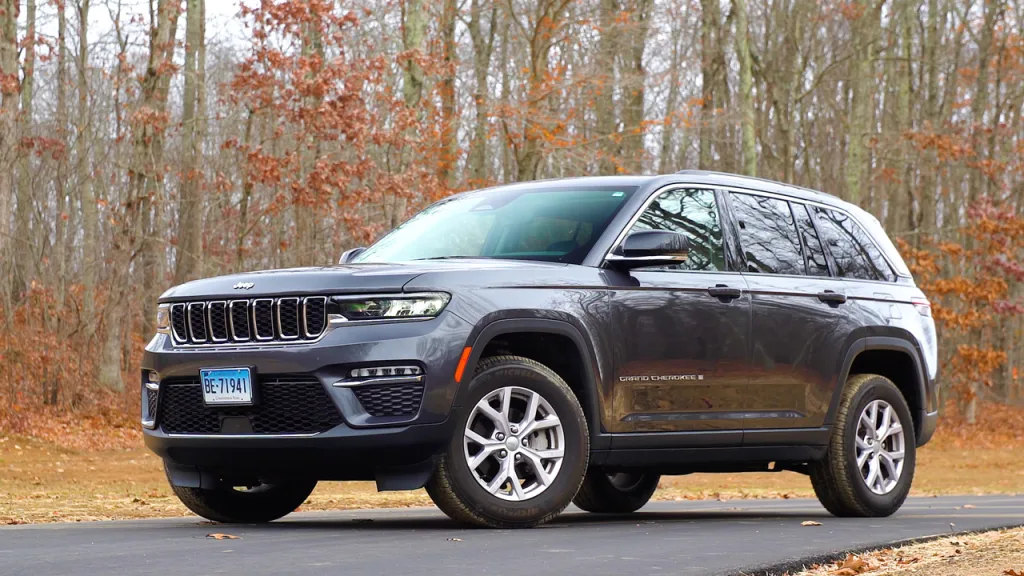
Reality doesn’t work that way.
Reliability clusters around platform maturity, not calendar years.
The most reliable jeep grand cherokee years typically appear:
- After redesign bugs are resolved
- After drivetrain revisions
- After software stabilization
- After supplier quality issues are corrected
That’s why reliability is best measured in production phases, not single years.
Owners with 150k–250k miles almost always own mid-cycle models, not first-year redesigns.
The Proven Drivetrain Effect
Several owners referenced “proven drivetrains,” which matters more than trim or features.
The 3.6L Pentastar V6, when properly maintained, appears frequently in high-mileage success stories.
The ZF 8-speed transmission, when serviced properly, shows both strong performance and long-term durability — but failures occur when neglected.
At the same time, known weak points appear consistently:
- Plastic oil filter housing warping
- Oil cooler leaks
- Camshaft failures
- Electronic control module failures
- Battery drain faults
- Software integration problems
These issues explain why jeep grand cherokee reliability varies so widely across years.
2010 Jeep Grand Cherokee and Long-Term Survivability
The 2010 Jeep Grand Cherokee appears repeatedly in high-mileage ownership stories.
Owners report:
- Long drivetrain life
- Low major failure rates
- Strong off-road durability
- Multi-purpose usage (family vehicle, work vehicle, overland builds)
This generation reflects what happens when platforms mature: reliability improves.
Jeep Cherokee Reliability vs Jeep Grand Cherokee Reliability
Many buyers cross-shop models, leading to searches like:
- jeep cherokee reliability
- jeep cherokee reliability by year
- jeep cherokee years to avoid
- most reliable jeep cherokee year
- best years for jeep cherokee
- are jeep cherokees reliable
The Cherokee is mechanically simpler in many configurations, which can reduce failure points. But reliability still follows the same rule:
Year selection matters more than model name.
Both platforms show:
- Reliable production windows
- Failure-prone production windows
- Stable drivetrain generations
- Problematic early redesigns
Ownership Psychology: Why People Still Buy Grand Cherokees
Despite reliability concerns, people keep buying them. Why?
Because buyers aren’t just buying reliability — they’re buying experience:
- Driving feel
- Interior comfort
- Ride quality
- Towing capacity
- Off-road capability
- Luxury features
- Design
- Power delivery
As one owner said:
“Hondas and Toyotas are anemic to drive.”
Another said:
“The Jeep had that look and driving experience that made us fall in love with it.”
Grand Cherokees are emotional purchases, not purely rational ones.
The Reliability Tradeoff
Buyers understand the tradeoff:
Toyota reliability = mechanical safety, less excitement
Jeep Grand Cherokee = capability, comfort, performance, design — with risk
This is why buyers no longer ask:
“Is the Jeep Grand Cherokee reliable?”
They ask:
- Which years are reliable?
- Which years should I avoid?
- Which drivetrains last?
- Which generations are stable?
Most Reliable Jeep Grand Cherokee Years: The Ownership Pattern
From owner data, the most reliable jeep grand cherokee years typically come from:
- Mid-cycle refresh generations
- Post-redesign stabilization years
- Models with mature software systems
- Models with proven drivetrains
- Models with resolved supplier defects
Not from first-year redesigns.
Not from early platform launches.
Not from tech-heavy experimental cycles.
Long-Term Reliability Reality
If you are researching:
- are jeep grand cherokees reliable
- are jeep grand cherokees reliable vehicles
- jeep grand cherokee reliability
- jeep grand cherokee reliability by year
- jeep grand cherokee years to avoid
- best years for jeep grand cherokee
- most reliable jeep grand cherokee year
- grand cherokee reliability
- most reliable jeep grand cherokee
The conclusion is clear:
The Jeep Grand Cherokee is not a reliability gamble —
it is a year-selection decision.
Choose the right year → excellent ownership experience
Choose the wrong year → expensive ownership experience
Final Verdict: The Real Answer
So, is the Jeep Grand Cherokee reliable?
Yes — in the right years.
No — in the wrong ones.
The Grand Cherokee is not inherently unreliable.
It is not inherently dependable.
It is production-cycle dependent.
That is the truth real owners reveal.
Reliability is not about the badge.
It is not about the trim.
It is not about the marketing.
It is about:
- Platform maturity
- Drivetrain stability
- Software stability
- Engineering revisions
- Maintenance discipline
And above all:
Year selection.
That is the real meaning of jeep grand cherokee reliability by year — and why it matters more than any rating, chart, or brand reputation.

In short: the 2012 Ram 1500 uses a coil-spring independent front suspension and a leaf-spring solid rear axle on the standard truck, with an optional air suspension on select trims. This combo defines its ride, handling, and hauling behavior.
Let’s unpack what that means and why it matters.
Front Suspension — Independent Coil Springs
For 2012, the Ram 1500 uses a double-wishbone independent front suspension with coil springs and stabilizer bar.
Here’s what that does:
- Independent front suspension means each front wheel reacts to bumps separately — unlike a solid beam axle where both wheels are linked.
- Coil springs provide a smoother ride than older leaf front springs found on many trucks.
- Double wishbones help maintain better tire contact under load and during steering.
Result:
More comfort, better road manners, and improved steering feel compared with older, solid-axle designs.
This was a deliberate choice by Rams of this era to balance capability with everyday driving comfort. The truck is not a sports sedan, but the front suspension is one of the reasons the Ram rides more comfortably on pavement than many competitors.
Rear Suspension — Leaf Springs (Standard)
Out back, the 2012 Ram 1500 uses a solid rear axle with multi-leaf springs.
Key points:
- Solid rear axle: rugged and simple — ideal for towing and hauling.
- Leaf springs: distribute load across the axle and chassis, especially under heavy weight.
This is the classic truck setup. It’s predictable, durable, and well-supported in the aftermarket.
The trade-offs:
- Leaf springs are not as compliant as coils for ride comfort when lightly loaded.
- They can feel stiff on rough pavement with no load in the bed.
But once you load up the bed or hook up a trailer, leaf springs shine. They provide stability and predictable behavior under load in a way that softer rear suspensions struggle to match.
Optional Rear Air Suspension
For 2012, Ram offered optional rear air suspension on certain trims and packages.
What air suspension does:
- Uses air springs instead of (or in addition to) leaf springs
- Can automatically adjust ride height
- Improves unloaded ride comfort
- Provides load-leveling when towing or hauling
- Can lower the rear for better entry/exit or improved aerodynamics
The benefits:
- Smoother ride unloaded — closer to SUV comfort
- Automatic leveling when loaded — keeps the truck balanced
- Selectable modes on some trims
The trade-offs:
- Adds complexity and cost
- More components that can wear out (air lines, compressors, valves)
- Slight weight penalty over basic leaf springs
For buyers who spend lots of time unloaded on pavement but also want towing capability, air suspension is a premium feature that genuinely transforms the truck’s behavior.
Does 4WD Change the Suspension?
The 2012 Ram 1500’s basic suspension architecture stays the same whether it’s 2WD or 4WD:
- Independent coil front suspension (with CV joints and drive axles on 4WD)
- Solid rear axle with leaf springs
- Optional rear air suspension
What changes with 4WD is:
- Additional drivetrain weight
- More robust front differential and CV setup
- Slightly stiffer components to handle torque distribution
But the fundamental suspension design is consistent.
How This Suspension Affects Ride and Handling
On paved roads:
The coil-spring front end gives the Ram 1500 a ride quality that’s surprisingly close to a large SUV. The trade-off is a bit more body roll than a sportier vehicle, but the steering is composed and predictable.
At highway speeds:
The front suspension helps isolate bumps, and the rear setup keeps the truck stable and controlled.
When loaded or towing:
The leaf springs (or optional air suspension) come into their own. They provide support and resistance to sagging, keeping the truck level and safe under load.
Off-road:
The solid rear axle with leaf springs is simple, strong, and durable — ideal for rough terrain. The independent front allows each wheel to articulate independently, improving contact and traction on uneven surfaces.
How This Compares to Competitors
In 2012, the half-ton pickup segment included:
- Ford F-150 (independent front, solid rear)
- Chevrolet Silverado 1500 (solid front and rear)
- GMC Sierra 1500 (solid front and rear)
- Toyota Tundra (solid front and rear)
- Nissan Titan (solid front and rear)
Ram’s independent front coil setup put it ahead of many competitors in ride comfort. Most rivals still used solid beam front axles in that era.
Air suspension was a rare option in full-size trucks in 2012, giving Ram a comfort and capability edge in certain trims.
Why Ram Chose This Setup
The philosophy behind the 2012 Ram 1500 suspension is simple:
- Balance comfort and capability
- Provide everyday drivability
- Retain rugged hauling/towing behavior
- Offer advanced options (air suspension)
Independent front suspension improves everyday driving comfort. Leaf springs give strength under load. Air suspension adds refinement when needed.
The result is a truck that doesn’t feel like a farm implement when you drive it home from the lot, but still behaves predictably under a trailer or a heavy payload.
Common Owner Concerns
Do the leaf springs ride harsh unloaded?
Yes, compared to coil springs or SUVs, leaf springs can feel firm when the bed is empty. That’s normal for this design.
Does the air suspension make a big difference?
Absolutely. It smooths out the rear ride at light load and levels the truck under heavy load. The trade-off is complexity and potential maintenance cost.
Is the solid rear axle a disadvantage?
Not for its intended use. Solid rear axles are standard in trucks for durability and load support. Independent rear setups are uncommon in full-size pickups because they compromise load capacity.
Aftermarket Options and Upgrades
Because the 2012 Ram 1500 suspension is popular, the aftermarket offers many upgrades:
- Upgraded leaf springs (progressive or heavy-duty)
- Air suspension enhancements (remote compressors, upgraded airbags)
- Front coil spring upgrades
- Performance shocks and struts
- Lift or leveling kits
- Sway bar disconnects for off-road articulation
- Better bushings and control arms
These upgrades can tailor the truck for:
- Towing
- Off-road use
- Heavy payloads
- Lifted builds
- Smoother daily driving
Quick Reference — Suspension Specs
Front:
- Independent double-wishbone
- Coil springs
- Stabilizer bar
Rear (standard):
- Solid axle
- Multi-leaf springs
- Shock absorbers
Rear (optional):
- Air suspension (air springs + compressor + leveling system)
- Load leveling capability
What This Means for Real Owners
If you’re considering a 2012 Ram 1500, here’s what the suspension delivers in practical terms:
- Highway comfort better than most rivals of the era
- Predictable handling for daily driving
- Strong under-load stability for towing and hauling
- Air suspension option that improves ride and leveling
- Durable architecture with plenty of aftermarket support
This isn’t a “luxury car suspension” in a truck body. But it’s an engineered balance that suits the real needs of pickup owners: comfort on pavement, stability under load, and durability over time.
Final Expert Summary
Yes — the 2012 Ram 1500’s suspension is well-designed for its era.
It uses:
- Independent coil-spring front suspension for better ride comfort
- Leaf-spring solid rear axle for load support and towing
- Optional rear air suspension for enhanced ride quality and auto-leveling
This combination gives the 2012 Ram 1500 a ride quality and capability that still holds up well today, and it’s one of the reasons the truck remains popular in the used market.
Can You Tune a 2012 Ram 1500? — Expert Answer
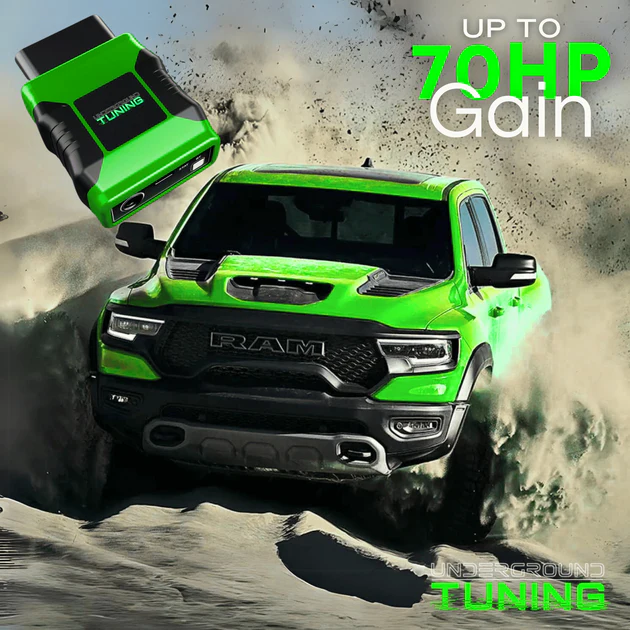
Yes — you absolutely can tune a 2012 Ram 1500.
And not just “flash a gimmick tune,” but properly recalibrate the engine and transmission in a way that delivers real performance, drivability, and efficiency gains.
The 2012 Ram 1500 is one of the easiest modern trucks to tune because of its engine architecture, ECU accessibility, and aftermarket support. Whether you’re running the 3.6L Pentastar V6 or the 5.7L HEMI V8, tuning is not only possible — it’s common.
This is a mature platform. The tuning ecosystem is well-developed. And the gains are real if it’s done correctly.
Which Engines Can Be Tuned?
The 2012 Ram 1500 came with two main engines:
3.6L Pentastar V6
- Tunable: Yes
- Gains: Moderate but noticeable
- Focus: Throttle response, drivability, shift behavior, fuel economy, light power gains
5.7L HEMI V8
- Tunable: Yes
- Gains: Significant
- Focus: Power, torque, throttle response, transmission logic, MDS tuning, towing performance
Both engines use ECU systems that are fully supported by the aftermarket. No exotic hardware. No rare software. No locked proprietary nightmare.
This is one of the most tuner-friendly half-ton trucks of its era.
What Tuning Actually Does (Realistically)
A proper tune doesn’t just “add horsepower.” It recalibrates multiple systems:
Engine Parameters
- Fuel maps
- Ignition timing
- Throttle mapping
- Torque management
- Rev limits
- Speed limiters
- Air-fuel ratios
Transmission Logic
- Shift points
- Shift firmness
- Torque converter lockup
- Downshift behavior
- Tow/haul logic
- Throttle-to-shift mapping
This matters because the factory calibration is conservative by design. It’s built for emissions, warranty protection, broad driver profiles, and regulatory compliance — not optimized performance or responsiveness.
Tuning rebalances those priorities.
Real-World Performance Gains
Here’s what experts actually see on a properly tuned 2012 Ram 1500:
3.6L Pentastar V6
- Power gain: ~10–20 hp
- Torque gain: ~10–15 lb-ft
- Biggest improvement: throttle response + drivability
- Feel: more responsive, smoother shifts, better mid-range pull
5.7L HEMI V8
- Power gain: ~20–35 hp
- Torque gain: ~25–40 lb-ft
- Biggest improvement: low-end torque + throttle response
- Feel: stronger launch, better towing feel, sharper acceleration
These are realistic gains, not marketing claims.
You feel tuning more than you measure it:
- Faster throttle reaction
- Less delay off the line
- Better passing power
- Cleaner downshifts
- More predictable towing behavior
- Stronger mid-range torque
MDS Tuning (Big Deal on the HEMI)
The 5.7L HEMI uses MDS (Multi-Displacement System) — cylinder deactivation for fuel economy.
Tuning allows you to:
- Disable MDS entirely
- Modify activation thresholds
- Smooth transitions
- Reduce drivability issues
This alone is one of the biggest reasons HEMI owners tune.
Many drivers dislike MDS engagement/disengagement behavior. A tune can clean it up or eliminate it completely.
Fuel Economy Reality
Yes — tuning can improve fuel economy, but only under certain conditions:
- Highway cruising
- Optimized shift logic
- Smoother throttle mapping
- Efficient torque management
Typical results:
- V6: +0.5 to +1.5 mpg potential
- V8: +0.5 to +1 mpg potential
Aggressive driving will cancel those gains immediately. Tuning doesn’t override physics.
Types of Tunes Available
1. Handheld Tuners (Most Common)
Plug-in flash devices that reprogram the ECU.
Pros:
- Easy install
- Reversible
- User control
- Multiple tune profiles
- Widely supported
Cons:
- Generic tunes are less optimized than custom tunes
2. Custom Dyno Tuning
Vehicle-specific tuning on a dyno.
Pros:
- Maximum performance
- Custom fuel and timing maps
- Perfected shift logic
- Optimized for your mods
Cons:
- Expensive
- Requires professional shop
- Not portable
3. Remote Custom Tuning
Data logs sent to tuner, custom files returned.
Pros:
- Custom calibration
- No dyno required
- Better than generic tunes
Cons:
- Requires data logging
- Iterative process
Supporting Mods That Improve Tune Results
Tuning works best when paired with light bolt-ons:
- Cold air intake
- High-flow exhaust
- Headers (HEMI)
- Throttle body upgrade
- Performance spark plugs
- Intake manifold mods
These don’t just add power — they allow the tune to optimize airflow and fueling more effectively.
Transmission Benefits (Often Overlooked)
Many owners tune for power and ignore transmission improvements, but this is where tuning shines:
- Firmer shifts
- Faster gear changes
- Better towing control
- Reduced gear hunting
- Smarter downshifts
- Improved towing stability
A tuned transmission makes the truck feel more modern, even if the engine is stock.
Tuning and Reliability
This is where bad information spreads.
Safe tuning does not reduce reliability when done correctly.
What kills engines:
- Lean air-fuel ratios
- Excessive timing advance
- Poor cooling management
- Bad-quality fuel
- Aggressive knock thresholds
- Bad tuning files
A conservative performance tune:
- Maintains safe AFR
- Protects engine temps
- Retains knock control
- Keeps factory safety systems
- Preserves long-term reliability
The danger isn’t tuning — it’s bad tuning.
Warranty Reality
On a 2012 truck, warranty is irrelevant for most owners.
But technically:
- ECU tuning can void powertrain warranty
- ECU flash counters can be detected
- Dealers can see non-factory calibration
For a 12+ year old truck, this is rarely a real-world concern.
Cost Breakdown
Typical tuning costs:
Handheld tuner:
$300–$600
Custom remote tune:
$500–$900
Dyno tune:
$800–$1,500+
Supporting mods increase cost but also increase gains.
Is It Worth It? Expert Opinion
For the 2012 Ram 1500, tuning is one of the highest value mods you can do.
You’re not just buying horsepower — you’re buying:
- Better drivability
- Smarter shifting
- Stronger towing behavior
- Improved throttle response
- Better daily usability
- Cleaner power delivery
It modernizes the truck’s behavior more than any cosmetic upgrade ever could.
When Tuning Makes the Most Sense
Tuning is ideal if you:
- Tow regularly
- Drive in hilly terrain
- Want better throttle response
- Hate MDS behavior
- Want better transmission logic
- Have bolt-on mods
- Use the truck for work
- Want more control over engine behavior
When Tuning Is Not Worth It
Tuning may not be worth it if:
- You only drive short city trips
- You never tow
- You don’t care about throttle feel
- You plan to sell the truck soon
- You want stock behavior only
- You are highly risk-averse
The Engineering Reality
The 2012 Ram 1500 ECU was calibrated conservatively from the factory to meet:
- Emissions compliance
- Broad driver profiles
- Long warranty cycles
- Fuel quality variation
- Fleet usage standards
- Regulatory constraints
Tuning removes those compromises.
It doesn’t change the engine — it changes how the engine is allowed to operate.
Final Expert Answer
Yes — you can tune a 2012 Ram 1500, and it’s one of the most tune-friendly half-ton trucks of its era.
Both the 3.6L V6 and 5.7L HEMI respond well to tuning.
The aftermarket is mature.
The software is accessible.
The gains are real.
The reliability is maintainable.
Done properly, tuning improves:
- Power
- Torque
- Drivability
- Transmission behavior
- Towing performance
- Throttle response
- Daily usability
It’s not a gimmick mod.
It’s a functional upgrade.
Bottom Line
A tuned 2012 Ram 1500 doesn’t just feel faster — it feels better engineered.
More responsive.
More predictable.
More controlled.
More usable.
More capable.
That’s why tuning remains one of the most popular upgrades for this platform — even over a decade later.
When Did Dodge and Ram Split?
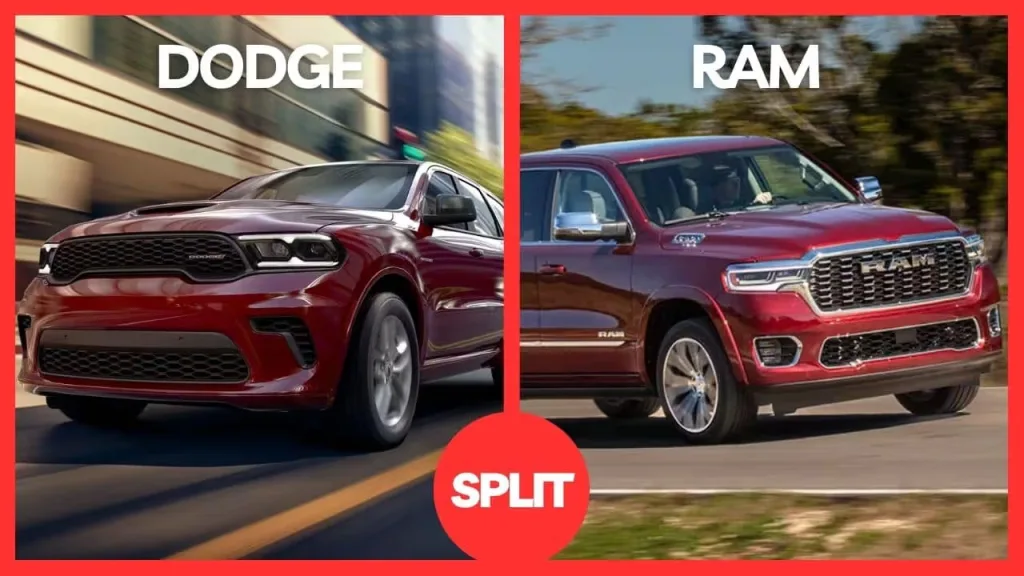
Short answer: Dodge and Ram officially split in 2010.
That’s the year Chrysler separated its brands, making Ram a standalone truck division and removing trucks entirely from Dodge’s lineup. From that point forward, Dodge stopped making trucks, and Ram became the brand responsible for pickups, heavy-duty trucks, and commercial vehicles.
If you’re looking for a clean, definitive date:
Model year 2010 is when the split became real in showrooms, branding, and product lines.
But the story behind that date matters, because this wasn’t a cosmetic name change. It was a structural shift that reshaped how Chrysler, and later Stellantis, organized its entire vehicle portfolio.
The Official Split: 2010
In 2010, Chrysler formally separated Dodge and Ram into two distinct brands.
Before that:
- Trucks were sold as Dodge Ram
- Ram existed as a model name, not a brand
- Dodge handled everything: cars, minivans, SUVs, trucks, performance, fleet, and commercial vehicles
After 2010:
- Dodge became a car and performance brand
- Ram became a truck and commercial brand
- All pickups and commercial vehicles moved under Ram branding
- Dodge stopped producing trucks entirely
From that moment on, the Dodge Ram name ceased to exist as a product line.
The Dodge Ram 1500 became the Ram 1500.
The Dodge Ram 2500 became the Ram 2500.
The Dodge Ram 3500 became the Ram 3500.
Same trucks. Same factories. Same customers.
Different brand structure.
Why Chrysler Made the Split
This wasn’t about marketing language. It was about business clarity.
By the late 2000s, Dodge had become a brand with no clear identity. It was trying to serve too many markets at once:
- Muscle cars
- Family sedans
- Minivans
- SUVs
- Pickup trucks
- Commercial vehicles
- Fleet buyers
- Performance buyers
Everything lived under one badge. That created internal competition for resources, confused brand identity, and diluted long-term strategy.
Trucks, in particular, operate in a completely different business ecosystem than passenger cars:
- Different buyer psychology
- Different ownership cycles
- Different financing structures
- Different fleet relationships
- Different durability expectations
- Different regulatory pressures
- Different electrification challenges
- Different profit models
Chrysler’s solution was structural separation.
Dodge would focus on performance, cars, and lifestyle vehicles.
Ram would focus on trucks, towing, payload, fleet, and commercial markets.
Two brands. Two strategies. Two identities.
What Changed After 2010
Once the split happened, it wasn’t subtle.
Branding changed immediately:
- Dodge badges disappeared from trucks
- Ram branding replaced Dodge branding
- Tailgates, grilles, marketing materials all shifted to RAM
- Dealer signage changed
- Product naming changed
- Corporate structures changed
Product planning changed too:
- Ram development became truck-first, not car-first
- Dodge engineering became performance-first
- Separate marketing strategies were created
- Separate product roadmaps were developed
- Separate long-term electrification plans were built
Ram became a dedicated truck manufacturer in everything but legal corporate ownership.
Why the Dodge Ram Name Didn’t Disappear From Culture
Even though the brand split in 2010, the name never left public language.
People still say “Dodge Ram” because:
1. Decades of brand memory
The Dodge Ram badge existed for generations. It built real trust and recognition long before brand restructuring became a thing people followed.
2. Millions of legacy trucks still on the road
Older Dodge Rams are still everywhere. You see the badge daily.
3. Language inertia
People don’t update vocabulary when companies restructure.
4. Dealership overlap
Dodge, Jeep, and Ram often operate under the same dealership groups, which blurs brand separation for consumers.
5. No functional shock
The trucks didn’t radically change overnight, so the shift didn’t feel real-world disruptive.
So the brand changed.
The language didn’t.
That’s why people still ask:
- “When did Dodge and Ram split?”
- “Is Ram still Dodge?”
- “Why do people still say Dodge Ram?”
- “Did Dodge stop making trucks?”
The Business Impact of the Split
From an industry standpoint, the Dodge–Ram split was a smart strategic move.
It allowed Ram to become a full-category truck brand, not just a pickup line inside a car company.
That changed how Ram operates today:
- Product development is truck-centered
- Platform investment is utility-driven
- Commercial strategy is centralized
- Fleet relationships are brand-specific
- Engineering priorities focus on durability, not performance
- Electrification strategy is utility-first, not lifestyle-first
- Profit models are built around long-term ownership
Ram now competes directly with Ford and GM as a standalone truck brand, not as a division inside a mixed vehicle portfolio.
This structural clarity is why Ram has been able to build a coherent truck identity over the last decade and a half.
What the Split Didn’t Change
Despite the branding shift, several things stayed the same:
- Same factories
- Same workforce
- Same supplier networks
- Same production platforms
- Same core truck architecture
- Same customer base
- Same market segments
- Same use cases
The trucks didn’t change category.
The buyers didn’t change profile.
The market didn’t change structure.
Only the brand hierarchy changed.
The Clean Timeline
Here’s the simple, accurate timeline:
Before 2010:
Trucks sold as Dodge Ram
Brand: Dodge
2010 onward:
Trucks sold as Ram
Brand: Ram (standalone)
Dodge no longer sells trucks.
Ram no longer sells cars.
This structure still exists today.
Why This Still Matters in 2026
Fifteen years later, the split still shapes the market.
Ram is positioned as a truck-only brand.
Dodge is positioned as a performance brand.
Jeep is positioned as an off-road/SUV brand.
Each has a defined role inside the corporate structure.
That clarity helps with:
- Product investment decisions
- Brand messaging
- Market positioning
- Long-term electrification planning
- Regulatory compliance strategies
- Platform development
- Commercial market planning
This is why Ram today feels like a truck company — not a division inside a car company.
The Cultural Reality
Even with all that structure, the public still uses the old name.
People say “Dodge Ram” for the same reason people say:
- “Chevy truck” instead of Chevrolet Silverado
- “Beamer” instead of BMW
- “Benz” instead of Mercedes-Benz
- “Caddy” instead of Cadillac
Brand language evolves socially, not corporately.
The Dodge Ram name lived in culture long enough that it became identity language, not just branding.
That’s why it never fully disappeared.
The Direct Answer
So if someone asks:
“When did Dodge and Ram split?”
The factual answer is:
2010.
That’s when:
- Dodge stopped making trucks
- Ram became its own brand
- The Dodge Ram name ended
- Ram Trucks began operating independently
- The brand structure changed permanently
The Bigger Meaning of the Split
This wasn’t just a rebrand.
It was a focus decision.
Brands that try to be everything usually lose identity.
Brands that specialize usually win categories.
Dodge specialized in performance.
Ram specialized in trucks.
The split clarified both brands instead of weakening them.
And that’s why the structure still exists 15 years later.
Final Takeaway
Dodge and Ram officially split in 2010.
Since then:
- Dodge has not sold trucks
- Ram has not sold cars
- The brands have operated independently
- Ram has functioned as a standalone truck manufacturer
- The Dodge Ram name has existed only in cultural memory
The name changed.
The badge changed.
The corporate structure changed.
But the trucks stayed right where they’ve always been:
On the road.
On job sites.
In fleets.
In driveways.
In daily life.
Different brand.
Same category.
Same purpose.
That’s the real story behind the Dodge–Ram split.
What Is the Dodge Ram Called Now? [ 2026 Update ]
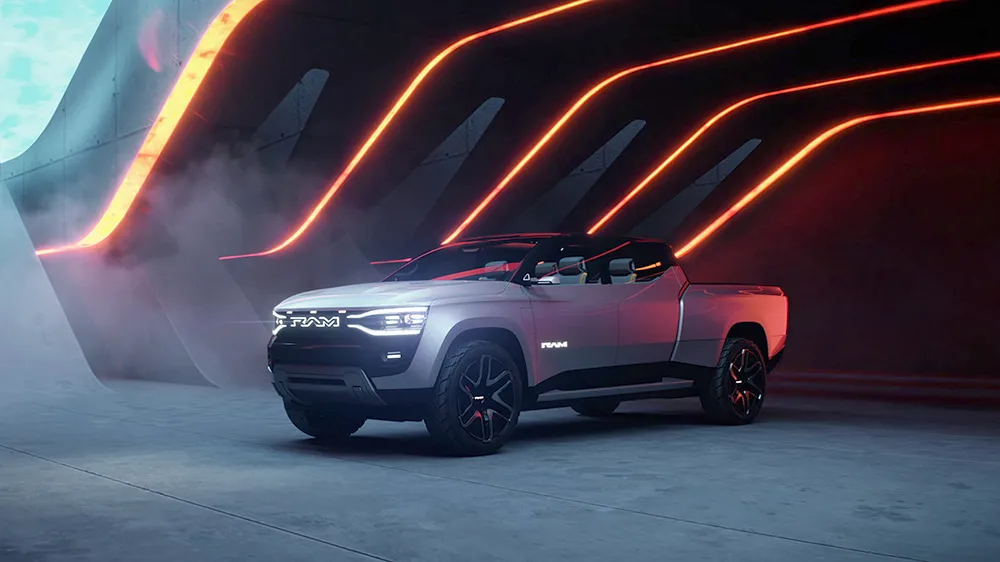
Ram hasn’t been part of Dodge since 2010. That’s the clean answer. The truck people still call the “Dodge Ram” is now just called Ram. Ram 1500. Ram 2500. Ram 3500. No Dodge badge. No Dodge branding. No Dodge ownership in the truck lineup.
If you’re looking at a modern pickup with “RAM” stamped across the tailgate, that’s not a trim package or a styling decision. That’s the brand. The Dodge Ram, as a product name, no longer exists.
But the confusion is understandable. People still say “Dodge Ram” every day. It’s embedded in the culture, the language, and the identity of the truck market. The name changed. The habit didn’t.
Here’s what actually happened — and why it still matters.
The split that changed the name
In 2010, Chrysler reorganized its brands and separated Dodge and Ram into two distinct divisions. Dodge kept passenger cars and performance vehicles. Ram took over trucks and commercial vehicles and became a standalone brand.
From that moment forward:
- Dodge stopped selling trucks
- Ram became the truck brand
- All pickups and vans moved under Ram branding
That means every modern truck — Ram 1500, 2500, 3500, ProMaster vans, commercial chassis — belongs to Ram, not Dodge.
This wasn’t a marketing refresh or a badge swap. It was a structural business decision. Different leadership. Different product strategies. Different long-term planning.
Dodge pivoted toward performance, muscle cars, and lifestyle vehicles. Ram focused on trucks, fleet sales, heavy-duty platforms, commercial markets, and long-term ownership cycles.
It was a clean separation. On paper, it made perfect sense.
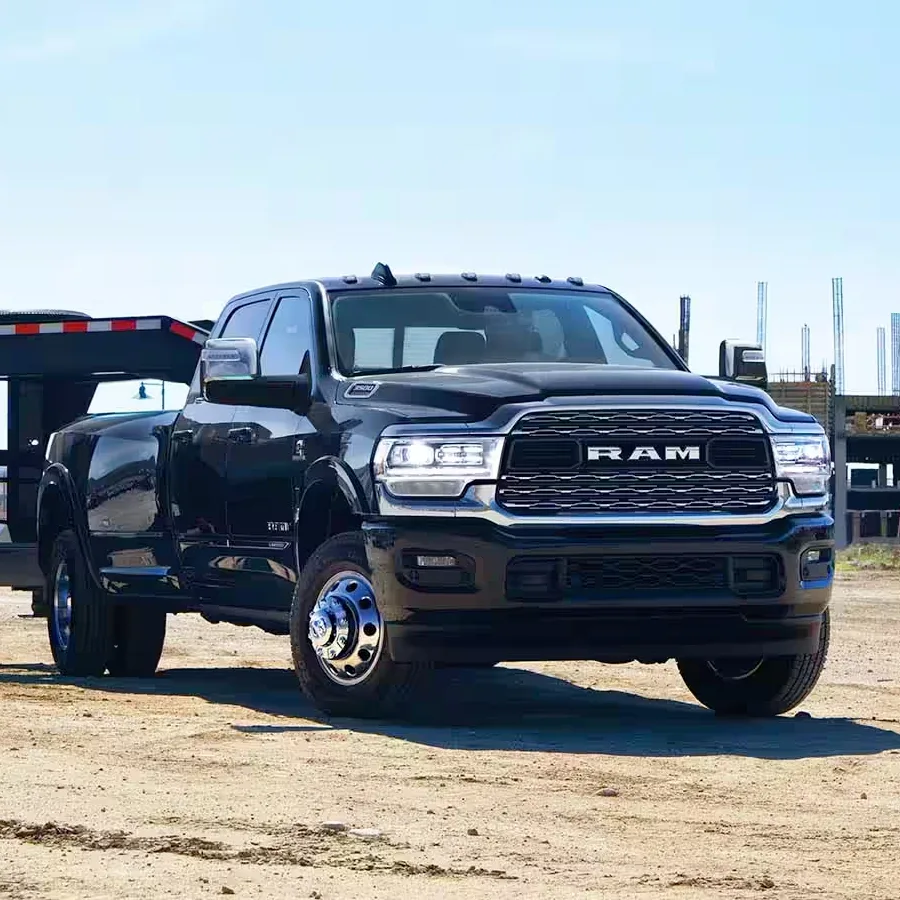
Why the name never really changed in people’s heads
Here’s the reality: brands can change overnight. Language doesn’t.
For decades before the split, the Dodge Ram was one of the most recognizable truck names in North America. It wasn’t just a product. It was a category staple. Work trucks. Farm trucks. Fleet trucks. Personal rigs. Tradesmen trucks. Construction trucks. Family trucks. The name lived in real places, not just ads.
So when the corporate structure changed, the public vocabulary didn’t follow.
People still say Dodge Ram because:
- That’s what they grew up hearing
- That’s what their family drove
- That’s what the badge said for decades
- That’s what the truck represented in daily life
You don’t overwrite that with a press release and a new logo.
Even in 2026, people still search:
“What is the Dodge Ram called now?”
“Is Dodge Ram still a thing?”
“Is Ram still Dodge?”
“Did Dodge stop making trucks?”
Not because the branding is unclear — but because the cultural memory is strong.
Technically, “Dodge Ram” is wrong. Practically, everyone knows what you mean.
What changed — and what didn’t
From an industry standpoint, the name change mattered a lot.
Ram is now positioned as a full truck manufacturer, not a sub-brand inside a car company. That changes how the company invests, develops platforms, and plans long-term product cycles.
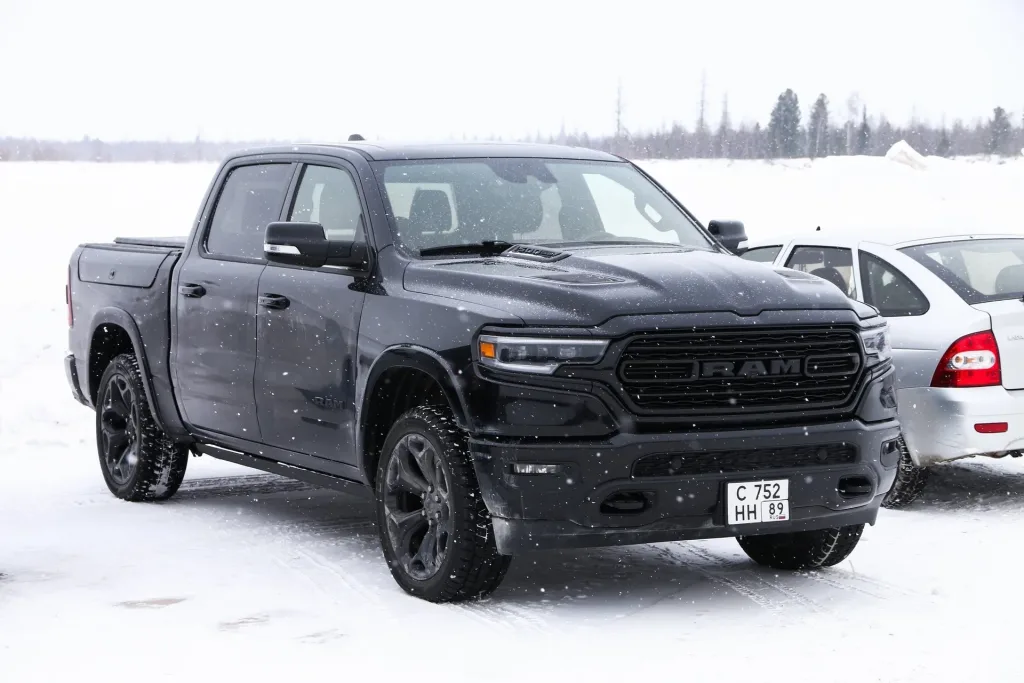
It allows Ram to focus entirely on:
- Full-size pickups
- Heavy-duty trucks
- Commercial vehicles
- Fleet contracts
- Long-term durability platforms
- Commercial electrification
- Work-focused engineering decisions
Instead of competing for attention inside Dodge’s performance-focused strategy.
That separation gave Ram room to build its own identity, dealer strategy, and product development priorities. In business terms, it was a smart move.
But from a consumer perspective?
Very little actually changed.
The trucks still serve the same roles:
- Work trucks
- Tow vehicles
- Fleet vehicles
- Personal daily drivers
- Off-road builds
- Heavy-duty haulers
They still compete in the same segments. They still target the same buyers. They still operate in the same markets.
The product category stayed the same. The buyer profile stayed the same. The use cases stayed the same.
Only the badge changed.
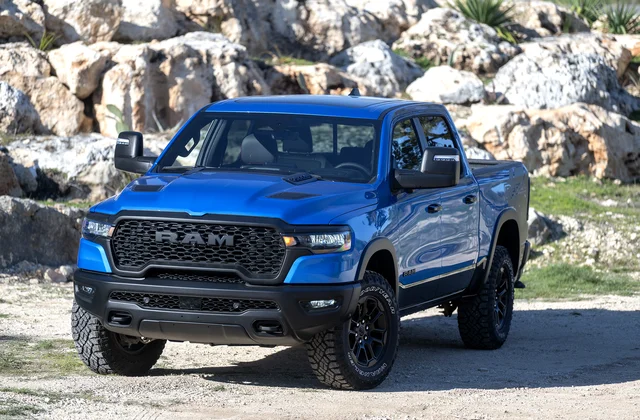
Why Ram branding makes more sense today
There’s a reason Ram didn’t replace the name with something new. They didn’t invent a new truck brand. They didn’t create a new identity. They simply removed “Dodge” and kept “Ram.”
Because “Ram” already carried meaning.
It already represented:
- Strength
- Durability
- Utility
- Work capability
- Ruggedness
- Truck-first identity
From a branding perspective, “Ram” works better as a standalone truck brand than “Dodge Ram” ever did as a sub-label. It’s shorter, stronger, and more focused.
So the company didn’t reinvent the product — it clarified the category.
Ram = trucks
Dodge = performance cars
Simple structure. Clear positioning.
Why the confusion still exists in 2026
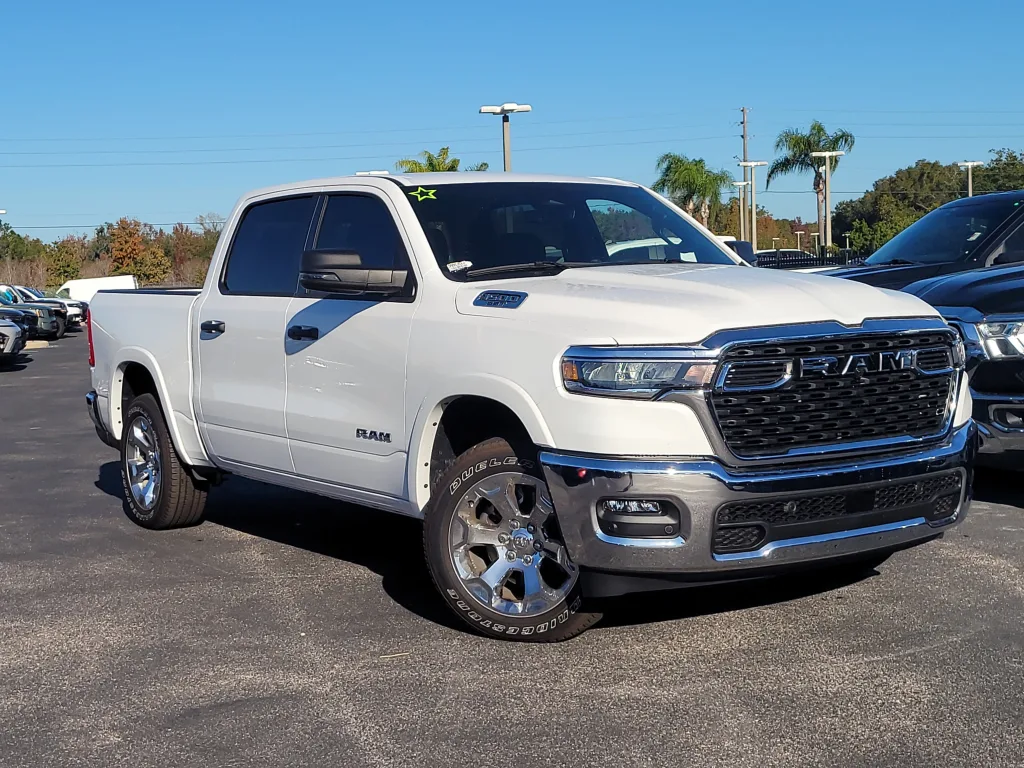
There are a few reasons this still confuses people more than a decade later:
1. Legacy branding
Old trucks still on the road still say Dodge Ram. Millions of them. You still see the badge every day.
2. Cultural language lag
People don’t update their vocabulary when corporations restructure.
3. Informal speech
People say “Dodge Ram” the same way they say “Chevy truck” or “Ford pickup.” It’s shorthand.
4. Multi-brand dealerships
Dodge, Jeep, Ram often operate under the same dealership networks, which blurs brand separation for consumers.
5. No visible functional change
The truck didn’t transform overnight, so people never felt the shift.
The correct terminology today
Here’s the clean version for accuracy:
Before 2010:
Dodge Ram (brand: Dodge)
After 2010:
Ram 1500 / 2500 / 3500 (brand: Ram)
Dodge does not make trucks.
Ram does not make cars.
They are separate brands under the same corporate umbrella (Stellantis), but they operate independently in product identity.
Why this actually matters
For buyers, this matters in a few practical ways:
Brand identity
If you’re shopping today, you’re buying a Ram truck — not a Dodge truck. That affects resale listings, registrations, branding, and market classification.
Fleet and commercial markets
Ram operates as a dedicated commercial brand, which affects parts supply chains, service structures, and fleet support programs.
Product planning
Ram product development is truck-first, not car-first. That changes engineering priorities, electrification strategies, and long-term platform planning.
Market positioning
Ram competes directly with Ford and GM as a standalone truck brand, not as a division inside a car company.
This isn’t cosmetic. It’s structural.
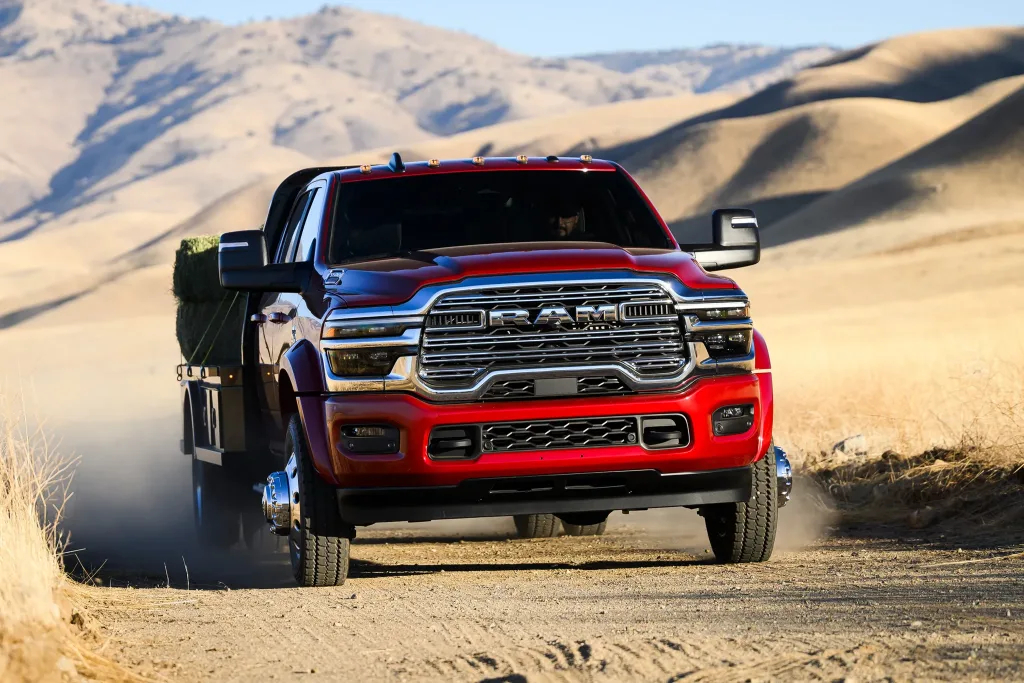
The cultural reality
Even with all that, here’s the honest truth:
People will still say “Dodge Ram.”
Not because they’re wrong — but because language follows culture, not corporate structure.
It’s the same reason people still say:
- “Chevy Tahoe” instead of “Chevrolet Tahoe”
- “Beamer” instead of BMW
- “Benz” instead of Mercedes-Benz
- “Caddy” instead of Cadillac
Brand language evolves socially, not officially.
And “Dodge Ram” still lives in the culture.
The clear answer
So if someone asks:
What is the Dodge Ram called now?
The accurate answer is:
It’s called Ram.
Just Ram.
Ram 1500.
Ram 2500.
Ram 3500.
No Dodge branding. No Dodge ownership. No Dodge truck lineup.
The Dodge name left the truck market in 2010.
The trucks never left the road.
The name never left the public’s vocabulary.
That’s why the confusion still exists.
The real takeaway
This isn’t really a story about a name change.
It’s a story about how brands and culture move at different speeds.
Corporations restructure.
Markets reposition.
Brand strategies shift.
Logos change.
But people keep talking the same way they always have.
So the Dodge Ram didn’t disappear — it just evolved into Ram as a standalone brand. Same category. Same purpose. Same buyer. Same role in the market.
Different badge.
Same truck.
That’s the reality.
Why Do People Put Ducks On Jeeps [ 2026 Update ]
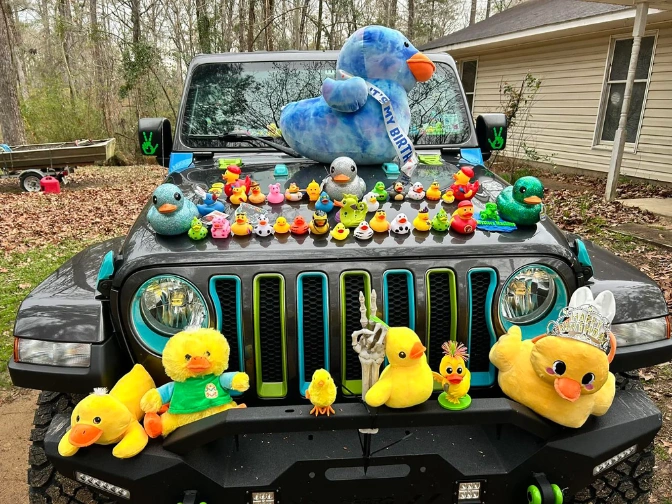
If you’ve ever seen a small rubber duck on another Jeep — on the hood, mirror, or door handle — you’ve encountered one of the most recognizable traditions in modern automotive culture. It’s fun, it’s simple, and most importantly it’s community-driven.
This guide explains:
- What it is
- Where it came from
- Why Jeeps specifically
- How it works
- Common questions and etiquette
What Is Jeep Ducking?
Jeep Ducking (often called “Duck Duck Jeep”) is the practice of leaving a small rubber duck on somebody else’s Jeep as a friendly, positive gesture. It’s not a dealership promotion or manufacturer-driven campaign — it’s a culture tradition created by owners themselves.
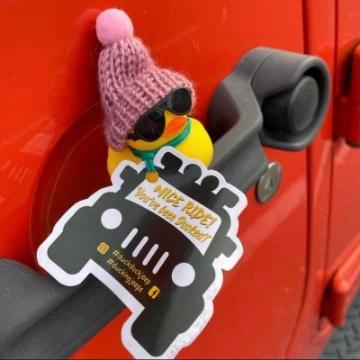
How the Tradition Started
The Jeep ducking tradition began in 2020 in Canada. One Jeep owner decided to leave a rubber duck on another Jeep with a kind message to make someone smile during a tough time. The idea caught on quickly via social media and Jeep owner groups, and others began doing the same.
From simple beginnings, it became a widespread, organic tradition across Jeep communities in North America and beyond.
What the Duck Represents
The rubber duck is symbolic. It’s meant to convey:
- Recognition — someone noticed your Jeep and acknowledged it
- Positivity — a small, friendly gesture
- Community membership — a shared tradition among Jeep owners
It’s not about status, ranking, or ownership style — stock Jeeps and modified Jeeps alike get ducks.
Why You Don’t See This on Other Vehicles
Here’s why ducking became a Jeep thing and not a trend for other brands:
- Jeep culture is community-oriented.
Owners share trails, events, meetups, social groups, and online communities. - Jeeps are identity vehicles.
People often view their Jeeps as part of who they are — not just how they get from A to B. - Their design makes it easy to place a duck.
Flat surfaces, external door handles, and upright mirrors make subtle decoration easy without damage.
Because of that culture and design, a small, lighthearted tradition fit perfectly and spread fast.
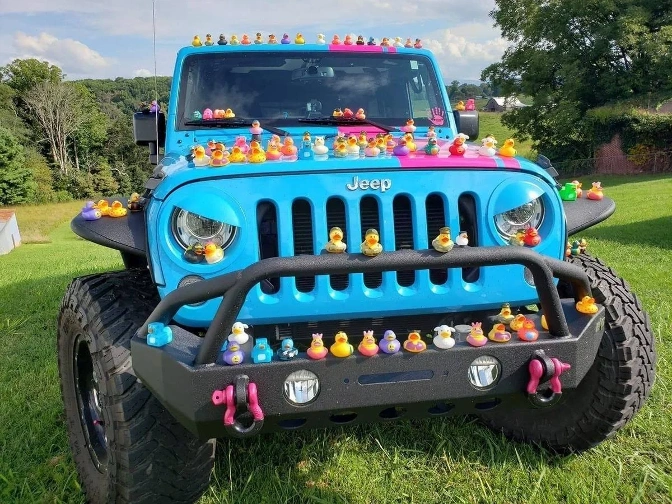
Where People Typically Place Ducks
Common placement locations include:
- On door handles
- On side mirrors
- On the hood or grille
- On accessories (like a bumper guard)
The goal is visibility and friendliness — never to block sight lines or damage a part.

Jeep Ducking Etiquette (Unwritten Rules)
Even though it’s informal, the Jeep community naturally follows some basic etiquette:
Do:
- Place the duck where it won’t cause damage
- Add a small message if you want
- Keep it light and respectful
Don’t:
- Obstruct visibility
- Force a duck on owners who seem uninterested
- Use ducking for commercial promotions
Keeping it respectful ensures the tradition stays positive and community-focused.
Frequently Asked Questions (Q&A)
Q: Why do people put ducks on Jeeps?
A: To share a small gesture of goodwill and recognize another Jeep enthusiast — an informal way of saying “Nice Jeep.”
Q: Who started the tradition?
A: It began with a Jeep owner in Canada in 2020 as a random act of kindness and spread via community groups.
Q: Is it official from Jeep?
A: No. This is a grassroots tradition created and sustained by Jeep owners.
Q: Should I leave a duck on any Jeep?
A: Most owners enjoy it, but always do it respectfully and without blocking anything or causing damage.
Q: What if someone doesn’t like receiving a duck?
A: Respect their preference — not everyone chooses to participate.
Why It Still Matters in 2026
Jeep ducking stands out because it’s:

- Simple — no app, no algorithm, no marketing
- Human — a physical gesture in a digital world
- Inclusive — anyone with a Jeep can participate
- Positive — builds happy moments and connections
It isn’t a fad that peaked and died. It has become part of Jeep culture because it reflects the values many Jeep owners share: community, recognition, and good-spirited fun.
Why Do People Put Rubber Ducks on Jeeps?
People put rubber ducks on Jeeps as part of a community tradition known as Jeep ducking. It’s not a prank, decoration trend, or marketing idea — it’s a friendly gesture between Jeep owners. The duck is simply a symbol of recognition and positivity. When someone leaves a rubber duck or duck toy on a Jeep, they’re saying: “Nice Jeep. You’re part of the community.” It’s simple, human, and intentionally low-effort, which is why it feels genuine instead of forced.
Why Do Jeeps Have Ducks on Them Instead of Other Cars?
Why do Jeeps have ducks and not other vehicles? Because Jeep ownership is culture-driven, not just product-driven. Jeep owners participate in groups, trails, meets, and shared traditions. That’s why ducks and Jeeps, jeeps and ducks, and rubber ducks and Jeeps have become connected. The tradition works because the community already exists. Other vehicles don’t have the same identity structure, so the behavior never naturally formed there.
What Is Jeep Ducking and the “Jeep Duck Thing”?
Jeep ducking is the act of placing jeep ducks or jeep rubber ducks on another Jeep as a positive gesture. The Jeep duck thing isn’t a rule system, club, or organized program — it’s an informal tradition. There’s no hierarchy, no levels, no scoring, and no status. It’s just a simple act of connection between people who share the same vehicle culture.
Why Do People Keep Jeep Ducks on Their Dashboards?
Many owners keep their jeep duck or multiple jeep ducks on the dashboard because they become small souvenirs. Each duck represents a moment of connection — a stranger, a trail stop, a parking lot interaction, or a shared community experience. Over time, the collection becomes symbolic, not decorative. It’s memory-based, not aesthetic-based.
Looking for a Jeep of Your Own?
If you’re ready to join this community and want to explore Jeeps that are great for ducking, trails, daily driving, and everything in between, check out Jeep Thousand Oaks — a trusted dealer with a range of new and used Jeep models ready for your next adventure.
Senior Suv Deals 2026 [Limited Time]
Buying an SUV in 2026 is no longer about chasing trends or oversized screens. For senior drivers, the priorities are clear: comfort, safety, easy access, reliability, and real value. That is exactly why demand for 2026 senior SUVs exclusive deals is surging across California, especially among retirees and downsizing households who want modern technology without unnecessary complexity.
At Simi Valley Chrysler Dodge Jeep Ram, seniors are discovering that today’s SUVs can be refined, affordable, and genuinely senior-friendly—without sacrificing capability or peace of mind. With personalized guidance and tailored incentives, finding the right vehicle has never been easier.
If you are exploring SUVs specials offers for seniors, the right place to start is here:
Why Seniors Are Choosing SUVs in 2026
SUVs have quietly become the most practical vehicle category for senior drivers. In 2026, manufacturers have refined ride comfort, entry height, and driver-assist systems to a level that simply makes daily driving easier.
Key reasons seniors prefer SUVs today include:
- Higher seating position for better road visibility
- Easier entry and exit compared to low sedans
- Advanced safety technology that reduces driving stress
- Smooth suspension tuning designed for comfort, not sportiness
- Flexible cargo space for groceries, mobility aids, or travel gear
Unlike older SUVs from a decade ago, modern 2026 models prioritize quiet cabins, soft ride quality, and intuitive controls.
What Makes a “Senior-Friendly” SUV?
Not every SUV is ideal for senior drivers. A truly senior-friendly SUV focuses on usability, not gimmicks.
1. Comfortable Ride Quality
Suspension tuning matters more than horsepower. Vehicles with softer damping absorb road imperfections and reduce fatigue on longer drives.
2. Easy Entry and Exit
Mid-height SUVs are ideal. Too low strains the knees; too tall requires climbing. The sweet spot matters.
3. Clear Visibility
Large windows, slim pillars, and elevated seating reduce blind spots and make parking easier.
4. Simple, Intuitive Technology
Touchscreens should be responsive and easy to read. Physical buttons for climate and volume are still preferred by many senior drivers.
5. Advanced Safety Systems
Features like blind-spot monitoring, lane-keeping assist, forward collision warning, and adaptive cruise control significantly reduce stress behind the wheel.
Best SUV Categories for Seniors in 2026
Compact SUVs
Ideal for city driving, parking ease, and fuel efficiency. These models are lighter, easier to maneuver, and cost less to maintain.
Midsize SUVs
Perfect for couples who travel frequently or need more cargo space without moving into a full-size vehicle.
Two-Row SUVs with Premium Comfort
Often overlooked, these offer luxury-level comfort without third-row complexity.
At Simi Valley Chrysler Dodge Jeep Ram, seniors are guided toward the category that fits their lifestyle—not upsold into something unnecessary.
2026 Senior SUVs Exclusive Deals: What Makes Them Different?
Senior-focused SUV deals are not just marketing buzzwords. In 2026, these offers often include:
- Lower interest financing options
- Loyalty and retirement-friendly incentives
- Simplified purchase processes
- Personalized vehicle matching based on comfort needs
- No-pressure consultations
The emphasis is on clarity and trust, not fast-talk sales tactics.
This approach is especially valuable for seniors who want a calm, informed buying experience without confusion or hidden costs.
SUVs Specials Offers for Seniors: What to Look For
When reviewing SUVs specials offers for seniors, smart buyers should focus on total ownership value rather than just monthly payments.
Look Beyond the Sticker Price
Insurance costs, maintenance intervals, and long-term reliability matter more than flashy discounts.
Warranty Coverage
Longer warranties reduce stress and unexpected repair bills.
Fuel Efficiency
Even modest improvements in MPG make a difference for retirees on fixed incomes.
Dealer Support
A dealership that understands senior needs is just as important as the vehicle itself.
Why Personalized Vehicle Matching Matters
One of the biggest mistakes seniors make is choosing a vehicle based on advertising alone. A model that works well for one driver may feel uncomfortable or overwhelming for another.
That is why Simi Valley Chrysler Dodge Jeep Ram emphasizes personalized vehicle matching. Instead of browsing blindly, seniors can explain their needs—mobility, driving habits, budget—and receive recommendations that actually make sense.
This personalized approach saves time, reduces stress, and prevents buyer’s remorse.
Safety Technology Seniors Actually Appreciate
In 2026, safety tech has matured. Instead of intrusive alerts, systems are smoother and more helpful.
Popular senior-approved features include:
- Blind-spot monitoring with gentle alerts
- Rear cross-traffic warning for parking lots
- Adaptive cruise control for highway comfort
- Automatic emergency braking
- High-resolution backup cameras
These features quietly assist without overwhelming the driver.
Comfort Features That Matter More Than Ever
Luxury is no longer about leather and chrome. For seniors, luxury means comfort and ease.
Top comfort features include:
- Power-adjustable seats with lumbar support
- Heated seats for joint comfort
- Dual-zone climate control
- Low cabin noise levels
- Smooth steering response
Modern SUVs deliver these features even at accessible price points.
Financing SUVs in Retirement: What Seniors Should Know
Financing in retirement looks different than financing during working years. Lenders now recognize fixed income stability, and dealerships experienced with senior buyers can structure deals accordingly.
Common options include:
- Shorter loan terms to reduce interest
- Lower mileage leases for limited driving
- Trade-in optimization
- Transparent monthly payment breakdowns
Clear communication is key—and that is where the right dealership makes all the difference.
Why Seniors Trust Simi Valley Chrysler Dodge Jeep Ram
Trust is earned, not advertised. Seniors consistently choose Simi Valley Chrysler Dodge Jeep Ram because of:
- Patient, respectful consultations
- No-pressure vehicle guidance
- Clear explanations of features and costs
- Assistance beyond the sale
Whether it is a first SUV purchase or a downsizing decision, seniors appreciate a dealership that listens.
Planning Ahead: Why 2026 Is the Right Time to Buy
Vehicle supply, interest rates, and technology improvements make 2026 an ideal year for seniors to upgrade.
Reasons to consider buying now include:
- Improved safety tech compared to older vehicles
- Better fuel efficiency
- More refined ride quality
- Competitive senior-friendly incentives
Waiting often means missing out on features that genuinely improve daily comfort and safety.
Final Thoughts: A Smarter Way to Buy an SUV in 2026
The best SUV is not the newest or the flashiest—it is the one that fits your life effortlessly. For seniors, that means comfort, clarity, safety, and value.
If you are researching SUVs specials offers for seniors or exploring 2026 senior SUVs exclusive deals, starting with personalized guidance can change the entire experience.
Instead of guessing, let professionals help you narrow the options and focus on what truly matters.
FAQ: 2026 Senior SUVs Exclusive Deals and Senior-Friendly SUV Buying
1) What qualifies as “2026 senior SUVs exclusive deals”?
These are pricing or financing opportunities positioned for senior shoppers who prioritize comfort, safety, and value. In practice, “exclusive deals” can include model-year incentives, dealer-discounted pricing, finance-rate offers, loyalty/conquest programs, and occasional regional promotions. The key difference is not the label, but the structure: the deal should be transparent, easy to understand, and optimized for affordability and low-stress ownership.
2) Are there truly “SUVs specials offers for seniors,” or is it just marketing?
Sometimes the offer is senior-specific; often it is not. Many of the best deals seniors can access are actually standard incentives that seniors commonly qualify for (fixed-income-friendly budgeting, loyalty programs, low-mileage leasing, trade-in equity, etc.). The practical approach is to have the dealership match you with the best applicable incentives and the right vehicle category for your comfort needs.
3) What is the best SUV size for seniors: compact, midsize, or full-size?
For most seniors, the ideal choice is a compact or midsize SUV because it balances:
- Easier parking and maneuvering (compact)
- More ride comfort and cargo space (midsize)
Full-size SUVs can be comfortable but may be harder to park, may cost more to fuel, and may feel physically “larger than needed” for daily driving. The best size is the one you can enter/exit easily and confidently drive in your usual environment.
4) What entry height is most comfortable for seniors?
Generally, seniors prefer a “hip-height” seat: high enough that you do not have to drop down into the cabin, but not so tall that you have to climb up. Many compact and midsize SUVs hit this sweet spot. During a test sit, your knees should be roughly level with or slightly below your hips, and you should be able to stand up without pushing off the steering wheel.
5) Which safety features matter most for older drivers in 2026?
The most helpful driver-assistance features for seniors tend to be the ones that reduce stress without adding complexity:
- Blind-spot monitoring
- Rear cross-traffic alert
- Forward collision warning with automatic emergency braking
- Adaptive cruise control (for highway comfort)
- Lane-keeping assist (gentle guidance)
A good dealership walk-through matters as much as the feature list—if you do not understand it, you will not use it.
6) Should seniors prioritize AWD/4×4 for safety?
AWD/4×4 can help with traction in rain or light snow, especially for hillside neighborhoods and occasional trips. However, it does not reduce braking distance on wet roads—that comes down to tires and safe speed. If you rarely drive in poor weather, FWD with quality tires may be the better value. If you want extra confidence, AWD is a reasonable upgrade.
7) Is it better for seniors to lease or finance an SUV in 2026?
It depends on driving habits and budgeting preferences:
- Lease: Often lower monthly payment, especially for low mileage; easier upgrade cycle; predictable terms.
- Finance: Better for long-term ownership; no mileage limits; potential lower total cost if you keep the SUV for many years.
If you drive less than average and prefer predictable costs, leasing can be attractive. If you plan to keep the vehicle 7–10+ years, financing usually wins.
8) What mileage should seniors estimate when choosing a lease?
Many seniors drive fewer miles than working commuters. A realistic estimate helps avoid overpaying for unused mileage. Think through:
- Weekly errands
- Medical appointments
- Family visits
- Occasional road trips
If you are uncertain, it is safer to choose a moderate allowance and adjust later (if permitted) rather than locking into an allowance that is too low.
9) How can seniors avoid high-pressure tactics when shopping for an SUV?
Use a process that keeps you in control:
- Decide your must-haves (easy entry, visibility, safety tech, budget)
- Ask for a clear written breakdown (vehicle price, taxes/fees, financing terms)
- Keep conversations in “out-the-door” totals, not only monthly payments
- Do not sign anything you have not read
- Bring a trusted family member if it helps you feel more confident
A dealership that offers guided matching and transparent pricing makes this easier.
10) What should seniors bring to speed up the buying process?
To keep the process smooth:
- Driver’s license
- Proof of insurance (if available)
- Trade-in title/registration (if trading)
- Current loan payoff info (if you still owe on your vehicle)
- A rough budget range and preferred payment range
Having these ready reduces repeated trips and prevents last-minute surprises.
11) How can seniors get the best trade-in value?
The biggest trade-in value drivers are condition, maintenance history, and market demand. To maximize:
- Clean the interior/exterior
- Gather service records
- Repair small, obvious issues if low-cost (lights, wipers, minor trim)
- Be honest about wear; the appraiser will see it anyway
Also, request a clear explanation of trade value vs. payoff (if any), so you know your real equity position.
12) Are used SUVs a smarter choice for seniors than new SUVs?
Used SUVs can be excellent value, especially for seniors who:
- Drive fewer miles
- Want lower payments
- Prefer proven reliability
However, new SUVs may deliver better safety tech, better warranty coverage, and updated driver-assistance features. A strong approach is to compare a new model vs. a late-model used vehicle side-by-side based on total cost of ownership and safety content.
13) What features make an SUV easier to live with day-to-day for seniors?
Practical daily-living features matter more than flashy upgrades:
- Large, clear backup camera
- Power liftgate (if lifting is difficult)
- Large buttons/knobs for climate and audio
- Bright headlights and good cabin lighting
- Comfortable seats with lumbar support
- Quiet cabin and smooth suspension
These reduce fatigue and make errands simpler.
14) How do seniors know if a deal is actually good?
A good deal is not just a discount—it is a clean, fair structure:
- Transparent “out-the-door” price
- Reasonable interest rate for your credit profile
- Fees clearly itemized and explained
- No add-ons you did not request
- Payment fits your budget without stretching the term unnecessarily
Ask for a simple worksheet showing the full breakdown so you can compare apples-to-apples.
15) What is the easiest way to get matched to the right SUV without wasting hours?
Use a guided matching process where you share your needs first (comfort, entry height, visibility, budget, driving habits) and let the dealership shortlist the best options before you arrive. That approach reduces decision fatigue and gets you into the right test drives quickly—especially useful for seniors who want an efficient, low-stress experience.
Are Jeep Gladiators Reliable?
An In-Depth, Editor-Style Guide for 2026 Buyers
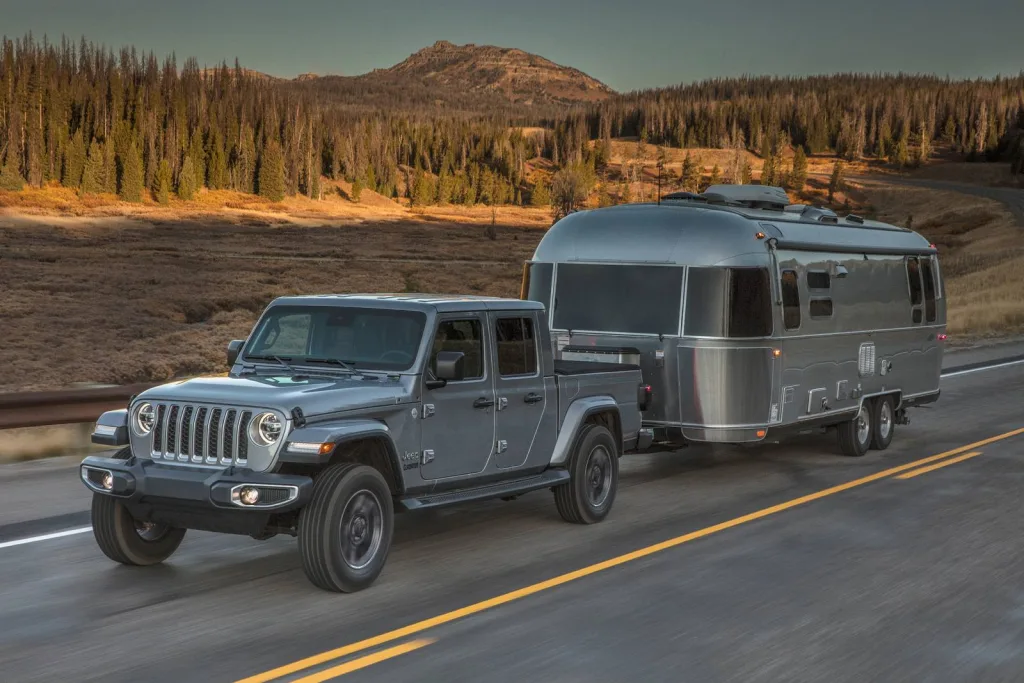
The Jeep Gladiator burst onto the midsize pickup scene with a promise few rivals could match: traditional Jeep capability coupled with the utility of a truck bed. Its combination of off-road prowess, near-universal aftermarket support, and enthusiast cachet has made it one of the most talked-about trucks of the last decade.
But the big question remains:
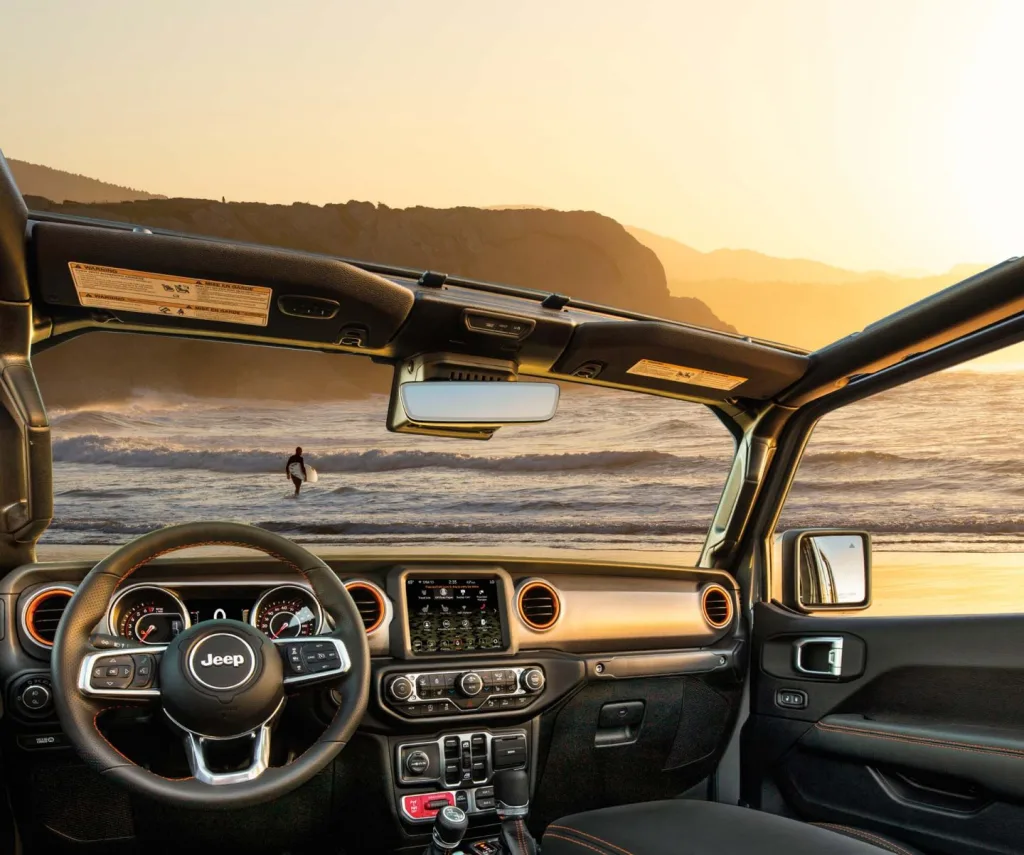
Is the Jeep Gladiator actually reliable?
This deep dive explores reliability from every angle that matters: mechanical design, real-world owner experience, known issues, maintenance costs, long-term durability, comparisons with competitors, and whether the Gladiator is a wise investment for buyers in 2026.
This is not a short opinion piece. It is a comprehensive analysis rooted in evidence, owner reports, inspection data, and automotive expertise.
What “Reliable” Really Means
Before we answer the reliability question, let’s define terms clearly.
Reliability is not simply “it hasn’t broken yet.” A vehicle is reliable if it:
- Delivers consistent performance over time
- Does not have systemic failure points
- Has predictable maintenance cost
- Has component durability aligned with ownership expectations
- Ranks well in real-world usage data
With that framework, we can assess the Gladiator in a meaningful way.
The Gladiator’s Engineering Foundation
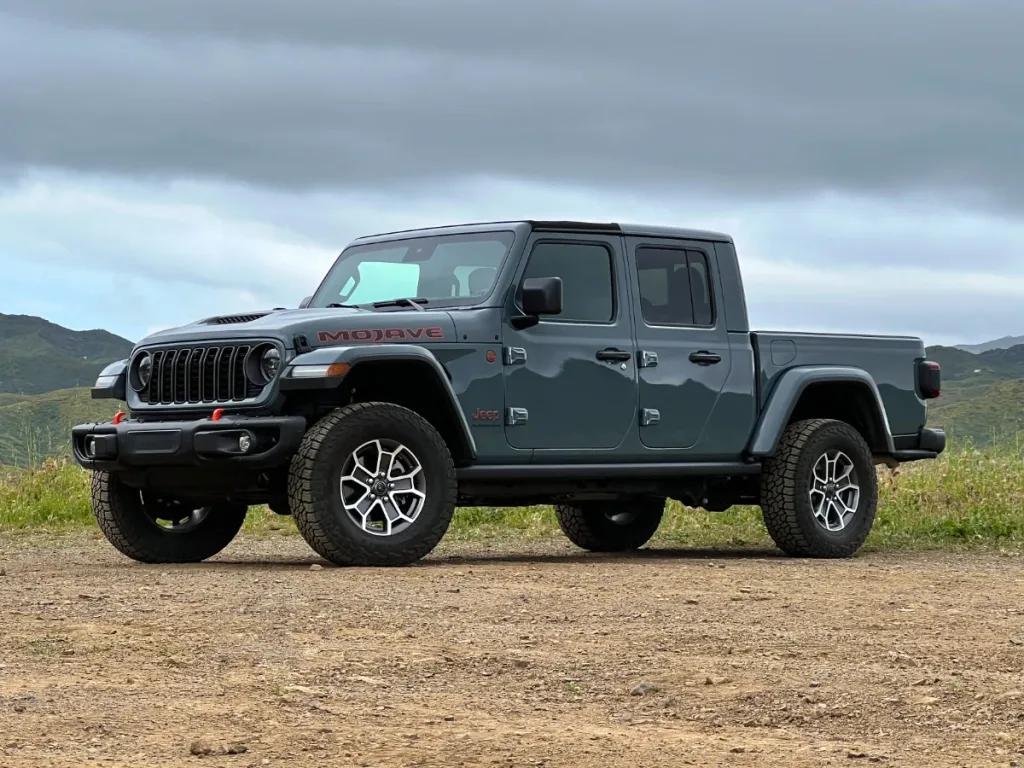
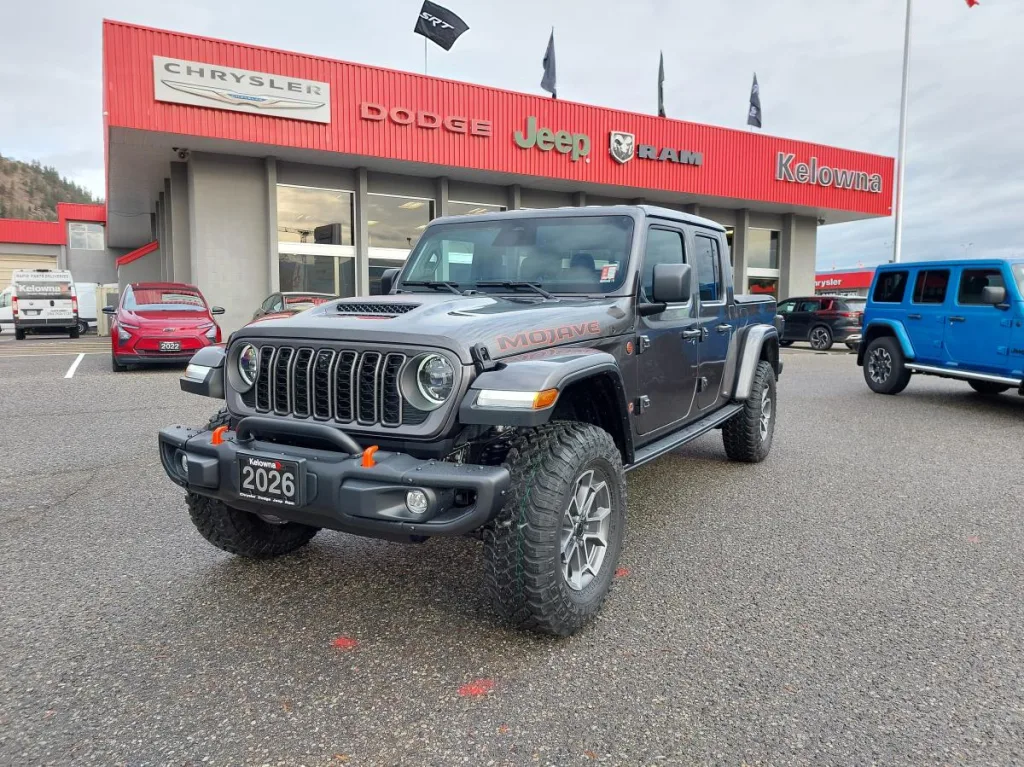
The Gladiator shares a platform with the Jeep Wrangler JL. This gives it several advantages:
- Proven ladder-frame architecture
- Solid front and rear axles
- Manual disconnecting sway bars on 4×4 models
- Heavy-duty transfer cases and driveline components
Unlike unibody crossovers, a ladder frame tends to provide:
- Increased torsional rigidity
- Better truck towing capacity
- Easier repairability after hard use
These are traits associated with durability, not fragility.
At its heart, the Gladiator is a mechanically simple vehicle compared to many modern pickups that rely heavily on electronics and complex independent suspension systems.
Powertrain Choices and Their Impact on Reliability
3.6L Pentastar V6
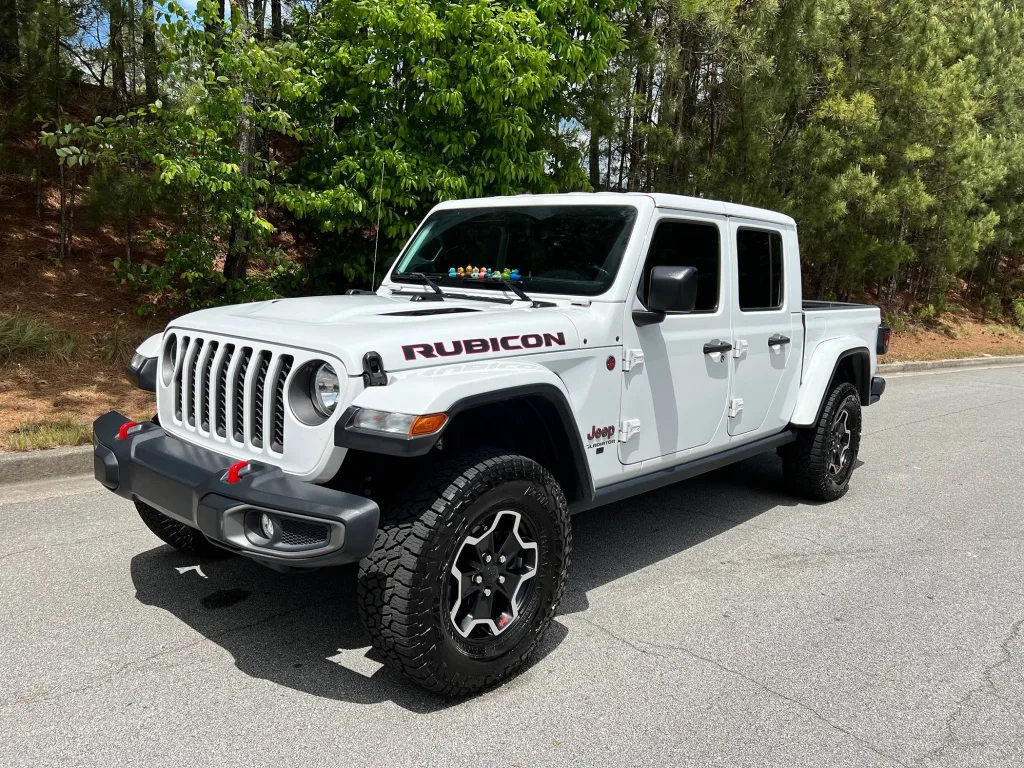
Most Gladiators are powered by the 3.6L Pentastar V6. This engine is used widely across the Stellantis family and has been refined over many years.
Strengths:
- Simple, naturally aspirated design
- Good parts availability
- Proven performance in Wrangler, Dodge, and Chrysler products
- Reasonably predictable maintenance costs
Weaknesses:
- Moderate torque compared to diesel alternatives
- Potential for oil consumption if not maintained properly
Overall, the 3.6L Pentastar is broadly regarded as dependable when serviced on schedule.
3.0L EcoDiesel V6
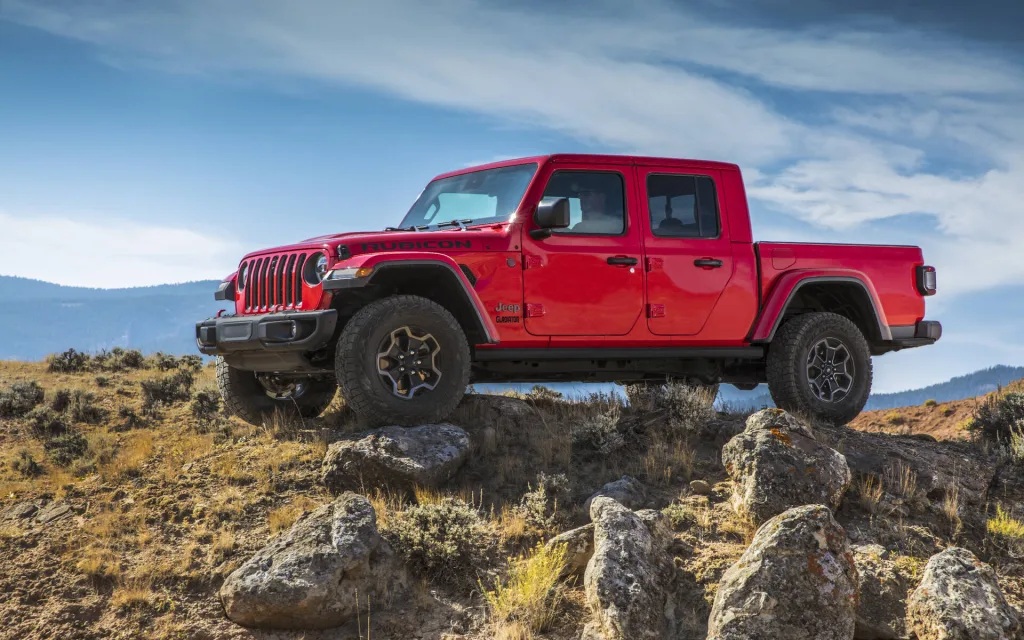
Later Gladiators offered a 3.0L EcoDiesel. Diesel engines historically offer:
- High torque
- Strong longevity when maintained properly
Concerns with diesel variants are typically related to:
- Higher repair costs when issues arise
- Emissions system complexity
- Fuel quality sensitivity
However, in many markets, Ecodiesel Gladiators have accumulated good long-term owner satisfaction with proper maintenance practices.
2.0L Turbo Four
Some Gladiators use a 2.0L turbocharged four-cylinder. This is an efficient option but requires more attentive maintenance due to:
- Turbocharger heat cycles
- Intercooler and boost plumbing complexity
Turbo engines are not inherently unreliable, but they demand consistent care.
What Owners Actually Report
Anecdotal owner feedback is one of the strongest indicators of real-world reliability.
Across many owner forums, review aggregators, and long-term test vehicles, common themes emerge:
Positive Patterns
- Gladiators hold up well with:
- Daily commuting
- Highway driving
- Light to moderate off-roading
- Towing and hauling within rated limits
- Major powertrain failures are relatively rare
- Aftermarket support is extremely strong
Frequent Complaints
Most reported issues are in these categories:
- Electrical quirks
- Sporadic sensor warnings
- Infotainment glitches
- Accessory wiring issues
- Minor fit and finish concerns
- Panel rattles
- Loose interior trim over time
- Transmission cooldown behavior
- Some drivers report delayed shift logic after heavy use
These are not catastrophic mechanical failures, but they do impact perceived reliability for owners focused on long-term ownership.
Maintenance Reality: What You Need to Know
Reliable ownership is not just about mechanical design. It is about maintenance.
Scheduled Maintenance Matters
The Gladiator’s recommended service includes:
- Regular oil and filter changes
- Brake fluid and system inspections
- Transfer case fluid servicing
- Differential oil servicing
Missing these services accelerates wear in ways that are highly predictable.
Cost Expectations
Compared to compact crossovers, a Gladiator will cost more to maintain simply because:
- It is heavier
- It has a solid 4×4 system
- It has truck-grade components
However, compared to full-size trucks and premium off-road SUVs, Gladiator maintenance is competitive and predictable.
Off-Road Use: A Blessing or a Burden?
Jeep buyers often want capability. The Gladiator is capable, but use patterns matter.
Light to Moderate Off-Roading
- Daily drivers and trail commuters report few issues
- Occasional rock crawling, mud, and forest trails stress suspension, but not the powertrain
Frequent Hard Off-Roading
If you routinely take a Gladiator into:
- Deep water
- Rock gardens
- Extended desert runs
- Severe terrain
Then:
- Suspension components wear faster
- Steering joints wear
- Brakes and underbody components need more frequent replacement
This is wear, not a fundamental failure of design.
A properly configured Gladiator with skid plates, upgraded suspension, and cooling support can still hold up well under serious use.
Towing and Hauling: Stress on Reliability
One of the Gladiator’s most compelling features is its truck bed and towing capability.
Rated towing is generally:
- 5,000+ pounds on most trims
Towing adds stress, and reliability hinges on:
- Correct cooling system care
- Frequent transmission servicing
- Torque converter maintenance
- Brake system monitoring
Engines and drivetrains designed for towing usually last longer when:
- They are not consistently overloaded
- Cooling systems are maintained
- Driving behavior is appropriate for load
Known Issues and What They Mean
1. Water Intrusion / Door Seal Issues
Early models reported water leaks at door seals. This is an annoyance and can lead to quick interior wear if not addressed early.
2. Frame Rust (Harsh Climates)
Wrangler-based vehicles, including Gladiators, can develop frame rust in salt-heavy regions. Rust is a reliability concern because it affects structure, not just cosmetics.
3. Transfer Case Vacuum Line Wear
Older Gladiators relying on vacuum disconnecting sway bars can develop issues if lines are not inspected regularly. This affects on-road stability more than core reliability.
4. Infotainment Software Glitches
Common, but not mechanically harmful. Updates usually address behavior over time.
None of these issues are “deal breakers,” but they require proactive ownership, not neglected ownership.
Gladiator vs Other Mid-Size Trucks
Let’s compare Gladiator reliability with common alternatives:
Toyota Tacoma
- Legendary reliability
- Simple powertrains
- Higher resale value
Ford Ranger
- Competitive tech
- Better powertrain smoothness
- Less off-road heritage
Chevy Colorado / GMC Canyon
- Strong diesel options
- Good highway manners
- Mixed owner reliability reports
Jeep has a personality advantage and better aftermarket support than most, but in pure statistical reliability Tacoma often leads.
That does not mean Gladiator is unreliable. It means it sits slightly behind the best in factory proven statistical reliability, but ahead of many others in real-world capability and owner satisfaction.
Longevity: How Many Miles Can a Gladiator Last?
Assuming good maintenance, many Gladiators will reach:
- 150,000+ miles without major repair
- 200,000+ miles with proactive care
- 250,000+ miles or more with diligent service and occasional part replacement
These numbers align with real examples documented in owner communities and long-term tests.
Reliability Ratings From Owners vs Industry Reports
Industry reliability reports (Consumer Reports, J.D. Power, and others) often show average to slightly above average reliability for Gladiator. Owner forums tend to report higher satisfaction than predicted issues, especially for mechanically minded owners who maintain their Jeeps.
This gap often exists because:
- Enthusiasts service vehicles proactively
- Off-road capability overshadows minor issues
- Real owners weigh communication and community support into reliability perception
Maintenance Tips to Maximize Reliability
If you want your Gladiator to last decades:
- Follow scheduled maintenance strictly
- Change transmission fluid on time
- Service transfer case and differentials regularly
- Fix leaks early
- Monitor rust in harsh climates
- Upgrade cooling if you tow frequently
- Inspect suspension wear after serious off-road trips
Final Verdict
Is the Jeep Gladiator reliable? Yes, when maintained properly and used within appropriate limits.
From an enthusiast’s perspective:
- Engines are durable
- Transmissions can last long with service
- Off-road use does not inherently reduce lifespan if cared for afterward
From a practical buyer perspective:
- Reliability is competitive with other midsize trucks
- Maintenance costs are predictable
- Known issues are manageable, not systemic
A Gladiator can be a long-term platform that lasts well beyond 150,000 miles, and many owners reach 200,000 to 250,000 with proactive care.
10 Detailed FAQ About Jeep Gladiator Reliability
1. Do Gladiators have major engine problems?
Not commonly. Most reliability complaints are minor and not engine failures. Regular oil changes and cooling system care prevent the issues that could shorten engine life.
2. How often should transmission fluid be changed?
Factory intervals are conservative. Changing the transmission fluid every 30,000-50,000 miles, especially if towing, greatly extends reliability.
3. Are diesel Gladiators more or less reliable than gas ones?
Diesel Gladiators can be very durable but require stricter diesel-specific maintenance. Emissions systems demand careful care.
4. Does heavy off-road use ruin a Gladiator?
No, if you maintain it. Heavy use increases wear on suspension, steering, and brakes, but the powertrain itself holds up well with service.
5. Is transmission failure common?
Not with proper servicing. Ignored maintenance is a far bigger factor than inherent design.
6. Do Gladiators rust more than other trucks?
Rust depends on climate. In salty environments, frames and underbody components need inspection regularly.
7. Are electrical issues common?
They are reported more often than mechanical failures, but they rarely render the vehicle undriveable.
8. Does towing shorten lifespan?
Towing within rated limits, with proper cooling and service, does not inherently shorten life.
9. Is reliability worse for Rubicon compared to Sport?
Not significantly. Differences are more about capability options rather than mechanical robustness.
10. Should I avoid a Gladiator with high mileage?
High mileage is not a red flag by itself. Service history and rust condition are more important.
How Many Miles Can a Jeep Wrangler Last?
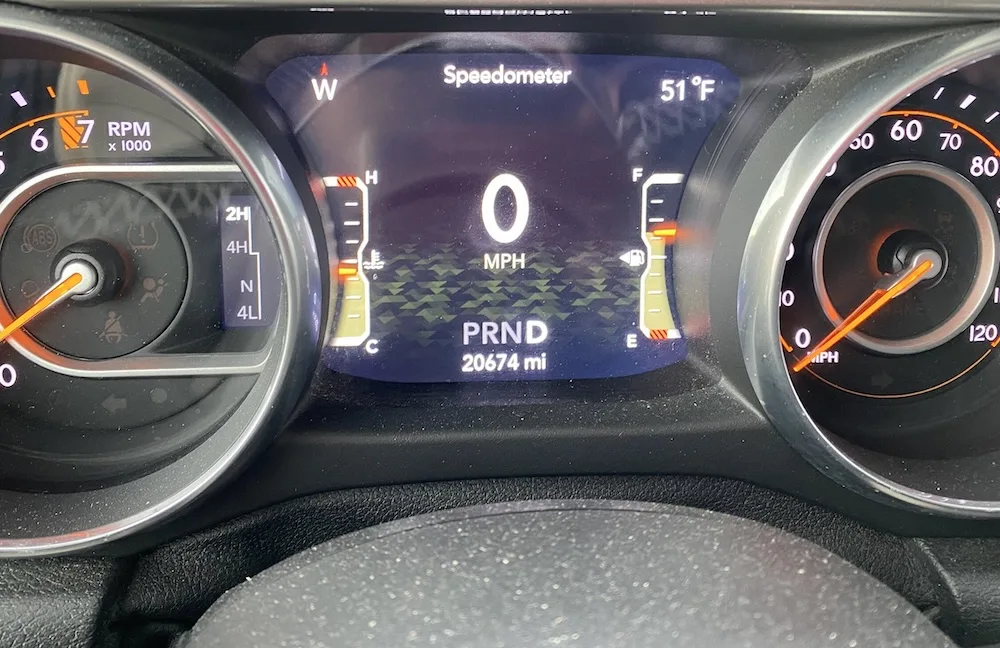
A Jeep Enthusiast’s Honest, Editor-Level Breakdown
Ask ten Jeep owners how long a Wrangler can last and you will get ten different answers. Some will say 150,000 miles. Others will casually mention 300,000 like it is no big deal. A few will swear their Wrangler is “just getting broken in” at numbers that would terrify most used-car buyers.
So what is the real answer?
A Jeep Wrangler does not have a fixed lifespan. It has a use-based lifespan. How long it lasts depends less on the badge and more on how it is driven, modified, maintained, and understood.
This is not a marketing answer. This is how Wranglers actually age in the real world.
The Short, Honest Answer
A well-maintained Jeep Wrangler can realistically last:
- 200,000 miles with average care
- 250,000 to 300,000 miles with good maintenance
- 300,000+ miles in documented cases with excellent upkeep
But here is the important part most blogs skip:
A Wrangler that sees hard off-road use can wear out faster than a highway-driven one, even at lower mileage.
Mileage alone does not tell the full story.
Why the Jeep Wrangler Is Different From Most SUVs
Wranglers are not built like crossovers. They are body-on-frame vehicles with solid axles, mechanical four-wheel drive systems, and simpler suspension geometry than most modern SUVs.
That matters for longevity.
Body-on-Frame Construction
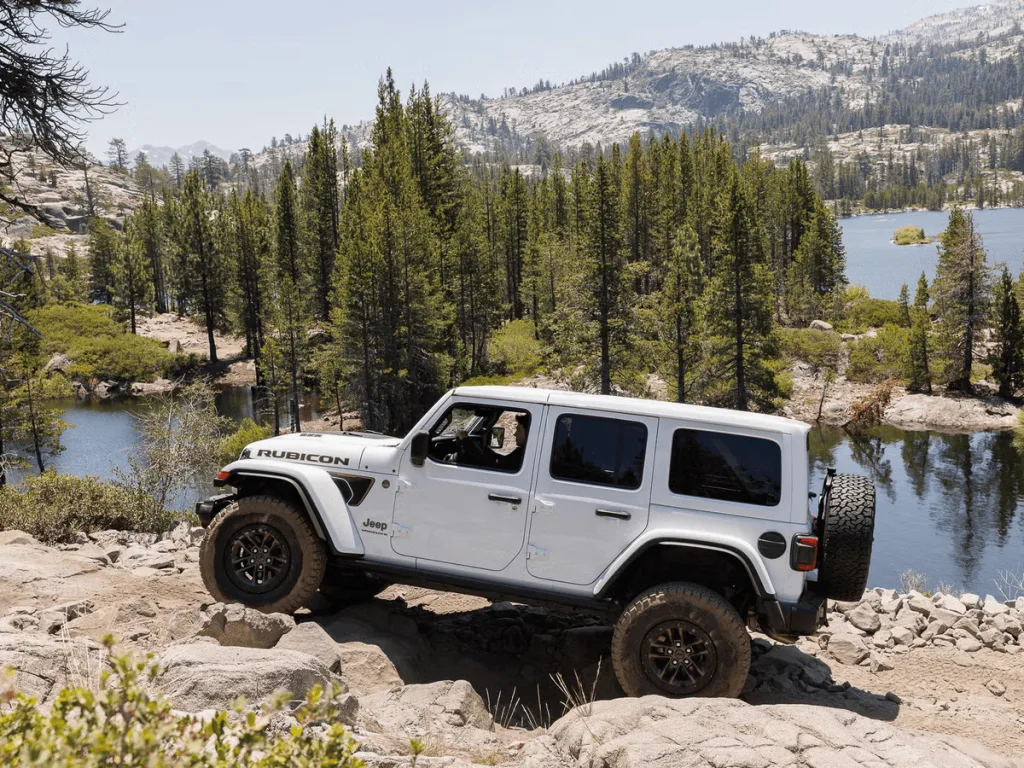
Wranglers use a separate frame and body. This means:
- The frame absorbs abuse better
- Structural fatigue is slower to appear
- Damage is often repairable rather than terminal
This is one reason you see older Wranglers still on the road decades later.
Solid Axles
Solid axles are not about comfort. They are about durability.
- Fewer moving parts
- Strong housings
- Proven designs used for decades
They take abuse better than independent systems, especially off-road.
Engine Longevity: The Heart of the Question
Wrangler engines are not exotic. That is a good thing.
Older 4.0L Inline-Six
The legendary 4.0L engine is known for extreme longevity.
- 300,000 miles is common
- Some exceed 400,000 with rebuilds
- Simple design, low stress
If maintained, this engine often outlasts the rest of the vehicle.
Modern V6 and Turbo Engines
Newer engines are more complex but still durable when maintained.
- Modern V6 engines commonly exceed 200,000 miles
- Turbo engines require stricter oil discipline
- Cooling system maintenance becomes critical
Engines rarely kill Wranglers early. Neglect does.
Transmissions: The Real Divider
If there is a weak point that determines Wrangler lifespan, it is not the engine. It is the transmission.
Manual Transmissions
- Often last longer when properly driven
- Clutches are wear items but replaceable
- Fewer electronic failure points
Automatics
- Can last just as long
- Require fluid changes that many owners skip
- Heat management matters, especially off-road
Wranglers that receive regular transmission service consistently last longer.
Off-Road Use: The Double-Edged Sword
Wranglers are built for off-road use, but that does not mean off-roading is free.
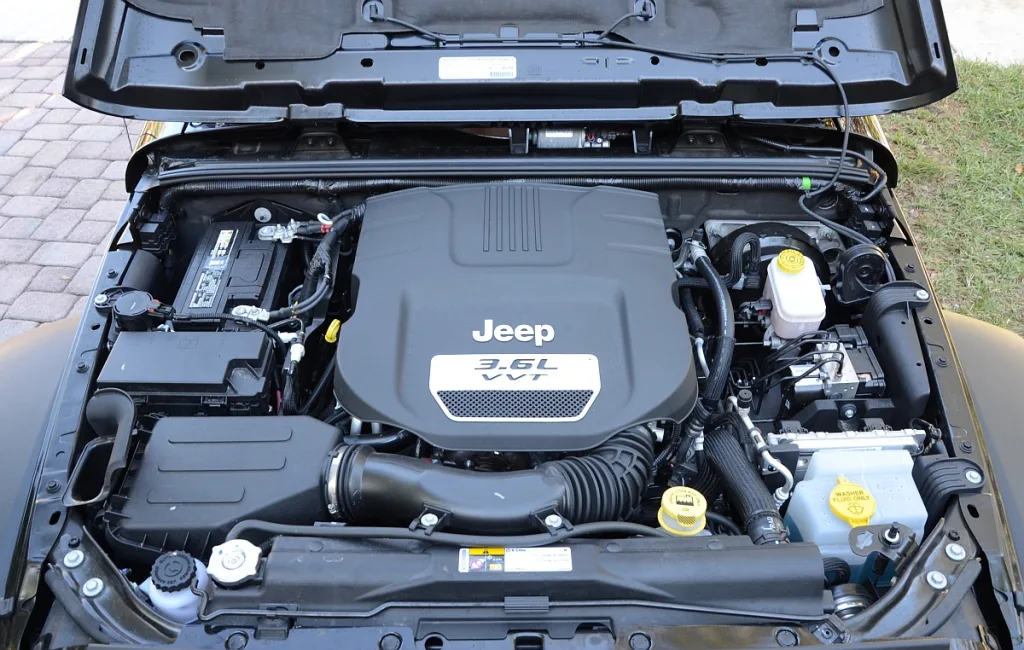
What Off-Roading Accelerates
- Suspension wear
- Steering component fatigue
- Differential stress
- Frame corrosion if not cleaned
What Off-Roading Does Not Automatically Ruin
- Engines
- Axle housings
- Transfer cases, if serviced
A Wrangler that sees controlled, maintained off-road use can last longer than a neglected pavement-only one.
Rust: The Silent Mileage Killer
If there is one thing that ends Wranglers early, it is not miles. It is rust.
Frame rust, especially in northern climates, can:
- End a Wrangler at 120,000 miles
- Make repairs unsafe or uneconomical
- Go unnoticed until it is severe
High-mileage Wranglers from dry climates often outlive lower-mileage examples from salt-heavy regions.
Modifications: Lifespan Multiplier or Destroyer
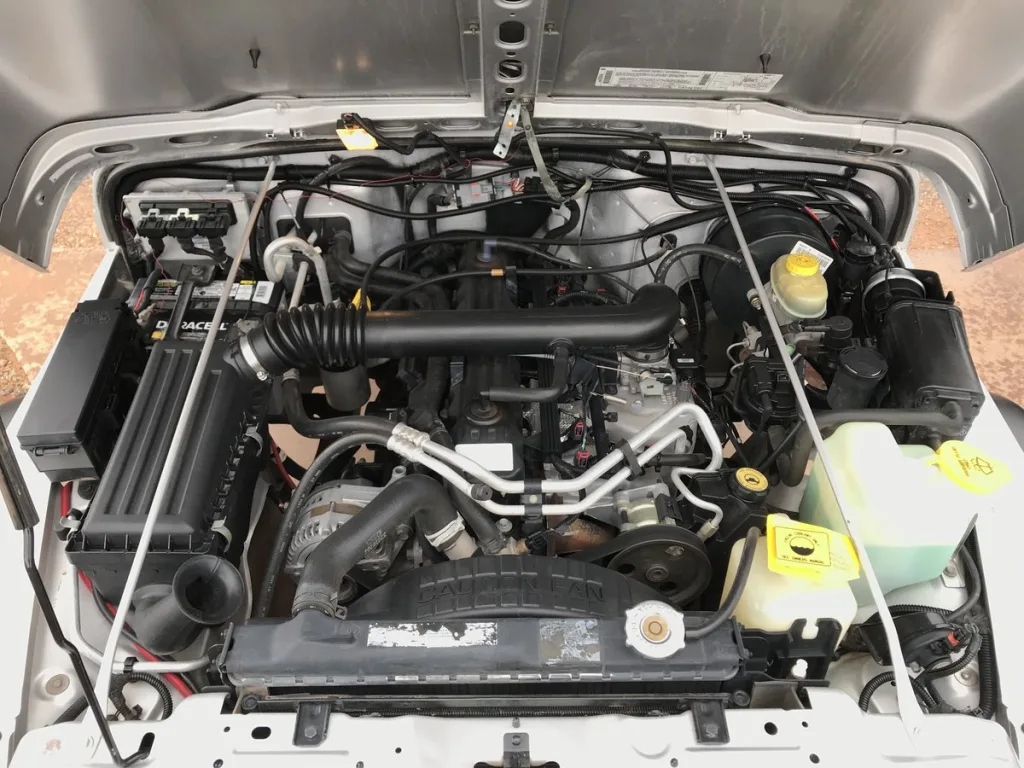
Mods are part of Wrangler culture. They can help or hurt longevity.
Mods That Help Longevity
- Quality suspension upgrades
- Proper gearing with larger tires
- Reinforced steering components
Mods That Reduce Lifespan
- Oversized tires without re-gearing
- Cheap lift kits
- Poor installation
- Ignoring driveline angles
A badly modified Wrangler with 80,000 miles can be closer to death than a stock one with 220,000.
Real-World High-Mileage Wrangler Examples
High-mileage Wranglers tend to share patterns:
- Stock or lightly modified
- Consistent oil changes
- Cooling systems maintained
- Rust prevention addressed early
What they do not share:
- Skipped maintenance
- Cheap aftermarket parts
- Long-term neglect
Mileage is earned, not guaranteed.
What Usually Fails Before the Engine
Wranglers rarely die because the engine explodes. They fade through accumulated wear.
Common high-mileage issues:
- Steering components
- Suspension bushings
- Wheel bearings
- Cooling system parts
- Sensors and electronics
These are repairable. Owners who keep fixing small things extend life dramatically.
Is 200,000 Miles Too Much for a Used Wrangler?
Not automatically.
A 200,000-mile Wrangler with:
- Service records
- Minimal rust
- Stock or properly modified setup
can be a better buy than a 120,000-mile example that was abused or neglected.
Wranglers age differently than most vehicles.
How Long Will a Wrangler Last Compared to Other SUVs?
Wranglers often:
- Last longer structurally
- Cost more to maintain over time
- Hold value better at high mileage
They are not cheap to keep perfect, but they are durable to keep running.
The Enthusiast Verdict
A Jeep Wrangler is not built to be disposable.
With proper care:
- 200,000 miles is normal
- 250,000 miles is achievable
- 300,000 miles is realistic
Wranglers last because they are simple where it matters and overbuilt where it counts.
The real question is not how many miles a Wrangler can last.
It is how well you treat it on the way there.
Final Thought From a Jeep Enthusiast
Wranglers do not age gracefully. They age honestly.
Every mile shows. Every scratch tells a story. And the ones that survive the longest are not the pampered ones. They are the ones that were used properly, fixed when needed, and respected for what they are.
If you are buying a Wrangler, look past the odometer.
The story matters more than the number.
Jeep Wrangler Longevity FAQ
Real Answers From an Enthusiast Perspective
1. Is 200,000 miles a lot for a Jeep Wrangler?
Not necessarily. For a well-maintained Wrangler, 200,000 miles is more of a milestone than an endpoint. Many Wranglers reach this mileage with their original engine still running strong. What matters more than the number is service history, rust condition, and how the Jeep was used. A highway-driven, properly serviced Wrangler at 200k can be healthier than a poorly maintained one at 120k.
2. Can a Jeep Wrangler realistically reach 300,000 miles?
Yes, it is realistic, but not automatic. Wranglers that reach 300,000 miles usually share a few traits: consistent oil changes, cooling system maintenance, controlled modifications, and minimal frame rust. Engines often survive to this mileage. Supporting components like suspension, steering, and cooling systems will likely need replacement along the way.
3. Do Wranglers last longer than other SUVs?
Structurally, yes. Wranglers are body-on-frame with solid axles, which gives them an advantage in durability compared to unibody crossovers. They may require more maintenance over time, but they are also less likely to become structurally unrepairable if cared for properly.
4. What usually fails first on a high-mileage Wrangler?
Rarely the engine. More commonly:
- Steering components
- Suspension bushings
- Wheel bearings
- Cooling system parts
- Sensors and electronics
These are wear items, not catastrophic failures. Owners who address these issues early often keep their Wranglers on the road far longer.
5. Does off-roading shorten a Wrangler’s lifespan?
It depends on how it is done. Occasional, well-maintained off-road use does not automatically shorten lifespan. Abuse, lack of cleaning, and ignored damage do. Wranglers that are wheeled responsibly and serviced afterward can last just as long as pavement-only Jeeps. Neglect after off-road use is what causes premature wear.
6. Are modified Wranglers less reliable long term?
Poorly modified Wranglers are. Well-modified Wranglers can be just as durable as stock ones. The biggest problems come from oversized tires without re-gearing, cheap lift kits, incorrect driveline angles, and low-quality installation. Quality parts and proper setup matter far more than the fact that a Jeep is modified.
7. Is rust a bigger problem than mileage?
Absolutely. Rust ends more Wranglers than engines ever will. Frame rust, especially in salt-heavy climates, can make a Wrangler unsafe regardless of mileage. A rust-free Wrangler from a dry climate with high mileage is often a better long-term buy than a low-mileage one with hidden corrosion.
8. Do manual or automatic Wranglers last longer?
Manual transmissions often last longer mechanically because they are simpler, but clutches are wear items. Automatics can last just as long if fluid changes are done regularly. Neglected automatics are a common reason Wranglers get retired early, not because they fail suddenly, but because repairs become expensive.
9. Is buying a Wrangler with over 150,000 miles risky?
It depends on condition, not mileage. A Wrangler over 150k with service records, minimal rust, and sensible ownership is often a safe buy. Buyers should focus on frame condition, drivetrain behavior, steering feel, and maintenance history rather than the odometer alone.
10. What’s the single biggest factor in how long a Wrangler lasts?
Owner behavior. Wranglers that last the longest are owned by people who:
- Change fluids on time
- Fix small problems before they become big ones
- Avoid cheap parts
- Understand what the vehicle is designed to do
Wranglers do not fail quietly. They give warnings. Owners who listen usually get hundreds of thousands of miles in return.
is 2016 jeep patriot sport engine 122 or 144?
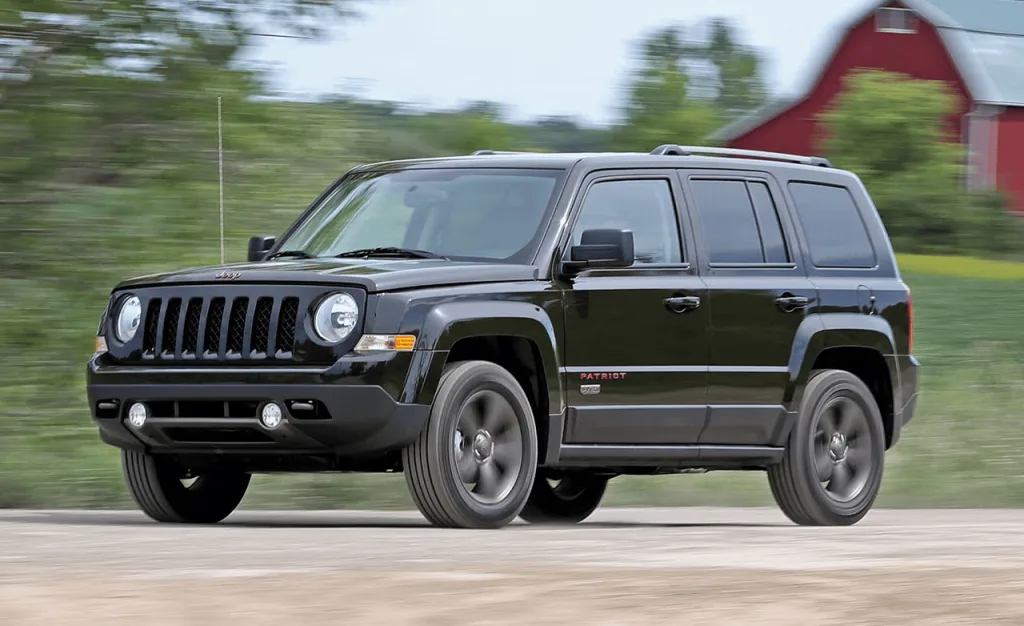
Is It 122 HP or 144 HP? Here’s the Real Answer
If you are researching the 2016 Jeep Patriot Sport, chances are you have already seen conflicting information about its engine output. Some sources list 122 horsepower, others show 144 horsepower, and many used vehicle listings mention one or the other without explanation. This confusion is extremely common and often leads buyers to question whether a listing is inaccurate or misleading.
This blog clears up the confusion properly and in detail. You will learn why both horsepower figures are correct, how the 2016 Jeep Patriot Sport was configured, how to identify which engine a specific vehicle has, and what the difference actually means for everyday driving, reliability, and ownership.
The Short, Accurate Answer
The 2016 Jeep Patriot Sport was offered with two different engines, depending on drivetrain and factory configuration:
- 2.0-liter four-cylinder engine
Rated at 122 horsepower - 2.4-liter four-cylinder engine
Rated at 144 horsepower
There is no typo, no regional detuning, and no mid-year power change. The horsepower rating depends entirely on which engine is installed in the vehicle.
Why Jeep Offered Two Engines on the Patriot Sport
The Patriot Sport was positioned as an affordable entry-level Jeep. To keep the base price low, Jeep made the 2.0L engine standard, while offering the 2.4L engine as an upgrade, most often bundled with all-wheel drive.
This approach allowed buyers to choose between:
- Lower upfront cost and basic transportation
- More power and better all-weather capability
As a result, both engines are common on the used market today, which is why the confusion persists.
The 2.0L Engine
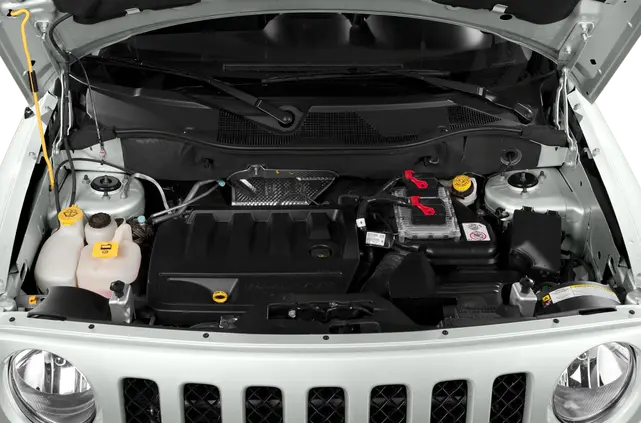
122 Horsepower Configuration
The 2.0-liter inline-four engine was the standard powertrain for the 2016 Jeep Patriot Sport, particularly on front-wheel-drive models.
Key Specifications
- 2.0L naturally aspirated four-cylinder
- 122 horsepower
- 128 lb-ft of torque
- Usually paired with FWD
- Available with manual or automatic transmission
Real-World Driving Feel
This engine is designed for efficiency and simplicity rather than performance. Acceleration is modest, especially when merging onto highways or driving with passengers. Around town, it performs adequately and keeps operating costs low.
Best for drivers who:
- Primarily commute in the city
- Want basic, no-frills transportation
- Are focused on budget over power
The 2.4L Engine
144 Horsepower Configuration
The 2.4-liter engine was the optional upgrade for the Patriot Sport and is far more common on all-wheel-drive models.
Key Specifications
- 2.4L naturally aspirated four-cylinder
- 144 horsepower
- 165 lb-ft of torque
- Typically paired with AWD
- Commonly matched with a CVT or automatic
Real-World Driving Feel
The additional torque makes a noticeable difference. The 2.4L engine feels less strained during highway driving, handles hills better, and offers improved drivability when the vehicle is loaded with passengers or cargo.
This engine is better suited for:
- Highway commuting
- Snowy or mountainous regions
- Drivers who want AWD capability
- Owners planning long-term use
How to Tell Which Engine a 2016 Patriot Sport Has
If you are looking at a used Patriot Sport and want to confirm the engine, here are the most reliable methods.
Check the VIN
A dealership or VIN lookup tool can instantly confirm engine displacement.
Look at the Drivetrain
- Front-wheel drive models are usually 2.0L
- All-wheel drive models are almost always 2.4L
Under-the-Hood Label
The emissions label under the hood lists engine displacement and certification information.
Original Window Sticker or Build Sheet
If available, this is the most accurate confirmation method.
If you are shopping locally, a dealership like Simi Valley Chrysler Dodge Jeep Ram can verify engine details using the VIN before purchase.
Performance Comparison: 122 HP vs 144 HP
| Category | 2.0L Engine | 2.4L Engine |
|---|---|---|
| Horsepower | 122 HP | 144 HP |
| Torque | 128 lb-ft | 165 lb-ft |
| Highway Passing | Weak | Noticeably better |
| City Driving | Adequate | Stronger |
| AWD Availability | Rare | Common |
| Fuel Economy | Slightly better | Slightly lower |
Neither engine delivers sporty performance, but the 2.4L is clearly more usable in real-world driving.
Reliability of Both Engines
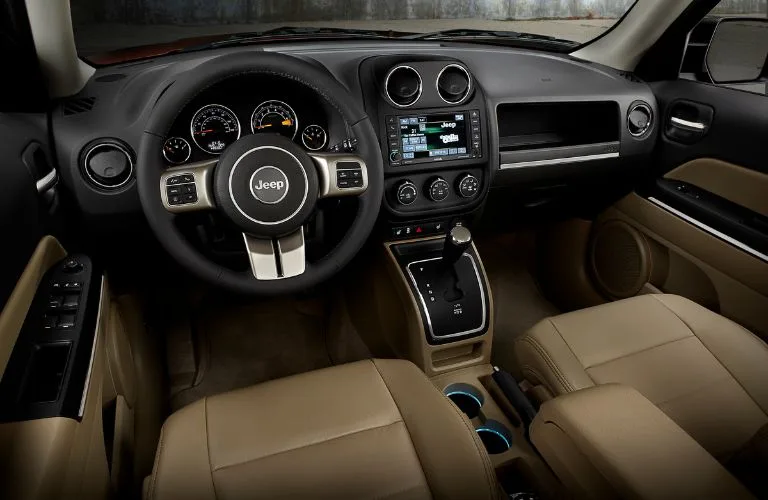
From a reliability standpoint, both engines are similar. They share design philosophy and long-term durability traits.
Strengths
- Naturally aspirated design
- No turbochargers
- Simple engine layout
- Widely available parts
Common Age-Related Issues
- Throttle body problems
- CVT sensitivity to neglected maintenance
- Motor mount wear
- Suspension components aging
Proper oil changes, cooling system maintenance, and transmission servicing play a much larger role in longevity than engine choice.
Fuel Economy Differences
In real-world use:
- The 2.0L engine offers slightly better city fuel economy
- The 2.4L engine, especially with AWD, consumes marginally more fuel
The difference is not dramatic, but over long ownership, the 2.0L can be cheaper to run.
Which Engine Is the Better Buy Today?
For most used-car shoppers, the 2.4L engine is the better choice, even if it costs slightly more upfront.
Choose the 2.0L if:
- You want the lowest possible purchase price
- You drive mostly in urban conditions
- You value simplicity above all else
Choose the 2.4L if:
- You drive on highways frequently
- You want AWD capability
- You plan to keep the vehicle long term
- You want better overall drivability
Why Online Listings Often Get This Wrong
Many online listings use generic specs or auto-filled data. They often:
- Default to one horsepower figure
- Ignore drivetrain differences
- Copy information from other listings
This is why you will frequently see 122 HP and 144 HP listed interchangeably, even though they refer to different engines.
Final Verdict
The question “Is the 2016 Jeep Patriot Sport engine 122 or 144 horsepower?” has a clear and accurate answer.
Both figures are correct.
- 122 horsepower applies to the 2.0L engine
- 144 horsepower applies to the 2.4L engine
The difference comes down to configuration, not misinformation. Verifying the engine before buying is essential for setting realistic expectations about performance, fuel economy, and long-term satisfaction.
2016 Jeep Patriot Sport Engine FAQ
1. Why do some 2016 Jeep Patriot Sports say 122 HP and others say 144 HP?
Because Jeep offered two different engines on the Patriot Sport in 2016. The base 2.0L engine makes 122 horsepower, while the optional 2.4L engine makes 144 horsepower. Listings often fail to specify which engine the vehicle actually has.
2. Is the 144 horsepower Patriot faster than the 122 horsepower version?
Yes, noticeably. The 2.4L engine produces significantly more torque, which improves highway merging, hill climbing, and overall drivability. It is not a fast SUV, but it feels less strained than the 2.0L version.
3. Does AWD automatically mean the Patriot has the 144 HP engine?
Almost always. In 2016, AWD Patriot Sports were typically equipped with the 2.4L 144 HP engine. Front-wheel-drive models usually received the 2.0L 122 HP engine.
4. Can I upgrade a 122 HP Patriot to the 144 HP engine?
Practically speaking, no. An engine swap would cost far more than the vehicle’s value. If you want the 144 HP engine, it is far more sensible to buy a Patriot that came with it from the factory.
5. Is the 2.0L 122 HP engine unreliable?
No. The 2.0L engine is simple and generally reliable when properly maintained. It lacks power, but it is not known for widespread catastrophic failures. Most issues are related to age, maintenance, or transmission neglect rather than the engine itself.
6. Is the 2.4L 144 HP engine more reliable than the 2.0L?
Reliability is very similar. The 2.4L engine has more power and torque but shares the same basic design philosophy. Maintenance matters far more than which engine you choose.
7. Does the 122 HP engine get better fuel economy?
Slightly, yes. The 2.0L engine generally uses less fuel, especially in city driving. However, the difference is modest, and aggressive driving can erase any advantage.
8. Why do some listings get the horsepower wrong?
Many listings use auto-filled data or copied specs without checking the VIN. They often list one horsepower figure for all Patriots, which causes confusion. Always verify engine size directly rather than trusting the listing headline.
9. How can I confirm which engine a Patriot Sport has before buying?
The most reliable methods are:
- VIN lookup
- Drivetrain check (FWD vs AWD)
- Under-hood emissions label
- Dealer build sheet
Never rely on horsepower listed in the ad alone.
10. Is the 122 HP engine too weak for highway driving?
For many drivers, yes. It can handle highways, but acceleration is slow, especially when merging or passing. If you frequently drive on highways, the 144 HP engine is the better choice.
11. Does engine choice affect towing capacity?
Yes, but towing capacity is limited either way. The 2.4L engine handles light loads better, but the Patriot is not designed for heavy towing regardless of engine.
12. Which engine holds resale value better?
The 2.4L 144 HP engine, especially when paired with AWD, generally holds value better because it is more desirable to buyers and more versatile in different driving conditions.
13. Are maintenance costs different between the two engines?
Not significantly. Both engines require similar maintenance schedules. Transmission service, suspension wear, and cooling system upkeep are usually more costly factors than engine-related maintenance.
14. Should I avoid the CVT with either engine?
The CVT requires regular maintenance. When neglected, it can cause problems regardless of engine choice. A well-maintained CVT can last, but service history matters more than horsepower.
15. Which engine should most buyers choose today?
For most buyers, the 2.4L 144 HP engine is the better option. It offers better drivability, stronger torque, and improved resale value with minimal downside beyond slightly higher fuel use.
Connect with us


