





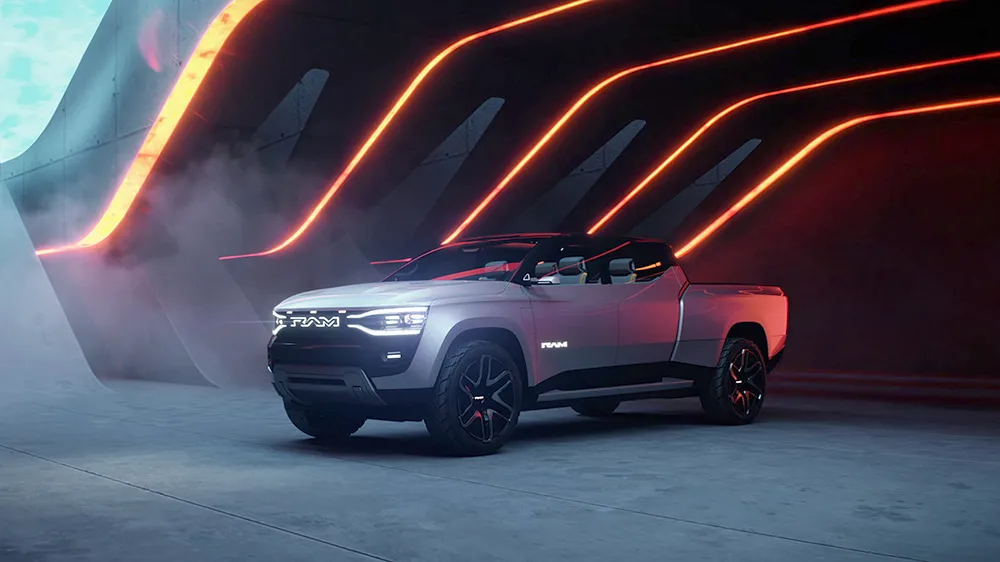
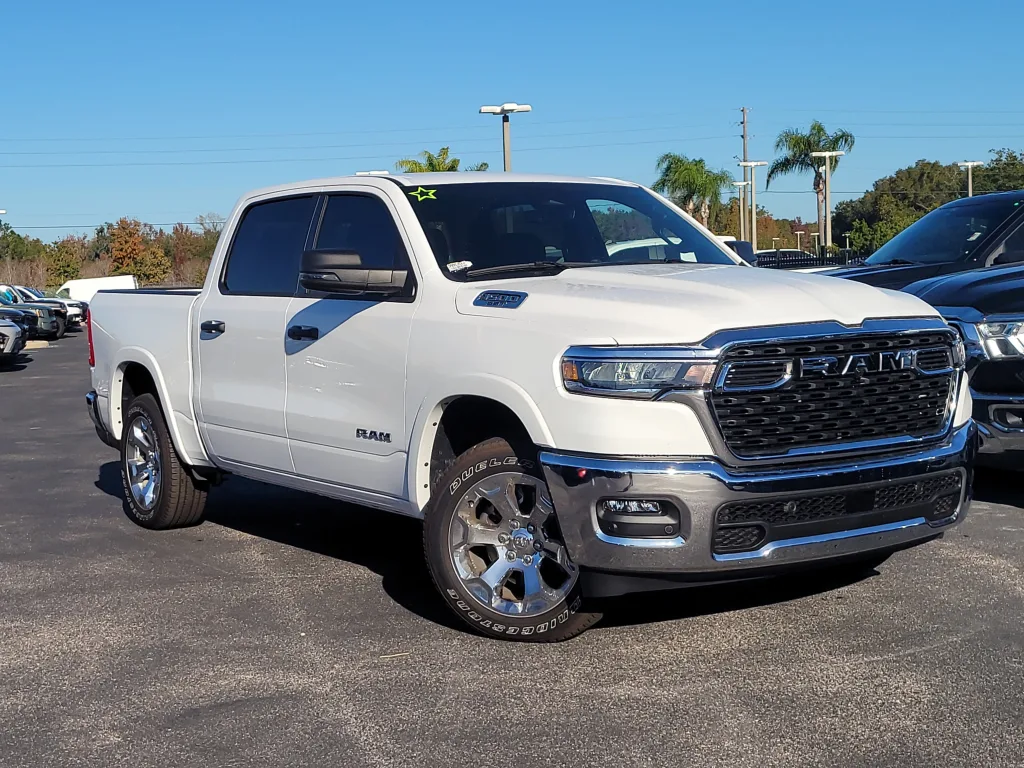
Ram hasn’t been part of Dodge since 2010. That’s the clean answer. The truck people still call the “Dodge Ram” is now just called Ram. Ram 1500. Ram 2500. Ram 3500. No Dodge badge. No Dodge branding. No Dodge ownership in the truck lineup.
If you’re looking at a modern pickup with “RAM” stamped across the tailgate, that’s not a trim package or a styling decision. That’s the brand. The Dodge Ram, as a product name, no longer exists.
But the confusion is understandable. People still say “Dodge Ram” every day. It’s embedded in the culture, the language, and the identity of the truck market. The name changed. The habit didn’t.
Here’s what actually happened — and why it still matters.
The split that changed the name
In 2010, Chrysler reorganized its brands and separated Dodge and Ram into two distinct divisions. Dodge kept passenger cars and performance vehicles. Ram took over trucks and commercial vehicles and became a standalone brand.
From that moment forward:
- Dodge stopped selling trucks
- Ram became the truck brand
- All pickups and vans moved under Ram branding
That means every modern truck — Ram 1500, 2500, 3500, ProMaster vans, commercial chassis — belongs to Ram, not Dodge.
This wasn’t a marketing refresh or a badge swap. It was a structural business decision. Different leadership. Different product strategies. Different long-term planning.
Dodge pivoted toward performance, muscle cars, and lifestyle vehicles. Ram focused on trucks, fleet sales, heavy-duty platforms, commercial markets, and long-term ownership cycles.
It was a clean separation. On paper, it made perfect sense.
Why the name never really changed in people’s heads
Here’s the reality: brands can change overnight. Language doesn’t.
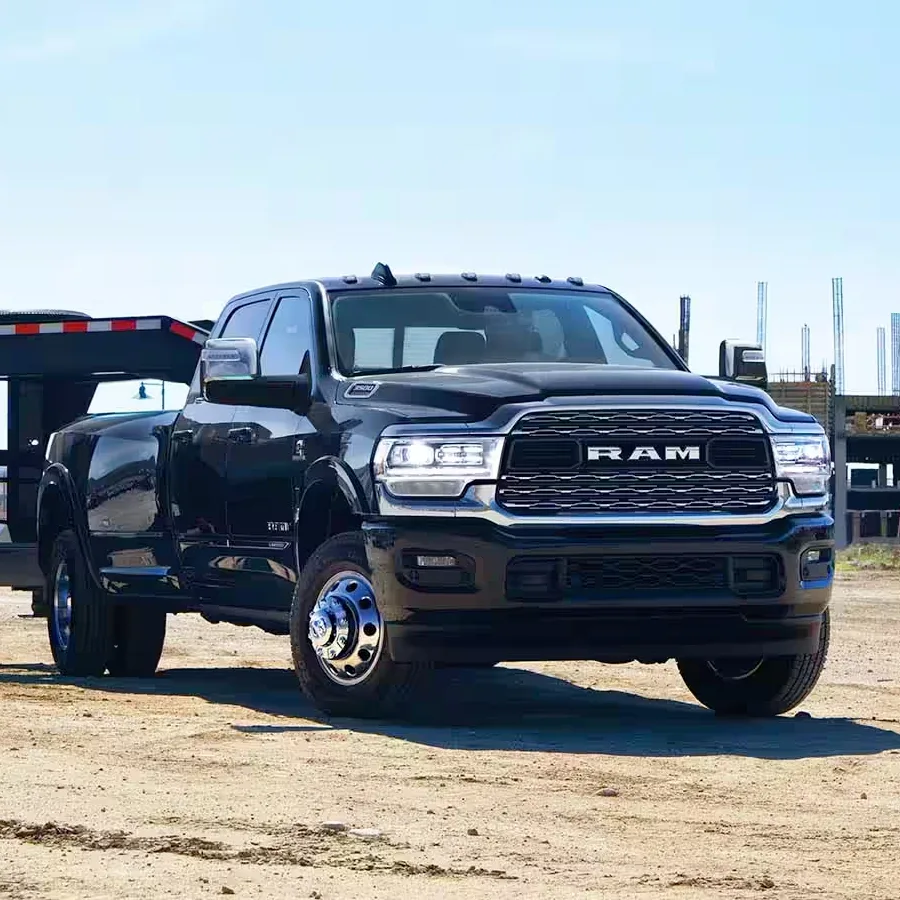
For decades before the split, the Dodge Ram was one of the most recognizable truck names in North America. It wasn’t just a product. It was a category staple. Work trucks. Farm trucks. Fleet trucks. Personal rigs. Tradesmen trucks. Construction trucks. Family trucks. The name lived in real places, not just ads.
So when the corporate structure changed, the public vocabulary didn’t follow.
People still say Dodge Ram because:
- That’s what they grew up hearing
- That’s what their family drove
- That’s what the badge said for decades
- That’s what the truck represented in daily life
You don’t overwrite that with a press release and a new logo.
Even in 2026, people still search:
“What is the Dodge Ram called now?”
“Is Dodge Ram still a thing?”
“Is Ram still Dodge?”
“Did Dodge stop making trucks?”
Not because the branding is unclear — but because the cultural memory is strong.
Technically, “Dodge Ram” is wrong. Practically, everyone knows what you mean.
What changed — and what didn’t
From an industry standpoint, the name change mattered a lot.
Ram is now positioned as a full truck manufacturer, not a sub-brand inside a car company. That changes how the company invests, develops platforms, and plans long-term product cycles.
It allows Ram to focus entirely on:
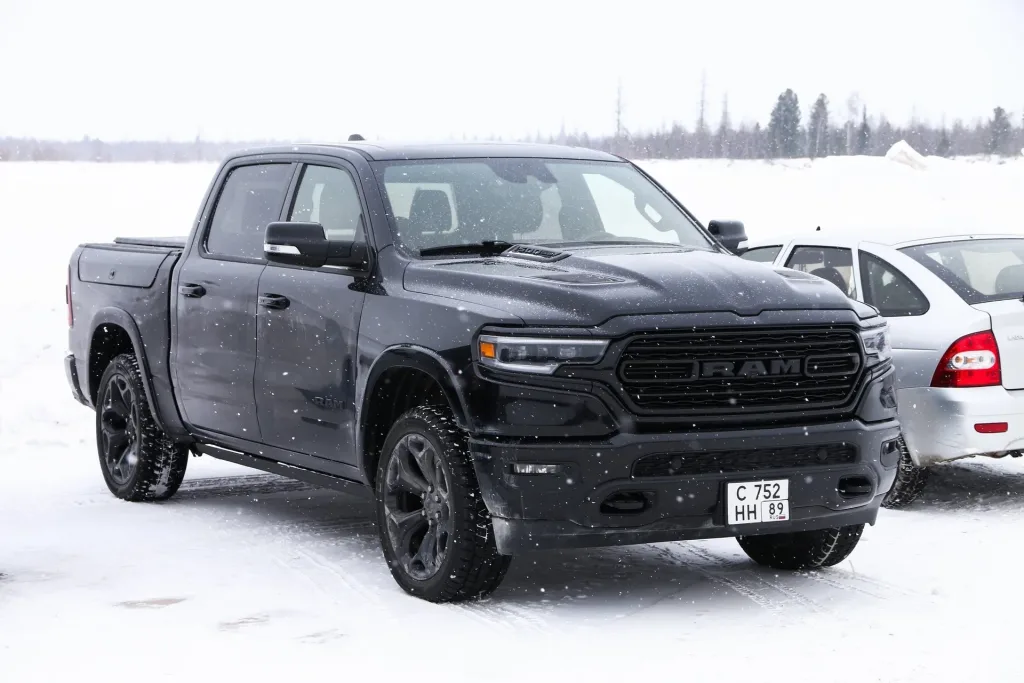
- Full-size pickups
- Heavy-duty trucks
- Commercial vehicles
- Fleet contracts
- Long-term durability platforms
- Commercial electrification
- Work-focused engineering decisions
Instead of competing for attention inside Dodge’s performance-focused strategy.
That separation gave Ram room to build its own identity, dealer strategy, and product development priorities. In business terms, it was a smart move.
But from a consumer perspective?
Very little actually changed.
The trucks still serve the same roles:
- Work trucks
- Tow vehicles
- Fleet vehicles
- Personal daily drivers
- Off-road builds
- Heavy-duty haulers
They still compete in the same segments. They still target the same buyers. They still operate in the same markets.
The product category stayed the same. The buyer profile stayed the same. The use cases stayed the same.
Only the badge changed.
Why Ram branding makes more sense today
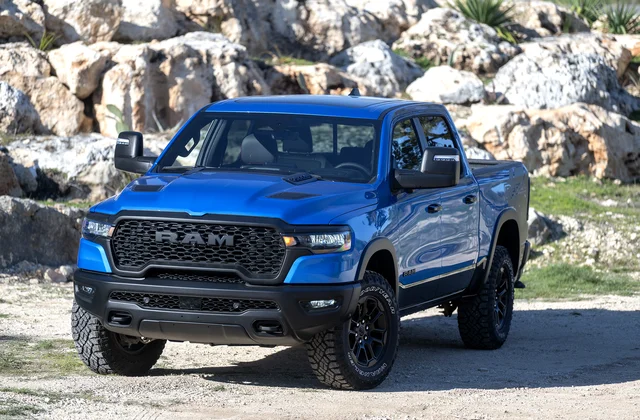
There’s a reason Ram didn’t replace the name with something new. They didn’t invent a new truck brand. They didn’t create a new identity. They simply removed “Dodge” and kept “Ram.”
Because “Ram” already carried meaning.
It already represented:
- Strength
- Durability
- Utility
- Work capability
- Ruggedness
- Truck-first identity
From a branding perspective, “Ram” works better as a standalone truck brand than “Dodge Ram” ever did as a sub-label. It’s shorter, stronger, and more focused.
So the company didn’t reinvent the product — it clarified the category.
Ram = trucks
Dodge = performance cars
Simple structure. Clear positioning.
Why the confusion still exists in 2026
There are a few reasons this still confuses people more than a decade later:
1. Legacy branding
Old trucks still on the road still say Dodge Ram. Millions of them. You still see the badge every day.
2. Cultural language lag
People don’t update their vocabulary when corporations restructure.
3. Informal speech
People say “Dodge Ram” the same way they say “Chevy truck” or “Ford pickup.” It’s shorthand.
4. Multi-brand dealerships
Dodge, Jeep, Ram often operate under the same dealership networks, which blurs brand separation for consumers.
5. No visible functional change
The truck didn’t transform overnight, so people never felt the shift.
The correct terminology today
Here’s the clean version for accuracy:
Before 2010:
Dodge Ram (brand: Dodge)
After 2010:
Ram 1500 / 2500 / 3500 (brand: Ram)
Dodge does not make trucks.
Ram does not make cars.
They are separate brands under the same corporate umbrella (Stellantis), but they operate independently in product identity.
Why this actually matters
For buyers, this matters in a few practical ways:
Brand identity
If you’re shopping today, you’re buying a Ram truck — not a Dodge truck. That affects resale listings, registrations, branding, and market classification.
Fleet and commercial markets
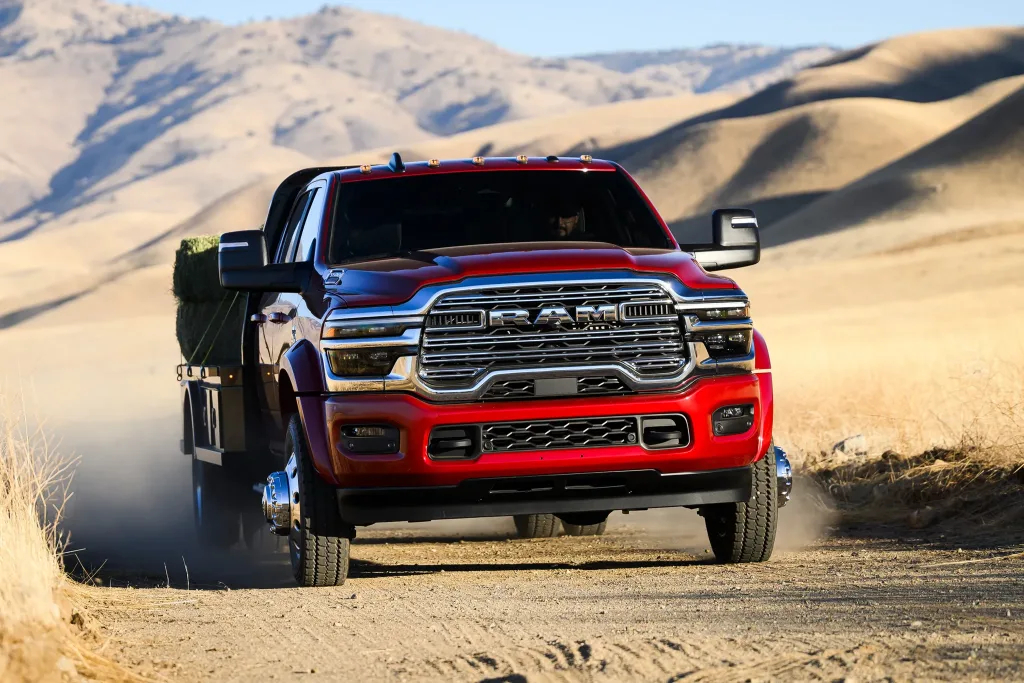
Ram operates as a dedicated commercial brand, which affects parts supply chains, service structures, and fleet support programs.
Product planning
Ram product development is truck-first, not car-first. That changes engineering priorities, electrification strategies, and long-term platform planning.
Market positioning
Ram competes directly with Ford and GM as a standalone truck brand, not as a division inside a car company.
This isn’t cosmetic. It’s structural.
The cultural reality
Even with all that, here’s the honest truth:
People will still say “Dodge Ram.”
Not because they’re wrong — but because language follows culture, not corporate structure.
It’s the same reason people still say:
- “Chevy Tahoe” instead of “Chevrolet Tahoe”
- “Beamer” instead of BMW
- “Benz” instead of Mercedes-Benz
- “Caddy” instead of Cadillac
Brand language evolves socially, not officially.
And “Dodge Ram” still lives in the culture.
The clear answer
So if someone asks:
What is the Dodge Ram called now?
The accurate answer is:
It’s called Ram.
Just Ram.
Ram 1500.
Ram 2500.
Ram 3500.
No Dodge branding. No Dodge ownership. No Dodge truck lineup.
The Dodge name left the truck market in 2010.
The trucks never left the road.
The name never left the public’s vocabulary.
That’s why the confusion still exists.
The real takeaway
This isn’t really a story about a name change.
It’s a story about how brands and culture move at different speeds.
Corporations restructure.
Markets reposition.
Brand strategies shift.
Logos change.
But people keep talking the same way they always have.
So the Dodge Ram didn’t disappear — it just evolved into Ram as a standalone brand. Same category. Same purpose. Same buyer. Same role in the market.
Different badge.
Same truck.
That’s the reality.
Connect with us


