





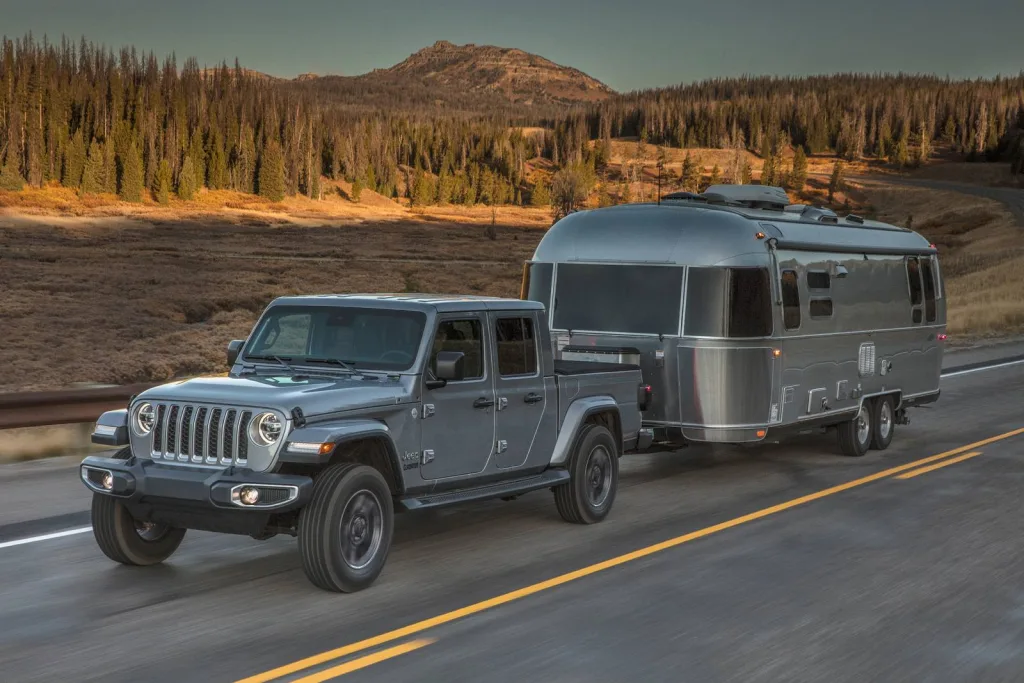
Are Jeep Gladiators Reliable?
Yes, the Jeep Gladiator can be reliable, but it depends heavily on the model year, transmission, maintenance history, modifications, and how the truck was used.
The simple answer is this: the Jeep Gladiator is a solid midsize pickup if you want Wrangler-style capability with a truck bed, but it is not the lowest-maintenance or most refined pickup in the segment. The best used Gladiator years are generally 2023 and newer, while early 2020 models and manual-transmission versions need more careful inspection.
J.D. Power gives the 2023 Jeep Gladiator a consumer rating of 85/100 and a Quality & Reliability score of 87/100, which is a strong sign for later model years. On the other hand, early Gladiators had known owner complaints and recalls, especially around steering feel and manual-clutch issues. (JD Power)
Is the Jeep Gladiator Reliable Overall?
The Gladiator is reasonably reliable when maintained properly, but it is not a basic commuter truck.
It is based heavily on the Jeep Wrangler platform, which means it has real off-road hardware, removable roof panels, available removable doors, 4×4 systems, solid-axle-style trail capability, and a unique body structure. That makes it more specialized than a Toyota Tacoma, Ford Ranger, Chevy Colorado, or Nissan Frontier.
That specialization is the tradeoff. The Gladiator gives you capability and personality, but it can require more attention to tires, steering, suspension, alignment, roof seals, and modifications.
Best Jeep Gladiator Years for Reliability
The safest used Gladiator years are generally:
2023 Jeep Gladiator
2024 Jeep Gladiator
2025 Jeep Gladiator
The 2023 model is a strong used pick because it came after the early launch years and still used the familiar 3.6L Pentastar V6. J.D. Power’s 2023 Gladiator score is also favorable, especially its 87/100 Quality & Reliability rating. (JD Power)
The 2024 and 2025 models may be good choices too, but newer years naturally have less long-term ownership data. If buying newer, check recalls by VIN and confirm all software and safety updates are complete.
2020 Jeep Gladiator: Be More Careful
The 2020 Gladiator was the first model year, and first-year vehicles usually carry more risk.
That does not mean every 2020 Gladiator is bad. Many owners love them. But if you are shopping used, the 2020 model should be inspected more carefully for steering complaints, suspension issues, recalls, water leaks, electrical concerns, and prior off-road use.
The 2020 model year also appears in recall and investigation history more often than later refined years. NHTSA opened a probe into 2020 Jeep Gladiator and Wrangler vehicles over possible instrument panel cluster display loss, after complaints involving complete or partial display loss while driving. (Reuters)
Manual Transmission Gladiators Need Extra Attention
If reliability is the priority, the automatic transmission is usually the safer Gladiator choice.
Manual-transmission Gladiators have had clutch-related recall history. An NHTSA recall document for recall 23V-116 covered certain manual-transmission Jeep Wrangler and Gladiator vehicles because the clutch pressure plate could overheat under certain circumstances. (NHTSA)
This does not mean every manual Gladiator is a problem, but it does mean used buyers should check recall completion, clutch feel, service history, and whether the truck has been driven hard off-road.
Common Jeep Gladiator Problems to Watch
The most common things to inspect on a used Gladiator include:
Steering wander or front-end wobble.
Uneven tire wear.
Suspension wear.
Roof or door seal leaks.
Manual clutch recall history.
Electrical or display issues.
Poor aftermarket lift kits.
Cheap wiring from lights or accessories.
Off-road damage underneath.
Rust or frame damage in harsh climates.
A Gladiator that has been kept stock, serviced properly, and driven normally is usually much safer than a lifted one with mystery parts and no service records.
Is the 3.6L V6 Reliable?
The 3.6L Pentastar V6 is the safest Gladiator engine for most buyers.
It is widely used across Jeep, Dodge, Chrysler, and Ram vehicles, which helps with parts availability and mechanic familiarity. It is not the most powerful midsize-truck engine, but it is a proven gas engine when maintained properly.
For long-term reliability, the automatic V6 Gladiator is the cleanest recommendation.
Gladiator Reliability vs Toyota Tacoma
The Toyota Tacoma has the stronger long-term reliability reputation.
The Jeep Gladiator has the stronger Jeep personality. It offers removable roof panels, removable doors, real Jeep off-road character, and a more unique ownership experience.
If you want the safer appliance-like truck, Tacoma usually wins. If you want the more adventurous and customizable truck, Gladiator makes more sense.
Gladiator Reliability vs Wrangler
The Gladiator and Wrangler share a lot of DNA, but the Gladiator adds a truck bed and a longer wheelbase.
The Wrangler is more maneuverable off-road. The Gladiator is more useful for gear, camping, light towing, and truck tasks.
Reliability concerns are similar: steering, suspension, roof seals, modifications, tires, and off-road wear matter a lot.
Is a Used Jeep Gladiator Worth Buying?
Yes, a used Jeep Gladiator is worth buying if you choose the right one.
The best used Gladiator is usually a 2023 or newer automatic V6 model with clean history, no major modifications, completed recalls, good tires, and service records.
Avoid buying only by price. A cheap Gladiator with bad steering, worn suspension, cheap lift kit, oversized tires, leaks, or unresolved recalls can become expensive quickly.
For local shoppers, compare used Jeep inventory by year, trim, mileage, condition, and modification history. If you want warranty coverage and the latest updates, check available new Jeep inventory.
Best Gladiator Trim for Reliability
For reliability-first buyers, the best trims are usually Sport S, Willys, or Overland, depending on year.
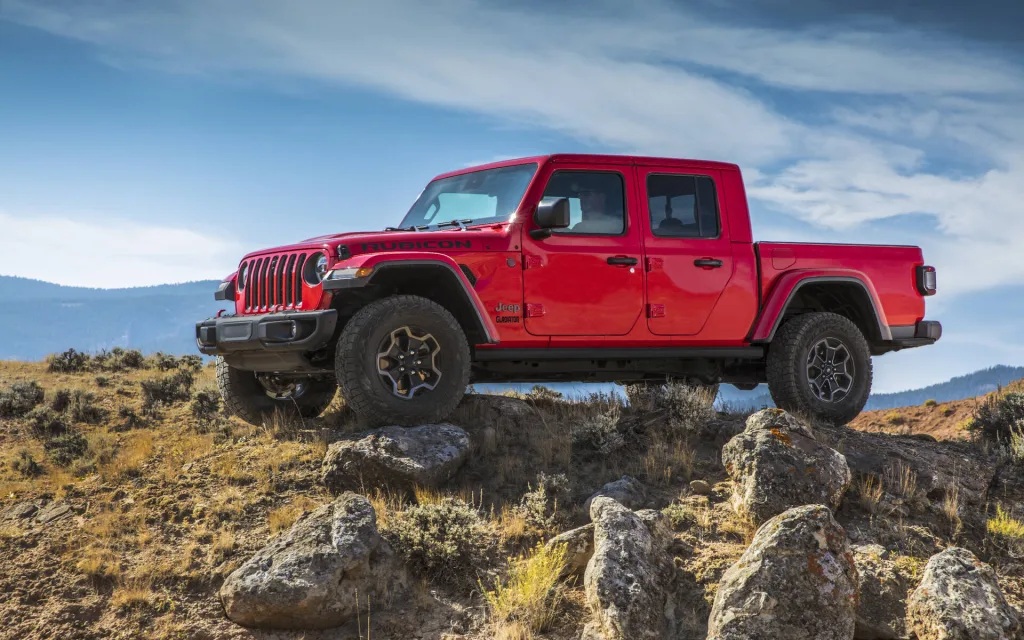
These trims give you the Gladiator experience without always carrying the heavier off-road use history that can come with Rubicon or Mojave models.
Rubicon and Mojave are excellent trims, but they are more likely to attract owners who off-road, modify, and push the truck harder. Buy them if you want the capability, but inspect them carefully.
Final Verdict: Are Jeep Gladiators Reliable?
The Jeep Gladiator is reasonably reliable, but it is not a low-maintenance commuter pickup.
The safest answer is this: buy a 2023 or newer Gladiator with the 3.6L V6, automatic transmission, clean service history, completed recalls, and minimal modifications. Be more careful with 2020 launch-year models, manual-transmission trucks, and heavily modified examples.
The Gladiator is best for buyers who want a real Jeep pickup, not just the cheapest or smoothest midsize truck. If you maintain it properly and buy the right one, it can be a dependable and highly capable adventure truck.
Connect with us


