Simi Valley Chrysler Dodge Jeep Ram

Blog

All Jeep General Ram Dodge Questions Car Buying Guides Chrysler Simi Valley Chrysler Dealer Simi Valley Used Cars
2021-Jeep-Grand-Cherokee-Trackhawk

What Year Grand Cherokee Is the Most Reliable?

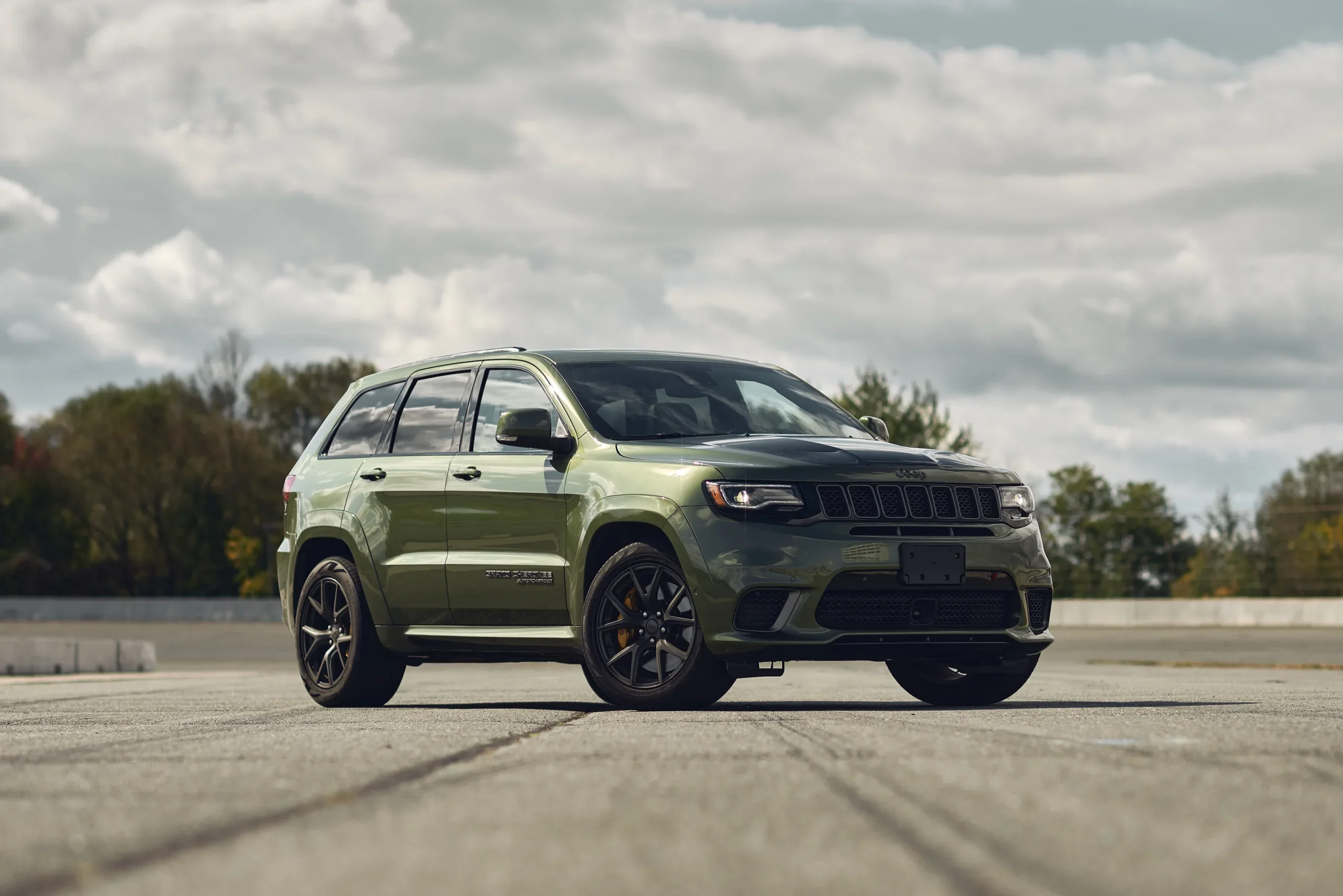
What Year Grand Cherokee Is the Most Reliable? The 2020 Jeep Grand Cherokee is one of the best years to buy if you want a reliable used Grand Cherokee. It sits near the end of the WK2 generation, which ran for a long time and had many of its early issues worked out by then. It also avoids the first-year problems that can come with a major redesign. J.D. Power gives the 2020 Jeep Grand Cherokee a Quality & Reliability score of 82 out of 100, which falls into its “Great” range. J.D. Power A good simple answer is this: look at 2018, 2019, 2020, and 2021 Grand Cherokee models first, especially with the 3.6L Pentastar V6 and a clean maintenance history. Be more careful with 2011, 2014, and some early redesign years, because those tend to show more complaints or higher buyer risk. Is the Jeep Grand Cherokee Reliable Overall? The Jeep Grand Cherokee is generally an average to solid midsize SUV for reliability, depending on the year and how it was maintained. RepairPal gives the Jeep Grand Cherokee a reliability rating of 3.5 out of 5.0, ranking it 15th out of 26 midsize SUVs. It also lists the average annual repair cost at $666, which is considered average ownership cost. RepairPal That means the Grand Cherokee is not a Toyota 4Runner or Lexus GX in terms of simplicity and long-term dependability, but it is also not automatically unreliable. The right year, engine, and maintenance history matter a lot. A clean Grand Cherokee can be a comfortable, capable SUV with strong resale appeal. A neglected one can become expensive because it may involve four-wheel-drive components, electronics, suspension parts, engine repairs, transmission issues, or luxury-trim features. Why 2020 Is One of the Best Grand Cherokee Years The 2020 Grand Cherokee is a strong pick because it came late in the WK2 generation. By 2020, Jeep had years to refine the platform, update software, improve quality, and smooth out many of the issues that can show up earlier in a model cycle. Late-generation vehicles are often safer used buys than first-year redesigns because the manufacturer has had more time to correct problems. The 2020 model also gives shoppers a good balance of modern technology and proven hardware. You can find trims ranging from basic Laredo models to Limited, Overland, Trailhawk, Summit, SRT, and Trackhawk versions. For reliability, the simpler trims with the 3.6L Pentastar V6 are usually the safest bet. They avoid some of the higher costs tied to performance models, air suspension, and more complex luxury equipment. Best Jeep Grand Cherokee Years to Buy The best Jeep Grand Cherokee years for reliability are usually 2018, 2019, 2020, and 2021. These years are late-WK2 models, which makes them attractive used buys. They are modern enough to have good safety and convenience features, but not so new that they carry early redesign risk from the newer WL-generation Grand Cherokee. The 2018 Grand Cherokee can be a good value if the service history is clean. The 2019 Grand Cherokee is also a strong option because it sits late in the generation and gives buyers many trim choices. The 2020 Grand Cherokee may be the best overall balance of reliability, equipment, availability, and price. The 2021 Grand Cherokee is also worth considering because it was the final year of the old two-row WK2 model while the new Grand Cherokee L launched separately. For most buyers, a 2019 or 2020 Grand Cherokee Limited with the V6 is one of the safest used choices. Years to Be More Careful With Some Grand Cherokee years deserve more caution. CarComplaints lists 2011 as the worst model year for the Jeep Grand Cherokee, with electrical problems standing out as the worst problem category overall. CarComplaints That does not mean every 2011 Grand Cherokee is bad, but it does mean buyers should be more cautious. Early years of the WK2 generation had more time for owner complaints to build up, and 2011 was the first model year of that generation. The 2014 model year is also one to inspect carefully. It brought updates and the 8-speed automatic transmission, but some owners reported issues around shifting, electronics, and drivability. A well-maintained 2014 can still be fine, but it should not be bought casually. You should also be careful with newer first-year redesigned models. The current WL generation brought major updates, including new styling, new tech, Grand Cherokee L three-row models, and 4xe plug-in hybrid versions. These vehicles can be excellent, but more technology usually means more things to verify before buying. Best Engine for Grand Cherokee Reliability For most used buyers, the 3.6L Pentastar V6 is the best reliability choice. It is common, widely serviced, and generally less expensive to maintain than the V8, SRT, Trackhawk, or plug-in hybrid models. It also provides enough power for daily driving, family use, commuting, road trips, and light towing. The 5.7L HEMI V8 can be a good choice if you want more towing power or a stronger feel, but it can cost more in fuel and maintenance. The SRT and Trackhawk models are exciting, but they are performance SUVs. Tires, brakes, fuel, insurance, and repairs can all be much more expensive. The 4xe plug-in hybrid models offer efficiency and strong torque, but they are more complex. Car and Driver reported on a recall affecting 2022 to 2026 Jeep Grand Cherokee 4xe models for a software issue that could lead to loss of drive power. Car and Driver That does not mean every 4xe is bad, but it does mean buyers should check recalls carefully. Best Trim for Reliability The best Grand Cherokee trim for reliability is usually not the most expensive one. A Laredo, Limited, or simple Trailhawk can be a safer used buy than a heavily optioned Summit, Overland, SRT, or Trackhawk. The reason is simple: fewer complex features usually means fewer expensive things to repair. Luxury trims may include air suspension, panoramic sunroofs, advanced electronics, larger wheels, premium audio, adaptive systems, and more expensive interior components. These features are nice when everything works, but they can raise ownership costs as the vehicle ages. For most shoppers, a Grand Cherokee Limited V6 is one of the best balances. It gives comfort, useful features, good availability, and less risk than the most complex trims. How Many Miles Is Too Much for a Used Grand Cherokee? Mileage matters, but maintenance matters more. A Grand Cherokee with 80,000 miles and no service records can be riskier than one with 120,000 miles and complete maintenance history. The right question is not just “how many miles,” but “how was it maintained?” For a used Grand Cherokee, look closely at: Oil-change records. Transmission service history. Coolant and brake fluid condition. Tire wear. Suspension condition. 4x4 system operation. Warning lights. Rust underneath. Recall completion. Accident history. A Grand Cherokee with the V6, clean records, no open recalls, and a strong inspection can still be a good buy with higher mileage. What to Check Before Buying a Used Grand Cherokee Before buying a used Jeep Grand Cherokee, get a pre-purchase inspection. Focus on the engine, transmission, transfer case, suspension, electronics, cooling system, brakes, tires, and underbody condition. If the SUV has air suspension, make sure it raises and lowers correctly without warning messages. Check the Uconnect screen, backup camera, heated seats, climate controls, windows, sunroof, driver-assistance features, and keyless entry. Electrical issues can be annoying and expensive if ignored. Also run the VIN through the official NHTSA recall search. Open recalls should be handled before or immediately after purchase. Is a Used Grand Cherokee Worth Buying? Yes, a used Grand Cherokee can be worth buying if you choose the right year and condition. It makes sense for shoppers who want a midsize SUV with a comfortable interior, available four-wheel drive, strong towing capability, real Jeep identity, and a more premium feel than many mainstream SUVs. It may not be the best choice if you want the absolute lowest maintenance costs. If that is your goal, a Toyota 4Runner, Toyota Highlander, Honda Passport, or Lexus RX may be safer long-term bets. But if you want comfort, capability, and value in the used SUV market, the Grand Cherokee can be a smart choice, especially from the late WK2 years. For local shoppers, compare available options in the used inventory, and pay close attention to year, mileage, trim, drivetrain, service history, and vehicle condition. FAQs About the Most Reliable Grand Cherokee Years What year Grand Cherokee is the most reliable? The 2020 Jeep Grand Cherokee is one of the most reliable years to consider. It has a strong J.D. Power Quality & Reliability score and sits late in the long-running WK2 generation. What are the best years for a used Jeep Grand Cherokee? The best years to consider are usually 2018, 2019, 2020, and 2021, especially with the 3.6L V6 and clean maintenance records. What Jeep Grand Cherokee years should I avoid? Be more cautious with 2011 and 2014 models. CarComplaints lists 2011 as the worst Grand Cherokee model year, with electrical problems as the biggest category. 2014 models should be inspected carefully because some owners reported transmission and electronics issues. Is the Jeep Grand Cherokee expensive to maintain? It can be average to slightly expensive depending on trim and condition. RepairPal lists the average annual repair cost for the Grand Cherokee at $666, which is average for ownership costs. Is the V6 Grand Cherokee reliable? Yes, the 3.6L Pentastar V6 is generally one of the better choices for used Grand Cherokee reliability. It is common, widely serviced, and usually less expensive to own than V8, SRT, Trackhawk, or 4xe models. Is the Grand Cherokee 4xe reliable? The Grand Cherokee 4xe is more complex than a gas-only model because it adds plug-in hybrid components. It can be a good vehicle, but buyers should check recalls, warranty coverage, charging system condition, and software updates carefully. Final Thoughts: The 2020 Grand Cherokee Is the Sweet Spot The most reliable Jeep Grand Cherokee year is usually the 2020 model, especially with the 3.6L V6 and a clean service history. The best range to shop is 2018 through 2021. These late-WK2 Grand Cherokees offer a good mix of proven hardware, modern features, comfort, and used-market availability. Avoid buying only by year, though. A clean 2018 can be better than a neglected 2020. A simple V6 Limited can be a smarter long-term buy than a high-mileage luxury trim with expensive options. For the best result, check the VIN, service records, recalls, inspection report, and payload or towing needs before making the final call.

Dodge Challenger 2024

How To Register A Car in California A Complete Guide

How To Register a Car in California: A Complete Guide To register a car in California, you usually need the vehicle title or ownership document, proof of insurance, a completed DMV application, payment for taxes and fees, and a smog certificate if the vehicle requires one. The exact process depends on how you got the car. Registering a vehicle purchased from a California dealership is different from registering a private-party purchase, an out-of-state vehicle, or a car brought into California after moving from another state. The simple answer is this: if you bought from a California dealer, the dealer usually handles most of the registration. If you bought from a private seller or brought the car from another state, you usually need to complete the title transfer and registration through the California DMV. California DMV’s main vehicle registration page is the official starting point for new registrations, title transfers, new resident vehicles, imported vehicles, and fee estimates. What You Need To Register a Car in California Most California vehicle registrations require a few basic items. You usually need proof of ownership, such as a California title, out-of-state title, or dealer paperwork. You also need proof of California insurance, a completed application, odometer information when required, a smog certificate when applicable, and payment for DMV fees and taxes. California DMV says that when registering a vehicle purchased from a dealer, you will always need the last issued title, a completed Application for Title or Registration, proof of insurance, and a valid smog certification if the vehicle requires one. The DMV explains these requirements on its dealer-purchased vehicle registration page. For most shoppers, the easiest version of this process is buying from a licensed California dealer because the dealer often collects the required taxes and fees, submits paperwork, and provides temporary registration. Registering a Car Bought From a California Dealer If you buy a car from a licensed California dealership, the dealer usually handles the title and registration work for you. California DMV says many dealers are authorized to transfer titles and issue temporary registration while the permanent registration card and stickers are mailed. That means you usually do not need to visit the DMV yourself for a normal dealer purchase. You can review the DMV’s explanation under registering a vehicle purchased from a dealer. Still, you should check the paperwork before leaving the dealership. Make sure your name, address, vehicle identification number, purchase price, fees, taxes, and lienholder information are correct. You should also keep copies of your purchase agreement, temporary registration, finance contract if applicable, and insurance documents. If permanent plates, registration, or title paperwork does not arrive within the expected window, contact the dealership first, then DMV if needed. If you are still shopping, compare local new inventory or used inventory and ask for the full out-the-door price before signing. Registering a Car Bought From a Private Seller If you buy a car from a private seller in California, the buyer has 10 days after purchase to transfer ownership, and the seller has 5 days after the sale to report the transfer to DMV. California DMV explains this deadline on its private-party purchase page. For a private-party purchase, you usually need the signed California Certificate of Title, an odometer disclosure if required, a smog certificate if required, payment for fees and taxes, and a completed title transfer application. Do not assume the seller handles everything. The seller should release liability, but the buyer must transfer the title and register the car. Before paying, make sure the name on the title matches the seller’s ID. Check that the VIN on the title matches the VIN on the vehicle. Confirm there is no lien unless the lien release is included. Make sure the title is not branded in a way you did not expect. A private sale can save money, but missing paperwork can turn a good deal into a DMV problem. How Long Do You Have To Register a Car in California? For most private-party vehicle purchases in California, you have 10 days to transfer ownership into your name. California DMV also states in its driver handbook that when you buy a vehicle, you have 10 days to transfer ownership, and when you sell a vehicle, you must notify DMV within 5 days. You can see that rule in the DMV handbook section on vehicle registration requirements. If you move to California from another state, the timing is different. New residents generally need to register their out-of-state vehicle in California within 20 days of becoming a resident or bringing the vehicle into California. The DMV covers new-resident steps on its New to California page. Do not wait until your old registration expires. California may still require registration based on when you became a resident or when the vehicle entered the state. Registering an Out-of-State Car in California Registering an out-of-state car in California usually takes more work than registering a vehicle already titled in California. You generally need the out-of-state title, out-of-state registration, a completed California title or registration application, proof of insurance, a smog certificate if required, a VIN verification, and payment for taxes and fees. California DMV says out-of-state vehicles must meet California registration requirements, including emissions-related rules, before they can be registered. The DMV explains these requirements in its driver handbook section on vehicle registration. A DMV employee, licensed verifier, or approved law enforcement officer may need to verify the VIN. The vehicle may also need a smog inspection unless it is exempt. If you bought the vehicle outside California for use in California, use tax may apply. The California Department of Tax and Fee Administration explains that use tax generally applies to vehicles purchased outside California for use in the state. You can review CDTFA’s guidance on vehicles and vessels. Buying a Car in Another State and Registering It in California You can buy a car in another state and register it in California, but you need to be careful. The car must be eligible for California registration. It may need to meet California emissions standards. You may owe California use tax. You may need a smog inspection, VIN verification, and additional DMV paperwork. This matters if you buy a vehicle from Texas, Nevada, Arizona, Oregon, or another state and plan to bring it to California. The biggest mistake is assuming an out-of-state purchase avoids California tax. If the vehicle is purchased for use in California, California use tax can still apply. CDTFA explains this under its vehicle tax guidance. Before buying out of state, confirm the vehicle’s emissions label, title status, mileage, registration history, and whether it can be registered in California. Do You Need a Smog Check To Register a Car in California? Often, yes. California requires smog inspections for many gasoline-powered and hybrid vehicles, especially when ownership changes or an out-of-state vehicle is registered in California. California DMV says that when you sell a car, you generally need to give the buyer a valid smog certification if the vehicle requires one. The DMV explains smog requirements on its smog inspections page. Some vehicles are exempt. Newer vehicles, electric vehicles, certain older vehicles, motorcycles, trailers, and some diesel vehicles may be treated differently. The rules can vary by model year, fuel type, and transaction type. For used cars, the safest move is to confirm the smog requirement before purchase. A car that cannot pass smog can become difficult to register in California. California Registration Fees: What You Pay California registration fees vary by vehicle and location. The DMV says registration fees are based on the vehicle type, purchase price or declared value, purchase date or entry date into California, city and county, vehicle weight, number of axles, and special license plates if applicable. The DMV explains this on its registration fees page. Typical costs may include registration fees, title transfer fees, California Highway Patrol fees, county or district fees, use tax, vehicle license fees, weight fees for some vehicles, and plate-related fees. The exact amount can change depending on the vehicle. A heavy truck may have different fees from a small sedan. A newer, more expensive vehicle may cost more to register than an older, lower-value vehicle. California DMV Fee Calculator The best way to estimate your registration cost is to use the official California DMV fee calculator. California DMV provides a vehicle registration fee calculator for different situations, including new vehicles, used vehicles, registration renewals, and vehicles brought into California by new residents. This is better than guessing because California fees depend on too many variables. Your city, county, vehicle value, purchase date, and vehicle type can all change the final number. If you are comparing vehicles, calculate the out-the-door cost, not just the sale price. What Is the Vehicle License Fee in California? The Vehicle License Fee, or VLF, is one part of California registration cost. California DMV says the VLF is 0.65% of the purchase price or vehicle value for most vehicles. This is listed on the DMV’s registration fees page. That means a more expensive vehicle usually has a higher VLF. This is one reason a newer or higher-priced vehicle may cost more to register than an older used car. The VLF is separate from sales or use tax, title fees, and other DMV charges. Do You Need Insurance Before Registering a Car? Yes, California requires proof of financial responsibility, and most buyers use auto insurance to meet that requirement. When registering a car, you should have proof of insurance ready. If you bought the car from a dealer, the dealer or lender may require proof of insurance before you drive away. For private-party purchases, do not assume you can legally drive the car home without coverage. Arrange insurance before taking possession or before driving the vehicle on public roads. Title Transfer vs Registration: What Is the Difference? Title and registration are related, but they are not the same. The title proves ownership. Registration gives the vehicle permission to operate on public roads. When you buy a vehicle, you need the title transferred into your name. You also need the vehicle properly registered if you plan to drive it. California DMV says any change in ownership or lienholder must be reported within 10 days, and the title must be updated. You can review the DMV’s title guidance on title transfers. If you finance a car, the lender may be listed as the lienholder until the loan is paid off. Registering a Financed Car in California If you finance a car through a dealership, the registration process is usually handled as part of the purchase. The lender will typically be listed as the lienholder. You are the registered owner, but the lender has a legal interest in the vehicle until the loan is paid off. If you finance through a bank or credit union on a private-party purchase, make sure the lender’s title instructions are followed correctly. Any mistakes with lienholder information can delay the title and registration process. For buyers comparing payment options, it helps to start with a finance application before shopping seriously. Registering a Used Car in California Registering a used car in California depends on whether you bought it from a dealer or a private seller. If you buy from a dealer, the dealer usually handles the paperwork. If you buy privately, you need to transfer the title and pay the required tax and fees through DMV. For used cars, always check the title, smog status, registration status, lien status, odometer reading, vehicle history, and open recalls before buying. California does not automatically protect you from a bad private-party deal. Once you buy the car, registration problems can become your problem. What If the Car Has No Title? Be very careful with any car that has no title. In California, a valid title is the main proof of ownership. If the seller does not have the title, ask why. A missing title can mean the car has a lien, a title problem, a past loss history, or ownership confusion. The seller may need to request a duplicate title before selling. California DMV provides title replacement and title transfer options through its title transfers resources. For most buyers, the safest rule is simple: do not buy a car without clean ownership paperwork unless you fully understand the DMV process and risk. Can You Register a Car Online in California? Some vehicle registration and title transfer steps can be started online through California DMV. DMV offers online services for title transfers, renewals, fee estimates, and other vehicle-related tasks. However, some situations still require in-person steps, especially VIN verification, out-of-state vehicles, missing paperwork, or unusual title issues. Start with the DMV’s online vehicle registration page and follow the path that matches your situation. Common Mistakes To Avoid The most common registration mistake is waiting too long after buying a car. Another common mistake is buying a private-party vehicle without checking the title. Buyers also run into problems when they ignore smog requirements, forget insurance, do not verify the VIN, or assume the seller already handled the transfer. Out-of-state buyers often forget that California use tax may still apply. New residents sometimes wait until their old state registration expires, which can create penalties. Avoid these mistakes by checking the paperwork before money changes hands and using the DMV fee calculator before budgeting. Step-by-Step: How To Register a Car in California First, identify the situation. Did you buy from a dealer, buy from a private seller, move from another state, or bring in an out-of-state vehicle? Second, gather ownership documents. This may be a California title, out-of-state title, dealer paperwork, lienholder documents, or registration documents. Third, get insurance. You need proof of financial responsibility before driving and registering the car. Fourth, complete the DMV application. Most vehicles use the Application for Title or Registration. Fifth, complete smog if required. Do this before registration if DMV requires it. Sixth, complete VIN verification if the vehicle came from out of state or if DMV requires it. Seventh, pay taxes and fees. Use the DMV fee calculator to estimate cost. Eighth, submit everything to DMV or let the dealer process it if you bought from a dealership. Ninth, keep your temporary documents until your permanent registration, plates, stickers, or title arrive. FAQs About Registering a Car in California How do I register a car in California? To register a car in California, gather the title or ownership paperwork, proof of insurance, DMV application, smog certificate if required, and payment for taxes and fees. Dealer purchases are often handled by the dealer. Private-party and out-of-state vehicles usually require DMV processing. How long do I have to register a car after buying it in California? For a private-party purchase, California buyers generally have 10 days after purchase to transfer ownership into their name. Sellers have 5 days after the sale to report the transfer to DMV. How long do new residents have to register a car in California? New California residents generally need to register an out-of-state vehicle within 20 days of becoming a resident or bringing the vehicle into California. Do I need a smog check to register my car in California? Often, yes. Many used vehicles and out-of-state vehicles need a smog inspection before California registration. Some vehicles are exempt depending on age, fuel type, and transaction type. How much does it cost to register a car in California? The cost varies based on vehicle type, value, purchase date, city, county, weight, axle count, taxes, and fees. Use the official California DMV fee calculator for the most accurate estimate. Can I register a car in California without insurance? No. You generally need proof of financial responsibility, usually auto insurance, to register and legally drive a car in California. Can I register an out-of-state car in California? Yes, but the vehicle must meet California requirements. You may need an out-of-state title, registration, proof of insurance, smog certificate, VIN verification, and payment for taxes and fees. Final Thoughts: Registering a Car in California Is Easier When You Know the Steps Registering a car in California is straightforward when the paperwork is clean. If you buy from a licensed California dealer, the dealer usually handles most of the process. If you buy from a private seller, you need to transfer title within 10 days. If you move to California or bring in an out-of-state vehicle, you may need smog, VIN verification, California fees, and use tax. The best move is to check the title, verify the VIN, confirm smog requirements, arrange insurance, calculate DMV fees, and handle the registration before deadlines pass. For shoppers in Southern California, comparing new vehicles, used cars, and financing options can make the buying and registration process much easier.

Jeep Easter Eggs

Jeep Easter Eggs: Discovering Hidden Gems in Your Jeep

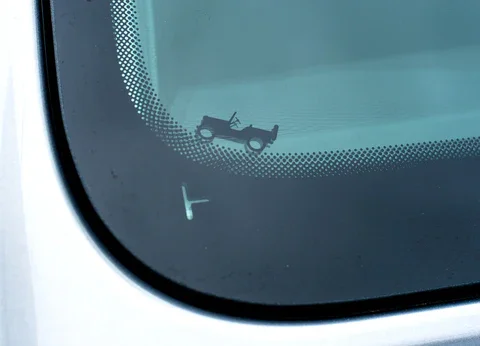
Jeep Easter Eggs: Discovering Hidden Gems in Your Jeep Jeep Easter eggs are small hidden design details placed throughout Jeep vehicles. They can be tiny Willys Jeep silhouettes, seven-slot grille shapes, animals, trail maps, coordinates, playful messages, or heritage graphics built into the glass, trim, lights, storage areas, fuel doors, and interior panels. The simple answer is this: Jeep Easter eggs are hidden design surprises that celebrate Jeep history, off-road culture, and the personality of the brand. They are not random decorations. They are intentional details meant to reward owners who look closely. Jeep has officially recognized owner traditions like Jeep Ducking, and the same community spirit explains why Easter eggs have become such a big part of Jeep ownership. A Jeep is not just a vehicle for many owners. It is something they explore, personalize, and connect with. What Are Jeep Easter Eggs? Jeep Easter eggs are hidden symbols, graphics, and design touches placed around the vehicle. They are called Easter eggs because they are meant to be discovered. Some are easy to spot. Others are hidden in places most owners never check until someone points them out. You might find a small Jeep grille in the headlights, a Willys silhouette on the windshield, a spider near the fuel door, a gecko on trim pieces, a map inside a storage area, or a tiny trail reference molded into plastic. DarCars explains that many Jeep Easter eggs fall into themes like historical homage, outdoor adventure, and playful references to Jeep manufacturing or design. Why Does Jeep Hide Easter Eggs? Jeep hides Easter eggs because the brand has always been about personality. Most vehicles are designed to be clean and predictable. Jeeps are different. A Wrangler, Gladiator, Renegade, Grand Cherokee, Compass, or Cherokee often carries little details that make the owner feel like the vehicle has a story. The Easter eggs connect back to Jeep’s military roots, off-road trails, outdoor lifestyle, and enthusiast culture. They make the vehicle feel less generic and more personal. For many owners, finding a hidden symbol is part of the fun of buying a Jeep. When Did Jeep Easter Eggs Start? The Jeep Easter egg tradition is commonly traced back to the late 1990s. Many Jeep-focused sources credit designer Michael Santoro with adding the first widely recognized Jeep Easter egg to the 1997 Jeep Wrangler TJ. The detail was a small seven-slot grille design worked into the cowl area. JEDCo describes the 1997 Wrangler cowl grille imprint as the first Jeep Easter egg and notes that Jeep later expanded the idea into more models. That small design decision became a larger brand tradition. Today, Jeep Easter eggs are one of the most talked-about hidden features in the automotive world. Common Jeep Easter Eggs to Look For The most common Jeep Easter eggs include the seven-slot grille, Willys Jeep silhouettes, tiny animals, trail maps, coordinates, flip-flops, stars, topographic patterns, and hidden words. The seven-slot grille is one of the most common because it is the core visual identity of Jeep. You may find it in headlights, speaker grilles, trim pieces, wheel designs, or storage areas. The Willys silhouette is another major one. It connects modern Jeep vehicles back to the original military-inspired Jeep shape. Some models have animals, like spiders, geckos, snakes, or lizards. Others include trail references, maps, or outdoor symbols. Jeep Wrangler Easter Eggs The Jeep Wrangler is the model most people associate with Easter eggs. Common Wrangler Easter eggs can include a small Willys Jeep silhouette on the windshield, seven-slot grille details, “Since 1941” references, hidden graphics in the wheels, and trail-inspired design details. MotorTrend noted that the 2011 Wrangler included a “Jeep Since 1941” detail on the passenger grab handle, which is a good example of how Jeep uses small interior touches to connect modern models to brand heritage. The Wrangler makes sense for Easter eggs because it is the most iconic Jeep. It has removable doors, removable roof options, off-road hardware, and a design that still clearly traces back to the original Jeep. Jeep Gladiator Easter Eggs The Jeep Gladiator also has Easter eggs because it shares so much of its identity with the Wrangler. You may find hidden Jeep grille details, Willys shapes, trail references, and small graphics worked into the body or interior trim. Because the Gladiator is a pickup, some Easter eggs may appear near the bed, tailgate, cargo area, or rear lighting details. The Gladiator is basically the Jeep truck for people who want Wrangler character with a pickup bed. Its Easter eggs follow that same theme: rugged, playful, and practical. Jeep Renegade Easter Eggs The Jeep Renegade is famous for having some of the most playful Easter eggs. One of the best-known Renegade Easter eggs is the small spider near the fuel door area with the phrase “Ciao, baby!” This detail became popular online because many owners found it unexpectedly while filling up. The Renegade also commonly includes small Jeep grille motifs, map-style details, and playful shapes throughout the interior and exterior. The Sun covered a Jeep owner finding the spider Easter egg in the gas cap area, showing how these little details continue to surprise drivers. The Renegade’s Easter eggs tend to feel more playful than serious, which fits the vehicle’s smaller, city-friendly personality. Jeep Cherokee and Grand Cherokee Easter Eggs The Cherokee and Grand Cherokee also include Easter eggs, though they may be less obvious than the Wrangler’s. Owners have found hidden Jeep shapes, trail references, glass etchings, storage-area designs, and off-road-inspired details. Some Cherokee models have been known for hidden storage details and trail references. The Sun UK reported on a Jeep owner discovering a hidden reference to Hell’s Revenge, a famous Moab trail, inside a Jeep Cherokee storage area. That kind of detail shows how Jeep ties even mainstream SUVs back to off-road culture. The Grand Cherokee may be more refined and luxury-oriented than a Wrangler, but Jeep still uses design cues that remind owners of the brand’s adventure roots. Jeep Compass Easter Eggs The Jeep Compass can also have Easter eggs, including small grille graphics, animal shapes, and outdoor-inspired design details. Because the Compass is a compact SUV, its Easter eggs may be more subtle than the Wrangler’s. You may need to check the windshield edges, plastic trim, cargo area, speaker grilles, cupholders, and liftgate area. That is part of the appeal. Jeep Easter eggs are not always sitting in plain sight. Where to Find Jeep Easter Eggs Start with the windshield. Many Jeep models hide small graphics in the lower corner of the windshield or along glass edges. Then check the headlights, taillights, fuel door, cupholders, floor mats, storage bins, speaker grilles, center console, cargo area, liftgate, wheels, and under-seat compartments. Southside Dodge notes that Jeep Easter eggs can appear in places like headlights, taillights, window trim, cupholders, instrument clusters, liftgates, and other hidden areas. A good rule is simple: check the places designers touch but most owners ignore. Are Jeep Easter Eggs on Every Jeep? Not every Jeep has the same Easter eggs. Some models have many. Some have only a few. Some Easter eggs vary by model year, trim, market, redesign, or special edition. A Wrangler may have different hidden details than a Renegade. A 2018 model may have different details than a 2026 model. A special edition may include extra graphics or heritage touches that normal trims do not have. That is why owners enjoy searching. There is no single universal Easter egg list that applies to every Jeep. Do Jeep Easter Eggs Add Value? Jeep Easter eggs do not usually add direct resale value by themselves. A hidden Willys graphic or spider does not make the vehicle worth thousands more. But they do add emotional value, and emotional value matters in Jeep culture. Jeep buyers often care about personality, community, heritage, and uniqueness. Easter eggs help reinforce that. They make the vehicle feel more special, which can make ownership more enjoyable. For shoppers comparing Jeep models, features like drivetrain, trim, mileage, condition, service history, and warranty matter more for actual value. But Easter eggs make the ownership experience more memorable. Jeep Easter Eggs vs Jeep Ducking Jeep Easter eggs and Jeep Ducking are different, but both are part of Jeep culture. Easter eggs are hidden design details built into the vehicle by Jeep designers. Jeep Ducking is when another Jeep owner places a rubber duck on your Jeep as a friendly compliment. Both traditions are about discovery, community, and personality. One comes from the designers. The other comes from owners. Together, they show why Jeep has a stronger enthusiast culture than most SUV brands. Why Jeep Owners Love Easter Eggs Jeep owners love Easter eggs because they make the vehicle feel like more than transportation. A hidden symbol creates a small moment of discovery. It gives owners something to show friends, family, and other Jeep fans. It also connects the vehicle to the larger Jeep story. That story includes military history, the original Willys Jeep, the seven-slot grille, off-road trails, Moab, Wrangler culture, Jeep clubs, and the idea that a Jeep should have character. Most brands do not get that kind of emotional connection. Jeep does. Best Jeep Models for Easter Egg Hunters The best Jeep models for Easter egg hunters are usually the Wrangler, Gladiator, Renegade, Cherokee, Compass, and Grand Cherokee. The Wrangler and Gladiator are best if you want the strongest connection to Jeep heritage. The Renegade is best if you want playful hidden details. The Grand Cherokee is best if you want a more refined SUV that still carries Jeep identity. The Compass and Cherokee are good if you want everyday SUV practicality with some hidden brand personality. For local shoppers, compare current new Jeep inventory and look closely at trim, model year, and design details. If you want a specific older Easter egg, search used Jeep inventory because some hidden details may have changed by year. How to Search for Easter Eggs in Your Jeep Start outside the vehicle. Look at the windshield, headlights, taillights, wheels, grille, mirrors, fuel door, bumpers, and liftgate. Then move inside and check the dashboard, grab handles, storage bins, cupholders, floor mats, seat trim, cargo panels, speaker grilles, and under-seat areas. Use a flashlight. Look from different angles. Some Easter eggs are molded into plastic and only appear clearly under certain light. Also check owner forums and model-specific groups. Jeep owners love sharing hidden finds, and someone with the same model may already have discovered details you missed. FAQs About Jeep Easter Eggs What are Jeep Easter eggs? Jeep Easter eggs are hidden design details placed throughout Jeep vehicles, such as Willys silhouettes, grille graphics, animals, maps, trail references, and small messages. Why does Jeep put Easter eggs on vehicles? Jeep uses Easter eggs to celebrate brand history, off-road culture, owner community, and the playful personality of the brand. When did Jeep Easter eggs start? The Easter egg tradition is widely traced to the 1997 Jeep Wrangler TJ, when designer Michael Santoro added a hidden seven-slot grille detail to the cowl area. Do all Jeeps have Easter eggs? Many modern Jeeps have Easter eggs, but the number and type vary by model, year, trim, and special edition. Where are Jeep Easter eggs located? Common locations include the windshield, headlights, taillights, fuel door, cupholders, floor mats, speaker grilles, liftgate, storage bins, wheels, and interior trim. Which Jeep has the most Easter eggs? The Jeep Renegade is often mentioned for having many playful Easter eggs, while the Wrangler remains the most iconic Jeep for heritage-inspired hidden details. Are Jeep Easter eggs real? Yes. Jeep Easter eggs are real hidden design details, and many owners find them throughout their vehicles. Final Thoughts: Jeep Easter Eggs Make Ownership More Fun Jeep Easter eggs are small details with a big purpose. They remind owners that Jeep is not just another SUV brand. It has history, personality, humor, and a community that actually cares about the little things. From hidden Willys silhouettes to grille icons, spiders, geckos, trail maps, and “Since 1941” details, Jeep Easter eggs turn the vehicle into something owners can explore. That is exactly why people keep looking for them.

How Long Can a Cummins Engine Last?

Cummins Engine Lifespan EXPOSED – How Many Miles Can It REALLY Last?

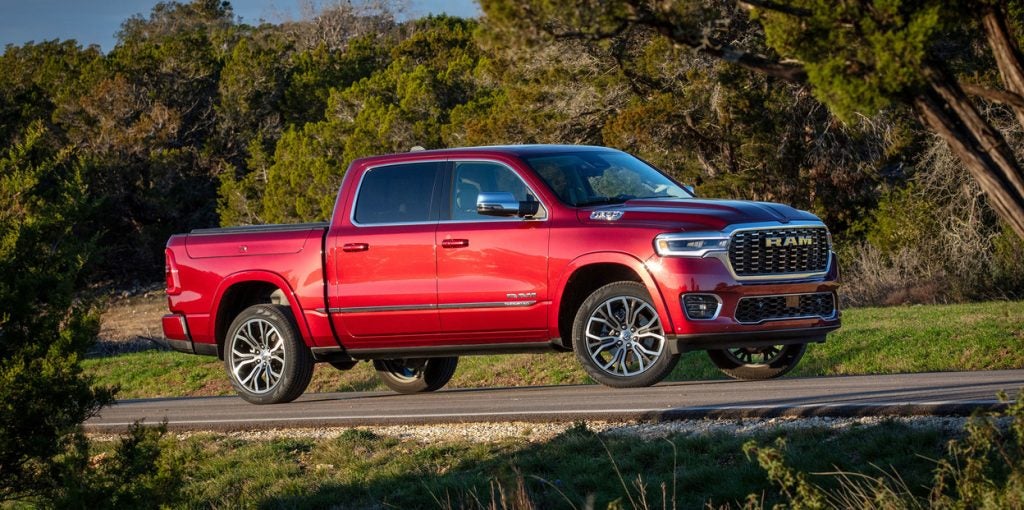
Cummins engines are renowned for their durability, reliability, and longevity, making them a popular choice for heavy-duty trucks, construction equipment, and marine applications. Whether you’re driving a RAM 2500 with a Cummins diesel or operating industrial machinery, it’s natural to wonder how long a Cummins engine can last. In this article, we’ll explore the typical lifespan of Cummins engines, the factors that affect their longevity, and how to maintain them to maximize their lifespan. How Long Can a Cummins Engine Last? The Longevity of Cummins Engines A well-maintained Cummins diesel engine can last 350,000 to 500,000 miles or more, with some even reaching over 1,000,000 miles in extreme cases. This durability is one of the key reasons Cummins engines are preferred for demanding applications like towing, heavy hauling, and industrial use. For vehicles, this means that a Cummins-powered truck can often outlast the rest of the vehicle’s components, especially if properly cared for. Cummins engines are designed to endure heavy workloads, constant use, and harsh environments. The longevity of these engines is particularly apparent in Cummins’ 6.7L Turbo Diesel, found in RAM trucks, which is built to handle heavy-duty operations without significant wear and tear. Factors That Impact the Life of a Cummins Engine While Cummins engines are built to last, several factors can influence their overall lifespan. Here are the key factors that can affect how long a Cummins engine will run before needing a major overhaul or replacement: 1. Maintenance and Care The single most important factor that determines the lifespan of a Cummins engine is routine maintenance. Consistent, high-quality care can add thousands of miles to an engine’s life. Some key maintenance tasks include: Oil Changes: Diesel engines, especially those under constant stress, need regular oil changes to ensure smooth operation and prevent unnecessary wear. For most Cummins engines, this should be done every 7,500 to 10,000 miles, depending on the driving conditions. Air and Fuel Filters: Clean air and fuel are critical to the engine’s performance and longevity. Replacing the air and fuel filters regularly (usually every 15,000 to 30,000 miles) ensures that debris and contaminants don’t damage internal components. Coolant System: Overheating can lead to serious engine damage. Maintaining proper coolant levels and replacing coolant as recommended is crucial to prevent overheating. Fuel Injector Maintenance: Diesel engines rely heavily on fuel injectors for efficient performance. Cleaning or replacing fuel injectors periodically ensures proper fuel delivery and combustion. 2. Driving Habits How a vehicle is driven greatly impacts the lifespan of its engine. Engines that are constantly exposed to extreme conditions or are used for heavy towing regularly will experience more wear than those mainly used for lighter tasks. To preserve your Cummins engine, it’s important to: Avoid Excessive Idling: Extended idling can lead to inefficient combustion and carbon buildup, which may reduce engine life. Gentle Start-Ups: Allow the engine to warm up before driving, especially in cold weather, to prevent damage from sudden acceleration when the engine is still cold. Monitor Towing and Hauling: Cummins engines are built for towing, but consistently pushing the engine to its maximum towing capacity without breaks can strain internal components. Avoid exceeding the recommended towing capacity and allow the engine time to cool down after heavy loads. 3. Load and Usage Cummins engines can be found in a variety of vehicles and machines, from pickup trucks to commercial equipment. The type of load the engine is subjected to can influence its lifespan. Trucks that frequently haul heavy loads or tow trailers will put more stress on the engine, reducing its longevity. Work vs. Personal Use: Engines used primarily for heavy-duty work, such as in construction or industrial settings, may wear down faster than those used for personal or lighter tasks, simply because they are operating at higher stress levels more often. Off-Roading: Off-road driving exposes the engine to additional stress from uneven terrain and heavy vibrations, which can cause increased wear on engine mounts and other components over time. 4. Environment Environmental factors, such as climate and road conditions, also play a role in how long a Cummins engine can last. Engines operating in harsh conditions, like extreme heat or cold, or in environments with high humidity or salt exposure, may experience additional wear and tear. Cold Weather: In colder climates, diesel engines can take longer to start and may require additional care, such as using a block heater. Cold temperatures also thicken engine oil, making it harder for the engine to operate smoothly until it warms up. Hot Weather: Excessive heat can cause overheating in diesel engines if the cooling system isn’t properly maintained. It’s crucial to monitor the engine temperature, especially during hot weather or heavy towing. 5. How Long Can a Cummins Engine Last? Fuel Quality The base model Ram 2500 equipped with a Cummins diesel engine showcases impressive longevity, often outlasting many components of the vehicle itself. This remarkable durability is a testament to the engineering prowess of Cummins and the robust design of their diesel engines. Even in its most basic configuration, a Ram 2500 with a Cummins powerplant can easily surpass 350,000 miles with proper maintenance, and it’s not uncommon for these engines to reach the 500,000-mile mark or beyond. The longevity of the Cummins diesel in the base model Ram 2500 is particularly noteworthy because it often exceeds the lifespan of other critical vehicle components such as the transmission, suspension, and body. This means that while other parts of the truck may require replacement or significant repairs, the Cummins engine continues to perform reliably. Many owners report that their Cummins-powered Ram 2500 trucks have gone through multiple transmissions, sets of leaf springs, and even body panels due to rust, all while the original engine continues to run strong. This exceptional durability translates to excellent value for owners, as the engine’s longevity can significantly extend the useful life of the vehicle. For fleet operators and individual owners alike, the ability of the base model Ram 2500 with a Cummins engine to accumulate high mileage while maintaining performance and reliability can result in a lower total cost of ownership over the long term. 6. Factors That Impact the Life of a Cummins Engine Cummins’s power and sales continue to grow, partly due to the engine’s reputation for longevity. This growth is evident in both the automotive sector and industrial applications. Cummins Inc. ( NYSE: CMI) announced record sales figures in recent quarters, reflecting the ongoing demand for these robust diesel engines in heavy-duty trucks and other applications. The company’s success can be attributed to several factors: Reliability: Cummins engines are known for their ability to perform consistently under demanding conditions, making them a preferred choice for fleet operators and individual truck owners alike. Fuel Efficiency: As fuel costs remain a significant concern for the transportation industry, Cummins’ focus on developing more fuel-efficient engines has helped drive sales. Emissions Compliance: Cummins has invested heavily in developing engines that meet increasingly stringent emissions standards without sacrificing performance, appealing to environmentally conscious buyers and those in regulated markets. Versatility: Cummins engines are used not only in heavy-duty trucks but also in a wide range of applications including construction equipment, marine vessels, and power generation systems, broadening their market appeal. Aftermarket Support: The company’s extensive network of service centers and parts availability contributes to customer loyalty and repeat purchases. Technological Innovation: Cummins continues to invest in research and development, introducing new technologies such as advanced electronic controls and alternative fuel capabilities, keeping their products competitive in a rapidly evolving market. The strong sales performance of Cummins engines, particularly in the heavy-duty truck segment, underscores the enduring appeal of diesel power in commercial applications, despite the growing interest in alternative powertrains. As the transportation industry continues to evolve, Cummins’ ability to adapt and innovate while maintaining its core strengths in diesel technology positions the company well for continued growth and market leadership. How Long Can a Cummins Engine Last? Maximizing the Lifespan of Your Cummins Engine To get the most out of your Cummins engine and ensure it reaches its full potential lifespan, follow these essential tips: 1. Stick to a Maintenance Schedule Adhering to a strict maintenance schedule is critical for keeping a Cummins engine running smoothly. This includes regular oil changes, air filter replacements, and fuel system maintenance. Always refer to your vehicle’s owner’s manual for the manufacturer’s recommended maintenance intervals. 2. Use Quality Parts and Fluids When it comes time to replace parts or fluids, opt for high-quality, OEM (original equipment manufacturer) parts and fluids. Inferior parts may not last as long or perform as well, leading to premature engine wear. 3. Monitor Engine Performance Pay attention to how your engine performs. Unusual sounds, vibrations, or changes in power or fuel efficiency can indicate potential issues. Addressing problems early can prevent larger, more expensive repairs down the road. 4. Avoid Short Trips and Excessive Idling Short trips, especially in cold weather, don’t allow the engine enough time to warm up and operate efficiently, which can cause carbon buildup. Similarly, excessive idling can lead to carbon deposits and reduce engine performance over time. 5. Protect Against Rust and Corrosion If you live in an area where road salt is common, or if your engine is exposed to moisture, rust and corrosion can become serious concerns. Regularly washing the engine compartment and applying rust protection can help mitigate these issues. How Long Can a Cummins Engine Last? Conclusion Cummins engines are known for their impressive longevity, with many lasting well beyond 500,000 miles when properly maintained. Factors such as regular maintenance, driving habits, environmental conditions, and the type of use can all impact how long a Cummins engine will last. With the right care and attention, your Cummins engine can continue delivering exceptional performance for years, if not decades. Whether you’re driving a RAM truck or operating heavy machinery, investing in proper maintenance will ensure that your Cummins engine remains a reliable workhorse for the long haul. Cummins Engine Overview and Longevity – Cummins’s official website with details about their engines’ durability.Cummins 6.7L Engine Lifespan – Dodge Ram Forum discussion on engine longevity​( DODGE RAM FORUM – Dodge Truck Forums).Cummins Diesel Engine Longevity – Motor Trend article about Cummins diesel engines and their lifespan. Maintenance Tips to Extend Cummins Engine Life – An article providing tips to maximize the life of your Cummins engine. Longevity of Cummins Engines – Diesel Hub details on Cummins 6.7L longevity. Cummins Engine FAQs Q: How long can a Cummins engine typically last? A: A well-maintained Cummins diesel engine can last 350,000 to 500,000 miles or more, with some even reaching over 1,000,000 miles in extreme cases. Q: What is the main factor affecting a Cummins engine's lifespan? A: The single most important factor is routine maintenance, including regular oil changes, filter replacements, and proper care of the cooling system. Q: How often should oil be changed in a Cummins engine? A: For most Cummins engines, oil changes should be done every 7,500 to 10,000 miles, depending on driving conditions. Q: How frequently should air and fuel filters be replaced in a Cummins engine? A: Air and fuel filters should typically be replaced every 15,000 to 30,000 miles. Q: Does the type of use affect a Cummins engine's lifespan? A: Yes, engines used primarily for heavy-duty work or frequently hauling heavy loads may wear down faster than those used for lighter tasks. Q: How do driving habits impact a Cummins engine's longevity? A: Gentle start-ups, avoiding excessive idling, and not consistently pushing the engine to its maximum towing capacity can help preserve the engine. Q: Can environmental factors affect a Cummins engine's lifespan? A: Yes, extreme temperatures, high humidity, and exposure to salt can cause additional wear and tear on the engine. Q: How does fuel quality impact a Cummins engine? A: Using high-quality fuel is crucial for maintaining engine performance and longevity. Q: Are Cummins engines in base model trucks as durable as those in higher-end models? A: Yes, even in base model trucks like the Ram 2500, Cummins engines often outlast many other vehicle components. Q: How do Cummins engines compare to other components in terms of longevity? A: Cummins engines often outlast other critical vehicle components such as the transmission, suspension, and body. Q: What are some signs that a Cummins engine may need attention? A: Unusual sounds, vibrations, or changes in power or fuel efficiency can indicate potential issues. Q: Is it beneficial to use OEM parts for Cummins engine maintenance? A: Yes, using high-quality, OEM parts can help ensure optimal performance and longevity. Q: How does cold weather affect Cummins engines? A: Cold weather can make starting more difficult and thicken engine oil, potentially increasing wear if proper warm-up procedures aren't followed. Q: Are short trips harmful to Cummins engines? A: Yes, short trips, especially in cold weather, can lead to carbon buildup as the engine doesn't have enough time to warm up and operate efficiently. Q: How does excessive idling affect a Cummins engine? A: Excessive idling can lead to carbon deposits and reduce engine performance over time. Q: Are Cummins engines suitable for off-road use? A: While capable of off-road use, off-roading can expose the engine to additional stress and vibrations, potentially increasing wear. Q: How important is the cooling system in maintaining a Cummins engine? A: The cooling system is crucial; maintaining proper coolant levels and replacing coolant as recommended helps prevent overheating and serious engine damage. Q: Can a Cummins engine's lifespan be extended beyond the average? A: Yes, with meticulous maintenance, high-quality parts, and careful operation, many Cummins engines can exceed their expected lifespan. Q: How do Cummins engines perform in terms of emissions compliance? A: Cummins has invested heavily in developing engines that meet stringent emissions standards without sacrificing performance. Q: Are there any specific rust and corrosion concerns with Cummins engines? A: In areas where road salt is common or where engines are exposed to moisture, rust and corrosion can be concerns. Regular washing of the engine compartment and applying rust protection can help mitigate these issues.

Regional factors in automotive retail

Local Car Sales: Finding the Right Dealership in 2026

Shopping for a vehicle in 2026 presents unique opportunities and challenges for consumers seeking value, selection, and personalized service. Local car sales have evolved significantly in recent years, adapting to changing market conditions, consumer preferences, and technological advancements. Understanding how to navigate your local automotive market effectively can save you thousands of dollars while ensuring you drive away in the right vehicle for your needs. Whether you're considering a new truck, SUV, or sedan, knowing what to expect from local dealerships and how to maximize your buying power makes all the difference. The Current State of Local Car Sales Markets The automotive retail landscape has undergone substantial transformation over the past several years. According to recent data, U.S. new vehicle sales increased by 2.7% in 2024, driven by slightly lower prices and improved interest rates. This trend has continued into 2026, creating more favorable conditions for buyers exploring local car sales options. Market dynamics vary significantly between regions, with California dealerships experiencing particularly competitive conditions. Local dealerships have responded by enhancing their service offerings, expanding inventory selections, and implementing more transparent pricing strategies. These changes reflect a broader industry shift toward customer-centric business models. Regional Market Considerations Different geographic areas present distinct advantages and challenges for vehicle shoppers. In Southern California communities like Simi Valley, Thousand Oaks, and Ventura County, local car sales benefit from higher inventory turnover, diverse selection, and competitive pricing structures. Key regional factors affecting local car sales: Population density influences inventory variety and pricing competition Regional economic conditions impact financing availability and terms Climate considerations affect vehicle type preferences and maintenance requirements Local regulations and emissions standards shape available inventory Understanding these regional nuances helps buyers make informed decisions when comparing dealerships and vehicle options. Why Choose Local Dealerships Over Online-Only Options While online vehicle purchasing has gained traction, local car sales offer irreplaceable benefits that digital platforms cannot replicate. Physical dealerships provide hands-on experience, immediate test drives, and face-to-face negotiations that build trust and confidence. The ability to inspect vehicles personally remains one of the most significant advantages of local car sales. No photograph or video can substitute for sitting in the driver's seat, examining build quality, and experiencing how a vehicle handles on real roads. Simi Valley Chrysler Dodge Jeep Ram exemplifies this approach by offering comprehensive test drive opportunities and transparent vehicle inspections. Service and Maintenance Accessibility Long-term ownership benefits of buying locally: Convenient service department access for routine maintenance Established relationships with service advisors who know your vehicle history Faster warranty claim processing through direct dealership contact Access to genuine manufacturer parts and certified technicians Community reputation incentivizes exceptional service quality Local dealerships invest heavily in their service departments because they understand that maintenance relationships build customer loyalty. This creates a virtuous cycle where quality service generates repeat business and referrals. Inventory Selection at Local Dealerships One common misconception suggests online retailers offer superior selection. In reality, established local car sales operations maintain extensive inventories that rival or exceed digital competitors. Dealerships representing multiple brands provide particular advantages for comparison shopping. New vehicle inventory at multi-brand dealerships allows buyers to compare different manufacturers' offerings in one location. This convenience saves time and facilitates side-by-side comparisons that inform better purchasing decisions. Inventory Type Average Selection Typical Availability New Vehicles 150-400 units Year-round with seasonal fluctuations Certified Pre-Owned 50-150 units Consistent availability Used Vehicles 100-300 units High turnover, frequent additions Brand-Specific Inventory Advantages Dealerships representing Chrysler, Dodge, Jeep, and Ram brands offer particularly diverse selections. Ram trucks appeal to commercial buyers and outdoor enthusiasts, while Jeep inventory serves adventure-seekers and families requiring versatile transportation. This brand diversity within local car sales operations means shoppers can explore different vehicle categories without visiting multiple locations. The efficiency gained through consolidated shopping cannot be overstated. Pricing Transparency and Negotiation Pricing concerns consistently rank among buyers' top priorities when researching local car sales. Average new vehicle costs approaching $50,000 have made pricing transparency essential for consumer confidence. Reputable dealerships have responded by adopting clearer pricing structures and reducing hidden fees. Modern local car sales practices emphasize upfront pricing that includes all mandatory fees and excludes only government-imposed taxes and registration costs. This transparency helps buyers budget accurately and compare offers effectively across different dealerships. Understanding Dealership Pricing Structures Components of total vehicle price: Manufacturer's Suggested Retail Price (MSRP) or base advertised price Dealer-installed accessories and optional packages Documentation and processing fees Government taxes, title, and registration fees Smart buyers research these components before visiting dealerships. This preparation enables productive conversations focused on actual value rather than confusion over pricing structures. Financing Options Through Local Dealerships Local car sales operations maintain relationships with multiple lending institutions, creating competitive financing environments that benefit consumers. These relationships often produce better rates and terms than buyers can secure independently, particularly for those with less-than-perfect credit. Dealership finance departments work with various lenders simultaneously, submitting applications to multiple institutions to secure optimal approval terms. This process, called "shotgunning," leverages competition among lenders to improve interest rates and loan structures. Financing Source Typical Rate Range Processing Time Credit Requirements Credit Unions 4.5% - 7.5% 2-5 business days Good to excellent credit Banks 5.0% - 8.5% 1-3 business days Fair to excellent credit Manufacturer Financing 3.9% - 9.9% Same day Varies by promotion Specialty Lenders 8.0% - 18.0% Same day Accepts challenged credit Trade-In Value Maximization One often-overlooked advantage of local car sales involves trade-in processing. Professional appraisers assess vehicle condition, market demand, and wholesale auction values to generate competitive offers. Getting your trade valued before shopping provides leverage during negotiations and simplifies the purchasing process. Trade-ins offer tax advantages in many states, where sales tax applies only to the price difference between the purchased vehicle and trade-in value. This tax savings can amount to hundreds or thousands of dollars depending on vehicle prices and local tax rates. The Test Drive Experience Nothing replaces the insight gained from physically driving a vehicle you're considering purchasing. Local car sales facilitate this essential step through readily available test drive opportunities that accommodate your schedule. Scheduling a test drive takes minutes and provides invaluable information about vehicle performance, comfort, and suitability. What to evaluate during test drives: Seating comfort and visibility in normal driving positions Acceleration, braking, and handling characteristics Noise levels at various speeds and road conditions Technology interface usability and intuitiveness Cargo space and storage functionality Passenger comfort in rear seating areas Professional sales consultants accompany test drives to answer questions and highlight features, but attentive buyers should focus primarily on their own impressions and how the vehicle meets their specific needs. Market Trends Affecting Local Car Sales in 2026 Understanding broader market trends helps buyers time purchases advantageously and set realistic expectations. Current automotive shopping trends indicate continued strong demand for trucks and SUVs, with increasing interest in hybrid and electric powertrains among environmentally conscious consumers. Economic factors including interest rates, employment levels, and consumer confidence directly impact local car sales volumes and pricing strategies. Monitoring these indicators provides insight into optimal purchasing windows. Impact of Tariffs and Supply Chain Considerations Recent policy changes affecting automotive imports have influenced vehicle availability and pricing. New tariffs impact car prices differently depending on manufacturing location and component sourcing. Domestically manufactured vehicles, particularly trucks and SUVs produced in North America, experience less pricing pressure from import duties. This reality makes American-made vehicles increasingly attractive from both pricing and availability perspectives. Brands like Jeep and Ram, with substantial domestic manufacturing operations, maintain more stable pricing compared to heavily imported competitors. Used Vehicle Considerations in Local Markets Certified pre-owned and quality used vehicles represent significant portions of local car sales operations. Market trends comparing used and new vehicles show continued strong demand for low-mileage, well-maintained pre-owned options that offer substantial savings compared to new equivalents. Reputable dealerships certify used vehicles through comprehensive multi-point inspections that verify mechanical condition, safety systems, and cosmetic quality. These programs typically include extended warranty coverage and roadside assistance, providing peace of mind similar to new vehicle purchases. Evaluating Used Vehicle Value Critical factors in used vehicle assessment: Documented maintenance history and service records Vehicle history reports showing accident-free status Current condition of tires, brakes, and fluid systems Remaining factory warranty coverage if applicable Market pricing compared to similar age and mileage vehicles Smart buyers researching local car sales opportunities examine both new and used options to determine optimal value for their budgets and requirements. Customer Service Excellence in Local Car Sales Dealership reputation within their communities directly affects long-term success, creating strong incentives to prioritize customer satisfaction. Local car sales operations depend on repeat customers and referrals, making exceptional service non-negotiable for sustainable business. This community accountability distinguishes local dealerships from impersonal online retailers. Sales consultants, finance managers, and service technicians develop ongoing relationships with customers that extend well beyond initial vehicle purchases. Building Long-Term Dealership Relationships Benefits of dealership loyalty: Priority scheduling for service appointments during peak periods Customer appreciation events and exclusive preview opportunities Referral rewards and loyalty pricing on future purchases Personalized communication about recalls and service campaigns Streamlined processes for repeat buyers with established credit These relationship benefits accumulate over years of patronage, creating value that extends far beyond individual transactions. Vehicle Customization and Special Orders Local car sales operations accommodate buyers seeking specific configurations not currently in stock through factory order programs. Custom factory orders allow precise specification of colors, packages, and options to create your ideal vehicle. While special orders require patience, typically 8-12 weeks for delivery, they eliminate compromise on important features and ensure you receive exactly the vehicle you want. This option particularly appeals to buyers with specific requirements for commercial applications, accessibility modifications, or unique aesthetic preferences. Geographic Advantages of Southern California Dealerships Buyers in the Simi Valley region benefit from exceptional access to diverse inventory and competitive pricing. The concentration of dealerships throughout Ventura County and surrounding areas creates a highly competitive environment that favors informed consumers. Regional dealership advantages: Higher inventory turnover ensures fresher stock and newer model availability Competitive market conditions motivate aggressive pricing strategies Mild climate reduces weather-related vehicle wear Strong commercial market supports excellent truck selection Proximity to ports expedites new inventory arrival These geographic benefits make local car sales in Southern California particularly attractive compared to many other regions nationally. Comprehensive After-Sales Support Vehicle ownership involves ongoing maintenance, occasional repairs, and periodic questions about features and functionality. Local car sales operations provide comprehensive support infrastructure that online retailers cannot match. Service departments staffed with factory-trained technicians ensure proper maintenance using genuine manufacturer parts. This expertise proves especially valuable for complex modern vehicles with sophisticated electronic systems requiring specialized diagnostic equipment. Service Type Typical Interval Local Dealership Advantage Oil Changes 5,000 - 10,000 miles Genuine fluids, multi-point inspections Tire Rotations 5,000 - 7,500 miles Proper torque, alignment checks Brake Service 30,000 - 50,000 miles OEM components, warranty protection Major Maintenance 30,000 - 60,000 miles Factory-specified procedures, records Maintaining service history at your selling dealership simplifies warranty claims and preserves vehicle value for eventual resale or trade-in. Making the Final Purchasing Decision After researching options, comparing vehicles, and evaluating financing, making the final commitment requires confidence in your choice. Reputable local car sales professionals guide buyers through final paperwork efficiently while ensuring complete understanding of all documents and commitments. Final steps in the purchase process: Review and sign purchase agreement detailing all pricing components Complete financing paperwork or arrange payment transfer Secure insurance coverage effective at delivery Review vehicle features and controls with product specialist Schedule first service appointment and register owner accounts Taking time to understand each step prevents confusion and ensures smooth vehicle delivery experiences. Why Local Knowledge Matters in Car Buying Sales consultants with deep community knowledge provide insights extending beyond vehicle features and pricing. Understanding local driving conditions, popular use cases, and regional preferences helps match buyers with optimal vehicles. In Southern California, this expertise might involve recommending appropriate cooling systems for desert driving, suggesting all-wheel-drive configurations for mountain access, or identifying ideal truck specifications for local business applications. This contextual knowledge adds genuine value to local car sales experiences. Navigating local car sales successfully requires research, patience, and partnership with dealerships prioritizing transparency and customer service. By understanding market trends, evaluating both new and used options, and building relationships with reputable local dealers, buyers position themselves for satisfying purchases that meet their needs and budgets. Whether you're seeking a capable truck, versatile SUV, or efficient sedan, Simi Valley Chrysler Dodge Jeep Ram offers the inventory selection, financing expertise, and personalized service that make vehicle buying straightforward and rewarding. Visit today to explore current inventory and experience the difference that community-focused automotive retail provides.

Wrangler for sale near me

What is the Best Jeep to Buy? The Top 10 Jeeps in America Ranked by Experts

Top 10 Best Jeeps to Get: Simplified List for 2024 best answer Jeep Wrangler Rubicon - Ultimate off-road capability Jeep Grand Cherokee - Luxury and versatility Jeep Gladiator - A pickup truck with off-road prowess Jeep Cherokee - Versatile and tech-savvy SUV Jeep Compas s - Compact and capable Jeep Renegade - Subcompact with off-road chops Jeep Wrangler Sport - Affordable rugged design Jeep Grand Cherokee L - Three-row family SUV Jeep Patriot - Budget-friendly used option Jeep Wagoneer - Full-size luxury SUV When it comes to choosing the best Jeep model, there are several popular options to consider. The iconic Jeep Wrangler Rubicon is known for its off-road prowess, while the Jeep Grand Cherokee offers a blend of luxury and capability. The Jeep Gladiator combines the ruggedness of a Wrangler with the utility of a pickup truck, and the Jeep Cherokee provides versatility for both city driving and off-road adventures. For compact SUV options, the Jeep Compass and Renegade offer a mix of style and capability. The Jeep Wrangler Sport is an affordable entry into the Wrangler lineup, and the Jeep Grand Cherokee L adds a third row for larger families. If budget is a concern, the Jeep Patriot is a budget-friendly choice, and the Jeep Wagoneer marks Jeep's return to the full-size luxury SUV segment. What is the Best Jeep to Get: 2024 Answer? Comparison Chart Model Key Feature Best For Price Range Wrangler Rubicon Ultimate off-road capability Off-road enthusiasts $$$$$ Grand Cherokee Luxury and versatility Families, daily driving $$$$ Gladiator Pickup truck with off-road prowess Hauling and off-roading $$$$ Cherokee Versatile and tech-savvy SUV Everyday use, adventures $$$ Compass Compact and capable City and light off-roading $$ Renegade Subcompact with off-road chops Younger drivers, city use $$ Wrangler Sport Affordable rugged design First-time Jeep owners $$$ Grand Cherokee L Three-row family SUV Larger families $$$$ Patriot Budget-friendly used option Affordable entry-level $ (used market) Wagoneer Full-size luxury SUV High-end SUV seekers $$$$$ Top 10 Best Jeeps to Get: Simplified List and Detailed Comparison Jeep is synonymous with adventure, ruggedness, and reliability. Whether you're an off-road enthusiast, a city driver, or someone who needs a family-friendly SUV, Jeep has a model for you. Here's a comprehensive look at the top 10 best Jeeps to consider for your next vehicle. 1. Jeep Wrangler Rubicon ( The Best Off Road Jeep) The Jeep Wrangler Rubicon is the pinnacle of off-road capability. With advanced 4x4 systems, locking differentials, and a robust suspension, it’s designed to tackle the toughest terrains. The Rubicon also features removable doors and a roof for an authentic open-air experience, making it a favorite among off-road enthusiasts. The Jeep Wrangler Rubicon stands out as the ultimate off-road beast, designed to conquer the most challenging terrains with ease. Equipped with advanced 4x4 systems, locking differentials, and a robust suspension, the Rubicon is built for adventure seekers who demand superior performance and durability. Its rugged design is complemented by removable doors and roof, offering an authentic open-air driving experience that enhances the thrill of exploration. Whether navigating rocky trails, deep mud, or steep inclines, the Wrangler Rubicon delivers unmatched capability and a sense of freedom that is quintessentially Jeep. This is one of the best jeeps to get. In addition to its impressive features, the Wrangler Rubicon's interior is designed for comfort and functionality. It includes modern technology such as a user-friendly infotainment system, Bluetooth connectivity, and available navigation options, ensuring that drivers stay connected even in remote locations. Safety features like rearview cameras and advanced airbag systems provide peace of mind during both off-road adventures and everyday driving. The Wrangler Rubicon also offers various customization options, allowing owners to tailor their vehicles to fit their specific needs and preferences. From different wheel sizes to specialized off-road tires and enhanced lighting options, there are numerous ways to make this Jeep truly your own. For those considering a vehicle that can handle both daily commutes and weekend adventures, the 2024 Jeep Wrangler Rubicon stands out as an exceptional choice. Its blend of rugged capability, modern technology, and customizable features makes it not just a vehicle but an adventure-ready companion. Whether you're traversing mountain trails or cruising through city streets, the Wrangler Rubicon promises an exhilarating driving experience that embodies the spirit of exploration. Ultimately, if you’re looking for a vehicle that excels in off-road performance while providing comfort and modern amenities, the Jeep Wrangler Rubicon is undoubtedly one of the best options available in 2024. It represents everything that Jeep stands for: adventure, freedom, and reliability. 2. Jeep Grand Cherokee ( Best Jeep for Luxury and versatility) The Jeep Grand Cherokee strikes a perfect balance between luxury and capability. Known for its comfortable interior and smooth ride, it also offers impressive off-road prowess. The latest models come equipped with advanced technology and safety features, making it an excellent choice for families and adventurers alike. The Jeep Grand Cherokee seamlessly combines luxury with rugged capability, making it a versatile choice for both urban and off-road adventures. With its sophisticated design, powerful engine options, and advanced 4x4 systems, the Grand Cherokee delivers a smooth, confident ride across various terrains. Inside, it offers a high-quality, tech-savvy interior featuring state-of-the-art safety and infotainment systems, ensuring comfort and convenience for all passengers. Whether you're tackling rough trails or cruising city streets, the Grand Cherokee stands out as a premium SUV that doesn't compromise on performance or style. One of the finest Jeeps you can get your hands on. A standout among the best Jeeps available. In addition to its luxurious features, the Grand Cherokee's spacious cabin is designed to accommodate both passengers and cargo comfortably. With ample legroom in both the front and rear seats, families can enjoy long journeys without feeling cramped. The cargo area is generous, allowing for easy storage of gear, groceries, or luggage for weekend getaways. The Grand Cherokee also excels in technology integration. Its infotainment system is intuitive, featuring a large touchscreen display that supports smartphone connectivity through Apple CarPlay and Android Auto. This ensures that drivers can easily access navigation, music, and communication apps while on the move. Safety is paramount in the Grand Cherokee, with numerous driver-assistance features available. From adaptive cruise control to lane-keeping assist and blind-spot monitoring, these technologies enhance both safety and convenience during daily commutes or adventurous outings. For those who appreciate customization, the Jeep Grand Cherokee offers various trim levels and packages that allow buyers to tailor their vehicle to their specific needs. Whether opting for enhanced off-road capabilities or additional luxury features, there’s a configuration for everyone. Ultimately, if you’re looking for a vehicle that embodies luxury without sacrificing off-road capability, the 2024 Jeep Grand Cherokee stands out as an exceptional choice. Its blend of sophisticated design, advanced technology, and rugged performance makes it one of the best Jeeps available today for those who want versatility in their driving experience. 3. Jeep Gladiator (Best Jeep Pickup truck with off-road prowess) The Jeep Gladiator is the only pickup truck in Jeep's lineup, blending the ruggedness of the Wrangler with the utility of a truck bed. It's perfect for those who need to haul gear while tackling tough trails. With removable doors and a roof, the Gladiator stays true to Jeep’s adventurous spirit. The Jeep Gladiator is a unique blend of the Jeep's legendary off-road capability and the utility of a pickup truck. With its rugged design and powerful performance, the Gladiator is built to handle tough terrains and heavy loads, making it perfect for adventure seekers and practical users alike. Its robust 4x4 systems, durable construction, and impressive towing capacity ensure it can tackle any challenge, while the removable doors and roof provide an open-air driving experience that's quintessentially Jeep. Inside, the Gladiator offers a spacious and comfortable cabin with modern technology, blending functionality with the iconic Jeep spirit. Whether you're hauling gear for a weekend getaway or navigating rugged trails, the Jeep Gladiator delivers unmatched versatility and freedom. This Jeep ranks high among the best options out there. In addition to its impressive off-road capabilities, the Gladiator is designed with practicality in mind. The truck bed provides ample space for transporting equipment, tools, or recreational gear, making it an excellent choice for outdoor enthusiasts who require both cargo space and off-road performance. The interior of the Gladiator is thoughtfully crafted to ensure comfort during long drives while featuring modern amenities such as an intuitive infotainment system that supports smartphone integration, ensuring you stay connected on your adventures. Safety is also a priority in the Gladiator, with various driver-assistance features available that enhance both convenience and security on the road. From rearview cameras to adaptive cruise control, these technologies help provide peace of mind whether you're cruising through city streets or venturing off the beaten path. The 2024 Jeep Gladiator stands out not only for its ruggedness but also for its ability to adapt to various lifestyles. Whether you're using it as a daily driver or an adventure-ready vehicle, it offers a blend of capability and comfort that few other trucks can match. For those seeking a vehicle that embodies both practicality and adventure, the Jeep Gladiator is undoubtedly one of the best options available today. 4. Jeep Cherokee ( Most Versatile and tech-savvy SUV) The Jeep Cherokee is a versatile SUV that excels both on and off the road. Offering a range of engines and a tech-savvy interior, it's a great choice for a reliable daily driver with the potential for weekend adventures. Its compact size makes it easy to maneuver in urban environments and one of the best jeeps to get. The Jeep Cherokee is a versatile SUV that perfectly balances everyday practicality with adventurous capability. Known for its stylish design and comfortable interior, the Cherokee offers a range of powerful engine options and advanced 4x4 systems, making it equally adept at city driving and off-road exploration. Inside, the Cherokee boasts modern technology and safety features, providing a connected and secure driving experience for all passengers. With ample cargo space and a well-appointed cabin, it caters to both daily commuting and weekend getaways. Whether you're navigating urban streets or venturing off the beaten path, the Jeep Cherokee stands out as a reliable and dynamic choice. If you're seeking excellence, this Jeep is a must-have. 5. Jeep Compass (Best Compact and capable) The Jeep Compass offers a compact size combined with Jeep’s renowned capability. Ideal for urban environments, it still holds its own on light off-road trails. The Compass features a stylish design, modern technology, and good fuel efficiency, making it a practical choice for city dwellers. The Jeep Compass is a compact SUV that combines sleek, modern styling with the rugged capability Jeep is known for. Perfectly suited for both urban environments and light off-road adventures, the Compass offers a versatile driving experience. Its efficient engine options and advanced 4x4 systems ensure a smooth and confident ride across various terrains. Inside, the Compass features a contemporary cabin with advanced technology, including a user-friendly infotainment system and comprehensive safety features. With its comfortable seating and ample cargo space, the Jeep Compass is an excellent choice for those seeking a stylish, practical, and adventure-ready vehicle. Among the best, this Jeep stands out as a top pick. In addition to its impressive features, the Compass is designed for practicality in everyday use. Its compact size makes it easy to maneuver through busy city streets and tight parking spaces, while still providing enough interior space for passengers and cargo. The rear seats can fold down to expand the cargo area, accommodating larger items when needed. Safety is also a key focus in the Jeep Compass. It comes equipped with various safety technologies such as adaptive cruise control, lane departure warning, and blind-spot monitoring, ensuring peace of mind during both daily commutes and weekend getaways. The 2024 Jeep Compass stands out not just for its stylish design but also for its ability to adapt to different driving conditions. Whether you're navigating urban landscapes or exploring light off-road trails, it offers a well-rounded driving experience that few compact SUVs can match. For those who prioritize style, efficiency, and versatility in their vehicle choice, the Jeep Compass is undoubtedly one of the best options available today. 6. Jeep Renegade (Best Subcompact with off-road chops) The Jeep Renegade is a subcompact SUV that doesn’t skimp on off-road capability. It's small enough for city driving yet rugged enough for weekend getaways. The Renegade’s distinctive design and customizable options appeal to younger drivers and those looking for a unique vehicle. The Jeep Renegade is a compact SUV that embodies the adventurous spirit of the Jeep brand in a smaller package. With its distinctive design, rugged capabilities, and city-friendly size, the Renegade appeals to a wide range of drivers, from urban commuters to outdoor enthusiasts. Its efficient engine options and available 4x4 systems ensure capable performance on various terrains, while its nimble handling makes it easy to maneuver in tight spaces. Inside, the Renegade offers a comfortable and tech-savvy cabin with modern amenities and safety features. Whether you're navigating city streets or exploring off-road trails, the Jeep Renegade delivers a fun and versatile driving experience. For those who want the best, this Jeep is one of the best jeeps to get. In addition to its impressive off-road capabilities, the Renegade is designed with practicality in mind. Its compact size makes it easy to park and navigate through busy urban environments while still providing ample interior space for passengers and cargo. The rear seats can fold down to expand the cargo area, accommodating larger items when needed. Safety is also a priority in the Jeep Renegade, with various driver-assistance features available that enhance both convenience and security on the road. From rearview cameras to lane departure warnings, these technologies help provide peace of mind whether you're commuting or venturing off the beaten path. The 2024 Jeep Renegade stands out not only for its ruggedness but also for its ability to adapt to different driving conditions. Whether you're using it as a daily driver or an adventure-ready vehicle, it offers a blend of capability and comfort that few subcompact SUVs can match. For those seeking a vehicle that embodies both style and adventure, the Jeep Renegade is undoubtedly one of the best options available today. 7. Jeep Wrangler Sport (Most Affordable + rugged design) The Jeep Wrangler Sport offers the iconic Wrangler experience at a more affordable price point. It maintains the rugged design and off-road capability of higher trims, making it perfect for first-time Jeep owners or those looking to get into the Jeep lifestyle without a hefty price tag. The Jeep Wrangler Sport is a rugged and affordable entry point into the iconic Wrangler lineup. With its classic Jeep styling and legendary off-road capabilities, the Wrangler Sport appeals to adventure seekers and Jeep enthusiasts alike. Its robust 4x4 systems, solid axles, and high ground clearance make it ideal for tackling challenging terrains, from rocky trails to muddy paths. The removable top and doors add to the Wrangler experience, allowing for open-air driving and a connection to the outdoors. Inside, the Wrangler Sport offers a functional and durable interior, equipped with modern conveniences and safety features. Whether you're hitting the trails or cruising around town, the Jeep Wrangler Sport embodies the spirit of exploration and adventure. This Jeep is a top contender for the best in its class. In addition to its rugged capabilities, the Wrangler Sport is designed with practicality in mind. It provides ample interior space for passengers while maintaining a compact size that makes it easy to maneuver in urban environments. The rear seats can fold down to expand cargo space, accommodating larger items when needed. Safety is also a focus in the Jeep Wrangler Sport, with various driver-assistance features available that enhance both convenience and security on the road. From rearview cameras to stability control systems, these technologies help provide peace of mind whether you're commuting or venturing off-road. The 2024 Jeep Wrangler Sport stands out not only for its affordability but also for its ability to adapt to various lifestyles. Whether you're using it as a daily driver or an adventure-ready vehicle, it offers a blend of capability and comfort that few other SUVs can match. For those seeking entry into the Jeep lifestyle without compromising on performance or ruggedness, the Jeep Wrangler Sport is undoubtedly one of the best options available today. 8. Jeep Grand Cherokee L (Best Three-row family SUV) The Jeep Grand Cherokee L is the three-row version of the Grand Cherokee, making it an excellent choice for larger families. It offers the same luxury and capability as the standard Grand Cherokee but with additional passenger and cargo space. Ideal for those who need more room without compromising on performance. The Jeep Grand Cherokee L is a three-row SUV that combines luxury, versatility, and capability. As an extension of the renowned Grand Cherokee lineup, the Grand Cherokee L offers expanded passenger and cargo space, making it an excellent choice for larger families or those who need extra room for passengers and gear. With its premium interior, advanced technology features, and powerful engine options, the Grand Cherokee L delivers a comfortable and sophisticated driving experience. Its impressive towing capacity and available 4x4 systems ensure it can handle a variety of driving conditions, from city streets to off-road trails. Overall, the Jeep Grand Cherokee L embodies the perfect blend of style, performance, and practicality for those seeking a premium SUV. When it comes to quality, this Jeep is among the very best. In addition to its spaciousness, the Grand Cherokee L is designed with family-friendly features that enhance comfort during long journeys. The third row provides ample seating for additional passengers, while the second row can be configured to accommodate child safety seats easily. The cargo area is generous, allowing for convenient storage of luggage or gear for weekend adventures. Safety is paramount in the Jeep Grand Cherokee L, with numerous advanced safety technologies available. Features such as adaptive cruise control, lane-keeping assist, and blind-spot monitoring provide peace of mind whether you're navigating through busy city traffic or embarking on a family road trip. The 2024 Jeep Grand Cherokee L stands out not only for its luxurious features but also for its ability to adapt to various lifestyles. Whether you're using it as a family vehicle or an adventure-ready SUV, it offers a blend of capability and comfort that few other three-row SUVs can match. For those seeking a premium vehicle that combines style, space, and performance, the Jeep Grand Cherokee L is undoubtedly one of the best options available today. 9. Jeep Patriot (Great Budget-friendly used option) Though no longer in production, the Jeep Patriot remains a budget-friendly option on the used market. It offers a simple, rugged design and decent off-road capability. It's a good choice for those looking for an affordable entry into the Jeep brand. The Jeep Patriot, although no longer in production, remains a notable option for those seeking a budget-friendly SUV with rugged capability. With its straightforward design and Jeep heritage, the Patriot offers a practical choice for drivers looking for an affordable entry into the Jeep brand. Its compact size makes it easy to maneuver in urban environments, while its available 4x4 systems provide added traction for light off-road adventures. Inside, the Patriot offers a functional interior with ample cargo space and modern amenities, making it a versatile choice for daily commuting and weekend getaways. While newer Jeep models have taken their place, the Jeep Patriot's legacy as a dependable and affordable SUV lives on in the used car market. 10. Jeep Wagoneer (Full-size luxury SUV) The Jeep Wagoneer marks Jeep’s return to the full-size SUV market. Offering luxurious features, a spacious interior, and powerful performance, the Wagoneer is perfect for those seeking a high-end SUV with Jeep’s signature capability. It’s ideal for large families or anyone looking for a premium vehicle. The Jeep Wagoneer is a full-size luxury SUV that marks Jeep's return to the premium segment. With its spacious interior, refined design, and advanced technology, the Wagoneer offers a luxurious and comfortable driving experience for passengers. Its powerful engine options and available 4x4 systems ensure capable performance on various terrains, while its towing capacity makes it suitable for hauling trailers or boats. Inside, the Wagoneer features premium materials, high-tech infotainment systems, and a host of driver-assistive and safety features, providing both convenience and peace of mind on the road. Overall, the Jeep Wagoneer is a standout choice for those seeking a top-of-the-line SUV with Jeep's signature capability and style. An exceptional choice for anyone seeking the best Jeep. Frequently Asked Questions 1. What are the best Jeep models for off-roading? The Jeep Wrangler Rubicon and Jeep Gladiator are top choices for off-roading, known for their rugged 4x4 systems, high ground clearance, and durable designs to tackle tough terrain. 2. Does the Jeep Grand Cherokee come with a third row? Yes, the Jeep Grand Cherokee L model includes a third row, providing additional space for larger families while maintaining the luxury and capability of the standard Grand Cherokee. 3. Do Jeep Wranglers perform well in snowy conditions? Absolutely. The Jeep Wrangler, especially with 4x4 and advanced traction control, is equipped to handle snowy and icy roads with stability and control. 4. What’s the most budget-friendly Jeep option? For those looking for an affordable entry, the used Jeep Patriot is a great budget-friendly option, available in the used market and still offering Jeep’s signature reliability. 5. Which Jeep model is the best for families? The Jeep Grand Cherokee L and Jeep Wagoneer are excellent choices for families, offering spacious interiors, advanced safety features, and plenty of room for passengers and cargo. 6. Does Simi Valley Chrysler Dodge Jeep Ram offer financing options? Yes, we provide a range of financing options tailored to suit various budgets and credit profiles. Contact our Finance Department to learn more about available plans. 7. How can I book a test drive at Simi Valley Chrysler Dodge Jeep Ram? You can book a test drive by calling our Sales Department at 805-387-9755 or by visiting our website to schedule an appointment at your convenience. 8. What types of services does the dealership offer for Jeep vehicles? We offer a full range of services, including oil changes, tire rotations, brake checks, and major repairs. Our certified technicians ensure that your Jeep stays in top condition. 9. Are there any special discounts for California residents? Yes! We frequently offer special discounts tailored for California residents. Contact our Sales Department to learn more about current promotions. 10. Do you provide OEM parts for Jeep models? Yes, our Parts Department stocks genuine OEM parts specifically for Jeep vehicles, ensuring the best fit and performance for your model. Call us at 805-424-5213 for parts inquiries. 11. Can I customize my Jeep with special accessories? Absolutely! We offer a range of accessories to customize your Jeep, from off-road kits to interior upgrades. Speak to our Parts Department to explore options. 12. How does the Jeep Gladiator compare to the Wrangler? The Jeep Gladiator combines the off-road capabilities of the Wrangler with the utility of a pickup truck. It's perfect for those who want rugged performance with added hauling capability. 13. Where is Simi Valley Chrysler Dodge Jeep Ram located? We are located at 2350 1st Street, Simi Valley, CA 93065. Visit us for a wide selection of new and used vehicles and top-notch service. 14. Do you accept trade-ins? Yes, we accept trade-ins and provide competitive offers. You can start by using our online trade-in calculator or by bringing your vehicle to our dealership for an appraisal. 15. Are Jeep vehicles fuel-efficient? Jeep offers a variety of models, some of which, like the Jeep Compass and Renegade, are designed with fuel efficiency in mind. Larger models like the Grand Cherokee focus more on power and performance.

How to Buff Out Scratches on a Car

How to Buff Out Scratches on a Car: What Actually Works, What Only Hides the Damage, and When to Stop Polishing

If you search how to buff out scratches on car, you are usually not asking about body-shop-level refinishing. You want to know whether a scratch can be fixed at home, what products actually work, whether a scratch is only in the clear coat or deeper in the paint, and when buffing is a smart fix versus a complete waste of time. That is the real question. Not just how to rub on polish, but which scratches can actually be buffed out and which ones cannot. The short answer is this: light surface scratches, paint transfer, swirl marks, and some clear-coat defects can often be improved or removed with the right polishing compound and technique, but deeper scratches that cut through the clear coat usually need touch-up paint, professional refinishing, or both. That distinction shows up clearly in product guidance from detailing brands and in independent testing. Meguiar’s says fine scratches and blemishes can be removed with clear-coat-safe products like ScratchX or Ultimate Compound, while Consumer Reports found that scratch repair pens only work on minor surface scratches and can even make the damage look worse. ( Meguiar’s catalog, Consumer Reports) Why this question gets confused so fast A lot of online advice treats all scratches like they are the same. They are not. Some marks are barely more than paint transfer or very fine clear-coat abrasion. Others go through the clear coat into the base color. Some reach the primer. Some even expose bare metal or plastic. If you use the same method for all of those, you are going to get bad results. That is why the first rule of buffing out scratches is not “buy a compound.” The first rule is figure out how deep the damage is. The first thing you need to know: clear coat versus deeper paint damage Modern automotive paint usually includes a top clear coat over the color coat. If a scratch is only affecting that upper clear layer, you have a much better chance of improving it with polishing or a light compound. If the scratch goes deeper into the color layer, primer, or substrate, buffing alone will not truly remove it. At best, polishing may soften the edges or reduce how visible it looks. But once paint is physically missing, you are no longer just correcting the surface. You are dealing with lost material. This is exactly why manufacturers also sell touch-up paint. Toyota’s official parts site, for example, markets genuine touch-up paint specifically for scratches and chips, which is a direct reminder that some defects need paint repair rather than polishing. The easiest test: if your fingernail catches, be careful One of the most common quick checks is to lightly run a fingernail across the scratch. If your nail does not catch, the damage is often lighter and more likely to be in the clear coat or on the surface. If your nail catches clearly, the scratch is usually deeper and less likely to be fully corrected by buffing. That is not a laboratory test, but it is a useful real-world filter. It helps you stop expecting compound to do the job of paint. What kinds of scratches can usually be buffed out? The scratches most likely to respond well to buffing or polishing include: light clear-coat scratches swirl marks fingernail scratches around door handles paint transfer from another object fine blemishes and surface scuffs light oxidation-related defects that look like scratching Meguiar’s product guidance specifically says its ScratchX is designed for fine scratches, scuff marks, paint transfer, and fingernail marks, while the company’s FAQ says small scratches and swirl marks can be removed with a clear-coat-safe paint cleaner like Ultimate Compound. ( Meguiar’s FAQ) That is the category where home correction usually has the best chance of success. What kinds of scratches usually cannot be buffed out completely? Buffing is usually the wrong expectation for: deep scratches that expose primer scratches that expose bare metal or plastic chips with missing paint damage that has sharp edges and obvious depth wide gouges from impact peeling or failing paint around the damaged area This is where a lot of DIY advice goes wrong. It sells people on the idea that every scratch can be “erased.” But if material is gone, polishing cannot magically replace it. At that point, the better paths are usually touch-up paint, localized paint repair, or professional refinishing. What you actually need to buff out light scratches If the scratch is minor enough to try correcting at home, the basic process usually needs: a wash first a clean microfiber towel a clear-coat-safe scratch remover or compound optional polishing pad or foam applicator patience and good lighting This is where product choice matters. Meguiar’s says Ultimate Compound removes oxidation, scratches, water spots, and blemishes while being clear-coat safe. Its catalog also says small below-surface imperfections and fine scratches can be safely removed with ScratchX or Ultimate Compound. ( Meguiar’s catalog) The key phrase there is clear-coat safe. Modern paint systems are not the place for aggressive old-school rubbing compounds unless you really know what you are doing. Step 1: Wash the area first Never start buffing a dirty panel. Dirt and grit can turn a small correction job into more scratching very quickly. Wash the panel thoroughly, dry it, and inspect the area in strong light. Sometimes what looks like a scratch is partly dirt, rubber, or transferred paint. That is good news because surface contamination is easier to remove than true paint damage. Step 2: See if it is actually paint transfer Paint transfer often looks worse than it is. If another car, shopping cart, wall, or pole rubbed the panel, some of what you see may be the other material sitting on top of your clear coat rather than your paint being deeply cut. This is where a mild scratch remover or compound can make a big difference. If the mark lightens quickly after a careful test spot, you may be dealing more with transfer and surface scuffing than with a deep scratch. Step 3: Start with the least aggressive method This is one of the smartest habits in paint correction. Always start with the mildest realistic product and test a small area first. That might mean beginning with a lighter scratch remover rather than jumping straight to a heavier compound. Meguiar’s own scratch-removal positioning reflects this logic, with products aimed at fine blemishes before more aggressive defect-removal work. ( Meguiar’s Scratch Kit) The reason is simple: every polishing step removes or levels a little material. You want the minimum correction that gives you the result you need. Step 4: Work the product properly, not just quickly A lot of people get bad results because they wipe compound on and off like wax. Scratch correction is not just about applying a product. It is about working the abrasive long enough, with the right pressure, to actually level or refine the defect. Professional paint-finishing guidance from 3M is aimed more at collision and refinish work than casual driveway detailing, but it still reinforces an important principle: scratch removal and paint finishing are process-based, and results depend on the correct abrasive step, enough working time, and the right follow-up. 3M’s paint finishing and detail shop guidance and Perfect-It finishing system materials show that even professional scratch refinement moves through graded processes rather than one magic swipe. For an at-home job, that means slow, controlled passes on a small section, not frantic rubbing over a huge panel. Step 5: Wipe, inspect, repeat only if the defect is improving After a test pass, wipe the area clean with a microfiber towel and inspect the result in direct light. If the mark is clearly improving, you may be on the right track. If nothing changes, or if the scratch still has sharp depth and obvious color loss, you are probably outside the range where buffing alone is a real solution. That is the point where people either waste time or save time. If the defect is too deep, polishing more aggressively can just thin surrounding clear coat without truly fixing the problem. Step 6: Finish with polish or protection If you successfully reduce or remove the scratch, you should follow up with finishing polish or paint protection depending on the process you used. Compounds and scratch removers are designed to correct defects, not necessarily leave long-term protection behind. A finishing polish, wax, or sealant can help restore gloss and protect the corrected area. Consumer Reports’ wax buying guide also notes that some “cleaner wax” products are mildly abrasive and can remove some paint from the surface, which is another reminder that correction and protection are not the same step. ( Consumer Reports) Scratch repair pens: are they worth it? This is one of the most searched subtopics around paint scratches, and the answer is more limited than a lot of ads imply. Consumer Reports tested scratch repair pens and found they do not work on much beyond minor surface scratches and may actually make damage look worse. That does not mean every pen is useless in every situation. But it does mean you should not expect a pen to erase a meaningful scratch that really needed polishing or paint repair in the first place. ( Consumer Reports) That finding lines up with the broader logic here: shallow defects may respond to mild correction, but deeper damage usually needs real refinishing, not a cosmetic pen trick. When touch-up paint makes more sense than buffing If you can see the scratch is through the color layer, or you can see primer or exposed substrate, buffing is not the main fix anymore. At that point, touch-up paint becomes much more relevant. That is exactly why automakers like Toyota sell factory-matched touch-up paint for chips and scratches. Touch-up paint will not make every repair invisible, especially if the damage is large. But it is a better response than endlessly polishing paint that is no longer there. When you should stop and go to a body shop You should seriously consider professional repair if: the scratch is deep enough to expose primer or metal the panel has multiple damaged layers the scratch is large and highly visible the area is on a body line or edge where hand correction is risky the damage includes denting or cracking the vehicle has premium paint you do not want to experiment on There is a big difference between improving a light scratch on a daily driver and trying to make a deep key mark disappear on a dark, newer car without repainting. Knowing that difference saves money and disappointment. The biggest mistake DIYers make The biggest mistake is believing more aggression automatically equals better results. In reality, aggressive polishing on a scratch that is too deep can just remove healthy surrounding clear coat, reduce gloss, and still leave the scratch behind. That is why the smartest approach is always: inspect the defect start mild test a small area escalate only if the scratch is truly improving stop when the defect clearly needs paint, not polish So how do you buff out scratches on a car? The cleanest answer is this: you can buff out light scratches by washing the area, confirming the damage is shallow enough, using a clear-coat-safe scratch remover or compound on a small test spot, working it carefully, and inspecting whether the defect is actually improving. Fine clear-coat defects, paint transfer, and light scratches often respond well. Deeper scratches usually do not. ( Meguiar’s FAQ, Meguiar’s Ultimate Compound) Final verdict If you want the real answer to how to buff out scratches on car, it is this: light scratches can often be improved or removed with proper washing, a clear-coat-safe compound, and controlled polishing, but deeper scratches that go through the paint usually need touch-up paint or professional repair. That is why the smartest move is to identify the depth first, start with the least aggressive correction method, and stop once you realize you are dealing with missing paint rather than a surface defect. ( Meguiar’s catalog, Consumer Reports) So the short practical version is this: if it is light, polish it; if it is deep, paint it; if it is severe, price out a body shop before you burn through clear coat chasing a miracle.

costco_canada_banner_1054x561_english

Does Costco Install Car Batteries? The Real Answer Is Mostly No, but There Is a Better Way to Think About It

If you search does Costco install car batteries, you are probably not just asking a yes-or-no question. You are usually trying to figure out the real process: can you buy the battery at Costco and have them install it, do you need to install it yourself, can Costco at least help you find the right battery, and what should you do if you want both the Costco price and professional installation? That is the real buyer question. ( Costco Wholesale) The short answer is: Costco generally sells car batteries, but Costco itself typically does not position battery installation as a standard in-warehouse service the way it does tire installation. Costco’s battery pages in both the U.S. and Canada point shoppers to battery selection tools, FAQs, recycling/core-return information, and installation help resources, including videos on how to install a battery yourself, rather than advertising an in-house battery installation service. ( Costco Wholesale) Why this question gets confusing so fast A lot of shoppers assume that if Costco handles tires, rotations, balancing, and tire appointments, it must also install batteries. That sounds reasonable on the surface. Costco’s tire business is very visible, and its tire pages explicitly promote installation packages and appointment scheduling for tires. But the battery pages are structured differently: they focus on fitment, warranty, core charge/refund handling, and DIY installation information instead of promising on-site installation. ( Costco Tires) That difference matters because it tells you how Costco currently treats the category. Tires are clearly a service business inside Costco. Batteries are much more clearly presented as a retail purchase plus self-install or outside installation situation. ( Costco Tires) So, does Costco install car batteries? The best current answer is usually no. Costco’s own battery-related pages do not advertise battery installation as a standard Tire Center service. Instead, Costco Canada’s battery section says “Need help installing your new automotive battery? See Video Resources on Easy Installation,” and the Costco/Interstate FAQ says you can replace your car battery yourself in less than an hour with basic tools and your owner’s manual. That is strong evidence that Costco is expecting most battery buyers to handle installation themselves or have it done elsewhere. ( tires.costco.ca) Just as important, Costco’s official U.S. auto-service discount page points members to participating service centers through Costco Auto Program for parts and repair work, rather than saying Costco warehouse Tire Centers perform those repairs themselves. In other words, if you want professional battery installation connected to Costco membership savings, the better official path is usually through a participating outside repair facility, not the warehouse battery counter. ( Costco Wholesale) What Costco does offer for car batteries Costco absolutely does sell batteries and battery-related products. Costco’s U.S. automotive battery pages prominently feature Interstate batteries and tell shoppers to use the Find My Battery tool or consult local Tire Center staff and fitment guides to identify the right battery for a vehicle. Costco also explains warranty handling and core-charge/core-return processes on its battery pages. ( Costco Wholesale) So the Costco value proposition is still real. It is just not “buy and get installed by Costco” in the same straightforward way people expect from the tire department. It is more like this: buy the battery at Costco, confirm the right fit, return the old battery for the core refund or recycling credit, and either install it yourself or have a shop do it. ( Costco Wholesale) Why Costco points people toward self-installation Costco’s own battery help resources strongly suggest that self-installation is part of the intended ownership experience. Costco Canada links directly to video resources for battery installation, and the Interstate/Costco FAQ states that replacing a car battery can often be done in less than an hour with gloves, safety glasses, a wrench, and the owner’s manual. ( tires.costco.ca) That does not mean every car is equally easy. On some vehicles, battery access is simple. On others, it is buried under covers, in the trunk, under a seat, or tied into memory settings and more complicated electronics. But Costco’s published guidance is still telling: the company is steering shoppers toward self-service information, not promoting an in-house installer lineup. ( tires.costco.ca) The easiest way to get Costco pricing and professional installation If your real goal is not “Can Costco employees install this battery for me?” but rather “How do I get a Costco battery deal without doing the work myself?” then Costco’s own Auto Program is the key piece. Costco Auto Program says members can get 15% off parts, service, and accessories, up to $500 per visit, at participating service centers. That means the cleanest Costco-supported path to professional battery installation is usually: buy the battery through Costco if that is the best value for your vehicle, or use a participating Costco Auto Program service center and get the member discount on installation-related work. ( Costco Wholesale) This is the more useful answer because it solves the actual consumer problem. Even if Costco Tire Center itself is not the installer, Costco membership may still help lower the total cost through the Auto Program network. ( Costco Wholesale) Can Costco at least help you find the right battery? Yes, and this is one area where Costco is more straightforward. Costco’s battery category pages tell shoppers to use the Find My Battery button with vehicle information, consult the Interstate fitment guide in-store, or ask a Costco Tire Center employee for help with battery selection and, where applicable, special order options. ( Costco Wholesale) That means Costco can still be useful even if you are not doing the full process there. Battery fitment matters. Group size, terminal position, chemistry, and performance specs need to match the car. Costco’s tools help with that part of the transaction. ( Costco Wholesale) What about the old battery? Costco’s battery pages make clear that old battery return and recycling are part of the process. Costco Canada’s battery FAQ says Costco will provide a credit for your used battery when you purchase a new one under its battery policy, and individual battery product pages note refundable core charges and explain that you can return the old battery to the local Costco Tire Shop with proof of purchase to receive the refund. ( tires.costco.ca) That is important because even if Costco does not install the battery, the company still supports one of the most practical parts of the battery-replacement workflow: recycling the old unit and handling the refundable core charge. ( Costco Wholesale) Why people keep assuming Costco installs batteries The confusion mostly comes from Costco’s Tire Center branding. Costco is very visible in tires, and many consumers naturally assume the Tire Center is also a general install hub for other automotive replacement parts. But the company’s public-facing pages separate these categories pretty clearly. Tire pages emphasize installation, appointments, and included packages. Battery pages emphasize fitment, FAQs, warranty, and installation guidance videos. ( Costco Tires) That mismatch between expectation and current page structure is why this question keeps showing up in search. The answer is not intuitive unless you actually look at how Costco presents the service today. ( tires.costco.ca) Is it worth buying a battery from Costco if they do not install it? For many people, yes. Costco can still make sense if: the battery price is competitive, the warranty is attractive, the correct battery is available, and installation on your vehicle is simple enough to do yourself or cheap enough to have done elsewhere. ( Costco Wholesale) Where Costco becomes less convenient is when the car has a difficult battery location, battery registration requirements, or electrical-memory issues that make professional installation the safer path. In that case, Costco may still be a good place to source the battery, but not necessarily the easiest one-stop solution. Costco’s own resources effectively acknowledge that split by offering self-install help and pointing members toward outside service centers through the Auto Program. ( costco.interstatebatteries.com) What is the smartest real-world answer? The smartest real-world answer is: No, Costco usually does not install car batteries as a standard warehouse Tire Center service. Yes, Costco does sell automotive batteries and helps with battery fitment, warranty, and old-battery/core return. If you want professional installation tied to Costco membership value, the better official route is often a participating Costco Auto Program service center. ( Costco Wholesale) That is much more useful than a bare yes-or-no answer because it tells you what to do next. Final verdict If you are asking does Costco install car batteries, the best current answer is generally no at the warehouse level. Costco’s own battery pages point shoppers toward DIY installation resources, battery fitment tools, warranty/core-return information, and battery shopping, while Costco’s broader auto-service offering routes repair and service work through participating service centers rather than promising in-warehouse battery installs. ( tires.costco.ca) So the practical answer is this: Costco is a battery seller and membership-value source, not usually the actual installer. If you want the Costco battery price, buy the battery there. If you want the battery professionally installed, plan on either doing it yourself with Costco’s help resources or using a service center, potentially through Costco Auto Program. ( Costco Wholesale)

lease how car

How Does Leasing a Car Work? The Real Breakdown of Payments, Mileage, Residual Value, and What Happens at the End

If you search how does leasing a car work, you are probably not looking for the fluffy version. You want to know what you are actually paying for, why lease payments can look lower than finance payments, what residual value really means, why mileage limits matter so much, and whether leasing is smart or just a way to get trapped in an endless cycle of car payments. That is the real buyer question. Not just “what is a lease,” but how the math and the contract actually work in real life. The short answer is this: when you lease a car, you are usually paying for the vehicle’s depreciation during the lease term, plus finance charges, taxes, fees, and any other contract costs. You do not typically pay for the full value of the vehicle the way you would with a purchase loan. The Consumer Financial Protection Bureau explains that with a standard lease, most of your monthly payment goes toward the amount the vehicle depreciates over the lease term, and you also pay a monthly fee to the lender for renting the vehicle. ( Consumer Financial Protection Bureau) What leasing a car actually means A car lease is a contract that lets you use a vehicle for a set period, usually while making monthly payments under specific terms and limits. The legal structure behind this comes from the Consumer Leasing Act, which governs consumer leases longer than four months for personal, family, or household use and requires certain disclosures about lease costs and terms. ( Federal Trade Commission) In plain English, leasing is closer to paying for the portion of the car you use than paying to own the full vehicle. You get the car for a fixed number of months, usually 24 to 48, you agree to mileage and condition rules, and at the end you generally return it, buy it, or sometimes lease another one. CFPB auto-finance examination materials describe a lease as an agreement that lets the lessee use the vehicle for a set number of months, typically 12 to 48, while making payments to the lessor. ( files.consumerfinance.gov) Why lease payments are often lower than finance payments This is the part that attracts most shoppers first. Lease payments often look cheaper than loan payments for the same vehicle. That is because with a purchase loan, you are normally paying down the entire price of the vehicle over time, plus finance charges. With a lease, you are usually paying for the expected depreciation during your lease term, plus rent charge or finance charge, fees, and taxes. The CFPB explains this directly in its leasing-versus-buying guidance. ( Consumer Financial Protection Bureau) That lower monthly number can make a more expensive car feel reachable. But it does not necessarily mean leasing is cheaper overall. It means the payment is structured differently. In many cases, leasing buys you a lower monthly obligation in exchange for not building ownership unless you later exercise a purchase option. The FTC also frames leasing as a distinct financing path from buying, with different obligations and tradeoffs. ( Consumer Advice) The main pieces of a car lease If you want to understand how leasing works, you need to understand the parts that make up the deal. 1. Capitalized cost The capitalized cost is basically the starting price used in the lease calculation. Federal model lease disclosures describe gross capitalized cost as the agreed-upon value of the vehicle plus certain other amounts that may be rolled into the lease, such as service contracts, insurance products, or outstanding prior balances in some cases. ( Federal Reserve) This matters because people sometimes focus only on the monthly payment and ignore the negotiated vehicle price. That is a mistake. Even in a lease, the price of the vehicle still matters because it affects how much depreciation you are financing over the term. NerdWallet’s lease guide also emphasizes negotiating the vehicle price rather than only shopping by payment. ( NerdWallet) 2. Capitalized cost reduction This is the amount that reduces the starting balance used in the lease. Federal disclosure forms define capitalized cost reduction as cash, rebates, trade equity, or other credits that lower the gross capitalized cost. ( Federal Reserve) This is why a dealer can advertise a very low lease payment with “$3,999 due at signing” or something similar. A chunk of money is being pushed upfront to lower the financed amount. That does lower the monthly payment, but it also means you are putting more money at risk upfront. CFPB guidance encourages consumers to look closely at the full cost structure rather than only the monthly payment. ( Consumer Financial Protection Bureau) 3. Residual value Residual value is the vehicle’s predicted value at the end of the lease. This is one of the most important numbers in the entire contract, because your payment is heavily shaped by the difference between the capitalized cost and the residual value. The higher the residual value, the less depreciation you are paying for during the lease term, and usually the lower the monthly payment. CFPB’s lease-payment explanation specifically includes depreciation over the lease term as a key driver of payment structure. ( Consumer Financial Protection Bureau) This is also why some vehicles lease much better than others. Cars expected to hold value well often produce stronger lease programs because the depreciation portion is smaller. 4. Rent charge or finance charge A lease is not free money. Even though you are not buying the whole vehicle, you still pay a financing cost for the lease. CFPB says that with a standard lease, you pay a monthly fee to the lender for renting the vehicle. Federal lease disclosures also require finance-related amounts to be shown in specific ways. ( Consumer Financial Protection Bureau) This is why a lease payment is not just depreciation divided by months. There is still a cost of money built into the transaction. 5. Mileage limit Most leases come with a mileage cap. Common limits might be 10,000, 12,000, or 15,000 miles per year, depending on the contract. If you go over, you usually pay an excess-mileage charge at lease-end. CFPB’s lease-vs-buy guidance specifically warns that leases have mileage limits and that going over them can cost you more. ( Consumer Financial Protection Bureau) Mileage is one of the easiest ways to turn a lease from a decent fit into a bad fit. If you drive a lot, a low-mileage lease can become expensive quickly. 6. Wear-and-tear rules A leased vehicle must usually be returned in acceptable condition, minus normal wear. That means dents, scratches, tire wear, interior damage, glass damage, and other issues may create end-of-lease charges depending on the contract and inspection outcome. Federal model lease forms specifically tell consumers to review lease documents for information on maintenance responsibilities, warranties, and end-of-lease terms. ( Federal Reserve) This is another area buyers underestimate. A lease is not just about making payments. It is also about returning the vehicle under the contract’s condition standards. How a lease payment is calculated At a high level, the payment usually comes from this logic: Start with the negotiated vehicle value and related rolled-in amounts. Subtract any cap cost reduction. Estimate the vehicle’s end-of-lease value. Charge you for the depreciation between those two values. Add rent charge, taxes, and fees. That is the framework CFPB uses in its explanation of standard lease payments. ( Consumer Financial Protection Bureau) So if two vehicles have the same sticker price, they can still lease very differently. A model with stronger residual value can have a much lower payment than a model that is expected to depreciate faster. What “due at signing” really means This phrase confuses a lot of people because it can include several things at once: first payment, security deposit if applicable, acquisition fee, registration fees, taxes, and cap cost reduction. The federal lease disclosure form breaks out several of these categories so consumers can see what they are paying at signing and what is being financed into the lease instead. ( Federal Reserve) This matters because a flashy advertised lease payment can look great until you realize it depends on several thousand dollars due upfront. The FTC’s advertising guidance on consumer leases exists largely because lease advertising can otherwise make deals look cleaner than they really are. ( Federal Trade Commission) How lease advertising can mislead people Lease ads often highlight the lowest attractive number first: “$299/month” or “$349/month.” But under Regulation M and the Consumer Leasing Act, advertisers must provide certain additional disclosures when specific trigger terms are used, including details around total due at signing, number and timing of payments, and whether a security deposit is required. ( Federal Trade Commission) That does not mean lease ads are fake. It means you should never judge a lease offer by the monthly figure alone. You need to know: how much is due upfront, how many months the term runs, the mileage allowance, whether taxes are included, and what end-of-lease obligations apply. What happens at the end of a lease This is one of the most important parts of the whole process, and many shoppers barely think about it when signing. At the end of a typical lease, you generally have three broad paths: Return the car Buy the car for the amount stated in the contract or purchase option terms Lease or buy another vehicle Federal model forms explicitly tell consumers to review lease documents for information on purchase options, early termination, maintenance obligations, and other end-of-lease details. ( Federal Reserve) This is where residual value becomes very real. If your lease-end purchase option is attractive relative to the car’s actual market value, buying the car may make sense. If the car is worth less than the residual, returning it may be smarter. Can you buy the car at the end? Usually yes, if the lease includes a purchase option. Many auto leases do. The purchase price is often tied to the residual value stated in the contract, though the exact terms should be in the lease documents. Federal lease forms explicitly reference purchase options as something consumers should review in the lease agreement. ( Federal Reserve) This is one reason some people like leasing. It gives them a trial period with the vehicle before deciding whether to keep it long-term. But that only works well if the contract’s buyout terms and the vehicle’s real market value line up in your favor. What if you want out early? Early termination is one of the weak spots of leasing. Lease contracts can impose significant costs if you try to exit before the term ends. CFPB materials emphasize reviewing lease terms carefully, and federal model disclosures call attention to early termination information in the contract. ( files.consumerfinance.gov) That is why leasing usually works best for drivers who are confident about their near-term driving needs and vehicle timeline. If your job, commute, family size, or budget may change soon, a lease can become restrictive. Who leasing usually works best for Leasing tends to make the most sense for people who: want a lower monthly payment than financing the same new vehicle, like driving a newer car every few years, drive predictable annual mileage, want warranty coverage during most or all of the time they have the vehicle, and are comfortable not owning the car unless they buy it later. CFPB’s lease-versus-buy guidance highlights lower monthly payments as a possible benefit, while also pointing out mileage limits and end-of-lease obligations as important tradeoffs. ( Consumer Financial Protection Bureau) Who leasing can work badly for Leasing is often a poor fit for people who: drive a lot, are rough on vehicle condition, want to build equity, keep cars for many years, or may need to exit the contract early. That is not anti-lease bias. It is just how the structure works. A lease is a contract built around short-term controlled use. If your life or driving pattern does not fit that structure, the math can turn against you quickly. FTC and CFPB materials both stress careful comparison of leasing versus buying before signing. ( Consumer Advice) Leasing versus buying The cleanest way to think about it is this: Buying is better for long-term ownership, equity-building, and unlimited use after payoff. Leasing is better for shorter-term use, lower monthly payments in many cases, and frequent vehicle turnover. CFPB specifically advises consumers to compare lease terms with buying terms and understand the different costs and obligations attached to each. Regulation M itself is designed to help consumers compare lease terms with credit transactions when appropriate. ( Consumer Financial Protection Bureau) So the right question is not “Is leasing good or bad?” It is “Does leasing fit how I actually use a car?” The smartest way to evaluate a lease Before signing, you should know: the negotiated vehicle price, the total amount due at signing, the monthly payment, the mileage limit, the excess-mileage charge, the end-of-lease wear standards, the residual value or purchase option terms, and the early-termination language. Those are not side details. They are the core of how a lease works. Federal disclosure rules exist precisely so consumers can compare these terms meaningfully. ( Federal Reserve) Final verdict A car lease works by charging you mainly for the vehicle’s depreciation during the lease term, plus finance charges, taxes, and fees, instead of having you pay off the entire vehicle like a purchase loan. That is why lease payments are often lower, but also why you usually face mileage limits, condition standards, and end-of-lease decisions. ( Consumer Financial Protection Bureau) So if you want the cleanest real-world answer to how does leasing a car work, it is this: you are renting the vehicle under a structured long-term contract where the payment is driven by depreciation, residual value, and contract terms, not by full ownership. Whether that is smart depends entirely on how you drive, how long you keep cars, and how carefully you read the lease before signing. ( Federal Trade Commission)

American-Made-Index

What Cars Are Made in America? The Real Answer Is Bigger Than Just Ford, Chevy, and Tesla

If you search what cars are made in America, you are probably expecting a simple list. But this is one of those automotive questions where the short answer is usually incomplete. Do you mean cars built by American brands? Cars assembled in the United States? Cars with the most U.S. and Canadian parts content? Or cars that contribute the most to the American economy through assembly, sourcing, and manufacturing jobs? Those are not all the same thing. That is exactly why this topic gets confusing so fast. A car can wear an American badge and still be built outside the United States. A foreign-branded car can be assembled in Alabama, Ohio, Indiana, Kentucky, South Carolina, or Texas. And a “made in America” label in the legal sense often depends on federal disclosure rules that do not match the casual way most shoppers talk about the subject. The smartest answer starts here: cars made in America are generally cars assembled in the United States, but the full picture also includes parts sourcing, engine and transmission origin, and the jobs created by the vehicle’s production. The federal framework for this comes from the National Highway Traffic Safety Administration’s American Automobile Labeling Act reports, while Cars.com’s annual American-Made Index looks at several factors together to estimate which vehicles contribute most to the U.S. economy. Why this question is more complicated than people expect A lot of people assume the answer is just a brand list: Ford, Chevrolet, Cadillac, GMC, Dodge, Jeep, Ram, Tesla, Lincoln, Chrysler, and so on. But that is only one layer of the story. For example, a vehicle can be sold by an American brand but assembled abroad. At the same time, a vehicle sold by Honda, Acura, Toyota, BMW, Mercedes-Benz, Volkswagen, Subaru, Kia, Hyundai, Nissan, or Lexus may be built in the United States depending on the model. That is why the phrase made in America needs a little more discipline than most casual discussions give it. The U.S. government requires certain passenger vehicles to carry origin disclosures under the American Automobile Labeling Act. Those reports identify U.S./Canadian parts content, major foreign sources of parts, final assembly country, and engine and transmission origin. That means the official answer is not just about badge nationality. It is about where and how the vehicle is built. What “made in America” usually means in the real world In normal conversation, most people use “made in America” to mean assembled in the United States. That is the easiest version of the answer and often the most useful one. But if you want a more serious answer, there are really three ways to think about it: American brands: brands headquartered in the United States or historically identified as American. Vehicles assembled in the U.S.: cars, trucks, SUVs, and EVs built at U.S. plants. Vehicles with high American economic contribution: those that combine U.S. assembly with strong domestic parts content and manufacturing employment. Cars.com’s 2025 American-Made Index explicitly says it evaluates vehicles on five factors to determine how “American” a vehicle is, which is a much more useful consumer lens than just asking whether the badge is domestic. American brands do not always build their cars in America This is the first big misconception buyers need to drop. Being an American brand does not automatically mean every model is built in the United States. Global manufacturing is too complex for that. Ford, General Motors, Stellantis, and Tesla all operate international production networks. That means some vehicles from American brands are built in the U.S., while others are assembled in Canada, Mexico, or elsewhere depending on the product and supply strategy. So if your goal is specifically to buy a car built in America, you should not stop at the badge. You need to check where the vehicle is actually assembled. That is exactly why the NHTSA AALA reports are useful. They list individual carlines along with final assembly country and related sourcing information. Foreign brands build a lot of cars in America too This is the part that surprises many shoppers. Some of the strongest “made in America” vehicles are not sold by Detroit brands at all. Honda is one of the clearest examples. Honda says on its official U.S. manufacturing page that across 12 U.S. manufacturing plants, its associates build Honda and Acura vehicles and other products in the United States. Honda’s U.S. operations are not a token presence. They are a deeply embedded manufacturing network. The company’s Honda in America site makes that clear. Honda’s Alabama operation is a particularly strong example. In February 2025, Honda said the Alabama Auto Plant launched production of the all-new 2026 Passport and Passport TrailSport and noted that more than 4,500 associates there manufacture Honda light trucks including the Passport, Pilot, Odyssey, and Ridgeline. That means some of the vehicles many shoppers casually think of as “Japanese” are absolutely built in America. ( Honda in America) Tesla is one of the strongest answers to this question If you want one of the cleanest current examples of cars made in America, Tesla belongs near the top of the conversation. Tesla’s official factory pages say the Fremont factory in California builds the Model S, Model 3, Model X, and Model Y, while Gigafactory Texas is the company’s global headquarters, a U.S. manufacturing hub for the Model Y, and the home of the Cybertruck. That means Tesla is not just an American brand in a corporate sense. It is also a major U.S. manufacturer in a literal plant-and-jobs sense. ( Tesla Fremont Factory, Tesla Giga Texas) That is one reason Tesla performs so strongly in Cars.com’s ranking. The 2025 American-Made Index says the Tesla Model 3 returned to the top spot for model-year 2025, with the Model Y, Model S, and Model X also placing near the top. What cars are currently among the most American-made? If you want the most useful practical answer, Cars.com’s American-Made Index is one of the best consumer-facing snapshots available because it blends assembly, parts, and employment logic rather than relying on badge nationalism. According to Cars.com’s 2025 American-Made Index, the top 10 for model-year 2025 were: Tesla Model 3 Tesla Model Y Tesla Model S Honda Passport Volkswagen ID.4 Tesla Model X Jeep Gladiator Kia EV6 Honda Odyssey Honda Ridgeline That list tells you almost everything you need to know about how misleading the old mental model can be. Four of the top six are Teslas. Honda is heavily represented. Volkswagen and Kia also appear. And yes, an American-brand truck like the Jeep Gladiator is there too. That is what the modern U.S. manufacturing map looks like. So which brands actually build vehicles in the United States? A large number of brands build vehicles in America. Depending on the model year and plant allocation, the list commonly includes: Tesla Ford n- Chevrolet GMC Cadillac Jeep Ram Chrysler Lincoln Honda Acura Toyota Lexus Nissan Infiniti BMW Mercedes-Benz Volkswagen Subaru Kia Hyundai The important point is that you should never assume all models from these brands are U.S.-built. Some are, some are not. Final assembly is model-specific. That is why the AALA alphabetical report for model-year 2025 matters. It lets you check actual carlines rather than guessing from national stereotypes. Why the AALA report matters more than random lists A lot of internet lists about “cars made in America” are sloppy because they mix brand origin, assembly country, and patriotic marketing into one vague pile. The NHTSA Part 583 / AALA reports are much better because they come from the federal disclosure framework. They do not tell you which car is “best,” but they do tell you where the vehicle is finally assembled and how much U.S./Canadian parts content is reported. That is also why the label language can frustrate people. A car assembled in the U.S. may still have large foreign parts content. A vehicle assembled abroad may still come from an American brand. And because the law groups U.S. and Canadian parts content together, the label does not always match what some shoppers emotionally mean when they say “American made.” Honda, not just Detroit, is a major American builder Honda deserves its own section because it breaks a lot of lazy assumptions. Many people still think of Honda as a foreign automaker first and a U.S. manufacturer second. But Honda’s own U.S. manufacturing footprint is enormous. On its official site, Honda says it operates broad manufacturing in America, and it continues to announce U.S.-built product launches from Alabama and other states. In March 2026, Honda even announced plans to export the U.S.-designed, developed, and built Honda Passport to Japan. That is one of the clearest examples of a vehicle that is not just sold in America but built here strongly enough to be exported out. ( Honda in America) That should reset how people think about “American-made” cars. The badge is not the whole story. Tesla, Honda, and even Volkswagen can beat old assumptions The modern “American-made” story is full of examples that would have sounded strange a decade or two ago. A Tesla often scores as more American-made than many Detroit vehicles. A Honda SUV or minivan can be one of the most American-made vehicles on sale. A Volkswagen EV like the ID.4 can rank high in an American-made list. That does not make Ford, Chevy, Jeep, or Ram unimportant. It just means American auto manufacturing is now a web of domestic plants, global suppliers, cross-border content, and model-specific production plans. That is why the consumer needs a better question than “Is this a U.S. brand?” The better question is: Where is this exact model assembled, and how strong is its domestic manufacturing footprint? If you want to buy a car made in America, how should you check? There are three strong ways to verify it. First, check the Cars.com American-Made Index if you want an easy consumer-facing ranking. Second, check the NHTSA AALA reports if you want official disclosure data on assembly country, parts content, and major component origin. Third, check the manufacturer’s own plant or U.S.-manufacturing pages, especially if you are interested in a specific model. Tesla, Honda, BMW, Mercedes-Benz, Toyota, Subaru, and others often publish official plant information. That three-step approach is much better than trusting dealership copy or vague “built here” slogans. So what cars are made in America? The most accurate answer is this: many cars are made in America, but the list includes both American and foreign brands. Vehicles commonly built in the U.S. include models from Tesla, Ford, Chevrolet, Jeep, Ram, Honda, Acura, Toyota, Volkswagen, BMW, Mercedes-Benz, Subaru, Kia, and others. The exact answer depends on the specific model, trim, and model year. If you want the strongest current shorthand examples, the 2025 American-Made Index says the Tesla Model 3, Tesla Model Y, Tesla Model S, Honda Passport, Volkswagen ID.4, Tesla Model X, Jeep Gladiator, Honda Odyssey, and Honda Ridgeline are among the strongest answers. ( Cars.com 2025 AMI) Final verdict If you ask what cars are made in America, the old answer would have been a badge list. That answer is no longer good enough. Today, a car made in America usually means a vehicle assembled in the United States, but the full reality also includes parts sourcing, engine and transmission origin, and manufacturing employment. That is why some of the most American-made vehicles on sale are Teslas, Hondas, and even Volkswagens, not just traditional Detroit products. ( Cars.com AMI, NHTSA AALA Reports) So the smartest version of the answer is not “only American brands.” It is this: cars made in America come from many brands, and the only reliable way to know is to check where the specific model is assembled and how it performs on official or well-documented American-made metrics.

large-2244-genesisxconcept

Who Makes Genesis Cars? The Full Story Behind the Luxury Brand More Drivers Are Suddenly Taking Seriously

Who Makes Genesis Cars? The Full Story Behind the Luxury Brand More Drivers Are Suddenly Taking Seriously Genesis cars are made by Genesis Motor, the luxury vehicle brand owned by Hyundai Motor Group. The simple answer is this: Genesis is Hyundai’s luxury brand, similar to how Lexus belongs to Toyota, Acura belongs to Honda, and Lincoln belongs to Ford. Genesis became a standalone luxury brand in 2015, when Hyundai Motor announced that Genesis would operate alongside Hyundai as a separate premium marque. Hyundai said the new Genesis brand was created to compete with established luxury automakers and would launch multiple models globally. ( Genesis Newsroom) Is Genesis Made by Hyundai? Yes, Genesis is made by Hyundai Motor Group. That does not mean Genesis vehicles are simply Hyundai models with nicer badges. Genesis operates as a separate luxury brand with its own design language, model lineup, customer experience, and premium positioning. The relationship is best understood this way: Hyundai is the mainstream brand. Genesis is the luxury brand. Hyundai Motor Group is the parent company. That structure gives Genesis access to Hyundai’s engineering, manufacturing scale, electrification technology, quality systems, and global resources while still allowing it to build a more premium identity. When Did Genesis Become Its Own Brand? Genesis officially became a standalone brand in November 2015. Before that, Genesis was used as the name of a Hyundai luxury sedan. The Hyundai Genesis sedan helped prove that Hyundai could build something more refined, powerful, and premium than many shoppers expected. After that, Hyundai turned Genesis into its own luxury brand. Hyundai Motor Group describes Genesis as Korea’s first luxury automotive brand and notes that the brand’s first major step came in 2015, followed by models like the G90 and G80 that helped establish its luxury foundation. ( Hyundai Motor Group) Where Are Genesis Cars Built? Many Genesis vehicles are built in South Korea, especially at Hyundai Motor Group production facilities. Genesis models are also designed through a global design network. Genesis Motor has used design and engineering input from locations such as Namyang, South Korea, Irvine, California, and Rüsselsheim, Germany, helping the brand develop a more international luxury identity rather than feeling like a purely domestic Korean product. ( Wikipedia) That global design approach matters. Genesis is not trying to copy one luxury brand. It is trying to blend Korean design philosophy, European-style proportions, American-market usability, and modern technology into one premium lineup. What Cars Does Genesis Make? Genesis sells luxury sedans, SUVs, and electric vehicles. The core Genesis lineup has included models such as: Genesis G70: compact sport sedan. Genesis G80: midsize luxury sedan. Genesis G90: full-size flagship luxury sedan. Genesis GV60: electric crossover. Genesis GV70: compact luxury SUV. Genesis Electrified GV70: electric version of the GV70. Genesis GV80: midsize luxury SUV. The official Genesis global lineup includes vehicles like the GV60, GV70, GV80, G70, G80, and G90, showing how quickly Genesis expanded from a sedan-focused luxury brand into a full SUV and EV player. ( Genesis) Why Are Drivers Taking Genesis Seriously Now? Drivers are taking Genesis seriously because the brand is no longer just “the new luxury brand from Hyundai.” Genesis now has real design identity, strong interiors, competitive powertrains, advanced technology, luxury features, and pricing that often undercuts German rivals. It also entered the market at the right time, when many buyers were questioning whether BMW, Mercedes-Benz, Audi, and Lexus were still the automatic choices. Genesis gave shoppers a different option: premium design, strong warranty appeal, high feature content, and luxury presence without the same legacy-brand baggage. Genesis Design Is a Big Reason It Stands Out Genesis vehicles have a very clear design signature. The brand uses a large crest-style grille, two-line lighting elements, clean body surfacing, upscale interiors, and a design philosophy that tries to feel elegant rather than overly aggressive. That matters because luxury buyers do not just buy specs. They buy presence. Genesis has done a strong job making its vehicles look expensive from the outside and feel premium inside. The GV70 and GV80 are especially important because luxury SUVs are where many buyers are spending money today. Is Genesis a Real Luxury Brand? Yes, Genesis is a real luxury brand. Some shoppers still hesitate because Hyundai is the parent company, but that is not unusual in the luxury market. Lexus is owned by Toyota. Acura is owned by Honda. Infiniti is owned by Nissan. Lincoln is owned by Ford. Genesis follows the same basic luxury-division model. The difference is that Genesis is much newer, so it has had to build credibility faster. The brand has done that through design, equipment, warranty appeal, strong review attention, and competitive pricing. Is Genesis Reliable? Genesis reliability is generally competitive, but it depends on the model and year. For example, J.D. Power lists the 2025 Genesis G70 with a Quality & Reliability score of 87 out of 100, which falls into its “Great” range. ( JD Power) That does not mean every Genesis is perfect. Luxury vehicles have more electronics, more features, and more expensive components than basic cars. But Genesis has benefited from Hyundai Motor Group’s broader quality and engineering improvements. Genesis vs Hyundai: What Is the Difference? The difference is positioning. Hyundai builds mainstream cars and SUVs like the Elantra, Sonata, Tucson, Santa Fe, Palisade, and IONIQ models. Genesis builds premium vehicles designed to compete with luxury brands. Genesis vehicles usually offer richer interiors, stronger performance options, more advanced comfort features, quieter cabins, more upscale design, and a more premium ownership experience. In simple terms: Hyundai is value-focused. Genesis is luxury-focused. Genesis vs Lexus, BMW, Mercedes, and Audi Genesis is most often compared with Lexus, BMW, Mercedes-Benz, and Audi. Against Lexus, Genesis often feels more design-forward and sometimes more performance-oriented. Against BMW, Genesis usually competes with strong value and luxury features, though BMW still has the stronger performance heritage. Against Mercedes-Benz, Genesis offers premium design and comfort at a lower price point in many cases. Against Audi, Genesis competes with technology, interiors, and quiet luxury, though Audi has a longer premium-brand history. The biggest Genesis advantage is value. The biggest Genesis challenge is brand prestige. It is still building the long-term badge power that older luxury brands already have. Why Hyundai Created Genesis Hyundai created Genesis because it wanted to compete higher in the market. By the 2010s, Hyundai had already improved its mainstream reputation. The next step was proving it could build luxury vehicles. Instead of trying to stretch the Hyundai badge too far, it created Genesis as a separate brand. That was the right move. Luxury buyers often care about brand identity as much as product quality. A separate Genesis badge gave Hyundai Motor Group a cleaner way to enter the premium segment. Is Genesis Worth Buying? Genesis is worth considering if you want luxury features, standout design, strong value, and something different from the usual German and Japanese luxury brands. It is especially appealing for shoppers who want a premium SUV like the GV70 or GV80 without paying the same kind of money they might spend on a similarly equipped BMW, Mercedes-Benz, or Audi. The main things to check are dealer network convenience, service availability, resale value, model-specific reliability, and whether you prefer Genesis’ newer-brand identity over legacy luxury badges. Final Answer Genesis cars are made by Genesis Motor, the luxury brand owned by Hyundai Motor Group. Genesis started as a Hyundai luxury model, became a standalone luxury brand in 2015, and now builds premium sedans, SUVs, and electric vehicles under its own badge. The brand is backed by Hyundai’s engineering and manufacturing resources, but it operates with its own luxury design, lineup, and market position. The reason more drivers are taking Genesis seriously is simple: the cars no longer feel like experiments. They feel like real luxury competitors.

Version 1.0.0

3-Ton Car Jack Stands: The Smart Buyer’s Guide to Safety, Durability, and Choosing the Right Setup

Version 1.0.0 If you have ever shopped for a car jack, 3 ton car jack, jack stand, or 3 ton car jack stands, you already know how messy this category gets. One listing screams heavy duty. Another focuses on low price. Another mixes up floor jacks and jack stands like they are the same thing. They are not. That confusion is exactly why this category continues to perform so well in search. People are not just hunting for a tool. They are trying to avoid buying the wrong one, trusting the wrong product, or using the right product the wrong way. That is what makes this topic more important than it first looks. A jack is not just a garage accessory. A stand is not just a metal prop. These are load-bearing safety tools. If you get the decision wrong, or if you rely on marketing instead of actual standards and ratings, the consequences can be serious. That is why the strongest articles in this category should not start with “top picks” and affiliate fluff. They should start with the real buyer problem. The first thing a serious buyer needs to understand is simple: a jack lifts, and a stand supports. That sounds obvious, but a shocking number of product pages, roundups, and search results blur the line between the two. A floor jack raises the vehicle. A jack stand helps support it after the lift. That distinction is backed by real safety guidance, not just common sense. The ASME PASE safety standard covers portable automotive service equipment including jacks and automotive stands, while OSHA regulations for jacks require proper rating, safe condition, and inspection based on service use. What 3-ton jack stands actually are A 3-ton jack stand is a support device used after a vehicle has been raised. It does not lift the vehicle by itself. Its job is to hold the load at a fixed height more securely. A 3-ton floor jack, by contrast, is the lifting tool used to raise the vehicle in the first place. That may sound basic, but it matters because buyers often search for “3 ton jack” when they mean floor jack, and “3 ton car jack stands” when they actually want a complete lift-and-support setup. If the article does not explain the difference clearly, the reader is left doing guesswork in a category where guesswork is a bad idea. Manufacturer documentation helps make this distinction clearer. For example, U.S. Jack’s garage stand information states that its stands are designed for supporting a vehicle, are intended to be used in matched pairs, and comply with ASME PASE. That is the kind of product documentation buyers should value more than vague phrases like “professional grade” or “shop quality.” Why the 3-ton category is the sweet spot for so many buyers For most sedans, hatchbacks, compact SUVs, crossovers, and many light-duty trucks, the 3-ton category lands right in the middle of the market in a way that makes sense. It gives buyers more confidence than a lightweight emergency scissor jack, but it is still manageable in a home garage and does not feel like oversized commercial equipment. That is why 3-ton gear dominates so many search variations. The category is broad enough to match the needs of everyday drivers, DIY owners, tire rotators, brake-job weekenders, and even light truck owners who want better equipment than the trunk jack that came with the vehicle. In practical terms, 3-ton equipment is often where people move when they want to step up from “bare minimum roadside tool” to “garage tool I actually trust.” Are 3-ton jack stands actually safe? They can be. But they are only as safe as the combination of product quality, proper usage, correct placement, and inspection discipline. This is where buyers often oversimplify the category. A stand being labeled 3 tons does not automatically make it safe. A respected brand name does not automatically make it safe either. What matters is whether the stand is properly rated, properly manufactured, correctly positioned, and used on the right surface. OSHA’s portable jack rules make clear that jacks must be inspected regularly and also checked after abnormal load or shock. In plain English, if a jack or stand has been overloaded, dropped hard, bent, cracked, or otherwise abused, it should not just be trusted because it still looks usable from ten feet away. A major reminder of why this matters came from the NHTSA consumer advisory warning Harbor Freight jack stand users. That notice followed widespread recalls and highlighted the very real consequences of defective support equipment. It also did something useful for the category as a whole: it reminded buyers that quality control, recall history, and traceability matter. These are not decorative tools. They are safety devices. What “3 ton” actually means This is one of the biggest points of confusion for buyers. Many people assume that a 3-ton rating means each single stand supports 3 tons. That is not always how the equipment is rated. Depending on the manufacturer, capacity may be expressed for the pair rather than for one individual stand. That is why reading the manual matters. In this category, assumptions are expensive. If a product is intended to be used as a matched pair supporting one end of the vehicle, that is the framework you should use when evaluating it. Manufacturer documentation often spells this out more clearly than retailer listings do. The broader lesson is that buyers should never treat “3 ton” as a vibe. It is not a cosmetic label. It is a load rating that needs to be understood in context. Why standards matter more than marketing A surprising amount of garage equipment is sold with language that sounds reassuring but means very little. Terms like durable, workshop ready, mechanic grade, and heavy duty can be useful as general signals, but they are not substitutes for documented standards and proper design. That is why ASME PASE matters. The standard covers the design, construction, marking, operation, maintenance, and inspection of portable automotive service equipment. If a brand or product line references compliance with that standard, that is more meaningful than a dozen generic marketing adjectives. The same goes for regulatory guidance. OSHA’s jack requirements require clearly marked rated load capacities, prohibit overloading, and require inspections at regular intervals based on service conditions. That language is not exciting, but it is exactly the kind of boring information that separates serious equipment choices from impulse buys. What makes a good 3-ton jack stand The best 3-ton jack stands are not necessarily the cheapest, the most expensive, or the ones with the flashiest packaging. The good ones tend to get a handful of basics right. First, they have a stable base. A stand with a wide, confidence-inspiring footprint is easier to trust than one that feels narrow and top-heavy. Second, they have clear load labeling and usage instructions. If a buyer has to guess the rating context or dig through vague retailer copy to understand how the stand is supposed to be used, that is already a mark against the product. Third, they have solid structural integrity. That includes clean welds where applicable, a properly shaped saddle, and a locking design that inspires confidence rather than doubt. Fourth, they fit real usage. A stand that is theoretically strong but awkward in height range, hard to position, or unstable on a normal garage floor is not a great real-world choice. And fifth, they come from a brand or source where documentation, replacement support, and recall traceability actually exist. Floor jack vs bottle jack vs jack stand This is where a lot of buying guides get sloppy. A floor jack is usually the most common home-garage lifting tool because it is easier to position, easier to pump, and generally more convenient for basic service tasks like tire rotation or brake work. A bottle jack is more compact and can be very powerful for its size, but it is often less convenient for lower vehicles and more limited in how it interfaces with certain lift points. A jack stand is neither of those things. It is not the primary lift device. It is the support device that comes after the lift. That means most buyers should think in systems rather than isolated products. If you are doing real service work at home, you are rarely choosing only a jack stand or only a jack. You are usually choosing the full lifting-and-support process. Why inspection matters more than people think This is the least glamorous part of the category, which is why so many shoppers ignore it. But inspection is not optional if you care about safety. A jack or stand can look fine and still be a bad bet if it has taken abnormal force, been misused, or has internal wear you are ignoring. OSHA’s language on regular inspection and post-shock inspection is highly relevant here. The guidance is clear: service condition matters. In real terms, if a stand has cracked welds, distorted components, worn locking features, or questionable deformation, it should be removed from service rather than rationalized into one more use. This is also why ultra-cheap tools in this category deserve more scrutiny than buyers often give them. Saving a few dollars on a shirt or accessory is one thing. Saving a few dollars on a load-bearing support device that may hold part of a vehicle above you is not the same decision. Why recalls changed the way smart buyers shop The Harbor Freight recall situation did not just affect one retailer. It changed the psychology of the category. Suddenly, a lot more buyers started paying attention to model numbers, recall notices, stand mechanisms, and the difference between “seems fine” and “is actually documented as safe for sale.” That shift was healthy. The NHTSA advisory made it clear that defects in this category are not theoretical. The event reinforced something that should have already been obvious: brand trust should be earned through quality control, clear documentation, and responsible response to failures. What buyers often get wrong A lot of buyers make one of four mistakes in this category. The first is buying only on price. The second is assuming a bigger number automatically means safer equipment. The third is trusting the jack alone without proper stands. The fourth is ignoring surface, placement, and inspection. Those mistakes all stem from the same mindset: treating lifting equipment like any other consumer product. It is not. In this category, safe use matters as much as the product itself. What to look for before buying If you are shopping for 3-ton jack stands or related 3-ton lifting gear, this is the practical checklist that matters most: Clear capacity labeling Documentation that explains whether rating is per pair or otherwise specified Stable base design Proper height range for your vehicle Saddle shape that fits intended contact points Known brand or manufacturer documentation Evidence of standards compliance where applicable No history of unaddressed safety concerns Product condition if buying in person Proper pairing with a suitable lifting jack That checklist is not exciting, but it is much more useful than chasing whichever product title sounds toughest. Version 1.0.0 Are expensive stands always better? Not necessarily. Higher price can sometimes mean better materials, cleaner manufacturing, stronger documentation, or better quality control. But price alone is not the point. The real goal is trustworthiness. A reasonably priced stand with clear documentation, proper labeling, standards-based design, and a stable footprint is often a smarter buy than a more expensive product sold with vague premium language and very little concrete information. The better question is not “what costs more?” It is “what would make me feel confident using this correctly?” In this category, the answer should usually include documentation, design, traceability, and inspection condition. Who should buy 3-ton gear? For many owners, 3-ton gear is the logical starting point for a real home-garage setup. It suits people who rotate tires, inspect suspension parts, perform light brake service, or simply want something much stronger and more confidence-inspiring than an emergency roadside jack. It can also make sense for crossover and light-truck owners who want better support equipment without stepping into oversized heavy-duty categories they do not really need. That does not mean 3-ton equipment is correct for every vehicle or every scenario. Vehicle size, curb weight, lift points, working environment, and service task all matter. But for a huge percentage of everyday consumer vehicles, 3-ton equipment is where practicality and confidence meet. Final verdict A 3-ton jack stand setup is popular for a reason. It hits the practical middle ground for a wide range of real-world drivers, DIY owners, and garage users. It is stronger and more confidence-inspiring than the small emergency tools that come with many vehicles, while still being manageable for normal home use. But this is not a category where smart buyers should chase the lowest price and hope for the best. The better move is to prioritize standards, inspection discipline, clear documentation, stable design, and real manufacturer support. The most useful references in this space are not generic “best of” lists. They are the ASME PASE standard, OSHA’s jack regulations, OSHA’s inspection guidance for portable jacks, the NHTSA consumer advisory on recalled Harbor Freight jack stands, and product documentation like U.S. Jack’s garage stand guide. If you are choosing equipment in this category seriously, that is where your confidence should come from: not hype, not price tags, and not product titles packed with buzzwords. A good 3-ton jack stand is not just the one that sounds strongest. It is the one that makes the most sense on paper, in practice, and under the vehicle when correct support actually matters.

Contact Us

Fill out this form below and we'll contact you shortly
*Required Fields