Simi Valley Chrysler Dodge Jeep Ram

Blog / Dodge

Blog

All Dodge Jeep General Ram Questions Car Buying Guides Chrysler Simi Valley Chrysler Dealer Simi Valley Used Cars
What Does Srt Stand For Dodge

What Does Srt Stand For Dodge?

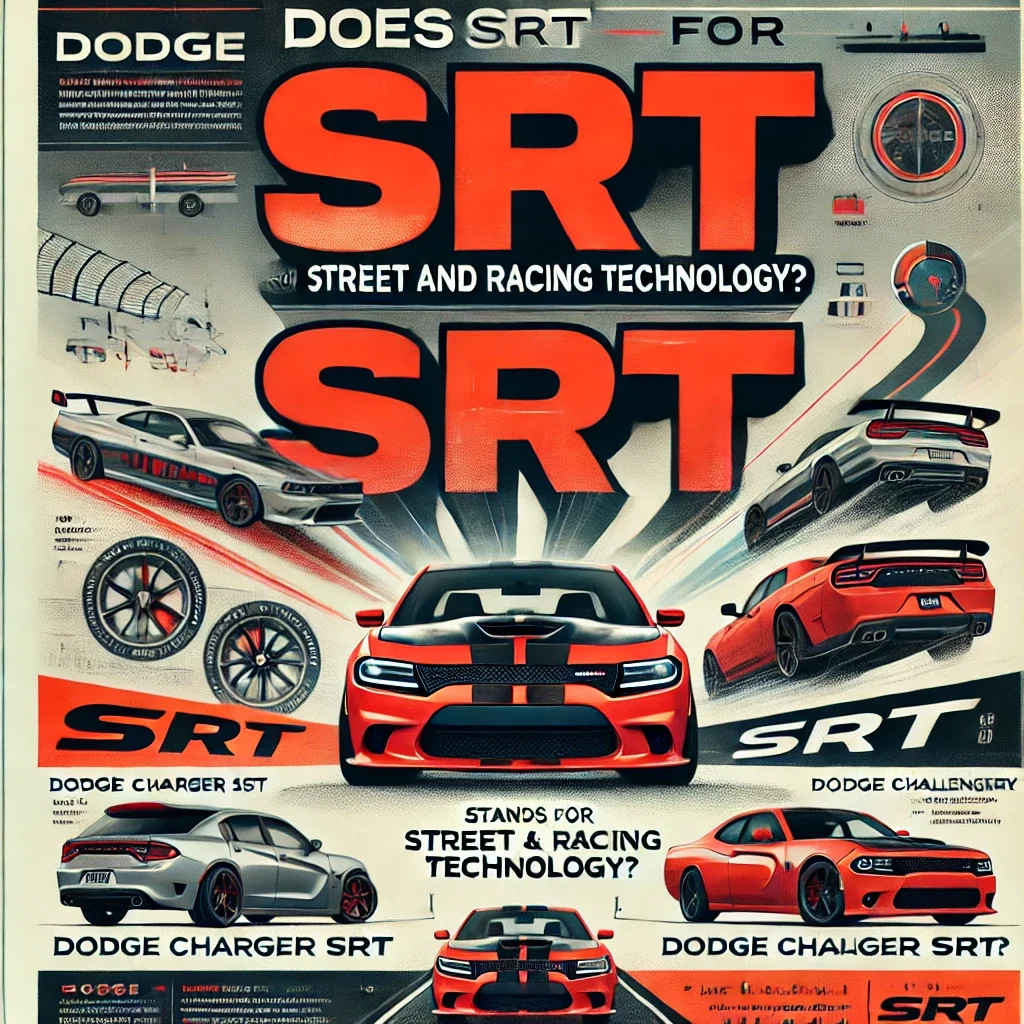
SRT stands for Street and Racing Technology. In Dodge vehicles, the SRT badge means the model was engineered for higher performance, stronger acceleration, upgraded handling, aggressive styling, and track-inspired capability. The simple answer: SRT is Dodge’s performance badge. It has been used on some of Dodge’s most powerful vehicles, including the Charger SRT Hellcat, Challenger SRT Hellcat, Durango SRT, Durango SRT Hellcat, Challenger SRT Demon, and Viper SRT. Dodge’s current SRT page says the SRT lineup still lives on through the Durango SRT, while also paying tribute to the Charger SRT and Challenger SRT models. ( dodge) What Does SRT Mean? SRT = Street and Racing Technology That name tells you the purpose of the badge: Letter Meaning What It Means S Street Built to be driven on public roads R Racing Inspired by track and drag-strip performance T Technology Uses upgraded engineering, powertrain, braking, cooling, and handling tech SRT is not just a cosmetic badge. On true SRT models, it usually means a more serious engine, upgraded brakes, performance suspension, aggressive tuning, and stronger cooling systems. What Makes a Dodge SRT Different? A Dodge SRT model is usually built above the normal trim levels. Compared with a regular Dodge model, an SRT version may include: More horsepower. More torque. Larger brakes. Performance suspension. Sportier transmission tuning. More aggressive exhaust. Performance tires. Track apps or performance pages. Better cooling. Unique SRT styling. That is why SRT models are usually more expensive, faster, and more collectible than standard trims. Popular Dodge SRT Models Some of the most famous Dodge SRT vehicles include: Dodge Challenger SRT Hellcat Dodge Charger SRT Hellcat Dodge Challenger SRT Demon Dodge Challenger SRT Super Stock Dodge Durango SRT 392 Dodge Durango SRT Hellcat Dodge Viper SRT Dodge says the 2023 Charger SRT Hellcat Redeye offered best-in-class horsepower at the time, while the Challenger SRT lineup included extreme models like the Super Stock. ( dodge) Is SRT the Same as Hellcat? No. SRT and Hellcat are related, but they are not the same thing. SRT is the performance division/badge. Hellcat refers to Dodge’s supercharged 6.2L HEMI V8 engine family and the high-output models that use it. So a Hellcat is usually an SRT, but not every SRT is a Hellcat. Example: Model SRT? Hellcat? Durango SRT 392 Yes No Charger SRT Hellcat Yes Yes Challenger SRT Demon Yes Hellcat-based Viper SRT Yes No Is SRT Better Than Scat Pack? SRT is usually positioned above Scat Pack, especially when talking about Hellcat models. A Scat Pack Dodge usually uses a naturally aspirated 6.4L 392 HEMI V8. It is powerful, loud, and fun, but it is generally below the supercharged SRT Hellcat models. Basic comparison: Trim Typical Engine Main Purpose R/T V8 muscle value Scat Pack 392 HEMI performance SRT 392 Higher-performance 392 model SRT Hellcat Supercharged extreme performance SRT Demon Drag-strip-focused limited model Does Dodge Still Make SRT? Yes, but the SRT lineup has changed. The gas-powered Dodge Charger and Challenger SRT models ended with the 2023 model year, but Dodge still references the Durango SRT as part of the current SRT lineup. ( dodge) The SRT name also remains important across Stellantis performance vehicles and performance parts. Dodge’s official site references factory-backed performance parts designed, developed, and validated by SRT Engineering. ( dodge) Final Answer SRT stands for Street and Racing Technology. For Dodge, SRT means a high-performance model built with more power, stronger brakes, better cooling, sharper handling, and more aggressive engineering than regular trims. The easiest way to remember it: SRT = Dodge performance. Hellcat = supercharged SRT power. Scat Pack = strong 392 HEMI performance below Hellcat.

2024 Dodge Hellcat Pricing Guide

2024 Dodge Hellcat Pricing Guide: From Charger to Challenger and Beyond

2024 Dodge Hellcat Pricing Guide: From Charger to Challenger and Beyond The biggest thing to know is this: there was no new 2024 Dodge Charger Hellcat or 2024 Dodge Challenger Hellcat. Dodge ended the gas-powered Charger and Challenger after the 2023 model year, so any “2024 Hellcat Charger” or “2024 Hellcat Challenger” listing is usually a leftover 2023, a used model, or a dealer listing using the wrong year. The only true new 2024 Dodge Hellcat model shoppers could realistically point to was the 2024 Dodge Durango SRT Hellcat, the three-row SUV with the supercharged 6.2L HEMI V8. Edmunds lists the 2024 Durango SRT Hellcat Plus at $103,590 MSRP, while CarPro reviewed a 2024 Durango SRT Hellcat with a $95,995 base price and $109,190 as-tested price. So the 2024 Hellcat pricing guide comes down to three buckets: new Durango Hellcat pricing, used or leftover Charger Hellcat pricing, and used or leftover Challenger Hellcat pricing. Was There a 2024 Dodge Charger Hellcat? No, there was no new 2024 Dodge Charger Hellcat. The last gas-powered Charger Hellcat belonged to the 2023 model year. Dodge’s own Charger SRT page now frames the model as “Remembering the Beast,” which tells you exactly where the old supercharged Charger stands in Dodge history. That means if you are shopping in 2024 or later, Charger Hellcat pricing depends heavily on mileage, trim, condition, color, options, accident history, collector demand, and whether it is a standard Hellcat, Redeye, Widebody, or Jailbreak. 2023 Dodge Charger Hellcat Pricing Reference The 2023 Charger Hellcat is the closest reference point for shoppers asking about a 2024 Charger Hellcat. Car and Driver listed the 2023 Dodge Charger SRT Hellcat lineup from $86,365 to $95,960, depending on trim and options. That range covered factory MSRP, not today’s used-market pricing. Real market prices can be higher or lower depending on supply, condition, and collector demand. Low-mile, final-year, rare-color, Jailbreak, or Redeye examples may command stronger money than higher-mile cars. Was There a 2024 Dodge Challenger Hellcat? No, there was no new 2024 Dodge Challenger Hellcat. Like the Charger, the gas Challenger ended after the 2023 model year. Dodge’s official Challenger SRT page now presents the Challenger SRT as a past icon, highlighting its supercharged 6.2L HEMI V8 and Hellcat legacy rather than a current 2024 production model. So any 2024 Challenger Hellcat “price” is really a used, leftover, auction, or collector-market price. 2023 Dodge Challenger Hellcat Pricing Reference For the Challenger, the best baseline is also the 2023 model year. Car and Driver listed the 2023 Dodge Challenger SRT Hellcat lineup from $71,895 to $92,895, depending on trim and options. That range included multiple Hellcat-family versions. A standard Hellcat was cheaper than a Redeye Widebody Jailbreak. Special editions and final-year cars may carry market premiums, especially if mileage is low and documentation is clean. 2024 Dodge Durango SRT Hellcat Pricing The 2024 Dodge Durango SRT Hellcat was the main new Hellcat-powered Dodge available in 2024. This SUV used the supercharged 6.2L HEMI V8 and gave buyers Hellcat power with three rows, all-wheel drive, and real family-hauler utility. Dodge continues to position the Durango SRT Hellcat as the supercharged V8 performance SUV in the lineup. For pricing, expect the 2024 Durango SRT Hellcat to sit roughly in the mid-$90,000 to low-$100,000 MSRP range before options, with heavily optioned examples climbing higher. Edmunds lists the 2024 SRT Hellcat Plus at $103,590 MSRP, while CarPro’s reviewed example had a $109,190 as-tested price. Why Durango Hellcat Pricing Is So High The Durango Hellcat costs more because it is not just a regular Durango with a louder exhaust. It has a supercharged V8, standard all-wheel drive, upgraded cooling, performance brakes, performance suspension tuning, aggressive styling, and three-row practicality. It also exists in a market where new supercharged V8 vehicles are disappearing. That scarcity matters. Buyers are not only paying for horsepower. They are paying for one of the last family-sized Hellcat-powered SUVs still standing. What About the Ram TRX? The Ram 1500 TRX is not a Dodge, but it belongs in any real Hellcat pricing discussion. The TRX used a supercharged 6.2L HEMI V8 and became the Hellcat-powered off-road truck people still chase. It was discontinued after the Final Edition run, making used-market pricing especially sensitive to mileage and condition. Car and Driver listed the 2024 Ram 1500 TRX from $98,335 to $119,620, depending on trim and options. That means the TRX often overlapped with Durango Hellcat pricing, but served a totally different buyer. The Durango Hellcat is the family missile. The TRX is the desert-running supertruck. What About the Jeep Trackhawk? The Jeep Grand Cherokee Trackhawk is another Hellcat-powered legend, but it was not a 2024 model. It used the supercharged 6.2L HEMI V8 and became famous as the “Hellcat Jeep.” Since it is discontinued, pricing is fully used-market based. Clean examples can remain expensive because the Trackhawk has no direct new replacement. For buyers cross-shopping Hellcat vehicles, the Trackhawk still matters because it gives you Hellcat power, all-wheel drive, SUV practicality, and collector appeal. Why 2024 Hellcat Pricing Got Complicated Hellcat pricing became complicated because Dodge ended the old Charger and Challenger while keeping the Durango Hellcat alive. That created a confusing market. Some shoppers searched for a 2024 Charger Hellcat or 2024 Challenger Hellcat even though those cars were not built as 2024 models. Others found leftover 2023 inventory sold during 2024 and assumed it was a 2024 car. The model year matters. A final-year 2023 Charger or Challenger Hellcat may still be extremely desirable, but it is not a 2024 model. New vs Used Hellcat Pricing New Hellcat pricing in 2024 was mainly about the Durango SRT Hellcat. Used Hellcat pricing was about everything else: Charger, Challenger, Trackhawk, TRX, and older Durango Hellcat models. Used pricing changes based on: Mileage. Trim. Widebody package. Redeye package. Jailbreak package. Final-year status. Color. Accident history. Service history. Modifications. Number of owners. Original window sticker. Dealer markup or collector premium. A clean, stock Hellcat with low mileage usually brings stronger money than a modified one with unknown tuning. Charger Hellcat vs Challenger Hellcat Pricing The Challenger Hellcat often had a lower original starting MSRP than the Charger Hellcat, but the used market can vary. The Challenger is the classic two-door muscle car. The Charger is the four-door muscle sedan. Some buyers prefer the Challenger for collectibility and old-school style. Others prefer the Charger because it gives Hellcat power with rear doors and real daily usability. In the used market, the right trim matters more than the body style alone. A Challenger Redeye Widebody Jailbreak may cost more than a standard Charger Hellcat. A low-mile Charger Redeye may cost more than a higher-mile Challenger. Is the Hellcat Still Worth Buying? Yes, a Hellcat can still be worth buying if you understand the costs. The supercharged 6.2L HEMI is one of the most iconic modern American performance engines. It delivers brutal power, unforgettable sound, and the kind of character that is disappearing from new vehicles. But ownership is not cheap. Hellcats use more fuel, burn through tires faster, cost more to insure, and can be expensive to repair if abused or modified poorly. Before buying used, inspect service records, tire condition, brake condition, accident history, tune status, pulley changes, cooling system, and drivetrain behavior. Best Hellcat Value in 2024 The best value depends on the buyer. The Challenger Hellcat is best if you want the classic muscle-car shape. The Charger Hellcat is best if you want four-door practicality. The Durango SRT Hellcat is best if you want three rows and all-wheel drive. The Ram TRX is best if you want the supercharged V8 in a truck. The Jeep Trackhawk is best if you want the discontinued Hellcat SUV icon. For shoppers around Simi Valley, check used Dodge inventory for Charger, Challenger, Durango, and other performance models. If you want current Dodge options, browse new Dodge inventory. FAQs About 2024 Dodge Hellcat Pricing Is there a 2024 Dodge Charger Hellcat? No. The gas-powered Dodge Charger Hellcat ended after the 2023 model year. Is there a 2024 Dodge Challenger Hellcat? No. The gas-powered Dodge Challenger Hellcat also ended after the 2023 model year. What was the main 2024 Dodge Hellcat model? The main new 2024 Dodge Hellcat model was the Dodge Durango SRT Hellcat. How much did a 2024 Dodge Durango Hellcat cost? A 2024 Durango SRT Hellcat generally landed in the mid-$90,000 to low-$100,000 MSRP range before options, with some optioned examples around or above $109,000. How much was a 2023 Charger Hellcat? Car and Driver listed the 2023 Charger SRT Hellcat range from $86,365 to $95,960, depending on trim and options. How much was a 2023 Challenger Hellcat? Car and Driver listed the 2023 Challenger SRT Hellcat range from $71,895 to $92,895, depending on trim and options. Is a used Hellcat expensive to own? Yes. Fuel, tires, brakes, insurance, repairs, and maintenance can be expensive, especially on modified or abused examples. Final Thoughts: 2024 Was the Year Hellcat Became Scarcity-Driven The 2024 Dodge Hellcat pricing story is really about transition. The Charger Hellcat and Challenger Hellcat were gone as new models after 2023. The Durango SRT Hellcat carried the supercharged Dodge torch into 2024. The Ram TRX and Jeep Trackhawk remained part of the wider Hellcat conversation, but mostly through used and collector markets. So the actual answer is clear: there was no 2024 Charger Hellcat or Challenger Hellcat, but the 2024 Durango SRT Hellcat kept Hellcat power alive, usually at roughly $96,000 to $109,000 depending on trim and options.

2023DodgeChallenger-header-01

Is a Dodge Demon or Hellcat Faster?

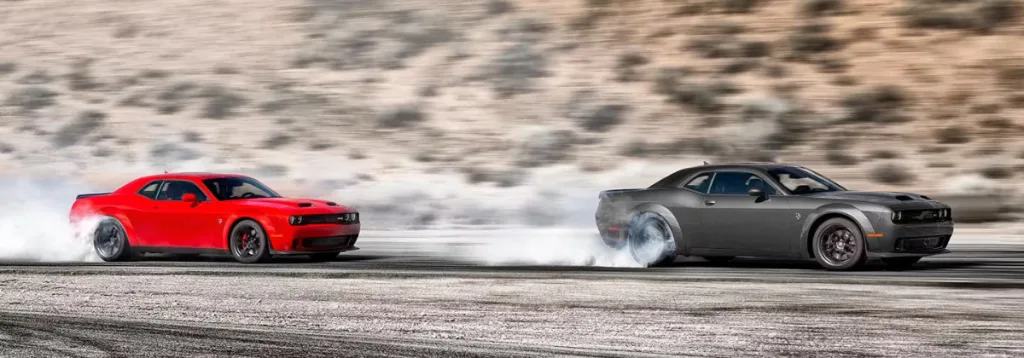
Is a Dodge Demon or Hellcat Faster? The Dodge Demon is faster than a Dodge Hellcat in a straight line, especially in a drag race. The simple answer is this: the Demon was built to be the quickest factory drag-racing Challenger, while the Hellcat was built to be a brutally fast but more street-friendly muscle car. The original 2018 Dodge Challenger SRT Demon made up to 840 horsepower, while the 2023 Dodge Challenger SRT Demon 170 pushed the formula to 1,025 horsepower on E85 fuel. Dodge Garage lists the Demon 170 at 1,025 horsepower, 945 lb-ft of torque, 0 to 60 mph in 1.66 seconds, and a certified 8.91-second quarter-mile at 151.17 mph. That makes it far quicker than a normal Hellcat and even quicker than the Hellcat Redeye in factory drag-strip form. Demon vs Hellcat: The Quick Answer The Demon is faster in the quarter-mile. The Hellcat may be better as a daily driver. The Demon 170 is the fastest factory Challenger ever built. The Hellcat is still insanely fast, but it is not as drag-focused as the Demon. A Hellcat is a muscle car. A Demon is a street-legal drag car. How Fast Is the Dodge Demon? The original 2018 Dodge Challenger SRT Demon was already outrageous. MotorWeek lists the 2018 Demon at 840 horsepower, 770 lb-ft of torque, 0 to 60 mph in 2.3 seconds, and a 9.65-second quarter-mile. That was extreme when it launched. The Demon came with drag-focused hardware, including special tires, transbrake technology, drag suspension tuning, and equipment designed to help it launch hard. Then Dodge went even further with the Demon 170. The Demon 170 is the final boss version. With E85 fuel, it makes 1,025 horsepower and runs an 8.91-second quarter-mile according to Dodge Garage. That puts it in a completely different performance category from a regular Hellcat. How Fast Is the Dodge Hellcat? A regular Dodge Hellcat is still very fast. The Challenger and Charger Hellcat models used a supercharged 6.2L HEMI V8 and became icons because they delivered absurd horsepower in a relatively usable street car. Depending on year and version, Hellcat models made around 707 horsepower, while Redeye versions pushed power higher. The Hellcat Redeye is the closest normal Hellcat-family car to the Demon. MotorWeek lists the 2019 Challenger SRT Hellcat Redeye at 797 horsepower, 707 lb-ft of torque, 0 to 60 mph in 3.7 seconds, and an 11.4-second quarter-mile at 126 mph. That is extremely quick, but it is still slower than both the original Demon and the Demon 170 at the drag strip. Why the Demon Is Faster The Demon is faster because it was engineered specifically for drag racing. It is not just a Hellcat with more horsepower. Dodge changed the formula to help the Demon launch harder, hook better, and survive repeated drag-strip abuse. The Demon has drag-focused tires, special suspension tuning, more aggressive launch technology, extra cooling features, and higher-output engine tuning. The original Demon was already designed to dominate the quarter-mile, and the Demon 170 took that idea even further. A Hellcat is more of a street muscle car. A Demon is built to chase the lowest elapsed time. Demon 170 vs Hellcat Redeye The Demon 170 destroys the Hellcat Redeye in pure straight-line acceleration. The Demon 170 makes 1,025 horsepower on E85. The Hellcat Redeye makes 797 horsepower in many configurations. The Demon 170 is also designed around drag-strip launches, while the Redeye is more usable as a high-power street car. In a quarter-mile race, the Demon 170 is the clear winner. In daily driving, the Redeye may be easier to live with because it is not as specialized. Original Demon vs Hellcat The original 2018 Demon is also faster than a standard Hellcat. The Demon made up to 840 horsepower with the right setup, compared with the standard Hellcat’s roughly 707 horsepower. It also had more drag-specific equipment. The standard Hellcat is more comfortable as a normal street car. The Demon is more collectible and more extreme. Is the Hellcat Better for Daily Driving? Yes, the Hellcat is usually better for daily driving. The Hellcat is still loud, powerful, and aggressive, but it is less specialized than the Demon. It is easier to use every day, especially if you want regular tires, normal street manners, and fewer drag-racing compromises. The Demon is cooler and faster, but it is not the practical choice. It is more of a collectible drag weapon. Is the Demon Street Legal? Yes, the Demon and Demon 170 were built as street-legal production cars, but they are extremely drag-focused. That does not mean they are casual commuter cars. The Demon was built around launch performance, traction, and quarter-mile dominance. It can be driven on the street, but its real purpose is the drag strip. Which One Should You Buy? Buy the Demon if you want the faster, rarer, more collectible drag car. Buy the Hellcat if you want a more usable high-horsepower muscle car. Buy the Hellcat Redeye if you want something closer to Demon power but more street-friendly. Buy the Demon 170 if you want the most extreme factory Challenger ever built and understand that it is already a collector-grade machine. For local shoppers, check available used Dodge inventory for Challenger, Charger, Hellcat, Scat Pack, and other performance models. You can also browse new Dodge inventory to compare current Dodge performance options. FAQs About Demon vs Hellcat Is a Dodge Demon faster than a Hellcat? Yes. The Dodge Demon is faster than a Hell

hq720 (6)

Dodge Charger GT: V6 or V8? The Answer Might Surprise You!

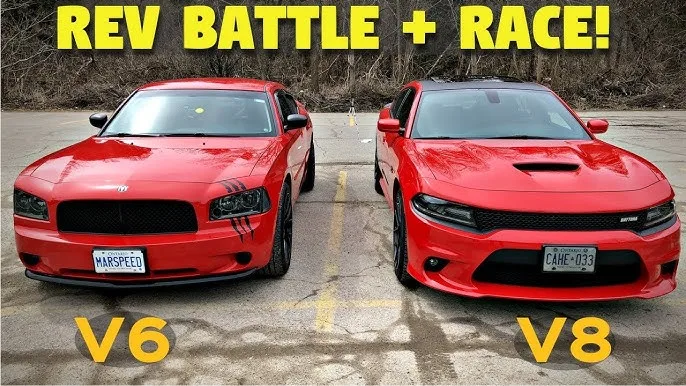
Dodge Charger GT: V6 or V8? The Answer Might Surprise You The Dodge Charger GT is a V6, not a V8. The simple answer is this: the Dodge Charger GT uses a 3.6L Pentastar V6 engine, while the V8 Charger models were trims like the R/T, Scat Pack, SRT, and Hellcat. So if you see “Charger GT” on the badge, you are looking at the sportier V6 version of the previous-generation Charger, not a HEMI V8. Edmunds lists the 2023 Dodge Charger GT AWD with a 3.6L V6, 300 horsepower, 264 lb-ft of torque, and an 8-speed automatic transmission. The Car Guide also lists the 2023 Charger GT AWD with the same 3.6L V6, 300 horsepower, and 264 lb-ft of torque. Why People Think the Charger GT Has a V8 The confusion makes sense. The Dodge Charger looks like a muscle car, even in V6 form. The GT trim adds sportier styling, a performance hood, aggressive front fascia, larger wheels, and a more athletic appearance than the base SXT. That makes many shoppers assume the GT has a V8. But Dodge separated appearance and engine performance across the Charger lineup. The GT looked more aggressive than the SXT, but it still used the V6. The actual V8 models started with the Charger R/T. What Engine Is in the Dodge Charger GT? The Dodge Charger GT uses the 3.6L Pentastar V6. In many model years, the GT made 300 horsepower and 264 lb-ft of torque. It came with an 8-speed automatic transmission and was available with rear-wheel drive or all-wheel drive depending on model year and configuration. That engine is not a HEMI, but it is still a useful powertrain. It gives the Charger decent acceleration, lower fuel costs than the V8 trims, and better everyday practicality. For many used shoppers, the Charger GT is the trim that gives you the Charger look without the fuel bill of a HEMI. Charger GT vs Charger R/T The Charger GT is the sporty V6 model. The Charger R/T is the entry-level V8 model. The R/T used the 5.7L HEMI V8, which made the Charger feel more like a traditional American muscle sedan. Dodge promoted the Charger lineup around HEMI V8 performance, with V8 models ranging from the 5.7L HEMI to supercharged Hellcat engines. If you want the sound, torque, and feel of a V8, the GT is not the trim to buy. You want the R/T or higher. If you want the appearance, space, and personality of a Charger without the higher fuel and maintenance cost, the GT makes more sense. Charger GT vs Charger SXT The SXT and GT both used the 3.6L V6, but the GT was the sportier version. The SXT was the more basic Charger. It was usually the value trim, built for buyers who wanted the size and look of the Charger at a lower price. The GT added more aggressive styling and often came with more equipment. It looked closer to the V8 models, which is why many buyers liked it. In plain English: SXT is the basic V6 Charger. GT is the sportier-looking V6 Charger. Is the Charger GT Fast? The Charger GT is quick enough for daily driving, but it is not a true V8 muscle car. With around 300 horsepower, the V6 Charger GT has solid passing power, good highway manners, and enough performance for most drivers. But it does not have the low-end torque, sound, or acceleration of the HEMI trims. A Charger GT is more of a sporty full-size sedan than a serious muscle car. That is not a bad thing. It depends on what you want. Is the Charger GT AWD? Some Charger GT models are available with all-wheel drive. That is one of the biggest advantages of the GT. Many V8 Charger trims were rear-wheel drive, while the GT could be found with AWD. For buyers in snow, rain, mountains, or colder climates, that can make the V6 GT more practical than a V8 R/T. If you want a Charger that looks aggressive but handles bad weather better, the GT AWD is one of the smartest versions to consider. Is the Charger GT Good on Gas? The Charger GT is better on gas than the V8 models, but it is still a large sedan. Edmunds lists the 2023 Charger GT AWD at 18 mpg city, 27 mpg highway, and 21 mpg combined. That is not economy-car fuel efficiency, but it is more reasonable than the HEMI V8 models. If fuel cost matters, the GT is easier to live with than an R/T, Scat Pack, or Hellcat. Is the Charger GT Worth Buying Used? Yes, the Dodge Charger GT can be worth buying used if you understand what it is. It is not the V8 version. It is the sportier V6 version. That makes it a good fit for drivers who want Charger styling, a roomy cabin, available AWD, and lower running costs than the HEMI trims. It is especially smart if you want the look of a Charger but do not need the extra cost of a V8. Before buying, check the service history, tires, brakes, suspension, transmission behavior, accident history, and whether the vehicle was modified. If you are shopping locally, compare available used Dodge inventory by mileage, trim, drivetrain, and condition. You can also check current new inventory if you are comparing the older Charger to newer Dodge models. What About the New Dodge Charger? The newer Dodge Charger is different from the older gas V6 and V8 sedan lineup. The latest Charger generation moved away from the old GT, R/T, Scat Pack, and Hellcat structure. Dodge now offers electric Charger Daytona models and gas-powered Charger Sixpack models with the twin-turbo 3.0L Hurricane inline-six. Dodge says the Standard Output Sixpack makes 420 horsepower and 468 lb-ft of torque, while Dodge’s Charger performance page lists the Scat Pack with a 3.0L Sixpack High Output twin-turbo straight-six. So if you are asking about the older Dodge Charger GT, it is a V6. If you are asking about the newest Charger lineup, the gas version is no longer a V6 or a traditional HEMI V8. It is a twin-turbo inline-six. FAQs About the Dodge Charger GT Is the Dodge Charger GT a V6 or V8? The Dodge Charger GT is a V6. It uses the 3.6L Pentastar V6 engine. Does the Dodge Charger GT have a HEMI? No. The Charger GT does not have a HEMI. HEMI V8 engines were found in trims like the R/T, Scat Pack, SRT, and Hellcat. How much horsepower does a Charger GT have? Many Charger GT models make 300 horsepower and 264 lb-ft of torque from the 3.6L V6. Is the Charger GT faster than the R/T? No. The R/T is faster because it uses the 5.7L HEMI V8 with more torque and stronger muscle-car performance. Is the Charger GT AWD? Some Charger GT models are available with AWD. That makes the GT a practical choice for buyers who want Charger styling with better bad-weather traction. Is the Charger GT worth it? Yes, the Charger GT is worth it if you want the Charger look, V6 running costs, available AWD, and a roomy full-size sedan. It is not worth it if you specifically want V8 sound and HEMI performance. Final Thoughts: The Charger GT Is the Sporty V6 Charger The Dodge Charger GT is a V6, not a V8. That may surprise some buyers because the GT looks aggressive and carries the Charger’s muscle-sedan personality. But the V8 models were the R/T, Scat Pack, SRT, and Hellcat. The GT gave buyers a different kind of value: Charger style, 300-horsepower V6 performance, available AWD, and lower ownership costs than the HEMI trims. If you want the sound and punch of a V8, shop for an R/T or higher. If you want the Charger look with better daily practicality, the GT is one of the smartest used Charger trims to consider.

my24-dodge-durango-vlp-design-exterior-promotile-desktop.jpg.image.1440

Dodge Durango Reliability - Experts Answer

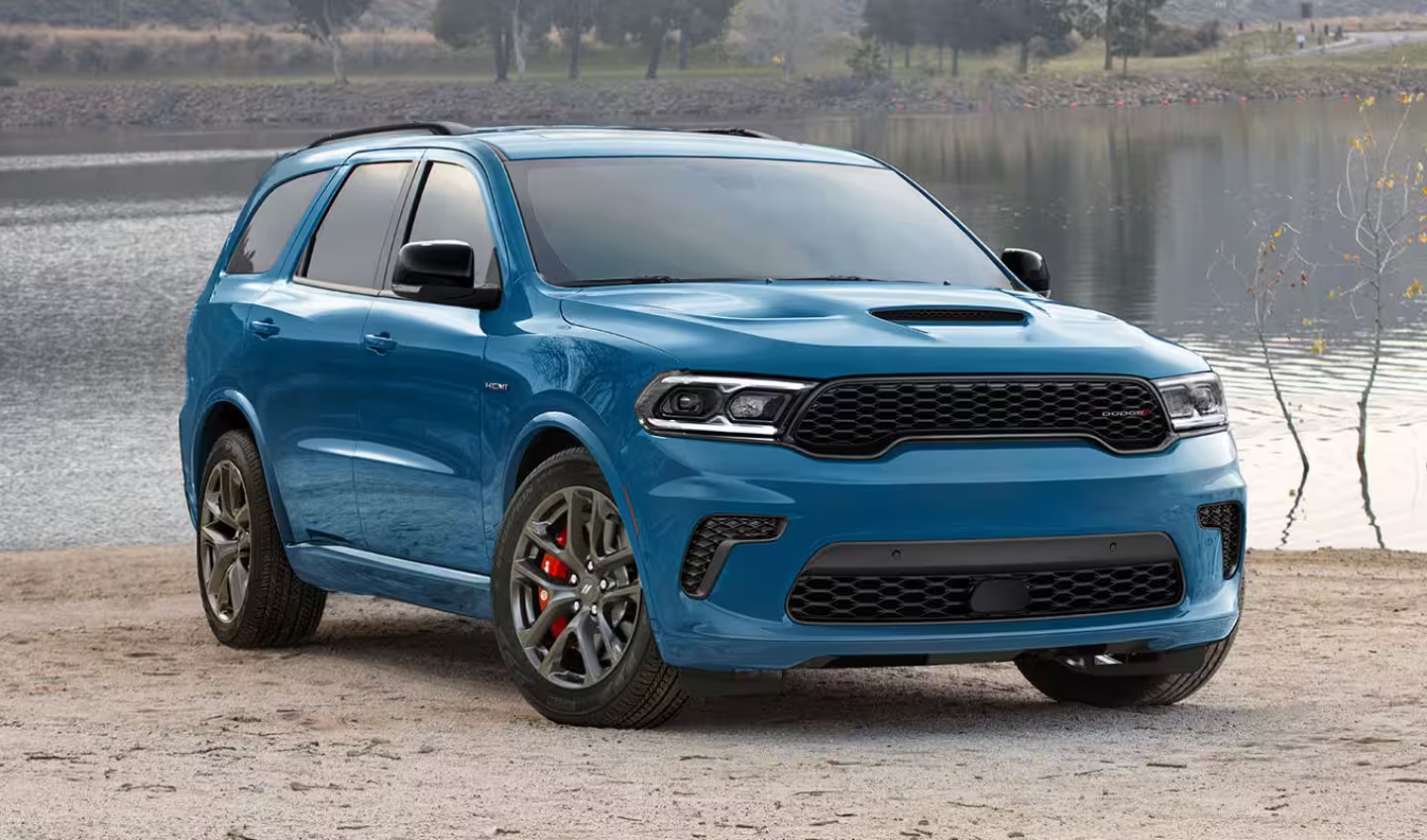
Dodge Durango Reliability - Experts Answer The Dodge Durango is more reliable than many shoppers expect, especially if you buy the right engine and avoid neglected used examples. The expert answer is simple: the Dodge Durango can be a dependable, long-lasting SUV, but it needs proper maintenance because it is a large, heavy, powerful three-row vehicle. RepairPal gives the Dodge Durango a 3.5 out of 5.0 reliability rating, ranking it 3rd out of 14 full-size SUVs. It also lists the Durango’s average annual repair cost at $675, which is lower than the full-size SUV average of $784. That makes the Durango a solid choice if you want a three-row SUV with available V8 power, available all-wheel drive, strong towing capability, and more personality than a typical family crossover. Is the Dodge Durango Reliable? Yes, the Dodge Durango is generally reliable for its class. It is not a small economy SUV, and it is not going to be as cheap to run as a Toyota RAV4 or Honda CR-V. But for a full-size SUV with available HEMI V8 power and real towing strength, the Durango’s reliability record is respectable. J.D. Power gives the 2020 Dodge Durango a Quality & Reliability score of 80 out of 100, which places it in the average range. That score measures owner-reported defects, malfunctions, and design issues across the whole vehicle, from engine to infotainment. So the honest answer is this: a Durango is reliable if you maintain it properly, but it is not a vehicle you should buy blindly with no service records. Why the Durango Can Be a Smart Used SUV The Dodge Durango has one major advantage: it has been around long enough for its strengths and weaknesses to be well understood. That matters in the used SUV market. A long-running platform usually means mechanics know the vehicle, parts are easier to find, and common issues are easier to diagnose. The Durango also uses familiar Stellantis engines, including the 3.6L Pentastar V6 and 5.7L HEMI V8. For families, the Durango makes sense because it offers three rows, useful cargo space, available AWD, and stronger towing capability than many softer crossovers. For buyers who want power, the HEMI models deliver the kind of feel most family SUVs do not offer. The tradeoff is that size and power bring higher running costs. Tires, brakes, fuel, suspension parts, and drivetrain service can cost more than they would on a smaller SUV. Best Dodge Durango Engine for Reliability For most buyers, the 3.6L Pentastar V6 is the safest long-term engine choice. It is common, widely serviced, and used across many Dodge, Jeep, Chrysler, and Ram vehicles. That helps with parts availability and mechanic familiarity. It also gives the Durango enough power for daily driving, family use, commuting, road trips, and light towing. The 5.7L HEMI V8 can also be reliable, but it usually costs more to own. It uses more fuel, can wear tires and brakes faster, and is often bought by owners who tow or drive harder. That does not make it a bad engine. It just means you need stronger maintenance records before buying used. The 6.4L SRT V8 and Hellcat Durango models are performance SUVs. They are exciting, but they are not the low-cost reliability picks. Tires, brakes, fuel, insurance, and repairs can all cost much more. Dodge Durango V6 Reliability The V6 Durango is the best fit for most shoppers who want reliability and lower ownership cost. The 3.6L Pentastar V6 is not the most exciting engine in the lineup, but it is practical. It gives the Durango reasonable power without the extra fuel and maintenance cost of a V8. If you are buying used, look for regular oil-change records, no coolant leaks, no check-engine light, smooth transmission shifts, clean idle, and no signs of overheating. A clean V6 Durango with maintenance records is usually the safest used Durango to buy. Dodge Durango HEMI Reliability The HEMI Durango can be reliable, but it needs proper care. The 5.7L HEMI V8 is a strong engine for buyers who tow, carry passengers often, or simply want a more powerful SUV. It gives the Durango a muscular feel that many three-row SUVs cannot match. Before buying a used HEMI Durango, check for ticking noises, exhaust manifold issues, oil leaks, cooling system problems, rough idle, transmission behavior, and signs of heavy towing use. If the previous owner kept up with maintenance, a HEMI Durango can be a great long-term SUV. If it was neglected, repairs can get expensive quickly. Common Dodge Durango Problems The Durango’s common problem areas are mostly what you would expect from a large SUV. Buyers should check for oil leaks, coolant leaks, transmission shifting issues, worn suspension parts, brake wear, tire wear, infotainment glitches, electrical issues, air conditioning problems, AWD system concerns, and open recalls. Because the Durango is heavy, tires and brakes can wear faster than on smaller SUVs. If the vehicle was used for towing, pay extra attention to transmission service, cooling system condition, rear suspension wear, hitch equipment, and maintenance records. Before buying any used Durango, run the VIN through the official NHTSA recall lookup. Open recalls are not always dealbreakers, but they need to be addressed. Is the Dodge Durango Expensive to Maintain? The Dodge Durango is not cheap like a compact crossover, but it is reasonable for a full-size SUV. RepairPal lists the Durango’s average annual repair cost at $675. That is slightly above the average for all vehicles, but below the average for full-size SUVs. RepairPal also notes that major repairs are uncommon for the Durango because repair frequency is relatively low. That means the Durango is not a maintenance nightmare by default. But ownership costs can rise quickly if you buy a high-mileage V8 model, skip maintenance, tow heavily, or choose an SRT or Hellcat model. How Long Will a Dodge Durango Last? A properly maintained Dodge Durango can last 150,000 to 200,000 miles, and some can go beyond that. The engine is only part of the story. To reach high mileage, the transmission, cooling system, brakes, tires, suspension, AWD system, electrical system, and body condition all matter. A 100,000-mile Durango with complete records can still be a smart buy. A 60,000-mile Durango with no records, warning lights, rough shifting, or overheating history can be a bad one. Best Dodge Durango Years to Buy Used For most used buyers, a well-maintained 2018 to 2021 Dodge Durango is a strong place to start. Those years give you modern features, strong engine choices, good availability, and a platform that was already familiar by then. The 2020 Durango is a useful benchmark because J.D. Power gives it an 80 out of 100 Quality & Reliability score. Newer models can also be good if you want warranty coverage and updated technology. Older models can still be worth buying, but condition and service history become more important as mileage climbs. Dodge Durango vs Other SUVs The Dodge Durango is different from most family SUVs. A Toyota Highlander, Honda Pilot, Mazda CX-9, or Kia Telluride may make more sense if your top priorities are fuel economy, lower ownership costs, and softer family comfort. The Durango makes more sense if you want stronger towing, available V8 power, a rear-drive-based feel, available AWD, and a more muscular SUV personality. It is not the most efficient SUV in the class. It is not the newest design. But it has character, space, and capability that many newer crossovers do not offer. Should You Buy a Dodge Durango? Yes, the Dodge Durango is worth buying if it matches your needs. Buy the Durango if you want a three-row SUV with power, towing ability, available AWD, and a stronger road presence than a typical crossover. Choose the V6 if you want the most practical ownership experience. Choose the HEMI if you tow or want more power. Choose the SRT or Hellcat only if you are ready for performance-SUV ownership costs. If you are shopping locally, compare available used SUV inventory by year, engine, mileage, trim, service history, and condition. For newer models, check current new Dodge inventory before deciding. FAQs About Dodge Durango Reliability Is the Dodge Durango reliable? Yes, the Dodge Durango is generally reliable for a full-size SUV. RepairPal gives it a 3.5 out of 5.0 reliability rating and ranks it 3rd out of 14 full-size SUVs. Is the Dodge Durango expensive to maintain? The Durango has average ownership costs for its class. RepairPal lists the average annual repair cost at $675, which is lower than the full-size SUV average. What is the most reliable Dodge Durango engine? The 3.6L Pentastar V6 is usually the safest long-term choice because it is common, widely serviced, and less expensive to own than the V8 options. Is the Dodge Durango HEMI reliable? Yes, the 5.7L HEMI can be reliable with proper maintenance. It offers more power and towing ability, but it usually costs more in fuel, brakes, tires, and potential repairs. How long will a Dodge Durango last? A properly maintained Dodge Durango can last 150,000 to 200,000 miles or more. Maintenance history is the biggest factor. Is a used Dodge Durango a good buy? Yes, a used Durango can be a good buy if it has clean service records, no major accident history, no warning lights, smooth shifting, no overheating history, and no open recalls. Final Thoughts: The Durango Is Solid If You Buy the Right One The Dodge Durango is a solid SUV when maintained properly. It has better reliability data than many people expect, strong engine choices, useful towing ability, and real three-row practicality. The V6 is the safest choice for most buyers. The HEMI is better for towing and power. The SRT and Hellcat are performance machines and should be budgeted accordingly. The smart move is simple: buy the cleanest Durango you can find, check the service history, inspect the engine and transmission, verify recalls, and avoid neglected examples. Do that, and a Dodge Durango can be a dependable, capable SUV for years.

2412-Dodge-Charger-EV-eAlder-13028

Electrifying the Future: The 2025 Dodge Charger Daytona EV at Simi Valley CDJR

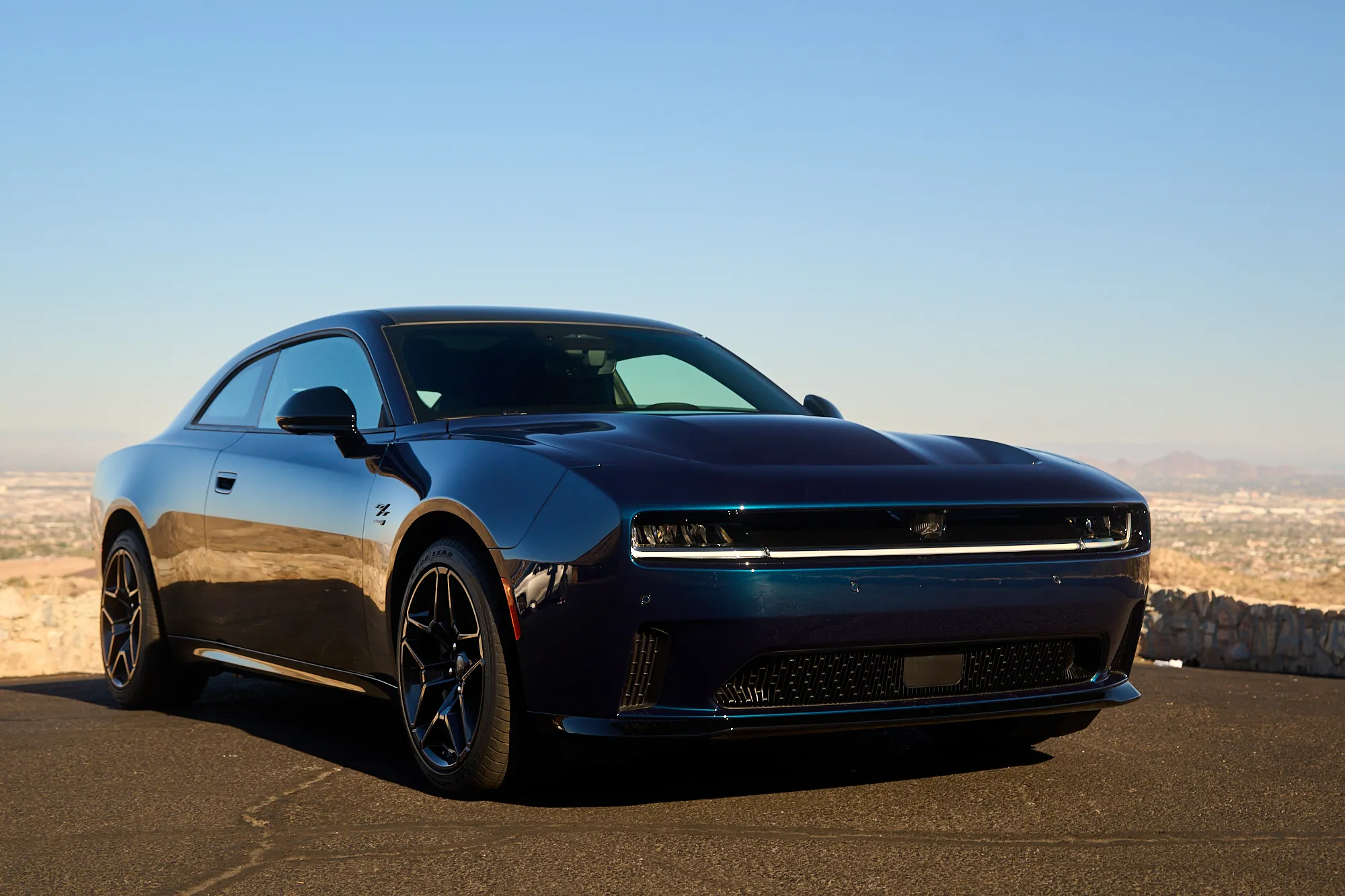
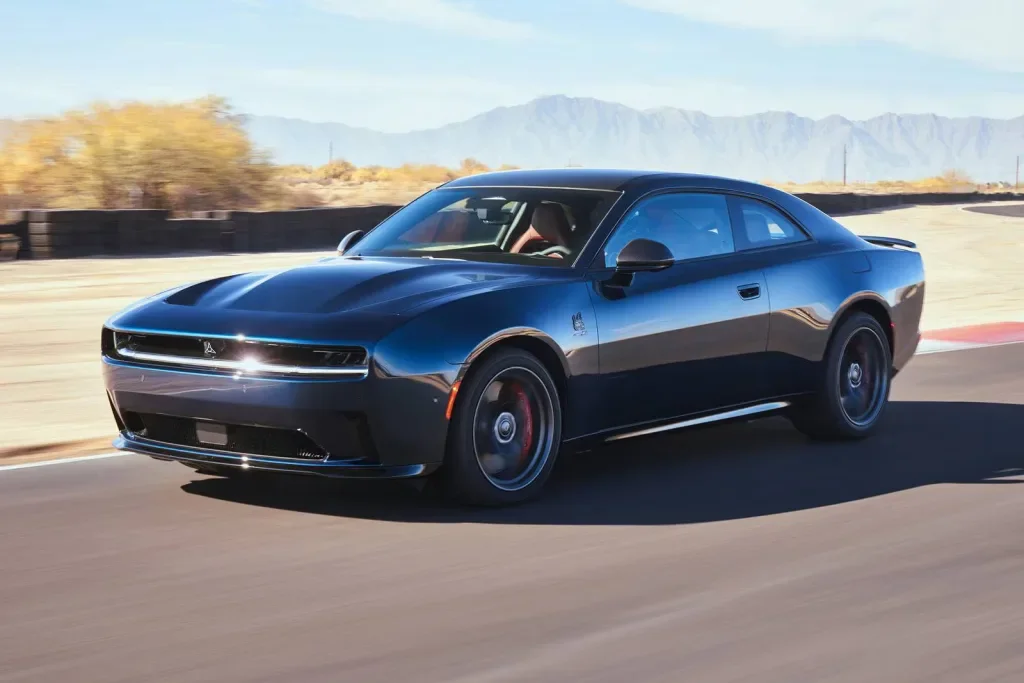
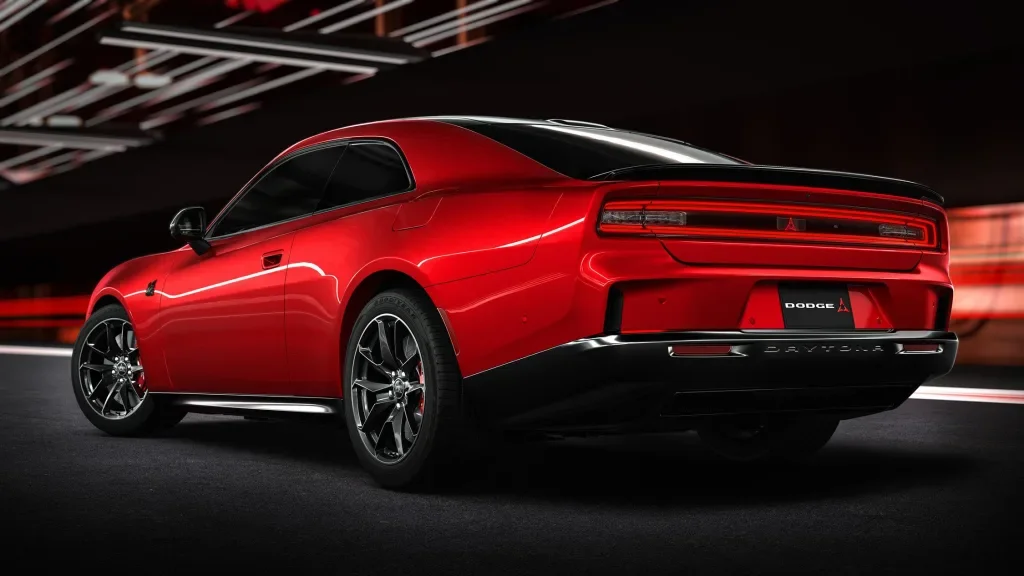
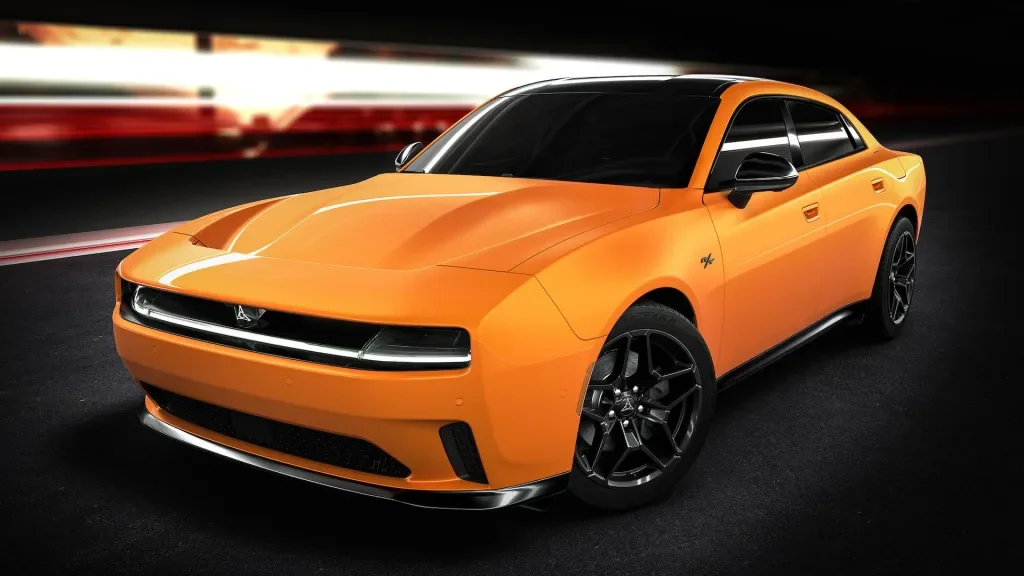
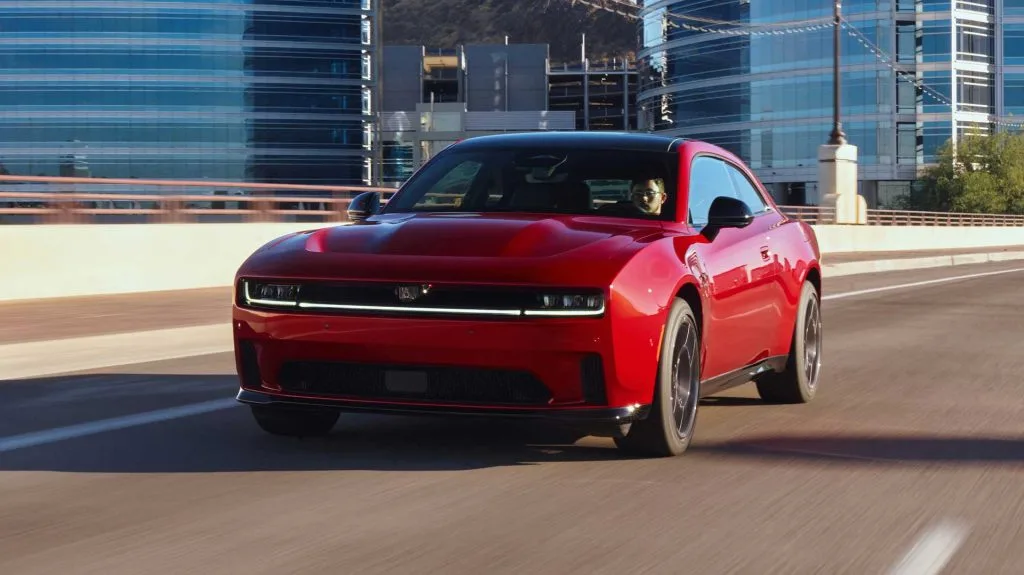
The muscle car revolution is here — and it’s electric. The 2025 Dodge Charger Daytona EV is Dodge’s bold leap into the future, combining the iconic muscle-car persona with modern electric performance. At Simi Valley Chrysler Dodge Jeep Ram, we're proud to offer this revolutionary EV that blends power, innovation, and unmistakable Dodge DNA. Power and Performance Forget everything you thought you knew about EVs. The Daytona EV packs serious muscle: R/T Trim: Delivers 496 horsepower through a dual-motor AWD system. Scat Pack Trim: Cranks performance up to 670 horsepower, capable of 0–60 mph in just 3.3 seconds. Instant Torque: The electric drivetrain provides neck-snapping acceleration from a standstill. Drive Modes: Includes Track, Drag, Drift, and Donut Mode for customized performance. This EV doesn’t just keep up with gas-powered muscle — it leads the pack. Range and Charging Daily driver or weekend warrior, the 2025 Charger Daytona EV is built for both: Estimated Range: Up to 308 miles (495 km) for the R/T and 241 miles (388 km) for the Scat Pack. Fast Charging: Compatible with 350 kW DC fast chargers — get from 20% to 80% in under 30 minutes. With a large enough battery and charging network growing across California, range anxiety is a thing of the past. The Fratzonic Chambered Exhaust: An Electric Roar One of the most controversial and exciting features of the Daytona EV is the Fratzonic Chambered Exhaust. This isn't your average EV sound system — it's a 126 dB synthetic exhaust that mimics the aggressive growl of a traditional V8. Drivers can customize the sound or silence it altogether, thanks to selectable drive modes. Bold, Retro-Futuristic Design The Daytona EV pays homage to the classic 1968 Dodge Charger with its: R-Wing front end for aerodynamic performance and nostalgic styling Two-door and four-door body styles LED lighting and aggressive body lines Retro-inspired badging and muscular stance Inside, you'll find a high-tech performance cockpit with a digital gauge cluster, performance heads-up display, ambient lighting, and a large center touchscreen with Uconnect. Trim Breakdown Trim Horsepower 0–60 mph Range (mi/km) Highlights R/T 496 hp ~4.0 sec 308 mi / 495 km Fratzonic exhaust, AWD, regenerative paddles Scat Pack 670 hp 3.3 sec 241 mi / 388 km Launch control, Donut Mode, Performance HUD Why Buy from Simi Valley CDJR? As a trusted Dodge performance dealership in Simi Valley, California, we’re one of the first to receive allocations of the all-new Charger Daytona EV. Here’s why buyers choose us: EV Specialists: Our team is trained to help you transition to electric performance. Top Inventory Access: We’ll help you secure hard-to-find trims like the Scat Pack. California EV Incentive Support: We’ll walk you through available state and federal rebates. Test Drive Ready: Book a visit and get behind the wheel as soon as they arrive. Pre-Order and Availability The 2025 Dodge Charger Daytona EV is already generating massive interest. Inventory will be limited in the first year, so pre-ordering is your best way to lock in the model and trim you want. Visit us at: Simi Valley Chrysler Dodge Jeep Ram 2350 First St, Simi Valley, CA 93065 Phone: (805) 387-9755 Website: simivalleychryslerdodgejeepram.com Final Thoughts The Dodge Charger is no longer just about burning rubber — it's about innovation, electrified power, and setting new standards for performance. The 2025 Charger Daytona EV proves that going electric doesn't mean giving up excitement. Ready to take the leap into high-voltage muscle? Visit Simi Valley CDJR today to learn more or book your test drive. The future of muscle is here — and it’s waiting for you.

Dodge Ram Dealer Near Me

When you're looking for a " Dodge Ram dealer near me," you’re not just looking for any dealership. You're searching for a trusted name, a strong inventory, and a team who knows trucks inside and out. Welcome to Simi Valley Chrysler Dodge Jeep Ram — the #1 destination for Dodge Ram trucks near Los Angeles, Simi Valley, and Ventura County. ✅ Browse New Ram Inventory If you demand the best in capability, comfort, and craftsmanship, your new Ram is waiting for you right here. Why Simi Valley CDJR Is the Top Choice for Dodge Ram Shoppers Not all dealers are created equal. At Simi Valley CDJR, we specialize in delivering a truck-buying experience built around your needs: Massive Inventory: Ram 1500, Ram 2500, Ram 3500, and Ram ProMaster — we have them all, in multiple trims and configurations. Transparent Pricing: No hidden fees, no gimmicks. Just competitive prices and excellent lease offers. Ram Experts: Our team knows Dodge Ram trucks inside and out — from towing packages to off-road upgrades. State-of-the-Art Facility: Enjoy a modern, customer-first dealership with full service, financing, and delivery options. When you type " Dodge Ram dealer near me," you deserve a dealership that values your time and your trust. The Dodge Ram Lineup: Find Your Perfect Fit Ram trucks aren't just powerful — they offer a luxury-like ride, groundbreaking technology, and legendary reliability. Here’s a quick guide to our most popular Dodge Ram models: Model Highlight Features Ram 1500 Smooth ride, strong towing up to 12,750 lbs, premium interiors Ram 2500 Heavy-duty hauling, available Cummins Turbo Diesel, advanced towing tech Ram 3500 Up to 37,090 lbs towing, dual-rear-wheel options, unbeatable strength Ram ProMaster Commercial cargo van versatility for businesses of all sizes From luxurious Limited trims to trail-ready Rebel and Power Wagon editions, every Dodge Ram truck has a purpose — and a passionate following. Best Dodge Ram Deals in the LA Area One of the best parts of finding a " Dodge Ram dealer near me " is uncovering amazing deals — and Simi Valley CDJR delivers: Ram 1500 Big Horn lease specials with low monthly payments 0% APR financing for qualified buyers Huge discounts on 2024 models as 2025 Ram trucks arrive Military, first responder, and loyalty incentives Every month brings fresh specials, giving you new ways to save on your dream truck. ✅ View Current Specials Factory-Trained Ram Service Center Owning a Ram truck means investing in durability. Keeping it that way requires expert care — and our Certified Ram Service Center is ready. We offer: Mopar-certified technicians Genuine Ram parts and accessories Diesel engine specialists (Cummins, EcoDiesel) Towing equipment upgrades and installs Express oil changes and tire rotations Full commercial Ram ProMaster service Our state-of-the-art shop keeps your Ram battle-ready for every drive, whether it's a construction site, a mountain trail, or the city streets. ✅ Schedule Service Now Conveniently Located for Simi Valley and Beyond Searching " Dodge Ram dealer near me " in Los Angeles, Ventura, or Thousand Oaks? We're right where you need us to be. 📍 Address: 2350 First Street, Simi Valley, CA 93065 📞 Phone: (805) 387-9755 🕓 Hours: Monday - Saturday: 9:00 AM - 8:00 PM Sunday: 10:00 AM - 7:00 PM ✅ Browse New Ram Inventory Customers travel to us from all across Southern California because they know our commitment to Ram truck excellence. Why Choose a Ram Truck? Dodge Ram trucks aren’t just popular — they redefine what a pickup can be: Best-in-Class Ride Quality: Thanks to innovations like coil-spring rear suspension. Best-in-Class Towing: Ram 3500 with High-Output Cummins leads the segment. Award-Winning Interiors: Luxurious leather, advanced infotainment, and superior space. Workhorse Reliability: Proven performance in real-world, tough conditions. Whether it’s the light-duty power of a Ram 1500, the heavy-duty strength of a Ram 2500, or the commercial versatility of the Ram ProMaster, there’s a Ram that fits your lifestyle. Real Customer Experiences " Hands-down the best Dodge Ram dealer near me. Super helpful and found me a Ram 1500 Laramie at a price better than anywhere in LA! " — Alex T., Thousand Oaks " Service department is outstanding. I wouldn't take my Ram anywhere else. They know their stuff. " — Lisa P., Simi Valley " Ordered a custom Ram 2500 for towing — they made the whole process easy, even delivering to my home. Five stars. " — Marcus S., Ventura ✅ Read More Customer Testimonials Ready to Find Your Perfect Dodge Ram? You searched " Dodge Ram dealer near me " because you wanted expertise, inventory, and real savings. At Simi Valley Chrysler Dodge Jeep Ram, that's exactly what you'll find — and so much more. ✅ Browse Ram Trucks Now ✅ Get Pre-Approved for Financing ✅ Call Us Today Experience the difference at Simi Valley CDJR — where your next Ram is just a test drive away.

charger prcie

Dodge Charger Hellcat Price : Breakdown

As the automotive world pivots toward electrification, Simi Valley Chrysler Dodge Jeep Ram remains one of the last strongholds of true American muscle. The 2023 Dodge Charger SRT Hellcat is the final gasoline-powered model year before Dodge transitions to a new era of electric performance. At Simi CDJR, we are proud to offer some of the last remaining units of this legendary sedan. If you're searching for horsepower, attitude, and street presence — this is the car, and this is the dealership. The Final V8 Roar – Why the 2023 Hellcat Matters The Dodge Charger SRT Hellcat isn’t just a car — it’s a cultural icon. Powered by a 6.2-liter supercharged HEMI® V8 engine, this beast delivers power figures that eclipse many supercars, all wrapped in a practical four-door layout. But 2023 marks the end of the line. Dodge has confirmed that this is the final year for the gasoline Hellcat. For enthusiasts, collectors, and thrill-seekers, this is your last chance to own a factory-built supercharged muscle sedan before electrification takes the wheel. At Simi CDJR, our carefully curated inventory includes multiple variations of the Charger Hellcat, including the Hellcat Widebody, Redeye Widebody, and Jailbreak Edition — each with its own character and level of customization. 2023 Dodge Charger Hellcat Models at Simi CDJR Model Engine Horsepower 0–60 mph MSRP Starting At SRT Hellcat Widebody 6.2L Supercharged V8 717 hp 3.6 seconds $79,595 SRT Hellcat Redeye Widebody 6.2L High-Output V8 797 hp 3.5 seconds $87,595 Jailbreak Edition Redeye 6.2L HO w/ Jailbreak Kit 807 hp 3.4 seconds $90,590+ Every model at Simi Valley CDJR is inspected, performance-tuned, and made available with dealer-specific performance packages, custom orders, or exclusive pricing opportunities. Standout Performance The Charger Hellcat models offered by Simi CDJR are not just about brute force — though there’s plenty of that. They’re engineering marvels tuned for balance, traction, and control. Performance highlights: TorqueFlite® 8-speed automatic transmission with adaptive shift scheduling High-performance adaptive suspension and Bilstein dampers Launch Assist and Line Lock features for controlled acceleration Functional dual-snorkel hood for increased airflow and cooler intake temps SRT Power Chiller™ and After-Run Chiller (Redeye models) These aren't just straight-line monsters — they’re surprisingly refined on the road, with braking and handling capabilities that rival performance sedans costing tens of thousands more. Interior That Matches the Muscle While its exterior is aggressive and commanding, the Charger Hellcat’s interior offered at Simi CDJR balances luxury and function. Standard and available features include: Premium Laguna leather seats with SRT logos Uconnect® 4C NAV with 8.4-inch touchscreen SRT Performance Pages with real-time telemetry Heated and ventilated front seats Customizable ambient lighting and drive modes Buyers at Simi Valley Chrysler Dodge Jeep Ram can opt for fully loaded interiors or create custom configurations with the Jailbreak package — choosing their own seat colors, badges, wheels, brake caliper colors, and more. The Jailbreak Experience The Jailbreak Edition, available exclusively at select dealers like Simi CDJR, unlocks full customization potential for your Charger Redeye. You choose your paint, stripes, seatbelts, badges, calipers, wheels — even your dashboard finish. It’s an elite experience, and Simi CDJR’s performance advisors will walk you through every step, ensuring your vehicle reflects your personality as much as your need for speed. Collector Potential & Investment Value Let’s be clear: the 2023 Charger Hellcat lineup is the last of its kind. There will never be another mass-produced gasoline V8 Charger. That makes every model at Simi CDJR a future collectible. Low-mileage examples — especially Redeye and Jailbreak units — are expected to appreciate over time. Whether you’re purchasing to enjoy it daily or keep it stored as an investment, the long-term value proposition is strong. Why Buy Your Hellcat from Simi Valley CDJR? There are many Dodge dealers across the U.S., but Simi CDJR stands apart in our commitment to performance, customer experience, and exclusive availability. Here’s why car buyers from all over California — and beyond — trust Simi CDJR: Access to rare Hellcat and Jailbreak inventory On-site Dodge Performance Advisors to assist with specs and customization Flexible trade-in and financing options Dealer-exclusive offers and price protection Fast, transparent delivery anywhere in the U.S. Whether you’re in Los Angeles, Thousand Oaks, or out of state, our team ensures a hassle-free, professional, and performance-oriented buying experience. Cost Breakdown Here’s a rough estimate of what to expect when purchasing a 2023 Charger Hellcat from Simi Valley CDJR: Cost Component Estimated Amount (USD) Base MSRP (Widebody) $79,595 Destination Fee $1,595 Gas Guzzler Tax $2,100 CA Registration & Fees $300–$800 Optional Add-ons/Upgrades Varies ($2,000–$10,000) Sales Tax (CA - 7.25%) ~$6,000+ Total Estimate ~$90,000–$100,000+ Simi CDJR works with each customer to tailor the package to their needs and budget, with available promotions depending on stock and timing. Final Thoughts The end of the Dodge Charger Hellcat era is a moment in automotive history. Whether you’re a die-hard Mopar fan, a collector, or simply someone who respects raw American muscle, the opportunity to own one is closing fast. At Simi Valley Chrysler Dodge Jeep Ram, we have access to some of the final allocations of the 2023 Dodge Charger Hellcat models — and we’re ready to make them yours. Ready to unleash the beast? Visit Simi CDJR in Simi Valley, CA, today and take the last great American muscle sedan for a test drive before it’s too late.

2025 Dodge Charger Is the Boldest Car

Why the 2025 Dodge Charger Is the Boldest Car in the Game

Let’s not sugarcoat it: the 2025 Dodge Charger is a game-changer. You’ve probably seen the headlines—“Electric Muscle Car,” “Charger Goes EV,” “V8 Is Dead.” But here at Simi Valley Chrysler Dodge Jeep Ram, we’re here to tell you the full truth. The 2025 Charger isn’t about the end of an era—it’s about leveling up everything we love about American performance. And we couldn’t be more excited to offer it to our community first. If you’ve ever driven a Charger—or just dreamed of it—this is the one that redefines what a modern muscle car should be. Let us break down why the 2025 Dodge Charger is absolutely worth the hype… and why you should order yours from Simi Valley CDJR before everyone else catches on. Not Just Evolution—Revolution We’re Dodge dealers. We don’t settle for mild upgrades and cosmetic changes. The 2025 Dodge Charger represents the most radical transformation in the vehicle’s 50+ year history—and we’re proud to say, it’s still 100% Dodge. From the moment you see the new R-Wing nose cone to the roar of the Fratzonic Chambered Exhaust (yes, it still sounds like a beast), it’s clear Dodge didn’t just pivot—they sprinted full speed into the future. And brought the muscle car legacy with them. The Two Trims Making the Most Noise At launch, Dodge is offering two EV trims: 2025 Charger Daytona R/T 456 hp, up to 496 hp with the PowerShot boost 404 lb-ft of torque AWD, 0–60 mph in just 4.7 seconds Approx. 317 miles of range Still sounds like a Charger, thanks to the Fratzonic system Perfect for drivers who want everyday drivability with track-ready adrenaline 2025 Charger Daytona Scat Pack A jaw-dropping 630 hp, boosted to 670 hp with PowerShot 627 lb-ft of torque 0–60 mph in a supercar-rivaling 3.3 seconds Brembo brakes, adaptive suspension, and an interior built like a fighter cockpit Designed for pure thrill-seekers who want instant torque without giving up their muscle car roots Yes, these are electric. No, they don’t feel like it. Oh, and the Gas Version? That’s Coming Too. For our loyal Charger fans who still crave combustion, Dodge has you covered. The 2025 gas-powered Charger will be available later this year, featuring the Hurricane Twin-Turbo Inline-6, and from what we’ve been told—it’s going to tear up the pavement. It’ll start in the low $40,000s, making it more accessible than ever to own a Charger while still getting that signature Dodge performance. We’ll be among the first in Southern California to carry it—so keep checking our inventory. Real Talk: The 2025 Charger Price Is More Than Fair Here’s what we’ve been seeing: Trim Est. Starting Price Who It’s For Charger Daytona R/T (EV) ~$55,000 USD The daily driver with a need for speed Charger Daytona Scat Pack (EV) ~$65,000–$70,000 USD Muscle car enthusiasts ready to leave Teslas in the dust 2025 Charger (Gas) ~$40,000 USD Traditionalists who want next-gen power without the plug Considering what you’re getting—horsepower, all-wheel drive, electric range, and track-level tech—this is serious value. Especially with California EV incentives and dealer specials we offer here in Simi Valley. Why Buy Your 2025 Charger from Simi Valley CDJR? We’re not just selling these cars—we believe in them. As one of California’s most trusted Dodge dealers, we’ve been here through every Charger generation. And now, we’re leading the charge into the future (pun intended). Here’s what you get when you shop your Charger with us: ✅ Early access to incoming inventory ✅ Pre-order and reservation options ✅ Top-dollar trade-in offers (we want your old muscle car!) ✅ Certified Charger sales specialists who get it ✅ Exclusive EV rebates and financing offers ✅ And yes… we’ll let you test that PowerShot button 🔗 Browse our current Charger inventory The Charger Isn’t Dead—It Just Went Supernova There’s a reason the new Charger is making headlines. It’s bold, it’s different, and it’s exactly what the industry needs. While other brands are slowly walking toward the EV future, Dodge is doing burnouts on the way there. This isn’t a compromise—it’s an upgrade. The 2025 Charger Daytona is for drivers who want everything: performance, tech, power, and that unmistakable Dodge DNA. And at Simi Valley Chrysler Dodge Jeep Ram, we’re ready to help you own it. FAQs Q: Is the 2025 Charger all-electric? A: Yes—for now. The R/T and Scat Pack trims are electric, but gas-powered models with the Hurricane engine are coming later this year. Q: Can I order the new Charger now? A: Yes! Contact us or visit our showroom to place your reservation before they sell out. Q: Will the electric Charger qualify for incentives in California? A: Most likely. Plus, we’ll help walk you through every available rebate and savings option. Q: How does the Charger EV compare to the old Hellcat? A: The Scat Pack EV beats the Hellcat to 60 mph. It’s the real deal. Q: Where can I test drive one? A: At Simi Valley CDJR. We’re your go-to source for Charger EVs in SoCal. Want to be among the first to own the future of muscle? 📍 Visit us at 2350 First St, Simi Valley, CA 📞 Call us: +1 805-387-9755 🖱️ Or just click here to browse new Charger inventory

2025 Dodge Charger Price

2025 Dodge Charger Price Breakdown: What to Expect from the All-New Electric Muscle Car

The 2025 Dodge Charger marks a monumental shift in the muscle car world. As Dodge introduces the first-ever electric Charger, muscle car enthusiasts and EV fans alike are asking the big question: how much will it cost? With a bold new design, next-generation performance, and cutting-edge technology, the 2025 Charger is unlike any Dodge before it. Let’s dive deep into the price ranges, available trims, expected features, and how you can shop new Dodge Charger models right here at Simi Valley Chrysler Dodge Jeep Ram. 2025 Dodge Charger: What’s New? Before we talk numbers, let’s quickly highlight what makes the 2025 Charger so exciting: All-electric powertrains (R/T and Scat Pack trims) Optional gas-powered Hurricane I6 engine available later STLA Large EV platform with AWD capability Revolutionary Fratzonic Chambered Exhaust for simulated muscle sound Modern interior with Uconnect 5, digital cluster, and ambient lighting It’s still the heart-pounding muscle car you love—but reimagined for the electric future. 2025 Dodge Charger Trims and Pricing (Estimated) While final pricing is still being confirmed by Dodge, early information and expert forecasts suggest the following: 2025 Dodge Charger Daytona R/T (Electric) Estimated Starting Price: $55,000 USD (~$75,000 CAD) Power: 456 hp (up to 496 hp with PowerShot) Range: Approx. 317 miles (510 km) Features: Dual-motor AWD, Uconnect 5, 20” wheels, Fratzonic exhaust This trim balances performance and range, making it ideal for daily use and weekend fun alike. 2025 Dodge Charger Daytona Scat Pack (Electric) Estimated Starting Price: $65,000–$70,000 USD (~$88,000–$95,000 CAD) Power: 630 hp (up to 670 hp with PowerShot) Range: Approx. 260 miles (418 km) Performance Upgrades: Brembo brakes, adaptive suspension, track mode This is Dodge’s answer to Tesla’s Plaid models and Mustang Mach-E GT—an electric beast built for speed. Gas-Powered 2025 Dodge Charger (Coming Soon) Expected Starting Price: Low $40,000s USD Engine: New twin-turbo Hurricane inline-6 Trims: Expected SXT, GT, R/T variations Drive: Rear-wheel and all-wheel-drive options likely The gas-powered Charger will offer a lower entry price point and may appeal to drivers who aren't ready to make the EV leap just yet. Why the Price Shift Makes Sense While the base 2023 Dodge Charger SXT started around $34,000, the 2025 model's pricing reflects: A massive tech upgrade Powerful electric drivetrains New chassis and platform EV tax credits (in some U.S. states and Canada) Inclusion of more standard features Keep in mind: EVs often cost more up front but save money on fuel and maintenance long term. What Impacts the Final Price? Here are factors that could affect the final price tag of your 2025 Charger: Battery size and performance package (especially on the Scat Pack) Wheel/tire upgrades Interior options like premium leather and Alpine audio Charging hardware and home install kits Destination and delivery fees Federal or state/provincial incentives 2025 Dodge Charger Availability at Simi Valley CDJR At Simi Valley Chrysler Dodge Jeep Ram, we're excited to welcome the next generation of muscle cars. Our inventory will feature both 2025 Dodge Charger R/T and Scat Pack models, along with anticipated gas-powered variants later in the year. 🔎 Search Available Chargers Now ✅ Reserve your model early and take advantage of EV rebates and trade-in offers 💬 Speak with a specialist about custom orders or financing options Final Thoughts: Is the 2025 Dodge Charger Worth It? Absolutely. The 2025 Dodge Charger isn’t just a reinvention—it’s a bold leap forward that keeps the soul of the muscle car alive. With performance rivaling V8s, sleek EV engineering, and competitive pricing for what you’re getting, it’s the perfect blend of power and progress. And if you're in California, there's no better place to experience the thrill of this revolutionary Charger than Simi Valley Chrysler Dodge Jeep Ram. FAQs Q: How much is the 2025 Dodge Charger R/T? A: Estimated around $55,000 USD. Final pricing to be confirmed by Dodge. Q: Will there be a cheaper gas version of the 2025 Charger? A: Yes! A Hurricane I6-powered model is expected later, starting in the low $40,000s. Q: Are there government rebates for buying the Charger EV? A: Potentially. California offers EV incentives, and federal credits may apply based on eligibility. Q: When will the 2025 Charger be available at dealerships? A: Late 2024 to early 2025 for the electric versions. Gas-powered models will follow. Q: Where can I buy or pre-order the new Charger? A: Right here at Simi Valley Chrysler Dodge Jeep Ram.

dodge charger daytona highway

2025 Dodge Charger Daytona: Specs, Features & Why It’s Redefining the Muscle Car

The 2025 Dodge Charger Daytona isn’t just another electric vehicle—it’s a bold statement. Dodge is charging full speed into the future with a car that fuses legendary muscle car vibes with revolutionary electric performance. If you’re wondering whether this new EV muscle machine lives up to the hype, buckle up. We’re breaking down everything you need to know about the 2025 Charger Daytona—its specs, trims, features, and why it might just be the most exciting thing to hit the EV world yet. A New Era for American Muscle The Dodge Charger has always been about power, performance, and attitude. For 2025, Dodge isn't abandoning those principles—it’s electrifying them. The Charger Daytona is the first all-electric muscle car in Dodge history, and it's built on Stellantis' STLA Large platform, a modular EV architecture that also supports hybrid configurations. You’ll immediately notice the design pays homage to classic Charger styling. It’s got a wide stance, a long hood, and a modern interpretation of the iconic “R/T” badging. But the Daytona introduces futuristic elements too, like its R-Wing front aerodynamic pass-through, an illuminated Fratzog badge, and sleek LED lighting throughout. 2025 Dodge Charger Daytona Trims & Performance Specs Dodge is launching the Daytona with two high-powered electric trims: the R/T and the Scat Pack. A gas-powered inline-6 model is expected to arrive later, but for now, it’s all about the EV punch. Dodge Charger Daytona R/T Power Output: 456 horsepower Torque: 404 lb-ft 0–60 MPH: Approx. 4.7 seconds Top Speed: Estimated 134 mph Drive Type: All-wheel drive Battery: 100.5 kWh battery pack Estimated Range: Up to 317 miles (510 km) If you engage the “PowerShot” boost mode—activated by pulling a paddle on the steering wheel—you’ll temporarily unlock an extra 40 horsepower, pushing it to 496 hp. Dodge Charger Daytona Scat Pack Power Output: 630 horsepower Torque: 627 lb-ft 0–60 MPH: Just 3.3 seconds Top Speed: Estimated 150+ mph Drive Type: All-wheel drive Battery: Same 100.5 kWh pack Estimated Range: Up to 260 miles (418 km) Scat Pack models also get upgraded cooling systems, Brembo brakes, adaptive suspension, and a Track Mode for enhanced performance. Electric Muscle Meets Old-School Roar Worried an EV can’t sound like a muscle car? Dodge has you covered. The 2025 Charger Daytona features a Fratzonic Chambered Exhaust, a patented system that emits a 126-decibel “exhaust note.” It simulates the rumble of a V8 and can be adjusted or turned off—so you can be loud or stealthy, depending on your mood. Tech-Forward Interior with Classic Charger Energy Inside, the Charger Daytona is modern, sleek, and driver-focused. Standard features include: A 12.3-inch touchscreen running the latest Uconnect 5 infotainment A 16-inch digital gauge cluster Ambient lighting and customizable display modes Optional 18-speaker Alpine premium audio Available performance pages for track data and real-time telemetry You’ll find sporty seats with contrast stitching, a flat-bottom steering wheel, and available suede and leather trim depending on the package. The trunk space remains generous thanks to its fastback design, and rear passengers get respectable legroom. Charging & Battery Performance Both trims are powered by a 100.5 kWh battery and can support up to 350 kW DC fast charging. That means you could charge from 20% to 80% in under 30 minutes using a compatible fast charger. Level 2 home charging (240V) will take approximately 10 hours for a full charge—perfect for overnight replenishing. Upcoming Gas-Powered Version For traditionalists, Dodge isn’t leaving you behind. A gas-powered version of the 2025 Charger Daytona, rumored to include the new Hurricane inline-6 engine, is expected later in the year. It’ll share the same bold styling but offer ICE performance for those not ready to go fully electric. Key Differences: R/T vs. Scat Pack Feature R/T (EV) Scat Pack (EV) Horsepower 456 (496 w/ boost) 630 (670 w/ boost) 0–60 MPH 4.7 seconds 3.3 seconds Range ~317 miles (510 km) ~260 miles (418 km) Suspension Standard Adaptive performance Brakes Standard Brembo Performance Starting MSRP (Est.) $55,000 USD $65,000+ USD Final Thoughts: Should You Buy One? The 2025 Dodge Charger Daytona is for anyone who craves muscle car spirit but wants to embrace the future of mobility. With instant EV torque, aggressive styling, and enough tech to satisfy any gearhead or gadget lover, it’s not just a car—it’s a cultural reboot. Whether you’re a die-hard Mopar fan or just someone looking for the most exciting EV on the market, the Charger Daytona deserves a spot on your radar. FAQs Q: Is the 2025 Dodge Charger Daytona fully electric? Yes, both the R/T and Scat Pack trims are all-electric. A gas-powered version is coming later. Q: When can I buy the 2025 Charger Daytona? Deliveries are expected to begin in late 2024 or early 2025. Q: Will Dodge still sell a gas version of the Charger? Yes! A gasoline variant with the Hurricane I6 is on the way. Q: How loud is the EV version? Thanks to the Fratzonic exhaust, it can produce up to 126 dB—comparable to the old V8s. Q: What’s the price of the 2025 Charger Daytona? Estimates start around $55,000 USD for the R/T and $65,000+ USD for the Scat Pack.

2004 Dodge Sprinter

How the 2004 Dodge Sprinter Alternator System Works: Troubleshooting & Maintenance Guide

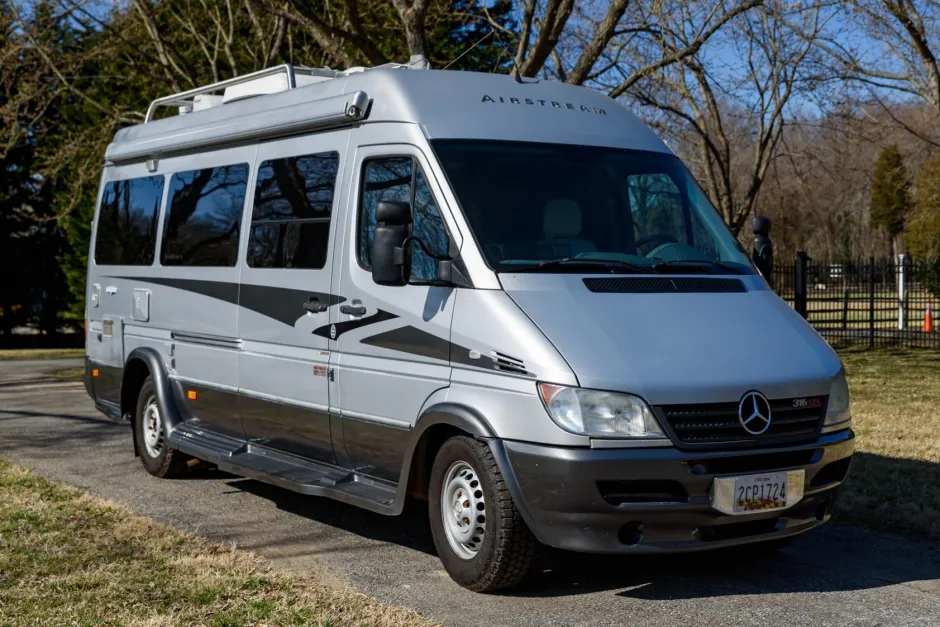
The 2004 Dodge Sprinter (part of the T1N generation produced from 1995–2006) is a staple in the camper van and commercial vehicle communities, prized for its durability, fuel efficiency, and spacious design. A common question among owners and converters is whether this model features a smart alternator —a technology that optimizes charging efficiency and fuel economy. Below, we dive into the details of the Sprinter’s alternator system, its implications for electrical setups, and how it compares to modern smart alternators. 1. What is a Smart Alternator? A smart alternator (also called a variable voltage or ECU-controlled alternator) is an advanced charging system designed to reduce fuel consumption and emissions by dynamically adjusting its voltage output. Unlike traditional alternators, which maintain a steady ~14V output, smart alternators: Modulate voltage between 12V and 15V based on driving conditions. Reduce charging during acceleration (to lower engine load) and boost charging during deceleration (regenerative braking). Require integration with the vehicle’s Engine Control Unit (ECU). This technology became widespread in the 2010s, particularly in hybrids and vehicles adhering to stricter emissions standards (e.g., Euro 6). 2. The 2004 Dodge Sprinter’s Alternator: Key Specifications The T1N Sprinter uses a conventional fixed-voltage alternator, not a smart alternator. Here’s what you need to know: A. Technical Details Voltage Output: Steady ~14V when the engine is running, regardless of RPM or load. Amperage: Ranges from 150A to 220A, depending on engine type (e.g., 2.7L diesel OM612 or gasoline variants). Design: A simple, brush-type alternator with a built-in voltage regulator. No ECU Integration: Charging behavior isn’t influenced by the engine’s computer. B. Charging Behavior The alternator charges the starter battery continuously at full capacity. Unlike smart alternators, it doesn’t prioritize fuel efficiency over charging. Voltage remains stable even at idle (~13.8V–14.2V), making it reliable for auxiliary battery charging. 3. Why the 2004 Sprinter Lacks a Smart Alternator Smart alternators emerged as automakers faced pressure to meet fuel economy and emissions regulations in the late 2000s. The T1N Sprinter, designed in the 1990s, predates these advancements. Other factors include: Simplicity: The Sprinter was engineered for commercial reliability, not cutting-edge efficiency. Diesel Focus: The 2.7L diesel engine’s efficiency goals were achieved through mechanical design (e.g., turbocharging), not electrical systems. Cost: Smart alternators require complex ECU programming, which would’ve raised the vehicle’s price. 4. Implications for Camper Van Conversions For those converting a 2004 Sprinter into a camper, the alternator type directly impacts auxiliary power system design. Here’s how: A. Charging House Batteries Traditional Alternator: Use a voltage-sensitive relay (VSR) or diode-based isolator to charge auxiliary batteries. These devices link the starter and house batteries when the alternator is active. Smart Alternator: Requires a DC-DC charger to stabilize fluctuating voltage, adding cost (~$300–$600) and complexity. Advantage for 2004 Sprinter Owners: No need for a DC-DC charger—simpler, cheaper setups work. B. Solar Integration Pairing solar panels with the alternator is straightforward. A solar charge controller can manage the house battery independently or in tandem with the alternator. C. Power Demands The alternator’s 150A–220A output can support robust house systems, but avoid exceeding ~80% of its capacity to prevent overheating. Example: A 200A alternator can safely provide ~120A–160A to auxiliary systems while maintaining the starter battery’s charge. 5. How to Confirm Your Alternator Type If you’re unsure whether your Sprinter has been modified, here’s how to verify its alternator type: A. Multimeter Test Start the engine and let it idle. Measure voltage at the starter battery terminals. Traditional: Steady 13.8V–14.4V. Smart: Fluctuates between 12V–15V (e.g., drops at idle, surges during deceleration). B. Consult Documentation The 2004 Sprinter service manual specifies a conventional alternator (part number A0049036801 for common models). Online forums like Sprinter-Source.com confirm T1N models lack smart alternators ( Reference Thread). C. Physical Inspection Smart alternators often have additional wiring for ECU communication. A traditional alternator has only power, ground, and exciter wires. 6. Pros and Cons of the 2004 Sprinter’s Alternator Advantages Simplicity: Easier to troubleshoot and repair. Reliability: Fewer electronic components mean less risk of failure. Cost-Effective: No need for expensive DC-DC chargers in camper builds. Drawbacks Fuel Efficiency: Less optimized than smart alternators, though the Sprinter’s diesel engine compensates. No Regenerative Charging: Misses out on energy recovery during braking. 7. Upgrading the Alternator: Is It Worth It? Some owners consider retrofitting a smart alternator or upgrading to a higher-output unit. Key considerations: A. Smart Alternator Retrofit Feasibility: Possible but requires ECU reprogramming, wiring changes, and compatibility checks. Cost: ~$1,000+ for parts and labor. Verdict: Not recommended unless chasing marginal efficiency gains. B. High-Output Alternator Purpose: Supports power-hungry setups (e.g., inverters, winches). Options: Aftermarket units from brands like Nations Starter & Alternator (~220A–300A). Installation: Bolt-on replacement in most cases. 8. Maintenance Tips for the 2004 Sprinter Alternator To ensure longevity: Check Belt Tension: A loose serpentine belt causes slippage and reduced charging. Clean Connections: Corroded terminals lead to voltage drops. Monitor Voltage: Use a dashboard voltmeter to spot early signs of failure. Replace Brushes: Worn brushes (a common failure point) can be replaced for ~$50 instead of buying a new alternator. 9. Troubleshooting Common Alternator Issues A. Low Voltage Output Causes: Faulty voltage regulator, worn brushes, or bad diode trio. Fix: Rebuild the alternator or replace it. B. Overheating Causes: Excessive load (e.g., too many accessories), poor ventilation. Fix: Reduce electrical demand or install a high-output alternator. C. Whining Noise Causes: Worn bearings or misaligned pulley. Fix: Rebuild or replace the alternator. 10. Smart Alternators vs. Traditional: A Broader Perspective While smart alternators excel in modern vehicles, the 2004 Sprinter’s simplicity is a boon for DIY enthusiasts. Key comparisons: Feature 2004 Sprinter Alternator Smart Alternator Voltage Output Fixed ~14V Variable (12V–15V) ECU Integration No Yes Auxiliary Charging Simple (VSR/isolator) Requires DC-DC charger Fuel Efficiency Lower Higher Cost to Maintain Lower Higher 11. Conclusion The 2004 Dodge Sprinter does not have a smart alternator—it uses a robust, traditional charging system that’s ideal for camper van conversions and commercial use. While it lacks the fuel-saving tech of newer models, its simplicity, reliability, and compatibility with basic charging setups make it a favorite among van lifers. For those needing more power, upgrading to a high-output alternator is a practical solution, but retrofitting a smart alternator is generally unnecessary. By understanding your Sprinter’s electrical system, you can design an efficient auxiliary power setup without overcomplicating your build. Resources Sprinter-Source T1N Forum Nations Starter & Alternator 2004 Dodge Sprinter Service Manual Whether you’re powering a weekend adventure or a cross-country expedition, the 2004 Sprinter’s no-nonsense alternator has you covered. 🚐⚡

Contact Us

Fill out this form below and we'll contact you shortly
*Required Fields