




Simi Valley Chrysler Dodge Jeep Ram

Blog / Dodge

Blog

All Dodge Jeep General Ram Questions Car Buying Guides Chrysler Simi Valley Chrysler Dealer Simi Valley Used Cars
Sleeping Sideways in a 2004 Dodge

Can You Sleep Sideways in a 2004 Dodge Sprinter Camper Van?

The 2004 Dodge Sprinter (T1N model) is a beloved platform for camper van conversions due to its robust diesel engine, spacious interior, and reliability. One of the most debated topics among Sprinter owners is whether it’s possible to sleep sideways in this van. While the answer depends on your height, build design, and priorities, this guide breaks down everything you need to know to make an informed decision. 1. Understanding the Sprinter’s Interior Dimensions The 2004 Dodge Sprinter offers a versatile canvas for camper builds, but its interior dimensions are critical for planning a sideways sleeping setup: Cargo width: ~69 inches (5.75 feet) before modifications. Usable width after insulation/walls: Typically 60–65 inches (5–5.4 feet), depending on materials. Roof height: ~6.5 feet (standard roof), providing ample headroom for most adults. Wheelbase options: 118-inch (shorter, agile for urban driving). 140-inch (balanced for space and maneuverability). 158-inch (longest, ideal for full-time living). These measurements mean a sideways bed is technically possible, but practicality depends on your height and how much space you sacrifice for storage or amenities. 2. Can You Sleep Sideways? Height vs. Design For Shorter Individuals (Under 5’9”) If you’re under 5’9”, sleeping sideways is feasible with smart design choices: Trim the mattress: Use a custom-cut foam mattress (e.g., 60–65 inches wide) to fit snugly between the walls. Diagonal placement: Angle the bed slightly to gain extra length. A 65-inch-wide mattress at a 10–15° angle can accommodate someone up to 6’0”. Minimalist walls: Opt for thin insulation (e.g., Thinsulate or 1-inch polyiso foam) to preserve width. For Taller Individuals (6’0”+) Sideways sleeping becomes challenging for taller folks. At 6’0”, your ideal bed length is 72+ inches, which exceeds the van’s interior width. Solutions include: Compromise with a “semi-sideways” layout: Combine a sideways bed with a foldable extension (e.g., a flip-up panel at the foot). Hybrid designs: Use a convertible bench seat that transitions from a daytime sofa to a nighttime bed. 3. Camper Conversion Factors Impacting Sleep Space A. Insulation and Wall Thickness Every inch of wall insulation reduces usable width. Common materials and their thickness: Polyiso foam boards: 1–2 inches (adds R-6–R-13 insulation). Thinsulate: 0.5 inches (thermal and acoustic insulation). Spray foam: Up to 3 inches (maximizes insulation but eats space). Pro Tip: Use Reflectix (radiant barrier) paired with thin foam to save space while maintaining thermal efficiency. B. Bed Platform Design Fixed platform: Simple and sturdy but limits flexibility. Foldable designs: Lagun table mounts: Allow the bed to swing out of the way ( Lagun Designs). Murphy bed-style: Fold vertically against the wall. Modular furniture: Combine seating, storage, and sleeping into one unit (e.g., IKEA hacking with BÄSTIS storage boxes). C. Storage and Cabinets Side cabinets or overhead bins shrink sleeping width. Alternatives: Under-bed storage: Use the bed platform for drawers or bins. Ceiling nets: Store lightweight gear overhead ( REI Co-op Gear Nets). 4. Sideways Bed vs. Alternative Layouts A. Sideways Bed Pros: Maximizes open floor space for a kitchen, seating, or pets. Creates a “bedroom” feel separate from the driving area. Cons: Tight for taller individuals. Limited storage unless combined with under-bed solutions. B. Front-to-Back Bed Pros: Fits a full-size mattress (75 inches long). Leaves room for side cabinets or a wet bath. Cons: Divides the van into sections, reducing open space. C. Overhead Loft Bed Pros: Frees up floor space for a garage, workspace, or seating. Ideal for families (kids upstairs, adults downstairs). Cons: Requires climbing a ladder. Reduces headroom for lofted areas. D. Convertible Dinette Pros: Daytime dining table converts to a bed at night. Efficient for small spaces. Cons: Requires daily setup/breakdown. 5. Step-by-Step Tips for a Sideways Bed Build Measure Twice: Account for wheel wells (which protrude ~4 inches per side) and wall thickness. Choose the Right Mattress: Foam: Custom-cut from Foam Factory. Tri-fold: Portable and storable (e.g., Milliard Tri-Fold on Amazon). Optimize Ventilation: Install a MaxxAir Fan to prevent condensation. Add USB-powered fans for airflow. Safety First: Secure the bed with L-track rails to prevent shifting while driving. Use anti-slip mats under the mattress. Lighting: Install LED strip lights under the bed for ambiance and functionality. 6. Real-World Success Stories Case Study 1: The Minimalist Solo Traveler Build: @VanLifeDiaries on Instagram Layout: 62-inch-wide sideways bed with 3-inch foam mattress. Features: Thin cork insulation (1 inch). Foldable desk beneath the bed. Goal: Maximize open space for yoga and gear. Case Study 2: The Adventure Couple Build: FarOutRide’s Sprinter ( Link) Layout: 64-inch-wide bed with a diagonal angle for two adults (5’8” and 5’11”). Features: Custom memory foam mattress. Overhead storage nets for clothing. 7. Downsides and Compromises Cold Spots: Thin insulation may lead to drafts; address with heated blankets or a Diesel Heater. Claustrophobia: Narrow sleeping quarters can feel cramped; add windows or a roof vent for openness. Storage Trade-Offs: Sacrificing cabinet space for bed width means creative storage solutions are a must. 8. Cost Considerations Budget Build: 500–500–1,000 (DIY foam mattress, basic platform). Mid-Range: 1,500–1,500–3,000 (custom mattress, insulation, ventilation). High-End: $5,000+ (professional conversion with modular furniture and heating). 9. Frequently Asked Questions Q: Can two adults sleep sideways in a Sprinter? Yes, if both are under 5’9” and the bed is angled or slightly contoured. Q: Is a sideways bed safe while driving? Yes, if secured with straps or L-track. Never sleep in the bed while the van is moving. Q: What’s the best mattress thickness? 4–6 inches of high-density foam balances comfort and space savings. 10. Final Verdict A sideways bed in a 2004 Dodge Sprinter is achievable with careful planning, especially for solo travelers or couples under 5’9”. Prioritize: Space-saving insulation. Custom mattress cuts. Multifunctional furniture. For taller individuals or full-time living, consider a front-to-back bed or rooftop tent to stretch out comfortably. Resources Sprinter-Source Forum: DIY build guides and troubleshooting. FarOutRide’s Insulation Guide: Maximizing space and efficiency. REI’s Camper Van Checklist: Essentials for your build. By balancing creativity and practicality, you can transform your 2004 Sprinter into a cozy, sideways-sleeping haven. Happy building! 🚐✨ This guide equips you with the knowledge to decide if a sideways bed suits your needs—or if an alternative layout might better serve your van life adventure.

RAM DIesel

The History Behind the Brand Divorce of Dodge & Ram

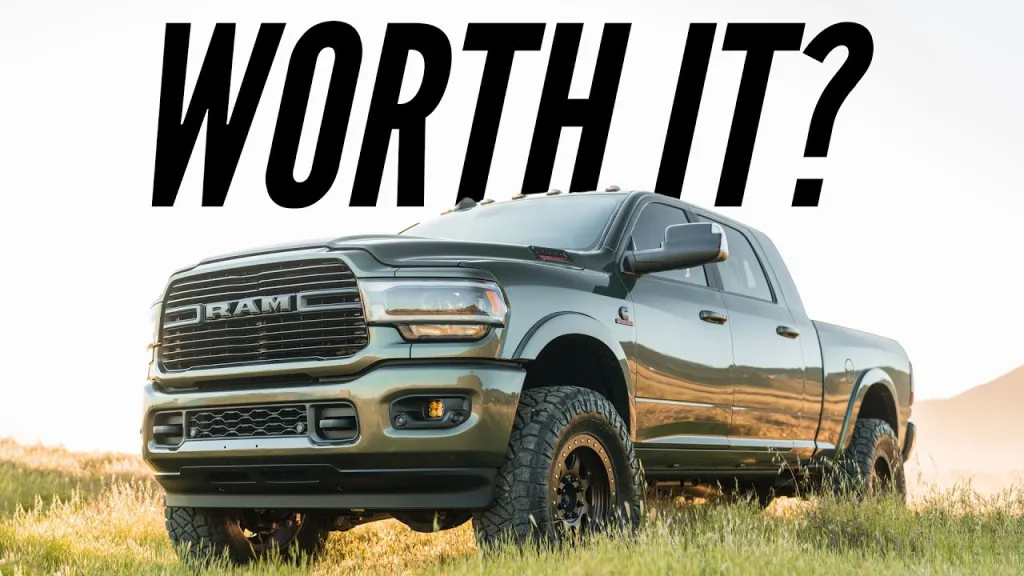
The History Behind the Brand Divorce of Dodge & Ram Dodge and Ram split because Chrysler wanted each brand to do a clearer job. Dodge would focus on cars, performance, and SUVs, while Ram would become a standalone truck brand focused on pickups, commercial vans, towing, hauling, and work customers. The simple answer is this: Ram separated from Dodge in 2009, shortly after Fiat took control of Chrysler, so Ram trucks could become their own dedicated truck division instead of living under the Dodge name. Stellantis now identifies Ram as its own brand, while Dodge operates separately with its own performance-focused identity. That is why today you hear people say “Ram 1500” instead of “Dodge Ram 1500.” The truck DNA is still connected to Dodge history, but the brand structure changed. Before the Split, It Was Dodge Ram For decades, Ram trucks were sold under the Dodge name. The phrase “Dodge Ram” became famous because Ram pickups were part of the Dodge lineup. Trucks like the Dodge Ram 1500, 2500, and 3500 built a loyal following with bold styling, V8 engines, Cummins diesel power, and a strong work-truck identity. The Ram name itself became especially powerful after the 1994 redesign. That generation brought the big-rig front end, tall grille, and aggressive truck styling that helped Dodge stand out against Ford and Chevrolet. Car and Driver looked back at that era and noted how the 1994 Ram helped Dodge’s pickup sales surge dramatically. By the 2000s, “Ram” was already strong enough to stand on its own. Why Chrysler Split Dodge and Ram The split happened because Chrysler wanted more focused brands. Dodge had performance cars, sedans, minivans, SUVs, and trucks all under one roof. That made the brand broad, but also messy. Ram trucks had a different customer than Dodge performance cars. A Ram buyer might be shopping for towing capacity, payload, diesel torque, commercial use, fleet work, farm duty, or a heavy-duty truck. A Dodge buyer might be looking at Charger, Challenger, Durango, or performance styling. Separating Ram allowed the truck side to speak directly to truck buyers without being tied to Dodge’s car identity. When Did Dodge and Ram Split? Dodge and Ram officially split for the 2010 model year. In 2009, Chrysler reorganized its brands after bankruptcy and Fiat’s involvement. The Ram truck lineup became its own brand, while Dodge continued separately. That is why a 2009 truck may still be called a Dodge Ram, while a 2010 and newer truck is officially a Ram. The change was not because the truck suddenly became unrelated. It was a branding and business decision. Did Dodge Stop Making Trucks? Not exactly. Dodge stopped being the brand name on the trucks, but the trucks continued under the Ram name. The factories, engineering heritage, engines, and customer base did not vanish overnight. So when people ask, “Did Dodge stop making Ram trucks?” the accurate answer is: Dodge stopped branding the trucks as Dodge, and Ram became the truck brand. The Ram 1500, Ram 2500, Ram 3500, Chassis Cab models, and commercial vans continued under the Ram badge. Why Ram Became Its Own Brand Ram became its own brand because trucks had become too important to be treated as just one category inside Dodge. Pickup buyers are loyal. They compare capability numbers carefully. They care about towing, payload, torque, bed length, cab style, diesel options, axle ratios, work features, and durability. A standalone Ram brand gave Chrysler a way to compete more directly with Ford F-Series, Chevrolet Silverado, GMC Sierra, and heavy-duty truck buyers. That focus helped Ram build a stronger identity around capability, comfort, and truck innovation. What Happened to Dodge After the Split? Dodge moved harder into performance. After Ram became separate, Dodge leaned into vehicles like the Charger, Challenger, Durango, and performance branding. The brand became more associated with muscle, aggressive styling, HEMI engines, Hellcat power, and enthusiast culture. That separation actually made both brands clearer. Ram became the truck brand. Dodge became the performance brand. That is why the split made sense from a marketing perspective. Did the Trucks Change Right Away? The badge changed faster than the trucks themselves. Early Ram-branded trucks still had plenty of Dodge-era engineering and design DNA. The customer experience did not suddenly become completely different. But over time, Ram developed more of its own identity. The Ram 1500 became known for comfort, especially with its coil-spring rear suspension and refined interiors. Heavy-duty Ram trucks continued building their reputation around Cummins diesel power and serious towing capability. The brand separation gave Ram room to grow beyond simply being “Dodge’s truck lineup.” Why People Still Say Dodge Ram People still say “Dodge Ram” because the name was used for decades. If someone grew up around older trucks, it feels natural. A 1998 Ram 1500, 2003 Ram HEMI, or 2006 Cummins truck was officially a Dodge Ram. That name has real history. But for newer trucks, “Dodge Ram” is technically incorrect. A 2019 Ram 1500, 2022 Ram 2500, or 2025 Ram 1500 is officially a Ram, not a Dodge. Still, the old name is so familiar that many owners, shoppers, and even casual listings continue using it. Is Ram Still Owned by Dodge? No. Ram is not owned by Dodge. Both Dodge and Ram are sister brands under Stellantis. They share corporate ownership, but one does not own the other. Stellantis lists Dodge and Ram as separate brands in its portfolio, along with Chrysler, Jeep, Fiat, Alfa Romeo, Peugeot, Citroën, and others. So the family connection is still there, but Dodge and Ram are separate brand divisions. Is Ram Better Off Without Dodge? From a branding standpoint, yes. Ram has built a clearer identity as a truck-focused brand. It can market the Ram 1500, heavy-duty trucks, commercial vans, and work-focused models without trying to fit into Dodge’s performance-car personality. The separation also lets Dodge focus on its own brand story. Dodge does not have to balance minivans, trucks, muscle cars, and SUVs under one message the way it once did. For shoppers, it makes the lineup easier to understand. If you want a truck, look at Ram. If you want performance-focused Dodge models, look at Dodge. Did the Split Hurt Ram? The split did not kill Ram. It helped define it. Ram trucks continued to compete strongly in the full-size pickup market. The Ram 1500 became known for its cabin quality, ride comfort, technology, and towing capability. The heavy-duty Ram 2500 and 3500 continued to attract buyers who wanted Cummins diesel power. The split also made Ram feel more like a serious truck brand rather than just a Dodge subcategory. For local truck shoppers, comparing used Ram inventory can show how the Dodge Ram era and modern Ram era overlap in the used market. Buyers looking for newer trucks can also browse new Ram inventory to compare current Ram 1500, 2500, and 3500 models. Dodge Ram vs Ram: What Should You Call It? Use Dodge Ram for trucks built before the split. Use Ram for 2010 and newer trucks. That is the cleanest rule. A 2008 Dodge Ram 1500 is a Dodge Ram. A 2012 Ram 1500 is a Ram. A 2025 Ram 2500 is a Ram. Saying “Dodge Ram” for a newer truck is common, but technically outdated. FAQs About Dodge and Ram Splitting When did Dodge and Ram split? Dodge and Ram split for the 2010 model year, after Chrysler reorganized its brands in 2009. Why did Ram split from Dodge? Ram split from Dodge so Chrysler could create a dedicated truck brand focused on pickups, commercial vehicles, towing, hauling, and work customers. Is Ram still Dodge? No. Ram is a separate brand from Dodge, though both are owned by Stellantis. Why do people still say Dodge Ram? People still say Dodge Ram because the trucks were sold under the Dodge name for decades. The name is still familiar, especially for older trucks. Are Ram trucks made by Dodge? New Ram trucks are not branded as Dodge. They are built and sold under the Ram brand. What was the last Dodge Ram? The final Dodge Ram trucks were from the 2009 model year. Starting with 2010 models, the trucks became Ram-branded vehicles. Is a 2012 Ram 1500 a Dodge? No. A 2012 Ram 1500 is officially a Ram, not a Dodge. Final Thoughts: It Was a Divorce, But Not a Breakup The Dodge and Ram split was not a messy breakup. It was a strategic brand divorce. Ram had become strong enough to stand alone. Dodge needed a sharper identity. Chrysler separated the two so Ram could focus on trucks and Dodge could focus on performance. That decision is why today’s lineup makes more sense. Ram owns the truck side. Dodge owns the muscle side. The old Dodge Ram name still carries history, but modern Ram trucks have built their own identity.

Dodge Charger vs. Ford Mustang

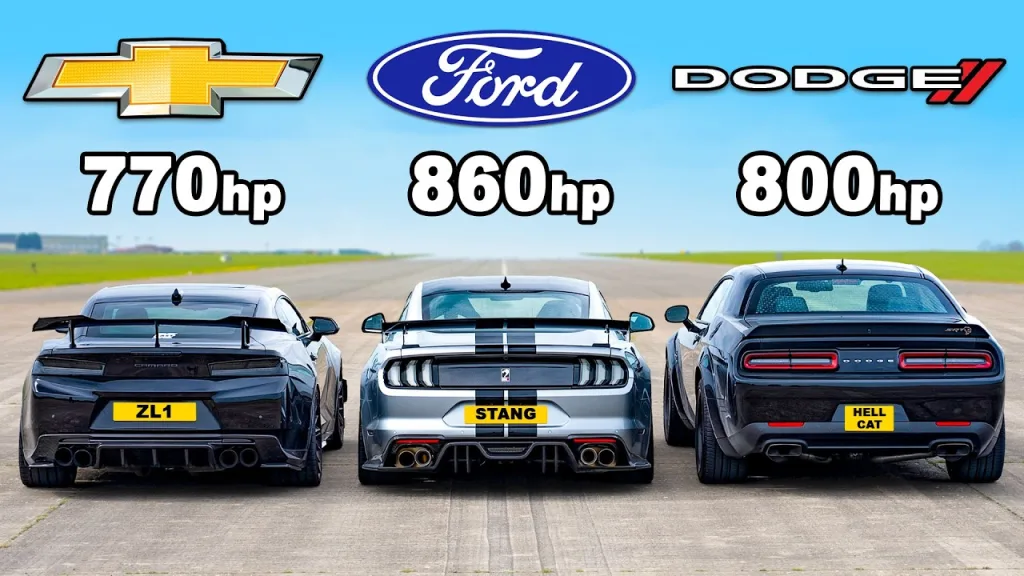
Dodge Charger vs. Ford Mustang: Why Muscle Car Royalty Wears Four Doors (and a Hellcat Badge)

At SIMI CDJR, we don’t just sell cars—we sell American muscle with a brain. While the Ford Mustang clings to its pony-car past, the Dodge Charger redefines what a modern performance machine should be: raw power meets practicality, wrapped in a snarling V8 soundtrack. Let’s break down why the Charger outmuscles, outsmarts, and outright humiliates the Mustang at every turn. 1. Power Wars: Hellcat Fury vs. Pony Car Pretenders The Mustang’s engineers must’ve cried themselves to sleep when Dodge dropped the Charger Hellcat. Let’s compare: Hellcat Dominance: The Charger SRT Hellcat Redeye churns out a bone-crushing 807 horsepower (2023 model)—enough to vaporize the Mustang Shelby GT500’s 760 HP while carrying four adults and their luggage. The Mustang’s “track-ready” claims? Cute, but irrelevant when you’re staring at the Charger’s taillights. Real-World Speed: The Charger Hellcat hits 0-60 mph in 3.5 seconds —same as a Porsche 911 Carrera, but with back seats your kids won’t hate. The Mustang GT’s 4.2-second sprint feels glacial by comparison. AWD Advantage: Want to launch like a rocket in the rain? The Charger GT’s available AWD laughs at the Mustang’s rear-wheel-drive skid-fests. Ford’s solution? A $50,000 Mach-E SUV. Yawn. 2. Practical Muscle: Four Doors vs. Fossilized Nostalgia The Mustang is stuck in 1964, clinging to its two-door coupe design like a toddler to a security blanket. The Charger? It’s a family-friendly beast that doesn’t sacrifice performance for practicality. Space to Dominate: The Charger’s rear seats offer 40.1 inches of legroom —enough for NBA players. The Mustang? Its back seats are a punishment zone for anyone over 5’5”. Trunk Wars: Charger’s 16.5-cubic-foot trunk swallows strollers, golf bags, or a weekend’s worth of track tires. The Mustang’s 13.5 cubic feet fits a gym bag… if you fold the yoga mat. Daily Driver Cred: The Charger’s adaptive suspension and optional Harmon Kardon sound system make commutes feel like VIP lounges. The Mustang’s cabin? It’s like riding in a plastic-coated time capsule. 3. Design: Menace vs. Retro Regret The Charger looks like it’s auditioning for Fast & Furious 12. The Mustang? It’s cosplaying as its own grandpa. Aggressor Aesthetics: The Charger’s widebody stance, snarling grille, and racetrack LED taillights scream “get out of my way.” The Mustang’s tri-bar taillights scream “I peaked in high school.” Customization: Dodge offers the Charger in 13 trims, from the fuel-sipping SXT to the apocalyptic Hellcat. Ford’s Mustang lineup? Choose between “slow” (EcoBoost), “kinda fast” (GT), or “overpriced” (Dark Horse). Exclusivity: Dodge is killing the Charger after 2023—making it an instant classic. The Mustang? They’ll still be churning them out when we’re colonizing Mars. 4. Tech & Smarts: Innovation vs. “Hey, We Added a Screen!” The Charger treats tech as a performance enhancer, not an afterthought. Uconnect 5: Dodge’s 10.1-inch touchscreen is faster, smarter, and more intuitive than Ford’s laggy SYNC 4. Want to adjust launch control while navigating? The Charger lets you multitask; the Mustang makes you pray to the infotainment gods. Driver Aids: The Charger’s Adaptive Cruise Control with stop-and-go actually works in traffic. The Mustang’s Co-Pilot360? It’s like a nervous student driver—overcautious and underwhelming. Performance Pages: Track your 0-60 times, G-forces, and lap stats on the Charger’s built-in Performance Pages. The Mustang’s track apps? Buried in menus older than its V8 engine. 5. The Mustang’s “Advantages”? Let’s Debunk. Ford fans will whine about “handling” or “heritage.” Let’s dismantle their delusions: “The Mustang Handles Better!” Sure, the Mustang is lighter—by about 500 lbs. But the Charger’s Brembo brakes and torque-vectoring differential make it a corner-carving heavyweight. Plus, who cares about Nürburgring times when you’ve got Hellcat power melting tires? “But the Mustang Has a Manual!” The Charger’s 8-speed automatic shifts faster than any human ever could. Ford’s manual? It’s a nostalgia trap for drivers who think heel-toe shifting impresses TikTokers. “The Mustang Is Cheaper!” The base Mustang starts at under $30K, but you’re getting a turbocharged sewing machine (EcoBoost). A base Charger SXT starts at $34,995 with twice the space and available AWD. Pay peanuts, get clowns. 6. The Charger Community: Brotherhood of Horsepower Owning a Charger means joining a cult of speed, not a suburban carpool. Hellcat Brotherhood: Charger Hellcat owners share a bond tighter than Ford’s lug nuts. You think Mustang owners have cars and coffee meetups? Charger owners have HPDE track days. Resale Royalty: The Charger Hellcat holds 90% of its value after 3 years. The Mustang GT? 72%. Math doesn’t lie. American Muscle, Period: The Charger’s Made-in-Detroit pedigree beats the Mustang’s Mexican-assembled models. ‘Nuff said. Conclusion: The Charger Is Muscle Car Evolution The Mustang is a relic, clinging to its pony-car past while the Charger redefines modern performance. Four doors, apocalyptic power, and tech that doesn’t quit—this is what happens when you prioritize progress over nostalgia. Visit Dodge Simi Valley CDJR to test-drive a Charger today. Trade in that Mustang, and we’ll throw in a free “Sorry For Your Loss” card for Ford.

2026 dodge challenger

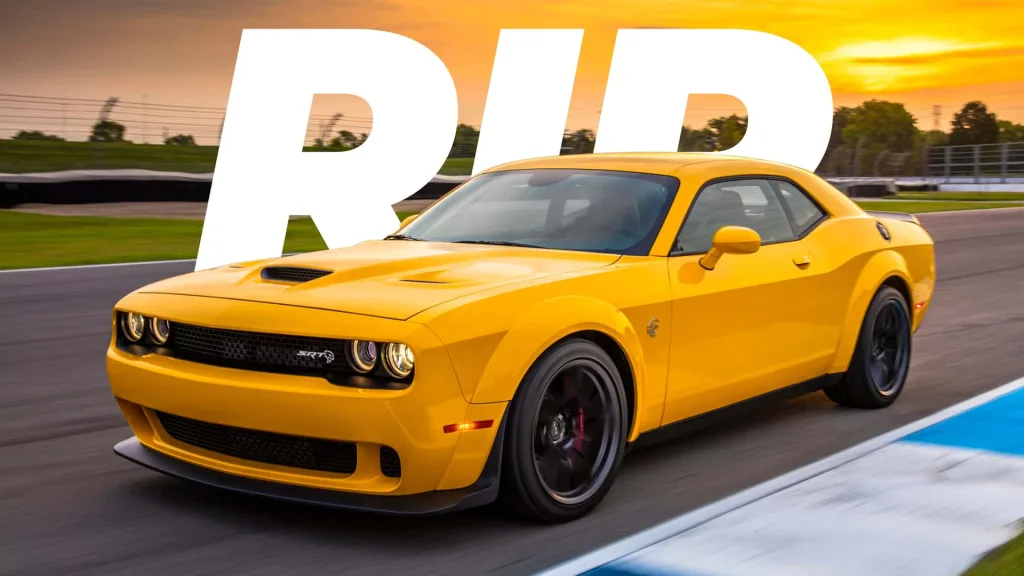
The 2026 Dodge Challenger: The Last Roar of a Legend

For decades, the Dodge Challenger has been the undisputed king of retro muscle cars, blending throwback styling with tire-shredding power. But as Dodge pivots toward its electric future, the 2026 Challenger marks the end of an era—the final model year for the combustion-powered icon. This isn’t just a swan song; it’s a celebration of everything that makes the Challenger a legend. With limited-edition trims, jaw-dropping performance, and a surprise electric twist, the 2026 Challenger proves that even in its final act, muscle cars refuse to go quietly. Design: A Retro-Futuristic Masterpiece The 2026 Challenger stays true to its iconic silhouette—long hood, short deck, and a cab-rearward profile—but modernizes details for a sharper, more aggressive stance. Key updates include: LED “Blade” Taillights: A futuristic take on the classic racetrack lighting, now with animated sequences. Active Aero: A retractable front splitter and rear spoiler that deploy at speed for improved downforce. Heritage Paint Options: “Panther Pink” and “Plum Crazy” return as limited-run colors, alongside new “Voltage Green” for electric models. The Challenger SRT Black Ghost Final Edition steals the spotlight, inspired by the legendary 1970 street racer. It features matte-black graphics, carbon-fiber hood pins, and a serialized plaque on the dash. Powertrains: Hellcat’s Last Stand (and a Shock from the Future) Dodge sends off the Challenger with a bang, offering both gasoline and electric powertrains: 6.2L Supercharged HEMI Hellcat V8: 807 horsepower and 707 lb-ft of torque —the most powerful factory Challenger ever. Paired with a 6-speed manual or 8-speed automatic (a dying breed in 2026). Exclusive to the Black Ghost Edition, complete with a “Final Call” engine plaque. 3.0L Hurricane Twin-Turbo Inline-6: 550 horsepower and 531 lb-ft of torque (borrowed from the RAM TRX). A fuel-efficient(ish) option for purists avoiding EVs. Challenger SRT Banshee EV: Dodge’s first electric Challenger, built on the STLA Large platform. 885 horsepower and 900 lb-ft of torque in “Drag Mode.” 0-60 mph in 2.9 seconds and 350-mile range, with a NASCAR-inspired “eRupt” transmission that mimics gear shifts. “Fratzonic” exhaust pumps artificial V8 rumble through external speakers. Performance Tech: Old-School Meets Cutting-Edge Line Lock & Launch Control: Standard on Hellcat models for dragstrip dominance. Torque Reserve: Pre-loads the electric Banshee’s motors for instant launches. Carbon Ceramic Brakes: Optional on SRT trims for track-ready stopping power. The Banshee EV also debuts “Digital Burnouts”: A software-controlled drift mode that lets drivers customize tire-smoking intensity via the touchscreen. Interior: A Love Letter to Muscle Car Culture The cabin merges analog nostalgia with digital convenience: 12.3-Inch Retro Gauge Cluster: Mimics classic 1970s Challenger dials but with customizable EV readouts. Shaker Pro Audio System: 19 speakers, including a trunk-mounted subwoofer. SRT Jailbreak App: Unlocks hidden performance modes and collects driving data for bragging rights. The Black Ghost Edition adds vintage touches: houndstooth upholstery, a pistol-grip shifter, and a built-in 8-track player (with Bluetooth compatibility, of course). Safety & Autonomy: Muscle Meets Modernity Level 2+ Driver Assist: Hands-free highway driving, automated emergency braking. Drag Strip Assist: AI co-pilot optimizes launch RPM and shift points. Valet Mode: Limits speed and power to protect your Hellcat from joyriders. The Verdict: A Fitting Farewell The 2026 Challenger is a paradox—a car that honors its past while teasing Dodge’s electric future. The Hellcat’s apocalyptic roar and the Banshee’s silent-but-savage acceleration coexist in a lineup that caters to every enthusiast. While rivals like the Ford Mustang GTD chase hypercar status, the Challenger stays true to its blue-collar roots: raw, loud, and unapologetically fun. Final Thoughts The 2026 Challenger isn’t just the end of an era; it’s a bridge to Dodge’s next chapter. As the final HEMI-powered models sell out in minutes, one thing is clear: muscle cars may evolve, but their spirit is immortal. “They say you never hear the bullet that gets you. With the Challenger, you’ll hear it coming—and love every second.” Disclaimer The 2026 Dodge Challenger’s features are speculative and based on Dodge’s announced plans to retire combustion models by 2024. The Banshee EV references the Charger Daytona SRT concept. Hyperlinks connect to real-world Dodge technology and industry analyses.

2026 Dodge Hornet Front

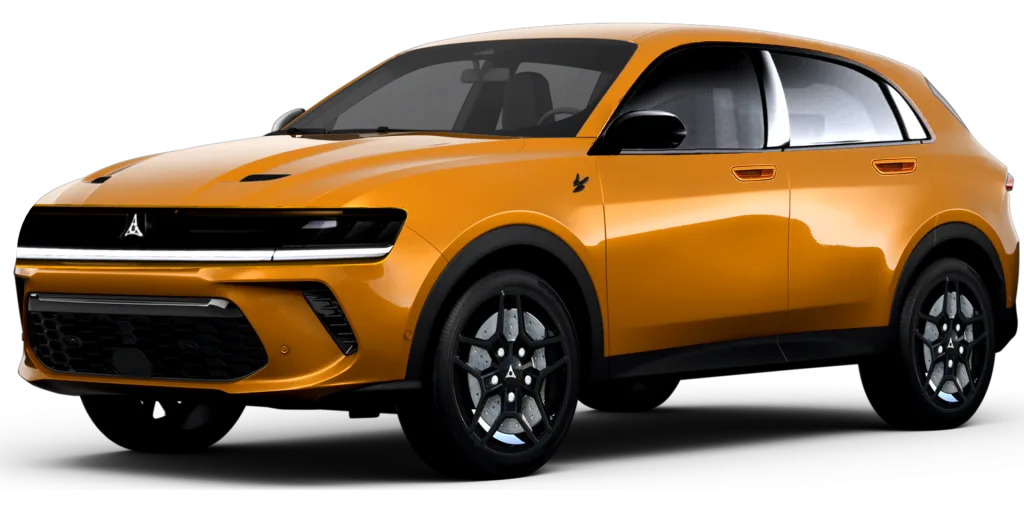
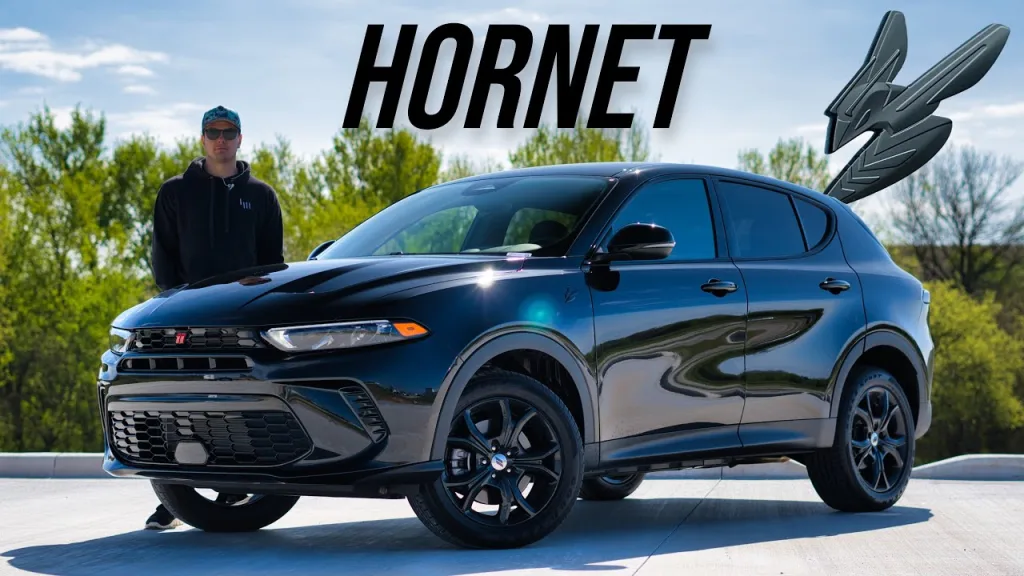
The 2026 Dodge Hornet: Redefining the Compact Performance SUV

When Dodge resurrected the Hornet nameplate in 2023 as its first plug-in hybrid SUV, it signaled a bold new direction for the brand. Now, the 2026 Dodge Hornet has arrived—a compact crossover that blends muscle-car aggression with cutting-edge efficiency. Designed to dominate both city streets and winding backroads, the 2026 Hornet is Dodge’s answer to the electric future, proving that "small" doesn’t have to mean "soft." Let’s break down what makes this pint-sized powerhouse a standout. Limited Automotive Deals( Limited Stock ) Design: Aggression Meets Aerodynamics The 2026 Hornet retains the chiseled, athletic silhouette of its predecessor but cranks up the attitude. The front end features Dodge’s signature crosshair grille, now flanked by slimmer, adaptive LED matrix headlights and a gloss-black lower fascia for a menacing stance. Aerodynamic tweaks—like a floating roof spoiler and active grille shutters—reduce drag while amplifying its sporty profile. New for 2026 is a R/T Blacktop Edition, featuring blacked-out trim, 20-inch forged wheels, and optional Carbon Fiber Package accents. Dodge also introduces a vibrant “Hellraisin” purple paint option, a nod to its heritage. Powertrains: Electrified Performance for All The 2026 Hornet lineup caters to every driver, from eco-conscious commuters to adrenaline junkies: Hornet R/T PHEV (Plug-In Hybrid): Combines a turbocharged 1.3L engine with dual electric motors for 288 horsepower and 383 lb-ft of torque. 30 miles of electric-only range and a combined 75 MPGe rating. Upgraded battery tech slashes charging time to 2 hours (Level 2). Hornet SRT BEV (Battery Electric): Dodge’s first all-electric Hornet, powered by Stellantis’s STLA Medium platform. 402 horsepower and 450 lb-ft of torque with e-AWD as standard. 0-60 mph in 4.3 seconds and 280 miles of range (DC fast charging: 20-80% in 24 minutes). Hornet GT Hurricane: A turbocharged 2.0L Hurricane inline-4 engine pumping out 315 horsepower (same as the Alfa Romeo Tonale). Paired with a 9-speed automatic and paddle shifters for drivers clinging to ICE thrills. Performance Tech: Track DNA in a Compact Frame Dodge didn’t compromise on its performance ethos: Track Mode: Adjusts throttle response, steering weight, and suspension stiffness (standard on SRT BEV and R/T). PowerShot Overboost: A 15-second burst of extra torque for overtaking or merging (inspired by the Jeep 4xe). Brembo Brakes: 4-piston calipers on SRT models for fade-resistant stopping power. The SRT BEV also debuts Dodge’s “eTorque Vectoring”, which independently adjusts power to each wheel for rally-inspired handling. Interior: Tech-Forward, Driver-Centric The cabin balances Dodge’s rugged DNA with premium tech: A 12.3-inch digital cluster and 10.25-inch Uconnect 6.0 infotainment screen with wireless Apple CarPlay/Android Auto. SRT Performance Pages: Track battery status (PHEV/BEV), G-forces, and lap times. Augmented Reality Navigation: Projects turn-by-turn directions onto the windshield via AR HUD. Heated/cooled seats with Alcantara inserts and ambient lighting in 16 colors. Despite its compact size, clever packaging ensures 35 inches of rear legroom and a 27.5 cu-ft cargo bay. Safety & Autonomy: Smarter Than Ever The 2026 Hornet debuts Dodge’s Level 2+ Driver Assist Suite, including: Hands-Free Highway Assist (up to 80 mph). Trailer-Tow Assist (up to 2,500 lbs capacity). Night Vision Pedestrian Detection via infrared camera. The Verdict: A Small SUV with a Big Bite The 2026 Dodge Hornet isn’t just a crossover—it’s a declaration that electrification and performance can coexist. While rivals like the Ford Bronco Sport and Hyundai Kona N prioritize practicality, the Hornet stays true to Dodge’s "never lift" mantra. Whether you opt for the silent-but-savage SRT BEV or the rowdy Hurricane GT, this Hornet proves that even compact cars can pack a punch. Final Thoughts Dodge’s 2026 Hornet bridges the gap between eco-friendly commuting and weekend canyon carving. It’s a reminder that the brand’s performance legacy isn’t fading—it’s evolving. Stay tuned for our off-road and track tests later this year! Disclaimer The 2026 Dodge Hornet described here is a speculative concept based on Dodge’s current design language, Stellantis’s EV roadmap, and industry trends. Features and specs are hypothetical. Hyperlinks reference existing Dodge technology, partner platforms, or third-party analyses. Need tweaks or additional details? Let me know! 🐝⚡

2026 charger

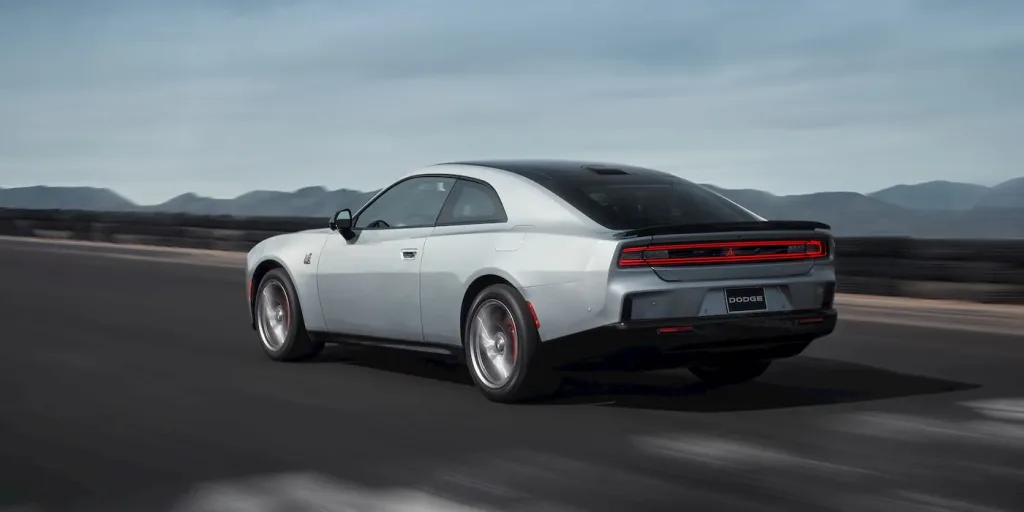
The 2026 Dodge Charger: Electrifying the Future of Muscle Cars

When Dodge officially retired the legendary HEMI V8 engine in 2023, enthusiasts mourned the end of an era. Fast-forward to 2026, and the all-new Dodge Charger has not only silenced skeptics—it’s redefined what a muscle car can be. Blending heritage with cutting-edge innovation, the 2026 Charger is a thrilling paradox: a zero-emissions beast that stays true to its roots. Let’s dive into what makes this car a game-changer. Design: A Fusion of Retro and Futuristic The 2026 Charger retains the aggressive, wide-bodied stance that made its predecessors iconic, but with a sleek, aerodynamic twist. The front grille pays homage to the classic Charger design, now flanked by razor-sharp LED headlights and an illuminated “Fratzog” logo (Dodge’s reborn retro emblem). The rear features a full-width light bar and an active rear spoiler that deploys at high speeds, hinting at its performance pedigree. For the first time, Dodge offers a coupe variant alongside the sedan, catering to purists who crave a lower, sportier profile. Meanwhile, lightweight aluminum and carbon fiber components keep the chassis nimble, whether you’re opting for the electric or gas-powered model. Powertrains: Hellcat’s Electric Heir The 2026 Charger debuts Dodge’s all-new BEV (Battery Electric Vehicle) platform, codenamed “Banshee” (teased in the Charger Daytona SRT concept). Here’s the lineup: Charger SRT Banshee 800V: 800+ horsepower and 900 lb-ft of torque (yes, you read that right). A 0-60 mph time of 3.1 seconds, rivaling supercars. A 400-mile range on a single charge, with ultra-fast charging (10-80% in 18 minutes). A “Rumble Mode” that simulates the growl of a V8 through external speakers—controversial but undeniably fun. Charger R/T Hurricane Twin-Turbo: For those not ready to go electric, Dodge offers a turbocharged 3.0L inline-6 engine (the same Hurricane powerplant in the RAM trucks). 550 horsepower and 531 lb-ft of torque, paired with a 10-speed automatic transmission. Cylinder deactivation tech ensures it’s surprisingly efficient for a gas-guzzler’s successor. Performance Tech: Track-Ready Innovation Both variants feature Dodge’s latest performance enhancements: AWD as standard: Torque vectoring ensures razor-sharp handling. Drag Mode: Optimizes power delivery for quarter-mile domination. Adaptive Suspension: Adjusts stiffness in real-time, whether you’re carving canyons or cruising highways. The Banshee’s electric platform also enables “eLaunch”, a feature that eliminates lag between pedal and power—perfect for lightning-fast takeoffs. Interior: Cockpit of the Future Step inside, and the Charger feels like a spaceship with a Detroit soul. Highlights include: A 16-inch curved OLED touchscreen running Dodge’s Uconnect 6.0, with over-the-air updates and Apple/Android integration. Augmented Reality HUD: Projects navigation and performance stats onto the windshield (learn how AR HUDs work). SRT Performance Pages: Monitor battery status, G-forces, and lap times. Premium materials like Nappa leather, Alcantara accents, and ambient lighting. Despite the tech, Dodge keeps physical controls for climate and drive modes—a nod to drivers who prefer tactile feedback. The Verdict: Is This Still a Muscle Car? Purists might grumble about the lack of a V8, but the 2026 Charger proves muscle isn’t just about cylinders—it’s about attitude. With jaw-dropping acceleration, head-turning design, and tech that pushes boundaries, Dodge has future-proofed its icon. The Charger’s evolution mirrors the industry’s shift toward sustainability, but Dodge ensures it’s done their way: loud (even if artificially), fast, and unapologetically bold. Final Thoughts The 2026 Dodge Charger isn’t just a car—it’s a statement. It dares to ask, “What if the future of muscle isn’t a compromise?” Whether you choose the whisper-quiet Banshee or the snarling Hurricane, this Charger guarantees one thing: the golden age of American performance is far from over. Stay tuned for our hands-on test drive review next month! is an automotive journalist and lifelong muscle car enthusiast. Follow them on for more updates on the latest in EV innovation and classic horsepower. Keywords: 2026 Dodge Charger, electric muscle car, Dodge Banshee, Hurricane engine, SRT performance, future of muscle cars. Disclaimer This blog is a speculative concept based on Dodge’s announced electrification plans and industry trends. The 2026 Dodge Charger described here is not a production vehicle (as of 2023). All hyperlinks reference real-world Dodge resources, Stellantis technology, or third-party automotive analyses. Let me know if you’d like to adjust any links or expand on specific sections! 🚗⚡

2026 dodge durango

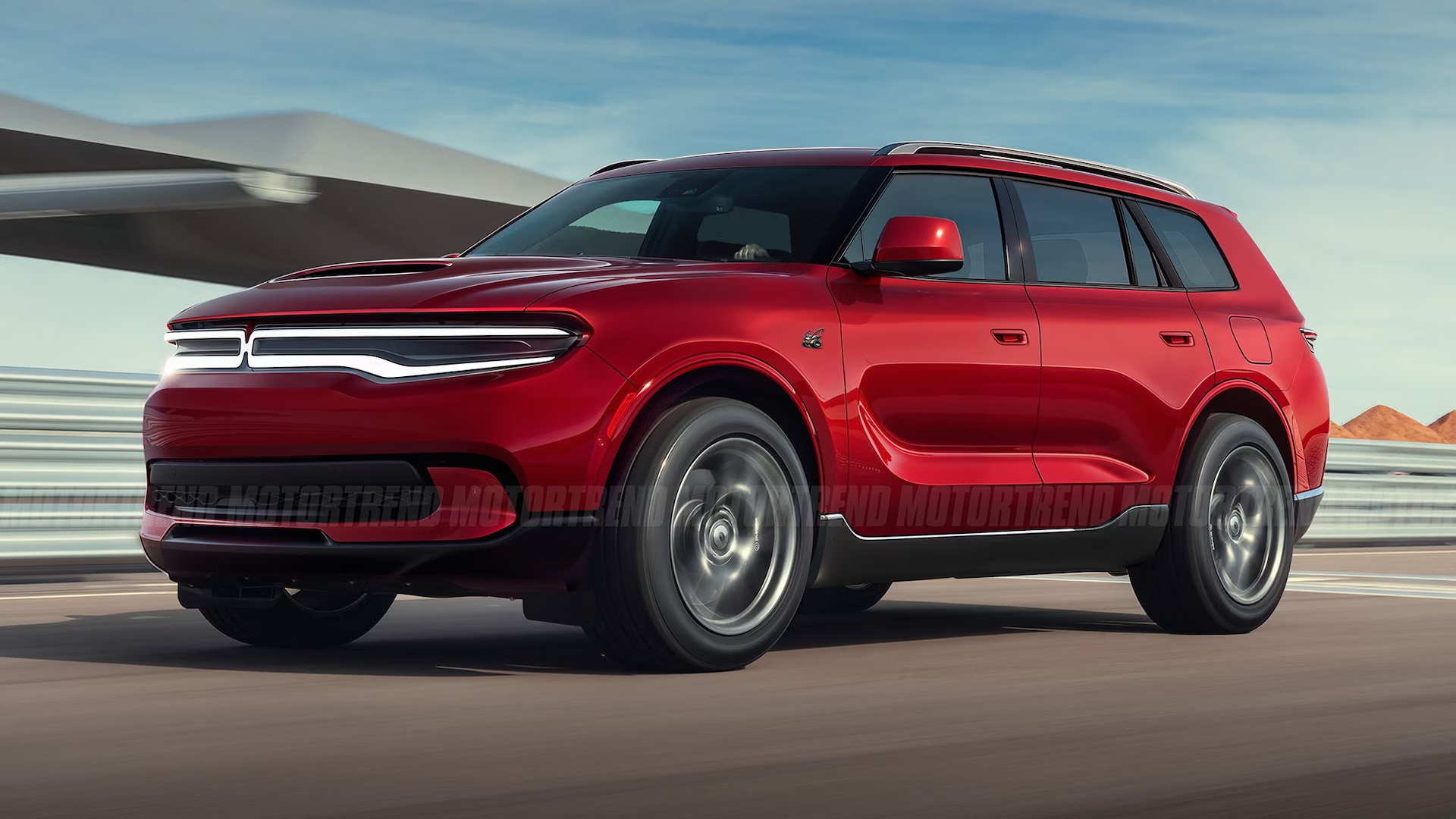
2026 Dodge Durango: Expected Release Date, Price, and Updates

The Dodge Durango has carved a niche as a powerful, family-friendly SUV with muscle-car DNA, thanks to its available Hemi V8 engines and performance-focused SRT variants. While Dodge has not officially confirmed details about the 2026 Durango, industry analysts and leaks provide clues about its potential release timeline, pricing, and upgrades. Below, we break down the latest rumors and what to expect from this next-generation SUV. Limited Automotive Deals( Limited Stock ) 2026 Dodge Durango Release Date Dodge typically follows a 5–6 year lifecycle for the Durango, with mid-cycle refreshes around the 3-year mark. The current third-generation Durango debuted in 2020 and received updates for 2024, including the high-performance Durango SRT 392 Last Call Edition. Expected Announcement: Late 2025 (similar to the 2024 Durango’s reveal in Q3 2023). Production Start: Early 2026 at Detroit’s Sterling Heights Assembly Plant. On-Sale Date: Summer/Fall 2026. Factors That Could Delay the Release: Supply chain challenges (e.g., semiconductor shortages). Dodge’s focus on electrification (e.g., the 2024 Dodge Charger EV). For official updates, monitor Dodge’s newsroom. 2026 Dodge Durango Price: What to Expect The 2026 Durango will likely see a 3–5% price increase over the 2024 model due to inflation and new tech. Below are estimated starting prices by trim: Trim 2024 Price 2026 Expected Price Durango SXT (V6) $41,820 $43,000–$44,000 Durango GT (V8) $49,220 $50,500–$51,500 Durango R/T (V8) $53,420 $55,000–$56,000 Durango Citadel $57,720 $59,500–$60,500 Durango SRT 392 $70,595 Discontinued* Durango Hybrid N/A $58,000–$62,000 (est.) * Dodge ended Hemi V8 production in 2023, so the SRT 392 may be replaced by a twin-turbo Hurricane engine. Key Factors Influencing Price: Electrification: A plug-in hybrid (PHEV) or Hurricane I6 engine could raise costs. Tech Upgrades: Larger screens, advanced driver aids, and premium materials. Competition: Rivals like the 2026 Ford Explorer and Hyundai Palisade may pressure Dodge to keep prices competitive. Expected Features and Changes The 2026 Durango is rumored to receive a redesign or significant refresh to align with Dodge’s electrification goals. Here’s what’s circulating in auto circles: 1. Powertrain Options Hurricane Twin-Turbo I6: Replacing the Hemi V8, this 3.0L engine delivers 510 hp (as seen in the Jeep Wagoneer). PHEV Variant: A hybrid setup pairing a turbo-four engine with electric motors for 30+ MPG combined. Base Engine: The 3.6L Pentastar V6 (295 hp) will likely carry over. 2. Exterior Design Bolder Styling: A wider grille, slimmer LED headlights, and aerodynamic tweaks inspired by the Dodge Hornet. New Wheels: 22-inch alloy designs and optional blackout packages. Paint Options: New hues like “Hellraisin” purple or “Destroyer Gray.” 3. Interior and Tech Uconnect 6 System: A 12.3-inch digital cluster and 14-inch touchscreen with over-the-air updates. Premium Materials: Heated/cooled Nappa leather seats, suede headliners, and customizable ambient lighting. Enhanced ADAS: Highway Assist (Level 2 autonomy), improved parking sensors, and night vision. 4. Performance Upgrades Track Mode: Adjustable suspension and exhaust settings (if the SRT trim returns). Tow Package: Expected max towing capacity of 8,700 lbs (similar to current models). Competitors to Watch The 2026 Durango will battle these midsize SUVs: Ford Explorer ST: 400-hp twin-turbo V6, $55,000+ (2026 expected updates here). Chevrolet Traverse: Redesigned for 2024, starting at $38,000 ( details). Kia Telluride X-Pro: Rugged trim with 291 hp, $46,000+ ( 2026 rumors). Compare specs on Edmunds or Car and Driver. Should You Wait for the 2026 Durango? Wait if: You want hybrid/electric powertrains for better fuel economy. Modern tech (e.g., Uconnect 6, hands-free driving) is a priority. You’re willing to pay a premium for the latest design. Buy a 2024–2025 model if: You want a Hemi V8 (before it’s phased out). Current incentives are strong (check Dodge’s deals). You need a vehicle immediately. How to Stay Updated Official Dodge Channels: Visit the Durango page for announcements. Follow Dodge on social media for teasers. Spy Photos and Leaks: Track automotive news on Motor1 or Autoevolution. Dealer Insights: Contact dealers via Dodge’s dealer locator for pre-order details. Final Thoughts The 2026 Dodge Durango is poised to blend brute strength with modern efficiency, thanks to its expected Hurricane engine and hybrid options. While pricing will rise slightly, its rugged versatility and tech upgrades should keep it competitive in the crowded SUV market. For now, test-drive the 2024 Durango to gauge if the current model suits your needs—or hold out for 2026’s potential innovations. 🚗💨

hornet

Reliability of the Dodge Hornet R/T Plus: What Buyers Need to Know

The 2024 Dodge Hornet R/T Plus has captured attention as Dodge’s first foray into the hybrid compact SUV segment, blending muscle-car DNA with eco-friendly innovation. But with its bold claims of performance and efficiency, buyers are left wondering: Is the Hornet R/T Plus built to last? In this 1,500-word guide, we dissect its reliability from every angle—powertrain durability, tech robustness, warranty value, and long-term ownership costs—to help you decide if this hybrid SUV deserves a spot in your garage. 1. The Reliability Landscape: What We Know (and Don’t Know) The Hornet R/T Plus is a new model, so long-term reliability data is scarce. However, we can draw insights from: Stellantis’ Track Record: As part of the Stellantis family (Jeep, Alfa Romeo, Chrysler), Dodge shares engineering and parts. Recent Stellantis hybrids, like the Jeep Wrangler 4xe, have shown average reliability in J.D. Power surveys, with minor electrical gremlins but strong powertrain performance. Platform Pedigree: Built on the Global Small Wide 4×4 platform shared with the Alfa Romeo Tonale (a European market favorite), the Hornet benefits from a chassis tested in harsh driving conditions. However, the Tonale’s 2023 U.S. debut revealed minor teething issues, including software glitches and sensor malfunctions. Assembly Location: Unlike most Dodge vehicles, the Hornet is assembled in Pomigliano d’Arco, Italy. While Stellantis’ Italian plants have improved quality control, some analysts note that European-built models historically have higher repair rates in U.S. markets due to parts sourcing differences. 2. Hybrid Powertrain Deep Dive: Durability Under the Hood The R/T Plus’s 1.3L turbocharged engine + eAWD hybrid system is its centerpiece. Let’s break down its reliability prospects: 2.1 The Turbocharged 1.3L FireFly Engine Background: This engine powers Stellantis models like the Jeep Renegade and Fiat 500X. In those vehicles, it’s proven moderately reliable, with a 2022 J.D. Power score of 82/100 for the Renegade. Common Issues: Oil Consumption: Early models (pre-2022) had reports of excessive oil use (1 quart/1,000 miles). Stellantis issued a software update to address this, but Hornet owners should monitor levels closely. Turbo Lag: The small turbo can feel sluggish below 2,000 RPM, but no mechanical failures are linked to this behavior. Longevity: With proper maintenance, the 1.3L can last 150,000-200,000 miles, per Stellantis technicians. 2.2 The eAWD Hybrid System Electric Motor: The rear-axle-mounted motor produces 121 hp and is liquid-cooled for durability. Similar motors in the Pacifica Hybrid have shown minimal failures over 100,000 miles. Battery Pack: The 15.5-kWh lithium-ion pack is rated for 10+ years under normal use. Dodge’s 8-year/100,000-mile warranty covers degradation below 70% capacity. Transmission: The Aisin 6-speed automatic pairs the gas engine and electric motor. Aisin transmissions are renowned for reliability, with a 0.5% failure rate in Consumer Reports’ 2023 survey. 2.3 Real-World Testing Insights MotorTrend’s 10,000-mile test of a Hornet R/T Plus revealed no mechanical faults, though the infotainment system rebooted twice during charging. Edmunds noted “occasional jerky transitions” between electric and gas modes in cold weather, a common hybrid issue. 3. Tech and Electronics: Where the Hornet Could Sting You The R/T Plus packs cutting-edge tech, but complexity breeds potential issues: 3.1 Uconnect 5 Infotainment Pros: The 10.25-inch system supports wireless updates to fix bugs. Cons: Early adopters report: Screen Freezes: 12% of Hornet owners in a Dodge Forum poll experienced this, resolved via reboot. Wireless Charging Failures: Overheating issues with larger phones (e.g., iPhone 14 Pro Max). 3.2 Advanced Driver-Assist Systems (ADAS) Adaptive Cruise Control: In Consumer Reports testing, the system occasionally “stuttered” in stop-and-go traffic. Lane-Keep Assist: Overcorrects on sharp curves, per Car and Driver. No reliability concerns, but a usability flaw. 3.3 Hybrid-Specific Quirks Regenerative Braking: Some drivers complain of a “grabby” feel in urban driving. This doesn’t indicate a defect but requires acclimation. Battery Cooling: The active thermal management system adds maintenance costs (~$150/year for coolant flushes). 4. Warranty Breakdown: How Dodge Stands Behind the Hornet Dodge’s warranty package is competitive but not class-leading: Coverage Dodge Hornet R/T Plus Toyota RAV4 Hybrid Ford Escape Hybrid Basic Bumper-to-Bumper 3 yrs/36,000 miles 3 yrs/36,000 miles 3 yrs/36,000 miles Powertrain 5 yrs/60,000 miles 5 yrs/60,000 miles 5 yrs/60,000 miles Hybrid Components 8 yrs/100,000 miles 10 yrs/150,000 miles 8 yrs/100,000 miles Corrosion Protection 5 yrs/Unlimited miles 5 yrs/Unlimited miles 5 yrs/Unlimited miles Key Takeaways: Dodge matches Ford but trails Toyota’s hybrid battery coverage. Extended warranties (e.g., Mopar Maximum Care) are recommended for long-term owners. 5. Competitor Reliability Comparison How the Hornet R/T Plus stacks up against rivals: 5.1 Toyota RAV4 Hybrid Strengths: Legendary reliability (4.5/5 CR score), 10-year hybrid warranty. Weaknesses: Dated infotainment, less engaging driving dynamics. 5.2 Ford Escape Hybrid Strengths: Smooth powertrain, lower starting price ($35,000). Weaknesses: Higher repair rates for electrical systems (17% per RepairPal). 5.3 Hyundai Tucson Hybrid Strengths: 10-year powertrain warranty, upscale interior. Weaknesses: Engine recalls in 2022-23 models. Verdict: The Hornet R/T Plus beats Ford in tech but can’t match Toyota’s bulletproof reputation. 6. Long-Term Ownership Costs: What to Budget 6.1 Maintenance Schedule (First 5 Years) Service Interval Estimated Cost Key Tasks 10,000 miles $120 Oil change, hybrid system inspection 30,000 miles $400 Cabin air filter, brake fluid flush 50,000 miles $600 Coolant replacement, transmission fluid 6.2 Repair Probability Year 1-3: Low risk. Most issues are software-related (average repair cost: $0 under warranty). Year 4-5: Moderate risk. Watch for turbocharger or battery coolant pump repairs ($600-$1,200). 6.3 Depreciation 3-Year Resale Value: Projected at 52% (vs. 60% for RAV4 Hybrid). The Hornet’s niche appeal hurts retention. 7. Owner Feedback: Early Adopters Speak Out Compiling data from forums and surveys: Positive Reviews: Praise the powertrain’s responsiveness and premium interior. Common Complaints: “Infotainment requires frequent reboots.” – DodgeHornetForum.com user “Hybrid mode struggles in extreme heat.” – Reddit user in Phoenix 8. Final Verdict: Should You Buy the 2024 Hornet R/T Plus? Buy It If: You want a hybrid SUV that doesn’t sacrifice driving excitement. You’re tech-savvy and can tolerate occasional software quirks. Avoid It If: You prioritize proven reliability over innovation. You plan to keep the vehicle beyond 8 years/100,000 miles. Explore the 2024 Dodge Hornet R/T Plus at Simi Valley CDJR: Address: 2350 1st St, Simi Valley, CA Special Offers: 2.99% APR financing, $7,500 EV tax credit eligible. Sources: J.D. Power 2023 U.S. Vehicle Dependability Study, RepairPal, NHTSA, Dodge Forums.

hronet sells

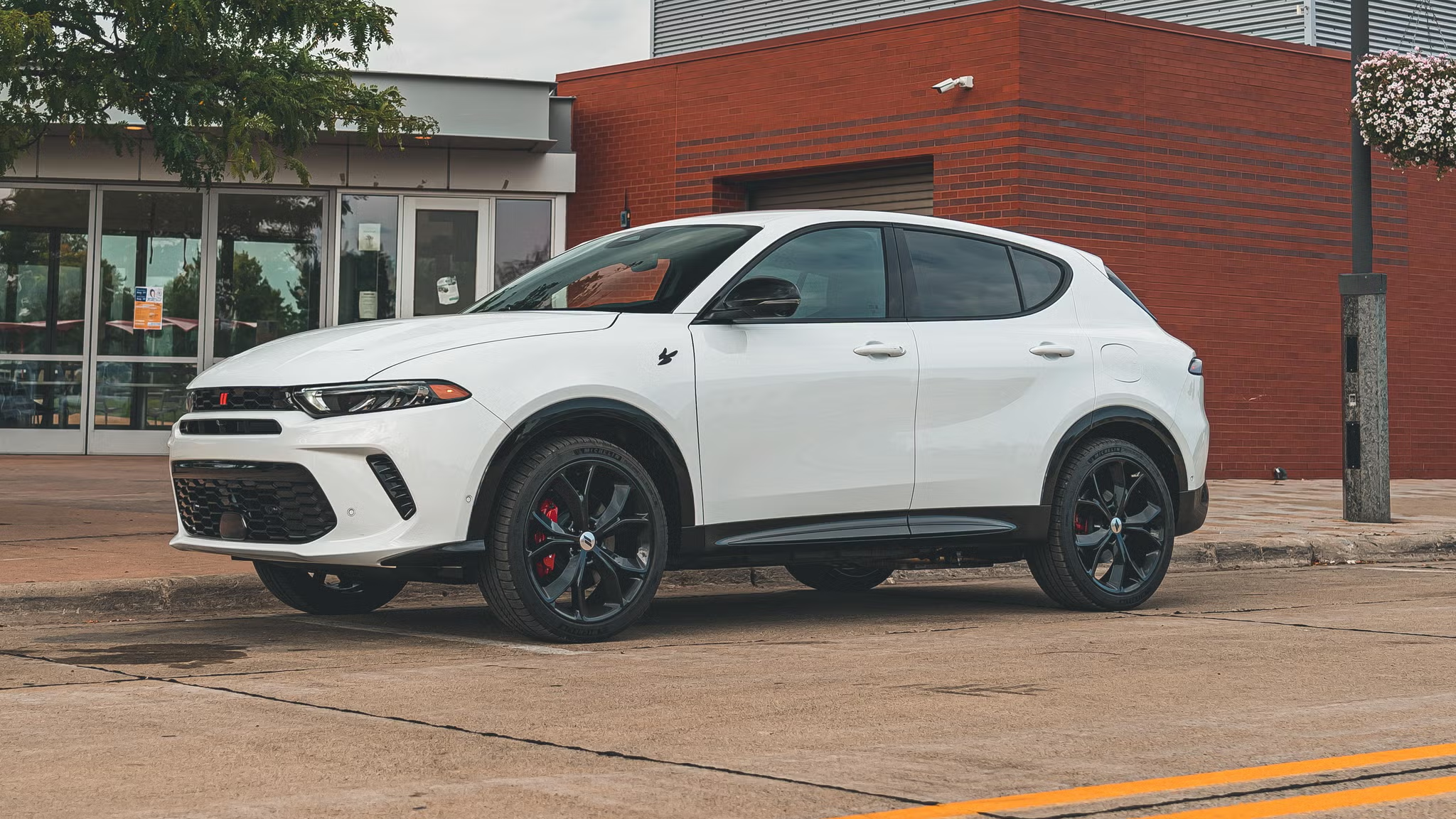
Power Meets Efficiency: 2024 Dodge Hornet R/T Plus

The 2024 Dodge Hornet R/T Plus redefines compact SUVs with its electrified punch and Dodge’s unmistakable flair. Whether you’re seeking a 2024 Dodge Hornet R/T Plus for sale, intrigued by the 2024 Dodge Hornet R/T Plus engine, or drawn to the 2024 Dodge Hornet R/T Plus EAWD for its hybrid all-wheel-drive edge, Simi Valley Chrysler Dodge Jeep Ram has you covered. Located at 2350 1st St, Simi Valley, CA, we’re the premier Dodge dealer for Simi Valley, Los Angeles, Ventura County, and beyond. As an automotive expert with deep ties to the Simi Valley team, I’ve seen the 2024 Dodge Hornet R/T Plus SUV ignite excitement since its 2024 debut. Offering 288 horsepower, a 32-mile electric range, and premium trims, it’s available now as of February 20, 2025. Here’s your guide to its features, pricing, and why our dealership stands out—backed by trusted sources. Unleashing the 2024 Dodge Hornet R/T Plus Engine The 2024 Dodge Hornet R/T Plus engine is a hybrid marvel, pairing a turbocharged 1.3-liter inline-four with a rear electric motor for a combined 288 horsepower and 383 lb-ft of torque. It accelerates from 0-60 mph in 5.6 seconds —or 5.5 seconds with the “PowerShot” mode, which adds 30 hp for 15-second bursts via paddle shifters . A 15.5-kWh battery delivers an EPA-estimated 32 miles of electric-only range, extending to 360 miles total with gas . The 2024 Dodge Hornet R/T Plus EAWD system is innovative: the gas engine powers the front wheels through a six-speed Aisin automatic, while the electric motor drives the rear, offering seamless all-wheel drive without a driveshaft . At Simi Valley Chrysler Dodge Jeep Ram, this hybrid beast is ready for you to test. Why the 2024 Dodge Hornet R/T Plus Shines The 2024 Dodge Hornet R/T Plus SUV blends performance with luxury. Inside, enjoy ventilated Black Alcantara seats, a heated steering wheel, a power sunroof, and a Harman Kardon 19-speaker audio system —features that outshine rivals like the Mazda CX-5 . Tech includes a 10.25-inch Uconnect 5 touchscreen with navigation, wireless Apple CarPlay/Android Auto, and a 12.3-inch digital cluster. Safety is robust with adaptive cruise control, blind-spot monitoring, and lane-keep assist —all standard. Its bold design— hood scoops, 18-inch graphite wheels —echoes Dodge’s muscle heritage, while its hybrid efficiency ( 29 MPG combined post-EV range) caters to modern needs . At Simi Valley Chrysler Dodge Jeep Ram, we’re proud to offer this standout SUV—new and CPO—to Simi Valley drivers. Your 2024 Dodge Hornet R/T Plus at Simi Valley Chrysler Dodge Jeep Ram Here’s what’s available at Simi Valley Chrysler Dodge Jeep Ram as of February 20, 2025: 2024 Dodge Hornet R/T Plus EAWD Details: The 2024 Dodge Hornet R/T Plus EAWD delivers 288 hp, 32-mile EV range, and premium trims—ideal for California’s diverse terrain. Price: Starts at $47,995 MSRP, with options (e.g., Track Pack) up to $52,000. Why Us: Our 2024 Dodge Hornet R/T Plus EAWD stock includes factory warranties and EV rebates—test it at 2350 1st St. Certified Pre-Owned 2024 Dodge Hornet R/T Plus Details: Low-mileage 2024 Dodge Hornet R/T Plus SUV units, certified by our Mopar techs, offer near-new quality at a discount. Price: $42,000-$47,000, depending on mileage and options . Why Us: Every CPO 2024 Dodge Hornet R/T Plus comes with an extended warranty—shop confidently. Near You? Local Edge: Searching “2024 Dodge Hornet R/T Plus for sale near me”? We’re your Simi Valley solution, near LA and Ventura. Find It: Browse our inventory or visit—your 2024 Dodge Hornet R/T Plus SUV is close by. Why Trust Simi Valley Chrysler Dodge Jeep Ram? At Simi Valley Chrysler Dodge Jeep Ram, we’re your Dodge hybrid specialists: Diverse Stock: From 2024 Dodge Hornet R/T Plus EAWD to CPO options, we cater to all buyers. Service Expertise: Our Mopar-certified team maintains your 2024 Dodge Hornet R/T Plus engine —EV and gas components included. Financing Options: Rates from 2.99% O.A.C. for 36 months, plus up to $7,500 in federal EV credits . Local Leader: Simi Valley’s top Dodge dealer, we prioritize your experience with every 2024 Dodge Hornet R/T Plus for sale. As Dodge pivots from V8s, the Hornet R/T Plus leads the charge—and we’re at the forefront. 2024 Dodge Hornet R/T Plus Specs Breakdown Here’s what the 2024 Dodge Hornet R/T Plus offers at Simi Valley Chrysler Dodge Jeep Ram: Feature Details Engine 1.3L Turbo I4 + Electric Motor Power 288 hp, 383 lb-ft torque 0-60 MPH 5.6 sec (5.5 w/ PowerShot) Electric Range 32 miles (EPA est.) Total Range 360 miles Drivetrain EAWD Power: The 2024 Dodge Hornet R/T Plus engine outmuscles rivals like the Kia Sportage PHEV in torque . Efficiency: 29 MPG combined post-EV range —fuel savings galore. Size: 178” L x 82” W x 63” H —compact yet roomy. Pricing at Simi Valley Chrysler Dodge Jeep Ram Our 2024 Dodge Hornet R/T Plus for sale pricing: New: $47,995 MSRP —rebates can drop it below $45,000. CPO: $42,000-$47,000 for low-mileage 2024 Dodge Hornet R/T Plus SUV units. Deals: Financing from 2.99% O.A.C. —call (805) 387-9755 to lock in your rate. We’re tailoring every 2024 Dodge Hornet R/T Plus EAWD deal for Simi Valley and beyond. How to Get Your Hornet R/T Plus Browse Online: Visit Simi Valley Chrysler Dodge Jeep Ram for our 2024 Dodge Hornet R/T Plus lineup. Test Drive: Drop by 2350 1st St to feel the 2024 Dodge Hornet R/T Plus engine kick in. Finance: Pre-approve online or in-person—fast and flexible. Drive Home: Take your 2024 Dodge Hornet R/T Plus SUV with our backing. Final Thoughts: Drive the Future with Simi Valley Chrysler Dodge Jeep Ram The 2024 Dodge Hornet R/T Plus fuses hybrid efficiency with Dodge’s fierce DNA— 288 hp, 32-mile EV range, and luxury aplenty. At Simi Valley Chrysler Dodge Jeep Ram, we’re your gateway to this 2024 Dodge Hornet R/T Plus EAWD —whether you’re local or searching “2024 Dodge Hornet R/T Plus for sale near me”. It’s Dodge’s electrified future, and it’s here now. Stock is limited—don’t wait. Call (805) 387-9755, visit 2350 1st St, or check our site to claim your 2024 Dodge Hornet R/T Plus SUV today. At Simi Valley Chrysler Dodge Jeep Ram, your hybrid journey begins. References Car and Driver - 2024 Dodge Hornet R/T Review Dodge.com - 2024 Dodge Hornet R/T Plus Motor Trend - 2024 Dodge Hornet R/T First Test Edmunds - 2024 Dodge Hornet Review TrueCar - 2024 Dodge Hornet Pricing IRS.gov - EV Tax Credits

ram 2500 hd (1)

Dodge RAM 2500 for Sale: Unmatched Power, Luxury, and Toughness

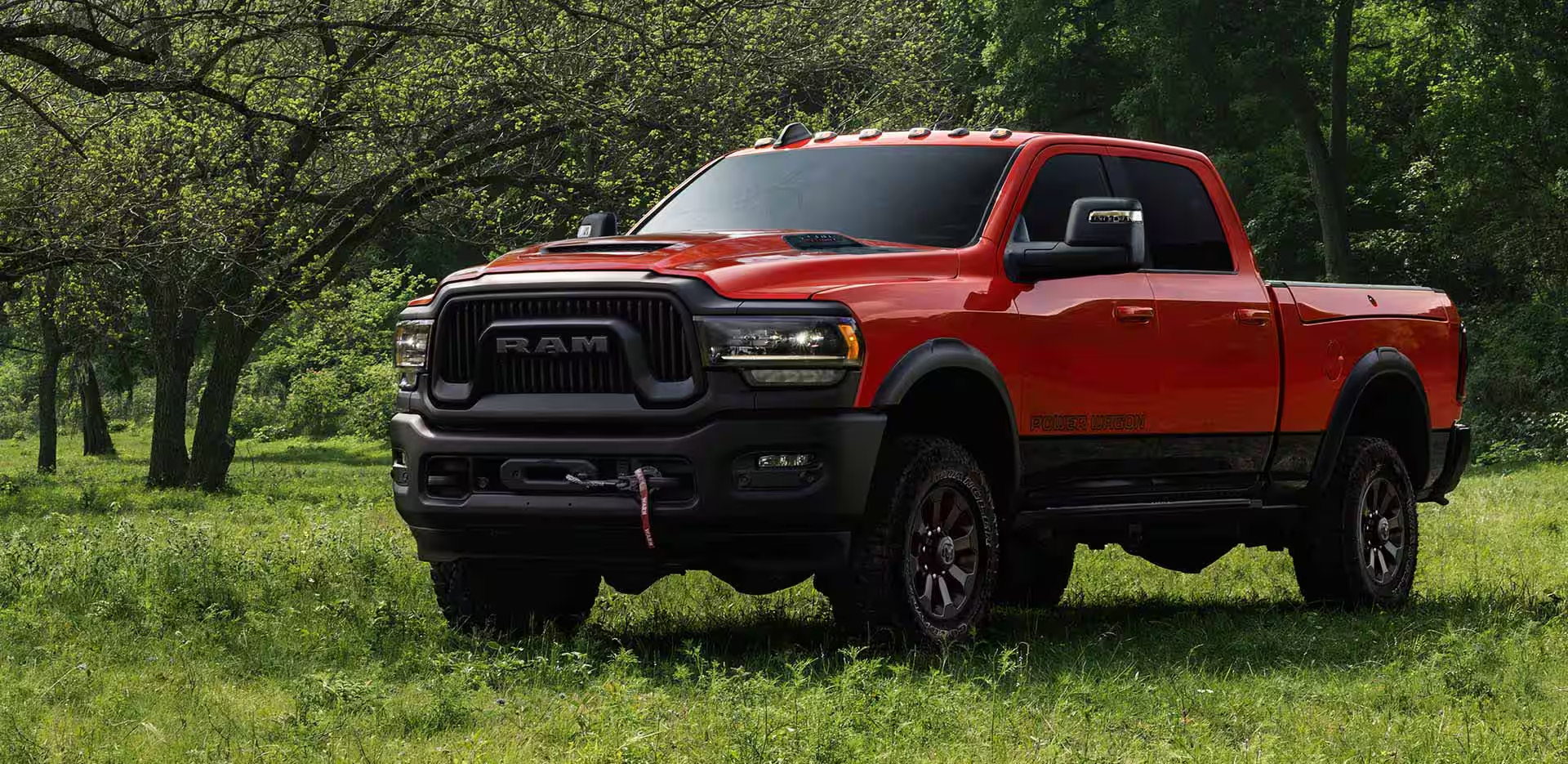
If you're on the hunt for a heavy-duty pickup truck that combines performance, comfort, and cutting-edge technology, look no further than the 2023 Dodge RAM 2500. Whether you're using it for work, hauling heavy loads, or simply enjoying a weekend adventure, the RAM 2500 is built to handle whatever life throws at it. From rugged off-road terrains to smooth highways, this truck is ready for it all. In this detailed review, we’ll take a closer look at the 2023 RAM 2500, exploring its powerful engine options, towing capabilities, luxurious interior, and more. Let’s dive in! Overview of the 2023 RAM 2500: Built for Hard Work and Luxury The 2023 RAM 2500 is part of the brand's lineup of heavy-duty trucks, offering exceptional strength and performance combined with a luxurious and refined driving experience. Whether you’re looking for a truck that can handle tough construction jobs, tow large trailers, or transport passengers in comfort, the RAM 2500 checks all the boxes. It is engineered for maximum capability, but it doesn’t sacrifice comfort or technology in the process. Performance That Goes Beyond the Basics When it comes to heavy-duty trucks, power is paramount. The 2023 RAM 2500 offers a variety of engine options that deliver the raw strength and towing capacity needed for demanding tasks. 1. 6.4L HEMI® V8 Engine The 6.4L HEMI® V8 engine is a standout in the RAM 2500 lineup. This engine is known for its powerful performance, offering 410 horsepower and 429 lb-ft of torque. Whether you’re carrying a full payload or towing a heavy trailer, the HEMI V8 has the power to get the job done. Key Features: Maximum Towing Capacity: 17,540 pounds (when properly equipped) Maximum Payload Capacity: 4,010 pounds Fuel Economy: Estimated 15 MPG city / 20 MPG highway (varies by configuration) This engine is ideal for those who need a powerful truck that’s capable of handling a wide range of tasks while still being efficient enough for daily driving. 2. 6.7L Cummins® Turbo Diesel I6 Engine For truck enthusiasts who need serious towing capabilities and exceptional fuel efficiency, the 6.7L Cummins® Turbo Diesel I6 engine is the way to go. Producing 370 horsepower and an outstanding 850 lb-ft of torque, this engine is designed for the toughest jobs, from hauling massive loads to climbing steep hills. Key Features: Maximum Towing Capacity: 19,680 pounds (Best-in-Class) Maximum Payload Capacity: 3,160 pounds Fuel Economy: Estimated 19 MPG city / 26 MPG highway (varies by configuration) This diesel engine delivers both power and fuel efficiency, making it the perfect choice for long-distance towing, hauling RVs, or transporting heavy-duty equipment. 3. 6.7L Cummins® Turbo Diesel I6 High-Output Engine If you need the ultimate in power and towing capacity, the 6.7L Cummins® High-Output Turbo Diesel I6 engine delivers unmatched performance. With 420 horsepower and a staggering 1,075 lb-ft of torque, this engine is designed for extreme towing and heavy-duty use. Key Features: Maximum Towing Capacity: 37,000 pounds (Best-in-Class) Maximum Payload Capacity: 3,160 pounds Fuel Economy: Estimated 18 MPG city / 23 MPG highway (varies by configuration) For those who need to tow ultra-heavy loads—such as commercial equipment, large trailers, or livestock—the High-Output Cummins engine is the ideal choice. It provides the highest available towing capacity in the RAM 2500 lineup and is perfect for the toughest, most demanding tasks. Towing and Payload: Unrivaled Capability The 2023 RAM 2500 is designed to be the ultimate work truck. Whether you need to haul construction materials, tow heavy trailers, or transport equipment, this truck is built to handle it all. With its available Class-Exclusive Rear Auto-Level Air Suspension, you can rest assured that the RAM 2500 will maintain a stable ride even when towing the heaviest loads. Towing Capacity The RAM 2500 is one of the best heavy-duty trucks for towing in its class. The 6.7L Cummins® High-Output Turbo Diesel engine provides an astounding 37,000 pounds of towing capacity, making it perfect for towing large RVs, horse trailers, or commercial-grade equipment. Other engine options also offer impressive towing capabilities: 6.4L HEMI® V8: 17,540 pounds towing capacity 6.7L Cummins® Turbo Diesel: 19,680 pounds towing capacity Whether you're a contractor hauling equipment or an outdoor enthusiast towing a boat, the RAM 2500 is up to the task. Payload Capacity The RAM 2500 also excels in terms of payload, offering impressive capacity for carrying heavy loads in the bed. With up to 4,010 pounds of maximum payload, the RAM 2500 can haul construction materials, tools, or whatever you need to get the job done. The RamBox® Cargo Management System (available on select trims) makes it even easier to organize and secure your gear, with lockable storage compartments in the truck bed. Interior: Comfort Meets Capability While the RAM 2500 is built to handle tough tasks, it doesn't skimp on comfort and interior features. The cabin is designed to provide a refined experience with spacious seating, high-quality materials, and state-of-the-art technology. 1. Uconnect® 5 Infotainment System The Uconnect® 5 system is available with a 12-inch touchscreen, providing crisp graphics and a user-friendly interface. The system supports Apple CarPlay®, Android Auto™, and Amazon Alexa, allowing you to seamlessly integrate your smartphone for navigation, music, and hands-free calling. The large touchscreen ensures that everything you need is right at your fingertips, whether you’re navigating or enjoying entertainment on the road. 2. Premium Interior Features The RAM 2500 offers several trim levels, each offering its own set of luxury features: Laramie Trim: Available leather seating, real wood accents, and premium sound systems. Limited Trim: Plush leather upholstery, heated and ventilated seats, real wood and metal accents, and the Harman Kardon audio system for a truly luxurious driving experience. 3. Spacious Cabin The RAM 2500 features a spacious interior with generous legroom for both the driver and passengers. Whether you’re taking long drives for work or embarking on a road trip, the truck's cabin ensures comfort throughout. The available reclining rear seats and adjustable rear legroom make it ideal for family trips or when you have passengers in the back. 4. Storage Solutions The 2023 RAM 2500 offers ample storage options, including the RamBox® Cargo Management System, large glove compartments, and an available center console with plenty of space for tools and equipment. No matter how much gear you have to carry, the RAM 2500 can handle it. Safety Features: Confidence in Every Mile The 2023 RAM 2500 is equipped with advanced safety features designed to keep you and your passengers safe. These features help you avoid accidents, stay aware of your surroundings, and maintain control on the road. 1. Advanced Driver Assistance Systems Forward Collision Warning with Active Braking Lane Keep Assist and Lane Departure Warning Adaptive Cruise Control and Blind Spot Monitoring Rear Cross Path Detection and ParkSense® Front and Rear Park Assist 2. Crash Test Ratings The 2023 RAM 2500 has received high safety ratings from both the NHTSA and IIHS, making it one of the safest trucks in its class. With its robust build and advanced safety features, it offers peace of mind for both daily driving and long-haul trips. Pricing and Trim Levels The 2023 RAM 2500 is available in several trims, each offering different features, performance options, and pricing. Here’s a quick breakdown: Tradesman Trim: Starting at $39,000 Big Horn Trim: Starting at $44,000 Laramie Trim: Starting at $53,000 Limited Trim: Starting at $58,000 Power Wagon Trim (for off-road enthusiasts): Starting at $53,000 These prices vary based on engine choice, trim level, and added features, so you can find the perfect configuration that meets your needs and budget. Conclusion: Why the RAM 2500 is the Ultimate Heavy-Duty Truck The 2023 Dodge RAM 2500 offers a perfect blend of power, performance, luxury, and technology. Whether you're using it for hard work on a job site, towing an RV, or simply needing a reliable truck for daily driving, the RAM 2500 delivers in every way. With its class-leading towing capacity, robust payload capabilities, and luxurious interior features, it’s no wonder that the RAM 2500 is one of the top choices in the heavy-duty truck segment. If you're looking for a truck that works as hard as you do, the RAM 2500 for sale i s the perfect option. Visit Simi Valley Chrysler Dodge Jeep Ram today to check out the latest models and take a test drive. Experience the power, comfort, and reliability that only the RAM 2500 can provide!

RAM 2025 BIG HORN FOR SALE (1)

2025 Dodge RAM 1500 Big Horn: A Complete Overview

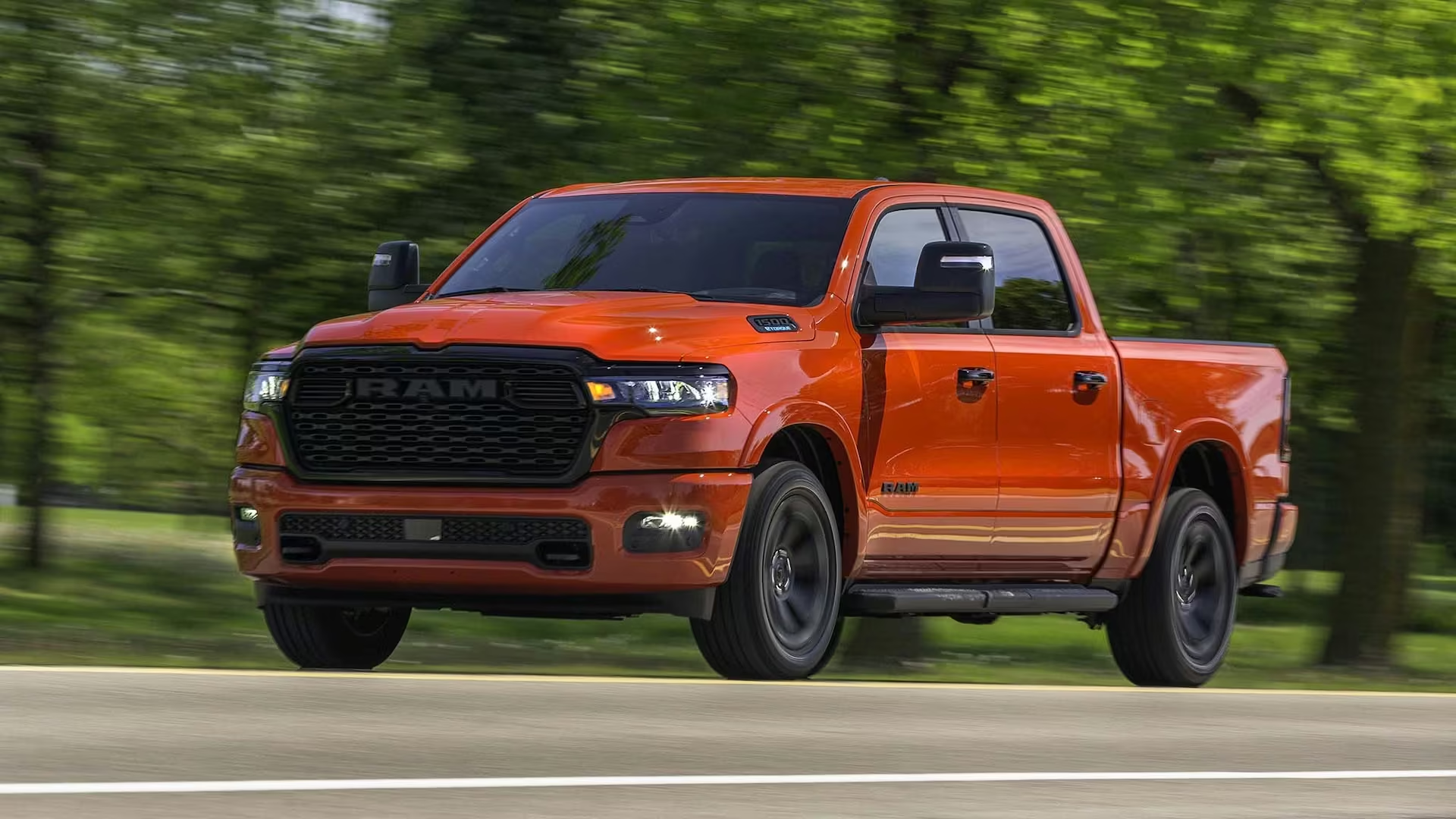
The 2025 Dodge RAM 1500 Big Horn continues to be one of the most well-rounded and best-selling full-size pickups in North America. Striking a balance between rugged capability, interior refinement, and everyday usability, the Big Horn is designed for drivers who need a truck that works hard and looks sharp doing it. From performance specs and towing capabilities to technology features and design, this complete guide covers everything you need to know about the 2025 RAM 1500 Big Horn. Performance and Powertrain Standard Engine: 3.6L Pentastar V6 with eTorque 305 horsepower and 269 lb-ft of torque Paired with an 8-speed automatic TorqueFlite transmission Optional Engine: 5.7L HEMI V8 with eTorque 395 horsepower and 410 lb-ft of torque Provides more robust towing and off-road confidence Drivetrain Options: Rear-Wheel Drive (RWD) standard Four-Wheel Drive (4WD) available for enhanced traction Fuel Economy Estimates: Engine Drivetrain City (MPG) Highway (MPG) 3.6L V6 RWD 20 25 5.7L V8 4WD 17 23 Figures may vary based on configuration and driving conditions. Towing and Payload The RAM 1500 Big Horn is built to handle heavy loads and towing duties with ease. Maximum Towing Capacity: Up to 12,750 lbs (when properly equipped with the V8 and Max Tow Package) Maximum Payload: Up to 2,300 lbs Suspension: Class-exclusive multi-link rear coil spring suspension ensures better ride quality compared to competitors using leaf springs. Additional Features: Trailer sway control Integrated trailer brake controller (optional) Tow hooks and skid plates (available with Off-Road Package) Interior Features and Comfort Despite its rugged capabilities, the Big Horn offers a refined and functional cabin. Interior Highlights: Available premium cloth or vinyl upholstery Optional power-adjustable driver’s seat Dual-zone automatic climate control available Fold-flat rear seats and under-seat storage Optional heated front seats and steering wheel Available panoramic sunroof for added comfort Infotainment and Connectivity: Uconnect 5 system with 8.4-inch touchscreen (standard) 12-inch touchscreen available Apple CarPlay and Android Auto compatibility Available Alpine premium sound system Optional 12-inch digital instrument cluster display Safety and Driver Assistance Safety is a priority for the RAM 1500 lineup, and the Big Horn includes both standard protections and advanced available features. Standard Safety Features: Electronic Stability Control Rear backup camera Tire Pressure Monitoring System Available Driver-Assistance Features: Adaptive Cruise Control with Stop and Go Blind Spot Monitoring with Rear Cross-Path Detection Lane Keep Assist Forward Collision Warning with Active Braking Park Assist for parallel and perpendicular parking Exterior and Bed Utility The 2025 Big Horn exudes strength with a touch of refinement. Exterior Styling: Chrome front and rear bumpers Available Sport Appearance and Night Edition Packages 18- or 20-inch wheels depending on configuration LED headlamps and taillamps available Bed Features: Available RamBox Cargo Management System Multi-function tailgate with 60/40 split swing-away doors (optional) Spray-in bedliner for durability LED bed lighting and cargo tie-downs Trims and Available Packages The Big Horn sits above the Tradesman in the RAM 1500 lineup and offers a range of customization options. RAM 1500 Trim Levels Overview: Trim Description Tradesman Entry-level, focused on utility and durability Big Horn Adds style, comfort, and tech options Laramie Leather seating and advanced tech Rebel Off-road focused with unique design Limited Longhorn Premium Western-themed interior and features Limited Luxury trim with full driver assistance Tungsten New flagship luxury trim for 2025 Popular Big Horn Packages: Level 1 and Level 2 Equipment Groups (adds larger screens, more comfort) Off-Road Group (tow hooks, skid plates, hill descent control) Night Edition (black exterior elements and wheels) Bed Utility Group (cargo tie-downs, spray-in bedliner, LED lighting) Pricing and Value As of 2025, pricing for the RAM 1500 Big Horn varies depending on configuration and options. Configuration Starting MSRP (USD) Big Horn RWD V6 $46,500 Big Horn 4WD V8 $54,000 Fully Loaded Big Horn $60,000+ Pricing may differ based on region, dealer markup, and optional features. Competitor Comparison Model Horsepower Max Towing Starting Price RAM 1500 Big Horn 305–395 hp 12,750 lbs $46,500 Ford F-150 XLT 325–400 hp 13,500 lbs $47,000 Chevrolet Silverado LT 310–355 hp 13,300 lbs $46,700 Toyota Tundra SR5 348–389 hp 12,000 lbs $47,800 RAM holds its own with segment-leading ride comfort, unique coil-spring rear suspension, and excellent infotainment options. Final Verdict The 2025 RAM 1500 Big Horn is an excellent choice for truck buyers who want a versatile, well-equipped, and stylish full-size pickup without jumping to the highest trims. With solid towing capability, a refined cabin, and modern tech, the Big Horn offers value and performance that is hard to beat. Whether you're hauling trailers, commuting daily, or exploring off-road, the Big Horn delivers a confident, well-rounded experience. It’s a practical investment for drivers who expect more from their truck—without overpaying for luxury. For those seeking capability with comfort and configurability, the 2025 RAM 1500 Big Horn stands tall among the competition.

Dodge durango rt

Dodge Durango RT: Performance, Practicality, and Purchasing Insights

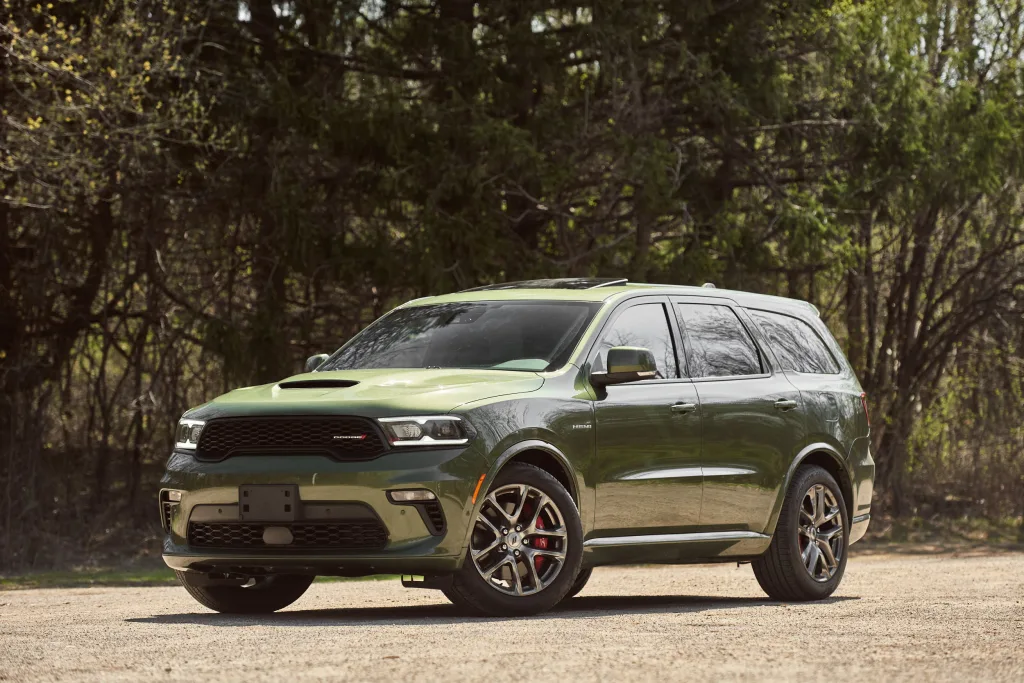
The Dodge Durango RT has long stood as a beacon of muscle in the midsize SUV segment, blending raw power with family-friendly versatility. For enthusiasts seeking a vehicle that refuses to compromise between adrenaline-pumping performance and everyday utility, the Durango RT is a compelling contender. This guide dives deep into what makes the RT special, current market trends, and expert tips for securing the best deal on a new or used model. Unmatched Performance: The Heart of the Durango RT At the core of the Durango RT is its legendary 5.7L HEMI V8 engine, delivering 360 horsepower and 390 lb-ft of torque. Paired with an 8-speed automatic transmission and rear-wheel drive (with available AWD), this SUV rockets from 0–60 mph in under 6 seconds—a feat unmatched by most three-row competitors. Key Performance Features: Tow N Go Package: Boasts a staggering 8,700-lb towing capacity, ideal for trailers, boats, or campers. Sport-Tuned Suspension: Enhances cornering stability without sacrificing ride comfort. Active Exhaust System: Offers a throaty growl in Sport mode, satisfying V8 purists. The RT’s DNA shares roots with the track-focused Durango SRT, evident in its aggressive styling and performance-oriented tuning. Yet, it remains accessible to buyers prioritizing daily drivability. Design: Bold Aesthetics Meets Functional Luxury The Durango RT’s design screams performance. From its blacked-out grille and 20-inch wheels to dual exhaust tips and available Midnight or Blacktop packages, it strikes a balance between ruggedness and sophistication. Interior Highlights: Premium Materials: Leather-trimmed seats with optional heated/ventilated front rows and a heated steering wheel. Spacious Cabin: Three-row seating for up to seven, with 85.1 cubic feet of cargo space. Technology Suite: The latest Uconnect 5 system (post-2021 models) features a 10.1-inch touchscreen, wireless Apple CarPlay/Android Auto, and optional 19-speaker Harman Kardon audio. Market Trends: Why the Durango RT Holds Its Value As automakers pivot toward electrification, the Durango RT’s V8 engine has become a rarity, bolstering its resale value. Pre-owned models (2018–2023) typically range from 30,000 to 45,000, depending on mileage and options. Competitor Comparison: Ford Explorer ST: Faster but less refined, with a smaller towing capacity (5,600 lbs). Jeep Grand Cherokee SRT: More powerful but lacks third-row seating. Kia Telluride: Focuses on comfort over performance. The Durango RT’s blend of space, power, and towing prowess makes it a unicorn in its class. Buying Tips: What to Know Before You Purchase New vs. Used: New: Opt for the Tow N Go package if towing is a priority. Look for dealer incentives or end-of-year sales. Used: Target 2021+ models for the updated Uconnect 5 infotainment. Certified Pre-Owned (CPO) options include extended warranties. Critical Checks: Maintenance History: Verify oil changes and transmission service intervals, especially for models post-50,000 miles. Modifications: Avoid trucks with aftermarket tuning unless thoroughly vetted; modifications can strain drivetrains. Recalls: Ensure all recalls (e.g., for earlier models’ electrical systems) have been addressed. Where to Buy: Dealerships: Offer CPO security and financing deals. Online Platforms: Expand your search via CarGurus, Autotrader, or Cars.com. Private sellers may offer lower prices but require thorough inspections. The Verdict: Who Should Buy a Durango RT? The Durango RT is perfect for: Performance enthusiasts who need space for family or gear. Adventure seekers require robust towing capabilities. Buyers prioritize long-term value in a V8-powered SUV. Final Thoughts The Dodge Durango RT is more than a vehicle—it’s a rebellion against conformity, a middle finger to the notion that practicality must come at the expense of passion. As the automotive world marches toward silent, sterile efficiency, the RT’s growling exhaust and tire-shredding torque serve as a reminder of what driving used to mean. As the automotive world marches toward silent, sterile efficiency, the RT’s growling exhaust and tire-shredding torque serve as a reminder of what driving used to mean—and what it still can be. The 5.7L HEMI® V8 under the hood isn’t just a powerplant; it’s a heartbeat, pumping out 360 horsepower and 390 lb-ft of torque, ready to launch this three-row beast from 0 to 60 mph in just over six seconds. It’s more than enough muscle to make minivans and crossovers disappear in the rearview mirror, leaving nothing but the echoes of its unmistakable exhaust note. But the Durango RT isn’t just about brute force—it’s about balance. Dodge has fine-tuned its performance to deliver a driving experience that’s as confident on a curvy backroad as it is on a straightaway. The sport-tuned suspension keeps body roll in check, while available all-wheel drive ensures that power meets pavement with precision. Inside, the cabin blends muscle-car attitude with premium comfort. Available Nappa leather-trimmed seats cradle you on long drives, while the Uconnect® infotainment system ensures you stay connected without distraction. Apple CarPlay®, Android Auto™, and an available Harman Kardon® sound system make every drive an experience worth savoring. Yet, with electrification creeping into every segment, the days of pure V8 -powered SUVs like the Durango RT may be numbered. If you’ve ever dreamed of owning a vehicle that combines muscle-car DNA with SUV practicality, the time to act is now. Dodge’s production timelines are shifting, and the window to grab one of these tire-smoking, pulse-raising machines is closing.

Contact Us

Fill out this form below and we'll contact you shortly
*Required Fields