Simi Valley Chrysler Dodge Jeep Ram

Blog / Dodge

Blog

All Dodge Jeep General Ram Questions Car Buying Guides Chrysler Simi Valley Chrysler Dealer Simi Valley Used Cars
Dodge Hornet

Does a Dodge Hornet Charge while Driving?

The Dodge Hornet R/T plug-in hybrid has sparked a common and often misunderstood question: does it actually charge its battery while driving, or does it only recharge when plugged in? The short answer is yes, it does charge while driving. The longer answer is more nuanced, and understanding it properly requires unpacking how plug-in hybrid systems work, what regenerative braking really does, and what the Hornet’s different drive modes are designed to accomplish. This guide explains exactly how the Dodge Hornet R/T manages its battery on the road, what “charging while driving” really means in practice, and what owners should realistically expect from the system. Understanding the Dodge Hornet R/T Powertrain Before discussing charging behavior, it is important to understand the Hornet R/T’s basic architecture. The Hornet R/T is a plug-in hybrid electric vehicle (PHEV). This means it combines: A gasoline engine One or more electric motors A high-voltage lithium-ion battery Power electronics that manage energy flow Unlike a mild hybrid or traditional hybrid, a PHEV is designed to be plugged into an external power source to recharge its battery. However, unlike a fully electric vehicle, it can operate indefinitely using gasoline once the battery is depleted. This dual-energy design is what allows the Hornet R/T to recover and reuse energy while driving. What “Charging While Driving” Actually Means When people hear that a car “charges while driving,” many imagine the battery refilling continuously as the vehicle moves forward. That is not how plug-in hybrids work. In the Dodge Hornet R/T, charging while driving refers to energy recovery and energy management, not active power generation. The vehicle does not create new energy from motion alone. Instead, it captures energy that would otherwise be lost and stores it for later use. There are two primary ways this happens: Regenerative braking Hybrid power balancing Each plays a different role in how the battery behaves on the road. Regenerative Braking: The Primary Source of On-Road Charging How Regenerative Braking Works Regenerative braking is the most significant way the Hornet R/T charges its battery while driving. In a conventional vehicle, pressing the brake pedal causes brake pads to clamp down on rotors, converting kinetic energy into heat. That energy disappears into the air and serves no further purpose. In the Hornet R/T, the electric motor is integrated into the drivetrain. When the driver slows down, the motor switches roles and acts as a generator. Instead of consuming electricity to drive the wheels, it uses the motion of the wheels to generate electricity. That electricity is sent back to the battery. This process happens automatically whenever the vehicle decelerates under conditions where regenerative braking is allowed. When Regenerative Braking Is Most Effective Regenerative braking is not equally effective in all driving situations. It works best when: Driving in stop-and-go traffic Slowing down frequently Driving downhill Approaching intersections or traffic lights Urban driving provides the most opportunities for energy recovery because frequent braking events allow repeated energy capture. On highways, regenerative braking plays a smaller role because the vehicle spends more time maintaining speed and less time decelerating. How Much Energy Does Regenerative Braking Recover? Regenerative braking does not recharge the battery from empty to full. Instead, it provides incremental gains. Over the course of a drive, these small gains add up, slowing battery depletion and occasionally increasing the displayed state of charge slightly. Think of regenerative braking as reducing waste rather than refueling. It improves efficiency but does not replace plugging in. Hybrid Mode: Battery Preservation Rather Than Battery Refilling The Dodge Hornet R/T’s Hybrid mode is often misunderstood. Many drivers assume the gasoline engine actively charges the battery like a generator. That is not exactly correct. In Hybrid mode, the vehicle’s control system decides how to use available power sources based on: Speed Throttle input Battery state of charge Driving conditions The gasoline engine can operate in a way that preserves battery charge by reducing reliance on the electric motor during certain conditions. In some scenarios, this can result in a modest increase in battery charge, but the primary goal is efficiency and balance, not rapid recharging. The system is designed to keep the battery within an optimal operating range so that electric assistance remains available when it provides the most benefit. What Hybrid Mode Does Well Prevents rapid battery depletion Allows electric motor assistance even after EV range is used Improves fuel economy Smooths acceleration and power delivery What Hybrid Mode Does Not Do Fully recharge the battery from empty Replace plug-in charging Provide long electric-only range on its own Electric Mode: Pure EV Operation With Limited Recovery When the Hornet R/T is placed in Electric mode, it prioritizes battery power and shuts off the gasoline engine entirely under normal conditions. In this mode: The vehicle operates as a fully electric car The engine remains off unless power demands exceed limits Regenerative braking still functions Although the battery does not actively recharge in Electric mode, regenerative braking continues to recover energy during deceleration. This slows battery depletion and can slightly extend electric range, especially in city driving. Once the battery reaches its lower charge threshold, the vehicle automatically transitions out of Electric mode to protect the battery and ensure continued operation. Can the Dodge Hornet Charge the Battery Without Plugging In? Yes, but with important limitations. The Hornet R/T can recover energy while driving, but it cannot fully recharge its battery through driving alone. External charging is required to restore full electric range. Without plugging in, the vehicle behaves more like a traditional hybrid, relying primarily on gasoline with electric assistance rather than extended EV operation. Why Plug-In Charging Still Matters Charging the Dodge Hornet R/T using a wall outlet or charging station provides benefits that on-road charging cannot match. Plug-in charging allows: Full battery replenishment Maximum electric-only driving Lower fuel consumption Reduced emissions Better overall efficiency Drivers who plug in regularly experience the Hornet R/T as it was intended: a vehicle capable of handling many daily trips entirely on electricity while retaining gasoline flexibility for longer journeys. Real-World Driving Scenarios Explained City Commuting In urban driving, regenerative braking works frequently. Short trips with frequent stops allow the Hornet to recover energy efficiently, extending battery life and reducing gasoline use. This is where the Hornet R/T performs best as a plug-in hybrid. Highway Driving At steady highway speeds, regenerative braking is minimal. Battery depletion occurs faster if Electric mode is used, and the vehicle transitions to Hybrid operation more quickly. However, Hybrid mode still improves efficiency by using electric assistance during acceleration and hill climbing. Stop-and-Go Traffic Heavy traffic provides ideal conditions for energy recovery. Frequent braking allows the battery to maintain charge levels longer than expected, even without plugging in. Additional Benefits of Regenerative Charging Reduced Brake Wear Because regenerative braking handles part of the deceleration process, traditional friction brakes are used less aggressively. This can lead to longer brake pad and rotor life. Improved Driving Smoothness Electric motors provide immediate torque, and regenerative braking creates smoother deceleration compared to traditional braking systems. Lower Operating Costs Reduced fuel consumption and less brake wear contribute to lower long-term operating expenses. Common Myths About Charging While Driving Myth: The Hornet charges the battery constantly while moving Reality: Charging only occurs during deceleration and specific hybrid conditions. Myth: You do not need to plug in a plug-in hybrid Reality: Plugging in is essential for maximum benefit. Myth: Hybrid mode rapidly recharges the battery Reality: Hybrid mode preserves and manages charge, it does not rapidly refill it. Final Verdict: Does the Dodge Hornet Charge While Driving? Yes, the Dodge Hornet R/T charges its battery while driving through regenerative braking and intelligent hybrid energy management. However, this charging is supplemental, not primary. The system is designed to recover lost energy, improve efficiency, and extend electric assistance rather than replace external charging. Drivers who understand this distinction and combine on-road energy recovery with regular plug-in charging will get the best performance, efficiency, and value from the Hornet R/T.

5

Is the Dodge Hornet AWD?

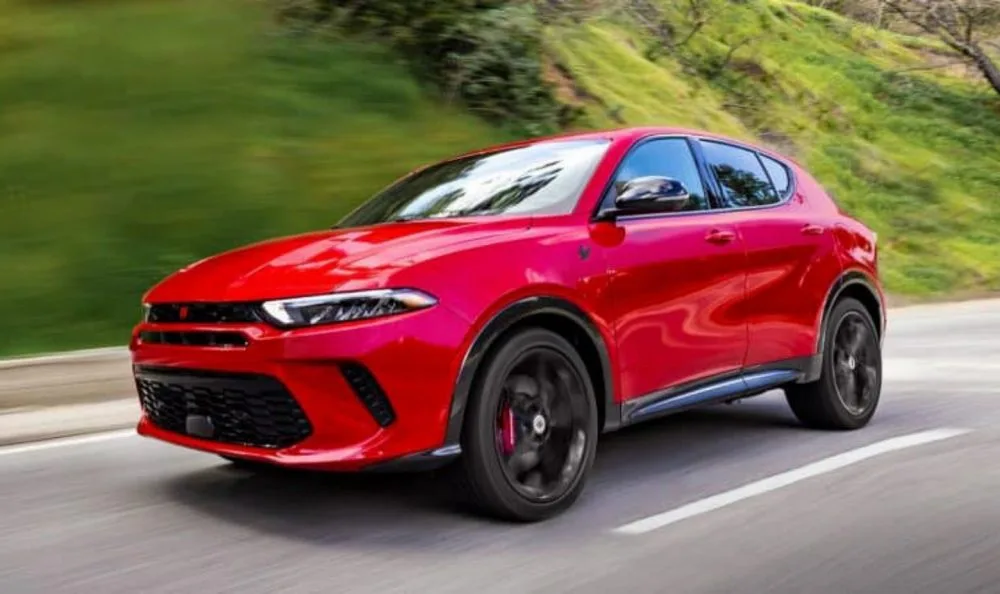
Is the Dodge Hornet AWD? The Dodge Hornet is shaking up the compact SUV market with its aggressive design, powerful turbocharged engines, and, importantly, available AWD capability. But many buyers still ask: Is the Dodge Hornet AWD? How capable is it off-road? What other Dodge AWD vehicles exist today? This guide will answer every major question about the Dodge Hornet all-wheel drive system, 4WD references, and even its leather seat options for those looking for comfort and style. Is the Dodge Hornet AWD? Yes, the Dodge Hornet is AWD — across every trim level. Every 2024 Dodge Hornet, from the GT to the R/T PHEV (Plug-In Hybrid), comes standard with an all-wheel drive (AWD) system. Dodge Hornet Trim AWD Standard Hornet GT Yes Hornet GT Plus Yes Hornet R/T (Hybrid) Yes Hornet R/T Plus (Hybrid) Yes If you're wondering is the Dodge Hornet AWD or is the Dodge Hornet 4x4, the answer is a strong yes. In fact, both gas-only and plug-in hybrid Hornet models offer AWD to help improve traction, cornering, and off-road performance. Dodge Hornet 4x4 vs AWD vs 4WD: Clarifying the Terms Some people search for Dodge Hornet 4x4, Dodge Hornet 4WD, or even Dodge Hornet four-wheel drive. Technically: The Hornet uses AWD (All-Wheel Drive), not traditional part-time 4WD (Four-Wheel Drive). AWD is automatic — it can send power to front or rear wheels as needed without driver input. 4WD systems (like those found in trucks and Wranglers) usually require driver activation and are intended for hardcore off-roading. In short: The Dodge Hornet is AWD — not 4WD or 4x4 in the traditional off-road sense — but it still offers outstanding all-weather capability for snow, rain, gravel, and dirt roads. Dodge AWD Vehicles: More Than Just the Hornet The Dodge Hornet AWD joins a proud lineup of Dodge all-wheel drive vehicles. If you love Dodge's performance but want AWD grip, here are your options: Dodge Model AWD Availability Dodge Hornet Standard AWD Dodge Durango AWD optional Dodge Charger AWD optional on V6 trims Dodge Challenger AWD optional on V6 trims When shoppers search Dodge all wheel drive cars or Dodge AWD vehicles, they often land on these choices. The Hornet is perfect for those wanting a compact, sporty AWD crossover, while the Durango serves families needing three rows. Dodge Hornet Leather Seats: Premium Comfort Beyond performance, the Hornet offers serious interior luxury. Available Dodge Hornet leather seats enhance cabin comfort on GT Plus and R/T Plus models: Feature Availability Leather-Trimmed Seats GT Plus, R/T Plus Heated Front Seats Standard on Plus trims Ventilated Front Seats Standard on R/T Plus If you are searching for Dodge Hornet leather seats, the Plus trims are your best bet. You also get a power driver's seat, a heated steering wheel, and premium interior stitching. Dodge Hornet Off-Road Capability While not a rock-crawler like a Wrangler, the Dodge Hornet offroad capability is respectable for a compact SUV. Thanks to its: Standard AWD Multi-link rear suspension Torque vectoring rear differential Optional 20-inch wheels with performance tires The Hornet can easily handle gravel, light dirt trails, muddy driveways, and snowy roads. However, if you are looking for a full-on mud bogging SUV, the Hornet is better classified as a rugged urban AWD crossover, not a true 4x4 off-roader. Quick Recap: Your Dodge Hornet AWD FAQs Answered Question Answer Is the Dodge Hornet AWD? Yes, standard on all trims Is the Dodge Hornet 4x4 or 4WD? Technically AWD, not traditional 4WD Does the Dodge Hornet have leather seats? Yes, on GT Plus and R/T Plus Can the Dodge Hornet go off-road? Light off-roading, gravel, and snow What other Dodge AWD vehicles are available? Durango, Charger (V6 AWD), Challenger (V6 AWD) Why Choose the Dodge Hornet? Choosing the Dodge Hornet AWD gives buyers an exciting mix of: Compact SUV practicality Dodge muscle car DNA Confident AWD traction Available plug-in hybrid fuel economy (R/T) Whether you are navigating California’s city streets or venturing out to light trails and snowy mountain roads, the Hornet has the toughness, style, and grip you want. Test Drive a Dodge Hornet AWD Today Interested in the Dodge Hornet AWD? Visit Simi Valley Chrysler Dodge Jeep Ram to explore our inventory of Hornet models. Whether you want the sporty GT or the plug-in R/T hybrid, we can help you find the perfect all-wheel-drive Dodge crossover for your needs. Contact us today at +1 (805) 387-9755 or stop by 2350 First St, Simi Valley, CA 93065. You can also browse available Dodge Hornet models online at www.simivalleychryslerdodgejeepram.com Adventure — and AWD traction — starts here.

Does the Dodge Hornet have Turbo?

Does the Dodge Hornet have Turbo? Does the Dodge Hornet Have Turbo? Yes, the Dodge Hornet is equipped with turbocharged engines, which enhance its performance and efficiency. Both variants of the Hornet— GT and R/T —feature turbocharged engines designed to deliver a spirited driving experience. Browse Dodge Hornet Engine Specifications Dodge Hornet GT: The GT variant comes with a 2.0-liter turbocharged inline-4 engine. This engine produces 268 horsepower and 295 lb-ft of torque. It is paired with a 9-speed automatic transmission, providing quick acceleration and smooth shifting​( The Drive)​( Cars.com). Dodge Hornet R/T: The R/T model takes performance a step further by combining a 1.3-liter turbocharged inline-4 engine with an electric motor, creating a hybrid system that produces a total of 288 horsepower. This setup not only boosts performance but also enhances fuel efficiency​( The Drive)​( Cars.com). Browse Dodge Hornet Benefits of Turbocharging Increased Power Output: Turbocharged engines are known for delivering more power than naturally aspirated engines of similar size. This means that the Hornet can offer a robust performance while maintaining a compact engine footprint​( The Drive). Improved Fuel Efficiency: Turbocharging allows for better fuel efficiency by enabling smaller engines to produce more power without consuming more fuel. This is particularly advantageous in urban driving scenarios where the Hornet is likely to shine​( Cars.com). Enhanced Driving Experience: With turbocharged engines, drivers can enjoy a more engaging and responsive driving experience. The Hornet's turbo engines provide instant throttle response and a satisfying power band, making it fun to drive in various conditions​( The Drive)​( Cars.com). Here’s a chart summarizing whether the Dodge Charger has a turbocharged engine and its relevant details: Model Year Engine Option Turbocharged Horsepower Torque 2023 3.6L Pentastar V6 Yes (optional) 300 hp 264 lb-ft 2023 5.7L HEMI V8 No 370 hp 395 lb-ft 2023 6.4L HEMI V8 No 485 hp 475 lb-ft 2023 6.2L supercharged HEMI V8 Yes (supercharged) 717 hp 650 lb-ft Does the Dodge Hornet Have Turbo? Overview Turbocharged Engine: The Dodge Charger offers a 3.6L Pentastar V6 engine as an option that is turbocharged, providing a balance of power and fuel efficiency. Supercharged Engine: The high-performance 6.2L supercharged HEMI V8 in the Charger Hellcat variants is not a traditional turbo but utilizes a supercharger to enhance performance significantly. Browse Dodge Hornet The Charger offers a variety of engine options, including turbocharged and supercharged variants, catering to different performance needs. For more information on engine specifications, you can visit Dodge’s official site or Car and Driver. Conclusion The Dodge Hornet’s use of turbocharged engines, including the 2.0-liter engine in the GT variant and the hybrid setup in the R/T model, showcases the brand’s commitment to performance and efficiency. These engines not only deliver impressive power but also ensure that drivers enjoy a dynamic driving experience. For more details on the Dodge Hornet, you can visit MotorTrend and Cars.com ​( The Drive)​( Cars.com). Browse Dodge Hornet

How Much Does a 2024 Dodge Charger Cost? A Comprehensive Guide

The 2024 Dodge Charger marks a significant shift in the iconic muscle car's history, transitioning to an all-electric powertrain while maintaining its performance heritage. This comprehensive guide breaks down the pricing structure, features, and key information for potential buyers interested in the latest iteration of this American classic. 2024 Dodge Charger Daytona Pricing The 2024 Dodge Charger Daytona comes in two primary trim levels, each with its own pricing structure: Dodge Charger Daytona R/T Starting Price: $61,590 (including $1,995 destination fee) Browse Dodge Charger The Charger Daytona R/T serves as the entry-level model for the electric Charger lineup. It comes equipped with: Direct Connection Stage 1 Upgrade 496 horsepower and 404 lb-ft of torque 18-inch aluminum wheels with 245/55R18 all-season tires Sport suspension Dodge Charger Daytona Scat Pack Starting Price: $75,185 (including destination fee) The Scat Pack trim offers enhanced performance and features: Direct Connection Stage 2 Upgrade 670 horsepower and 627 lb-ft of torque 0-60 mph in 3.3 seconds Quarter-mile time of 11.5 seconds Track Package with red Brembo brakes and adaptive damping suspension 20-inch aluminum wheels with 325/35R-20 all-season tires Browse Dodge Charger Key Features and Options Both Charger Daytona models come with a range of standard features and available options: Standard Features All-wheel drive 10.3-inch digital instrument cluster 12.3-inch touchscreen with wireless Apple CarPlay and Android Auto Wireless smartphone charger Heated front seats Power-adjustable driver's seat Remote start Available Packages Plus Group ($4,995) 16-inch digital gauge cluster Powered rear hatch LED headlights 20-inch Dark Aluminum wheels Sun & Sound Package ($2,495) Full glass roof 18-speaker Alpine PRO audio system with subwoofer Carbon & Suede Package (Scat Pack only, $2,995) Leather/suede high-back performance seats Carbon fiber and suede interior accents 20-inch Dark Aluminum wheels 3-Season Tires (Scat Pack only, $695) Goodyear Eagle F1 Supercar 3 summer tires Performance and Technology The 2024 Charger Daytona boasts impressive performance specs and cutting-edge technology: 100.5-kWh lithium-ion battery pack (93.5-kWh usable) Dual electric motors (one per axle) for all-wheel drive Power Shot feature for 15-second boosts of 40 extra horsepower Fratzonic exhaust system for simulated engine sound Drive eXperience Recorder for capturing performance data Browse Dodge Charger Cargo and Interior Space The new Charger Daytona offers improved practicality: 38.5 cubic feet of cargo space with rear seats folded 23 cubic feet with seats up 1.5 cubic foot front trunk (frunk) 60:40 split-folding rear seats Federal Tax Credit and Incentives Both the R/T and Scat Pack models qualify for the full $7,500 federal EV tax credit when leased. This incentive can significantly reduce the effective cost for buyers. FAQs When will the 2024 Dodge Charger Daytona be available? Production is set to begin in summer 2024, with vehicles expected to reach dealerships in the fourth quarter of 2024. What is the estimated range for the 2024 Charger Daytona? While Dodge has not officially released range figures, it's expected to be above average for its class, despite the vehicle's 5,838-pound weight. Can I still get a gas-powered Charger in 2024? The 2024 model year marks the transition to all-electric powertrains for the Charger. Gas-powered versions will no longer be available. How does the pricing compare to previous gas-powered Chargers? The electric Charger Daytona models are priced significantly higher than their gas-powered predecessors. The R/T is nearly $14,000 more than the 2023 gas R/T, while the Scat Pack is over $20,000 higher than the 2023 gas Scat Pack. Where is the 2024 Dodge Charger manufactured? The new Charger will be produced at the Windsor Assembly Plant in Ontario, Canada. In conclusion, the 2024 Dodge Charger Daytona represents a bold step into the electric future of this iconic muscle car. With its powerful electric powertrains, advanced technology, and performance-oriented features, it aims to carry on the Charger's legacy while embracing the shift towards electrification. While the pricing is higher than previous gas-powered models, the available federal tax credits and potential long-term savings on fuel and maintenance costs may make it an attractive option for muscle car enthusiasts looking to go electric. Browse Dodge Charger For more detailed information, you can check sources like Edmunds and Kelley Blue Book.

Contact Us

Fill out this form below and we'll contact you shortly
*Required Fields