





Is the Dodge Hornet a V8? The Dodge Hornet is not a V8. In fact, it’s quite different from the muscle cars Dodge is traditionally known for, like the Challenger and Charger, which often feature powerful V8 engines. The Dodge Hornet is a compact SUV that represents a new direction for the brand, focusing on efficiency, modern technology, and practicality while still offering a dash of performance that Dodge fans expect. Unlock Car Discounts For Free Is the Dodge Hornet a V8? A New Kind of Dodge The Dodge Hornet made its debut as a compact crossover SUV, targeting a different segment of the automotive market compared to the high-performance muscle cars Dodge is famous for. Instead of a roaring V8 engine, the Hornet offers a more efficient and environmentally friendly powertrain, catering to consumers looking for a balance between performance and practicality. Is the Dodge Hornet a V8? Powertrain Options The Dodge Hornet comes with a choice of engines, but neither is a V8. The standard engine is a 2.0-liter turbocharged inline-four that delivers around 268 horsepower and 295 lb-ft of torque. This engine is paired with a 9-speed automatic transmission, providing a smooth and responsive driving experience. This powertrain is designed to offer a blend of performance and fuel efficiency, making it suitable for both city driving and longer road trips. For those looking for something a bit more eco-friendly, Dodge also offers a plug-in hybrid version of the Hornet. This version combines a 1.3-liter turbocharged four-cylinder engine with an electric motor, delivering a total output of 288 horsepower. The hybrid system allows for short distances to be driven on electric power alone, making it an excellent option for those who want to reduce their carbon footprint without sacrificing too much power. Performance and Driving Dynamics Even without a V8, the Dodge Hornet offers an engaging driving experience. The turbocharged engines provide plenty of power for quick acceleration, and the handling is sharp and responsive, thanks to the well-tuned suspension system. The available all-wheel-drive system further enhances the Hornet’s performance, offering better traction and stability in various driving conditions. Unlock Car Discounts For Free While it may not have the raw power of a V8 muscle car, the Hornet still manages to embody some of the spirit of Dodge’s performance heritage. It’s a vehicle that feels nimble and fun to drive, especially when compared to other compact SUVs in its class. Is the Dodge Hornet a V8? Interior and Features Inside, the Dodge Hornet offers a modern and comfortable cabin with plenty of technology features. The infotainment system is user-friendly, featuring a large touchscreen, Apple CarPlay, Android Auto, and a variety of connectivity options. The Hornet also comes with a suite of advanced driver-assistance features, including adaptive cruise control, lane-keeping assist, and automatic emergency braking, which enhance both safety and convenience. Unlock Car Discounts For Free The interior space is generous for a compact SUV, with comfortable seating for up to five passengers. The cargo area is also spacious, making the Hornet a practical choice for families and individuals who need a versatile vehicle for everyday use. Is the Dodge Hornet a V8? A New Chapter for Dodge The Dodge Hornet represents a significant shift in Dodge’s lineup, showcasing the brand’s ability to adapt to the evolving automotive landscape. While it may not feature the V8 engine that Dodge enthusiasts might expect, it offers a compelling package that combines performance, efficiency, and practicality. The Hornet is an example of how Dodge is expanding its horizons, appealing to a broader audience while still maintaining the performance-oriented DNA that has made the brand so popular. Whether you’re looking for a sporty compact SUV or a plug-in hybrid with some muscle, the Dodge Hornet offers a modern alternative in the world of Dodge vehicles. 1. "Why Dodge Opted for a Turbocharged Inline-Four Over a V8 in the Hornet" Unlock Car Discounts For Free Dodge's decision to equip the Hornet with a turbocharged inline-four engine instead of a V8 reflects the changing dynamics of the automotive industry. In recent years, fuel efficiency and environmental regulations have become increasingly important, pushing automakers to prioritize smaller, more efficient engines. The 2.0-liter turbocharged inline-four in the Hornet offers a balance of power and efficiency, delivering a respectable 268 horsepower while also helping drivers save on fuel costs. Additionally, the market for compact SUVs has grown rapidly, with consumers seeking vehicles that offer practicality and lower running costs without sacrificing performance. By choosing a turbocharged four-cylinder engine, Dodge positions the Hornet as a versatile option that appeals to a broader audience, including those who might not be drawn to the brand’s traditional V8 muscle cars. 2. "Comparing the Dodge Hornet's Performance to Traditional V8-Powered Muscle Cars" While the Dodge Hornet may not have the same raw power as the brand’s legendary V8-powered muscle cars, it still delivers an engaging driving experience. The turbocharged inline-four engine provides brisk acceleration and a lively feel, especially when paired with the responsive 9-speed automatic transmission. When compared to traditional V8 muscle cars like the Challenger, the Hornet’s performance is more focused on agility and efficiency rather than sheer horsepower. The compact SUV’s lighter weight and advanced suspension tuning allow for sharper handling, making it fun to drive on twisty roads. While the Hornet might not roar down the highway with the same intensity as a V8 muscle car, it offers a more practical and modern take on performance that aligns with today’s automotive trends. 3. "The Evolution of Dodge: From V8 Muscle Cars to Modern Compact SUVs" Unlock Car Discounts For Free Dodge has long been synonymous with powerful V8 engines and muscle cars that embody the spirit of American automotive culture. However, the introduction of the Dodge Hornet marks a significant evolution in the brand’s lineup. As consumer preferences shift toward more versatile and fuel-efficient vehicles, Dodge has expanded its offerings to include modern compact SUVs like the Hornet. This shift reflects the broader changes in the automotive market, where SUVs and crossovers have become the dominant choice for many buyers. The Hornet represents Dodge’s ability to adapt to these changes while still incorporating the performance DNA that has defined the brand for decades. By embracing new technologies and engine options, Dodge is evolving to meet the needs of a new generation of drivers without abandoning its roots. 4. "The Future of Dodge: Will We See a V8-Powered SUV?" Unlock Car Discounts For Free As Dodge continues to diversify its lineup, the question arises: could we see a V8-powered SUV from the brand in the future? While the Hornet currently features smaller, more efficient engines, there is certainly a market for high-performance SUVs that offer the power and thrill of a V8 engine. Dodge has a history of pushing the boundaries of performance, and a V8-powered SUV could be the next step in this evolution. Such a vehicle would appeal to enthusiasts who crave the muscle car experience but need the practicality of an SUV. With competitors offering powerful V8 options in their SUVs, it wouldn’t be surprising if Dodge decided to enter this space with a model that combines the best of both worlds: the brute force of a V8 with the versatility of an SUV. 5. "Hybrid Powertrain: The Hornet’s Answer to Balancing Performance and Efficiency" The Dodge Hornet’s hybrid powertrain option is a testament to the brand’s commitment to balancing performance with efficiency. The plug-in hybrid version of the Hornet combines a 1.3-liter turbocharged four-cylinder engine with an electric motor, resulting in a total output of 288 horsepower. This setup allows drivers to enjoy the benefits of electric driving for short trips, reducing emissions and fuel consumption, while still providing the power needed for longer journeys or spirited driving. The hybrid system also offers the flexibility to switch between electric and gasoline power, depending on the driving conditions. For Dodge, the Hornet’s hybrid option represents a strategic move to appeal to environmentally conscious consumers without sacrificing the performance edge that the brand is known for. It’s a forward-thinking approach that positions Dodge as a brand that’s ready to meet the challenges of the future while staying true to its performance heritage. Dodge Hornet FAQs Q: Is the Dodge Hornet a V8? A: No, the Dodge Hornet is not equipped with a V8 engine. It comes with either a 2.0-liter turbocharged inline-four engine or a plug-in hybrid powertrain. Q: What type of vehicle is the Dodge Hornet? A: The Dodge Hornet is a compact crossover SUV, representing a new direction for the Dodge brand. Q: What are the engine options for the Dodge Hornet? A: The Dodge Hornet offers two engine options: a 2.0-liter turbocharged inline-four and a plug-in hybrid combining a 1.3-liter turbocharged four-cylinder with an electric motor. Q: How much horsepower does the standard Dodge Hornet engine produce? A: The standard 2.0-liter turbocharged engine delivers around 268 horsepower and 295 lb-ft of torque. Q: Is there a hybrid version of the Dodge Hornet? A: Yes, Dodge offers a plug-in hybrid version of the Hornet, which combines a gasoline engine with an electric motor. Q: What's the total power output of the Dodge Hornet hybrid? A: The plug-in hybrid version of the Dodge Hornet delivers a total output of 288 horsepower. Q: What transmission does the Dodge Hornet use? A: The standard Dodge Hornet comes with a 9-speed automatic transmission. Q: Does the Dodge Hornet offer all-wheel drive? A: Yes, the Dodge Hornet is available with an all-wheel-drive system for better traction and stability. Q: How does the Dodge Hornet compare to traditional Dodge muscle cars in terms of performance? A: While not as powerful as V8 muscle cars, the Hornet offers quick acceleration and responsive handling, focusing on agility and efficiency rather than raw power. Q: What are some key features of the Dodge Hornet's interior? A: The Hornet features a modern cabin with a user-friendly infotainment system, large touchscreen, Apple CarPlay, Android Auto, and various connectivity options. Q: Does the Dodge Hornet come with advanced driver-assistance features? A: Yes, the Hornet is equipped with a suite of advanced driver-assistance features, including adaptive cruise control, lane-keeping assist, and automatic emergency braking. Q: How many passengers can the Dodge Hornet accommodate? A: The Dodge Hornet can comfortably seat up to five passengers. Q: Is the Dodge Hornet suitable for family use? A: Yes, with its spacious interior, comfortable seating for five, and generous cargo area, the Hornet is a practical choice for families. Q: Can the plug-in hybrid Dodge Hornet drive on electric power alone? A: Yes, the plug-in hybrid version allows for short distances to be driven on electric power alone. Q: Why did Dodge choose a turbocharged inline-four engine for the Hornet instead of a V8? A: Dodge opted for the turbocharged inline-four to balance performance with fuel efficiency, meeting modern environmental regulations and consumer demands for lower running costs. Q: How does the Dodge Hornet represent a shift in Dodge's lineup? A: The Hornet represents Dodge's adaptation to changing market trends, offering a compact SUV that combines efficiency and practicality with the brand's performance-oriented DNA. Q: Is the Dodge Hornet as fuel-efficient as other compact SUVs? A: While specific fuel economy figures aren't provided, the Hornet's engine options are designed to offer a balance of performance and efficiency competitive with other compact SUVs. Q: Does the Dodge Hornet still maintain some of Dodge's performance heritage? A: Yes, while different from traditional muscle cars, the Hornet still offers engaging performance with quick acceleration and responsive handling. Q: Is there a possibility of a V8-powered Dodge SUV in the future? A: While not confirmed, the article speculates that Dodge might consider a V8-powered SUV in the future to cater to enthusiasts who want both power and practicality. Q: How does the Dodge Hornet appeal to environmentally conscious consumers? A: The Hornet's plug-in hybrid option allows for reduced emissions and fuel consumption on short trips, appealing to environmentally conscious consumers without sacrificing performance.
Is the Dodge Hornet a plug-in hybrid?
Is the Dodge Hornet a plug-in hybrid? The Dodge Hornet has garnered significant attention as Dodge's first venture into the compact SUV market in years, and a key feature that sets it apart is its availability as a plug-in hybrid. This marks a significant step for Dodge, a brand traditionally associated with muscle cars and high-performance vehicles, as it embraces more environmentally friendly technologies. In this article, we’ll explore whether the Dodge Hornet is a plug-in hybrid, what that means for potential buyers, and how it fits into the broader landscape of electrified vehicles. Is the Dodge Hornet a plug-in hybrid? What is a Plug-In Hybrid? Before diving into the specifics of the Dodge Hornet, it’s essential to understand what a plug-in hybrid vehicle (PHEV) is. A plug-in hybrid combines a traditional internal combustion engine with an electric motor and a battery pack. The key difference between a PHEV and a conventional hybrid is that the battery in a plug-in hybrid can be recharged by plugging the vehicle into an external power source, such as a home charger or public charging station. This allows the vehicle to operate in an all-electric mode for a certain distance before the gasoline engine kicks in, offering a balance between electric efficiency and the range of a gas-powered car. Is the Dodge Hornet a plug-in hybrid? Dodge Hornet R/T: The Plug-In Hybrid Variant Yes, the Dodge Hornet is indeed available as a plug-in hybrid, specifically in the R/T trim. The Hornet R/T is Dodge’s first plug-in hybrid vehicle, and it represents a significant milestone for the brand as it begins to explore electrified powertrains. This model is designed to appeal to drivers who want the performance and practicality of a compact SUV, but with the added benefits of reduced fuel consumption and lower emissions. Powertrain and Performance The Dodge Hornet R/T is powered by a 1.3-liter turbocharged inline-four engine combined with an electric motor. Together, this powertrain delivers a total output of 288 horsepower and 383 lb-ft of torque. This setup is paired with a six-speed automatic transmission and comes standard with all-wheel drive, ensuring that the Hornet R/T maintains the sporty and responsive driving experience that Dodge is known for. One of the standout features of the Hornet R/T is the PowerShot mode, which provides an additional 25 horsepower for short bursts of acceleration. This feature allows the Hornet R/T to accelerate from 0 to 60 mph in just 6.1 seconds, making it one of the quickest vehicles in its class. The combination of electric and gasoline power ensures that the Hornet R/T delivers strong performance while also offering the efficiency benefits of a plug-in hybrid. Is the Dodge Hornet a plug-in hybrid? Electric-Only Driving and Efficiency One of the primary advantages of the plug-in hybrid Dodge Hornet R/T is its ability to operate in an all-electric mode. When fully charged, the Hornet R/T can travel up to 30 miles on electric power alone. This range is ideal for short commutes, running errands around town, or simply enjoying a quiet, emissions-free drive. For many drivers, this electric range is sufficient for daily driving needs, meaning they can significantly reduce their reliance on gasoline and lower their overall fuel costs. When the battery is depleted, the Hornet R/T seamlessly switches to hybrid mode, where the gasoline engine and electric motor work together to optimize fuel efficiency. This hybrid mode ensures that the vehicle can continue to operate efficiently even on longer trips, where charging opportunities may be limited. Is the Dodge Hornet a plug-in hybrid? Charging Options and Convenience The Dodge Hornet R/T offers flexible charging options to suit different lifestyles. Owners can charge the vehicle at home using a standard 120-volt household outlet, although this method is slower and may take several hours to fully recharge the battery. For faster charging, the Hornet R/T can be plugged into a 240-volt Level 2 charger, which can fully recharge the battery in a few hours. Public charging stations are also an option, especially for drivers who need to top up the battery while on the go. The convenience of charging, combined with the ability to use gasoline when necessary, makes the Hornet R/T a versatile choice for those who want to reduce their carbon footprint without the range anxiety often associated with fully electric vehicles. Practicality and Everyday Use The plug-in hybrid powertrain in the Dodge Hornet R/T doesn’t compromise the practicality that buyers expect from a compact SUV. The vehicle offers ample interior space, with comfortable seating for five passengers and a generous cargo area. The hybrid system’s components are cleverly integrated to minimize their impact on passenger and cargo space, ensuring that the Hornet remains a practical choice for families and individuals alike. In addition to its practical interior, the Hornet R/T also comes equipped with a range of modern features and technologies. This includes an intuitive infotainment system with a large touchscreen, smartphone connectivity, and advanced driver assistance systems. These features enhance the overall driving experience, making the Hornet R/T a well-rounded vehicle that caters to both performance enthusiasts and environmentally conscious drivers. Is the Dodge Hornet a plug-in hybrid? The Broader Impact of the Hornet R/T The introduction of the plug-in hybrid Hornet R/T signals Dodge’s commitment to embracing more sustainable technologies. As the automotive industry continues to shift towards electrification, Dodge’s move to offer a plug-in hybrid option demonstrates its willingness to adapt and meet the evolving demands of consumers. The Hornet R/T provides a glimpse into the future of Dodge’s lineup, where electrified powertrains could become more commonplace across different models. Furthermore, the success of the Hornet R/T could pave the way for the development of fully electric vehicles within Dodge’s portfolio. By starting with a plug-in hybrid, Dodge can gather valuable insights into consumer preferences and the challenges of electrification, allowing the brand to refine its approach as it continues to innovate. Conclusion: A Bold Step Forward for Dodge The Dodge Hornet R/T, with its plug-in hybrid powertrain, represents a bold step forward for a brand traditionally associated with powerful gasoline engines. By offering a vehicle that combines the performance and practicality of a compact SUV with the efficiency and environmental benefits of electrification, Dodge is positioning itself to compete in a rapidly changing automotive landscape. The Hornet R/T not only meets the needs of today’s drivers but also sets the stage for a more sustainable future, where electrification plays a central role in the brand’s identity. Whether you’re drawn to the Hornet R/T for its performance, its eco-friendly credentials, or its practicality, it’s clear that this plug-in hybrid SUV is a significant milestone for Dodge and a compelling option in the compact SUV market. Dodge Hornet Official Website - For official details on the Dodge Hornet lineup, including the R/T plug-in hybrid model. U.S. Department of Energy: Plug-in Hybrid Electric Vehicles (PHEVs) - Learn more about plug-in hybrid electric vehicles and how they work. Car and Driver: Dodge Hornet R/T Review - A detailed review of the Dodge Hornet R/T, including performance and hybrid features. Edmunds: Plug-in Hybrid Vehicles - Information on various plug-in hybrid vehicles and their benefits. InsideEVs: Dodge Hornet R/T Plug-in Hybrid Review - An in-depth look at the Dodge Hornet R/T's plug-in hybrid system.
How many miles per gallon does a 2024 Dodge Hornet hybrid get?
How many miles per gallon does a 2024 Dodge Hornet hybrid get? The 2024 Dodge Hornet R/T represents a significant shift for Dodge, integrating a plug-in hybrid powertrain into its lineup. For many prospective buyers, one of the crucial aspects to consider is the vehicle's fuel efficiency, particularly in terms of miles per gallon (MPG). Understanding the fuel efficiency of the Hornet R/T can help potential buyers assess its practicality and cost-effectiveness in everyday use. In this article, we’ll explore how many miles per gallon the 2024 Dodge Hornet hybrid achieves and what factors influence its efficiency. The 2024 Dodge Hornet R/T: An Overview The 2024 Dodge Hornet R/T is the brand’s first plug-in hybrid vehicle (PHEV), combining a 1.3-liter turbocharged inline-four engine with an electric motor. This powertrain setup produces a combined output of 288 horsepower and 383 lb-ft of torque. The Hornet R/T’s hybrid system is designed to deliver a blend of performance and efficiency, making it an attractive option for those looking to balance power with environmental considerations. How many miles per gallon does a 2024 Dodge Hornet hybrid get? Fuel Efficiency Metrics The fuel efficiency of the Dodge Hornet R/T is evaluated in two key ways: electric-only range and overall hybrid fuel economy. These metrics offer a comprehensive view of how the vehicle performs in different driving conditions. Electric-Only Range The Hornet R/T's plug-in hybrid system allows it to operate in an all-electric mode for short distances. When fully charged, the Hornet R/T can travel approximately 30 miles on electric power alone. This range is ideal for daily commutes, short trips, and urban driving where the vehicle can operate without consuming gasoline. Hybrid Mode Fuel Economy When the battery is depleted, the Hornet R/T seamlessly switches to hybrid mode, where both the gasoline engine and electric motor work together to optimize fuel efficiency. In this mode, the 2024 Dodge Hornet R/T achieves an estimated combined fuel economy of approximately 30 miles per gallon (MPG). This figure combines city and highway driving conditions, providing a useful benchmark for how the vehicle performs over a range of driving scenarios. Comparing with Competitors To understand the significance of the Hornet R/T’s fuel efficiency, it’s helpful to compare it with other vehicles in the plug-in hybrid and compact SUV segments. Many competitors in this category offer varying levels of efficiency, but the Hornet R/T's combined MPG stands out for several reasons. Fuel Efficiency in the PHEV Segment: In the plug-in hybrid market, the Hornet R/T’s combined MPG is competitive. For comparison, the Toyota RAV4 Prime, another popular plug-in hybrid, achieves around 38 MPG in hybrid mode. While the Hornet R/T’s MPG is slightly lower, it still provides strong performance and efficiency relative to many traditional gas-powered SUVs. Electric Range Comparison: The electric-only range of 30 miles for the Hornet R/T is comparable to other plug-in hybrids in its class. For instance, the Ford Escape Plug-In Hybrid offers a similar electric range. This electric range allows drivers to complete short trips without using gasoline, contributing to overall fuel savings. Factors Influencing Fuel Efficiency Several factors can impact the fuel efficiency of the Dodge Hornet R/T: Driving Habits: Aggressive driving, frequent acceleration, and high speeds can reduce fuel economy. Conversely, smooth and steady driving helps maintain optimal efficiency. Driving Conditions: City driving, with frequent stops and starts, can affect fuel efficiency. On the other hand, highway driving typically offers better fuel economy due to steady speeds. Weather and Terrain: Extreme temperatures and hilly terrain can impact fuel consumption. Cold weather may reduce battery efficiency, while hilly terrain requires more power from the engine, affecting overall MPG. Battery Charge: The efficiency of the Hornet R/T improves with a full battery. Regular charging ensures that the vehicle can operate in electric mode as much as possible, reducing reliance on gasoline. Practical Implications for Drivers For drivers considering the 2024 Dodge Hornet R/T, the vehicle’s fuel efficiency offers several practical benefits: Cost Savings: With a combined MPG of 30 and the ability to drive short distances on electric power alone, the Hornet R/T can help reduce fuel costs over time. The hybrid system allows drivers to take advantage of electric driving when possible, leading to lower overall gasoline consumption. Environmental Impact: The Hornet R/T’s hybrid powertrain contributes to reduced emissions compared to traditional gasoline-powered SUVs. By utilizing electric power for short trips, drivers can decrease their carbon footprint and support more sustainable driving practices. Versatility: The Hornet R/T offers a balance between electric efficiency and traditional performance. With the flexibility to operate in electric-only mode or hybrid mode, the vehicle caters to a range of driving needs and preferences. Conclusion The 2024 Dodge Hornet R/T's fuel efficiency, with an estimated 30 miles per gallon in hybrid mode and a 30-mile electric-only range, positions it as a competitive option in the compact SUV segment. The integration of a plug-in hybrid powertrain allows drivers to enjoy a blend of performance, efficiency, and environmental benefits. As a result, the Hornet R/T is an appealing choice for those seeking a versatile and cost-effective vehicle that embraces modern hybrid technology. Whether for daily commutes or longer journeys, the Hornet R/T provides a well-rounded solution that aligns with the evolving landscape of automotive efficiency and sustainability.
Does the Dodge Hornet Have AWD?
Does Dodge Hornet have awd Does the Dodge Hornet Have AWD? The Dodge Hornet is a compact SUV that has quickly gained attention for its sporty design, advanced technology, and dynamic performance. One of the key features that potential buyers often consider when looking at SUVs is whether they come with an all-wheel-drive (AWD) system. This article will explore the AWD capabilities of the Dodge Hornet, detailing how it enhances the vehicle's performance, safety, and overall driving experience. Overview of the Dodge Hornet Before diving into the specifics of the AWD system, it’s important to provide a brief overview of the Dodge Hornet. The Hornet is Dodge’s entry into the highly competitive compact SUV segment. Designed to offer a blend of performance and practicality, the Hornet is equipped with modern features and technology that appeal to a wide range of drivers. Whether you’re navigating city streets or exploring off-the-beaten-path trails, the Dodge Hornet is designed to handle various driving conditions. Does the Dodge Hornet Have AWD? All-Wheel Drive in the Dodge Hornet Yes, the Dodge Hornet does offer an all-wheel-drive (AWD) system. This system is available across different trims, ensuring that drivers who prioritize enhanced traction and stability can find an option that suits their needs. The AWD system in the Dodge Hornet is designed to provide optimal performance in various driving conditions, from wet or icy roads to light off-road adventures. Benefits of AWD in the Dodge Hornet Improved Traction and Stability The AWD system in the Dodge Hornet enhances traction by automatically distributing power between the front and rear wheels. This helps maintain grip on slippery surfaces, such as rain-soaked roads or snowy terrain. By adjusting power delivery based on real-time conditions, the Hornet ensures a stable and controlled drive, reducing the likelihood of wheel slippage. Enhanced Performance For drivers who enjoy a spirited driving experience, the AWD system in the Dodge Hornet adds a layer of performance by improving cornering and handling. AWD provides better weight distribution during acceleration, which translates to more precise control and quicker response when navigating curves or making sharp turns. Safety in Various Conditions Safety is a top priority for many SUV buyers, and the Dodge Hornet’s AWD system contributes significantly to this aspect. By providing extra grip and stability, AWD helps prevent loss of control in adverse weather conditions. Whether you're dealing with rain, snow, or gravel roads, the AWD system works to keep you and your passengers safe. Off-Road Capability While the Dodge Hornet is primarily a city and highway vehicle, the AWD system does offer some off-road capability. It allows drivers to venture onto dirt paths, gravel roads, or lightly rugged terrain with confidence. While it’s not a full-fledged off-road vehicle like a Jeep, the Hornet’s AWD system can handle moderate off-road challenges, making it a versatile option for those who occasionally enjoy outdoor adventures. Does the Dodge Hornet Have AWD? Dodge Hornet Trim Levels with AWD The AWD system is available on multiple trim levels of the Dodge Hornet, ensuring that there is an option for various budgets and preferences. Typically, AWD is standard or available on higher trims, while base models might offer it as an optional upgrade. Each trim level offers a unique combination of features, allowing buyers to choose the one that best meets their needs. Examples of Trims with AWD: Dodge Hornet GT: The GT trim typically includes AWD as standard, providing a balanced mix of performance and luxury features. This trim is ideal for those who want a powerful engine paired with the confidence of AWD. Dodge Hornet R/T: The R/T trim is often geared toward performance enthusiasts, offering enhanced power and sport-tuned suspension. AWD in this trim ensures that the additional power is effectively harnessed for a thrilling driving experience. Dodge Hornet Citadel: For those who prioritize luxury and comfort, the Citadel trim with AWD delivers a premium driving experience. It combines upscale materials and advanced technology with the practicality of AWD. Dodge Hornet AWD vs. FWD: Which is Right for You? When considering a vehicle like the Dodge Hornet, one of the key decisions you'll need to make is whether to opt for an all-wheel-drive (AWD) or front-wheel-drive (FWD) model. Both drivetrain options offer distinct advantages, but the best choice depends on your driving habits, environment, and personal preferences. In this article, we’ll explore the differences between AWD and FWD in the Dodge Hornet to help you determine which is the right fit for your needs. Understanding AWD and FWD Before diving into the specifics of the Dodge Hornet, it’s important to understand the fundamental differences between AWD and FWD: All-Wheel Drive (AWD): AWD systems distribute power to all four wheels of the vehicle, either automatically or manually. This system provides better traction, especially in challenging conditions like snow, rain, or off-road terrains. AWD is often chosen by drivers who live in regions with harsh weather or who enjoy outdoor adventures that take them off the beaten path. Front-Wheel Drive (FWD): In FWD vehicles, the engine powers only the front wheels. This setup is simpler, lighter, and typically more fuel-efficient. FWD is ideal for everyday driving, particularly in urban or suburban settings where roads are well-maintained. It’s also more cost-effective, making it a popular choice for budget-conscious buyers. Advantages of AWD in the Dodge Hornet For drivers who prioritize traction and stability, especially in unpredictable weather or rough terrain, the AWD-equipped Dodge Hornet offers several benefits: Enhanced Traction: The AWD system in the Dodge Hornet automatically adjusts power distribution between the front and rear wheels, ensuring optimal grip on slippery surfaces. This feature is particularly valuable in regions that experience heavy rainfall, snow, or icy conditions, where maintaining control is crucial. Better Handling: AWD provides improved handling, especially during cornering and acceleration. By distributing power to all four wheels, the Hornet delivers a more balanced driving experience, which can be especially noticeable on winding roads or when navigating sharp turns. Off-Road Capability: While the Dodge Hornet isn’t a dedicated off-road vehicle, the AWD system does provide some off-road capability, allowing you to tackle dirt roads, gravel paths, and mild off-road conditions with greater confidence. Advantages of FWD in the Dodge Hornet For drivers who primarily stick to city and highway driving, the FWD version of the Dodge Hornet offers its own set of advantages: Fuel Efficiency: FWD vehicles generally weigh less than their AWD counterparts, resulting in better fuel efficiency. This makes the FWD Dodge Hornet an attractive option for those looking to save on fuel costs, especially if most of your driving is done on paved roads. Lower Cost: FWD systems are less complex and therefore less expensive to manufacture and maintain. Choosing a FWD Dodge Hornet can save you money not only on the initial purchase price but also on ongoing maintenance. Smooth Ride: FWD vehicles tend to offer a smoother, more predictable ride on well-maintained roads. If you live in an area with mild weather and well-paved streets, the FWD Hornet may provide all the performance you need without the extra cost of AWD. Which Should You Choose? The decision between AWD and FWD for your Dodge Hornet ultimately comes down to your driving environment and priorities: Choose AWD if: You live in an area with harsh weather conditions, such as heavy snow or rain, or if you frequently drive on unpaved or poorly maintained roads. AWD will give you the extra traction and stability needed to navigate these conditions safely. Choose FWD if: You primarily drive in urban or suburban areas with good road conditions and want to maximize fuel efficiency and minimize costs. FWD is also a great choice if you don’t need the additional traction that AWD provides. Conclusion Both AWD and FWD versions of the Dodge Hornet offer compelling benefits, and the right choice depends on your specific needs. If you prioritize all-weather capability and occasional off-road adventures, the AWD Hornet is the way to go. However, if you’re looking for a more budget-friendly option that excels in fuel efficiency and is perfect for everyday driving, the FWD Hornet is a strong contender. By carefully considering your driving habits and environment, you can select the Dodge Hornet drivetrain that best suits your lifestyle, ensuring you get the most out of this versatile and stylish SUV. Does the Dodge Hornet Have AWD? Conclusion The Dodge Hornet does indeed offer an all-wheel-drive (AWD) system, making it a strong contender in the compact SUV market. The AWD system enhances the vehicle’s traction, stability, performance, and safety, making it suitable for various driving conditions and environments. Whether you’re navigating city streets, tackling adverse weather, or venturing off the beaten path, the Dodge Hornet with AWD provides the confidence and capability you need. For buyers looking for a compact SUV that combines style, performance, and practicality, the Dodge Hornet with AWD is an excellent choice. With multiple trims offering this feature, there’s a Hornet model to fit a range of preferences and driving needs. MotorTrend Overview - A comprehensive review of the Dodge Hornet’s performance, design, and features. Car and Driver Review - Offers insights into the driving experience, pricing, and specifications of the Dodge Hornet. Autoblog Review - Discusses the Hornet’s driving dynamics, pricing, and available packages. Edmunds Review - Detailed information on the Hornet's performance, interior, and key specs.
What is the gas mileage on a Dodge Hornet?
What is the gas milage on a Dodge Hornet? Unveiling the Gas Mileage of the Dodge Hornet: A Comprehensive Guide The 2024 Dodge Hornet, Dodge's foray into the compact SUV segment, has quickly become a topic of interest among automotive enthusiasts and potential buyers. This sporty, tech-savvy vehicle blends the brand's signature performance with practicality, but one of the most critical factors for many consumers is its fuel efficiency. In this article, we will dive into the gas mileage of the Dodge Hornet, exploring its performance across different trims, driving conditions, and what it means for your wallet. Overview of the Dodge Hornet Before we delve into the specifics of the gas mileage, let's briefly touch on what makes the Dodge Hornet an appealing choice in the competitive compact SUV market. The Hornet offers a blend of bold styling, advanced technology, and a performance-oriented driving experience. With its turbocharged engine options, the Hornet is designed to offer spirited driving dynamics while still providing the practicality expected from an SUV. Engine Options and Their Impact on Fuel Efficiency The 2024 Dodge Hornet comes with two primary engine options: 2.0L Turbocharged Inline-4: This is the standard engine for the Hornet, delivering robust power while aiming to balance performance with fuel economy. The turbocharged engine offers plenty of punch for city driving and highway cruising. 1.3L Turbocharged Plug-in Hybrid (PHEV): Available on the higher trims, this engine pairs a smaller turbocharged engine with an electric motor, offering improved fuel efficiency and the option for all-electric driving for short distances. Gas Mileage Estimates Fuel efficiency is one of the key selling points for any vehicle in the compact SUV segment. The Dodge Hornet is no exception, and its gas mileage is competitive within its class. 2.0L Turbocharged Inline-4: For the standard turbocharged engine, the Dodge Hornet delivers an estimated 22 MPG in the city and 28 MPG on the highway. This puts it in line with other compact SUVs that prioritize performance without severely sacrificing fuel efficiency. 1.3L Turbocharged Plug-in Hybrid (PHEV): The plug-in hybrid version offers a significant boost in fuel efficiency. In hybrid mode, the Hornet PHEV delivers an estimated 30 MPG combined (city and highway). When using the electric-only mode, the Hornet can achieve up to 30 miles of all-electric range, depending on driving conditions. Factors Affecting Real-World Gas Mileage While the EPA estimates provide a solid benchmark, real-world fuel economy can vary based on several factors: Driving Habits: Aggressive driving, rapid acceleration, and frequent braking can negatively impact fuel efficiency. On the other hand, smooth, consistent driving can help maximize gas mileage. Load and Cargo: Carrying heavy loads or frequently driving with a full vehicle can reduce gas mileage, as the engine has to work harder to move the additional weight. Weather Conditions: Extreme temperatures, whether hot or cold, can affect fuel efficiency. Cold weather, in particular, can lead to lower gas mileage due to the increased use of the heater and reduced engine efficiency. Terrain: Driving in hilly or mountainous areas typically results in lower fuel efficiency compared to flat terrain, as the engine expends more energy to climb inclines. Comparing the Dodge Hornet's Gas Mileage to Competitors When comparing the Dodge Hornet's fuel efficiency to other vehicles in the compact SUV category, it holds its own quite well. Competitors like the Honda CR-V, Toyota RAV4, and Mazda CX-5 offer similar gas mileage, though each has its own strengths and weaknesses. For instance, the Honda CR-V Hybrid boasts slightly better fuel efficiency, with an estimated 40 MPG in combined driving. However, it lacks the same level of performance and sporty handling that the Dodge Hornet offers. On the other hand, the Toyota RAV4, particularly the RAV4 Prime (a plug-in hybrid), offers even better fuel efficiency and a longer all-electric range, but it comes at a higher price point. Conclusion: Is the Dodge Hornet Fuel-Efficient? In summary, the Dodge Hornet offers a respectable gas mileage that balances performance with efficiency. The standard 2.0L turbocharged engine provides decent fuel economy for those who prioritize power and driving dynamics, while the 1.3L PHEV option is ideal for those seeking better fuel efficiency and the flexibility of electric driving. The Hornet's gas mileage is competitive within its segment, making it a strong contender for buyers who want a compact SUV that doesn't compromise on performance or practicality. Whether you're a daily commuter looking for a reliable ride with good fuel efficiency or an adventurer seeking a spirited drive, the Dodge Hornet's fuel economy is likely to meet your needs without breaking the bank at the pump.
Does a Dodge Hornet Need Premium Gas?
Does the Dodge Hornet Require Premium Gas? An In-Depth Look The Dodge Hornet, Dodge’s bold entry into the compact SUV market, has captured the attention of drivers with its dynamic design, advanced technology, and powerful engine options. With performance-oriented vehicles like the Hornet, a common question arises: does it require premium gasoline? In this article, we will explore whether the Dodge Hornet needs premium gas, the benefits of using it, and how it might impact the vehicle's performance and fuel efficiency. Understanding Fuel Types: Regular vs. Premium Gasoline Before diving into the specifics of the Dodge Hornet, it’s essential to understand the difference between regular and premium gasoline: Regular Gasoline: Typically has an octane rating of 87. It’s the most commonly used type of fuel and is suitable for most vehicles designed for everyday driving. Premium Gasoline: Has a higher octane rating, usually 91 or 93. This type of fuel is often recommended for high-performance engines or vehicles with turbocharged or supercharged engines because it can withstand higher compression without causing knocking. Engine Options in the Dodge Hornet The 2024 Dodge Hornet offers two engine options, each with its own fuel requirements: 2.0L Turbocharged Inline-4: This is the standard engine for the Hornet, designed to deliver a balance of power and efficiency. Turbocharged engines like this one often benefit from higher-octane fuel because of the increased pressure in the engine’s cylinders. 1.3L Turbocharged Plug-in Hybrid (PHEV): This engine combines a smaller turbocharged gasoline engine with an electric motor to provide improved fuel efficiency and performance. Like the 2.0L turbo engine, this one may also benefit from premium fuel, especially under heavy load or when maximizing performance. Does the Dodge Hornet Need Premium Gasoline? According to Dodge, the Dodge Hornet does not require premium gasoline. The vehicle is designed to run efficiently on regular 87-octane fuel. However, while regular gasoline is sufficient, using premium fuel can offer some advantages, especially in specific driving conditions or if you’re looking to optimize performance. Hornet towing capacity? The 2024 Dodge Hornet is primarily designed as a compact SUV with a focus on sporty driving dynamics and efficiency rather than heavy towing capabilities. As such, the Dodge Hornet does not come with a high towing capacity. Typically, vehicles in the compact SUV category, like the Hornet, are not equipped to tow heavy loads and are more suited for light-duty tasks. While Dodge hasn't specified a formal towing capacity for the Hornet in the way it might for larger SUVs or trucks, it's important to note that most compact SUVs in this segment, including the Hornet, are generally capable of towing between 1,000 to 2,000 pounds, assuming the vehicle is properly equipped. This is typically sufficient for small trailers, lightweight boats, or camping gear. For those who need a vehicle with significant towing capacity, a larger SUV or a dedicated towing vehicle might be a better choice. The Dodge Hornet, however, excels in other areas, such as performance, fuel efficiency, and technology, making it a great option for daily driving and light-duty activities.

Is the Dodge Hornet faster than the Hellcat?
The Dodge Hornet and the Dodge Hellcat represent two distinct sides of the automotive spectrum. The Hornet, a compact crossover, is designed with everyday practicality and sporty styling in mind. The Hellcat, on the other hand, is a high-performance muscle car known for its blistering speed and raw power. The question of whether the Dodge Hornet is faster than the Hellcat invites an in-depth comparison of these two vehicles. Amazon Offers(Limited Stock) Performance Metrics Dodge Hornet The Dodge Hornet is available in several trims, but the focus here will be on the most performance-oriented versions: the Hornet GT and the Hornet R/T. Hornet GT: This model is powered by a turbocharged 2.0-liter inline-four engine that produces 268 horsepower and 295 lb-ft of torque. With a 0-60 mph time of approximately 6.5 seconds, the Hornet GT offers brisk acceleration and a spirited driving experience, especially for a compact SUV. Hornet R/T: The R/T variant adds a plug-in hybrid system that combines the 2.0-liter engine with an electric motor, resulting in a total output of 288 horsepower. This setup enhances performance and provides an electric-only driving mode for short distances. Despite these improvements, the R/T still doesn’t approach the speed of the Hellcat. Dodge Hellcat The Dodge Hellcat is a performance icon, available in the Challenger and Charger models, and is known for its extraordinary speed and power. Engine: The Hellcat is equipped with a supercharged 6.2-liter HEMI V8 engine, producing 717 horsepower and 656 lb-ft of torque in standard models. In the Hellcat Redeye, this output increases to 797 horsepower and 707 lb-ft of torque. Acceleration: The Hellcat can accelerate from 0 to 60 mph in around 3.4 seconds, making it one of the fastest production cars available. Top speeds can reach close to 200 mph, depending on the model. Speed and Acceleration When it comes to raw speed, the Hellcat clearly outpaces the Hornet. The Hellcat’s supercharged V8 engine delivers explosive acceleration and top-end speed that the Hornet, with its turbocharged four-cylinder and hybrid powertrain, cannot match. Hellcat: 0-60 mph in approximately 3.4 seconds, top speed close to 200 mph. Hornet GT: 0-60 mph in around 6.5 seconds, with a top speed significantly lower than the Hellcat’s. Driving Experience The Hellcat offers an exhilarating driving experience characterized by its high power output and aggressive acceleration. It is designed for enthusiasts who seek extreme performance and enjoy the thrill of high-speed driving. The Hellcat’s handling is tuned for high-performance driving, making it a dominant force on the drag strip and race track. In contrast, the Hornet is engineered to be a practical, everyday vehicle with a sporty flair. It provides a comfortable ride and decent handling for a compact SUV but does not deliver the same level of raw performance as the Hellcat. The Hornet excels in urban and suburban environments, offering a more practical solution for daily commuting with a touch of performance. Practicality and Usability The Hornet is designed with practicality in mind. It offers ample cargo space, a comfortable interior, and modern technology, making it a versatile choice for families and daily drivers. Its fuel efficiency, especially in the hybrid R/T variant, is also a significant advantage over the Hellcat’s fuel-guzzling nature. The Hellcat, while immensely powerful and exciting, is less practical for everyday use. Its high fuel consumption and aggressive driving dynamics make it less suitable for regular commuting. The Hellcat is better suited for enthusiasts who can afford its higher operating costs and who prioritize performance over practicality. Price Comparison There is a substantial difference in the pricing of the Hornet and the Hellcat. Hornet GT: Starting in the low $30,000 range, the Hornet offers a more affordable entry into the world of sporty SUVs. Hellcat: With a starting price around $70,000, the Hellcat’s cost reflects its high-performance capabilities and luxury features. Prices can increase significantly with added options and performance upgrades. Conclusion In conclusion, while the Dodge Hornet is a commendable vehicle within its segment, it is not faster than the Dodge Hellcat. The Hellcat's supercharged V8 engine delivers extraordinary speed and acceleration that the Hornet, with its turbocharged four-cylinder and hybrid powertrain, simply cannot match. The Hornet is designed to be a practical, sporty crossover, offering a fun driving experience in a more everyday package. In contrast, the Hellcat is a performance powerhouse, built for enthusiasts who crave unparalleled speed and power. For those seeking the ultimate in performance, the Hellcat is the clear choice. However, for drivers who prioritize practicality and a more balanced approach to sporty driving, the Dodge Hornet stands out as a versatile and capable option.
Is the Dodge Hornet Gas or Electric? Everything You Need to Know
Is the Dodge Hornet Gas or Electric? Is the Dodge Hornet Gas or Electric? Everything You Need to Know The Dodge Hornet is a highly anticipated addition to Dodge's lineup, making waves as the brand’s first entry into the compact SUV market. But with the growing trend towards electric and hybrid vehicles, many prospective buyers are curious: Is the Dodge Hornet a gas-powered or electric vehicle? The answer is that the Dodge Hornet comes as a plug-in hybrid (PHEV) in addition to a traditional gas-powered model. Let's dive deeper into the details. Is the Dodge Hornet Gas or Electric? Dodge Hornet: Gas or Electric? The Dodge Hornet offers two powertrain options: Traditional Gasoline Engine The base model of the Dodge Hornet is powered by a 2.0-liter turbocharged inline-4 gasoline engine, known as the Hurricane4. This engine delivers impressive power for a compact SUV, generating 265 horsepower and 295 lb-ft of torque. It provides a dynamic and spirited driving experience, perfect for those who prefer the familiar feel and convenience of a traditional gas engine. Plug-in Hybrid Electric Vehicle (PHEV) For those looking to embrace electrification, the Dodge Hornet also comes in a plug-in hybrid variant, called the Dodge Hornet R/T PHEV. This model combines a 1.3-liter turbocharged 4-cylinder engine with an electric motor, offering a combined output of 285 horsepower. The electric motor contributes to the enhanced power and efficiency of the vehicle, while also allowing for all-electric driving in certain conditions. Dodge Hornet R/T PHEV: The Hybrid Advantage The plug-in hybrid version of the Dodge Hornet provides a best-of-both-worlds driving experience. It can run on electric power alone for short distances, making it ideal for city driving or quick trips without using gasoline. Here are the key highlights of the R/T PHEV model: Electric Range: The Dodge Hornet R/T PHEV offers approximately 30 miles of all-electric driving range. This is perfect for those who want to reduce their carbon footprint and take advantage of electric power for daily commuting. Hybrid Mode: When the electric battery runs low or when extra power is needed, the gasoline engine kicks in seamlessly, providing a smooth and powerful hybrid driving experience. This allows for extended range without the need for frequent charging. Performance: Despite its hybrid nature, the R/T PHEV trim still maintains Dodge’s signature focus on performance. It features PowerShot mode, which gives an extra burst of 25 horsepower for 15 seconds, ideal for quick accelerations or overtaking on highways. Is the Dodge Hornet Gas or Electric? Gas-Powered or Hybrid: Which Dodge Hornet is Right for You? Choosing between the gas-powered Dodge Hornet and the plug-in hybrid version depends on your driving habits, environmental priorities, and personal preferences. Here’s a quick breakdown to help you decide: Traditional Gas Model: If you’re looking for a more affordable option and are comfortable with conventional gasoline power, the standard Dodge Hornet with its turbocharged gas engine is a great choice. It offers plenty of power and a spirited driving experience without the need to worry about charging stations. PHEV Model: The plug-in hybrid variant is perfect for those who want the flexibility of electric driving but still want the convenience of gasoline for longer trips. If you're environmentally conscious and want to reduce fuel consumption while benefiting from a powerful engine, the R/T PHEV is a strong option. Plus, if you have access to home or public charging stations, you’ll be able to take full advantage of its electric-only range. Is the Dodge Hornet Gas or Electric? What’s Next for Dodge? The Dodge Hornet represents Dodge’s first serious step into the hybrid world, and it's likely just the beginning. As regulations push automakers towards more eco-friendly options, Dodge is embracing hybrid technology while staying true to its performance-focused roots. While the Hornet is not fully electric, its PHEV version signals that Dodge is moving toward greener technologies without sacrificing the power and performance that enthusiasts love. Is the Dodge Hornet Gas or Electric? Conclusion To sum up, the Dodge Hornet comes in both gas-powered and plug-in hybrid variants, offering drivers flexibility depending on their needs. Whether you’re looking for a sporty gas SUV or a more eco-friendly plug-in hybrid, the Dodge Hornet has something for everyone. With its performance-oriented approach, cutting-edge technology, and versatile powertrain options, the Hornet is set to become a popular choice for those seeking a compact SUV that balances power, efficiency, and style. Whether you're ready to embrace electric driving or prefer the reliability of gasoline, the Dodge Hornet is ready to deliver.
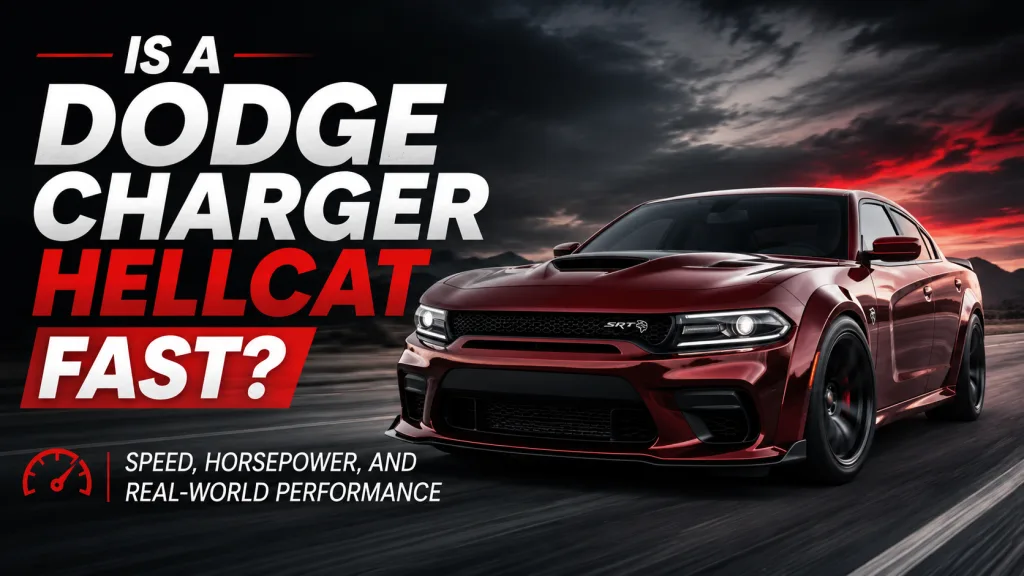
Is a Dodge Charger Hellcat Fast?
Is a Dodge Charger Hellcat Fast? The Dodge Charger Hellcat is not just fast for a sedan. It is fast by almost any normal road-car standard. It took a large four-door family car, added a supercharged V8, and turned it into one of the most outrageous performance sedans ever sold. The final gas-powered Charger Hellcat models used a supercharged 6.2L HEMI V8. The standard Charger SRT Hellcat Widebody made 717 horsepower, while the Charger SRT Hellcat Redeye pushed output to 797 horsepower. Dodge called the Hellcat Redeye the world’s most powerful mass-produced muscle car, and that claim explains why the car still gets so much attention. How Fast Is the Dodge Charger Hellcat? The Dodge Charger Hellcat is seriously quick. In testing, Car and Driver recorded a 0 to 60 mph time of 3.5 seconds and a quarter-mile time of 11.5 seconds at 126 mph for the Charger SRT Hellcat Widebody. That is sports-car speed from a full-size four-door sedan. Top speed is just as impressive. Car and Driver also listed Dodge’s manufacturer-claimed top speed at 203 mph for the Charger SRT Hellcat. That number puts it in rare company, especially for a sedan with a big back seat and a usable trunk. For most drivers, the answer is simple: yes, the Dodge Charger Hellcat is extremely fast. Charger Hellcat Horsepower The regular Charger SRT Hellcat Widebody produced 717 horsepower and 650 lb-ft of torque. The Charger SRT Hellcat Redeye raised output to 797 horsepower and 707 lb-ft of torque. Those numbers are what make the car feel so wild. Many performance sedans feel quick because they launch hard from a stop. The Hellcat feels fast because it keeps pulling at higher speeds, too. The supercharged V8 gives it a loud, aggressive, old-school muscle-car personality. It does not feel like a quiet luxury sport sedan. It feels like a Dodge muscle car that happens to have four doors. Charger Hellcat Redeye Speed The Charger Hellcat Redeye is the more extreme version. It uses the same basic supercharged 6.2L HEMI V8 idea, but with more power and stronger performance hardware. The Redeye’s 797 horsepower makes it one of the most powerful sedans ever sold from the factory. Kelley Blue Book notes that the Charger and Challenger Hellcat Redeye models had a top speed of 203 mph, which is an absurd number for a street-legal muscle car. That speed is not something most owners will ever use legally, but it shows how serious the Hellcat platform really is. 0 to 60 MPH A Dodge Charger Hellcat can run from 0 to 60 mph in the mid-3-second range when conditions are right. Car and Driver tested the Charger SRT Hellcat Widebody at 3.5 seconds to 60 mph. That is extremely fast, but the number does not tell the whole story. The Hellcat is rear-wheel drive, heavy, and extremely powerful. Getting a perfect launch takes the right tires, road surface, temperature, and driver technique. On the street, the Hellcat’s power can overwhelm the rear tires if you are not careful. That is part of the personality. It is fast, but it also demands respect. Quarter-Mile Performance The quarter-mile is where the Charger Hellcat feels like a true muscle car. Car and Driver’s test result of 11.5 seconds at 126 mph shows how hard the car pulls once it hooks up. Other versions can vary depending on tires, weather, driver, and track prep. MotorTrend tested a Charger Hellcat Redeye at 11.9 seconds in the quarter mile at 126.6 mph, which shows how much traction and conditions matter with this much power. That is the key with any Hellcat. The engine is not the problem. Getting all that power to the pavement is the challenge. Top Speed The Charger Hellcat’s top speed is one of its most shocking numbers. A manufacturer-claimed 203 mph top speed puts it far beyond what most muscle sedans can reach. Top speed is not just about horsepower. It also depends on gearing, aerodynamics, tires, cooling, and stability. The Charger is a big sedan, but the Hellcat has enough power to overcome its size and weight. That does not mean anyone should try to reach those speeds on public roads. This kind of performance belongs on a closed course with the right safety conditions. Is the Charger Hellcat Faster Than a Scat Pack? Yes, the Charger Hellcat is much faster than a Charger Scat Pack. The Scat Pack is still quick, especially with its 6.4L HEMI V8, but the Hellcat is in a different performance class. The difference is the supercharger. The Scat Pack is naturally aspirated, while the Hellcat uses forced induction to make far more power. That extra power shows up most clearly at higher speeds and in hard acceleration. A Scat Pack is a strong muscle sedan. A Hellcat is the one you buy when you want the most extreme gas-powered Charger experience. Is the Charger Hellcat Faster Than Most Sports Cars? In a straight line, yes. A Charger Hellcat can outrun many sports cars, especially from a roll or in the quarter mile. It has more power than many cars that cost much more. But speed is not only about acceleration. A smaller, lighter sports car may feel sharper in corners, brake more consistently on a road course, and be easier to place on tight roads. The Hellcat is a straight-line monster first. It can handle better than people expect, especially in Widebody form, but its main personality is power, noise, and acceleration. Is the Charger Hellcat Good for Daily Driving? The Charger Hellcat is surprisingly usable for something this powerful. It has four doors, a roomy cabin, a real trunk, and enough comfort for daily use. That is part of what made it so special. It could act like a practical sedan when driven calmly, then turn into a tire-smoking muscle car when you wanted power. The downside is fuel economy, tire wear, insurance cost, and maintenance. Car and Driver listed EPA fuel economy for the 2023 Charger SRT Hellcat at 12 mpg city, 21 mpg highway, and 15 mpg combined. That is expected from a supercharged V8 sedan, but it is still something buyers should consider. Is the Dodge Charger Hellcat Still Made? The gas-powered Dodge Charger Hellcat is no longer in production as a new 2024 or 2025 model. The final gas Charger ended after the 2023 model year as Dodge moved into the new Charger generation. That makes used Charger Hellcat models more important for shoppers. If you want the supercharged V8 sedan experience, you will likely be looking at pre-owned inventory, collector-grade examples, or remaining specialty listings. Because the Hellcat has a strong following, clean examples can hold value well, especially rare trims, Jailbreak models, Redeye versions, and low-mileage cars. Should You Buy a Dodge Charger Hellcat? A Dodge Charger Hellcat makes sense if you want a four-door muscle car with extreme power. It is not the cheapest sedan to own, and it is not the most fuel-efficient choice, but it delivers a driving experience that few cars can match. It is best for buyers who value horsepower, sound, straight-line speed, and rarity. It also makes sense if you want something practical enough to carry passengers but wild enough to feel special every time you start it. If you want low running costs, quiet luxury, or maximum fuel efficiency, the Hellcat is probably not the right car. If you want one of the fastest and most memorable American sedans ever built, it absolutely is. Find a Dodge Charger Hellcat for Sale The Dodge Charger Hellcat is fast because it was built around one simple idea: put supercar-level horsepower into a large American sedan and let drivers enjoy it. With up to 797 horsepower, a 0 to 60 mph time around 3.5 seconds, quarter-mile times in the 11-second range, and a top speed of up to 203 mph, the Hellcat is more than quick. It is one of the most aggressive factory muscle sedans ever made. If you are shopping for one, focus on condition, mileage, service history, tire condition, accident history, modifications, and ownership records. A clean Hellcat is not just about power. It is about finding the right example. Visit Simi Valley Chrysler Dodge Jeep Ram to browse used inventory, check your trade-in value, or apply for financing before choosing your next performance car.
Is Dodge Making a 2025 Charger? Everything you Need to Know.
Is Dodge Making a 2025 Charger? Short answer: For those seeking the pinnacle of power and performance, the Next-Gen Charger Daytona Scat Pack offers a staggering 670 horsepower, setting a new standard in high-performance muscle cars. Alternatively, the 496-horsepower Charger R/T provides a thrilling driving experience with a focus on both performance and innovation. Notably, the Charger Daytona Scat Pack is part of Dodge's foray into electric vehicles, making it the world’s first and only electric muscle car. The new lineup will feature two-door models available in late 2024, catering to enthusiasts who appreciate the classic coupe design. Four-door models, offering more practicality without compromising performance, are scheduled for release in early 2025. This updated range highlights Dodge's commitment to blending cutting-edge technology with its storied muscle car heritage. Used Dodge Charger New Dodge Charger What is the life Expectancy of a Dodge Charger? The life expectancy of a Dodge Charger typically ranges between 150,000 to 200,000 miles with proper maintenance and care. Like many modern vehicles, the Charger’s longevity depends significantly on factors such as driving habits, regular maintenance, and adherence to service schedules. Regular oil changes, timely repairs, and careful driving can help extend its lifespan. While the Charger is known for its durability and performance, ensuring that it receives consistent care is crucial to reaching or even surpassing the upper end of this mileage range. With good maintenance, it’s not uncommon for a well-cared-for Dodge Charger to continue performing reliably well into its second decade of use. Used Dodge Charger New Dodge Charger What car is equivalent to a Dodge Charger? Several cars are considered equivalents to the Dodge Charger, especially in terms of performance, size, and style. Here are some notable alternatives: Ford Mustang: Known for its powerful engine options and muscle car heritage, the Mustang offers comparable performance with a range of trims and engines. Chevrolet Camaro: A direct competitor in the muscle car segment, the Camaro provides similar performance capabilities and aggressive styling. Chrysler 300: As a close relative to the Charger, the Chrysler 300 offers similar performance and features but with a more luxurious and refined approach. Nissan Maxima: Although not a muscle car, the Maxima provides strong performance, a stylish design, and a comfortable ride, appealing to those who might consider the Charger’s size and performance. Toyota Avalon: A full-size sedan offering a spacious interior, powerful engine options, and premium features, making it a strong competitor in the same segment. These vehicles provide alternatives to the Dodge Charger with various strengths in performance, luxury, and style. Used Dodge Charger New Dodge Charger How much is the 2025 Dodge Charger Daytona? As of now, the exact pricing for the 2025 Dodge Charger Daytona has not been officially released, as the vehicle is still in development and slated for release in the future. However, industry insiders and automotive experts estimate that the base model of the Charger Daytona could start around $40,000 to $50,000, with higher trims and performance versions potentially exceeding $70,000. The Charger Daytona is anticipated to be a groundbreaking model, combining classic muscle car aesthetics with modern electric vehicle technology, which may influence its final pricing. For the most accurate and up-to-date information, prospective buyers should keep an eye on official announcements from Dodge as the release date approaches. Used Dodge Charger New Dodge Charger Dodge Charger Official WebsiteEdmunds - Dodge Charger Review Kelley Blue Book - Dodge ChargerCar and Driver - Dodge ChargerMotorTrend - Dodge Charger The Dodge Charger is generally considered a reliable vehicle, but its reliability can vary depending on the model year, trim level, and how well the car has been maintained. Here's a detailed overview of the Charger’s reliability: Used Dodge Charger New Dodge Charger General Reliability Durability: The Dodge Charger, known for its performance and robust build, tends to have good durability. Models with larger engines and higher trims often have strong performance records, reflecting well on their long-term reliability. Consumer Reviews: Many owners report high satisfaction with the Charger’s reliability, especially for models with regular maintenance. Issues are often related to specific components or electronics, but overall, the Charger has a solid reputation among performance sedans. Common Issues: Some owners have reported issues with electrical components and infotainment systems, as well as occasional transmission concerns. However, these problems are not universal and can often be managed with regular servicing. Maintenance and Care: Like any vehicle, the Charger’s reliability heavily depends on proper maintenance. Regular oil changes, timely repairs, and adherence to the manufacturer’s service recommendations contribute to a longer-lasting vehicle. Used Dodge Charger New Dodge Charger Reliability Ratings J.D. Power: The Dodge Charger typically receives average to above-average ratings in J.D. Power's vehicle dependability studies, reflecting its overall reliability. Consumer Reports: Reliability ratings from Consumer Reports can vary by model year, with some years showing higher reliability than others. Generally, newer models tend to have better ratings due to improvements and updates. Used Dodge Charger New Dodge Charger Warranty and Support Dodge offers a standard warranty on the Charger, including a 3-year/36,000-mile basic warranty and a 5-year/60,000-mile powertrain warranty. This warranty coverage supports the vehicle’s reliability and provides peace of mind for owners. In summary, the Dodge Charger is considered a reliable vehicle overall, particularly when it is well-maintained. While there may be occasional issues reported by some owners, the Charger’s robust design and strong performance contribute to its reputation as a dependable sedan. Used Dodge Charger New Dodge Charger What is the Price of a Dodge Charger? The price of a Dodge Charger varies based on the model year, trim level, and optional features. As of 2023, the starting price for a base model Dodge Charger SXT is around $34,000, while higher-performance trims like the Dodge Charger Scat Pack or Hellcat can range from $45,000 to over $80,000, depending on options and features. If you're looking at special editions or high-performance models like the Charger Hellcat Redeye, the price can exceed $90,000. These prices can also fluctuate depending on dealership location, added customizations, or promotions available at the time of purchase. What is the price of a Dodge Charger? The price of a Dodge Charger varies depending on the model, trim level, and added features. As of 2023, the base model Dodge Charger SXT starts at around $34,000, offering a solid entry-level option for those seeking a powerful sedan. For those interested in more performance-focused versions, the Charger R/T starts around $42,000, while the high-performance Scat Pack trim begins at about $50,000. If you're looking for top-tier performance, the Charger Hellcat can reach upwards of $80,000 or more, with special editions like the Hellcat Redeye surpassing $90,000. Prices can vary based on location, available promotions, and optional features like upgraded engines, technology packages, and customizations. Is Dodge making a 2024 Charger? Yes, Dodge is making a 2024 Charger, continuing its legacy as a high-performance sedan. While Dodge has been transitioning toward electric vehicles, the 2024 Charger is expected to be one of the last gasoline-powered models in its lineup before moving fully into electric muscle cars. The 2024 Charger will maintain its iconic design, offering various trim levels, including powerful options like the Hellcat and Scat Pack, with impressive engine choices. Dodge enthusiasts can expect both two-door and four-door versions of the Charger to hit the market, with the possibility of advanced features and upgraded technology to complement its performance. The upcoming model year marks a pivotal moment for Dodge as they prepare for a new era in muscle cars How much will the 2024 Charger Cost? The cost of the 2024 Dodge Charger will vary depending on the trim level and options chosen. The base model, likely the Charger SXT, is expected to start around $35,000, offering an affordable entry into the iconic muscle car lineup. Mid-level trims such as the R/T and Scat Pack will likely range from $45,000 to $55,000, providing enhanced performance with larger engines and additional features. For those seeking top-tier power, the high-performance Charger Hellcat and potential Hellcat Redeye models could exceed $80,000, particularly with added customizations. The 2024 model is expected to carry on Dodge's tradition of blending performance, style, and cutting-edge technology, with prices varying based on features like engine upgrades, interior packages, and new tech options. Is the Dodge Charger coming to an end? Yes, Dodge has announced that the current generation of gas-powered Dodge Chargers is coming to an end. The 2023 model year marks the final run for the gasoline-powered Charger as Dodge shifts focus toward electric vehicles. This transition is part of Dodge's broader move to embrace electrification in its lineup, with plans to release electric muscle cars in the near future. However, this doesn’t mean the Charger name is going away entirely—future versions of the Charger are expected to be all-electric, continuing the legacy with a new era of performance focused on sustainability. What does 345 mean on a Charger? SRT stands for Street and Racing Technology, a high-performance division of Dodge, Chrysler, and Jeep. SRT focuses on enhancing the performance, handling, and power of select vehicles in the lineup. Originally created to design and build performance vehicles, SRT models are known for their powerful engines, aggressive styling, and track-ready capabilities. Cars like the Dodge Charger SRT Hellcat and the Jeep Grand Cherokee SRT showcase the division's focus on maximizing horsepower, acceleration, and driving dynamics. Whether for daily driving or high-speed performance on the track, SRT vehicles are built for enthusiasts who crave both speed and precision. Key highlights include the potential for three different powertrain options: a single-motor base model with 402 horsepower, a twin-motor version producing 670 hp, and a top-tier model expected to deliver up to 885 hp. In addition to these EV models, some rumors suggest that a Hurricane inline-six engine may be available in hybrid form( Yahoo Autos) ( Carscoops). The Next-Gen Dodge Charger 2025 Dodge Charger: Full Details Motor Authority - 2025 Dodge Charger Top Speed - 2025 Charger Daytona EV AutoGuide - 2025 Dodge Charger Daytona SRT

Does the Dodge Hornet Require Premium Gas?
Does the Dodge Hornet Require Premium Gas? The Answer is NO. The Dodge Hornet has taken the compact SUV market by storm with its aggressive styling and impressive performance. But with the auto industry shifting toward electrification, many drivers want to know: Is the Dodge Hornet electric? Is it gas-powered? Or something in between? In this full guide, we answer whether the Dodge Hornet is electric, explore its electric range, and explain how the new PHEV model fits into Dodge's future. Is the Dodge Hornet Electric? The short answer: The Dodge Hornet is not fully electric — but it is available as a plug-in hybrid (PHEV). When you ask is the Dodge Hornet electric or are Dodge Hornets electric, it depends on which version you choose: Model Powertrain Dodge Hornet GT Gasoline engine Dodge Hornet GT Plus Gasoline engine Dodge Hornet R/T Plug-in Hybrid Electric Vehicle (PHEV) Dodge Hornet R/T Plus Plug-in Hybrid Electric Vehicle (PHEV) The Dodge Hornet GT and GT Plus models are strictly gas-powered, while the Dodge Hornet R/T and R/T Plus are PHEVs — meaning they can run on electric power for short distances but also have a gas engine for longer trips. Dodge Hornet Electric Range and PHEV Details If you are searching for Dodge Hornet electric range or Dodge Hornet PHEV range, here are the details: All-Electric Range: Approximately 30 miles on electric power alone Combined Range (gas + electric): Over 360 miles total driving range The Dodge Hornet R/T PHEV features a 15.5-kWh battery pack that powers an electric motor alongside a 1.3L turbocharged gasoline engine. This setup allows you to drive purely on electric power for short commutes or errands, reducing your gas consumption dramatically. Searching for Dodge Hornet range overall? Keep in mind that once the electric battery depletes, the Hornet seamlessly switches to its gasoline engine, ensuring you can keep driving without range anxiety. Dodge Hornet Gas or Electric: Choosing Your Powertrain If you are asking is the Dodge Hornet gas or electric, the answer is: Gasoline: Choose GT or GT Plus Plug-in Hybrid Electric (PHEV): Choose R/T or R/T Plus Feature Hornet GT/GT Plus Hornet R/T/R/T Plus Engine 2.0L Turbocharged Gasoline 1.3L Turbocharged + Electric Motor Power Output 268 hp 288 hp combined Drivetrain AWD AWD Fuel Economy Approx. 24 mpg combined Approx. 77 MPGe electric; 29 mpg gas Those searching dodge hornet gas or electric should think about their driving habits: Short commutes: Go with the R/T for electric driving around town Long road trips: Either model works, but the gas GT is simpler for extended highway use What Is the Electric Hornet? Some users look up electric Hornet or Dodge Hornet electric hoping to find a fully battery-powered version. Currently, Dodge does not offer a full EV Hornet. However, the PHEV R/T version is a major step toward electrification and shows Dodge’s commitment to the future. For a fully electric Dodge, the brand’s first true EV will be the upcoming Dodge Charger Daytona, launching separately from the Hornet lineup. Is the Dodge Hornet Ready for the Future? Absolutely. The Dodge Hornet R/T PHEV is Dodge’s first-ever plug-in hybrid, combining performance and efficiency like no other small SUV in its class. Key benefits of the Hornet R/T PHEV include: Up to 30 miles of electric-only driving Over 360 miles of total combined range Quick charging time (~2.5 hours with Level 2 charger) Instant torque delivery from the electric motor For buyers wanting a fun-to-drive vehicle with lower fuel costs and better eco-credentials, the Hornet R/T is a standout. Quick FAQs: Dodge Hornet Gas and Electric Question Answer Is the Dodge Hornet electric? No, it’s a gas or PHEV vehicle Are Dodge Hornets electric? Only partially, if you choose the R/T plug-in hybrid What is the Dodge Hornet electric range? About 30 miles on electric power alone Does Dodge offer a full electric Hornet? Not at this time Is there a gas-only Dodge Hornet? Yes, the GT and GT Plus models are gas-powered Conclusion: Dodge Hornet Gas, Electric, or PHEV — Your Choice When deciding between a Dodge Hornet gas or electric model, it ultimately comes down to your needs: Want classic turbocharged Dodge performance? The Hornet GT is for you. Want electric commuting with zero gas for short trips? Choose the Hornet R/T PHEV. Both options come standard with AWD, premium features, and Dodge’s unmistakable attitude. Test Drive the Dodge Hornet Today Ready to experience the Dodge Hornet GT or Hornet R/T Plug-In Hybrid? Visit Simi Valley Chrysler Dodge Jeep Ram to test drive both gas and PHEV versions today. Call us at +1 (805) 387-9755 or stop by 2350 First St, Simi Valley, CA 93065. Explore our available inventory online: www.simivalleychryslerdodgejeepram.com Your Hornet is waiting — whether gas, electric, or both.
Is Dodge Hornet Gas or Electric?
Is Dodge Hornet Gas or Electric? The Dodge Hornet, a recent addition to Dodge’s lineup, primarily runs on gas, but it also features a plug-in hybrid electric vehicle (PHEV) option. This makes it a versatile choice for consumers who want both gas-powered performance and electric efficiency. In this article, we’ll explore both versions of the Dodge Hornet in detail, diving into the specifications, fuel economy, and performance to give you a complete understanding of what this model offers. 1. Gas-Powered Dodge Hornet The standard Dodge Hornet comes with a turbocharged 2.0-liter inline-four engine, producing 268 horsepower and 295 lb-ft of torque. This engine, known as the Hurricane4, is paired with a nine-speed automatic transmission. It offers all-wheel drive (AWD) as standard, which enhances traction and handling, especially in rough weather conditions or off-road environments. Performance Stats: Horsepower: 268 hp Torque: 295 lb-ft 0-60 mph: 6.5 seconds Transmission: 9-speed automatic Drive Type: All-wheel drive (AWD) The gas-powered Dodge Hornet delivers a sporty and responsive driving experience, with solid acceleration and nimble handling. For a crossover, the Hornet offers robust power, making it a strong contender in its class. Browse Dodge Hornet Fuel Economy: In terms of fuel economy, the gas version offers moderate figures for a turbocharged engine: City MPG: 21 Highway MPG: 29 Combined MPG: 24 This makes it a reasonable option for those who want a performance-oriented vehicle without sacrificing too much in terms of efficiency. However, the gas-powered version is more suited for those who prioritize power and performance over fuel savings. 2. Dodge Hornet PHEV (Plug-in Hybrid) In contrast to the gas-only version, the Dodge Hornet PHEV represents Dodge’s effort to step into the world of electrification. The Hornet PHEV combines a 1.3-liter turbocharged four-cylinder engine with an electric motor, producing a combined output of 288 horsepower and 383 lb-ft of torque. This version comes with a 6-speed automatic transmission and AWD as standard. Browse Dodge Hornet Performance Stats: Horsepower: 288 hp (combined) Torque: 383 lb-ft Electric Range: 30 miles (pure electric mode) Battery Capacity: 15.5 kWh Drive Type: All-wheel drive (AWD) The PHEV model accelerates from 0 to 60 mph in just 6.1 seconds, making it even quicker than the gas-powered variant. This model blends the best of both worlds—strong electric performance for short trips and the reliability of a gas engine for longer journeys. Fuel Economy and Range: Electric Range: 30 miles Total Range (combined gas and electric): Over 400 miles Combined MPG (equivalent): 77 MPGe (miles per gallon equivalent) This hybrid setup allows drivers to save significantly on fuel costs during daily commutes while still offering the convenience of a gasoline engine for long-distance travel. With 30 miles of electric range, many urban commuters can complete most of their daily driving purely on electric power, making the Hornet PHEV an eco-friendly alternative to the gas-powered model. Browse Dodge Hornet 3. Comparison of Gas vs. Hybrid Versions To further break down the key differences between the gas and PHEV versions, here’s a comparison table: Feature Gas-Powered Dodge Hornet Dodge Hornet PHEV Horsepower 268 hp 288 hp (combined) Torque 295 lb-ft 383 lb-ft 0-60 mph 6.5 seconds 6.1 seconds Fuel Economy (City) 21 MPG 77 MPGe (electric) Fuel Economy (Highway) 29 MPG 30 miles (electric-only range) Electric Range N/A 30 miles Battery Capacity N/A 15.5 kWh Transmission 9-speed automatic 6-speed automatic 4. Technological Features and Interior Design Both the gas and hybrid versions of the Dodge Hornet come equipped with a host of modern technological features. They both include a standard 10.25-inch touchscreen with Uconnect 5, which offers compatibility with Android Auto and Apple CarPlay. Additionally, an optional 12.3-inch digital instrument cluster provides clear, customizable information for drivers. Key Technology Features: 10.25-inch touchscreen with Uconnect 5 Apple CarPlay and Android Auto Optional 12.3-inch digital instrument cluster Advanced driver-assist features, including adaptive cruise control and lane-keeping assist The interior of the Hornet is spacious and well-designed, with a mix of premium materials and sporty accents. Both versions offer a comfortable ride with enough room for passengers and cargo, making the Hornet a practical choice for families or individuals who need a daily driver with utility. Browse Dodge Hornet 5. Pricing As of the latest information, the gas-powered Dodge Hornet has a starting price of approximately $30,000, while the PHEV version starts closer to $40,000. The added cost of the hybrid system can be offset by federal and state tax incentives for plug-in vehicles, which may reduce the overall cost for buyers interested in the PHEV model. Price Comparison: Gas-Powered Dodge Hornet: Starting at $30,000 Dodge Hornet PHEV: Starting at $40,000 (eligible for tax credits) Browse Dodge Hornet Conclusion: Gas or Hybrid? The choice between the gas-powered Dodge Hornet and the PHEV version largely depends on the buyer's priorities. If you value raw performance and do a lot of long-distance driving, the gas version provides excellent power and AWD capability. However, if you are looking to save on fuel costs and make a more eco-conscious choice, the Hornet PHEV offers impressive electric range and better fuel economy, along with the benefit of tax incentives. Both versions come equipped with modern technology, advanced safety features, and a well-designed interior, making the Dodge Hornet a well-rounded option regardless of your powertrain preference. Whether you choose gas or hybrid, the Dodge Hornet delivers on its promise of performance, practicality, and style. If you’d like more detailed information or to explore these models further, check out Dodge’s official Hornet page. For more on federal tax credits, visit the U.S. Department of Energy’s website.