





Simi Valley Chrysler Dodge Jeep Ram

Blog

Who Makes Genesis Cars? The Full Story Behind the Luxury Brand More Drivers Are Suddenly Taking Seriously

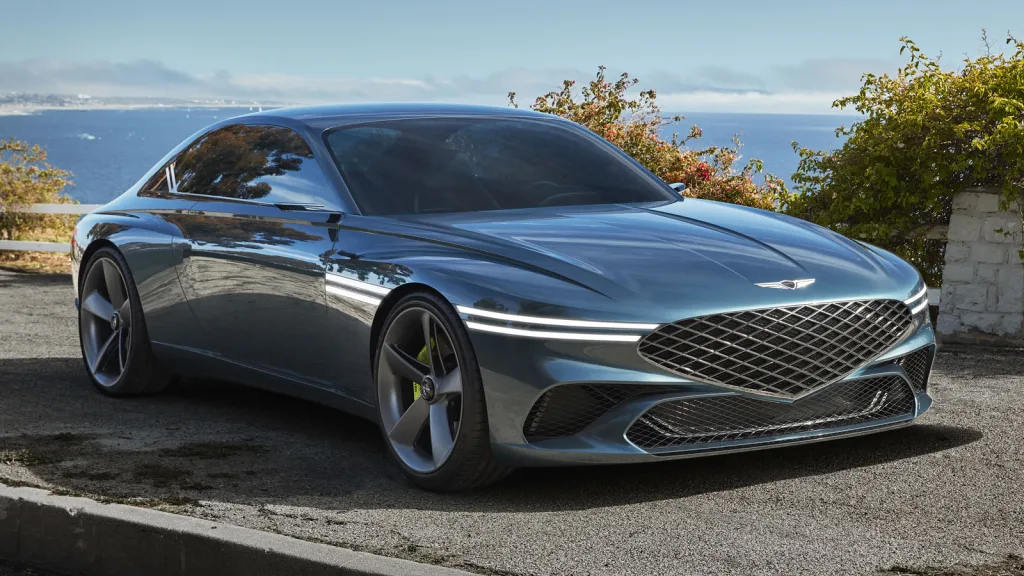
large-2244-genesisxconcept

Who Makes Genesis Cars? The Full Story Behind the Luxury Brand More Drivers Are Suddenly Taking Seriously

Genesis cars are made by Genesis Motor, the luxury vehicle brand owned by Hyundai Motor Group. The simple answer is this: Genesis is Hyundai’s luxury brand, similar to how Lexus belongs to Toyota, Acura belongs to Honda, and Lincoln belongs to Ford.

Genesis became a standalone luxury brand in 2015, when Hyundai Motor announced that Genesis would operate alongside Hyundai as a separate premium marque. Hyundai said the new Genesis brand was created to compete with established luxury automakers and would launch multiple models globally. (Genesis Newsroom)

Is Genesis Made by Hyundai?

Yes, Genesis is made by Hyundai Motor Group.

That does not mean Genesis vehicles are simply Hyundai models with nicer badges. Genesis operates as a separate luxury brand with its own design language, model lineup, customer experience, and premium positioning.

The relationship is best understood this way:

Hyundai is the mainstream brand.

Genesis is the luxury brand.

Hyundai Motor Group is the parent company.

That structure gives Genesis access to Hyundai’s engineering, manufacturing scale, electrification technology, quality systems, and global resources while still allowing it to build a more premium identity.

When Did Genesis Become Its Own Brand?

Genesis officially became a standalone brand in November 2015.

Before that, Genesis was used as the name of a Hyundai luxury sedan. The Hyundai Genesis sedan helped prove that Hyundai could build something more refined, powerful, and premium than many shoppers expected.

After that, Hyundai turned Genesis into its own luxury brand. Hyundai Motor Group describes Genesis as Korea’s first luxury automotive brand and notes that the brand’s first major step came in 2015, followed by models like the G90 and G80 that helped establish its luxury foundation. (Hyundai Motor Group)

Where Are Genesis Cars Built?

Many Genesis vehicles are built in South Korea, especially at Hyundai Motor Group production facilities.

Genesis models are also designed through a global design network. Genesis Motor has used design and engineering input from locations such as Namyang, South Korea, Irvine, California, and Rüsselsheim, Germany, helping the brand develop a more international luxury identity rather than feeling like a purely domestic Korean product. (Wikipedia)

That global design approach matters. Genesis is not trying to copy one luxury brand. It is trying to blend Korean design philosophy, European-style proportions, American-market usability, and modern technology into one premium lineup.

What Cars Does Genesis Make?

Genesis sells luxury sedans, SUVs, and electric vehicles.

The core Genesis lineup has included models such as:

Genesis G70: compact sport sedan.

Genesis G80: midsize luxury sedan.

Genesis G90: full-size flagship luxury sedan.

Genesis GV60: electric crossover.

Genesis GV70: compact luxury SUV.

Genesis Electrified GV70: electric version of the GV70.

Genesis GV80: midsize luxury SUV.

The official Genesis global lineup includes vehicles like the GV60, GV70, GV80, G70, G80, and G90, showing how quickly Genesis expanded from a sedan-focused luxury brand into a full SUV and EV player. (Genesis)

Why Are Drivers Taking Genesis Seriously Now?

Drivers are taking Genesis seriously because the brand is no longer just “the new luxury brand from Hyundai.”

Genesis now has real design identity, strong interiors, competitive powertrains, advanced technology, luxury features, and pricing that often undercuts German rivals. It also entered the market at the right time, when many buyers were questioning whether BMW, Mercedes-Benz, Audi, and Lexus were still the automatic choices.

Genesis gave shoppers a different option: premium design, strong warranty appeal, high feature content, and luxury presence without the same legacy-brand baggage.

Genesis Design Is a Big Reason It Stands Out

Genesis vehicles have a very clear design signature.

The brand uses a large crest-style grille, two-line lighting elements, clean body surfacing, upscale interiors, and a design philosophy that tries to feel elegant rather than overly aggressive.

That matters because luxury buyers do not just buy specs. They buy presence. Genesis has done a strong job making its vehicles look expensive from the outside and feel premium inside.

The GV70 and GV80 are especially important because luxury SUVs are where many buyers are spending money today.

Is Genesis a Real Luxury Brand?

Yes, Genesis is a real luxury brand.

Some shoppers still hesitate because Hyundai is the parent company, but that is not unusual in the luxury market. Lexus is owned by Toyota. Acura is owned by Honda. Infiniti is owned by Nissan. Lincoln is owned by Ford.

Genesis follows the same basic luxury-division model. The difference is that Genesis is much newer, so it has had to build credibility faster.

The brand has done that through design, equipment, warranty appeal, strong review attention, and competitive pricing.

Is Genesis Reliable?

Genesis reliability is generally competitive, but it depends on the model and year.

For example, J.D. Power lists the 2025 Genesis G70 with a Quality & Reliability score of 87 out of 100, which falls into its “Great” range. (JD Power)

That does not mean every Genesis is perfect. Luxury vehicles have more electronics, more features, and more expensive components than basic cars. But Genesis has benefited from Hyundai Motor Group’s broader quality and engineering improvements.

Genesis vs Hyundai: What Is the Difference?

The difference is positioning.

Hyundai builds mainstream cars and SUVs like the Elantra, Sonata, Tucson, Santa Fe, Palisade, and IONIQ models.

Genesis builds premium vehicles designed to compete with luxury brands. Genesis vehicles usually offer richer interiors, stronger performance options, more advanced comfort features, quieter cabins, more upscale design, and a more premium ownership experience.

In simple terms: Hyundai is value-focused. Genesis is luxury-focused.

Genesis vs Lexus, BMW, Mercedes, and Audi

Genesis is most often compared with Lexus, BMW, Mercedes-Benz, and Audi.

Against Lexus, Genesis often feels more design-forward and sometimes more performance-oriented.

Against BMW, Genesis usually competes with strong value and luxury features, though BMW still has the stronger performance heritage.

Against Mercedes-Benz, Genesis offers premium design and comfort at a lower price point in many cases.

Against Audi, Genesis competes with technology, interiors, and quiet luxury, though Audi has a longer premium-brand history.

The biggest Genesis advantage is value. The biggest Genesis challenge is brand prestige. It is still building the long-term badge power that older luxury brands already have.

Why Hyundai Created Genesis

Hyundai created Genesis because it wanted to compete higher in the market.

By the 2010s, Hyundai had already improved its mainstream reputation. The next step was proving it could build luxury vehicles. Instead of trying to stretch the Hyundai badge too far, it created Genesis as a separate brand.

That was the right move. Luxury buyers often care about brand identity as much as product quality. A separate Genesis badge gave Hyundai Motor Group a cleaner way to enter the premium segment.

Is Genesis Worth Buying?

Genesis is worth considering if you want luxury features, standout design, strong value, and something different from the usual German and Japanese luxury brands.

It is especially appealing for shoppers who want a premium SUV like the GV70 or GV80 without paying the same kind of money they might spend on a similarly equipped BMW, Mercedes-Benz, or Audi.

The main things to check are dealer network convenience, service availability, resale value, model-specific reliability, and whether you prefer Genesis’ newer-brand identity over legacy luxury badges.

Final Answer

Genesis cars are made by Genesis Motor, the luxury brand owned by Hyundai Motor Group.

Genesis started as a Hyundai luxury model, became a standalone luxury brand in 2015, and now builds premium sedans, SUVs, and electric vehicles under its own badge. The brand is backed by Hyundai’s engineering and manufacturing resources, but it operates with its own luxury design, lineup, and market position.

The reason more drivers are taking Genesis seriously is simple: the cars no longer feel like experiments. They feel like real luxury competitors.

Recommended Posts

/What is the Most Common Problem with the Jeep Grand Cherokee

What is the Most Common Problem with the Jeep Grand Cherokee

The Most Common Problem with the Jeep Grand Cherokee: What Every Owner Should Know The Jeep Grand Cherokee has a reputation that’s equal parts rugged capability and frustrating reliability. It can tow, crawl over rocks, and haul the family in comfort. But if you talk to enough owners—or spend time digging through complaint databases—you’ll notice a pattern. One issue comes up again and again. The most common problem with the Jeep Grand Cherokee is electrical system failure. That’s not just a minor annoyance. Electrical gremlins can leave you stranded, drain your battery overnight, or cause a chain reaction of warning lights that makes you wonder if the whole SUV is falling apart. Here’s a closer look at what goes wrong, which models are most affected, and what you can do about it. WHY ELECTRICAL ISSUES TOP THE LIST Across multiple model years, electrical complaints dominate owner reports and NHTSA data. For the 2024 Grand Cherokee, owners frequently report engines losing power, batteries dying, exterior lighting malfunctioning, and infotainment systems freezing. But the problem isn’t new. Older generations have their own electrical headaches, especially the infamous TIPM. The TIPM Problem The Totally Integrated Power Module (TIPM) is a fuse box on steroids. It controls fuel pump operation, lighting, wipers, and more. When it fails—and it often does—you might experience: - A fuel pump that won’t prime or stops working - Wipers that run nonstop or won’t turn on - Random warning lights - Battery drain that kills the battery overnight Replacing a TIPM isn’t cheap, and diagnosing the issue can be a nightmare because the symptoms mimic other problems. Battery Drain and Infotainment Glitches Modern Grand Cherokees are rolling computers. That means parasitic battery drains, unresponsive touchscreens, and software bugs are common. Some owners have replaced batteries multiple times only to find the real culprit is a faulty module that never sleeps. OTHER COMMON PROBLEMS WORTH KNOWING While electrical faults are the most frequent, they aren’t the only issues. If you’re shopping for a Grand Cherokee, keep these in mind too. Transmission Trouble Rough shifting, delayed engagement, and occasional slipping into neutral are common complaints, especially in model years from 2005 through 2015. Some owners describe a “clunk” when shifting from park to drive. Engine and Cooling Issues The 2024 model has seen reports of stalling, overheating, and excessive oil consumption. Older models (2011–2014) have fuel-related stalling complaints, often at higher mileage. Suspension Recall Jeep recently recalled over 328,000 Grand Cherokees from 2021–2023 because rear coil springs could detach while driving. It’s the third recall for the same problem, which tells you something about persistence. MODEL YEARS TO WATCH Based on complaint data, these model years are often flagged as ones to approach with caution: - 2011 - 2012 - 2014 - 2015 - 2018 - 2021–2024 That doesn’t mean every single one is a lemon. But electrical failure rates on some of these years are up to 3.2 times the model’s median. If you’re buying used, a pre-purchase inspection by a mechanic who knows Jeeps is worth every penny. WHAT YOU CAN DO If you own a Grand Cherokee or plan to buy one: 1. Check for recalls using your VIN on the NHTSA website. 2. Scan for stored codes before buying. Electrical issues often leave ghost codes. 3. Test the battery and charging system—a weak battery can trigger dozens of false warnings. 4. Consider an extended warranty if you’re buying an older model with known electrical quirks. 5. Join owner forums to learn the specific workarounds for your model year. THE BOTTOM LINE The Jeep Grand Cherokee is still a capable, comfortable, and iconic SUV. But its Achilles’ heel is the electrical system. From TIPM failures to battery drains and infotainment glitches, these problems are the most common complaints among owners. If you can look past them—or budget for repairs—you’ll enjoy everything else the Grand Cherokee does well. Just don’t ignore the warning signs. Have you dealt with electrical issues in your Grand Cherokee? Share your story in the comments—it might help another owner avoid the same headache.

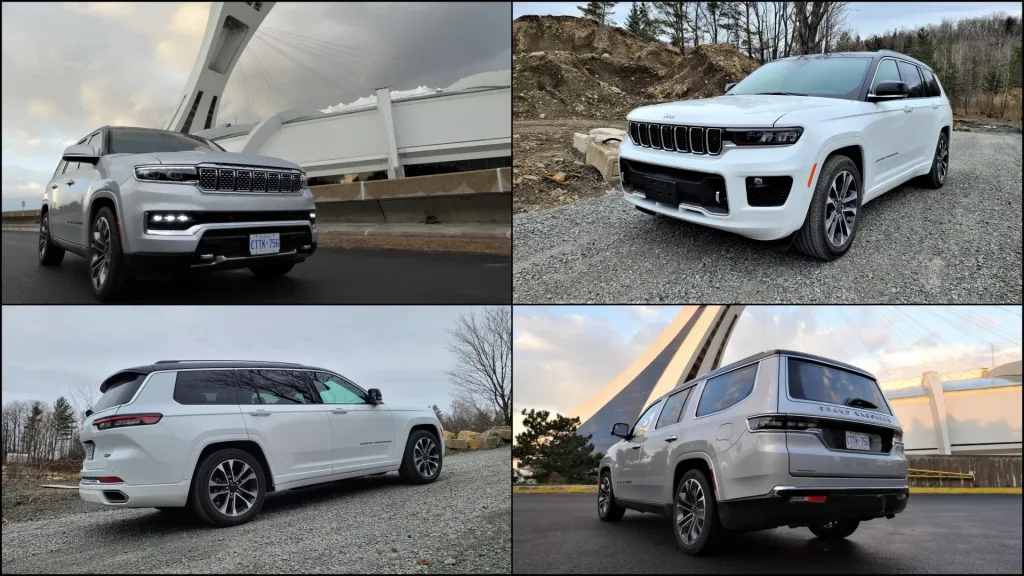
Jeep Grand Cherokee L and Wagoneer

Compare Jeep Grand Cherokee L and Wagoneer

Yes, Jeep SUVs do offer 3rd row seating. The main Jeep SUVs with three rows are the Jeep Grand Cherokee L and the Jeep Wagoneer / Grand Wagoneer lineup, depending on model year and availability. For most families near Simi Valley, Thousand Oaks, Moorpark, Oxnard, Los Angeles, San Fernando Valley, Santa Clarita, and Burbank, the Jeep Grand Cherokee L is the more practical three-row Jeep SUV. The Wagoneer and Grand Wagoneer are better for shoppers who want maximum passenger room, more cargo space, stronger towing capability, and a larger full-size SUV feel. If you want to compare options, start with the new Jeep inventory at Simi Valley Chrysler Dodge Jeep Ram, check the used Jeep inventory, or value your current vehicle before upgrading through the trade-in page. Table of Contents Which Jeep SUVs Have 3rd Row Seating? Jeep Grand Cherokee L: The Practical 3-Row Jeep SUV Jeep Wagoneer and Grand Wagoneer: The Bigger 3-Row Jeep Option Grand Cherokee vs. Grand Cherokee L: Which One Has More Room? Grand Cherokee L vs. Wagoneer: Which 3-Row Jeep Is Better? Is the Third Row Comfortable for Adults? How Much Cargo Space Do 3-Row Jeep SUVs Offer? Can a 3-Row Jeep SUV Tow? Common Buyer Warnings Before Buying a Used 3-Row Jeep Local Dealership Angle: Simi Valley CDJR Final Answer Which Jeep SUVs Have 3rd Row Seating? The Jeep SUVs with 3rd row seating are the Jeep Grand Cherokee L and the Jeep Wagoneer / Grand Wagoneer family. The standard Jeep Grand Cherokee is a two-row SUV with seating for up to five passengers. The Grand Cherokee L is the longer three-row version with seating for up to seven passengers. Jeep confirms that the two-row Grand Cherokee seats up to five, while the Grand Cherokee L seats up to seven. The Wagoneer and Grand Wagoneer are larger full-size Jeep SUVs with three-row seating. They are designed for shoppers who want more passenger space, more cargo capacity, more towing ability, and a more premium full-size SUV experience. So the simple answer is: Choose the Jeep Grand Cherokee L if you want a midsize three-row Jeep SUV. Choose the Wagoneer or Grand Wagoneer if you want a larger full-size three-row Jeep SUV. Choose the regular Grand Cherokee if you only need two rows and prefer a smaller, easier-to-park SUV. Jeep Grand Cherokee L: The Practical 3-Row Jeep SUV The Jeep Grand Cherokee L is usually the best fit for families who want three rows without going all the way up to a full-size SUV. It gives you: Seating for up to seven passengers. Available second-row captain’s chairs or a second-row bench, depending on configuration. A usable third row for kids, teens, or occasional adult passengers. Available 4x4 capability. Strong towing capability when properly equipped. A more manageable size than a Wagoneer. A more premium feel than many mainstream three-row SUVs. According to Jeep, the Grand Cherokee L offers up to 84.6 cubic feet of cargo space with the second and third rows folded. Jeep also notes that a second-row bench seat is available so the vehicle can carry up to seven passengers. Source: Jeep Grand Cherokee 3-Row SUV That makes the Grand Cherokee L a smart choice for families who need extra seating but still want a vehicle that feels comfortable for daily driving, school pickup, road trips, and weekend getaways. Jeep Wagoneer and Grand Wagoneer: The Bigger 3-Row Jeep Option The Wagoneer and Grand Wagoneer are the larger three-row Jeep SUVs. They are built for shoppers who want more room, more towing confidence, and more upscale features than the Grand Cherokee L. The Grand Wagoneer is especially strong for buyers who need a premium full-size SUV. Jeep lists the 2026 Grand Wagoneer with seating for seven, 179 cubic feet of passenger volume, and strong cargo space depending on configuration. Source: Jeep Grand Wagoneer Specs The Grand Wagoneer is also the stronger choice for towing. Jeep lists an available maximum towing capacity of up to 10,000 pounds when properly equipped. Source: Jeep Grand Wagoneer Capability Choose the Wagoneer or Grand Wagoneer if you want: A larger full-size SUV. More third-row room. More cargo space. More luxury features. Stronger towing capability when properly equipped. A better fit for larger families. A stronger road-trip SUV. The tradeoff is size. A Wagoneer or Grand Wagoneer will feel larger in traffic, parking lots, tight garages, and city driving compared to a Grand Cherokee L. Grand Cherokee vs. Grand Cherokee L: Which One Has More Room? The Jeep Grand Cherokee and Jeep Grand Cherokee L are closely related, but they are not the same. The standard Grand Cherokee has two rows and seats up to five passengers. It is better for drivers who want a premium SUV, strong available 4x4 capability, and easier daily maneuverability without needing a third row. The Grand Cherokee L adds the third row and stretches the vehicle to create space for up to seven passengers. It is the better choice if you have a larger family, drive with kids and friends, or want extra flexibility for road trips. Choose the standard Grand Cherokee if you want: Two rows. Easier parking. Slightly simpler family use. More focus on front and second-row comfort. A good mix of daily driving and Jeep capability. Choose the Grand Cherokee L if you want: Three rows. Seating for up to seven. More passenger flexibility. More cargo flexibility. A better family SUV setup. A stronger alternative to three-row crossovers. For shoppers near Simi Valley and Thousand Oaks who want one SUV for daily driving, family trips, and weekend adventures, the Grand Cherokee L is usually the more flexible choice. Grand Cherokee L vs. Wagoneer: Which 3-Row Jeep Is Better? The better choice depends on how much space and capability you need. The Jeep Grand Cherokee L is better if you want a three-row SUV that still feels manageable for daily driving. It is easier to park, easier to maneuver, and more practical for many families who only need the third row part of the time. The Wagoneer or Grand Wagoneer is better if you want more room and more towing strength. It is the better choice for larger families, frequent road trips, heavy cargo needs, and towing larger trailers when properly equipped. Choose the Grand Cherokee L if: You want three rows but do not want a massive SUV. You need seating for up to seven. You want a premium midsize SUV feel. You want available Jeep 4x4 capability. You want a practical family SUV for daily use. Choose the Wagoneer or Grand Wagoneer if: You need more adult-friendly third-row space. You want more cargo space behind the rows. You tow more often. You want a larger, more premium SUV. You regularly travel with a full family and luggage. For most local families, the Grand Cherokee L is the sweet spot. For shoppers who want the biggest Jeep SUV available, the Wagoneer and Grand Wagoneer are the stronger fit. Is the Third Row Comfortable for Adults? The third row in the Jeep Grand Cherokee L is useful, but it is best for kids, teens, and shorter trips with adults. Adults can use it, but it is not as spacious as a full-size SUV third row. The Wagoneer and Grand Wagoneer are better if adult third-row comfort is a major priority. Their larger body gives passengers more room to stretch out, especially on longer drives. Think of it this way: Grand Cherokee L: better for families who need occasional third-row use. Wagoneer / Grand Wagoneer: better for regular adult third-row use. Standard Grand Cherokee: better if you do not need a third row at all. If you regularly drive with six or seven people, test the third row before buying. Seat comfort depends on passenger height, second-row position, seat configuration, and cargo needs. How Much Cargo Space Do 3-Row Jeep SUVs Offer? Cargo space depends on which Jeep SUV you choose and how many seats are in use. The Jeep Grand Cherokee L is flexible because you can fold the third row when you do not need it. With the second and third rows folded, Jeep lists up to 84.6 cubic feet of cargo space. Source: Jeep Grand Cherokee 3-Row SUV That is useful for: Groceries. Strollers. Sports gear. Camping supplies. Luggage. Home improvement items. Road-trip bags. The Wagoneer and Grand Wagoneer offer more space overall because they are full-size SUVs. They are better if you need to carry passengers and cargo at the same time. If you have a big family and often travel with luggage, the Wagoneer or Grand Wagoneer makes more sense. If you only need the third row occasionally, the Grand Cherokee L is usually enough. Can a 3-Row Jeep SUV Tow? Yes, three-row Jeep SUVs can tow when properly equipped, but towing capacity depends on engine, drivetrain, equipment, trim, and vehicle condition. The Jeep Grand Cherokee L can tow up to 6,200 pounds when properly equipped, according to Jeep’s Grand Cherokee specifications. Source: Jeep Grand Cherokee Specs The Grand Wagoneer can tow up to 10,000 pounds when properly equipped, according to Jeep. Source: Jeep Grand Wagoneer Capability That makes the Grand Cherokee L strong enough for many smaller trailers, light campers, personal watercraft, and utility trailers. The Grand Wagoneer is the better choice if you tow heavier loads more often. Before towing, always check: Owner’s manual. Exact towing rating by VIN. Trailer weight. Tongue weight. Payload. Hitch rating. Tire condition. Brake controller needs. Cooling system condition. Local towing laws. Always use “when properly equipped” for towing because not every trim or configuration has the same rating. Common Buyer Warnings Before Buying a Used 3-Row Jeep A used Jeep Grand Cherokee L, Wagoneer, or Grand Wagoneer can be a strong family SUV, but condition matters. Before buying, check: Service history. Tire wear. Brake condition. Suspension noise. Oil leaks. Coolant leaks. Transmission shifting. 4x4 system operation. Infotainment screen function. Power seat and power-folding seat operation. Liftgate operation. Prior accident history. Rust or underbody damage. Water leaks. Towing history. Aftermarket wiring. Open recalls by VIN. If the SUV was used for towing, inspect the hitch, rear suspension, brakes, tires, and cooling system. If it was used off-road, inspect the underbody, skid plates, suspension, wheels, and alignment. Always check recalls by VIN using the official NHTSA recall lookup tool, especially when buying a used family SUV. Local Dealership Angle: Simi Valley CDJR For shoppers near Simi Valley, Thousand Oaks, Moorpark, Oxnard, Los Angeles, San Fernando Valley, Santa Clarita, and Burbank, a three-row Jeep SUV makes sense if you want family space without giving up Jeep capability. At Simi Valley Chrysler Dodge Jeep Ram, you can compare available Jeep Grand Cherokee L, Wagoneer, Grand Wagoneer, and other Jeep SUVs in new inventory. If you want a lower payment or more trim options, check the used inventory and compare mileage, condition, service history, trim, drivetrain, and warranty coverage. You can also start your approval through the finance application, estimate your vehicle’s value through the trade-in page, schedule maintenance with the service department, or order genuine Mopar parts through the parts department. For families who need a daily driver, road-trip SUV, school-run vehicle, and weekend adventure vehicle in one package, the Grand Cherokee L is usually the best starting point. For maximum space and towing strength, move up to the Wagoneer or Grand Wagoneer. Final Answer: Do Any Jeep SUVs Have 3rd Row Seating? Yes, Jeep SUVs do have 3rd row seating. The main options are the Jeep Grand Cherokee L and the Jeep Wagoneer / Grand Wagoneer lineup. The best choice for most families is the Jeep Grand Cherokee L because it offers seating for up to seven, useful cargo flexibility, available 4x4 capability, and a more manageable size than a full-size SUV. The Wagoneer and Grand Wagoneer are better if you want maximum space, more premium features, and stronger towing capability when properly equipped. For shoppers near Simi Valley, Thousand Oaks, Moorpark, Oxnard, Los Angeles, San Fernando Valley, Santa Clarita, and Burbank, compare new and used three-row Jeep SUVs at Simi Valley Chrysler Dodge Jeep Ram, check financing options, value your trade, or schedule a test drive to see which Jeep SUV fits your family best.

CC26_JLJL74_2TB_PYC_APA_XXX_XXX_XXX.44595767d2e79008ad8cdbe55f250a44

How much do you have to pay a month for a Jeep Wrangler?

How Much Do You Have to Pay a Month for a Jeep Wrangler? A Jeep Wrangler monthly payment usually ranges from about $575 to $1,100+ per month, depending on the price, down payment, credit score, interest rate, loan term, taxes, fees, and trim. The simple answer is this: a lower-trim Jeep Wrangler Sport may land around $600 to $750 per month with normal financing, while a Wrangler Willys, Sahara, Rubicon, 4xe, or 392 can easily push payments into the $800 to $1,200+ range. Jeep lists the 2026 Wrangler starting at $36,035 MSRP, while higher trims like Sahara, Rubicon, and Rubicon X start much higher. Jeep Wrangler Quick Monthly Payment Estimate Here is a realistic estimate using a 72-month loan, about 7% APR, and roughly estimated taxes and fees. Actual payments can be higher or lower. $36,000 Wrangler: about $615 to $700/month $45,000 Wrangler: about $760 to $875/month $55,000 Wrangler: about $930 to $1,070/month $65,000 Wrangler: about $1,100 to $1,260/month $75,000+ Wrangler 392: about $1,275 to $1,500+/month This assumes little to moderate money down. A larger down payment or trade-in can lower the payment. A higher APR can raise it fast. Wrangler Price by Trim Jeep’s official 2026 Wrangler page lists starting MSRPs such as: Sport: from $36,035 Sport S: from $39,685 Willys: from $43,755 Sahara: from $48,910 Rubicon: from $45,815 Rubicon X: from $55,765 Jeep Wrangler Those are starting prices before taxes, registration, dealer fees, accessories, packages, and finance charges. A real Wrangler on the lot can cost much more once options are added. What Affects Your Jeep Wrangler Payment? The biggest factors are: Vehicle price: A Rubicon costs much more per month than a Sport. Down payment: More money down lowers the amount financed. Trade-in equity: Positive equity can reduce your payment. Credit score: Better credit usually means a lower APR. Loan term: Longer terms lower monthly payments but increase total interest. Taxes and fees: California taxes and registration can add thousands to the financed amount. Add-ons: Warranties, protection products, accessories, and lift packages can raise the payment. New vs Used Wrangler Monthly Payment A used Wrangler may not always be dramatically cheaper because Wranglers hold value well. A clean used Wrangler can still have a strong price, especially if it is a Rubicon, Willys, 4xe, or low-mileage Unlimited. That said, used can still be the better monthly-payment move if you choose the right year, mileage, and trim. For LA and Simi Valley shoppers, compare used Jeep inventory against new Jeep inventory before deciding. Sometimes the new-car incentives make a new Wrangler closer in payment than expected. Best Way to Lower the Payment The cleanest ways to lower a Wrangler payment are: Choose a lower trim like Sport, Sport S, or Willys. Put more money down. Use trade-in equity. Improve credit before applying. Avoid unnecessary add-ons. Compare new and used options. Choose a realistic loan term. A longer loan can make the payment look easier, but do not stretch the term too far just to afford a higher trim. The total cost matters. Final Answer Most Jeep Wrangler payments fall around $600 to $1,100 per month. A basic Wrangler Sport may be close to $600 to $750/month with typical financing. A Wrangler Willys, Sahara, Rubicon, or 4xe may be closer to $800 to $1,100/month. A Wrangler 392 or heavily optioned model can go well above $1,200/month. The only accurate number comes from the exact Wrangler, your credit, down payment, trade value, taxes, fees, and approved APR.