


Simi Valley Chrysler Dodge Jeep Ram

Blog

Local Car Sales: Finding the Right Dealership in 2026

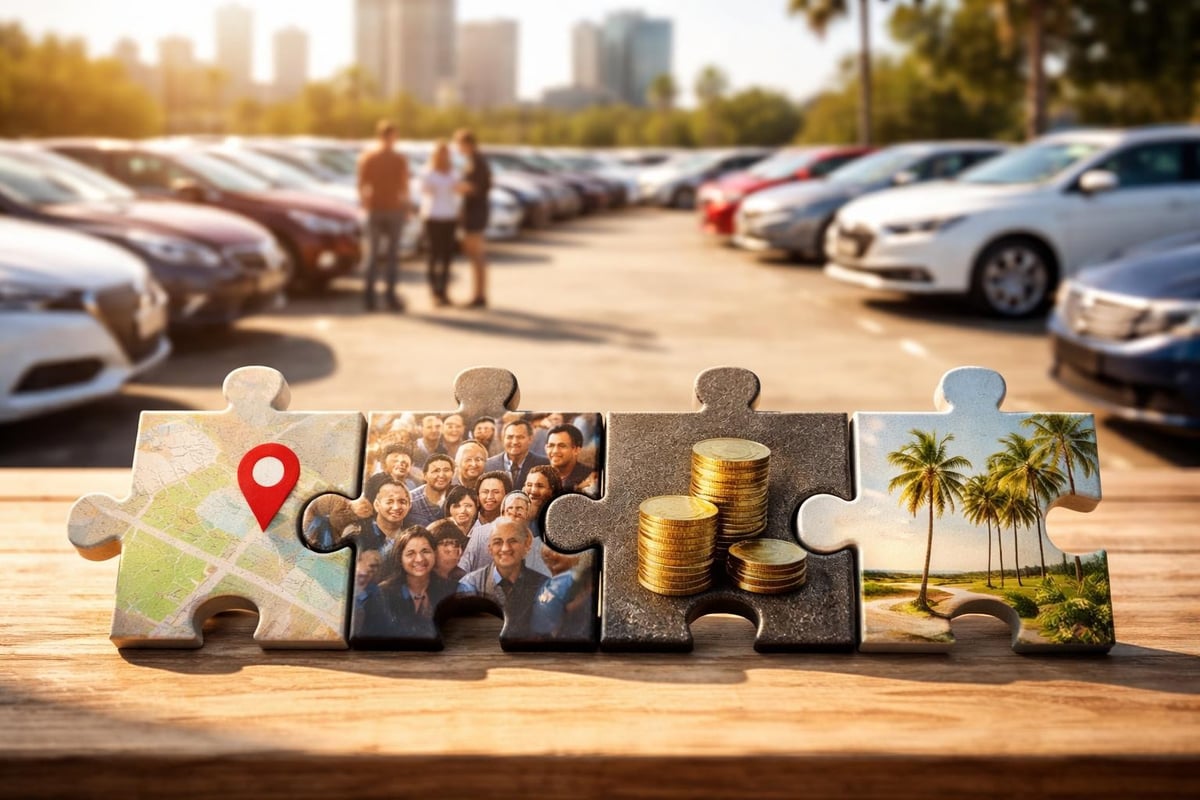
Regional factors in automotive retail

Shopping for a vehicle in 2026 presents unique opportunities and challenges for consumers seeking value, selection, and personalized service. Local car sales have evolved significantly in recent years, adapting to changing market conditions, consumer preferences, and technological advancements. Understanding how to navigate your local automotive market effectively can save you thousands of dollars while ensuring you drive away in the right vehicle for your needs. Whether you're considering a new truck, SUV, or sedan, knowing what to expect from local dealerships and how to maximize your buying power makes all the difference.

The Current State of Local Car Sales Markets

The automotive retail landscape has undergone substantial transformation over the past several years. According to recent data, U.S. new vehicle sales increased by 2.7% in 2024, driven by slightly lower prices and improved interest rates. This trend has continued into 2026, creating more favorable conditions for buyers exploring local car sales options.

Market dynamics vary significantly between regions, with California dealerships experiencing particularly competitive conditions. Local dealerships have responded by enhancing their service offerings, expanding inventory selections, and implementing more transparent pricing strategies. These changes reflect a broader industry shift toward customer-centric business models.

Regional Market Considerations

Different geographic areas present distinct advantages and challenges for vehicle shoppers. In Southern California communities like Simi Valley, Thousand Oaks, and Ventura County, local car sales benefit from higher inventory turnover, diverse selection, and competitive pricing structures.

Key regional factors affecting local car sales:

  • Population density influences inventory variety and pricing competition
  • Regional economic conditions impact financing availability and terms
  • Climate considerations affect vehicle type preferences and maintenance requirements
  • Local regulations and emissions standards shape available inventory

Understanding these regional nuances helps buyers make informed decisions when comparing dealerships and vehicle options.

Why Choose Local Dealerships Over Online-Only Options

While online vehicle purchasing has gained traction, local car sales offer irreplaceable benefits that digital platforms cannot replicate. Physical dealerships provide hands-on experience, immediate test drives, and face-to-face negotiations that build trust and confidence.

The ability to inspect vehicles personally remains one of the most significant advantages of local car sales. No photograph or video can substitute for sitting in the driver's seat, examining build quality, and experiencing how a vehicle handles on real roads. Simi Valley Chrysler Dodge Jeep Ram exemplifies this approach by offering comprehensive test drive opportunities and transparent vehicle inspections.

Service and Maintenance Accessibility

Long-term ownership benefits of buying locally:

  1. Convenient service department access for routine maintenance
  2. Established relationships with service advisors who know your vehicle history
  3. Faster warranty claim processing through direct dealership contact
  4. Access to genuine manufacturer parts and certified technicians
  5. Community reputation incentivizes exceptional service quality

Local dealerships invest heavily in their service departments because they understand that maintenance relationships build customer loyalty. This creates a virtuous cycle where quality service generates repeat business and referrals.

Inventory Selection at Local Dealerships

One common misconception suggests online retailers offer superior selection. In reality, established local car sales operations maintain extensive inventories that rival or exceed digital competitors. Dealerships representing multiple brands provide particular advantages for comparison shopping.

New vehicle inventory at multi-brand dealerships allows buyers to compare different manufacturers' offerings in one location. This convenience saves time and facilitates side-by-side comparisons that inform better purchasing decisions.

Inventory TypeAverage SelectionTypical Availability
New Vehicles150-400 unitsYear-round with seasonal fluctuations
Certified Pre-Owned50-150 unitsConsistent availability
Used Vehicles100-300 unitsHigh turnover, frequent additions

Brand-Specific Inventory Advantages

Dealerships representing Chrysler, Dodge, Jeep, and Ram brands offer particularly diverse selections. Ram trucks appeal to commercial buyers and outdoor enthusiasts, while Jeep inventory serves adventure-seekers and families requiring versatile transportation.

This brand diversity within local car sales operations means shoppers can explore different vehicle categories without visiting multiple locations. The efficiency gained through consolidated shopping cannot be overstated.

Pricing Transparency and Negotiation

Pricing concerns consistently rank among buyers' top priorities when researching local car sales. Average new vehicle costs approaching $50,000 have made pricing transparency essential for consumer confidence. Reputable dealerships have responded by adopting clearer pricing structures and reducing hidden fees.

Modern local car sales practices emphasize upfront pricing that includes all mandatory fees and excludes only government-imposed taxes and registration costs. This transparency helps buyers budget accurately and compare offers effectively across different dealerships.

Understanding Dealership Pricing Structures

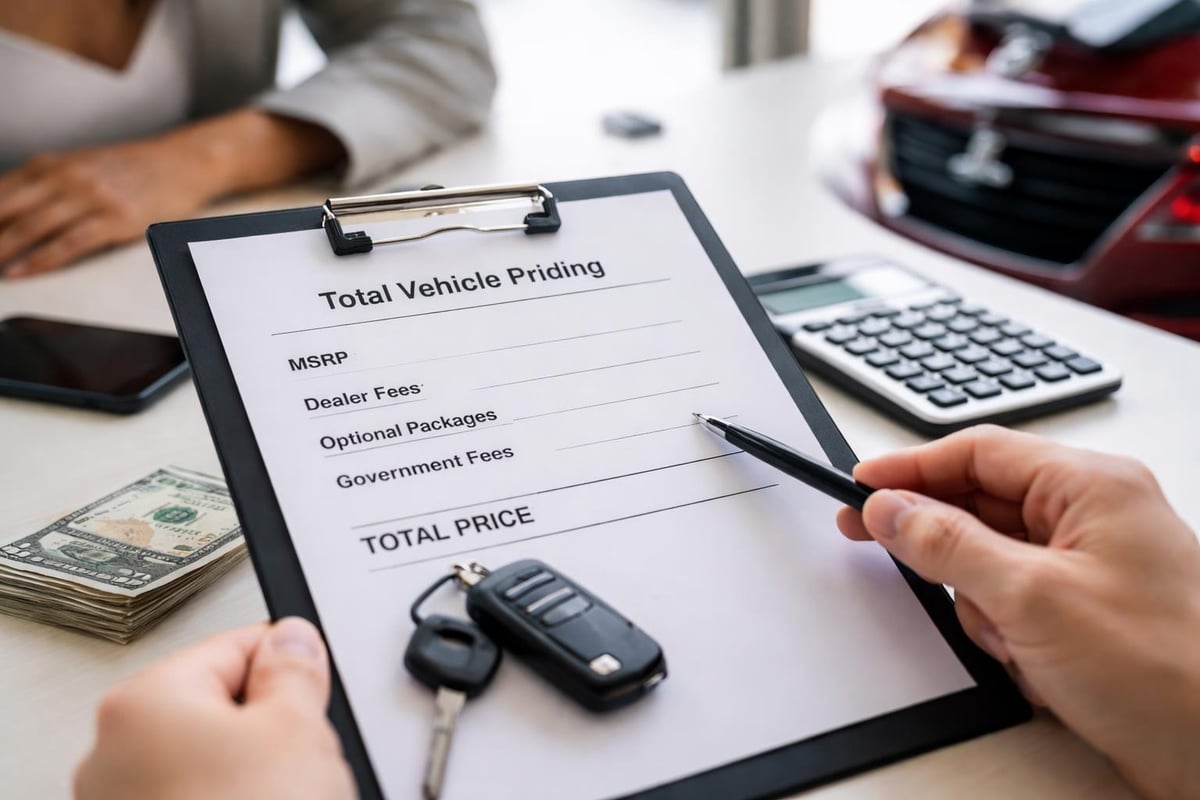
Components of total vehicle price:

  • Manufacturer's Suggested Retail Price (MSRP) or base advertised price
  • Dealer-installed accessories and optional packages
  • Documentation and processing fees
  • Government taxes, title, and registration fees

Smart buyers research these components before visiting dealerships. This preparation enables productive conversations focused on actual value rather than confusion over pricing structures.
Vehicle pricing components

Financing Options Through Local Dealerships

Local car sales operations maintain relationships with multiple lending institutions, creating competitive financing environments that benefit consumers. These relationships often produce better rates and terms than buyers can secure independently, particularly for those with less-than-perfect credit.

Dealership finance departments work with various lenders simultaneously, submitting applications to multiple institutions to secure optimal approval terms. This process, called "shotgunning," leverages competition among lenders to improve interest rates and loan structures.

Financing SourceTypical Rate RangeProcessing TimeCredit Requirements
Credit Unions4.5% - 7.5%2-5 business daysGood to excellent credit
Banks5.0% - 8.5%1-3 business daysFair to excellent credit
Manufacturer Financing3.9% - 9.9%Same dayVaries by promotion
Specialty Lenders8.0% - 18.0%Same dayAccepts challenged credit

Trade-In Value Maximization

One often-overlooked advantage of local car sales involves trade-in processing. Professional appraisers assess vehicle condition, market demand, and wholesale auction values to generate competitive offers. Getting your trade valued before shopping provides leverage during negotiations and simplifies the purchasing process.

Trade-ins offer tax advantages in many states, where sales tax applies only to the price difference between the purchased vehicle and trade-in value. This tax savings can amount to hundreds or thousands of dollars depending on vehicle prices and local tax rates.

The Test Drive Experience

Nothing replaces the insight gained from physically driving a vehicle you're considering purchasing. Local car sales facilitate this essential step through readily available test drive opportunities that accommodate your schedule. Scheduling a test drive takes minutes and provides invaluable information about vehicle performance, comfort, and suitability.

What to evaluate during test drives:

  1. Seating comfort and visibility in normal driving positions
  2. Acceleration, braking, and handling characteristics
  3. Noise levels at various speeds and road conditions
  4. Technology interface usability and intuitiveness
  5. Cargo space and storage functionality
  6. Passenger comfort in rear seating areas

Professional sales consultants accompany test drives to answer questions and highlight features, but attentive buyers should focus primarily on their own impressions and how the vehicle meets their specific needs.

Market Trends Affecting Local Car Sales in 2026

Understanding broader market trends helps buyers time purchases advantageously and set realistic expectations. Current automotive shopping trends indicate continued strong demand for trucks and SUVs, with increasing interest in hybrid and electric powertrains among environmentally conscious consumers.

Economic factors including interest rates, employment levels, and consumer confidence directly impact local car sales volumes and pricing strategies. Monitoring these indicators provides insight into optimal purchasing windows.

Impact of Tariffs and Supply Chain Considerations

Recent policy changes affecting automotive imports have influenced vehicle availability and pricing. New tariffs impact car prices differently depending on manufacturing location and component sourcing. Domestically manufactured vehicles, particularly trucks and SUVs produced in North America, experience less pricing pressure from import duties.

This reality makes American-made vehicles increasingly attractive from both pricing and availability perspectives. Brands like Jeep and Ram, with substantial domestic manufacturing operations, maintain more stable pricing compared to heavily imported competitors.

Economic factors in car buying

Used Vehicle Considerations in Local Markets

Certified pre-owned and quality used vehicles represent significant portions of local car sales operations. Market trends comparing used and new vehicles show continued strong demand for low-mileage, well-maintained pre-owned options that offer substantial savings compared to new equivalents.

Reputable dealerships certify used vehicles through comprehensive multi-point inspections that verify mechanical condition, safety systems, and cosmetic quality. These programs typically include extended warranty coverage and roadside assistance, providing peace of mind similar to new vehicle purchases.

Evaluating Used Vehicle Value

Critical factors in used vehicle assessment:

  • Documented maintenance history and service records
  • Vehicle history reports showing accident-free status
  • Current condition of tires, brakes, and fluid systems
  • Remaining factory warranty coverage if applicable
  • Market pricing compared to similar age and mileage vehicles

Smart buyers researching local car sales opportunities examine both new and used options to determine optimal value for their budgets and requirements.

Customer Service Excellence in Local Car Sales

Dealership reputation within their communities directly affects long-term success, creating strong incentives to prioritize customer satisfaction. Local car sales operations depend on repeat customers and referrals, making exceptional service non-negotiable for sustainable business.

This community accountability distinguishes local dealerships from impersonal online retailers. Sales consultants, finance managers, and service technicians develop ongoing relationships with customers that extend well beyond initial vehicle purchases.

Building Long-Term Dealership Relationships

Benefits of dealership loyalty:

  1. Priority scheduling for service appointments during peak periods
  2. Customer appreciation events and exclusive preview opportunities
  3. Referral rewards and loyalty pricing on future purchases
  4. Personalized communication about recalls and service campaigns
  5. Streamlined processes for repeat buyers with established credit

These relationship benefits accumulate over years of patronage, creating value that extends far beyond individual transactions.

Vehicle Customization and Special Orders

Local car sales operations accommodate buyers seeking specific configurations not currently in stock through factory order programs. Custom factory orders allow precise specification of colors, packages, and options to create your ideal vehicle.

While special orders require patience, typically 8-12 weeks for delivery, they eliminate compromise on important features and ensure you receive exactly the vehicle you want. This option particularly appeals to buyers with specific requirements for commercial applications, accessibility modifications, or unique aesthetic preferences.

Geographic Advantages of Southern California Dealerships

Buyers in the Simi Valley region benefit from exceptional access to diverse inventory and competitive pricing. The concentration of dealerships throughout Ventura County and surrounding areas creates a highly competitive environment that favors informed consumers.

Regional dealership advantages:

  • Higher inventory turnover ensures fresher stock and newer model availability
  • Competitive market conditions motivate aggressive pricing strategies
  • Mild climate reduces weather-related vehicle wear
  • Strong commercial market supports excellent truck selection
  • Proximity to ports expedites new inventory arrival

These geographic benefits make local car sales in Southern California particularly attractive compared to many other regions nationally.

Comprehensive After-Sales Support

Vehicle ownership involves ongoing maintenance, occasional repairs, and periodic questions about features and functionality. Local car sales operations provide comprehensive support infrastructure that online retailers cannot match.

Service departments staffed with factory-trained technicians ensure proper maintenance using genuine manufacturer parts. This expertise proves especially valuable for complex modern vehicles with sophisticated electronic systems requiring specialized diagnostic equipment.

Service TypeTypical IntervalLocal Dealership Advantage
Oil Changes5,000 - 10,000 milesGenuine fluids, multi-point inspections
Tire Rotations5,000 - 7,500 milesProper torque, alignment checks
Brake Service30,000 - 50,000 milesOEM components, warranty protection
Major Maintenance30,000 - 60,000 milesFactory-specified procedures, records

Maintaining service history at your selling dealership simplifies warranty claims and preserves vehicle value for eventual resale or trade-in.

Making the Final Purchasing Decision

After researching options, comparing vehicles, and evaluating financing, making the final commitment requires confidence in your choice. Reputable local car sales professionals guide buyers through final paperwork efficiently while ensuring complete understanding of all documents and commitments.

Final steps in the purchase process:

  1. Review and sign purchase agreement detailing all pricing components
  2. Complete financing paperwork or arrange payment transfer
  3. Secure insurance coverage effective at delivery
  4. Review vehicle features and controls with product specialist
  5. Schedule first service appointment and register owner accounts

Taking time to understand each step prevents confusion and ensures smooth vehicle delivery experiences.

Why Local Knowledge Matters in Car Buying

Sales consultants with deep community knowledge provide insights extending beyond vehicle features and pricing. Understanding local driving conditions, popular use cases, and regional preferences helps match buyers with optimal vehicles.

In Southern California, this expertise might involve recommending appropriate cooling systems for desert driving, suggesting all-wheel-drive configurations for mountain access, or identifying ideal truck specifications for local business applications. This contextual knowledge adds genuine value to local car sales experiences.


Navigating local car sales successfully requires research, patience, and partnership with dealerships prioritizing transparency and customer service. By understanding market trends, evaluating both new and used options, and building relationships with reputable local dealers, buyers position themselves for satisfying purchases that meet their needs and budgets. Whether you're seeking a capable truck, versatile SUV, or efficient sedan, Simi Valley Chrysler Dodge Jeep Ram offers the inventory selection, financing expertise, and personalized service that make vehicle buying straightforward and rewarding. Visit today to explore current inventory and experience the difference that community-focused automotive retail provides.

Recommended Posts

Freightliner Bumpers and Cascadia Fairing Panels for a Stronger, Sleeker Truck

Shop durable Freightliner truck bumpers and Cascadia fairing panels for sale. Precise-fit exterior components for 2008-2017 and 2018+ trucks with fast shipping and expert support. Keeping a Freightliner Cascadia in top condition is about more than the engine under the hood — the exterior body components play a huge role in how the truck performs, looks, and holds its value. Side fairings, step skirts, and front-end pieces all work together to cut drag, protect vulnerable systems, and give the rig a clean, professional presence on the road. Operators searching for quality freightliner bumpers for sale often find that upgrading the entire front and side profile delivers the biggest return. When you pair durable freightliner truck bumpers with well-fitted aerodynamic panels, your Cascadia gains both protection and efficiency in one smart upgrade. The Value of a Complete Exterior Upgrade A truck's exterior is its first line of defense and its calling card all at once. Aerodynamic fairing panels smooth the airflow around the fuel tanks and drive area, lowering wind resistance and helping every gallon of diesel go further. A solid front end absorbs impacts and shields the radiator and cooling system from road debris. Together these components reduce long-term repair costs while keeping the truck looking sharp mile after mile. Over time, that combination of efficiency and protection adds up to real savings, since a truck that burns less fuel and stays out of the repair bay simply earns more for its owner on every route. At tacoma-truckparts.com, the Cascadia selection covers front, middle, and rear fairing panels, step skirts, extensions, and complete sets for both driver and passenger sides. Whether you run a 2008-2017 model or a 2018-and-newer truck, there are pieces engineered to match your exact frame and factory mounting points. Precision Fit for Every Model Year Fitment is everything with exterior body components. Panels and front-end pieces built for your specific model year line up cleanly with existing hardware, so installation is straightforward and the finished surface sits flush and secure. Durable materials stand up to road spray, gravel, and constant vibration, keeping the truck looking its best season after season. Reinforced panels and aluminum step skirts add both function and a polished, professional finish that owner-operators take pride in. Choosing correctly-sized components also protects everything around them. Well-fitted fairings shield tanks, steps, and wiring from flying debris, while a strong front end guards the systems behind it. That kind of protection keeps your Cascadia earning out on the highway instead of sitting in the shop. Efficiency, Protection, and Uptime Downtime is expensive, which is why fast order processing and dependable availability matter as much as the parts themselves. Orders ship quickly, backed by knowledgeable support that understands the daily demands facing fleet managers and independent drivers alike. Being able to find the exact panel, skirt, or front-end piece you need without guesswork keeps maintenance simple and predictable. Investing in your Cascadia's exterior is a smart move for fuel economy, curb appeal, and long-term resale value. With aerodynamic fairings and dependable front-end components working together, your truck cuts cleanly through the wind, looks its best, and stays ready for the next long haul. A well-maintained, polished rig also builds trust with customers and makes a strong impression during inspections. Browse the full selection today and give your Freightliner Cascadia the efficient, protected, road-ready finish it truly deserves.

Jeep Grand Cherokee L and Wagoneer

Compare Jeep Grand Cherokee L and Wagoneer

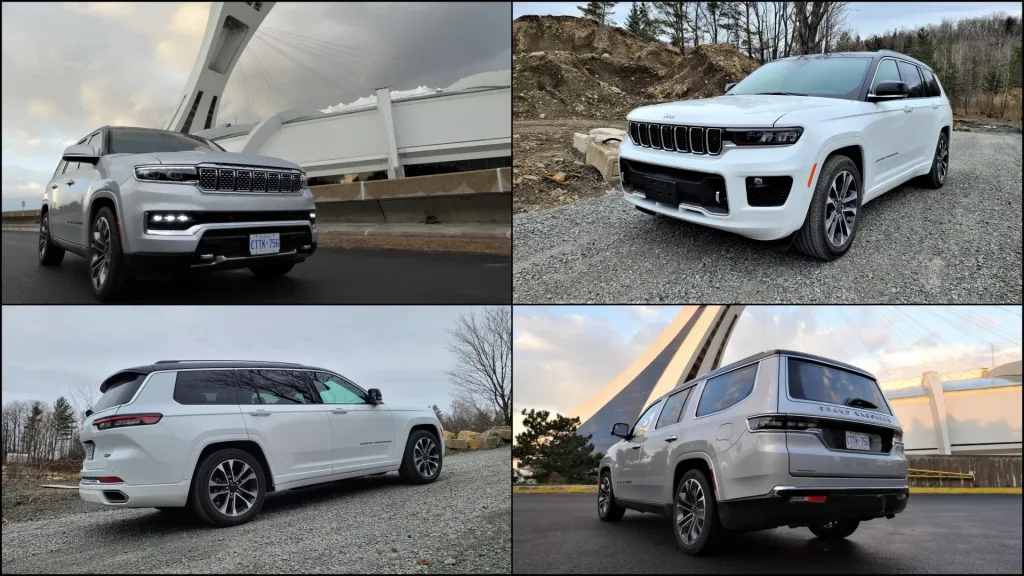
Yes, Jeep SUVs do offer 3rd row seating. The main Jeep SUVs with three rows are the Jeep Grand Cherokee L and the Jeep Wagoneer / Grand Wagoneer lineup, depending on model year and availability. For most families near Simi Valley, Thousand Oaks, Moorpark, Oxnard, Los Angeles, San Fernando Valley, Santa Clarita, and Burbank, the Jeep Grand Cherokee L is the more practical three-row Jeep SUV. The Wagoneer and Grand Wagoneer are better for shoppers who want maximum passenger room, more cargo space, stronger towing capability, and a larger full-size SUV feel. If you want to compare options, start with the new Jeep inventory at Simi Valley Chrysler Dodge Jeep Ram, check the used Jeep inventory, or value your current vehicle before upgrading through the trade-in page. Table of Contents Which Jeep SUVs Have 3rd Row Seating? Jeep Grand Cherokee L: The Practical 3-Row Jeep SUV Jeep Wagoneer and Grand Wagoneer: The Bigger 3-Row Jeep Option Grand Cherokee vs. Grand Cherokee L: Which One Has More Room? Grand Cherokee L vs. Wagoneer: Which 3-Row Jeep Is Better? Is the Third Row Comfortable for Adults? How Much Cargo Space Do 3-Row Jeep SUVs Offer? Can a 3-Row Jeep SUV Tow? Common Buyer Warnings Before Buying a Used 3-Row Jeep Local Dealership Angle: Simi Valley CDJR Final Answer Which Jeep SUVs Have 3rd Row Seating? The Jeep SUVs with 3rd row seating are the Jeep Grand Cherokee L and the Jeep Wagoneer / Grand Wagoneer family. The standard Jeep Grand Cherokee is a two-row SUV with seating for up to five passengers. The Grand Cherokee L is the longer three-row version with seating for up to seven passengers. Jeep confirms that the two-row Grand Cherokee seats up to five, while the Grand Cherokee L seats up to seven. The Wagoneer and Grand Wagoneer are larger full-size Jeep SUVs with three-row seating. They are designed for shoppers who want more passenger space, more cargo capacity, more towing ability, and a more premium full-size SUV experience. So the simple answer is: Choose the Jeep Grand Cherokee L if you want a midsize three-row Jeep SUV. Choose the Wagoneer or Grand Wagoneer if you want a larger full-size three-row Jeep SUV. Choose the regular Grand Cherokee if you only need two rows and prefer a smaller, easier-to-park SUV. Jeep Grand Cherokee L: The Practical 3-Row Jeep SUV The Jeep Grand Cherokee L is usually the best fit for families who want three rows without going all the way up to a full-size SUV. It gives you: Seating for up to seven passengers. Available second-row captain’s chairs or a second-row bench, depending on configuration. A usable third row for kids, teens, or occasional adult passengers. Available 4x4 capability. Strong towing capability when properly equipped. A more manageable size than a Wagoneer. A more premium feel than many mainstream three-row SUVs. According to Jeep, the Grand Cherokee L offers up to 84.6 cubic feet of cargo space with the second and third rows folded. Jeep also notes that a second-row bench seat is available so the vehicle can carry up to seven passengers. Source: Jeep Grand Cherokee 3-Row SUV That makes the Grand Cherokee L a smart choice for families who need extra seating but still want a vehicle that feels comfortable for daily driving, school pickup, road trips, and weekend getaways. Jeep Wagoneer and Grand Wagoneer: The Bigger 3-Row Jeep Option The Wagoneer and Grand Wagoneer are the larger three-row Jeep SUVs. They are built for shoppers who want more room, more towing confidence, and more upscale features than the Grand Cherokee L. The Grand Wagoneer is especially strong for buyers who need a premium full-size SUV. Jeep lists the 2026 Grand Wagoneer with seating for seven, 179 cubic feet of passenger volume, and strong cargo space depending on configuration. Source: Jeep Grand Wagoneer Specs The Grand Wagoneer is also the stronger choice for towing. Jeep lists an available maximum towing capacity of up to 10,000 pounds when properly equipped. Source: Jeep Grand Wagoneer Capability Choose the Wagoneer or Grand Wagoneer if you want: A larger full-size SUV. More third-row room. More cargo space. More luxury features. Stronger towing capability when properly equipped. A better fit for larger families. A stronger road-trip SUV. The tradeoff is size. A Wagoneer or Grand Wagoneer will feel larger in traffic, parking lots, tight garages, and city driving compared to a Grand Cherokee L. Grand Cherokee vs. Grand Cherokee L: Which One Has More Room? The Jeep Grand Cherokee and Jeep Grand Cherokee L are closely related, but they are not the same. The standard Grand Cherokee has two rows and seats up to five passengers. It is better for drivers who want a premium SUV, strong available 4x4 capability, and easier daily maneuverability without needing a third row. The Grand Cherokee L adds the third row and stretches the vehicle to create space for up to seven passengers. It is the better choice if you have a larger family, drive with kids and friends, or want extra flexibility for road trips. Choose the standard Grand Cherokee if you want: Two rows. Easier parking. Slightly simpler family use. More focus on front and second-row comfort. A good mix of daily driving and Jeep capability. Choose the Grand Cherokee L if you want: Three rows. Seating for up to seven. More passenger flexibility. More cargo flexibility. A better family SUV setup. A stronger alternative to three-row crossovers. For shoppers near Simi Valley and Thousand Oaks who want one SUV for daily driving, family trips, and weekend adventures, the Grand Cherokee L is usually the more flexible choice. Grand Cherokee L vs. Wagoneer: Which 3-Row Jeep Is Better? The better choice depends on how much space and capability you need. The Jeep Grand Cherokee L is better if you want a three-row SUV that still feels manageable for daily driving. It is easier to park, easier to maneuver, and more practical for many families who only need the third row part of the time. The Wagoneer or Grand Wagoneer is better if you want more room and more towing strength. It is the better choice for larger families, frequent road trips, heavy cargo needs, and towing larger trailers when properly equipped. Choose the Grand Cherokee L if: You want three rows but do not want a massive SUV. You need seating for up to seven. You want a premium midsize SUV feel. You want available Jeep 4x4 capability. You want a practical family SUV for daily use. Choose the Wagoneer or Grand Wagoneer if: You need more adult-friendly third-row space. You want more cargo space behind the rows. You tow more often. You want a larger, more premium SUV. You regularly travel with a full family and luggage. For most local families, the Grand Cherokee L is the sweet spot. For shoppers who want the biggest Jeep SUV available, the Wagoneer and Grand Wagoneer are the stronger fit. Is the Third Row Comfortable for Adults? The third row in the Jeep Grand Cherokee L is useful, but it is best for kids, teens, and shorter trips with adults. Adults can use it, but it is not as spacious as a full-size SUV third row. The Wagoneer and Grand Wagoneer are better if adult third-row comfort is a major priority. Their larger body gives passengers more room to stretch out, especially on longer drives. Think of it this way: Grand Cherokee L: better for families who need occasional third-row use. Wagoneer / Grand Wagoneer: better for regular adult third-row use. Standard Grand Cherokee: better if you do not need a third row at all. If you regularly drive with six or seven people, test the third row before buying. Seat comfort depends on passenger height, second-row position, seat configuration, and cargo needs. How Much Cargo Space Do 3-Row Jeep SUVs Offer? Cargo space depends on which Jeep SUV you choose and how many seats are in use. The Jeep Grand Cherokee L is flexible because you can fold the third row when you do not need it. With the second and third rows folded, Jeep lists up to 84.6 cubic feet of cargo space. Source: Jeep Grand Cherokee 3-Row SUV That is useful for: Groceries. Strollers. Sports gear. Camping supplies. Luggage. Home improvement items. Road-trip bags. The Wagoneer and Grand Wagoneer offer more space overall because they are full-size SUVs. They are better if you need to carry passengers and cargo at the same time. If you have a big family and often travel with luggage, the Wagoneer or Grand Wagoneer makes more sense. If you only need the third row occasionally, the Grand Cherokee L is usually enough. Can a 3-Row Jeep SUV Tow? Yes, three-row Jeep SUVs can tow when properly equipped, but towing capacity depends on engine, drivetrain, equipment, trim, and vehicle condition. The Jeep Grand Cherokee L can tow up to 6,200 pounds when properly equipped, according to Jeep’s Grand Cherokee specifications. Source: Jeep Grand Cherokee Specs The Grand Wagoneer can tow up to 10,000 pounds when properly equipped, according to Jeep. Source: Jeep Grand Wagoneer Capability That makes the Grand Cherokee L strong enough for many smaller trailers, light campers, personal watercraft, and utility trailers. The Grand Wagoneer is the better choice if you tow heavier loads more often. Before towing, always check: Owner’s manual. Exact towing rating by VIN. Trailer weight. Tongue weight. Payload. Hitch rating. Tire condition. Brake controller needs. Cooling system condition. Local towing laws. Always use “when properly equipped” for towing because not every trim or configuration has the same rating. Common Buyer Warnings Before Buying a Used 3-Row Jeep A used Jeep Grand Cherokee L, Wagoneer, or Grand Wagoneer can be a strong family SUV, but condition matters. Before buying, check: Service history. Tire wear. Brake condition. Suspension noise. Oil leaks. Coolant leaks. Transmission shifting. 4x4 system operation. Infotainment screen function. Power seat and power-folding seat operation. Liftgate operation. Prior accident history. Rust or underbody damage. Water leaks. Towing history. Aftermarket wiring. Open recalls by VIN. If the SUV was used for towing, inspect the hitch, rear suspension, brakes, tires, and cooling system. If it was used off-road, inspect the underbody, skid plates, suspension, wheels, and alignment. Always check recalls by VIN using the official NHTSA recall lookup tool, especially when buying a used family SUV. Local Dealership Angle: Simi Valley CDJR For shoppers near Simi Valley, Thousand Oaks, Moorpark, Oxnard, Los Angeles, San Fernando Valley, Santa Clarita, and Burbank, a three-row Jeep SUV makes sense if you want family space without giving up Jeep capability. At Simi Valley Chrysler Dodge Jeep Ram, you can compare available Jeep Grand Cherokee L, Wagoneer, Grand Wagoneer, and other Jeep SUVs in new inventory. If you want a lower payment or more trim options, check the used inventory and compare mileage, condition, service history, trim, drivetrain, and warranty coverage. You can also start your approval through the finance application, estimate your vehicle’s value through the trade-in page, schedule maintenance with the service department, or order genuine Mopar parts through the parts department. For families who need a daily driver, road-trip SUV, school-run vehicle, and weekend adventure vehicle in one package, the Grand Cherokee L is usually the best starting point. For maximum space and towing strength, move up to the Wagoneer or Grand Wagoneer. Final Answer: Do Any Jeep SUVs Have 3rd Row Seating? Yes, Jeep SUVs do have 3rd row seating. The main options are the Jeep Grand Cherokee L and the Jeep Wagoneer / Grand Wagoneer lineup. The best choice for most families is the Jeep Grand Cherokee L because it offers seating for up to seven, useful cargo flexibility, available 4x4 capability, and a more manageable size than a full-size SUV. The Wagoneer and Grand Wagoneer are better if you want maximum space, more premium features, and stronger towing capability when properly equipped. For shoppers near Simi Valley, Thousand Oaks, Moorpark, Oxnard, Los Angeles, San Fernando Valley, Santa Clarita, and Burbank, compare new and used three-row Jeep SUVs at Simi Valley Chrysler Dodge Jeep Ram, check financing options, value your trade, or schedule a test drive to see which Jeep SUV fits your family best.

CC26_JLJL74_2TB_PYC_APA_XXX_XXX_XXX.44595767d2e79008ad8cdbe55f250a44

How much do you have to pay a month for a Jeep Wrangler?

How Much Do You Have to Pay a Month for a Jeep Wrangler? A Jeep Wrangler monthly payment usually ranges from about $575 to $1,100+ per month, depending on the price, down payment, credit score, interest rate, loan term, taxes, fees, and trim. The simple answer is this: a lower-trim Jeep Wrangler Sport may land around $600 to $750 per month with normal financing, while a Wrangler Willys, Sahara, Rubicon, 4xe, or 392 can easily push payments into the $800 to $1,200+ range. Jeep lists the 2026 Wrangler starting at $36,035 MSRP, while higher trims like Sahara, Rubicon, and Rubicon X start much higher. Jeep Wrangler Quick Monthly Payment Estimate Here is a realistic estimate using a 72-month loan, about 7% APR, and roughly estimated taxes and fees. Actual payments can be higher or lower. $36,000 Wrangler: about $615 to $700/month $45,000 Wrangler: about $760 to $875/month $55,000 Wrangler: about $930 to $1,070/month $65,000 Wrangler: about $1,100 to $1,260/month $75,000+ Wrangler 392: about $1,275 to $1,500+/month This assumes little to moderate money down. A larger down payment or trade-in can lower the payment. A higher APR can raise it fast. Wrangler Price by Trim Jeep’s official 2026 Wrangler page lists starting MSRPs such as: Sport: from $36,035 Sport S: from $39,685 Willys: from $43,755 Sahara: from $48,910 Rubicon: from $45,815 Rubicon X: from $55,765 Jeep Wrangler Those are starting prices before taxes, registration, dealer fees, accessories, packages, and finance charges. A real Wrangler on the lot can cost much more once options are added. What Affects Your Jeep Wrangler Payment? The biggest factors are: Vehicle price: A Rubicon costs much more per month than a Sport. Down payment: More money down lowers the amount financed. Trade-in equity: Positive equity can reduce your payment. Credit score: Better credit usually means a lower APR. Loan term: Longer terms lower monthly payments but increase total interest. Taxes and fees: California taxes and registration can add thousands to the financed amount. Add-ons: Warranties, protection products, accessories, and lift packages can raise the payment. New vs Used Wrangler Monthly Payment A used Wrangler may not always be dramatically cheaper because Wranglers hold value well. A clean used Wrangler can still have a strong price, especially if it is a Rubicon, Willys, 4xe, or low-mileage Unlimited. That said, used can still be the better monthly-payment move if you choose the right year, mileage, and trim. For LA and Simi Valley shoppers, compare used Jeep inventory against new Jeep inventory before deciding. Sometimes the new-car incentives make a new Wrangler closer in payment than expected. Best Way to Lower the Payment The cleanest ways to lower a Wrangler payment are: Choose a lower trim like Sport, Sport S, or Willys. Put more money down. Use trade-in equity. Improve credit before applying. Avoid unnecessary add-ons. Compare new and used options. Choose a realistic loan term. A longer loan can make the payment look easier, but do not stretch the term too far just to afford a higher trim. The total cost matters. Final Answer Most Jeep Wrangler payments fall around $600 to $1,100 per month. A basic Wrangler Sport may be close to $600 to $750/month with typical financing. A Wrangler Willys, Sahara, Rubicon, or 4xe may be closer to $800 to $1,100/month. A Wrangler 392 or heavily optioned model can go well above $1,200/month. The only accurate number comes from the exact Wrangler, your credit, down payment, trade value, taxes, fees, and approved APR.