Simi Valley Chrysler Dodge Jeep Ram

Blog / General

How To Register A Car in California A Complete Guide

Dodge Challenger 2024

How To Register a Car in California: A Complete Guide

To register a car in California, you usually need the vehicle title or ownership document, proof of insurance, a completed DMV application, payment for taxes and fees, and a smog certificate if the vehicle requires one.

The exact process depends on how you got the car. Registering a vehicle purchased from a California dealership is different from registering a private-party purchase, an out-of-state vehicle, or a car brought into California after moving from another state.

The simple answer is this: if you bought from a California dealer, the dealer usually handles most of the registration. If you bought from a private seller or brought the car from another state, you usually need to complete the title transfer and registration through the California DMV.

California DMV’s main vehicle registration page is the official starting point for new registrations, title transfers, new resident vehicles, imported vehicles, and fee estimates.

What You Need To Register a Car in California

Most California vehicle registrations require a few basic items.

You usually need proof of ownership, such as a California title, out-of-state title, or dealer paperwork. You also need proof of California insurance, a completed application, odometer information when required, a smog certificate when applicable, and payment for DMV fees and taxes.

California DMV says that when registering a vehicle purchased from a dealer, you will always need the last issued title, a completed Application for Title or Registration, proof of insurance, and a valid smog certification if the vehicle requires one. The DMV explains these requirements on its dealer-purchased vehicle registration page.

For most shoppers, the easiest version of this process is buying from a licensed California dealer because the dealer often collects the required taxes and fees, submits paperwork, and provides temporary registration.

Registering a Car Bought From a California Dealer

If you buy a car from a licensed California dealership, the dealer usually handles the title and registration work for you.

California DMV says many dealers are authorized to transfer titles and issue temporary registration while the permanent registration card and stickers are mailed. That means you usually do not need to visit the DMV yourself for a normal dealer purchase. You can review the DMV’s explanation under registering a vehicle purchased from a dealer.

Still, you should check the paperwork before leaving the dealership. Make sure your name, address, vehicle identification number, purchase price, fees, taxes, and lienholder information are correct.

You should also keep copies of your purchase agreement, temporary registration, finance contract if applicable, and insurance documents. If permanent plates, registration, or title paperwork does not arrive within the expected window, contact the dealership first, then DMV if needed.

If you are still shopping, compare local new inventory or used inventory and ask for the full out-the-door price before signing.

Registering a Car Bought From a Private Seller

If you buy a car from a private seller in California, the buyer has 10 days after purchase to transfer ownership, and the seller has 5 days after the sale to report the transfer to DMV. California DMV explains this deadline on its private-party purchase page.

For a private-party purchase, you usually need the signed California Certificate of Title, an odometer disclosure if required, a smog certificate if required, payment for fees and taxes, and a completed title transfer application.

Do not assume the seller handles everything. The seller should release liability, but the buyer must transfer the title and register the car.

Before paying, make sure the name on the title matches the seller’s ID. Check that the VIN on the title matches the VIN on the vehicle. Confirm there is no lien unless the lien release is included. Make sure the title is not branded in a way you did not expect.

A private sale can save money, but missing paperwork can turn a good deal into a DMV problem.

How Long Do You Have To Register a Car in California?

For most private-party vehicle purchases in California, you have 10 days to transfer ownership into your name.

California DMV also states in its driver handbook that when you buy a vehicle, you have 10 days to transfer ownership, and when you sell a vehicle, you must notify DMV within 5 days. You can see that rule in the DMV handbook section on vehicle registration requirements.

If you move to California from another state, the timing is different. New residents generally need to register their out-of-state vehicle in California within 20 days of becoming a resident or bringing the vehicle into California. The DMV covers new-resident steps on its New to California page.

Do not wait until your old registration expires. California may still require registration based on when you became a resident or when the vehicle entered the state.

Registering an Out-of-State Car in California

Registering an out-of-state car in California usually takes more work than registering a vehicle already titled in California.

You generally need the out-of-state title, out-of-state registration, a completed California title or registration application, proof of insurance, a smog certificate if required, a VIN verification, and payment for taxes and fees.

California DMV says out-of-state vehicles must meet California registration requirements, including emissions-related rules, before they can be registered. The DMV explains these requirements in its driver handbook section on vehicle registration.

A DMV employee, licensed verifier, or approved law enforcement officer may need to verify the VIN. The vehicle may also need a smog inspection unless it is exempt.

If you bought the vehicle outside California for use in California, use tax may apply. The California Department of Tax and Fee Administration explains that use tax generally applies to vehicles purchased outside California for use in the state. You can review CDTFA’s guidance on vehicles and vessels.

Buying a Car in Another State and Registering It in California

You can buy a car in another state and register it in California, but you need to be careful.

The car must be eligible for California registration. It may need to meet California emissions standards. You may owe California use tax. You may need a smog inspection, VIN verification, and additional DMV paperwork.

This matters if you buy a vehicle from Texas, Nevada, Arizona, Oregon, or another state and plan to bring it to California.

The biggest mistake is assuming an out-of-state purchase avoids California tax. If the vehicle is purchased for use in California, California use tax can still apply. CDTFA explains this under its vehicle tax guidance.

Before buying out of state, confirm the vehicle’s emissions label, title status, mileage, registration history, and whether it can be registered in California.

Do You Need a Smog Check To Register a Car in California?

Often, yes.

California requires smog inspections for many gasoline-powered and hybrid vehicles, especially when ownership changes or an out-of-state vehicle is registered in California.

California DMV says that when you sell a car, you generally need to give the buyer a valid smog certification if the vehicle requires one. The DMV explains smog requirements on its smog inspections page.

Some vehicles are exempt. Newer vehicles, electric vehicles, certain older vehicles, motorcycles, trailers, and some diesel vehicles may be treated differently. The rules can vary by model year, fuel type, and transaction type.

For used cars, the safest move is to confirm the smog requirement before purchase. A car that cannot pass smog can become difficult to register in California.

California Registration Fees: What You Pay

California registration fees vary by vehicle and location.

The DMV says registration fees are based on the vehicle type, purchase price or declared value, purchase date or entry date into California, city and county, vehicle weight, number of axles, and special license plates if applicable. The DMV explains this on its registration fees page.

Typical costs may include registration fees, title transfer fees, California Highway Patrol fees, county or district fees, use tax, vehicle license fees, weight fees for some vehicles, and plate-related fees.

The exact amount can change depending on the vehicle. A heavy truck may have different fees from a small sedan. A newer, more expensive vehicle may cost more to register than an older, lower-value vehicle.

California DMV Fee Calculator

The best way to estimate your registration cost is to use the official California DMV fee calculator.

California DMV provides a vehicle registration fee calculator for different situations, including new vehicles, used vehicles, registration renewals, and vehicles brought into California by new residents.

This is better than guessing because California fees depend on too many variables. Your city, county, vehicle value, purchase date, and vehicle type can all change the final number.

If you are comparing vehicles, calculate the out-the-door cost, not just the sale price.

What Is the Vehicle License Fee in California?

The Vehicle License Fee, or VLF, is one part of California registration cost.

California DMV says the VLF is 0.65% of the purchase price or vehicle value for most vehicles. This is listed on the DMV’s registration fees page.

That means a more expensive vehicle usually has a higher VLF. This is one reason a newer or higher-priced vehicle may cost more to register than an older used car.

The VLF is separate from sales or use tax, title fees, and other DMV charges.

Do You Need Insurance Before Registering a Car?

Yes, California requires proof of financial responsibility, and most buyers use auto insurance to meet that requirement.

When registering a car, you should have proof of insurance ready. If you bought the car from a dealer, the dealer or lender may require proof of insurance before you drive away.

For private-party purchases, do not assume you can legally drive the car home without coverage. Arrange insurance before taking possession or before driving the vehicle on public roads.

Title Transfer vs Registration: What Is the Difference?

Title and registration are related, but they are not the same.

The title proves ownership. Registration gives the vehicle permission to operate on public roads.

When you buy a vehicle, you need the title transferred into your name. You also need the vehicle properly registered if you plan to drive it.

California DMV says any change in ownership or lienholder must be reported within 10 days, and the title must be updated. You can review the DMV’s title guidance on title transfers.

If you finance a car, the lender may be listed as the lienholder until the loan is paid off.

Registering a Financed Car in California

If you finance a car through a dealership, the registration process is usually handled as part of the purchase.

The lender will typically be listed as the lienholder. You are the registered owner, but the lender has a legal interest in the vehicle until the loan is paid off.

If you finance through a bank or credit union on a private-party purchase, make sure the lender’s title instructions are followed correctly. Any mistakes with lienholder information can delay the title and registration process.

For buyers comparing payment options, it helps to start with a finance application before shopping seriously.

Registering a Used Car in California

Registering a used car in California depends on whether you bought it from a dealer or a private seller.

If you buy from a dealer, the dealer usually handles the paperwork. If you buy privately, you need to transfer the title and pay the required tax and fees through DMV.

For used cars, always check the title, smog status, registration status, lien status, odometer reading, vehicle history, and open recalls before buying.

California does not automatically protect you from a bad private-party deal. Once you buy the car, registration problems can become your problem.

What If the Car Has No Title?

Be very careful with any car that has no title.

In California, a valid title is the main proof of ownership. If the seller does not have the title, ask why. A missing title can mean the car has a lien, a title problem, a past loss history, or ownership confusion.

The seller may need to request a duplicate title before selling. California DMV provides title replacement and title transfer options through its title transfers resources.

For most buyers, the safest rule is simple: do not buy a car without clean ownership paperwork unless you fully understand the DMV process and risk.

Can You Register a Car Online in California?

Some vehicle registration and title transfer steps can be started online through California DMV.

DMV offers online services for title transfers, renewals, fee estimates, and other vehicle-related tasks. However, some situations still require in-person steps, especially VIN verification, out-of-state vehicles, missing paperwork, or unusual title issues.

Start with the DMV’s online vehicle registration page and follow the path that matches your situation.

Common Mistakes To Avoid

The most common registration mistake is waiting too long after buying a car.

Another common mistake is buying a private-party vehicle without checking the title. Buyers also run into problems when they ignore smog requirements, forget insurance, do not verify the VIN, or assume the seller already handled the transfer.

Out-of-state buyers often forget that California use tax may still apply. New residents sometimes wait until their old state registration expires, which can create penalties.

Avoid these mistakes by checking the paperwork before money changes hands and using the DMV fee calculator before budgeting.

Step-by-Step: How To Register a Car in California

First, identify the situation. Did you buy from a dealer, buy from a private seller, move from another state, or bring in an out-of-state vehicle?

Second, gather ownership documents. This may be a California title, out-of-state title, dealer paperwork, lienholder documents, or registration documents.

Third, get insurance. You need proof of financial responsibility before driving and registering the car.

Fourth, complete the DMV application. Most vehicles use the Application for Title or Registration.

Fifth, complete smog if required. Do this before registration if DMV requires it.

Sixth, complete VIN verification if the vehicle came from out of state or if DMV requires it.

Seventh, pay taxes and fees. Use the DMV fee calculator to estimate cost.

Eighth, submit everything to DMV or let the dealer process it if you bought from a dealership.

Ninth, keep your temporary documents until your permanent registration, plates, stickers, or title arrive.

FAQs About Registering a Car in California

How do I register a car in California?

To register a car in California, gather the title or ownership paperwork, proof of insurance, DMV application, smog certificate if required, and payment for taxes and fees. Dealer purchases are often handled by the dealer. Private-party and out-of-state vehicles usually require DMV processing.

How long do I have to register a car after buying it in California?

For a private-party purchase, California buyers generally have 10 days after purchase to transfer ownership into their name. Sellers have 5 days after the sale to report the transfer to DMV.

How long do new residents have to register a car in California?

New California residents generally need to register an out-of-state vehicle within 20 days of becoming a resident or bringing the vehicle into California.

Do I need a smog check to register my car in California?

Often, yes. Many used vehicles and out-of-state vehicles need a smog inspection before California registration. Some vehicles are exempt depending on age, fuel type, and transaction type.

How much does it cost to register a car in California?

The cost varies based on vehicle type, value, purchase date, city, county, weight, axle count, taxes, and fees. Use the official California DMV fee calculator for the most accurate estimate.

Can I register a car in California without insurance?

No. You generally need proof of financial responsibility, usually auto insurance, to register and legally drive a car in California.

Can I register an out-of-state car in California?

Yes, but the vehicle must meet California requirements. You may need an out-of-state title, registration, proof of insurance, smog certificate, VIN verification, and payment for taxes and fees.

Final Thoughts: Registering a Car in California Is Easier When You Know the Steps

Registering a car in California is straightforward when the paperwork is clean.

If you buy from a licensed California dealer, the dealer usually handles most of the process. If you buy from a private seller, you need to transfer title within 10 days. If you move to California or bring in an out-of-state vehicle, you may need smog, VIN verification, California fees, and use tax.

The best move is to check the title, verify the VIN, confirm smog requirements, arrange insurance, calculate DMV fees, and handle the registration before deadlines pass. For shoppers in Southern California, comparing new vehicles, used cars, and financing options can make the buying and registration process much easier.
Posted in:

Related Posts

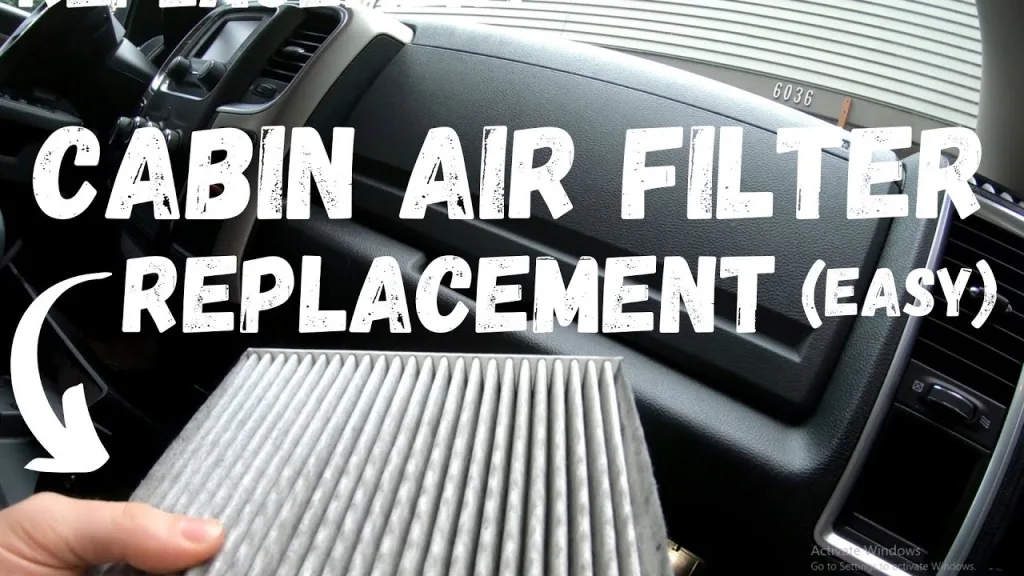
when to Clean the Air Filters on a Ram 1500

When Should You Clean the Air Filters on a Ram 1500?

When Should You Clean the Air Filters on a Ram 1500? You should check the air filters on a Ram 1500 at every oil change and replace them when they are dirty, restricted, damaged, or at the mileage interval listed in the owner’s manual. The simple answer is this: inspect the engine air filter every 10,000 to 15,000 miles, replace it around 15,000 to 30,000 miles under normal driving, and replace it sooner if you drive in dust, construction zones, wildfire smoke, dirt roads, off-road trails, or heavy traffic. Many Ram service references list engine and cabin air filter replacement around 10,000 miles in severe conditions and 15,000 to 30,000 miles in normal use. Larry H. Miller Dodge Boise Engine Air Filter vs Cabin Air Filter Your Ram 1500 has two different air filters. The engine air filter cleans the air going into the engine. A dirty engine air filter can reduce airflow, hurt throttle response, lower efficiency, and make the engine work harder. The cabin air filter cleans the air coming through the HVAC system. A dirty cabin filter can reduce A/C airflow, create musty smells, make the fan louder, and allow more dust or pollen into the cabin. They do different jobs, but both should be checked regularly. Should You Clean or Replace the Engine Air Filter? For most Ram 1500 owners, replace the engine air filter instead of cleaning it. Most factory-style paper engine air filters are not designed to be washed or reused. You can gently tap out loose dust during inspection, but once the filter is visibly dirty, clogged, wet, oil-soaked, torn, or packed with debris, replace it. Reusable performance filters are different. If your Ram has a washable aftermarket filter, follow that filter brand’s cleaning and oiling instructions exactly. Over-oiling a reusable filter can cause sensor problems. When to Replace the Engine Air Filter Under normal driving, a Ram 1500 engine air filter often lasts around 15,000 to 30,000 miles. Replace it sooner if you drive in: Dusty roads. Construction zones. Off-road trails. Desert conditions. Heavy pollen. Wildfire smoke. Farm or jobsite use. Frequent towing. Long idle periods. Severe service can shorten the interval to around 10,000 miles, especially if the truck sees dirt roads or dusty work conditions. Courtesy Chrysler Jeep Dodge Ram When to Replace the Cabin Air Filter The cabin air filter is commonly replaced around 15,000 miles, or once a year for many drivers. If you drive in Los Angeles-area traffic, dusty roads, wildfire smoke, or heavy pollen, replacing it sooner makes sense. A dirty cabin filter can make the A/C feel weak even when the system itself is working properly. Some service schedules list cabin air filter replacement every 15,000 miles, while others allow up to 30,000 miles depending on driving conditions. Firestone Complete Auto Care Signs Your Ram 1500 Needs an Air Filter Your engine air filter may need replacement if you notice weaker acceleration, lower fuel economy, rougher engine response, dirty filter pleats, debris in the air box, or a check engine light related to airflow. Your cabin air filter may need replacement if you notice weak vent airflow, dusty cabin air, musty smell, louder blower fan noise, foggy windows that clear slowly, or allergy symptoms getting worse inside the truck. Do not wait for major symptoms. Filters are cheap compared with the systems they protect. Can a Dirty Air Filter Hurt a Ram 1500? Yes, especially if it is severely restricted. A dirty engine air filter can reduce airflow to the engine. Modern Ram engines can adjust fuel delivery, but the truck may still feel less responsive and less efficient. Dirt getting past a damaged filter is worse because it can increase engine wear. A dirty cabin air filter will not damage the engine, but it can make the HVAC system work harder and make the cabin less comfortable. Best Practical Schedule For most Ram 1500 owners: Every oil change: inspect engine and cabin air filters. Every 10,000 miles: replace sooner if driving in dust or severe conditions. Every 15,000 miles: replace cabin air filter for cleaner airflow. Every 15,000 to 30,000 miles: replace engine air filter under normal use. Immediately: replace any filter that is wet, torn, oil-soaked, moldy, or packed with debris. Final Answer You should check your Ram 1500 air filters at every oil change. Replace the engine air filter about every 15,000 to 30,000 miles, or around 10,000 miles in dusty or severe conditions. Replace the cabin air filter about every 15,000 miles or once a year, especially if you drive in traffic, smoke, dust, or pollen. The safest rule is simple: inspect often, replace when dirty, and follow the owner’s manual for your exact Ram 1500 model year.

The Most Accurate Car Value Websites of 2026

The most accurate car value websites in 2026 are Kelley Blue Book, Edmunds, J.D. Power/NADA, CarGurus, Cars.com, Autotrader, and Consumer Reports. But the real answer is this: no single car value website is perfect. The most accurate number comes from comparing multiple sources, checking live local listings, and adjusting for mileage, condition, trim, accident history, location, and demand. For most shoppers, the best starting point is Kelley Blue Book because it offers trade-in, private-party, and retail value estimates. But if you want a stronger real-world number, compare that with Edmunds appraisals, J.D. Power values, CarGurus Instant Market Value, and current local used-car listings. Why Car Values Are Hard to Pin Down Used car values change fast. A vehicle’s value depends on location, condition, mileage, trim, color, accident history, service records, title status, demand, fuel prices, interest rates, inventory levels, and even seasonality. A clean Jeep Wrangler in Southern California may bring stronger money than the same Wrangler in a slower market. A used hybrid may spike when gas prices rise. A truck may hold value better in areas where towing and work use are common. That is why a website can give a good estimate but still miss the exact market price. The best value is not one number. It is a range. Best Overall: Kelley Blue Book Kelley Blue Book is still the most recognizable car value website for everyday shoppers. KBB is useful because it gives different value types, including trade-in value, private-party value, and typical listing price. That matters because your car is not worth the same amount in every situation. A dealer trade-in value will usually be lower than a private-party sale price. A retail listing price will usually be higher than both. KBB is best for: Quick vehicle value checks. Trade-in estimates. Private-party price ranges. Retail price guidance. Mainstream used vehicles. KBB should not be your only source, but it is one of the best places to start. Best for Real-World Appraisals: Edmunds Edmunds is one of the strongest tools for real-world used car values. Edmunds is useful because it focuses heavily on vehicle-specific details, including year, make, model, trim, mileage, condition, options, and ZIP code. It can also help shoppers understand the difference between trade-in, private-party, and dealer retail pricing. Edmunds market reports also show how used values move over time. In its Q2 2025 used-car report, Edmunds reported that average transaction prices for 3-year-old used vehicles increased year over year, while days-to-turn also rose. That is exactly why current market data matters when valuing a car. Edmunds is best for: Detailed appraisals. Used car shoppers. Trade-in research. Private-party pricing. Comparing used vs new value. Best Dealer-Grade Reference: J.D. Power/NADA J.D. Power is the modern home of NADA-style vehicle values. This is important because NADA values have historically been used by dealers, lenders, insurance companies, and automotive professionals. J.D. Power values can be especially useful when you want a more industry-facing reference instead of only a consumer estimate. J.D. Power Valuation Services also publishes used vehicle market updates, which can help explain broader pricing trends. J.D. Power/NADA is best for: Dealer-style value checks. Loan and finance reference. Trade-in discussions. Industry pricing context. Trucks, SUVs, and mainstream vehicles. Best for Live Market Pricing: CarGurus CarGurus is useful because it is built around live listing data. CarGurus Instant Market Value estimates retail pricing based on real-time data from millions of car listings. That makes it especially useful when you want to know what similar vehicles are actually listed for right now. This is different from a pure valuation guide. A valuation guide estimates what the car should be worth. A marketplace tool shows what sellers are currently asking. CarGurus is best for: Live retail price comparison. Seeing whether a listing is overpriced. Checking local market competition. Buyer-side research. Dealer listing comparisons. Best for Listing Comparisons: Cars.com Cars.com is another strong tool for checking real used-car listings. It is not just about calculating one value. It helps you compare similar vehicles in your area, which is critical when pricing a trade, buying used, or selling privately. If ten similar cars are listed between $22,000 and $24,000, your $27,000 asking price may be unrealistic unless your vehicle has lower miles, better condition, rare options, or warranty coverage. Cars.com is best for: Local listing research. Comparing asking prices. Dealer inventory checks. Understanding market supply. Used vehicle shopping. Best for Trade-In Shopping: Autotrader Autotrader is useful because it connects valuation research with active vehicle listings. It can help sellers understand what similar vehicles are listed for and help buyers compare asking prices across dealers and private sellers. Autotrader is especially useful for popular models with many listings because it gives you enough market examples to understand price spread. Autotrader is best for: Trade-in research. Private sale pricing. Listing comparisons. Dealer retail comparison. Finding similar vehicles nearby. Best for Reliability Context: Consumer Reports Consumer Reports is not the best pure pricing tool, but it is very useful for understanding whether a used car is worth the price. A car’s value is not only about mileage and market demand. Reliability matters too. A vehicle with strong reliability, safety, and owner satisfaction may justify a higher price than a similar vehicle with known problems. Consumer Reports is best for: Used-car reliability research. Model-year problem history. Safety and ownership context. Avoiding bad used-car buys. Comparing long-term ownership risk. Use Consumer Reports alongside KBB, Edmunds, J.D. Power, and live listings. Best Auction and Wholesale Reference: Manheim Most consumers cannot use Manheim the same way dealers do, but wholesale auction data affects the whole used-car market. Dealers often pay close attention to wholesale values because those values help determine trade-in offers and retail pricing. When wholesale prices rise, retail prices often follow. When wholesale demand softens, trade-in offers and retail prices may move down. For normal shoppers, you do not need direct Manheim access. But market updates from Cox Automotive and Manheim can help explain why trade values feel higher or lower than expected. Which Website Is Most Accurate? The most accurate website depends on what you are trying to do. For a quick value, use Kelley Blue Book. For a detailed appraisal, use Edmunds. For a dealer-style value, use J.D. Power/NADA. For live market pricing, use CarGurus, Cars.com, and Autotrader. For reliability context, use Consumer Reports. For wholesale market direction, watch Manheim and Cox Automotive updates. The most accurate value comes from combining them. How to Get the Most Accurate Car Value Use this process: Check KBB trade-in and private-party value. Check Edmunds appraisal. Check J.D. Power/NADA value. Search local listings on CarGurus, Cars.com, and Autotrader. Compare only similar trims, mileage, drivetrain, options, and condition. Subtract for accidents, worn tires, bad brakes, cosmetic damage, or missing records. Add value for clean history, low miles, new tires, warranty, rare options, or strong service records. Get a real dealer trade offer if you plan to trade. That gives you a realistic value range instead of relying on one website. Trade-In Value vs Private-Party Value Trade-in value is what a dealership may offer for your car. Private-party value is what you might get selling it yourself. Retail value is what a dealer may list a similar car for after inspection, reconditioning, marketing, paperwork, and profit margin. These numbers are different for a reason. If KBB says your car has a private-party value of $18,000, that does not mean a dealer will offer $18,000 on trade. The dealer still has to inspect it, recondition it, handle risk, and resell it. Why Your Trade Offer May Be Lower Than Online Value A trade offer may be lower than an online estimate because the vehicle needs work. Common deductions include: Worn tires. Brake wear. Accident history. Paint damage. Interior stains. Warning lights. Open recalls. Bad windshield. Missing second key. Poor service records. Smog or emissions issues. High mileage. Title concerns. Online tools depend on accurate condition input. Many owners overrate their vehicle’s condition, which creates a gap between the online estimate and real offer. Used Car Value in Los Angeles Los Angeles used-car values can differ from national averages. Fuel-efficient cars, hybrids, trucks, SUVs, Jeeps, and commuter-friendly vehicles can have strong demand. California smog rules, registration costs, local fuel prices, and insurance costs can also influence what buyers are willing to pay. For Los Angeles-area shoppers, use national value tools first, then confirm with live local listings. If you are comparing trade or purchase options, review current used inventory to see how similar vehicles are priced nearby. You can also use a trade-in valuation tool to start the appraisal process. Common Mistakes When Using Car Value Websites The biggest mistake is using only one website. Other mistakes include choosing the wrong trim, ignoring options, entering the wrong mileage, overrating condition, ignoring accident history, comparing dealer retail to private-party value, and using national values without checking local listings. Another common mistake is assuming listed price equals selling price. Some vehicles sell below asking price. Others sell quickly at asking if demand is high. A value estimate is a guide. The market decides the final number. Best Website for Selling Your Car If you want to sell your car privately, use KBB, Edmunds, CarGurus, Cars.com, and Autotrader together. Price your vehicle slightly above your minimum acceptable number, but not so high that it gets ignored. Include service records, clean photos, VIN, mileage, trim, options, title status, and honest condition notes. If you want less hassle, get dealer trade offers or instant cash offers and compare them. Private sale may bring more money. Trade-in is usually easier. Best Website for Buying a Used Car If you are buying, use CarGurus, Cars.com, Autotrader, KBB, and Edmunds. Marketplaces show live inventory. KBB and Edmunds help you judge whether the price is fair. Consumer Reports helps you avoid unreliable models. Before buying, compare the vehicle history report, inspection results, tires, brakes, warranty, title status, and total out-the-door price. The cheapest car is not always the best value. Final Answer The most accurate car value websites of 2025 are: Kelley Blue Book for quick values. Edmunds for detailed appraisals. J.D. Power/NADA for dealer-style values. CarGurus for live market pricing. Cars.com for listing comparisons. Autotrader for retail and trade research. Consumer Reports for reliability context. The best approach is to use at least three valuation tools, then compare real local listings. That gives you the most accurate value range and keeps you from overpaying, underpricing, or accepting a weak trade offer.

Version 1.0.0

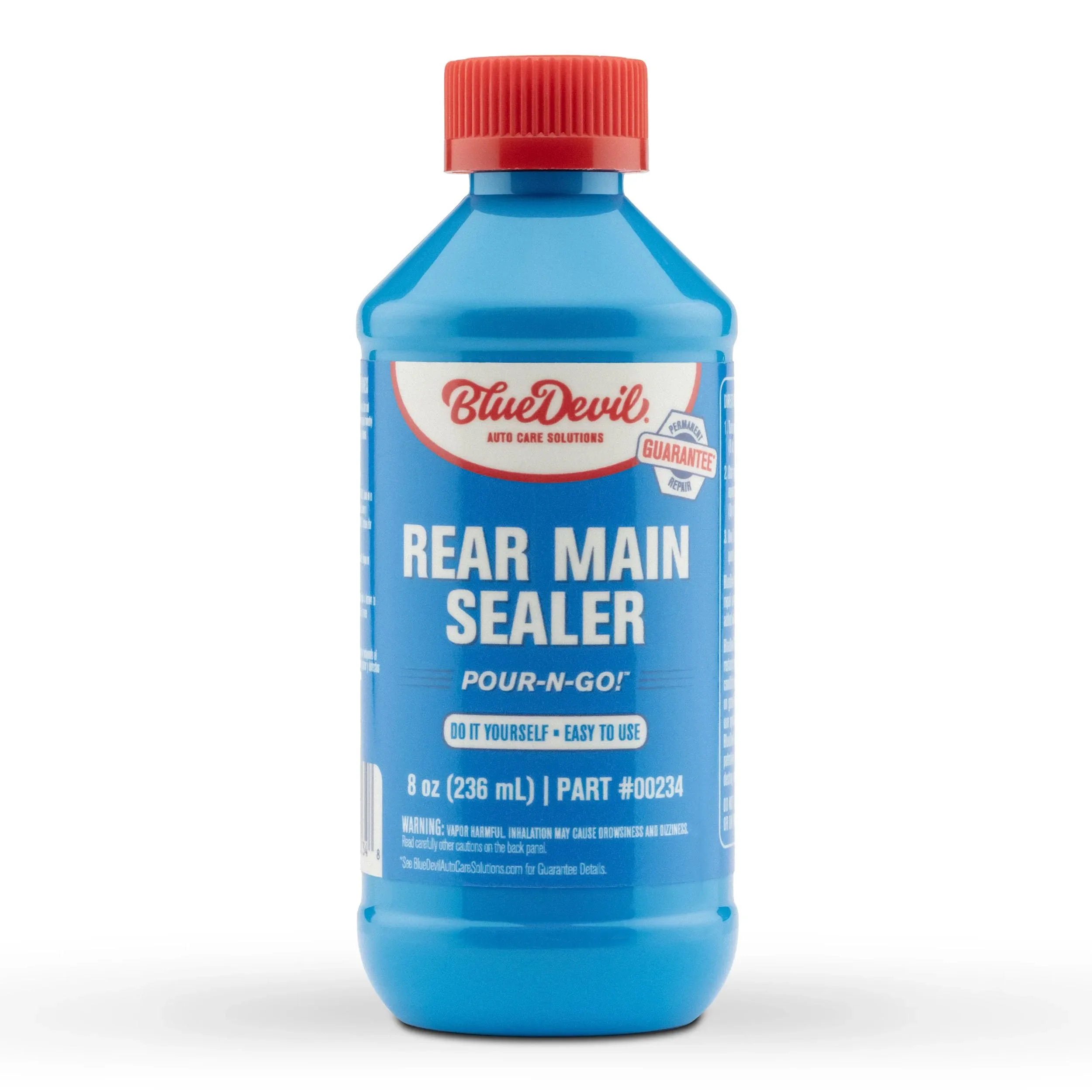
BlueDevil Rear Main Sealer: A Mechanic's Perspective

Version 1.0.0 BlueDevil Rear Main Sealer: A Mechanic’s Perspective BlueDevil Rear Main Sealer can be worth trying if you have a small rear main seal leak and the vehicle is not worth tearing apart immediately. But from a mechanic’s perspective, it should be treated as a temporary or low-cost attempt, not the same thing as replacing the rear main seal. The simple answer is this: BlueDevil may help if the leak is caused by an old, dried, or slightly shrunken rubber seal. It will not fix a torn seal, damaged crankshaft surface, clogged PCV system, major oil leak, overfilled engine, or oil leak coming from somewhere else. BlueDevil says its Rear Main Sealer is designed for gas and diesel engines and works by restoring dried, cracked, or shrunken rubber seals. What Is BlueDevil Rear Main Sealer? BlueDevil Rear Main Sealer is an oil additive made to reduce or stop leaks from the rear main seal and certain other engine oil seals. The rear main seal sits at the back of the engine where the crankshaft exits toward the transmission. When it leaks, oil can drip from the area between the engine and transmission. That is why the repair can be expensive. Access usually requires removing the transmission or separating major drivetrain parts. That is exactly why products like BlueDevil are popular. A bottle costs far less than a rear main seal job. How Does It Work? BlueDevil is designed to condition rubber seals. As seals age, they can dry out, harden, shrink, or lose flexibility. A seal conditioner attempts to soften and swell the rubber enough to help it seal again. This can reduce seepage if the seal is still physically intact. That is the key point: it works best on an old seal that has shrunk slightly, not on a seal that is destroyed. If the rear main seal lip is ripped, the crankshaft sealing surface is grooved, the engine has excessive crankcase pressure, or the leak is actually from the oil pan, valve cover, or intake area, an additive will not solve the real problem. A Mechanic’s Honest Take A mechanic would usually see BlueDevil as a gamble with limits. It is not snake oil in the sense that seal conditioners can sometimes reduce small leaks. But it is also not a proper mechanical repair. The proper fix for a confirmed rear main seal leak is replacing the seal and inspecting the crankshaft surface, oil pan area, PCV system, and related gaskets. The reason mechanics hesitate is simple: many “rear main seal leaks” are misdiagnosed. Oil can run down from valve cover gaskets, oil pressure sensors, intake gaskets, oil filter housings, oil cooler seals, oil pan gaskets, or timing cover leaks and end up dripping near the bellhousing. That makes it look like a rear main leak when it is not. Before using any sealer, confirm the leak source. When BlueDevil Rear Main Sealer Is Worth Trying BlueDevil is most worth trying when the leak is small and the vehicle is older. It makes sense if: The leak is a slow drip or seep. The oil level is not dropping quickly. The engine runs normally. The vehicle is older or high mileage. You want to delay an expensive repair. The rear main seal leak has been properly diagnosed. You understand it may not work. It is especially reasonable on an older daily driver where a $1,000-plus repair may not make financial sense right away. Rear main seal repair costs can be high because the labor is intensive, and some estimates place the job around hundreds to well over $1,000 depending on the vehicle. Endurance notes rear main seal replacement can range from about $600 to $1,200+, while some vehicle-specific repairs can be higher. When You Should Not Use It Do not rely on BlueDevil if the leak is major. Skip the additive and diagnose properly if: Oil is pouring out. The vehicle leaves large puddles. The clutch is slipping from oil contamination. The transmission bellhousing is soaked. The engine oil level drops quickly. There is blue smoke from oil burning. The PCV system is clogged. The engine has excessive blow-by. The leak started after recent repair work. The engine is already low on oil pressure. A bottle of sealer is not a substitute for repairing a serious oil leak. Use Clean Oil First For best results, use it with clean engine oil. Hot Rod recommends making sure the engine has clean oil and the correct oil specification before using BlueDevil or any rear main seal stop-leak product. That advice makes sense. Dirty, old oil filled with fuel dilution, sludge, or contaminants is not the best carrier for any additive. If the oil is due for a change, change the oil and filter first, then add the product according to the directions. How to Use BlueDevil Rear Main Sealer Follow the instructions on the bottle. BlueDevil’s directions commonly state to add one 8 oz bottle directly into the engine oil, with one bottle treating up to 8 quarts. The product is designed to stay in the oil while you drive. Highline Warren lists the basic direction as turning off the engine and pouring one 8 oz bottle into the engine oil. Do not overfill the crankcase. If your oil level is already at the full mark and you are adding 8 oz, it is usually smart to leave enough room or drain a small amount if necessary. Overfilled oil can create foaming, pressure issues, leaks, and other problems. How Long Does It Take to Work? Do not expect instant results. Many seal conditioners need driving time and heat cycles to work into the rubber. You may need to drive for several days or a few hundred miles before deciding whether it helped. If the leak gets slightly better, keep monitoring the oil level and the leak area. If nothing changes after a reasonable period, the seal may be too damaged or the leak may not be from the rear main seal. Will It Hurt the Engine? Used correctly, it usually should not hurt a healthy engine. The risk comes from using too much, using it in an engine with the wrong oil level, ignoring a serious leak, or using additives as a replacement for maintenance. Any oil additive changes the oil mixture slightly, so I would not use it casually in a new engine, performance engine, warranty vehicle, or engine with known oiling issues. For an older high-mileage vehicle with a small leak, the risk is usually more acceptable. Will It Fix Every Oil Leak? No. BlueDevil Rear Main Sealer is meant for rubber seal-related oil leaks. It is not a universal repair for every gasket and sealing surface. It will not properly fix: Oil pan gasket leaks. Valve cover gasket leaks. Cracked covers. Bad oil filter housing gaskets. Loose drain plugs. Bad oil pressure sensors. Damaged timing covers. Crankshaft groove damage. Improperly installed seals. Excessive crankcase pressure. Misdiagnosis is the biggest issue. If the leak source is wrong, the product cannot work. Rear Main Seal Leak Symptoms A rear main seal leak usually shows up as oil at the back of the engine. Common signs include oil dripping between the engine and transmission, oil on the lower bellhousing, oil spots after parking, burning oil smell if oil contacts hot exhaust, and gradual oil loss. But those symptoms can overlap with other leaks. That is why cleaning the engine and using UV dye can help confirm the leak path before spending money. Mechanic’s Diagnostic Advice Before using BlueDevil, clean the oily area first. Then drive the vehicle and recheck where fresh oil appears. If needed, add UV dye to the engine oil and inspect with a UV light. This can help identify whether the oil is truly coming from the rear main seal or running down from above. Also check the PCV system. A clogged PCV valve or crankcase ventilation issue can increase crankcase pressure and force oil past seals. If the pressure problem remains, a sealer may not hold. BlueDevil vs Rear Main Seal Replacement BlueDevil is cheap and easy. Rear main seal replacement is expensive and labor-intensive. That is the tradeoff. BlueDevil is worth trying when the alternative repair cost does not make sense yet. But if the vehicle is valuable, the leak is severe, or you plan to keep the car long term, replacing the seal is the correct repair. A sealer is a shortcut. A seal replacement is the fix. Is It Good for Trucks? It can be used in gas and diesel engines if compatible with the oil system and directions. That includes many older trucks, SUVs, and high-mileage vehicles. But trucks often work harder, tow more, and run hotter. If a truck is leaking badly, diagnose it properly before relying on a bottle. For Ram, Jeep, Dodge, Chevy, GMC, Ford, Toyota, and Nissan trucks, the same rule applies: confirm the leak source first. Should You Use It Before Selling a Car? Be careful. Using a sealer to hide a known leak from a buyer is unethical. If you use it and sell the vehicle, disclose the leak history if asked. A small leak treatment on an older vehicle is one thing. Concealing a serious rear main seal issue is another. For dealership or professional use, proper disclosure and diagnosis matter. Final Verdict BlueDevil Rear Main Sealer is not a miracle, but it can be useful in the right situation. From a mechanic’s perspective, it is a reasonable low-cost attempt for a minor, confirmed rear main seal leak on an older or high-mileage vehicle. It is not the right answer for a major leak, torn seal, oil-soaked clutch, damaged crankshaft surface, clogged PCV system, or misdiagnosed oil leak. Use it with clean oil, follow the directions, do not overfill the crankcase, and monitor the result. If the leak continues, the vehicle needs real mechanical repair.