





How To Register A Car in California A Complete Guide
If you’re a new resident in California or have just purchased a car in the state, one of your first tasks is registering your vehicle. Navigating the vehicle registration process can feel overwhelming, especially with California’s unique requirements.
But don’t worry—this detailed guide will walk you through everything you need to know about how to register a car in California. We’ll cover the documents you need, the costs involved, and how long the process takes, all while providing helpful tips to ensure a smooth experience.
What You Need to Register a Car in California
To legally drive a vehicle in California, you must register it with the California Department of Motor Vehicles (DMV). Whether you’re registering a new car, a used car, or transferring registration from another state, the process requires specific documents and steps.
Documents Required for Car Registration:
- California Certificate of Title – This document proves ownership of the car. If you purchased the vehicle from a private seller, you’ll need the title signed over to you.
- Application for Title or Registration (Form REG 343) – This form needs to be completed and submitted to the DMV.
- Bill of Sale – If you bought the vehicle from a private seller, you’ll need this document showing the sale details.
- Proof of Insurance – California law requires that you have at least the state minimum coverage before you can register your vehicle. Read more about the required car insurance in California.
- Vehicle Identification Number (VIN) Verification – If the vehicle was purchased out of state, the DMV or a licensed verifier will need to check the VIN.
- Smog Certification – Most cars need to pass a smog check to ensure they meet California’s strict emissions standards.
- Payment of Fees – Registration fees vary depending on factors such as vehicle type, location, and value.
How Much Does It Cost to Register a Car in California?
The cost to register a vehicle in California depends on several factors, including the car’s purchase price, model year, and county of residence. Here’s a general breakdown of fees you may encounter:
- Registration Fee – This fee is typically around $46 but can vary depending on your vehicle.
- Vehicle License Fee (VLF) – The VLF is 0.65% of the vehicle’s current market value.
- Smog Abatement Fee – If your vehicle is less than 8 years old, you’ll need to pay this fee, which is typically around $25.
- County or City Fees – Additional local taxes may apply depending on your location.
- Title Transfer Fee – If you purchased the car privately or from out of state, a $15 transfer fee is added.
- Use Tax – Depending on where you live, you may need to pay sales tax on the vehicle.
Use the California DMV fee calculator to estimate your specific registration costs.
How Long Do You Have to Register a Car in California?
The time you have to register a vehicle in California varies based on the situation:
- New Residents: If you’ve just moved to California, you must register your vehicle within 20 days of establishing residency. Failing to register in time can lead to late fees and penalties.
- Out-of-State Purchases: If you bought your car out of state, you’ll need to register it within 20 days of bringing it into California.
- Private Purchases: If you bought the vehicle from a private seller within California, you have 10 days to transfer the title and registration.
Special Considerations for New or Used Car Purchases
When buying a new or used car in California, the registration process is typically handled by the dealership. For example, Simi Valley Chrysler Dodge Jeep Ram will manage all the DMV paperwork on your behalf, ensuring a hassle-free experience. However, if you’re buying from a private party or out of state, you’ll need to handle the process yourself.
For new vehicles, registration fees may be rolled into your financing agreement, while used vehicles may require you to cover these fees upfront. Make sure to explore the new car inventory and used car listings for the best deals.

Can I Register a Salvage Title Vehicle in California?
If you’re considering buying a car with a salvage title, you can indeed register it in California, but there are a few additional steps involved:
- Inspection – Salvage vehicles must be inspected by the DMV or a licensed inspector to verify repairs and ensure the vehicle is safe to drive.
- Proof of Repair – You’ll need to provide documentation that repairs have been completed to restore the vehicle to working condition.
- Smog Check – Like all vehicles in California, salvage title vehicles must pass a smog test to be registered.
Because salvage title vehicles are deemed higher risk, they may have higher insurance costs, and full coverage can be more difficult to obtain. If you’re looking for more affordable vehicles, browse our used car inventory at Simi Valley CDJR for reliable options.
Where to Register Your Vehicle in California
You can register your vehicle in person at any DMV office in California. While some counties also offer self-service kiosks, it’s often quicker to schedule an appointment at your local DMV. For more convenience, some dealerships, like Simi Valley Chrysler Dodge Jeep Ram, handle the entire registration process when you buy a new or used car from them.
Conclusion
Registering a car in California can seem like a daunting process, but with the right preparation and understanding of what’s required, you can complete the task efficiently. From ensuring you have the correct documents to understanding the fees involved, following this guide will make registering your car in California easier than you might expect.
If you’re in the market for a new or used vehicle, consider visiting Simi Valley Chrysler Dodge Jeep Ram for a stress-free buying experience. Their team will handle all the DMV paperwork for you, so you can focus on enjoying your new ride.
Be sure to check out their full inventory of new vehicles( https://www.simivalleychryslerdodgejeepram.com/searchnew.aspx and used cars to find your perfect match. With unbeatable deals, transparent pricing, and a friendly team, Simi Valley Chrysler Dodge Jeep Ram is your go-to dealership for all your vehicle needs in California.
Whether you’re interested in a rugged Jeep for off-road adventures, a sleek Chrysler for city cruising, a powerful Dodge muscle car, or a versatile RAM truck for work and play, you’ll find it all at Simi Valley CDJR.
FAQs: Car Registration in California
How long does it take to register a car in California? On average, it takes between 20-30 minutes at the DMV to process your vehicle registration if you have all the required documents. It may take longer if there are additional steps, such as a VIN inspection.
Can I register my vehicle online? In some cases, yes. The California DMV allows for online registration renewals, but first-time registration usually requires an in-person visit.
What if my car fails the smog check? If your vehicle fails the smog check, you must complete the necessary repairs before registering it in California. The DMV will not register your car without passing the smog test, unless the vehicle qualifies for specific exemptions, such as being a hybrid or fully electric car.
Do I need insurance before registering my car in California? Yes, proof of insurance is required when registering your vehicle. You must have at least California’s minimum liability coverage.
Can I register an out-of-state car in California? Yes, if you’ve recently moved or purchased an out-of-state vehicle, you can register it in California. However, you’ll need to ensure the vehicle meets California emissions standards and undergo a VIN inspection.
How to register a car in Nevada from California?
To register a car in Nevada from California, you’ll need to visit the Nevada Department of Motor Vehicles (DMV) or complete the registration online. You’ll be required to provide proof of insurance, a smog certificate (if applicable), and pay the associated fees. Additionally, you will need to surrender your California plates.
How to register a car in California?
Registering a car in California involves visiting the DMV with the necessary documents, including the car title, proof of insurance, a smog certification, and a completed application for registration. You’ll also need to pay registration fees. Dealerships often handle this for you if purchasing a new car.
How much does it cost to register a car in California?
The cost to register a car in California can vary based on the car’s value, location, and type. Generally, you can expect to pay between $60 and $200, plus any additional fees like smog certification, title transfer, or late fees.
What do I need to register my car in California?
To register your car in California, you’ll need:
- Proof of ownership (e.g., the car title)
- Proof of insurance
- A smog certificate if the car is over four years old
- Payment for registration fees
- A completed application for title or registration (Form REG 343)
Do dealerships register cars for you in California?
Yes, most dealerships will handle the registration process for you when you purchase a new or used vehicle. They will submit the necessary documents to the DMV on your behalf, and you’ll receive your registration and plates in the mail.
How to register an out-of-state car in California?
When registering an out-of-state car in California, you’ll need to visit the DMV with the car’s title, proof of insurance, a smog certificate, and a completed application for registration. You’ll also need to provide proof that the vehicle meets California’s emission standards.
Can you register a car without a license in California?
Yes, you can register a car in California without a driver’s license. However, you’ll need valid identification and proof of insurance to complete the registration process.
How much does it cost to register an out-of-state car in California?
The cost to register an out-of-state vehicle in California depends on several factors, including the car’s value, location, and any applicable taxes. You can expect fees similar to those for in-state vehicles, generally ranging from $60 to $200 or more, depending on the vehicle and region.
Do you need insurance to register a car in California?
Yes, you are required to provide proof of insurance that meets California’s minimum requirements when registering a vehicle.
Can someone else register my car for me in California?
Yes, someone else can register your car for you in California, but they will need a completed power of attorney form (REG 260) authorizing them to do so.
For more helpful information and expert assistance in finding the right vehicle, explore Simi Valley Chrysler Dodge Jeep Ram’s website today!
By following this guide, you’ll be well-prepared to register your car in California, whether it’s new, used, or out-of-state. Save time and stress by visiting Simi Valley Chrysler Dodge Jeep Ram for an easy, hassle-free vehicle registration experience. They offer comprehensive service, from finding the best deals on Chrysler, Dodge, Jeep, and RAM vehicles to handling all your DMV paperwork in one go. Happy driving!
Simi Valley Chrysler Dodge Jeep Ram
California Vehicle Registration Help & Same-Day Paperwork (when applicable)
Address: 2350 1st Street, Simi Valley, CA 93065
Sales: 805-387-9755 | Service: 805-864-5213 | Parts: 805-424-5213
If you’re shopping for a used car in the Los Angeles area, you’ve probably wondered:
“How many miles is too many for a used car?”
It’s a smart question — especially in a city where daily driving, freeway commutes, and stop-and-go traffic can quickly add wear to a vehicle. The answer depends on the car’s brand, maintenance history, and how those miles were driven.
Let’s break it down for LA drivers so you can confidently shop for your next pre-owned vehicle at Simi Valley Chrysler Dodge Jeep Ram.
What’s Considered “High Mileage” in California?
Traditionally, 100,000 miles used to mark the end of a car’s reliable life.
But today’s vehicles — especially newer models from brands like Jeep, Dodge, Chrysler, and Ram — are built to last well past 200,000 miles with proper maintenance.
In Los Angeles, the average driver logs about 12,000–15,000 miles per year.
That means:
| Vehicle Age | Typical “Normal” Mileage |
|---|---|
| 3 years old | 36,000–45,000 miles |
| 5 years old | 60,000–75,000 miles |
| 8 years old | 96,000–120,000 miles |
| 10 years old | 120,000–150,000 miles |
Anything above these numbers might be considered high mileage, but it doesn’t automatically mean the car is unreliable — especially if it has complete service records and passes inspection.
Why Mileage Matters More in LA Than in Other Cities
Los Angeles driving conditions are unique:
- Stop-and-go traffic on the 405, 101, and I-10 increases engine wear even with fewer miles.
- High temperatures can affect fluids and seals over time.
- Urban driving puts stress on brakes, transmissions, and cooling systems.
- Frequent short trips don’t allow full engine warm-up, which can lead to carbon buildup.
So, when evaluating used cars in LA, how those miles were accumulated often matters more than the number itself.
City Miles vs. Highway Miles
Not all miles are created equal:
| Type of Driving | Impact on Vehicle | What It Means for You |
|---|---|---|
| City Miles | More idling, stop-and-go, brake wear | Common in Los Angeles; check for transmission and brake health |
| Highway Miles | Steady speeds, less wear | Preferable if the car was used for commuting between cities |
| Mixed Miles | Combination of both | Typical for suburban drivers in Simi Valley, Thousand Oaks, or Burbank |
When possible, ask the seller or dealership about the vehicle’s driving history — highway-driven cars often show less wear despite higher odometer readings.
When High Mileage Isn’t a Dealbreaker
A vehicle with 120,000 miles might still be a great buy if:
- It has detailed service records
- Maintenance was done on time (oil, transmission, coolant, brakes)
- It has had one or two previous owners
- It’s from a reliable brand (Jeep, Toyota, Honda, etc.)
- It was driven mostly on the highway
Many modern engines can reach 250,000+ miles with proper care. The key is the condition, not just the number.
When to Be Cautious
You might want to reconsider if the used vehicle shows:
- Gaps in maintenance history
- Oil leaks or engine noise
- Burning smell or rough idle
- Transmission slipping
- Rust, frame damage, or accidents
Even a low-mileage car can be risky if it wasn’t cared for properly.
Mileage by Vehicle Type (Los Angeles Context)
| Vehicle Type | Typical Reliable Range | LA Market Reality |
|---|---|---|
| Sedan / Compact Car | 150,000–200,000 miles | Ideal for LA commuters; low maintenance costs |
| SUV / Crossover | 200,000–250,000 miles | Great for families and weekend trips to Malibu or Big Bear |
| Truck (Ram, Silverado, F-150) | 250,000–300,000 miles | Popular for trades and off-road use |
| Hybrid / EV | 150,000–200,000 miles (battery dependent) | Check battery warranty; LA heat can affect lifespan |
What’s Average for Used Cars Sold in Los Angeles
In Los Angeles County, the majority of used vehicles for sale at reputable dealerships fall between 30,000 and 90,000 miles.
Luxury brands may have lower mileage, while trucks or Jeeps may show higher numbers due to utility use — but both can still be reliable options if well-maintained.
Smart Buying Tip: Always Factor in Cost Per Mile
Instead of focusing only on mileage, calculate cost per remaining mile:
Example:
A $20,000 SUV with 50,000 miles has roughly 150,000 miles of potential life left (at 200,000 total).
That’s 13¢ per remaining mile.
A $13,000 SUV with 130,000 miles and 70,000 miles of life left? That’s 19¢ per remaining mile.
The lower-priced car might not be the better value long-term.
Why Shop Certified Used Cars Near Los Angeles
At Simi Valley Chrysler Dodge Jeep Ram, every certified pre-owned (CPO) vehicle is:
- 125-point inspected
- Backed by a factory warranty
- Reconditioned by factory-trained technicians
- Eligible for financing and extended service contracts
This means you can safely buy a car with higher mileage but guaranteed reliability, backed by dealer transparency and Carfax history.
Shop Certified Used Inventory
Apply for Financing
So, How Many Miles Is Too Much in Los Angeles?
There’s no single number — but generally:
- Under 100,000 miles = Ideal
- 100,000–150,000 miles = Acceptable if well-maintained
- 150,000+ miles = Proceed with inspection and warranty coverage
The bottom line: In Los Angeles, maintenance > mileage.
A well-kept 140,000-mile Jeep can outlast a neglected 60,000-mile sedan.
Final Word
When you’re buying used in LA, mileage should guide — not decide — your purchase. Always look at service records, ownership history, and condition before judging a car by its odometer.
For transparent pricing, detailed inspection reports, and expert guidance, visit Simi Valley Chrysler Dodge Jeep Ram, proudly serving Los Angeles, Thousand Oaks, Ventura County, and beyond.
📍 Get Directions
📞 Sales: 805-387-9755
Serving Simi Valley & Greater Los Angeles
Visit us at Simi Valley Chrysler Dodge Jeep Ram — your trusted CDJR dealer proudly serving Simi Valley, Thousand Oaks, and Los Angeles County.
Car Payment Calculator (Los Angeles Sales Tax)
Estimate your monthly payment with Los Angeles-area sales tax. Rates and fees are estimates; confirm final numbers with Simi Valley Chrysler Dodge Jeep Ram.
How we calculate (California notes)
- Taxable base (CA): Selling price minus discounts/rebates. Trade-in value typically does not reduce taxable price in California.
- Doc fee: Generally taxable.
- DMV/registration: Typically non-taxable.
- Monthly payment formula: Standard amortization using APR and term; taxes/fees rolled into amount financed unless covered by cash down.
When you’re shopping for a new Chrysler, Dodge, Jeep, or Ram in the Los Angeles area, you’re likely asking one key question: “What will my monthly payment actually be after taxes and fees?” That’s why we created a free Car Payment Calculator with Los Angeles sales tax built in — right here on this page.
Below, we’ll explain how California car taxes work, what affects your final payment, and how to use this calculator to plan your budget before visiting Simi Valley Chrysler Dodge Jeep Ram.
Why You Need a Car Payment Calculator With Tax in Los Angeles
Many car shoppers look only at MSRP or online finance offers, but your real monthly payment includes:
- State + local sales tax (up to 10.25% in parts of LA County)
- Title, license, and registration fees
- Dealer documentation fees
- Trade-in value adjustments
- Cash rebates or discounts
Using a calculator that includes tax and fees gives you a far more realistic view of your true cost of ownership. Los Angeles taxes vehicles at one of the highest rates in California, which means skipping this step can throw off your budget by hundreds of dollars per year.
How Los Angeles Car Taxes Work
California’s vehicle sales tax applies to the purchase price of your vehicle after any manufacturer or dealer discounts — but before your trade-in is subtracted. Here’s a quick breakdown:
| Component | Taxable in CA? | Typical Amount |
|---|---|---|
| Vehicle Selling Price | ✅ | Varies |
| Trade-In Value | ❌ | Reduces loan, not taxable |
| Rebates/Discounts | ✅ | Reduce taxable base |
| Doc Fee | ✅ | Around $85 |
| DMV Fees | ❌ | Around $400 |
| LA County Sales Tax | ✅ | ~9.5% (varies by city) |
For example, if you buy a $35,000 vehicle in Los Angeles with a $3,000 down payment, 9.5% tax, and typical fees, your total financed amount could exceed $36,000 after taxes and registration.
Using the Calculator
Our tool (below) automatically applies the Los Angeles default tax rate of 9.5% and lets you edit any field for:
- Price
- Down payment
- Trade-in value
- Discounts or rebates
- Term and APR
- DMV and doc fees
Simply enter your info and hit “Calculate Payment.” You’ll see your estimated:
- Monthly payment
- Amount financed
- Taxes and fees
You can also adjust the tax percentage to match your city — for instance, Burbank (10.25%), Pasadena (10.25%), or Santa Monica (9.5%).
Why Local LA Drivers Use This Calculator
- Instant accuracy: Updates instantly as you change values.
- Transparent costs: Includes both tax and DMV fees.
- Trade-in integration: See how your old vehicle affects your payment.
- No forms or emails required: 100% private calculator, no lead capture required.
- Local relevance: Built with current Los Angeles tax rates in mind.
Whether you’re from Downtown LA, Glendale, Thousand Oaks, or Simi Valley, this tool ensures your estimate reflects real California conditions — not generic national averages.
Pro Tip: Taxes vs. Trade-Ins in California
Many states reduce your taxable amount when you trade in a car — but California doesn’t.
That means if your new vehicle costs $40,000 and your trade is worth $10,000, your tax is still calculated on the full $40,000 (minus discounts/rebates).
Knowing this helps you avoid underestimating taxes by nearly $1,000 on average in Los Angeles County.
How This Helps You Shop Smarter
Using this calculator gives you leverage when comparing offers across Southern California dealerships. You’ll be able to:
- Compare lease vs. finance scenarios side by side
- Understand how interest rates and taxes change your total cost
- Set realistic expectations for monthly affordability
- Walk into the dealership informed and confident
Visit Simi Valley Chrysler Dodge Jeep Ram — Los Angeles’ Trusted Source for Transparent Pricing
Located just a short drive from the heart of Los Angeles, Simi Valley CDJR proudly serves customers across Ventura and LA counties. Our finance experts can walk you through:
- Current 0% or low-APR offers
- Available rebates or cash bonuses
- The latest trade-in incentives for your used vehicle
View Current Specials
Apply for Financing
Ready to Calculate Your Real Payment?
Use our Car Payment Calculator with Tax (Los Angeles version). Try adjusting the tax rate, down payment, or term — and see exactly how your monthly cost changes.
Serving Los Angeles & Ventura County
Shopping from Los Angeles, Santa Monica, Glendale, or the Valley? We’re an easy drive to Simi Valley Chrysler Dodge Jeep Ram.
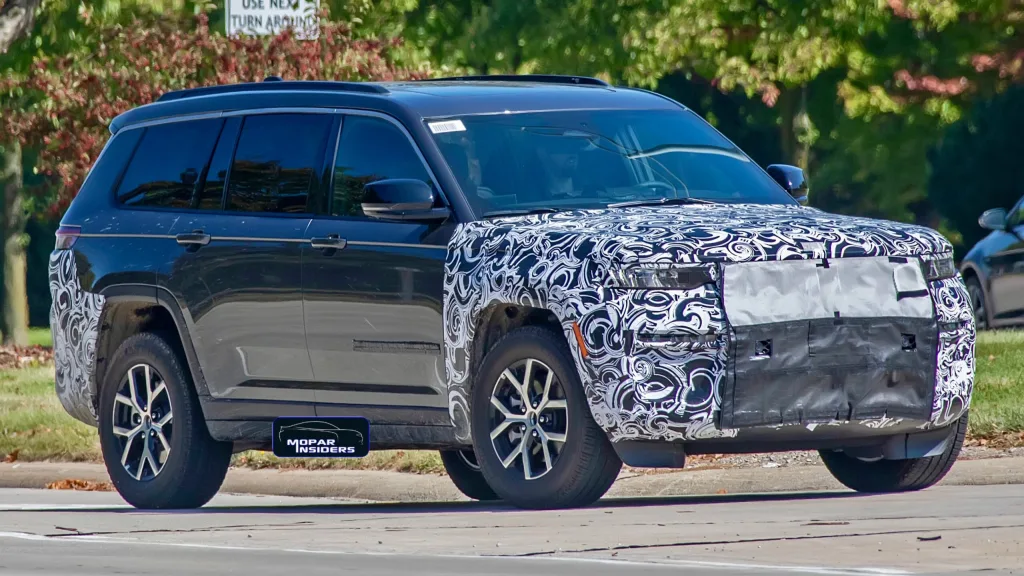
If you’re shopping for a new SUV in Simi Valley, Thousand Oaks, Moorpark, or Camarillo, the 2026 Jeep Grand Cherokee is generating serious buzz—and for good reason. This isn’t just another model year rollover. The 2026 brings the highly anticipated mid-cycle refresh that transforms the already excellent Grand Cherokee into something even more compelling for Southern California drivers.
Why This Matters for Ventura County Drivers:
Whether you’re navigating Santa Susana Pass, commuting on the 118 Freeway, exploring Los Padres National Forest, or heading to the Ventura coast for the weekend, the 2026 Grand Cherokee delivers the perfect blend of capability, luxury, and technology tailored for our unique California lifestyle.
Quick Navigation
- What’s New for 2026
- Grand Cherokee Generation Guide
- Reliability by Year (2011-2026)
- Hurricane Engine Deep Dive
- Best Trims for Simi Valley
- 2026 vs 2025 Comparison
- Local Inventory at Simi Valley CDJR
- Pricing & Incentives
- Why Buy Local in Simi Valley
- FAQ: Your Questions Answered
What’s New for 2026: The Game-Changing Refresh {#whats-new-2026}
The 2026 Jeep Grand Cherokee receives its most significant update since the complete WL platform redesign in 2022. For those of us driving in Ventura County, these improvements directly address real-world needs—from highway efficiency to off-road capability in our diverse terrain.
Exterior Design Evolution
Refreshed Front End:
- Modernized seven-slot grille with enhanced LED signature lighting
- New adaptive LED headlights with automatic high-beam technology
- Redesigned front bumper with improved approach angle
- Enhanced aerodynamics for better highway fuel economy (perfect for 101 and 118 commutes)
- Five new exterior color options including Desert Sand Metallic
Updated Rear Styling:
- Sequential LED taillights with distinctive light bar design
- Redesigned rear bumper with integrated dual exhaust tips
- Improved departure angle for off-road enthusiasts
- New spoiler design on higher trims
Wheel & Tire Options:
- New 18″, 20″, and 21″ wheel designs across trim levels
- Available all-terrain packages perfect for Ventura County adventures
Interior Technology Revolution
Larger Standard Displays:
- 12.3-inch standard infotainment screen (up from 8.4″ on 2025 base models)
- Available dual 12.3-inch display configuration
- New 10.25-inch digital instrument cluster standard on most trims
- Available 10.25-inch front passenger display
Uconnect 6 Arrives:
- Next-generation Uconnect 6 system with faster processor
- Improved voice recognition with natural language processing
- Wireless Apple CarPlay and Android Auto now standard on all trims
- Over-the-air software updates across the lineup
- Enhanced TomTom navigation with real-time traffic for SoCal highways
Premium Materials & Comfort:
- New sustainable interior material options
- Available Palermo leather with contrast stitching
- Heated and ventilated front seats now available on more trims
- New Desert Tan interior color scheme
- Improved sound insulation (quieter cabin at highway speeds)
- Available heated rear seats on mid-level trims
The Hurricane Engine Revolution {#hurricane-engines}
This is the biggest news for 2026. Jeep introduces its acclaimed Hurricane Twin-Turbo inline-six engines to the Grand Cherokee—engines that have already proven themselves in the Wagoneer and Grand Wagoneer.
Standard-Output Hurricane I6 (SO):
- 3.0L Twin-Turbo Inline-Six
- 420 horsepower / 468 lb-ft torque
- Replaces the 3.6L Pentastar V6
- 8-speed automatic transmission
- Estimated 21/28 MPG (city/highway)
- 0-60 mph: 5.4 seconds
- Towing capacity: 7,200 lbs (best-in-class for gas engines)
High-Output Hurricane I6 (HO):
- 3.0L Twin-Turbo Inline-Six
- 510 horsepower / 500 lb-ft torque
- Available on Overland, Summit, and new Trackhawk trims
- 8-speed automatic transmission
- 0-60 mph: 3.9 seconds (Trackhawk trim)
- Towing capacity: 7,200 lbs
Why This Matters:
The Hurricane engines deliver significantly more power than the outgoing Pentastar V6 (293 hp) while maintaining competitive fuel economy. This means effortless acceleration merging onto California highways, confident passing power on mountain roads, and superior towing capability for boats and trailers—all without the fuel penalty you’d expect from this level of performance.
Enhanced Safety & Driver Assistance
New Standard Features:
- Intersection collision assist
- Traffic sign recognition
- Drowsy driver detection
- Enhanced 360-degree camera system
Available Advanced Systems:
- Highway Assist with hands-free driving on mapped highways (including 101 and 118)
- Traffic jam assist for stop-and-go commuting
- Night vision with pedestrian detection
- Head-up display with navigation guidance
Off-Road Capability Upgrades
Enhanced Quadra-Lift System:
- Improved air suspension response time
- New “Trail Crawl” mode for technical terrain
- Enhanced ground clearance: up to 11.3 inches (increased from 10.9″)
- Can ford up to 24 inches of water
Selec-Terrain Upgrades:
- New “Baja” mode for high-speed desert running
- Enhanced “Rock” mode with improved articulation control
- Revised “Sand” mode perfect for beach access
Trail Rated Excellence:
- Available electronic front and rear locking differentials
- Sway bar disconnect on Trailhawk 4xe
- Skid plate protection
- Hill descent control with adjustable speed
Understanding Grand Cherokee Generations: A Reliability Timeline {#generation-guide}
Before diving into the 2026 model, it’s crucial to understand the Grand Cherokee’s evolution. The reliability story varies significantly by generation—knowledge that serves Simi Valley buyers shopping both new and used models.
Generation Overview Table
| Generation | Model Years | Platform Code | Key Changes | Reliability Score |
|---|---|---|---|---|
| WK2 | 2011-2021 | WK2 | Modern tech, improved refinement | ★★★½ (3.5/5) |
| WL | 2022-2026 | WL | Complete redesign, new architecture | ★★★★ (4/5) |
Jeep Grand Cherokee Reliability by Year: The Complete Guide {#reliability-guide}
WK2 Generation (2011-2021): The Refinement Era
The WK2 Grand Cherokee represented a major leap forward in refinement and reliability compared to earlier generations. For Simi Valley buyers considering used models, understanding these years is essential.
2011-2013: Early WK2 Years
2011 Grand Cherokee:
- Reliability Score: ★★★☆☆ (3/5)
- First year of WK2 generation
- Common issues: Electrical gremlins, TIPM failures, transmission adaptation
- Engine options: 3.6L Pentastar V6 (reliable), 5.7L HEMI V8 (thirsty but solid)
- Recommendation: Proceed with caution – First model year bugs present
2012 Grand Cherokee:
- Reliability Score: ★★★½☆ (3.5/5)
- Improvements over 2011 in electrical systems
- Common issues: Radiator hose failures, minor transmission issues
- Recommendation: Better choice than 2011, good value used
2013 Grand Cherokee:
- Reliability Score: ★★★★☆ (4/5)
- Significant refinements, fewer electrical issues
- Improved transmission calibration
- Recommendation: Strong buy for used market
2014-2016: The Sweet Spot
2014 Grand Cherokee:
- Reliability Score: ★★★★☆ (4/5)
- Major update with 8-speed automatic transmission
- New Uconnect system
- 3.0L EcoDiesel added (torque-rich but avoid if you can’t maintain properly)
- Improved interior materials
- Common issues: EcoDiesel emissions systems, minor electrical
- Recommendation: Excellent used buy (avoid EcoDiesel unless meticulously maintained)
2015 Grand Cherokee:
- Reliability Score: ★★★★☆ (4/5)
- Refined 8-speed transmission
- Improved Uconnect stability
- Common issues: Sunroof drains, minor HVAC issues
- Recommendation: Very reliable – one of the best WK2 years
2016 Grand Cherokee:
- Reliability Score: ★★★★½ (4.5/5)
- Peak refinement for WK2 platform
- Minimal common issues
- Strong owner satisfaction scores
- Recommendation: Top choice for used WK2 buyers
2017-2020: Mature Platform
2017-2018 Grand Cherokee:
- Reliability Score: ★★★★☆ (4/5)
- Trailhawk trim added in 2017
- Trackhawk (supercharged V8) introduced
- Mature platform with proven reliability
- Common issues: Minimal, mostly wear items
- Recommendation: Highly reliable – excellent used value
2019-2020 Grand Cherokee:
- Reliability Score: ★★★★☆ (4/5)
- Minor updates, continued reliability
- End-of-generation refinement
- Recommendation: Safe bet – proven track record
2021 Grand Cherokee:
- Reliability Score: ★★★★☆ (4/5)
- Final WK2 year
- Most refined version of the generation
- Recommendation: Excellent – mature platform at peak reliability
WK2 Common Issues Summary
Known Problems Across WK2 Years:
- TIPM Failures (2011-2014): Totally Integrated Power Module can cause electrical issues – $800-$1,200 to replace
- EcoDiesel Emissions (2014+): DEF system, EGR issues – expensive repairs
- Radiator Hoses (2012-2014): Premature wear – $200-400 repair
- Sunroof Drains (All years): Can clog and cause water leaks – regular cleaning prevents issues
- Transfer Case (Rare): Some reports of failures, especially if fluid not changed
WK2 Years to Avoid:
- 2011: First-year bugs, electrical issues
- 2014-2016 EcoDiesel models: Unless you have full service history and maintenance
Best WK2 Years:
- 2016: Peak refinement, minimal issues
- 2017: Excellent reliability, new features
- 2020-2021: Most refined, end-of-generation perfection
WL Generation (2022-2026): The Modern Era
The current-generation Grand Cherokee (WL) represents a complete redesign with new architecture, technology, and refinement. For Simi Valley buyers shopping new or recent used models, this is what you need to know.
2022 Grand Cherokee
Reliability Score: ★★★★☆ (4/5)
The Good:
- Complete redesign on new platform
- Modern Uconnect 5 system
- Improved refinement and ride quality
- More spacious interior
- Advanced safety features standard
Common Issues:
- Early production software glitches (resolved via OTA updates)
- Some reports of 4xe battery management issues
- Minor infotainment lag on early builds
Powertrain Options:
- 3.6L Pentastar V6: Proven reliability
- 5.7L HEMI V8: Strong but thirsty
- 2.0L Turbo I4 + Electric (4xe): Impressive but complex
Verdict: Strong first year for all-new generation. Software updates resolved most early issues. Recommended with slight caution on early-build 4xe models.
2023 Grand Cherokee
Reliability Score: ★★★★½ (4.5/5)
Improvements Over 2022:
- Software refinements throughout
- Improved 4xe battery management
- Enhanced Uconnect 5 stability
- Better transmission calibration
Common Issues:
- Minimal reported problems
- Some 4xe charging issues (rare)
- Minor rattles in early production units
Verdict: Excellent choice – second-year refinements make this a sweet spot. Highly recommended for used buyers.
2024 Grand Cherokee
Reliability Score: ★★★★½ (4.5/5)
Updates:
- Minor equipment changes
- Continued refinement
- Improved materials
- Enhanced safety features
Common Issues:
- Very minimal reported issues
- Mature WL platform showing excellent reliability
Verdict: Top recommendation – mature platform, proven reliability. One of the best Grand Cherokee years ever.
2025 Grand Cherokee
Reliability Score: ★★★★½ (4.5/5)
Changes:
- Price reductions across lineup (excellent value)
- Minor equipment updates
- Continued refinement
Common Issues:
- Essentially problem-free
- Best WL generation yet for reliability
Verdict: Outstanding – reduced pricing + proven reliability = excellent value. Explore current 2025 inventory at Simi Valley Chrysler Dodge Jeep Ram for exceptional deals.
2026 Grand Cherokee (NEW)
Projected Reliability Score: ★★★★★ (5/5 expected)
Major Changes:
- Mid-cycle refresh with updated styling
- Hurricane Twin-Turbo engines replace Pentastar V6
- Enhanced technology across the board
- Improved off-road capability
Potential Concerns:
- New engines (though proven in other Stellantis vehicles)
- First year of significant updates
- Hurricane engines have shown excellent reliability in Wagoneer
Why We’re Confident:
- Hurricane engines already proven in Wagoneer/Grand Wagoneer
- WL platform now mature and refined
- Jeep’s improved quality control processes
- Continued 4xe refinements
Verdict: Highly recommended – The combination of proven WL platform + tested Hurricane engines + refined technology makes this potentially the best Grand Cherokee ever. Reserve your 2026 Grand Cherokee at Simi Valley CDJR today.
Hurricane Engines: Deep Dive & Reliability Outlook {#hurricane-engines}
The introduction of Hurricane twin-turbo engines is the biggest powertrain change for the Grand Cherokee since the Pentastar V6 replaced the old 3.8L engine in 2012. Here’s everything Simi Valley drivers need to know.
Hurricane Engine Technology
What Makes Hurricane Special:
- Twin-turbocharged inline-six configuration
- Aluminum block construction (lighter than V8)
- Integrated water-to-air intercooler
- Variable valve timing on intake and exhaust
- Direct fuel injection with high-pressure system
- 48-volt mild-hybrid system integration
Real-World Benefits for Ventura County Driving:
- Instant power: Turbo boost delivers immediate torque for highway merging
- Efficient cruising: Cylinder deactivation on highway stretches
- Mountain power: Sustained power delivery on Santa Susana Pass and mountain roads
- Altitude performance: Turbos compensate for elevation (great for mountain trips)
- Towing confidence: 7,200 lbs capacity handles boats, trailers, and toys
Hurricane Reliability Track Record
Proven in Other Vehicles:
The Hurricane engines aren’t new for 2026—they’ve been powering the Wagoneer and Grand Wagoneer since 2022, giving us valuable real-world reliability data:
Wagoneer/Grand Wagoneer Experience (2022-2025):
- Generally excellent reliability reports
- Owner satisfaction scores very high
- Minimal reported mechanical issues
- Impressive fuel economy for power output
- Long-term durability looking promising
Common Hurricane Issues (Rare):
- Some early cooling system concerns (resolved in 2023+)
- Occasional software calibration updates needed
- Very few reported mechanical failures
Compared to Pentastar V6:
- More complex (turbos, intercooler, more sensors)
- Potentially higher repair costs out of warranty
- BUT: Significantly more powerful and refined
- Better fuel economy despite more power
Hurricane vs. Pentastar: The Simi Valley Perspective
| Aspect | Pentastar V6 | Hurricane I6 SO | Hurricane I6 HO |
|---|---|---|---|
| Horsepower | 293 hp | 420 hp | 510 hp |
| Torque | 260 lb-ft | 468 lb-ft | 500 lb-ft |
| 0-60 mph | 7.3 sec | 5.4 sec | 3.9 sec |
| Towing | 6,200 lbs | 7,200 lbs | 7,200 lbs |
| Est. MPG | 19/26 | 21/28 | 19/25 |
| Reliability | ★★★★★ Proven | ★★★★½ Excellent | ★★★★½ Excellent |
| Complexity | Simple | Moderate | Moderate |
| Maintenance | Lower cost | Moderate cost | Moderate cost |
Bottom Line: The Hurricane engines offer dramatically better performance with similar or better fuel economy. While slightly more complex, early reliability data is very positive. For most Simi Valley drivers, the Hurricane SO is the sweet spot—massive power upgrade without fuel economy penalty.
2026 Grand Cherokee Trim Guide: Best for Ventura County {#best-trims}
Trim Level Breakdown
Laredo (Starting ~$39,995 est.)
- Hurricane I6 SO (420 hp)
- 18-inch wheels
- 12.3-inch touchscreen
- Cloth seating
- Dual-zone climate control
- Advanced safety features standard
Best For: Budget-conscious buyers who want the new Hurricane engine and modern tech
Altitude (Starting ~$44,995 est.)
- All Laredo features plus:
- Black exterior accents
- 20-inch black wheels
- Sport-tuned suspension
- Premium cloth/leatherette seats
Best For: Buyers wanting sportier styling at reasonable price
Limited (Starting ~$48,995 est.)
- Leather seating
- Heated front and rear seats
- Ventilated front seats
- Navigation
- Alpine premium audio
- Panoramic sunroof
- Power liftgate
Best For: Most Simi Valley buyers—best value/feature balance
Overland (Starting ~$54,995 est.)
- Hurricane I6 HO available (510 hp)
- Quadra-Lift air suspension
- Quad-zone climate control
- Enhanced off-road features
- Luxury materials throughout
Best For: Off-road enthusiasts who want luxury
Summit (Starting ~$61,995 est.)
- Hurricane I6 HO standard
- Palermo leather interior
- McIntosh premium audio (950W, 19 speakers)
- Massaging front seats
- Every available luxury feature
- Premium paint options
Best For: Luxury buyers who want top-tier features
Trailhawk 4xe (Starting ~$65,995 est.)
- Plug-in hybrid powertrain (375 hp combined)
- 25 miles electric range
- Enhanced off-road capability
- Sway bar disconnect
- Trail-rated features
- Skid plates and tow hooks
Best For: Off-road purists + eco-conscious buyers
Trackhawk (Starting ~$89,995 est.) – NEW FOR 2026
- Hurricane I6 HO tuned (510+ hp)
- Performance suspension
- Brembo brakes
- Launch control
- Track mode
- Exclusive styling
Best For: Performance enthusiasts who want SUV practicality
Recommended Trims for Simi Valley Drivers
Best Overall Value: Limited
- Perfect feature set for daily driving and weekend adventures
- Leather, heated seats, navigation, premium audio
- Pricing around $49K represents excellent value
- Check Limited trim availability at Simi Valley CDJR
Best for Off-Road: Overland or Trailhawk 4xe
- Quadra-Lift air suspension handles technical terrain
- Advanced 4×4 systems
- Perfect for Los Padres, beach access, mountain trails
Best for Luxury: Summit
- Competes with vehicles costing $20K+ more
- McIntosh audio is phenomenal
- Palermo leather rivals luxury brands
Best for Performance: Trackhawk
- 510+ hp in SUV form
- Track-capable but daily-drivable
- Unique in the segment
2026 vs. 2025 Grand Cherokee: Should You Wait? {#2026-vs-2025}
This is the question on every Simi Valley shopper’s mind. Here’s the definitive comparison:
Major Differences
| Feature | 2025 Grand Cherokee | 2026 Grand Cherokee |
|---|---|---|
| Engine | 3.6L Pentastar V6 (293 hp) | Hurricane I6 (420-510 hp) |
| Exterior | Current styling | Refreshed front/rear |
| Infotainment | 8.4″ or 10.1″ screens | 12.3″ standard |
| Technology | Uconnect 5 | Uconnect 6 |
| Safety | Current suite | Enhanced features |
| Pricing | Lower (incentives) | Higher (new features) |
| Reliability | Proven ★★★★½ | Expected ★★★★★ |
Who Should Buy 2025:
✅ Buy 2025 If:
- You want proven Pentastar V6 reliability
- You can find significant dealer incentives
- You don’t need the extra power
- You prefer simpler technology
- You want immediate availability
Current 2025 Advantages:
- Lower prices with incentives
- Proven reliability track record
- Simpler, cheaper to maintain long-term
- Exceptional year-end deals at Simi Valley CDJR right now
Who Should Wait for 2026:
✅ Buy 2026 If:
- You want dramatically more power (420-510 hp)
- You value latest technology and styling
- You’re willing to pay premium for newest features
- You want better towing capacity (7,200 lbs)
- You’re keeping vehicle 10+ years (future-proofed)
2026 Advantages:
- Hurricane engines deliver massive power increase
- Modern styling will stay fresh longer
- Latest technology and safety features
- Better resale value long-term
- Reserve your 2026 at Simi Valley CDJR to lock in early pricing
Our Recommendation for Simi Valley Buyers:
Budget-Conscious (Under $45K): Buy a 2025 Limited with current incentives. You’ll save $5,000+ and get proven reliability.
Power Seekers ($50K+): Wait for 2026 with Hurricane engine. The performance upgrade is worth the wait and price premium.
Off-Road Enthusiasts: 2025 Trailhawk 4xe remains excellent, or wait for 2026 Trailhawk 4xe with enhanced features.
Luxury Buyers: 2026 Summit offers best long-term value with latest tech and Hurricane HO engine.
Why Buy at Simi Valley Chrysler Dodge Jeep Ram {#why-buy-local}
Local Expertise Matters
Factory-Certified Service:
- Factory-trained Jeep technicians who know Grand Cherokee inside and out
- Genuine Mopar parts and accessories
- State-of-the-art diagnostic equipment
- Specialized off-road setup and customization
Ventura County Specialists:
- Our team understands local driving conditions
- Expert guidance on features best for SoCal climate
- Experience with Santa Susana Pass, coastal roads, and desert trails
- Personalized recommendations based on your Simi Valley lifestyle
Real Test Drives on Real Roads:
- Take Grand Cherokee on actual Ventura County terrain
- Experience Santa Susana Pass grades
- Test highway performance on 118 and 101
- Off-road capability demonstration available
Exclusive Local Benefits
Simi Valley CDJR Advantages:
- Competitive financing with local credit unions
- Trade-in appraisals at fair market value
- California emissions compliance guaranteed
- Service loaners for Simi Valley residents
- Shuttle service within Ventura County
- Local delivery to your home or office
Community Commitment:
- Family-owned and operated
- Active in Simi Valley community events
- Support local schools and charities
- Long-term relationship focus (not just a sale)
Visit Simi Valley Chrysler Dodge Jeep Ram today to experience the difference of buying local.
Local Inventory & Availability {#local-inventory}
Current 2025 Grand Cherokee Inventory
In Stock Now at Simi Valley CDJR:
- Limited selection of 2025 models with exceptional incentives
- Various trims from Laredo to Summit
- Multiple color combinations
- 4xe hybrid models available
- Certified pre-owned WK2 and early WL models
Browse current 2025 Grand Cherokee inventory or call our Simi Valley showroom.
2026 Grand Cherokee Pre-Orders
Reserve Your 2026 Today:
- First allocations arriving Spring 2025
- Priority ordering for early reservations
- Lock in pricing before potential increases
- Choose your perfect trim, color, and options
- Expert guidance from our product specialists
Expected Arrival Timeline:
- March 2025: First dealer allocations announced
- April-May 2025: Initial deliveries to dealerships
- Summer 2025: Full production ramp-up
- Fall 2025: All trims widely available
Reserve your 2026 Grand Cherokee at Simi Valley CDJR to ensure early delivery.
Pricing Guide & Incentives {#pricing}
Estimated 2026 Pricing (Ventura County)
| Trim Level | MSRP (Est.) | Destination | Total (Est.) |
|---|---|---|---|
| Laredo | $39,995 | $1,795 | $41,790 |
| Altitude | $44,995 | $1,795 | $46,790 |
| Limited | $48,995 | $1,795 | $50,790 |
| Overland | $54,995 | $1,795 | $56,790 |
| Summit | $61,995 | $1,795 | $63,790 |
| Trailhawk 4xe | $65,995 | $1,795 | $67,790 |
| Trackhawk | $89,995 | $1,795 | $91,790 |
Pricing is estimated and subject to change. Contact Simi Valley CDJR for official pricing.
Available Incentives
Federal Tax Credits:
- 4xe Plug-in Hybrid may qualify for federal EV tax credits (up to $7,500)
- Consult your tax advisor for eligibility
Stellantis Incentives:
- Military appreciation program
- First responder discounts
- College graduate program
- Loyalty bonuses for current Jeep owners
Simi Valley CDJR Special Offers:
- Competitive financing rates
- Lease programs with low money down
- Trade-in bonus events
- Service packages for new buyers
Check current incentives at Simi Valley CDJR or speak with our finance team.
Frequently Asked Questions {#faq}
Is the 2026 Grand Cherokee reliable?
Yes, we expect excellent reliability. The 2026 builds on the proven WL platform (2022-2025) which has shown outstanding reliability scores. The Hurricane engines, while new to Grand Cherokee, have proven themselves reliable in Wagoneer/Grand Wagoneer since 2022. Combined with Jeep’s improved quality control and the maturity of the WL platform, the 2026 should be one of the most reliable Grand Cherokees ever.
Should I buy 2025 or wait for 2026?
It depends on priorities:
- Buy 2025 if you want proven reliability, immediate availability, and current incentives (save $5,000+)
- Wait for 2026 if you want latest technology, Hurricane engine power (420-510 hp vs. 293 hp), and refreshed styling
For budget buyers under $45K, 2025 is the smart choice. For power seekers and tech enthusiasts, 2026 is worth waiting for.
What’s the best Grand Cherokee trim for Simi Valley?
Limited trim offers the best value for most Ventura County drivers:
- Leather seats, heated/ventilated front seats
- Navigation perfect for SoCal roads
- Premium audio, panoramic sunroof
- All essential features without luxury premium
- Priced around $50K
For serious off-roading: Overland or Trailhawk 4xe For luxury: Summit For performance: Trackhawk
Schedule a test drive at Simi Valley CDJR to compare trims on real Ventura County roads.
How reliable are Hurricane engines?
Very reliable based on early data. Hurricane engines have powered Wagoneer/Grand Wagoneer since 2022 with:
- Generally excellent owner reports
- Minimal mechanical issues
- High owner satisfaction scores
- Better fuel economy than expected
While more complex than Pentastar V6, the power and efficiency gains are substantial. Expect similar long-term reliability to proven Pentastar, with potentially higher out-of-warranty repair costs (typical for turbocharged engines).
What’s the towing capacity?
2026 Grand Cherokee towing capacity:
- Hurricane I6 SO: 7,200 lbs (best-in-class for gas engines)
- Hurricane I6 HO: 7,200 lbs
- 4xe Plug-in Hybrid: 6,000 lbs
This is significantly better than the 2025’s 6,200 lbs capacity. Perfect for towing boats to Ventura Harbor, trailers to desert camping, or hauling toys to mountain trails.
Does the Grand Cherokee handle Santa Susana Pass well?
Absolutely. The Grand Cherokee excels on mountain roads:
- Hurricane engines deliver strong torque at altitude
- Quadra-Lift air suspension (available) adapts to grades
- Powerful brakes handle descents confidently
- Excellent visibility for tight mountain curves
- Hill descent control for steep grades
Many Simi Valley CDJR customers specifically praise Grand Cherokee performance on Santa Susana Pass and mountain roads to Lake Piru and Los Padres.
What’s the best used Grand Cherokee year to buy?
For used Grand Cherokees in Ventura County:
Best Overall: 2023-2024 WL models – Modern platform, proven reliability, still under warranty
Best Value: 2016-2017 WK2 models – Peak WK2 refinement, excellent reliability, great pricing
Avoid: 2011 WK2 (first-year bugs), 2014-2016 EcoDiesel (emissions issues)
Browse certified pre-owned inventory at Simi Valley CDJR with warranty protection.
Can I test drive on off-road terrain?
Yes! Simi Valley CDJR offers:
- Extended test drives including highway and mountain roads
- Off-road capability demonstrations (by appointment)
- Trailhawk-specific terrain testing
- Real-world Ventura County driving conditions
Schedule an extended test drive to experience Grand Cherokee on Santa Susana Pass, highway stretches, and local terrain.
What warranty comes with 2026 Grand Cherokee?
Jeep Comprehensive Warranty:
- 3 years / 36,000 miles basic warranty
- 5 years / 60,000 miles powertrain warranty
- 5 years / unlimited miles corrosion perforation
- Roadside assistance included
4xe Hybrid Additional Coverage:
- 8 years / 80,000 miles battery warranty
- 8 years / 80,000 miles hybrid components
Simi Valley CDJR Extended Protection:
- Maximum Care extended warranties available
- Maintenance packages for scheduled service
- Tire & wheel protection
- Appearance protection packages
How does 2026 compare to Toyota 4Runner?
Grand Cherokee wins in almost every category:
| Category | Grand Cherokee 2026 | 4Runner 2025 |
|---|---|---|
| Power | 420-510 hp | 278 hp |
| Technology | Uconnect 6, 12.3″ screens | Basic infotainment |
| Luxury | Available Palermo leather, McIntosh audio | Basic interior |
| Fuel Economy | 21/28 MPG (est.) | 17/20 MPG |
| Ride Quality | Refined, modern | Truck-like, dated |
| Off-Road | Comparable capability | Excellent capability |
4Runner advantages: Simpler (less to break), proven reliability, strong resale
Grand Cherokee advantages: More power, better fuel economy, far more luxurious, modern technology
When will 2026 models arrive in Simi Valley?
Expected Timeline:
- Now: Pre-orders being accepted at Simi Valley CDJR
- March 2025: First dealer allocations
- April-May 2025: Initial deliveries
- Summer 2025: Full availability across all trims
Reserve your 2026 Grand Cherokee today at Simi Valley CDJR for earliest delivery.
Final Verdict: Is the 2026 Grand Cherokee Right for You?
The 2026 Jeep Grand Cherokee represents the culmination of decades of SUV engineering excellence. For Simi Valley and Ventura County drivers, it offers:
Unmatched Versatility:
- Comfortable daily commuter on 118 and 101
- Capable weekend warrior for Los Padres and mountain adventures
- Luxurious family hauler for road trips up the coast
- Powerful tow vehicle for boats, trailers, and toys
Proven Reliability:
- Mature WL platform (2022-2025) showing excellent track record
- Hurricane engines proven in Wagoneer since 2022
- Improved quality control and manufacturing processes
- Comprehensive warranty protection
Local Support:
- Expert service at Simi Valley CDJR
- Factory-trained technicians who know your vehicle
- Genuine Mopar parts and accessories
- Community-focused dealership with long-term relationship focus
Smart Investment:
- Strong resale value in Southern California market
- Lower long-term ownership costs than luxury brands
- Excellent towing and capability retain value
- Modern technology stays relevant longer
Ready to Experience the 2026 Grand Cherokee?
Next Steps:
- Visit Simi Valley CDJR: Experience the Grand Cherokee in person at our Ventura County showroom
- Test Drive: Take it on real roads including Santa Susana Pass and highway stretches
- Reserve Your 2026: Lock in early delivery with refundable deposit
- Explore Trade-In: Get fair market value for your current vehicle
- Secure Financing: Work with our finance team for competitive rates
Contact Simi Valley Chrysler Dodge Jeep Ram today to reserve your 2026 Grand Cherokee or explore current 2025 inventory with exceptional incentives.
Simi Valley Chrysler Dodge Jeep Ram Serving Simi Valley, Thousand Oaks, Moorpark, Camarillo, and Ventura County Your Local Jeep Experts Since [Year]
About This Guide
This comprehensive guide was created to help Simi Valley and Ventura County residents make informed decisions about the 2026 Jeep Grand Cherokee. All information is current as of publication date and subject to change. For official pricing, specifications, and availability, please contact Simi Valley Chrysler Dodge Jeep Ram.
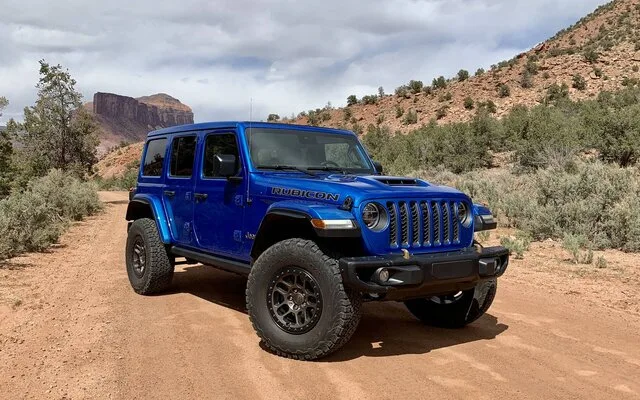
When shopping for a Jeep Wrangler, many buyers focus on off-road capability, towing power, or rugged design — but one overlooked spec can impact all of these: weight. So, how much does a Jeep Wrangler weigh?
The answer isn’t one-size-fits-all. Whether you’re eyeing a 2-door Sport or a plug-in hybrid 4xe, curb weight varies significantly across the Wrangler lineup. This article breaks it all down so you can make a smarter, more informed decision — especially if you’re hauling gear, planning off-road mods, or comparing models.
🧰 What Is “Curb Weight” and Why Does It Matter?
Before diving into the numbers, let’s define curb weight:
Curb Weight = The total weight of a vehicle with all fluids (oil, coolant, fuel) but without passengers or cargo.
This figure is critical because it influences:
- Towing and payload capacity
- Fuel economy
- Acceleration and braking
- Off-road performance
- Transport and garage storage
Heavier vehicles generally feel more planted but can consume more fuel and have reduced agility off-road.
📊 Jeep Wrangler Weight by Model (2025)
| Trim & Configuration | Curb Weight (Approx.) |
|---|---|
| Wrangler Sport 2-Door | 1,808 kg (3,985 lbs) |
| Wrangler Sport S 2-Door | 1,836 kg (4,047 lbs) |
| Wrangler Willys 2-Door | 1,870 kg (4,123 lbs) |
| Wrangler Rubicon 2-Door | 1,950 kg (4,299 lbs) |
| Wrangler Sport 4-Door (Unlimited) | 1,904 kg (4,197 lbs) |
| Wrangler Sahara 4-Door | 1,996 kg (4,401 lbs) |
| Wrangler Rubicon 4-Door | 2,050 kg (4,519 lbs) |
| Wrangler 4xe PHEV (Hybrid) | 2,268 kg (5,000 lbs) |
| Wrangler Rubicon 392 (V8 HEMI) | 2,370 kg (5,225 lbs) |
Looking for exact trim specs? Explore our new Jeep Wrangler inventory to compare them side by side.
🧱 2-Door vs 4-Door: What’s the Weight Difference?
A major factor in Wrangler weight is body style.
- 2-Door Wranglers are lighter, shorter, and more maneuverable, ideal for tight trails and daily driving.
- 4-Door Unlimited models offer more space and utility but add roughly 90–150 kg (200–330 lbs) due to the extra doors, wheelbase, and structure.
This added weight affects suspension articulation and off-road nimbleness but improves interior space and highway stability.
🔋 The Heavyweight: Jeep Wrangler 4xe Plug-In Hybrid
The Wrangler 4xe is a game-changer — combining Jeep’s trail-rated DNA with plug-in electric efficiency. But that hybrid battery adds serious heft:
- Weight: ~2,268 kg (5,000 lbs)
- Battery Pack: Adds ~400+ lbs
- Drivetrain: Complex electric motors + 2.0L turbo engine
Despite its weight, the 4xe remains one of the most capable and efficient Wranglers ever made.
You can browse Wrangler 4xe models here.
🔥 The Beast: Jeep Wrangler Rubicon 392
If weight equals muscle, the Wrangler Rubicon 392 is in a class of its own.
- Engine: 6.4L V8 HEMI (470 hp)
- Weight: ~2,370 kg (5,225 lbs)
This model is built for extreme power, and while it’s the heaviest Wrangler, it’s also the fastest — going 0–60 mph in about 4.5 seconds. That weight gives it high-speed confidence but comes at the cost of fuel economy and trail flexibility.
Want a test drive? Contact Simi Valley CDJR today.
🧭 Does Jeep Wrangler Weight Affect Off-Roading?
Absolutely. Here’s how:
- Light = Agile: Lighter 2-door models like the Sport S are great for rock crawling and steep inclines.
- Heavy = Stable: Heavier 4-door or 392 models offer more stability on descents and better highway comfort.
Suspension upgrades, tire size, and roof configuration also play a role — for example, steel bumpers or a hardtop can add another 90–180 kg (200–400 lbs).
🔄 Add-Ons That Increase Weight
Jeep owners love customization — but every mod adds weight:
| Accessory | Estimated Added Weight |
|---|---|
| Steel Bumpers (Front+Rear) | +90–135 kg (200–300 lbs) |
| Winch System | +20–45 kg (45–100 lbs) |
| Rock Rails / Skid Plates | +30–60 kg (65–130 lbs) |
| Roof Racks & Ladders | +25–50 kg (55–110 lbs) |
| Aftermarket Tires/Wheels | +40–100 kg (90–220 lbs) |
If you’re planning mods, consider the added strain on brakes, fuel economy, and suspension.
🧪 Jeep Wrangler Weight vs Competitors
| SUV | Weight Range |
|---|---|
| Jeep Wrangler 2-Door | 1,808–1,950 kg (3,985–4,299 lbs) |
| Ford Bronco 2-Door | ~1,900–2,020 kg (4,189–4,455 lbs) |
| Toyota 4Runner | ~2,130 kg (4,700 lbs) |
| Land Rover Defender 90 | ~2,050 kg (4,519 lbs) |
Wrangler models remain competitive in weight, especially the 2-door Sport variants — known for their agility and simple construction.
🚗 Shop Jeep Wrangler in Simi Valley, CA
Ready to explore the Jeep Wrangler lineup? Whether you’re looking for a lightweight 2-door trail machine or a fully loaded 4xe plug-in, Simi Valley Chrysler Dodge Jeep Ram has the inventory and expertise to help you find your perfect match.
✅ View Wrangler Inventory
💸 Check Jeep Specials
📞 Get In Touch With Our Team
🔚 Final Thoughts: Know Before You Tow, Crawl, or Haul
Understanding how much a Jeep Wrangler weighs helps you:
- Plan for garage space and transport
- Choose the right trim for off-road agility vs daily comfort
- Know your towing and payload limits
- Factor in fuel economy and mod load
Whether you’re going with a bare-bones Sport or a beefy Rubicon 392, Jeep’s diverse weight range gives you the flexibility to choose a Wrangler that matches your lifestyle — from weekend trail runs to weekday commutes.
Jeep Wrangler Weight – Frequently Asked Questions (FAQ)
1. How much does a Jeep Wrangler weigh?
The weight of a Jeep Wrangler depends on the model and configuration:
- 2-Door Sport: ~3,985 lbs (1,808 kg)
- 4-Door Sahara: ~4,401 lbs (1,996 kg)
- Wrangler 4xe Hybrid: ~5,000 lbs (2,268 kg)
- Wrangler Rubicon 392: ~5,225 lbs (2,370 kg)
Most Wranglers fall between 3,900 and 5,200 lbs, with 2-door models being the lightest and V8 or hybrid versions the heaviest.
2. Why does Wrangler weight vary so much?
Weight varies based on:
- Body style: 2-door vs. 4-door (Unlimited)
- Engine choice: turbo-4, hybrid, or V8
- Added features: larger wheels, off-road gear, and roof material (soft vs. hardtop)
- Trim level: Rubicon and 392 models have added reinforcements and accessories.
Each element adds functionality and strength — but also increases overall curb weight.
3. Does Wrangler weight affect off-road performance?
Yes.
- Lighter Wranglers (like the 2-door Sport) are more nimble on tight trails and easier to handle when rock crawling.
- Heavier Wranglers (like the 392 or 4xe) offer better stability on descents and smoother high-speed control.
Your choice should depend on how and where you plan to drive.
4. How much heavier is the Wrangler 4-door than the 2-door?
The 4-door Unlimited models typically weigh 200–330 lbs (≈ 90–150 kg) more than their 2-door counterparts.
That extra weight comes from the extended wheelbase, extra doors, and reinforced chassis — which add comfort and cargo space but slightly reduce agility.
5. How heavy is the Jeep Wrangler 4xe Hybrid?
The Wrangler 4xe Plug-In Hybrid weighs around 5,000 lbs (2,268 kg).
Its high-capacity battery pack adds roughly 400 lbs (181 kg) over the gas models, but in return you get electric torque, hybrid efficiency, and up to 49 MPGe combined.
6. What is the heaviest Jeep Wrangler?
The Wrangler Rubicon 392 is the heaviest model in the lineup at around 5,225 lbs (2,370 kg).
It’s powered by a 6.4L V8 HEMI engine producing 470 horsepower, designed for drivers who want maximum power and on-road presence.
7. Do aftermarket mods increase Wrangler weight?
Yes — accessories can add significant pounds.
| Accessory | Added Weight (Approx.) |
|---|---|
| Steel Bumpers | +200–300 lbs (90–135 kg) |
| Winch System | +45–100 lbs (20–45 kg) |
| Rock Rails / Skid Plates | +65–130 lbs (30–60 kg) |
| Roof Racks / Ladders | +55–110 lbs (25–50 kg) |
| Off-road Tires / Wheels | +90–220 lbs (40–100 kg) |
Keep these in mind if you plan to customize your Wrangler for overlanding or heavy trail use.
8. How does the Wrangler compare to other SUVs by weight?
| SUV | Weight Range |
|---|---|
| Jeep Wrangler 2-Door | 3,985–4,299 lbs |
| Ford Bronco 2-Door | 4,189–4,455 lbs |
| Toyota 4Runner | 4,700 lbs |
| Land Rover Defender 90 | 4,519 lbs |
The Wrangler sits right in the middle — lighter than some midsize SUVs yet strong enough to maintain Jeep’s signature durability.
9. Does Wrangler weight affect towing or fuel economy?
Yes.
- Heavier models like the Rubicon 392 or 4xe have slightly lower fuel economy but more torque and capability.
- Lighter trims offer improved efficiency and easier daily driving.
All Wranglers can typically tow 2,000–3,500 lbs, depending on trim and drivetrain.
10. Which Jeep Wrangler is best for me?
- Choose a 2-Door Sport or Willys if you want agility, light weight, and pure off-road fun.
- Choose a 4-Door Sahara or Rubicon for added comfort, space, and trail stability.
- Choose the Wrangler 4xe if you want hybrid efficiency with true Jeep 4×4 capability.
- Choose the Rubicon 392 if performance, sound, and power matter most.
11. Where can I explore Jeep Wrangler models in California?
Find the full lineup at:
📍 Simi Valley Chrysler Dodge Jeep Ram
📞 Sales: 805-387-9755
🔗 View Jeep Wrangler Inventory
🔗 Apply for Financing
🔗 Value Your Trade
🔗 Contact Our Team
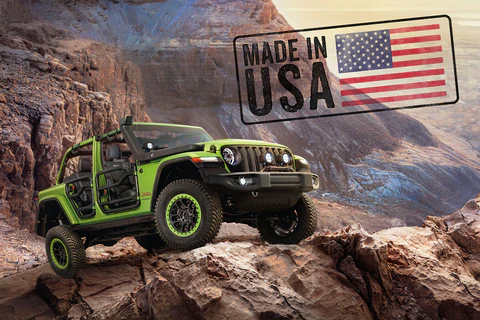
Introduction: The Jeep Identity
Jeep is one of the most iconic automotive brands in the world, but there’s an ongoing debate that sparks curiosity among shoppers and enthusiasts alike — Is Jeep American made?
With globalization blurring manufacturing lines, many drivers wonder whether the rugged Jeep Wrangler or the luxurious Jeep Grand Cherokee rolling down the road is truly Made in America. In this blog, we dive deep into Jeep’s manufacturing roots, current production locations, ownership structure, and what it really means to own an “American” vehicle in 2026.
The Origins of Jeep: A True American Icon
Jeep’s story begins in the heart of American military history. During World War II, the U.S. Army commissioned a rugged, lightweight vehicle to handle off-road combat terrain. The winning prototype came from Willys-Overland, and thus, the first military Jeeps — the Willys MB — were born.
These wartime workhorses soon transitioned to civilian life as the CJ (Civilian Jeep) series, helping build the image of Jeep as a symbol of freedom, durability, and adventure — all deeply American values.
Where Are Jeeps Made Today?
Many customers are surprised to learn that most Jeeps are still assembled in the United States. Here’s a breakdown of popular Jeep models and where they’re built:
| Jeep Model | Primary Manufacturing Plant | Country |
|---|---|---|
| Jeep Wrangler | Toledo Assembly Complex, Ohio | USA |
| Jeep Grand Cherokee | Detroit Assembly Complex – Mack, Michigan | USA |
| Jeep Gladiator | Toledo Assembly Complex, Ohio | USA |
| Jeep Cherokee (Discontinued) | Belvidere Assembly Plant, Illinois (closed 2023) | USA |
| Jeep Compass | Toluca Assembly Plant | Mexico |
| Jeep Renegade | Melfi Assembly Plant | Italy |
| Jeep Wagoneer / Grand Wagoneer | Warren Truck Assembly Plant, Michigan | USA |
As shown above, Jeep produces most of its SUVs in American facilities, particularly the most popular models like the Wrangler, Grand Cherokee, and Gladiator. The Jeep Compass and Renegade are exceptions, built in Mexico and Italy respectively — targeting global markets and cost efficiencies.
Is Jeep Still an American Company?
This is where the waters get murkier.
Jeep is now owned by Stellantis, a multinational corporation formed from the 2021 merger between Fiat Chrysler Automobiles (FCA) and the French company PSA Group (Peugeot, Citroën, Opel). Stellantis is headquartered in Amsterdam, Netherlands, with global operations and 14 vehicle brands under its belt — including Jeep, Dodge, Ram, Chrysler, Peugeot, and Fiat.
So while Jeep’s ownership is international, its roots, design teams, major assembly plants, and core customer base remain strongly American.
The Stellantis Era: Global Strategy, Local Manufacturing
Even under Stellantis, Jeep continues to invest in American manufacturing:
- The Detroit Mack plant was revamped with a $1.6 billion investment to produce the Grand Cherokee L.
- The Toledo, Ohio plant continues to be the home of the Wrangler and Gladiator — both proudly built on U.S. soil.
These moves signal Stellantis’ commitment to maintaining Jeep’s American image and workforce. Despite foreign ownership, Jeep remains one of the few SUV brands with key production facilities based in the United States.
Jeep vs. The Competition: How American Is Jeep Compared to Others?
Let’s put Jeep’s American-made claim in context. Consider the competition:
| Brand | Parent Company | U.S. Assembly Plants? | Ownership |
|---|---|---|---|
| Jeep | Stellantis (Netherlands) | Yes (Multiple) | Foreign-owned |
| Ford | Ford Motor Co. (USA) | Yes | American-owned |
| Chevrolet | General Motors (USA) | Yes | American-owned |
| Toyota | Toyota Motor Corp (Japan) | Yes (Several models) | Japanese-owned |
| Honda | Honda Motor Co. (Japan) | Yes (Several models) | Japanese-owned |
| Hyundai | Hyundai Motor Group (Korea) | Yes (Alabama plant) | Korean-owned |
While Ford and GM remain fully American-owned, many Toyota and Honda vehicles are built in U.S. factories. Jeep, while foreign-owned, continues to build more of its line-up in America than many competitors.
American-Made Jeep Models at Simi Valley CDJR
If buying American matters to you, Simi Valley Chrysler Dodge Jeep Ram has a strong selection of U.S.-built Jeep models ready to go. You can explore:
- New Jeep Wrangler Inventory
- New Jeep Grand Cherokee Inventory
- New Jeep Gladiator Inventory
- Wagoneer & Grand Wagoneer Options
These models are assembled in the USA and represent the heart of the Jeep lineup — rugged, powerful, and proudly American.
What About Jeep Parts? Are They American?
Most vehicles today — Jeep included — are built using a global supply chain. While the final assembly for many Jeeps occurs in the U.S., some components are sourced internationally.
According to the NHTSA American Automobile Labeling Act (AALA), here’s how some popular Jeep models stack up:
- Jeep Wrangler: ~75% American and Canadian parts content
- Jeep Gladiator: ~70–74% American/Canadian content
- Jeep Grand Cherokee: ~65–70%
- Jeep Compass/Renegade: Less than 40%
So while Jeep can claim “American made” on assembly for key models, component sourcing is international, a reality shared by nearly every modern automaker.
Why “Made in America” Still Matters
Buying American-made vehicles supports:
- Local jobs in manufacturing and supplier industries
- Economic growth in cities like Toledo, Detroit, and Warren
- Reduced shipping emissions due to local assembly
- National pride, especially for iconic brands like Jeep
For many Jeep buyers, especially those looking at models like the Wrangler or Grand Cherokee, knowing their vehicle was built by American workers in American factories is a point of pride — and a major reason they choose Jeep over competitors.
Jeep’s Future: Will It Stay American?
With Stellantis pushing electrification and global market expansion, Jeep has announced bold new plans:
- U.S.-built electric SUVs, including the upcoming Jeep Recon (Wrangler-inspired EV)
- Continued production in Michigan, Ohio, and Indiana
- Investments in EV infrastructure at existing American plants
So far, Jeep’s direction shows a balance between global ownership and a deep commitment to its American legacy. While some future models may be produced abroad, core Jeeps — especially off-road focused ones — will likely remain U.S.-built.
Final Verdict: Is Jeep American Made?
Yes — Jeep is still largely American made, especially when it comes to its most popular and iconic models like the Wrangler, Grand Cherokee, Gladiator, and Wagoneer. These vehicles are assembled in U.S. factories by American workers, even though Jeep’s parent company is based overseas.
Here’s how it breaks down:
- ✅ American-designed vehicles
- ✅ American-assembled (for most models)
- ✅ American legacy & brand identity
- ❌ Not American-owned (Stellantis is multinational)
If your priority is supporting the American workforce and getting a vehicle steeped in U.S. heritage, Jeep still delivers — especially when you shop from an authorized American Jeep dealership like Simi Valley Chrysler Dodge Jeep Ram.
FAQs About Jeep’s American Roots
1. Is Jeep an American company?
No, Jeep is currently owned by Stellantis, a multinational company headquartered in Amsterdam. However, Jeep maintains American design, engineering, and assembly for many of its models.
2. Where is Jeep headquartered?
Jeep’s U.S. headquarters are in Auburn Hills, Michigan, under the Stellantis North America division.
3. Are all Jeep Wranglers made in the USA?
Yes. All Jeep Wranglers are built in Toledo, Ohio at the Toledo Assembly Complex.
4. Is the Jeep Gladiator made in America?
Yes. Like the Wrangler, the Gladiator is built in Toledo, Ohio.
5. Where is the Grand Cherokee built?
The Detroit Mack Assembly Complex builds the Jeep Grand Cherokee and Grand Cherokee L in Michigan.
6. Is the Jeep Compass American made?
No. The Compass is built primarily in Toluca, Mexico.
7. What Jeep models are made outside the U.S.?
The Jeep Compass (Mexico) and Jeep Renegade (Italy) are made outside the U.S.
8. Are Jeep engines made in the U.S.?
Many engines are built in U.S. plants (such as the 3.6L Pentastar V6), though some are sourced globally depending on the model.
9. Does Jeep still build vehicles in Detroit?
Yes. The Detroit Mack plant produces the Grand Cherokee L and received major investment to modernize its facility.
10. Where can I buy an American-made Jeep?
Right here: Browse New Jeep Inventory at Simi Valley CDJR
Want an American-Made Jeep? Visit Simi Valley CDJR Today
Whether you’re eyeing a U.S.-assembled Wrangler or the premium Grand Wagoneer, Simi Valley Chrysler Dodge Jeep Ram has the inventory, service, and expertise to help you drive home in a piece of American automotive history.
👉 Explore New Jeeps in Stock
📍 Visit us at Simi Valley Chrysler Dodge Jeep Ram
🔧 Need service? Schedule Jeep Service
FAQs About Jeep’s American Heritage
1. Is Jeep still an American company?
Not entirely. Jeep is now owned by Stellantis, a multinational corporation headquartered in Amsterdam, Netherlands. However, Jeep’s design, engineering, and many of its assembly plants are still based in the United States, preserving its American identity and workforce.
2. Where are Jeep vehicles built?
Most Jeep models are assembled in the U.S., including:
- Jeep Wrangler – Toledo Assembly Complex (Ohio)
- Jeep Gladiator – Toledo Assembly Complex (Ohio)
- Jeep Grand Cherokee – Detroit Mack Assembly (Michigan)
- Jeep Wagoneer & Grand Wagoneer – Warren Truck Assembly (Michigan)
Models like the Jeep Compass (Mexico) and Jeep Renegade (Italy) are produced outside the U.S. to serve international markets.
3. Where is Jeep headquartered today?
Jeep’s U.S. operations are managed under Stellantis North America, based in Auburn Hills, Michigan — the same complex that houses Chrysler, Dodge, and Ram headquarters.
4. Are Jeep Wranglers made in America?
Yes. Every Jeep Wrangler is built in Toledo, Ohio, a plant that has produced Jeeps since World War II. The Wrangler remains the flagship “Made in the USA” model in Jeep’s lineup.
5. Is the Jeep Gladiator American made?
Yes. The Jeep Gladiator, Jeep’s midsize pickup, shares the same production facility as the Wrangler — the Toledo Assembly Complex in Ohio.
6. Which Jeep models are made outside the U.S.?
The Jeep Compass is assembled in Toluca, Mexico, and the Jeep Renegade is produced in Melfi, Italy. Both cater to global markets while maintaining Jeep’s core design and off-road character.
7. Are Jeep engines built in the United States?
Many are. For example, the 3.6L Pentastar V6, used in several Jeep models, is manufactured in the Trenton Engine Complex (Michigan) and Saltillo Engine Plant (Mexico). Some turbo and hybrid powertrains are globally sourced depending on the model and configuration.
8. Does Jeep still build vehicles in Detroit?
Yes. The Detroit Mack Assembly Complex is one of Stellantis’ major U.S. investments, producing the Jeep Grand Cherokee and Grand Cherokee L. This plant represents Jeep’s ongoing commitment to American manufacturing.
9. How American are Jeep parts?
According to the NHTSA American Automobile Labeling Act (AALA):
- Wrangler: ~75% U.S. and Canadian parts content
- Gladiator: ~70–74%
- Grand Cherokee: ~65–70%
- Compass/Renegade: Under 40%
So while Jeep’s assembly is mostly American, its components come from a global supply chain — similar to nearly every modern automaker.
10. Why does “Made in America” matter for Jeep buyers?
Choosing an American-built Jeep supports:
- Local jobs and suppliers in Michigan and Ohio
- Economic growth in U.S. automotive manufacturing cities
- Shorter shipping distances and reduced emissions
- A continuation of Jeep’s historic American legacy
For many Jeep owners, driving a U.S.-assembled Wrangler or Grand Cherokee is a source of national pride.
11. Will Jeep remain American made in the future?
Yes — largely. Stellantis has committed to maintaining Jeep’s U.S. footprint while introducing new American-built EVs like the upcoming Jeep Recon. Core Jeep models such as the Wrangler, Gladiator, and Grand Cherokee will continue to be produced in Michigan, Ohio, and Indiana.
12. Where can I buy an American-built Jeep?
Right here in California:
📍 Simi Valley Chrysler Dodge Jeep Ram
📞 Sales: 805-387-9755
🔗 View Jeep Inventory
🔗 Apply for Financing
🔗 Value Your Trade
🔗 Contact Our Team
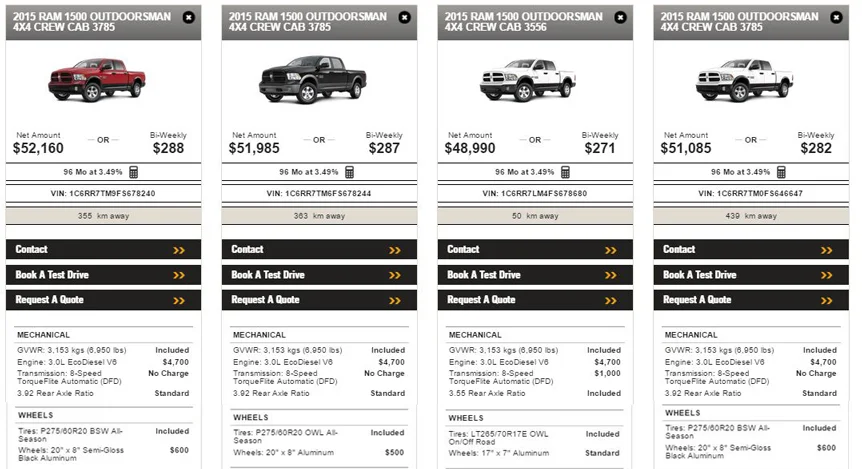
The 2019 Ram 1500 marked the launch of the fifth generation of Ram’s light-duty trucks, blending power, comfort, and advanced technology. From its refined coil-spring suspension to its spacious Crew Cab interior, it was built to satisfy both work and lifestyle needs. But one detail often overlooked by casual truck owners — and prized by serious drivers — is the axle gear ratio.
If you’ve ever wondered whether you can change the gear ratio on a 2019 Ram 1500, the short answer is yes. But the longer answer involves understanding what gear ratios do, how they affect performance, and what’s required to upgrade or modify them. This blog will guide you through everything you need to know.
For factory-trained service and genuine parts, you can always trust Simi Valley Chrysler Dodge Jeep Ram to handle gear ratio changes and upgrades the right way.
⚙️ What Is a Gear Ratio?
A gear ratio in a truck refers to the relationship between the driveshaft’s rotations and the axle’s wheel rotations. In simpler terms, it controls how many times your driveshaft turns for each wheel revolution.
- A higher gear ratio (numerically larger, like 3.92) means the driveshaft spins more often per wheel turn. This produces stronger torque at the wheels, improving towing and acceleration, but at the expense of fuel economy.
- A lower gear ratio (numerically smaller, like 3.21) means fewer driveshaft spins per wheel revolution, prioritizing fuel economy but sacrificing low-end pulling power.
Think of gear ratios as choosing between muscle vs. efficiency.
📊 Stock Gear Ratios on the 2019 Ram 1500
Ram offered the 2019 1500 with several factory-set ratios depending on engine and trim:
- 3.21: Standard on many base models, good for highway fuel economy.
- 3.55: Balanced option, blending decent towing with everyday efficiency.
- 3.92: Available on towing packages and off-road trims like the Rebel, delivering max pulling power.
These ratios were paired with differentials designed for either 2WD or 4WD setups, and the selection significantly influenced towing and payload specs.
🚛 Why Change Your Gear Ratio?
Owners consider gear ratio changes for a few key reasons:
- Towing Heavy Loads
If you bought a Ram 1500 with a 3.21 axle and later decided to tow a large boat or camper, you might feel underpowered. Upgrading to a 3.55 or 3.92 provides stronger low-end torque, making towing more controlled. - Fuel Economy Goals
Drivers who rarely tow and spend most of their time on highways may prefer dropping to a lower ratio (like 3.21) for better fuel efficiency. - Larger Tires or Lift Kits
When you add oversized tires, the effective gear ratio changes. Larger tires reduce torque at the wheels, so upgrading to a higher ratio (like 4.10 aftermarket) restores performance. - Performance Tuning
Enthusiasts who want quicker launches or off-road capability often choose higher ratios for maximum torque and response.
🔧 How to Change the Gear Ratio on a 2019 Ram 1500
Yes, you can change it — but it’s not a DIY bolt-on job. It requires ring and pinion swaps in the differentials. Here’s what’s involved:
- Ring and Pinion Replacement
- The existing differential gears (ring and pinion) are removed.
- New gears with the desired ratio are installed.
- Precision shimming is required to ensure proper contact patterns and backlash settings.
- Front and Rear Matching (4×4)
- If your truck is 4WD, both the front and rear differentials must have matching gear ratios. Mismatched gears will destroy your drivetrain.
- Reprogramming the ECU/PCM
- After changing ratios, the truck’s computer must be recalibrated. Otherwise, your speedometer, transmission shift points, and traction systems will read incorrectly.
- Professional Installation
- Gear swaps require experience with setting bearing preload, backlash, and pinion depth. A dealership or experienced shop is highly recommended.
⚡ Effects of Changing Ratios
Going Higher (e.g., 3.21 → 3.92)
- ✅ Better towing and hauling capability
- ✅ Faster acceleration and throttle response
- ❌ Lower fuel efficiency at highway speeds
- ❌ Higher engine RPMs at cruising speeds
Going Lower (e.g., 3.92 → 3.21)
- ✅ Improved fuel economy
- ✅ Lower RPMs on the highway (quieter ride)
- ❌ Reduced towing capacity
- ❌ Slower launches from a stop
🛠 Maintenance and Durability
Upgraded gear ratios also require proper maintenance:
- Break-In Period: New gears should be driven gently for the first 500 miles with light loads.
- Fluid Change: Differential fluid should be replaced after break-in to remove metal particles from the new gears.
- Regular Inspections: Proper lubrication and periodic inspections prevent premature wear.
📈 Cost of Changing Gear Ratios
Changing gear ratios on a Ram 1500 isn’t cheap because it involves precision labor and parts. Expect:
- Parts (ring & pinion kits): $400–$1,000 per axle
- Labor: $600–$1,200 per axle, depending on complexity
- Reprogramming/Calibration: $100–$300
- Total for 4×4 trucks: $1,500–$3,000+
While costly, the benefits can transform how your truck performs, especially if towing or running larger tires.
🔍 Comparing Ram 1500 Ratios to Competitors
- Ford F-150 (2019): Offered ratios from 3.15 to 3.73, with optional 4.10.
- Chevy Silverado 1500 (2019): Ranged from 3.23 to 3.73, with off-road trims hitting 4.10.
- Toyota Tundra (2019): Mostly 4.30 ratio, limiting highway mpg but maximizing towing.
The Ram 1500’s range of 3.21 to 3.92 struck a smart balance, but aftermarket options allow owners to match or exceed competitors if needed.
🏞 Real-World Examples
- Work Truck Owner: Tradesman with 3.21 gears struggled towing a 7,000 lb trailer. After swapping to 3.92 gears, towing became more manageable, with less downshifting on hills.
- Highway Commuter: A Big Horn owner who never tows swapped to 3.21 from 3.92 and reported improved mpg on long trips from Los Angeles to Phoenix.
- Off-Road Enthusiast: Rebel owners with oversized tires often re-gear to 4.10 aftermarket to regain torque lost to larger diameter wheels.
📍 Why Choose Simi Valley CDJR for Gear Ratio Upgrades
Changing gear ratios requires precision and expertise. At Simi Valley Chrysler Dodge Jeep Ram, you’ll find:
- ✅ Factory-trained technicians with Ram drivetrain experience
- ✅ Genuine Mopar ring & pinion sets
- ✅ Advanced calibration tools to reprogram your truck’s ECU
- ✅ Service warranties for peace of mind
- ✅ Financing options for larger service jobs
For Southern California truck owners, Simi Valley CDJR is your trusted partner for both routine maintenance and performance upgrades.
✅ Final Thoughts
So, can you change the gear ratio on a 2019 Ram 1500? Yes — absolutely. It’s one of the most effective ways to tailor your truck to your needs, whether that’s towing, fuel efficiency, off-roading, or performance driving.
- Higher ratios deliver more torque and towing power.
- Lower ratios improve fuel economy and highway cruising.
- Installation requires professional expertise to avoid costly mistakes.
👉 Ready to upgrade your truck’s performance? Schedule a consultation today with Simi Valley Chrysler Dodge Jeep Ram.
FAQs About 2019 Ram 1500 Gear Ratios
1. Can I change the gear ratio on my 2019 Ram 1500?
Yes — you can change the factory axle gear ratio on a 2019 Ram 1500. However, it’s a complex job involving differential disassembly, ring-and-pinion replacement, and ECU recalibration. Professional installation at a certified Ram service center such as Simi Valley Chrysler Dodge Jeep Ram is strongly recommended.
2. What gear ratios were available from the factory?
The 2019 Ram 1500 offered three primary axle ratios, depending on trim and equipment:
- 3.21: Standard on base and highway-focused trims (best for fuel efficiency).
- 3.55: Balanced option for daily driving and moderate towing.
- 3.92: Towing/off-road-oriented ratio, available on Rebel and Max Tow packages.
3. What does the gear ratio actually do?
The axle ratio determines how many times the driveshaft spins for each wheel rotation:
- Higher ratios (like 3.92) = More torque, stronger towing, quicker launches, lower MPG.
- Lower ratios (like 3.21) = Better fuel economy, quieter cruising, less towing power.
Think of it as choosing between strength vs. efficiency depending on your driving style.
4. Why would someone change their gear ratio?
Drivers re-gear their Ram 1500 for several reasons:
- Towing heavier trailers or boats — higher ratio = more torque.
- Improving fuel economy — lower ratio = reduced RPMs at highway speeds.
- Larger tires/lift kits — restore lost torque and speedometer accuracy.
- Performance tuning — achieve faster throttle response or off-road traction.
5. How difficult is a gear ratio swap?
It’s not a DIY project. A proper re-gear requires:
- Removing the ring and pinion gears in both differentials (on 4x4s).
- Setting correct pinion depth, backlash, and bearing preload.
- Matching front and rear ratios on 4WD trucks to avoid drivetrain damage.
- Reprogramming the truck’s computer (ECU) for correct speed and shift calibration.
Only an experienced technician with specialized tools should handle the process.
6. How much does it cost to change the gear ratio?
Approximate cost breakdown for a 2019 Ram 1500:
| Category | Estimated Cost |
|---|---|
| Ring & Pinion Gear Sets | $400–$1,000 per axle |
| Labor | $600–$1,200 per axle |
| ECU Recalibration | $100–$300 |
| Total (4×4 models) | $1,500–$3,000+ |
While not inexpensive, it can completely transform towing performance or fuel efficiency.
7. What happens if front and rear ratios don’t match on a 4×4?
Mismatched ratios will cause severe drivetrain binding, leading to major transmission and differential damage. Always ensure both axles use the exact same ratio if your Ram is equipped with 4WD.
8. Do I need to recalibrate my truck after a gear change?
Yes. After re-gearing, your speedometer, odometer, and transmission shift logic must be reprogrammed to the new ratio. Failing to do this can cause inaccurate readings and erratic shifting.
9. How does changing the ratio affect towing and fuel economy?
- Higher ratio (e.g., 3.21 → 3.92):
- ✅ Better towing power and throttle response
- ❌ Lower fuel economy
- Lower ratio (e.g., 3.92 → 3.21):
- ✅ Improved MPG and quieter cruising
- ❌ Reduced towing torque
Choose based on how you use your truck most often.
10. What’s the break-in procedure after a re-gear?
To ensure longevity:
- Drive gently for the first 500 miles with light loads.
- Avoid towing during break-in.
- Change differential fluid after the break-in to remove metal debris.
- Continue regular fluid checks every 15,000–30,000 miles.
11. What are aftermarket options for higher performance?
Owners seeking even more torque can upgrade to 4.10 or 4.56 ratios through reputable aftermarket kits. These are popular for off-road builds, lifted trucks, and heavy towing setups, but require recalibration and professional installation.
12. Where can I get my Ram 1500 re-geared or serviced?
Right here in Southern California:
📍 Simi Valley Chrysler Dodge Jeep Ram
📞 Sales & Service: 805-387-9755
🔧 Factory-trained technicians with Ram drivetrain expertise
⚙️ Genuine Mopar ring & pinion sets and calibration tools
🔗 Schedule Service
🔗 View Ram Service Specials
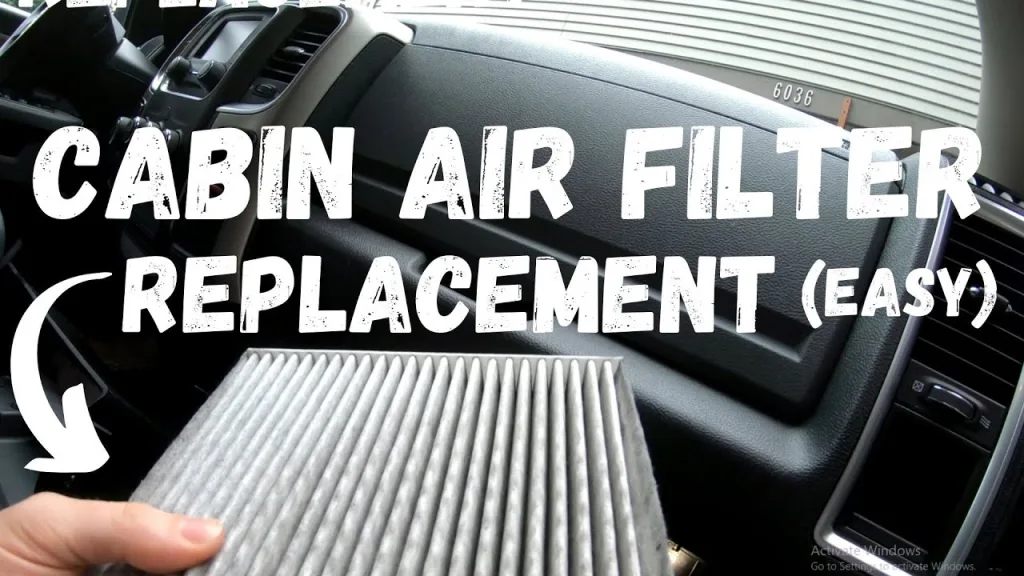
The Ram 1500 is one of the most popular full-size pickup trucks in America. Known for its mix of power, comfort, and rugged reliability, it’s built to handle everything from long highway drives to dusty job sites. But even the most capable truck needs regular care to keep it performing at its best. One of the simplest yet most important maintenance steps? Cleaning or replacing your air filters.
Air filters may seem like small, inexpensive components, but they play an outsized role in the health and efficiency of your Ram 1500. They control how your engine breathes, how clean your cabin air feels, and even how much fuel you burn on each drive. Neglect them, and you may notice sluggish performance, lower fuel economy, and even long-term damage.
So when exactly should you clean or replace the air filters in your Ram 1500? Let’s break it down.
For expert service and genuine OEM parts, you can always trust the team at Simi Valley Chrysler Dodge Jeep Ram.
⚙️ The Role of Air Filters in a Ram 1500
Your Ram 1500 uses two types of air filters:
- Engine Air Filter – Sits under the hood and keeps dust, dirt, and debris from entering the engine. Clean air is critical for combustion. A clogged engine filter forces your truck to work harder, reducing performance and fuel efficiency.
- Cabin Air Filter – Located behind the glove box, this filter cleans the air inside your cabin, protecting passengers from dust, pollen, smoke, and allergens.
Both need attention at regular intervals to ensure your truck runs smoothly and your driving environment stays healthy.
📏 Manufacturer Recommendations
Ram recommends the following service intervals for 1500 models:
- Engine Air Filter: Inspect around 12,000–15,000 miles (19,000–24,000 km), replace about every 30,000 miles (48,000 km).
- Cabin Air Filter: Replace every 15,000–20,000 miles (24,000–32,000 km), or once a year.
These guidelines assume normal driving conditions. For owners in more demanding environments, these intervals should be shortened.
🚛 What Counts as Severe Driving Conditions?
Not all Ram 1500s live the same life. If you use your truck for any of the following, your filters will get dirty faster:
- Driving on gravel or dirt roads
- Frequent off-road driving
- Towing heavy loads on hot days
- Driving in areas with construction, dust, or wildfire smoke
- Living in dry desert climates (California, Nevada, Arizona)
If this sounds like you, inspect the filters every 6,000–10,000 miles (9,500–16,000 km) instead of waiting for the standard interval.
🚩 Warning Signs Your Filters Need Service
Even if you don’t track your mileage closely, your Ram 1500 will show signs that it’s time to clean or replace an air filter. Watch for:
- Noticeable drop in acceleration or power
- Worse fuel economy than usual
- Black smoke from the exhaust under load
- Unusual engine noises when idling
- Dusty smell or reduced airflow inside the cabin
- Whistling sounds from under the hood
- A Check Engine Light, often triggered by restricted airflow
If you notice these symptoms, it’s a strong indicator your filters are overdue for attention.
🧼 Cleaning vs. Replacing
Not all filters are designed to be cleaned.
- OEM Paper Filters: Most Ram 1500 trucks come with disposable paper filters from the factory. These should be replaced, not washed. Once clogged, they can’t be restored effectively.
- Reusable Performance Filters: Some owners upgrade to high-performance filters like K&N. These can be cleaned and re-oiled instead of replaced, typically every 50,000 miles (80,000 km) under normal use, but more often in dusty areas.
🛠 How to Check and Replace the Engine Air Filter
Checking your Ram’s engine filter is quick and easy:
- Open the hood and locate the airbox.
- Release the clips or screws holding the cover.
- Remove the air filter.
- Hold it up to a light — if you can’t see light through most of the filter, it’s clogged.
- Replace with a genuine Mopar filter or clean your reusable one per instructions.
This five-minute check can restore power and fuel economy immediately.
🌬 Maintaining the Cabin Air Filter
Don’t forget the air you breathe. The cabin filter protects you from pollutants and allergens.
- Lower the glove box and release the stops.
- Remove the cabin air filter cover.
- Slide out the old filter.
- Insert the new filter with airflow arrows aligned properly.
A clean cabin filter makes a huge difference during California wildfire season or pollen-heavy spring months.
📈 Performance and Efficiency Benefits
Why prioritize such a simple maintenance step? Here’s what clean filters deliver:
- Better fuel economy – up to 10% savings at the pump
- Improved acceleration – unrestricted airflow means stronger throttle response
- Longer engine life – less dirt reaching cylinders and sensors
- Cleaner cabin air – reduces allergies, odors, and fatigue
- Lower emissions – a clean engine runs more efficiently and cleaner
📊 Suggested Maintenance Schedule for Ram 1500 (2019–2025)
| Mileage (km) | Engine Filter | Cabin Filter |
|---|---|---|
| 15,000 | Inspect | Replace |
| 30,000 | Replace | Inspect |
| 45,000 | Inspect | Replace |
| 60,000 | Replace | Inspect |
This schedule keeps both systems in top shape without overspending on replacements.
🏞 Special Considerations for California Drivers
Ram 1500 owners in California face unique challenges:
- Dusty Conditions: Construction zones and dry terrain clog filters faster.
- Wildfire Season: Cabin filters should be upgraded to carbon versions for smoke protection.
- High Traffic Areas: Stop-and-go driving increases engine contamination, making clean filters more important.
If you live in Simi Valley or surrounding areas, it’s wise to inspect filters at every oil change.
🔧 Professional Service vs. DIY
While many owners replace filters themselves, visiting a certified dealership has benefits:
- Technicians ensure proper installation and sealing
- Housing is inspected for debris or damage
- Service reminders are reset correctly
- OEM filters guarantee the best fit and performance
That’s why many owners turn to Simi Valley Chrysler Dodge Jeep Ram for filter inspections and replacements during routine maintenance.
🛠 Cost of Replacement
- Engine Air Filter: $25–$50 for OEM replacements
- Cabin Air Filter: $30–$60 for OEM parts (slightly more for carbon-activated versions)
- Labor: Usually minimal — most replacements take under 20 minutes
Compared to the cost of decreased fuel efficiency or long-term engine wear, replacing filters is one of the most cost-effective maintenance tasks you can perform.
🏁 Conclusion: Small Part, Big Impact
Your Ram 1500’s air filters might not get the same attention as its HEMI V8, coil suspension, or towing numbers, but they’re just as critical. Keeping both the engine and cabin filters clean ensures your truck runs stronger, lasts longer, and keeps you and your passengers comfortable.
Quick takeaways:
- Inspect engine filters every 12,000–15,000 miles. Replace around 30,000 miles.
- Replace cabin filters every 15,000–20,000 miles or once a year.
- Check more frequently in dusty, off-road, or California wildfire conditions.
- Use genuine Mopar parts for best performance.
👉 Ready for your Ram 1500 to breathe easier? Visit Simi Valley Chrysler Dodge Jeep Ram for expert filter service and OEM parts.
Here’s a clean, dealership-ready FAQ you can drop under your Ram 1500 air-filter article.
Ram 1500 Air Filter FAQ
1) How many air filters does a Ram 1500 have?
Two: an engine air filter (under the hood) and a cabin air filter (behind the glove box).
2) How often should I replace each filter?
- Engine air filter: inspect every 12k–15k miles; replace ~30k miles (earlier in dusty use).
- Cabin air filter: replace every 15k–20k miles or once a year.
3) What counts as “severe” conditions and shortens intervals?
Regular dirt/gravel roads, off-roading, towing in heat, construction zones, wildfire smoke, and dry desert climates (CA/NV/AZ). Check every 6k–10k miles in these cases.
4) What are the symptoms of a clogged engine air filter?
Sluggish acceleration, worse MPG, rough idle, darker exhaust under load, whistling from the airbox, or a Check Engine Light tied to restricted airflow.
5) What are the symptoms of a dirty cabin air filter?
Dusty/ smoky odors, weak A/C airflow, more window fogging, allergy irritation, extra blower noise.
6) Can I clean my OEM filters?
- OEM paper filters: do not wash—replace.
- Reusable performance filters (e.g., K&N): clean and re-oil per manufacturer (often ~50k miles in normal use; sooner in dust).
7) Will fresh filters really improve MPG and power?
Yes. Restoring proper airflow can recover throttle response and fuel economy (up to ~10%) versus an overly clogged filter.
8) Do larger tires/lifts change anything about filters?
They don’t change the interval directly, but off-road use usually means more dust—inspect more frequently.
9) Paper vs. carbon cabin filter—what’s the difference?
Carbon/activated charcoal cabin filters better reduce smoke, fumes, and odors—ideal for California wildfire season and heavy traffic.
10) How do I quickly check the engine air filter myself?
Open airbox → remove filter → hold to a bright light. If you can’t see light through most of it (and tapping it sheds lots of debris), replace it.
11) Will a dirty filter damage my engine?
Over time, yes. Restricted airflow can increase fuel use and let more particles reach MAF/MAP sensors and cylinders, accelerating wear.
12) How long does replacement take at the dealership?
Typically 15–20 minutes per filter. It’s often bundled with oil service.
13) How much does it cost?
- Engine air filter: $25–$50 (OEM part)
- Cabin air filter: $30–$60 (carbon versions slightly more)
- Labor: minimal (usually under 20 minutes)
14) Will aftermarket filters affect my warranty?
Using non-OEM parts doesn’t automatically void warranty, but any failure caused by an aftermarket part may not be covered. OEM Mopar filters ensure fit, filtration, and peace of mind.
15) What’s a simple maintenance schedule for 2019–2025 Ram 1500?
- 15,000 mi: Engine—Inspect | Cabin—Replace
- 30,000 mi: Engine—Replace | Cabin—Inspect
- 45,000 mi: Engine—Inspect | Cabin—Replace
- 60,000 mi: Engine—Replace | Cabin—Inspect
(Shorten intervals for severe conditions.)
16) Can I DIY or should I visit the dealer?
DIY is possible, but dealer service ensures correct sealing, housing inspection, reminder resets, and verified OEM parts.
17) Where is the cabin filter exactly?
Behind the glove box: lower the box, release side stops, remove cover, slide the filter out, and install the new one with airflow arrows aligned.
18) Ready to service your filters?
Book with Simi Valley Chrysler Dodge Jeep Ram for OEM Mopar parts and factory-trained techs.
Service: 805-387-9755 · Schedule: simivalleychryslerdodgejeepram.com/serviceapptform.aspx
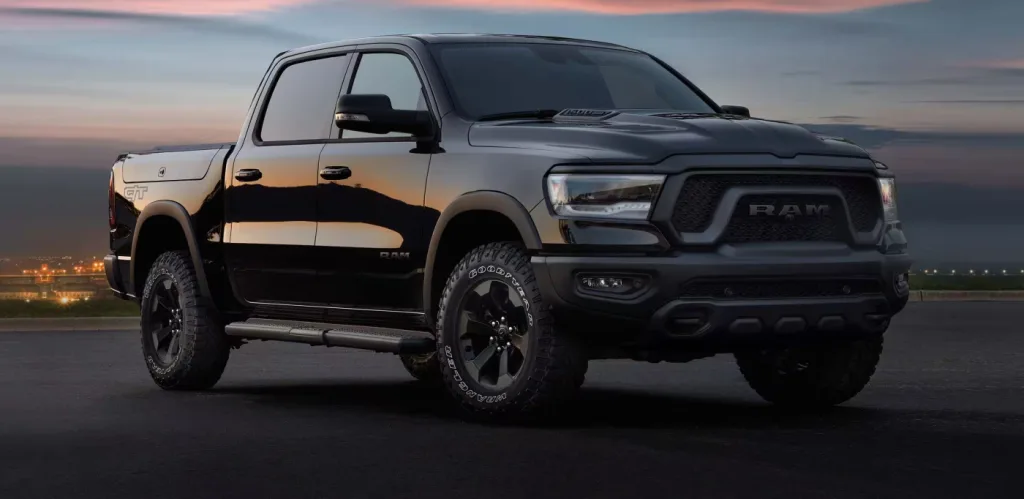
When you think of a pickup truck, weight might not be the first thing that comes to mind. Most buyers focus on horsepower, towing numbers, or interior comfort. But understanding how much a Ram 1500 weighs is more than trivia — it impacts towing capacity, payload limits, handling, braking, fuel efficiency, and even what license or road rules may apply in some states.
The Ram 1500 has been one of America’s best-selling trucks for decades, and its weight is carefully engineered to balance strength and efficiency. So how heavy is it really? Let’s dive deep into the numbers across trims, cab configurations, engines, and years, with special focus on the 2019–2025 fifth-generation Ram 1500 models.
For those in Southern California, you can explore the latest Ram trucks, schedule service, or get advice from experts directly at Simi Valley Chrysler Dodge Jeep Ram.
⚖️ Understanding Truck Weight Terms
Before breaking down Ram 1500 weights, it’s important to know the different categories manufacturers use:
- Curb Weight: The weight of the truck with all standard equipment and fluids (oil, coolant, full tank of fuel), but without passengers or cargo.
- Gross Vehicle Weight Rating (GVWR): The maximum safe weight of the truck fully loaded with passengers, cargo, and tongue weight from a trailer.
- Payload Capacity: How much weight you can safely carry in the cab and bed combined.
- Gross Combined Weight Rating (GCWR): The maximum allowable weight of the truck plus whatever it’s towing.
Knowing these figures prevents overloading and ensures safety while towing or hauling.
📊 Ram 1500 Weight Range
The Ram 1500 is considered a light-duty full-size pickup, but don’t let the term “light” fool you — these trucks are anything but featherweights. Depending on trim and configuration, curb weight ranges from around 4,765 lbs (2,162 kg) to nearly 6,400 lbs (2,903 kg).
- Lowest curb weight: Tradesman Quad Cab 2WD with 3.6L V6 – ~4,765 lbs
- Heaviest curb weight: Limited Crew Cab 4×4 with 5.7L HEMI eTorque – ~6,400 lbs
This broad range reflects the diversity of trims, cabs, drivetrains, and optional equipment in the Ram 1500 lineup.
🚛 Ram 1500 Weights by Engine
3.6L Pentastar V6 with eTorque
- Curb Weight: ~4,765–5,150 lbs
- GVWR: 6,800 lbs
- Best for: Daily driving, light towing, efficiency
This is the base engine, standard in lower trims. Despite being lighter, it provides plenty of capability with a modern mild-hybrid system.
5.7L HEMI V8
- Curb Weight: ~5,300–5,800 lbs
- GVWR: 7,100 lbs
- Best for: Towing, hauling, and those who want classic V8 rumble
The HEMI adds hundreds of pounds thanks to its larger block and heavier components but pays off with stronger towing and acceleration.
5.7L HEMI V8 with eTorque
- Curb Weight: ~5,600–6,400 lbs
- GVWR: 7,100 lbs
- Best for: Max towing, improved efficiency under load
This is the heaviest option but also the most capable in terms of towing (up to 12,750 lbs when properly equipped).
EcoDiesel 3.0L V6 (2019–2023 availability)
- Curb Weight: ~5,200–6,000 lbs
- GVWR: 7,000–7,100 lbs
- Best for: Long-distance hauling with excellent fuel economy
The EcoDiesel adds weight but balances it with low-end torque and class-leading highway mpg.
🏗 Weights by Cab and Bed Configuration
The Ram 1500 offers multiple cab and bed combinations, which also influence curb weight.
Quad Cab (smaller rear seating area)
- Weight Range: 4,765–5,500 lbs
- Payload: ~2,000 lbs
- Best for: Work truck owners who prioritize bed space
Crew Cab (larger rear seating)
- Weight Range: 5,100–6,400 lbs
- Payload: ~1,600–1,900 lbs
- Best for: Families, road trips, daily drivers who need comfort
Bed Lengths
- 5’7” Bed: Saves some weight and improves maneuverability
- 6’4” Bed: Adds ~100–150 lbs, better for hauling large cargo
📈 Trim-Level Weight Differences
Each trim adds features, luxury materials, and technology that increase the truck’s weight.
- Tradesman: ~4,765–5,300 lbs
- Big Horn/Lone Star: ~5,100–5,600 lbs
- Laramie: ~5,500–5,900 lbs
- Rebel (off-road focus): ~5,700–6,000 lbs (extra skid plates, suspension components add weight)
- Limited & Limited Longhorn: ~6,000–6,400 lbs (luxury features, larger wheels, more electronics)
📊 Quick Reference Table – 2019–2025 Ram 1500
| Trim / Engine | Drivetrain | Curb Weight (lbs) | GVWR (lbs) |
|---|---|---|---|
| Tradesman V6 | 2WD Quad | ~4,765 | 6,800 |
| Big Horn V6 | 4×4 Crew | ~5,200 | 6,800 |
| Rebel HEMI V8 | 4×4 Crew | ~5,900 | 7,100 |
| Laramie HEMI | 4×4 Crew | ~6,000 | 7,100 |
| Limited HEMI eTorque | 4×4 Crew | ~6,400 | 7,100 |
Numbers are approximate and vary by options (wheel size, axle ratio, towing packages).
🔍 Why Weight Matters for Ram 1500 Owners
- Towing Capacity – Heavier trucks with stronger engines can tow more, but too much curb weight eats into payload.
- Fuel Efficiency – Lighter trims with the V6 achieve better mpg.
- Handling & Braking – A heavier truck requires larger brake calipers and rotors, which is why Ram’s braking system is among the best in its class.
- Registration & Fees – In some states, registration cost and insurance premiums factor in GVWR.
- Off-Roading – Lower weight helps in sand or mud, but heavier trims with skid plates and suspension upgrades are more durable.
🛠 Maintenance & Weight
Weight also affects wear on key parts:
- Tires: Heavier trims wear tires faster; proper rotation is key.
- Brakes: More mass requires larger calipers (Ram uses up to 60 mm front pistons).
- Suspension: Towing near max capacity frequently can stress shocks and springs.
Keeping up with maintenance ensures your Ram 1500 delivers performance safely no matter how heavy it is.
For service, brake inspections, or OEM parts, visit Simi Valley Chrysler Dodge Jeep Ram.
🏁 Real-World Examples
- A Tradesman Quad Cab V6 2WD feels nimble and efficient, weighing under 5,000 lbs — closer to some midsize trucks.
- A fully-loaded Limited Crew Cab 4×4 HEMI eTorque tips the scales over 6,300 lbs, rivaling some ¾-ton trucks in sheer presence.
- Off-road-ready Rebel models gain extra armor and suspension weight but deliver rugged stability.
✅ Final Thoughts
So, how much does a Ram 1500 weigh? The answer depends on configuration, but you’re looking at anywhere between 4,765 lbs and 6,400 lbs curb weight, with GVWR ratings around 6,800–7,100 lbs.
That range allows the Ram 1500 to serve everyone — from fleet buyers who want an efficient work truck, to families who want a luxurious daily driver, to enthusiasts towing boats or trailers on weekends.
Understanding your truck’s weight isn’t just about numbers; it’s about knowing your truck’s limits and maximizing its strengths.
👉 If you’re ready to explore the full lineup or need expert service for your Ram, visit Simi Valley Chrysler Dodge Jeep Ram — your trusted local Ram dealership
Ram 1500 Weight FAQ
1) How much does a Ram 1500 weigh?
Depending on configuration, the Ram 1500 weighs between 4,765 and 6,400 pounds (2,162–2,903 kg). Lower trims with the V6 engine weigh less, while fully loaded 4×4 Crew Cab HEMI models sit at the top end of the range.
2) What’s the average weight of a Ram 1500?
Most Ram 1500 models on the road today fall between 5,200 and 5,900 pounds. That’s a good balance of strength and efficiency for towing, hauling, and daily use.
3) Does cab size affect the Ram 1500’s weight?
Yes.
- Quad Cab models: 4,765–5,500 lbs
- Crew Cab models: 5,100–6,400 lbs
Crew Cabs have larger rear seating and added structure, which increases overall weight.
4) Which engine option makes the Ram 1500 heaviest?
The 5.7L HEMI V8 with eTorque is the heaviest setup, reaching up to ~6,400 lbs curb weight, but it also delivers the highest towing capacity — up to 12,750 lbs when properly equipped.
5) What’s the lightest Ram 1500 configuration?
The Tradesman Quad Cab 2WD with the 3.6L V6 eTorque is the lightest at roughly 4,765 lbs, offering excellent fuel economy for a full-size pickup.
6) How does the Ram 1500’s weight compare to rivals like the F-150 or Silverado 1500?
The Ram 1500 is mid-range among full-size trucks:
- Ford F-150: ~4,600–6,200 lbs
- Chevy Silverado 1500: ~4,400–6,000 lbs
- Ram 1500: ~4,765–6,400 lbs
Its structure and coil-spring suspension add comfort but slightly increase weight over some competitors.
7) What’s the difference between curb weight and GVWR?
- Curb Weight: Truck with all fluids and full tank but no passengers or cargo.
- GVWR (Gross Vehicle Weight Rating): The maximum safe weight of truck + passengers + cargo + trailer tongue load.
Ram 1500 GVWR ranges from 6,800 to 7,100 lbs, depending on trim.
8) How does weight affect towing and payload?
Heavier trims can tow more but usually have slightly lower payload capacity. For example:
- Light V6 models: ~2,000 lbs payload
- Heavy luxury trims: ~1,600–1,800 lbs payload
9) Does weight impact fuel efficiency?
Yes. Lighter trims and V6 models typically return better fuel economy. The 3.6L V6 eTorque delivers the best mileage, while heavier V8 and diesel models trade some efficiency for power.
10) Why is the Ram 1500 heavier than midsize trucks?
The Ram 1500 is a full-size, half-ton pickup built for towing and hauling. Its frame, suspension, and safety systems are engineered for strength — naturally adding weight over midsize models like the Tacoma or Ranger.
11) Does adding accessories or towing equipment change weight?
Yes. Aftermarket items such as toolboxes, lift kits, larger wheels, or winches can add 100–500 lbs or more, reducing available payload.
12) What’s the GCWR of the Ram 1500?
The Gross Combined Weight Rating (GCWR) — the truck plus whatever it’s towing — is typically 12,900 to 19,000 lbs, depending on engine, axle ratio, and towing package.
13) How does bed length affect weight?
The 6’4” bed adds roughly 100–150 lbs over the 5’7” bed, improving hauling space at a small cost to efficiency and maneuverability.
14) What is the payload capacity of the Ram 1500?
Payload varies between 1,600–2,300 lbs, depending on trim, engine, drivetrain, and options. Always check your driver-side door label for the exact figure for your truck.
15) How can I find my Ram 1500’s exact weight?
You can:
- Check your door jamb label (lists GVWR and payload).
- Visit the Simi Valley CDJR service department for a full spec lookup by VIN.
- Consult your owner’s manual for curb and towing specs.
16) Does the Ram 1500 EcoDiesel weigh more?
Yes — the 3.0L EcoDiesel models weigh ~5,200–6,000 lbs due to the diesel engine’s heavier block and cooling systems. However, they’re among the most fuel-efficient full-size pickups.
17) Do weight differences affect braking or suspension?
Heavier trims use larger brake calipers (up to 60 mm pistons) and reinforced suspension to maintain stopping power and ride comfort.
18) What’s the best weight setup for off-roading?
The Ram 1500 Rebel hits a sweet spot (~5,700–6,000 lbs). It’s heavy enough for stability, yet balanced for trail agility thanks to its off-road suspension and skid plates.
19) Does truck weight impact registration or insurance?
In some states, yes. Fees and premiums may factor in GVWR classifications, especially for commercial or high-capacity configurations.
20) Where can I get exact Ram 1500 specs or service help?
Visit Simi Valley Chrysler Dodge Jeep Ram — your certified local Ram experts.
📍 Simi Valley, CA
📞 Sales & Service: 805-387-9755
🔗 View Ram Inventory
🔗 Schedule Service
The 2019 Ram 1500 marked a turning point in Ram’s pickup truck lineup. With a complete redesign, more powertrain options, improved towing capacity, and a lighter, stronger frame, the fifth-generation Ram became a favorite among truck enthusiasts. But while most headlines highlighted HEMI engines, coil-spring suspension, and luxury-grade interiors, one critical component often goes unnoticed: the brakes.
Specifically, the brake calipers on the 2019 Ram 1500 play a massive role in ensuring that this full-size truck can haul, tow, and stop with confidence. In this deep-dive, we’ll cover everything you need to know about the size of the brake calipers, their role in braking performance, comparisons across trims, maintenance tips, and why upgrading might be worth considering if you’re a serious truck owner.
For those in California looking to maintain or upgrade their truck, you can always rely on Simi Valley Chrysler Dodge Jeep Ram for OEM brake parts, service, and expert advice.
🔧 Brake Caliper Basics
Before we jump into the exact dimensions, let’s start with the basics.
A brake caliper is a clamping device that houses the brake pads and pistons. When you press the brake pedal, hydraulic pressure pushes the pistons, squeezing the pads against the rotors. This friction slows down and stops your vehicle.
On a heavy-duty vehicle like the Ram 1500, brake calipers need to be significantly larger and more robust than those found on sedans or compact SUVs. This ensures they can handle the extra stress from towing heavy loads, hauling cargo, and stopping a truck that weighs over 2,300 kg (5,100 lbs) before passengers, cargo, or trailers are even factored in.
📏 2019 Ram 1500 Brake Caliper Size
The 2019 Ram 1500 comes with a range of brake sizes depending on trim and wheel options. But across the lineup, Ram equipped the truck with some of the largest calipers in the half-ton class at the time.
- Front Brake Calipers:
The front brakes are the workhorses of any vehicle. On the 2019 Ram 1500, the front calipers are dual-piston calipers measuring approximately 60 mm (2.36 inches) per piston. This gives a combined clamping area large enough to handle aggressive braking and heavy towing situations. - Rear Brake Calipers:
The rear brakes feature single-piston floating calipers measuring about 45 mm (1.77 inches). While smaller than the front, they are still robust enough to provide stability under braking and keep the truck balanced, especially when loaded. - Rotor Pairing:
These calipers pair with massive brake rotors:- Front rotors: 13.8 inches in diameter
- Rear rotors: 14.1 inches in diameter (depending on trim and wheel size)
Put simply, the brake system on the 2019 Ram 1500 is bigger than many SUVs’ entire wheel sizes.
🚛 Why Size Matters on the Ram 1500
A large pickup like the Ram 1500 demands equally large brake calipers. Here’s why size is so important:
- Towing Power – The 2019 Ram 1500 can tow up to 12,750 lbs (when properly equipped). Large calipers provide the clamping force needed to bring a heavy trailer to a stop without overheating the system.
- Payload Capacity – With up to 2,300 lbs of payload, the truck needs calipers strong enough to handle stopping with the bed fully loaded.
- Heat Dissipation – Bigger calipers paired with vented rotors mean better heat management. Overheated brakes lead to fade, where the pedal feels soft and stopping distances increase.
- Longevity – Larger calipers spread braking forces more evenly, reducing wear on both pads and rotors, ensuring the truck remains reliable over the long haul.
⚙️ Variations Across Trims
The 2019 Ram 1500 was available in multiple trims — Tradesman, Big Horn, Laramie, Rebel, Limited, and more. While the brake caliper design remained largely consistent across trims, certain wheel and axle configurations came with slightly larger rotors and upgraded calipers.
- Standard Models (Tradesman, Big Horn): Dual-piston front calipers with 60 mm pistons, single-piston rears.
- Performance-Oriented Rebel: Reinforced components with stronger pads, same caliper dimensions but tuned for off-road conditions.
- Heavy Towing Packages: Some higher trims with Max Tow configurations used upgraded calipers with thicker pads and heat-resistant coatings for longevity under load.
Regardless of trim, the system was engineered for durability, with Ram engineering emphasizing consistent performance under heavy strain.
🔍 Comparing Ram 1500 Brakes to Competitors
To put things into perspective, let’s compare the 2019 Ram 1500 brake calipers to rivals:
- Ford F-150 (2019): Front calipers around 54 mm pistons, rear around 43 mm. Smaller overall, especially on base trims.
- Chevy Silverado 1500 (2019): Similar dual-piston fronts but smaller rear calipers than Ram.
- Toyota Tundra (2019): Comparable in the front, though older design meant less efficiency in cooling.
Verdict: The 2019 Ram 1500 had one of the most robust brake setups in its class, giving it an edge in stopping power and confidence.
🛠 Maintenance Tips for 2019 Ram 1500 Brake Calipers
Even the best brake calipers need care. Here are essential tips:
- Regular Inspections – Check calipers for leaks, uneven wear, or corrosion every 20,000 km.
- Brake Fluid Flushes – Replace fluid every 2 years to maintain hydraulic pressure.
- Lubrication – Keep slide pins greased to ensure smooth caliper movement.
- Pad Replacement – Always replace pads in pairs to maintain balance and prevent rotor warping.
- OEM Parts – Use genuine Mopar brake parts for the best fit and safety.
For California drivers, Simi Valley Chrysler Dodge Jeep Ram provides factory-trained technicians and OEM-certified brake parts to keep your Ram performing like new.
🔩 When to Consider Upgrades
If you push your Ram 1500 beyond daily driving — such as heavy towing, off-roading, or performance mods — brake upgrades may be worth considering. Popular options include:
- Bigger Calipers – Four-piston or six-piston aftermarket calipers for extra clamping force.
- Slotted & Drilled Rotors – Improve cooling and reduce fade under repeated braking.
- Performance Pads – Provide stronger initial bite and better heat resistance.
- Steel Braided Lines – Enhance pedal feel and reduce flex under pressure.
These upgrades enhance confidence, especially when towing near max capacity or driving through steep California mountain roads.
💬 Real-World Feedback from 2019 Ram 1500 Owners
Many owners reported being impressed with the braking capability of the redesigned Ram. Compared to earlier fourth-gen trucks, the 2019’s larger calipers and rotors significantly improved stopping distances.
One owner review mentioned that even with a 6,000 lb trailer attached, the brakes stayed consistent with no fade after multiple highway merges and stops. Another praised the truck’s control when descending steep inclines, noting how “solid” the pedal felt even under load.
📍 Why Simi Valley CDJR Is Your Best Bet for Brake Service
Owning a truck like the 2019 Ram 1500 means having a partner who understands it. At Simi Valley Chrysler Dodge Jeep Ram, you get:
- 🔧 Factory-trained technicians familiar with Ram braking systems
- 🛠 OEM Mopar brake calipers, pads, and rotors
- 📅 Scheduled maintenance tailored to your truck’s needs
- 🚙 Complimentary multi-point inspections during service
- 💵 Competitive financing options for parts and service upgrades
For California drivers, the dealership is your go-to resource for brake service, replacements, and performance upgrades.
👉 Explore parts, service appointments, and Ram trucks at Simi Valley Chrysler Dodge Jeep Ram.
✅ Final Verdict
So, how big are the 2019 Ram 1500 brake calipers?
- Front: Dual-piston, ~60 mm pistons
- Rear: Single-piston, ~45 mm piston
- Rotors: Up to 14.1 inches in diameter
In short, they’re among the largest in their class, giving the Ram 1500 exceptional stopping power to match its impressive towing and hauling capabilities.
Whether you’re maintaining your truck’s stock setup or upgrading for more performance, knowing the caliper size helps you make smart, safe choices. And when it’s time for parts or service, trust the experts at Simi Valley Chrysler Dodge Jeep Ram to keep your brakes strong and reliable.
2019 Ram 1500 Brake Caliper FAQ
1) What size are the brake calipers on the 2019 Ram 1500?
The front calipers are dual-piston units measuring approximately 60 mm (2.36 inches) per piston, while the rear calipers are single-piston units measuring about 45 mm (1.77 inches).
2) Are the front and rear calipers the same on all trims?
Not exactly. Most trims — including Tradesman, Big Horn, and Laramie — use the same base setup, but performance-focused models like the Rebel feature reinforced components and upgraded brake pads tuned for off-road use.
3) What size are the brake rotors on the 2019 Ram 1500?
The front rotors measure around 13.8 inches, while the rear rotors range up to 14.1 inches depending on the trim and wheel package.
4) How do Ram 1500 brakes compare to Ford and Chevy trucks?
The 2019 Ram 1500 uses larger pistons and rotors than most half-ton competitors. For example:
- Ford F-150 (2019): ~54 mm front pistons
- Chevy Silverado 1500 (2019): Smaller rear calipers
This gives the Ram stronger clamping force and better fade resistance.
5) Why does caliper size matter for trucks?
Bigger calipers provide more braking torque, better heat dissipation, and improved stopping power when towing or hauling. They also help reduce pad wear and maintain consistent braking performance under heavy loads.
6) Which 2019 Ram 1500 engine or trim has the biggest brakes?
The Limited 4×4 and Rebel trims, especially with Max Tow packages, come with the most robust braking systems — thicker pads, larger rotors, and calipers designed for sustained towing and off-road use.
7) How much can the brakes handle when towing?
With towing capacities up to 12,750 lbs, the 2019 Ram 1500’s dual-piston front setup provides enough stopping power to safely control heavy trailers — especially when combined with the truck’s trailer brake controller system.
8) What materials are used in the factory calipers?
OEM calipers are made from cast aluminum alloy, chosen for its balance of strength and weight reduction. The design helps manage heat without adding excess mass to the suspension.
9) What are signs that my calipers need service?
- Uneven pad wear
- Leaking brake fluid near the wheels
- Pulsation or vibration when braking
- Squealing or grinding noises
- Pulling to one side during stops
10) How often should I inspect my brake calipers?
It’s recommended to inspect calipers every 12,000 miles (19,000 km) or at every oil change interval if you tow or drive in hilly areas.
11) Do the 2019 Ram 1500’s brakes use floating or fixed calipers?
The front dual-piston design is a floating caliper setup, which allows one side to move slightly to equalize pressure — ideal for weight balance and ease of maintenance.
12) Can I upgrade to larger calipers or rotors?
Yes. Many Ram 1500 owners upgrade to four-piston or six-piston calipers, slotted/drilled rotors, and steel-braided lines for improved pedal feel and fade resistance. OEM performance kits and reputable aftermarket options are available.
13) Are OEM Mopar calipers better than aftermarket ones?
OEM Mopar calipers ensure correct fitment, proper brake bias, and consistent performance. Aftermarket options can enhance performance, but they should be installed and calibrated by professionals to avoid imbalance or ABS issues.
14) How much does replacing calipers cost?
Expect to pay around $250–$400 per caliper for OEM replacements, plus $150–$250 in labor per axle. Upgrades or performance kits may cost more depending on size and brand.
15) What kind of brake fluid does the 2019 Ram 1500 use?
DOT 3 or DOT 4 brake fluid is recommended. Always check the cap or owner’s manual to confirm compatibility before topping up or flushing.
16) How do I maintain my brake calipers for long life?
- Lubricate slide pins during pad replacements
- Flush brake fluid every 2 years
- Use quality pads and rotors to minimize debris buildup
- Wash off road salt and dirt after off-roading
17) What happens if a caliper seizes or sticks?
You may feel dragging, vibration, or reduced fuel efficiency. Seized calipers overheat the pads and rotors, potentially damaging the entire braking system. Replace or rebuild them immediately.
18) Are the 2019 Ram 1500’s brakes strong enough for lifted trucks or bigger tires?
They perform well up to moderate tire upgrades, but for oversized setups or heavy off-road use, larger calipers and rotors are recommended to maintain safe stopping distances.
19) Did the 2019 redesign improve braking performance from older Rams?
Yes. Compared to the fourth generation, the 2019 Ram 1500 introduced larger calipers, rotors, and improved hydraulic pressure modulation, resulting in shorter stopping distances and better heat control.
20) Where can I get OEM Ram brake parts and service in California?
Visit Simi Valley Chrysler Dodge Jeep Ram for factory-certified technicians, Mopar brake parts, and expert installation.
📍 Simi Valley, CA
📞 805-387-9755
🔗 Book Brake Service
🔗 Shop OEM Parts
Connect with us


