




Products to Keep Your Engine Running Smoothly
If you’re searching for the best radiator flush, best coolant flush, or best cooling system cleaner, chances are you’re dealing with one of three problems:
- Rust or scale buildup
- Sludge or neglected coolant
- Oil contamination or mixed coolants
A radiator flush is not just preventative maintenance. In many cases, it’s damage control. And using the wrong radiator flush product can make things worse instead of better.
This guide explains:
- What radiator flushes actually do
- Which type works for rust, sludge, or oil contamination
- When “heavy-duty” flushes are appropriate
- The real differences between popular products
- When you should not flush at all
By the end, you’ll know exactly what is the best radiator flush for your situation, not just what’s popular.
What a Radiator Flush Actually Does (And What It Doesn’t)
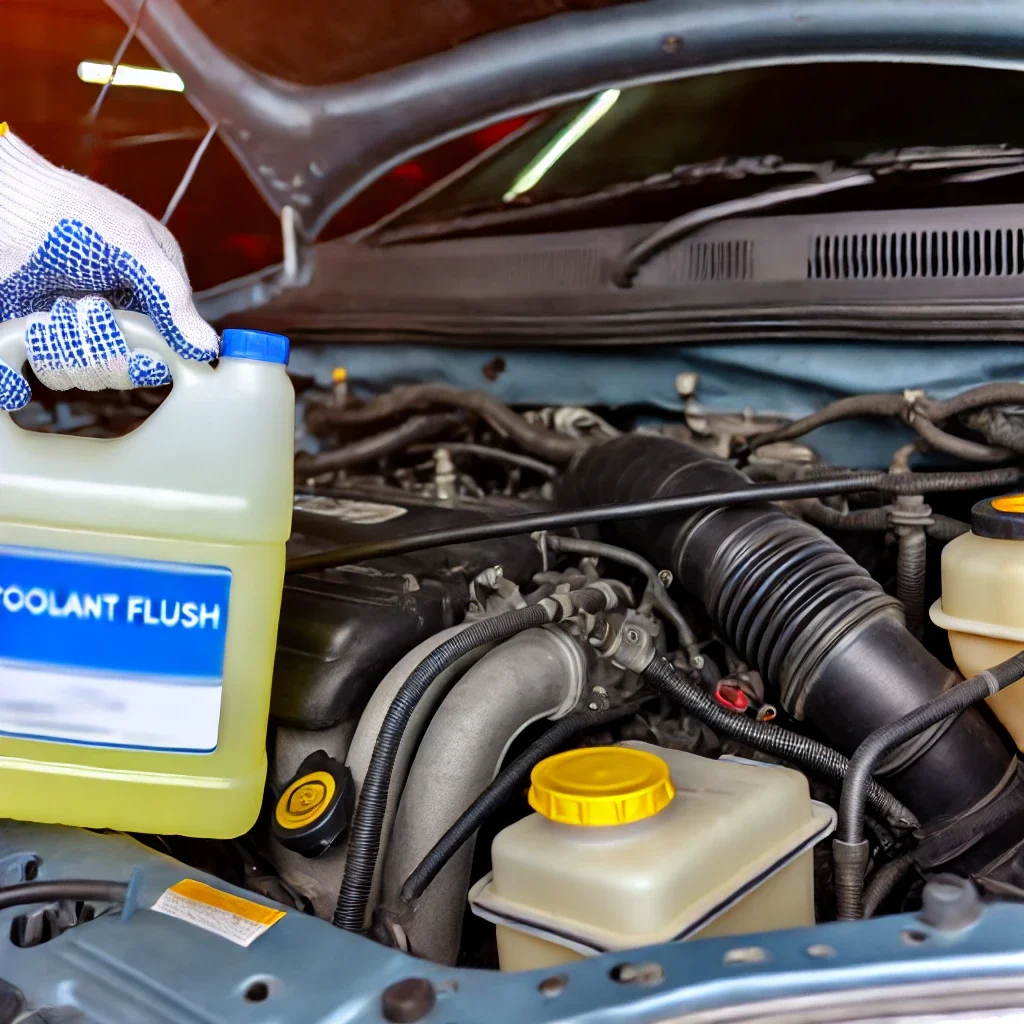
A radiator or coolant flush cleaner is a chemical cleaning agent designed to dissolve and suspend contaminants so they can be drained out of the cooling system.
A proper flush can remove:
- Rust (iron oxide)
- Scale and mineral deposits
- Sludge from degraded coolant
- Light oil contamination
A flush cannot:
- Fix a leaking head gasket
- Repair corroded metal
- Restore collapsed hoses
- Reverse severe internal damage
Flushes are cleaners, not miracles.
Why Cooling Systems Get Dirty in the First Place
Modern cooling systems are closed, pressurized systems. In theory, they should stay clean for years. In practice, contamination happens because of:
- Old or neglected coolant
- Mixing incompatible coolant types
- Tap water minerals instead of distilled water
- Internal corrosion in iron blocks
- Overheating events
- Oil or combustion gas intrusion
Once contamination starts, it accelerates. Rust feeds more rust. Sludge traps heat. Scale restricts flow.
That’s where the best coolant flush cleaner becomes important.
Types of Radiator Flush Products (This Matters)
Not all radiator flushes do the same thing. This is where most people go wrong.
1. Mild / Maintenance Flushes
These are designed for:
- Routine coolant service
- Light buildup
- Well-maintained systems
They clean gently and are safe for most vehicles.
2. Chemical Rust Removers
These target:
- Iron oxide
- Brown or orange coolant
- Older engines
They are more aggressive and should not be left in the system longer than directed.
3. Heavy-Duty Cooling System Cleaners
These are designed for:
- Severe neglect
- Sludge buildup
- Commercial or diesel engines
They clean aggressively and can expose weak components.
4. Oil Contamination Flushes
These are formulated specifically to:
- Break down oil residue
- Remove emulsified coolant
- Prepare systems after repairs
Using the wrong type here can make oil contamination worse.
Best Radiator Flush for Rust
Rust is one of the most common problems in older vehicles and iron-block engines.
The best radiator flush for rust:
- Chemically dissolves iron oxide
- Keeps particles suspended
- Flushes clean without redepositing debris
Rust-specific flushes outperform generic cleaners because they target corrosion directly instead of relying on detergents alone.
Important note:
If your system is heavily rusted, flushing may reveal leaks that already existed. The flush didn’t “cause” the leak. It removed what was sealing it.
Best Coolant Flush for Sludge
Sludge forms when:
- Coolant breaks down
- Different coolant types are mixed
- Oil contamination occurs over time
The best radiator flush for sludge focuses on detergency rather than acid-based cleaning.
Sludge flushes:
- Break down organic buildup
- Remove gelled coolant
- Restore flow through heater cores
Avoid aggressive rust removers if sludge is your primary issue.
Best Radiator Flush for Oil Contamination
Oil in the cooling system is a serious problem, often caused by:
- Failed oil cooler
- Head gasket failure
- Transmission cooler failure
The best radiator flush for oil contamination must:
- Emulsify oil safely
- Rinse clean without residue
- Be followed by multiple water flushes
Generic radiator cleaners are often ineffective here. Oil requires specific chemistry to remove completely.
Important warning:
Flushing does not fix the underlying cause. It only cleans the system after repairs.
Best Cooling System Cleaner for Diesel Engines
Diesel engines are harder on cooling systems due to:
- Higher combustion temperatures
- Larger coolant volumes
- Iron block construction
The best coolant for diesel engine maintenance and cleaning involves:
- Heavy-duty coolant flushes
- Extended cleaning cycles
- Careful post-flush refilling
Diesel systems often benefit from heavy duty coolant flush products, but only when used correctly.
Heavy Duty Radiator Flush: When Is It Necessary?
A heavy duty radiator flush is appropriate when:
- Coolant has not been changed in years
- System shows visible sludge or rust
- Heater core flow is restricted
- Commercial or fleet vehicles are involved
It is not recommended for:
- Very high-mileage systems with unknown history
- Systems with existing leaks
- Vehicles showing signs of imminent failure
Heavy-duty cleaners can expose weak radiators, hoses, and gaskets.
Blue Devil Radiator Flush vs Prestone: What’s the Difference?
This comparison is searched heavily for a reason.
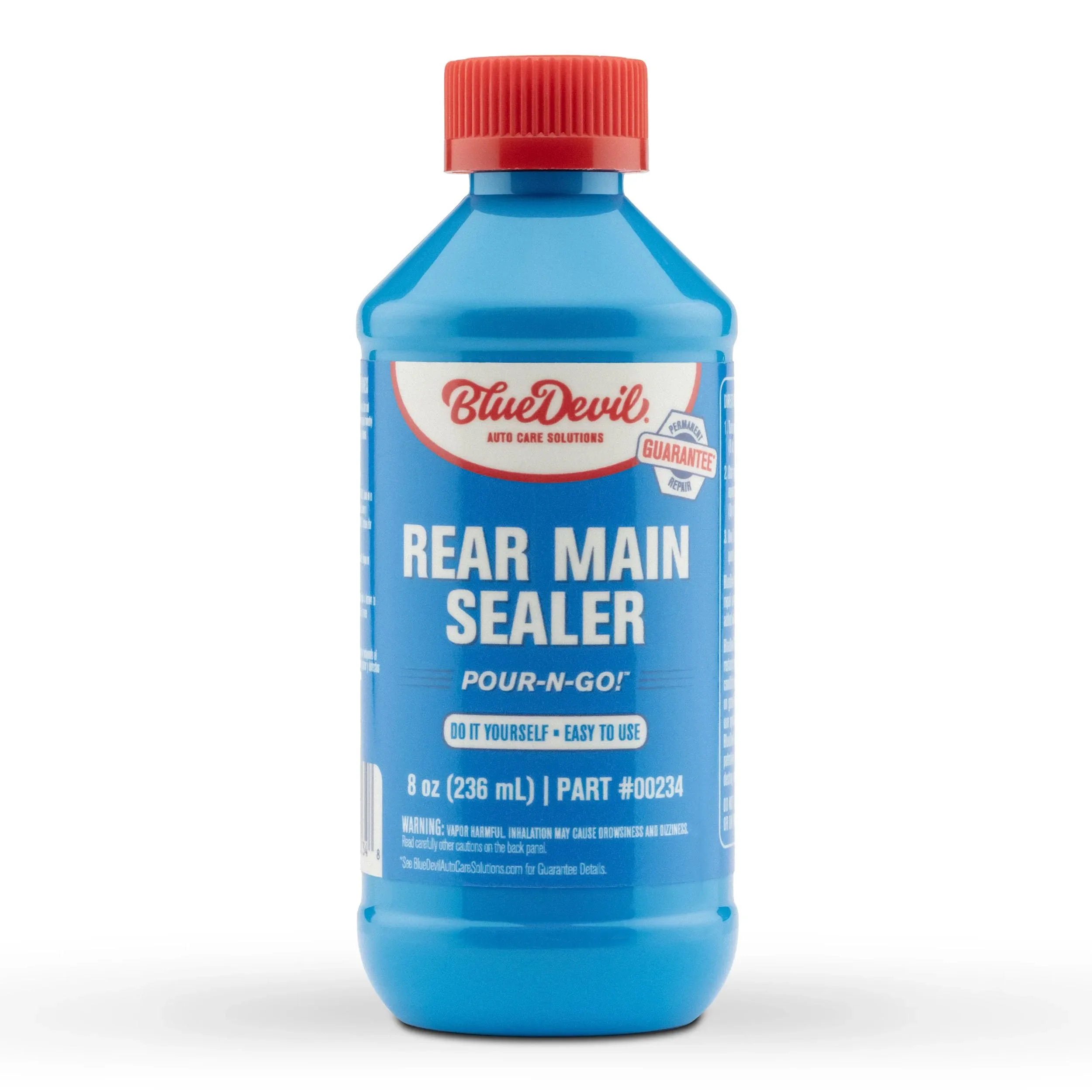
Blue Devil Radiator Flush
- More aggressive cleaning action
- Better for rust and oil contamination
- Higher risk in fragile systems
Prestone Radiator Flush
- Gentler, more maintenance-oriented
- Safer for routine service
- Less effective on heavy corrosion
Blue Devil vs Prestone radiator flush is not about which is “better.” It’s about what problem you’re solving.
Using a strong cleaner when you only need maintenance is unnecessary risk. Using a mild cleaner on heavy rust is ineffective.
Thoro-Flush and Industrial-Grade Cleaners
Products like Thoro-Flush and similar industrial cleaners are extremely effective but come with tradeoffs.
They are designed for:
- Severe contamination
- Professional use
- Controlled cleaning cycles
They can:
- Restore heavily neglected systems
- Remove scale other products won’t touch
They can also:
- Accelerate failure in weak components
These are not beginner products.
What Is the Best Radiator Flush Overall?
There is no single “best radiator flush” for every vehicle.
The best product depends on:
- Type of contamination
- Engine material
- Vehicle age
- Maintenance history
That’s why rankings without context are misleading.
How to Use a Radiator Flush Correctly (Critical)
Even the best radiator flush product can cause problems if used incorrectly.
General best practices:
- Follow time instructions exactly
- Never exceed recommended run time
- Always flush thoroughly with clean water
- Replace thermostat if heavily contaminated
- Refill with the correct coolant type
Skipping the rinse phase is one of the most common mistakes.
When You Should NOT Flush Your Cooling System
Flushing is not always a good idea.
Avoid flushing if:
- The system is severely corroded and leaking
- The vehicle has never been serviced and is very high mileage
- Overheating is caused by mechanical failure
- The coolant is clean and functioning properly
In some cases, flushing accelerates failure rather than preventing it.
Radiator Flush vs Coolant Replacement
A coolant change replaces fluid.
A radiator flush cleans the system.
If the coolant is:
- Clean and uncontaminated → replacement may be enough
- Dirty, rusty, or sludged → flushing is necessary
Do not flush just because it’s time for coolant service.
Final Verdict: What Is the Best Radiator Flush?
The real answer is this:
- Best radiator flush for rust → rust-targeting chemical cleaner
- Best coolant flush for sludge → detergent-based system cleaner
- Best radiator flush for oil contamination → oil-specific flush
- Best cooling system cleaner for diesel → heavy-duty formulation
- Best radiator flush for maintenance → mild, manufacturer-safe cleaner
Choosing the wrong flush is worse than not flushing at all.
Frequently Asked Questions
What is the best radiator flush?
The best flush depends on rust, sludge, oil contamination, or maintenance needs.
Are heavy duty coolant flushes safe?
They are effective but risky in fragile systems.
Is radiator flush necessary?
Only when contamination exists. Clean systems do not need flushing.
Can radiator flush damage my engine?
It can expose existing weaknesses if used improperly.
How often should you flush a cooling system?
Only when contamination is present or recommended by the manufacturer.
Bottom Line
Radiator flushes are powerful tools when used correctly and dangerous shortcuts when misused. The goal is not to clean aggressively. The goal is to clean appropriately.