



White Jeep Wranglers for Sale in LA
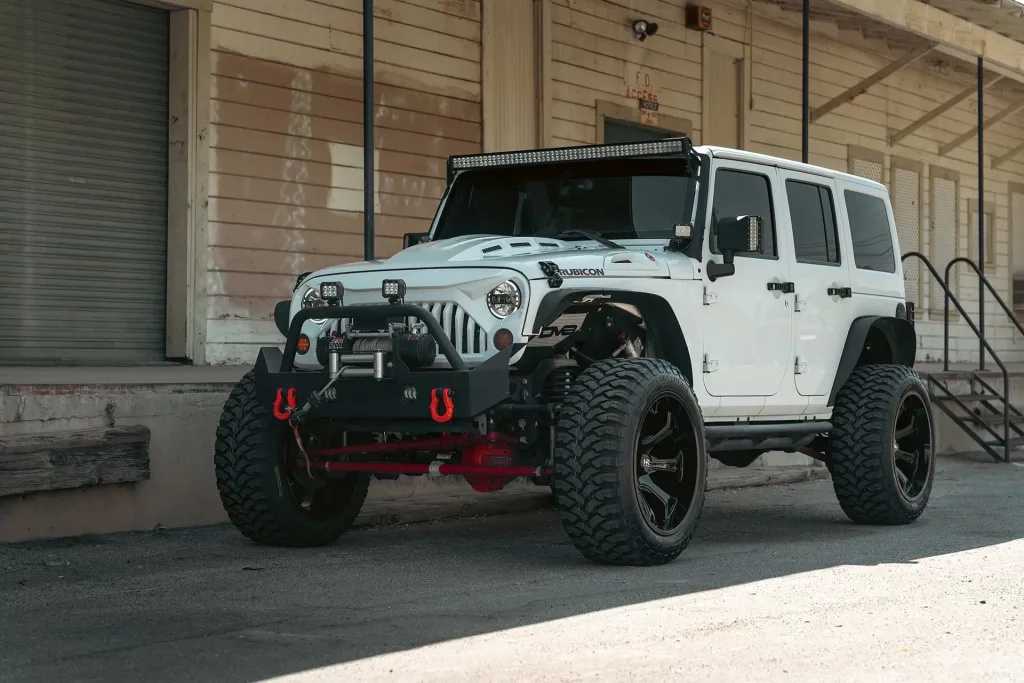
Few vehicles have the cultural resonance and mechanical capability of the Jeep Wrangler, and among its many available colors, white stands out as the most iconic and versatile. A white Jeep Wrangler isn’t just a style choice—it’s a symbol of rugged White Jeep Wranglers for Sale in LA
If you are searching for a white Jeep Wrangler for sale in Los Angeles, do not stop at the first listing you see in LA proper. The better move is to compare nearby inventory in Simi Valley, especially if you want a cleaner buying experience, less city congestion, and access to Jeep Wrangler options outside the crowded LA market.
The simple answer is this: white Jeep Wranglers are popular because they look clean, hold broad resale appeal, pair well with black trim, and work on almost every Wrangler trim, from Sport to Willys, Sahara, Rubicon, and 4xe. If you are shopping near Los Angeles, check available used Jeep inventory and current new Jeep inventory at Simi Valley Chrysler Dodge Jeep Ram before committing to a deal.
Why White Jeep Wranglers Are So Popular
A white Wrangler works because the design already has so much contrast.
The black fender flares, black hardtop or soft top, black wheels, grille details, spare tire, bumpers, mirrors, and window trim all stand out against white paint. That gives the Wrangler a rugged look without needing a loud color.
White also tends to age well. Bright colors can be fun, but white appeals to a wider group of buyers when it is time to trade or resell.
Best White Jeep Wrangler Trims to Consider
A white Wrangler Sport is the clean, simple choice. It gives you the classic Wrangler look and makes a strong base for future upgrades.
A white Wrangler Willys is one of the best-looking setups because the darker wheels, off-road tires, and heritage-inspired details pop against the white body.
A white Wrangler Sahara is better if you want a more polished daily driver with a cleaner, more upscale appearance.
A white Wrangler Rubicon is the serious off-road choice. The red accents, aggressive tires, rock rails, and trail hardware look excellent against white paint.
A white Wrangler 4xe is ideal if you want plug-in hybrid capability with the same iconic Wrangler design.
Why Shop Near Simi Valley Instead of Only LA?
Los Angeles used-car shopping can be crowded, rushed, and inconsistent. You may find many listings, but that does not mean every Wrangler is worth your time.
Simi Valley gives LA-area shoppers a practical alternative. It is close enough for buyers from Los Angeles, Glendale, Burbank, Van Nuys, Thousand Oaks, Moorpark, and the San Fernando Valley, but far enough from the heaviest LA shopping congestion.
That matters when you are comparing used Wranglers. A white Wrangler can look perfect in photos but still have worn tires, poor modifications, accident history, steering issues, roof leaks, or heavy off-road use.
What to Check Before Buying a Used White Wrangler
Do not buy based on color alone.
Check the frame, underbody, tires, brakes, suspension, steering feel, 4×4 system, roof seals, door seals, accident history, service records, and modification quality.
White paint can hide light scratches better than black, but it can also reveal mismatched body panels after paintwork. Look at the doors, hood, fenders, tailgate, hinges, and hardtop under good lighting.
If the Wrangler has a lift kit, oversized tires, aftermarket lights, bumpers, or wiring, inspect the work carefully. A clean stock Wrangler is usually safer than a poorly modified one.
New vs Used White Jeep Wrangler
A new white Wrangler makes sense if you want warranty coverage, current technology, and the ability to choose the exact trim and equipment.
A used white Wrangler makes sense if you want lower upfront cost and are willing to inspect condition carefully. Used Wranglers often hold value well, so the cheapest one is not always the best one.
For most shoppers, the best value is a clean, well-maintained Wrangler with reasonable mileage, no major accident history, and no cheap modifications.
White Wrangler Buying Tip for LA Shoppers
Compare the full deal, not just the advertised price.
Look at the selling price, taxes, fees, trade value, financing terms, warranty coverage, mileage, trim, equipment, and vehicle history. A cheaper LA listing may not be better if it has accident history, worn tires, poor modifications, or missing service records.
Start with Simi Valley Chrysler Dodge Jeep Ram’s used Jeep inventory, then compare available new Jeep models if you want the latest Wrangler options.
Final Thoughts
A white Jeep Wrangler is one of the smartest Wrangler colors to buy. It looks clean, works with every trim, handles black accents beautifully, and appeals to a wide resale market.
If you are shopping in Los Angeles, expand your search to Simi Valley before making a decision. The right Wrangler is not just the closest one. It is the one with the right trim, clean history, fair price, strong condition, and a dealership experience that makes the purchase feel clear from start to finish.

Jeep Lease Deals: How to Get the Best Value on Your Next SUV
Jeep lease deals can be a smart way to drive a new SUV with a lower monthly payment than financing, but the best value is not always the ad with the lowest payment. The real answer is this: the best Jeep lease deal is the one with a fair selling price, strong incentives, realistic mileage allowance, low money factor, clear fees, and a monthly payment that still makes sense after taxes and drive-off costs.
Jeep’s official current offers page lets shoppers check available incentives by model and ZIP code, while the FTC recommends reviewing your credit, comparing offers, and understanding the full cost before buying or leasing a vehicle. That matters because a lease can look cheap in an ad but become expensive once you include down payment, taxes, mileage limits, disposition fee, insurance, and wear charges.
What Is a Jeep Lease?
A lease lets you drive a new Jeep for a set term, usually 24, 36, or 48 months, without buying the vehicle outright.
Instead of paying for the full SUV, you are mainly paying for the expected depreciation during the lease term, plus finance charges, taxes, fees, and any extras included in the contract.
At the end, you usually have three choices:
Return the Jeep.
Buy it for the residual value.
Lease or buy another vehicle.
The CFPB says shoppers should review lease documents clearly and make sure future payments fit their budget before signing. That is important because a lease is a contract, not a casual rental.
Why Jeep Lease Deals Are Popular
Jeep lease deals are popular because they can make a new SUV easier to fit into a monthly budget.
A lease usually has a lower payment than financing the same vehicle because you are not paying off the full purchase price. That can be attractive on models like the Jeep Compass, Grand Cherokee, Wrangler, Gladiator, Wagoneer, or Grand Cherokee 4xe.
Leasing can also make sense if you like driving newer vehicles, want warranty coverage, prefer predictable ownership periods, and do not want to worry about long-term resale value.
But leasing is not right for everyone. If you drive a lot, modify vehicles, keep cars for many years, or want ownership equity, financing may be better.
The Jeep Model Matters
Not every Jeep leases the same way.
A Jeep Compass may have a lower payment because it has a lower price. A Jeep Wrangler may hold value well, which can help the residual value. A Grand Cherokee may offer a balance of comfort and family utility. A Wrangler 4xe or Grand Cherokee 4xe may have special plug-in hybrid programs depending on the market and incentive structure.
That is why shoppers should compare multiple Jeep models instead of assuming one advertised deal is automatically the best.
For local shoppers, start by checking current new Jeep inventory and compare trims, MSRP, incentives, payment structure, and equipment.
Do Not Shop by Monthly Payment Alone
The biggest mistake is shopping only by monthly payment.
A low payment can hide a large down payment, low mileage allowance, long term, high fees, or a higher selling price. Two lease offers can show the same monthly payment but have very different total costs.
Always ask for:
Selling price.
MSRP.
Residual value.
Money factor.
Term length.
Mileage allowance.
Due at signing.
Acquisition fee.
Disposition fee.
Taxes and registration.
Any add-ons.
Total lease cost.
The FTC recommends asking what is included in advertised auto offers, including down payment, APR or finance terms, fees, and whether the deal applies to all buyers. That same thinking applies to Jeep lease ads.
Understand the Money Factor
The money factor is the lease version of an interest rate.
A lower money factor usually means lower finance charges. Dealers may quote the money factor as a small decimal, which can be confusing. Investopedia explains that you can roughly convert a money factor to APR by multiplying it by 2,400.
For example, a money factor of 0.00250 is roughly equal to 6% APR.
You do not need to become a finance expert, but you should ask for the money factor and compare it between offers.
Residual Value Matters
Residual value is what the leasing company expects the Jeep to be worth at the end of the lease.
A higher residual value usually helps lower the payment because you are paying for less depreciation. That is one reason vehicles with strong resale value can lease well.
The CFPB auto finance procedures defines residual value as the estimated value of the leased vehicle at the end of the lease. In plain English, it is the predicted buyout value.
Wrangler and Gladiator models can sometimes benefit from strong resale demand, while other models may rely more heavily on incentives to create attractive lease payments.
Negotiate the Selling Price First
A lease still has a selling price.
Some shoppers think only financing has a negotiated price, but that is wrong. The lower the selling price, the better the lease can become.
Before focusing on payment, negotiate the vehicle price. Then review incentives, money factor, residual, taxes, fees, and total drive-off amount.
This is one of the simplest ways to get a better Jeep lease deal.
Watch the Down Payment
A large down payment can make the monthly lease payment look attractive, but it is not always smart.
If the leased Jeep is totaled or stolen early in the term, you may not recover that upfront money the way you expect. Many experienced shoppers prefer a lower due-at-signing amount and a slightly higher monthly payment.
That does not mean zero down is always best. It means you should understand the tradeoff.
Ask whether the advertised payment includes a down payment, first payment, taxes, registration, dealer fees, and acquisition fee.
Choose the Right Mileage Allowance
Most leases come with annual mileage limits such as 10,000, 12,000, or 15,000 miles per year.
If you drive more than the limit, you pay an excess mileage charge when you return the vehicle. That can become expensive if you underestimate your driving.
A Jeep lease can be great for predictable driving. It can be risky if you commute far, take long road trips, or use the SUV for frequent outdoor travel.
Before signing, calculate your real mileage. Add commuting, errands, weekend trips, school runs, work travel, and vacations.
Be Careful With Wrangler Modifications
This is especially important for Wrangler and Gladiator shoppers.
Leasing a Wrangler does not mean you can freely modify it. Lift kits, oversized tires, aftermarket bumpers, lighting, winches, decals, and off-road damage may create lease-end problems if the vehicle must be returned in original condition.
If you want to build a heavily modified Jeep, buying may be smarter.
If you lease, keep modifications light, reversible, and professionally installed. Keep all original parts if you change anything.
Lease-End Charges to Know
At the end of a lease, the vehicle is inspected.
You may be charged for excess wear, excess mileage, missing equipment, damaged wheels, cracked glass, bad tires, dents, scratches, interior stains, accident damage, or unauthorized modifications.
You may also pay a disposition fee if you return the vehicle and do not lease or buy another one from the same brand.
Before signing, ask for the lease-end wear guidelines. This helps you understand what is considered normal and what may cost extra.
Which Jeep Is Best to Lease?
The best Jeep to lease depends on your needs.
The Jeep Compass can be a strong value choice if you want a smaller SUV and lower payment.
The Jeep Grand Cherokee is better if you want comfort, family space, and a more premium drive.
The Jeep Wrangler is best if you want iconic Jeep design, open-air driving, and strong resale appeal.
The Jeep Wrangler 4xe can make sense if you charge regularly and want plug-in hybrid capability.
The Jeep Gladiator is for shoppers who want Wrangler personality with pickup utility.
The Jeep Wagoneer is for large-family SUV shoppers who need space and towing strength.
The best deal is not always the cheapest Jeep. It is the Jeep that fits your driving life with the least financial waste.
Leasing vs Financing a Jeep
Lease if you want lower monthly payments, newer vehicles, warranty coverage, and the option to switch every few years.
Finance if you drive a lot, want to keep the Jeep long term, want to modify it, or want to build ownership equity.
A lease is about flexibility and lower short-term payment. Financing is about ownership.
The CFPB explains that when you lease, you do not own the vehicle and will usually return it unless you choose a buyout option. That is the biggest difference.
How to Compare Jeep Lease Deals
Compare lease deals by total cost, not just the monthly number.
A better lease deal usually has:
Lower selling price.
Strong manufacturer incentives.
Fair money factor.
High residual value.
Reasonable mileage allowance.
Low due-at-signing amount.
Clear taxes and fees.
No unnecessary add-ons.
A payment that fits your budget.
Ask each dealer for the same structure so you can compare fairly: same model, same MSRP range, same term, same mileage, same down payment, and same ZIP code tax assumptions.
Should You Buy Your Jeep at Lease End?
Buying your Jeep at lease end can make sense if the buyout price is lower than market value, the SUV has low mileage, you maintained it well, and you still like it.
It may not make sense if the buyout price is too high, the Jeep has damage, the market value is lower, or better used options are available.
Before deciding, compare the lease buyout to current used Jeep inventory. That gives you a real-world idea of what similar Jeeps cost.
Best Time to Find Jeep Lease Deals
Good lease deals often appear during model-year changeovers, holiday sales events, month-end pushes, and when dealers have strong inventory.
But timing is only one part of the deal. Inventory, credit tier, lender programs, incentives, residual values, and local demand matter too.
The best move is to check current official offers, compare dealer inventory, and ask for a full lease worksheet before making a decision.
Questions to Ask Before Signing
Before you sign a Jeep lease, ask:
What is the selling price?
What is the money factor?
What is the residual value?
How many miles are included?
What is due at signing?
Are taxes included in the payment?
What fees are included?
What is the disposition fee?
What are excess mileage charges?
What counts as excess wear?
Can I buy the Jeep at lease end?
Are there any required add-ons?
If the answer is unclear, do not sign until it is clear.
Final Thoughts: The Best Jeep Lease Deal Is Transparent
A good Jeep lease deal is not just a low advertised payment. It is a clean, transparent structure that fits your driving habits and budget.
Focus on the selling price, incentives, money factor, residual value, mileage allowance, due-at-signing amount, and lease-end rules. Choose the Jeep model that fits your life, not just the one with the lowest monthly number.
If you want lower payments and newer vehicles, leasing can be a smart move. If you drive a lot, modify your Jeep, or want long-term ownership, financing may be better. The best value comes from knowing the numbers before you sign.
2018 Jeep Wrangler For Sale
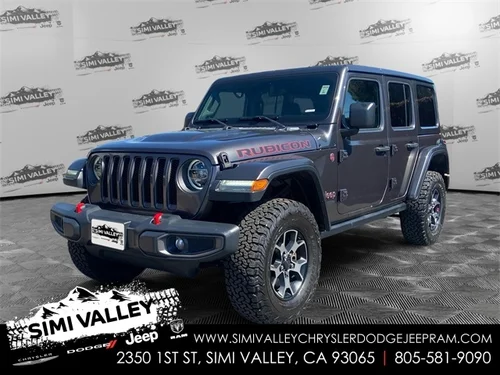
From its redesigned frame to its refined interior and fuel-efficient powertrains, the 2018 model doesn’t just update the Wrangler—it redefines it.
The Powertrain: Capability Without Compromise
For the first time, the Wrangler offered a turbocharged engine alongside its trusted V6, giving buyers more flexibility depending on their driving needs.
Powertrain Specifications:
| Engine | Horsepower | Torque | Transmission | Drivetrain |
|---|---|---|---|---|
| 3.6L Pentastar V6 | 285 hp | 260 lb-ft | 6-speed manual / 8-speed auto | 4×4 |
| 2.0L Turbocharged I4 (optional) | 270 hp | 295 lb-ft | 8-speed automatic | 4×4 |
The standard 3.6L Pentastar remains a solid performer with proven reliability and strong low-end torque. For buyers looking for better fuel efficiency and more responsive acceleration, the 2.0L turbocharged engine delivers power comparable to the V6 with added torque and improved city mileage.
Fuel Efficiency
Fuel economy is significantly improved over the outgoing JK generation, particularly with the 2.0L turbo engine.
| Engine | Transmission | City MPG | Highway MPG | Combined MPG |
|---|---|---|---|---|
| 3.6L V6 (manual) | 6-speed manual | 17 | 23 | 19 |
| 3.6L V6 (automatic) | 8-speed auto | 18 | 23 | 20 |
| 2.0L Turbo I4 | 8-speed auto | 22 | 24 | 22 |
Thanks to better aerodynamics, lighter materials, and new transmissions, the JL delivers better real-world efficiency without sacrificing the Wrangler’s off-road capability.
Trim Levels and Key Features
The 2018 Wrangler came in both 2-door and 4-door Unlimited configurations, with multiple trims available for different buyers—from daily drivers to trail enthusiasts.
Trim Comparison:
| Trim | Key Features | MSRP (New) |
|---|---|---|
| Sport | Manual windows, cloth seats, 5-inch touchscreen | $27,495 (2-door) |
| Sport S | Power windows/locks, alloy wheels, optional tech upgrades | $30,695 (2-door) |
| Sahara (Unlimited only) | Body-color trim, 7-inch Uconnect, dual-zone climate | $37,345 |
| Rubicon | Rock-Trac 4×4, 33-inch tires, locking differentials | $37,495 (2-door) |
Rubicon trims offer the most off-road hardware, while Sahara trims are the most luxurious. The Sport and Sport S trims offer the most customization potential for those looking to modify their Wrangler.
Interior: A Dramatic Upgrade
Step inside the 2018 Wrangler, and the changes are immediately obvious. The dashboard is more refined, controls are intuitive, and soft-touch surfaces replace much of the hard plastic found in earlier generations.
Interior Dimensions:
| Specification | 2-Door Wrangler | 4-Door Unlimited |
|---|---|---|
| Passenger Volume | 104 cu ft | 104 cu ft |
| Rear Legroom | 35.7 inches | 38.3 inches |
| Max Cargo Volume | 31.7 cu ft | 72.4 cu ft |
The Uconnect system is responsive and available in 5-, 7-, or 8.4-inch screens, depending on trim. Apple CarPlay and Android Auto are included on higher trims or via optional packages.
Off-Road Technology
Off-road performance is still the Wrangler’s calling card. Every trim includes a true 4×4 system, but the Rubicon is the clear champion for extreme terrain.
Off-Road Specs (Rubicon):
| Feature | Specification |
|---|---|
| 4WD System | Rock-Trac 4×4 with 4:1 low-range |
| Ground Clearance | 10.8 inches |
| Water Fording | Up to 30 inches |
| Approach / Breakover / Departure | 44° / 27.8° / 37° |
| Locking Differentials | Tru-Lok front and rear |
| Tires | 33-inch BFGoodrich KO2 All-Terrain |
The Rubicon also features an electronic sway bar disconnect and off-road tuned shocks, giving it incredible articulation and grip on demanding terrain.
Safety and Driver Assistance
The Wrangler isn’t typically praised for crash scores, but Jeep improved safety in the JL generation with better crash structure and modern driver assistance.
Available Safety Features:
| Feature | Availability |
|---|---|
| ParkView Rear Backup Camera | Standard |
| Blind Spot Monitoring | Optional (Sahara, Rubicon) |
| Rear Cross Path Detection | Optional |
| Electronic Stability Control | Standard |
| Advanced Front Airbags | Standard |
Optional driver-assist packages added features like forward collision warning and adaptive cruise control in later JL models, but some may be absent on earlier 2018 builds.
Towing and Practicality
The 2018 Wrangler is not only an adventure vehicle but also a useful tool for towing and hauling light loads.
| Configuration | Max Towing Capacity |
|---|---|
| 2-Door Wrangler | 2,000 lbs |
| 4-Door Unlimited | 3,500 lbs |
The Wrangler’s boxy shape offers solid cargo flexibility, and the removable roof, doors, and fold-down windshield still bring the open-air fun Wrangler is known for.
Reliability and Resale Value
As the debut year of the JL, the 2018 model saw initial teething issues such as early software bugs in the infotainment system and shifting concerns in the new 8-speed transmission. However, Jeep issued updates and technical service bulletins to address most of these concerns.
Despite this, the Wrangler holds value better than almost any SUV in its class. According to industry data, it retains nearly 70% of its value after three years, making it one of the top resale performers.
Final Verdict: Classic Roots, Modern Refinement
The 2018 Jeep Wrangler marks a pivotal chapter in the evolution of one of America’s most iconic vehicles. It’s still the go-anywhere, do-anything Jeep, but with better manners, improved comfort, and smarter tech.
For used SUV buyers seeking a vehicle that’s as at home in a trailhead parking lot as it is in a downtown driveway, the 2018 Wrangler offers one of the most compelling packages in the market—especially in Rubicon or Sahara form.
Whether you value heritage, capability, or a sense of adventure, this is the Wrangler that redefines what’s possible in a compact 4×4.
2016 Jeep Cherokee For Sale
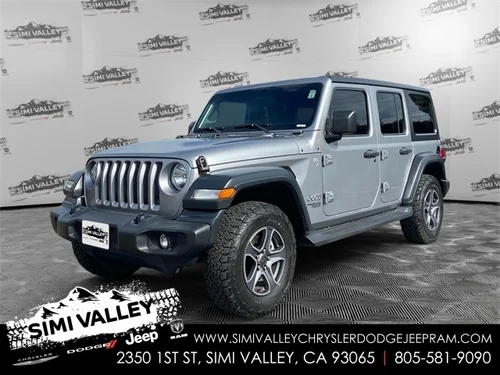
For buyers searching the used SUV market, the 2016 Cherokee remains a standout—affordable, versatile, and capable of much more than daily commuting.
Under the Hood: Powertrains with Purpose
Jeep offered the 2016 Cherokee with two distinct engines, catering to drivers who prefer either efficiency or power.
Powertrain Options:
| Engine | Horsepower | Torque | Transmission | Drivetrain |
|---|---|---|---|---|
| 2.4L Tigershark I4 | 184 hp | 171 lb-ft | 9-speed automatic | FWD or 4WD |
| 3.2L Pentastar V6 | 271 hp | 239 lb-ft | 9-speed automatic | FWD or 4WD |
The 2.4L Tigershark engine is standard across most trims and offers respectable fuel economy for light-duty drivers. The 3.2L V6, exclusive to upper trims, delivers impressive performance with strong acceleration, ideal for drivers who need extra towing capability or plan to explore rougher roads.
Fuel Economy: Efficient Where It Matters
Despite its capability-focused design, the 2016 Cherokee remains surprisingly efficient—particularly with the base I4 engine.
| Configuration | City MPG | Highway MPG | Combined MPG |
|---|---|---|---|
| 2.4L I4 FWD | 22 | 31 | 25 |
| 2.4L I4 4WD | 21 | 28 | 24 |
| 3.2L V6 FWD | 21 | 29 | 24 |
| 3.2L V6 4WD | 20 | 28 | 23 |
The 9-speed automatic transmission is tuned to optimize gear selection for both economy and responsiveness, although earlier versions had some hesitations at lower speeds—a factor addressed in later software updates.
Trim Levels: Built for All Walks of Life
The Cherokee offers a remarkably diverse lineup, from fleet-friendly base models to near-luxury variants.
Trim Overview:
| Trim | Key Features | MSRP (New, 2016) |
|---|---|---|
| Sport | Cloth seats, 5-inch touchscreen, steel wheels | $23,495 |
| Latitude | Roof rails, upgraded cloth, alloy wheels | $25,295 |
| Altitude | Gloss black styling, 18-inch black wheels | $25,295 |
| Limited | Leather seats, 8.4-inch touchscreen, heated front seats | $29,195 |
| Trailhawk | Skid plates, tow hooks, Active Drive Lock 4×4 | $30,995 |
| Overland (late add) | Nappa leather, navigation, body-color cladding | $34,895 |
If you’re looking for off-road capability, the Trailhawk is unrivaled. Want more luxury? The Overland and Limited trims deliver upscale interiors and a quiet ride without sacrificing practicality.
Trail-Rated Toughness: Off-Road Credibility
Unlike most compact SUVs that only talk about going off-road, the Cherokee—particularly in Trailhawk form—walks the walk. It’s one of the few compact crossovers to wear the Trail Rated badge with pride.
Trailhawk Off-Road Highlights:
- Jeep Active Drive Lock 4WD system with low range
- Selec-Terrain® system with Rock mode
- Skid plates, off-road suspension, and hill descent control
- 8.7 inches of ground clearance
- 1-inch factory lift and 17-inch off-road tires
Whether you’re climbing a snow-packed trailhead or simply navigating a muddy backroad, the Cherokee Trailhawk is a segment outlier—part crossover, part mountain goat.
Interior Quality and Cargo Space
Inside, the Cherokee continues to impress. Fit and finish surpass expectations in mid-range trims, with thoughtful use of soft-touch materials and a driver-focused layout.
Interior Specs:
| Feature | Measurement / Detail |
|---|---|
| Seating Capacity | 5 passengers |
| Passenger Volume | 104.4 cubic feet |
| Cargo Volume (seats up) | 24.6 cubic feet |
| Cargo Volume (folded) | 54.9 cubic feet |
The rear seatbacks fold nearly flat, expanding cargo options, and multiple storage compartments throughout the cabin make it as useful as it is comfortable.
Technology and Infotainment
Even by today’s standards, the 2016 Cherokee’s infotainment system remains relevant—especially when equipped with the 8.4-inch Uconnect touchscreen.
| Feature | Availability |
|---|---|
| 5-inch touchscreen | Standard on Sport |
| 8.4-inch Uconnect | Latitude and above |
| Navigation | Optional on Limited/Overland |
| Bluetooth & Voice Command | Standard from base |
| Dual-zone climate control | Standard on Limited and higher |
While Apple CarPlay and Android Auto weren’t yet available, Uconnect remains one of the most user-friendly systems on the market.
Safety and Ratings
Safety features on the 2016 Cherokee include standard airbags, traction control, and optional advanced features.
| Feature | Availability |
|---|---|
| Rearview Camera | Standard from Latitude up |
| Blind Spot Monitoring | Optional on Limited/Trailhawk |
| Forward Collision Warning | Available with Advanced Safety |
| Lane Departure Warning | Available |
| Adaptive Cruise Control | Available on higher trims |
The 2016 Cherokee earned four stars overall from the NHTSA and offers peace of mind thanks to its solid build and available active safety systems.
Towing and Utility
One area where the Cherokee truly excels is towing capability. Unlike most crossovers in its class, it can haul more than just groceries.
| Engine | Max Towing Capacity (when equipped) |
|---|---|
| 2.4L I4 | 2,000 lbs |
| 3.2L V6 | 4,500 lbs |
When equipped with the V6 and factory tow package, the Cherokee leads its segment in towing—making it an ideal companion for hauling small boats, trailers, or utility gear.
Final Verdict: Still a Top Used SUV Pick
The 2016 Jeep Cherokee may not be the newest compact SUV on the road, but it remains one of the most capable and well-rounded. It offers real off-road capability, everyday comfort, flexible cargo space, and a wide range of trims to fit nearly every budget and lifestyle.
For used SUV shoppers who want more than a city commuter and need a little adventure baked into their daily drive, the 2016 Cherokee hits a sweet spot between utility and refinement.
Used Jeep Compass For Sale
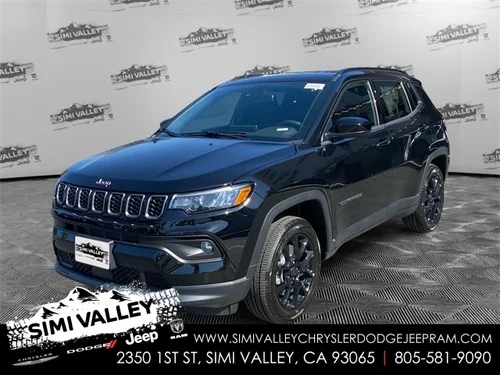
Why Consider a Used Jeep Compass?
Jeep’s Compass is an ideal candidate for used vehicle shoppers. Since its redesign in 2017, the Compass has improved in both quality and comfort, making it a top choice among compact SUVs.
Key Advantages:
- Great Value: Depreciation helps buyers access higher trims at a lower cost.
- Off-Road Capable: Optional 4×4 and Trailhawk versions offer real Jeep capability.
- Comfortable Ride: A surprisingly smooth and quiet ride for its class.
- Strong Resale: Jeep’s brand strength maintains solid used vehicle demand.
Used Jeep Compass Model Year Breakdown (2017–2022)
Second-generation Compass models from 2017 onward feature a more refined design and better interior tech. Here’s what to expect by model year:
| Year | Notable Features |
|---|---|
| 2017 | Full redesign; modernized styling; new 4WD systems |
| 2018 | Expanded safety options; Trailhawk gains traction |
| 2019 | Larger screens on more trims; improved infotainment |
| 2020 | Standard safety tech expands; subtle styling updates |
| 2021 | New tech packages; Altitude trim gains popularity |
| 2022 | Interior facelift, wireless Apple CarPlay & Android Auto |
Trim Levels at a Glance
Jeep Compass trims offer a wide spectrum—from basic transportation to off-road-ready machines.
Trim Comparison Table:
| Trim | Key Features |
|---|---|
| Sport | Manual windows, 7″ Uconnect, cloth seats |
| Latitude | Alloy wheels, keyless entry, upgraded infotainment |
| Altitude | Black accents, leatherette seats, remote start |
| Limited | Leather, 8.4″ Uconnect, advanced safety tech |
| Trailhawk | Off-road tires, skid plates, low-range 4WD, 1-inch lift |
| High Altitude | Panoramic sunroof, LED lights, power driver seat |
For most used buyers, Latitude and Limited trims offer the best value with practical luxury at an affordable price.
Engine and Drivetrain
All second-generation Compass models use Jeep’s dependable 2.4L Tigershark I4 engine. Performance is suited to daily use, though 4WD variants perform better in slippery or rough conditions.
Engine & Drivetrain Specs:
| Engine | Transmission | Horsepower | Torque | MPG (FWD) | MPG (4WD) |
|---|---|---|---|---|---|
| 2.4L Tigershark I4 | 6AT / 9AT / 6MT | 180 hp | 175 lb-ft | 22 / 31 | 22 / 30 |
Buyers can choose from FWD or Jeep Active Drive 4WD systems, with Trailhawk trims adding low-range gears and hill descent control for more serious terrain.
Interior and Cargo Space
Despite its compact profile, the Compass offers impressive rear seat room and cargo flexibility, particularly in Limited and Trailhawk trims.
Interior Measurements:
| Spec | Value |
|---|---|
| Seating Capacity | 5 passengers |
| Rear Legroom | 38.3 inches |
| Max Cargo Volume | 59.8 cu ft (seats folded) |
| Cargo Volume (seats up) | 27.2 cu ft |
The cabin layout is user-friendly with quality materials, and most used models include upgraded infotainment screens with Apple CarPlay and Android Auto from 2019 onward.
Safety and Driver Assistance Features
Later Compass models offer expanded safety packages. While early 2017 trims were sparsely equipped, 2019 and newer models often include driver assistance features as standard or optional.
Key Safety Features:
| Feature | Available On |
|---|---|
| Blind Spot Monitoring | Latitude and up |
| Forward Collision Warning | Limited and Trailhawk |
| Adaptive Cruise Control | Optional on Limited |
| Lane Departure Warning | Standard (2021+) |
| Rear Park Assist | Latitude and up |
Buyers shopping 2020–2022 models will see more of these features included in Safety & Security or Advanced Tech Packages.
Used Jeep Compass Pricing in the U.S. Market
Used Compass pricing remains competitive in the compact SUV segment. Here’s a guide to typical retail prices by year, trim, and mileage:
Pricing Table (USD):
| Year | Trim | Mileage | Average Price (USD) |
|---|---|---|---|
| 2018 | Latitude | 60,000–80,000 mi | $16,500 – $19,000 |
| 2019 | Limited | 50,000–70,000 mi | $18,500 – $21,000 |
| 2020 | Trailhawk | 40,000–60,000 mi | $21,000 – $24,000 |
| 2021 | Altitude | 30,000–50,000 mi | $22,000 – $25,000 |
| 2022 | Limited | Under 30,000 mi | $25,000 – $28,500 |
Certified Pre-Owned models may carry a premium of $1,000–$2,000 but often include extended warranties and inspection guarantees.
Ownership Costs and Value
The Compass offers lower-than-average maintenance costs for a compact SUV, and Jeep’s warranty support remains strong.
Warranty Info:
| Coverage Type | Term |
|---|---|
| Basic Warranty | 3 years / 36,000 miles |
| Powertrain Warranty | 5 years / 60,000 miles |
| CPO Warranty (if applicable) | 7 years / 100,000 miles (powertrain) |
Insurance and fuel costs remain reasonable, making it an ideal choice for young professionals, small families, or commuters.
Buying Tips for Used Compass Shoppers
- Inspect Trim Content: The difference between trims is significant—get features you’ll use daily.
- Mileage Sweet Spot: Look for models with 40,000–60,000 miles—still under warranty but with reduced cost.
- Consider Certified: For peace of mind, opt for CPO models through authorized Jeep dealers.
- 4WD vs. FWD: Go for 4WD if you drive in snow or plan light off-roading.
- Verify Service Records: Maintenance history is key—especially oil changes and transmission servicing.
Final Thoughts
A used Jeep Compass offers incredible versatility for its price point. It’s stylish, capable, and affordable to own—especially if you’re willing to look at a well-maintained model from the past three to five years. Whether you’re chasing dirt trails in a Trailhawk or commuting in comfort with a Limited, the Compass delivers value where it counts.
For SUV buyers who want to balance adventure with practicality, and affordability with tech, the used Compass checks every box.
2022 Jeep Wrangler Unlimited Rubicon 4xe For Sale
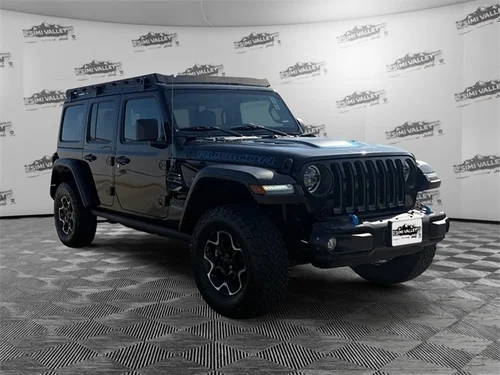
The 2022 Jeep Wrangler Unlimited Rubicon 4xe marks the point where electrification meets legendary off-road capability. It’s not a watered-down compromise—it’s the most technically advanced Wrangler ever made. Combining a robust plug-in hybrid system with the Rubicon’s trail-tested hardware, this 4xe is equally at home crawling over boulders as it is gliding silently through city streets.
For those looking for unmatched versatility, modern efficiency, and unmistakable Jeep heritage, the Rubicon 4xe delivers on all fronts.
Powertrain and Hybrid Performance
At the core of the Rubicon 4xe is Jeep’s innovative hybrid system. A 2.0L turbocharged I4 engine works in tandem with two electric motors and a 17.1 kWh battery pack, delivering seamless power whether you’re in electric mode or full hybrid mode.
Powertrain Specifications:
| Component | Detail |
|---|---|
| Gasoline Engine | 2.0L Turbocharged I4 |
| Electric Motor System | Dual Motor + 17.1 kWh Battery |
| Combined Horsepower | 375 hp |
| Combined Torque | 470 lb-ft |
| Transmission | 8-Speed TorqueFlite Automatic |
| Drivetrain | 4×4 (Rock-Trac® Full-Time System) |
| 0–60 mph Acceleration | ~6.0 seconds |
The instant torque from the electric motors allows the 4xe to accelerate quickly and climb aggressively with minimal throttle input, a major advantage on both trails and highways.
Fuel Economy and Electric Range
Efficiency is where the 4xe really stands out. Jeep offers the ability to run on electric power alone for short trips or combine both power sources for longer journeys.
EPA Estimates:
| Mode | Range / Efficiency |
|---|---|
| Electric-Only Range | Up to 21 miles |
| Combined Range | Up to 370 miles |
| MPGe (Electric + Gas) | 49 MPGe |
| Fuel Economy (Gas Only) | 20 MPG Combined |
Drivers can toggle between Hybrid, Electric, and eSave modes, allowing full control over how and when battery power is used.
Off-Road Capability
As a Rubicon, the 4xe carries all the off-road credibility Jeep is known for. Its low-end torque delivery in electric mode provides precise throttle control—ideal for rock crawling.
Off-Road Features:
| Feature | Specification |
|---|---|
| 4WD System | Rock-Trac Full-Time 4WD |
| Axles | Dana 44 Front and Rear |
| Locking Differentials | Tru-Lok Electronic Front and Rear |
| Sway Bar | Electronic Front Sway Bar Disconnect |
| Ground Clearance | 10.8 inches |
| Approach / Breakover / Departure | 44° / 22.5° / 35.6° |
| Tire Size | 33-inch LT285/70R17 All-Terrain Tires |
Every Rubicon 4xe also includes skid plates, tow hooks, and a factory 2.72:1 low-range transfer case to ensure maximum grip and protection.
Interior Comfort and Technology
Inside the Rubicon 4xe, the layout remains classically Jeep, but with tech and comfort upgrades that reflect its premium status.
Interior Features:
| Element | Specification |
|---|---|
| Infotainment System | Uconnect 4C NAV, 8.4-inch touchscreen |
| Audio | Alpine Premium 9-Speaker System |
| Seats | Premium Cloth or Optional Leather |
| Connectivity | Apple CarPlay®, Android Auto™, Bluetooth |
| Instrument Cluster | 7-inch Digital Display with Hybrid Metrics |
| Comfort | Dual-Zone Climate Control, Heated Front Seats |
The 4xe-exclusive hybrid monitoring screen displays battery range, charging status, and power usage in real time.
Safety and Driver Assistance
Jeep has enhanced the 4xe with a suite of advanced safety systems to match its modern powertrain.
Safety Technology:
| Feature | Availability |
|---|---|
| Blind Spot Monitoring | Optional |
| Adaptive Cruise Control | Optional |
| Forward Collision Warning | Optional |
| ParkSense Rear Park Assist | Standard |
| Rear Cross-Path Detection | Standard |
| Advanced Airbag System | Standard |
Combined with excellent visibility and Jeep’s sturdy frame design, the 4xe provides confidence both on and off the road.
Exterior Styling and Colors
The Rubicon 4xe retains the iconic Wrangler styling but incorporates subtle electrified details. Blue accents, exclusive badging, and a discreet charge port located on the driver’s side fender distinguish it from gas-only trims.
Exterior Features:
| Feature | Description |
|---|---|
| Lighting | LED Headlights, Fog Lights |
| Top Options | Hard Top, Soft Top, Sky One-Touch® Power Top |
| Wheels | 17-inch Machined Off-Road Aluminum |
| Color Options | 10+, including Hydro Blue Pearl, Sting-Gray |
The Warpaint styling matches its performance credentials, with blue tow hooks and trim exclusive to the 4xe.
Dimensions and Cargo Capacity
Despite the battery and motor additions, the 4xe’s layout remains spacious and functional.
| Dimension | Measurement |
|---|---|
| Overall Length | 188.4 inches |
| Width (including mirrors) | 84.1 inches |
| Height | 73.5 inches |
| Wheelbase | 118.4 inches |
| Cargo Volume (Rear Seats Up) | 27.7 cubic feet |
| Cargo Volume (Seats Folded) | 67.4 cubic feet |
The battery is tucked under the rear seat, ensuring the cargo area is unaffected and practical for everyday use.
Pricing and Warranty Coverage
Though premium in its positioning, the Rubicon 4xe offers outstanding value when factoring in technology, capability, and potential federal or local incentives.
Pricing and Warranty:
| Category | Detail |
|---|---|
| Starting MSRP | $57,825 USD |
| Federal EV Tax Credit | Up to $7,500 (eligibility-dependent) |
| Basic Warranty | 3 years / 36,000 miles |
| Powertrain Warranty | 5 years / 60,000 miles |
| Hybrid Battery Warranty | 8 years / 100,000 miles |
This warranty package protects the hybrid system and reassures buyers seeking long-term dependability.
Final Verdict
The 2022 Jeep Wrangler Unlimited Rubicon 4xe is a bold new chapter in the Wrangler’s legacy. It combines raw off-road strength with modern efficiency, bridging the gap between traditional 4×4 capability and eco-friendly progress. Whether you’re crawling through the Rockies or silently navigating morning traffic in EV mode, the Rubicon 4xe handles it all with confidence.
For those who want to future-proof their adventures while staying true to Jeep heritage, the Rubicon 4xe is the answer.
2020 RAM 1500 Classic Warlock For Sale
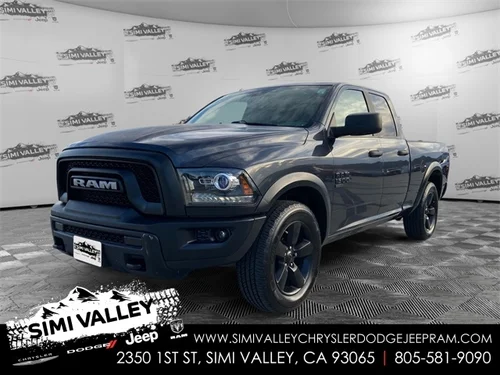
It’s more than a style statement—it’s a fully capable truck built to tow, haul, and conquer uneven terrain while turning heads at every stoplight.
Powertrain and Performance
The 2020 RAM 1500 Classic Warlock offers two proven powertrains. Whether you choose the efficiency of the Pentastar V6 or the raw muscle of the HEMI V8, both deliver the strength expected from a modern workhorse.
Powertrain Options:
| Engine | Horsepower | Torque | Transmission | Fuel Economy (MPG) |
|---|---|---|---|---|
| 3.6L Pentastar V6 | 305 hp | 269 lb-ft | 8-speed automatic | 20 city / 25 highway |
| 5.7L HEMI V8 | 395 hp | 410 lb-ft | 8-speed automatic | 15 city / 21 highway |
The V6 offers more than enough performance for daily driving and light-duty towing, while the HEMI V8 is the go-to for serious capability and acceleration. Both engines pair with a smooth-shifting TorqueFlite 8-speed automatic transmission, delivering solid performance across varying loads and driving conditions.
Towing and Payload Capacity
Don’t let the blacked-out badging and sport hood fool you—the Warlock is just as practical as it is bold. Thanks to a robust steel frame and capable powertrain choices, it performs confidently whether hauling gravel or towing your weekend gear.
Capability Summary:
| Configuration | Max Towing Capacity | Max Payload Capacity |
|---|---|---|
| 3.6L V6 | 7,600 lbs | 1,920 lbs |
| 5.7L HEMI V8 | 10,450 lbs | 1,880 lbs |
Rear-wheel drive is standard, but most buyers opt for the available 4×4 setup, which includes RAM’s Part-Time 4WD system with electronic shift-on-the-fly transfer case—ideal for all-weather conditions and trail adventures.
Suspension and Ride Quality
The Warlock’s suspension tuning leans more toward capability than plushness, yet it remains comfortable for daily use. The front independent suspension and multi-link rear setup help absorb road imperfections, while a 3.55 or optional 3.92 rear axle ratio offers improved low-end torque for towing.
Exterior Design: Throwback Style, Modern Aggression
Visually, the 2020 RAM 1500 Classic Warlock is where this truck earns its cult following. Drawing cues from the original 1970s model, the Warlock package delivers a bold appearance that stands apart from the standard RAM lineup.
Key Exterior Features:
| Feature | Description |
|---|---|
| Grille | Black grille with bold RAM lettering |
| Hood | Sport hood with dual vents |
| Wheels | 20-inch semi-gloss black aluminum |
| Lighting | Projector headlamps with LED fog lamps |
| Fender Flares | Matte black wheel arch moldings |
| Decals | Warlock badging on rear quarters and tailgate |
| Bumpers | Black front and rear bumpers |
Available in bold paint colors such as Flame Red, Bright White, and Diamond Black, the Warlock radiates presence whether parked or in motion.
Cab Configurations and Dimensions
Buyers can choose between Quad Cab and Crew Cab configurations, with two bed lengths to suit different work or lifestyle needs.
Cab and Bed Options:
| Configuration | Bed Length | Passenger Capacity | Wheelbase (inches) | Overall Length |
|---|---|---|---|---|
| Quad Cab 4×2 or 4×4 | 6’4″ | 5 | 140.5 | 229.0 inches |
| Crew Cab 4×2 or 4×4 | 5’7″ | 5 | 149.5 | 237.9 inches |
These dimensions make the Warlock suitable for urban drivers needing maneuverability as well as rural users requiring space and utility.
Interior Features and Comfort
Inside, the Warlock continues the theme of bold simplicity. The cabin is spacious, user-friendly, and outfitted with intuitive tech and durable materials.
Interior and Technology Highlights:
| Feature | Description |
|---|---|
| Upholstery | Premium Diesel Gray cloth |
| Infotainment | Uconnect 4 with 8.4-inch touchscreen |
| Connectivity | Apple CarPlay, Android Auto, Bluetooth |
| Audio System | 6-speaker standard audio |
| Driver Display | 7-inch customizable in-cluster display |
| Seating | 40/20/40 split-bench front seat configuration |
| Optional Comfort | Heated front seats and heated steering wheel |
The interior also features practical touches like in-floor storage (Crew Cab only), folding rear seats, and ample cupholders and USB ports for front and rear passengers.
Safety and Driver Assistance
While the 2020 Warlock doesn’t feature advanced semi-autonomous features, it does offer a solid array of active and passive safety technologies.
Safety Equipment:
| System | Description |
|---|---|
| Rearview Camera | ParkView® with dynamic gridlines |
| Park Assist | ParkSense® rear park assist sensors |
| Stability Control | Electronic stability control with traction assist |
| Airbags | Front, side curtain, and seat-mounted airbags |
| Optional Equipment | Remote start, security alarm |
These systems work alongside a rigid safety cell construction and crumple zones designed for occupant protection in collisions.
Trim Placement and Pricing
The Warlock is based on the SLT trim, but with added cosmetic and functional upgrades. It’s positioned between the Express and higher-priced trims like the Laramie or Sport.
Starting MSRP (USD):
| Configuration | Starting MSRP |
|---|---|
| Quad Cab 4×2 | $36,095 |
| Quad Cab 4×4 | $39,795 |
| Crew Cab 4×2 | $38,745 |
| Crew Cab 4×4 | $42,345 |
Optional packages include the Electronics Group (7-inch cluster and Uconnect), the Warlock All-Terrain Package (off-road tires and tow hooks), and the Luxury Group (fog lamps, auto-dimming mirrors, and more).
Final Verdict
The 2020 RAM 1500 Classic Warlock stands out in a crowded truck market by fusing nostalgic styling with modern-day usability. With solid towing capacity, two proven engine options, and standout looks, it’s a compelling option for truck buyers who value individuality without compromising functionality.
Whether you need a daily work companion or a weekend adventure truck, the Warlock delivers style, substance, and capability in one affordable and exciting package.
2020 RAM 1500 Big Horn For Sale

Powertrain Options: Muscle Built to Work
The 2020 RAM 1500 Big Horn / Lone Star offers a wide range of powertrains tailored to suit different needs—from efficiency-minded commuters to serious haulers.
Powertrain Lineup:
| Engine | Horsepower | Torque | Transmission | Fuel Economy (MPG) |
|---|---|---|---|---|
| 3.6L Pentastar V6 eTorque | 305 hp | 269 lb-ft | 8-speed automatic | 20 city / 25 highway |
| 5.7L HEMI V8 | 395 hp | 410 lb-ft | 8-speed automatic | 15 city / 22 highway |
| 5.7L HEMI V8 eTorque | 395 hp | 410 lb-ft | 8-speed automatic | 17 city / 23 highway |
| 3.0L EcoDiesel V6 | 260 hp | 480 lb-ft | 8-speed automatic | 22 city / 32 highway |
The standard V6 with eTorque is ideal for fuel-conscious drivers, while the 5.7L HEMI V8 offers robust towing and acceleration. Those looking for torque and long-distance efficiency will appreciate the 3.0L EcoDiesel—one of the most refined diesel engines in the light-duty truck segment.
Towing & Payload: Built for Real-World Utility
RAM’s engineering excellence comes to life in the Big Horn / Lone Star’s towing and payload capabilities. These trucks aren’t just good on paper—they’re real-world workhorses.
Towing & Payload Ratings:
| Configuration | Max Towing Capacity | Max Payload Capacity |
|---|---|---|
| 5.7L HEMI V8 w/ Max Tow Package | 12,750 lbs | 2,300 lbs |
| 3.0L EcoDiesel V6 | 12,560 lbs | 2,040 lbs |
| 3.6L Pentastar V6 eTorque | 7,730 lbs | 2,100 lbs |
Thanks to RAM’s fully boxed steel frame and available Max Tow Package, the Big Horn easily competes with other full-size pickups in its class.
Ride Quality and Suspension
Where the 2020 RAM 1500 truly separates itself from rivals is in ride comfort. It’s the only truck in the segment to feature a coil-spring rear suspension as standard, replacing the traditional leaf springs for improved ride smoothness.
An optional four-corner air suspension—a class-exclusive feature—allows the truck to self-level under load and adjust its ride height for improved aerodynamics or off-road clearance.
Exterior Features: Tough with a Touch of Chrome
The Big Horn / Lone Star trim builds on the rugged appearance of the RAM 1500 with added visual refinement.
Exterior Highlights:
| Feature | Standard or Available |
|---|---|
| Wheels | 18″ Aluminum Standard / 20″ Optional |
| Grille | Chrome with Billet Inserts |
| Bumpers & Door Handles | Chrome Accents |
| Tailgate | Available Multifunction Tailgate |
| Cargo System | Available RamBox® Storage |
| Lighting | Halogen Headlamps / LED Optional |
It’s the kind of truck that looks as good pulling into a job site as it does parked at the country club.
Interior: Class-Leading Comfort
The 2020 RAM 1500 Big Horn / Lone Star boasts one of the best interiors in the segment. Materials, layout, and ergonomics are top-notch, with an emphasis on both function and comfort.
Interior Specs:
| Feature | Description |
|---|---|
| Seating | Premium cloth with available heating |
| Infotainment | Uconnect 4, 8.4″ Touchscreen (12″ Optional) |
| Connectivity | Apple CarPlay®, Android Auto™ |
| Audio | 6-Speaker Standard / 9-Speaker Alpine Optional |
| Storage | Rear Under-Seat Storage, Configurable Console |
| Cabin Size (Crew Cab) | 132.4 cu-ft passenger volume |
| Rear Legroom | 45.2 inches |
The cabin design features thoughtful storage, durable yet soft materials, and intuitive controls. Optional upgrades such as dual-zone automatic climate control and power-adjustable pedals provide further convenience.
Safety & Driver Assistance
The 2020 RAM 1500 Big Horn / Lone Star can be equipped with a range of safety technologies. While many features are optional through the Level 1 and Level 2 Equipment Groups, they bring the truck closer to luxury-vehicle safety standards.
Available Safety Features:
| System | Availability |
|---|---|
| Advanced Multistage Airbags | Standard |
| Blind-Spot Monitoring | Optional |
| Rear Cross-Path Detection | Optional |
| Adaptive Cruise Control | Optional |
| Forward Collision Warning | Optional |
| Lane Keep Assist | Optional |
| ParkSense Front & Rear Assist | Optional |
These systems supplement the RAM’s rigid structure and award-winning crash performance for added driver confidence.
Trim Level Placement
The Big Horn / Lone Star is one of the most flexible trims in the RAM 1500 lineup. Here’s how it compares with adjacent trims:
| Trim | Position | Key Features |
|---|---|---|
| Tradesman | Base Trim | Vinyl interior, steel wheels, basic tech |
| Big Horn / Lone Star | Mid-Level | Chrome accents, Uconnect, enhanced options |
| Laramie | Premium Trim | Leather seats, 12″ screen, upscale audio |
The Big Horn is ideal for drivers who need truck capability and don’t want to compromise on comfort or modern features—without jumping into luxury price territory.
Ownership and Value
In 2020, the RAM 1500 Big Horn / Lone Star had a starting MSRP of approximately $38,500 USD, depending on cab configuration and engine selection. Today, used models in good condition typically range between $30,000 and $38,000 USD, depending on mileage and spec.
RAM’s reputation for innovation and reliability—especially with the eTorque and EcoDiesel powertrains—gives the Big Horn strong resale value in both fleet and personal-use markets.
Final Thoughts
The 2020 RAM 1500 Big Horn / Lone Star offers everything truck buyers need in a daily workhorse with the comfort and style of a premium SUV. It’s powerful, fuel-efficient, beautifully designed, and packed with real-world features that elevate it above the competition.
Whether you’re towing a trailer, commuting to work, or just looking for one of the best-driving trucks in the industry, the Big Horn delivers. With its broad range of configurations and proven capability, it’s no surprise that this trim remains one of the best-selling options in the RAM lineup.
2018 Jeep Wrangler Unlimited Rubicon For Sale
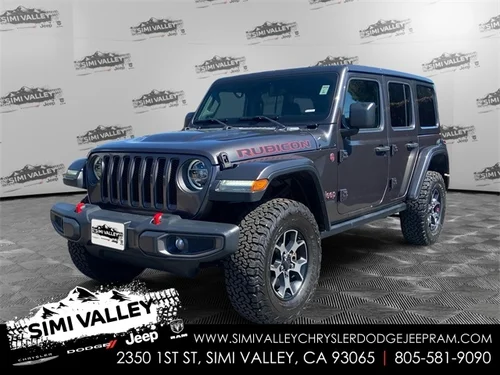
The Jeep Wrangler Rubicon has long been regarded as the gold standard for factory-built off-road capability. With the launch of the JL generation in 2018, Jeep reimagined the Wrangler from the ground up, delivering a refined driving experience, updated technology, and superior trail performance. For off-road purists, the 2018 Jeep Wrangler Unlimited Rubicon represents the ultimate version of this legendary vehicle—purpose-built, highly capable, and surprisingly civilized.
Powertrain and Off-Road Engineering
At the heart of the 2018 Rubicon is Jeep’s well-established 3.6L Pentastar V6 engine, producing 285 horsepower and 260 lb-ft of torque. Buyers could choose between a 6-speed manual transmission for purists or an optional 8-speed automatic for smoother shifts and daily comfort.
Powertrain Specifications:
| Engine | 3.6L Pentastar V6 |
|---|---|
| Transmission Options | 6-speed manual / 8-speed automatic |
| Horsepower | 285 hp |
| Torque | 260 lb-ft |
| Fuel Economy (MPG) | 17 city / 23 highway (manual) |
| Drivetrain | 4×4, Rock-Trac® Part-Time Transfer Case |
| Towing Capacity | 3,500 lbs (max) |
The Rubicon comes standard with Rock-Trac® 4×4, featuring a 4:1 low-range ratio and Tru-Lok® front and rear locking differentials, allowing for unmatched crawling control and traction. Add 4.10 axle gearing and an electronic front sway bar disconnect, and the Rubicon becomes a serious contender for any trail—no modifications required.
Suspension and Trail Capability
From Moab to muddy backroads, the Rubicon is engineered for the most demanding terrain. Unlike other trims, the Rubicon comes standard with Dana 44 heavy-duty axles, off-road shocks, and 33-inch BFGoodrich KO2 all-terrain tires.
Off-Road Dimensions:
| Off-Road Metric | Value |
|---|---|
| Ground Clearance | 10.8 inches |
| Approach Angle | 43.9 degrees |
| Breakover Angle | 22.6 degrees |
| Departure Angle | 37.0 degrees |
| Water Fording | Up to 30 inches |
| Crawl Ratio (manual) | 84.2:1 |
These figures aren’t just best-in-class—they’re benchmark numbers across the SUV industry, rivaled only by highly modified off-roaders or specialty trucks.
Exterior Features: Designed for Function
While unmistakably a Wrangler, the JL redesign of the 2018 Rubicon features improved aerodynamics, lightweight aluminum components, and functional enhancements. Key among them: vented hood, steel rock rails, red tow hooks, and Rubicon-exclusive fender flares to accommodate larger tires.
The Rubicon is the only Wrangler trim with high-clearance front bumpers, allowing it to scale boulders and steep inclines with ease. Optional LED lighting and body-colored hard tops offer customization without sacrificing trail toughness.
Interior Comfort and Modern Tech
While the Rubicon excels off-road, its interior is far from primitive. Jeep equipped the 2018 Rubicon with premium materials, intuitive controls, and user-focused tech. The cabin remains waterproof and washable—true to the Wrangler DNA—but adds refinement for longer drives.
Interior Features:
| Feature | Specification |
|---|---|
| Seating Capacity | 5 |
| Upholstery | Premium cloth or optional leather |
| Infotainment | Uconnect® 4 with 7-inch or optional 8.4-inch display |
| Audio System | Standard 8-speaker / optional Alpine premium |
| Cargo Volume (seats up) | 31.7 cu-ft |
| Cargo Volume (seats folded) | 72.4 cu-ft |
| Climate Control | Manual standard / dual-zone optional |
Other available upgrades include heated front seats, remote start, and a 115V household power outlet—making the Rubicon not just trail-ready, but road trip-ready too.
Safety and Driver Assistance
For 2018, the JL generation introduced stronger crash safety structures and more standard safety features. While the Rubicon is engineered for tough environments, it also includes intelligent safety features for peace of mind on and off the pavement.
Safety Highlights:
| Safety Feature | Availability |
|---|---|
| Advanced Multistage Airbags | Standard |
| ParkView® Rear Backup Camera | Standard |
| Electronic Stability Control | Standard |
| Hill Start Assist & Hill Descent | Standard |
| Blind Spot Monitoring | Optional (Safety Group) |
| Rear Cross Path Detection | Optional |
These features enhance confidence while maintaining the vehicle’s rugged character and capability.
Trim Positioning: Rubicon vs. the Lineup
The Rubicon sits at the top of the Wrangler lineup for off-road performance. Here’s how it stacks up:
| Trim | Key Features | Starting MSRP (USD) |
|---|---|---|
| Sport | Basic 4×4, steel wheels, manual windows | $27,495 |
| Sport S | Power features, alloy wheels, optional A/C | $30,695 |
| Sahara | Street-oriented, body-color trim, 18″ wheels | $37,345 |
| Rubicon | Rock-Trac, lockers, 33″ tires, off-road hardware | $40,495 |
The price jump reflects the Rubicon’s factory-installed trail gear—components that would cost thousands more to add aftermarket and wouldn’t integrate as seamlessly.
Ownership Experience and Resale Value
The 2018 Rubicon’s value lies not just in performance, but in its proven reputation. Built in Toledo, Ohio, and backed by a strong Jeep community, the Rubicon holds some of the highest resale values in the segment.
Original MSRP ranged from $40,000 to $47,000 USD depending on options. In today’s used market, a well-maintained 2018 Rubicon can fetch between $34,000 and $42,000 USD, depending on mileage, condition, and equipment.
Final Verdict
The 2018 Jeep Wrangler Unlimited Rubicon is not just an SUV—it’s a purpose-built tool engineered to conquer any terrain while still being surprisingly livable on the road. It’s the Wrangler that doesn’t need a lift kit, upgraded axles, or aftermarket bumpers—it comes off the assembly line ready for Moab, the Rockies, or wherever your adventures lead.
If you’re looking for an SUV that delivers real capability without compromise, the Rubicon remains unmatched. Rugged, refined, and relentlessly trail-ready—the 2018 Rubicon is Jeep’s mission statement in motion.
2019 Jeep Wrangler Unlimited Sport S For Sale
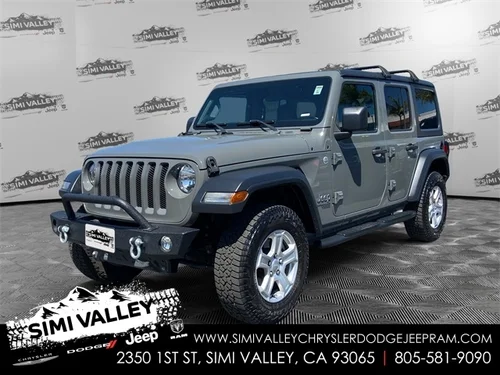
For decades, the Jeep Wrangler has stood as the benchmark for rugged adventure. The 2019 Jeep Wrangler Unlimited Sport S continues that legacy but evolves the formula with added comfort, convenience, and improved on-road behavior—all while staying true to its off-road roots.
Built on the new JL platform introduced in 2018, the 2019 model marks the second year of the latest-generation Wrangler. And in the popular Sport S trim, it offers the perfect balance between affordability and modern features, making it one of the most sought-after configurations for both enthusiasts and everyday drivers.
Powertrain and Performance: Purpose-Built Versatility
Under the hood, the 2019 Wrangler Unlimited Sport S comes standard with the 3.6L Pentastar V6, producing 285 horsepower and 260 lb-ft of torque. Paired with either a 6-speed manual or an available 8-speed automatic transmission, it delivers smooth highway cruising and plenty of torque for trail duty.
Performance Specs:
| Specification | Value |
|---|---|
| Engine | 3.6L Pentastar V6 |
| Transmission Options | 6-speed manual / 8-speed automatic |
| Horsepower | 285 hp |
| Torque | 260 lb-ft |
| Drivetrain | 4×4 with Command-Trac Part-Time System |
| Fuel Economy (MPG) | 17 city / 23 highway |
| Max Towing Capacity | 3,500 lbs (when properly equipped) |
The Command-Trac 4×4 system allows shift-on-the-fly engagement into 4WD High, while 4WD Low is suited for rock crawling and steep terrain. For drivers needing everyday comfort with real off-road credibility, this system hits the mark.
Suspension and Off-Road Capability
True to its heritage, the Wrangler Unlimited Sport S is trail-ready right off the lot. With solid front and rear Dana 44 axles, a ladder-frame chassis, and high ground clearance, this Jeep is built for rugged terrain.
Off-Road Dimensions:
| Feature | Value |
|---|---|
| Ground Clearance | 10.9 inches |
| Approach Angle | 41.8 degrees |
| Breakover Angle | 20.3 degrees |
| Departure Angle | 36.1 degrees |
| Water Fording Capability | Up to 30 inches |
It also features Hill Start Assist and Hill Descent Control as standard, supporting stability on steep inclines and declines. Add the optional Trac-Lok® rear limited-slip differential, and the Sport S becomes more than trail-capable—it becomes trail-confident.
Exterior Design: Evolution, Not Revolution
Jeep maintained its iconic look with the 2019 JL design, but improvements in aerodynamics, materials, and build quality are noticeable. The Sport S trim includes 17-inch Tech Silver aluminum wheels, body-colored fender flares, and the option of a hard top or soft top—all contributing to its daily usability and rugged style.
Optional LED lighting, fog lamps, and a modular bumper design provide room for customization, while the flat windshield and removable doors keep the open-air Jeep experience alive and well.
Interior Refinement: Rugged Meets Modern
Inside, the 2019 Wrangler Unlimited Sport S receives major comfort upgrades compared to the base model. This trim offers a 5-inch Uconnect® display, power windows and locks, remote keyless entry, and a leather-wrapped steering wheel.
Interior Highlights:
| Feature | Sport S Trim |
|---|---|
| Seating Capacity | 5 passengers |
| Upholstery | Cloth with upgraded bolsters |
| Infotainment | 5-inch touchscreen, Uconnect 3 |
| Climate Control | Manual air conditioning |
| Cargo Space (seats up) | 31.7 cu-ft |
| Cargo Space (seats folded) | 72.4 cu-ft |
Though designed to be washable and durable, the interior also introduces softer surfaces, better NVH insulation, and improved sound quality from the 8-speaker system.
Safety and Driver Assistance
While Wranglers are not traditionally known for advanced safety tech, Jeep addressed this in the JL generation. The 2019 Sport S includes a strong frame, advanced multistage airbags, and optional features to enhance driver confidence.
Safety Features:
| System | Availability in Sport S |
|---|---|
| Rearview Backup Camera | Standard |
| Electronic Stability Control | Standard |
| Trailer Sway Control | Standard |
| Blind Spot Monitoring | Optional (via Safety Group) |
| Rear Park Assist | Optional |
These additions are supported by strong crash test performance and Jeep’s reputation for durable, dependable platforms.
Trim Comparison: Sport S vs Other Wranglers
The Sport S trim adds essential modern conveniences to the base Sport trim while staying more affordable than the Sahara or Rubicon.
Trim Comparison:
| Feature | Sport | Sport S | Rubicon |
|---|---|---|---|
| Wheels | 17″ Steel | 17″ Aluminum | 17″ Off-Road Aluminum |
| Power Windows & Locks | No | Yes | Yes |
| A/C | Optional | Standard | Standard |
| 4×4 System | Command-Trac | Command-Trac | Rock-Trac |
| Off-Road Suspension | No | No | Yes |
| Locking Differentials | No | Optional (Trac-Lok) | Front & Rear Locking |
The Sport S is ideal for those who want a refined daily driver that doesn’t compromise on capability, without stepping into premium territory.
Used Market and Value
When new, the 2019 Wrangler Unlimited Sport S had an MSRP around $34,000 USD. In today’s market, depending on mileage, location, and features, it typically ranges between $27,000 and $32,000 USD.
Its resale value remains strong, thanks to Jeep’s enduring brand cachet, the Wrangler’s cult-like following, and the versatility of the Sport S trim.
Final Verdict
The 2019 Jeep Wrangler Unlimited Sport S is everything Jeep purists and practical buyers hoped it would be. It keeps the traditional Jeep spirit alive—body-on-frame construction, removable doors, a fold-down windshield—while adapting to modern driving needs with improved comfort, technology, and safety.
Whether you’re navigating a trail, towing a trailer, or just commuting in all-weather confidence, the Sport S has the tools to do it all—and look good doing it.
For drivers who want the “real Jeep” experience but with the right amount of modern convenience, the 2019 Unlimited Sport S offers the best of both worlds. It’s not just a vehicle—it’s a statement.
Connect with us


