





Huntington Beach Dodge Chrysler Jeep

The Jeep Lifestyle: Built for California Roads and Beyond
Jeep models are tailor-made for coastal living. Whether you’re heading up Pacific Coast Highway in a topless Wrangler or hauling surfboards and camping gear in a Grand Cherokee, Jeeps bring utility and style together like few brands can.
Top Jeep Models for Huntington Beach Drivers:
| Model | Best For | Why it Works |
|---|---|---|
| Jeep Wrangler | Coastal cruising, weekend trail runs | Removable roof, iconic look, 4×4 standard |
| Jeep Grand Cherokee | Family road trips, upscale feel | Lux interior, towing, tech-packed |
| Jeep Gladiator | Work + play balance | Open-air driving + truck utility |
| Jeep Compass | Daily commute with flair | Affordable, compact, great on gas |
| Jeep Wrangler 4xe | EV-curious drivers | Plug-in hybrid efficiency with Jeep soul |
Inventory Shortages in OC? Here’s What’s Happening
Many Jeep dealerships across Huntington Beach and the OC region are facing low inventory, particularly for in-demand models like the Wrangler Willys, Grand Cherokee L Limited, or Gladiator Mojave.
This has resulted in:
- Higher dealer markups
- Limited color/trim options
- Fewer promotional offers
- Longer wait times for custom orders
That’s where Simi Valley CDJR changes the game.
Why Simi Valley Chrysler Dodge Jeep Ram is Worth the Trip
Located just over an hour from Huntington Beach, Simi Valley CDJR has become a known name in Southern California for transparent pricing, deep inventory, and aggressive promotions.
What Sets Simi CDJR Apart?
| Advantage | Details |
|---|---|
| Large Jeep Inventory | From Wranglers to Wagoneers—rare trims always in stock |
| No Dealer Markups | Transparent, invoice-based pricing |
| Flexible Financing | 0% APR for 72 months on select models (OAC) |
| $1,000 Trade-In Bonus | On top of your vehicle’s appraised value |
| Monthly Lease Specials | Low down payment, low APR offers on new Jeep models |
| Top-Reviewed Dealership | High customer satisfaction across platforms |
Customers report that inventory is wider, pricing is sharper, and service is more accommodating at Simi CDJR than many of the OC-based stores.
Lease vs. Finance: What Are Jeep Shoppers Choosing in 2025?
For many Southern Californians, leasing remains a top choice due to its flexibility and lower monthly cost.
Comparison Table – Lease vs. Finance (2025 Jeep Grand Cherokee L):
| Lease (36 mo) | Finance (72 mo) | |
|---|---|---|
| Monthly Payment | ~$489 | ~$729 |
| Due at Signing | $2,999 | $4,999 |
| Mileage Limit | 20,000 km/year | No Limit |
| Ownership | No | Yes |
| Resale Value Risk | None | Yes |
| Freedom to Upgrade | High | Medium |
At Simi Valley CDJR, customers have options for both routes—often with 0% APR financing or low-down lease structures on even premium trims like Overland or Rubicon 4xe.
Customer Testimonials from SoCal Buyers
Drivers from Huntington Beach, Long Beach, Anaheim, and Santa Monica have made the trip and left glowing reviews:
“Simi CDJR had three Wranglers in stock when OC dealers were quoting 3-month waits. I got a Willys at invoice pricing and $1,000 bonus cash. Worth the drive!”
– Kyle M., Huntington Beach
“Other dealers wouldn’t budge on price. Simi Valley was straight with me from the first email. In and out in 90 minutes with a Gladiator Mojave.”
– Amanda R., Newport Beach
This Month’s Featured Jeep Deals at Simi CDJR
| Model | Promotion | Term | Notes |
|---|---|---|---|
| 2025 Wrangler Sport S | $0 Down, $429/mo | 36 Months | 20,000 km/year |
| Grand Cherokee Altitude | 0% APR x 72 months | OAC | Free maintenance included |
| Jeep Gladiator Rubicon | $3,000 Off MSRP | Cash or Finance | Limited stock |
| Compass Trailhawk | Lease $349/mo | 24 Months | Loyalty Bonus Eligible |
| Wagoneer Series II | $7,500 Total Incentives | Finance Only | With qualifying trade |
All offers are valid through April 30, and subject to availability and approval.
Conclusion: Don’t Settle for Local—Drive for a Better Deal
If you’re serious about driving away in a new Jeep—whether it’s a rugged Wrangler, luxurious Grand Cherokee, or versatile Gladiator—you owe it to yourself to explore more than just the lots in Huntington Beach.
Simi Valley Chrysler Dodge Jeep Ram isn’t just another dealer—they’re a destination for value. With more inventory, transparent pricing, and financing flexibility, the short trip from the coast could save you thousands—or get you into the trim level you really want.
Jeep 0% Financing for 72 Months : Los Angeles

Jeep 0% financing for 72 months can be a powerful deal, but Los Angeles shoppers need to read the fine print first. The simple answer is this: 0% APR for 72 months means you pay no interest over six years, but the offer usually applies only to select Jeep models, select trims, approved credit, participating dealers, and a limited sales period.
Jeep’s official incentive page allows shoppers to check current offers by location, including APR deals, cash allowances, and other Jeep incentives near their ZIP code. Offers can change by model, month, region, and lender approval, so Los Angeles buyers should confirm the exact program before building a deal around it. (jeep)
What Does 0% Financing for 72 Months Mean?
0% financing means the lender is not charging interest on the loan.
A 72-month term means the loan lasts six years.
So if you finance $48,000 at 0% APR for 72 months, the basic payment before taxes and fees would be about $667 per month. At a normal interest rate, that same vehicle could cost thousands more over the life of the loan.
That is why 0% APR can be better than a cash discount in some situations.
Is Jeep Offering 0% APR for 72 Months in Los Angeles?
It depends on the current program.
Jeep’s national APR offers page says low-APR or 0% APR deals are available when offered and directs shoppers to check current incentives. (jeep) But 0% for 72 months is not automatically available on every Jeep model in every region.
In Los Angeles, the offer may vary by:
Model
Trim
Inventory
ZIP code
Credit tier
Lender
Dealer participation
Delivery deadline
Whether you choose APR or cash incentives
That means the correct blog angle is: Jeep 0% financing for 72 months may be available on select models, but shoppers must verify eligibility locally.
Which Jeep Models Usually Get the Best Financing Offers?
The best APR offers usually appear on models where the manufacturer wants to move inventory faster.
Depending on the month, that may include models like:
Jeep Grand Cherokee
Jeep Grand Cherokee L
Jeep Compass
Jeep Wrangler
Jeep Gladiator
Jeep Wagoneer
Jeep Wrangler 4xe or Grand Cherokee 4xe
However, Jeep incentives change often. A Wrangler offer in one month may not match a Grand Cherokee offer the next month. The official Jeep incentives tool is the safest place to verify live programs by ZIP code. (jeep)
Why 0% APR Can Save You Real Money
The biggest benefit of 0% APR is interest savings.
For example, a $45,000 Jeep financed for 72 months at 7% APR could cost roughly $10,000 or more in interest over the loan, depending on taxes, fees, and exact structure. At 0% APR, that interest cost disappears.
That can make a new Jeep more affordable over time, especially if you plan to keep it long enough to benefit from the full financing term.
0% APR vs Cash Rebate
Sometimes buyers must choose between 0% APR and a cash incentive.
That decision depends on the numbers. If the cash rebate is large and you qualify for a strong bank or credit union rate, the rebate may be better. If the normal APR is high, 0% financing may save more.
Do not guess. Ask the dealer to show both structures:
0% APR payment
Cash rebate payment
Total amount financed
Total cost over the loan
Monthly payment difference
Best real-world deal after taxes and fees
The best Jeep deal is the one with the lowest total cost, not just the most attractive headline.
Who Qualifies for Jeep 0% Financing?
0% APR usually requires strong credit.
Not every buyer will qualify. Lenders may review credit score, credit history, income, debt-to-income ratio, previous auto loan history, employment stability, and overall ability to repay.
A buyer with excellent credit may qualify for the advertised APR. A buyer with lower credit may receive a higher APR or need a different lender structure.
That is why “0% for 72 months” should always be written with a disclaimer: for well-qualified buyers on approved credit.
What Los Angeles Buyers Should Watch For
Los Angeles buyers should focus on the full out-the-door number.
A 0% APR offer does not automatically mean the deal is cheap. You still need to check:
Selling price
Taxes
Registration
Dealer fees
Add-ons
Down payment
Trade value
Loan term
Vehicle availability
Incentive eligibility
A high selling price at 0% may still be worse than a discounted vehicle with a reasonable APR.
Why Simi Valley Shoppers Should Compare Nearby Inventory
If you are shopping in Los Angeles, it is worth checking inventory outside the city.
Simi Valley is close enough for LA, Thousand Oaks, Moorpark, San Fernando Valley, Van Nuys, Burbank, Glendale, and Calabasas shoppers, but it can offer a less congested buying experience than shopping only in central LA.
For Jeep shoppers, the smartest move is to compare available models, incentives, trade value, and final payment before committing.
Best Jeep Models to Consider With 0% APR
If a 0% APR program is available, the best Jeep depends on your needs.
The Jeep Compass is usually the lower-payment SUV choice.
The Jeep Grand Cherokee is better for comfort, family space, and daily driving.
The Jeep Wrangler is the iconic choice for off-road capability and resale value.
The Jeep Gladiator is best if you want a Jeep with a pickup bed.
The Jeep Grand Cherokee 4xe or Wrangler 4xe can make sense if you can charge regularly and want plug-in hybrid capability.
Final Thoughts: Verify the Offer, Then Compare the Full Deal
Jeep 0% financing for 72 months can be one of the strongest ways to buy a new Jeep in Los Angeles, but it only matters if the offer applies to the model you want and you qualify for the program.
Check the live Jeep incentive, confirm the eligible model and trim, compare 0% APR against cash rebates, and review the full out-the-door price. A true 0% APR deal can save thousands, but only when the selling price, fees, trade value, and loan structure are right.
Leasing a Jeep Wrangler : Los Angeles
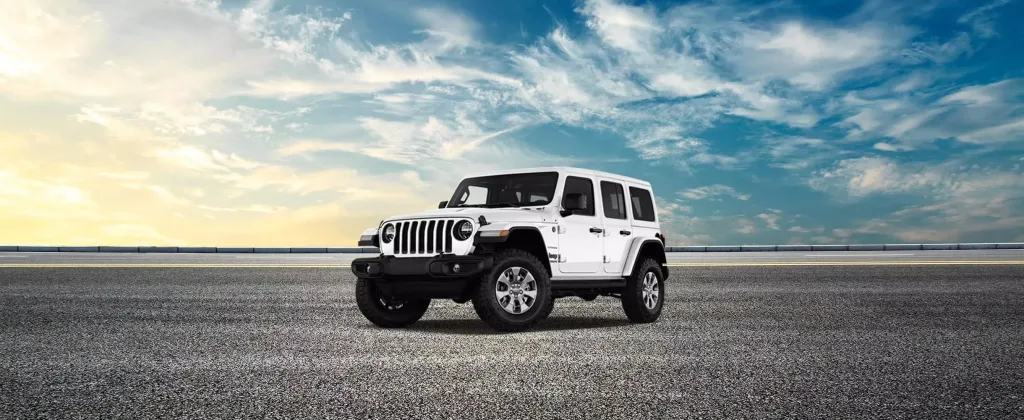
Why Lease a 2025 Jeep Wrangler?
Leasing allows drivers to enjoy new vehicles without the high up-front costs or long-term obligations. And for a high-value vehicle like the Wrangler, this can be especially appealing.
Top Benefits of Leasing
| Advantage | What It Means for You |
|---|---|
| Lower Monthly Payments | Lease payments are based on depreciation, not full vehicle price. |
| Warranty Coverage | Most lease terms fall within the 3-year/60,000 km manufacturer warranty. |
| Drive New More Often | Swap into the latest Wrangler every few years. |
| Fewer Repair Costs | Newer vehicles mean fewer mechanical issues. |
| Business Tax Benefits | Leased vehicles can be deductible for small business use. |
Available 2025 Wrangler Lease Models
The 2025 Jeep Wrangler is offered in multiple configurations — from the entry-level Sport to the powerful Rubicon 392. Each comes with Jeep’s legendary 4×4 capabilities and rugged charm.
Popular 2025 Wrangler Lease Trims
| Trim | Drivetrain | Engine | Key Features | Est. Lease (36 mo) |
|---|---|---|---|---|
| Sport S 2-Door | 4×4 | 2.0L Turbo I-4 | 7″ Touchscreen, Cloth Seats | $389/month |
| Willys 4-Door | 4×4 | 3.6L Pentastar V6 | Rock Rails, Mud Tires, Off-Road Suspension | $429/month |
| Sahara 4-Door | 4×4 | 2.0L Turbo I-4 | Body-Color Fenders, LED Lighting | $459/month |
| Rubicon 2-Door | 4×4 | 3.6L V6 with Manual | Locking Diffs, Disconnecting Sway Bar | $489/month |
| Rubicon 392 | 4×4 | 6.4L HEMI V8 (470 hp) | Performance Exhaust, Premium Audio | $719/month |
*Lease rates vary by region, credit approval, and down payment. Taxes and fees extra.
Lease vs. Finance: What’s Right for You?
Choosing whether to lease or finance your Wrangler depends on your lifestyle, driving habits, and financial goals.
Side-by-Side Comparison
| Category | Leasing a Wrangler | Financing a Wrangler |
|---|---|---|
| Monthly Cost | Lower | Higher |
| Ownership | You return the vehicle | You own it after loan payoff |
| Mileage Limits | Yes (typically 16,000–24,000 km/year) | No mileage restriction |
| Customization | Limited | Unlimited |
| Upgrades | Every 2-4 years | Only when you sell or trade |
| End of Term | Return, Buy, or Lease New | Own it, Trade in, or Sell |
Key Insight: Leasing is better if you prefer a new vehicle every few years, don’t want the long-term repair bills, and typically drive moderate distances each year.
Mileage Limits and What to Know
Most Wrangler leases include a mileage cap between 16,000 and 24,000 km per year (or about 10,000 to 15,000 miles). Going over these limits typically incurs a per-kilometre charge — usually around $0.12 to $0.25/km.
Example
- Annual limit: 20,000 km
- Actual: 23,000 km
- Overages: 3,000 km x $0.15/km = $450
If you’re someone who loves cross-country trips or frequently commutes long distances, consider either a high-mileage lease or purchasing instead.
Who Should Lease a Wrangler in 2025?
A Jeep Wrangler lease is ideal for:
- Drivers who prefer lower monthly payments
- Customers who enjoy new features and tech
- Business owners using vehicles for branding or light-duty use
- Those who want to avoid costly long-term repairs
- Anyone planning to trade up frequently
On the flip side, purchasing may be the smarter choice for those who plan to keep their Wrangler over 7+ years, enjoy modifying their vehicle, or routinely exceed mileage limits.
End-of-Lease Options
What happens when your lease ends? You typically have three options:
1. Return the Wrangler
Bring it back to the dealership in good condition and walk away — a clean break.
2. Purchase It
If you’ve fallen in love with your Wrangler, buy it at the pre-set residual value (determined at lease signing).
3. Trade-In for a New Lease
Start a fresh lease on a newer Wrangler or another Jeep model — often with loyalty incentives available.
Available Incentives and Lease Promotions
Jeep dealerships frequently offer limited-time lease programs that can make your monthly payment even more attractive. Watch for:
- Low down payment offers
- Jeep loyalty cash or conquest bonuses
- End-of-quarter lease clearance events
- Military, first responder, and student rebates
In 2025, some regions may even offer additional green vehicle credits for the Wrangler 4xe plug-in hybrid, combining eco benefits with off-road fun.
What’s New in the 2025 Wrangler?
Jeep continues refining the Wrangler without losing its essence. For 2025, here’s what stands out:
- Larger standard touchscreen across most trims
- Redesigned grille and air vents for better cooling
- Enhanced off-road driving modes
- Trail-ready tires standard on Willys and Rubicon
- More standard safety tech, including forward collision warning
Final Thoughts: Should You Lease a Jeep Wrangler in 2025?
The 2025 Jeep Wrangler remains one of the most desirable off-road vehicles on the market. Leasing one offers a cost-effective way to enjoy everything it has to offer — without tying yourself to a long-term loan or the responsibility of resale value.
Whether you want the ruggedness of the Rubicon, the daily comfort of the Sahara, or the raw power of the Rubicon 392, there’s a lease option to match your lifestyle. Just make sure to factor in your yearly mileage and desired lease term before signing.
For those seeking adventure with flexibility, leasing the Wrangler isn’t just smart — it’s iconic.
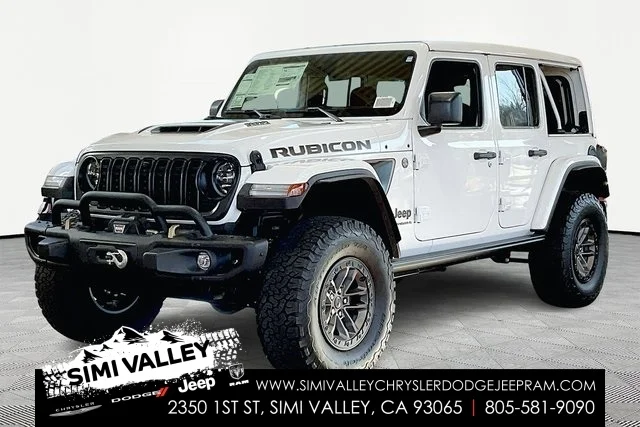
The 2025 Jeep Wrangler Rubicon 392 Final Edition represents the ultimate expression of the Wrangler’s off-road performance and power. As Jeep prepares to sunset the 6.4L HEMI V8 in this platform, the Rubicon 392 stands as a fitting farewell—pairing brute force with true trail capability. Available in limited quantities, this model is now for sale across select dealerships in Los Angeles.
Powertrain and Performance
Under the hood of the 2025 Rubicon 392 sits the same 6.4-liter HEMI V8 engine that has become synonymous with raw power. Delivering 470 horsepower and 470 lb-ft of torque, the Rubicon 392 accelerates from 0 to 60 mph in just 4.5 seconds. It’s the quickest production Wrangler ever built.
Powertrain Specs:
| Component | Specification |
|---|---|
| Engine | 6.4L HEMI V8 |
| Horsepower | 470 hp @ 6,000 rpm |
| Torque | 470 lb-ft @ 4,300 rpm |
| Transmission | 8-speed automatic |
| Drivetrain | Full-time 4WD |
| 0–60 mph | 4.5 seconds |
| Towing Capacity | Up to 3,500 lbs |
This is not a Wrangler built for moderation—it’s designed for those who want loud, fast, and capable in one aggressive package.
Off-Road Capability
Jeep didn’t just drop a big V8 into the Wrangler and call it a day. The 2025 Rubicon 392 is engineered to dominate rough terrain just as confidently as it roars on pavement.
Off-Road Highlights:
| Feature | Details |
|---|---|
| Ground Clearance | 11.6 inches |
| Water Fording Depth | 34.5 inches |
| Axles | Dana 44 front and rear |
| Locking Differentials | Tru-Lok electronic |
| Transfer Case | Selec-Trac two-speed |
| Tires | 35-inch BFGoodrich All-Terrain |
| Factory Lift | 0.5-inch suspension lift |
| Included Winch | WARN 8,000-lb capacity |
With its lifted suspension, reinforced axles, and beadlock-capable wheels, the Rubicon 392 doesn’t just look the part—it delivers on the promise of true Jeep Trail Rated performance.
Interior and Design
The 2025 Rubicon 392 Final Edition adds special design elements to mark the end of the V8 Wrangler era. Inside, it combines functionality with premium finishes.
Interior Features:
- Nappa leather-trimmed seats with 392 embroidery
- Bronze interior accents
- Uconnect touchscreen with navigation
- Monogrammed shift knob and console plaque
- Fold-out swing gate table
- Optional Sky One-Touch Power Top
The cabin is built for adventure while retaining upscale touches that feel more premium than rugged.
Exterior and Appearance
The Rubicon 392 Final Edition comes with distinctive bronze accents on the tow hooks, wheels, and badging. These small touches subtly distinguish it from standard models while nodding to its exclusive status.
Exterior Design Details:
- Bronze hood decals and fender highlights
- 17-inch bronze beadlock-capable wheels
- Standard LED lighting package
- Body-colored flares and hardtop
This Wrangler strikes a bold stance that commands attention whether it’s on the freeway or crawling over rocks.
Pricing and Availability in Los Angeles
In the greater Los Angeles area, the 2025 Jeep Wrangler Rubicon 392 Final Edition is now available at select Jeep dealerships. Given its limited production and final-year status, pricing begins around $102,000 and can rise based on configuration and dealer add-ons.
If you’re looking for a V8-powered off-road SUV with the heritage of Jeep and the muscle of a true performance vehicle, this is your last chance to own a Rubicon 392. Inventory is expected to move quickly due to demand and rarity.
Final Verdict
The 2025 Jeep Wrangler Rubicon 392 Final Edition is not for the faint of heart. It’s loud, powerful, and purpose-built to go where other SUVs can’t. For Los Angeles drivers who want a combination of collector value, everyday drivability, and authentic off-road ability, the Rubicon 392 represents one of the most exciting Wranglers ever produced. This is the end of the line for the V8 in the Wrangler—and it’s going out on top.
2025 RAM 2500 Tradesman For Sale in Simi Valley
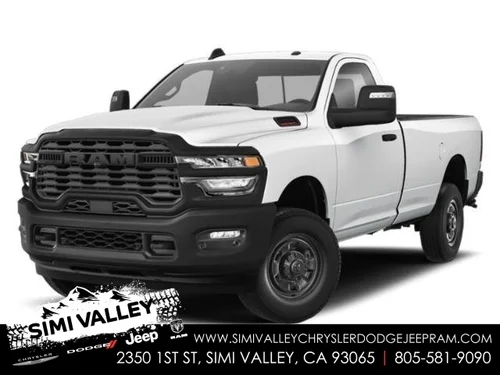
🔧 Powertrain and Performance: Built to Work
The 2025 RAM 2500 Tradesman comes standard with a 6.4L HEMI® V8, delivering robust performance across all trim levels. It offers a best-in-class combination of low-end torque and responsiveness.
For those who need serious towing power, RAM offers the legendary 6.7L Cummins® Turbo Diesel I6 as an upgrade. Paired with a 6-speed automatic transmission, the diesel engine transforms the Tradesman into a tow-and-go powerhouse.
Performance Specs:
| Engine Option | Gas (6.4L HEMI V8) | Diesel (6.7L Cummins I6) |
|---|---|---|
| Horsepower | 410 hp | 370 hp |
| Torque | 429 lb-ft | 850 lb-ft |
| Max Towing Capacity | 17,730 lbs (gas) | 19,990 lbs (diesel) |
| Payload Capacity | Up to 4,010 lbs | Up to 3,160 lbs |
No matter which powertrain you choose, the 2025 Tradesman doesn’t flinch under pressure. Whether you’re towing equipment across the Central Valley or hauling materials through Simi Valley’s construction corridors, it delivers consistent power.
🚜 Utility and Function: A True Work Truck
Every inch of the RAM 2500 Tradesman is optimized for function. This model isn’t about flair—it’s about utility. The standard features include:
- Heavy-Duty Vinyl Upholstery
- Black Powder-Coated Bumpers
- Manual Transfer Case (4×4)
- 17-Inch Steel Wheels
- Tow Hooks and Trailer Sway Damping
The available Snow Chief Package equips the Tradesman with clearance lamps, auxiliary switches, and a limited-slip rear axle—ideal for work in rugged or wintery conditions.
You can also opt for RAM’s innovative Cargo Management System, offering secure in-bed storage with available RamBox® compartments and lockable, drainable bins for tools or gear.
🛠️ Technology Where It Counts
While the Tradesman is rugged, RAM hasn’t stripped it bare. Even in its base trim, the 2025 model includes thoughtful tech that improves workday efficiency:
- Uconnect® 5 with 8.4-inch Touchscreen (optional upgrade)
- Bluetooth Hands-Free Calling
- Trailer Brake Control
- Backup Camera
- Remote Keyless Entry (available)
You won’t find over-the-top luxury, but you’ll get exactly what you need to stay connected and in control.
🧱 Design and Durability
The exterior of the 2025 RAM 2500 Tradesman is all business—black grille, steel bumpers, and no unnecessary shine. It’s the kind of truck that looks good covered in dust after a hard day’s work.
Inside, you’ll find practical materials designed to be easy to clean. The heavy-duty vinyl bench seating holds up against grime, sweat, and job-site wear.
Crew Cab models offer ample rear-seat space, making the Tradesman a practical option even if you’re bringing a crew along. Regular Cab and Mega Cab configurations are also available to match your jobsite or lifestyle needs.
🛡️ Safety and Confidence
You won’t find luxury driver-assist packages as standard here, but RAM ensures that the Tradesman comes equipped with essential safety tech:
- Electronic Stability Control
- Hill Start Assist
- Advanced Multistage Front Airbags
- Tire Pressure Monitoring
- Optional ParkSense® Rear Park Assist System
When paired with the truck’s rugged chassis and high-strength steel frame, the Tradesman keeps safety at the forefront—even on unpredictable job sites.
💵 Pricing and Configurations
One of the RAM 2500 Tradesman’s biggest strengths is its value proposition. It gives buyers full access to RAM’s heavy-duty strength without the premium price tag of Laramie or Limited trims.
Starting MSRP (U.S. market):
| Configuration | Gas Engine Starting Price | Diesel Engine Upgrade |
|---|---|---|
| Regular Cab 4×2 | $48,695 USD | +$9,595 USD |
| Crew Cab 4×4 | $53,845 USD | +$9,595 USD |
| Mega Cab 4×4 | $56,995 USD | +$9,595 USD |
(Note: Pricing may vary slightly based on local incentives at Simi Valley CDJR.)
🆚 Competitor Snapshot
| Truck Model | Max Towing (Gas) | Max Torque (Diesel) | Starting Price (USD) |
|---|---|---|---|
| RAM 2500 Tradesman | 17,730 lbs | 850 lb-ft | $48,695 |
| Ford F-250 XL | 17,200 lbs | 825 lb-ft | $49,615 |
| Chevy Silverado 2500 WT | 17,370 lbs | 910 lb-ft | $49,500 |
RAM holds its ground with stronger gas performance, competitive diesel specs, and a slightly lower entry cost than key rivals.
🚗 Who Should Buy the 2025 RAM 2500 Tradesman?
The Tradesman is for:
- Contractors who tow large trailers or machinery
- Farmers who need serious payload without tech overload
- Business owners seeking a tough, reliable fleet vehicle
- Anyone who prioritizes performance over flash
Final Thoughts
The 2025 RAM 2500 Tradesman proves that you don’t need to spend big to get big results. It’s a purpose-built powerhouse, engineered for long days and hard miles. And when you need it most, it won’t back down.
At Simi Valley Chrysler Dodge Jeep Ram, we’re proud to offer this workhorse to our customers who keep California moving. Whether you’re upgrading your fleet or buying your first heavy-duty truck, the RAM Tradesman is ready for the job.
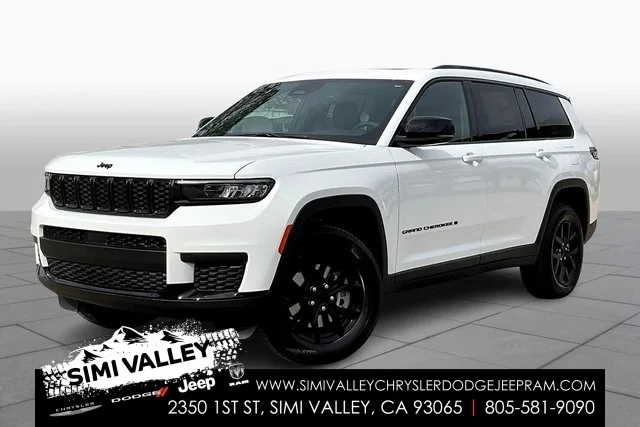
Bold Style, Real Capability, and Three Rows That Don’t Feel Like a Minivan
🔥 Why the Altitude X?
| Trim Highlights | 2025 Grand Cherokee L Altitude X |
|---|---|
| Starting MSRP (USD) | ~$46,000 (varies by dealer) |
| Seats | 6 or 7 passengers |
| Engine | 3.6L V6 (Pentastar) |
| Horsepower | 290 hp |
| Drivetrain | RWD or 4×4 |
| Fuel Economy (Combined) | 21 MPG |
| Towing Capacity | Up to 6,200 lbs |
| Wheels | 20-inch Gloss-Black Aluminum |
| Interior Trim | Leatherette/Suede with Gloss Black Accents |
🖤 Design: Murdered Out & Muscular
The Altitude X looks like it just stepped out of an action film. It’s built on the long-wheelbase Grand Cherokee L frame, but where most family SUVs go for chrome smiles and bubbly curves, this one opts for black-on-black aggression.
Highlights include:
- Gloss-black 7-slot grille
- Blacked-out roof rails
- LED headlights and taillights
- 20-inch gloss-black wheels
- Black badging and trim
You won’t find another three-row SUV this cool-looking at this price point unless you start shopping the luxury brands.
💺 Inside the Cabin: Comfort Meets Contrast
Inside, the Altitude X doesn’t go full-luxury, but it definitely punches above its price class. The dash is clean, horizontal, and wrapped in soft-touch materials. The leatherette and suede seating combo is both comfortable and easy to maintain (read: great for kids and pets).
The tech layout is intuitive with a floating 8.4-inch Uconnect 5 touchscreen (upgradable to 10.1 inches), plus digital gauge cluster options. Wireless Apple CarPlay and Android Auto are standard, along with USB-C charging ports throughout.
| Interior Features | Altitude X |
|---|---|
| Seating Capacity | 6 (Captain’s Chairs) or 7 (Bench) |
| Touchscreen Size | 8.4” Standard / 10.1” Optional |
| Infotainment System | Uconnect 5 |
| Wireless CarPlay/Android Auto | Standard |
| Cargo Capacity (Behind 3rd Row) | 17.2 cu. ft. |
| Max Cargo Volume | 84.6 cu. ft. |
Whether you’re hauling the hockey team or loading up for a Costco run, the Altitude X has you covered.
⚙️ Under the Hood: Pentastar Still Gets It Done
This isn’t some turbo-four crossover masquerading as rugged. The Grand Cherokee L Altitude X gets the tried-and-true 3.6L Pentastar V6, producing 290 horsepower and 257 lb-ft of torque. It’s mated to an 8-speed automatic transmission and available in either rear-wheel drive or Jeep’s robust 4×4 system.
Performance is smooth and predictable, especially at highway speeds. And while it’s not built to tear up a racetrack, it’s got enough punch to handle steep inclines, trailer towing, and weekend adventure runs without breaking a sweat.
| Performance Specs | 2025 Altitude X |
|---|---|
| Engine | 3.6L V6 Pentastar |
| Horsepower | 290 hp |
| Torque | 257 lb-ft |
| Transmission | 8-Speed Automatic |
| Towing Capacity | 6,200 lbs (4×4) |
| Drive Modes | Auto, Sport, Snow, Sand/Mud |
🧠 Safety & Tech: Modern Essentials Included
This isn’t just a stylish SUV—it’s got brains too. Jeep equips the Altitude X with a full suite of advanced safety features. Most are standard, and a few extras can be added depending on the package.
Key standard features include:
- Adaptive Cruise Control
- Blind-Spot Monitoring
- Rear Cross-Traffic Alert
- Lane Keep Assist
- Full-Speed Collision Warning
- Rear Parking Sensors
There’s also a 360-degree camera system available, plus Jeep’s excellent Park Assist tech for tight urban spaces.
📦 The Value Angle: Style Meets Savings
What makes this SUV even more interesting is the price—especially at dealers like Simi Valley Chrysler Dodge Jeep Ram, where discounts reach up to $10,117 off MSRP. That kind of markdown puts the Altitude X in direct competition with more basic trims from other brands.
You’re not just buying an SUV here—you’re buying a statement. One that says your vehicle can handle trailheads and Target runs without missing a beat.
🏁 Final Take: Is It Worth It?
Absolutely. The 2025 Jeep Grand Cherokee L Altitude X is a rare gem in the three-row market. It looks better than nearly everything in its class, offers real utility, and is backed by one of the most iconic off-road brands in the business.
You get a confident ride, loads of comfort, actual cargo space, and undeniable curb appeal—all for under $40,000 if you time it right.
If you’re in Thousand Oaks, Simi Valley, or anywhere in Southern California and you’re tired of blending in with the beige SUVs at school pickup, the Altitude X might just be your next ride.
Verdict: It’s the most affordable flex Jeep makes right now—and it’s got the specs to back it up.

Exterior Design: Jeep DNA, Refined
Visually, the Grand Cherokee L Limited is clean-cut and unmistakably upscale. While the styling doesn’t scream for attention, it radiates a quiet confidence. The seven-slot grille remains front and center, flanked by slim LED headlights and a sculpted hood that hints at capability underneath. Chrome accents subtly break up the body-color surfaces, while a sharp beltline and elongated silhouette give it a presence reminiscent of higher-tier luxury SUVs.
The L variant’s extended wheelbase (compared to the standard Grand Cherokee) allows for proper third-row seating without resorting to a bulbous rear. From the rear, sleek taillights and a purposeful tailgate lend a cohesive, modern finish. Eighteen-inch polished aluminum wheels come standard on the Limited trim, but optional 20-inch wheels fill the arches nicely for those who want more visual punch.
Interior Layout: Where Comfort Meets Practicality
Inside the Grand Cherokee L Limited, there’s a noticeable step up in craftsmanship compared to earlier generations. This is no longer just a rugged off-roader with leather seats—Jeep has gone to great lengths to make the cabin refined and welcoming. Materials feel upscale, and the layout is clean, with a horizontal dashboard dominated by an 8.4-inch Uconnect 5 touchscreen display.
The Limited trim seats six or seven, depending on your choice between second-row captain’s chairs or a bench seat. The standard captain’s chair setup creates a first-class feel in the second row, while the third row remains surprisingly adult-friendly for short to mid-length trips. Legroom in the second row measures an impressive 39.4 inches, while third-row legroom sits at a modest but usable 30.3 inches.
Cargo space is equally generous. Behind the third row, you get 17.2 cubic feet of space, expanding to 46.9 with the third row folded and a cavernous 84.6 cubic feet with all seats down. This SUV was built with road trips in mind.
Powertrain and Performance: Smooth, Capable, Confident
Powering the 2025 Grand Cherokee L Limited is Jeep’s ubiquitous 3.6-liter Pentastar V6 engine. It’s not the flashiest engine in the lineup, but it’s rock-solid—delivering 290 horsepower and 257 lb-ft of torque, paired to an 8-speed automatic transmission. Acceleration is brisk for its size, with 0 to 60 mph arriving in around 7.5 seconds. The engine pulls confidently at highway speeds, and the transmission is smooth and predictable, always seeming to find the right gear without fuss.
Available in rear-wheel drive or four-wheel drive, the Limited trim favors comfort and drivability over extreme off-road readiness, though the latter can be easily optioned with Jeep’s Quadra-Trac I 4×4 system and a single-speed active transfer case.
Ride quality is among the best in its class. The suspension strikes a fine balance between composure and compliance, absorbing bumps without ever feeling floaty. Even on twisty canyon roads near Thousand Oaks, the Grand Cherokee L Limited feels planted and well-mannered, belying its size. Jeep’s attention to NVH (noise, vibration, and harshness) levels is noticeable too—it’s one of the quietest Jeep cabins to date.
Towing and Utility: Ready for the Weekend
Where some rivals hesitate, the Grand Cherokee L Limited delivers. Equipped properly, it can tow up to 6,200 pounds—more than enough for boats, small campers, or utility trailers. It also boasts a standard trailer sway control system and multiple drive modes for different terrain conditions, including Snow, Sand/Mud, and Sport.
The Grand Cherokee L may wear a dress shirt inside, but it’s still wearing hiking boots underneath.
Infotainment and Connectivity: Uconnect Delivers
Jeep’s Uconnect 5 infotainment system continues to be one of the best in the business. On the Limited trim, the 8.4-inch display is crisp and responsive, with wireless Apple CarPlay and Android Auto as standard. Navigation, over-the-air updates, and Alexa integration are also available.
The digital driver information display behind the wheel adds a modern touch, while available upgrades like the 10.1-inch screen and rear-seat entertainment packages add tech flair for families that want more. USB ports are generously distributed across all three rows—so no one’s fighting for power.
Safety Features: A Confident Daily Driver
As expected in 2025, the Grand Cherokee L Limited comes loaded with safety tech. Standard features include adaptive cruise control, lane-keeping assist, blind-spot monitoring, rear cross-traffic alert, full-speed forward collision warning, and automatic emergency braking.
Jeep has also engineered this SUV with a high-strength steel frame and eight airbags as standard, helping it earn strong safety ratings across the board.
Trim Rundown
The “Limited” sits above the Laredo and Altitude trims and offers a rich feature set without pushing into Summit-level pricing. Standard features include:
- Power liftgate
- Heated front and second-row seats
- Heated steering wheel
- Remote start
- Dual-zone automatic climate control
- Leather upholstery
It’s the Goldilocks trim: well-equipped, comfortably priced, and classily executed.
Final Thoughts: The Right Kind of Big
The 2025 Jeep Grand Cherokee L Limited hits a sweet spot for families who want genuine versatility without stepping into full-size SUV territory. It rides smoothly, fits into suburban garages, and carries up to seven with comfort and class.
For buyers in Thousand Oaks and surrounding areas, it’s an appealing blend of California-ready daily driver and mountain trail companion. It’s equally at home on the 101 as it is on a backroad to Big Bear.
With its refined looks, strong V6, spacious interior, and undeniable Jeep identity, the Grand Cherokee L Limited is more than just a family hauler—it’s a lifestyle enabler. One that doesn’t shout, but definitely knows how to speak up when it counts.

Also known as a battery kill switch or disconnect switch, this small device gives you complete control over when and how your battery powers your vehicle. It improves safety, prevents unwanted drain, and offers a layer of theft protection. Despite its low cost, it’s one of the most valuable electrical accessories you can install.
In this comprehensive guide, we break down everything you need to know about battery shut off switches—how they work, the types available, how to install them, and which vehicles benefit most.
What Is a Battery Shut Off Switch?
A battery shut off switch is a device that allows you to manually or remotely interrupt the connection between your vehicle’s battery and its electrical system. When activated, it “shuts off” the battery’s flow of electricity, essentially placing your vehicle in a powered-down state without needing to physically remove the battery terminal.
It’s commonly used to:
- Preserve battery life during storage
- Prevent electrical system damage during maintenance
- Eliminate parasitic drain
- Provide a theft deterrent mechanism
- Control power in dual-battery systems
These switches are used across a wide range of industries, from marine and agriculture to automotive and construction.
Why You Might Need a Battery Shut Off Switch
| Benefit | Impact |
|---|---|
| Battery Preservation | Prevents discharge when a vehicle is not in use |
| Electrical Safety | Reduces risk of shorts, fires, or accidental sparks during maintenance |
| System Control | Easily toggle between battery banks or disable accessories |
| Anti-Theft | Disables power, preventing engine start in parked or stored vehicles |
| Storage Preparation | Essential for seasonal vehicles like RVs, boats, and motorcycles |
Today’s vehicles are filled with computers, modules, and accessories that draw power 24/7—even when turned off. Without proper control, your battery could be drained within days. A shut off switch puts the control back in your hands.
Types of Battery Shut Off Switches
Different vehicles and applications call for different switch designs. Here’s a breakdown:
| Switch Type | Operation | Best For |
|---|---|---|
| Knife Blade | Manually flips open to cut power | Tractors, classic cars, low-tech applications |
| Rotary Dial | Twist to select ON/OFF or multiple batteries | Boats, RVs, custom vehicles |
| Keyed | Requires a physical key to operate | Theft deterrence, trailers, show cars |
| Push Button | Dash-mounted; manual or electronic | Daily use or modern installs |
| Remote-Controlled | Uses a wireless remote or interior switch | High-end vehicles, convenience setups |
Each type comes with varying levels of current capacity, security, and ease of installation.
What to Look For in a Battery Shut Off Switch
When selecting the right battery shut off switch for your vehicle, consider these key factors:
| Spec | Why It Matters |
|---|---|
| Amp Rating | Must exceed your peak vehicle electrical load, especially during ignition |
| Voltage Range | Most systems run 12V or 24V; check your setup |
| Mounting Style | Panel-mount, inline, or terminal clamp based on your space |
| Durability | Marine or outdoor vehicles need waterproof and corrosion-resistant materials |
| Safety Certifications | UL listed or CE approved switches ensure tested reliability |
| Ease of Use | Some switches are stiff; look for smooth operation with feedback |
How to Install a Battery Shut Off Switch
Battery shut off switches are relatively easy to install with basic tools. Installation complexity varies depending on the type of switch you select.
Required Tools:
- Wrenches or socket set
- Battery terminal puller (optional)
- Electrical tape or loom wrap
- Cable crimper
- Heat shrink tubing
- Drill (for mounting, if needed)
Installation Steps:
For Terminal-Based Switches:
- Disconnect the battery.
- Attach the switch to the negative battery terminal.
- Reconnect the vehicle’s ground cable to the switch’s output terminal.
- Mount the switch securely and test operation.
For Inline or Remote Switches:
- Cut the positive battery cable at an appropriate length.
- Attach both cable ends to the input and output terminals of the switch.
- Mount the switch in a dry, accessible location.
- Insulate exposed wires and test the system.
Safety Tip: Never install a shut off switch on the battery’s negative cable if the system includes an aftermarket alternator or onboard inverter—it may result in electrical arcing.
Use Case Scenarios
| Vehicle | Use Case |
|---|---|
| RVs & Campers | Isolate house batteries, manage shore power vs. starter power |
| Boats | Control between cranking and deep cycle batteries, prevent corrosion |
| Classic Cars | Prevent parasitic drain and preserve originality |
| Construction Equipment | Daily shut down for safety and theft protection |
| Fleet Vehicles | Simple off-hours disabling mechanism |
| Daily Drivers (in storage) | Prevent battery loss during long vacations or seasonal parking |
A shut off switch is particularly valuable in any vehicle that isn’t driven every day. It ensures that your battery is fresh and your electrical system protected—no matter how long the vehicle sits idle.
Pros and Cons of Using a Battery Shut Off Switch
| Advantages | Considerations |
|---|---|
| Quick, tool-free battery isolation | May reset radio presets, clock, or ECU memory |
| Protects battery from parasitic drain | Some designs are not weatherproof |
| Simple theft deterrence | May need bypass for alarm systems or onboard computers |
| Enhances electrical safety during repairs | Low-quality units can cause poor connectivity |
Maintenance Tips
- Inspect terminals regularly for corrosion and oxidation
- Clean with a wire brush and apply dielectric grease if exposed
- Tighten bolts every few months or after long drives
- Store backup keys securely if using a keyed switch
- Test the switch periodically to ensure smooth operation
Routine maintenance ensures the switch performs properly when needed. Especially in older vehicles, a faulty switch can mimic battery failure—so regular checks are key.
Final Thoughts
A battery shut off switch isn’t just a tool—it’s a smart safeguard. It gives you control over when your vehicle is live, helps prevent frustrating dead batteries, and adds a layer of security in a world where electrical reliability matters more than ever.
Whether you’re storing your car for the winter, running a high-draw sound system, managing an RV, or just want added safety in your maintenance routine, a shut off switch is an affordable, high-impact upgrade. Once you’ve used one, you’ll wonder how you ever managed without it.
Car Battery Disconnect Switch – Experts Review
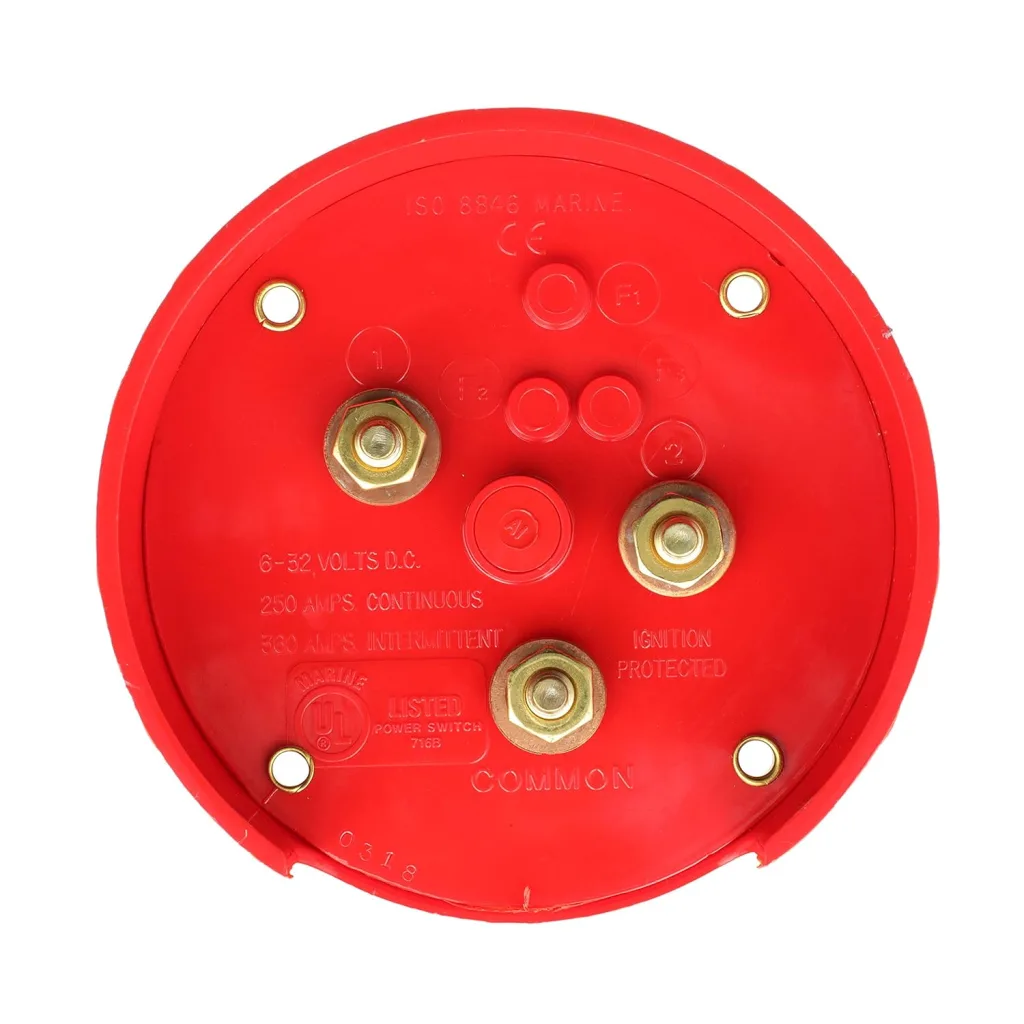
A car battery disconnect switch lets you cut power from your vehicle’s battery without removing the battery cable every time. It is most useful for stored vehicles, older cars, off-road builds, RVs, trailers, work trucks, and vehicles with minor parasitic battery drain.
The short answer: a battery disconnect switch can be worth it, but only when it is properly rated, correctly installed, and used for the right reason. It is not a fix for a weak battery, bad alternator, damaged wiring, or a serious electrical problem.
What Is a Car Battery Disconnect Switch?
A car battery disconnect switch is also called a battery cutoff switch, battery kill switch, battery shutoff switch, or battery isolator switch.
It allows the driver or technician to disconnect the battery from the vehicle’s electrical system by turning a knob, lever, key, or remote switch.
Common uses include:
- Preventing battery drain during vehicle storage.
- Adding a basic anti-theft deterrent.
- Making maintenance safer.
- Protecting classic cars or modified vehicles.
- Helping RVs, trailers, off-road rigs, and fleet vehicles sit longer without draining the battery.
- Reducing the need to repeatedly remove battery terminals.
A disconnect switch does not charge the battery. It only stops current from flowing when the switch is turned off.
Quick Answer: Is a Car Battery Disconnect Switch Worth It?
Yes, a car battery disconnect switch is worth it for vehicles that sit for long periods, have aftermarket accessories, or are used seasonally.
It may not be ideal for every modern daily driver because disconnecting the battery can reset:
- Radio presets.
- Clock settings.
- Seat memory.
- Power window calibration.
- Infotainment settings.
- Engine control module learned values.
- Some alarm or anti-theft systems.
For most newer vehicles, a battery maintainer is often the better choice for long-term parking. For older vehicles, classic cars, RVs, trailers, and off-road Jeep or Ram builds, a disconnect switch can be very practical.
Key Details Before Buying a Car Battery Disconnect Switch
Not all battery disconnect switches are built the same. The right switch depends on battery location, engine size, cable size, accessories, and how much electrical load the vehicle needs during startup.
Common types include:
- Top-post knob switches, which are common on older vehicles and simple storage setups.
- Side-post switches, which are designed for batteries with side terminals.
- Heavy-duty rotary switches, which are better for trucks, SUVs, RVs, and off-road builds.
- Key-style kill switches, which add a simple anti-theft layer.
- Remote battery disconnect switches, which are useful when the battery is hard to access.
- Marine or RV-grade switches, which are built for higher-demand applications and harsher environments.
Battery switch ratings matter. For example, Littelfuse manual battery disconnect switches are listed with continuous current ratings ranging from 40A to 600A, depending on the switch design. Blue Sea Systems also explains that battery switches may have different continuous, intermittent, and starting ratings, which is why you should not buy a switch based only on size or price.
Specs to Check Before Buying a Battery Disconnect Switch
The most important spec is amperage rating. A switch must handle the current your vehicle can demand during starting and normal operation.
Before buying one, check:
- Continuous amp rating because it handles normal electrical load.
- Intermittent amp rating because it handles short bursts of higher current.
- Starting or cranking rating because startup demands more current than normal accessory use.
- Voltage rating because most passenger vehicles use 12V systems, but not every setup is the same.
- Terminal size because the switch must match the vehicle’s battery cables and terminals.
- Cable gauge compatibility because undersized wiring can overheat.
- Weather resistance if the switch will be exposed to moisture, dust, mud, or engine bay heat.
- Mounting style because the switch must fit safely and securely.
- Ignition protection if the vehicle is used in marine, RV, or fuel-vapor environments.
Do not choose a switch only because it is cheap. A low-quality switch can create resistance, heat, slow cranking, intermittent starting problems, or loose electrical connections.
Best Car Battery Disconnect Switch Option
The best car battery disconnect switch depends on the vehicle and how it is used.
For a classic car, a top-post knob switch or heavy-duty rotary switch is usually enough for storage and simple maintenance.
For a modern daily driver, a battery maintainer may be a better choice because disconnecting the battery can reset electronics and stored settings.
For an off-road Jeep or truck, a sealed heavy-duty switch is usually the better option because mud, vibration, accessories, winches, lights, and rough use can increase electrical demand.
For a Ram truck or work vehicle, choose a heavy-duty switch with a proper cranking rating. Trucks often have larger batteries, higher starting loads, and more accessory demand.
For an RV, trailer, or dual-battery setup, a marine/RV-grade battery switch is usually the right direction because those vehicles often sit for longer periods and may use auxiliary batteries.
For a race car, use a motorsport-approved external cutoff switch that meets the rulebook for the event or track.
For most basic storage situations, a simple negative-terminal disconnect switch works well. For trucks, diesel vehicles, RVs, and vehicles with high electrical demand, use a heavy-duty switch rated for starting load.
Negative Terminal vs Positive Terminal: Which Side Should the Switch Go On?
For basic storage and maintenance, many simple disconnect switches are installed on the negative battery terminal. This is common because disconnecting the negative side reduces the chance of accidental short circuits while working near the battery.
Interstate Batteries recommends disconnecting the negative battery terminal first when removing a car battery.
However, some race, marine, RV, dual-battery, and custom electrical systems may require switching the positive side or using a more complete cutoff setup.
Best practice:
- Check the vehicle owner’s manual.
- Follow the battery switch manufacturer’s instructions.
- Use the correct cable gauge.
- Keep terminals tight and corrosion-free.
- Avoid routing cables near heat or moving parts.
- Do not leave exposed terminals where they can contact metal.
- Have a qualified technician install it if you are unsure.
Pros and Cons of a Car Battery Disconnect Switch
A battery disconnect switch has real benefits, but it is not perfect for every vehicle.
The main benefits are:
- It can help prevent battery drain during storage.
- It adds a basic anti-theft layer.
- It can make maintenance safer.
- It is useful for classics, RVs, trucks, and seasonal vehicles.
- It reduces repeated battery terminal removal.
- It can help modified vehicles with aftermarket accessories.
The main downsides are:
- It can reset electronics on modern vehicles.
- It does not fix the cause of parasitic drain.
- Poor installation can cause electrical problems.
- Cheap switches may fail or overheat.
- It may interfere with alarms or memory settings.
- It is not always ideal for daily drivers.
Common Problems With Battery Disconnect Switches
A battery disconnect switch is simple, but problems happen when the wrong switch is used or the installation is poor.
Common problems include:
- Loose battery terminal connection.
- Corrosion around the switch.
- Low-quality switch causing high resistance.
- Switch not rated for engine starting amperage.
- Battery cable too small for the load.
- Switch installed too close to heat.
- Remote switch failure.
- Vehicle alarm or security system issues.
- Lost radio codes or infotainment settings.
- Warning lights after reconnecting the battery.
If the vehicle has ongoing dead battery problems, do not rely on a disconnect switch as the only solution. The real issue could be a weak battery, failing alternator, parasitic draw, damaged wiring, bad ground, module fault, or aftermarket accessory pulling power.
Battery Disconnect Switch vs Battery Maintainer
A disconnect switch and a battery maintainer solve different problems.
A battery disconnect switch stops power flow from the battery. It is useful for storage, classics, trailers, off-road builds, and vehicles that sit for long periods.
A battery maintainer keeps the battery charged safely. It is usually better for modern cars parked for weeks or months because it helps preserve battery charge without fully disconnecting the vehicle electronics.
A new battery is the right move when the current battery is old, weak, damaged, or fails a load test.
An electrical diagnosis is needed when the vehicle repeatedly has a dead battery. That means something may be drawing power when the vehicle is off.
For modern vehicles parked in a garage, a smart battery maintainer is often more convenient. For older vehicles, work trucks, off-road vehicles, RVs, and seasonal vehicles, a disconnect switch can be easier and more practical.
Buyer Warnings Before Installing One
Before installing a car battery disconnect switch, know the risks.
Be careful with:
- Modern vehicles with sensitive electronics.
- Vehicles with active alarm systems.
- Vehicles that need constant battery power for memory settings.
- Poor-quality aftermarket accessories.
- Corroded battery terminals.
- Rusted ground points.
- Damaged battery cables.
- Old batteries that already fail load testing.
- Alternator issues.
- Previous accident damage or wiring repairs.
- Bad modifications from a previous owner.
If you are buying a used vehicle and the seller already installed a battery kill switch, ask why. Sometimes it is harmless. Other times, it may be hiding a battery drain issue, bad wiring, or a previous electrical problem.
When shopping used, check recalls by VIN through the official NHTSA recall lookup tool, especially if the vehicle has electrical issues, warning lights, or modified wiring.
Can a Battery Disconnect Switch Fix Parasitic Drain?
A battery disconnect switch can stop parasitic drain while the vehicle is parked, but it does not fix the cause.
Parasitic drain can come from:
- Interior lights staying on.
- Faulty door switches.
- Bad relays.
- Aftermarket stereos.
- Dash cameras.
- Remote starters.
- GPS trackers.
- Faulty control modules.
- Alarm systems.
- Trailer wiring.
- Corroded connections.
If your battery keeps dying after one or two nights, the vehicle should be tested. A disconnect switch may help short-term, but proper electrical diagnosis is the real fix.
Is a Battery Disconnect Switch Safe?
A battery disconnect switch can be safe when:
- It is rated correctly.
- It is installed securely.
- Cables are properly sized.
- Terminals are tight.
- The switch is protected from moisture and heat.
- The installation follows the owner’s manual and product instructions.
It can be unsafe when:
- The switch is too small for the vehicle.
- The cables are loose.
- Exposed terminals can touch metal.
- It is installed near fuel vapors or heat.
- The wiring is modified incorrectly.
- The vehicle has complex electronics that require constant power.
For oil, fluids, tire pressure, towing, battery replacement, and electrical specs, always check the owner’s manual.
Local Dealership Angle: Simi Valley CDJR
If your Jeep, Dodge, Chrysler, or Ram keeps needing a jump-start, a car battery disconnect switch may not be the first thing you need. A proper battery and charging system inspection is the smarter first step.
At Simi Valley Chrysler Dodge Jeep Ram, shoppers and owners near Simi Valley, Thousand Oaks, Moorpark, Oxnard, Los Angeles, San Fernando Valley, Santa Clarita, and Burbank can compare new Jeep, Dodge, Chrysler, and Ram models in new inventory, shop budget-friendly options in used inventory, start the approval process through the finance application, estimate current vehicle value on the trade-in page, schedule battery and electrical diagnosis through the service department, or order the correct battery, terminals, cables, and electrical components through the parts department.
For Jeep Wrangler owners with off-road accessories, Ram truck owners with work equipment, or used vehicle shoppers checking electrical condition, battery health matters. A disconnect switch can help in the right situation, but battery testing and proper diagnosis should come first if the vehicle already has starting problems.
Final Answer: Car Battery Disconnect Switch – Experts Review
A car battery disconnect switch is a useful tool for preventing battery drain during storage, adding a basic anti-theft layer, and making maintenance easier. It is best for classic cars, seasonal vehicles, RVs, trailers, off-road vehicles, work trucks, and modified Jeep or Ram builds.
The best buyer choice is a properly rated heavy-duty switch for trucks, RVs, and high-demand vehicles, or a simple negative-terminal disconnect for basic storage use. For modern daily drivers, start with a battery test, charging system inspection, and battery maintainer before installing a disconnect switch.
For shoppers near Simi Valley, Thousand Oaks, Moorpark, Oxnard, Los Angeles, San Fernando Valley, Santa Clarita, and Burbank, compare new and used Jeep, Dodge, Chrysler, and Ram inventory at Simi Valley Chrysler Dodge Jeep Ram, check financing options, value your trade, or schedule a battery and electrical inspection before replacing parts unnecessarily.
Battery Cut Off Switch – Expert Reviewed
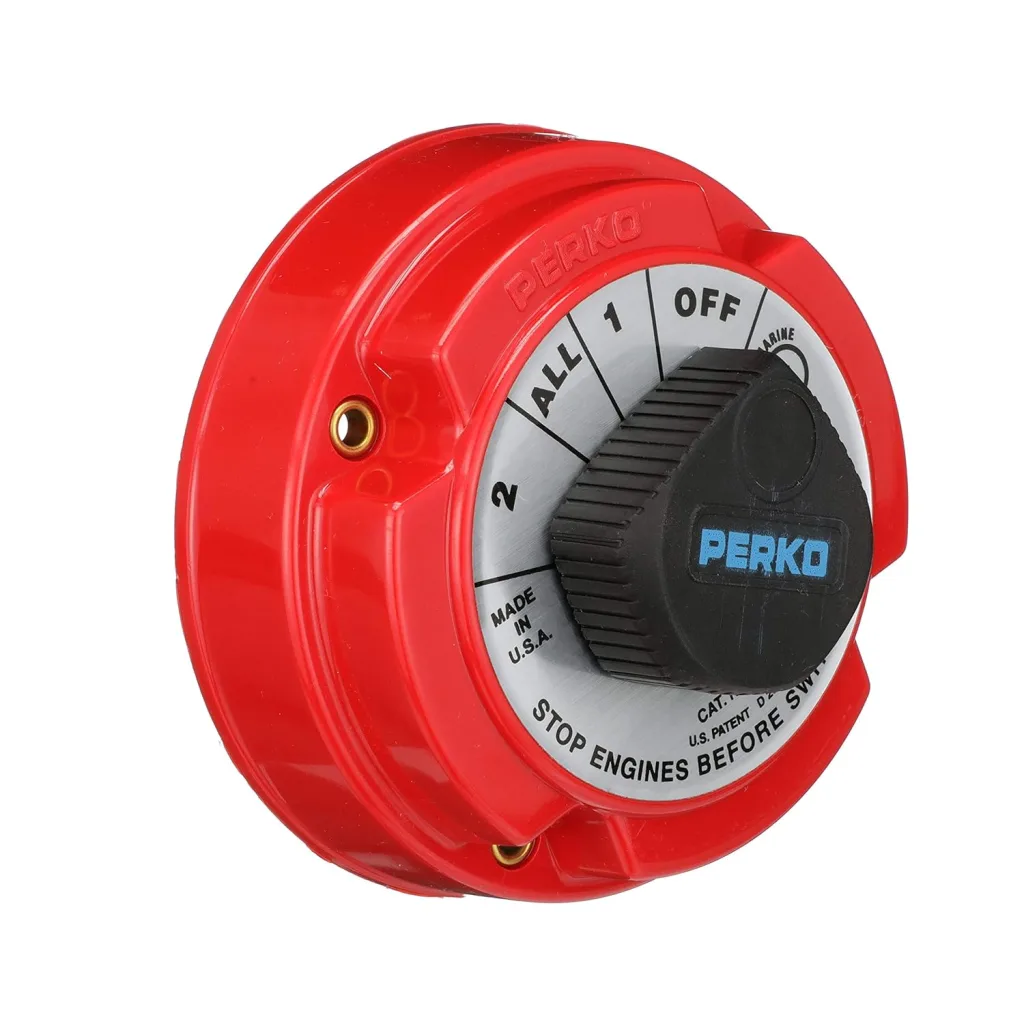
In an age where vehicles and equipment are more connected than ever, battery drain, electrical fires, and system control issues are becoming common challenges for vehicle owners. Whether you’re managing a marine vessel, RV, off-road truck, or classic car, a battery cut off switch is one of the simplest and most cost-effective ways to improve safety, extend battery life, and reduce electrical headaches.
This article explores everything you need to know about battery cut off switches—from how they function to which types are best for different use cases, and why installing one can be a smart move for anyone dealing with complex or infrequently used electrical systems.
What Is a Battery Cut Off Switch?
A battery cut off switch, also known as a battery disconnect switch, is a device that manually (or electronically) isolates a battery from the vehicle’s electrical system. It breaks the circuit between the battery’s positive terminal and the load, effectively “cutting off” power with a simple turn of a key, knob, or push of a button.
This disconnection can help prevent:
- Parasitic power draw
- Accidental shorts
- Unauthorized use of the vehicle
- Electrical fires during service or accidents
Types of Battery Cut Off Switches
There are several types of cut off switches, each tailored for specific applications:
| Type | Description | Common Use |
|---|---|---|
| Knife Blade | Opens/closes the circuit using a metal lever | Classic cars, tractors |
| Rotary Dial | Turns a knob to switch power on/off or between battery banks | Boats, RVs, off-road trucks |
| Keyed | Adds theft deterrence with a removable key | Fleet vehicles, trailers |
| Remote Controlled | Operates via a fob or dash-mounted switch | RVs, high-end vehicles |
| Solenoid-Based | Electronically controlled for ignition-linked systems | Modern cars, campers |
Each type comes in varying amp ratings and weather resistance levels. Selecting the right one depends on the current your system draws and whether it’s exposed to the elements.
Why Install a Battery Cut Off Switch?
Here’s a breakdown of the most important benefits:
1. Battery Life Preservation
When a vehicle sits idle, electronics like onboard computers, radios, clocks, and GPS modules continue to draw small amounts of power. Over days or weeks, this parasitic drain can fully discharge a battery.
A battery cut off switch stops this drain entirely, making it ideal for:
- Winterized boats
- Classic cars in storage
- RVs in off-season
- Secondary vehicles or seasonal equipment
2. Safety During Maintenance
Performing electrical work on a live system is a safety hazard. A cut off switch allows you to disable the system completely before wrenching near wires or battery terminals.
It also helps during emergency situations—such as a short circuit or battery overload—by providing a quick way to cut power before components overheat or ignite.
3. Theft Prevention
Keyed or hidden battery disconnect switches can act as a simple, low-tech anti-theft system. Even if a thief gains access to the vehicle, it won’t start unless the switch is engaged.
4. Dual Battery Management
Rotary cut off switches are often used in boats and RVs to manage multiple batteries. You can start your engine with one battery, run your accessories on another, or use both in parallel.
Key Features to Look For
When selecting a battery cut off switch, consider the following specifications:
| Feature | Why It Matters |
|---|---|
| Amp Rating | Must match or exceed your vehicle’s maximum draw |
| Voltage Compatibility | Typically 12V, 24V, or up to 50V systems |
| Mounting Style | Surface mount, panel mount, or in-line |
| Ingress Protection | Waterproof or ignition-protected for marine use |
| Build Quality | Solid terminals and durable housing for long-term reliability |
| Certifications | UL listed or CE approved switches ensure safety compliance |
Ideal Applications
| Vehicle or Equipment | Recommended Use |
|---|---|
| Boat or Marine Vessel | Isolate engine and house batteries, prevent saltwater corrosion issues |
| RV or Camper | Disconnect during storage or switch between chassis and house batteries |
| Off-Road 4×4 | Emergency kill switch and winch power management |
| Classic Car | Prevent battery drain and theft |
| Fleet Vehicle or Trailer | Quick kill in emergency situations, anti-theft benefit |
Battery cut off switches are especially critical for anyone running auxiliary electrical systems—such as solar panels, inverters, refrigeration, or aftermarket lighting setups.
How to Install a Battery Cut Off Switch
Most cut off switches are easy to install with basic tools. Here’s a general outline:
Tools:
- Cable crimper
- Wrenches/sockets
- Drill (for panel mounting)
- Heat shrink tubing or loom for protection
Steps:
- Disconnect your battery before installation.
- Choose a location close to the battery but away from moving parts or water intrusion.
- Mount the switch securely.
- Route the positive battery cable through the switch.
- Reconnect the battery and test functionality in all positions.
Make sure the switch you choose can handle your system’s max amperage, especially if you run inverters or large accessories.
Maintenance & Best Practices
- Check tightness of terminals regularly.
- Clean contacts to prevent oxidation.
- For boats and humid environments, use dielectric grease to prevent corrosion.
- Test switch operation seasonally or before long trips.
Final Thoughts
A battery cut off switch may seem like a small upgrade, but it brings big-time functionality and safety to any electrical system. Whether you’re a weekend boater, an RV enthusiast, or just want to keep your vehicle secure and efficient, this is one investment that pays off every time you park your vehicle or prepare it for storage.
With options ranging from basic knife blades to advanced dual selectors, there’s a battery cut off switch for every need and every budget. For anyone managing multiple batteries or facing long storage periods, this switch becomes less of a luxury—and more of a necessity.
Connect with us


