




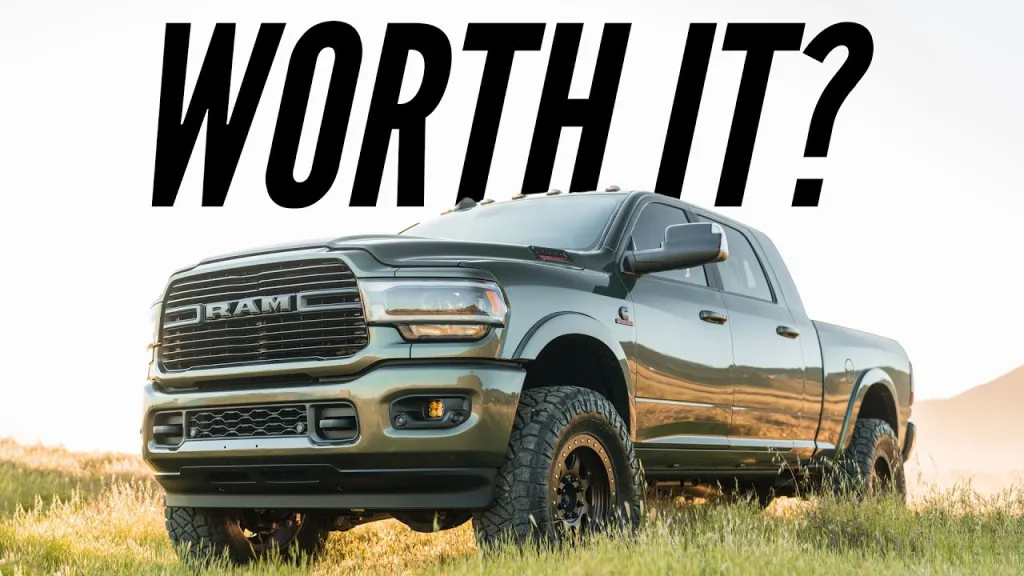
The History Behind the Brand Divorce of Dodge & Ram
Dodge and Ram split because Chrysler wanted each brand to do a clearer job. Dodge would focus on cars, performance, and SUVs, while Ram would become a standalone truck brand focused on pickups, commercial vans, towing, hauling, and work customers.
The simple answer is this: Ram separated from Dodge in 2009, shortly after Fiat took control of Chrysler, so Ram trucks could become their own dedicated truck division instead of living under the Dodge name. Stellantis now identifies Ram as its own brand, while Dodge operates separately with its own performance-focused identity.
That is why today you hear people say “Ram 1500” instead of “Dodge Ram 1500.” The truck DNA is still connected to Dodge history, but the brand structure changed.
Before the Split, It Was Dodge Ram
For decades, Ram trucks were sold under the Dodge name.
The phrase “Dodge Ram” became famous because Ram pickups were part of the Dodge lineup. Trucks like the Dodge Ram 1500, 2500, and 3500 built a loyal following with bold styling, V8 engines, Cummins diesel power, and a strong work-truck identity.
The Ram name itself became especially powerful after the 1994 redesign. That generation brought the big-rig front end, tall grille, and aggressive truck styling that helped Dodge stand out against Ford and Chevrolet. Car and Driver looked back at that era and noted how the 1994 Ram helped Dodge’s pickup sales surge dramatically.
By the 2000s, “Ram” was already strong enough to stand on its own.
Why Chrysler Split Dodge and Ram
The split happened because Chrysler wanted more focused brands.
Dodge had performance cars, sedans, minivans, SUVs, and trucks all under one roof. That made the brand broad, but also messy. Ram trucks had a different customer than Dodge performance cars.
A Ram buyer might be shopping for towing capacity, payload, diesel torque, commercial use, fleet work, farm duty, or a heavy-duty truck. A Dodge buyer might be looking at Charger, Challenger, Durango, or performance styling.
Separating Ram allowed the truck side to speak directly to truck buyers without being tied to Dodge’s car identity.
When Did Dodge and Ram Split?
Dodge and Ram officially split for the 2010 model year.
In 2009, Chrysler reorganized its brands after bankruptcy and Fiat’s involvement. The Ram truck lineup became its own brand, while Dodge continued separately.
That is why a 2009 truck may still be called a Dodge Ram, while a 2010 and newer truck is officially a Ram. The change was not because the truck suddenly became unrelated. It was a branding and business decision.
Did Dodge Stop Making Trucks?
Not exactly.
Dodge stopped being the brand name on the trucks, but the trucks continued under the Ram name. The factories, engineering heritage, engines, and customer base did not vanish overnight.
So when people ask, “Did Dodge stop making Ram trucks?” the accurate answer is: Dodge stopped branding the trucks as Dodge, and Ram became the truck brand.
The Ram 1500, Ram 2500, Ram 3500, Chassis Cab models, and commercial vans continued under the Ram badge.
Why Ram Became Its Own Brand
Ram became its own brand because trucks had become too important to be treated as just one category inside Dodge.
Pickup buyers are loyal. They compare capability numbers carefully. They care about towing, payload, torque, bed length, cab style, diesel options, axle ratios, work features, and durability.
A standalone Ram brand gave Chrysler a way to compete more directly with Ford F-Series, Chevrolet Silverado, GMC Sierra, and heavy-duty truck buyers.
That focus helped Ram build a stronger identity around capability, comfort, and truck innovation.
What Happened to Dodge After the Split?
Dodge moved harder into performance.
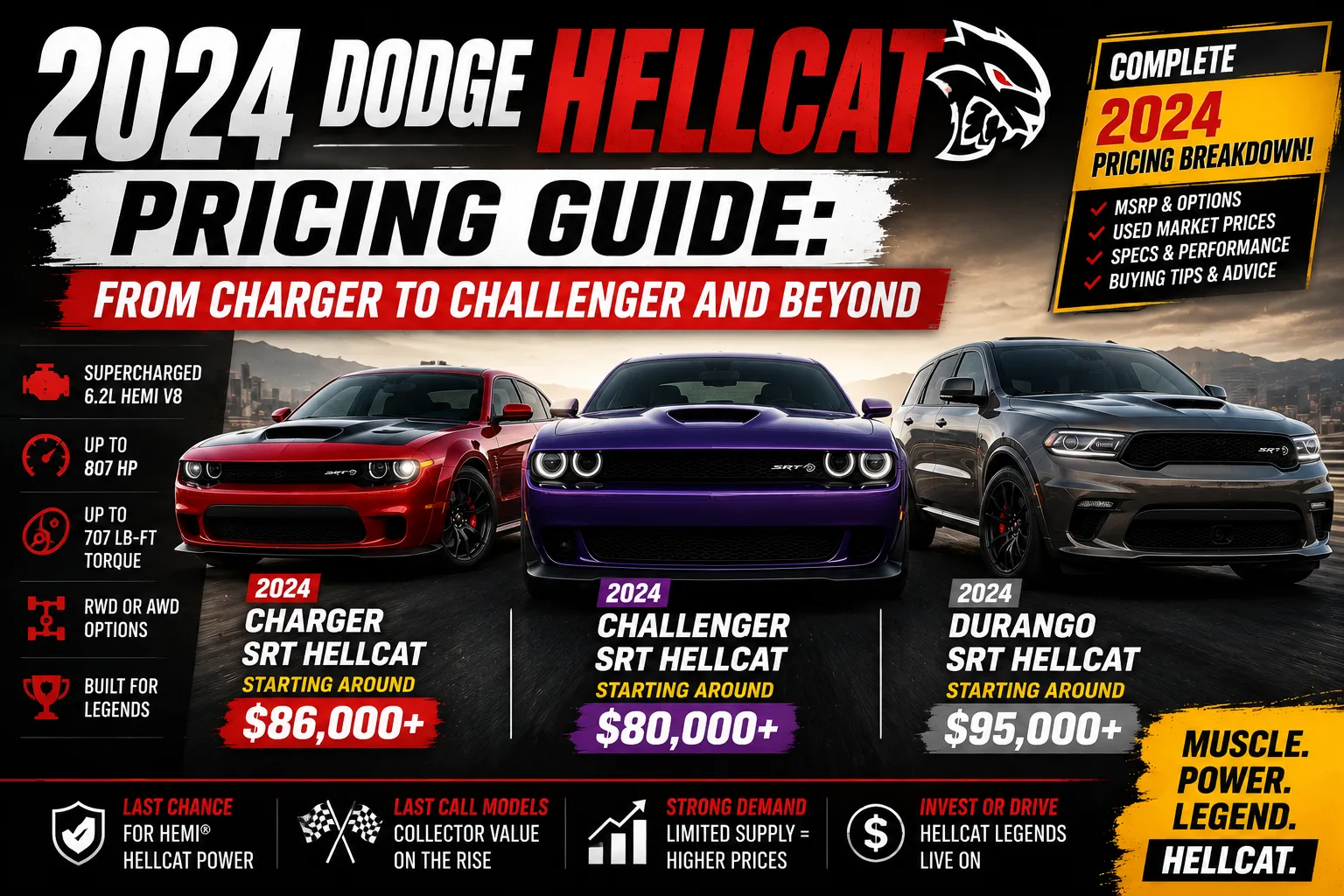
After Ram became separate, Dodge leaned into vehicles like the Charger, Challenger, Durango, and performance branding. The brand became more associated with muscle, aggressive styling, HEMI engines, Hellcat power, and enthusiast culture.
That separation actually made both brands clearer.
Ram became the truck brand.
Dodge became the performance brand.
That is why the split made sense from a marketing perspective.
Did the Trucks Change Right Away?
The badge changed faster than the trucks themselves.
Early Ram-branded trucks still had plenty of Dodge-era engineering and design DNA. The customer experience did not suddenly become completely different. But over time, Ram developed more of its own identity.
The Ram 1500 became known for comfort, especially with its coil-spring rear suspension and refined interiors. Heavy-duty Ram trucks continued building their reputation around Cummins diesel power and serious towing capability.
The brand separation gave Ram room to grow beyond simply being “Dodge’s truck lineup.”
Why People Still Say Dodge Ram
People still say “Dodge Ram” because the name was used for decades.
If someone grew up around older trucks, it feels natural. A 1998 Ram 1500, 2003 Ram HEMI, or 2006 Cummins truck was officially a Dodge Ram. That name has real history.
But for newer trucks, “Dodge Ram” is technically incorrect. A 2019 Ram 1500, 2022 Ram 2500, or 2025 Ram 1500 is officially a Ram, not a Dodge.
Still, the old name is so familiar that many owners, shoppers, and even casual listings continue using it.
Is Ram Still Owned by Dodge?
No. Ram is not owned by Dodge.
Both Dodge and Ram are sister brands under Stellantis. They share corporate ownership, but one does not own the other.
Stellantis lists Dodge and Ram as separate brands in its portfolio, along with Chrysler, Jeep, Fiat, Alfa Romeo, Peugeot, Citroën, and others.
So the family connection is still there, but Dodge and Ram are separate brand divisions.
Is Ram Better Off Without Dodge?
From a branding standpoint, yes.
Ram has built a clearer identity as a truck-focused brand. It can market the Ram 1500, heavy-duty trucks, commercial vans, and work-focused models without trying to fit into Dodge’s performance-car personality.
The separation also lets Dodge focus on its own brand story. Dodge does not have to balance minivans, trucks, muscle cars, and SUVs under one message the way it once did.
For shoppers, it makes the lineup easier to understand.
If you want a truck, look at Ram.
If you want performance-focused Dodge models, look at Dodge.
Did the Split Hurt Ram?
The split did not kill Ram. It helped define it.
Ram trucks continued to compete strongly in the full-size pickup market. The Ram 1500 became known for its cabin quality, ride comfort, technology, and towing capability. The heavy-duty Ram 2500 and 3500 continued to attract buyers who wanted Cummins diesel power.
The split also made Ram feel more like a serious truck brand rather than just a Dodge subcategory.
For local truck shoppers, comparing used Ram inventory can show how the Dodge Ram era and modern Ram era overlap in the used market. Buyers looking for newer trucks can also browse new Ram inventory to compare current Ram 1500, 2500, and 3500 models.
Dodge Ram vs Ram: What Should You Call It?
Use Dodge Ram for trucks built before the split.
Use Ram for 2010 and newer trucks.
That is the cleanest rule.
A 2008 Dodge Ram 1500 is a Dodge Ram.
A 2012 Ram 1500 is a Ram.
A 2025 Ram 2500 is a Ram.
Saying “Dodge Ram” for a newer truck is common, but technically outdated.
FAQs About Dodge and Ram Splitting
When did Dodge and Ram split?
Dodge and Ram split for the 2010 model year, after Chrysler reorganized its brands in 2009.
Why did Ram split from Dodge?
Ram split from Dodge so Chrysler could create a dedicated truck brand focused on pickups, commercial vehicles, towing, hauling, and work customers.
Is Ram still Dodge?
No. Ram is a separate brand from Dodge, though both are owned by Stellantis.
Why do people still say Dodge Ram?
People still say Dodge Ram because the trucks were sold under the Dodge name for decades. The name is still familiar, especially for older trucks.
Are Ram trucks made by Dodge?
New Ram trucks are not branded as Dodge. They are built and sold under the Ram brand.
What was the last Dodge Ram?
The final Dodge Ram trucks were from the 2009 model year. Starting with 2010 models, the trucks became Ram-branded vehicles.
Is a 2012 Ram 1500 a Dodge?
No. A 2012 Ram 1500 is officially a Ram, not a Dodge.
Final Thoughts: It Was a Divorce, But Not a Breakup
The Dodge and Ram split was not a messy breakup. It was a strategic brand divorce.
Ram had become strong enough to stand alone. Dodge needed a sharper identity. Chrysler separated the two so Ram could focus on trucks and Dodge could focus on performance.
That decision is why today’s lineup makes more sense. Ram owns the truck side. Dodge owns the muscle side. The old Dodge Ram name still carries history, but modern Ram trucks have built their own identity.