





Are Jeeps Reliable? Experts Opinion
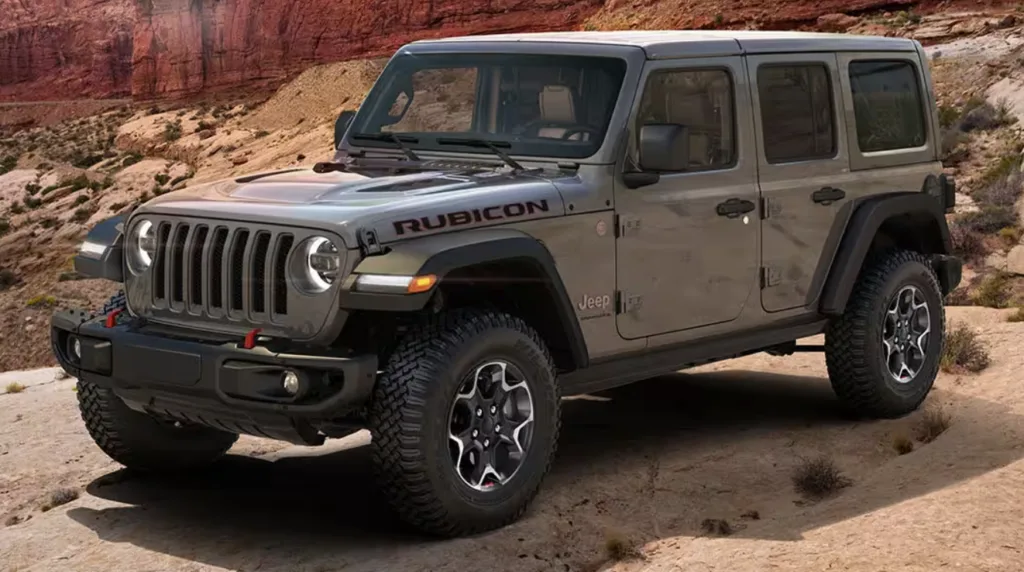
An Honest, Real-World Answer
People don’t buy Jeeps the same way they buy normal cars. No one ends up in a Jeep by accident. It’s always a deliberate choice. Something about the look, the reputation, the image, the idea of where it can go and what it represents pulls people in.
That’s why the question “Are Jeeps reliable?” keeps coming up.
Because buying a Jeep isn’t just buying transportation. It’s buying into a lifestyle idea — adventure, freedom, capability, independence. And the fear most people have isn’t about fuel economy or depreciation. It’s much simpler than that.
They’re asking: will this thing let me down?
The truth is, Jeep reliability isn’t a simple yes or no. It depends on what kind of Jeep you’re talking about, how it’s used, and what you expect from it.
What Reliability Actually Means in Real Life
Most people think reliability means “nothing ever goes wrong.” That’s not realistic for any modern vehicle.
Real reliability is more basic than that. The car starts. The car runs. The car gets you where you’re going. It doesn’t constantly strand you. It doesn’t live in the shop.
Some brands engineer cars to live easy lives — smooth roads, light use, predictable conditions. Jeep doesn’t. Jeep builds vehicles meant to deal with rough roads, bad weather, uneven terrain, heavy loads, dirt, dust, heat, cold, and stress. That changes how reliability looks.
Jeep focuses more on mechanical strength and structural durability than on long-term electronic perfection. That’s an important distinction.
Jeep as a Brand
Jeep doesn’t build “appliance cars.” It builds machines.
That means you get strong drivetrains, solid structures, capable platforms, and vehicles that tolerate abuse better than most crossovers and sedans. But it also means you get more complexity, more systems, more electronics, and more things that can go wrong over time.
So Jeep reliability isn’t usually about engines exploding or frames failing. It’s more about electronics, sensors, software, and system integration.
Some owners have years of trouble-free driving. Others deal with small recurring issues that add up. That inconsistency is what gives Jeep its reputation — not constant catastrophic failure, but uneven ownership experiences.
The Wrangler Reality
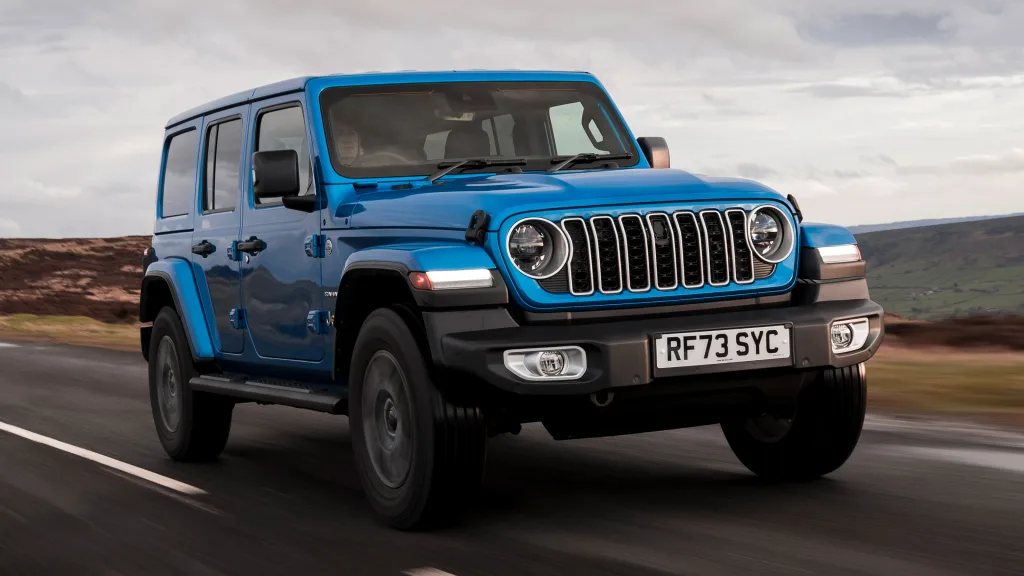
The Wrangler is the purest Jeep there is.
Mechanically, it’s one of the toughest vehicles you can buy. Simple structure, strong frame, solid axles, traditional 4WD systems, and a design that prioritizes durability over comfort. Wranglers are built to be driven in conditions that destroy normal cars.
That’s why old Wranglers are still everywhere. Rusty, dented, lifted, rebuilt — but still running.
Where Wranglers struggle isn’t the mechanical side. It’s the modern side. Electronics, infotainment systems, sensors, electrical components, and seals are where problems show up. A Wrangler will often keep driving even when parts of it stop behaving properly.
In simple terms: Wranglers are mechanically reliable, electronically inconsistent.
They usually keep moving, even when they’re annoying to live with.
The Grand Cherokee Reality
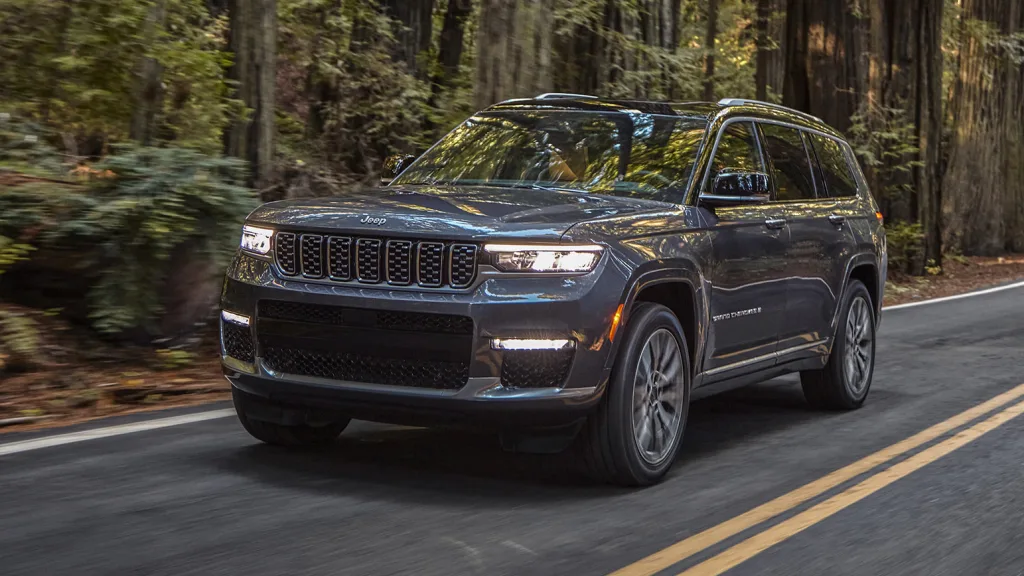
The Grand Cherokee is a very different kind of Jeep.
It’s not a tool. It’s not a simple machine. It’s a modern SUV packed with technology, comfort systems, electronics, software, and complex integration. Air suspension, digital dashboards, advanced safety systems, hybrid drivetrains, infotainment platforms — all of it adds complexity.
Mechanically, Grand Cherokees are generally solid. The engines and drivetrains are not the main weak point.
The issues tend to come from systems. Sensors, software, electronics, air suspension components, power management, and infotainment glitches are what frustrate owners.
Grand Cherokees don’t usually fail dramatically. They fail gradually, inconveniently, and expensively. That’s why ownership experiences vary so much. Some people love them for years. Others feel like they’re always fixing something small.
Cherokee, Compass, Renegade
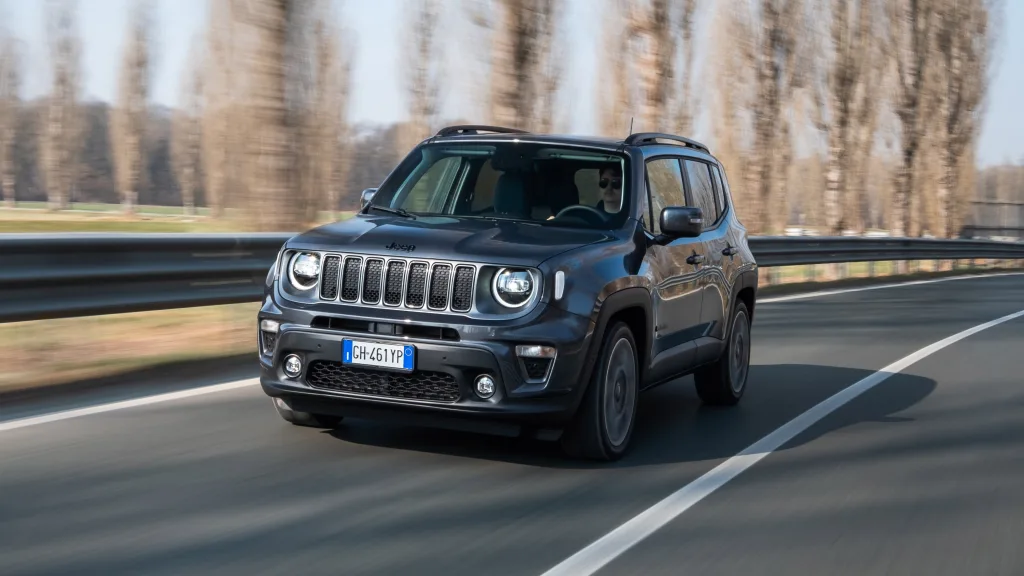
These are daily drivers with Jeep styling and branding.
They’re not hardcore off-road machines, and they’re not luxury SUVs. They’re modern crossovers with Jeep identity. Their reliability is average for modern vehicles — not exceptional, not terrible.
They behave like normal modern cars: electronics matter, maintenance matters, and build quality consistency matters.
They don’t have legendary durability, but they’re not disasters either.
Old Jeeps vs New Jeeps
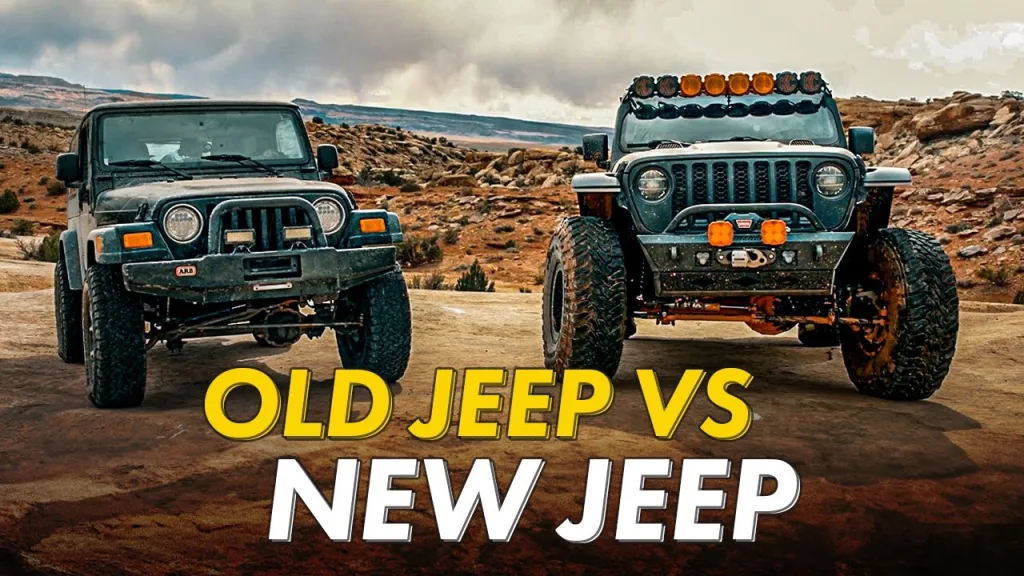
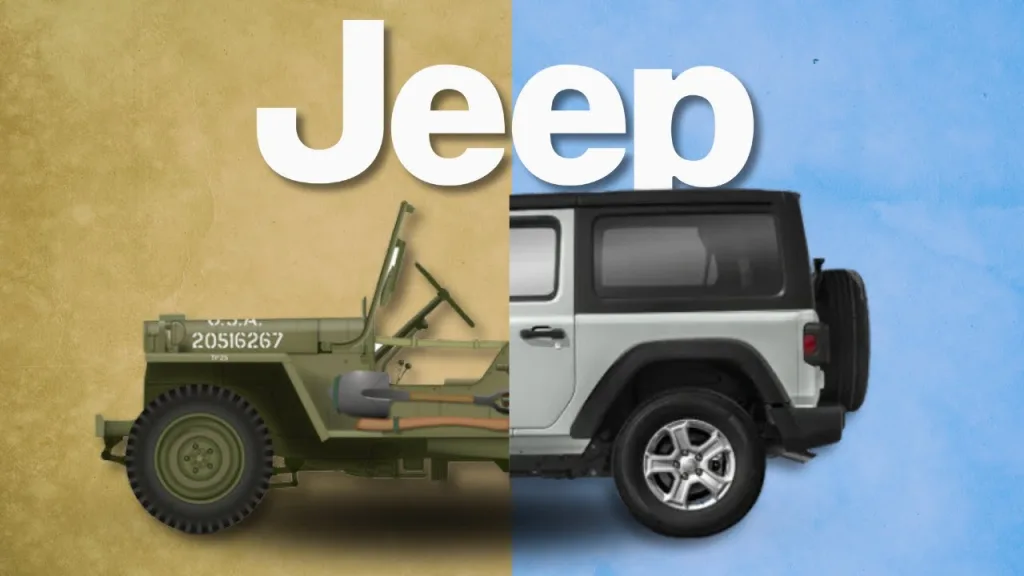
Older Jeeps are simpler. Fewer systems. Less software. Less integration. That makes them easier to keep alive long-term.
Newer Jeeps are more powerful, more comfortable, more efficient, and far more complex. Complexity always increases long-term risk, regardless of brand.
That’s not a Jeep problem — that’s a modern car problem.
Why People Still Buy Jeeps
If people only cared about reliability, they wouldn’t buy Jeeps.
They’d buy Toyotas.
People buy Jeeps because they feel different. They look different. They carry a different identity. They feel like machines with purpose instead of appliances with screens.
People forgive quirks when they love the experience. They don’t forgive boredom.
The Honest Answer
Are Jeeps reliable?
Mechanically, many of them are strong.
Structurally, most of them are durable.
Electronically, they’re inconsistent.
System-wise, they’re complex.
Ownership-wise, they’re unpredictable.
Jeeps don’t behave like boring commuter cars. They don’t age like simple sedans. They don’t live easy lives.
They’re built to survive hard conditions, not to live perfect lives.
If you want invisible ownership, buy something else.
If you want character, capability, and identity, you accept the trade-offs.
Because Jeep reliability isn’t about perfection.
It’s about whether the vehicle keeps going when conditions aren’t perfect.
And in that sense, most Jeeps are reliable in the only way that really matters to Jeep owners:
They may not always behave, but they usually keep moving.
1. Are Jeeps reliable compared to other brands?
Jeeps aren’t built with the same priorities as brands like Toyota or Honda. They focus more on capability, drivetrain strength, and structural durability than long-term electronic simplicity. That means they’re often mechanically strong but can be less consistent when it comes to electronics and systems. Reliability with Jeep depends more on the specific model and how it’s used than the badge itself.
2. Are Jeep Wranglers reliable for daily driving?
Yes, many people daily-drive Wranglers without major issues. Mechanically they’re very tough, but they’re not refined cars. Expect more noise, more quirks, and more maintenance than a normal crossover. They’re dependable machines, but not low-effort ownership vehicles.
3. Are Jeep Grand Cherokees reliable long term?
Grand Cherokees are generally solid mechanically, but long-term ownership can involve more electronic and system-related issues than simpler vehicles. They don’t usually fail in dramatic ways, but they can develop recurring small problems that make ownership feel inconsistent.
4. Are older Jeeps more reliable than newer ones?
In some ways, yes. Older Jeeps are simpler and have fewer electronic systems, which can make them easier to keep running long-term. Newer Jeeps are more comfortable and capable, but added complexity increases the chance of system-related problems over time.
5. Are Jeeps expensive to maintain?
They can be. Parts, servicing, and repairs often cost more than mainstream commuter cars, especially for models with advanced systems like air suspension or hybrid drivetrains. Maintenance isn’t outrageous, but it’s rarely cheap.
6. Can Jeeps last over 200,000 miles?
Yes, many Jeeps do, especially Wranglers and well-maintained Grand Cherokees. Longevity depends heavily on maintenance, driving conditions, and how the vehicle is used. Abuse and neglect shorten lifespan quickly, while proper care extends it significantly.
7. Who should buy a Jeep?
Jeeps make the most sense for people who value capability, identity, and driving experience more than perfect reliability. If you want a vehicle with character and purpose, a Jeep fits. If you want invisible ownership and zero drama, another brand may suit you better.
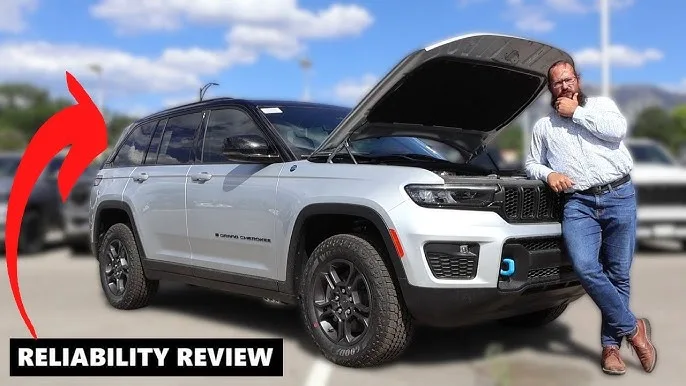
For decades, the Jeep Grand Cherokee has occupied a rare place in the SUV pantheon — part capable off-roader, part luxury cruiser, part family hauler, and all personality. Its blend of rugged capability and everyday usability has won fans around the world, but behind the rugged fenders lies a question that won’t go away: are Jeep Grand Cherokees reliable? Ask five owners, and you’ll get seven answers. The story isn’t black and white — it’s evolutionary, complex, and worth unpacking in detail.
This article digs deep into Jeep Grand Cherokee reliability, covering:
- Year-by-year performance
- Best and worst model years
- Common problems owners face
- Trim-specific reliability differences
- Hybrid & plug-in hybrid (4xe) concerns
- How it compares with rivals
- What owners actually experience
- Practical advice for buyers
Whether you’re asking “is the Jeep Grand Cherokee reliable?” or “what year is the most reliable Jeep Grand Cherokee?,” this is your definitive guide.
Why Reliability Is Such a Big Deal for the Grand Cherokee
SUV buyers in the mid-size class tend to think in terms of practical reliability — will this SUV get me across the country? Will it last through long winters, mountain trails, and daily commuting without draining my wallet?
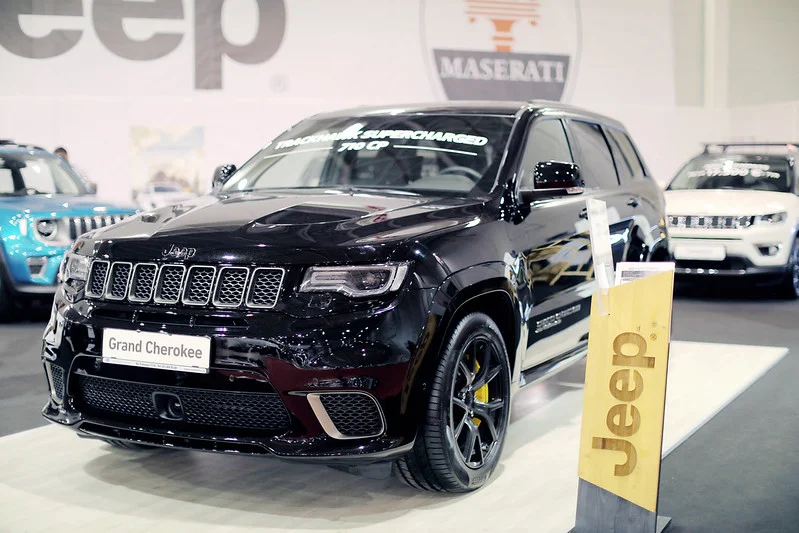
With the Jeep Grand Cherokee, opinions have historically skewed in two directions:
- Loyal owners praise its capability, comfort, and rugged charm.
- Customer surveys and reliability ratings often place it below some Japanese and Korean rivals in long-term dependability.
Consumer Reports data portrays the Grand Cherokee as comfortable and competent — but not a leader in reliability rankings. In fact, Jeep as a brand has trailed other automakers in reliability surveys, though the gap has reportedly narrowed recently. (Consumer Reports)
That dichotomy captures the Grand Cherokee experience: loved by fans, questioned by statisticians.
Understanding Reliability Ratings
To understand Jeep Grand Cherokee reliability, we need to unpack how reliability is measured:
Consumer Reports
Consumer Reports ranks vehicles based on:
- Owner surveys
- Problem frequency
- Severity of issues
According to CR, some recent Grand Cherokee model years (like 2022 and 2025) are less reliable than the average car of the same year, with multiple recalls noted on newer models. (Consumer Reports)
RepairPal Ratings
RepairPal rates the Grand Cherokee 3.5 out of 5 for reliability, which places it in the middle of the midsize SUV pack. Expected annual repair costs are modest compared to some luxury crossovers, but above the simplest, most reliable SUVs. (RepairPal.com)
Owner Sentiment
Owner reviews — from forums to social media — paint a more nuanced picture. Some owners report zero issues after years of use. Others endure persistent electronics glitches, transmission quirks, or suspension problems. Real-world reliability varies widely by year, drivetrain, and usage.
Reliability by Era: The Good, the Bad, and the Questionable
It’s often said that reliability is about the year, not the badge. That’s absolutely true for the Grand Cherokee.
Nineties and Early 2000s (Classic Era)
Early generations of the Grand Cherokee — like the ZJ and WJ — are often celebrated for mechanical simplicity and durability. These models used robust engines and hydraulic systems that, without a lot of electronics, tended to age well.
Long-time Jeep fans will tell you these early Cherokees are mechanically charming and simple to fix — a trait that appeals to off-roaders and DIY owners.
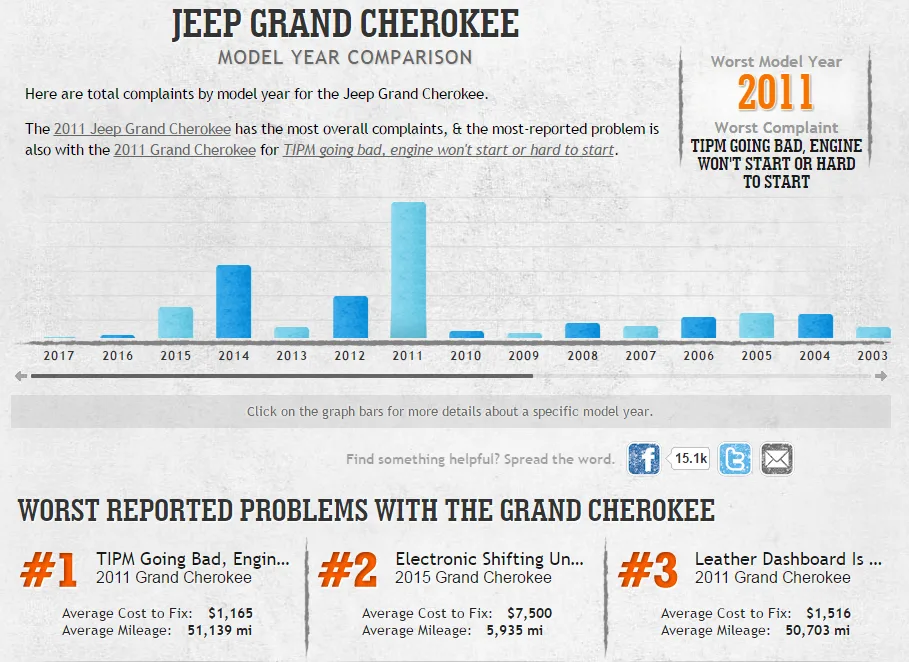
2011–2015: A Rough Patch
This era includes several of the most controversial model years for reliability.
- Industry and owner reports highlight a spike in complaints around 2011 and 2012, likely tied to the introduction of a new generation with more electronics and new drivetrain calibrations. (autopom!)
- Some sources even list 2014 as one of the years with more mechanical flaws and owner complaints. (CoPilot Search)
Vehicles with brand-new engineering typically experience early adopter problems — software gremlins, sensor issues, and teething problems that take several years to refine. The Grand Cherokee was no exception.
Transmission issues, electrical glitches, and persistent power module faults were among the issues many owners cited in this era.
Mid-Cycle Maturity (2016–2019)
By the mid-2010s, Jeep had begun to refine the platform. Many reliability analyses and owner surveys point to improved performance in this era.
According to some reliability trackers and expert guides, 2016, 2019, and later models in this era rank better in dependability and owner satisfaction.
Repair frequency dropped, and drivetrains became more proven and robust. It’s also worth noting that 2019 models are often cited among the best years for used Grand Cherokee buyers.
2020s: Innovation Meets Complex Tech
The latest Grand Cherokees arrived with heavy upgrades — including advanced infotainment, hybrid powertrains (like the 4xe), air suspension options, and driver assist tech.
This complexity brings capability, yes — but also more potential failure points.
Consumer reviews of 2022 and 2025 models, for instance, note issues like battery problems, infotainment glitches, alignment issues, and the occasional breakdown.
These complaints often center on tech and electronics — not the mechanical robustness that defined earlier generations.
The Real Weak Spots: What Owners Report Most
Every vehicle has its Achilles’ heels. In the Grand Cherokee’s case, these are the areas most frequently flagged by owners and data trackers:
Transmission
Owners have reported rough shifting, slipping gears, delayed engagement, and occasional failures in automatic transmissions. These issues have appeared across multiple years, from older models to vehicles as recent as 2024.
Electrical and Infotainment Systems
Modern Jeep infotainment systems and electronic modules — including Uconnect and integrated power modules — have been points of frustration. These systems sometimes freeze, reboot, or drain the battery unexpectedly.
Plug-In Hybrid (4xe) Concerns
Recent news highlights significant recalls affecting the 4xe plug-in hybrid models (2022–2025) due to potential engine casting debris that could lead to severe engine damage or fire risk. (Car and Driver)
Another recall affects some 2022–2026 plug-in hybrids for a software defect that could cause loss of drive power. (
Prior recalls have even prompted stern advisories to park vehicles outdoors until fixes are completed due to fire risk.
Comparing Grand Cherokee Reliability With Rivals
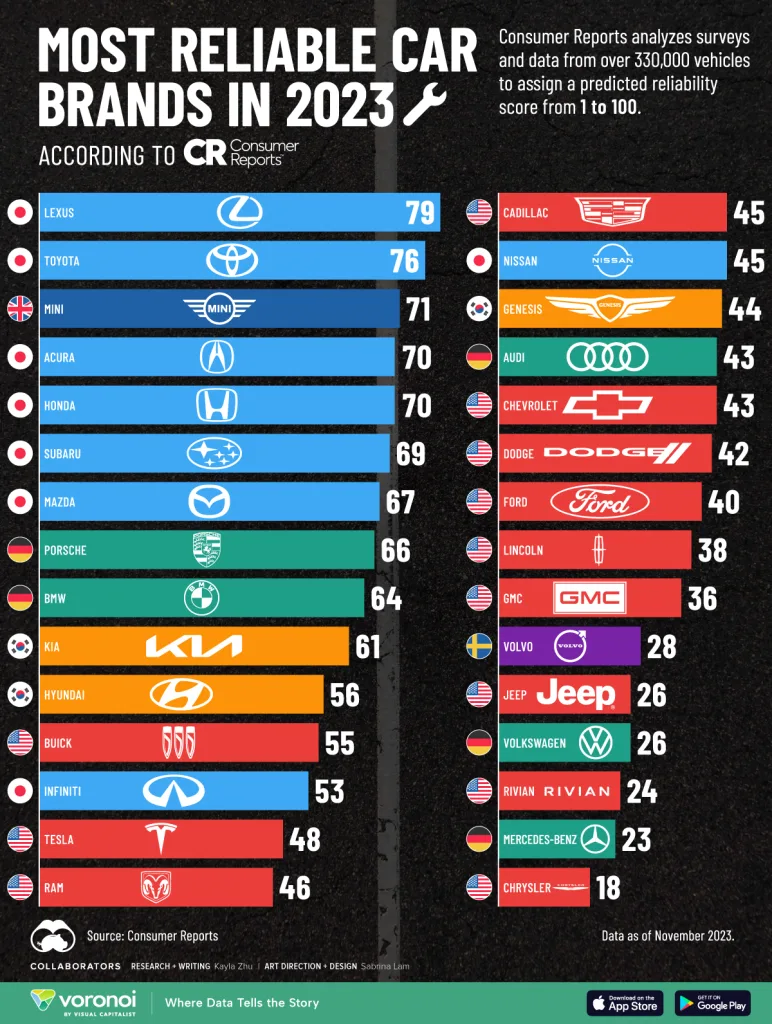
Measured purely by reliability scores from independent testers, the Jeep Grand Cherokee often ranks below some competitors.
Consumer Reports data generally places Jeep below brands like Toyota, Honda, and Subaru, which consistently earn high marks for long-term reliability.
One analysis even stated that Jeep as a brand has one of the lower reliability averages in industry surveys.
That said, the Grand Cherokee still holds strengths in:
- Off-road capability
- Interior luxury and comfort
- Powertrain versatility
- Tow ratings and utility
Buyers willing to trade a bit of long-term predictability for capability often find value here.
Best and Worst Years to Own or Buy
Here’s a rounded list based on owner feedback, reliability trackers, and expert guides — not all sources agree, but patterns emerge:
Best Years for Reliability
- 2016–2019: Generally stable platforms with fewer major issues.
- 2019 again stands out in multiple guides for good balance of durability and up-to-date tech.
- Certain older early-2000s models (like 2003 with V8) also earn respect for mechanical simplicity.
Years with Higher Complaint Rates
- 2011–2012: Early generations with elevated issue reports.
- 2014: Another year flagged for complaints and mechanical problems.
Newer model years occasionally surface reliability notices due to recalls — not necessarily endemic design flaws, but issues worth knowing before buying.
Real Owner Perspectives: Reliability Beyond the Spreadsheet
Owner reviews often highlight the difference between daily reliability and long-term dependability.
Some Grand Cherokee owners report:
- Years of trouble-free use even with high mileage.
- Strong V6 performance and smooth 8-speed automatics in everyday driving.
- A luxurious cabin that rivals vehicles at higher price points.
Others note:
- Infotainment quirks that never quite get fully resolved.
- Suspension or air-ride issues that lead to expensive repairs.
- Electronics failures that don’t show up until after warranty expiration.
The net takeaway? Many owners enjoy reliable service with regular maintenance, but variability is real. Real world reliability isn’t simply “good” or “bad” — it’s model-year and configuration dependent.
Longevity: How Far Can a Grand Cherokee Go?
Unlike simple metrics, longevity depends on:
- Maintenance history
- Driving conditions
- Trim and drivetrain selection
- Climate and terrain usage
- Timely software/recall fixes
A well-maintained Grand Cherokee — especially older models — is capable of exceeding 200,000 miles with regular service, careful driving, and attention to service intervals.
But newer, more complex systems may require more frequent software or electronic updates — not necessarily reliability failures, but ongoing maintenance commitments.
Choosing the Right Grand Cherokee for You
If reliability is your priority, consider:
Proven mechanical years
- Mid-2010s (2016–2019) models
- Older pre-2011 models with simpler systems
Avoid early redesign years
- 2011, 2012, 2014 — higher complaint rates reported
Think twice about complex tech
- Plug-in hybrid 4xe models may have more recalls and software upgrades.
Trim-specific factors
- Heavy luxury trims with air suspension and advanced tech = more components to maintain
- Base or simpler trims can be less problematic over the long run
Final Verdict: Is the Jeep Grand Cherokee Reliable?
The short answer: sometimes — and when it is, it’s very good. But it’s not universally reliable across all years.
It sits between the Japanese benchmark for reliability and the complex European luxury experience. What it offers instead is:
- Capability
- Off-road prowess
- Comfort
- Character
- Strong engine options
But also:
- Electrical/electronic complexity
- Mixed reliability scores on newer models
- Variable owner experiences
The Jeep Grand Cherokee isn’t simply “reliable” or “unreliable” — it’s reliability conditional on year, configuration, and maintenance.
Done right, and it’s one of the most satisfying SUVs on the road.
Done wrong, and the warranty workshop becomes a familiar friend.
Jeep Grand Cherokee Reliability – Mechanic Advice

Are Jeep Grand Cherokees reliable vehicles?
It’s one of the most searched questions in the midsize SUV segment, and for good reason. The Jeep Grand Cherokee occupies a unique position in the market. It is not a compact crossover, not a full-size SUV, and not a hardcore off-roader like the Wrangler. Instead, it sits in the middle: a premium two-row midsize SUV that blends comfort, performance, towing capability, luxury features, and legitimate off-road engineering.
That combination makes it desirable — and controversial.
Searches for jeep grand cherokee reliability, jeep grand cherokee reliability by year, and jeep grand cherokee years to avoid dominate buyer research behavior because the Grand Cherokee has developed a reputation that is both respected and questioned. Some owners report decades of dependable service. Others report catastrophic failures, early breakdowns, and expensive repairs.
So what’s the truth?
To answer that question properly, you have to move beyond marketing claims and reliability charts and listen to real owners. One of the clearest pictures of real-world grand cherokee reliability comes from a long Reddit discussion titled “How reliable is the GC really?” in the r/JeepGrandCherokee community. Owners from multiple generations, trims, and production years shared their experiences — good, bad, and everything in between.
What emerges from that discussion is not a simple answer — but a clear pattern.
Jeep Grand Cherokee Reliability by Year: Why Model Year Matters More Than Brand
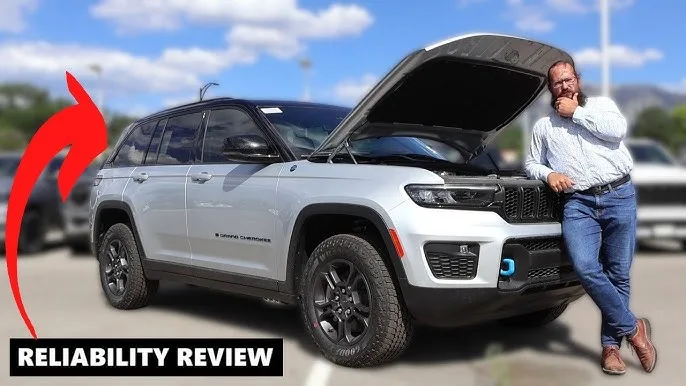
The most consistent theme across hundreds of owner comments is this:
Jeep Grand Cherokee reliability by year matters more than the Jeep badge itself.
Owners are not divided by brand loyalty — they are divided by production cycles.
Some report near-perfect reliability:
A 2021 owner with 28,000 miles reported:
“No issues. Zero. Powertrain is strong. It’s been a good experience for us so far.”
A 2019 Trailhawk owner:
“Zero issues here. Love it.”
A 2016 Limited owner with 149,000 miles:
“No real issues. Regular maintenance.”
A family with multiple Grand Cherokees:
“2011 with 190k miles… great SUV. 2016 with 70k miles… never a thing wrong with it.”
A 2012 owner with 126,000 miles:
“12 years of worry-free service.”
At the same time, other owners report severe failures:
A 2018 model:
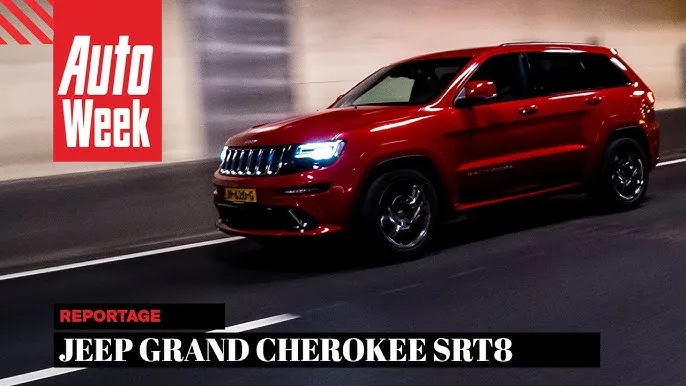
“Camshaft replaced at 71,000 miles.”
A 2017 model:
“Engine blew around 60k miles, transmission clutch pack went out at 110k.”
A 2018 Limited:
“Transmission valve failure, then engine failure at 84,000 miles.”
A 2025 Summit:
“Electrical issue killing the batteries before 200 miles.”
A 2023 Overland:
“Three big issues and one tow truck visit within the first year.”
This contrast explains why people don’t just search is jeep grand cherokee reliable anymore — they search jeep grand cherokee reliability by year and jeep grand cherokee years to avoid.
Reliability is not consistent across the lineup. It is production-cycle dependent.
Are Jeep Grand Cherokees Reliable Vehicles? The Conditional Answer
Are Jeep Grand Cherokees reliable vehicles?
The honest answer is: yes — conditionally.
They are not universally unreliable.
They are not universally dependable.
They are year-dependent, generation-dependent, drivetrain-dependent, and maintenance-dependent.
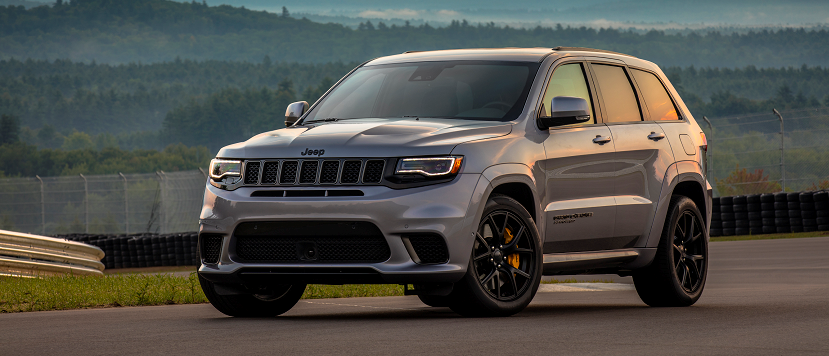
This is why owners themselves differentiate between Jeep brand reliability and Jeep Grand Cherokee reliability. As one owner put it:
“Jeep makes some real turds, but the Grand Cherokee isn’t one of them.”
That statement reflects a broader truth: the Grand Cherokee has historically been one of Jeep’s better-engineered platforms — but not every version of it.
Jeep Grand Cherokee Best Years vs Jeep Grand Cherokee Years to Avoid
From real ownership patterns, clear reliability clusters appear.
The Jeep Grand Cherokee best years tend to share three traits:
- Mature platforms (not first-year redesigns)
- Proven drivetrains
- Stabilized electronics and software
Owners consistently praise:
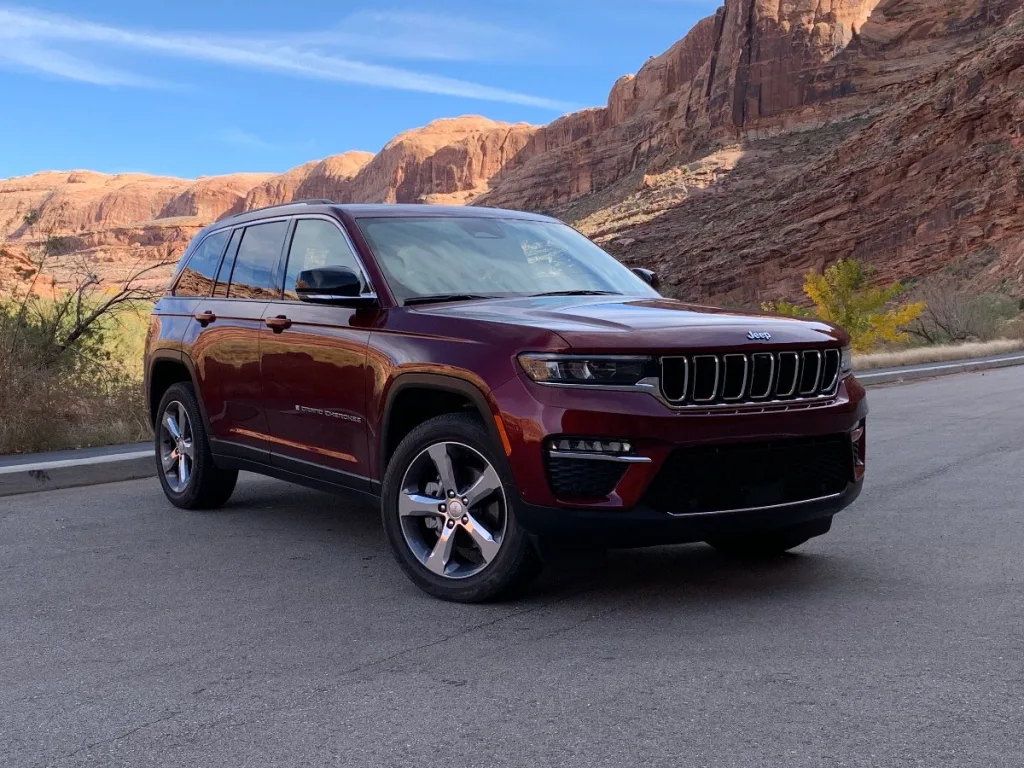
- 2010–2012 models with proven powertrains
- 2015 models with stable mechanical platforms
- 2016–2019 models with refined transmissions and electronics
- 2019 Trailhawk trims with high long-term satisfaction
- 2017 Overland models exceeding 130k miles without failures
These production windows align with searches like:
- jeep grand cherokee best years
- best years for jeep grand cherokee
- best jeep grand cherokee years
- best year for jeep grand cherokee
- best year jeep grand cherokee
- best grand cherokee years
The Jeep Grand Cherokee years to avoid tend to show:
- Early redesign production issues
- Oil cooler housing failures
- Camshaft and valvetrain failures
- Electrical drain problems
- Infotainment instability
- Transmission valve body failures
- Air suspension electrical faults
- Software-driven system failures
These years drive searches like:
- jeep grand cherokee years to avoid
- what year jeep grand cherokee to avoid
- most reliable grand cherokee years
Most Reliable Jeep Grand Cherokee Year: Why There Isn’t One Single Winner
Searches like most reliable jeep grand cherokee year assume there is one perfect model year.
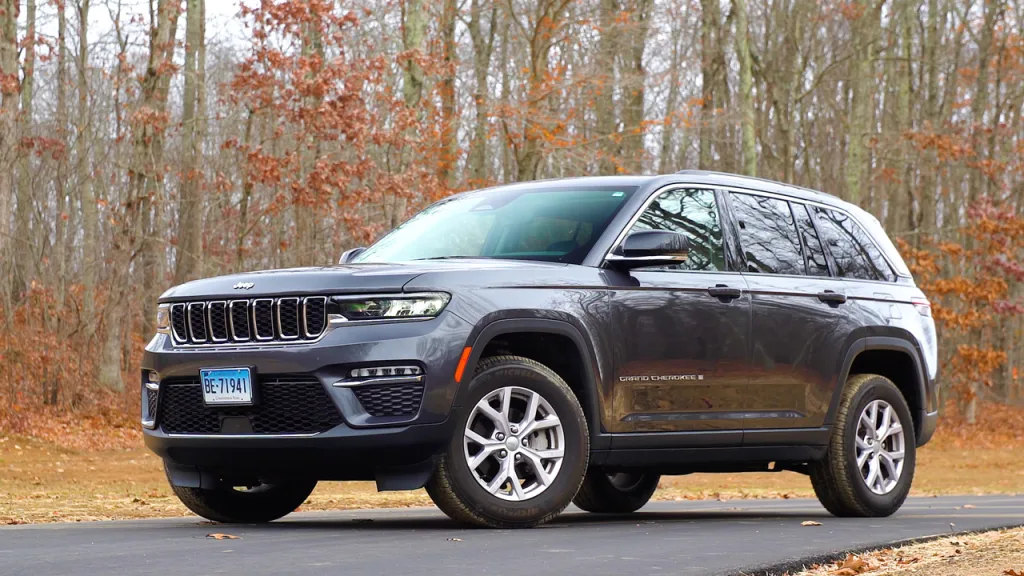
Reality doesn’t work that way.
Reliability clusters around platform maturity, not calendar years.
The most reliable jeep grand cherokee years typically appear:
- After redesign bugs are resolved
- After drivetrain revisions
- After software stabilization
- After supplier quality issues are corrected
That’s why reliability is best measured in production phases, not single years.
Owners with 150k–250k miles almost always own mid-cycle models, not first-year redesigns.
The Proven Drivetrain Effect
Several owners referenced “proven drivetrains,” which matters more than trim or features.
The 3.6L Pentastar V6, when properly maintained, appears frequently in high-mileage success stories.
The ZF 8-speed transmission, when serviced properly, shows both strong performance and long-term durability — but failures occur when neglected.
At the same time, known weak points appear consistently:
- Plastic oil filter housing warping
- Oil cooler leaks
- Camshaft failures
- Electronic control module failures
- Battery drain faults
- Software integration problems
These issues explain why jeep grand cherokee reliability varies so widely across years.
2010 Jeep Grand Cherokee and Long-Term Survivability
The 2010 Jeep Grand Cherokee appears repeatedly in high-mileage ownership stories.
Owners report:
- Long drivetrain life
- Low major failure rates
- Strong off-road durability
- Multi-purpose usage (family vehicle, work vehicle, overland builds)
This generation reflects what happens when platforms mature: reliability improves.
Jeep Cherokee Reliability vs Jeep Grand Cherokee Reliability
Many buyers cross-shop models, leading to searches like:
- jeep cherokee reliability
- jeep cherokee reliability by year
- jeep cherokee years to avoid
- most reliable jeep cherokee year
- best years for jeep cherokee
- are jeep cherokees reliable
The Cherokee is mechanically simpler in many configurations, which can reduce failure points. But reliability still follows the same rule:
Year selection matters more than model name.
Both platforms show:
- Reliable production windows
- Failure-prone production windows
- Stable drivetrain generations
- Problematic early redesigns
Ownership Psychology: Why People Still Buy Grand Cherokees
Despite reliability concerns, people keep buying them. Why?
Because buyers aren’t just buying reliability — they’re buying experience:
- Driving feel
- Interior comfort
- Ride quality
- Towing capacity
- Off-road capability
- Luxury features
- Design
- Power delivery
As one owner said:
“Hondas and Toyotas are anemic to drive.”
Another said:
“The Jeep had that look and driving experience that made us fall in love with it.”
Grand Cherokees are emotional purchases, not purely rational ones.
The Reliability Tradeoff
Buyers understand the tradeoff:
Toyota reliability = mechanical safety, less excitement
Jeep Grand Cherokee = capability, comfort, performance, design — with risk
This is why buyers no longer ask:
“Is the Jeep Grand Cherokee reliable?”
They ask:
- Which years are reliable?
- Which years should I avoid?
- Which drivetrains last?
- Which generations are stable?
Most Reliable Jeep Grand Cherokee Years: The Ownership Pattern
From owner data, the most reliable jeep grand cherokee years typically come from:
- Mid-cycle refresh generations
- Post-redesign stabilization years
- Models with mature software systems
- Models with proven drivetrains
- Models with resolved supplier defects
Not from first-year redesigns.
Not from early platform launches.
Not from tech-heavy experimental cycles.
Long-Term Reliability Reality
If you are researching:
- are jeep grand cherokees reliable
- are jeep grand cherokees reliable vehicles
- jeep grand cherokee reliability
- jeep grand cherokee reliability by year
- jeep grand cherokee years to avoid
- best years for jeep grand cherokee
- most reliable jeep grand cherokee year
- grand cherokee reliability
- most reliable jeep grand cherokee
The conclusion is clear:
The Jeep Grand Cherokee is not a reliability gamble —
it is a year-selection decision.
Choose the right year → excellent ownership experience
Choose the wrong year → expensive ownership experience
Final Verdict: The Real Answer
So, is the Jeep Grand Cherokee reliable?
Yes — in the right years.
No — in the wrong ones.
The Grand Cherokee is not inherently unreliable.
It is not inherently dependable.
It is production-cycle dependent.
That is the truth real owners reveal.
Reliability is not about the badge.
It is not about the trim.
It is not about the marketing.
It is about:
- Platform maturity
- Drivetrain stability
- Software stability
- Engineering revisions
- Maintenance discipline
And above all:
Year selection.
That is the real meaning of jeep grand cherokee reliability by year — and why it matters more than any rating, chart, or brand reputation.

In short: the 2012 Ram 1500 uses a coil-spring independent front suspension and a leaf-spring solid rear axle on the standard truck, with an optional air suspension on select trims. This combo defines its ride, handling, and hauling behavior.
Let’s unpack what that means and why it matters.
Front Suspension — Independent Coil Springs
For 2012, the Ram 1500 uses a double-wishbone independent front suspension with coil springs and stabilizer bar.
Here’s what that does:
- Independent front suspension means each front wheel reacts to bumps separately — unlike a solid beam axle where both wheels are linked.
- Coil springs provide a smoother ride than older leaf front springs found on many trucks.
- Double wishbones help maintain better tire contact under load and during steering.
Result:
More comfort, better road manners, and improved steering feel compared with older, solid-axle designs.
This was a deliberate choice by Rams of this era to balance capability with everyday driving comfort. The truck is not a sports sedan, but the front suspension is one of the reasons the Ram rides more comfortably on pavement than many competitors.
Rear Suspension — Leaf Springs (Standard)
Out back, the 2012 Ram 1500 uses a solid rear axle with multi-leaf springs.
Key points:
- Solid rear axle: rugged and simple — ideal for towing and hauling.
- Leaf springs: distribute load across the axle and chassis, especially under heavy weight.
This is the classic truck setup. It’s predictable, durable, and well-supported in the aftermarket.
The trade-offs:
- Leaf springs are not as compliant as coils for ride comfort when lightly loaded.
- They can feel stiff on rough pavement with no load in the bed.
But once you load up the bed or hook up a trailer, leaf springs shine. They provide stability and predictable behavior under load in a way that softer rear suspensions struggle to match.
Optional Rear Air Suspension
For 2012, Ram offered optional rear air suspension on certain trims and packages.
What air suspension does:
- Uses air springs instead of (or in addition to) leaf springs
- Can automatically adjust ride height
- Improves unloaded ride comfort
- Provides load-leveling when towing or hauling
- Can lower the rear for better entry/exit or improved aerodynamics
The benefits:
- Smoother ride unloaded — closer to SUV comfort
- Automatic leveling when loaded — keeps the truck balanced
- Selectable modes on some trims
The trade-offs:
- Adds complexity and cost
- More components that can wear out (air lines, compressors, valves)
- Slight weight penalty over basic leaf springs
For buyers who spend lots of time unloaded on pavement but also want towing capability, air suspension is a premium feature that genuinely transforms the truck’s behavior.
Does 4WD Change the Suspension?
The 2012 Ram 1500’s basic suspension architecture stays the same whether it’s 2WD or 4WD:
- Independent coil front suspension (with CV joints and drive axles on 4WD)
- Solid rear axle with leaf springs
- Optional rear air suspension
What changes with 4WD is:
- Additional drivetrain weight
- More robust front differential and CV setup
- Slightly stiffer components to handle torque distribution
But the fundamental suspension design is consistent.
How This Suspension Affects Ride and Handling
On paved roads:
The coil-spring front end gives the Ram 1500 a ride quality that’s surprisingly close to a large SUV. The trade-off is a bit more body roll than a sportier vehicle, but the steering is composed and predictable.
At highway speeds:
The front suspension helps isolate bumps, and the rear setup keeps the truck stable and controlled.
When loaded or towing:
The leaf springs (or optional air suspension) come into their own. They provide support and resistance to sagging, keeping the truck level and safe under load.
Off-road:
The solid rear axle with leaf springs is simple, strong, and durable — ideal for rough terrain. The independent front allows each wheel to articulate independently, improving contact and traction on uneven surfaces.
How This Compares to Competitors
In 2012, the half-ton pickup segment included:
- Ford F-150 (independent front, solid rear)
- Chevrolet Silverado 1500 (solid front and rear)
- GMC Sierra 1500 (solid front and rear)
- Toyota Tundra (solid front and rear)
- Nissan Titan (solid front and rear)
Ram’s independent front coil setup put it ahead of many competitors in ride comfort. Most rivals still used solid beam front axles in that era.
Air suspension was a rare option in full-size trucks in 2012, giving Ram a comfort and capability edge in certain trims.
Why Ram Chose This Setup
The philosophy behind the 2012 Ram 1500 suspension is simple:
- Balance comfort and capability
- Provide everyday drivability
- Retain rugged hauling/towing behavior
- Offer advanced options (air suspension)
Independent front suspension improves everyday driving comfort. Leaf springs give strength under load. Air suspension adds refinement when needed.
The result is a truck that doesn’t feel like a farm implement when you drive it home from the lot, but still behaves predictably under a trailer or a heavy payload.
Common Owner Concerns
Do the leaf springs ride harsh unloaded?
Yes, compared to coil springs or SUVs, leaf springs can feel firm when the bed is empty. That’s normal for this design.
Does the air suspension make a big difference?
Absolutely. It smooths out the rear ride at light load and levels the truck under heavy load. The trade-off is complexity and potential maintenance cost.
Is the solid rear axle a disadvantage?
Not for its intended use. Solid rear axles are standard in trucks for durability and load support. Independent rear setups are uncommon in full-size pickups because they compromise load capacity.
Aftermarket Options and Upgrades
Because the 2012 Ram 1500 suspension is popular, the aftermarket offers many upgrades:
- Upgraded leaf springs (progressive or heavy-duty)
- Air suspension enhancements (remote compressors, upgraded airbags)
- Front coil spring upgrades
- Performance shocks and struts
- Lift or leveling kits
- Sway bar disconnects for off-road articulation
- Better bushings and control arms
These upgrades can tailor the truck for:
- Towing
- Off-road use
- Heavy payloads
- Lifted builds
- Smoother daily driving
Quick Reference — Suspension Specs
Front:
- Independent double-wishbone
- Coil springs
- Stabilizer bar
Rear (standard):
- Solid axle
- Multi-leaf springs
- Shock absorbers
Rear (optional):
- Air suspension (air springs + compressor + leveling system)
- Load leveling capability
What This Means for Real Owners
If you’re considering a 2012 Ram 1500, here’s what the suspension delivers in practical terms:
- Highway comfort better than most rivals of the era
- Predictable handling for daily driving
- Strong under-load stability for towing and hauling
- Air suspension option that improves ride and leveling
- Durable architecture with plenty of aftermarket support
This isn’t a “luxury car suspension” in a truck body. But it’s an engineered balance that suits the real needs of pickup owners: comfort on pavement, stability under load, and durability over time.
Final Expert Summary
Yes — the 2012 Ram 1500’s suspension is well-designed for its era.
It uses:
- Independent coil-spring front suspension for better ride comfort
- Leaf-spring solid rear axle for load support and towing
- Optional rear air suspension for enhanced ride quality and auto-leveling
This combination gives the 2012 Ram 1500 a ride quality and capability that still holds up well today, and it’s one of the reasons the truck remains popular in the used market.
Can You Tune a 2012 Ram 1500? — Expert Answer
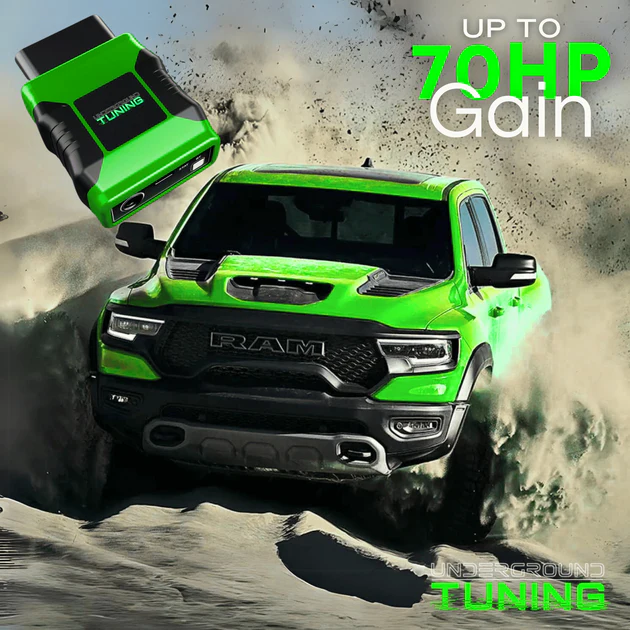
Can You Tune a 2012 Ram 1500? Expert Answer
Yes, you can tune a 2012 Ram 1500, especially if it has the 5.7L HEMI V8 or 3.6L Pentastar V6, but the smart answer is this: you should only use a legal, emissions-compliant tune from a reputable brand, and you should avoid any tune that disables emissions equipment.
A tune can improve throttle response, shift behavior, towing feel, and sometimes horsepower. But it can also create problems if it is done poorly. The wrong tune can cause check engine lights, failed emissions tests, transmission issues, pinging, poor fuel economy, or long-term engine stress.
DiabloSport lists tuning support for 2011 to 2014 Ram 1500 trucks and says its tuners are built for 3.6L Pentastar and 5.7L HEMI models, with benefits like improved throttle response, increased horsepower, optimized shift performance, and better towing capability.
What Does Tuning a 2012 Ram 1500 Mean?
Tuning means changing the engine or transmission calibration.
The factory computer controls fuel, ignition timing, throttle response, torque management, shift points, fan settings, speed limiters, and other powertrain behavior. A tuner can adjust some of those settings to change how the truck performs.
On a 2012 Ram 1500, tuning is usually done with a handheld programmer or custom tuning software. Some owners use a canned tune, which is a preloaded tune made for a mostly stock truck. Others use a custom tune designed around their exact modifications.
For most daily drivers, a mild canned tune is safer than an aggressive custom setup.
Is the 2012 Ram 1500 PCM Locked?
No, the 2012 Ram 1500 is generally much easier to tune than later Ram trucks with locked PCM systems.
That is one reason 2009 to 2014 Ram 1500 HEMI trucks are popular with enthusiasts. Later models, especially 2015 and newer Chrysler, Dodge, Jeep, and Ram vehicles, often require an unlocked PCM or PCM swap for tuning.
For a 2012 Ram 1500, many handheld tuners can plug into the OBD-II port and load a tune without the same unlocked PCM process required on newer trucks.
Best Engine to Tune: 5.7L HEMI
The 5.7L HEMI V8 is the best 2012 Ram 1500 engine to tune.
It responds well to throttle calibration, timing changes, shift tuning, and supporting bolt-ons like intake, exhaust, headers, and upgraded gears. A tune can make the truck feel sharper, especially if the factory throttle response feels lazy or the transmission shifts too softly.
Do not expect a tune alone to turn a 5.7 HEMI Ram into a race truck. But it can make the truck feel more responsive and more enjoyable to drive.
Can You Tune the 3.6L V6?
Yes, the 3.6L Pentastar can also be tuned, but the gains are usually smaller.
A V6 tune may improve throttle response, shift feel, and drivability. It may also help if the truck has different tire sizes or gear changes. But if your goal is big horsepower, the 5.7L HEMI is the better platform.
For V6 owners, tuning makes the most sense if you want better drivability, not huge power.
What Gains Can You Expect?
Realistic gains depend on the engine, tune, fuel, and modifications.
On a mostly stock 5.7L HEMI Ram, a basic tune may improve throttle response and add modest horsepower. With a custom tune, intake, exhaust, headers, and the right fuel, gains can be more noticeable.
The bigger improvement many owners feel is not peak horsepower. It is how the truck responds. The pedal feels sharper. The transmission may shift cleaner. Torque management may feel less restrictive. Towing may feel smoother.
That is why tuning can make a truck feel faster even when the dyno number does not change dramatically.
Tuning for Towing
A towing tune can make sense if it is conservative.
A good towing tune should focus on drivability, throttle control, shift behavior, and keeping the engine in a better powerband. It should not be an aggressive high-timing performance tune that creates heat and knock risk while pulling a trailer.
If you tow, be careful with heavy throttle, hot weather, low-octane fuel, and long grades. Towing puts more load on the engine and transmission than normal driving.
For towing, reliability matters more than peak horsepower.
Tuning for Bigger Tires
Tuning can also help if your 2012 Ram 1500 has larger tires.
Bigger tires can throw off the speedometer, change shift behavior, and make the truck feel slower. Many tuners allow tire-size calibration, which can help correct speedometer readings and improve drivability.
If you lifted the truck and added larger tires, tuning may not fully restore performance. You may also need proper axle gearing depending on tire size and how the truck is used.
Tuning After Intake and Exhaust
A cold-air intake or exhaust may not require a tune on its own, but a tune can help the truck take better advantage of the parts.
A basic intake or cat-back exhaust usually changes sound more than power. Headers, cam upgrades, forced induction, and major airflow changes need proper custom tuning.
Do not install major engine parts and assume the factory computer will handle everything perfectly. The more you modify the truck, the more important proper tuning becomes.
Is Tuning Legal?
Tuning can be legal, but emissions tampering is not.
This is extremely important, especially in California and other emissions-testing states. The EPA says aftermarket defeat devices and emissions tampering are illegal and can lead to penalties. The Clean Air Act prohibits knowingly removing or rendering emissions-control equipment inoperative.
That means you should avoid any tune that disables oxygen sensors, catalytic converters, EGR systems, evaporative emissions systems, or other required emissions equipment.
California Tuning Warning
If the truck is registered in California, be extra careful.
California is stricter about emissions modifications. CARB explains that aftermarket performance parts need an Executive Order, also called a CARB EO, when they are installed on emissions-controlled vehicles. A CARB EO means the part has been evaluated and approved for specific applications.
California Smog Check can also detect unapproved ECU software. Road & Track reported that California’s smog check process includes testing for unapproved ECU software or aftermarket tuners.
So if your 2012 Ram 1500 is a California truck, use only emissions-legal parts and tuning that will pass inspection.
Can a Tune Hurt Reliability?
Yes, a bad tune can hurt reliability.
A tune can cause problems if it uses too much timing, runs too lean, disables protections, creates excessive transmission pressure, ignores knock, or is not matched to the fuel being used.
Cheap aggressive tunes can feel fun at first but cause long-term problems. The safest approach is a reputable tuner, conservative settings, correct octane fuel, and a mechanically healthy truck.
Never tune around an existing problem. If the truck has misfires, overheating, low fuel pressure, transmission slipping, oxygen sensor codes, or catalytic converter issues, fix those first.
Should You Use 87, 89, or 91 Octane?
Use the fuel required by the tune.
Some tunes are built for 87 octane. Others require 91 or 93. If a tune requires premium, do not run regular fuel. That can cause knock and reduce performance.
For a mild daily driver tune, staying with a lower-octane tune may make sense if you care about fuel cost. For max performance, premium fuel is usually required.
What Should You Do Before Tuning?
Before tuning a 2012 Ram 1500, make sure the truck is healthy.
Check spark plugs, coils, air filter, fuel quality, coolant system, transmission fluid condition, battery voltage, oxygen sensors, exhaust leaks, and existing trouble codes.
A tune will not fix a neglected truck. It may expose problems faster.
If the truck has high mileage, do a proper inspection first. A healthy stock truck is a better tuning candidate than a modified truck with mystery issues.
Best Tuning Path for a 2012 Ram 1500
The safest tuning path is simple.
Start with maintenance. Then choose a reputable handheld tuner. Use a mild tune that matches your fuel. Correct tire size if needed. Improve shift behavior if the tuner supports it. Then consider a custom tune only if you add real supporting modifications.
For a mostly stock 5.7 HEMI daily driver, a mild 87 or 91 octane tune is usually enough.
For a truck with headers, cam, forced induction, or major changes, custom tuning is required.
Is Tuning a 2012 Ram 1500 Worth It?
Yes, tuning a 2012 Ram 1500 can be worth it if your expectations are realistic.
It is worth it if you want better throttle response, improved shift feel, tire-size correction, better towing behavior, or modest power gains.
It is not worth it if you expect huge horsepower from a tune alone, plan to delete emissions equipment, or want to avoid maintenance on an older truck.
For many owners, the tune makes the truck feel sharper and more responsive. That alone can make it worthwhile.
For shoppers comparing older Ram trucks with newer inventory, browse used Ram inventory and compare mileage, engine, condition, and modification history. If you want a newer truck with warranty coverage, check current new Ram inventory.
FAQs About Tuning a 2012 Ram 1500
Can you tune a 2012 Ram 1500?
Yes. A 2012 Ram 1500 can be tuned, especially with the 5.7L HEMI V8 or 3.6L Pentastar V6.
Is the 2012 Ram 1500 HEMI good for tuning?
Yes. The 5.7L HEMI is the better tuning platform because it responds well to throttle, timing, shift, intake, exhaust, and custom calibration changes.
Do you need an unlocked PCM for a 2012 Ram 1500?
Generally, no. The 2012 Ram 1500 is easier to tune than many later Ram trucks that require unlocked PCM solutions.
Will a tune add horsepower?
Yes, but gains depend on engine, fuel, tune, and modifications. On a mostly stock truck, expect modest gains and better drivability rather than massive horsepower.
Is tuning legal in California?
Only if the tune and related parts are emissions-compliant. California requires approved emissions-related aftermarket parts and can flag unapproved ECU software during Smog Check.
Can tuning damage a Ram 1500?
Yes, if the tune is too aggressive, mismatched to fuel, poorly calibrated, or used on a truck with existing mechanical problems.
Final Thoughts: Yes, But Tune It the Right Way
You can tune a 2012 Ram 1500, and the 5.7L HEMI is the best engine for it.
A proper tune can improve throttle response, shift behavior, towing feel, tire-size calibration, and overall drivability. But the safest path is a reputable tuner, correct fuel, emissions-compliant setup, and a mechanically healthy truck.
Do not chase sketchy delete tunes or aggressive files that risk emissions failure and reliability problems. Tune it legally, tune it conservatively, and the 2012 Ram 1500 can feel much better without sacrificing the truck’s long-term dependability.
When Did Dodge and Ram Split?
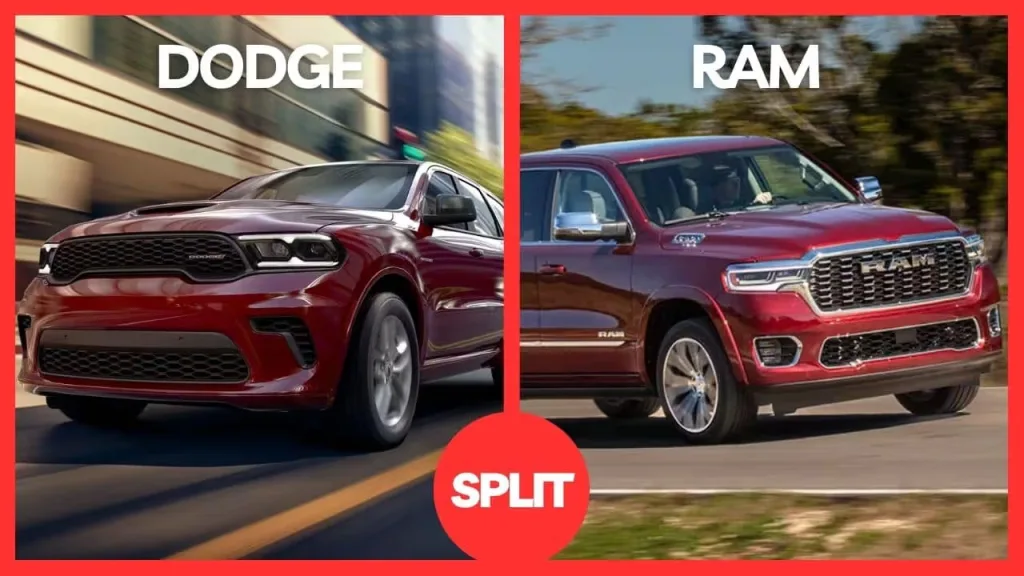
Short answer: Dodge and Ram officially split in 2010.
That’s the year Chrysler separated its brands, making Ram a standalone truck division and removing trucks entirely from Dodge’s lineup. From that point forward, Dodge stopped making trucks, and Ram became the brand responsible for pickups, heavy-duty trucks, and commercial vehicles.
If you’re looking for a clean, definitive date:
Model year 2010 is when the split became real in showrooms, branding, and product lines.
But the story behind that date matters, because this wasn’t a cosmetic name change. It was a structural shift that reshaped how Chrysler, and later Stellantis, organized its entire vehicle portfolio.
The Official Split: 2010
In 2010, Chrysler formally separated Dodge and Ram into two distinct brands.
Before that:
- Trucks were sold as Dodge Ram
- Ram existed as a model name, not a brand
- Dodge handled everything: cars, minivans, SUVs, trucks, performance, fleet, and commercial vehicles
After 2010:
- Dodge became a car and performance brand
- Ram became a truck and commercial brand
- All pickups and commercial vehicles moved under Ram branding
- Dodge stopped producing trucks entirely
From that moment on, the Dodge Ram name ceased to exist as a product line.
The Dodge Ram 1500 became the Ram 1500.
The Dodge Ram 2500 became the Ram 2500.
The Dodge Ram 3500 became the Ram 3500.
Same trucks. Same factories. Same customers.
Different brand structure.
Why Chrysler Made the Split
This wasn’t about marketing language. It was about business clarity.
By the late 2000s, Dodge had become a brand with no clear identity. It was trying to serve too many markets at once:
- Muscle cars
- Family sedans
- Minivans
- SUVs
- Pickup trucks
- Commercial vehicles
- Fleet buyers
- Performance buyers
Everything lived under one badge. That created internal competition for resources, confused brand identity, and diluted long-term strategy.
Trucks, in particular, operate in a completely different business ecosystem than passenger cars:
- Different buyer psychology
- Different ownership cycles
- Different financing structures
- Different fleet relationships
- Different durability expectations
- Different regulatory pressures
- Different electrification challenges
- Different profit models
Chrysler’s solution was structural separation.
Dodge would focus on performance, cars, and lifestyle vehicles.
Ram would focus on trucks, towing, payload, fleet, and commercial markets.
Two brands. Two strategies. Two identities.
What Changed After 2010
Once the split happened, it wasn’t subtle.
Branding changed immediately:
- Dodge badges disappeared from trucks
- Ram branding replaced Dodge branding
- Tailgates, grilles, marketing materials all shifted to RAM
- Dealer signage changed
- Product naming changed
- Corporate structures changed
Product planning changed too:
- Ram development became truck-first, not car-first
- Dodge engineering became performance-first
- Separate marketing strategies were created
- Separate product roadmaps were developed
- Separate long-term electrification plans were built
Ram became a dedicated truck manufacturer in everything but legal corporate ownership.
Why the Dodge Ram Name Didn’t Disappear From Culture
Even though the brand split in 2010, the name never left public language.
People still say “Dodge Ram” because:
1. Decades of brand memory
The Dodge Ram badge existed for generations. It built real trust and recognition long before brand restructuring became a thing people followed.
2. Millions of legacy trucks still on the road
Older Dodge Rams are still everywhere. You see the badge daily.
3. Language inertia
People don’t update vocabulary when companies restructure.
4. Dealership overlap
Dodge, Jeep, and Ram often operate under the same dealership groups, which blurs brand separation for consumers.
5. No functional shock
The trucks didn’t radically change overnight, so the shift didn’t feel real-world disruptive.
So the brand changed.
The language didn’t.
That’s why people still ask:
- “When did Dodge and Ram split?”
- “Is Ram still Dodge?”
- “Why do people still say Dodge Ram?”
- “Did Dodge stop making trucks?”
The Business Impact of the Split
From an industry standpoint, the Dodge–Ram split was a smart strategic move.
It allowed Ram to become a full-category truck brand, not just a pickup line inside a car company.
That changed how Ram operates today:
- Product development is truck-centered
- Platform investment is utility-driven
- Commercial strategy is centralized
- Fleet relationships are brand-specific
- Engineering priorities focus on durability, not performance
- Electrification strategy is utility-first, not lifestyle-first
- Profit models are built around long-term ownership
Ram now competes directly with Ford and GM as a standalone truck brand, not as a division inside a mixed vehicle portfolio.
This structural clarity is why Ram has been able to build a coherent truck identity over the last decade and a half.
What the Split Didn’t Change
Despite the branding shift, several things stayed the same:
- Same factories
- Same workforce
- Same supplier networks
- Same production platforms
- Same core truck architecture
- Same customer base
- Same market segments
- Same use cases
The trucks didn’t change category.
The buyers didn’t change profile.
The market didn’t change structure.
Only the brand hierarchy changed.
The Clean Timeline
Here’s the simple, accurate timeline:
Before 2010:
Trucks sold as Dodge Ram
Brand: Dodge
2010 onward:
Trucks sold as Ram
Brand: Ram (standalone)
Dodge no longer sells trucks.
Ram no longer sells cars.
This structure still exists today.
Why This Still Matters in 2026
Fifteen years later, the split still shapes the market.
Ram is positioned as a truck-only brand.
Dodge is positioned as a performance brand.
Jeep is positioned as an off-road/SUV brand.
Each has a defined role inside the corporate structure.
That clarity helps with:
- Product investment decisions
- Brand messaging
- Market positioning
- Long-term electrification planning
- Regulatory compliance strategies
- Platform development
- Commercial market planning
This is why Ram today feels like a truck company — not a division inside a car company.
The Cultural Reality
Even with all that structure, the public still uses the old name.
People say “Dodge Ram” for the same reason people say:
- “Chevy truck” instead of Chevrolet Silverado
- “Beamer” instead of BMW
- “Benz” instead of Mercedes-Benz
- “Caddy” instead of Cadillac
Brand language evolves socially, not corporately.
The Dodge Ram name lived in culture long enough that it became identity language, not just branding.
That’s why it never fully disappeared.
The Direct Answer
So if someone asks:
“When did Dodge and Ram split?”
The factual answer is:
2010.
That’s when:
- Dodge stopped making trucks
- Ram became its own brand
- The Dodge Ram name ended
- Ram Trucks began operating independently
- The brand structure changed permanently
The Bigger Meaning of the Split
This wasn’t just a rebrand.
It was a focus decision.
Brands that try to be everything usually lose identity.
Brands that specialize usually win categories.
Dodge specialized in performance.
Ram specialized in trucks.
The split clarified both brands instead of weakening them.
And that’s why the structure still exists 15 years later.
Final Takeaway
Dodge and Ram officially split in 2010.
Since then:
- Dodge has not sold trucks
- Ram has not sold cars
- The brands have operated independently
- Ram has functioned as a standalone truck manufacturer
- The Dodge Ram name has existed only in cultural memory
The name changed.
The badge changed.
The corporate structure changed.
But the trucks stayed right where they’ve always been:
On the road.
On job sites.
In fleets.
In driveways.
In daily life.
Different brand.
Same category.
Same purpose.
That’s the real story behind the Dodge–Ram split.
What Is the Dodge Ram Called Now? [ 2026 Update ]
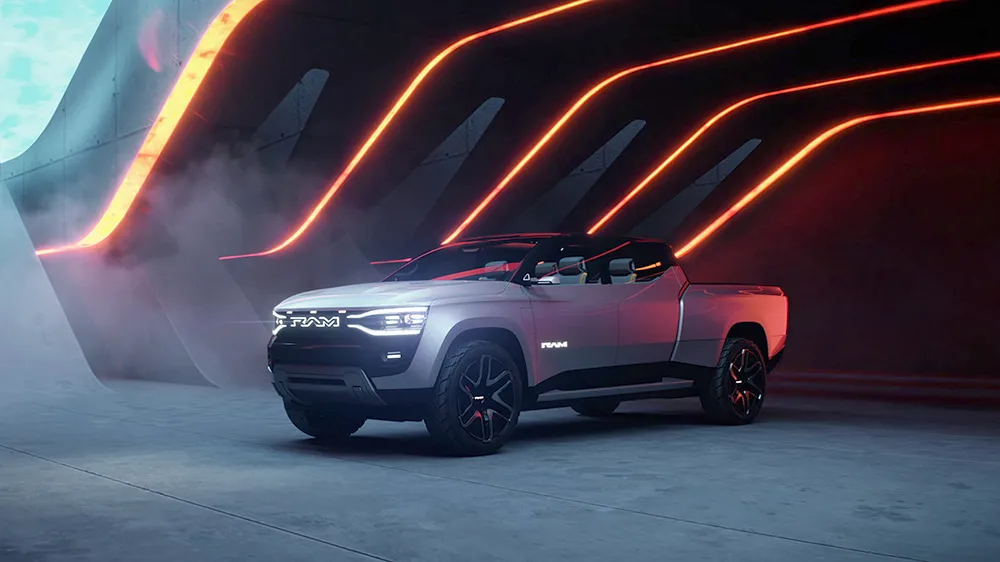
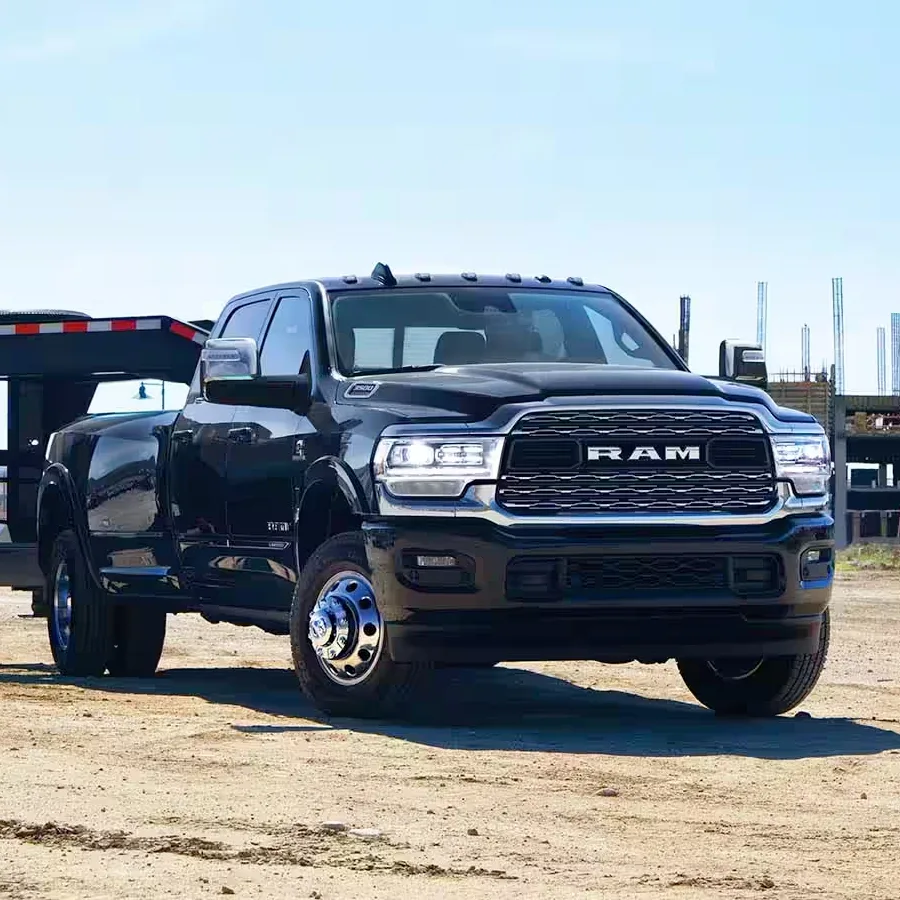
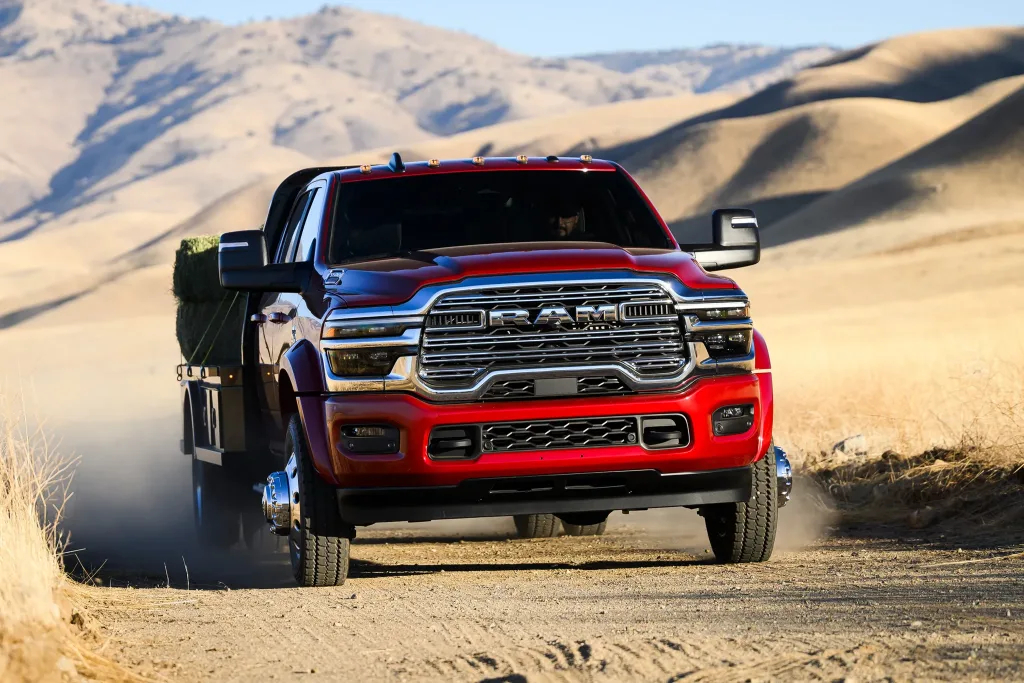
Ram hasn’t been part of Dodge since 2010. That’s the clean answer. The truck people still call the “Dodge Ram” is now just called Ram. Ram 1500. Ram 2500. Ram 3500. No Dodge badge. No Dodge branding. No Dodge ownership in the truck lineup.
If you’re looking at a modern pickup with “RAM” stamped across the tailgate, that’s not a trim package or a styling decision. That’s the brand. The Dodge Ram, as a product name, no longer exists.
But the confusion is understandable. People still say “Dodge Ram” every day. It’s embedded in the culture, the language, and the identity of the truck market. The name changed. The habit didn’t.
Here’s what actually happened — and why it still matters.
The split that changed the name
In 2010, Chrysler reorganized its brands and separated Dodge and Ram into two distinct divisions. Dodge kept passenger cars and performance vehicles. Ram took over trucks and commercial vehicles and became a standalone brand.
From that moment forward:
- Dodge stopped selling trucks
- Ram became the truck brand
- All pickups and vans moved under Ram branding
That means every modern truck — Ram 1500, 2500, 3500, ProMaster vans, commercial chassis — belongs to Ram, not Dodge.
This wasn’t a marketing refresh or a badge swap. It was a structural business decision. Different leadership. Different product strategies. Different long-term planning.
Dodge pivoted toward performance, muscle cars, and lifestyle vehicles. Ram focused on trucks, fleet sales, heavy-duty platforms, commercial markets, and long-term ownership cycles.
It was a clean separation. On paper, it made perfect sense.
Why the name never really changed in people’s heads
Here’s the reality: brands can change overnight. Language doesn’t.
For decades before the split, the Dodge Ram was one of the most recognizable truck names in North America. It wasn’t just a product. It was a category staple. Work trucks. Farm trucks. Fleet trucks. Personal rigs. Tradesmen trucks. Construction trucks. Family trucks. The name lived in real places, not just ads.
So when the corporate structure changed, the public vocabulary didn’t follow.
People still say Dodge Ram because:
- That’s what they grew up hearing
- That’s what their family drove
- That’s what the badge said for decades
- That’s what the truck represented in daily life
You don’t overwrite that with a press release and a new logo.
Even in 2026, people still search:
“What is the Dodge Ram called now?”
“Is Dodge Ram still a thing?”
“Is Ram still Dodge?”
“Did Dodge stop making trucks?”
Not because the branding is unclear — but because the cultural memory is strong.
Technically, “Dodge Ram” is wrong. Practically, everyone knows what you mean.
What changed — and what didn’t
From an industry standpoint, the name change mattered a lot.
Ram is now positioned as a full truck manufacturer, not a sub-brand inside a car company. That changes how the company invests, develops platforms, and plans long-term product cycles.
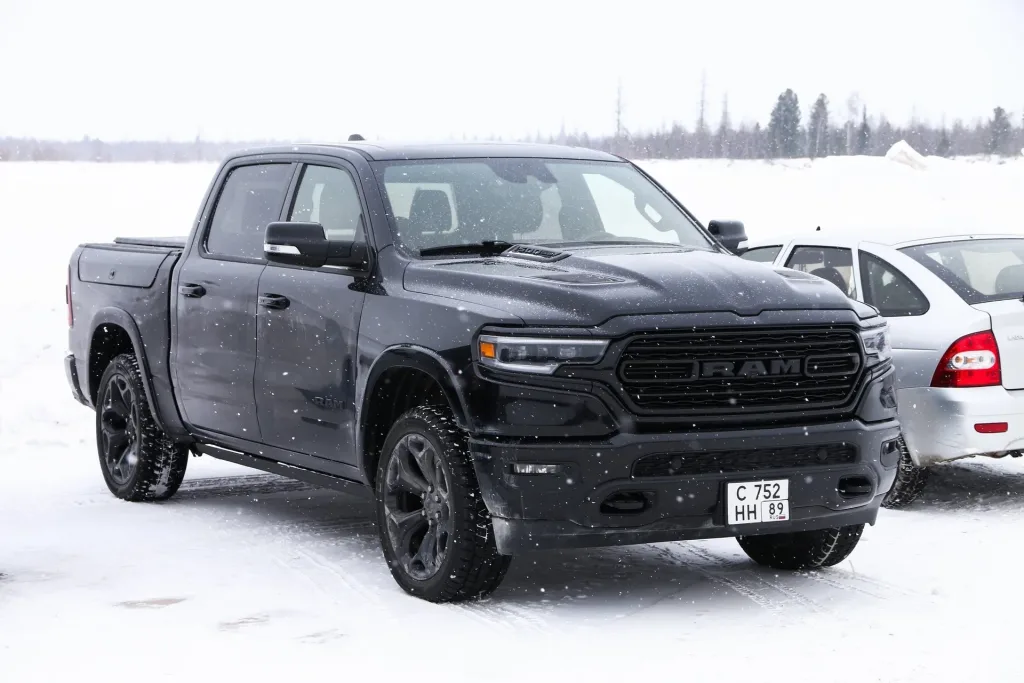
It allows Ram to focus entirely on:
- Full-size pickups
- Heavy-duty trucks
- Commercial vehicles
- Fleet contracts
- Long-term durability platforms
- Commercial electrification
- Work-focused engineering decisions
Instead of competing for attention inside Dodge’s performance-focused strategy.
That separation gave Ram room to build its own identity, dealer strategy, and product development priorities. In business terms, it was a smart move.
But from a consumer perspective?
Very little actually changed.
The trucks still serve the same roles:
- Work trucks
- Tow vehicles
- Fleet vehicles
- Personal daily drivers
- Off-road builds
- Heavy-duty haulers
They still compete in the same segments. They still target the same buyers. They still operate in the same markets.
The product category stayed the same. The buyer profile stayed the same. The use cases stayed the same.
Only the badge changed.
Why Ram branding makes more sense today
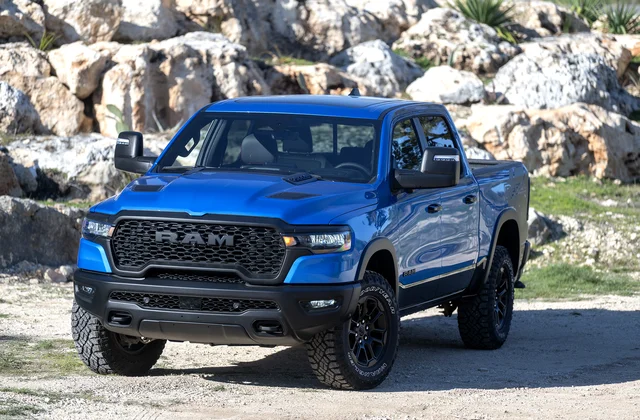
There’s a reason Ram didn’t replace the name with something new. They didn’t invent a new truck brand. They didn’t create a new identity. They simply removed “Dodge” and kept “Ram.”
Because “Ram” already carried meaning.
It already represented:
- Strength
- Durability
- Utility
- Work capability
- Ruggedness
- Truck-first identity
From a branding perspective, “Ram” works better as a standalone truck brand than “Dodge Ram” ever did as a sub-label. It’s shorter, stronger, and more focused.
So the company didn’t reinvent the product — it clarified the category.
Ram = trucks
Dodge = performance cars
Simple structure. Clear positioning.
Why the confusion still exists in 2026
There are a few reasons this still confuses people more than a decade later:
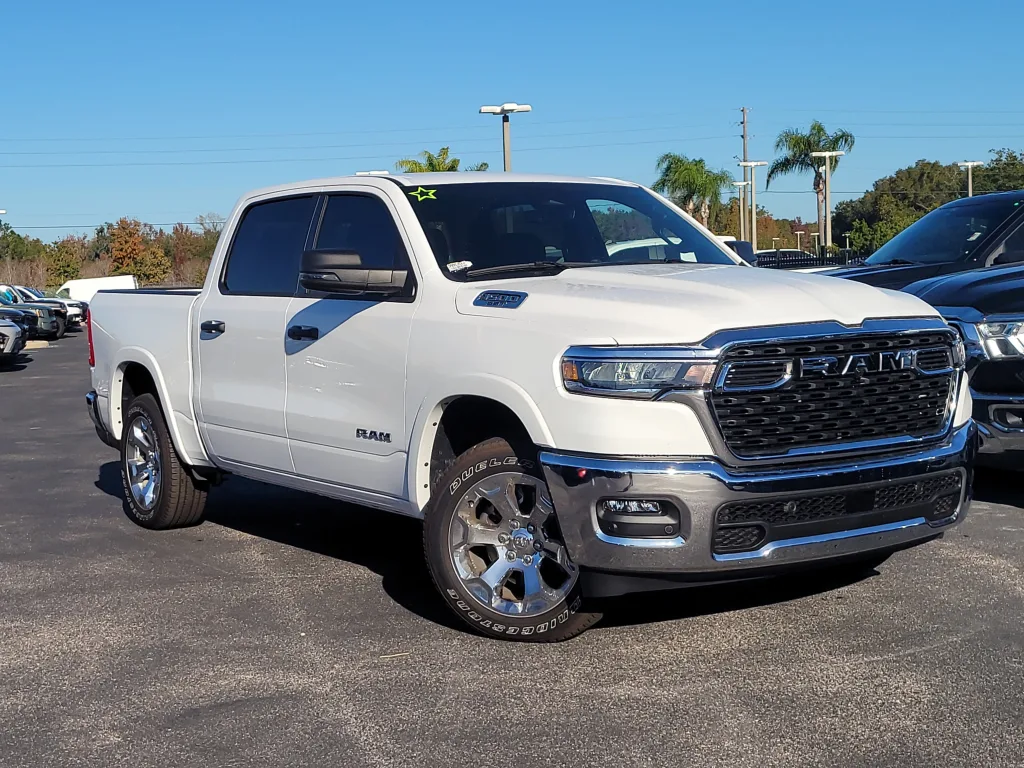
1. Legacy branding
Old trucks still on the road still say Dodge Ram. Millions of them. You still see the badge every day.
2. Cultural language lag
People don’t update their vocabulary when corporations restructure.
3. Informal speech
People say “Dodge Ram” the same way they say “Chevy truck” or “Ford pickup.” It’s shorthand.
4. Multi-brand dealerships
Dodge, Jeep, Ram often operate under the same dealership networks, which blurs brand separation for consumers.
5. No visible functional change
The truck didn’t transform overnight, so people never felt the shift.
The correct terminology today
Here’s the clean version for accuracy:
Before 2010:
Dodge Ram (brand: Dodge)
After 2010:
Ram 1500 / 2500 / 3500 (brand: Ram)
Dodge does not make trucks.
Ram does not make cars.
They are separate brands under the same corporate umbrella (Stellantis), but they operate independently in product identity.
Why this actually matters
For buyers, this matters in a few practical ways:
Brand identity
If you’re shopping today, you’re buying a Ram truck — not a Dodge truck. That affects resale listings, registrations, branding, and market classification.
Fleet and commercial markets
Ram operates as a dedicated commercial brand, which affects parts supply chains, service structures, and fleet support programs.
Product planning
Ram product development is truck-first, not car-first. That changes engineering priorities, electrification strategies, and long-term platform planning.
Market positioning
Ram competes directly with Ford and GM as a standalone truck brand, not as a division inside a car company.
This isn’t cosmetic. It’s structural.
The cultural reality
Even with all that, here’s the honest truth:
People will still say “Dodge Ram.”
Not because they’re wrong — but because language follows culture, not corporate structure.
It’s the same reason people still say:
- “Chevy Tahoe” instead of “Chevrolet Tahoe”
- “Beamer” instead of BMW
- “Benz” instead of Mercedes-Benz
- “Caddy” instead of Cadillac
Brand language evolves socially, not officially.
And “Dodge Ram” still lives in the culture.
The clear answer
So if someone asks:
What is the Dodge Ram called now?
The accurate answer is:
It’s called Ram.
Just Ram.
Ram 1500.
Ram 2500.
Ram 3500.
No Dodge branding. No Dodge ownership. No Dodge truck lineup.
The Dodge name left the truck market in 2010.
The trucks never left the road.
The name never left the public’s vocabulary.
That’s why the confusion still exists.
The real takeaway
This isn’t really a story about a name change.
It’s a story about how brands and culture move at different speeds.
Corporations restructure.
Markets reposition.
Brand strategies shift.
Logos change.
But people keep talking the same way they always have.
So the Dodge Ram didn’t disappear — it just evolved into Ram as a standalone brand. Same category. Same purpose. Same buyer. Same role in the market.
Different badge.
Same truck.
That’s the reality.
Senior Suv Deals 2026 [Limited Time]
Buying an SUV in 2026 is no longer about chasing trends or oversized screens. For senior drivers, the priorities are clear: comfort, safety, easy access, reliability, and real value. That is exactly why demand for 2026 senior SUVs exclusive deals is surging across California, especially among retirees and downsizing households who want modern technology without unnecessary complexity.
At Simi Valley Chrysler Dodge Jeep Ram, seniors are discovering that today’s SUVs can be refined, affordable, and genuinely senior-friendly—without sacrificing capability or peace of mind. With personalized guidance and tailored incentives, finding the right vehicle has never been easier.
If you are exploring SUVs specials offers for seniors, the right place to start is here:
Why Seniors Are Choosing SUVs in 2026
SUVs have quietly become the most practical vehicle category for senior drivers. In 2026, manufacturers have refined ride comfort, entry height, and driver-assist systems to a level that simply makes daily driving easier.
Key reasons seniors prefer SUVs today include:
- Higher seating position for better road visibility
- Easier entry and exit compared to low sedans
- Advanced safety technology that reduces driving stress
- Smooth suspension tuning designed for comfort, not sportiness
- Flexible cargo space for groceries, mobility aids, or travel gear
Unlike older SUVs from a decade ago, modern 2026 models prioritize quiet cabins, soft ride quality, and intuitive controls.
What Makes a “Senior-Friendly” SUV?
Not every SUV is ideal for senior drivers. A truly senior-friendly SUV focuses on usability, not gimmicks.
1. Comfortable Ride Quality
Suspension tuning matters more than horsepower. Vehicles with softer damping absorb road imperfections and reduce fatigue on longer drives.
2. Easy Entry and Exit
Mid-height SUVs are ideal. Too low strains the knees; too tall requires climbing. The sweet spot matters.
3. Clear Visibility
Large windows, slim pillars, and elevated seating reduce blind spots and make parking easier.
4. Simple, Intuitive Technology
Touchscreens should be responsive and easy to read. Physical buttons for climate and volume are still preferred by many senior drivers.
5. Advanced Safety Systems
Features like blind-spot monitoring, lane-keeping assist, forward collision warning, and adaptive cruise control significantly reduce stress behind the wheel.
Best SUV Categories for Seniors in 2026
Compact SUVs
Ideal for city driving, parking ease, and fuel efficiency. These models are lighter, easier to maneuver, and cost less to maintain.
Midsize SUVs
Perfect for couples who travel frequently or need more cargo space without moving into a full-size vehicle.
Two-Row SUVs with Premium Comfort
Often overlooked, these offer luxury-level comfort without third-row complexity.
At Simi Valley Chrysler Dodge Jeep Ram, seniors are guided toward the category that fits their lifestyle—not upsold into something unnecessary.
2026 Senior SUVs Exclusive Deals: What Makes Them Different?
Senior-focused SUV deals are not just marketing buzzwords. In 2026, these offers often include:
- Lower interest financing options
- Loyalty and retirement-friendly incentives
- Simplified purchase processes
- Personalized vehicle matching based on comfort needs
- No-pressure consultations
The emphasis is on clarity and trust, not fast-talk sales tactics.
This approach is especially valuable for seniors who want a calm, informed buying experience without confusion or hidden costs.
SUVs Specials Offers for Seniors: What to Look For
When reviewing SUVs specials offers for seniors, smart buyers should focus on total ownership value rather than just monthly payments.
Look Beyond the Sticker Price
Insurance costs, maintenance intervals, and long-term reliability matter more than flashy discounts.
Warranty Coverage
Longer warranties reduce stress and unexpected repair bills.
Fuel Efficiency
Even modest improvements in MPG make a difference for retirees on fixed incomes.
Dealer Support
A dealership that understands senior needs is just as important as the vehicle itself.
Why Personalized Vehicle Matching Matters
One of the biggest mistakes seniors make is choosing a vehicle based on advertising alone. A model that works well for one driver may feel uncomfortable or overwhelming for another.
That is why Simi Valley Chrysler Dodge Jeep Ram emphasizes personalized vehicle matching. Instead of browsing blindly, seniors can explain their needs—mobility, driving habits, budget—and receive recommendations that actually make sense.
This personalized approach saves time, reduces stress, and prevents buyer’s remorse.
Safety Technology Seniors Actually Appreciate
In 2026, safety tech has matured. Instead of intrusive alerts, systems are smoother and more helpful.
Popular senior-approved features include:
- Blind-spot monitoring with gentle alerts
- Rear cross-traffic warning for parking lots
- Adaptive cruise control for highway comfort
- Automatic emergency braking
- High-resolution backup cameras
These features quietly assist without overwhelming the driver.
Comfort Features That Matter More Than Ever
Luxury is no longer about leather and chrome. For seniors, luxury means comfort and ease.
Top comfort features include:
- Power-adjustable seats with lumbar support
- Heated seats for joint comfort
- Dual-zone climate control
- Low cabin noise levels
- Smooth steering response
Modern SUVs deliver these features even at accessible price points.
Financing SUVs in Retirement: What Seniors Should Know
Financing in retirement looks different than financing during working years. Lenders now recognize fixed income stability, and dealerships experienced with senior buyers can structure deals accordingly.
Common options include:
- Shorter loan terms to reduce interest
- Lower mileage leases for limited driving
- Trade-in optimization
- Transparent monthly payment breakdowns
Clear communication is key—and that is where the right dealership makes all the difference.
Why Seniors Trust Simi Valley Chrysler Dodge Jeep Ram
Trust is earned, not advertised. Seniors consistently choose Simi Valley Chrysler Dodge Jeep Ram because of:
- Patient, respectful consultations
- No-pressure vehicle guidance
- Clear explanations of features and costs
- Assistance beyond the sale
Whether it is a first SUV purchase or a downsizing decision, seniors appreciate a dealership that listens.
Planning Ahead: Why 2026 Is the Right Time to Buy
Vehicle supply, interest rates, and technology improvements make 2026 an ideal year for seniors to upgrade.
Reasons to consider buying now include:
- Improved safety tech compared to older vehicles
- Better fuel efficiency
- More refined ride quality
- Competitive senior-friendly incentives
Waiting often means missing out on features that genuinely improve daily comfort and safety.
Final Thoughts: A Smarter Way to Buy an SUV in 2026
The best SUV is not the newest or the flashiest—it is the one that fits your life effortlessly. For seniors, that means comfort, clarity, safety, and value.
If you are researching SUVs specials offers for seniors or exploring 2026 senior SUVs exclusive deals, starting with personalized guidance can change the entire experience.
Instead of guessing, let professionals help you narrow the options and focus on what truly matters.
FAQ: 2026 Senior SUVs Exclusive Deals and Senior-Friendly SUV Buying
1) What qualifies as “2026 senior SUVs exclusive deals”?
These are pricing or financing opportunities positioned for senior shoppers who prioritize comfort, safety, and value. In practice, “exclusive deals” can include model-year incentives, dealer-discounted pricing, finance-rate offers, loyalty/conquest programs, and occasional regional promotions. The key difference is not the label, but the structure: the deal should be transparent, easy to understand, and optimized for affordability and low-stress ownership.
2) Are there truly “SUVs specials offers for seniors,” or is it just marketing?
Sometimes the offer is senior-specific; often it is not. Many of the best deals seniors can access are actually standard incentives that seniors commonly qualify for (fixed-income-friendly budgeting, loyalty programs, low-mileage leasing, trade-in equity, etc.). The practical approach is to have the dealership match you with the best applicable incentives and the right vehicle category for your comfort needs.
3) What is the best SUV size for seniors: compact, midsize, or full-size?
For most seniors, the ideal choice is a compact or midsize SUV because it balances:
- Easier parking and maneuvering (compact)
- More ride comfort and cargo space (midsize)
Full-size SUVs can be comfortable but may be harder to park, may cost more to fuel, and may feel physically “larger than needed” for daily driving. The best size is the one you can enter/exit easily and confidently drive in your usual environment.
4) What entry height is most comfortable for seniors?
Generally, seniors prefer a “hip-height” seat: high enough that you do not have to drop down into the cabin, but not so tall that you have to climb up. Many compact and midsize SUVs hit this sweet spot. During a test sit, your knees should be roughly level with or slightly below your hips, and you should be able to stand up without pushing off the steering wheel.
5) Which safety features matter most for older drivers in 2026?
The most helpful driver-assistance features for seniors tend to be the ones that reduce stress without adding complexity:
- Blind-spot monitoring
- Rear cross-traffic alert
- Forward collision warning with automatic emergency braking
- Adaptive cruise control (for highway comfort)
- Lane-keeping assist (gentle guidance)
A good dealership walk-through matters as much as the feature list—if you do not understand it, you will not use it.
6) Should seniors prioritize AWD/4×4 for safety?
AWD/4×4 can help with traction in rain or light snow, especially for hillside neighborhoods and occasional trips. However, it does not reduce braking distance on wet roads—that comes down to tires and safe speed. If you rarely drive in poor weather, FWD with quality tires may be the better value. If you want extra confidence, AWD is a reasonable upgrade.
7) Is it better for seniors to lease or finance an SUV in 2026?
It depends on driving habits and budgeting preferences:
- Lease: Often lower monthly payment, especially for low mileage; easier upgrade cycle; predictable terms.
- Finance: Better for long-term ownership; no mileage limits; potential lower total cost if you keep the SUV for many years.
If you drive less than average and prefer predictable costs, leasing can be attractive. If you plan to keep the vehicle 7–10+ years, financing usually wins.
8) What mileage should seniors estimate when choosing a lease?
Many seniors drive fewer miles than working commuters. A realistic estimate helps avoid overpaying for unused mileage. Think through:
- Weekly errands
- Medical appointments
- Family visits
- Occasional road trips
If you are uncertain, it is safer to choose a moderate allowance and adjust later (if permitted) rather than locking into an allowance that is too low.
9) How can seniors avoid high-pressure tactics when shopping for an SUV?
Use a process that keeps you in control:
- Decide your must-haves (easy entry, visibility, safety tech, budget)
- Ask for a clear written breakdown (vehicle price, taxes/fees, financing terms)
- Keep conversations in “out-the-door” totals, not only monthly payments
- Do not sign anything you have not read
- Bring a trusted family member if it helps you feel more confident
A dealership that offers guided matching and transparent pricing makes this easier.
10) What should seniors bring to speed up the buying process?
To keep the process smooth:
- Driver’s license
- Proof of insurance (if available)
- Trade-in title/registration (if trading)
- Current loan payoff info (if you still owe on your vehicle)
- A rough budget range and preferred payment range
Having these ready reduces repeated trips and prevents last-minute surprises.
11) How can seniors get the best trade-in value?
The biggest trade-in value drivers are condition, maintenance history, and market demand. To maximize:
- Clean the interior/exterior
- Gather service records
- Repair small, obvious issues if low-cost (lights, wipers, minor trim)
- Be honest about wear; the appraiser will see it anyway
Also, request a clear explanation of trade value vs. payoff (if any), so you know your real equity position.
12) Are used SUVs a smarter choice for seniors than new SUVs?
Used SUVs can be excellent value, especially for seniors who:
- Drive fewer miles
- Want lower payments
- Prefer proven reliability
However, new SUVs may deliver better safety tech, better warranty coverage, and updated driver-assistance features. A strong approach is to compare a new model vs. a late-model used vehicle side-by-side based on total cost of ownership and safety content.
13) What features make an SUV easier to live with day-to-day for seniors?
Practical daily-living features matter more than flashy upgrades:
- Large, clear backup camera
- Power liftgate (if lifting is difficult)
- Large buttons/knobs for climate and audio
- Bright headlights and good cabin lighting
- Comfortable seats with lumbar support
- Quiet cabin and smooth suspension
These reduce fatigue and make errands simpler.
14) How do seniors know if a deal is actually good?
A good deal is not just a discount—it is a clean, fair structure:
- Transparent “out-the-door” price
- Reasonable interest rate for your credit profile
- Fees clearly itemized and explained
- No add-ons you did not request
- Payment fits your budget without stretching the term unnecessarily
Ask for a simple worksheet showing the full breakdown so you can compare apples-to-apples.
15) What is the easiest way to get matched to the right SUV without wasting hours?
Use a guided matching process where you share your needs first (comfort, entry height, visibility, budget, driving habits) and let the dealership shortlist the best options before you arrive. That approach reduces decision fatigue and gets you into the right test drives quickly—especially useful for seniors who want an efficient, low-stress experience.
Are Jeep Gladiators Reliable?
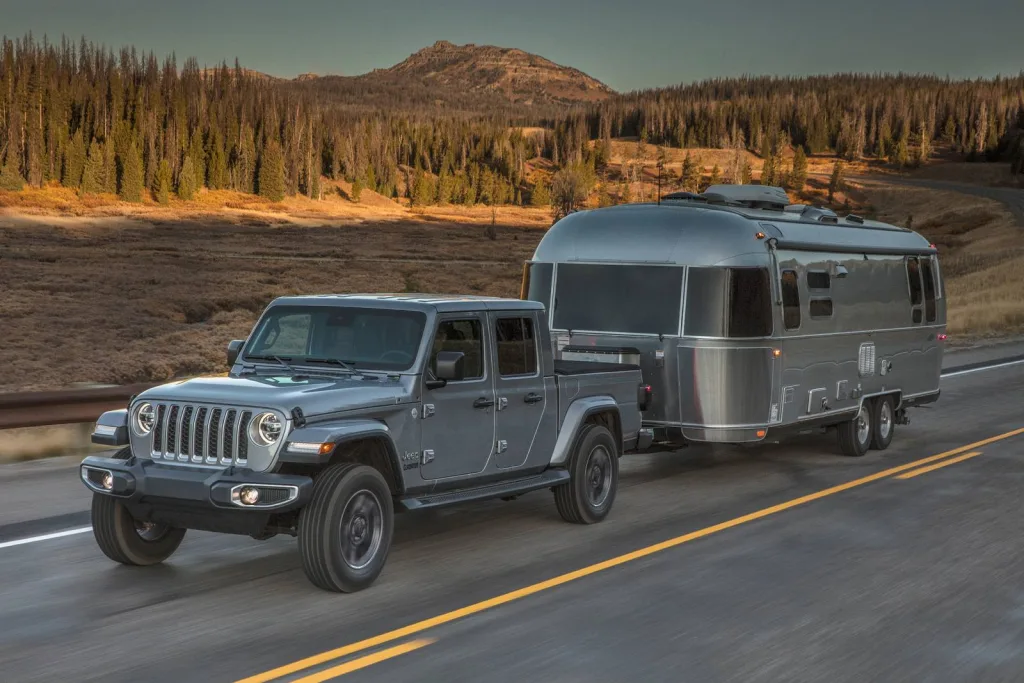
Are Jeep Gladiators Reliable?
Yes, the Jeep Gladiator can be reliable, but it depends heavily on the model year, transmission, maintenance history, modifications, and how the truck was used.
The simple answer is this: the Jeep Gladiator is a solid midsize pickup if you want Wrangler-style capability with a truck bed, but it is not the lowest-maintenance or most refined pickup in the segment. The best used Gladiator years are generally 2023 and newer, while early 2020 models and manual-transmission versions need more careful inspection.
J.D. Power gives the 2023 Jeep Gladiator a consumer rating of 85/100 and a Quality & Reliability score of 87/100, which is a strong sign for later model years. On the other hand, early Gladiators had known owner complaints and recalls, especially around steering feel and manual-clutch issues. (JD Power)
Is the Jeep Gladiator Reliable Overall?
The Gladiator is reasonably reliable when maintained properly, but it is not a basic commuter truck.
It is based heavily on the Jeep Wrangler platform, which means it has real off-road hardware, removable roof panels, available removable doors, 4×4 systems, solid-axle-style trail capability, and a unique body structure. That makes it more specialized than a Toyota Tacoma, Ford Ranger, Chevy Colorado, or Nissan Frontier.
That specialization is the tradeoff. The Gladiator gives you capability and personality, but it can require more attention to tires, steering, suspension, alignment, roof seals, and modifications.
Best Jeep Gladiator Years for Reliability
The safest used Gladiator years are generally:
2023 Jeep Gladiator
2024 Jeep Gladiator
2025 Jeep Gladiator
The 2023 model is a strong used pick because it came after the early launch years and still used the familiar 3.6L Pentastar V6. J.D. Power’s 2023 Gladiator score is also favorable, especially its 87/100 Quality & Reliability rating. (JD Power)
The 2024 and 2025 models may be good choices too, but newer years naturally have less long-term ownership data. If buying newer, check recalls by VIN and confirm all software and safety updates are complete.
2020 Jeep Gladiator: Be More Careful
The 2020 Gladiator was the first model year, and first-year vehicles usually carry more risk.
That does not mean every 2020 Gladiator is bad. Many owners love them. But if you are shopping used, the 2020 model should be inspected more carefully for steering complaints, suspension issues, recalls, water leaks, electrical concerns, and prior off-road use.
The 2020 model year also appears in recall and investigation history more often than later refined years. NHTSA opened a probe into 2020 Jeep Gladiator and Wrangler vehicles over possible instrument panel cluster display loss, after complaints involving complete or partial display loss while driving. (Reuters)
Manual Transmission Gladiators Need Extra Attention
If reliability is the priority, the automatic transmission is usually the safer Gladiator choice.
Manual-transmission Gladiators have had clutch-related recall history. An NHTSA recall document for recall 23V-116 covered certain manual-transmission Jeep Wrangler and Gladiator vehicles because the clutch pressure plate could overheat under certain circumstances. (NHTSA)
This does not mean every manual Gladiator is a problem, but it does mean used buyers should check recall completion, clutch feel, service history, and whether the truck has been driven hard off-road.
Common Jeep Gladiator Problems to Watch
The most common things to inspect on a used Gladiator include:
Steering wander or front-end wobble.
Uneven tire wear.
Suspension wear.
Roof or door seal leaks.
Manual clutch recall history.
Electrical or display issues.
Poor aftermarket lift kits.
Cheap wiring from lights or accessories.
Off-road damage underneath.
Rust or frame damage in harsh climates.
A Gladiator that has been kept stock, serviced properly, and driven normally is usually much safer than a lifted one with mystery parts and no service records.
Is the 3.6L V6 Reliable?
The 3.6L Pentastar V6 is the safest Gladiator engine for most buyers.
It is widely used across Jeep, Dodge, Chrysler, and Ram vehicles, which helps with parts availability and mechanic familiarity. It is not the most powerful midsize-truck engine, but it is a proven gas engine when maintained properly.
For long-term reliability, the automatic V6 Gladiator is the cleanest recommendation.
Gladiator Reliability vs Toyota Tacoma
The Toyota Tacoma has the stronger long-term reliability reputation.
The Jeep Gladiator has the stronger Jeep personality. It offers removable roof panels, removable doors, real Jeep off-road character, and a more unique ownership experience.
If you want the safer appliance-like truck, Tacoma usually wins. If you want the more adventurous and customizable truck, Gladiator makes more sense.
Gladiator Reliability vs Wrangler
The Gladiator and Wrangler share a lot of DNA, but the Gladiator adds a truck bed and a longer wheelbase.
The Wrangler is more maneuverable off-road. The Gladiator is more useful for gear, camping, light towing, and truck tasks.
Reliability concerns are similar: steering, suspension, roof seals, modifications, tires, and off-road wear matter a lot.
Is a Used Jeep Gladiator Worth Buying?
Yes, a used Jeep Gladiator is worth buying if you choose the right one.
The best used Gladiator is usually a 2023 or newer automatic V6 model with clean history, no major modifications, completed recalls, good tires, and service records.
Avoid buying only by price. A cheap Gladiator with bad steering, worn suspension, cheap lift kit, oversized tires, leaks, or unresolved recalls can become expensive quickly.
For local shoppers, compare used Jeep inventory by year, trim, mileage, condition, and modification history. If you want warranty coverage and the latest updates, check available new Jeep inventory.
Best Gladiator Trim for Reliability
For reliability-first buyers, the best trims are usually Sport S, Willys, or Overland, depending on year.
These trims give you the Gladiator experience without always carrying the heavier off-road use history that can come with Rubicon or Mojave models.
Rubicon and Mojave are excellent trims, but they are more likely to attract owners who off-road, modify, and push the truck harder. Buy them if you want the capability, but inspect them carefully.
Final Verdict: Are Jeep Gladiators Reliable?
The Jeep Gladiator is reasonably reliable, but it is not a low-maintenance commuter pickup.
The safest answer is this: buy a 2023 or newer Gladiator with the 3.6L V6, automatic transmission, clean service history, completed recalls, and minimal modifications. Be more careful with 2020 launch-year models, manual-transmission trucks, and heavily modified examples.
The Gladiator is best for buyers who want a real Jeep pickup, not just the cheapest or smoothest midsize truck. If you maintain it properly and buy the right one, it can be a dependable and highly capable adventure truck.
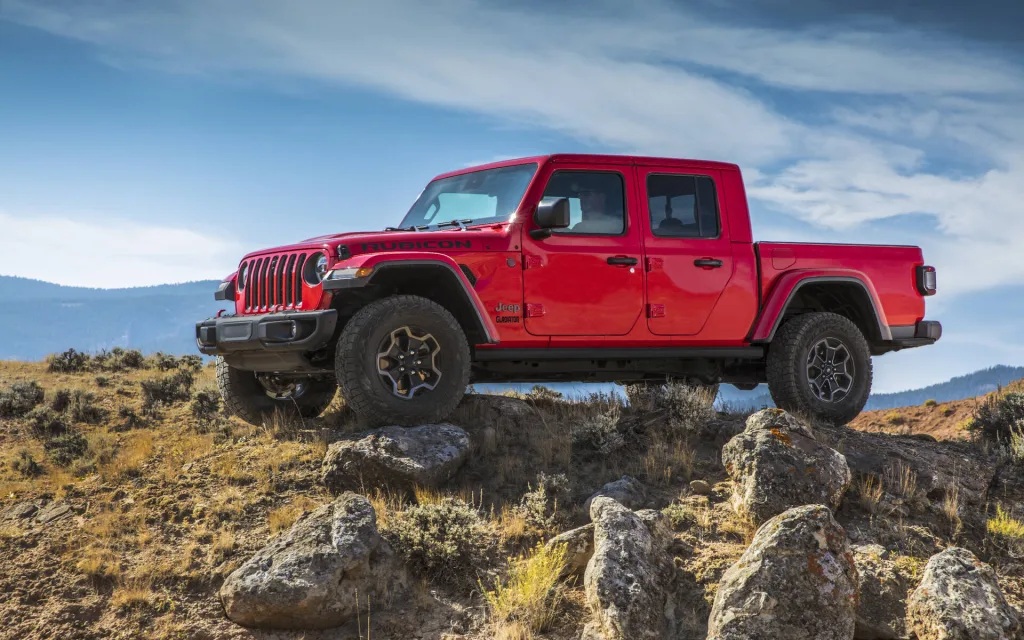
How Many Miles Can a Jeep Wrangler Last?
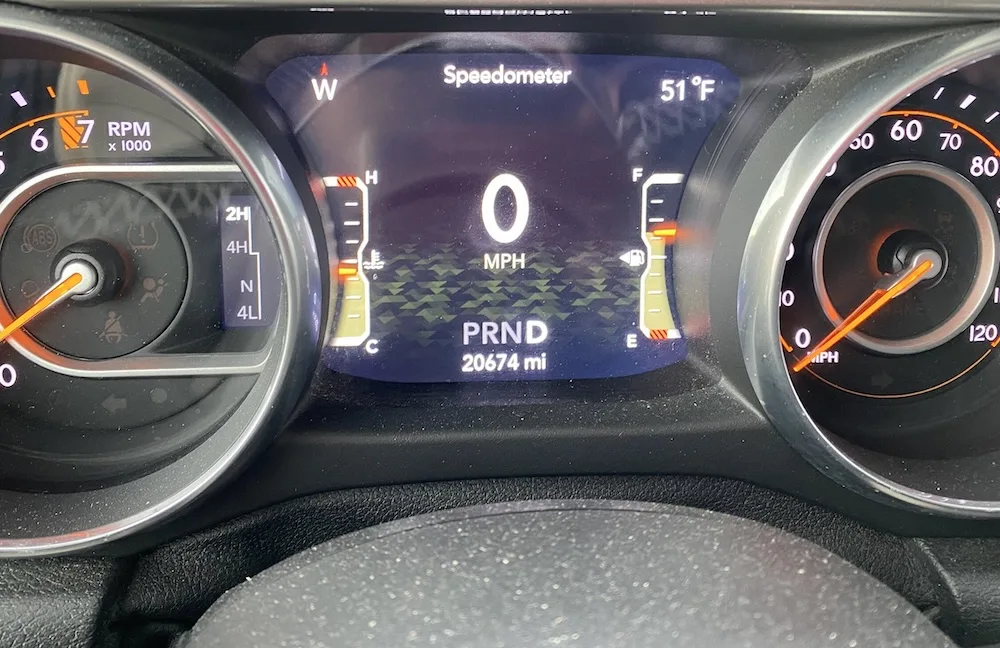
How Many Miles Can a Jeep Wrangler Last?
A Jeep Wrangler can usually last 150,000 to 200,000 miles with proper maintenance, and many clean, well-cared-for Wranglers can go beyond 250,000 miles.
The simple answer is this: a Jeep Wrangler lasts a long time when it is maintained properly, kept mostly stock, protected from rust, and not abused off-road without follow-up service. RepairPal lists the Wrangler’s average annual repair cost at $694, which means it is not the cheapest SUV to own, but it is still realistic to keep one running for years.
What Is the Average Jeep Wrangler Lifespan?
The realistic lifespan for most Jeep Wranglers is around 150,000 to 200,000 miles.
That range assumes regular oil changes, coolant service, brake maintenance, tire rotations, fluid checks, and repairs when needed. A Wrangler that gets neglected, overheated, rusted, or badly modified may not reach that mileage comfortably.
iSeeCars estimates the Jeep Wrangler’s average lifespan at 136,692 miles, with a 9.5% chance of reaching at least 200,000 miles. That number is useful, but real-world Wrangler life varies a lot because some are daily drivers, some are weekend toys, and some are heavily modified off-road builds.
Can a Jeep Wrangler Last 200,000 Miles?
Yes, a Jeep Wrangler can last 200,000 miles.
The key is condition. A Wrangler with 120,000 miles, clean service records, no frame rust, good cooling-system health, and stock suspension can be a better buy than a 70,000-mile Wrangler with cheap lift parts, water leaks, warning lights, and no maintenance history.
At 200,000 miles, you should expect repairs. The engine may still be strong, but suspension parts, steering components, wheel bearings, axle seals, sensors, cooling parts, and drivetrain components may need attention.
Can a Jeep Wrangler Last 300,000 Miles?
Yes, some Jeep Wranglers can reach 300,000 miles, but that is not the average.
A 300,000-mile Wrangler usually gets there because the owner maintained it seriously. That means oil changes on time, correct fluids, rust prevention, cooling-system care, transmission and differential service, and repairs before small problems became major ones.
At that mileage, the Wrangler may still be worth owning, but you should expect a long repair history. Getting to 300,000 miles usually means replacing wear items along the way, not simply driving without repairs.
Which Wrangler Engine Lasts the Longest?
For most used buyers, the 3.6L Pentastar V6 is the safest long-term Wrangler engine.
It is common, widely serviced, and used across many Jeep, Dodge, Chrysler, and Ram vehicles. That helps with parts availability and mechanic familiarity.
The older 3.8L V6 in 2007 to 2011 JK Wranglers can last, but it is weaker and now found in older vehicles that may have more age-related issues.
The 2.0L turbo can be good, but turbo engines need disciplined oil changes and proper cooling care.
The Wrangler 4xe plug-in hybrid is powerful and efficient when charged, but it is more complex. Buyers should check recalls carefully. NHTSA has covered Wrangler 4xe recall concerns involving plug-in hybrid vehicles, so a VIN check is important before buying used.
Best Wrangler Years for Long Life
Some of the safest Wrangler years for long-term ownership are 2015, 2016, 2017, 2019, 2020, 2021, and 2023.
The 2015 to 2017 JK Wrangler models are popular because they came late in the JK generation and use the 3.6L Pentastar V6. They are simpler than newer models and have strong aftermarket support.
The 2019 to 2021 JL Wrangler models are more refined. They are better daily drivers, with improved interiors, newer tech, and better road manners.
J.D. Power gives the 2023 Jeep Wrangler a Quality & Reliability score of 84 out of 100, which falls into its “Great” range.
Wrangler Years to Be Careful With
Some Wrangler years need more inspection before purchase.
Be careful with 2007 and 2008 models because they are early JK years and are now older. Rust, leaks, worn suspension, and previous modifications matter a lot.
Be cautious with 2012 because it was the first Wrangler year for the 3.6L Pentastar V6. Many buyers prefer later JK years after the engine had more time in production.
Inspect 2018 carefully because it was a changeover year from JK to JL. You need to know exactly which version you are buying and check for first-year redesign issues.
For any Wrangler, use the official NHTSA recall lookup before buying. Open recalls are not always dealbreakers, but they need to be handled.
Is 100,000 Miles a Lot for a Jeep Wrangler?
No, 100,000 miles is not automatically a lot for a Jeep Wrangler.
A 100,000-mile Wrangler can still be a strong vehicle if it has service records, clean fluids, no frame rust, no overheating history, and no poor modifications.
At 100,000 miles, inspect the engine, transmission, transfer case, axles, suspension, steering, brakes, tires, cooling system, roof seals, and 4×4 system.
For Wranglers, condition matters more than mileage alone.
What Makes a Wrangler Last Longer?
Maintenance is the biggest factor.
A Jeep Wrangler lasts longer when the owner changes oil on time, services fluids, fixes leaks early, prevents rust, keeps tires properly sized, and avoids cheap modifications.
Rust is one of the biggest Wrangler killers. A clean engine does not matter much if the frame is badly rusted. If you live in a salt state or drive near the ocean, underbody care matters.
A mostly stock Wrangler usually lasts longer than one with oversized tires, cheap lift kits, bad steering geometry, and unknown wiring.
What Shortens a Wrangler’s Life?
The biggest things that shorten a Wrangler’s life are neglect, overheating, rust, poor lift kits, oversized tires, hard trail use, and skipped maintenance.
Off-roading is not the problem by itself. The Wrangler is built for it. The problem is when a Jeep is driven through mud, water, rocks, and sand, then parked without cleaning or inspecting anything.
Oversized tires without proper supporting upgrades can also wear out steering, suspension, axles, brakes, and driveline parts faster.
Used Wrangler Buying Tips
Before buying a used Wrangler, look beyond the odometer.
Check service records, frame rust, roof leaks, tire wear, steering feel, suspension parts, brake condition, 4×4 operation, warning lights, accident history, and open recalls.
Avoid a Wrangler that has been heavily modified with no receipts. A clean stock Jeep with records is usually safer than a lifted one with unknown parts.
For local shoppers, compare used Jeep inventory by year, mileage, trim, engine, service history, and condition. If you want warranty coverage and newer features, check current new Jeep inventory.
FAQs About Jeep Wrangler Lifespan
How many miles can a Jeep Wrangler last?
A Jeep Wrangler can usually last 150,000 to 200,000 miles, and well-maintained examples can go beyond 250,000 miles.
Can a Jeep Wrangler last 300,000 miles?
Yes, some Wranglers can reach 300,000 miles, but it requires excellent maintenance, rust prevention, and repairs along the way.
Is 100,000 miles too much for a Wrangler?
No. A 100,000-mile Wrangler can still be a good buy if it has clean service records, no major rust, no warning lights, and no poor modifications.
What is the best Wrangler engine for longevity?
The 3.6L Pentastar V6 is usually the safest long-term engine choice for most used Wrangler buyers.
Are Jeep Wranglers expensive to maintain?
They can cost more than many compact SUVs. RepairPal lists the Wrangler’s average annual repair cost at $694, compared with $521 for compact SUVs.
Final Thoughts: Wranglers Can Last, But Condition Matters Most
A Jeep Wrangler can last a long time when it is treated properly.
The realistic range is 150,000 to 200,000 miles, with many clean examples going beyond that. The best used Wranglers are usually well-maintained, mostly stock, rust-free, and supported by service records.
The engine matters, but the bigger picture matters more. Rust, overheating, poor modifications, skipped maintenance, and hard off-road abuse can shorten a Wrangler’s life fast. Buy the right one, maintain it properly, and a Wrangler can be one of the longest-lasting and most rewarding SUVs to own.
Connect with us


