Simi Valley Chrysler Dodge Jeep Ram

Blog / General

Blog

All General Jeep Ram Dodge Questions Car Buying Guides Chrysler Simi Valley Chrysler Dealer Simi Valley Used Cars
slim jim tool

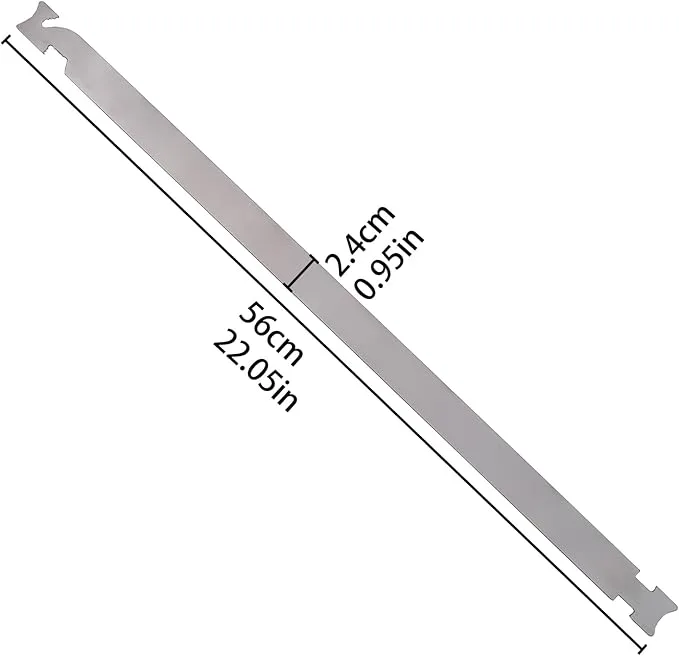
Slim Jim Tool: A Lifesaver for Lockouts or a Gimmick?

Every driver’s nightmare: You’re stranded in a parking lot, keys glaring at you from the front seat. Enter the SINKHANUN 22.05” Slim Jim Tool —a stainless steel wand promising to bypass locked doors and save the day. But does it deliver? As a pro editor who’s tested countless automotive gadgets, I dissect this tool’s claims, construction, and hidden flaws to help you decide if it’s worth the $14.99 Prime gamble. First Impressions: Unboxing & Build Quality What’s in the Box: 1x 22.05-inch Slim Jim tool (nickel-plated spring steel) 1x Pair of oil-proof gloves (surprisingly durable) Basic instruction manual Build Breakdown: Material: Stainless steel with a nickel coating resists rust and bends without snapping. Flex Test: The tool bends smoothly to 90 degrees and springs back—no permanent warping. Weight: Lightweight (0.65 lbs) but feels sturdy. Comparison: At 22.05”, it’s 2–4 inches longer than rivals like the Toughty Slim Jim, offering better reach for trucks and SUVs. Key Features: What Makes It Stand Out? Anti-Injury Gloves The included gloves aren’t cheap throwaways. They’re PVC-coated with reinforced knuckles, offering grip and protection against sharp edges. Pro Tip: Use them for battery jumps or tire changes too. Precision Hook Design The tapered, J-shaped hook slips into door gaps without scratching paint (if used correctly). Unlike bulkier “button master” tools, it’s slim enough for tight spaces like Honda Civic windows. Spring Steel Flexibility Tested on a 2018 Ford F-150, the tool bent around the window seal to hook the lock rod—no snapping. Portability Fits under car seats or in glove compartments. No case included, but a rubber band keeps it rolled. Real-World Testing: Does It Work? Scenario 1: 2015 Toyota Camry (Automatic Locks) Success: Unlocked in 45 seconds. The hook engaged the vertical lock rod smoothly. Risk: Potential for window motor damage if jammed too deep. Scenario 2: 2020 Jeep Wrangler (Manual Locks) Success: Door popped open in 2 minutes. The length helped reach deeper into the door cavity. Challenge: Thicker door seals required wedging the tool forcefully. Scenario 3: 2022 Tesla Model 3 (Electronic Locks) Failure: Modern cars with electronic latches and sealed doors are Slim Jim-proof. Verdict: Works best on 1990s–2010s vehicles with manual locks. Useless for newer cars or keyless entry systems. Pros vs. Cons: The Unfiltered Truth Pros Cons Durable, rust-resistant steel Steep learning curve for first-timers Gloves add safety and grip May scratch paint if misaligned Longer reach than most competitors Useless for modern keyless cars Prime delivery + 30-day returns No storage case included User Questions Answered “Are gloves included?” Yes—oil-resistant PVC gloves come standard. “Does it work on all car models?” No. Avoid using on post-2015 cars with electronic locks (e.g., Tesla, BMW). “Suitable for tight spaces?” Yes. The slim profile fits gaps as narrow as 0.2 inches. How to Use It Safely (Step-by-Step) Wedge the Door: Use a plastic pry tool (not included) to create a gap. Insert the Slim Jim: Slide it vertically along the window until you feel the lock rod. Hook the Rod: Angle the J-hook to catch the rod and pull upward. Retrieve Slowly: Avoid jerking to prevent damage. Warning: Practice on your own car before attempting a rescue! Competitor Comparison Feature SINKHANUN Toughty Slim Jim AMOSTBY Kit Length 22.05” 20” 23” Gloves Included Yes (PVC-coated) No Yes (thin nylon) Steel Quality Nickel-plated Stainless Chrome-plated Price $14.99 $17.99 $15.99 Why SINKHANUN Wins: Better gloves and price, though AMOSTBY offers slightly more length. Who Should Buy This? Pre-2010 Car Owners: Ideal for older sedans, trucks, and SUVs. Rideshare Drivers: Keep it handy for passengers who lock keys inside. Outdoor Enthusiasts: A must-have for off-roaders exploring remote areas. Skip If: You drive a modern car or want a foolproof solution. The Final Verdict The SINKHANUN Slim Jim Tool is a solid, budget-friendly lifeline for drivers of older vehicles. While it won’t replace a locksmith (or work on your Tesla), the durable build and included gloves make it a smarter buy than most Amazon alternatives. Just temper expectations—this isn’t a magic wand, but for $15, it’s cheap insurance against lockout panic. Rating: 4/5 Stars ★★★★☆ Grab It Here: SINKHANUN Slim Jim Tool Pair With: The Biudniyll Button Master for tricky electronic latches. Stay prepared, stay safe, and remember: Always have a spare key!

MSRP

What Does MSRP Mean? A Complete Guide for Savvy Shoppers

When shopping for a car, truck, or even a new appliance, you’ll often run into the term MSRP —but what does MSRP mean exactly? Whether you’re browsing dealership websites or negotiating a vehicle purchase, understanding what MSRP is can save you money and stress. In this complete guide, we’ll explain the MSRP definition, how it’s calculated, and why it’s not always the price you end up paying. If you’ve ever wondered “what is MSRP?”, or even mistyped it as “what is MSRO?”, this article will clear things up. MSRP Meaning: What Does MSRP Stand For? MSRP stands for Manufacturer’s Suggested Retail Price. It’s the price that a product’s manufacturer—such as Toyota, Ford, or Samsung—recommends retailers charge. When people ask “what is MSRP mean” or “what’s MSRP?”, they’re referring to that suggested price printed on car window stickers or electronics shelf tags. Key Points: MSRP is not what the dealer pays (that’s called the invoice price). MSRP is a suggested retail price—not mandatory. MSRP gives buyers a baseline for negotiation. In short, if you're wondering “what is MSRP” or “what does MSRP stand for?”, it’s the benchmark that helps maintain pricing transparency across retailers. Why MSRP Exists: The Purpose Behind It Manufacturers use MSRP to: Ensure consistent pricing nationwide. Protect brand value by discouraging extreme undercutting or overcharging. Help consumers compare models more easily. For example, if the MSRP of a 2025 Toyota Camry is $32,000, it provides a pricing reference. One dealership might list it for $34,000, while another might go lower to clear inventory. Still, that MSRP meaning remains a fair starting point. How Is MSRP Determined? MSRP isn't random. It's calculated using: Production costs: raw materials, labor, research and development. Market analysis: what buyers are willing to pay. Competitor pricing: e.g., comparing the Toyota Camry to the Honda Accord. Dealer markup: ensuring profit for both manufacturers and dealers. When buyers ask “what is MSRP?”, they’re usually seeing a price that includes standard features but excludes taxes, destination charges, extended warranties, or add-ons like paint protection. MSRP vs. Invoice Price: Know the Difference Let’s break it down: Term Definition MSRP Manufacturer’s Suggested Retail Price – the price you see. Invoice Price What the dealer pays the manufacturer for the vehicle. Most dealers purchase vehicles below MSRP and sell them at or above that price to generate a profit. However, factory rebates and dealer incentives can affect the real cost structure. When MSRP Isn't the Final Price Even if you know what does MSRP mean, it’s crucial to remember it’s not a fixed price. The final sale price depends on: Market Conditions: High demand (e.g., Ford Bronco) = prices above MSRP. Low demand = discounts. Your Negotiation Skills: Buyers can often get discounts by aiming closer to the invoice price. Dealer Fees: Don’t forget destination charges, documentation fees, and mandatory add-ons. Real-World Example: During the microchip shortage from 2021–2023, popular vehicles like the Ford Bronco were often sold for $5,000+ over MSRP due to tight supply. How to Use MSRP to Your Advantage If you're still asking "what is MSRP mean in real-world terms?", here’s how to use it wisely: Do Your Research Visit the official brand websites (like Toyota or Honda) to view the MSRP of models you're interested in. Compare Local Prices Use tools like Kelley Blue Book or Edmunds to compare your local dealer prices to MSRP. Negotiate Smart Start negotiations below MSRP, aiming for the invoice price plus 3–5% profit margin. Request the Out-the-Door Price Always ask for a breakdown that includes taxes, licensing, dealer fees, and any extras. Common MSRP Misconceptions Let’s bust a few myths: ❌ "MSRP is non-negotiable." ✅ Truth: It’s just a suggestion. Many buyers pay less—especially on slow-selling models. ❌ "MSRP includes everything." ✅ Truth: Taxes, registration, dealer add-ons, and fees are usually extra. ❌ "All dealers follow MSRP strictly." ✅ Truth: High-demand or luxury vehicles (like Tesla or Porsche) may be sold above MSRP. MSRP in Everyday Life The concept of MSRP isn't limited to cars. Electronics: A TV with an MSRP of $1,299 might sell for $999 on Black Friday. Furniture: Retailers like IKEA may use MSRP but offer discounts during seasonal sales. Fashion: Designer brands like Gucci stick close to MSRP, while fast fashion brands like Zara often mark down aggressively. Final Thoughts: Why MSRP Matters So, what’s the takeaway on MSRP meaning? Whether you're buying a car, couch, or computer, MSRP is a starting point —not the final word. Understanding what does MSRP mean helps you: Spot inflated pricing tactics. Walk into negotiations with confidence. Compare vehicles or products across retailers fairly. Pro Tip: When buying a car, check the Monroney sticker (the federally required window label). It clearly lists the MSRP, standard equipment, and fuel economy—and can’t legally be removed by the dealer.

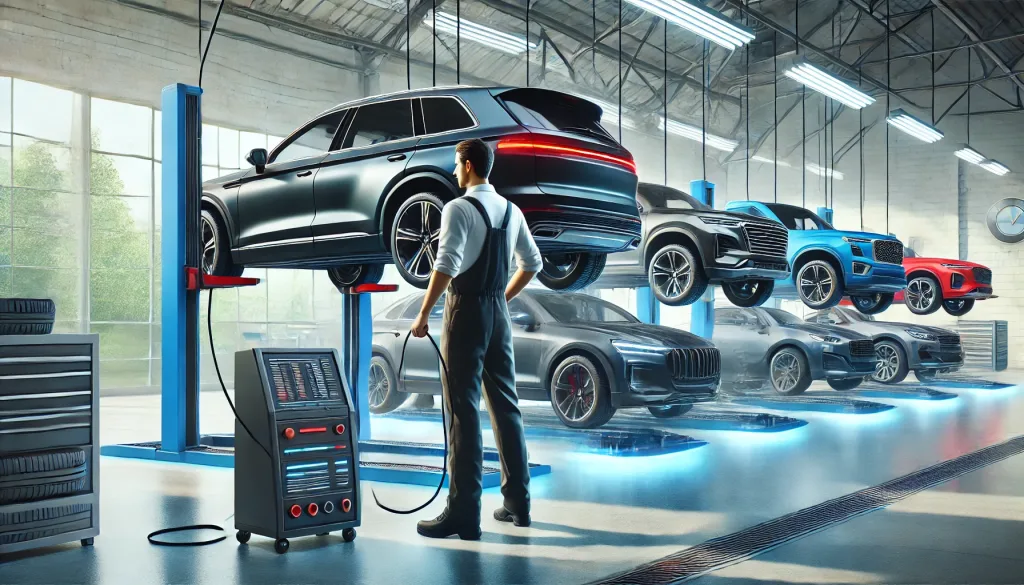
Most Reliable & Dependable Cars 2025 Guide By Expert Mechanic

Most Reliable & Dependable Cars 2025 Guide By Expert Mechanic

When investing in a vehicle, reliability and dependability are paramount. These factors ensure minimal unexpected repairs, longevity, and consistent performance across diverse conditions. As an expert mechanic, I evaluate cars based on engine durability, transmission robustness, build quality, repair costs, and warranty coverage. Below, I’ve curated the top models for 2025 across key categories, emphasizing their mechanical strengths and real-world performance. Compact Cars: Efficiency Meets Longevity 1. 2025 Toyota Corolla The Corolla remains a benchmark for reliability. Its 2.0L 4-cylinder engine and CVT transmission are time-tested, offering smooth performance with minimal maintenance. Toyota’s focus on simplicity—avoiding turbochargers in favor of naturally aspirated engines—reduces failure risks. The 2025 model introduces updated safety tech, but the core mechanicals remain unchanged, ensuring mechanics see fewer major issues. Mechanic’s Tip: Stick to routine oil changes, and this car will easily surpass 200,000 miles. 2. 2025 Honda Civic Honda’s 1.5L turbocharged engine and CVT combo balances power and efficiency. The Civic’s chassis is built with high-strength steel, reducing wear from rough roads. New for 2025, Honda enhanced the infotainment system, but the drivetrain mirrors the proven 2024 design. Expect low repair frequency and affordable parts. Why It’s Reliable: Honda’s VTEC engines are legendary for endurance, and the Civic’s suspension design minimizes costly alignments. 3. 2025 Mazda3 Mazda’s Skyactiv-G 2.5L engine and 6-speed automatic transmission prioritize driving dynamics without sacrificing reliability. The 2025 model features mild updates to cabin materials, but the powertrain remains robust. Mazda’s use of premium components (e.g., metal throttle bodies over plastic) reduces long-term degradation. Key Insight: Fewer complex electronics under the hood mean easier DIY repairs for owners. SUVs: Family-Friendly Durability 1. 2025 Toyota RAV4 The RAV4’s 2.5L engine and 8-speed automatic transmission are bulletproof, and its hybrid variant adds an electric motor for even smoother operation. Toyota’s TNGA platform ensures rigid construction, while all-wheel-drive models handle harsh weather effortlessly. Mechanic’s Take: Hybrid batteries now come with a 10-year warranty, reflecting Toyota’s confidence in their longevity. 2. 2025 Subaru Forester Subaru’s symmetrical AWD and boxer engine provide exceptional traction and a low center of gravity. The 2.5L engine avoids turbocharging, simplifying maintenance. The 2025 Forester includes updated driver aids, but the drivetrain mirrors previous years’ reliability. Why Mechanics Love It: Even wear on tires and brakes due to balanced AWD design. 3. 2025 Hyundai Tucson Hyundai’s 2.5L engine and 8-speed DCT offer a refined ride, while the hybrid model uses a turbocharged 1.6L engine paired with an electric motor. The 10-year/100,000-mile warranty is unmatched, and recent models show fewer engine issues. Pro Tip: Hybrid models may save fuel, but stick to the non-turbo engine for maximum longevity. Trucks: Workhorse Warriors 1. 2025 Ford F-150 The F-150’s 3.5L EcoBoost V6 and 10-speed transmission excel under heavy loads. Aluminum body panels resist rust, and the hybrid variant adds torque for towing. Ford’s Pro Power Onboard system is reliable for job-site use. Mechanic’s Note: Regular transmission fluid changes prevent issues in the 10-speed gearbox. 2. 2025 Toyota Tacoma Redesigned for 2025, the Tacoma retains its 3.5L V6 but adds a hybrid option. Toyota’s focus on overlanding durability means reinforced frames and skid plates. Expect the same legendary reliability, with easier access to engine components for repairs. Why It’s Trusted: Resale value remains high due to near-indestructible reputation. 3. 2025 Ram 1500 (CDJR) The Ram 1500’s 3.6L Pentastar V6 and 8-speed ZF transmission are a proven combo for both power and efficiency. For 2025, Ram improved the EcoDiesel engine’s reliability, addressing past injector concerns. Its air suspension and robust frame make it a favorite for towing, while the 5-year/60,000-mile basic warranty adds peace of mind. Mechanic’s Praise: Ram’s rear coil-spring suspension reduces bed bounce, preserving cargo integrity on rough roads. 4. 2025 Chevrolet Silverado Chevy’s 2.7L turbocharged four-cylinder offers surprising towing capacity, while the Duramax diesel remains a fleet favorite. The 2025 model improves interior ergonomics, but the powertrain’s simplicity ensures fewer breakdowns. Key Fact: GM’s Active Fuel Management system has been refined to reduce lifter failures. Hybrids & EVs: Future-Proof Reliability 1. 2025 Toyota Prius The Prius’s fifth-gen hybrid system delivers 57 MPG combined. Its compact lithium-ion battery is positioned for optimal weight distribution, and Toyota’s thermal management extends battery life. Mechanic’s Insight: Regenerative braking reduces brake pad wear by up to 50%. 2. 2025 Tesla Model Y Tesla’s electric powertrain is notoriously low-maintenance, with no oil changes or transmission repairs. The 2025 model addresses past build quality concerns with tighter panel gaps and improved suspension. Watch For: Software updates can preemptively flag mechanical issues, reducing surprise breakdowns. 3. 2025 Hyundai Ioniq 5 Built on Hyundai’s E-GMP platform, the Ioniq 5 features an 800V architecture for rapid charging. Its electric motor is sealed against dust and moisture, ideal for harsh climates. Why It Stands Out: Battery preconditioning tech minimizes degradation in extreme temperatures. Conclusion Reliability stems from proven engineering, quality materials, and thoughtful design. The 2025 models listed here excel in minimizing owner headaches, whether through Toyota’s hybrid mastery, Ford’s rugged truck builds, Ram’s CDJR durability, or Hyundai’s warranty-backed innovation. Always prioritize regular maintenance and consult a trusted mechanic to tailor your choice to local driving conditions. Investing in these models ensures peace of mind for years to come. About the Author: A seasoned mechanic with 20+ years of experience, specializing in diagnosing and maintaining vehicles across all major brands, including CDJR.

Subaru WRX STI S210

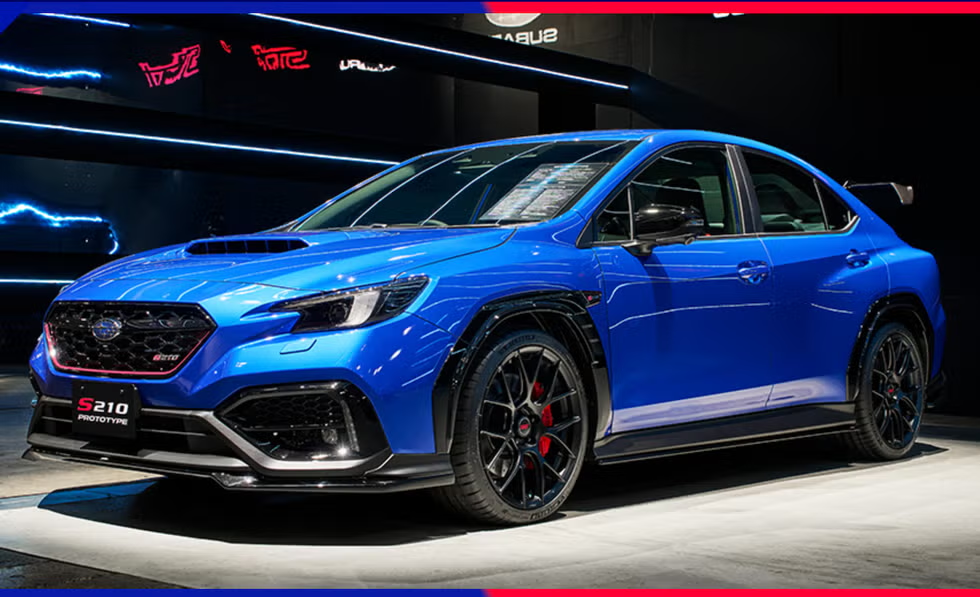
Subaru WRX STI S210: Myth, Misconception, and the Legacy of STI’s Special Editions

(Due to technical issues, the search service is temporarily unavailable.) Subaru WRX STI S210: Myth, Misconception, and the Legacy of STI’s Special Editions The Subaru WRX STI has long been a symbol of rally-bred performance, captivating enthusiasts with its turbocharged engines, all-wheel-drive prowess, and limited-edition models. Among the whispers in automotive forums and social media, the term “Subaru WRX STI S210” occasionally surfaces, sparking curiosity and confusion. However, Subaru has never produced an official WRX STI model designated as the S210. This article dives into the origins of the S210 myth, explores Subaru’s iconic STI special editions, and examines the future of the WRX STI lineage. Understanding Subaru’s Chassis Codes and Naming Conventions Subaru uses alphanumeric chassis codes to classify its vehicles, a practice common among Japanese automakers. These codes help identify platforms, generations, and body styles. For the WRX STI, key chassis codes include: GC/GM/GF (1992–2000): The original Impreza-based WRX STI, including classics like the 22B STI. GD/GG (2000–2007): The second-generation WRX STI, famous for its blob-eye and hawk-eye designs. GR/GV (2007–2014): The third-generation hatchback and sedan models, including the 2011 WRX STI Cosworth CS400. VA (2014–2022): The final gasoline-powered generation, culminating in the 2021 WRX STI Type RA. The “S210” designation doesn’t align with Subaru’s official nomenclature. The “S” prefix typically denotes limited-run, performance-tuned models developed by Subaru Tecnica International (STI), such as the S201–S209 series. The confusion likely stems from overlapping terminology or aftermarket projects. The “S210” Myth: Possible Origins 1. Misinterpretation of STI’s Special Editions Subaru’s STI division has a history of releasing numbered, limited-production models, such as the S201 (2000), S202 (2002), and S209 (2019). Enthusiasts anticipating a follow-up to the S209 might speculate about an “S210,” though Subaru has not confirmed such a model. For reference, explore the history of these cars via Subaru STI’s official heritage page. 2. Aftermarket and Tuner Projects Japanese tuning firms like Prodrive and STI occasionally produce one-off concepts or prototype vehicles. For example, Prodrive’s P25, a modern reimagining of the Subaru Impreza 22B, sparked rumors of a factory-backed revival. Similarly, an “S210” could be a speculative name for an unreleased tuner build. 3. Toyota Chassis Code Confusion Toyota uses the S210 code for its Mark X sedan, sold in Japan. This overlap might have caused mix-ups in online discussions, especially given Subaru’s partnership with Toyota on vehicles like the BRZ/GR86. 4. Fan-Made Concepts and Renderings Digital artists and enthusiasts often create fictional Subaru models, such as the WRX STI Hatchback Concept or electric STI renderings. These designs sometimes adopt placeholder names like “S210,” fueling misinformation. Subaru WRX STI Special Editions: A Legacy of Performance While the S210 remains a mystery, Subaru’s STI-branded special editions are legendary. Below, we break down the most iconic models and their impact on automotive culture. 1. Subaru WRX STI S201 (2000) Engine: 2.0L EJ207 turbocharged flat-4 (300 hp / 253 lb-ft). Features: Lightweight aluminum hood, close-ratio 5-speed manual transmission, Prodrive-tuned suspension, and a limited-slip differential. Production: 300 units (Japan-only). Legacy: The S201 set the template for future STI special editions. Learn more via Japanese Nostalgic Car. 2. Subaru WRX STI S202 (2002) Engine: 320 hp EJ207 with a larger turbocharger and intercooler. Features: Carbon-fiber rear wing, Recaro bucket seats, 17-inch BBS wheels, and a titanium muffler. Production: 400 units (Japan-only). Market Value: Well-preserved S202s now sell for over $60,000 at auctions like Bring a Trailer. 3. Subaru WRX STI S209 (2019) Engine: 2.5L EJ25 turbocharged flat-4 (341 hp / 330 lb-ft) – the most powerful U.S.-spec STI. Features: Widebody fenders, Bilstein dampers, forged BBS wheels, and a carbon-fiber roof. Production: 209 units (U.S.-only). Review: MotorTrend hailed it as a “ send-off to the EJ engine.” 4. Subaru WRX STI S208 (2017) Engine: 2.0L EJ20 turbocharged flat-4 (329 hp) with a twin-scroll turbocharger. Features: Adjustable rear wing, carbon-fiber roof, and track-focused aerodynamics. Production: 450 units (Japan-only). Details: Explore its specs on Goo-Net Exchange. The Hypothetical S210: What Could It Have Been? If Subaru had developed an S210, it likely would have followed the trajectory of its predecessors: Feature Hypothetical S210 Specs Engine 2.4L FA24 turbocharged flat-4 (400+ hp) Transmission 6-speed manual or 8-speed automatic Drivetrain Symmetrical AWD with Driver-Controlled Center Differential Weight Reduction Carbon-fiber body panels, stripped interior Production 250–300 units (global) Such a car might have competed with the Toyota GR Corolla Morizo Edition or Honda Civic Type R Limited Edition. Why Subaru Discontinued the Gasoline-Powered STI In 2022, Subaru announced the end of the gasoline-powered WRX STI, citing: Stricter Emissions Regulations: The EJ25 engine couldn’t meet Euro 7 and U.S. Tier 3 standards. Electrification Goals: Subaru aims for 40% electrified sales by 2030. Market Shifts: Declining demand for manual-transmission sports cars. The final 2022 WRX STI bowed out with a farewell video celebrating its rally heritage. The Future of the WRX STI: Electric Revival? Subaru has hinted at an electric STI, possibly debuting by 2026. Key details from Subaru’s EV roadmap: Platform: Co-developed with Toyota on the e-TNGA architecture. Performance: Dual motors for AWD, targeting 400+ hp and rally-inspired dynamics. Design: Previewed by the STI E-RA Concept, unveiled at the 2022 Tokyo Auto Salon. Community Reactions to the S210 Myth Enthusiast forums like NASIOC and Reddit’s r/WRXSTI are rife with debates about the S210. Some argue it’s a mistranslation of Japanese market materials, while others blame AI-generated clickbait articles. How to Spot Fake S210 Listings Scammers occasionally list fictional “S210” models for sale. Red flags include: VIN Mismatches: Cross-check VINs via Subaru’s VIN Decoder. Unverified Sellers: Stick to reputable dealers like Subaru Certified Pre-Owned. Too Good to Be True: An “S210” priced below $30,000 is likely a standard WRX with STI badges. The Legacy of Subaru STI’s Special Editions From the S201 to the S209, these models represent the pinnacle of Subaru’s engineering: Rally DNA: Direct links to Subaru’s World Rally Championship dominance in the 1990s–2000s. Collectibility: Limited production runs ensure rising values, as seen on Hemmings. Cultural Impact: Featured in films like Baby Driver and games like Gran Turismo. Final Thoughts While the Subaru WRX STI S210 remains a myth, its legend underscores the passion surrounding Subaru’s performance legacy. As the automotive world shifts toward electrification, the next chapter of the STI story promises innovation without forgetting its roots. For now, enthusiasts can cherish the roar of the EJ engine—and keep an eye on Subaru’s next move. Related Links: Subaru’s STI Heritage Gallery Prodrive’s Subaru Collaborations Bring a Trailer: Subaru WRX STI Auctions Subaru’s Electrification Strategy Toyota GR Corolla vs. Subaru STI

ram towing

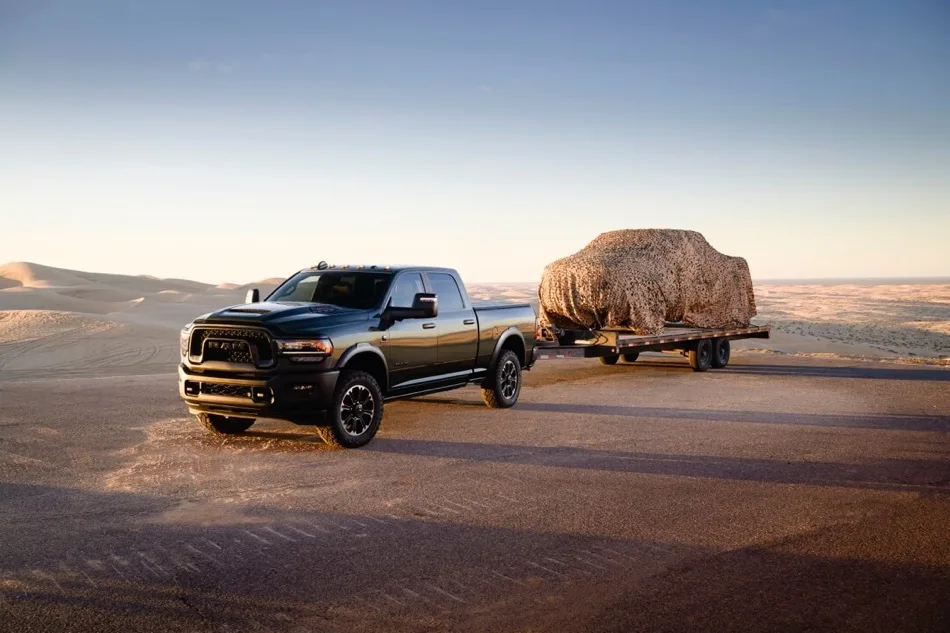
Ram 2500 Towing Capacity: How Much Can It Really Tow? (Spoiler: It’s Jaw-Dropping)

If you’re researching heavy-duty trucks, you’re likely asking: “ Can the Ram 2500 handle MY towing needs?” Whether you’re hauling a fifth-wheel RV, construction equipment, or a horse trailer, the Ram 2500 isn’t just capable—it’s a monster. Let’s break down its towing specs, real-world performance, and hidden tricks that make it the ultimate workhorse. Ram 2500 Towing Capacity: By the Numbers The Ram 2500’s max towing capacity isn’t just a figure—it’s a 20,000-lb flex (when properly equipped). Here’s how it stacks up: Configuration Max Towing Capacity 6.4L HEMI V8 (Gas) 17,980 lbs 6.7L Cummins Turbo Diesel 19,980 lbs 6.7L Cummins HO (High-Output) 20,000 lbs Key Takeaways: The Cummins High-Output Diesel is king, delivering 1,075 lb-ft of torque —enough to yank a fully loaded semi-trailer up a hill. Even the base gas engine outperforms rivals like the Ford F-250 (15,000 lbs) and Chevy Silverado 2500 (18,500 lbs). Source: Ram Trucks Towing Guide What Can You Actually Tow with a Ram 2500? Let’s translate those numbers into real-world loads: Gooseneck/5th-Wheel Trailers: Haul a 40-foot RV (14,000–16,000 lbs) with ease. Construction Equipment: Think mini excavators (10,000 lbs) or skid steers (7,500 lbs). Boats: A 30-foot cabin cruiser (~12,000 lbs) is a breeze. Horse Trailers: Transport 6–8 horses (12,000–15,000 lbs) comfortably. 4 Factors That Affect Ram 2500 Towing Capacity Don’t just eyeball the max number—your setup matters. Here’s what impacts your rig’s limits: 1. Engine Choice 6.4L HEMI V8 (Gas): 410 HP / 429 lb-ft torque. Ideal for lighter loads and faster acceleration. 6.7L Cummins Turbo Diesel: 370 HP / 850 lb-ft torque. Built for sustained heavy towing. 6.7L Cummins HO Diesel: 420 HP / 1,075 lb-ft torque. For max payload and extreme towing. Pro Tip: The Cummins HO’s torque peaks at just 1,800 RPM—perfect for crawling up steep grades without breaking a sweat. 2. Axle Ratio 3.73 Ratio: Balances towing and daily driving. 4.10 Ratio: Maximizes pulling power for heavy trailers. 3. Drivetrain 4x2 Models: Save weight for ~500 lbs extra towing capacity. 4x4 Models: Lose ~300 lbs capacity but gain off-road traction. 4. Cab & Bed Configuration Crew Cab + 6’4” Bed: Best for fifth-wheel towing (more wheelbase stability). Regular Cab + 8’ Bed: Maximizes payload (up to 4,010 lbs). Towing Tech That Makes Life Easier The Ram 2500 isn’t just strong—it’s smart. Here’s how its tech keeps you in control: 1. Trailer Reverse Steering Control What It Does: Turn a knob to steer your trailer—no more guessing while backing up. Why It’s Genius: Even novice towers can park a 40-foot RV like a pro. 2. Smart Hitch What It Does: Sensors measure tongue weight and recommend adjustments. Why It’s Genius: Prevents fishtailing and uneven load distribution. 3. 360-Degree Camera System What It Does: Gives a bird’s-eye view of your truck and trailer. Why It’s Genius: Spot obstacles hidden by your trailer or cab. 4. Tire Pressure Monitoring (Trailer TPMS) What It Does: Alerts you if trailer tire pressure drops. Why It’s Genius: Avoid blowouts on long hauls. Ram 2500 vs. Competitors: Who Does It Best? Truck Max Towing Max Torque Base Price Ram 2500 Cummins HO 20,000 lbs 1,075 lb-ft $45,000 Ford F-250 Power Stroke 15,000 lbs 1,050 lb-ft $48,000 Chevy Silverado 2500 18,500 lbs 910 lb-ft $46,500 Why Ram Wins: Higher Torque: The Cummins HO out-muscles Ford’s Power Stroke. Lower Price: More capability for less money. Better Tech: Ford’s Pro Trailer Backup Assist can’t match Ram’s knob steering. Source: Edmunds Towing Comparison Real-World Towing Test: Can It Handle 20,000 lbs? YouTube channel TFL Truck put the Ram 2500 Cummins HO to the test with a 20,000-lb dump trailer: 0–60 mph: 22 seconds (impressive for the load). Braking: Smooth stops thanks to massive 14.1-inch rotors. Engine Temps: Never exceeded 220°F, even on steep inclines. Verdict: “The Ram 2500 doesn’t just meet its specs—it laughs at them.” Watch the Test FAQs: What Buyers Really Want to Know Q: What’s the payload capacity? A: Up to 4,010 lbs (Cummins HO, Regular Cab). Q: Can it tow a fifth-wheel trailer? A: Yes—opt for the 5th-Wheel Prep Group ($1,695) for a factory-installed hitch. Q: Gas vs. Diesel for towing? A: Diesel for heavy, frequent towing. Gas for lighter loads and lower upfront cost. Final Verdict: Should YOU Buy a Ram 2500? Buy It If: You tow over 15,000 lbs regularly. You need a truck that works as hard as you do. You want tech that makes towing easier, not harder. Skip It If: You’re on a tight budget (the Cummins HO adds ~$10k). You only tow occasionally (a Ram 1500 might suffice). Ready to Tow Like a Pro? Build Your Ram 2500: Ram Trucks Configurator Compare Towing Packages: Ram vs. Ford vs. Chevy

rubicon

Why the Jeep Gladiator Rubicon Is the Best Off-Road Pickup for Serious Adventurers

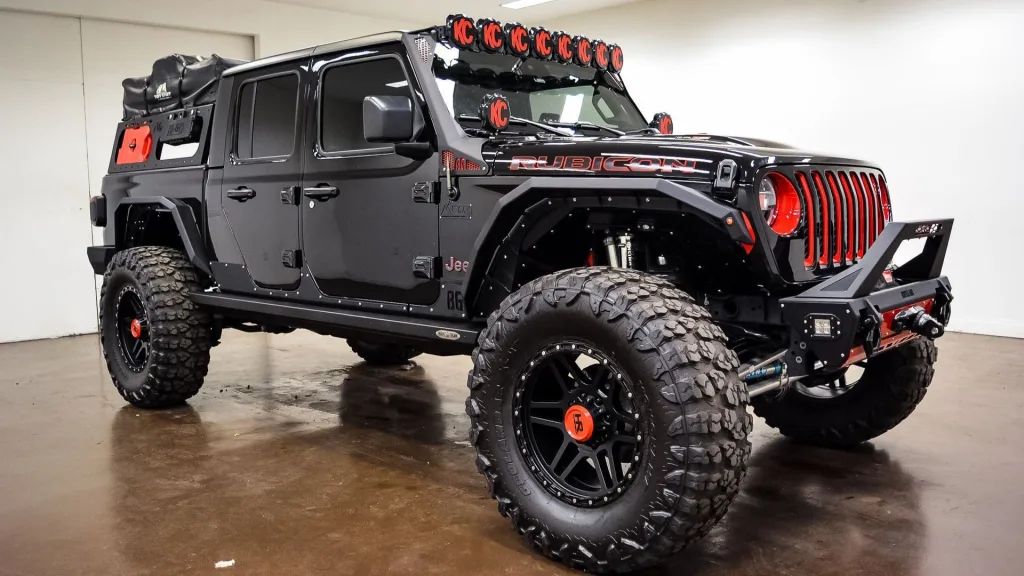
Why the Jeep Gladiator Rubicon Is the Best Off-Road Pickup for Serious Adventurers The Jeep Gladiator Rubicon is the best off-road pickup for serious adventurers because it does something most trucks cannot: it combines real Jeep trail hardware with an actual pickup bed. It is not just a lifestyle truck with rugged styling. It has locking differentials, serious 4x4 gearing, strong ground clearance, aggressive approach angles, removable roof and doors, and enough towing and bed utility to carry gear beyond the pavement. The simple answer is this: the Gladiator Rubicon is the off-road pickup for buyers who want Wrangler-like capability but still need truck practicality. The 2025 Gladiator Rubicon is listed with 10.0 inches of ground clearance, a 40.8-degree approach angle, a 25.0-degree departure angle, 1,200 pounds of payload, and up to 7,000 pounds of towing capacity, depending on configuration. Jeep Gladiator specs and Edmunds Gladiator Rubicon specs both show why the Rubicon is built for more than casual dirt-road driving. The Gladiator Rubicon Is a Real Off-Road Truck Many midsize pickups look tough. The Gladiator Rubicon is tough in the places that matter. It is built with serious trail equipment, including the Rock-Trac 4x4 system, electronic locking front and rear differentials, heavy-duty axles, rock rails, skid plates, and off-road-focused suspension tuning. Those are not cosmetic upgrades. They are the hardware that helps a truck crawl over rocks, hold traction on uneven terrain, and keep moving when one or more tires are unloaded. That is the difference between an appearance package and a real off-road pickup. Why the Rubicon Trim Matters The Rubicon name means something in Jeep culture. A basic Gladiator is already more adventurous than most pickups because it comes from the Wrangler family. But the Rubicon is the trim built for harder terrain. It is the one serious off-road buyers look at first because the expensive trail gear is already installed from the factory. That matters because building a regular truck to Rubicon-level capability can get expensive fast. Lockers, tires, protection, suspension, gearing, and driveline upgrades all add cost. The Rubicon gives buyers a factory-engineered package instead of a pile of aftermarket guesses. It Has the Right Engine for the Job The Gladiator Rubicon uses Jeep’s 3.6L Pentastar V6, rated at 285 horsepower and 260 lb-ft of torque. It is paired with an 8-speed automatic transmission in recent models. Car and Driver notes that the Gladiator lineup uses the 285-hp 3.6L V6 and continues to deliver the removable-roof, removable-door Jeep experience in pickup form. This engine is not about drag-racing numbers. It is about predictable power, broad service familiarity, and enough output for trail driving, weekend hauling, and moderate towing. For buyers who want a simpler gas-powered adventure truck, the Pentastar V6 is a sensible match. Rock-Trac 4x4 Gives It Trail Credibility The Gladiator Rubicon’s off-road reputation starts with its 4x4 system. Rock-Trac is designed for serious low-speed control. That matters when you are crawling over rocks, easing down steep descents, crossing uneven ground, or trying to avoid wheelspin on loose surfaces. In off-road driving, control often matters more than raw power. The Rubicon’s gearing and traction tools help the driver move slowly and precisely instead of relying on momentum. That is what makes it appealing to serious adventurers. You can place the truck where you want it instead of simply hoping speed carries you through. Locking Differentials Make a Real Difference Front and rear lockers are one of the biggest reasons to choose the Rubicon. An open differential can send power to the wheel with the least traction. That is a problem when one tire is in the air or sitting on loose ground. Locking differentials help both wheels on an axle turn together, giving the truck a much better chance of pulling itself through difficult terrain. For casual gravel roads, lockers may not matter much. For rocks, ruts, mud, steep climbs, and uneven trail sections, they matter a lot. That is why off-roaders respect the Rubicon badge. Ground Clearance and Angles Are Built for Trails The Gladiator Rubicon has the kind of numbers serious off-roaders look for. Edmunds lists the 2025 Gladiator Rubicon with 10.0 inches of ground clearance, a 40.8-degree approach angle, a 25.0-degree departure angle, and a 20.3-degree breakover angle. Edmunds Gladiator Rubicon specs Those figures matter because trail driving is about not hitting the front bumper, dragging the middle, or smashing the rear end on obstacles. The Gladiator’s longer wheelbase helps with stability and cargo usefulness, but the Rubicon trim gives it the clearance and angles needed to stay trail-capable. It Still Works as a Pickup The Gladiator Rubicon is not just a Wrangler with a novelty bed. It gives you real truck utility. The 5-foot bed can carry camping gear, recovery boards, tools, bikes, coolers, firewood, overlanding storage, or jobsite supplies. That changes the way you use the vehicle. A Wrangler can be tight on cargo space, especially with passengers. The Gladiator solves that by giving adventurers a separate cargo bed without completely abandoning Jeep’s off-road formula. That is the main reason the Gladiator exists. Towing Capacity Adds Real Adventure Range The Gladiator Rubicon can tow up to 7,000 pounds in the 2025 Rubicon configuration listed by Jeep and Edmunds. Jeep Gladiator specs Edmunds Gladiator Rubicon specs That means it can handle many small campers, utility trailers, dirt bikes, ATVs, boats, and adventure trailers when properly equipped. It is not a heavy-duty truck, and buyers still need to watch payload, tongue weight, trailer brakes, and gear weight. But for an off-road midsize pickup, the Rubicon gives useful towing capacity without turning into a full-size truck. The Bed Makes Overlanding Easier For overlanding, the Gladiator Rubicon makes more sense than a Wrangler for many buyers. A pickup bed allows better gear separation. You can carry dirty recovery gear, fuel cans, water storage, tools, traction boards, camping boxes, portable fridges, and rooftop tent setups without packing everything into the passenger cabin. That matters on longer trips. More space means better organization, safer packing, and less frustration. The Rubicon’s trail hardware gets you to the campsite. The bed lets you bring the equipment that makes the trip comfortable. Removable Roof and Doors Make It Unique No other midsize pickup feels like a Gladiator Rubicon. The removable roof and doors give it an open-air experience that Toyota Tacoma, Ford Ranger, Chevy Colorado, GMC Canyon, and Nissan Frontier simply do not offer. That does not make it the quietest or most refined truck, but it makes it one of the most memorable. For serious adventurers, that matters. The Gladiator is not only about getting somewhere. It is about how the drive feels once the pavement ends. Gladiator Rubicon vs Toyota Tacoma TRD Pro The Toyota Tacoma TRD Pro is a strong off-road truck, but the Gladiator Rubicon has a more raw and mechanical off-road personality. The Tacoma is known for durability and resale value. The Gladiator Rubicon counters with removable roof and doors, front and rear lockers, Jeep trail culture, and Wrangler-based off-road hardware. If you want the more traditional pickup ownership experience, the Tacoma may appeal. If you want the most Jeep-like off-road pickup experience, the Gladiator Rubicon is the better fit. Gladiator Rubicon vs Ford Ranger Raptor The Ford Ranger Raptor is faster and more desert-focused. It is built for high-speed off-road driving, while the Gladiator Rubicon is more focused on crawling, traction, and technical terrain. That difference matters. Desert running and rock crawling are not the same job. The Ranger Raptor is the performance off-road truck. The Gladiator Rubicon is the trail-crawling adventure truck. For buyers who want slow-speed control, lockers, open-air driving, and Jeep personality, the Rubicon still has a unique advantage. Gladiator Rubicon vs Chevy Colorado ZR2 The Colorado ZR2 is another serious off-road pickup and one of the Rubicon’s strongest rivals. It offers excellent suspension technology and strong off-road hardware. But the Gladiator Rubicon still stands apart because of its removable roof, removable doors, Jeep heritage, and stronger Wrangler connection. The ZR2 may feel more conventional as a modern pickup. The Gladiator Rubicon feels more like a Jeep that happens to have a bed. That is exactly why many buyers choose it. The Long Wheelbase Helps and Hurts The Gladiator’s longer wheelbase gives it stability and cargo usefulness, but it also changes off-road behavior. Compared with a Wrangler, the Gladiator is longer and less nimble on very tight trails. It can also be more likely to drag its belly on sharp breakover obstacles. That is the tradeoff for having a real pickup bed. But the longer wheelbase can also make it feel stable on climbs, descents, highways, and overlanding routes. For many adventurers, the extra cargo space is worth the compromise. It Is Not the Best Truck for Everyone The Gladiator Rubicon is excellent, but it is not perfect. It is not the smoothest midsize pickup. It is not the cheapest. It is not the quietest. It is not the most fuel-efficient. It is not the best choice if you only drive pavement and never use the trail hardware. If you want a quiet commuter truck, buy something else. If you want an off-road pickup with real Jeep DNA, the Rubicon makes far more sense. What to Check When Buying Used A used Gladiator Rubicon should be inspected carefully. Look for off-road damage, scraped skid plates, bent control arms, worn tires, steering wobble, suspension wear, water leaks, poor lift kits, cheap lighting, bad wiring, and signs of hard trail use. Also check service records, accident history, recall completion, 4x4 operation, differential lock function, tire condition, brake condition, and whether the truck has been modified properly. For shoppers near Los Angeles or Ventura County, compare used Jeep inventory by mileage, trim, condition, and modification history. If you want factory warranty coverage and current equipment, review available new Jeep inventory. Who Should Buy the Gladiator Rubicon? Buy the Gladiator Rubicon if you want: A real off-road pickup. Jeep Wrangler personality. A usable cargo bed. Factory lockers. Serious 4x4 capability. Open-air driving. Trail and camping versatility. Strong towing for an off-road midsize truck. A truck that feels different from everything else. Skip it if you only want a quiet daily driver, maximum fuel economy, or full-size truck towing capacity. Final Thoughts: The Gladiator Rubicon Is Built for the Buyer Who Actually Goes The Jeep Gladiator Rubicon is the best off-road pickup for serious adventurers because it is not pretending. It gives you real trail hardware, real Jeep character, real truck utility, and an open-air driving experience no rival can copy. It can crawl, tow, haul, camp, explore, and still feel like a Jeep every mile of the way. For buyers who just want a comfortable truck, there are smoother options. For buyers who want a pickup that is genuinely built for trail life, the Gladiator Rubicon is one of the strongest choices in the midsize truck market.

What Are Oil Filter Clamps Lets Find Out

Oil filter clamps are essential tools for mechanics, DIY enthusiasts, and anyone performing oil changes. These devices simplify the removal and installation of oil filters, which can become stubbornly tight due to heat, pressure, and residual oil. In this guide, we’ll explore what oil filter clamps are, how they work, their types, and how to use them safely and effectively. What Are Oil Filter Clamps? Oil filter clamps (often called oil filter wrenches) are tools designed to grip and turn oil filters during removal or installation. Filters can become stuck due to: Heat cycling: Engine heat expands and contracts the filter housing. Over-tightening: Using excessive force during installation. Residual oil: Oil residue acts like an adhesive over time. Without the right tool, removing a stuck filter can damage the filter or engine components. Oil filter clamps provide a secure grip to prevent slippage and apply even torque. Types of Oil Filter Clamps There are several types of oil filter clamps, each suited for specific scenarios: 1. Band Clamp/Strap Wrenches Design: A adjustable metal or nylon band wraps around the filter. Best For: Filters in tight spaces or irregular shapes. Example: Lisle 62300 Oil Filter Tool. Pros: Versatile, fits multiple sizes. Cons: Less grip on heavily stuck filters. 2. Pliers-Style Clamps Design: Adjustable jaws with serrated teeth for a firm grip. Best For: Filters with limited clearance. Example: OTC 4572 Oil Filter Pliers. Pros: Strong grip, one-handed operation. Cons: May dent softer filters. 3. Chain Clamps Design: A chain loop tightened around the filter with a handle. Best For: Extremely tight or damaged filters. Example: Performance Tool W1173 Chain Wrench. Pros: Maximum torque, works on damaged filters. Cons: Risk of chain slippage if improperly secured. 4. Socket-Style Clamps Design: A cup-shaped socket that fits over the filter’s end. Best For: Filters with a hex-shaped base (common in European cars). Example: CTA Tools 4114 Oil Filter Socket. Pros: Prevents slippage, works with a ratchet. Cons: Limited to specific filter sizes. 5. Three-Jaw Clamps Design: Adjustable jaws that clamp radially around the filter. Best For: Heavy-duty applications. Example: ASTRO Pneumatic 1014 3-Jaw Oil Filter Wrench. Pros: Even pressure distribution. Cons: Bulky design. How to Use an Oil Filter Clamp Follow these steps for safe and effective use: Prepare the Vehicle: Let the engine cool to avoid burns. Place an oil drain pan beneath the filter. Select the Right Clamp: Match the clamp type to the filter’s size, shape, and accessibility. Position the Clamp: For band/chain clamps: Wrap the tool snugly around the filter. For pliers/socket clamps: Align the jaws or socket with the filter. Apply Torque: Turn counterclockwise to loosen (lefty loosey). Use steady pressure—avoid jerking to prevent slippage. Remove the Filter: Once loosened, unscrew by hand and drain residual oil. Install the New Filter: Lubricate the gasket with fresh oil. Hand-tighten first, then use the clamp for a quarter-turn (no over-tightening). Common Mistakes to Avoid Over-tightening: This can crush the filter or strip threads. Refer to the manufacturer’s torque specs (usually 15–20 lb-ft). Using the Wrong Size: A mismatched clamp can slip or damage the filter. Ignoring Safety Gear: Wear gloves and eye protection to avoid cuts from sharp edges. Benefits of Using Oil Filter Clamps Prevent Damage: Avoid denting or tearing the filter. Save Time: Effortlessly tackle stuck filters. Universal Fit: Many clamps adjust to fit multiple filter sizes. Oil Filter Clamps vs. Alternatives Tool Pros Cons Oil Filter Clamp Secure grip, even torque May require specific size Screwdriver Method Cheap, no tools needed Destroys filter, messy Rubber Strap Wrench Gentle on filters Limited torque Channel Locks Multi-purpose Risk of crushing filter Maintenance Tips for Oil Filter Clamps Clean After Use: Wipe off oil and debris to prevent corrosion. Inspect for Wear: Check bands, chains, or jaws for cracks or stretching. Lubricate Moving Parts: Apply light oil to hinges and adjustment mechanisms. Top Brands and Products Lisle Tools: Known for durable, affordable clamps like the Lisle 63600 Oil Filter Pliers. OTC Tools: Heavy-duty options like the OTC 4572 Oil Filter Pliers. Astro Pneumatic: Innovative designs like the 3-Jaw Oil Filter Wrench. Frequently Asked Questions Q: Can I reuse an oil filter clamp? A: Yes, if maintained properly. Avoid using damaged clamps. Q: What if the filter is too tight? A: Use a breaker bar for extra leverage or tap the clamp with a rubber mallet. Q: Are oil filter clamps universal? A: Most adjust to fit multiple sizes, but check the tool’s range (e.g., 2–5 inches). Conclusion Oil filter clamps are indispensable for hassle-free oil changes. By choosing the right type and using proper technique, you can avoid stripped threads, damaged filters, and unnecessary frustration. Whether you’re a professional mechanic or a weekend DIYer, investing in a quality clamp will save time and extend the life of your vehicle. Explore Further: SAE International: Oil Filter Standards YouTube Tutorial: Oil Filter Removal Tips Haynes Manuals: Step-by-Step Oil Change Guide

ram trucks

10 Overlanding Upgrades for Your Ram Truck: Turn Your Pickup into the Ultimate Adventure Rig

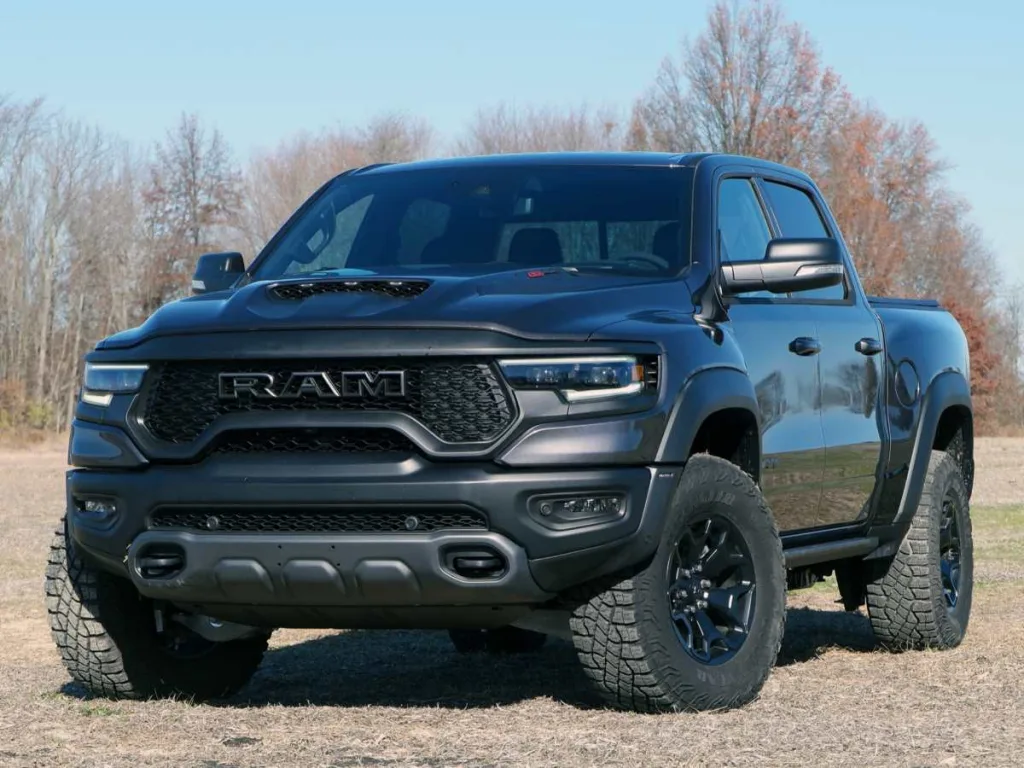
10 Overlanding Upgrades for Your Ram Truck: Turn Your Pickup into the Ultimate Adventure Rig A Ram truck is already a strong platform for overlanding because it has the power, size, towing strength, payload capability, and long-distance comfort that adventure driving demands. The simple answer is this: the best overlanding upgrades for a Ram truck are tires, suspension, bed storage, recovery gear, lighting, rooftop or bed-mounted camping gear, onboard power, water storage, communication tools, and underbody protection. You do not need to build a show truck. You need a practical setup that makes your Ram more capable, more self-sufficient, and easier to live with away from pavement. Whether you drive a Ram 1500, Ram 2500, Ram 3500, Power Wagon, Rebel, Warlock, or a diesel Cummins truck, the right upgrades can turn it into a serious adventure rig. Start With the Right Ram Truck Before buying accessories, think about what your truck is actually built to do. A Ram 1500 is a great overlanding choice for drivers who want comfort, daily usability, and lighter adventure gear. It is easier to live with than a heavy-duty truck and still has enough capability for weekend camping, forest roads, desert trails, and long highway drives. A Ram 2500 or Ram 3500 makes more sense if you carry heavier gear, tow an off-road trailer, haul motorcycles, use a slide-in camper, or travel with a lot of equipment. These trucks bring stronger payload and towing capability, but they are larger and less nimble on tight trails. A Ram Power Wagon is one of the best factory choices for off-road-focused overlanding because it already comes with serious trail hardware. A Ram Rebel also gives you a more adventure-ready starting point than a basic street-focused trim. If you are still choosing a truck, compare current new Ram inventory or look through used truck inventory before building your setup. 1. All-Terrain Tires Tires should be the first real overlanding upgrade. Your tires are the only part of the truck touching the ground. They affect traction, braking, ride comfort, puncture resistance, off-road grip, fuel economy, and road noise. For most Ram overland builds, a quality all-terrain tire is the best choice. It gives you better dirt, gravel, sand, snow, and trail performance without making the truck miserable on pavement. Mud-terrain tires look aggressive, but they are not always the best overlanding tire. They can be louder, heavier, less efficient, and worse in rain or snow. For long-distance travel, all-terrain tires are usually smarter. Look for tires with strong sidewalls, good wet traction, winter capability if needed, and the right load rating for your truck. If you drive a Ram 2500 or 3500, do not ignore load capacity. A tire that looks right but cannot handle the weight of your truck and gear is the wrong tire. 2. Suspension Upgrade A suspension upgrade can make your Ram more capable and more comfortable with gear. Overlanding adds weight. Bed racks, tents, tools, spare fuel, water, recovery gear, coolers, drawers, and bumpers can change how your truck rides. If you add weight without upgrading the suspension, the truck may sag, bottom out, handle poorly, or wear components faster. A mild suspension lift or leveling kit can help fit larger tires and improve ground clearance. Better shocks can improve ride control on washboard roads, trails, and loaded highway driving. For a Ram 1500, focus on ride quality and load control. For a Ram 2500 or 3500, focus on weight handling, stability, and shock control. Do not over-lift the truck just for appearance. A tall truck with poor suspension geometry, bad alignment, and oversized tires can be worse off-road than a modest build done correctly. 3. Bed Rack or Overland Rack A bed rack is one of the most useful Ram truck overlanding upgrades. It gives you a place to mount a rooftop tent, recovery boards, awning, fuel cans, water tanks, lights, storage boxes, and other trail gear without filling the entire bed. The best rack depends on your setup. A low-profile rack keeps the truck more aerodynamic and easier to park. A taller rack gives more bed access and can mount a tent above the cab line. Some systems work with tonneau covers, while others replace the bed-cover setup completely. Before buying, decide whether you want to sleep in a rooftop tent, carry bikes, mount an awning, or keep the bed open for cargo. The rack should support the way you actually travel. 4. Secure Bed Storage Loose gear becomes a problem fast. Overlanding means carrying tools, recovery straps, air compressors, food, cooking gear, spare parts, camp equipment, and emergency supplies. If everything is thrown into the bed, it becomes hard to find and easy to damage. A drawer system, lockable storage box, decked storage platform, or modular cargo setup can make the truck far more usable. It also helps keep expensive gear hidden and secure. For a Ram truck, bed storage should be durable, weather-resistant, and easy to access. If you use your truck for work during the week and camping on weekends, modular storage may be better than a permanent setup. The goal is simple: everything should have a place, and the gear you need most should be easiest to reach. 5. Recovery Gear Do not go overlanding without recovery gear. Even a capable Ram can get stuck. Sand, mud, snow, rocks, ruts, and wet trails can stop a heavy truck quickly. A Ram 2500 or 3500 is especially serious once stuck because weight makes recovery more difficult. At minimum, carry recovery boards, a shovel, soft shackles, a kinetic recovery rope, gloves, a tire deflator, and a portable air compressor. If your truck has proper recovery points, make sure they are rated and accessible. A winch can be a smart upgrade, especially if you travel alone or explore remote trails. But a winch is only useful if you know how to use it safely. Recovery gear is not decoration. Learn proper technique before you need it. 6. Off-Road Lighting Good lighting makes night driving and camp setup much easier. Factory headlights are fine for normal roads, but overlanding often means dark trails, remote campsites, dusty roads, and poor visibility. Auxiliary lighting can help you see obstacles, animals, road edges, and camp areas. Useful lighting upgrades include fog lights, ditch lights, bed lights, reverse lights, rock lights, and camp lights. A huge light bar may look impressive, but it is not always the most useful first upgrade. Choose lighting based on beam pattern. Flood lights help around camp and on slow trails. Spot lights help with distance. Ditch lights help see trail edges and turns. Wire everything cleanly with proper relays, switches, fuses, and weatherproof connections. Bad wiring can cause more problems than the lights solve. 7. Rooftop Tent or Truck Bed Camping Setup Sleeping setup is one of the biggest decisions in an overland Ram build. A rooftop tent is popular because it sets up quickly, keeps you off the ground, and works well with a bed rack. It can be comfortable and convenient for weekend trips or long-distance travel. But rooftop tents add weight, height, cost, and wind drag. They can also make parking garages and low-clearance areas harder. A truck bed sleeping platform is simpler and often cheaper. It keeps weight lower and can be more stealthy. A canopy, camper shell, or bed cap can turn the Ram into a practical sleeping setup with better weather protection. A slide-in camper is another option for heavy-duty Ram trucks, but payload becomes critical. If you are building a Ram 2500 or Ram 3500 camper setup, check the payload sticker before buying a camper. 8. Onboard Power System Modern overlanding depends on power. Phones, cameras, GPS units, fridges, lights, air compressors, radios, laptops, and recovery tools all need electricity. A proper power setup can make the truck much more useful off-grid. A basic setup might include a portable power station, solar panel, and 12-volt fridge. A more advanced setup can include a dual-battery system, DC-to-DC charger, inverter, hard-mounted fridge wiring, and solar charging. For most people, a portable power station is the easiest starting point. It requires less installation and can be moved between vehicles or used at home. If you run a fridge for multiple days, power planning matters. Do not rely only on your starting battery unless you want to risk being stranded. 9. Water Storage and Camp Kitchen Water is one of the most important overlanding supplies. A good Ram overland setup should include secure water storage. That may be a simple water jug, bed-mounted tank, portable pressurized system, or under-rack container. Plan around drinking, cooking, cleaning, pets, and emergency use. Water gets heavy quickly, so mount it securely and keep weight distribution in mind. A basic camp kitchen can also make trips much easier. A small stove, cooking box, cutting board, utensils, food storage, and compact table can turn the truck into a practical base camp. Do not overbuild the kitchen if you only take short trips. Start simple and upgrade after you know what you actually use. 10. Skid Plates and Underbody Protection A Ram truck has size and strength, but the underside still needs protection. Rocks, ruts, ledges, and trail debris can damage vulnerable parts. Skid plates help protect the engine area, transmission, transfer case, fuel tank, and other exposed components. Rock sliders can also help protect the body and provide a safer step. This is especially useful on lifted trucks or when driving rocky trails. If you mostly drive graded dirt roads, you may not need a full armor package. If you plan to explore rocky trails, remote desert routes, mountain tracks, or rough jobsite access roads, underbody protection becomes much more important. Protection adds weight, so choose it based on real use. Bonus Upgrade: Communication and Navigation A reliable communication setup is not optional if you travel far from cell service. At minimum, carry offline maps on your phone. Apps with downloadable maps can be very useful, especially when paired with a dedicated mount and charger. For group travel, GMRS radios are popular because they are easy to use and effective for convoy communication. For remote solo travel, a satellite messenger can be a smart safety tool. A Ram truck can take you far, but navigation and communication help make sure you get back. Do Not Forget Payload Payload is the hidden limit in many overland builds. Every upgrade adds weight. Tires, racks, tents, bumpers, tools, water, fuel, passengers, dogs, food, recovery gear, fridges, batteries, and armor all count. A Ram 1500 can become overloaded faster than people think. A Ram 2500 or 3500 gives more room for heavy gear, but even heavy-duty trucks have limits. Check the payload sticker inside the driver-side door. That number is specific to your truck. Do not build based only on internet guesses. If your truck feels sluggish, squats in the rear, handles poorly, or wears tires unevenly after upgrades, weight may be part of the problem. Best Ram Truck for Overlanding The best Ram for overlanding depends on your trip style. A Ram 1500 Rebel is a strong choice for daily driving and weekend adventure. It gives good comfort, useful off-road equipment, and enough capability for most recreational overlanding. A Ram 2500 Power Wagon is one of the best factory off-road heavy-duty trucks. It makes sense if you want serious trail capability, strong hardware, and more payload than a half-ton. It is not the best for maximum towing, but it is excellent for rough-country travel. A Ram 2500 or 3500 Cummins is ideal if you tow an off-road trailer, carry a camper, or travel with heavy gear. The tradeoff is size and weight on tight trails. For most people, a Ram 1500 or Power Wagon is the sweet spot. Should You Build Your Ram All at Once? No. Build in stages. Start with tires, recovery gear, and basic storage. Then add suspension once you know how much weight you are carrying. Add power and camping gear after you understand your trip style. Add armor and lighting based on trail needs. Many owners waste money by copying someone else’s build. The best overland truck is the one built around your actual travel, not someone else’s Instagram setup. A simple, reliable Ram with good tires, recovery gear, and smart storage is better than an overloaded truck covered in accessories you never use. FAQs About Ram Truck Overlanding Upgrades Is a Ram truck good for overlanding? Yes, a Ram truck can be excellent for overlanding. The Ram 1500 is good for comfort and lighter builds, while the Ram 2500 and 3500 are better for heavy gear, campers, and towing. What is the first overlanding upgrade for a Ram truck? Tires should usually be the first upgrade. A quality all-terrain tire improves traction, durability, and confidence more than most visual accessories. Is the Ram Power Wagon good for overlanding? Yes, the Ram Power Wagon is one of the best Ram trucks for overlanding because it comes with serious off-road hardware from the factory. It is especially good for rough trails and remote travel. Do I need a lift kit for overlanding? Not always. A mild lift or leveling kit can help with tire clearance and ground clearance, but many overland trips can be done with stock suspension and better tires. Can a Ram 1500 handle overlanding gear? Yes, but payload matters. A Ram 1500 can handle a smart lightweight setup, but heavy tents, racks, armor, tools, water, and passengers can add up quickly. Is a diesel Ram good for overlanding? A diesel Ram is great for heavy loads, towing, and long-distance travel, but it is heavier and larger than a gas truck. It makes the most sense for camper builds, trailers, and heavy gear setups. Final Thoughts: Build Your Ram for Real Adventure, Not Just Looks A Ram truck can become an excellent overlanding rig with the right upgrades. Start with the basics: tires, recovery gear, storage, suspension, lighting, camping setup, power, water, communication, and protection. Do not rush into every accessory at once. Build the truck around the way you actually travel. The best Ram overland build is not the most expensive one. It is the one that is reliable, organized, safe, and capable enough to take you where you want to go and bring you back without drama.

cd-promo-images-aug-2024_2024-hornet1725397438753

Dodge Hornet Lease: What You Need to Know

Leasing a vehicle offers a unique blend of affordability and flexibility, and the 2023 Dodge Hornet —a sporty, tech-forward compact SUV—is an enticing candidate for this approach. With its bold design, turbocharged performance, and modern features, the Hornet appeals to drivers who want style without long-term ownership commitments. In this guide, we’ll break down everything you need to know about leasing a Dodge Hornet, including costs, incentives, and strategies to secure the best deal. We’ll also link to essential resources to streamline your research. Why Lease the Dodge Hornet? The Dodge Hornet is a newcomer to the competitive compact SUV segment, positioned as a performance-oriented alternative to popular models like the Honda HR-V and Mazda CX-5. Its standout features include: Turbocharged Power: The GT trim boasts a 268-hp turbocharged engine, while the R/T plug-in hybrid pairs a 1.3L engine with electric motors for 288 hp. Tech-Driven Interior: A 12.3-inch digital cluster, 10.25-inch Uconnect infotainment screen, and wireless Apple CarPlay/Android Auto. Aggressive Styling: Dodge’s signature bold grille, dual exhaust, and available two-tone paint jobs. Leasing lets you enjoy these features without the long-term financial commitment of buying. Plus, Dodge frequently rolls out lease-specific incentives, such as reduced down payments or waived fees, making it an attractive option. Key Factors Affecting a Dodge Hornet Lease 1. MSRP and Trim Levels The Hornet’s lease terms depend heavily on its trim and options: SXT (Base): Starts at $31,590 GT: Starts at $37,590 (adds turbocharged engine, sport-tuned suspension) R/T Plug-In Hybrid: Starts at $42,590 Compare prices with rivals like the Toyota Corolla Cross or Hyundai Kona using tools like Kelley Blue Book. 2. Lease Term and Flexibility Most leases run 24–36 months, but Dodge dealers may offer extended terms (up to 48 months) for lower payments. However, longer terms mean you’ll miss out on newer models sooner. 3. Residual Value The Hornet’s residual value (its projected worth after the lease) is critical. For a 36-month lease, expect 50–60% of its MSRP to remain. Check ALG, the industry’s residual value benchmark, for estimates. 4. Money Factor (Interest Rate) The money factor—a decimal representing the lease’s interest rate—typically ranges from 0.00125 (3% APR) for top-tier credit to 0.00300 (7% APR) for subprime borrowers. Use Edmunds’ Lease Calculator to convert money factors to APR. 5. Mileage Limits Standard leases include 10,000–12,000 miles/year. Exceeding this costs $0.25–$0.30/mile. If you drive more, negotiate a higher cap upfront (e.g., 15,000 miles/year). 6. Upfront Costs Plan for $2,000–$4,000 at signing, covering: Acquisition Fee: $895 (Dodge’s standard fee). Security Deposit: Often waived with good credit. Taxes and Registration: Varies by state. Sample Dodge Hornet Lease Breakdown Let’s calculate a lease for a 2023 Hornet GT priced at $37,590: Negotiated Price: $36,000 (after $1,590 discount) Residual Value: 58% ($21,802 after 36 months) Money Factor: 0.0015 (3.6% APR) Down Payment: $3,000 Term: 36 months / 12,000 miles Monthly Payment: Depreciation Fee: ($36,000 - $21,802) ÷ 36 = $394 Rent Charge: ($36,000 + $21,802) × 0.0015 = $87 Taxes (7%): ($394 + $87) × 0.07 = $34 Total: $515/month Note: This excludes local fees. Use Dodge’s official lease estimator for personalized quotes. Lease vs. Buy: Which Is Better? Leasing Buying ✅ Lower monthly payments (up to 30% less) ✅ No mileage restrictions ✅ New vehicle every 2–3 years ✅ Build equity over time ✅ Covered by factory warranty ✅ Customize or modify freely ❌ Mileage penalties ❌ Higher long-term maintenance costs ❌ No ownership equity ❌ Larger down payment required When to Lease: Ideal for urban drivers, tech enthusiasts, or those who dislike selling cars privately. When to Buy: Best for high-mileage drivers, modifiers, or those wanting long-term value. Still unsure? Take Edmunds’ Lease vs. Buy Quiz. Current Dodge Hornet Lease Deals (2023) As of October 2023, Dodge offers these incentives: $3,000 Lease Cash: Reduces the capitalized cost. 0.00125 Money Factor: For qualified lessees (equivalent to 3% APR). First Payment Waived: At participating dealers. Check Dodge’s Promotions Page for regional offers. 6 Tips to Score the Best Lease Deal Negotiate the Selling Price The lease payment hinges on the vehicle’s capitalized cost. Research the Hornet’s invoice price (what dealers pay) using TrueCar and aim to pay 3–5% above it. Target Lease Incentives Dodge often offers bonus cash or loyalty discounts for returning lessees. Combine these with dealer discounts for maximum savings. Improve Your Credit Score Scores above 700 qualify for the lowest money factors. Check your credit report for free at AnnualCreditReport.com and dispute errors. Avoid High Down Payments While a larger down payment lowers monthly costs, it’s riskier. If the car is totaled, gap insurance (often included) covers the loss, but your down payment isn’t refunded. Compare Multiple Dealers Use online platforms like Leasehackr to crowdsource deals or pit dealers against each other. Review the Fine Print Watch for hidden fees like disposition charges ($395 for Dodge) or excessive wear-and-tear policies. Common Leasing Mistakes to Avoid Ignoring Mileage Limits: Calculate your annual driving habits using FuelEconomy.gov to avoid overage fees. Skipping Gap Insurance: While Dodge includes it in most leases, confirm coverage in your contract. Overlooking Maintenance: You’re responsible for repairs not covered by warranty. Follow the Hornet’s maintenance schedule. FAQ: Dodge Hornet Leasing Q: Can I buy the Hornet at the end of the lease? A: Yes! The residual value is your purchase price. Compare it to the market value using NADA Guides. Q: Are there penalties for ending a lease early? A: Yes—expect fees equal to 6+ months of payments. Consider lease transfer sites like Swapalease. Q: Can I customize a leased Hornet? A: Only reversible modifications (e.g., seat covers) are allowed. Permanent changes may incur fees. Final Thoughts Leasing a Dodge Hornet is a savvy choice for drivers who crave cutting-edge features and hassle-free ownership. To maximize value: Track Dodge’s 2023 Hornet offers. Test drive the Hornet at a local dealer. Compare third-party lease deals on Cars.com. With its blend of power and practicality, the Hornet delivers excitement without long-term strings—perfect for lessees ready to embrace the open road.

Used Cars for Sale in Thousand Oaks: Best Deals, Dealers, and Tips

If you’re searching for used cars for sale in Thousand Oaks, you’re in the right place. Whether you want a reliable commuter car, a family-friendly SUV, or a rugged truck, this guide will help you find the perfect vehicle at the best price. Below, we’ve curated top dealerships, trusted platforms, and insider tips to simplify your search in Thousand Oaks and nearby areas like Simi Valley. Why Buy a Used Car in Thousand Oaks? Save Thousands: Skip new-car depreciation and get more value. Diverse Inventory: From luxury sedans to off-road-ready Jeeps. Trusted Dealerships: Local favorites like Simi Valley CDJR offer certified pre-owned (CPO) cars with warranties. Convenience: Proximity to the 101 Freeway makes test-driving and commuting easy. Where to Find Used Cars in Thousand Oaks 1. Top Local Dealerships Simi Valley Chrysler Dodge Jeep Ram (CDJR) Specialty: Trucks, Jeeps, and SUVs. Perks: CPO vehicles, competitive pricing, and hassle-free financing. Popular Models: Jeep Wrangler, Ram 1500, Dodge Charger. Conejo Valley Family Dodge Highlights: Family-friendly SUVs and budget sedans. Thousand Oaks Audi Luxury Picks: Certified pre-owned Audi Q5, A4, and more. 2. Online Marketplaces Cars.com Filter by price, mileage, and dealer reviews. Compare listings across Thousand Oaks dealerships. CarGurus Use the “Deal Rating” tool to spot overpriced or underpriced cars. AutoTrader Search for CPO cars and view virtual walkarounds. 3. Private Sellers Facebook Marketplace Negotiate directly with local sellers. Craigslist Ventura County Find budget deals (always verify the vehicle’s history!). Most Popular Used Cars in Thousand Oaks Model Why Buy? Avg. Price Where to Find Honda Civic Reliable, fuel-efficient, low maintenance 14K–14 K –22K Cars.com Jeep Wrangler Off-road capability, iconic style 28K–28 K –45K Simi Valley CDJR Toyota RAV4 Spacious, safe, great resale value 18K–18 K –28K CarGurus Ram 1500 Powerful towing, premium interiors 30K–30 K –48K Simi Valley CDJR BMW 3 Series Luxury performance at a used price 22K–22 K –35K Thousand Oaks Audi 5 Tips for Buying a Used Car in Thousand Oaks Get a Vehicle History Report Use Carfax or AutoCheck to check for accidents, title issues, or odometer fraud. Prioritize CPO Vehicles CPO cars at dealers like Simi Valley CDJR include warranties and rigorous inspections. Test Drive Thoroughly Listen for engine knocks, test brakes, and check tech features (e.g., Bluetooth, backup camera). Negotiate with Confidence Use Kelley Blue Book to find fair market value and leverage flaws (e.g., worn tires) for discounts. Secure Financing Early Get pre-approved through Logix Credit Union or dealer financing at Simi Valley CDJR. Red Flags to Avoid No Vehicle History Report: Walk away if the seller refuses to provide one. “As-Is” Sales: Private sellers often sell cars “as-is,” leaving you responsible for repairs. Rust or Fluid Leaks: Signs of poor maintenance or hidden damage. Final Recommendation For the best used cars in Thousand Oaks, start your search at Simi Valley CDJR for CPO trucks and SUVs, or browse CarGurus for deals across brands. Ready to drive home your dream car? Visit Simi Valley CDJR for curated CPO vehicles. Search Cars.com for Thousand Oaks listings. (Due to technical issues, the search service is temporarily unavailable.) Used Cars for Sale in Thousand Oaks: Find Your Perfect Ride If you’re searching for used cars for sale in Thousand Oaks, you’re in luck! This vibrant community offers a wealth of options, whether you need a fuel-efficient commuter, a spacious SUV for family adventures, or a rugged truck for work or play. Here’s how to navigate the local market and score the best deal: Top Places to Shop Simi Valley CDJR: A standout for certified pre-owned (CPO) trucks, Jeeps, and SUVs, offering warranties and competitive pricing. Online Platforms: Cars.com: Filter by price, mileage, and dealer reviews. CarGurus: Use “Deal Rating” to spot value. Private Sellers: Check Facebook Marketplace for local deals, but always verify the vehicle’s history. Popular Models Honda Civic ($14K–$22K): Reliable and budget-friendly. Jeep Wrangler ($28K–$45K): Ideal for off-road enthusiasts (find at Simi Valley CDJR). Toyota RAV4 ($18K–$28K): Perfect for families. Quick Tips for Buyers Check History Reports: Use Carfax to avoid hidden issues. Test Drive Thoroughly: Listen for engine noises and test brakes. Negotiate Smartly: Use Kelley Blue Book to gauge fair prices. Prioritize CPO: Warranties at dealers like Simi Valley CDJR add peace of mind. Why Thousand Oaks? Local dealerships and private sellers provide diverse inventory, while proximity to the 101 Freeway makes test drives convenient. Ready to explore? Start with Simi Valley CDJR for CPO picks or browse Cars.com for listings. With the right strategy, your perfect used car is just a test drive away! Questions? Local dealers like Simi Valley CDJR are ready to help!

hybrid cars

Do Hybrid Cars Need to Be Charged? A Complete Guide for Every Driver’s Intent

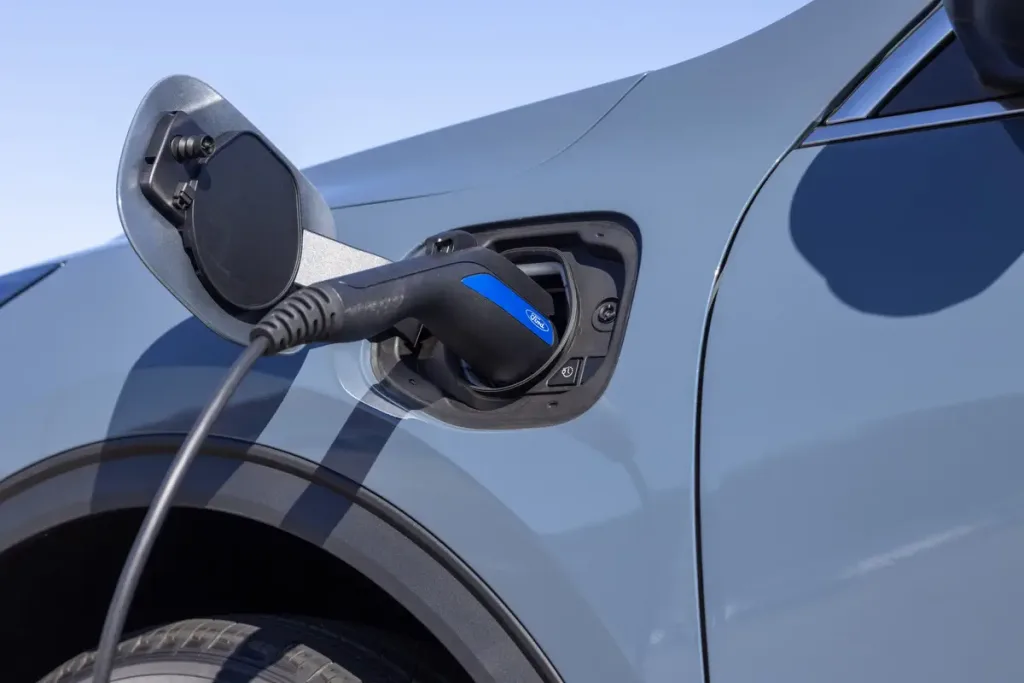
Hybrid cars bridge the gap between gasoline engines and electric vehicles (EVs), but confusion about their charging requirements persists. Whether you’re an eco-conscious buyer, a budget-focused driver, or a tech enthusiast, this guide answers your specific intent: Do hybrid cars need to be charged? Spoiler: It depends on the hybrid type. Let’s break it down. Jump to Your Priority | Compare Hybrids Side-by-Side 1. What Are the 3 Types of Hybrid Cars? (Intent: Understanding Hybrid Categories) Not all hybrids are created equal. Here’s how they differ: 1.1 Traditional Hybrids (HEVs) Examples: Toyota Prius, Honda Insight How They Work: Combine a gasoline engine with a small electric motor and battery. Self-charging: Regenerative braking converts kinetic energy into electricity. No plug-in required: The gas engine tops up the battery. Key Stats: Fuel economy: 48–56 MPG (Prius). Electric-only range: 1–2 miles (for low-speed driving). Best For: Drivers seeking fuel savings without lifestyle changes. 1.2 Plug-In Hybrids (PHEVs) Examples: Toyota RAV4 Prime, Ford Escape PHEV How They Work: Larger battery (8–18 kWh) vs. HEVs. Charge via outlet: 20–50 miles of electric-only range. Gas engine kicks in when the battery depletes. Key Stats: RAV4 Prime: 42 miles electric range, 94 MPGe. Federal tax credit: Up to $7,500. Best For: Short commuters who can charge nightly. 1.3 Mild Hybrids Examples: Chevrolet Silverado, Kia Sportage Mild Hybrid How They Work: Small battery assists the gas engine (no electric-only driving). Boosts fuel efficiency by 10–15%. Key Stats: Silverado: 23 MPG combined (vs. 20 MPG for non-hybrid). Best For: Drivers wanting marginal fuel savings without complexity. 2. Do Traditional Hybrids (HEVs) Need Charging? (Intent: Clarifying HEV Requirements) Short Answer: No. 2.1 How HEVs Self-Charge Regenerative Braking: Captures energy when slowing down ( U.S. Department of Energy). Gas Engine: Recharges the battery during driving. 2.2 Benefits of HEVs No infrastructure needed: Skip chargers, cords, and apps. Lower maintenance: Smaller battery vs. PHEVs/EVs ( Consumer Reports). Proven reliability: Toyota HEVs have logged 15+ billion miles. 3. Plug-In Hybrids (PHEVs): When Charging Is Optional but Rewarding (Intent: Maximizing PHEV Benefits) Short Answer: Yes, but only if you want to save money and emissions. 3.1 Charging a PHEV: How It Works Level 1 Charging: 120V outlet adds ~4–5 miles per hour. Level 2 Charging: 240V charger adds ~10–25 miles per hour ( ChargePoint). Cost: A full charge costs ~$1–$3 (vs. $3–$5 in gas). 3.2 What Happens If You Don’t Charge a PHEV? It reverts to hybrid mode, but you’ll lose: Electric range: Higher gas consumption. Tax incentives: Some credits require proof of charging ( IRS). 3.3 Real-World PHEV Savings Case Study: A 30-mile daily commute: Gas-only: $4.50/day (30 miles ÷ 30 MPG × $4.50/gallon). Electric-only: $1.20/day (30 miles × 0.04 kWh/mile × $0.12/kWh). Annual savings: $1,200+ ( Edmunds). 4. Mild Hybrids: The “No-Charge” Middle Ground (Intent: Evaluating Mild Hybrid Value) Short Answer: No charging required. 4.1 How Mild Hybrids Improve Efficiency Engine start/stop: Shuts off at red lights. Torque assist: Electric motor aids acceleration. 4.2 Limitations No EV mode: Still reliant on gas. Marginal savings: ~1–3 MPG gain over non-hybrids. 5. Charging Costs vs. Gas Savings: Which Hybrid Wins? (Intent: Cost Comparison) Compare ownership costs over 5 years (15,000 miles/year): Type Upfront Cost Fuel/Charging Cost Total Savings vs. Gas Car HEV $28,000 $6,750 $4,500 PHEV (charged) $35,000 $3,600 $7,650 Mild Hybrid $32,000 $8,100 $2,250 Source: FuelEconomy.gov, Edmunds TCO 6. Environmental Impact: Charging Matters More Than You Think (Intent: Eco-Conscious Decisions) 6.1 Emissions Reduction PHEVs (charged): Cut CO2 by 50% vs. gas cars ( EPA). HEVs: Reduce emissions by 25–35%. 6.2 Battery Production Footprint PHEV batteries (larger than HEVs) have a higher initial carbon cost, but lifetime emissions are lower ( Union of Concerned Scientists). 7. Hybrid Charging Myths Busted (Intent: Debunking Misconceptions) Myth 1: “All hybrids need charging.” Fact: Only PHEVs require plugs; HEVs and mild hybrids don’t. Myth 2: “Charging a PHEV is inconvenient.” Fact: Level 1 charging overnight adds ~40 miles—enough for most commutes. Myth 3: “Hybrid batteries die quickly.” Fact: Most warranties cover 8–10 years ( Car and Driver). 8. Which Hybrid Is Right For You? (Intent: Personalized Recommendations) 8.1 Choose a Traditional Hybrid (HEV) If: You want simplicity and reliability. You drive long distances frequently. Top Picks: Toyota Corolla Hybrid, Hyundai Elantra Hybrid. 8.2 Choose a Plug-In Hybrid (PHEV) If: You have a 20–40 mile daily commute. You want tax credits and HOV lane access. Top Picks: Kia Niro PHEV, Subaru Crosstrek Hybrid. 8.3 Choose a Mild Hybrid If: You want a small efficiency boost in a gas-powered SUV/truck. Top Picks: Ford F-150 PowerBoost, Ram 1500 eTorque. 9. Future of Hybrids: Will Charging Become Standard? (Intent: Long-Term Planning) Regulations: By 2035, California bans new gas-only cars, pushing hybrids/EVs. Tech Advances: Toyota’s solid-state batteries promise faster charging and longer ranges. 10. Final Verdict: Do Hybrid Cars Need to Be Charged? HEVs/Mild Hybrids: No charging—ever. PHEVs: Charge to maximize savings and eco-benefits. Hybrids cater to diverse needs, whether you prioritize cost, convenience, or sustainability. Choose wisely! Ready to Explore Hybrids? Find Federal Tax Credits Compare Hybrids on Edmunds Calculate Charging Costs Share this guide to help others demystify hybrid charging!

police search car

Can Police Search Your Car Without a Warrant? Here’s When They Can (and Can’t)

The Fourth Amendment protects Americans from "unreasonable searches and seizures," but courts have carved out exceptions for vehicles due to their mobility and lower privacy expectations. Below, we break down the six scenarios where police can legally search your car without a warrant—backed by Supreme Court rulings and legal precedents—and what to do if your rights are violated. 1. Probable Cause: The "Automobile Exception" Legal Basis: Carroll v. United States (1925) ( Read the case) Police can search your car without a warrant if they have probable cause to believe it contains evidence of a crime (e.g., drugs, weapons, or stolen goods). Probable cause requires specific, observable facts, not just a hunch. Examples: Visible contraband (e.g., a gun on the passenger seat). The smell of marijuana (in states where it’s illegal). A drug-sniffing dog alerting to narcotics ( Florida v. Harris, 2013). Key Limit: The search can only target areas where the suspected evidence could reasonably be stored. 2. Consent: You Gave Permission Legal Basis: Schneckloth v. Bustamonte (1973) ( Read the case) If you voluntarily agree to a search, police don’t need a warrant or probable cause. What to Know: You can refuse consent. Clearly state: "I do not consent to a search." Passengers cannot consent unless they control the vehicle (e.g., a rental car in their name). Coercion (e.g., threats of arrest) invalidates consent. 3. Search Incident to Arrest Legal Basis: Arizona v. Gant (2009) ( Read the case) If you’re lawfully arrested, police can search your car’s passenger compartment for: Weapons to ensure officer safety. Evidence related to the arrest (e.g., drugs in a DUI stop). Limits Post- Gant: Police can’t search if you’re secured in a patrol car and can’t access the vehicle. The search must be tied to the arrest’s circumstances. 4. Inventory Searches After Impoundment Legal Basis: South Dakota v. Opperman (1976) ( Read the case) If your car is towed (e.g., for illegal parking), police may inventory its contents to: Document valuables. Protect against theft claims. Rules: The search must follow standardized department procedures. It can’t be a pretext for a criminal investigation. 5. Exigent Circumstances: Emergency Situations Legal Basis: Chambers v. Maroney (1970) ( Read the case) Police can bypass a warrant if there’s an urgent need to act, such as: Preventing evidence destruction (e.g., flushing drugs). Responding to imminent danger (e.g., screams from the trunk). Example: In Carroll, officers chased a fleeing suspect and searched his car to prevent evidence loss. 6. Border Searches Legal Basis: United States v. Flores-Montano (2004) ( Read the case) At international borders or checkpoints, vehicles may be searched without warrants or probable cause. Scope: Includes dismantling fuel tanks or using X-ray scanners. Does not apply to routine traffic stops miles from the border. What to Do If Police Want to Search Your Car Stay Calm and Compliant: Never resist physically—it can lead to charges like obstruction. Refuse Consent: Say clearly, "I do not consent to a search." Ask Questions: "Am I free to leave?" or "Is this a mandatory search?" Document Everything: Note officers’ names, badge numbers, and reasons given. Contact a Lawyer: Challenge illegal searches in court. Evidence obtained unlawfully may be suppressed ( Mapp v. Ohio, 1961). Can You Sue for an Illegal Search? Yes. If the police violated your Fourth Amendment rights: File a motion to suppress evidence in criminal proceedings. Pursue a civil rights lawsuit under 42 U.S.C. § 1983 for damages. Key Exceptions by State State laws and court rulings may expand or restrict warrantless searches: Marijuana Smell: In legal states (e.g., California), odor alone may not justify a search ( People v. Waxman, 2022). Traffic Stops: Some states require warrants for prolonged detentions ( Rodriguez v. United States, 2015). Check your state’s rules via Cornell Law’s Legal Information Institute. Further Reading ACLU Guide: Know Your Rights During Traffic Stops NHTSA: Police Traffic Stop Guidelines FindLaw: How to Challenge an Illegal Search The Bottom Line Police can search your car without a warrant in specific scenarios, but you retain constitutional protections. Never consent document interactions, and consult a lawyer if your rights are violated. For state-specific advice, contact organizations like the ACLU or local legal aid. By understanding these exceptions, you can better safeguard your privacy and hold law enforcement accountable.

Contact Us

Fill out this form below and we'll contact you shortly
*Required Fields