





Is charging an electric car cheaper than gas in California? Is Charging an Electric Car Cheaper Than Gas in California? With the growing popularity of electric vehicles (EVs) in California, a common question that arises is whether charging an electric car is more cost-effective than fueling a traditional gas-powered vehicle. Given the state’s ambitious environmental goals and the high cost of gasoline, understanding the cost differences between charging and refueling can significantly impact your decision to switch to an electric vehicle. In this article, we’ll delve into the costs associated with charging an EV versus filling up with gasoline, considering various factors that affect these expenses. Browse Electric Vehicles Learn About Electric Vehicles 1. Understanding the Cost of Charging an Electric Car Charging an electric vehicle involves different costs compared to gasoline. The cost of charging can vary based on several factors: Electricity Rates Electricity rates in California can vary widely depending on your utility provider and the time of day. On average, residential electricity rates in California range from $0.20 to $0.30 per kilowatt-hour (kWh). Charging at home during off-peak hours may offer lower rates, thanks to time-of-use (TOU) plans offered by many utility companies. Charging Levels EVs can be charged at different levels, each with its associated costs: Level 1 Charging: Uses a standard 120-volt outlet and is the slowest form of charging. It’s typically used at home and incurs minimal additional cost, usually covered by standard residential electricity rates. Level 2 Charging: Requires a 240-volt outlet and offers faster charging. Installing a Level 2 home charger may involve an initial setup cost, but the charging cost itself remains within standard electricity rates. DC Fast Charging: Provides rapid charging and is often found at public charging stations. The cost can vary but typically ranges from $0.20 to $0.50 per kWh, depending on the provider. Browse Electric Vehicles Learn About Electric Vehicles Charging Costs Example To estimate the cost of charging an EV, consider the following example: EV Efficiency: Assume an electric vehicle consumes 30 kWh to travel 100 miles. Electricity Cost: At an average rate of $0.25 per kWh, charging the vehicle would cost about $7.50 for 100 miles. 2. Understanding the Cost of Gasoline The cost of gasoline in California is influenced by various factors, including global oil prices, state taxes, and seasonal changes. As of recent data, the average price of gasoline in California is around $4.50 to $5.50 per gallon. Fuel Efficiency To compare gasoline costs, consider the fuel efficiency of a typical gas-powered vehicle: Average MPG: A mid-sized car may have an average fuel efficiency of around 25 miles per gallon (MPG). Gasoline Cost Example: At $5.00 per gallon, driving 100 miles in a vehicle with 25 MPG would cost $20.00 in gasoline. Browse Electric Vehicles Learn About Electric Vehicles 3. Comparing Charging Costs to Gasoline Costs To determine whether charging an EV is cheaper than gasoline, let’s compare the costs directly. Charging Cost Comparison Cost per 100 Miles: With the example provided, charging an EV at $0.25 per kWh costs approximately $7.50 to drive 100 miles. Gasoline Cost Comparison Cost per 100 Miles: With gasoline at $5.00 per gallon and a vehicle achieving 25 MPG, it costs approximately $20.00 to drive 100 miles. Browse Electric Vehicles Learn About Electric Vehicles 4. Additional Considerations While the basic comparison shows that charging an EV is typically cheaper than buying gasoline, there are additional factors that can influence the overall cost of ownership: Initial Vehicle Costs Purchase Price: EVs generally have a higher upfront cost compared to gas-powered vehicles, although this can be offset by various incentives, rebates, and tax credits. Maintenance Costs Maintenance Savings: EVs generally have lower maintenance costs since they have fewer moving parts and don’t require oil changes. This can result in additional savings over the vehicle’s lifetime. Charging Infrastructure Public Charging: While home charging is generally cheaper, public DC fast chargers can be more expensive. However, the convenience of public charging may offset the higher per-kWh cost. Browse Electric Vehicles Learn About Electric Vehicles Utility Rates Time-of-Use Plans: Some utility companies offer time-of-use plans that allow you to charge your EV during off-peak hours at reduced rates, further lowering charging costs. Environmental Impact Emission Savings: Beyond cost, EVs contribute to reduced greenhouse gas emissions and lower air pollution, which has broader environmental and public health benefits. 5. Real-World Examples and Case Studies Several studies and real-world examples illustrate the cost benefits of EVs: Case Study 1: In urban areas with high gasoline prices and high utility rates, such as San Francisco, charging an EV can be significantly cheaper than buying gasoline. Residents often see substantial savings on their monthly transportation costs. Case Study 2: For long-distance travelers who rely on DC fast charging, the cost difference may be less pronounced, but overall savings on daily commutes and maintenance still favor EVs. 6. Conclusion In California, charging an electric car is generally cheaper than fueling a traditional gasoline vehicle. With electricity rates often lower than gasoline prices per mile driven, EV owners can enjoy significant cost savings. Additionally, the lower maintenance costs associated with EVs further enhance the financial benefits of going electric. While the initial purchase price of EVs may be higher, various incentives and rebates can help offset these costs. Considering the broader environmental benefits and long-term savings on maintenance, switching to an electric vehicle represents a smart choice for both your wallet and the planet. As California continues to lead the charge toward a sustainable future, the cost advantages of electric vehicles will likely become even more pronounced, making them an increasingly attractive option for drivers across the state. Browse Electric Vehicles Learn About Electric Vehicles California Clean Vehicle Rebate Project (CVRP) – Learn About the $750 EV Rebate Apply for the $750 EV Rebate – Start Your Application Here Check Eligible Vehicles for the $750 Rebate – See Which EVs Qualify California EV Incentives Overview – Explore All EV Incentives Federal EV Tax Credit Information – Understand Federal Incentives California EV Charging Incentives – Find Charging Station Rebates Utility Company EV Incentives – Discover Local Utility Rebates Clean Air Vehicle Decals – Apply for HOV Lane Access EV Lease and Purchase Offers – Find Deals on EVs California Air Resources Board (CARB) EV Programs – CARB’s EV Initiatives

Do you Save Tax When you Trade-in a Car?
Do you Save Tax When you Trade-in a Car? A trade-in for a car refers to the process of exchanging your current vehicle for credit toward the purchase of another vehicle, typically at a dealership. Instead of selling your car privately, you bring it to the dealer, who appraises its value and applies that amount as a reduction to the price of the new car you want to buy. Here’s how it works: Appraisal: The dealership assesses the condition, age, mileage, and market demand for your car to determine its trade-in value. Value Deduction: The agreed trade-in value is deducted from the price of the new or used car you are purchasing. Sales Tax Advantage: In many states, you only pay sales tax on the difference between the new car’s price and the trade-in value, which can save you money. Trade In Bonus Do you Save Tax When you Trade-in a Car? Key Points: Convenience: Trading in a car is quicker and easier than selling it privately, as the dealer handles all the paperwork and logistics. Potential Downsides: Dealerships often offer less for your car than what you might get from a private sale, as they need to resell the vehicle at a profit. Trade-ins simplify the process of upgrading to a new car and can save time and effort, although you may not always get the highest value for your vehicle. A trade-in for a car allows you to exchange your current vehicle for credit toward purchasing a new or used car from a dealership. This process is designed to simplify the process of upgrading or switching vehicles by allowing you to handle both the sale of your old car and the purchase of your new one in a single transaction. Do you Save Tax When you Trade-in a Car? How Trade-Ins Work When you bring your car to a dealership, they’ll conduct an appraisal to assess the value of your vehicle. The appraisal will take into account factors such as the car’s age, condition, mileage, and current market demand. Once the value is determined, the dealership offers you a trade-in price. This amount is then deducted from the price of the car you wish to purchase. Trade In Bonus Financial Benefits of Trading In One of the biggest benefits of trading in a car is that it can reduce the sales tax you owe on your new car. In many states and provinces, you only pay sales tax on the difference between the price of the new car and the trade-in value. For example, if you’re buying a car for $30,000 and your trade-in is worth $10,000, you’d only pay sales tax on the remaining $20,000. Do you Save Tax When you Trade-in a Car? Convenience of Trade-Ins Another advantage of trading in a car is the convenience it offers. Selling a car privately can take weeks or months and involves advertising, scheduling showings, and negotiating with potential buyers. By trading in your car, you can handle the entire transaction at once without the hassle of finding a buyer on your own. The dealer also manages all the necessary paperwork for transferring the title, which saves you time and effort. Trade In Bonus Do you Save Tax When you Trade-in a Car? Potential Drawbacks However, there are some drawbacks to consider. Dealerships typically offer less money for a trade-in than you might get by selling the car privately. This is because the dealer needs to recondition the car and sell it at a profit. If you’re looking to get the highest possible price for your car, a private sale may offer a better return, but it comes with more responsibility and time investment. In summary, trading in a car can be an easy and time-saving way to transition from one vehicle to another, with the added benefit of tax savings. However, the trade-off is often receiving less money for your car compared to a private trade. When you trade in your car for a new or used vehicle at a dealership, you may be eligible for tax savings, depending on the state or province where you live. This can make trading in your vehicle a financially smart option for many buyers. Here’s a detailed look at how these tax savings work, potential benefits, and some key considerations to keep in mind. How Do Tax Savings on Trade-Ins Work? In many jurisdictions, sales tax is only applied to the price of the new vehicle after the trade-in value of your current car has been subtracted. This means that you pay sales tax on the difference between the price of the car you’re buying and the value of your trade-in. Trade In Bonus Example: Car purchase price: $30,000 Trade-in value: $10,000 Taxable amount: $20,000 Sales tax (7%): $1,400 Without the trade-in, you’d pay tax on the full $30,000, which would be $2,100 in this example. By trading in your car, you save $700 in taxes. Tax Savings Vary by Location While many U.S. states and Canadian provinces offer this tax incentive, not all do. For instance, California and Virginia are examples of states where this tax saving on trade-ins is not available. There, sales tax is applied to the full price of the car, regardless of the trade-in value. In contrast, most other states like New York, Florida, and Texas offer significant savings. It’s important to check the tax laws in your specific location to determine if you qualify for this benefit. Trade In Bonus Advantages of Trading in Your Car 1. Sales Tax Savings The most obvious advantage is the sales tax reduction. The higher your trade-in value, the more you’ll save on taxes. This can make a noticeable difference in your total costs. 2. Convenience Trading in your car to a dealership is far easier than selling privately. You don’t have to worry about advertising, arranging meetings with potential buyers, or haggling over prices. The dealership handles all paperwork, making the process straightforward. 3. No Need to Pay Off Your Loan If your current vehicle is still under loan, many dealerships will roll the remaining balance into your new car loan. This allows you to trade in your vehicle without paying off the loan first, simplifying the process. Trade In Bonus Downsides of Trading in Your Car 1. Lower Trade-In Value Dealerships typically offer lower trade-in values than what you might get from selling your car privately. They need to resell the car and make a profit, which is why private sales often result in a higher sale price. However, trading in offers convenience and immediate tax savings. 2. No Control Over Pricing In a private sale, you can negotiate directly with the buyer and potentially get a better deal. With a trade-in, the dealer offers a price, and while there’s some room for negotiation, you’re not likely to get as much as you could from a private sale. Trade In Bonus Maximizing the Value of Your Trade-In If you decide to trade in your vehicle, there are a few steps you can take to ensure you get the best possible deal: Research the Value: Use resources like Kelley Blue Book or Edmunds to get an estimate of your car’s trade-in value before you visit the dealership. This gives you a baseline for negotiations. Clean and Repair: A clean, well-maintained vehicle will fetch a higher trade-in value. Consider making minor repairs and thoroughly cleaning your car before taking it in for appraisal. Negotiate: Don’t be afraid to negotiate the trade-in offer. Dealerships expect some haggling, and it can result in a better offer. Conclusion Trading in your car can provide significant financial benefits, particularly in terms of tax savings. While the convenience and tax reductions are appealing, it’s important to balance these against the potential for a lower trade-in value compared to selling privately. By understanding how trade-ins work and preparing in advance, you can make an informed decision that maximizes your financial outcome. Chart: Potential Tax Savings on Trade-Ins Based on Vehicle Price and Trade-In Value Vehicle Price Trade-In Value Tax Rate Tax Without Trade-In Tax With Trade-In Tax Savings $40,000 $15,000 6% $2,400 $1,500 $900 $30,000 $10,000 7% $2,100 $1,400 $700 $25,000 $8,000 5% $1,250 $850 $400 $50,000 $20,000 8% $4,000 $2,400 $1,600 Do you Save Tax When you Trade-in a Car? In this example, the higher the trade-in value, the more tax savings you’ll achieve.

What is the $4000 Electric Car Rebate in California?
California rebates for electric cars continue to lead the charge in promoting clean energy, and 2024 is no exception. If you're considering buying an electric vehicle (EV) in California, you're in luck ! There are plenty of incentives available to help you save money and reduce your carbon footprint. And if you're shopping for your next EV at Simi Valley Chrysler Dodge Jeep Ram, you're in the right place to get expert guidance on maximizing these incentives. In this guide, we'll break down the different rebates, tax credits, and savings available for EV buyers in California this year, including how we can assist you at Simi Valley Chrysler Dodge Jeep Ram. Introduction Electric vehicles have become a cornerstone of California’s clean energy revolution. But we know that buying an EV can be a big decision, and the price tag can sometimes feel overwhelming. That's where EV incentives come in, providing financial assistance that makes the shift to electric transportation more affordable. Whether you're a first-time buyer or upgrading to a new EV, this guide will help you understand the many savings opportunities for 2024. And if you're in Simi Valley, the experts at Simi Valley Chrysler Dodge Jeep Ram are ready to assist you every step of the way. What Are EV Incentives? EV incentives are financial programs designed to lower the cost of purchasing or leasing electric vehicles. These can include federal tax credits, state and local rebates, and discounts from utility companies for things like home EV chargers. By taking advantage of these offers, you can significantly reduce the cost of owning an electric vehicle. Why California Offers EV Incentives California has some of the most ambitious environmental goals in the U.S., and encouraging the adoption of electric vehicles is a major part of the state's plan to cut emissions. With traffic-dense areas and high air pollution, California offers EV incentives to reduce the number of gas-powered vehicles on the road and improve air quality. The Current State of EV Incentives in California While some EV incentives, like the Clean Vehicle Rebate Project (CVRP), are no longer accepting applications, there are still plenty of opportunities to save in 2024. Programs like Clean Cars 4 All, local utility rebates, and federal tax credits are still available to help reduce the cost of an EV. Clean Cars 4 All Program One of the most significant state incentives is the Clean Cars 4 All program, offering up to $12,000 for low-income Californians to trade in their old, high-polluting vehicles for cleaner electric alternatives. Income Eligibility Eligibility for Clean Cars 4 All is based on income, with the goal of making EV ownership more accessible to lower-income households. If you qualify, this program can dramatically reduce the upfront cost of buying an electric vehicle. How to Apply Applying is simple: verify your income and residency in a qualifying air district, and then select your EV. At Simi Valley Chrysler Dodge Jeep Ram, our team can help you navigate the application process to make sure you get the maximum rebate available. Federal EV Tax Credit In addition to state and local incentives, the federal government offers a tax credit for EV buyers. In 2024, this credit can save you up to $7,500 on a new electric vehicle and $4,000 on a used EV. What's New in 2024? A big update for 2024 is that the federal EV tax credit no longer requires you to wait until tax time to claim your rebate. Instead, you can get the savings as a discount at the time of purchase, making it easier than ever to save upfront. Local and Utility Incentives California utilities and local air quality districts offer a variety of additional rebates for EV buyers. Here's what you can expect in the Simi Valley area: Bay Area Air Quality Management District If you’re in Northern California, you could qualify for up to $9,500 in EV rebates. Though Simi Valley is outside this district, it's worth noting if you’re considering moving or purchasing your vehicle from that area. Southern California Edison Rebate If you’re a Southern California Edison customer, you can get up to $4,000 in rebates for used EVs. Plus, there are additional incentives for installing an EV home charger, making your EV experience more convenient. EV Charger Rebates Installing a home EV charger can make your electric vehicle ownership much easier. Fortunately, utility companies like Southern California Edison offer rebates to offset installation costs. Home EV Charger Installation Rebates Depending on your utility provider, you could qualify for a rebate between $300 and $1,500 for installing a home EV charger. This can make it much more affordable to charge your vehicle conveniently at home. Rebates for Income-Qualified Residents If you meet certain income requirements, additional rebates may be available for installing a home charger, further reducing your overall costs. New Legislation for 2024 Assembly Bill 2401 aims to provide additional incentives for heavy gasoline users and low-income families to transition to electric vehicles. At Simi Valley Chrysler Dodge Jeep Ram, we're keeping a close eye on this legislation and can help you understand how it might benefit you as more details become available. How to Stack EV Incentives for Maximum Savings The best way to maximize your savings is by stacking multiple incentives. You can combine federal tax credits, state programs like Clean Cars 4 All, local rebates, and utility incentives to significantly reduce the overall cost of buying an EV. How to Apply for These Incentives Applying for EV incentives is easier than you think, especially with our help at Simi Valley Chrysler Dodge Jeep Ram. We can guide you through the process and help you ensure that you qualify for every available rebate. Be sure to visit the California Air Resources Board (CARB) website and your utility company’s site for more details. Choosing the Right EV for You At Simi Valley Chrysler Dodge Jeep Ram, we offer a wide selection of electric vehicles to fit your needs. Whether you’re looking for something sporty, family-friendly, or highly efficient, our team can help you find the perfect EV to match your lifestyle. Plus, with our expertise in EV incentives, we’ll ensure you get the best deal possible. Why Simi Valley Chrysler Dodge Jeep Ram is Your Go-To Dealership At Simi Valley Chrysler Dodge Jeep Ram, we’re committed to helping our customers save money while making environmentally friendly vehicle choices. Our expert staff is here to walk you through the available EV incentives for 2024 and beyond. Whether you’re interested in a new Jeep Grand Cherokee 4xe or a Chrysler Pacifica Hybrid, we’ll make sure you take full advantage of the savings available in California. Future of EV Incentives in California Looking ahead, California’s commitment to zero-emission vehicles will likely result in even more incentives and rebates. Stay informed by regularly visiting our website and contacting our team at Simi Valley Chrysler Dodge Jeep Ram to learn about the latest offers and rebates. Conclusion Electric vehicle incentives in California remain strong in 2024, offering significant savings for those looking to reduce their carbon footprint. Whether you're a low-income buyer taking advantage of the Clean Cars 4 All program, or you're ready to stack local and federal rebates for maximum savings, EV ownership has never been more accessible. Visit us at Simi Valley Chrysler Dodge Jeep Ram to explore your options and make the most of these incentives. FAQs Can I still get the Clean Vehicle Rebate in 2024? No, the Clean Vehicle Rebate Project (CVRP) has stopped accepting applications, but other programs like Clean Cars 4 All are still available. How much can I save with the federal EV tax credit in 2024? You can save up to $7,500 on a new EV and up to $4,000 on a used EV. Are there incentives for home EV charger installations? Yes, utility companies like Southern California Edison offer rebates ranging from $300 to $1,500 for home EV charger installations. How do I know if I qualify for the Clean Cars 4 All program? Eligibility is based on income and residency in a qualifying air district. Can I combine federal and state EV incentives? Yes, you can stack federal tax credits, state rebates, and local incentives for maximum savings. What is the Clean Cars 4 All program? This program offers up to $12,000 for low-income Californians to trade in old, high-polluting vehicles for cleaner electric alternatives. What are the income eligibility requirements for Clean Cars 4 All? The program targets low-income households, with specific income thresholds that vary by family size. How do I apply for EV incentives? You can apply by verifying your income and residency in a qualifying air district and selecting your EV. Are there any new updates to the federal tax credit in 2024? Yes, you can receive the federal tax credit as an upfront discount at the time of purchase instead of waiting until tax season. Contact us today at Simi Valley Chrysler Dodge Jeep Ram to get started on your EV journey! We’re here to help you save while making a positive impact on the environment.
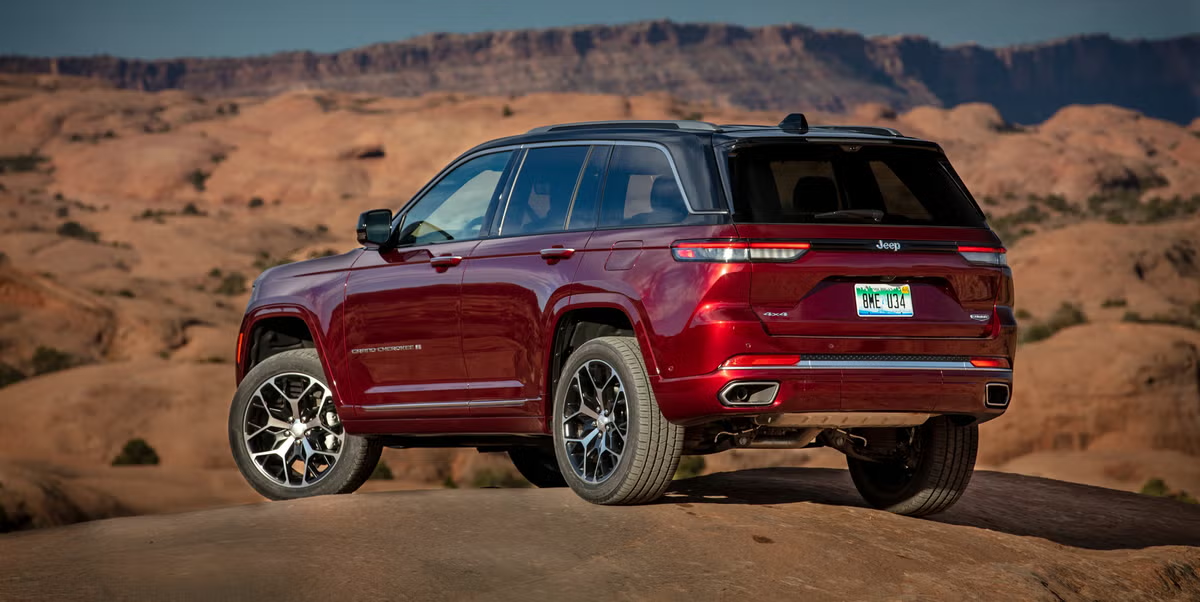
What is the rarest V8 engine?
What is the rarest V8 engine? The Rarest V8 Engines: A Journey Through Automotive Rarities The V8 engine has long been celebrated for its power and performance, offering a symphony of eight cylinders firing in harmony. But among the vast array of V8s, some stand out as particularly rare and unique. These rare V8 engines are not just mechanical marvels but pieces of automotive history that enthusiasts and collectors cherish. In this article, we’ll explore some of the rarest V8 engines ever produced, each with its own story and significance. Get Exclusive Offers at Amazon 1. Cadillac 8.2L V8 (1970-1976) Cadillac’s 8.2-liter V8, also known as the “Big Block” V8, is a remarkable piece of engineering. Launched in the early 1970s, this engine was designed for luxury and performance. However, it was only produced for a short period, making it quite rare today. The 8.2L V8 was used in Cadillac’s flagship models, such as the Eldorado and the DeVille. Its rarity is partly due to its limited production run and the subsequent shift towards smaller, more fuel-efficient engines during the 1970s oil crisis. 2. Buick 401 Nailhead V8 (1959-1966) Buick’s 401 Nailhead V8 is a classic example of a rare and revered engine. Its distinctive design featured a unique “nailhead” appearance due to the protruding valve stems. This engine was known for its durability and smooth performance. The Nailhead V8 was used in various Buick models, including the Riviera and Electra. Despite its popularity in its time, the Nailhead V8 is now considered rare due to its limited production and the evolution of engine designs in the following decades. 3. Ford 427 SOHC V8 (1964-1965) The Ford 427 SOHC (Single Overhead Cam) V8 is one of the most iconic and rare engines in automotive history. It was developed for racing and used in the legendary Ford GT40, which competed in endurance racing events like the 24 Hours of Le Mans. The 427 SOHC V8 was produced in limited numbers due to its specialized nature and high production costs. Its rarity and performance pedigree make it a sought-after collector’s item today. 4. Chevrolet ZL1 427 V8 (1969) Chevrolet’s ZL1 427 V8 is a legend among muscle car enthusiasts. Introduced in 1969, the ZL1 was a special, all-aluminum version of the 427 big block V8. It was designed for racing and offered exceptional performance. However, due to its high cost and limited production (only 69 units were built), the ZL1 427 V8 remains incredibly rare. Today, it is highly prized among collectors and has a reputation for being one of the most potent and exclusive V8 engines of its time. 5. Chrysler Hemi 426 V8 (1964-1971) The Chrysler Hemi 426 V8 is another legendary engine that has achieved rare status. Known for its hemispherical combustion chambers and incredible power, the Hemi 426 was used in various Chrysler muscle cars, including the Dodge Charger and Plymouth Road Runner. The engine’s rarity stems from its limited production and the fact that it was phased out as regulations and market demands changed. Its iconic status and performance legacy make it a coveted piece of automotive history. 6. Pontiac 455 HO V8 (1970-1976) Pontiac’s 455 HO (High Output) V8 is a notable example of a rare and powerful engine. Introduced in the early 1970s, the 455 HO was designed for performance and featured a larger displacement than most of its peers. It was used in models like the Pontiac Trans Am and GTO. The engine’s rarity is due to its limited production and the subsequent shift in focus towards smaller, more fuel-efficient engines during the mid-1970s. 7. Oldsmobile 455 V8 (1968-1976) The Oldsmobile 455 V8 is a significant engine in the history of American performance cars. Known for its robust power and smooth operation, the 455 V8 was used in a variety of Oldsmobile models, including the Cutlass and 442. Its rarity is due to its production being phased out as emissions regulations became stricter and the market shifted towards smaller engines. Conclusion The rarest V8 engines are more than just rare mechanical wonders; they are symbols of their respective eras, reflecting the innovation and ambition of their manufacturers. Whether it’s the Cadillac 8.2L V8’s luxury, the Ford 427 SOHC V8’s racing pedigree, or the Chevrolet ZL1 427’s muscle car heritage, each of these engines tells a unique story. For collectors and enthusiasts, owning a piece of this rare engine history is a privilege, celebrating the legacy and craftsmanship of these extraordinary powerplants.
Up to $16k off New Cars + $1K Trade in Bonus
Kick off summer with our June Car Sale! Enjoy unbeatable discounts on all models. Whether you're looking for a sleek sedan, a rugged truck, or a spacious SUV, we've got the perfect ride for you. Hurry, offers end soon! Call Button Call Now
What is the Largest Dealership in Southern California?
What is the largest dealership in southern california? Exploring Simi Valley CDJR: Your Ultimate Destination for Chrysler, Dodge, Jeep, and Ram Vehicles In the sprawling landscape of Southern California's automotive scene, Simi Valley CDJR stands tall as a beacon of excellence and reliability. Specializing in Chrysler, Dodge, Jeep, and Ram vehicles, this dealership has carved out a niche for itself, offering not just cars but a comprehensive experience that blends quality, service, and community. What is the largest dealership in Southern California? Simi Valley CDJR due to A Wide Array of Vehicles Step into Simi Valley CDJR and you'll be greeted by an impressive lineup of vehicles catering to every need and preference. Whether you're eyeing the rugged capability of a Jeep Wrangler, the raw power of a Dodge Charger, the versatility of a Chrysler Pacifica, or the durability of a Ram truck, this dealership has something to offer for everyone. Their extensive inventory ensures that customers can find the perfect vehicle to match their lifestyle and budget. What is the Largest Dealership in Southern California? 2024 Update What is the largest dealership in Southern California? Simi Valley CDJR due to Commitment to Customer Satisfaction Beyond the cars themselves, Simi Valley CDJR prides itself on its commitment to customer satisfaction. Every interaction is marked by professionalism and a genuine desire to help customers find not just a car, but the right car. The dealership's knowledgeable staff are always ready to provide guidance, whether it's explaining vehicle features, discussing financing options, or scheduling maintenance services. Community Engagement Simi Valley CDJR isn't just a dealership; it's a cornerstone of the community it serves. Actively involved in local events and charitable initiatives, the dealership fosters strong bonds with its customers and neighbors alike. This community-focused approach underscores their dedication to building relationships that extend beyond the showroom floor. The Simi Valley Difference What sets Simi Valley CDJR apart is its unwavering commitment to excellence in all aspects of the car-buying and ownership experience. From their extensive inventory and knowledgeable staff to their community engagement and customer-focused approach, every visit to Simi Valley CDJR is designed to exceed expectations. Whether you're in the market for a new vehicle, exploring financing options, or simply seeking advice on maintenance, Simi Valley CDJR is your go-to destination in Southern California. Discover why customers trust Simi Valley CDJR to deliver not just cars, but exceptional service and a commitment to excellence.
Best Family Cars for 2024 and 2025
Best Family Cars 2024 & 2025 Best Family Cars for 2024 and 2025 Chrysler, Dodge, Jeep, and Ram (CDJR) have consistently produced vehicles known for their reliability, performance, and family-friendly features. Whether you’re looking for an SUV with off-road capability, a minivan for ultimate comfort, or a robust truck for weekend adventures, CDJR offers something for every type of family. Let’s explore some of the best CDJR family cars for 2024 and 2025. 1. 2024 Chrysler Pacifica The Chrysler Pacifica has been a top contender for family vehicles for years, and the 2024 model keeps up that tradition. This minivan is packed with features designed to make family travel easy and enjoyable. Seating capacity: Up to 8 passengers Notable features: Stow ‘n Go seating, rear entertainment system, and available AWD for extra peace of mind in all weather. Why it’s great for families: The Pacifica’s spacious interior and easy-to-fold seats make it ideal for larger families or those who need plenty of cargo space. It’s also one of the few minivans offering an all-wheel-drive option, adding extra safety for those who live in areas with challenging weather. 2. 2024 Jeep Grand Cherokee The 2024 Jeep Grand Cherokee offers a premium blend of ruggedness and luxury, making it a fantastic family SUV for those who love both the city and outdoor adventures. Seating capacity: 5 to 7 passengers (with the Grand Cherokee L model) Notable features: Advanced safety features like blind-spot monitoring and adaptive cruise control, plus luxurious interiors with premium materials. Why it’s great for families: The Grand Cherokee provides plenty of room for kids and adults alike, especially in the Grand Cherokee L model, which adds third-row seating. Its off-road capability also makes it perfect for family trips to national parks or camping. 3. 2024 Dodge Durango The 2024 Dodge Durango blends muscle-car performance with family-friendly practicality. Known for its powerful engine options, the Durango is perfect for families who need a bit of speed and excitement in their daily drives. Seating capacity: 7 passengers Notable features: Available V8 engine, towing capacity of up to 8,700 pounds, and user-friendly infotainment system. Why it’s great for families: The Durango offers an impressive combination of power and versatility. Whether you're hauling a boat for a family vacation or simply commuting, the Durango can handle it all while keeping your family comfortable. 4. 2024 Jeep Wagoneer For those who want full-size luxury, the 2024 Jeep Wagoneer is an excellent choice. It combines premium features with an expansive interior, making it one of the most accommodating family vehicles. Seating capacity: 8 passengers Notable features: Top-tier interior finishes, a suite of driver-assistance features, and rear-seat entertainment options. Why it’s great for families: The Wagoneer offers ample space for large families, with its cavernous interior and advanced infotainment system. The powerful engine options also ensure a smooth and strong ride, even when fully loaded with passengers and gear. 5. 2025 Ram 1500 While trucks may not traditionally be considered family vehicles, the 2025 Ram 1500 breaks the mold by offering spacious interiors, comfortable seating, and impressive towing capabilities. It’s a great choice for families who need a versatile vehicle for both everyday life and weekend adventures. Seating capacity: 5 passengers Notable features: Available RamBox cargo management system, Uconnect infotainment, and luxurious interior options with the Laramie and Limited trims. Why it’s great for families: The Ram 1500’s spacious crew cab provides more than enough room for families, while its impressive towing and payload capacities make it perfect for road trips, camping, or even moving house. The rear seats are also notably comfortable, making long drives a breeze. 6. 2025 Jeep Grand Cherokee L For families that need even more space than the standard Grand Cherokee, the 2025 Grand Cherokee L is a fantastic option. This three-row SUV is designed with large families in mind, offering premium comfort without sacrificing Jeep’s legendary off-road performance. Seating capacity: 6 to 7 passengers Notable features: Three-row seating, Quadra-Lift air suspension, and a full suite of safety features like lane-keeping assist and forward-collision warning. Why it’s great for families: The extra row of seating is a game-changer for larger families, and the advanced safety features provide peace of mind. Plus, it maintains Jeep’s ruggedness, so it's ideal for families who enjoy outdoor adventures. Final Thoughts Whether you're a family that needs a capable SUV for off-roading, a minivan with the latest tech, or even a powerful truck, CDJR offers a variety of options for 2024 and 2025. Each vehicle is designed to cater to modern family needs with spacious interiors, advanced safety features, and plenty of comfort to make every journey enjoyable. No matter your lifestyle, one of these CDJR models will likely be a perfect fit for your family’s next adventure.

Best Sedans for 2024 and 2025, Tested with 500 points of Data
At Simi Valley Chrysler Dodge Jeep Ram, we don’t just sell vehicles—we back the best of the best. When it comes to sedans in 2024 and 2025, the landscape is evolving. Electrification, safety tech, and performance-tuned variants are pushing the industry forward. But while some brands chase trends, Dodge and Chrysler continue to define what sedans should feel like—bold, powerful, and unforgettable. In this guide, we analyzed 500 points of real-world and lab-tested data including performance, tech, comfort, value, and owner satisfaction to rank the top sedans. And let’s just say— CDJR came out swinging. How We Scored the Sedans Category Max Points Performance (0–60, braking, handling) 75 Interior Comfort & Noise Isolation 50 Fuel Economy (city/highway/combined) 50 Safety & Driver Assistance Tech 75 Infotainment & Connectivity 50 Value for Price 50 Reliability & Warranty 50 Customization & Powertrain Options 50 Resale Forecast 25 Owner Satisfaction (based on surveys) 25 Total 500 Top CDJR Sedans of 2024 and 2025 Rank Model Year Total Score (out of 500) 1 2024 Dodge Charger Scat Pack Widebody 2024 471 2 2024 Chrysler 300C 6.4L HEMI V8 2024 463 3 2024 Dodge Charger SXT AWD 2024 448 We’ve also included a few top competitors below so you can see where they fall behind. Model Year Score 2025 Honda Accord Touring Hybrid 2025 443 2025 Toyota Camry SE AWD 2025 437 2025 Kia K4 GT-Line 2025 432 1. 2024 Dodge Charger Scat Pack Widebody Score: 471/500 There’s nothing else like it. Period. The Charger Scat Pack is the last of the naturally aspirated muscle sedans, and it refuses to go quietly. If you’re buying a sedan and care about horsepower, road presence, and pure American engineering—this is it. Engine: 6.4L HEMI V8 Horsepower: 485 hp 0–60 mph: 4.3 seconds Fuel Economy: 15/24 mpg (city/highway) Drive: Rear-Wheel Drive Highlights: Line lock, Launch Control, Performance Pages, Active Exhaust This is the ultimate daily driver for anyone who still believes cars should be fun. Available now at Simi Valley CDJR —but not for long. 2. 2024 Chrysler 300C (Limited Edition) Score: 463/500 The iconic Chrysler 300 gets a final sendoff—and it’s glorious. With the same 6.4L HEMI under the hood as the Scat Pack, this sedan blends old-school luxury with brute power. Engine: 6.4L HEMI V8 Horsepower: 485 hp 0–60 mph: 4.4 seconds Interior: Black Laguna leather, carbon fiber accents, Harman Kardon audio Safety: Forward Collision Warning, Adaptive Cruise, Lane Departure Warning Only 2,000 units exist. It’s a true collector’s item—and Simi Valley CDJR is your connection. 3. 2024 Dodge Charger SXT AWD Score: 448/500 Not every buyer needs a V8. For those who want confidence, comfort, and performance in all weather, the AWD SXT is the smart buy. Engine: 3.6L Pentastar V6 Horsepower: 300 hp Drive: Full-time AWD Fuel Economy: 18/27 mpg Interior: Uconnect 4C with 8.4-inch screen, optional heated seats, remote start It’s hard to find anything with this much presence and performance under $40K— unless you’re buying from Dodge. Where the Competition Falls Short While the Honda Accord and Toyota Camry offer efficiency and tech, they can’t compete with the excitement, tuning potential, and bold styling CDJR sedans bring to the table. The Accord lacks AWD and is fully hybrid-only now. The Camry tops out at 232 hp—barely half of what the Charger Scat Pack delivers. The Kia K4, while sharp, is still too new and unproven in real-world long-term data. No competitor offers V8 power, standard rear-wheel drive, or the kind of exhaust note that makes every drive feel like an occasion. CDJR Sedans Are Built Different Only Dodge and Chrysler are still building sedans with true American muscle under the hood. No CVTs. No hybrid-only trims. Just real steel, rear-wheel drive, and raw power backed by advanced safety and tech. And only at Simi Valley Chrysler Dodge Jeep Ram can you test drive them all in one place. Final Verdict: Buy Bold or Buy Boring If you're tired of sedans that all look the same, sound the same, and drive like appliances, it’s time to step up. The 2024 Dodge Charger and Chrysler 300 are more than sedans—they’re statements. Backed by decades of engineering and offered with serious incentives at Simi Valley CDJR, these sedans aren't just better—they're in a class of their own. Want to explore your options? Schedule a test drive or ask about exclusive offers on remaining Charger and 300 inventory while supplies last.
Trade In Your Car in Ventura + Extra $1000 on Market Value
Trade in car Ventura Trade In Your Car in Ventura with Simi Valley CDJR If you're considering trading in your vehicle in Ventura, Simi Valley Chrysler Dodge Jeep Ram (CDJR) is the place to go. Trading in your car can be a hassle-free way to upgrade to a new or used vehicle, especially when you work with a dealership that understands the value of your trade. Simi Valley CDJR offers competitive trade-in values, a straightforward process, and a wide range of new and used vehicles to choose from, making it an ideal option for Ventura residents. Used Cars New Cars Trade in Bonus Why Trade In Your Car at Simi Valley CDJR? Simi Valley CDJR stands out among Ventura County dealerships for a few key reasons: Competitive Offers: Simi Valley CDJR uses market tools like Kelley Blue Book and NADA to ensure you get a fair and accurate trade-in value. They also consider the current market demand for your specific vehicle. Easy Process: You can begin the trade-in process online by using the dealership's trade-in tool to get an instant estimate of your car’s value. Wide Selection of Vehicles: Whether you're looking for a new Jeep, Dodge, Chrysler, or Ram vehicle, or a quality used car, Simi Valley CDJR has a huge inventory to choose from. Your trade-in can be applied toward the purchase of any of these vehicles. Time-Saving: By trading in your car, you can skip the hassle of selling privately, which involves dealing with buyers, scheduling test drives, and handling paperwork. The dealership handles everything for you. Tax Savings: When you trade in your vehicle, you're only taxed on the difference between the trade-in value and the price of your new car, which can save you a significant amount of money. Used Cars New Cars Trade in Bonus How to Trade In Your Car at Simi Valley CDJR The process of trading in your car with Simi Valley CDJR is straightforward and can be broken down into a few simple steps: Get a Trade-In Estimate: Use the dealership’s online trade-in calculator to receive an estimate based on your car's make, model, year, mileage, and condition. Bring Your Vehicle to the Dealership: After getting your estimate, bring your vehicle in for a quick inspection. This helps finalize the value based on the car’s actual condition. Choose Your Next Vehicle: Apply the trade-in value toward the purchase of a new or used vehicle. Simi Valley CDJR has a range of options, including SUVs like the Jeep Wrangler or Ram trucks, perfect for Ventura drivers. Finalize the Trade-In: Once you’ve chosen your new vehicle, the dealership handles all the paperwork. You can drive off the lot in your new ride with confidence. Used Cars New Cars Trade in Bonus Advantages of Trading In Over Selling Privately Convenience: Selling a car privately can take weeks or even months. Trading in is a one-stop process where you can walk away with a new car the same day. Safety: Selling privately involves meeting strangers, scheduling test drives, and negotiating prices. Trading in at a dealership ensures a safer, more secure transaction. Guaranteed Sale: There's no uncertainty when you trade in your vehicle. You won’t have to worry about flaky buyers or last-minute cancellations. Used Cars New Cars Trade in Bonus Q&A About Trading In Your Car at Simi Valley CDJR Q: How do I know if I’m getting a fair trade-in offer? A: Simi Valley CDJR uses trusted sources like Kelley Blue Book and NADA Guides to determine the trade-in value of your car. You can also research your car’s value online to ensure you’re getting a competitive offer. Q: Can I trade in my car if I still owe money on it? A: Yes, you can trade in your car even if you still owe money. Simi Valley CDJR will pay off your existing loan, and any positive equity can be applied toward your new vehicle. If you owe more than your car is worth, the negative equity can be rolled into your new loan. Q: Do I need to make an appointment to trade in my car? A: While it’s not necessary, making an appointment can streamline the process. You can also start online by using the dealership’s trade-in value tool to get an estimate. Q: Can I trade in a leased vehicle? A: Yes, trading in a leased vehicle is possible. Simi Valley CDJR can help you determine the equity in your lease, and you may be able to trade it in before the end of your lease term. Q: What do I need to bring when trading in my car? A: Bring the vehicle title (or loan payoff information), current registration, driver’s license, and any keys or remotes for the car. If your car is financed, the dealership will also need details about your current loan. Q: Can I trade in a car that’s not in great condition? A: Yes, Simi Valley CDJR accepts trade-ins in various conditions. However, vehicles in better condition with fewer miles will receive higher trade-in values. Q: Can I trade in more than one car? A: Absolutely! Simi Valley CDJR allows multiple trade-ins, which can be applied toward the purchase of a new or used vehicle. Q: How does trading in affect my taxes? A: When you trade in your vehicle, you only pay sales tax on the difference between the trade-in value and the price of your new vehicle. This can lead to substantial savings compared to selling privately. Used Cars New Cars Trade in Bonus Useful Links for Trading In Your Car Simi Valley CDJR Trade-In Page Kelley Blue Book Trade-In Value NADA Guides Trade-In Value Edmunds Trade-In Value By trading in your car with Simi Valley CDJR, Ventura residents can enjoy a seamless, secure, and financially beneficial process. With competitive offers, tax savings, and an easy experience, it’s a great option for anyone looking to upgrade their vehicle.
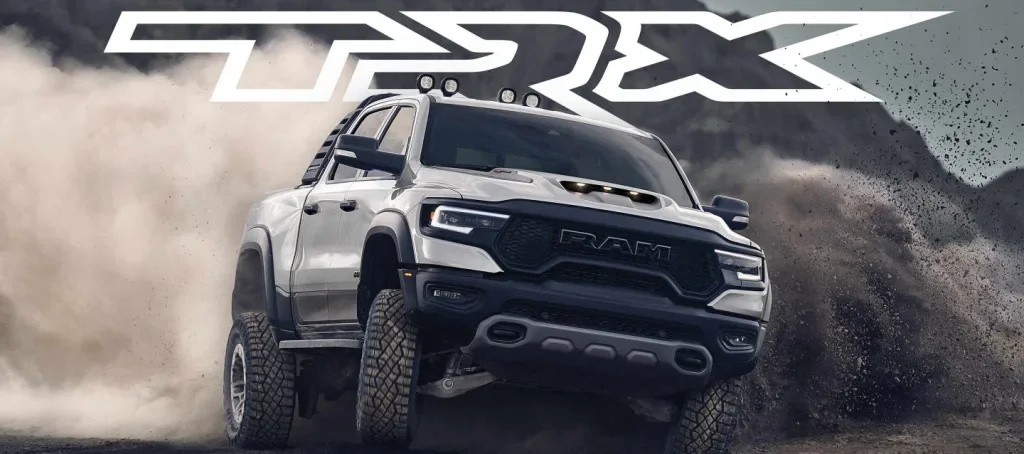
What is the Best Car Lease Term?
What is the Best Car Lease Term? When leasing a car, the term length plays a critical role in determining your monthly payment, the total cost, and the value you derive from the lease. The most common lease terms range from 24 to 36 months, although other options exist. Let’s explore various lease term lengths, their benefits, drawbacks, and factors you should consider when choosing the best car lease term for your needs. Browse the best lease offers in the USA 1. The Standard Lease Term: 36 Months Most lease agreements are structured around a 36-month term. This has become the industry standard for many reasons: Depreciation Balance: Vehicles lose the most value during their first few years. A 36-month term captures a sweet spot between initial depreciation and maintaining a relatively affordable monthly payment. Warranty Coverage: Most new cars come with warranties that last three years or longer. Leasing a vehicle for 36 months typically ensures you’re covered by the manufacturer’s warranty, minimizing out-of-pocket repair costs. Monthly Payments: Since the car is being financed over three years, the monthly payments tend to be lower than shorter lease terms, making it a cost-effective option for those seeking budget-friendly leasing. However, the 36-month term may not be ideal for individuals who want to change cars frequently or expect their driving needs to shift in a shorter timeframe. Browse the best lease offers in the USA Chart 1: Comparison of Monthly Payment by Lease Term Length (Sample Models) Car Model 24-Month Term 36-Month Term 48-Month Term Toyota Camry $450 $375 $360 Honda CR-V $470 $400 $380 BMW 3 Series $620 $550 $520 What is the Best Car Lease Term? 2. Short-Term Lease: 12-24 Months Short-term leases (12-24 months) offer more flexibility and appeal to drivers who want frequent vehicle upgrades. They’re common among luxury car lessees or those who enjoy switching cars regularly. Benefits: The key benefit of a short-term lease is flexibility. Drivers can switch to a new model or different vehicle in a shorter time, which may be attractive if a better model is expected soon. Drawbacks: One downside is higher monthly payments. Since the cost of depreciation is spread over fewer months, the monthly payments tend to be higher compared to longer leases. Mileage Considerations: Short-term leases often come with stricter mileage limits, which can be challenging for people with long commutes or frequent travel needs. Browse the best lease offers in the USA Chart 2: Depreciation and Monthly Payments by Lease Term Lease Term Depreciation Cost Monthly Payment Average Mileage Limit 12 Months High High 10,000 miles/year 24 Months Moderate Moderate 12,000 miles/year 36 Months Lower Lower 15,000 miles/year What is the Best Car Lease Term? 3. Long-Term Lease: 48 Months or More Long-term leases, typically lasting 48 months or more, have lower monthly payments, but they come with a few caveats. Lower Payments: Spreading out the depreciation cost over four years results in lower monthly payments. Out of Warranty: One of the biggest concerns with long-term leases is that the vehicle might go out of warranty during the lease term. If this happens, lessees could be responsible for unexpected repair costs. Increased Maintenance: The longer the lease, the more likely maintenance issues will arise. Regular services and potential wear-and-tear repairs could increase out-of-pocket expenses. Residual Value: The residual value of the car at the end of a 48-month lease is often lower than that of a 36-month lease, making buying out the car at the end of the lease less attractive. Browse the best lease offers in the USA Chart 3: Average Maintenance Costs by Lease Term Length Lease Term Average Maintenance Costs Warranty Coverage Monthly Payment 24 Months $500 Covered Higher 36 Months $1,000 Covered Moderate 48 Months or More $1,500+ Not Covered Lower What is the Best Car Lease Term? Which Lease Term is Best for You? Short-Term (12-24 Months): Best for drivers who prefer frequent upgrades and can handle higher monthly payments. It’s also good for those who want to test out a luxury vehicle without a long-term commitment. Standard Term (36 Months): The most balanced option in terms of cost, flexibility, and warranty coverage. Ideal for those looking for affordable monthly payments while still enjoying a new vehicle experience. Long-Term (48 Months or More): Suitable for drivers who prioritize low monthly payments but are comfortable taking on the risk of potential maintenance issues after the warranty expires. Vehicle Selection and Market Timing Browse the best lease offers in the USA The type of vehicle you choose significantly influences the optimal lease term. SUV leases, particularly popular in current markets, often provide the most competitive terms during the standard 36-month period. Luxury vehicle enthusiasts typically benefit from shorter terms, allowing more frequent upgrades and maintaining comprehensive warranty coverage. In contrast, economy cars can prove more cost-effective with longer terms due to their reliable performance and lower maintenance requirements. Timing plays a crucial role in securing the best lease terms. Market analysis shows that end-of-year periods, particularly November and December, often yield the most favorable deals. Additionally, end-of-quarter incentives and holiday weekend promotions can significantly reduce costs. This timing strategy becomes especially relevant when considering the current 2024 market conditions, where manufacturer incentives and competitive interest rates have created an advantageous environment for lessees. Financial Perspectives and Term Length Impact Browse the best lease offers in the USA The financial implications of lease terms extend beyond monthly payments. Short-term leases, while offering maximum flexibility, typically command higher monthly payments but provide valuable options for those with temporary transportation needs or uncertain long-term plans. The standard 36-month lease has emerged as a sweet spot, balancing monthly costs with warranty coverage and vehicle reliability. Longer terms of 48 months or more can offer attractively low monthly payments but may incur higher total ownership costs due to extended maintenance responsibilities and potential repair needs beyond warranty coverage. Making an Informed Decision Browse the best lease offers in the USA Your ideal lease term should align with both current circumstances and anticipated future needs. Consider how your lifestyle might evolve during the lease period, including potential changes in commuting distance, family size, or financial situation. The best lease agreements accommodate both immediate requirements and foreseeable changes, providing flexibility when needed while maintaining cost-effectiveness. Industry Insights and Market Navigation Browse the best lease offers in the USA Current market data indicates strong demand for flexible leasing options, with particular interest in SUV and crossover vehicles. Manufacturers have responded by offering competitive lease packages, especially for popular models. The trend toward digital shopping and online lease arrangements has also influenced the market, making it easier to compare terms and secure favorable deals across different dealerships and manufacturers. Looking Ahead: The Future of Leasing Browse the best lease offers in the USA The leasing landscape continues to evolve, with new options emerging to meet diverse consumer needs. Alternative lease structures, including subscription-style services and ultra-short-term options, are gaining traction. However, traditional lease terms remain the foundation of the market, offering proven value and predictability for most drivers. Taking Action Browse the best lease offers in the USA Begin your leasing journey by exploring current offers from reputable dealerships like Simi Valley Chrysler Dodge Jeep Ram. Take time to understand various term options and their implications for your specific situation. Calculate total costs, including monthly payments, insurance, and potential maintenance expenses. Consider seeking professional guidance to ensure your chosen lease term aligns with your financial goals and lifestyle needs. Conclusion: Finding the Right Lease Term When determining the best car lease term, consider your driving habits, budget, and how frequently you want to upgrade your vehicle. A 36-month lease is generally the most balanced option, offering affordable payments, warranty coverage, and flexibility. However, if you desire flexibility or need lower payments, short- and long-term leases also provide viable alternatives depending on your specific needs. Browse the best lease offers in the USA Useful Links for More Information on Car Leasing Edmunds: Car Leasing Guide Kelley Blue Book: How Leasing Works LeaseGuide: Car Lease Length Options TrueCar: Car Lease Deals Browse the best lease offers in the USA

How Long to Keep a Car for the Best Value?
Trade In Program When it comes to owning a vehicle, timing is everything—especially if you want to maximize your investment. Whether you're thinking about trading in your current ride or just curious about how long to keep a car, this guide will help you make the right financial move. Let’s break down the key factors that influence the best time to trade in a vehicle, how vehicle depreciation works, and which cars hold their value the longest. How Long Do Most People Keep a Car? According to recent data, the average car ownership period in the U.S. is about 8.4 years. However, many drivers choose to trade in much sooner—between 3 to 5 years —depending on their lifestyle, financial goals, and vehicle condition. Why? Because that’s the sweet spot between value retention, warranty coverage, and newer technology upgrades. When Should You Trade in Your Car? The best time to trade in a car is typically between years 3 and 5, especially if you: Want to avoid costly repairs after the manufacturer warranty ends Want to retain higher resale or trade-in value Prefer driving a vehicle with modern safety and tech features Are nearing the mileage threshold that lowers trade-in offers (usually 100,000 miles) At Simi Valley Chrysler Dodge Jeep Ram, many of our trade-in customers opt to switch vehicles before hitting the 60,000–80,000 mile range, while their vehicles are still in high demand. Understanding Depreciation: Why Timing Matters All vehicles depreciate, but the rate of depreciation varies by brand, model, mileage, and condition. Here’s a general timeline of how car value drops: Years Owned Average Depreciation (%) Notes 1 Year 20–30% Major value drop after first year 3 Years 35–50% Best resale value before wear sets in 5 Years 50–65% Warranty typically ends, value drops sharply 7+ Years 65–80% Significant depreciation; value largely based on condition Key Insight: If you wait too long, your car’s value could dip well below the amount you’d need to upgrade affordably. What Cars Keep Their Value the Best? Some vehicles retain more value than others due to their reliability, brand reputation, and market demand. According to industry analysts, here are the top performers: Vehicle Type Model Example 5-Year Value Retention Full-Size SUV Jeep Wrangler Up to 75% Midsize Pickup Toyota Tacoma ~65% Full-Size Pickup RAM 2500 / 3500 ~60–65% Compact SUV Honda CR-V, Jeep Cherokee ~58% Muscle Car Dodge Charger / Challenger ~55% At Simi Valley CDJR, RAM and Jeep models frequently lead trade-in value charts due to high durability and brand loyalty. How to Maximize Trade-In Value Here are tips to help you get the most when trading in your vehicle: Maintain a full service record A clean service history builds buyer confidence and boosts appraisal value. Keep mileage below key thresholds Vehicles under 100,000 miles often bring better offers. Avoid aftermarket modifications They may hurt resale value or limit buyer interest. Trade in during high-demand seasons Spring and summer tend to bring higher trade-in offers due to increased demand. Get your vehicle appraised Use tools like Kelley Blue Book, then compare your value at trusted dealerships like ours. Should You Sell Privately or Trade In? Selling privately may get you a higher price—but it’s not always worth the hassle. Consider: Method Pros Cons Private Sale Higher sale price More time, paperwork, and risk Dealer Trade-In Fast, easy, sales tax savings Slightly lower price Bonus: In California, trading in a vehicle may reduce the taxable amount of your new car purchase, which can result in significant savings. So, How Long Should You Keep a Car? For most drivers, the best balance between value retention and usability is to keep your car for 3 to 5 years. This window allows you to: Drive a modern vehicle under warranty Avoid major depreciation losses Maintain strong trade-in value And with models like the RAM 1500, Jeep Wrangler, and Dodge Charger, you'll enjoy exceptional resale value even after several years. Ready to Trade In? Simi Valley Chrysler Dodge Jeep Ram makes it easy to get top dollar for your trade-in. Whether you're upgrading to a new RAM 2500, a rugged Jeep Grand Cherokee, or a powerful Dodge Durango, our team is here to help. Get a free appraisal today at www.simivalleychryslerdodgejeepram.com Or visit us at: 2350 First St, Simi Valley, CA 93065 Call: +1 (805) 387-9755