Simi Valley Chrysler Dodge Jeep Ram

Blog / General

Blog

All General Jeep Ram Dodge Questions Car Buying Guides Chrysler Simi Valley Chrysler Dealer Simi Valley Used Cars
when to Clean the Air Filters on a Ram 1500

When Should You Clean the Air Filters on a Ram 1500?

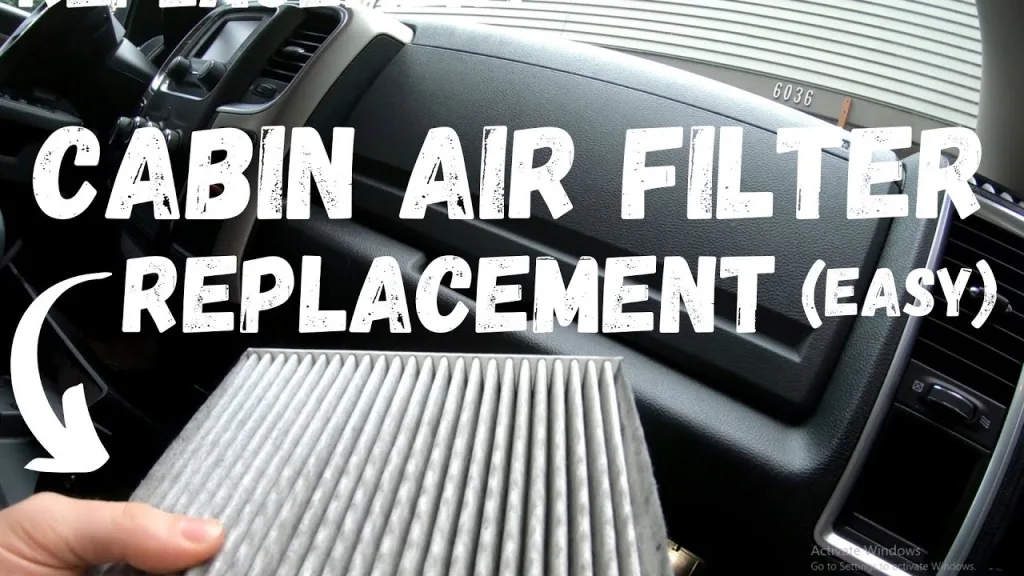
When Should You Clean the Air Filters on a Ram 1500? You should check the air filters on a Ram 1500 at every oil change and replace them when they are dirty, restricted, damaged, or at the mileage interval listed in the owner’s manual. The simple answer is this: inspect the engine air filter every 10,000 to 15,000 miles, replace it around 15,000 to 30,000 miles under normal driving, and replace it sooner if you drive in dust, construction zones, wildfire smoke, dirt roads, off-road trails, or heavy traffic. Many Ram service references list engine and cabin air filter replacement around 10,000 miles in severe conditions and 15,000 to 30,000 miles in normal use. Larry H. Miller Dodge Boise Engine Air Filter vs Cabin Air Filter Your Ram 1500 has two different air filters. The engine air filter cleans the air going into the engine. A dirty engine air filter can reduce airflow, hurt throttle response, lower efficiency, and make the engine work harder. The cabin air filter cleans the air coming through the HVAC system. A dirty cabin filter can reduce A/C airflow, create musty smells, make the fan louder, and allow more dust or pollen into the cabin. They do different jobs, but both should be checked regularly. Should You Clean or Replace the Engine Air Filter? For most Ram 1500 owners, replace the engine air filter instead of cleaning it. Most factory-style paper engine air filters are not designed to be washed or reused. You can gently tap out loose dust during inspection, but once the filter is visibly dirty, clogged, wet, oil-soaked, torn, or packed with debris, replace it. Reusable performance filters are different. If your Ram has a washable aftermarket filter, follow that filter brand’s cleaning and oiling instructions exactly. Over-oiling a reusable filter can cause sensor problems. When to Replace the Engine Air Filter Under normal driving, a Ram 1500 engine air filter often lasts around 15,000 to 30,000 miles. Replace it sooner if you drive in: Dusty roads. Construction zones. Off-road trails. Desert conditions. Heavy pollen. Wildfire smoke. Farm or jobsite use. Frequent towing. Long idle periods. Severe service can shorten the interval to around 10,000 miles, especially if the truck sees dirt roads or dusty work conditions. Courtesy Chrysler Jeep Dodge Ram When to Replace the Cabin Air Filter The cabin air filter is commonly replaced around 15,000 miles, or once a year for many drivers. If you drive in Los Angeles-area traffic, dusty roads, wildfire smoke, or heavy pollen, replacing it sooner makes sense. A dirty cabin filter can make the A/C feel weak even when the system itself is working properly. Some service schedules list cabin air filter replacement every 15,000 miles, while others allow up to 30,000 miles depending on driving conditions. Firestone Complete Auto Care Signs Your Ram 1500 Needs an Air Filter Your engine air filter may need replacement if you notice weaker acceleration, lower fuel economy, rougher engine response, dirty filter pleats, debris in the air box, or a check engine light related to airflow. Your cabin air filter may need replacement if you notice weak vent airflow, dusty cabin air, musty smell, louder blower fan noise, foggy windows that clear slowly, or allergy symptoms getting worse inside the truck. Do not wait for major symptoms. Filters are cheap compared with the systems they protect. Can a Dirty Air Filter Hurt a Ram 1500? Yes, especially if it is severely restricted. A dirty engine air filter can reduce airflow to the engine. Modern Ram engines can adjust fuel delivery, but the truck may still feel less responsive and less efficient. Dirt getting past a damaged filter is worse because it can increase engine wear. A dirty cabin air filter will not damage the engine, but it can make the HVAC system work harder and make the cabin less comfortable. Best Practical Schedule For most Ram 1500 owners: Every oil change: inspect engine and cabin air filters. Every 10,000 miles: replace sooner if driving in dust or severe conditions. Every 15,000 miles: replace cabin air filter for cleaner airflow. Every 15,000 to 30,000 miles: replace engine air filter under normal use. Immediately: replace any filter that is wet, torn, oil-soaked, moldy, or packed with debris. Final Answer You should check your Ram 1500 air filters at every oil change. Replace the engine air filter about every 15,000 to 30,000 miles, or around 10,000 miles in dusty or severe conditions. Replace the cabin air filter about every 15,000 miles or once a year, especially if you drive in traffic, smoke, dust, or pollen. The safest rule is simple: inspect often, replace when dirty, and follow the owner’s manual for your exact Ram 1500 model year.

Version 1.0.0

BlueDevil Rear Main Sealer: A Mechanic's Perspective

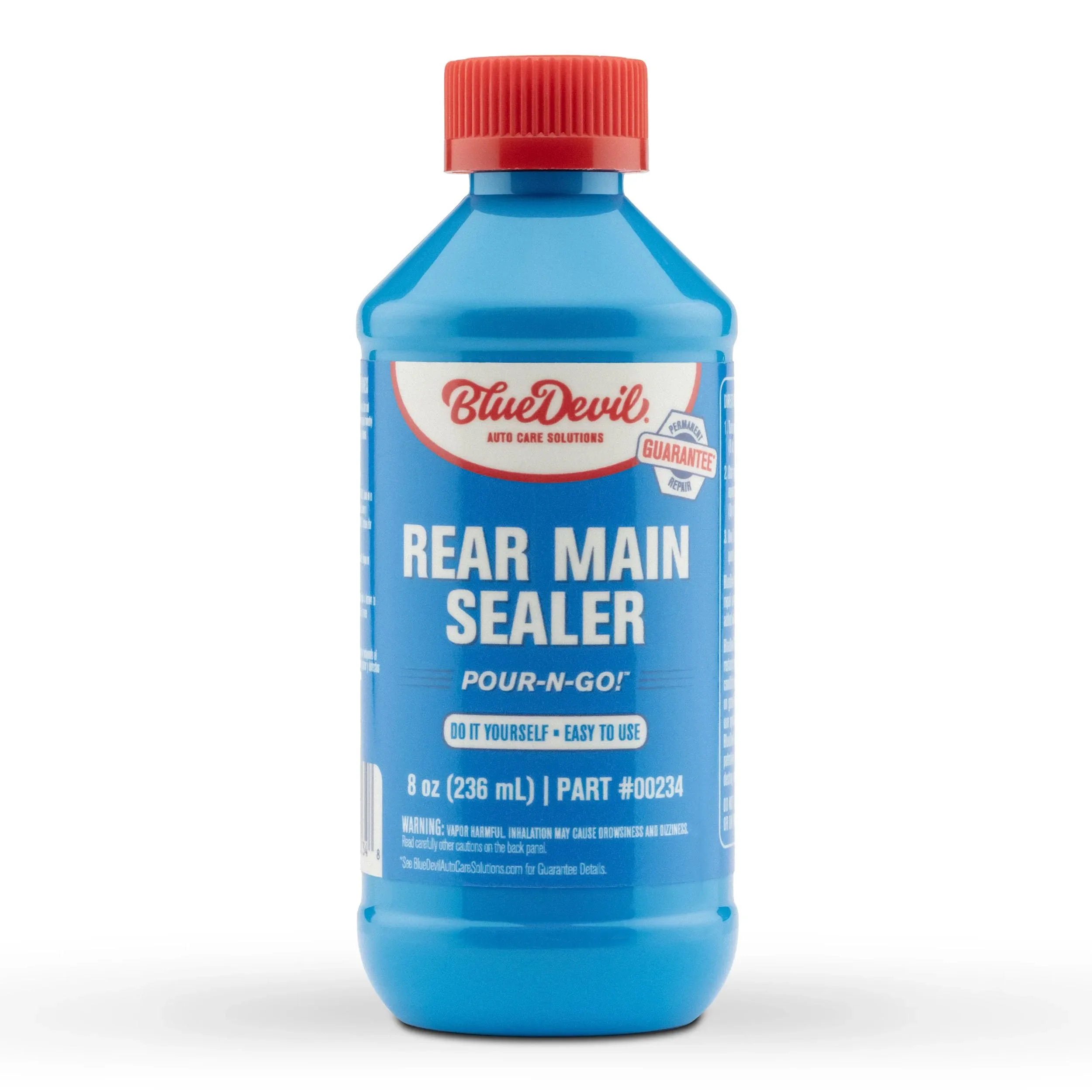
Version 1.0.0 BlueDevil Rear Main Sealer: A Mechanic’s Perspective BlueDevil Rear Main Sealer can be worth trying if you have a small rear main seal leak and the vehicle is not worth tearing apart immediately. But from a mechanic’s perspective, it should be treated as a temporary or low-cost attempt, not the same thing as replacing the rear main seal. The simple answer is this: BlueDevil may help if the leak is caused by an old, dried, or slightly shrunken rubber seal. It will not fix a torn seal, damaged crankshaft surface, clogged PCV system, major oil leak, overfilled engine, or oil leak coming from somewhere else. BlueDevil says its Rear Main Sealer is designed for gas and diesel engines and works by restoring dried, cracked, or shrunken rubber seals. What Is BlueDevil Rear Main Sealer? BlueDevil Rear Main Sealer is an oil additive made to reduce or stop leaks from the rear main seal and certain other engine oil seals. The rear main seal sits at the back of the engine where the crankshaft exits toward the transmission. When it leaks, oil can drip from the area between the engine and transmission. That is why the repair can be expensive. Access usually requires removing the transmission or separating major drivetrain parts. That is exactly why products like BlueDevil are popular. A bottle costs far less than a rear main seal job. How Does It Work? BlueDevil is designed to condition rubber seals. As seals age, they can dry out, harden, shrink, or lose flexibility. A seal conditioner attempts to soften and swell the rubber enough to help it seal again. This can reduce seepage if the seal is still physically intact. That is the key point: it works best on an old seal that has shrunk slightly, not on a seal that is destroyed. If the rear main seal lip is ripped, the crankshaft sealing surface is grooved, the engine has excessive crankcase pressure, or the leak is actually from the oil pan, valve cover, or intake area, an additive will not solve the real problem. A Mechanic’s Honest Take A mechanic would usually see BlueDevil as a gamble with limits. It is not snake oil in the sense that seal conditioners can sometimes reduce small leaks. But it is also not a proper mechanical repair. The proper fix for a confirmed rear main seal leak is replacing the seal and inspecting the crankshaft surface, oil pan area, PCV system, and related gaskets. The reason mechanics hesitate is simple: many “rear main seal leaks” are misdiagnosed. Oil can run down from valve cover gaskets, oil pressure sensors, intake gaskets, oil filter housings, oil cooler seals, oil pan gaskets, or timing cover leaks and end up dripping near the bellhousing. That makes it look like a rear main leak when it is not. Before using any sealer, confirm the leak source. When BlueDevil Rear Main Sealer Is Worth Trying BlueDevil is most worth trying when the leak is small and the vehicle is older. It makes sense if: The leak is a slow drip or seep. The oil level is not dropping quickly. The engine runs normally. The vehicle is older or high mileage. You want to delay an expensive repair. The rear main seal leak has been properly diagnosed. You understand it may not work. It is especially reasonable on an older daily driver where a $1,000-plus repair may not make financial sense right away. Rear main seal repair costs can be high because the labor is intensive, and some estimates place the job around hundreds to well over $1,000 depending on the vehicle. Endurance notes rear main seal replacement can range from about $600 to $1,200+, while some vehicle-specific repairs can be higher. When You Should Not Use It Do not rely on BlueDevil if the leak is major. Skip the additive and diagnose properly if: Oil is pouring out. The vehicle leaves large puddles. The clutch is slipping from oil contamination. The transmission bellhousing is soaked. The engine oil level drops quickly. There is blue smoke from oil burning. The PCV system is clogged. The engine has excessive blow-by. The leak started after recent repair work. The engine is already low on oil pressure. A bottle of sealer is not a substitute for repairing a serious oil leak. Use Clean Oil First For best results, use it with clean engine oil. Hot Rod recommends making sure the engine has clean oil and the correct oil specification before using BlueDevil or any rear main seal stop-leak product. That advice makes sense. Dirty, old oil filled with fuel dilution, sludge, or contaminants is not the best carrier for any additive. If the oil is due for a change, change the oil and filter first, then add the product according to the directions. How to Use BlueDevil Rear Main Sealer Follow the instructions on the bottle. BlueDevil’s directions commonly state to add one 8 oz bottle directly into the engine oil, with one bottle treating up to 8 quarts. The product is designed to stay in the oil while you drive. Highline Warren lists the basic direction as turning off the engine and pouring one 8 oz bottle into the engine oil. Do not overfill the crankcase. If your oil level is already at the full mark and you are adding 8 oz, it is usually smart to leave enough room or drain a small amount if necessary. Overfilled oil can create foaming, pressure issues, leaks, and other problems. How Long Does It Take to Work? Do not expect instant results. Many seal conditioners need driving time and heat cycles to work into the rubber. You may need to drive for several days or a few hundred miles before deciding whether it helped. If the leak gets slightly better, keep monitoring the oil level and the leak area. If nothing changes after a reasonable period, the seal may be too damaged or the leak may not be from the rear main seal. Will It Hurt the Engine? Used correctly, it usually should not hurt a healthy engine. The risk comes from using too much, using it in an engine with the wrong oil level, ignoring a serious leak, or using additives as a replacement for maintenance. Any oil additive changes the oil mixture slightly, so I would not use it casually in a new engine, performance engine, warranty vehicle, or engine with known oiling issues. For an older high-mileage vehicle with a small leak, the risk is usually more acceptable. Will It Fix Every Oil Leak? No. BlueDevil Rear Main Sealer is meant for rubber seal-related oil leaks. It is not a universal repair for every gasket and sealing surface. It will not properly fix: Oil pan gasket leaks. Valve cover gasket leaks. Cracked covers. Bad oil filter housing gaskets. Loose drain plugs. Bad oil pressure sensors. Damaged timing covers. Crankshaft groove damage. Improperly installed seals. Excessive crankcase pressure. Misdiagnosis is the biggest issue. If the leak source is wrong, the product cannot work. Rear Main Seal Leak Symptoms A rear main seal leak usually shows up as oil at the back of the engine. Common signs include oil dripping between the engine and transmission, oil on the lower bellhousing, oil spots after parking, burning oil smell if oil contacts hot exhaust, and gradual oil loss. But those symptoms can overlap with other leaks. That is why cleaning the engine and using UV dye can help confirm the leak path before spending money. Mechanic’s Diagnostic Advice Before using BlueDevil, clean the oily area first. Then drive the vehicle and recheck where fresh oil appears. If needed, add UV dye to the engine oil and inspect with a UV light. This can help identify whether the oil is truly coming from the rear main seal or running down from above. Also check the PCV system. A clogged PCV valve or crankcase ventilation issue can increase crankcase pressure and force oil past seals. If the pressure problem remains, a sealer may not hold. BlueDevil vs Rear Main Seal Replacement BlueDevil is cheap and easy. Rear main seal replacement is expensive and labor-intensive. That is the tradeoff. BlueDevil is worth trying when the alternative repair cost does not make sense yet. But if the vehicle is valuable, the leak is severe, or you plan to keep the car long term, replacing the seal is the correct repair. A sealer is a shortcut. A seal replacement is the fix. Is It Good for Trucks? It can be used in gas and diesel engines if compatible with the oil system and directions. That includes many older trucks, SUVs, and high-mileage vehicles. But trucks often work harder, tow more, and run hotter. If a truck is leaking badly, diagnose it properly before relying on a bottle. For Ram, Jeep, Dodge, Chevy, GMC, Ford, Toyota, and Nissan trucks, the same rule applies: confirm the leak source first. Should You Use It Before Selling a Car? Be careful. Using a sealer to hide a known leak from a buyer is unethical. If you use it and sell the vehicle, disclose the leak history if asked. A small leak treatment on an older vehicle is one thing. Concealing a serious rear main seal issue is another. For dealership or professional use, proper disclosure and diagnosis matter. Final Verdict BlueDevil Rear Main Sealer is not a miracle, but it can be useful in the right situation. From a mechanic’s perspective, it is a reasonable low-cost attempt for a minor, confirmed rear main seal leak on an older or high-mileage vehicle. It is not the right answer for a major leak, torn seal, oil-soaked clutch, damaged crankshaft surface, clogged PCV system, or misdiagnosed oil leak. Use it with clean oil, follow the directions, do not overfill the crankcase, and monitor the result. If the leak continues, the vehicle needs real mechanical repair.

2017 jeep wrangler

is 2017 jeep wrangler a jk or jl

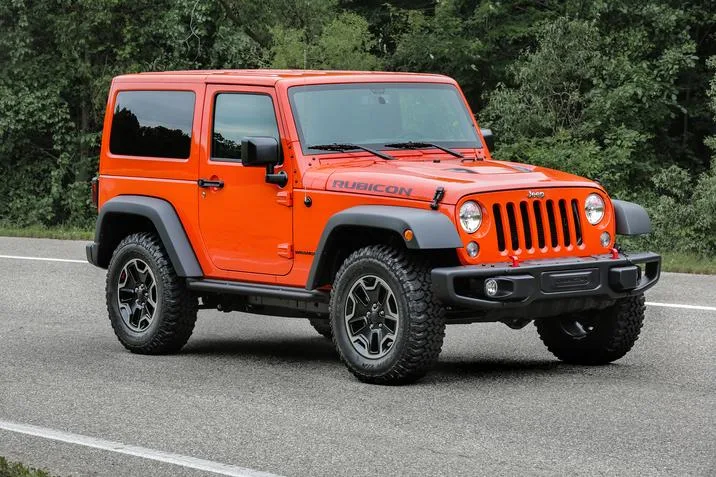
Is a 2017 Jeep Wrangler a JK or JL? A 2017 Jeep Wrangler is a JK, not a JL. The simple answer is this: every 2017 Jeep Wrangler belongs to the JK generation. The JL generation arrived for the 2018 model year, which is why 2018 is the confusing year. In 2018, Jeep sold both the outgoing Wrangler JK and the newer Wrangler JL. But if the Jeep is a 2017 model, it is a JK. The official 2017 Jeep Wrangler specifications list the Wrangler and Wrangler Unlimited lineup with the 3.6L Pentastar V6, body-on-frame construction, Command-Trac or Rock-Trac 4x4 systems, and the familiar JK-generation layout. 2017 Jeep Wrangler specifications What Generation Is the 2017 Jeep Wrangler? The 2017 Jeep Wrangler is part of the Jeep Wrangler JK generation. The JK generation ran from the 2007 model year through 2018, but 2018 was a split year because both JK and JL versions existed. That is why parts searches, used listings, and forums often separate 2018 Wrangler JK from 2018 Wrangler JL. For 2017, there is no split. It is JK only. That matters if you are buying parts, checking specs, comparing reliability, ordering accessories, or researching common problems. A 2017 Wrangler needs JK-specific parts, not JL parts. What Is the Jeep Wrangler JK? The Jeep Wrangler JK was the third modern Wrangler generation after the YJ and TJ. It introduced the four-door Wrangler Unlimited body style that helped turn the Wrangler from a niche off-road SUV into a mainstream lifestyle vehicle. The JK kept Jeep’s classic removable roof, removable doors, rugged 4x4 systems, upright shape, and trail-focused capability, but made the Wrangler more usable for families and daily driving. By 2017, the JK was near the end of its production run, which is one reason many used shoppers like it. Late-generation models often benefit from years of refinement. What Engine Does the 2017 Wrangler JK Have? The 2017 Jeep Wrangler JK uses the 3.6L Pentastar V6. The official 2017 specs list the 3.6L Pentastar V6 as standard on all 2017 Wrangler models. 2017 Jeep Wrangler specifications That engine is commonly rated at 285 horsepower and 260 lb-ft of torque in the 2017 Wrangler. Kelley Blue Book lists the 2017 Wrangler with 285 horsepower, while Edmunds notes that every 2017 Wrangler uses a 3.6L V6 with a six-speed manual or five-speed automatic transmission. For used buyers, the 3.6L JK is generally more desirable than the older 3.8L V6 used in earlier 2007 to 2011 JK models. 2017 Wrangler JK vs 2018 Wrangler JL The easiest way to remember it: 2017 Wrangler = JK 2018 Wrangler = could be JK or JL 2019 and newer Wrangler = JL The 2018 model year is where shoppers get confused. Jeep sold the old JK alongside the new JL for a period of time. The JL introduced more modern styling, better tech, updated interior design, available turbocharged engine options, and other improvements. A 2017 Wrangler does not have those JL updates. It is the previous-generation JK. How to Tell a JK From a JL If you are looking at a Jeep and want to confirm whether it is a JK or JL, check the model year first. A 2017 is automatically a JK. For 2018 models, look at details like front fender lights, grille shape, door handles, vent styling, interior dashboard layout, windshield fold mechanism, taillights, and badging. JL models have a more modern interior, updated lighting, and different body details. But again, for 2017, you do not need to decode much. It is a JK. Why This Matters for Parts and Accessories This question matters because JK and JL parts are not always interchangeable. Lift kits, bumpers, fenders, headlights, taillights, grilles, soft tops, hardtops, floor mats, doors, mirrors, wiring, suspension components, and interior accessories can differ between generations. If you order JL parts for a 2017 Wrangler, they may not fit. When shopping online, use terms like: 2017 Jeep Wrangler JK parts. 2017 Wrangler JK accessories. JK Wrangler lift kit. JK Wrangler bumper. JK Wrangler soft top. JK Wrangler Rubicon parts. That will usually lead you to the right fitment. Is the 2017 Jeep Wrangler JK Reliable? The 2017 Wrangler JK is generally one of the better JK years because it came late in the generation. It still needs proper inspection, especially if buying used. Wranglers are often modified, off-roaded, lifted, or exposed to hard use. Condition matters more than mileage alone. Edmunds described the 2017 Wrangler as behind the times for technology but still one of the best go-anywhere vehicles money could buy. Edmunds 2017 Wrangler review That is a fair summary. The 2017 JK is not the most refined SUV, but it is one of the most honest and capable. What to Check Before Buying a 2017 Wrangler JK Before buying a 2017 Jeep Wrangler JK, inspect it carefully. Check for rust underneath, especially on frame areas, skid plates, suspension mounts, and body seams. Look for roof leaks, worn tires, uneven tire wear, steering wobble, suspension wear, oil leaks, coolant leaks, and 4WD operation. Also inspect modifications. A stock Wrangler with service records is usually safer than one with a cheap lift kit, poor wiring, oversized tires, and unknown off-road use. For Southern California shoppers, compare used Jeep inventory by year, trim, mileage, drivetrain, and modification history. If you want a newer JL-generation Wrangler, check current new Jeep inventory. 2017 Wrangler JK Trims The 2017 Wrangler JK was available in familiar trims such as Sport, Sport S, Sahara, Rubicon, and special editions depending on body style and market. The Sport is the basic, simple Wrangler. The Sahara is more comfort-focused. The Rubicon is the trail-focused version with stronger off-road hardware. The Wrangler Unlimited is the four-door version, while the standard Wrangler is the two-door version. If you want the most capable stock 2017 JK, the Rubicon is the trim to consider. If you want a better daily driver, a Sahara or Sport S may make more sense. FAQs About the 2017 Jeep Wrangler JK Is a 2017 Jeep Wrangler a JK? Yes. A 2017 Jeep Wrangler is a JK. Is a 2017 Jeep Wrangler a JL? No. The JL generation started for the 2018 model year. What years are Jeep Wrangler JK? The Wrangler JK generation ran from 2007 through 2018, though 2018 also included the newer JL. Why is 2018 confusing for Wrangler generations? Because Jeep sold both the outgoing Wrangler JK and the new Wrangler JL during the 2018 model year. What engine is in the 2017 Jeep Wrangler JK? The 2017 Wrangler JK uses the 3.6L Pentastar V6. Are JK and JL parts interchangeable? Some small items may interchange, but many major parts do not. Always buy parts specifically listed for JK if you own a 2017 Wrangler. Final Thoughts: 2017 Means JK A 2017 Jeep Wrangler is a JK-generation Wrangler. It is not a JL. The JL arrived for 2018, and that year is the only one that creates real confusion because both JK and JL versions were sold. If you own or are shopping for a 2017 Wrangler, search for JK parts, JK accessories, JK specs, and JK reliability information. That will give you the right fitment and the right buying advice.

The Most Accurate Car Value Websites of 2026

The most accurate car value websites in 2026 are Kelley Blue Book, Edmunds, J.D. Power/NADA, CarGurus, Cars.com, Autotrader, and Consumer Reports. But the real answer is this: no single car value website is perfect. The most accurate number comes from comparing multiple sources, checking live local listings, and adjusting for mileage, condition, trim, accident history, location, and demand. For most shoppers, the best starting point is Kelley Blue Book because it offers trade-in, private-party, and retail value estimates. But if you want a stronger real-world number, compare that with Edmunds appraisals, J.D. Power values, CarGurus Instant Market Value, and current local used-car listings. Why Car Values Are Hard to Pin Down Used car values change fast. A vehicle’s value depends on location, condition, mileage, trim, color, accident history, service records, title status, demand, fuel prices, interest rates, inventory levels, and even seasonality. A clean Jeep Wrangler in Southern California may bring stronger money than the same Wrangler in a slower market. A used hybrid may spike when gas prices rise. A truck may hold value better in areas where towing and work use are common. That is why a website can give a good estimate but still miss the exact market price. The best value is not one number. It is a range. Best Overall: Kelley Blue Book Kelley Blue Book is still the most recognizable car value website for everyday shoppers. KBB is useful because it gives different value types, including trade-in value, private-party value, and typical listing price. That matters because your car is not worth the same amount in every situation. A dealer trade-in value will usually be lower than a private-party sale price. A retail listing price will usually be higher than both. KBB is best for: Quick vehicle value checks. Trade-in estimates. Private-party price ranges. Retail price guidance. Mainstream used vehicles. KBB should not be your only source, but it is one of the best places to start. Best for Real-World Appraisals: Edmunds Edmunds is one of the strongest tools for real-world used car values. Edmunds is useful because it focuses heavily on vehicle-specific details, including year, make, model, trim, mileage, condition, options, and ZIP code. It can also help shoppers understand the difference between trade-in, private-party, and dealer retail pricing. Edmunds market reports also show how used values move over time. In its Q2 2025 used-car report, Edmunds reported that average transaction prices for 3-year-old used vehicles increased year over year, while days-to-turn also rose. That is exactly why current market data matters when valuing a car. Edmunds is best for: Detailed appraisals. Used car shoppers. Trade-in research. Private-party pricing. Comparing used vs new value. Best Dealer-Grade Reference: J.D. Power/NADA J.D. Power is the modern home of NADA-style vehicle values. This is important because NADA values have historically been used by dealers, lenders, insurance companies, and automotive professionals. J.D. Power values can be especially useful when you want a more industry-facing reference instead of only a consumer estimate. J.D. Power Valuation Services also publishes used vehicle market updates, which can help explain broader pricing trends. J.D. Power/NADA is best for: Dealer-style value checks. Loan and finance reference. Trade-in discussions. Industry pricing context. Trucks, SUVs, and mainstream vehicles. Best for Live Market Pricing: CarGurus CarGurus is useful because it is built around live listing data. CarGurus Instant Market Value estimates retail pricing based on real-time data from millions of car listings. That makes it especially useful when you want to know what similar vehicles are actually listed for right now. This is different from a pure valuation guide. A valuation guide estimates what the car should be worth. A marketplace tool shows what sellers are currently asking. CarGurus is best for: Live retail price comparison. Seeing whether a listing is overpriced. Checking local market competition. Buyer-side research. Dealer listing comparisons. Best for Listing Comparisons: Cars.com Cars.com is another strong tool for checking real used-car listings. It is not just about calculating one value. It helps you compare similar vehicles in your area, which is critical when pricing a trade, buying used, or selling privately. If ten similar cars are listed between $22,000 and $24,000, your $27,000 asking price may be unrealistic unless your vehicle has lower miles, better condition, rare options, or warranty coverage. Cars.com is best for: Local listing research. Comparing asking prices. Dealer inventory checks. Understanding market supply. Used vehicle shopping. Best for Trade-In Shopping: Autotrader Autotrader is useful because it connects valuation research with active vehicle listings. It can help sellers understand what similar vehicles are listed for and help buyers compare asking prices across dealers and private sellers. Autotrader is especially useful for popular models with many listings because it gives you enough market examples to understand price spread. Autotrader is best for: Trade-in research. Private sale pricing. Listing comparisons. Dealer retail comparison. Finding similar vehicles nearby. Best for Reliability Context: Consumer Reports Consumer Reports is not the best pure pricing tool, but it is very useful for understanding whether a used car is worth the price. A car’s value is not only about mileage and market demand. Reliability matters too. A vehicle with strong reliability, safety, and owner satisfaction may justify a higher price than a similar vehicle with known problems. Consumer Reports is best for: Used-car reliability research. Model-year problem history. Safety and ownership context. Avoiding bad used-car buys. Comparing long-term ownership risk. Use Consumer Reports alongside KBB, Edmunds, J.D. Power, and live listings. Best Auction and Wholesale Reference: Manheim Most consumers cannot use Manheim the same way dealers do, but wholesale auction data affects the whole used-car market. Dealers often pay close attention to wholesale values because those values help determine trade-in offers and retail pricing. When wholesale prices rise, retail prices often follow. When wholesale demand softens, trade-in offers and retail prices may move down. For normal shoppers, you do not need direct Manheim access. But market updates from Cox Automotive and Manheim can help explain why trade values feel higher or lower than expected. Which Website Is Most Accurate? The most accurate website depends on what you are trying to do. For a quick value, use Kelley Blue Book. For a detailed appraisal, use Edmunds. For a dealer-style value, use J.D. Power/NADA. For live market pricing, use CarGurus, Cars.com, and Autotrader. For reliability context, use Consumer Reports. For wholesale market direction, watch Manheim and Cox Automotive updates. The most accurate value comes from combining them. How to Get the Most Accurate Car Value Use this process: Check KBB trade-in and private-party value. Check Edmunds appraisal. Check J.D. Power/NADA value. Search local listings on CarGurus, Cars.com, and Autotrader. Compare only similar trims, mileage, drivetrain, options, and condition. Subtract for accidents, worn tires, bad brakes, cosmetic damage, or missing records. Add value for clean history, low miles, new tires, warranty, rare options, or strong service records. Get a real dealer trade offer if you plan to trade. That gives you a realistic value range instead of relying on one website. Trade-In Value vs Private-Party Value Trade-in value is what a dealership may offer for your car. Private-party value is what you might get selling it yourself. Retail value is what a dealer may list a similar car for after inspection, reconditioning, marketing, paperwork, and profit margin. These numbers are different for a reason. If KBB says your car has a private-party value of $18,000, that does not mean a dealer will offer $18,000 on trade. The dealer still has to inspect it, recondition it, handle risk, and resell it. Why Your Trade Offer May Be Lower Than Online Value A trade offer may be lower than an online estimate because the vehicle needs work. Common deductions include: Worn tires. Brake wear. Accident history. Paint damage. Interior stains. Warning lights. Open recalls. Bad windshield. Missing second key. Poor service records. Smog or emissions issues. High mileage. Title concerns. Online tools depend on accurate condition input. Many owners overrate their vehicle’s condition, which creates a gap between the online estimate and real offer. Used Car Value in Los Angeles Los Angeles used-car values can differ from national averages. Fuel-efficient cars, hybrids, trucks, SUVs, Jeeps, and commuter-friendly vehicles can have strong demand. California smog rules, registration costs, local fuel prices, and insurance costs can also influence what buyers are willing to pay. For Los Angeles-area shoppers, use national value tools first, then confirm with live local listings. If you are comparing trade or purchase options, review current used inventory to see how similar vehicles are priced nearby. You can also use a trade-in valuation tool to start the appraisal process. Common Mistakes When Using Car Value Websites The biggest mistake is using only one website. Other mistakes include choosing the wrong trim, ignoring options, entering the wrong mileage, overrating condition, ignoring accident history, comparing dealer retail to private-party value, and using national values without checking local listings. Another common mistake is assuming listed price equals selling price. Some vehicles sell below asking price. Others sell quickly at asking if demand is high. A value estimate is a guide. The market decides the final number. Best Website for Selling Your Car If you want to sell your car privately, use KBB, Edmunds, CarGurus, Cars.com, and Autotrader together. Price your vehicle slightly above your minimum acceptable number, but not so high that it gets ignored. Include service records, clean photos, VIN, mileage, trim, options, title status, and honest condition notes. If you want less hassle, get dealer trade offers or instant cash offers and compare them. Private sale may bring more money. Trade-in is usually easier. Best Website for Buying a Used Car If you are buying, use CarGurus, Cars.com, Autotrader, KBB, and Edmunds. Marketplaces show live inventory. KBB and Edmunds help you judge whether the price is fair. Consumer Reports helps you avoid unreliable models. Before buying, compare the vehicle history report, inspection results, tires, brakes, warranty, title status, and total out-the-door price. The cheapest car is not always the best value. Final Answer The most accurate car value websites of 2025 are: Kelley Blue Book for quick values. Edmunds for detailed appraisals. J.D. Power/NADA for dealer-style values. CarGurus for live market pricing. Cars.com for listing comparisons. Autotrader for retail and trade research. Consumer Reports for reliability context. The best approach is to use at least three valuation tools, then compare real local listings. That gives you the most accurate value range and keeps you from overpaying, underpricing, or accepting a weak trade offer.

best oil filter brand

Best Oil Filter Brand

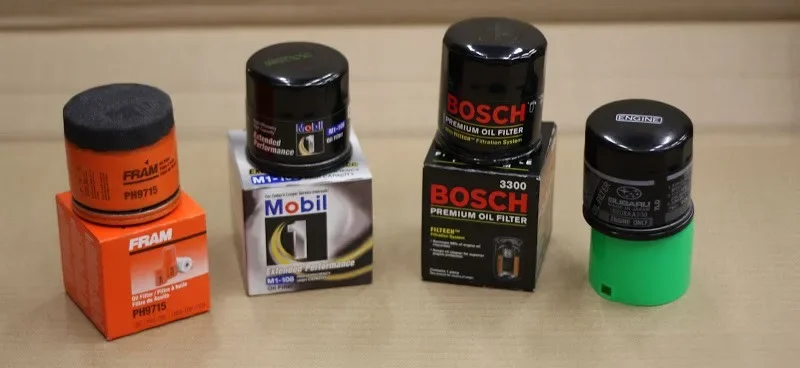
Best Oil Filters Buy Now ( Limited Stock ) Best Oil Filter Brand The best oil filter brand for most drivers is FRAM Ultra Synthetic because it combines strong filtration efficiency, long service life, wide availability, and fair pricing. The simple answer is this: if you want one safe pick, choose FRAM Ultra Synthetic. If you want OEM-style reliability, choose the factory filter from Mopar, Motorcraft, ACDelco, Toyota, Honda, or Mazda. If you tow, haul, or run long synthetic oil intervals, consider WIX XP, Purolator Boss, Mobil 1 Extended Performance, Royal Purple, or AMSOIL. FRAM Ultra Synthetic is rated for up to 20,000 miles and claims 99%+ filtration efficiency with synthetic-blend media. WIX XP is also built for full-synthetic oil changes, severe service, towing, hauling, and extended intervals up to 20,000 miles / 32,186 km. Best Overall: FRAM Ultra Synthetic FRAM Ultra Synthetic is the best overall oil filter for most normal cars, trucks, and SUVs. It is easy to find, usually priced well, and designed for synthetic oil intervals. The biggest advantage is filtration efficiency. FRAM advertises 99%+ filtration efficiency, which makes it one of the strongest mainstream choices for everyday protection. This is the filter I would recommend for most drivers who want a good balance of price, protection, and availability. Best OEM Choice: Factory Oil Filter If you want the safest answer for a newer vehicle, use the OEM oil filter. That means: Mopar for Chrysler, Dodge, Jeep, Ram. Motorcraft for Ford and Lincoln. ACDelco for GM. Toyota Genuine for Toyota and Lexus. Honda Genuine for Honda and Acura. Mazda Genuine for Mazda. Subaru Genuine for Subaru. OEM filters are designed around the engine’s bypass valve setting, flow needs, filter size, and service interval. They may not always be the “highest performance” filter on paper, but they are usually the least risky choice. For dealership customers, OEM is often the best recommendation because it avoids fitment problems and warranty arguments. Best for Trucks and Towing: WIX XP WIX XP is a strong choice for trucks, towing, hauling, and severe-service driving. WIX says the XP line is designed for full synthetic oil changes, heavy-duty use, towing, hauling, and demanding conditions. It also uses a silicone anti-drainback valve, which helps reduce dry starts after the engine sits. This is a good choice for Ram 1500, Ram 2500, Jeep Grand Cherokee, Dodge Durango, Ford F-150, Silverado, Sierra, and other trucks or SUVs that work harder than normal commuter cars. Best Premium Filter: Royal Purple or AMSOIL Royal Purple and AMSOIL are premium choices for owners who want high-end filtration and are willing to pay more. These brands are often popular with enthusiasts, long-interval synthetic oil users, and people who are very picky about oil filtration. They are not always necessary for normal 5,000-mile oil changes, but they make sense if you want premium construction and strong protection. For most drivers, FRAM Ultra Synthetic or OEM is enough. For enthusiasts, Royal Purple and AMSOIL are worth considering. Best Budget Filter: OEM or FRAM Tough Guard If you are changing oil every 5,000 miles, you do not always need the most expensive filter. A good OEM filter or FRAM Tough Guard is usually enough for regular maintenance intervals. The key is to avoid ultra-cheap no-name filters with questionable construction. Do not save $4 on a filter if your engine costs thousands to repair. Brands I Trust The oil filter brands I would trust most are: FRAM Ultra Synthetic. WIX XP. OEM filters. Purolator Boss. Mobil 1 Extended Performance. Royal Purple. AMSOIL. Bosch Premium. K&N Performance. ACDelco Gold. Motorcraft. For most daily drivers, the top three are simple: FRAM Ultra Synthetic, OEM, or WIX XP. FRAM vs WIX FRAM Ultra Synthetic is usually the better pick if your priority is filtration efficiency and easy availability. WIX XP is a strong pick if your priority is severe-service use, towing, hauling, and synthetic oil intervals. Both are good. The better one depends on how you drive. For a commuter car, I would choose FRAM Ultra Synthetic. For a truck that tows or works hard, I would choose WIX XP or OEM. Mobil 1 Oil Filters Mobil 1 Extended Performance oil filters are still a good premium option. They are widely available, built for extended synthetic oil intervals, and trusted by many drivers. They are not always the cheapest, and some oil-filter enthusiasts debate their value compared with FRAM Ultra or WIX XP, but they remain a safe mainstream premium choice. If you already use Mobil 1 oil and want a matching filter, Mobil 1 Extended Performance is fine. K&N Oil Filters K&N oil filters are popular, especially with enthusiasts. Their main appeal is easy removal because many have a welded nut on the end of the filter. That is useful in tight engine bays or for DIY oil changes. However, I would not choose K&N only because of the name. It is a good filter, but for pure value and filtration, FRAM Ultra Synthetic, WIX XP, OEM, or Purolator Boss may be stronger choices. Does the Oil Filter Brand Really Matter? Yes, but only up to a point. A good filter matters because it removes contaminants, holds debris, resists collapse, keeps oil flowing, and prevents dry starts when equipped with a quality anti-drainback valve. But oil filter brand is not more important than using the correct oil, changing it on time, and using the correct filter part number. A premium filter used too long is worse than a good filter changed on schedule. What to Look for in a Good Oil Filter A good oil filter should have: Correct fitment. Strong filtration efficiency. Good dirt-holding capacity. Proper bypass valve setting. Silicone anti-drainback valve when applicable. Strong internal construction. Compatibility with synthetic oil. A service interval that matches your oil-change plan. Do not just buy the filter that physically screws on. Use the exact part number recommended for your vehicle. Best Oil Filter for Synthetic Oil For synthetic oil, use: FRAM Ultra Synthetic. WIX XP. Mobil 1 Extended Performance. Purolator Boss. Royal Purple. AMSOIL. OEM extended-life filters where available. Synthetic oil often supports longer intervals, so the filter needs enough capacity and construction quality to match. Best Oil Filter for Older Vehicles For older vehicles, I would usually use OEM, FRAM Ultra Synthetic, WIX, or Purolator. If the engine has high mileage, leaks, sludge history, or poor maintenance history, avoid stretching the oil interval too long. Use a quality filter and change the oil more often. A better filter helps, but it will not fix worn rings, low oil pressure, sludge, or internal engine wear. Final Answer The best oil filter brand for most people is FRAM Ultra Synthetic. The best safe choice for newer vehicles is OEM. The best truck and towing choice is WIX XP. The best premium enthusiast choices are Royal Purple and AMSOIL. For a normal daily driver, I would buy FRAM Ultra Synthetic or OEM without overthinking it. For a Ram, Jeep, Dodge, Ford, Chevy, Toyota, Honda, or Mazda that is still under warranty, OEM is the cleanest recommendation.

jumpstart

How to Jump-Start a Car Safely

How to Jump-Start a Car Safely A dead battery is one of the most common car problems, but jump-starting a car has to be done in the right order. The simple answer is this: connect positive to positive first, connect the final negative clamp to a clean metal ground away from the dead battery, start the booster vehicle, start the dead car, then remove the cables in reverse order. AAA warns not to jump-start a battery if the case is cracked, leaking, frozen, or physically damaged. That is the first safety rule. A jump-start is for a weak or dead battery, not a damaged one. What You Need Before You Start You need a working vehicle or a portable jump starter, a good set of jumper cables, gloves if available, and eye protection if you have it. Before connecting anything, turn off both vehicles. Put both vehicles in Park or Neutral, set the parking brakes, and turn off lights, radio, climate control, heated seats, chargers, and accessories. The vehicles should be close enough for the cables to reach, but they should not touch each other. AAA recommends positioning the cars so the cables can reach while keeping both ignitions off before making connections. Step 1: Find the Battery Terminals Open the hood and locate the battery terminals. The positive terminal is usually marked with a + sign and may have a red cover. The negative terminal is usually marked with a - sign and may be black. Some vehicles have remote jump-start posts instead of easy battery access. This is common on vehicles where the battery is in the trunk, under a seat, or hidden under covers. If your vehicle has remote jump points, use those instead of digging for the battery. Always check the owner’s manual if you are unsure. Step 2: Connect the Red Cable to the Dead Battery Take the red positive clamp and connect it to the positive terminal of the dead battery. Make sure the clamp has a solid grip on clean metal. If the terminal is covered in heavy corrosion, the connection may be weak. Do not let the red clamp touch any metal body parts after it is connected. This is the first connection. Step 3: Connect the Other Red Clamp to the Good Battery Connect the other red positive clamp to the positive terminal of the good battery or the positive jump post on the booster vehicle. At this point, both red clamps should be connected to positive terminals. Do not mix up positive and negative. Reversing polarity can damage electronics, fuses, modules, alternators, and battery components. Step 4: Connect the Black Cable to the Good Battery Connect one black negative clamp to the negative terminal of the good battery. This is the third connection. Make sure the clamp is secure and not touching moving engine parts, belts, fans, or hot exhaust components. Step 5: Connect the Final Black Clamp to a Metal Ground Connect the final black negative clamp to a clean, unpainted metal surface on the vehicle with the dead battery. Use a solid metal bracket, engine ground, or designated ground point away from the battery. Do not connect the final clamp directly to the dead battery’s negative terminal unless the owner’s manual tells you to. AAA Oregon recommends connecting the last black clamp to a bare, unpainted metal surface on the engine block of the vehicle with the dead battery. This helps reduce spark risk near the battery. Correct Jumper Cable Order Use this order: Red to dead battery positive. Red to good battery positive. Black to good battery negative. Black to clean metal ground on the dead car. That order matters. It reduces spark risk and helps protect the electrical system. Step 6: Start the Booster Vehicle Start the vehicle with the good battery. Let it run for a few minutes. This gives the dead battery a small charge before you try to start the disabled vehicle. Do not rev aggressively. A gentle idle is usually enough. If the battery is very weak, give it more time before trying. Step 7: Start the Dead Car Try to start the car with the dead battery. Do not crank for too long. If it does not start after about 5 to 10 seconds, stop and wait a few minutes before trying again. Repeated long cranking can overheat the starter. If the car still does not start, check the cable connections. If the lights are still dead or the starter only clicks, the battery may be too weak, the clamps may not be making contact, or there may be another problem such as a bad starter, alternator, fuse, or connection. Step 8: Remove the Cables in Reverse Order Once the dead car starts, remove the cables in reverse order. Remove the black clamp from the metal ground on the revived car. Remove the black clamp from the good battery. Remove the red clamp from the good battery. Remove the red clamp from the revived car. Keep the cable clamps from touching each other while any clamp is still connected to a battery. Step 9: Let the Car Run After the car starts, let it run for at least 15 to 30 minutes or drive it safely. A jump-start only gets the engine running. It does not fully recharge the battery immediately. If you shut the car off too soon, it may not restart. If the battery dies again shortly after the jump, the battery may be bad, the alternator may not be charging, or there may be a parasitic electrical drain. Using a Portable Jump Starter A portable jump starter is often easier than using another vehicle. Most jump packs follow a similar process: connect the red clamp to the positive battery terminal, connect the black clamp to a safe ground or negative point as directed, turn the jump pack on, start the vehicle, then disconnect the clamps. Interstate Batteries explains that a portable jump starter’s red clamp goes to the positive terminal first, then the negative clamp connects to the negative terminal or approved connection point depending on the product instructions. Always follow the jump starter manual. Some units have safety lights, boost buttons, reverse-polarity warnings, or special steps. When You Should Not Jump-Start a Car Do not jump-start a car if the battery is cracked, leaking, swollen, frozen, smoking, or smells like rotten eggs. Do not jump-start if the cables are melted, damaged, or sparking heavily. Do not jump-start while standing in water. Do not jump-start if the vehicle has obvious crash damage near the battery. Do not jump-start an electric or hybrid vehicle without reading the owner’s manual first. NHTSA warns that electric and hybrid vehicles can have high-voltage components that may create shock hazards if damaged. Most EVs still have a 12-volt battery system, but the jump procedure can be vehicle-specific. Common Jump-Start Mistakes The biggest mistake is connecting the cables in the wrong order. Other common mistakes include connecting negative directly to the dead battery when a ground point is recommended, letting clamps touch, using thin cheap cables, trying to jump a damaged battery, cranking too long, or shutting the car off immediately after it starts. Another mistake is assuming the battery is the only problem. A failed alternator, loose battery cable, bad starter, corroded terminal, blown fuse, or parasitic drain can all make a car act like the battery is dead. Why Did the Battery Die? A battery may die because lights were left on, the car sat too long, the weather was very cold, the battery is old, or the alternator is not charging properly. If the battery is more than three to five years old, have it tested. If the battery keeps dying after a jump, do not keep jump-starting it over and over. Test the battery and charging system. A jump-start is a temporary solution. It is not a repair. FAQs About Jump-Starting a Car What is the correct order to connect jumper cables? Connect red to the dead battery positive, red to the good battery positive, black to the good battery negative, and the final black clamp to clean metal ground on the dead vehicle. Do you connect red or black first? Connect red first. The red clamp goes to the positive terminal of the dead battery first. Why not connect the final black clamp to the dead battery? Connecting the final clamp to a metal ground away from the dead battery helps reduce spark risk near battery gases. How long should I let the car run after a jump-start? Let it run or drive for about 15 to 30 minutes. If it dies again, the battery or charging system needs testing. Can jump-starting damage a car? Yes, if the cables are connected backward, the battery is damaged, or the procedure is done incorrectly. Modern vehicles have sensitive electronics, so follow the correct order. Can I jump-start a hybrid or EV? Sometimes, but you must check the owner’s manual. Hybrid and EV systems can have special jump points and high-voltage safety concerns. Final Thoughts: Follow the Order and Do Not Rush Jump-starting a car is simple when done correctly. Connect positive first, make the final negative connection to a safe ground, start the booster vehicle, start the dead car, then remove the cables in reverse order. Avoid damaged batteries, keep sparks away from the battery, and let the revived car run long enough to recharge. If the car keeps dying after a jump, the real problem is not solved. Get the battery and charging system tested before you get stranded again.

car axle

How Many Axles Does a Car Have? The Hidden Engineering That Keeps You Rolling

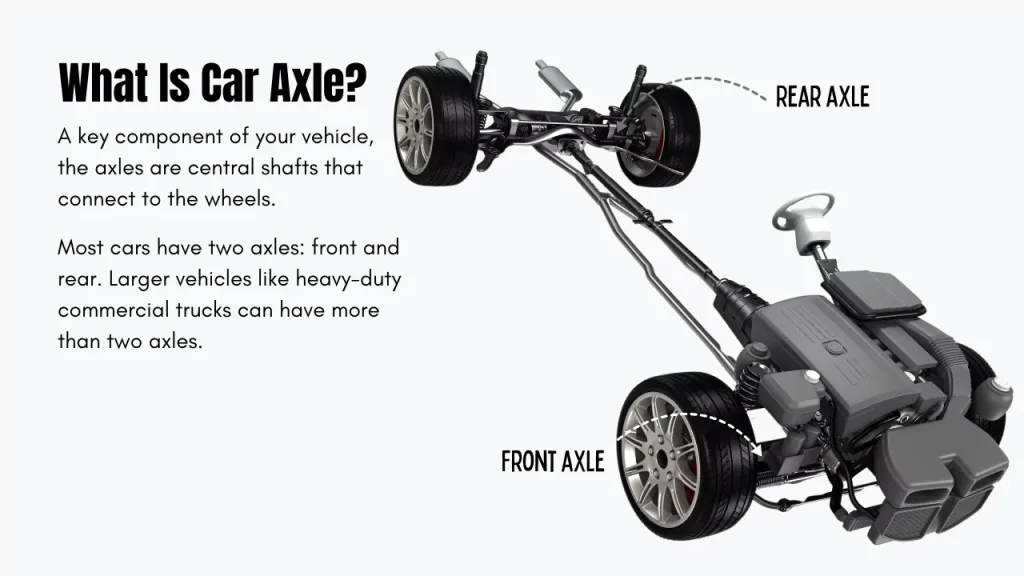
How Many Axles Does a Car Have? Most cars have two axles: one axle for the front wheels and one axle for the rear wheels. That means a standard sedan, hatchback, coupe, crossover, or SUV usually rides on two axles and four wheels. The front axle supports or drives the front wheels, while the rear axle supports or drives the rear wheels depending on whether the vehicle is front-wheel drive, rear-wheel drive, all-wheel drive, or four-wheel drive. The answer can change for larger vehicles, commercial trucks, buses, trailers, and specialty off-road machines, but for everyday passenger vehicles, the simple answer is this: a car usually has two axles. Edmunds gives the same basic answer in its guide to how many axles a car has, while noting that axle design can vary depending on the vehicle. What Is an Axle? An axle is a shaft, rod, or axle assembly that connects wheels and helps support the vehicle’s weight. In many vehicles, axles also transfer power from the engine or electric motor to the wheels. Axles are important because they help your vehicle: Support the weight of the car, passengers, and cargo Send power to the wheels when the vehicle accelerates Work with the steering and suspension systems Keep the wheels positioned correctly as the car moves In older or heavier vehicles, an axle may look like a solid bar connecting the wheels. In many modern cars, especially front-wheel-drive and all-wheel-drive vehicles, the axle system may use half-shafts, CV joints, bearings, and independent suspension components instead of one simple solid beam. How Many Axles Are on a Standard Car? A standard passenger car usually has two axles. One axle is at the front of the vehicle. One axle is at the rear of the vehicle. Each axle position is connected to a pair of wheels, which is why a normal four-wheel car has two axles. For example, a Toyota Camry, Honda Accord, Dodge Charger, Mazda3, Kia Forte, Jeep Compass, and most regular SUVs all use a two-axle layout. Even many electric vehicles, such as a Tesla Model 3 or Ford Mustang Mach-E, are still considered two-axle vehicles because they have one front axle position and one rear axle position. Do AWD and 4WD Vehicles Have More Axles? No, all-wheel-drive and four-wheel-drive vehicles do not automatically have more axles. A Jeep Wrangler, Subaru Outback, Ram 1500 4x4, or Dodge Durango AWD still usually has two axles. The difference is not the number of axles. The difference is how power is sent to them. In a front-wheel-drive car, the front axle does the driving. In a rear-wheel-drive car, the rear axle does the driving. In an all-wheel-drive or four-wheel-drive vehicle, both the front and rear axle positions can receive power. Consumer Reports explains that all-wheel drive can send power to each corner of the vehicle depending on the system design. That does not mean the vehicle has extra axles. It simply means the drivetrain can distribute power to more wheels. Can a Vehicle Have More Than Two Axles? Yes. Larger vehicles can have three, four, five, or even more axles. Heavy-duty trucks, semi-trucks, buses, dump trucks, and large trailers often use extra axles to spread weight across more tires. This improves load capacity, stability, braking support, and road safety. A dually pickup can confuse people because it has six wheels, but many dually trucks still have only two axles. The rear axle has two wheels on each side, but it is still one rear axle assembly. A semi-truck is different. A tractor-trailer combination may have several axles because it needs to carry much more weight than a passenger car. This is where axle count matters for commercial regulations, towing, and load limits. Common Types of Car Axles Different vehicles use different axle designs. Here are the main ones shoppers and drivers should know. Live Axle A live axle sends power to the wheels. It is common in trucks, rear-wheel-drive vehicles, and some off-road SUVs. Live axles are strong and durable, which is why they are useful for towing, hauling, and off-road driving. The tradeoff is that they may not ride as smoothly as independent suspension setups. Dead Axle A dead axle supports weight but does not send power to the wheels. For example, in many front-wheel-drive cars, the rear axle area supports the back of the vehicle but does not drive the rear wheels. It is still part of the vehicle’s structure and suspension system, but it is not responsible for propulsion. CV Axle A CV axle, or constant velocity axle, is common in front-wheel-drive, all-wheel-drive, and many modern vehicles. CV axles allow power to move to the wheels while still letting the wheels turn and move with the suspension. This is why they are important for steering, ride comfort, and smooth acceleration. A common sign of CV axle trouble is a clicking or popping sound when turning. AutoZone notes that clicking or popping during low-speed sharp turns can point to a worn outer CV joint. Stub Axle A stub axle is usually found at the wheel end of the suspension and steering system. It helps connect the wheel hub to the suspension components. Most drivers will never need to think about stub axles unless they are dealing with steering, wheel bearing, or suspension repairs. Why Axle Count Matters For most drivers, knowing the number of axles on a car is useful because it helps explain how the vehicle carries weight, sends power, and handles different driving conditions. Axle count can affect: Towing capability Payload capacity Traction Repair costs Tire wear Commercial vehicle rules For passenger cars, the number of axles is usually simple. For trucks, trailers, and commercial vehicles, it becomes more important because each axle has a weight rating. The term GAWR, or Gross Axle Weight Rating, refers to the maximum load-carrying capacity of a single axle system as specified by the manufacturer. NHTSA defines Gross Axle Weight Rating as the load-carrying capacity of a single axle system measured at the tire-ground interfaces. That means overloading a vehicle is not just about total weight. It is also about how much weight sits on each axle. How to Tell How Many Axles Your Car Has For most regular cars, you can count the axle positions by counting the wheel pairs. One pair of front wheels equals one front axle. One pair of rear wheels equals one rear axle. That gives most cars two axles total. You can also check your owner’s manual, vehicle specification sheet, door-jamb certification label, or manufacturer towing guide. If you drive a truck, commercial vehicle, or trailer, checking the axle rating is especially important before loading or towing. Signs Your Axle May Need Repair Axles are built to last, but they can wear out or get damaged. The warning signs depend on the vehicle and axle type, but common symptoms include: Clicking when turning Clunking when shifting from drive to reverse Vibration while accelerating Grease around the inside of the wheel Shaking at certain speeds A vehicle that revs but does not move properly Uneven tire wear If you hear clicking while turning, especially in a front-wheel-drive or all-wheel-drive vehicle, the CV axle or CV joint should be inspected. If there is vibration under acceleration, the axle shaft, joints, wheel bearings, or related drivetrain parts may need attention. How Much Does Axle Repair Cost? Axle repair costs vary by vehicle type, drivetrain, and damage. A basic CV axle replacement on a common passenger car may cost a few hundred dollars per side. A more complex axle repair on a truck, performance vehicle, or four-wheel-drive SUV can cost much more. Costs can increase if the problem involves the differential, bearings, seals, suspension parts, or a damaged axle housing. The best move is to inspect the issue early. A torn CV boot, for example, may start as a small grease leak. If ignored, it can lead to joint failure and a more expensive repair. FAQs About Car Axles How many axles does a normal car have? A normal car usually has two axles: one in the front and one in the rear. Does a four-wheel-drive car have four axles? No. Most four-wheel-drive vehicles still have two axles. Four-wheel drive means power can be sent to all four wheels, not that the vehicle has four axles. Does a dually truck have more axles? Not always. A dually truck has extra rear wheels, but many dually pickups still have two axles. The rear axle simply has two wheels on each side. Do electric cars have axles? Yes. Electric cars still have axle positions that support the wheels and help transfer power. Some EVs use electric motors at one or both axle positions, but most regular EVs are still considered two-axle vehicles. Can a car have three axles? A regular passenger car usually does not have three axles. Three-axle layouts are more common on heavy-duty trucks, buses, large trailers, and specialty vehicles. Final Thoughts: Most Cars Have Two Axles So, how many axles does a car have? For most passenger vehicles, the answer is two. One axle is at the front, and one axle is at the rear. The exact design can vary depending on whether the vehicle is front-wheel drive, rear-wheel drive, all-wheel drive, four-wheel drive, gas-powered, hybrid, or electric. But the basic layout is the same for most cars, crossovers, and SUVs. If you are shopping for a vehicle, towing with a truck, or noticing clicking, clunking, or vibration while driving, understanding axles can help you ask better questions and avoid expensive surprises. For most everyday drivers, the key takeaway is simple: axle count affects how a vehicle supports weight, sends power, and stays stable on the road.

0W-20 vs. 5W-20

0W-20 vs. 5W-20 Motor Oil: Which One Does Your Engine Need?

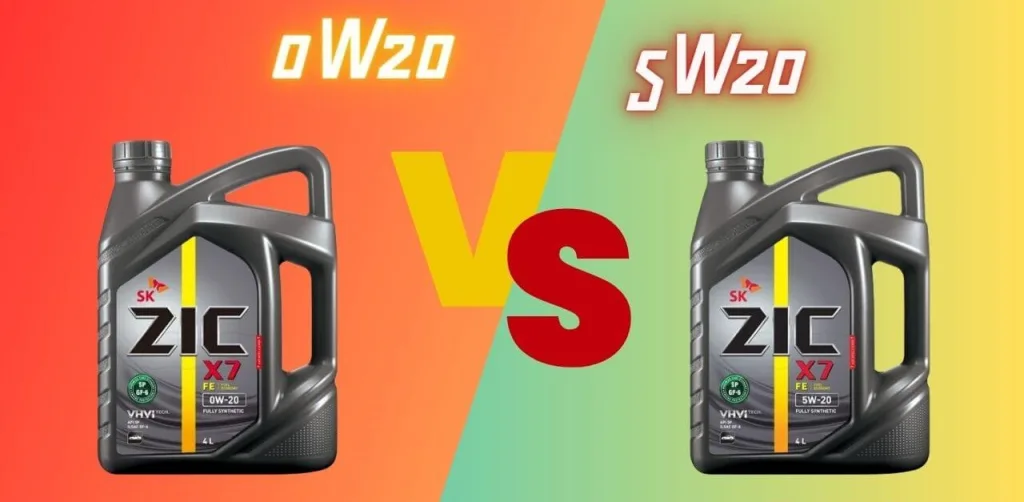
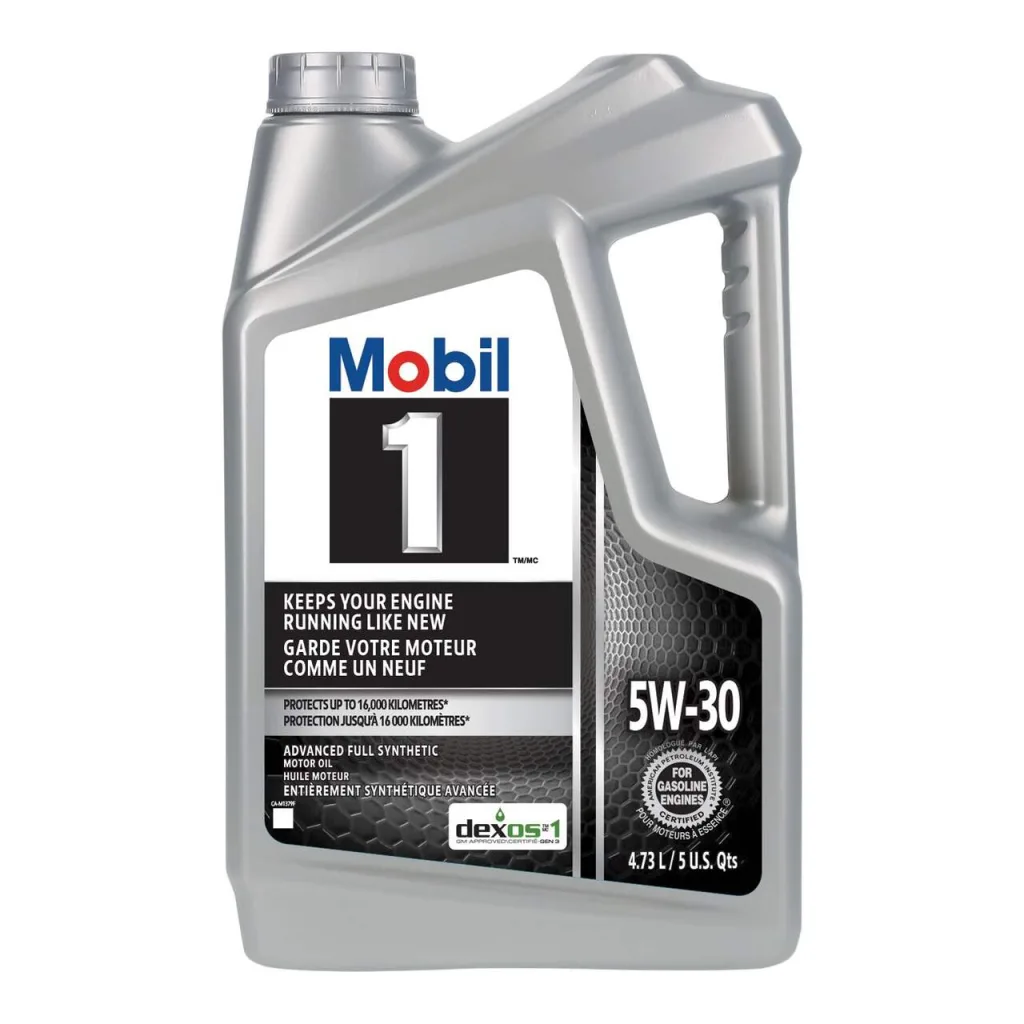
And Why Getting It Wrong Could Cost You Thousands) 0W-20 vs. 5W-20 Motor Oil: Which One Does Your Engine Need? The right choice is the oil listed in your owner’s manual. If your engine calls for 0W-20, use 0W-20. If it calls for 5W-20, use 5W-20 unless the manual or manufacturer allows 0W-20 as an alternative. The simple answer is this: 0W-20 and 5W-20 behave similarly once the engine is fully warm, but 0W-20 flows better during cold starts. That makes 0W-20 the better choice for many newer engines and colder climates, while 5W-20 is still correct for many older engines designed around that grade. Mobil 1 also gives the most practical rule: always check your owner’s manual for the manufacturer’s recommended oil viscosity grade, API service classification, and any required builder approval. What Does 0W-20 Mean? 0W-20 is a multi-grade motor oil. The 0W means the oil is designed to flow very well in cold temperatures. The 20 means it behaves like a 20-weight oil at normal engine operating temperature. In plain English, 0W-20 is thin during cold starts and still provides the required 20-weight protection once the engine is hot. That cold-start flow is the main reason many modern engines use 0W-20. Oil has to reach critical engine parts quickly after startup. In cold weather, thinner cold-flow oil can reduce startup wear and help the engine operate more efficiently. Pennzoil explains that 0W oils are designed for modern engines and can help with fuel economy and extreme-temperature performance. What Does 5W-20 Mean? 5W-20 is also a multi-grade motor oil. The 5W means it flows well in cold temperatures, but not as easily as 0W-20 in extreme cold. The 20 means it has the same hot operating viscosity grade as 0W-20. So the biggest difference is not what happens when the engine is fully warm. The biggest difference is cold-start behavior. Both oils are 20-weight oils at operating temperature. But 0W-20 is designed to move more easily when cold. 0W-20 vs. 5W-20: The Main Difference The main difference is cold-temperature flow. 0W-20 flows better at low temperatures than 5W-20. That means it can reach engine components faster when you start the vehicle in cold weather. This can matter in winter climates, short-trip driving, and engines designed for low-viscosity oil. Once the engine is warm, both oils operate as a 20-weight oil. That is why people sometimes think they are interchangeable. But “similar when hot” does not mean “always interchangeable.” Modern engines are designed around specific oil viscosity, oil pressure, variable valve timing behavior, fuel economy targets, and emissions requirements. Can You Use 0W-20 Instead of 5W-20? Sometimes, yes, but only if the oil meets your vehicle’s requirements. Mobil 1 says that if a car manufacturer recommends SAE 5W-20 ILSAC oil, Mobil recommends either Mobil 1 5W-20 or Mobil 1 0W-20 Advanced Fuel Economy. Mobil also states that Mobil 1 0W-20 Advanced Fuel Economy will not void new-car warranties where SAE 5W-20 is recommended. That does not mean every 0W-20 can replace every 5W-20 in every engine. It means some 0W-20 oils are formulated and approved for engines that call for 5W-20. The safe rule: if the bottle and oil maker say it meets the requirement, and your manual allows it, 0W-20 may be acceptable in a 5W-20 engine. Can You Use 5W-20 Instead of 0W-20? Usually, you should not use 5W-20 instead of 0W-20 unless your owner’s manual allows it. Many newer engines specify 0W-20 for a reason. The engine may be designed around faster cold-flow performance, fuel economy requirements, oil pump behavior, and tighter tolerances. Using 5W-20 in an engine that requires 0W-20 may not instantly destroy the engine, but it may reduce cold-start performance and could affect warranty compliance if the manufacturer does not allow it. If the oil cap says 0W-20 and the manual says 0W-20 only, use 0W-20. Which Oil Is Better for Cold Weather? 0W-20 is better for cold weather. That is the whole point of the lower winter rating. It flows more easily at startup when temperatures are low. If you live somewhere with freezing winters, mountain driving, cold mornings, short commutes, or long outdoor parking, 0W-20 has the advantage. 5W-20 is still a good cold-weather oil compared with heavier grades, but 0W-20 is better in very cold starts. Which Oil Is Better for Hot Weather? For normal engines that require a 20-weight oil, both 0W-20 and 5W-20 are similar once hot. The second number is 20 in both oils, so both are designed to provide a 20-weight viscosity at operating temperature. Do not assume 5W-20 is better for hot weather just because the first number is higher. The first number mainly refers to cold-start performance. If your engine needs more high-temperature viscosity, the manual would usually specify something like 5W-30, 0W-30, 5W-40, or another grade. Which Oil Gives Better Fuel Economy? 0W-20 may offer a small fuel economy advantage, especially during cold starts. Because 0W-20 flows more easily when cold, the engine may use slightly less energy moving oil during startup and warm-up. That is one reason automakers moved toward lower-viscosity oils in modern engines. The difference may not be huge for every driver, but it can matter across millions of vehicles and regulatory fuel-economy testing. Which Oil Protects Better? The oil that protects better is the one your engine was designed to use. Some people assume thicker oil always protects better. That is not always true. Modern engines need the correct oil flow, pressure, additive package, and specification. A correct 0W-20 synthetic oil can protect a modern engine extremely well. A correct 5W-20 synthetic oil can also protect an engine designed for 5W-20 very well. The real mistake is using the wrong spec, not choosing between two quality oils correctly matched to the engine. What About API SQ and ILSAC GF-7? For 2026, API SQ and ILSAC GF-7 are important standards to know. These newer standards started entering the market in 2025 and are designed for modern gasoline engines. Petro-Canada Lubricants explains that API SQ is the newest API engine oil performance standard and is backward compatible with previous API service categories. Mobil says the GF-7 category became effective on March 31, 2025, and that new ILSAC standard levels are backward compatible with previous generations. That means a properly approved API SQ or ILSAC GF-7 oil can be a strong choice if it matches your required viscosity and manufacturer approval. 0W-20 vs. 5W-20 for Older Cars Older cars should follow the owner’s manual. If your older vehicle was designed for 5W-20, 5W-20 is usually the safest choice. Some oil brands may allow 0W-20 as a substitute, but you should verify the exact product and requirement. If the engine has high mileage, oil consumption, leaks, or worn seals, do not randomly switch viscosity without understanding the issue. A high-mileage oil in the correct grade may be smarter than changing grades. 0W-20 vs. 5W-20 for Newer Cars Newer cars often call for 0W-20. That is especially common in modern Toyota, Honda, Mazda, Subaru, Ford, Chrysler, Hyundai, Kia, and GM engines, depending on the model and year. If your newer vehicle requires 0W-20, use 0W-20. It is not just about cold weather. It may be tied to the engine’s design, fuel economy, emissions calibration, and warranty requirements. 0W-20 vs. 5W-20 for Trucks and SUVs Many trucks and SUVs have used 5W-20, while newer ones may use 0W-20. For example, some older Ford, Chrysler, Dodge, Jeep, and Ram gas engines may call for 5W-20. Some newer engines may require 0W-20 or even lower-viscosity oils. If you tow, idle often, drive in extreme heat, or do severe-duty driving, do not guess. Check the severe service section of the manual. Some manufacturers allow different oils under certain conditions, while others do not. The right answer depends on the exact engine, not the vehicle size. Is Synthetic Better for 0W-20 and 5W-20? Yes, full synthetic is usually the smarter choice for both 0W-20 and 5W-20. Low-viscosity oils are often used in modern engines with tighter tolerances, turbocharging, direct injection, stop-start systems, and advanced emissions controls. Synthetic oil generally handles heat, oxidation, cold starts, and deposit control better than conventional oil. If your engine calls for 0W-20, it is very likely that synthetic oil is the correct choice. If your engine calls for 5W-20, synthetic is still a strong upgrade when it meets the required specification. What If You Accidentally Used the Wrong One? If you accidentally used 0W-20 in a 5W-20 engine, it may be fine if the oil meets the required specification. Some oil brands explicitly allow that substitution for certain 5W-20 applications. If you accidentally used 5W-20 in a 0W-20 engine, check the manual. If the manual does not allow 5W-20, replace it with the correct 0W-20 at the next reasonable opportunity, especially if the vehicle is under warranty or you drive in cold weather. If the engine sounds abnormal, oil pressure warning appears, or the vehicle is under warranty, do not wait. Correct it. How Often Should You Change 0W-20 or 5W-20 Oil? Follow the owner’s manual or oil-life monitor. Many modern vehicles using synthetic oil fall somewhere around 5,000 to 10,000 miles, but the correct interval depends on the engine, oil spec, driving conditions, climate, and warranty requirements. Shorten the interval if you do frequent short trips, towing, stop-and-go driving, long idling, dusty roads, extreme heat, or extreme cold. A good oil changed too late is worse than a slightly cheaper approved oil changed on time. Best Rule for Choosing Between 0W-20 and 5W-20 Use this simple rule: If the oil cap or owner’s manual says 0W-20, use 0W-20. If it says 5W-20, use 5W-20 unless the manual or oil manufacturer clearly allows 0W-20. If both are allowed, use 0W-20 for colder weather and better cold-start flow, and use whichever approved option best matches your driving conditions, budget, and warranty requirements. If your vehicle is still under warranty, do not experiment. Use the exact recommended oil grade and specification. FAQs About 0W-20 vs. 5W-20 Is 0W-20 better than 5W-20? 0W-20 is better for cold starts because it flows more easily in low temperatures. Once the engine is warm, both oils operate as 20-weight oils. The better oil is the one your engine requires. Can I use 0W-20 instead of 5W-20? Sometimes. Some oil manufacturers allow 0W-20 as a replacement for certain 5W-20 applications if the oil meets the required ILSAC and API specs. Always check your owner’s manual first. Can I use 5W-20 instead of 0W-20? Usually not unless your owner’s manual allows it. If your engine requires 0W-20, use 0W-20. Is 0W-20 good for hot weather? Yes, if your engine requires 0W-20. The “20” rating means it is designed to provide 20-weight viscosity at operating temperature. Is 5W-20 better for older engines? Not automatically. Older engines should use the oil grade listed in the owner’s manual. If the engine has leaks or oil consumption, consider a high-mileage oil in the correct viscosity. Do 0W-20 and 5W-20 protect the same when hot? They are both 20-weight oils at operating temperature, but protection also depends on the oil’s additive package, API/ILSAC rating, and manufacturer approvals. What happens if I mix 0W-20 and 5W-20? Mixing small amounts in an emergency is usually not a disaster if both oils meet the required specification, but it is better to use one correct oil consistently. Final Thoughts: Use the Oil Your Engine Was Built For 0W-20 and 5W-20 are close, but they are not always interchangeable. 0W-20 flows better in cold weather and is common in newer engines. 5W-20 is still correct for many engines designed around it. Once hot, both behave as 20-weight oils, but the owner’s manual still decides what your engine needs. The safest answer is simple: use the viscosity and specification your manufacturer recommends, choose a quality synthetic oil, and change it on time.

Best Synthetic Motor Oil 10w-30 Small Engine

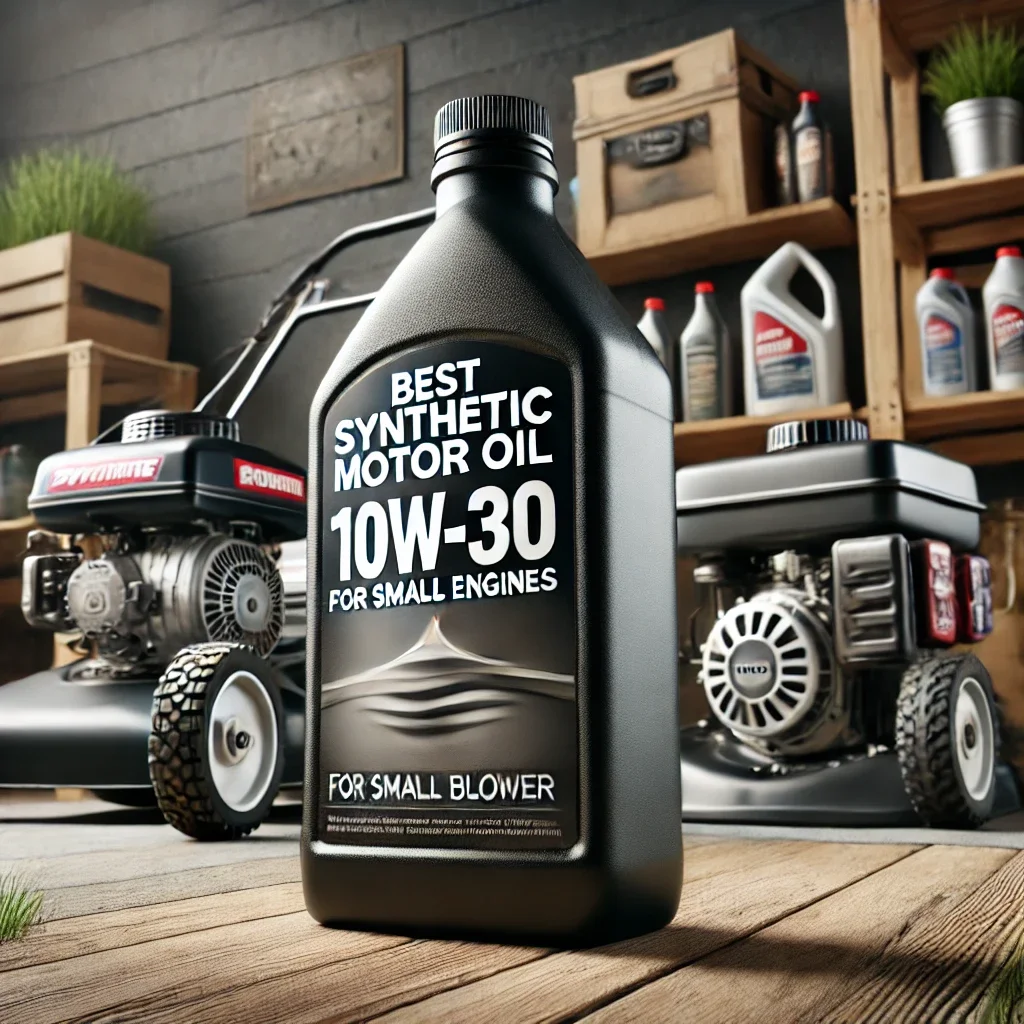
Best Synthetic Motor Oil 10w-30 Small Engine

Choosing the right motor oil for your small engine can make a significant difference in its performance, longevity, and efficiency. Whether you are maintaining a lawn mower, a generator, a snow blower, or any other small engine-powered equipment, using high-quality synthetic oil like 10W-30 can ensure your machine runs smoothly and stays in top shape. This comprehensive guide will walk you through everything you need to know about 10W-30 synthetic motor oils for small engines—from what they are, their benefits, the best options available, and how to choose the one that’s right for your needs. Why 10W-30 Synthetic Oil Is Ideal for Small Engines Understanding Viscosity Grades: 10W-30 Explained Before we dive into the top products, let’s understand why 10W-30 is recommended for small engines. The "10W" in 10W-30 stands for the viscosity of the oil at cold temperatures, while the "30" represents the viscosity when the engine reaches operating temperature. This makes 10W-30 a versatile choice that performs well in both cold starts and at higher operating temperatures—something that is particularly important for small engines that may experience varying workloads and conditions. The multi-grade nature of 10W-30 oil means that it flows smoothly when the engine is cold, making it easier to start and preventing unnecessary wear on parts during the warm-up phase. At the same time, it provides consistent protection at higher temperatures, making sure the engine components stay lubricated even when under heavy use. Why Choose Synthetic Motor Oil? Synthetic motor oils are engineered for better performance compared to conventional oils. They offer enhanced lubrication, greater stability in extreme temperatures, and longer oil change intervals. For small engines that often face harsh conditions or frequent usage, synthetic oil is an optimal choice. Here’s why synthetic 10W-30 is ideal for your small engine: Superior Temperature Performance: Synthetic oils maintain viscosity better in extreme temperatures, which is particularly beneficial for small engines that operate at high RPMs or face extreme environmental conditions. Reduced Wear and Tear: The advanced formulation of synthetic oil offers better resistance against wear and tear, keeping your engine components working like new. Cleaner Operation: Synthetic oils are less prone to sludge and deposit formation, which keeps the engine cleaner and contributes to its long-term reliability. Best Synthetic 10W-30 Motor Oils for Small Engines 1. Mobil 1 Extended Performance Full Synthetic 10W-30 Motor Oil Mobil 1 is a trusted name in motor oil, and their Extended Performance Full Synthetic 10W-30 stands out for several reasons. It’s known for its incredible wear protection and long oil change intervals, meaning you’ll spend less time worrying about maintenance. Mobil 1’s synthetic formula delivers outstanding high-temperature stability, perfect for small engines that may be used in lawn mowers or generators running for extended periods. Features: Guaranteed protection for up to 10,000 miles between oil changes. Enhanced wear protection that prolongs engine life. Excellent viscosity stability for consistent performance. Why It’s Great for Small Engines: This oil’s formulation helps reduce deposits and keep your engine clean, allowing small engines to operate more smoothly and efficiently even after long use. 2. Royal Purple High-Performance Synthetic 10W-30 Motor Oil Royal Purple is another popular choice that delivers superior protection, especially for high-performance small engines. Its synthetic formula is known for reducing friction, which can lead to improved fuel efficiency and reduced heat buildup. Features: Unique Synerlec additive technology for enhanced wear protection. Improved fuel efficiency due to reduced friction. Exceptional oxidation stability, preventing oil degradation. Why It’s Great for Small Engines: Royal Purple’s ability to reduce heat and friction makes it an ideal choice for small engines that are often pushed to their limits. Lawn mowers, pressure washers, and other equipment can benefit from the reduced wear. 3. Castrol GTX Magnatec Full Synthetic 10W-30 Motor Oil Castrol GTX Magnatec offers an innovative approach to engine protection with its magnetic molecules that cling to engine parts, offering continuous protection even during startup. Small engines, which often face frequent starts and stops, benefit significantly from this feature. Features: Magnetic molecules provide instant protection from the moment you start the engine. Helps reduce wear during critical warm-up periods. Excellent temperature protection to keep your engine performing well. Why It’s Great for Small Engines: Castrol GTX Magnatec is particularly useful for small engines that have numerous start-stop cycles, as it provides the extra protection needed during the vulnerable warm-up period. 4. Valvoline Advanced Full Synthetic SAE 10W-30 Motor Oil Valvoline offers a full synthetic oil with advanced additives that help fight the four major causes of engine breakdown: wear, friction, heat, and deposits. This makes it a great option for small engines that may be used in tough conditions. Features: Superior anti-wear additives for better engine protection. Enhanced detergents that keep the engine clean and reduce sludge. Excellent high-temperature protection. Why It’s Great for Small Engines: Valvoline’s advanced synthetic formulation is ideal for small engines that require consistent protection, particularly in hot or heavy-use situations. 5. Amsoil Signature Series Synthetic 10W-30 Motor Oil Amsoil is known for its top-of-the-line synthetic oils, and their Signature Series Synthetic 10W-30 is no exception. It provides maximum wear protection and helps small engines operate at peak efficiency. Features: Outstanding viscosity control across a wide temperature range. Formulated to reduce oil consumption and maintain engine cleanliness. Excellent wear control for enhanced engine durability. Why It’s Great for Small Engines: Amsoil’s Signature Series is perfect for small engines that endure heavy use, as it offers long-lasting lubrication and protects against the wear that comes with frequent, intensive operation. How to Choose the Best 10W-30 Synthetic Oil for Your Small Engine Choosing the right oil can depend on several factors, such as the type of equipment you are using, operating conditions, and your budget. Here are some key considerations: 1. Operating Conditions Consider where and how you will be using your small engine. If you operate in extreme temperatures—either very hot or very cold—an oil with superior viscosity stability like Mobil 1 or Amsoil is ideal. For equipment that experiences frequent stop-and-start operation, consider Castrol GTX Magnatec for its excellent startup protection. 2. Engine Load and Usage If your small engine is used heavily—for example, a generator running continuously during camping trips or a lawn mower for a large yard—choose an oil that provides enhanced protection against wear, such as Royal Purple or Valvoline Advanced Synthetic. 3. Maintenance Preferences Some synthetic oils, like Mobil 1 Extended Performance, allow for longer intervals between oil changes, which can be convenient for those who want less frequent maintenance. However, always refer to your small engine manufacturer’s guidelines for recommended oil change intervals. 4. Budget While synthetic oils can be more expensive than conventional oils, their long-term benefits often justify the price. Royal Purple and Amsoil are premium options that offer top-tier performance, while Valvoline provides excellent value for those looking for a budget-friendly option that doesn’t compromise on quality. Benefits of Using 10W-30 Synthetic Oil in Small Engines 1. Better Engine Protection Synthetic oils are engineered to reduce engine wear significantly. They contain fewer impurities compared to conventional oils and are less likely to form deposits that can clog the engine, ensuring that your equipment stays in good working order for longer. 2. Improved Fuel Efficiency Using a high-quality synthetic oil like 10W-30 can improve the fuel efficiency of your small engine. The reduced friction provided by synthetic formulations means that less energy is wasted, and your engine operates more efficiently. 3. Longer Oil Change Intervals One of the standout benefits of synthetic oil is the extended interval between oil changes. High-performance oils like those from Mobil 1 or Amsoil can go much longer without breaking down, saving time and reducing the hassle of frequent oil changes. 4. Enhanced Performance in Extreme Conditions Small engines often face extreme working conditions, including high temperatures and heavy workloads. Synthetic 10W-30 oil is designed to handle these stresses far better than conventional oil, maintaining its protective qualities under conditions where other oils might fail. Frequently Asked Questions (FAQs) 1. Can I use synthetic 10W-30 oil in all small engines? Yes, synthetic 10W-30 oil is suitable for most small engines, but always check the manufacturer's recommendations. Some older engines might have specific oil requirements. 2. How often should I change the synthetic oil in my small engine? The interval can vary based on the engine type and usage, but generally, synthetic oils like Mobil 1 or Amsoil allow for longer intervals compared to conventional oils. Refer to your engine manual for the recommended schedule. 3. What is the difference between 10W-30 and other grades like 5W-30? The main difference lies in viscosity. 10W-30 has a slightly thicker viscosity at lower temperatures compared to 5W-30. For small engines that don’t operate in extremely cold environments, 10W-30 is typically suitable. 4. Is synthetic oil better for my lawn mower engine? Yes, synthetic oil is generally better for lawn mower engines as it offers superior wear protection, better performance in extreme temperatures, and helps keep the engine cleaner. 5. Can I mix synthetic oil with conventional oil in my small engine? While it is technically possible to mix synthetic and conventional oils, it is not recommended. Mixing oils can dilute the performance benefits of synthetic oil and may affect engine protection. Conclusion: Choosing the Best Synthetic 10W-30 for Your Needs Selecting the right synthetic 10W-30 motor oil for your small engine is about balancing your specific needs, budget, and the type of equipment you have. From the longevity and reliability of Mobil 1 Extended Performance to the cutting-edge protection offered by Royal Purple and Amsoil, each oil on this list provides unique benefits to suit different scenarios. Whether you’re maintaining a lawn mower, powering up a generator, or keeping a snow blower in top condition, choosing a high-quality synthetic motor oil is one of the best investments you can make in your small engine’s health and longevity. Always remember to follow your engine manufacturer’s recommendations and consider your typical operating conditions to get the best performance out of your machine. For a smoother, more reliable performance and peace of mind, upgrading to a premium synthetic 10W-30 oil is a smart choice that pays off in the long run—keeping your small engine running like a dream, no matter the challenge.

mobil-1-synthetic-5w30-4-73l-39a23bc8-6401-45a5-90e7-bb021e879ba0-jpgrendition

What Is the Best Synthetic Motor Oil? Top Brands Reviewed

What Is the Best Synthetic Motor Oil? Top Brands Reviewed The best synthetic motor oil is the one that matches your vehicle’s required viscosity, API/ILSAC rating, and manufacturer approval. For most drivers, the best all-around synthetic motor oil brand is Mobil 1, especially Mobil 1 Extended Performance. But Pennzoil, Valvoline, Castrol, Royal Purple, Amsoil, Quaker State, and OEM-branded oils can also be excellent choices when they meet the correct specification for your engine. The honest answer is simple: there is no single best synthetic oil for every vehicle. The best oil for a Toyota Camry, Ram 1500, Jeep Wrangler, BMW 3 Series, Honda CR-V, or high-mileage Ford F-150 may not be the same. The right oil is the one your owner’s manual calls for, changed at the right interval. What Makes a Synthetic Motor Oil “The Best”? A good synthetic motor oil should do more than just lubricate the engine. It should protect against wear, resist heat breakdown, control deposits, flow quickly during cold starts, support fuel economy, and meet the latest oil specifications for modern engines. For gasoline engines, important standards include API SP, API SQ, ILSAC GF-6, and newer ILSAC GF-7 oils. API explains that API SP and ILSAC GF-6 were developed to address modern engine needs such as low-speed pre-ignition protection, timing-chain wear, fuel economy, and deposit control. API Newer API SQ and ILSAC GF-7 standards started entering the market in 2025 and are designed to be backward compatible for vehicles that used GF-6 and API SP oils when the correct viscosity is used. Chevron Lubricants That means the label matters. Before choosing a brand, check the bottle for the exact viscosity and specification your vehicle requires. Best Overall: Mobil 1 Mobil 1 is the safest all-around answer for most drivers. It has strong brand trust, wide availability, good performance history, and many formulas for different needs, including Extended Performance, High Mileage, Truck & SUV, European Car Formula, ESP, and Advanced Fuel Economy. Mobil says its Extended Performance synthetic motor oil protects for up to 20,000 miles or one year, whichever comes first, when used as directed and when it meets the vehicle manufacturer’s required performance level. Mobil 1 That does not mean every driver should run 20,000-mile oil changes. If you tow, idle, drive short trips, sit in traffic, or plan to keep the vehicle long-term, shorter intervals can still be smarter. But as a product line, Mobil 1 Extended Performance is one of the best synthetic oils on the shelf. Best for Engine Cleanliness: Pennzoil Pennzoil is one of the strongest choices if you care about engine cleanliness. Pennzoil Ultra Platinum is the brand’s top full synthetic oil. Pennzoil says Ultra Platinum keeps pistons up to 65% cleaner than required by the industry standard, and the company notes that specifications can vary by viscosity grade. Pennzoil Pennzoil Platinum and Ultra Platinum are both strong choices for daily drivers, newer cars, turbocharged engines, and people who want a major-brand synthetic with strong deposit-control positioning. Pennzoil is also usually easy to find at major retailers, which matters because the best oil is one you can buy consistently and change on time. Best for Older Engines: Valvoline Valvoline is one of the best choices for older engines and high-mileage vehicles. The brand has a long history, strong full synthetic options, and excellent high-mileage formulas. Valvoline Restore & Protect is especially interesting because Valvoline says it can remove up to 100% of deposits from pistons with continuous use over four or more consecutive oil changes at standard maintenance intervals. Valvoline That does not mean it will rebuild a worn-out engine. Oil cannot fix low compression, bad bearings, heavy sludge, or a failing head gasket. But for drivers who want a cleaning-focused synthetic oil from a reputable brand, Valvoline Restore & Protect is one of the most compelling newer options. Valvoline Advanced Full Synthetic and Valvoline High Mileage Full Synthetic are also strong everyday choices. Best for Performance Feel: Castrol EDGE Castrol EDGE is one of the best synthetic oils for drivers who want a premium, performance-oriented oil from a major global brand. Castrol markets EDGE around strength under pressure, wear protection, and performance under engine stress. It is widely used by drivers who want a premium synthetic but do not necessarily want to pay boutique-oil prices. Castrol EDGE Extended Performance is also a strong competitor to Mobil 1 Extended Performance. Castrol says EDGE Extended Performance is designed to maintain protection for up to 20,000 miles, though drivers should still follow their owner’s manual and oil-life monitor. Castrol Castrol is a smart pick for modern gas engines, European vehicles when the proper approval is listed, turbocharged cars, and drivers who want a proven premium brand. Best Enthusiast Option: Royal Purple Royal Purple is a good synthetic oil brand for enthusiasts, performance drivers, and people who like premium specialty lubricants. It is usually more expensive than mainstream synthetic oils, so it may not be the best value for a basic commuter car. But it has a loyal following and is often used by drivers who care about performance branding, additive technology, and premium oil positioning. Royal Purple says its High Performance Motor Oil meets or exceeds API SQ Resource Conserving, ILSAC GF-7A, and GM dexos1 requirements for 0W-20 and 5W-30 viscosity grades. Royal Purple For a normal daily driver, Mobil 1, Pennzoil, Castrol, or Valvoline may be the more practical choice. For enthusiasts, Royal Purple remains a credible option. Best for Long Oil Change Intervals: Amsoil Amsoil is one of the best-known synthetic oil brands for extended drain intervals. Many enthusiasts respect Amsoil because the brand focuses heavily on synthetic lubrication, long service intervals, oil analysis, and premium formulations. It is often used by drivers who want to stretch oil intervals safely, maintain vehicles long-term, or run severe-duty setups. The downside is availability and price. Amsoil is not always as easy to grab off the shelf as Mobil 1, Pennzoil, Castrol, or Valvoline. For most drivers, that matters. Amsoil can be excellent, but it makes the most sense for people who understand their maintenance schedule, driving conditions, and warranty requirements. Best Budget Synthetic Oil: Quaker State Quaker State is one of the best value synthetic oil brands. It may not have the same premium image as Mobil 1 or Castrol EDGE, but Quaker State full synthetic oils can be a smart buy when they meet the correct specification for your vehicle. Many shoppers overthink motor oil. If a reputable oil meets the required API, ILSAC, dexos, Ford, Chrysler, Honda, Toyota, or European approval, and you change it on time, it will usually protect your engine well. Quaker State also explains that GF-7 oils are designed to be backward compatible and that the updated standard applies across common gasoline-engine viscosities. Quaker State For practical drivers, Quaker State is a good budget-friendly synthetic option. Are OEM Synthetic Oils Worth It? OEM-branded synthetic oils can be worth it, especially if you want zero confusion. Toyota Genuine Motor Oil, Honda Genuine Motor Oil, Mopar MaxPro, Motorcraft, ACDelco, Mazda Genuine Oil, BMW TwinPower Turbo, Mercedes-Benz approved oils, and Volkswagen/Audi approved oils are designed to match manufacturer requirements. OEM oil is not always made by the automaker itself. Many are produced by major lubricant companies. But the advantage is that the specification match is usually clear. For a new car under warranty, OEM oil or a clearly approved equivalent is a safe choice. For European vehicles, approval matters even more. A BMW, Mercedes-Benz, Audi, Porsche, or Volkswagen may require a very specific oil standard, not just “full synthetic 5W-30.” Synthetic Oil vs Conventional Oil Synthetic oil is usually better than conventional oil for modern engines. It handles heat better, flows better in cold weather, resists oxidation, helps control deposits, and usually supports longer drain intervals. Modern turbocharged engines, direct-injection engines, hybrid systems, and stop-start systems can be hard on oil, which makes synthetic oil a smart choice. Conventional oil can still work in some older vehicles if the owner’s manual allows it, but for most newer cars, full synthetic or synthetic blend is the safer bet. What Viscosity Should You Choose? Use the viscosity listed in your owner’s manual or on your oil cap. Common grades include 0W-20, 5W-20, 5W-30, 0W-30, 0W-40, 5W-40, and 10W-30. The first number tells you how the oil behaves in cold starts. The second number tells you its viscosity at operating temperature. Do not switch to thicker oil just because you think it protects better. Modern engines are designed around specific oil flow, pressure, variable valve timing, fuel economy, and emissions requirements. A good synthetic oil in the wrong viscosity is still the wrong oil. What About High-Mileage Synthetic Oil? High-mileage synthetic oil is a good choice for vehicles with around 75,000 miles or more, especially if the engine has minor seepage, aging seals, or light oil consumption. High-mileage oils usually include additives designed to condition seals and support older engines. They can help, but they are not a mechanic in a bottle. Use high-mileage synthetic oil if your engine is aging but still healthy. Do not expect it to fix serious mechanical problems. What About Diesel Engines? Diesel engines need diesel-rated oil. Do not use regular gasoline-engine synthetic oil in a diesel truck unless your owner’s manual specifically allows it. Diesel oil must handle soot, high loads, turbocharger heat, emissions equipment, and diesel-specific wear demands. A Ram Cummins, Ford Power Stroke, Chevrolet Duramax, or commercial diesel may require a specific API diesel category and manufacturer approval. Always check the manual. Best Synthetic Oil by Situation For most drivers, choose Mobil 1 Extended Performance. For engine cleanliness, choose Pennzoil Ultra Platinum. For older engines, choose Valvoline Restore & Protect or Valvoline High Mileage Full Synthetic. For premium performance feel, choose Castrol EDGE. For enthusiast use, choose Royal Purple. For extended drain intervals, choose Amsoil. For budget-friendly protection, choose Quaker State Full Synthetic. For warranty simplicity, choose the OEM-branded oil or an oil with the exact OEM approval. How Often Should You Change Synthetic Oil? Most drivers should change synthetic oil according to the owner’s manual or oil-life monitor. Many modern vehicles fall somewhere around 5,000 to 10,000 miles, but the correct interval depends on the vehicle, oil, driving conditions, climate, mileage, and warranty requirements. Shorten the interval if you do a lot of short trips, stop-and-go traffic, towing, idling, dusty driving, extreme heat, extreme cold, or performance driving. Even great oil eventually becomes contaminated. Changing oil on time matters more than chasing the most expensive brand. FAQs About Synthetic Motor Oil What is the best synthetic motor oil overall? Mobil 1 Extended Performance is the best overall synthetic motor oil for many drivers because it is widely available, trusted, and built for strong extended-interval protection when used correctly. Is Pennzoil better than Mobil 1? Pennzoil Ultra Platinum is excellent for cleanliness, while Mobil 1 Extended Performance is excellent for all-around protection and extended intervals. Both are strong oils. The better choice depends on your engine requirements and maintenance habits. Is Valvoline good synthetic oil? Yes, Valvoline makes good synthetic oil. Valvoline Advanced Full Synthetic, High Mileage, and Restore & Protect are all credible options when they meet your vehicle’s required specification. Is Castrol EDGE good oil? Yes, Castrol EDGE is a strong premium synthetic oil. It is a good choice for drivers who want a major-brand oil positioned around performance and protection under engine stress. Is Royal Purple worth it? Royal Purple can be worth it for enthusiasts, but it may be overkill for a basic commuter car. If it meets your vehicle’s required specifications and you do not mind the price, it is a credible synthetic oil. Is synthetic oil worth it? Yes, synthetic oil is worth it for most modern vehicles. It offers better heat resistance, cold-start flow, deposit control, and oxidation resistance than conventional oil. Can I mix synthetic oil brands? In an emergency, oils of the same viscosity and specification can usually be mixed, but it is better to use one consistent oil when possible. Always keep the correct viscosity and approval as the priority. Final Thoughts: The Best Synthetic Oil Is the Right Spec, Changed on Time The best synthetic motor oil is not just the most expensive bottle on the shelf. For most drivers, Mobil 1 Extended Performance is the best all-around pick. Pennzoil Ultra Platinum is excellent for cleanliness. Valvoline Restore & Protect is one of the most interesting choices for older or deposit-prone engines. Castrol EDGE is a strong premium option. Royal Purple is a good enthusiast oil. Amsoil is strong for extended-drain users. Quaker State is a smart budget pick. But the real rule is simple: use the viscosity and specification your owner’s manual requires, then change it on time. That matters more than brand loyalty.

Vehicle Registration In California

How Much is Vehicle Registration in California?

Vehicle registration is a fundamental aspect of vehicle ownership in California, impacting every driver in the state. Whether you are a first-time car owner navigating the registration process for the first time or a seasoned driver renewing your registration, understanding the associated costs is crucial for effective budgeting and compliance with state regulations. The vehicle registration process not only involves financial considerations but also ensures that your vehicle meets safety and environmental standards. Limited Automotive Deals( Limited Stock ) In California, the Department of Motor Vehicles (DMV) oversees the registration process, which is designed to provide legal recognition of ownership while maintaining an accurate record of vehicles operating on the roads. This comprehensive guide will explore the various components of vehicle registration fees in California, including the base registration fee, Vehicle License Fee (VLF), and additional charges that may apply based on specific circumstances. We will delve into the processes involved in registering a vehicle, from gathering necessary documentation to completing the application and making payments. Moreover, the implications of vehicle registration extend beyond mere compliance; they encompass factors such as safety, environmental impact, and the economic burden on vehicle owners. Understanding these nuances can help you make informed decisions regarding your vehicle ownership. To further assist you, we will also address frequently asked questions that clarify any uncertainties you may have about vehicle registration in California. By the end of this guide, you will have a comprehensive understanding of vehicle registration in California, equipping you with the knowledge needed to navigate the process efficiently and confidently. What is Vehicle Registration? Vehicle registration is the process by which a vehicle is officially recorded with the state. It involves submitting specific documentation and paying associated fees to obtain a registration certificate and license plates. In California, the Department of Motor Vehicles (DMV) oversees vehicle registration. This process is essential for various reasons, including: Legal Ownership: Registering your vehicle provides legal proof of ownership. Road Safety: Registration helps authorities keep track of vehicles on the road, contributing to safety and regulatory compliance. Tax Revenue: Registration fees contribute to state and local revenue, which supports infrastructure, public safety, and transportation projects. Key Components of Vehicle Registration Fees The costs associated with vehicle registration in California are not uniform; they depend on several factors. Below are the primary components that make up the registration fees: 1. Base Registration Fee The base registration fee is a standard charge applied to most vehicles registered in California. As of 2023, this fee is typically around $60. However, it can vary depending on the type of vehicle and other specific criteria. This fee must be paid during both initial registration and subsequent renewals. 2. California Highway Patrol (CHP) Fee In addition to the base registration fee, all registered vehicles are subject to a California Highway Patrol (CHP) fee. This fee helps fund the operations of the CHP, which is responsible for enforcing traffic laws, responding to accidents, and ensuring public safety on California's highways. The CHP fee is currently set at $27. 3. Vehicle License Fee (VLF) The Vehicle License Fee (VLF) is calculated based on the current market value of the vehicle. In California, the VLF is set at 0.65% of the vehicle’s market value. This fee is designed to reflect the depreciation of the vehicle over time, meaning it typically decreases as the vehicle ages. For example, if your vehicle is valued at $20,000, the VLF would be approximately $130. 4. Transportation Improvement Fee (TIF) The Transportation Improvement Fee is an additional charge based on the value of the vehicle, intended to fund transportation projects and improvements across the state. This fee varies based on the vehicle’s value, ranging from $27 for vehicles valued under $5,000 to $192 for vehicles valued at $60,000 or more. 5. County and District Fees Depending on where you live in California, you may incur additional county or district fees. These fees can include charges for local air quality management, freeways, and other regional services. Each county may have its own specific fees, which can add to the overall registration cost. For example, some counties impose additional fees to support local transportation projects or environmental initiatives. How to Estimate Your Vehicle Registration Fees To obtain an accurate estimate of your vehicle registration fees, you can use the California DMV's online Vehicle Registration Fee Calculator. This tool allows you to input specific details about your vehicle to determine the exact fees applicable. Here's how to use it: Visit the DMV website: Go to the California DMV’s official website. Access the calculator: Navigate to the registration fee calculator. Input your vehicle information: Enter details such as the vehicle type, value, and county of residence. Review the estimated fees: The calculator will generate an estimate of your total registration costs. Additional Considerations 1. Renewing Your Registration When renewing your vehicle registration, it is essential to understand that renewal fees are typically lower than those for initial registration. The renewal fee includes the same components as the initial registration but may be adjusted based on the vehicle's current value and age. 2. Late Fees Failing to renew your registration on time can result in late fees. These fees increase the longer you delay the renewal process. It is advisable to set reminders for renewal dates to avoid penalties. The California DMV usually sends renewal notices a few weeks before the expiration date, but it is good practice to keep track of your registration status. 3. Special License Plates If you opt for personalized or special license plates, additional fees will apply. These plates can add a unique touch to your vehicle, but they often come with their own cost considerations. Some specialty plates support various causes and organizations, which may also contribute to charitable initiatives. 4. Military Exemptions Active-duty military members may qualify for exemptions or reductions in vehicle registration fees. California offers certain benefits for military personnel, including the ability to register vehicles without paying the vehicle license fee during deployment. For more information, military members should consult the California DMV. 5. Out-of-State Vehicles If you are moving to California from another state, you will need to register your vehicle within 20 days of establishing residency. The fees for registering an out-of-state vehicle will follow the same structure as mentioned above. However, you may need to provide additional documentation, such as your previous registration, proof of ownership, and a smog certification, depending on your vehicle’s age and type. The Registration Process Registering your vehicle in California involves several steps. Here’s a breakdown of the process: Step 1: Gather Necessary Documents Before heading to the DMV, ensure you have the following documents: Proof of ownership: This could be a title or bill of sale. California insurance: You must have valid insurance that meets California's minimum coverage requirements. Smog certification: Most vehicles over four years old require a smog inspection unless exempt. Identification: A valid driver’s license or ID. Step 2: Complete the Application Fill out the application for vehicle registration. This form can be completed online or in person at the DMV. Ensure that all information is accurate and complete to avoid delays. Step 3: Pay Fees Once you’ve completed the application, you will need to pay the applicable registration fees. The DMV accepts various payment methods, including credit cards, cash, and checks. Be sure to check if there are any additional fees for the payment method you choose. Step 4: Receive Your Registration After processing your application and payment, the DMV will issue your registration certificate and license plates (if applicable). You may also receive a sticker to place on your license plate, indicating the registration's validity period. Step 5: Keep Records It’s essential to keep a copy of your registration documents for your records. This documentation may be necessary for future reference, such as when selling your vehicle or verifying ownership. Conclusion Understanding the costs associated with vehicle registration in California is essential for all vehicle owners. By familiarizing yourself with the various components of registration fees, you can better prepare for the financial implications of owning and operating a vehicle in the state. Whether you're registering a new vehicle or renewing an existing registration, being informed about the costs can help you navigate the process smoothly and avoid any surprises. For the most current information and to ensure you have the latest fee structure, it’s advisable to consult the California DMV's official website or visit your local DMV office.

Dodge Challenger 2024

How To Register A Car in California A Complete Guide

How To Register a Car in California: A Complete Guide To register a car in California, you usually need the vehicle title or ownership document, proof of insurance, a completed DMV application, payment for taxes and fees, and a smog certificate if the vehicle requires one. The exact process depends on how you got the car. Registering a vehicle purchased from a California dealership is different from registering a private-party purchase, an out-of-state vehicle, or a car brought into California after moving from another state. The simple answer is this: if you bought from a California dealer, the dealer usually handles most of the registration. If you bought from a private seller or brought the car from another state, you usually need to complete the title transfer and registration through the California DMV. California DMV’s main vehicle registration page is the official starting point for new registrations, title transfers, new resident vehicles, imported vehicles, and fee estimates. What You Need To Register a Car in California Most California vehicle registrations require a few basic items. You usually need proof of ownership, such as a California title, out-of-state title, or dealer paperwork. You also need proof of California insurance, a completed application, odometer information when required, a smog certificate when applicable, and payment for DMV fees and taxes. California DMV says that when registering a vehicle purchased from a dealer, you will always need the last issued title, a completed Application for Title or Registration, proof of insurance, and a valid smog certification if the vehicle requires one. The DMV explains these requirements on its dealer-purchased vehicle registration page. For most shoppers, the easiest version of this process is buying from a licensed California dealer because the dealer often collects the required taxes and fees, submits paperwork, and provides temporary registration. Registering a Car Bought From a California Dealer If you buy a car from a licensed California dealership, the dealer usually handles the title and registration work for you. California DMV says many dealers are authorized to transfer titles and issue temporary registration while the permanent registration card and stickers are mailed. That means you usually do not need to visit the DMV yourself for a normal dealer purchase. You can review the DMV’s explanation under registering a vehicle purchased from a dealer. Still, you should check the paperwork before leaving the dealership. Make sure your name, address, vehicle identification number, purchase price, fees, taxes, and lienholder information are correct. You should also keep copies of your purchase agreement, temporary registration, finance contract if applicable, and insurance documents. If permanent plates, registration, or title paperwork does not arrive within the expected window, contact the dealership first, then DMV if needed. If you are still shopping, compare local new inventory or used inventory and ask for the full out-the-door price before signing. Registering a Car Bought From a Private Seller If you buy a car from a private seller in California, the buyer has 10 days after purchase to transfer ownership, and the seller has 5 days after the sale to report the transfer to DMV. California DMV explains this deadline on its private-party purchase page. For a private-party purchase, you usually need the signed California Certificate of Title, an odometer disclosure if required, a smog certificate if required, payment for fees and taxes, and a completed title transfer application. Do not assume the seller handles everything. The seller should release liability, but the buyer must transfer the title and register the car. Before paying, make sure the name on the title matches the seller’s ID. Check that the VIN on the title matches the VIN on the vehicle. Confirm there is no lien unless the lien release is included. Make sure the title is not branded in a way you did not expect. A private sale can save money, but missing paperwork can turn a good deal into a DMV problem. How Long Do You Have To Register a Car in California? For most private-party vehicle purchases in California, you have 10 days to transfer ownership into your name. California DMV also states in its driver handbook that when you buy a vehicle, you have 10 days to transfer ownership, and when you sell a vehicle, you must notify DMV within 5 days. You can see that rule in the DMV handbook section on vehicle registration requirements. If you move to California from another state, the timing is different. New residents generally need to register their out-of-state vehicle in California within 20 days of becoming a resident or bringing the vehicle into California. The DMV covers new-resident steps on its New to California page. Do not wait until your old registration expires. California may still require registration based on when you became a resident or when the vehicle entered the state. Registering an Out-of-State Car in California Registering an out-of-state car in California usually takes more work than registering a vehicle already titled in California. You generally need the out-of-state title, out-of-state registration, a completed California title or registration application, proof of insurance, a smog certificate if required, a VIN verification, and payment for taxes and fees. California DMV says out-of-state vehicles must meet California registration requirements, including emissions-related rules, before they can be registered. The DMV explains these requirements in its driver handbook section on vehicle registration. A DMV employee, licensed verifier, or approved law enforcement officer may need to verify the VIN. The vehicle may also need a smog inspection unless it is exempt. If you bought the vehicle outside California for use in California, use tax may apply. The California Department of Tax and Fee Administration explains that use tax generally applies to vehicles purchased outside California for use in the state. You can review CDTFA’s guidance on vehicles and vessels. Buying a Car in Another State and Registering It in California You can buy a car in another state and register it in California, but you need to be careful. The car must be eligible for California registration. It may need to meet California emissions standards. You may owe California use tax. You may need a smog inspection, VIN verification, and additional DMV paperwork. This matters if you buy a vehicle from Texas, Nevada, Arizona, Oregon, or another state and plan to bring it to California. The biggest mistake is assuming an out-of-state purchase avoids California tax. If the vehicle is purchased for use in California, California use tax can still apply. CDTFA explains this under its vehicle tax guidance. Before buying out of state, confirm the vehicle’s emissions label, title status, mileage, registration history, and whether it can be registered in California. Do You Need a Smog Check To Register a Car in California? Often, yes. California requires smog inspections for many gasoline-powered and hybrid vehicles, especially when ownership changes or an out-of-state vehicle is registered in California. California DMV says that when you sell a car, you generally need to give the buyer a valid smog certification if the vehicle requires one. The DMV explains smog requirements on its smog inspections page. Some vehicles are exempt. Newer vehicles, electric vehicles, certain older vehicles, motorcycles, trailers, and some diesel vehicles may be treated differently. The rules can vary by model year, fuel type, and transaction type. For used cars, the safest move is to confirm the smog requirement before purchase. A car that cannot pass smog can become difficult to register in California. California Registration Fees: What You Pay California registration fees vary by vehicle and location. The DMV says registration fees are based on the vehicle type, purchase price or declared value, purchase date or entry date into California, city and county, vehicle weight, number of axles, and special license plates if applicable. The DMV explains this on its registration fees page. Typical costs may include registration fees, title transfer fees, California Highway Patrol fees, county or district fees, use tax, vehicle license fees, weight fees for some vehicles, and plate-related fees. The exact amount can change depending on the vehicle. A heavy truck may have different fees from a small sedan. A newer, more expensive vehicle may cost more to register than an older, lower-value vehicle. California DMV Fee Calculator The best way to estimate your registration cost is to use the official California DMV fee calculator. California DMV provides a vehicle registration fee calculator for different situations, including new vehicles, used vehicles, registration renewals, and vehicles brought into California by new residents. This is better than guessing because California fees depend on too many variables. Your city, county, vehicle value, purchase date, and vehicle type can all change the final number. If you are comparing vehicles, calculate the out-the-door cost, not just the sale price. What Is the Vehicle License Fee in California? The Vehicle License Fee, or VLF, is one part of California registration cost. California DMV says the VLF is 0.65% of the purchase price or vehicle value for most vehicles. This is listed on the DMV’s registration fees page. That means a more expensive vehicle usually has a higher VLF. This is one reason a newer or higher-priced vehicle may cost more to register than an older used car. The VLF is separate from sales or use tax, title fees, and other DMV charges. Do You Need Insurance Before Registering a Car? Yes, California requires proof of financial responsibility, and most buyers use auto insurance to meet that requirement. When registering a car, you should have proof of insurance ready. If you bought the car from a dealer, the dealer or lender may require proof of insurance before you drive away. For private-party purchases, do not assume you can legally drive the car home without coverage. Arrange insurance before taking possession or before driving the vehicle on public roads. Title Transfer vs Registration: What Is the Difference? Title and registration are related, but they are not the same. The title proves ownership. Registration gives the vehicle permission to operate on public roads. When you buy a vehicle, you need the title transferred into your name. You also need the vehicle properly registered if you plan to drive it. California DMV says any change in ownership or lienholder must be reported within 10 days, and the title must be updated. You can review the DMV’s title guidance on title transfers. If you finance a car, the lender may be listed as the lienholder until the loan is paid off. Registering a Financed Car in California If you finance a car through a dealership, the registration process is usually handled as part of the purchase. The lender will typically be listed as the lienholder. You are the registered owner, but the lender has a legal interest in the vehicle until the loan is paid off. If you finance through a bank or credit union on a private-party purchase, make sure the lender’s title instructions are followed correctly. Any mistakes with lienholder information can delay the title and registration process. For buyers comparing payment options, it helps to start with a finance application before shopping seriously. Registering a Used Car in California Registering a used car in California depends on whether you bought it from a dealer or a private seller. If you buy from a dealer, the dealer usually handles the paperwork. If you buy privately, you need to transfer the title and pay the required tax and fees through DMV. For used cars, always check the title, smog status, registration status, lien status, odometer reading, vehicle history, and open recalls before buying. California does not automatically protect you from a bad private-party deal. Once you buy the car, registration problems can become your problem. What If the Car Has No Title? Be very careful with any car that has no title. In California, a valid title is the main proof of ownership. If the seller does not have the title, ask why. A missing title can mean the car has a lien, a title problem, a past loss history, or ownership confusion. The seller may need to request a duplicate title before selling. California DMV provides title replacement and title transfer options through its title transfers resources. For most buyers, the safest rule is simple: do not buy a car without clean ownership paperwork unless you fully understand the DMV process and risk. Can You Register a Car Online in California? Some vehicle registration and title transfer steps can be started online through California DMV. DMV offers online services for title transfers, renewals, fee estimates, and other vehicle-related tasks. However, some situations still require in-person steps, especially VIN verification, out-of-state vehicles, missing paperwork, or unusual title issues. Start with the DMV’s online vehicle registration page and follow the path that matches your situation. Common Mistakes To Avoid The most common registration mistake is waiting too long after buying a car. Another common mistake is buying a private-party vehicle without checking the title. Buyers also run into problems when they ignore smog requirements, forget insurance, do not verify the VIN, or assume the seller already handled the transfer. Out-of-state buyers often forget that California use tax may still apply. New residents sometimes wait until their old state registration expires, which can create penalties. Avoid these mistakes by checking the paperwork before money changes hands and using the DMV fee calculator before budgeting. Step-by-Step: How To Register a Car in California First, identify the situation. Did you buy from a dealer, buy from a private seller, move from another state, or bring in an out-of-state vehicle? Second, gather ownership documents. This may be a California title, out-of-state title, dealer paperwork, lienholder documents, or registration documents. Third, get insurance. You need proof of financial responsibility before driving and registering the car. Fourth, complete the DMV application. Most vehicles use the Application for Title or Registration. Fifth, complete smog if required. Do this before registration if DMV requires it. Sixth, complete VIN verification if the vehicle came from out of state or if DMV requires it. Seventh, pay taxes and fees. Use the DMV fee calculator to estimate cost. Eighth, submit everything to DMV or let the dealer process it if you bought from a dealership. Ninth, keep your temporary documents until your permanent registration, plates, stickers, or title arrive. FAQs About Registering a Car in California How do I register a car in California? To register a car in California, gather the title or ownership paperwork, proof of insurance, DMV application, smog certificate if required, and payment for taxes and fees. Dealer purchases are often handled by the dealer. Private-party and out-of-state vehicles usually require DMV processing. How long do I have to register a car after buying it in California? For a private-party purchase, California buyers generally have 10 days after purchase to transfer ownership into their name. Sellers have 5 days after the sale to report the transfer to DMV. How long do new residents have to register a car in California? New California residents generally need to register an out-of-state vehicle within 20 days of becoming a resident or bringing the vehicle into California. Do I need a smog check to register my car in California? Often, yes. Many used vehicles and out-of-state vehicles need a smog inspection before California registration. Some vehicles are exempt depending on age, fuel type, and transaction type. How much does it cost to register a car in California? The cost varies based on vehicle type, value, purchase date, city, county, weight, axle count, taxes, and fees. Use the official California DMV fee calculator for the most accurate estimate. Can I register a car in California without insurance? No. You generally need proof of financial responsibility, usually auto insurance, to register and legally drive a car in California. Can I register an out-of-state car in California? Yes, but the vehicle must meet California requirements. You may need an out-of-state title, registration, proof of insurance, smog certificate, VIN verification, and payment for taxes and fees. Final Thoughts: Registering a Car in California Is Easier When You Know the Steps Registering a car in California is straightforward when the paperwork is clean. If you buy from a licensed California dealer, the dealer usually handles most of the process. If you buy from a private seller, you need to transfer title within 10 days. If you move to California or bring in an out-of-state vehicle, you may need smog, VIN verification, California fees, and use tax. The best move is to check the title, verify the VIN, confirm smog requirements, arrange insurance, calculate DMV fees, and handle the registration before deadlines pass. For shoppers in Southern California, comparing new vehicles, used cars, and financing options can make the buying and registration process much easier.

Contact Us

Fill out this form below and we'll contact you shortly
*Required Fields