





How does Leasing a Car Work in California?

How Does Leasing a Car Work in California?
Leasing a car in California means you are paying to use the vehicle for a set period, usually 24 to 48 months, instead of buying it outright.
The simple answer is this: a car lease works like a long-term rental with rules. You make monthly payments, follow mileage limits, keep the vehicle in good condition, and either return it, buy it, or lease another vehicle at the end. LA County Consumer & Business Affairs explains that a lease usually lasts two to five years, and you do not own the vehicle during the lease term.
For many California drivers, leasing makes sense if they want lower monthly payments, newer vehicles, warranty coverage, and the ability to switch cars every few years. But leasing is not always cheaper long term, especially if you drive a lot, damage the vehicle, or want to own it for many years.
What Is a Car Lease?
A car lease is an agreement that lets you drive a vehicle for a specific term.
Instead of paying for the full vehicle price, you are mainly paying for the vehicle’s expected depreciation during the lease term, plus rent charges, taxes, fees, and other costs. That is why lease payments are often lower than finance payments on the same vehicle.
For example, if a vehicle is worth $40,000 today and the leasing company expects it to be worth $25,000 after three years, the lease is mostly based on that $15,000 difference, plus fees and charges.
You return the vehicle at the end unless you decide to buy it.
How Long Are Car Leases in California?
Most car leases in California run for 24, 36, or 48 months.
A 36-month lease is one of the most common choices because it often lines up with factory warranty coverage and gives drivers a reasonable balance between payment and flexibility.
Shorter leases may cost more per month, but they give you the ability to switch vehicles sooner. Longer leases may lower the payment, but they can increase the chance of maintenance costs, tire replacement, or being stuck in a vehicle longer than you wanted.
How Are Lease Payments Calculated?
A lease payment is based on several numbers.
The most important ones are the vehicle price, residual value, money factor, lease term, mileage allowance, taxes, fees, and any down payment or trade equity.
The residual value is what the leasing company expects the vehicle to be worth at the end of the lease.
The money factor is the lease version of an interest rate.
The capitalized cost is the negotiated vehicle price plus certain fees, minus any down payment, rebate, or trade credit.
The lower the vehicle price and higher the residual value, the better the lease payment usually looks.
Do You Pay Sales Tax on a Lease in California?
Yes. California charges tax on leased vehicles, but it is usually applied to the lease payment rather than the entire vehicle price upfront.
Tax rates can vary by city and county. The California Department of Tax and Fee Administration provides current sales and use tax rate information by location.
This is one reason a lease payment can vary depending on where the vehicle is registered. Two shoppers leasing the same vehicle at the same price may see different monthly payments if they live in different California tax jurisdictions.
Who Owns the Car During a Lease?
The leasing company owns the vehicle.
You are the lessee, meaning you are the person using the vehicle under the lease agreement. The leasing company is the lessor. California DMV says leased vehicles must be registered in the names of both the lessor and lessee.
That is different from financing. When you finance a car, you are buying it with a loan. When you lease, you are paying to use it.
What Happens at the End of a Lease?
At the end of a lease, you usually have three options.
You can return the vehicle.
You can buy the vehicle for the lease buyout price.
You can lease or buy another vehicle.
Returning the vehicle is the most common option. The leasing company will usually inspect the car for mileage, damage, tire condition, interior wear, and missing equipment.
Buying the vehicle can make sense if the buyout price is fair and you like the car. The buyout amount is usually based on the residual value listed in your original lease contract, plus applicable taxes and fees.
What Are Mileage Limits?
Most leases include a mileage allowance.
Common lease mileage limits are 10,000, 12,000, or 15,000 miles per year. If you go over that limit, you usually pay an excess mileage fee at lease return.
This matters a lot in California because many drivers have long commutes. If you drive from Simi Valley to Los Angeles, Thousand Oaks, Burbank, Glendale, or the San Fernando Valley every day, your mileage can add up fast.
Before signing a lease, calculate your real yearly mileage. Guessing too low just to get a cheaper payment can cost more later.
What Is Wear and Tear?
Normal wear and tear is expected. Excess wear is not.
Small signs of normal use may be acceptable, but larger dents, deep scratches, cracked glass, damaged wheels, bald tires, interior stains, missing keys, broken trim, and accident damage can lead to lease-end charges.
Before returning the vehicle, clean it, remove personal items, check tires, fix minor issues if it makes financial sense, and review your lease-end inspection report carefully.
Is Insurance Required on a Leased Car?
Yes. Leased vehicles usually require full insurance coverage.
The leasing company will typically require collision and comprehensive coverage because it still owns the car. There may also be minimum liability limits required by the lease agreement.
California law has its own minimum insurance requirements, but a leasing company can require more coverage than the state minimum. Always get an insurance quote before signing a lease because insurance can change the true monthly cost.
Is Gap Coverage Included?
Sometimes gap coverage is included in the lease, but not always.
Gap coverage helps if the car is totaled or stolen and the insurance payout is less than the remaining lease balance. Many leases include some form of gap protection, but you should never assume. Ask the dealership or leasing company to show it in writing.
This is especially important if you put little or no money down.
Should You Put Money Down on a Lease?
Usually, it is better to put as little money down as possible on a lease.
A large down payment lowers the monthly payment, but it may not be protected if the vehicle is totaled or stolen early in the lease. You may not get that money back.
Instead of putting a huge down payment on a lease, many shoppers prefer to pay only the required drive-off amount and keep cash available for insurance, registration, fuel, maintenance, or emergencies.
What Fees Come With a Lease?
A California lease may include several fees.
Common lease fees include acquisition fee, registration, title, documentation fee, taxes, first payment, security deposit if required, disposition fee at the end, excess mileage, and excess wear charges.
The California DMV explains that vehicle registration fees can depend on vehicle type, purchase price or value, location, weight, special plates, and other factors. DMV also provides a fee calculator to estimate registration and licensing fees.
Always ask for the full drive-off amount and the total monthly payment including taxes.
Leasing vs Financing in California
Leasing is better if you want lower monthly payments, newer vehicles, warranty coverage, and flexibility every few years.
Financing is better if you want ownership, unlimited mileage, no lease-end inspection, and the ability to keep the car after payments end.
A lease can be smart if you drive predictable mileage and like switching vehicles. A loan can be smarter if you drive a lot or keep cars long term.
Neither option is automatically better. It depends on your budget, driving habits, credit, and ownership goals.
Can You End a Lease Early?
Yes, but it can be expensive.
Ending a lease early may involve early termination fees, remaining payments, negative equity, or other charges. Trading the lease early can also be complicated if the payoff is higher than the vehicle’s market value.
Before trying to exit a lease, ask for the payoff amount and compare it to the vehicle’s trade value or market value.
Do not assume you can walk away from a lease without cost.
Can You Buy Your Leased Car?
Yes, most leases include a buyout option.
The lease buyout price is usually listed in your contract as the residual value. At the end of the lease, you can pay that amount, plus applicable taxes and fees, to purchase the vehicle.
Buying your leased car may make sense if the vehicle is worth more than the buyout price, has low mileage, has been well maintained, or fits your needs long term.
It may not make sense if the car has problems, the buyout price is too high, or better used vehicles are available for the same money.
Is Leasing a Good Idea in California?
Leasing can be a good idea in California if you drive predictable miles, want newer technology, and prefer lower monthly payments.
It can be especially appealing for EVs and plug-in hybrids because technology, incentives, battery ranges, and charging features change quickly. Leasing lets you avoid long-term ownership risk on fast-changing vehicle segments.
But leasing can be a bad idea if you drive far more than the mileage allowance, park in tight areas where damage is likely, modify vehicles, or want to build long-term ownership equity.
What to Check Before Signing a Lease
Before signing, review the full lease agreement.
Check the vehicle price, money factor, residual value, term, mileage allowance, monthly payment, due-at-signing amount, taxes, fees, disposition fee, acquisition fee, excess mileage fee, wear-and-tear rules, gap coverage, and buyout price.
Also ask whether the payment includes taxes and whether registration is included in the drive-off amount.
For local shoppers, compare available new vehicle inventory, review used inventory, and submit a finance application to compare lease and purchase options.
FAQs About Leasing a Car in California
How does leasing a car work in California?
You choose a vehicle, agree to a lease term and mileage limit, make monthly payments, insure and maintain the car, then return it or buy it at the end of the lease.
Do you own a leased car?
No. The leasing company owns the vehicle. You are paying to use it for the lease term.
How long is a car lease?
Most leases are 24, 36, or 48 months, though some can be shorter or longer.
Do you pay tax on a leased car in California?
Yes. California generally taxes lease payments, and the rate can vary by city and county.
What happens if you go over lease miles?
You pay an excess mileage fee at lease return. The fee is listed in your lease contract.
Can you buy your leased car in California?
Yes, most leases allow a buyout. You usually pay the residual value plus applicable taxes and fees.
Is leasing cheaper than financing?
Monthly lease payments are often lower than finance payments, but leasing does not give you ownership unless you buy the vehicle later.
Final Thoughts: Leasing Works Best When You Know the Rules
Leasing a car in California is simple once you understand the structure.
You are paying to use the vehicle, not own it. Your payment is based on depreciation, lease charges, taxes, fees, mileage, and vehicle value. At the end, you return it, buy it, or move into another vehicle.
Leasing can be smart if you want a newer vehicle, predictable payments, and lower monthly cost. Financing is usually better if you drive a lot, keep vehicles long term, or want full ownership. The best choice is the one that fits your mileage, budget, insurance cost, and long-term plan.
Is the Jeep Wrangler High Maintenance?
The Jeep Wrangler is considered to have moderate to high maintenance requirements compared to other vehicles. Its rugged design and off-road capabilities mean it often requires more frequent servicing, especially if used extensively for off-roading. Regular maintenance tasks include checking and replacing fluids, tire rotations, and inspections of the suspension and drivetrain components. However, many owners find the maintenance manageable and worth it for the Wrangler’s unique capabilities and performance.
The numbers provided in this article, such as the specific cost for maintenance and repairs ($10,397), the difference from the industry average ($1,264), and the probability of requiring a major repair (31.13%), are hypothetical and not based on specific data or studies. They were used to illustrate a point about potential variations in maintenance costs for Jeep Wranglers. Actual maintenance costs can vary widely based on numerous factors and may differ from these hypothetical figures. In the following article we will discuss a more accurate image of what the cost actually look like.
Short Detailed Answer from our service department: Is a Jeep Wrangler High Maintenance?
According to our service data from the last three years, Jeep Wrangler comprehensive coverage spans from 3 year or 60,000 miles. Within this time it is very unlikely for there to be any major repairs outside the regular maintenance. If there is a large repair outside the normal wear and tear it is covered by us so long as the customer remains within the parameters of their warranty. In 3 years and under 60k miles Less than 5% of the Jeep Wranglers face any major repairs within that time frame. That being said, no Jeep Wranglers are not high maintenance.
Full Article: Is the Jeep Wrangler High Maintenance?
When considering the purchase of a Jeep Wrangler, potential buyers often wonder about the vehicle’s maintenance requirements. Known for its ruggedness and off-road prowess, the Wrangler is built to handle tough conditions, but does this translate to higher maintenance needs? Let’s delve into the details to understand what owning a Jeep Wrangler entails.
The Nature of the Beast
The Jeep Wrangler is designed for adventure. It’s a vehicle that thrives on rough terrains, rocky trails, and muddy paths. This robust design is a double-edged sword when it comes to maintenance. On one hand, the Wrangler is built to withstand a lot of wear and tear, but on the other, the very activities it’s designed for can lead to more frequent maintenance needs.
Regular Maintenance Tasks
Like any vehicle, the Jeep Wrangler requires routine maintenance to keep it running smoothly. Regular oil changes, tire rotations, and brake inspections are a must. Given the Wrangler’s off-road capabilities, owners should also pay close attention to the condition of the suspension and drivetrain components. Mud, dirt, and water can accelerate wear on these parts, so frequent inspections and cleanings are advisable.
Off-Roading and Its Impact
If you’re using your Wrangler primarily for off-road adventures, be prepared for a bit more upkeep. Off-roading can be hard on the vehicle’s undercarriage, suspension, and tires. After a rugged trail ride, it’s important to check for any damage or excessive wear. Components like the differentials, transfer case, and axle seals are subject to higher stress and may need more frequent attention compared to a standard road vehicle.
Parts and Labor Costs
Another aspect to consider is the cost of parts and labor. Jeep Wranglers, especially newer models with advanced features, can be more expensive to repair. OEM (original equipment manufacturer) parts tend to be pricier, and because the Wrangler is a specialized vehicle, finding mechanics with the right expertise can sometimes add to the labor costs.
Owner’s Perspective
Despite these potential challenges, many Wrangler owners are passionate about their vehicles and find the maintenance manageable. The key is staying proactive with regular checks and addressing issues promptly. There’s also a robust community of Jeep enthusiasts who share tips, advice, and resources, making it easier to handle maintenance tasks either DIY or by finding trusted mechanics.
The Verdict
So, is the Jeep Wrangler high maintenance? The answer is nuanced. Compared to typical road vehicles, the Wrangler does have higher maintenance demands, especially if used extensively for off-roading. However, for many owners, the unique benefits of owning a Wrangler—its unparalleled off-road capabilities, iconic design, and the sense of adventure it brings—far outweigh the maintenance challenges.
In conclusion, while the Jeep Wrangler may require more attention and care, it offers an experience that few other vehicles can match. If you’re an enthusiast who enjoys working on your vehicle or you’re willing to invest in regular maintenance, the Wrangler is a rewarding choice that can take you on countless adventures. Just be prepared for the upkeep that comes with owning a vehicle built for the toughest terrains.

The Jeep Wrangler 4xe has gained significant attention for combining the rugged off-road capability of the iconic Wrangler with modern plug-in hybrid technology. One of the most frequently asked questions about this innovative vehicle is: How many MPG does the Wrangler 4xe get in hybrid mode? Let’s delve into the details of its fuel efficiency, performance, and the benefits it brings to both everyday driving and adventurous off-roading.
The Hybrid Powertrain
The Jeep Wrangler 4xe features a 2.0-liter turbocharged inline-4 engine paired with two electric motors and a 17.3 kWh battery pack. This setup delivers a combined output of 375 horsepower and 470 lb-ft of torque, making it one of the most powerful Wrangler models available. The hybrid system is designed to provide both performance and efficiency, seamlessly switching between electric power, gasoline power, or a combination of both.
How many MPG does the Wrangler 4xe get in Hybrid Mode? Fuel Efficiency in Hybrid Mode
In hybrid mode, the Wrangler 4xe achieves an estimated 49 MPGe (Miles Per Gallon equivalent). This figure represents the efficiency of the vehicle when utilizing both its electric and gasoline power sources. When the battery is fully charged, the 4xe can travel up to 21 miles on electric power alone, ideal for short commutes and city driving. Once the electric range is depleted, the gasoline engine takes over, providing the range and capability expected from a traditional Wrangler.
The overall fuel economy for the Wrangler 4xe, when considering both electric and gasoline usage, is approximately 20 MPG combined. This figure reflects real-world driving conditions where the vehicle operates as a conventional hybrid, with the battery assisting the gasoline engine to optimize efficiency.
Benefits of the Wrangler 4xe’s Fuel Efficiency
- Reduced Fuel Consumption: The hybrid powertrain significantly reduces fuel consumption compared to a standard gasoline-powered Wrangler, particularly for drivers who can maximize the use of electric-only mode for daily driving.
- Lower Emissions: By utilizing electric power for part of its driving, the Wrangler 4xe produces fewer emissions, contributing to a cleaner environment and compliance with stricter emission regulations.
- Cost Savings: Owners can benefit from lower fuel costs, especially if they regularly charge the vehicle and take advantage of its electric range. Additionally, potential federal and state tax incentives for plug-in hybrid vehicles can further reduce the overall cost of ownership.
- Versatility: The Wrangler 4xe retains the off-road prowess and versatility that the Wrangler is known for. The instant torque from the electric motors enhances its off-road capability, making it easier to tackle challenging terrains.
How many MPG does the Wrangler 4xe get in hybrid mode? Driving Experience
The Wrangler 4xe offers three driving modes: Hybrid, Electric, and eSave. In Hybrid mode, the vehicle automatically optimizes power from both the electric motors and the gasoline engine to provide the best balance of performance and efficiency. Electric mode allows for pure electric driving, ideal for short trips and reducing fuel usage. eSave mode prioritizes the gasoline engine, conserving the battery for later use, such as off-road adventures where electric torque can be beneficial.
Conclusion
The Jeep Wrangler 4xe represents a significant step forward in the evolution of the iconic SUV, combining traditional ruggedness with modern hybrid efficiency. So, how many MPG does the Wrangler 4xe get in hybrid mode? The impressive figure of 49 MPGe showcases its ability to deliver both performance and efficiency, making it a compelling choice for those seeking a versatile, eco-friendly off-road vehicle. Whether you’re navigating city streets or exploring remote trails, the Wrangler 4xe offers a unique blend of power, efficiency, and adventure.

The Jeep Wrangler 4xe is a standout in the world of hybrid vehicles, offering a compelling blend of electric and gasoline power. If you’re considering this plug-in hybrid, one of the key factors you’ll want to understand is its driving range. Here’s an in-depth look at how far the Wrangler 4xe can travel on a full tank of gas and how it performs with its electric power.

Understanding the Jeep Wrangler 4xe’s Range
The Jeep Wrangler 4xe integrates a turbocharged 2.0-liter four-cylinder engine with a plug-in hybrid electric drive system. This combination provides a substantial driving range, making it a versatile choice for both daily commutes and longer adventures.
1.How far can a wrangler 4XE go? Gasoline-Only Range
When it comes to gasoline power alone, the Jeep Wrangler 4xe can cover approximately 370 miles on a full tank. This impressive range is achieved thanks to its efficient gasoline engine, which delivers an average fuel economy of about 20 miles per gallon (MPG). Factors such as driving conditions, terrain, and driving style can influence this number. For instance, highway driving typically results in better fuel economy compared to city driving, which might see a decrease in mileage.
2. How far can a wrangler 4XE go? Electric-Only Range
In addition to its gasoline engine, the Wrangler 4xe features a powerful electric motor. On a full charge, the vehicle can travel up to 21 miles using electric power alone. This electric-only range is ideal for short trips, daily commutes, or running errands without consuming gasoline. It also contributes to reducing the vehicle’s overall environmental footprint by lowering emissions during these short journeys.
3. How far can a wrangler 4XE go? Combined Driving Range
The combined range, which integrates both electric and gasoline power, provides the Wrangler 4xe with a total driving distance of about 370 miles. This means that once the electric battery is depleted, the vehicle seamlessly switches to gasoline power, allowing drivers to continue their journey without interruption. This hybrid approach makes the Wrangler 4xe well-suited for a variety of driving needs, from daily errands to extended road trips.
Real-World Driving and Efficiency
While the manufacturer’s estimates provide a good baseline, real-world driving conditions can affect the actual range. Factors such as driving habits, load, and road conditions play a significant role. For example, frequent acceleration and braking, or driving on steep inclines, may reduce fuel efficiency and overall range.
Why the Range Matters
The Jeep Wrangler 4xe’s range is a crucial consideration for potential buyers. It provides flexibility and convenience, especially for those who frequently drive long distances or need a vehicle that can handle diverse driving conditions. The ability to switch between electric and gasoline power ensures that drivers are well-equipped for both short city commutes and long highway drives.
Where to Learn More
For more detailed information about the Jeep Wrangler 4xe’s range and other specifications, you can explore the following resources:
- Simi Valley Chrysler Dodge Jeep Ram (CDJR): Visit Simi Valley CDJR to view the Jeep Wrangler 4xe, schedule a test drive, or speak with their sales team about the vehicle’s features and performance.
- Jeep Official Site: Jeep Wrangler 4xe Specifications provides comprehensive details on the vehicle’s range, including both electric and gasoline driving capabilities.
- Edmunds Review: Jeep Wrangler 4xe Review offers an expert review and insights into the Wrangler 4xe’s driving range and overall performance.
- Car and Driver Review: Jeep Wrangler 4xe Overview includes in-depth information on the Wrangler 4xe’s range, features, and driving experience.
Conclusion
The Jeep Wrangler 4xe stands out as a hybrid vehicle that combines the best of both worlds: electric efficiency and gasoline-powered range. With an impressive 370 miles of combined range, the ability to drive 21 miles on electric power alone, and the seamless transition between the two power sources, the Wrangler 4xe offers versatility and convenience for a range of driving needs. Whether you’re commuting around town or heading out on a long road trip, the Wrangler 4xe is designed to deliver a robust driving experience.
The Engines of the 2025 Ram 2500: Power

The 2025 Ram 2500 is set to impress truck enthusiasts and heavy-duty users with its robust engine lineup. This model year brings significant advancements in powertrain technology, ensuring that the Ram 2500 remains a top choice for those needing reliable performance for both work and play.
Engine Options Overview
- 6.4-Liter HEMI® V8
- Performance: The standard engine option for the Ram 2500 is the 6.4-liter HEMI V8, which produces an impressive 410 horsepower and 429 lb-ft of torque. This powerful gas engine is designed to handle a variety of tasks, from towing trailers to everyday driving (MoparInsiders)(Pontos Auto).
- Transmission: Paired with an 8-speed automatic transmission, the HEMI V8 provides a smooth driving experience and improved fuel efficiency(Pontos Auto).
- 6.7-Liter Cummins® Turbo Diesel I6
- The 6.7-liter Cummins Turbo Diesel engine is another option that enhances the 2025 Ram 2500’s capabilities. It comes in two configurations:
- Standard Output: This version delivers around 370 horsepower and 850 lb-ft of torque, making it ideal for heavy-duty towing and payload tasks(MoparInsiders).
- High Output: The high-output variant is designed for maximum performance, generating approximately 420 horsepower and an astonishing 1,075 lb-ft of torque. This configuration is particularly suited for users who need to tow heavy loads(Pontos Auto)(MoparInsiders).
- The 6.7-liter Cummins Turbo Diesel engine is another option that enhances the 2025 Ram 2500’s capabilities. It comes in two configurations:
Performance Enhancements
One of the standout features of the 2025 Ram 2500 is the introduction of a new ZF 8-speed automatic transmission, which replaces the previous 6-speed models. This upgrade promises to enhance performance, improve responsiveness, and increase overall drivability(
). With smoother shifts and better acceleration, drivers can expect a more engaging and efficient driving experience.
Towing and Payload Capacities
With the new engine options and enhanced transmission, the 2025 Ram 2500 is expected to achieve impressive towing capacities, likely exceeding the previous maximum of 19,990 pounds. This is particularly crucial for users who rely on their trucks for towing heavy trailers, boats, or equipment(
MoparInsiders The combination of power and technology makes the Ram 2500 a formidable choice in the heavy-duty truck segment.
Fuel Efficiency and Technology
While heavy-duty trucks are primarily known for their power, the Ram 2500 also aims to deliver competitive fuel efficiency. The HEMI engine and Cummins diesel are designed with modern technology to maximize performance while minimizing fuel consumption(
MoparInsiders). Furthermore, the introduction of advanced features like adaptive cruise control and a 360-degree camera enhances the overall driving experience and safety.
Conclusion
The 2025 Ram 2500 is poised to continue the legacy of its predecessors with an impressive range of engine options that cater to a variety of needs. Whether you choose the reliable HEMI V8 for everyday performance or the robust Cummins diesel for heavy towing, the Ram 2500 promises exceptional power, improved efficiency, and advanced technology. For more detailed information about the engines and specifications, you can explore the following resources:
- Mopar Insiders – 2025 Ram 2500 Overview
- Pontos Auto – 2025 Ram 2500 Features
- Car and Driver – 2025 Ram 2500 Review
These insights make it clear that the 2025 Ram 2500 is engineered to meet the demands of the most discerning truck buyers, offering a blend of power, efficiency, and cutting-edge technology.
Which is more reliable Cummins or Power Stroke?
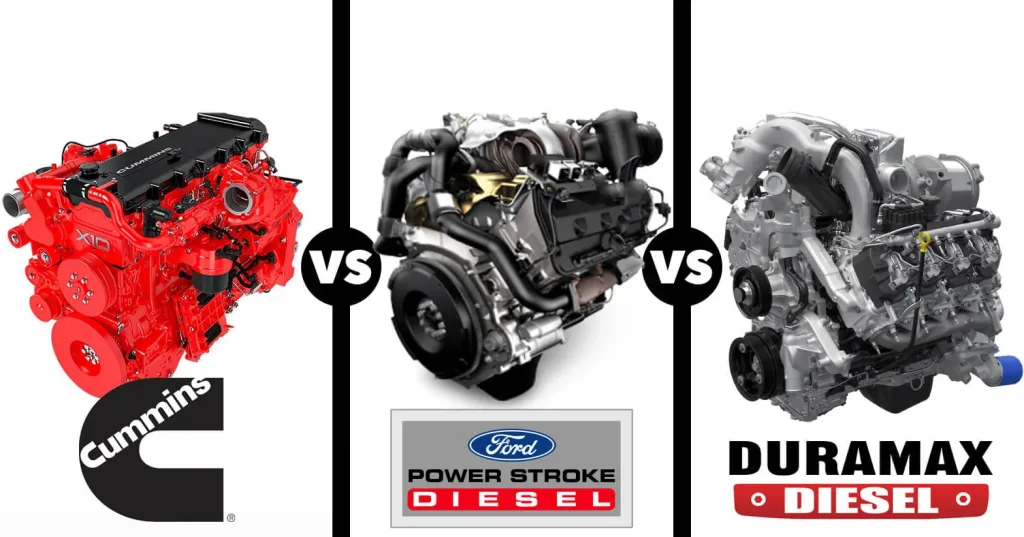
When comparing the reliability of Cummins and Power Stroke engines, two of the most prominent diesel engines in the heavy-duty truck market, several factors come into play, including performance, durability, maintenance, and user experiences. Let’s take a closer look at each engine type and how they stack up against each other.
1. Overview of Cummins and Power Stroke Engines
- Cummins: The Cummins diesel engine, particularly the 6.7L model, is widely regarded for its durability and longevity. Used primarily in Ram trucks, Cummins engines have a reputation for high torque output and efficient performance, making them ideal for towing and hauling heavy loads.
- Power Stroke: The Ford Power Stroke engine, especially the 6.7L version, is designed to offer a balance of power and fuel efficiency. Found in Ford Super Duty trucks, Power Stroke engines feature advanced technology to optimize performance and emissions.
2. Reliability and Longevity
- Cummins Reliability: Cummins engines are known for their robustness and reliability. Many owners report that their Cummins engines can exceed 300,000 miles with regular maintenance. The simplicity of the engine design, along with fewer complex emissions components, contributes to its longevity. Cummins engines are often praised for their ability to handle high mileage without significant issues .
- Power Stroke Reliability: Power Stroke engines have improved over the years, particularly with the introduction of the 6.7L model. However, some users have reported issues related to the emissions systems, particularly the Diesel Particulate Filter (DPF). While many Power Stroke engines also last beyond 300,000 miles, they may require more frequent maintenance due to the complexity of the emissions control systems .
3. Maintenance and Repairs
- Cummins Maintenance: Maintenance costs for Cummins engines are generally lower than for Power Stroke engines. The straightforward design allows for easier access to parts and repairs. Users often report that routine maintenance tasks are simpler and more affordable .
- Power Stroke Maintenance: Power Stroke engines can be more expensive to maintain due to the complexity of their emissions systems. While modern technology helps improve performance and efficiency, it can also lead to more components that may require attention over time .
4. User Experiences and Reviews
User reviews and experiences play a significant role in understanding the reliability of these engines:
- Cummins Owners: Many Cummins owners express satisfaction with their engine’s performance and reliability. Forums and reviews frequently highlight the engine’s ability to withstand heavy loads and high mileage without major failures .
- Power Stroke Owners: Power Stroke owners often appreciate the engine’s power and responsiveness. However, some report concerns about the longevity of specific components, particularly related to emissions systems. This can lead to varying opinions on overall reliability compared to Cummins .
5. Conclusion: Which Is More Reliable?
In conclusion, both Cummins and Power Stroke engines have their strengths, but overall reliability tends to favor the Cummins engine:
- Choose Cummins if you prioritize reliability, lower maintenance costs, and long-term durability. Many users have reported high mileage and fewer issues over time, making it a solid choice for heavy-duty applications.
- Choose Power Stroke if you value power and advanced technology, but be prepared for potentially higher maintenance costs. While the Power Stroke engine has made significant advancements, its complexity may lead to reliability concerns in some models.
Ultimately, the best choice depends on your specific needs, how you plan to use your truck, and your willingness to manage maintenance costs. Both engines have proven themselves in the market, but Cummins often stands out for reliability in long-term ownership.
For more in-depth information, you can explore these links:
Is Dodge Really Discontinuing the Challenger?

Is Dodge Really Discontinuing the Challenger?
The Dodge Challenger, a beloved muscle car known for its raw power and retro styling, has been a staple of American automotive culture since its revival in 2008. Recent rumors and announcements have sparked concerns among enthusiasts and potential buyers: Is Dodge really discontinuing the Challenger? Let’s dive into the details to understand the current status and future of this iconic vehicle.
Background of the Dodge Challenger
The Dodge Challenger first hit the streets in 1970, quickly becoming a symbol of American muscle with its aggressive design and powerful engine options. After a hiatus, the Challenger made a dramatic comeback in 2008, reimagined with modern technology while retaining the classic aesthetic that enthusiasts adore.
Recent Developments and Rumors
In recent years, speculation about the future of the Dodge Challenger has intensified. Here’s a breakdown of the factors contributing to the uncertainty surrounding its discontinuation:
1. Industry Trends
The automotive industry is undergoing significant changes, with a shift towards electric vehicles (EVs) and stricter emissions regulations. Many automakers are investing heavily in EV technology and discontinuing internal combustion engines to comply with new regulations. This shift has led to concerns that iconic models like the Challenger might be phased out in favor of more environmentally friendly options.
2. Dodge’s New Strategies
Dodge has been making headlines with its new lineup of performance vehicles, including the Dodge Hornet and the upcoming Dodge EVs. The brand’s focus on expanding its range to include electric and hybrid models has fueled speculation that the Challenger could be discontinued as part of a broader strategy to adapt to changing market demands.
3. Official Statements and Announcements
Dodge has made several statements about its future product plans, which have only added to the confusion:
- Limited Editions: Dodge has released special, limited-edition versions of the Challenger, such as the Challenger SRT Hellcat Redeye and the Challenger SRT Super Stock. While these editions celebrate the Challenger’s performance, they also create uncertainty about the car’s long-term future.
- Future Plans: In recent announcements, Dodge has hinted at the possibility of introducing new models that might replace or evolve from the Challenger. This has led to speculation that while the Challenger may not be entirely discontinued, it could undergo significant changes or be replaced by a new performance vehicle.
4. Enthusiast Reactions
Car enthusiasts and collectors have expressed concern about the Challenger’s potential discontinuation. The Challenger has a loyal fan base that appreciates its unique blend of classic design and modern performance. The idea of losing such an iconic vehicle has led to calls for Dodge to preserve the Challenger or at least offer a fitting successor.
What Does This Mean for Buyers?
For potential buyers and current owners of the Challenger, the uncertainty around the car’s future raises several questions:
- Resale Value: If the Challenger is discontinued, its rarity could potentially increase its resale value. However, this is speculative and depends on various market factors.
- Availability of Parts and Service: Discontinuation could affect the availability of replacement parts and service for the Challenger. It’s essential to consider the long-term implications for maintenance and repairs.
- Future Models: Dodge’s focus on new performance vehicles and EVs suggests that the brand will continue to offer high-performance options, albeit potentially in a different form than the current Challenger.
Conclusion
While Dodge has not officially confirmed the discontinuation of the Challenger, the vehicle’s future remains uncertain amidst industry trends and evolving brand strategies. The Challenger has been a significant part of Dodge’s lineup, and its potential discontinuation would mark the end of an era for muscle car enthusiasts. However, Dodge’s commitment to innovation and performance suggests that while the Challenger might be phased out, its spirit could live on through new models and technologies.
For now, enthusiasts and potential buyers should stay tuned for official announcements from Dodge regarding the Challenger’s future. Whether it’s a final farewell or a transformation into a new performance vehicle, the Challenger’s legacy is likely to influence Dodge’s performance offerings for years to come.
Dodge: Official Dodge Challenger Page
- Explore features, specs, and trims on the official Dodge site.
Edmunds: 2023 Dodge Challenger Review
- Get expert reviews, pricing, and performance details.
Kelley Blue Book: 2023 Dodge Challenger
- Detailed pricing, consumer reviews, and feature highlights.
MotorTrend: Dodge Challenger Overview
- Offers in-depth reviews, specs, and comparisons.
Car and Driver: 2023 Dodge Challenger
- Comprehensive review with pros, cons, and performance analysis.

Is Charging an Electric Car Cheaper Than Gas in California?
With the growing popularity of electric vehicles (EVs) in California, a common question that arises is whether charging an electric car is more cost-effective than fueling a traditional gas-powered vehicle. Given the state’s ambitious environmental goals and the high cost of gasoline, understanding the cost differences between charging and refueling can significantly impact your decision to switch to an electric vehicle. In this article, we’ll delve into the costs associated with charging an EV versus filling up with gasoline, considering various factors that affect these expenses.
1. Understanding the Cost of Charging an Electric Car
Charging an electric vehicle involves different costs compared to gasoline. The cost of charging can vary based on several factors:
Electricity Rates
Electricity rates in California can vary widely depending on your utility provider and the time of day. On average, residential electricity rates in California range from $0.20 to $0.30 per kilowatt-hour (kWh). Charging at home during off-peak hours may offer lower rates, thanks to time-of-use (TOU) plans offered by many utility companies.
Charging Levels
EVs can be charged at different levels, each with its associated costs:
- Level 1 Charging: Uses a standard 120-volt outlet and is the slowest form of charging. It’s typically used at home and incurs minimal additional cost, usually covered by standard residential electricity rates.
- Level 2 Charging: Requires a 240-volt outlet and offers faster charging. Installing a Level 2 home charger may involve an initial setup cost, but the charging cost itself remains within standard electricity rates.
- DC Fast Charging: Provides rapid charging and is often found at public charging stations. The cost can vary but typically ranges from $0.20 to $0.50 per kWh, depending on the provider.
Charging Costs Example
To estimate the cost of charging an EV, consider the following example:
- EV Efficiency: Assume an electric vehicle consumes 30 kWh to travel 100 miles.
- Electricity Cost: At an average rate of $0.25 per kWh, charging the vehicle would cost about $7.50 for 100 miles.
2. Understanding the Cost of Gasoline
The cost of gasoline in California is influenced by various factors, including global oil prices, state taxes, and seasonal changes. As of recent data, the average price of gasoline in California is around $4.50 to $5.50 per gallon.
Fuel Efficiency
To compare gasoline costs, consider the fuel efficiency of a typical gas-powered vehicle:
- Average MPG: A mid-sized car may have an average fuel efficiency of around 25 miles per gallon (MPG).
- Gasoline Cost Example: At $5.00 per gallon, driving 100 miles in a vehicle with 25 MPG would cost $20.00 in gasoline.
3. Comparing Charging Costs to Gasoline Costs
To determine whether charging an EV is cheaper than gasoline, let’s compare the costs directly.
Charging Cost Comparison
- Cost per 100 Miles: With the example provided, charging an EV at $0.25 per kWh costs approximately $7.50 to drive 100 miles.
Gasoline Cost Comparison
- Cost per 100 Miles: With gasoline at $5.00 per gallon and a vehicle achieving 25 MPG, it costs approximately $20.00 to drive 100 miles.
4. Additional Considerations
While the basic comparison shows that charging an EV is typically cheaper than buying gasoline, there are additional factors that can influence the overall cost of ownership:
Initial Vehicle Costs
- Purchase Price: EVs generally have a higher upfront cost compared to gas-powered vehicles, although this can be offset by various incentives, rebates, and tax credits.
Maintenance Costs
- Maintenance Savings: EVs generally have lower maintenance costs since they have fewer moving parts and don’t require oil changes. This can result in additional savings over the vehicle’s lifetime.
Charging Infrastructure
- Public Charging: While home charging is generally cheaper, public DC fast chargers can be more expensive. However, the convenience of public charging may offset the higher per-kWh cost.
Utility Rates
- Time-of-Use Plans: Some utility companies offer time-of-use plans that allow you to charge your EV during off-peak hours at reduced rates, further lowering charging costs.
Environmental Impact
- Emission Savings: Beyond cost, EVs contribute to reduced greenhouse gas emissions and lower air pollution, which has broader environmental and public health benefits.
5. Real-World Examples and Case Studies
Several studies and real-world examples illustrate the cost benefits of EVs:
- Case Study 1: In urban areas with high gasoline prices and high utility rates, such as San Francisco, charging an EV can be significantly cheaper than buying gasoline. Residents often see substantial savings on their monthly transportation costs.
- Case Study 2: For long-distance travelers who rely on DC fast charging, the cost difference may be less pronounced, but overall savings on daily commutes and maintenance still favor EVs.
6. Conclusion
In California, charging an electric car is generally cheaper than fueling a traditional gasoline vehicle. With electricity rates often lower than gasoline prices per mile driven, EV owners can enjoy significant cost savings. Additionally, the lower maintenance costs associated with EVs further enhance the financial benefits of going electric.
While the initial purchase price of EVs may be higher, various incentives and rebates can help offset these costs. Considering the broader environmental benefits and long-term savings on maintenance, switching to an electric vehicle represents a smart choice for both your wallet and the planet.
As California continues to lead the charge toward a sustainable future, the cost advantages of electric vehicles will likely become even more pronounced, making them an increasingly attractive option for drivers across the state.
California Clean Vehicle Rebate Project (CVRP) – Learn About the $750 EV RebateApply for the $750 EV Rebate – Start Your Application HereCheck Eligible Vehicles for the $750 Rebate – See Which EVs QualifyCalifornia EV Incentives Overview – Explore All EV IncentivesFederal EV Tax Credit Information – Understand Federal IncentivesCalifornia EV Charging Incentives – Find Charging Station RebatesUtility Company EV Incentives – Discover Local Utility RebatesClean Air Vehicle Decals – Apply for HOV Lane AccessEV Lease and Purchase Offers – Find Deals on EVsCalifornia Air Resources Board (CARB) EV Programs – CARB’s EV Initiatives
Is the Dodge Hornet an Old Model?

Is the Dodge Hornet an Old Model?
In the ever-evolving automotive market, new models frequently emerge to meet the demands of contemporary drivers. The Dodge Hornet, introduced in 2023, is one such new entrant that has garnered considerable attention. But is the Dodge Hornet an old model, or is it a fresh addition to the market? Let’s explore its background and context to determine its standing in today’s automotive landscape.
The Birth of the Dodge Hornet
The Dodge Hornet is a modern vehicle that signifies Dodge’s return to the compact crossover SUV segment. Although the name “Hornet” may evoke nostalgia for some, the 2023 model is a completely new design. The nameplate was originally used by American Motors Corporation (AMC) in the 1970s for a compact car, but the current Dodge Hornet is not related to the old model in terms of design or engineering.

The new Hornet was introduced to fill a gap in Dodge’s lineup, as the brand had previously focused more on muscle cars and larger SUVs. The 2023 Hornet is designed to offer a blend of sporty performance and practical features, targeting drivers who seek a versatile and engaging compact SUV.
Modern Features and Technology
One of the key aspects that set the Dodge Hornet apart is its modern features and technology. Unlike older models or their contemporaries, the Hornet comes equipped with the latest advancements in automotive technology. This includes:
- Powertrain Options: The Hornet offers a turbocharged 2.0-liter inline-four engine in the GT model, delivering 268 horsepower. The R/T variant adds a plug-in hybrid system, combining the same engine with an electric motor to produce a total of 288 horsepower. These powertrains reflect current automotive trends towards both performance and hybrid efficiency.
- Interior and Infotainment: Inside, the Hornet boasts a contemporary design with advanced infotainment systems, including a touchscreen interface compatible with Apple CarPlay and Android Auto. The interior is designed to offer comfort and convenience, featuring modern materials and a user-friendly layout.
- Safety Features: The Hornet is equipped with a suite of safety technologies, such as adaptive cruise control, lane-keeping assist, and automatic emergency braking. These features align with the latest industry standards for driver and passenger protection.
Comparison with Older Models
When comparing the Dodge Hornet to older models, it becomes clear that it represents a significant departure from its predecessors. The 2023 Hornet is a response to current market trends and consumer preferences, focusing on fuel efficiency, technology, and practical performance.
The original Hornet, produced by AMC in the 1970s, was a compact car known for its affordability and simplicity. While it was well-regarded in its time, the automotive landscape has changed dramatically since then. The new Hornet incorporates the latest engineering and design principles, making it a modern vehicle by today’s standards.
The Evolution of the Hornet Nameplate
The name “Hornet” may have historical significance, but the 2023 model represents a fresh start for the nameplate. It draws on the legacy of the original Hornet in terms of spirited driving but is built with contemporary technology and design. The decision to reuse the name highlights Dodge’s intention to evoke a sense of heritage while introducing a new and relevant vehicle.
Conclusion
In conclusion, the Dodge Hornet is not an old model; rather, it is a new and modern addition to Dodge’s lineup. While it shares its name with a historic model from the 1970s, the 2023 Hornet is a product of current automotive trends and technology. It offers a contemporary design, advanced features, and performance that align with the expectations of today’s drivers. As such, the Dodge Hornet stands as a testament to Dodge’s ability to innovate and adapt while paying homage to its past.
What Is the Best Year to Buy a RAM 1500?
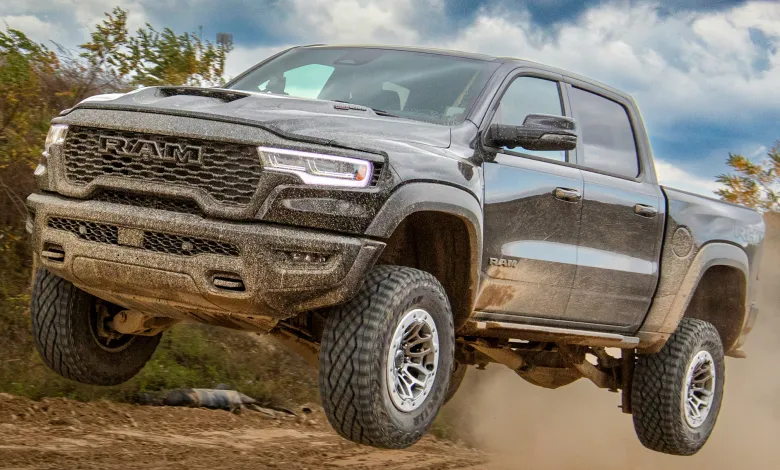
What Is the Best Year to Buy a RAM 1500?
When it comes to purchasing a RAM 1500, choosing the right year is crucial for ensuring you get the best value, performance, and reliability. Over the years, the RAM 1500 has undergone significant improvements in design, technology, and engine performance. In this article, we’ll explore which model years stand out and why they might be the best options for buyers.
1. The 2019 RAM 1500: A Major Redesign
The 2019 RAM 1500 is often hailed as one of the best model years to buy due to its comprehensive redesign. This year marked the introduction of a new platform that improved ride quality, handling, and fuel efficiency. With a more modern and upscale interior, the 2019 model features an impressive infotainment system with a large touchscreen and advanced connectivity options.
Key Features:
- Improved towing capacity of up to 12,750 pounds.
- Enhanced safety features, including adaptive cruise control and blind-spot monitoring.
- High-quality interior materials that elevate the overall experience.
For those interested in the 2019 RAM 1500, you can explore more about its features and specifications here.
2. The 2020 RAM 1500: Building on Success
The 2020 RAM 1500 built on the strengths of its predecessor while introducing additional features that further enhanced its appeal. This model year continued to offer a luxurious interior and excellent ride quality, along with a new EcoDiesel engine option, which provides exceptional fuel efficiency.
Key Features:
- Fuel economy of up to 32 mpg on the highway with the EcoDiesel.
- Additional technology upgrades, including a 12-inch touchscreen and updated safety features.
- Strong towing capacity and payload ratings that cater to various needs.
The 2020 RAM 1500 received positive reviews from experts and owners alike, making it a solid choice for buyers looking for reliability and performance. Learn more about the 2020 model here.
3. The 2021 RAM 1500: Continued Excellence
The 2021 RAM 1500 continued the trend of excellence established in previous years, offering new technology and convenience features. This year introduced a TRX trim, designed for off-road enthusiasts and performance seekers, showcasing the RAM 1500’s versatility.
Key Features:
- TRX model with a supercharged 6.2L HEMI V8 engine, producing 702 horsepower.
- Enhanced driver assistance features and improved infotainment options.
- High towing capacity and payload, making it suitable for work and play.
With its advanced features and impressive performance, the 2021 RAM 1500 is an excellent choice for those wanting a truck that excels in both capability and comfort. Discover more about the 2021 model here.
4. Why the 2014 RAM 1500 Is Still Relevant
For budget-conscious buyers, the 2014 RAM 1500 is often recommended. It won the Motor Trend Truck of the Year award and was recognized for its innovative design and strong performance. Despite being older, it still offers a well-rounded package for those looking for a reliable truck without breaking the bank.
Key Features:
- Available EcoDiesel engine, providing excellent fuel efficiency for a full-size truck.
- Quality interior with user-friendly technology.
- Good towing capacity and a comfortable ride.
The 2014 RAM 1500 remains a favorite among used truck buyers. More information can be found here.
Conclusion
When determining the best year to buy a RAM 1500, the 2019, 2020, and 2021 models stand out for their reliability, performance, and innovative features. Each of these model years offers unique advantages that cater to different needs, whether you’re looking for a luxurious ride, off-road capability, or exceptional fuel efficiency. Meanwhile, the 2014 RAM 1500 serves as a solid budget option without sacrificing quality. Ultimately, your choice should align with your specific requirements and budget, ensuring you get the best value for your investment in a RAM 1500.
Connect with us


