





How long will a Jeep Grand Cherokee last?
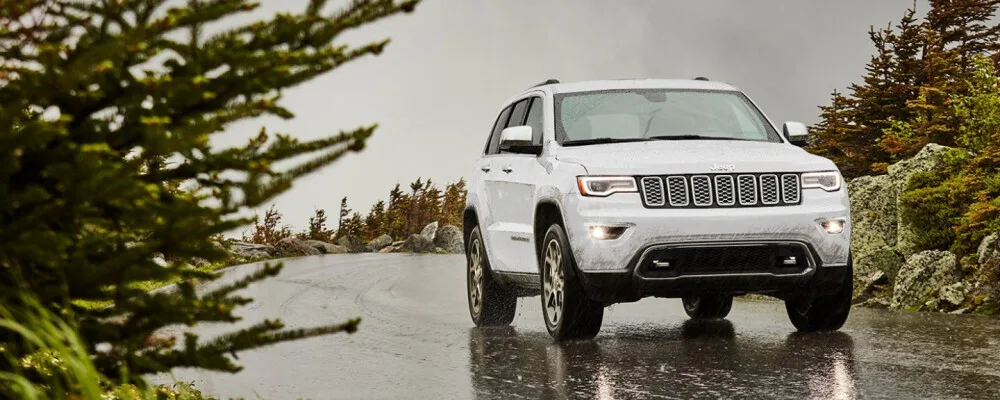
How Long Will a Jeep Grand Cherokee Last?
A Jeep Grand Cherokee can last 150,000 to 200,000 miles with normal maintenance, and a well-cared-for one can go beyond 200,000 miles. The simple answer is this: most Grand Cherokees last around 10 to 15 years, but the ones that reach 200,000+ miles usually have consistent oil changes, cooling-system care, transmission service, and no major neglect.
Data from iSeeCars estimates the Jeep Grand Cherokee’s average lifespan at about 141,686 miles, with a 12.5% chance of reaching at least 200,000 miles during its usable life. That means 200,000 miles is realistic, but not automatic. It depends heavily on maintenance, engine, driving style, and condition. iSeeCars
Is the Jeep Grand Cherokee Long-Lasting?
Yes, the Jeep Grand Cherokee can be long-lasting, especially compared with many normal midsize SUVs.
It is built as a more substantial SUV than smaller crossovers like the Compass or Cherokee. It has available 4×4 systems, strong engine options, towing ability, and a long-running nameplate with a large owner base.
But the Grand Cherokee is not a “ignore maintenance and it will still last forever” vehicle. It needs proper service. RepairPal lists the Grand Cherokee’s average annual repair and maintenance cost at $666, compared with $573 for midsize SUVs and $652 for all models, so ownership cost is slightly above the midsize SUV average. RepairPal
Realistic Lifespan by Mileage
Here is the practical breakdown:
100,000 miles: Normal and expected for a maintained Grand Cherokee.
150,000 miles: Very realistic with regular service.
200,000 miles: Achievable, but maintenance history matters a lot.
250,000+ miles: Possible, but usually only with excellent care and timely repairs.
300,000 miles: Rare, but not impossible on the right vehicle.
The Grand Cherokee can go the distance, but once it passes 150,000 miles, condition becomes more important than the odometer.
Best Engines for Longevity
The 3.6L Pentastar V6 is usually the safest long-term engine choice for most Grand Cherokee owners.
It is widely used across Jeep, Dodge, Chrysler, and Ram vehicles, which means parts availability is strong and many mechanics know how to work on it. It is not the most powerful option, but it is the most practical for long-term ownership.
The 5.7L HEMI V8 can also last a long time, but it uses more fuel and can cost more to maintain. It is better if you tow or want V8 power.
The 4xe plug-in hybrid can be efficient and powerful, but it has more complexity. It includes a gas engine, battery pack, electric motors, charging hardware, and software systems. Used 4xe buyers should check recalls and warranty coverage carefully.
What Usually Fails First?
At higher mileage, the engine is not always the first problem.
Common high-mileage Grand Cherokee expenses can include:
Suspension components.
Control arms and bushings.
Wheel bearings.
Cooling-system parts.
Radiator, thermostat, and water pump.
Oil leaks.
Transmission service or repair.
Transfer case and differential service.
Electrical sensors.
Battery and alternator.
Motor mounts.
Brake system parts.
If the SUV has been used for towing, off-roading, snow, salt, or heavy city driving, these parts may wear sooner.
Maintenance That Helps It Reach 200,000 Miles
To make a Grand Cherokee last, stay ahead of maintenance.
Do oil changes on time. Do not ignore coolant leaks. Service the transmission, transfer case, and differentials. Replace worn suspension and steering parts early. Keep tires aligned and rotated. Fix small oil leaks before they become big leaks.
Also check recalls by VIN. This matters especially on newer Grand Cherokee and Grand Cherokee 4xe models because recalls can involve safety systems, hybrid software, and drivability issues. Recent reports have covered Grand Cherokee recalls involving side-airbag software and 4xe drive-power concerns, so VIN-specific recall checks are important before buying used. Car and Driver Car and Driver
Used Grand Cherokee Buying Advice
If you want a long-lasting used Grand Cherokee, buy condition first.
Look for:
Clean service records.
No overheating history.
No major accident history.
Smooth transmission shifts.
No warning lights.
Clean underbody.
No major oil leaks.
Good tire wear.
Completed recalls.
Stock or lightly modified condition.
A cheaper Grand Cherokee with poor maintenance can cost more than a clean one with higher mileage.
For local shoppers, compare used Jeep Grand Cherokee inventory by year, engine, mileage, service history, and condition. If you want warranty coverage and the latest features, check current new Jeep inventory.
Final Answer
A Jeep Grand Cherokee usually lasts 150,000 to 200,000 miles with proper maintenance.
A well-maintained one can go beyond 200,000 miles, while a neglected one can become expensive before it gets there. The best long-term setup for most buyers is a clean Grand Cherokee with the 3.6L V6, regular service records, no major leaks, no overheating history, and completed recalls.
The Grand Cherokee can last. The deciding factor is maintenance, not luck.
Are Jeep Wranglers a lot of Maintenance?

Are Jeep Wranglers a Lot of Maintenance?
Jeep Wranglers are not impossible to maintain, but they do require more attention than a normal compact SUV if you use them the way Jeep intended. The simple answer is this: a Wrangler is average to slightly above average in maintenance cost, but off-roading, larger tires, lift kits, 4xe hybrid parts, and neglected suspension work can make ownership more expensive fast.
RepairPal lists the Jeep Wrangler’s average annual repair and maintenance cost at $694, compared with $521 for compact SUVs and $652 for all vehicle models. That means the Wrangler is not wildly expensive, but it is also not the cheapest SUV to own. RepairPal
Why Wrangler Maintenance Feels Different
A Wrangler is built differently than a regular SUV.
Most compact SUVs are designed mainly for commuting, highway driving, errands, and family use. The Wrangler is built for trails, removable roof panels, 4×4 systems, solid-axle-style ruggedness, larger tires, and off-road abuse.
That means the parts that need attention are different:
Suspension components.
Steering parts.
Tires.
Brakes.
4×4 system.
Differentials.
Transfer case.
Roof seals.
Door seals.
Skid plates.
Underbody hardware.
If you only drive on pavement and keep it stock, a Wrangler can be manageable. If you off-road it, lift it, or run oversized tires, maintenance goes up.
Is Wrangler Maintenance Expensive?
Wrangler maintenance is usually moderate, not extreme.
Oil changes, tire rotations, brake service, filters, fluids, batteries, and spark plugs are normal ownership items. What makes the Wrangler more expensive is the stuff many owners add or do later: big tires, lift kits, winches, bumpers, trail damage, and aftermarket accessories.
CarEdge estimates a Jeep Wrangler will cost about $11,129 for maintenance and repairs during its first 10 years, and about $3,505 over the first five years. CarEdge CarEdge costs
That is not cheap, but it is not shocking for a real 4×4 SUV.
How Often Does a Wrangler Need Service?
For normal driving, a Wrangler generally follows typical service intervals.
Many service references list oil changes and tire rotations around every 7,500 miles, with brake inspections around 20,000 miles. Firestone
Jeep Canada also notes that oil change intervals should not exceed 16,000 km or 12 months on a gas engine, and that severe use like excessive idling or dusty conditions can require earlier service. Jeep Canada Mopar
For most real-world Wrangler owners, the smart schedule is:
Oil change every 5,000 to 7,500 miles.
Tire rotation every 5,000 to 7,500 miles.
Inspect suspension and steering at every service.
Check differential and transfer case fluids if off-roading.
Replace air filters sooner in dusty conditions.
Common Wrangler Maintenance Items
The most common Wrangler maintenance items are not mysterious.
Expect to deal with:
Oil and filter changes.
Tire rotations.
Brake pads and rotors.
Engine air filter.
Cabin air filter.
Battery replacement.
Spark plugs.
Coolant service.
Differential fluid.
Transfer case fluid.
Transmission fluid.
Alignment.
Suspension bushings.
Ball joints and steering components.
Roof and door seals.
The big one is tires. Wrangler tires can be expensive, especially if you run larger all-terrain or mud-terrain tires.
Off-Roading Adds Maintenance
If you take a Wrangler off-road, you need to maintain it like an off-road vehicle.
After trail use, inspect the underbody, skid plates, steering, control arms, shocks, tires, wheels, brake lines, differential covers, and driveshaft areas. Mud, water, rocks, and sand can create wear that normal pavement driving never would.
Water crossings are especially important. If water gets into the differentials, transmission, or transfer case, fluid service may be needed sooner.
A Wrangler that sees trails should be inspected more often than a mall-driven SUV.
Lift Kits and Big Tires Increase Costs
A lifted Wrangler with oversized tires usually costs more to maintain.
Bigger tires add weight and stress. They can wear ball joints, steering parts, brakes, wheel bearings, suspension components, and driveline parts faster. A cheap lift kit can also cause poor alignment, vibration, steering wander, and uneven tire wear.
If you want a modified Wrangler, use quality parts and proper installation. Bad modifications are one of the fastest ways to turn a Wrangler into a money pit.
Wrangler 4xe Maintenance
The Wrangler 4xe adds plug-in hybrid complexity.
It still needs normal gas-engine maintenance, but it also has high-voltage hybrid components, battery systems, charging hardware, and additional software. The 4xe can be efficient and quick, but it is not simpler than a gas Wrangler.
Consumer Reports says the 2025 Wrangler is less reliable than other vehicles from the same model year, and recent 4xe models have had recall attention. Consumer Reports Car and Driver also reported a recall affecting 2023 to 2025 Wrangler 4xe models after a software update issue could lead to loss of drive power. Car and Driver
If buying a used Wrangler 4xe, check recall completion, battery warranty status, charging behavior, warning lights, and service history.
Are Older Wranglers Cheaper to Maintain?
Older Wranglers can be simpler, but not always cheaper.
A clean older JK or TJ can be easier to understand mechanically, but age brings its own costs: rust, worn suspension, oil leaks, cooling system problems, electrical issues, old seals, worn tops, and previous-owner modifications.
A cheap Wrangler can become expensive if it has been abused, lifted badly, submerged, or neglected.
Condition matters more than age.
Is a Wrangler More Maintenance Than a Toyota RAV4 or Honda CR-V?
Yes, usually.
A Wrangler is a more specialized vehicle. A Toyota RAV4, Honda CR-V, Mazda CX-5, or Subaru Forester is usually easier and cheaper to own as a normal commuter SUV.
But those vehicles do not offer the same open-air driving, trail capability, removable doors, Wrangler community, or customization.
So the tradeoff is simple: the Wrangler gives you more character and capability, but usually asks for more maintenance attention.
How to Keep Wrangler Maintenance Costs Down
The best way to keep a Wrangler affordable is to keep it clean, stock, and maintained.
Do this:
Rotate tires regularly.
Keep alignment correct.
Use quality replacement parts.
Avoid cheap lift kits.
Inspect steering and suspension often.
Service fluids on time.
Wash the underbody after mud or salt.
Fix small leaks early.
Check roof and door seals.
Keep service records.
Use the correct tires for your driving.
A Wrangler is much easier to own when problems are handled early.
Final Answer
Jeep Wranglers are not crazy high maintenance, but they are more maintenance-sensitive than normal SUVs.
A stock Wrangler used mostly on pavement can be reasonable to own. A lifted, off-roaded, poorly modified, or neglected Wrangler can get expensive quickly.
The expert answer is simple: buy the cleanest Wrangler you can, avoid bad modifications, follow the service schedule, inspect suspension and steering often, and budget more for tires and 4×4-related maintenance than you would on a normal crossover.
How Long Does a Jeep 4xe Last? A Comprehensive Guide
The Jeep 4xe, which includes models like the Wrangler 4xe and Grand Cherokee 4xe, represents Jeep’s foray into the plug-in hybrid electric vehicle (PHEV) market. As with any vehicle, understanding the longevity of the Jeep 4xe involves considering various factors such as battery life, engine durability, and overall vehicle maintenance. This article will delve into the expected lifespan of the Jeep 4xe, providing insights into its components and offering tips to ensure its long-term reliability.
How Long Does a Jeep 4xe Last? Overview of the Jeep 4xe
The Jeep 4xe combines a traditional internal combustion engine with an electric motor and a rechargeable battery, offering drivers the benefits of both electric and gasoline power. This hybrid setup is designed to enhance fuel efficiency, reduce emissions, and provide a more versatile driving experience.
Key Components Affecting Longevity
- Battery Life
- Engine Durability
- Hybrid System Components
- Overall Vehicle Maintenance
1. How Long Does a Jeep 4xe Last? Battery Life
Expected Lifespan
The battery in a Jeep 4xe is a critical component, and its longevity is crucial for the vehicle’s overall lifespan. Typically, lithium-ion batteries, like those used in the Jeep 4xe, are designed to last between 8 to 15 years, depending on usage and maintenance.
How Long Does a Jeep 4xe Last? Factors Influencing Battery Longevity
- Usage Patterns: Frequent charging and discharging cycles can impact battery life. Jeep’s hybrid batteries are designed to handle numerous charge cycles, but regular charging can help maintain battery health.
- Temperature Extremes: Extreme temperatures can affect battery performance. Jeep 4xe’s battery management system helps regulate temperature to extend battery life.
- Charging Practices: Avoiding complete battery discharge and excessive overcharging can help prolong battery life. Regularly charging the battery to 20-80% is generally recommended.
For more detailed information, you can refer to Jeep’s official battery warranty and Battery University.

2. Engine Durability
Expected Lifespan
The internal combustion engine in the Jeep 4xe, like other modern engines, is built to last a significant amount of time. On average, well-maintained engines can last between 150,000 to 300,000 miles. Jeep engines are known for their durability, especially under rigorous conditions.
Factors Affecting Engine Life
- Maintenance: Regular oil changes, timely replacement of filters, and adherence to recommended service intervals are crucial for engine longevity.
- Driving Habits: Gentle driving and avoiding harsh accelerations or frequent high-speed driving can contribute to the engine’s lifespan.
- Quality of Fuel: Using high-quality fuel and keeping the fuel system clean can enhance engine performance and longevity.
For more on engine care and maintenance, you can check out Edmunds’ guide on engine longevity and MotorTrend’s tips on maintaining engine health.
3. Hybrid System Components
Longevity of Hybrid Components
The hybrid system in the Jeep 4xe includes components such as the electric motor, regenerative braking system, and various controllers. These components are designed to be robust and durable, often lasting as long as the vehicle itself if properly maintained.
How Long Does a Jeep 4xe Last? Maintenance and Care
- Regenerative Braking System: Regular inspection and maintenance of the braking system ensure efficient energy recovery and system longevity.
- Electric Motor: Proper cooling and avoidance of excessive load on the electric motor can help maintain its efficiency and lifespan.
For information on hybrid systems, you can refer to Consumer Reports on hybrid maintenance and HybridCars.com.
4. Overall Vehicle Maintenance
Regular Maintenance
Routine maintenance is key to ensuring the long-term reliability of any vehicle, including the Jeep 4xe. Following the manufacturer’s recommended maintenance schedule and addressing issues promptly can help extend the vehicle’s lifespan.
Key Maintenance Tasks
- Oil Changes: Regular oil changes help keep the engine running smoothly.
- Brake Inspections: Regularly check the brakes and regenerative braking system.
- Tire Care: Keep tires properly inflated and replace them as needed.
- Fluid Levels: Regularly check and top off essential fluids, including coolant and transmission fluid.
For a comprehensive maintenance guide, see Jeep’s official maintenance schedule and AAA’s vehicle maintenance tips.
Conclusion
The Jeep 4xe is designed to provide long-term reliability and durability, with a lifespan influenced by the longevity of its battery, engine, hybrid system components, and overall vehicle maintenance. By understanding and addressing the factors that affect each component, Jeep 4xe owners can ensure their vehicle remains in excellent condition for many years to come. Regular maintenance, proper usage, and timely care are essential for maximizing the lifespan and performance of your Jeep 4xe.
Do you Save Tax When you Trade-in a Car?

A trade-in for a car refers to the process of exchanging your current vehicle for credit toward the purchase of another vehicle, typically at a dealership. Instead of selling your car privately, you bring it to the dealer, who appraises its value and applies that amount as a reduction to the price of the new car you want to buy.
Here’s how it works:
- Appraisal: The dealership assesses the condition, age, mileage, and market demand for your car to determine its trade-in value.
- Value Deduction: The agreed trade-in value is deducted from the price of the new or used car you are purchasing.
- Sales Tax Advantage: In many states, you only pay sales tax on the difference between the new car’s price and the trade-in value, which can save you money.
Do you Save Tax When you Trade-in a Car? Key Points:
- Convenience: Trading in a car is quicker and easier than selling it privately, as the dealer handles all the paperwork and logistics.
- Potential Downsides: Dealerships often offer less for your car than what you might get from a private sale, as they need to resell the vehicle at a profit.
Trade-ins simplify the process of upgrading to a new car and can save time and effort, although you may not always get the highest value for your vehicle.
A trade-in for a car allows you to exchange your current vehicle for credit toward purchasing a new or used car from a dealership. This process is designed to simplify the process of upgrading or switching vehicles by allowing you to handle both the sale of your old car and the purchase of your new one in a single transaction.
Do you Save Tax When you Trade-in a Car? How Trade-Ins Work
When you bring your car to a dealership, they’ll conduct an appraisal to assess the value of your vehicle. The appraisal will take into account factors such as the car’s age, condition, mileage, and current market demand. Once the value is determined, the dealership offers you a trade-in price. This amount is then deducted from the price of the car you wish to purchase.
Financial Benefits of Trading In
One of the biggest benefits of trading in a car is that it can reduce the sales tax you owe on your new car. In many states and provinces, you only pay sales tax on the difference between the price of the new car and the trade-in value. For example, if you’re buying a car for $30,000 and your trade-in is worth $10,000, you’d only pay sales tax on the remaining $20,000.
Do you Save Tax When you Trade-in a Car? Convenience of Trade-Ins
Another advantage of trading in a car is the convenience it offers. Selling a car privately can take weeks or months and involves advertising, scheduling showings, and negotiating with potential buyers. By trading in your car, you can handle the entire transaction at once without the hassle of finding a buyer on your own. The dealer also manages all the necessary paperwork for transferring the title, which saves you time and effort.
Do you Save Tax When you Trade-in a Car? Potential Drawbacks
However, there are some drawbacks to consider. Dealerships typically offer less money for a trade-in than you might get by selling the car privately. This is because the dealer needs to recondition the car and sell it at a profit. If you’re looking to get the highest possible price for your car, a private sale may offer a better return, but it comes with more responsibility and time investment.
In summary, trading in a car can be an easy and time-saving way to transition from one vehicle to another, with the added benefit of tax savings. However, the trade-off is often receiving less money for your car compared to a private trade.
When you trade in your car for a new or used vehicle at a dealership, you may be eligible for tax savings, depending on the state or province where you live. This can make trading in your vehicle a financially smart option for many buyers. Here’s a detailed look at how these tax savings work, potential benefits, and some key considerations to keep in mind.
How Do Tax Savings on Trade-Ins Work?
In many jurisdictions, sales tax is only applied to the price of the new vehicle after the trade-in value of your current car has been subtracted. This means that you pay sales tax on the difference between the price of the car you’re buying and the value of your trade-in.
Example:
- Car purchase price: $30,000
- Trade-in value: $10,000
- Taxable amount: $20,000
- Sales tax (7%): $1,400
Without the trade-in, you’d pay tax on the full $30,000, which would be $2,100 in this example. By trading in your car, you save $700 in taxes.
Tax Savings Vary by Location
While many U.S. states and Canadian provinces offer this tax incentive, not all do. For instance, California and Virginia are examples of states where this tax saving on trade-ins is not available. There, sales tax is applied to the full price of the car, regardless of the trade-in value.
In contrast, most other states like New York, Florida, and Texas offer significant savings. It’s important to check the tax laws in your specific location to determine if you qualify for this benefit.
Advantages of Trading in Your Car
1. Sales Tax Savings
The most obvious advantage is the sales tax reduction. The higher your trade-in value, the more you’ll save on taxes. This can make a noticeable difference in your total costs.
2. Convenience
Trading in your car to a dealership is far easier than selling privately. You don’t have to worry about advertising, arranging meetings with potential buyers, or haggling over prices. The dealership handles all paperwork, making the process straightforward.
3. No Need to Pay Off Your Loan
If your current vehicle is still under loan, many dealerships will roll the remaining balance into your new car loan. This allows you to trade in your vehicle without paying off the loan first, simplifying the process.
Downsides of Trading in Your Car
1. Lower Trade-In Value
Dealerships typically offer lower trade-in values than what you might get from selling your car privately. They need to resell the car and make a profit, which is why private sales often result in a higher sale price. However, trading in offers convenience and immediate tax savings.
2. No Control Over Pricing
In a private sale, you can negotiate directly with the buyer and potentially get a better deal. With a trade-in, the dealer offers a price, and while there’s some room for negotiation, you’re not likely to get as much as you could from a private sale.
Maximizing the Value of Your Trade-In
If you decide to trade in your vehicle, there are a few steps you can take to ensure you get the best possible deal:
- Research the Value: Use resources like Kelley Blue Book or Edmunds to get an estimate of your car’s trade-in value before you visit the dealership. This gives you a baseline for negotiations.
- Clean and Repair: A clean, well-maintained vehicle will fetch a higher trade-in value. Consider making minor repairs and thoroughly cleaning your car before taking it in for appraisal.
- Negotiate: Don’t be afraid to negotiate the trade-in offer. Dealerships expect some haggling, and it can result in a better offer.
Conclusion
Trading in your car can provide significant financial benefits, particularly in terms of tax savings. While the convenience and tax reductions are appealing, it’s important to balance these against the potential for a lower trade-in value compared to selling privately. By understanding how trade-ins work and preparing in advance, you can make an informed decision that maximizes your financial outcome.
Chart: Potential Tax Savings on Trade-Ins Based on Vehicle Price and Trade-In Value
| Vehicle Price | Trade-In Value | Tax Rate | Tax Without Trade-In | Tax With Trade-In | Tax Savings |
|---|---|---|---|---|---|
| $40,000 | $15,000 | 6% | $2,400 | $1,500 | $900 |
| $30,000 | $10,000 | 7% | $2,100 | $1,400 | $700 |
| $25,000 | $8,000 | 5% | $1,250 | $850 | $400 |
| $50,000 | $20,000 | 8% | $4,000 | $2,400 | $1,600 |
Do you Save Tax When you Trade-in a Car?
In this example, the higher the trade-in value, the more tax savings you’ll achieve.
How Long Does It Take to Charge a Jeep Wrangler 4xe?
The Jeep Wrangler 4xe, Jeep’s first plug-in hybrid electric vehicle (PHEV), combines the power of a gasoline engine with the efficiency of an electric motor. This hybrid system offers a unique driving experience, allowing you to drive on electric power alone for short distances and switch to gasoline for longer trips. One important aspect of owning a plug-in hybrid is understanding the charging process and times. In this article, we will explore how long it takes to charge a Jeep Wrangler 4xe, the factors affecting charging time, and tips for optimizing the charging process. We’ll also include useful links to resources such as Simi Valley Chrysler Dodge Jeep Ram (CDJR) for additional information and assistance.
Charging Time for the Jeep Wrangler 4xe
The Jeep Wrangler 4xe comes with a 17-kWh lithium-ion battery pack, which provides an all-electric driving range of approximately 21 miles. Charging times can vary based on the type of charging equipment used and the current charge level of the battery.
- Level 1 Charging (Standard Household Outlet):
- Time: Approximately 12 hours
- Description: Level 1 charging uses a standard 120-volt household outlet. While this method is the slowest, it is also the most convenient for home use. Simply plug the vehicle into a regular outlet using the included charging cord. This is ideal for overnight charging.
- Level 2 Charging (240-Volt Home Charging Station):
- Time: Approximately 2 hours
- Description: Level 2 charging requires a 240-volt home charging station, which is faster and more efficient than Level 1. Installing a Level 2 charger at home can significantly reduce charging times. Many homeowners opt for this option to ensure their vehicle is ready to go each day.
- DC Fast Charging:
- Time: Approximately 30 minutes (to 80% charge)
- Description: DC fast charging is available at public charging stations and can provide a rapid charge to the battery. While this option is not typically used for home charging, it is useful for long trips or quick top-ups during travel.
Factors Affecting Charging Time
Several factors can influence the time it takes to charge your Jeep Wrangler 4xe:
- Battery State of Charge: The more depleted the battery, the longer it will take to charge. Charging from a completely empty battery will take more time than charging from a partially depleted one.
- Charger Type: As mentioned, Level 1 chargers are the slowest, while Level 2 chargers offer much faster charging. DC fast chargers provide the quickest charging but are less common for home use.
- Ambient Temperature: Extreme temperatures can affect charging efficiency. Cold weather may slow down the charging process, while hot weather can impact battery performance.
- Charging Equipment: The quality and capacity of the charging equipment used can affect charging times. Higher-quality chargers and proper installation ensure more efficient charging.
Tips for Optimizing Charging
- Install a Level 2 Charger: For the best home charging experience, consider installing a Level 2 charging station. Many local utility companies offer incentives or rebates for home charger installations.
- Use Public DC Fast Chargers Wisely: While convenient for long trips, relying on DC fast chargers frequently can impact battery longevity. Use them for quick top-ups rather than regular charging.
- Monitor Charging Efficiency: Regularly check the charging equipment and connections to ensure optimal performance. Faulty equipment or loose connections can slow down the charging process.
- Plan for Temperature Extremes: In colder climates, precondition your vehicle while it is still plugged in to optimize battery performance. This can help mitigate the effects of low temperatures on charging times.
Additional Resources
For more information on the Jeep Wrangler 4xe and to explore charging options, you can visit:
- Simi Valley Chrysler Dodge Jeep Ram (CDJR): Simi Valley CDJR offers comprehensive information on the Jeep Wrangler 4xe, including charging solutions and vehicle features. Visit their website or contact them for personalized assistance.
- Jeep Official Website: The official Jeep website provides detailed specifications and features for the Wrangler 4xe, including charging information and owner’s manuals.
- PlugShare: Use PlugShare to locate public charging stations and check their availability and types. This can be especially useful for finding DC fast chargers during long trips.
- ChargePoint: ChargePoint offers a network of charging stations and resources for electric vehicle owners. Find charging stations and get real-time information on availability.
Conclusion
Charging your Jeep Wrangler 4xe is a straightforward process, but understanding the different charging methods and their times can help you make the most of your hybrid vehicle. Whether you’re charging at home or using public charging stations, planning ahead and using the right equipment will ensure you stay powered up and ready for your adventures. For further assistance and resources, visit Simi Valley Chrysler Dodge Jeep Ram or explore the additional links provided.

What Safety Features are new in the Jeep Wrangler 2024? The Jeep Wrangler is designed with a focus on safety, offering a robust suite of features to ensure a secure driving experience. Here’s a detailed look at the safety features available on the Wrangler:
Advanced Airbag System
The Jeep Wrangler comes equipped with advanced multistage front airbags, designed to provide optimal protection by adjusting the inflation rate based on the severity of impact.
Jeep Wrangler’s Airbag System
The Jeep Wrangler’s airbag system is designed to provide maximum protection for occupants in the event of a collision. It features advanced multistage front airbags that adjust their inflation rate based on the severity of the impact, ensuring the right level of cushioning. Additionally, the Wrangler is equipped with supplemental side airbags that provide additional protection to the head and chest areas, further enhancing safety. This system is a critical component of the Wrangler’s overall safety architecture, ensuring comprehensive protection for all passengers.
For more details on the Jeep Wrangler’s safety features, you can visit the official Jeep Canada website.
Blind Spot Monitoring and Rear Cross Path Detection
These systems enhance driver awareness by alerting you to vehicles in your blind spots or those approaching from the side when reversing, helping to prevent potential collisions.

Safety Features of the Jeep Wrangler 2024: Blind Spot Monitoring and Rear Cross Path Detection
The Jeep Wrangler features Blind Spot Monitoring and Rear Cross Path Detection systems to enhance driver awareness and safety. Blind Spot Monitoring uses radar sensors to detect vehicles in the driver’s blind spots, providing visual and audible alerts to prevent potential collisions during lane changes. Rear Cross Path Detection is activated when reversing, alerting the driver to approaching vehicles from either side. This system is especially useful in parking lots or when backing out of driveways, adding an extra layer of safety and convenience.
Forward Collision Warning with Active Braking
This feature uses sensors to detect if the vehicle is approaching another too rapidly, alerting the driver and automatically applying the brakes if necessary to avoid or mitigate a collision.
Forward Collision Warning with Active Braking
The Jeep Wrangler’s Forward Collision Warning with Active Braking system is designed to enhance safety by preventing or mitigating frontal collisions. Using advanced sensors, the system continuously monitors the distance between the Wrangler and the vehicle ahead. If it detects that the vehicle is approaching another too quickly, it alerts the driver with visual and audible warnings. If the driver does not take corrective action, the system can automatically apply the brakes to either avoid the collision or reduce the impact severity.
For more details on the Jeep Wrangler’s safety features, visit the official Jeep Canada website.
Comprehensive Safety Features of the Jeep Wrangler 2024 : Adaptive Cruise Control
Adaptive Cruise Control (ACC) in the Jeep Wrangler is designed to enhance driving comfort and safety. This system automatically maintains a preset speed and adjusts it to keep a safe distance from the vehicle ahead. Using advanced radar and camera technology, ACC detects the speed and distance of the vehicle in front, reducing or increasing the Wrangler’s speed as necessary. This feature significantly reduces the need for manual speed adjustments, particularly on long drives, ensuring a smoother and more relaxed driving experience.
Adaptive Cruise Control (ACC) maintains a set speed and adjusts automatically to keep a safe distance from the vehicle ahead, reducing the need for manual speed adjustments on long drives.
For more details, visit the official Jeep Canada website.
Comprehensive Safety Features of the Jeep Wrangler 2024: Parkview® Rear Back-Up Camera
The standard Parkview® Rear Back-Up Camera displays a wide-angle view of the area behind the Wrangler, assisting with safe and easy reversing.
Park Sense® Rear Park Assist System
Using sensors located in the rear bumper, the Park Sense® system alerts the driver to obstacles while reversing, further enhancing parking safety.
Electronic Stability Control (ESC)
ESC helps maintain vehicle control in various driving conditions by applying selective braking and reducing engine power when necessary.
Trailer Sway Control
This feature helps maintain stability when towing by recognizing sway and applying the brakes on alternating wheels, ensuring that both the vehicle and trailer remain stable.
Tire Pressure Monitoring System
The Tire Pressure Monitoring System (TPMS) alerts the driver when tire pressure is too low, ensuring that tires are properly inflated for optimal performance and safety.
High-Strength Steel Frame
The Wrangler’s high-strength steel frame provides a robust structure designed to absorb and direct energy away from the cabin in the event of a collision, enhancing occupant protection.
Summary
The Jeep Wrangler’s safety features are comprehensive and designed to provide peace of mind whether you’re navigating city streets or exploring off-road trails. From advanced airbag systems and collision warning technologies to stability control and monitoring systems, the Wrangler is built to keep you safe on every journey.
For more details on the safety features of the Jeep Wrangler, you can visit the official Jeep Canada website.

If you’re shopping for an SUV that offers rugged styling, strong brand heritage, and modern features—all without breaking the bank—you’re likely wondering: Which Jeep model offers the best value? The Jeep lineup includes everything from off-road monsters like the Wrangler to luxury cruisers like the Grand Cherokee. But if you’re focused on affordability, daily usability, and the most bang for your buck, there’s one clear winner: the Jeep Compass.
In this guide, we break down what makes the 2025 Jeep Compass the best value Jeep in today’s market. We’ll compare it to other Jeep models, analyze the cost of ownership, and show why it’s the perfect choice for buyers who want a true Jeep without the premium price tag.
🚙 Why the Jeep Compass Is the Best Value Jeep in 2025
The 2025 Jeep Compass strikes a unique balance—it’s big enough to be practical, rugged enough to handle light trail duty, and affordable enough to fit into most budgets. Positioned between the subcompact Renegade and the larger Cherokee and Grand Cherokee, the Compass delivers capability and comfort without the cost bloat.
💰 Starting MSRP & Trim Options
The 2025 Compass lineup offers several trims to match different needs and budgets:
| Trim Level | Starting MSRP (USD) | Drivetrain | Notable Features |
|---|---|---|---|
| Sport | $25,990 | FWD or AWD | 10.1” touchscreen, wireless CarPlay/Android Auto |
| Latitude | $27,500 | FWD or AWD | Upgraded upholstery, roof rails, proximity key |
| Latitude Lux | $30,500 | AWD | Leather-trimmed seats, heated front seats |
| Limited | $32,900 | AWD | Adaptive cruise, 18” wheels, premium interior touches |
| Trailhawk | $34,895 | AWD (Trail Rated®) | Off-road tuned suspension, hill descent, skid plates |
Even at the base level, the Compass comes well-equipped with modern infotainment and safety features, unlike many competitors in this price range.
⚙️ Engine & Performance: Everyday Power with Jeep DNA
Every 2025 Compass is powered by a 2.0L Turbocharged I4 engine producing 200 horsepower and 221 lb-ft of torque, paired with an 8-speed automatic transmission. This setup is efficient yet responsive for both city driving and highway cruising.
- Fuel Economy (FWD): ~24 mpg city / 32 mpg highway
- Fuel Economy (AWD): ~24 mpg city / 30 mpg highway
- Towing Capacity: Up to 2,000 lbs (Trailhawk trim)
Trailhawk models also feature the legendary Trail Rated® badge, which means it’s tested for traction, ground clearance, maneuverability, articulation, and water fording—uncommon in this segment.
🛡️ Safety Features & Tech
Even the entry-level Compass offers a robust suite of driver-assistance technologies, making it a great family-friendly and first-time buyer vehicle.
Standard on All Trims:
- Forward Collision Warning with Active Braking
- Blind Spot Monitoring
- Lane Departure Warning
- Rear Cross Path Detection
- Adaptive Cruise Control
Infotainment:
- 10.1” Uconnect® 5 system
- Wireless Apple CarPlay and Android Auto
- Voice command and integrated navigation on higher trims
🧾 Cost of Ownership: Why Compass Makes Financial Sense
When comparing Jeep models by value, you have to factor in more than just MSRP. Let’s look at long-term costs:
| Model | Avg. MSRP | Fuel Economy | 5-Year Ownership Cost Estimate | Value Rating |
|---|---|---|---|---|
| Compass | $25,990–$34,895 | 24/32 mpg | ~$39,000–$45,000 | ⭐⭐⭐⭐⭐ |
| Renegade | $24,795–$30,900 | 23/29 mpg | ~$41,000 | ⭐⭐⭐ |
| Cherokee (discontinued) | ~$35,000 | 21/29 mpg | ~$47,000 | ⭐⭐ |
| Grand Cherokee | $38,000+ | 19/26 mpg | ~$53,000+ | ⭐⭐⭐ |
| Wrangler | $34,000+ | 17/24 mpg | ~$57,000+ | ⭐⭐ |
The Compass wins in low fuel costs, high reliability scores, and low maintenance compared to other Jeeps.
🤝 Compass vs. Other Jeep Models
Here’s a quick comparison table to show why the 2025 Compass is the best value Jeep for most buyers:
| Feature | Compass | Wrangler | Grand Cherokee |
|---|---|---|---|
| Starting Price | $25,990 | $34,595 | $38,290 |
| Fuel Efficiency | Best in lineup | Best in the lineup | Moderate |
| Daily Comfort | Excellent | Moderate (stiff ride) | Excellent |
| Off-Road Capability | Trailhawk trim only | Superior (Rubicon) | Moderate in Trailhawk |
| Infotainment & Safety | Advanced standard | Worst in the lineup | High-end on Limited+ |
| Maintenance Cost | Low | Moderate to high | Moderate |
If you don’t need rock-crawling ability or luxury-grade materials, the Compass provides 90% of the experience at 60% of the price.
🎯 Who Should Buy the 2025 Jeep Compass?
- First-time SUV buyers
- Commuters needing AWD
- Families looking for safety + value
- Jeep fans on a budget
- Adventurers who want light off-road capability
While the Wrangler and Grand Cherokee get more headlines, they come with higher upfront costs and running expenses. The Compass is ideal for buyers who want a Jeep with just the right amount of capability and modern tech—without paying for more than they need.
🏁 Final Verdict: Best Value Jeep? It’s the Compass.
The 2025 Jeep Compass offers the best value of any Jeep model on the market today. With its affordable price, strong turbocharged engine, full suite of safety tech, and optional Trailhawk trim for weekend adventures, it’s the smartest buy for cost-conscious shoppers who still want that authentic Jeep experience.
📍 Looking for a Jeep Compass in California?
At Simi Valley Chrysler Dodge Jeep Ram, we have a wide selection of 2025 Compass models in stock—Trailhawk, Limited, Latitude, and more. Visit us in-store or browse online to find your perfect match.
👉 Browse Compass Inventory Now
📍 2350 First St, Simi Valley, CA
📞 Call: (805) 387-9755
What mode should you drive in for Jeep 4xe?

What Mode Should You Drive In for the Jeep Wrangler 4xe?
The Jeep Wrangler 4xe, as a plug-in hybrid electric vehicle (PHEV), offers a range of driving modes designed to optimize performance, efficiency, and driving experience. Understanding when and how to use these modes can enhance your driving experience and make the most out of your hybrid vehicle. This article will explore the different driving modes available for the Jeep Wrangler 4xe and provide guidance on which mode to use in various scenarios.\
Driving Modes of the Jeep Wrangler 4xe
The Jeep Wrangler 4xe features several driving modes that cater to different driving conditions and preferences:
- Hybrid Mode
- Description:
- Hybrid Mode is the default driving setting for the Jeep Wrangler 4xe. In this mode, the vehicle utilizes both the electric motor and the gasoline engine to provide a balance between power and fuel efficiency.
- When to Use:
- Daily Driving: Ideal for everyday driving, this mode optimizes fuel efficiency while ensuring adequate power delivery.
- Varied Conditions: Suitable for mixed driving conditions, including city streets and highways.
- Description:
- Electric Mode
- Description:
- Electric Mode allows the Jeep Wrangler 4xe to operate solely on its electric motor, using the battery power only. This mode offers a quiet and emissions-free driving experience.
- When to Use:
- Short Trips: Perfect for short commutes and city driving, where the electric range of up to 21 miles is sufficient.
- Eco-Friendly Driving: Ideal for drivers looking to reduce emissions and fuel consumption.
- Description:
- eSave Mode
- Description:
- eSave Mode prioritizes the gasoline engine to conserve battery power for later use. This mode can help maximize the battery charge for electric-only driving when desired.
- When to Use:
- Long Trips: Useful for long journeys where you might need the electric range later, such as in city driving or off-road situations.
- Battery Conservation: Helpful when you want to preserve battery power for specific driving scenarios.
- Description:
- Trailhawk Mode (Available in Some Trims)
- Description:
- Trailhawk Mode optimizes the vehicle’s capabilities for off-road driving. This mode adjusts power delivery and traction control to handle challenging terrains.
- When to Use:
- Off-Road Adventures: Ideal for off-road conditions, including rough trails and uneven surfaces.
- Description:
Choosing the Right Mode
Selecting the appropriate driving mode can significantly impact your driving experience. Here are some guidelines to help you choose:
- For Everyday Commutes:
- Use Hybrid Mode for a balance of power and efficiency. This mode will ensure smooth performance and better fuel economy during your daily drives.
- For Eco-Friendly Driving:
- Switch to Electric Mode if you have a short trip and want to minimize emissions. This mode is also beneficial if you want to take advantage of the vehicle’s electric-only range.
- For Long Journeys:
- Utilize eSave Mode to preserve battery power for later use. This is particularly useful for extended drives where you might encounter city driving or need additional electric range.
- For Off-Road Conditions:
- Engage Trailhawk Mode (if available) for enhanced off-road performance. This mode adjusts the vehicle’s settings to tackle tough terrains effectively.
Additional Resources
For further details on the Jeep Wrangler 4xe and its driving modes, check out these resources:
- Simi Valley Chrysler Dodge Jeep Ram (CDJR): Provides in-depth information on the Jeep Wrangler 4xe and its driving modes. Their knowledgeable staff can offer personalized advice and support.
- Jeep Official Website: Explore the Jeep Wrangler 4xe’s features and driving modes, including detailed specifications and owner’s manuals.
- Edmunds: Read expert reviews and insights on the Jeep Wrangler 4xe’s performance and driving modes.
- Kelley Blue Book: Discover vehicle ratings and detailed guides on how to get the most out of your Jeep Wrangler 4xe.
- Autotrader: Access listings and reviews to compare the Jeep Wrangler 4xe with other vehicles and understand its capabilities.
Conclusion
In conclusion, the Jeep Wrangler 4xe offers versatile driving modes to suit different driving conditions and preferences. Whether you’re commuting, seeking an eco-friendly drive, conserving battery power for later, or tackling off-road adventures, understanding and utilizing these modes will enhance your driving experience. For more personalized advice and information, visiting a local dealership like Simi Valley CDJR can provide you with expert guidance and support tailored to your needs.
Is the RAM 1500 Being Discontinued?
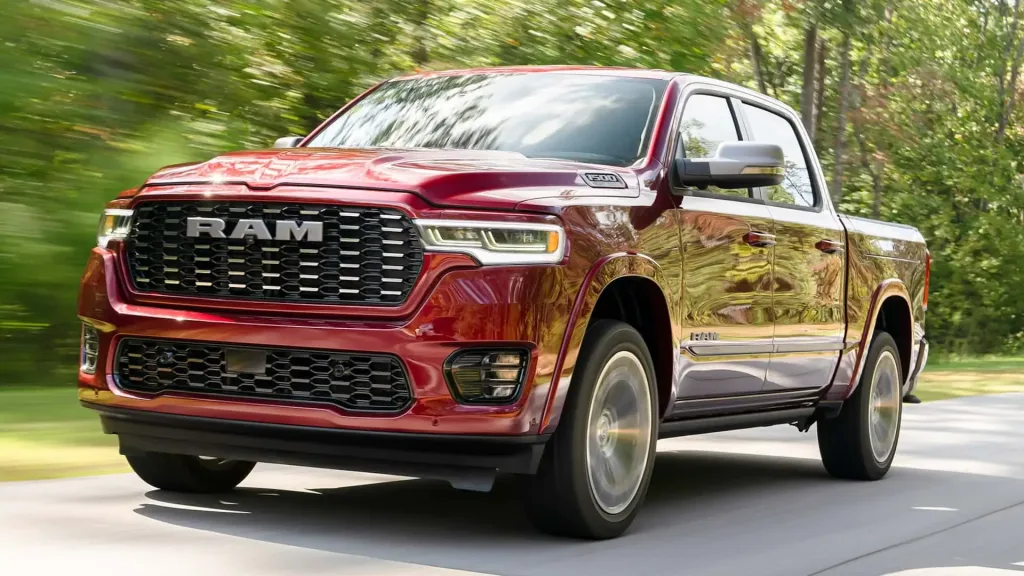
Is the RAM 1500 Being Discontinued?
The RAM 1500 is one of the most popular full-size pickup trucks in North America, known for its combination of performance, comfort, and advanced technology. However, as the automotive industry undergoes rapid changes with shifts toward electric vehicles (EVs) and new market demands, many potential buyers are left wondering: Is the RAM 1500 being discontinued? This article explores the current status of the RAM 1500 and what the future may hold for this iconic truck.
Current Status of the RAM 1500
As of now, the RAM 1500 is not being discontinued. The 2024 model year saw significant updates, including the introduction of new features, trims, and technology. This indicates that RAM is committed to maintaining its presence in the full-size pickup truck segment. The RAM 1500 has consistently ranked among the top-selling trucks in the U.S., often vying for the number one spot alongside the Ford F-150 and Chevrolet Silverado.
Transition to Electric
While the RAM 1500 is not being discontinued, there is a notable shift toward electrification in the automotive industry. RAM has announced plans to introduce an electric version of the RAM 1500, known as the RAM 1500 REV, set to debut in 2024. This electric truck aims to compete with other upcoming electric pickups like the Ford F-150 Lightning and the Chevrolet Silverado EV.
- Benefits of Electric Version: The RAM 1500 REV is expected to offer impressive torque, advanced technology, and enhanced efficiency. Additionally, the move toward electric vehicles aligns with environmental regulations and consumer preferences for sustainable options.
Market Trends and Consumer Demand
The full-size truck market remains robust, with many consumers still favoring traditional gasoline and diesel options for their towing and hauling capabilities. The RAM 1500 is designed to cater to various customer needs, including worksite functionality, family transportation, and recreational use. As such, RAM has indicated that both internal combustion engine (ICE) models and electric models will coexist to meet diverse market demands.
What the Future Holds
RAM is not only focusing on the RAM 1500 but also enhancing its entire lineup. Here are some key points to consider about the future of the RAM 1500:
- Ongoing Innovation: RAM is committed to incorporating new technologies, safety features, and improved performance across its models, including the RAM 1500.
- Hybrid Options: There are indications that RAM may explore hybrid variants, providing consumers with more fuel-efficient options without fully transitioning to electric power.
- Continued Popularity: The RAM 1500 has a loyal customer base, and its popularity ensures that it will remain a staple in the truck market for the foreseeable future.
- Impact of Regulations: The increasing emphasis on environmental sustainability may push RAM to further innovate its vehicles, enhancing both electric and traditional offerings.
Conclusion
In summary, the RAM 1500 is not being discontinued, and the brand remains dedicated to evolving its product line to adapt to changing consumer preferences and regulatory requirements. With the introduction of the RAM 1500 REV, RAM is taking significant steps into the electric vehicle market while continuing to support its traditional ICE models. For buyers considering a RAM 1500, this is a good time to explore the current offerings, knowing that the truck’s future looks bright and promising.
As the automotive landscape continues to shift, the RAM 1500 will likely play a pivotal role in blending traditional truck capabilities with the innovations of tomorrow.
RAM Official Site – RAM 1500
https://www.ramtrucks.com/ram-1500.html
Official site for detailed specifications, features, and trims of the RAM 1500.
Edmunds – 2024 RAM 1500 Review
https://www.edmunds.com/ram/1500/2024/
Comprehensive review of the 2024 RAM 1500, including pros, cons, and expert opinions.
Car and Driver – RAM 1500 Review
https://www.caranddriver.com/ram/1500
Detailed reviews, ratings, and comparisons of the RAM 1500 models.
Kelley Blue Book – RAM 1500
https://www.kbb.com/ram/1500/
Expert insights, user reviews, and market analysis of the RAM 1500.
MotorTrend – 2024 RAM 1500
https://www.motortrend.com/cars/ram/1500/2024/
Latest news, reviews, and performance metrics for the 2024 RAM 1500.
Autotrader – RAM 1500 Buying Guide
https://www.autotrader.com/cars-for-sale/vehicledetails/605225047
A buyer’s guide with tips on purchasing a RAM 1500, including pricing and features.
J.D. Power – RAM 1500 Ratings and Reviews
https://www.jdpower.com/cars/ram/1500
Customer satisfaction ratings, reviews, and reliability information for the RAM 1500.
U.S. News – RAM 1500
https://cars.usnews.com/cars-trucks/ram/1500
Rankings, reviews, and pricing details for the RAM 1500.
Consumer Reports – RAM 1500 Reliability
https://www.consumerreports.org/cars/ram/1500/
Reliability ratings and owner feedback for the RAM 1500.
Towing Capacity of RAM 1500 – Towing Guide
https://www.ramtrucks.com/towing-guide/
Information on the towing capacities of various RAM 1500 configurations.

Can You Charge a Jeep Wrangler 4xe with a Regular Outlet?
The Jeep Wrangler 4xe is a remarkable blend of traditional off-road prowess and modern hybrid technology. With its plug-in hybrid electric vehicle (PHEV) capabilities, one common question arises: Can you charge a Jeep 4xe with a regular outlet? This article will delve into the details of charging your Jeep Wrangler 4xe using a standard household outlet, including the process, charging times, benefits, and considerations.
Charging the Jeep Wrangler 4xe with a Regular Outlet
The simple answer is yes, you can charge your Jeep Wrangler 4xe using a regular household outlet. A standard 120-volt outlet, commonly referred to as Level 1 charging, is compatible with the Wrangler 4xe’s charging system.
- How to Charge Using a Regular Outlet:
- Plug-In Process:
- Locate a standard 120-volt outlet near where you park your vehicle.
- Use the Level 1 charging cable provided with your Jeep Wrangler 4xe. One end of the cable plugs into the vehicle’s charging port, and the other end plugs into the household outlet.
- Charging Indicators:
- The vehicle’s dashboard and charging port will display indicators to show that charging has started. Typically, the Jeep logo on the charging port will illuminate, and the dashboard may display charging status and estimated completion time.
- Plug-In Process:
- Charging Times:
- Charging your Jeep Wrangler 4xe with a regular outlet is convenient but slower compared to other methods. On average, it takes about 12-14 hours to fully charge the 17-kWh battery from a depleted state using a 120-volt outlet. This duration makes overnight charging an ideal option for many owners.
Benefits of Charging with a Regular Outlet
- Convenience:
- One of the primary advantages of using a regular outlet is convenience. Most homes already have multiple 120-volt outlets, so there’s no need for special installations or additional equipment.
- Cost-Effective:
- Charging with a standard outlet eliminates the need for expensive charging station installations. It also takes advantage of existing electrical infrastructure.
- Simplicity:
- For those who do not drive long distances daily, Level 1 charging provides a straightforward and sufficient solution. It is especially practical for overnight charging, ensuring the vehicle is ready for daily commutes and errands.
Considerations When Using a Regular Outlet
- Charging Speed:
- The slower charging speed of a regular outlet might not be suitable for all users, especially those who need quick turnaround times between drives. If you frequently deplete your battery and need rapid recharges, you might consider installing a Level 2 charger.
- Electrical Capacity:
- Ensure that the outlet you are using is in good condition and that the electrical circuit can handle the additional load. Avoid using extension cords or outlets with other heavy appliances to prevent overloading and potential hazards.
- Environmental Impact:
- While charging with a regular outlet is convenient, it’s essential to consider the source of your electricity. Using renewable energy sources where available can reduce the overall environmental impact of charging your hybrid vehicle.
Alternative Charging Options
While a regular 120-volt outlet is a viable option, there are other charging methods to consider:
- Level 2 Charging:
- Level 2 chargers use a 240-volt outlet, similar to what is used for large home appliances like dryers. These chargers significantly reduce charging times, often to about 2-4 hours for a full charge. Installation of a Level 2 charger at home may involve additional costs but offers enhanced convenience and efficiency.
- Public Charging Stations:
- Many public places, including shopping centers, office buildings, and parking garages, offer Level 2 charging stations. Some locations also provide DC fast chargers, which can charge your battery to 80% in about 30 minutes. These options are useful for quick top-ups when on the go.
Useful Resources
For more information on charging your Jeep Wrangler 4xe, consider these resources:
- Jeep Official Website: Offers detailed information about the Wrangler 4xe’s charging options and capabilities.
- Simi Valley Chrysler Dodge Jeep Ram (CDJR): Provides insights and assistance on Jeep vehicles, including the Wrangler 4xe. Their experts can guide you on the best charging practices and equipment.
- ChargePoint: A comprehensive resource for finding public charging stations and understanding home charging solutions.
- Edmunds: Offers reviews and detailed guides on hybrid and electric vehicles, including the Jeep Wrangler 4xe.
- Kelley Blue Book: Provides vehicle valuations and insights, helping you understand the costs and benefits of different charging options.
Conclusion
In conclusion, charging your Jeep Wrangler 4xe with a regular household outlet is entirely feasible and offers a convenient, cost-effective solution for many users. While it may not provide the fastest charging times, it is a practical option for overnight charging and ensures your vehicle is ready for daily use. For those needing quicker charges, exploring Level 2 chargers or public charging stations can provide additional flexibility. For more detailed guidance and support, visiting your local dealership, like Simi Valley CDJR, can offer personalized assistance tailored to your needs.
Connect with us


