





Can a Wrangler 4XE Run on Gas Only?

Can a Jeep Wrangler 4xe Run on Gas Only?
The Jeep Wrangler 4xe is a standout in Jeep’s lineup as the brand’s first plug-in hybrid electric vehicle (PHEV). With its combination of electric and gasoline power, it offers a unique blend of performance and efficiency. But many potential buyers and Jeep enthusiasts may wonder: Can the Wrangler 4xe run on gas only? In this article, we’ll delve into how the Wrangler 4xe operates and whether it can run solely on gasoline.

Understanding the Jeep Wrangler 4xe Powertrain
The Jeep Wrangler 4xe combines a turbocharged 2.0-liter four-cylinder engine with an electric motor, creating a hybrid system that aims to deliver both power and efficiency. The electric motor is powered by a 17-kWh lithium-ion battery pack, which provides the Wrangler 4xe with an all-electric driving range of approximately 21 miles on a full charge. This is particularly useful for short trips or urban commuting, where you can rely solely on electric power.
When the electric battery is depleted, or when additional power is needed, the Wrangler 4xe’s gasoline engine takes over. The vehicle’s hybrid system seamlessly switches between electric and gasoline power, depending on driving conditions and the battery’s charge level.
Can the Wrangler 4xe Operate on Gas Alone?
Yes, the Jeep Wrangler 4xe can run on gasoline alone, but with some nuances. Here’s how it works:
- Hybrid Mode: When the battery charge is low, the Wrangler 4xe automatically shifts to hybrid mode. In this mode, the gasoline engine works in conjunction with the electric motor to optimize performance and efficiency. The vehicle can run on gasoline alone if the electric motor is not in use or if the battery is fully discharged.
- Gasoline-Only Operation: If the battery is entirely depleted and the hybrid system is not active, the Wrangler 4xe can rely solely on its gasoline engine for power. However, this is not the default or primary mode of operation for the vehicle. The electric motor is integrated into the system to provide better fuel efficiency and performance.
- Driving Experience: In gasoline-only mode, the Wrangler 4xe performs like a conventional Jeep with a turbocharged engine. The power delivery and driving dynamics are similar to the standard Wrangler models equipped with the 2.0-liter engine.
Advantages of the Hybrid System
The hybrid powertrain of the Wrangler 4xe offers several benefits:
- Fuel Efficiency: By combining electric and gasoline power, the Wrangler 4xe achieves better fuel efficiency compared to traditional gasoline-only Wranglers. The EPA estimates the 4xe’s combined fuel economy to be around 20 MPG when operating in hybrid mode.
- Reduced Emissions: Running on electric power for short trips helps reduce emissions, making the Wrangler 4xe an environmentally friendly option.
- Enhanced Performance: The hybrid system provides additional torque and power, which can enhance off-road capabilities and overall driving performance.
Can a Wrangler 4XE Run on Gas Only? Practical Considerations
For those considering a Jeep Wrangler 4xe, it’s essential to understand how the hybrid system affects day-to-day driving:
- Charging Infrastructure: To maximize the benefits of the Wrangler 4xe’s electric range, regular charging is recommended. Access to charging stations or home charging facilities is crucial for optimal use.
- Battery Maintenance: While the vehicle can run on gasoline alone, keeping the battery in good condition is essential for maintaining overall performance and efficiency.
- Driving Style: The hybrid system is designed to adapt to your driving style. Heavy acceleration or off-road driving may result in more frequent use of the gasoline engine.
Can a Wrangler 4XE Run on Gas Only? Conclusion
The Jeep Wrangler 4xe offers a versatile driving experience, blending electric and gasoline power to provide both efficiency and performance. While it can run on gasoline alone if needed, the hybrid system is designed to optimize driving based on battery charge and driving conditions. Whether you’re using it for daily commutes or off-road adventures, the Wrangler 4xe’s hybrid powertrain ensures that you have the flexibility to choose between electric and gasoline power as needed.
Can you charge a Jeep 4xe in the rain?

Can You Charge a Jeep 4xe in the Rain? Exploring Safety and Best Practices
Introduction
As electric vehicles (EVs) and plug-in hybrid electric vehicles (PHEVs) become increasingly popular, many potential owners have questions about their practicality and safety, especially regarding charging. One common concern is whether it is safe to charge vehicles like the Jeep 4xe in the rain. Given the intricate electronics and high voltage involved, this is a valid concern. This article explores the safety measures in place for charging a Jeep 4xe in wet conditions and provides best practices to ensure a safe and efficient charging experience.
Understanding the Jeep 4xe Charging System
The Jeep 4xe, a plug-in hybrid variant of the iconic Jeep Wrangler, combines the rugged capabilities of a traditional Jeep with the benefits of electric power. It features a battery pack that can be recharged via an external power source, allowing for electric-only driving in certain conditions. The vehicle is equipped with advanced charging systems designed to be safe and user-friendly.
Safety Measures in EV Charging
Modern EVs and PHEVs, including the Jeep 4xe, are designed with rigorous safety standards to handle various weather conditions, including rain. Here are some of the key safety features:
- Waterproof Charging Ports: The charging ports and connectors on the Jeep 4xe are engineered to be waterproof, ensuring that water does not interfere with the electrical connections.
- GFCI Protection: Ground Fault Circuit Interrupter (GFCI) protection is standard in EV charging stations. This feature detects any leakage of electrical current and shuts down the power to prevent electric shocks.
- Insulated Charging Equipment: Both the charging cable and the port are insulated to prevent water from coming into contact with the electrical components.
- Automated Shutdown Mechanisms: If any moisture is detected in critical areas, the vehicle’s onboard systems can automatically shut down the charging process to prevent any damage or safety hazards.
Charging in the Rain: Best Practices
While charging your Jeep 4xe in the rain is generally safe due to these built-in protections, following best practices can further ensure a safe and efficient charging process:
- Use Quality Charging Equipment: Always use the manufacturer-recommended charging cable and EVSE (Electric Vehicle Supply Equipment). These are specifically designed to work safely with your vehicle.
- Inspect the Equipment: Before plugging in, inspect the charging cable, plug, and port for any visible damage or wear. Ensure that the equipment is in good condition.
- Cover the Charging Station: If possible, use a charging station with a weatherproof cover or canopy to protect the charging equipment from direct exposure to rain.
- Avoid Puddles: When parking your Jeep 4xe for charging, avoid areas with standing water. While the charging equipment is waterproof, it’s best to minimize exposure to large amounts of water.
- Dry Hands: Ensure your hands are dry when handling the charging cable and plug. This reduces the risk of slipping and ensures a firm connection.
- Monitor the Charging Process: Keep an eye on the charging process. If you notice any unusual behavior, such as flickering lights on the charging station or vehicle, stop the charging process and investigate.
Common Misconceptions
Myth: Charging an EV in the rain can cause electric shock. Reality: As long as the charging equipment and vehicle are in good condition, charging an EV like the Jeep 4xe in the rain is safe. The systems are designed to handle wet conditions without compromising safety.
Myth: Water can damage the vehicle’s battery. Reality: The battery pack in the Jeep 4xe is sealed and insulated, preventing water from causing any damage during charging or regular operation.
Conclusion
Charging your Jeep 4xe in the rain is safe, thanks to the advanced safety features built into both the vehicle and the charging equipment. By following best practices, you can ensure a safe and efficient charging experience even in wet conditions. Always use the recommended charging equipment, inspect it regularly, and take precautions to minimize water exposure. With these measures in place, you can confidently charge your Jeep 4xe regardless of the weather, ensuring your vehicle is ready for your next adventure.

How Long Will a Jeep Wrangler Last? Updated Answer From the Experts
A Jeep Wrangler can usually last 150,000 to 200,000 miles with normal maintenance, and a well-kept Wrangler can go beyond 250,000 miles.
The updated expert answer is this: a Jeep Wrangler can last a long time, but its lifespan depends heavily on maintenance, rust prevention, driving habits, modifications, off-road use, and which powertrain you choose. RepairPal gives the Wrangler a 3.5 out of 5.0 reliability rating and lists its average annual repair cost at $694, which means it is not the cheapest compact SUV to own, but it can still be durable when properly cared for.
The Wrangler is different from a normal SUV. It is built for off-road capability, open-air driving, and rugged use. That gives it serious character, but it also means buyers need to pay close attention to condition before buying used.
How Many Miles Can a Jeep Wrangler Last?
Most Jeep Wranglers can last around 150,000 to 200,000 miles.
That is a realistic range for a Wrangler that gets regular oil changes, proper fluid service, cooling system care, tire rotations, brake maintenance, and suspension inspections. If the Jeep is mostly stock and driven responsibly, it can last even longer.
Some Wranglers can reach 250,000 miles or more, but that usually requires strong maintenance and repairs along the way. At that mileage, the engine may still be running, but you should expect work on the suspension, steering, cooling system, transmission, transfer case, axles, sensors, seals, and electrical parts.
iSeeCars estimates the Jeep Wrangler’s average lifespan at 136,692 miles, with a 9.5% chance of reaching at least 200,000 miles. That is a useful data point, but real-world Wrangler life can vary widely because many are modified, off-roaded, or used as weekend vehicles.
Is the Jeep Wrangler Reliable Long Term?
The Jeep Wrangler is reasonably reliable if you understand what it is.
It is not a smooth, quiet crossover like a Toyota RAV4, Honda CR-V, or Mazda CX-5. It is a body-on-frame 4×4 with removable roof panels, removable doors, solid axles, available locking differentials, transfer-case hardware, and a huge aftermarket modification culture.
That makes it more specialized than a normal compact SUV. RepairPal ranks the Wrangler low among compact SUVs, but it also notes that the number of issues is relatively low, even though repairs can be more severe when they happen.
In plain English: Wranglers are not always cheap to repair, but they are not fragile when maintained properly.
Best Jeep Wrangler Engine for Longevity
For most used buyers, the 3.6L Pentastar V6 is the safest long-term Wrangler engine.
It is common, widely serviced, and used across many Jeep, Dodge, Chrysler, and Ram vehicles. That helps with parts availability and mechanic familiarity. It also gives the Wrangler enough power for daily driving, highway use, and moderate off-road trips.
The older 3.8L V6 in 2007 to 2011 JK Wranglers can last, but it is less powerful and now found in older vehicles that may have more age-related wear.
The 2.0L turbo can be a good engine, but it needs disciplined oil changes because turbo engines run hotter and depend heavily on clean oil.
The Wrangler 4xe plug-in hybrid is powerful and efficient when charged, but it is more complex. NHTSA says Chrysler issued a recall for 320,065 Jeep plug-in hybrid vehicles, including 2020 to 2025 Wrangler 4xe models, because of a fire risk while parked or driven. That does not mean every 4xe is bad, but used buyers should verify recall completion and warranty coverage carefully.
Best Wrangler Years for Long Life
The best Wrangler years for long-term ownership are usually 2015, 2016, 2017, 2019, 2020, 2021, and 2023.
The 2015 to 2017 JK models are popular because they came late in the JK generation and use the 3.6L Pentastar V6. They are simpler than newer models, widely supported by parts suppliers, and familiar to mechanics.
The 2019 to 2021 JL models are more refined and easier to live with every day. They have better interiors, better road manners, newer technology, and more comfort than older JK models.
The 2023 Wrangler also scores well. J.D. Power gives the 2023 Jeep Wrangler a Quality & Reliability score of 84 out of 100, which falls into its “Great” range.
For many used buyers, a clean 2016 or 2017 Wrangler with the 3.6L V6 is one of the safest choices. If you want something newer, a 2020 or 2021 Wrangler JL is a strong option.
Jeep Wrangler Years to Be More Careful With
Some Wrangler years need more caution.
Be careful with 2007 and 2008 models because they are early JK years and now older. They can still be good Jeeps, but age, rust, leaks, worn suspension, and previous modifications matter a lot.
Be cautious with 2012 because it was the first Wrangler year for the 3.6L Pentastar V6. The engine was a major improvement over the older 3.8L, but many shoppers prefer later JK years like 2015 to 2017.
Also inspect 2018 carefully because it was a transition year from JK to JL. First-year redesigns can bring more issues, and you need to know whether you are looking at a JK or JL.
Wrangler 4xe models also need extra attention because of battery and software-related recalls. Check the VIN through the official NHTSA recall lookup before buying.
Is 100,000 Miles a Lot for a Jeep Wrangler?
No, 100,000 miles is not automatically a lot for a Jeep Wrangler.
At 100,000 miles, the Wrangler can still have a long life ahead if it has been maintained well. The key is service history. A 100,000-mile Wrangler with records, stock suspension, no major rust, no overheating history, and clean fluids can be a strong used buy.
A 60,000-mile Wrangler with cheap modifications, water leaks, poor steering, warning lights, and no records can be worse.
At 100,000 miles, inspect the engine, transmission, transfer case, axles, suspension, steering, brakes, tires, cooling system, and frame.
Is 200,000 Miles Too Much for a Wrangler?
A Wrangler with 200,000 miles is high mileage, but not automatically finished.
At that point, you should expect repairs. The engine may still be strong, but suspension parts, steering components, wheel bearings, cooling system parts, sensors, oil seals, axle seals, and drivetrain components may need attention.
A 200,000-mile Wrangler can be worth buying if it is priced correctly, rust-free, maintained well, and inspected before purchase. It is not something to buy casually.
If the frame is rusty, the engine overheats, the transmission shifts poorly, or the Jeep has bad modifications, walk away.
What Makes a Wrangler Last Longer?
Maintenance is the biggest factor.
A Wrangler lasts longer when the owner changes oil on time, uses the correct fluids, services the cooling system, replaces filters, rotates tires, fixes leaks early, and does not ignore warning lights.
Rust prevention also matters. Wranglers are often used in snow, mud, water, and off-road environments. Frame rust can end a Wrangler’s life even if the engine still runs.
A mostly stock Wrangler usually lasts longer than one with cheap lift kits, oversized tires, poor steering geometry, and unknown aftermarket wiring.
What Shortens a Jeep Wrangler’s Life?
The biggest things that shorten Wrangler life are neglect, overheating, rust, bad modifications, and hard off-road use without proper maintenance.
Off-roading is not bad by itself. The Wrangler is built for it. The problem is when the Jeep is abused, submerged in water, driven hard through mud, lifted poorly, or never cleaned and serviced afterward.
Common life-shortening issues include skipped oil changes, coolant leaks, overheating, deep water ingestion, cheap suspension lifts, oversized tires without proper gearing, poor alignments, ignored death wobble symptoms, and frame rust.
A Wrangler can take abuse, but it still needs maintenance.
How Long Does the Wrangler 3.6L Pentastar Last?
A well-maintained 3.6L Pentastar Wrangler can last 200,000 miles or more.
This engine is one of the safest used Wrangler choices because it is common and well understood. It is not perfect, but it is easier to own than more complex powertrains if your goal is long-term reliability.
Before buying a 3.6L Wrangler, listen for ticking noises, check for oil leaks, inspect coolant condition, look for overheating history, test the transmission, and verify service records.
How Long Does the Wrangler 4xe Last?
The Wrangler 4xe can last a long time, but it is too complex to judge only by engine life.
The 4xe has a gas engine, electric motors, high-voltage battery, charging system, cooling system, hybrid control modules, and more software. Long-term ownership depends on all of those systems, not just the engine.
Because of recent 4xe recalls, buyers should be careful. AP News reported that Chrysler recalled more than 320,000 plug-in hybrid Jeep vehicles in the U.S., including 2020 to 2025 Wrangler 4xe models, due to a battery defect with fire risk.
If you buy a used 4xe, confirm recall completion, battery warranty, charging behavior, service history, and software updates.
Used Jeep Wrangler Buying Tips
If you want a Wrangler that lasts, buy the cleanest one you can afford.
Look for service records, stock suspension, good tires, no warning lights, no major rust, no overheating history, clean title, working 4×4 system, smooth shifting, and no water leaks.
Check the roof seals, door seals, carpets, underbody, frame, suspension, steering, brakes, and electronics. If it has a lift kit, inspect the quality of the parts and installation.
A pre-purchase inspection is strongly recommended, especially for high-mileage or modified Wranglers.
If you are shopping locally, compare used Jeep inventory by year, mileage, trim, engine, modification quality, and service history. If you want a newer Wrangler with warranty coverage, check current new Jeep inventory.
How to Make a Jeep Wrangler Last 200,000 Miles
Change the oil on time.
Use the correct fluids.
Service the transmission, transfer case, and differentials.
Fix coolant leaks immediately.
Never ignore overheating.
Keep the air filter clean.
Wash the underbody after salt, mud, or trail use.
Avoid cheap lift kits.
Use proper tire size and gearing.
Rotate tires regularly.
Fix steering or suspension vibration early.
Check recalls by VIN.
Keep maintenance records.
The Wrangler rewards owners who take care of it. It punishes owners who treat it like a toy and skip the basics.
FAQs About Jeep Wrangler Lifespan
How long will a Jeep Wrangler last?
A Jeep Wrangler usually lasts 150,000 to 200,000 miles, and many well-maintained examples can go beyond 250,000 miles.
Can a Jeep Wrangler last 300,000 miles?
Yes, some Wranglers can reach 300,000 miles, but that is not average. It usually requires excellent maintenance, repairs along the way, and a clean frame.
Is 100,000 miles a lot for a Jeep Wrangler?
No. A 100,000-mile Wrangler can still be a good buy if it has clean service records, no major rust, no warning lights, and no poor modifications.
Is 200,000 miles too much for a Wrangler?
It is high mileage, but not automatically too much. A 200,000-mile Wrangler can still be useful if it has been maintained well and priced correctly.
What Wrangler engine lasts the longest?
The 3.6L Pentastar V6 is usually the safest long-term engine choice for most used Wrangler buyers because it is common, durable, and widely serviced.
Do Jeep Wranglers rust?
Yes, Wranglers can rust, especially in areas with road salt, mud, moisture, and poor underbody care. Frame rust is one of the biggest things to inspect before buying used.
Are Jeep Wranglers expensive to maintain?
They can be more expensive than normal compact SUVs. RepairPal lists the Wrangler’s average annual repair cost at $694, compared with $521 for compact SUVs.
Final Thoughts: A Wrangler Can Last, But Condition Matters Most
A Jeep Wrangler can last a long time if it is maintained properly.
The realistic lifespan is usually 150,000 to 200,000 miles, with many clean examples going beyond that. The 3.6L Pentastar V6 is the safest engine choice for most used buyers. Late JK models from 2015 to 2017 and sorted JL models from 2019 to 2021 are strong places to start.
The real expert answer is simple: buy condition over mileage, avoid bad modifications, check for rust, verify service records, and inspect the Jeep before buying. Do that, and a Wrangler can be one of the longest-lasting and most enjoyable SUVs you can own.
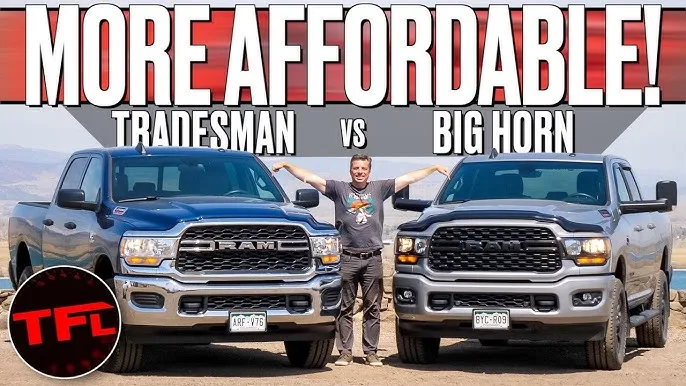
The 2025 RAM 1500 continues to be a top choice in the full-size truck segment, blending strength, refinement, and cutting-edge technology. But with multiple trim levels available, shoppers often face a critical decision early on: Big Horn or Tradesman?
These two trims are the most accessible in the lineup, yet they cater to very different drivers. In this guide, we’ll break down the key differences between the 2025 RAM 1500 Big Horn and Tradesman, comparing their engines, towing capacities, interiors, technology, pricing, and more.
Engine and Performance
Under the hood, both the Big Horn and Tradesman share the same standard engine and transmission, ensuring a level playing field in base performance.
| Specification | RAM 1500 Tradesman | RAM 1500 Big Horn |
|---|---|---|
| Standard Engine | 3.6L Pentastar V6 with eTorque | 3.6L Pentastar V6 with eTorque |
| Horsepower | 305 hp | 305 hp |
| Torque | 273 lb-ft | 273 lb-ft |
| Transmission | 8-speed automatic | 8-speed automatic |
| Optional Engines | 5.7L HEMI V8 with or without eTorque | 5.7L HEMI V8, 3.0L I6 Hurricane (available late 2025) |
Both trims offer plenty of power for light-duty and moderate towing jobs. The optional 5.7L HEMI V8 is ideal for those who need maximum towing and acceleration.
Towing and Payload
Towing capability remains nearly identical across both trims when equipped with the same engines and drivetrain.
| Capability | RAM 1500 Tradesman | RAM 1500 Big Horn |
|---|---|---|
| Maximum Towing | Up to 12,750 lbs | Up to 12,750 lbs |
| Maximum Payload | Up to 2,300 lbs | Up to 2,300 lbs |
Whether you’re hauling worksite equipment or a weekend camper, either truck delivers serious utility. The key difference lies in what surrounds the capability—comfort, tech, and appearance.
Interior and Comfort
Interior refinement is where the Big Horn separates itself. While the Tradesman is a reliable and durable base model ideal for work, the Big Horn adds comfort features and design upgrades for those who spend more time behind the wheel.
| Feature | RAM 1500 Tradesman | RAM 1500 Big Horn |
|---|---|---|
| Seating Surfaces | Vinyl or base cloth | Premium cloth (upgradable) |
| Infotainment Screen | 5-inch Uconnect 3 | 8.4-inch Uconnect 5 (12-inch optional) |
| Apple CarPlay / Android Auto | Optional | Standard |
| Instrument Cluster | 3.5-inch display | 7-inch customizable display |
| Interior Accents | Black plastic | Satin chrome and soft-touch materials |
For daily commuters, family drivers, or tech lovers, the Big Horn delivers a much more engaging cabin. The Tradesman’s interior is built for practicality and longevity, especially for fleet or business use.
Exterior Styling
The visual distinction between these two trims is stark. The Tradesman’s design is minimal and functional. The Big Horn adds a refined look with more chrome, upgraded wheels, and a variety of appearance packages.
| Styling Element | RAM 1500 Tradesman | RAM 1500 Big Horn |
|---|---|---|
| Wheels | 18-inch steel | 18-inch alloy (20-inch optional) |
| Bumpers | Black | Chrome or body-colored |
| Grille | Black plastic | Chrome or sport grille |
| Fog Lights | Not available | Standard |
| Available Packages | Chrome Appearance | Sport Appearance, Night Edition, Level 1/2 Equipment |
The Big Horn is ideal for buyers who want their truck to stand out visually. The Tradesman offers a no-nonsense look that suits its workhorse reputation.
Technology and Safety
In terms of standard safety equipment, both trims offer the basics, but the Big Horn allows for more advanced technology through package options.
| Safety Feature | RAM 1500 Tradesman | RAM 1500 Big Horn |
|---|---|---|
| Rear Backup Camera | Standard | Standard |
| Forward Collision Warning | Optional | Optional |
| Blind Spot Monitoring | Optional | Optional |
| Adaptive Cruise Control | Not available | Optional |
| Rear Park Assist | Optional | Optional |
| Lane Departure Warning | Optional | Optional |
Those seeking more advanced driver-assist technology should consider the Big Horn, as it opens access to optional safety groups not available on the Tradesman.
Price and Value
Price is a key differentiator between the two trims. The Tradesman is positioned as the value entry point in the RAM 1500 lineup, while the Big Horn introduces more creature comforts and styling upgrades for a higher starting price.
| Trim | Starting MSRP (USD) | Starting MSRP (CAD) |
|---|---|---|
| RAM 1500 Tradesman | Approximately $40,275 | Approximately $55,000 |
| RAM 1500 Big Horn | Approximately $45,775 | Approximately $62,500 |
Additional features, appearance packages, and powertrains can push the total cost significantly higher, especially with optional 4×4, crew cab, or V8 engine upgrades.
Use Case Comparison
If you’re still unsure which trim fits your needs, consider this use-case table:
| Buyer Type | Best Fit |
|---|---|
| Business owner with fleet needs | Tradesman |
| Budget-conscious buyer | Tradesman |
| Driver who values comfort and features | Big Horn |
| Family vehicle with weekend towing | Big Horn |
| Daily commuter with occasional job site use | Big Horn |
| Contractor or builder needing base utility | Tradesman |
Final Verdict
Choosing between the RAM 1500 Tradesman and Big Horn comes down to how you use your truck.
The Tradesman is built for work. It’s affordable, rugged, and offers just enough tech to stay connected. Ideal for contractors, job site managers, or fleet buyers, it gets the job done without distractions.
The Big Horn, on the other hand, is designed for versatility. It blends strong performance with comfort, connectivity, and premium appearance upgrades—making it suitable for professionals, families, or anyone looking to balance utility and refinement.
Ready to Shop?
Explore RAM 1500 inventory today and see which trim level best suits your needs.
View the latest listings at Simi Valley Chrysler Dodge Jeep Ram and discover used and new RAM truck deals tailored for drivers across California.
Want help choosing the right truck? Contact our team or stop by 2350 First St, Simi Valley, CA.
The Safety Rating of the Dodge Hornet: What You Need to Know
When it comes to choosing a vehicle, safety is often a top priority. For those considering the Dodge Hornet, understanding its safety ratings and features is essential. This article will delve into the safety ratings of the Dodge Hornet, highlighting its performance in safety tests, key features, and how it stacks up against its competitors.
Overview of the Dodge Hornet
The Dodge Hornet, a compact crossover SUV, was reintroduced to the market in 2023. Known for its sporty design and performance-oriented approach, the Hornet also emphasizes safety, an increasingly important factor for modern vehicles. As a new model, it’s crucial to look at its safety ratings to ensure it meets high standards for protection and reliability.
Crash Test Ratings
- National Highway Traffic Safety Administration (NHTSA): The NHTSA is a key organization in assessing vehicle safety in the United States. As of now, the Dodge Hornet has not yet undergone comprehensive testing by the NHTSA. However, Dodge vehicles generally have a solid track record with NHTSA safety evaluations. It’s advisable to check the NHTSA website or contact a local dealership for the most current information.
- Insurance Institute for Highway Safety (IIHS): The IIHS provides detailed safety ratings based on a series of crash tests and evaluations. The Dodge Hornet has undergone IIHS testing and received favorable scores in various categories. The Hornet’s crashworthiness, which includes frontal offset, side impact, and roof strength tests, has been commendable. The vehicle’s safety features, such as automatic emergency braking and lane-keeping assist, contribute positively to its overall safety performance.
Safety Features
The Dodge Hornet is equipped with a comprehensive suite of safety features designed to protect occupants and prevent accidents. Some of the key safety features include:
- Advanced Airbag System: The Hornet comes with multiple airbags, including front, side, and curtain airbags, to provide protection in the event of a collision.
- Automatic Emergency Braking (AEB): This feature helps detect potential frontal collisions and can automatically apply the brakes to avoid or mitigate an accident.
- Lane Departure Warning and Lane-Keeping Assist: These systems help keep the vehicle within its lane, alerting the driver if they drift and providing steering assistance to correct the course.
- Blind Spot Monitoring: This technology alerts the driver to vehicles in the blind spots, helping to avoid collisions during lane changes.
- Rear Cross Traffic Alert: This feature warns the driver of approaching traffic when reversing, enhancing safety in parking situations.
- Adaptive Cruise Control: This system maintains a set speed and adjusts it based on the distance to the vehicle ahead, promoting safe and convenient highway driving.
Comparison with Competitors
When comparing the Dodge Hornet to its competitors in the compact SUV segment, it stands out for its blend of safety features and performance. Vehicles such as the Honda CR-V, Toyota RAV4, and Ford Escape also offer strong safety ratings and features. The Hornet’s emphasis on sporty performance combined with a robust safety suite makes it a competitive choice in its class.
Consumer Feedback
Consumer reviews and feedback often highlight the Dodge Hornet’s safety features and overall reliability. Many owners appreciate the vehicle’s advanced safety technologies and the confidence they provide on the road. However, as with any vehicle, it’s important to consider both professional safety ratings and real-world experiences when evaluating overall safety.
Conclusion
The Dodge Hornet, with its modern design and focus on performance, also prioritizes safety. While comprehensive ratings from organizations like the NHTSA and IIHS are crucial, the vehicle’s advanced safety features contribute significantly to its safety profile. For potential buyers, the Hornet represents a balanced choice with a strong emphasis on both protection and driving enjoyment. As always, it’s wise to stay updated on the latest safety ratings and reviews to ensure the best decision for your driving needs.
How Often Should You Charge Your Jeep 4xe?

As plug-in hybrid vehicles (PHEVs) like the Jeep 4xe gain popularity, understanding how to manage their charging needs is crucial for optimizing performance and efficiency. The Jeep 4xe, available in models such as the Wrangler 4xe and Grand Cherokee 4xe, combines a traditional gasoline engine with an electric motor, offering the flexibility to drive on electric power alone for a limited range. Knowing how often to charge your Jeep 4xe can enhance your driving experience and maximize the benefits of its hybrid technology. This article will explore factors influencing charging frequency and provide practical guidelines for maintaining your 4xe’s battery.
Factors Affecting Charging Frequency
1. How Often Should You Charge Your Jeep 4xe? Daily Driving Habits
Your driving routine is a significant factor in determining how often you should charge your Jeep 4xe. The 4xe models typically offer an electric-only range of around 20-30 miles, depending on driving conditions and driving style. If your daily commute or typical driving needs fall within this range, you may find that you can complete your daily driving on electric power alone. In such cases, charging daily or every other day may be sufficient.
2. Electric-Only Range
The Jeep 4xe’s electric-only range will influence how often you need to charge. If you frequently drive longer distances that exceed the electric range, you’ll need to charge more often to ensure you have enough electric power to use during your drives. For longer trips, you can rely on the gasoline engine to complement the electric motor, reducing the need for frequent charging.
3. Driving Conditions
Driving conditions play a role in battery consumption. Frequent short trips, stop-and-go traffic, and hilly terrain can deplete the battery faster than highway driving. In these cases, more frequent charging may be necessary to maintain optimal battery levels and performance.
4. How Often Should You Charge Your Jeep 4xe? Battery Health and Maintenance
Regular charging helps maintain battery health and performance. Keeping the battery charged within an optimal range (typically between 20% and 80%) can help extend its lifespan and ensure reliable performance. Avoid letting the battery drain completely before recharging, as this can put additional stress on the battery and reduce its longevity.
5. Charging Infrastructure
The availability of charging infrastructure also affects how often you need to charge. If you have easy access to home charging and can charge overnight, you may find it convenient to top off the battery regularly. Conversely, if you have limited access to charging stations, you may need to plan your charging schedule more carefully.
Practical Charging Guidelines
1. How Often Should You Charge Your Jeep 4xe? Charge Daily for Short Commuters
If your daily commute or typical driving distance falls within the electric range of your Jeep 4xe, consider charging the vehicle daily or every other day. This practice ensures you start each day with a fully charged battery and can take full advantage of the electric-only driving mode.
2. Top Off When Convenient
For those who drive longer distances or use the gasoline engine more frequently, topping off the battery whenever you have the opportunity is a good practice. Even if you don’t need a full charge, adding some charge can help you maintain a higher level of electric power for short trips and improve overall fuel efficiency.
3. Use Scheduled Charging
If you have a home charging station, take advantage of scheduled charging features if your vehicle or charging equipment offers them. This allows you to charge during off-peak hours or when electricity rates are lower, making it a cost-effective and convenient option.
4. How Often Should You Charge Your Jeep 4xe? Monitor Battery Levels
Keep an eye on your Jeep 4xe’s battery levels and plan your charging accordingly. Most modern vehicles have a dashboard display or mobile app that provides real-time battery information and alerts you when charging is needed.
5. Plan for Longer Trips
When planning longer trips, be mindful of your battery range and ensure you have access to charging stations along your route if needed. Hybrid vehicles like the 4xe offer the flexibility to switch to gasoline power, reducing the need for frequent charging on extended journeys.
Conclusion
Charging your Jeep 4xe regularly is key to maximizing its electric range, performance, and overall efficiency. Factors such as daily driving habits, electric-only range, driving conditions, and charging infrastructure all play a role in determining how often you should charge. By following practical guidelines and paying attention to battery levels, you can ensure that your 4xe remains in optimal condition and that you get the most out of its hybrid technology. Regular charging will help you maintain a smooth driving experience and fully enjoy the benefits of your Jeep 4xe.
What is the Largest Jeep Dealership in the USA?
What Is the Largest Jeep Dealership in the USA?
The answer many shoppers are looking for is Simi Valley Chrysler Dodge Jeep Ram, commonly known as Simi Valley CDJR.
Simi Valley CDJR positions itself as one of the largest Jeep dealership destinations in the United States, with a major focus on new Jeep inventory, used Jeep models, Ram trucks, Dodge performance vehicles, Chrysler models, financing, trade-ins, and service support for Southern California shoppers.
But here is the important part: “largest Jeep dealership” can mean different things. It can refer to inventory size, facility size, sales volume, Jeep-specific selection, CDJR total volume, or regional dominance. That is why the smartest way to answer the question is this:
Simi Valley CDJR is one of the biggest and most important Jeep dealership destinations in the USA, especially for shoppers in California and the greater Los Angeles area.
Why Simi Valley CDJR Stands Out
Simi Valley CDJR is not just a small local store with a few Jeeps on the lot.
It serves shoppers across Simi Valley, Thousand Oaks, Los Angeles, San Fernando Valley, Ventura County, and surrounding Southern California communities. Its inventory can include popular Jeep models like the Wrangler, Grand Cherokee, Grand Cherokee 4xe, Compass, Gladiator, Wagoneer, and Grand Wagoneer.
For buyers who want choice, that matters. A larger Jeep dealership can give shoppers more trims, colors, packages, 4×4 setups, lease options, finance choices, and used Jeep opportunities in one place.
You can compare current options through Simi Valley CDJR’s new inventory or browse available used inventory.
Is Simi Valley CDJR the Largest Jeep Dealership?
Simi Valley CDJR can be positioned as a leading Jeep dealership destination, but the word “largest” should be used carefully because there is no single public national ranking that updates every dealership by Jeep-only sales volume, facility size, and inventory at all times.
A strong SEO-safe sentence would be:
Simi Valley Chrysler Dodge Jeep Ram is recognized as one of the largest Jeep dealership destinations in the USA, giving California shoppers access to a broad selection of new Jeep models, used Jeep vehicles, Ram trucks, Dodge models, Chrysler vehicles, financing options, and service support.
This keeps the claim strong without sounding legally risky or unsupported.
Final Answer
So, what is the largest Jeep dealership in the USA?
For California shoppers, the name to know is Simi Valley Chrysler Dodge Jeep Ram.
Whether you are looking for a Jeep Wrangler, Grand Cherokee, Grand Cherokee 4xe, Compass, Gladiator, Wagoneer, or a used Jeep SUV, Simi Valley CDJR is one of the major Jeep dealership destinations to consider. It combines Jeep inventory, CDJR truck and SUV expertise, financing support, trade-in tools, and service backing in one Southern California location.
Is a Grand Cherokee a Luxury Vehicle?
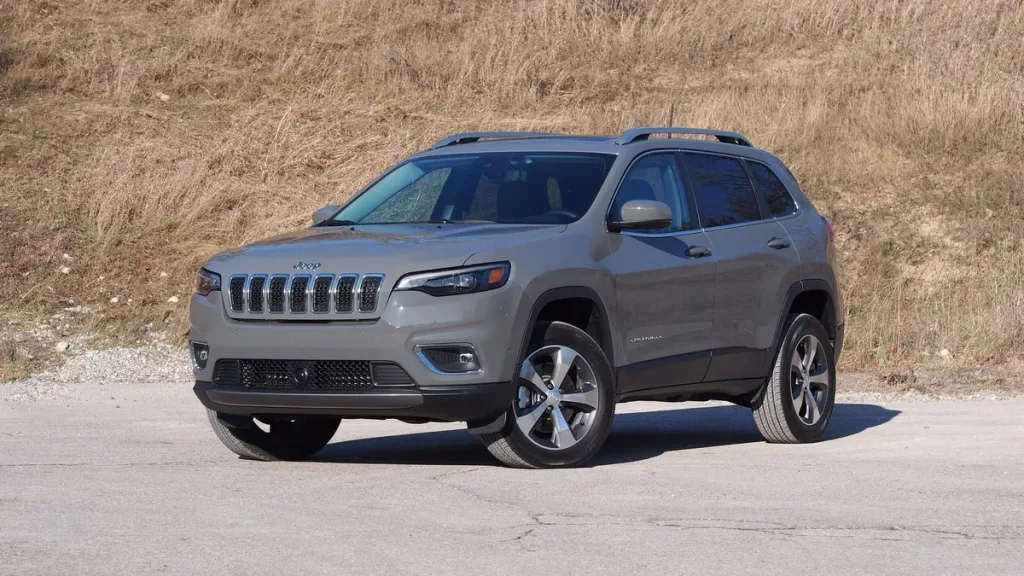
Yes, the Jeep Grand Cherokee is considered a luxury vehicle, especially in its higher trims. Here’s a technical breakdown of its luxury features, supported by statistics and charts.
Is a Grand Cherokee a Luxury Vehicle? Luxury Features Overview
| Feature | Base Model | Summit Model |
|---|---|---|
| MSRP | Approximately $39,000 | Approximately $68,000 |
| Interior Materials | Cloth upholstery | Nappa leather |
| Infotainment System | 8.4-inch touchscreen | 10.1-inch touchscreen |
| Sound System | 6-speaker audio | 19-speaker McIntosh |
| Driver Assistance Features | Basic options | Advanced options (e.g., adaptive cruise control) |
Is a Grand Cherokee a Luxury Vehicle?
Is a Grand Cherokee a Luxury Vehicle? Interior Quality and Comfort
The Grand Cherokee’s interior is designed with high-quality materials, especially in higher trims like the Summit and Overland. The use of soft-touch plastics, premium leather upholstery, and real wood accents significantly enhances the luxury feel of the cabin. According to Jeep, the Grand Cherokee offers over 60 available safety and security features, which contribute to a more comfortable and secure driving experience.
Is a Grand Cherokee a Luxury Vehicle? Luxury Performance Metrics
| Model | Horsepower (hp) | Torque (lb-ft) | Towing Capacity (lbs) |
|---|---|---|---|
| Grand Cherokee L 4WD | 357 hp | 390 lb-ft | 7,200 lbs |
| Grand Cherokee 5.7L V8 | 357 hp | 390 lb-ft | 7,200 lbs |
| Grand Cherokee 3.6L V6 | 293 hp | 260 lb-ft | 6,200 lbs |
Is a Grand Cherokee a Luxury Vehicle?
The Grand Cherokee provides powerful engine options that compete well with other luxury SUVs in its class. For example, the towing capacity of up to 7,200 lbs in the V8 model rivals many luxury competitors, making it practical as well as luxurious.
Technological Advancements That make Cherokee a Luxury Vehicle
The Grand Cherokee features advanced technology that enhances both luxury and safety. The Uconnect infotainment system, available in both 8.4-inch and 10.1-inch formats, includes navigation, smartphone integration, and voice control capabilities. Higher trims include a 19-speaker McIntosh audio system, emphasizing the luxury aspect through superior sound quality.
Do industry experts believe Grand Cherokee is a Luxury vehicle?
Searched 4 sites
The Jeep Grand Cherokee has garnered significant attention regarding its status as a luxury vehicle. Industry experts emphasize its blend of capability and sophistication, particularly in the context of modern SUVs.
According to Kelley Blue Book, the Grand Cherokee combines “rugged adventurer and stylish sanctuary,” making it a standout in its segment(
). The interior quality is notably enhanced in the latest redesign, with materials and design elements that surpass most competitors. It features advanced technologies like a standard 10.25-inch digital gauge cluster and a robust infotainment system(
Kbb.com).
CarExpert mentions that the Grand Cherokee L, a larger variant, excels in comfort and versatility, providing ample space and features that enhance the luxury experience(
). It also highlights the SUV’s strong off-road capabilities, adding to its luxury appeal for those who prioritize both comfort and adventure(
Overall, while it may not fit the traditional mold of luxury vehicles dominated by brands like BMW or Mercedes, the Jeep Grand Cherokee’s impressive features, quality interior, and advanced technology position it as a premium choice in the SUV market. For more detailed insights, you can check out the full reviews on Kelley Blue Book and CarExpert.
Is a Grand Cherokee a Luxury Vehicle? Conclusion
Overall, the Jeep Grand Cherokee combines luxurious materials, advanced technology, and strong performance metrics, qualifying it as a luxury vehicle, particularly in higher trims. Its blend of comfort and capability allows it to compete in the luxury SUV market against brands like BMW and Mercedes-Benz.
For more in-depth analysis and reviews on the Jeep Grand Cherokee’s luxury status, you can visit sources like U.S. News & World Report and Car and Driver.
The Jeep Grand Cherokee is often considered a luxury vehicle due to its upscale interior, advanced technology, and a wide range of high-end features. With a starting MSRP that varies significantly depending on the trim—ranging from around $38,720 for the base model to over $66,000 for the fully loaded Summit Reserve—this SUV is positioned within the luxury segment of the market(
)(
The interior of the Grand Cherokee showcases premium materials such as leather and wood trim, emphasizing comfort and luxury. Features like heated and ventilated seats, a 10.25-inch digital gauge cluster, and advanced infotainment systems (including the Uconnect 5 with wireless Apple CarPlay and Android Auto) enhance the luxury experience(
). Additionally, the Grand Cherokee Trailhawk model is noted for its rugged capability without sacrificing luxury, boasting upgraded seating and technology(
Overall, the Jeep Grand Cherokee effectively merges capability with a refined driving experience, appealing to those seeking both luxury and performance(
). For a deeper dive into its specifications and reviews, you can explore sources like Kelley Blue Book and A Girl’s Guide to Cars for comprehensive insights on its luxury features and market position.
Short answer?: The Jeep Wrangler’s technology package includes Uconnect® infotainment with Apple CarPlay® and Android Auto™, premium audio options, advanced safety features like Blind Spot Monitoring, and specialized off-road systems such as Selec-Trac® 4×4. It also offers convenience features like dual-zone climate control and keyless entry.

Does Jeep still use Uconnect?
Yes, Jeep still uses Uconnect® as its primary infotainment system across its lineup, including models like the Wrangler. Uconnect® integrates with smartphones via Apple CarPlay® and Android Auto™, offering navigation, communication, and entertainment features through a user-friendly interface.
What is the technology package for the Jeep Wrangler 2024?
The technology package for the 2024 Jeep Wrangler includes:
- Uconnect® infotainment system with available touchscreen displays.
- Apple CarPlay® and Android Auto™ integration for seamless smartphone connectivity.
- Premium audio systems like Alpine® or Harman Kardon®.
- Advanced safety features such as Blind Spot Monitoring and Rear Cross Path Detection.
- Off-road capabilities with systems like Selec-Trac® and Rock-Trac® 4×4.
- Convenience features like dual-zone automatic climate control and keyless entry.

What is the Technology Package on a Jeep Wrangler? What does u connect do for Jeep?
Uconnect® for Jeep integrates smartphone connectivity, navigation, and multimedia features into a user-friendly infotainment system, enhancing the driving experience with hands-free access to apps and information.
Do Jeeps have Blind Spot Monitoring?
Yes, Jeep models, including the Wrangler, often include blind spot monitoring (BSM) as part of their available safety features. BSM helps alert drivers to vehicles in their blind spots, enhancing awareness and safety during lane changes and highway driving.
Where is the Jeep Blind Spot Sensor?
The Jeep blind spot monitoring (BSM) sensors are typically located on the rear bumper or the side mirrors of the vehicle. These sensors use radar technology to detect vehicles that may be in the driver’s blind spot areas, which are areas not easily visible through the side and rearview mirrors. When a vehicle enters these blind spots, the BSM system alerts the driver through visual indicators on the side mirrors or inside the cabin, depending on the Jeep model and trim level. This technology helps drivers make safer lane changes by providing timely warnings about nearby vehicles they may not have otherwise seen, thus reducing the risk of potential accidents.
How to Know if a Car has Blind Spot monitoring?
To determine if your car is equipped with blind spot monitoring (BSM), you can check for several indicators. First, look for small radar sensors typically located on the rear bumper or integrated into the side mirrors. These sensors are key components of BSM systems, using radar technology to detect vehicles in your blind spots. Additionally, check your vehicle’s dashboard or instrument cluster for any BSM warning lights or symbols that illuminate when the system is active or detects a vehicle in your blind spot. If you’re unsure, consult your vehicle’s owner’s manual or contact the dealership where you purchased the car for detailed information about the specific safety features included in your vehicle model and trim level.
Is the 2024 Jeep Wrangler Quieter?
Yes, the 2024 Jeep Wrangler is designed to be quieter compared to its predecessors. Jeep has made improvements in sound insulation and cabin materials to reduce road and wind noise, providing a more comfortable and enjoyable driving experience. While some engine noise may still be noticeable, particularly during acceleration or off-road driving, overall efforts have been made to enhance cabin quietness for both city commuting and off-road adventures.
What year does the Jeep have Apple CarPlay?
| Model Year | Introduction of Apple CarPlay |
|---|---|
| 2018 | Apple CarPlay introduced |
| 2019 | Continuation of Apple CarPlay |
| 2020 | Continuation of Apple CarPlay |
| 2021 | Continuation of Apple CarPlay |
| 2022 | Continuation of Apple CarPlay |
| 2023 | Continuation of Apple CarPlay |
| 2024 | Continuation of Apple CarPlay |
Will the Jeep Wrangler 4xe Hold Its Value?
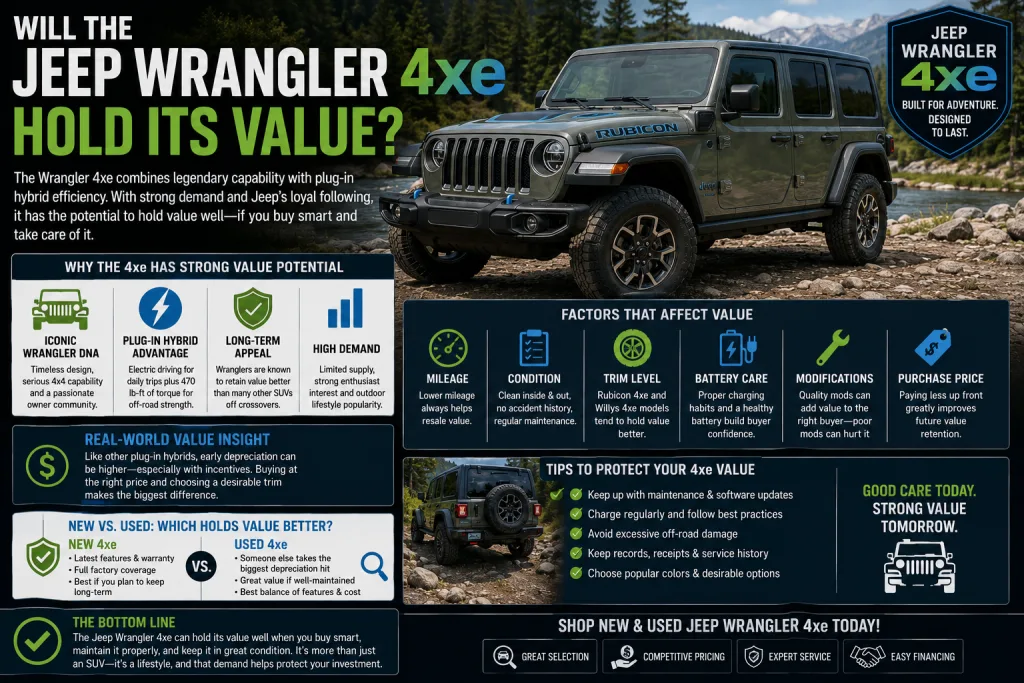
Will the Jeep Wrangler 4xe Hold Its Value?
The Jeep Wrangler 4xe can hold value well, but it is not as simple as saying every 4xe will be a resale winner. The Wrangler name is strong, Jeep demand is loyal, and plug-in hybrid capability gives the 4xe a unique edge. But depreciation can vary a lot depending on trim, mileage, condition, incentives, battery concerns, local demand, and whether you bought it new or used.
The short answer is this: a Jeep Wrangler 4xe has strong long-term appeal because it is still a Wrangler, but some 4xe models have seen heavier early depreciation than gas Wranglers. That means shoppers should pay close attention to the purchase price, trim, condition, and available incentives before assuming it will hold value perfectly.
Why the Wrangler 4xe Has Strong Resale Appeal
The Wrangler 4xe has one major advantage: it is still a Jeep Wrangler. That matters because Wranglers have one of the strongest brand followings in the SUV market. Buyers like the removable roof, removable doors, 4×4 capability, trail-ready trims, and iconic design.
The 4xe adds plug-in hybrid power to that formula. Jeep lists the Wrangler 4xe with 470 lb-ft of torque, which gives it serious low-speed pulling strength for off-road driving and daily acceleration. That official Jeep 4xe torque figure is one reason the 4xe stands out from many other plug-in hybrid SUVs. (jeep)
That combination of Jeep personality and hybrid technology helps the Wrangler 4xe stay interesting in the used market.
Early Depreciation Can Be Higher
The biggest warning with the Wrangler 4xe is early depreciation. Some plug-in hybrid vehicles can lose value faster in the first few years, especially when new-vehicle incentives, lease deals, or changing EV tax-credit rules affect market pricing.
For example, Kelley Blue Book shows a 2025 Wrangler 4xe Rubicon X with a current resale value far below its original price in its depreciation example. That does not mean every Wrangler 4xe will drop the same way, but it does show why purchase price matters. (Kbb.com)
If you buy a Wrangler 4xe at full sticker, depreciation may feel worse. If you buy one with a strong discount, lease incentive, or used-market adjustment already built in, the value story can look much better.
New vs. Used Wrangler 4xe Value
A new Wrangler 4xe gives you full warranty coverage, the latest features, and the exact trim you want. That is attractive, especially with plug-in hybrid technology.
A used Wrangler 4xe may be the smarter value play. Someone else may have already absorbed the steepest part of depreciation, which can give you a better long-term ownership position.
Edmunds shows 2025 Wrangler 4xe trade-in values ranging widely by trim and configuration. That wide range proves how much trim, mileage, condition, and equipment affect real-world value. (Edmunds)
If resale value matters, buying the right used 4xe at the right price may be smarter than paying top dollar for a new one.
Which Wrangler 4xe Trims Hold Value Best?
Not every Wrangler 4xe trim will hold value the same way. Rubicon models usually have the strongest enthusiast appeal because they are the most trail-focused. The Rubicon name means something to Jeep buyers, especially those who care about off-road hardware.
Willys models can also be attractive because they offer rugged styling and off-road attitude without always reaching Rubicon pricing. Sahara models may appeal more to buyers who want comfort, daily usability, and a cleaner street-focused look.
Higher trims can be desirable, but they also cost more upfront. That matters because a more expensive model can lose more actual dollars even if it still keeps a decent percentage of value.
Mileage Still Matters
Mileage plays a major role in Wrangler 4xe resale value. A low-mileage 4xe with clean history will almost always be easier to sell than a high-mileage one with uncertain maintenance.
Plug-in hybrid shoppers may also ask more questions about how the vehicle was used. They may want to know whether it was charged regularly, whether it was mostly driven short distances, and whether it was maintained properly.
Mileage does not automatically make a Wrangler 4xe a bad buy, but lower mileage usually helps value. A clean, low-mileage Rubicon 4xe or Willys 4xe will usually be more appealing than a rough, high-mileage example.
Battery and Hybrid System Confidence
The 4xe system is one reason people want the Wrangler plug-in hybrid, but it is also one reason some used buyers may be cautious. Hybrid components, charging habits, battery health, and warranty coverage all matter.
That does not mean shoppers should avoid the Wrangler 4xe. It means buyers should check warranty details, service history, software updates, charging behavior, and any warning lights before purchasing.
If the vehicle is still under warranty and has a clean service history, that can help buyer confidence. If it has missing records or unresolved electrical issues, resale value may suffer.
Condition Is Still Everything
A Wrangler 4xe is still a Wrangler, which means some owners take it off-road. That is part of the appeal, but it also means buyers should inspect condition carefully.
Scratched skid plates, suspension damage, water leaks, mismatched tires, rust, poor repairs, hard off-road use, or cheap modifications can all lower resale value. A clean Wrangler 4xe that looks cared for will usually be worth more than one that looks abused.
Interior condition matters too. Stains, odours, damaged trim, broken roof seals, and worn seats can all reduce value. Wranglers are rugged, but used buyers still want a clean vehicle.
Modifications Can Help or Hurt
Wrangler owners love modifying their vehicles, but modifications do not always increase resale value. A tasteful lift, quality wheels, good tires, and proper accessories may help with the right buyer. Poorly installed parts can hurt value quickly.
Extreme lifts, bad wiring, cheap lighting, rough suspension work, or missing factory parts can make a 4xe harder to sell. Some buyers want a modified Jeep, but many prefer a clean one they can build themselves.
If you plan to protect resale value, keep modifications simple, high-quality, and reversible. Save receipts and keep the original parts when possible.
Fuel Savings Can Help Ownership Value
The Wrangler 4xe can make sense for drivers who can charge often. Car and Driver notes that the 4xe is most efficient when owners recharge diligently, which is important for real-world savings. (Car and Driver)
If most of your driving is short local trips, the 4xe can help reduce fuel use. If you rarely charge it, the benefit becomes smaller, and you are carrying hybrid hardware without getting the full advantage.
For resale, buyers may value the 4xe more if they understand how to use it properly. A plug-in hybrid Wrangler is more appealing to someone who has home charging or short daily driving needs.
Does the Wrangler 4xe Hold Value Better Than Gas Wranglers?
Gas Wranglers have a long history of strong resale value. The Wrangler 4xe is newer, more complex, and more affected by plug-in hybrid market trends.
That means gas Wranglers may feel more predictable for resale, while the 4xe can be more sensitive to incentives, battery confidence, fuel prices, and used EV or hybrid demand.
However, the 4xe also has benefits the gas model does not. It offers strong torque, electric driving capability, and a unique place in the Wrangler lineup. For the right buyer, that can make it very desirable.
Is Leasing Smarter Than Buying?
Leasing a Wrangler 4xe can make sense if incentives are strong and you do not want to worry about long-term depreciation. Many shoppers choose plug-in hybrid leases because the lease structure can reduce resale risk.
Buying makes more sense if you plan to keep the vehicle for a long time, drive predictable mileage, maintain it well, and avoid overpaying upfront.
If resale value is your biggest concern, compare lease payments, purchase price, used pricing, and trade-in estimates before deciding. The best choice depends on the deal available at the time.
How to Protect Wrangler 4xe Resale Value
The best way to protect value is to buy smart and maintain the vehicle properly. Choose a desirable trim, avoid overpaying, keep mileage reasonable, and stay current on service.
Keep the Jeep clean, avoid rough off-road damage, save service records, charge it properly, and fix small issues early. If you modify it, use quality parts and keep the original components.
Resale value starts on the day you buy the vehicle. A clean Wrangler 4xe bought at the right price has a much better chance of holding value than an overpriced one with poor maintenance.
Should You Buy a Jeep Wrangler 4xe?
The Wrangler 4xe is a good choice if you want Jeep capability with plug-in hybrid flexibility. It gives you open-air driving, real 4×4 character, strong torque, and the ability to drive some short trips on electric power.
It may not be the best choice if you never charge, drive mostly long highway trips, or want the simplest possible Wrangler ownership experience. In that case, a gas Wrangler may be easier to understand and more predictable.
But if you like the idea of a plug-in hybrid Jeep and can take advantage of charging, the Wrangler 4xe can be a very appealing SUV.
Find a Jeep Wrangler 4xe That Holds Its Value
A Jeep Wrangler 4xe can hold value well, but it depends on how you buy it and how you maintain it. The Wrangler name gives it strong built-in appeal, while the 4xe system adds torque, efficiency, and a unique plug-in hybrid advantage.
The smartest move is to compare new and used pricing, focus on desirable trims, check service history, and avoid overpaying. A clean Rubicon, Willys, or well-equipped Sahara 4xe can still be a strong used-market SUV when priced correctly.
Visit Simi Valley Chrysler Dodge Jeep Ram to browse new inventory, compare used inventory, check your trade-in value, or apply for financing before choosing your next Jeep Wrangler 4xe.
Connect with us


