Jeep Grand Cherokee: A Journey of Continuous Improvement
Outline
- Introduction
- Overview of the Jeep Grand Cherokee's impact
- The evolution of the SUV market and the Grand Cherokee's role
- Early Generations: Laying the Foundation
- First Generation (1993-1998)
- Introduction of the original model
- Strengths: Off-road capability and comfort
- Early challenges: Transmission durability, electrical issues, fuel pump problems
- Second Generation (1999-2004)
- Refinements in design and performance
- Continued issues: Power windows, HVAC system, transfer case durability
- First Generation (1993-1998)
- The Modern Era: Significant Strides
- Third Generation (2005-2010)
- Expansion into a more refined SUV
- Persistent issues: Electrical systems, engine reliability, transmission performance
- Fourth Generation (2011-2020)
- Major advances in luxury and technology
- Challenges faced: Early transmission software bugs, electrical modules, emission system updates for diesel models
- Third Generation (2005-2010)
- Today's Grand Cherokee: A Testament to Continuous Improvement
- Fifth Generation (2021-Present)
- Latest innovations in safety, tech, and reliability
- Advanced features: Safety, infotainment, and fuel efficiency
- Fifth Generation (2021-Present)
- Why Choose a Recent Jeep Grand Cherokee?
- Refined engineering: Continuous improvements
- Advanced technology: Latest infotainment and safety systems
- Improved fuel efficiency: Balancing performance with economy
- Enhanced comfort: Luxury features and ride quality
- The Grand Cherokee’s Off-Road Legacy
- History of off-road dominance
- Trail-rated capabilities in modern models
- Grand Cherokee’s Interior: Where Comfort Meets Technology
- Interior design evolution
- Enhanced comfort and entertainment systems
- Superior materials and craftsmanship
- The Technology Behind the Jeep Grand Cherokee
- Infotainment Systems
- Uconnect and its impact on user experience
- Safety Innovations
- Advanced driver assistance systems and safety ratings
- Infotainment Systems
- Engine Options: Power and Efficiency Combined
- Traditional gasoline engines vs hybrid options
- Focus on fuel economy and reduced emissions
- Introduction of electric variants
- Jeep Grand Cherokee and Towing Capabilities
- Towing capacity improvements over the generations
- Modern towing features for long-distance trips
- Environmental Consciousness: Jeep's Steps Toward Sustainability
- Hybrid and electric model development
- Fuel efficiency upgrades and environmental impact
- Performance on Different Terrains
- Snow, mud, rocks: How the Grand Cherokee excels
- The Selec-Terrain traction system
- Common Issues with Older Models and How They’ve Been Addressed
- Retrospective on early issues
- Solutions implemented in newer models
- Our Commitment at Simi Valley Chrysler Dodge Jeep Ram
- Expert service and support
- Assistance in choosing the best model for your needs
- Conclusion
- The Grand Cherokee’s legacy of improvement and performance
- Why it continues to be a leader in the SUV market
- FAQs
- What makes the Jeep Grand Cherokee stand out?
- How has the fuel economy of the Grand Cherokee improved?
- What are the best features in recent Grand Cherokee models?
- Is the Grand Cherokee suitable for long road trips?
- How does the Grand Cherokee handle off-road terrain?
Jeep Grand Cherokee: A Journey of Continuous Improvement
The Jeep Grand Cherokee has long been a defining force in the world of SUVs, ever since its introduction in 1993. Over the years, it has transformed from a rugged, off-road vehicle into a refined, luxury SUV known for its on-road comfort, advanced technology, and powerful performance. This journey of constant evolution is a testament to Jeep's commitment to innovation, addressing customer feedback, and refining their models over time. Each generation of the Grand Cherokee has brought fresh advancements, but also its share of challenges.
In this article, we’ll delve deep into the evolution of the Jeep Grand Cherokee, covering its humble beginnings, the major milestones it has achieved, and why it remains one of the top choices in the SUV market today.
Early Generations: Laying the Foundation
First Generation (1993-1998)
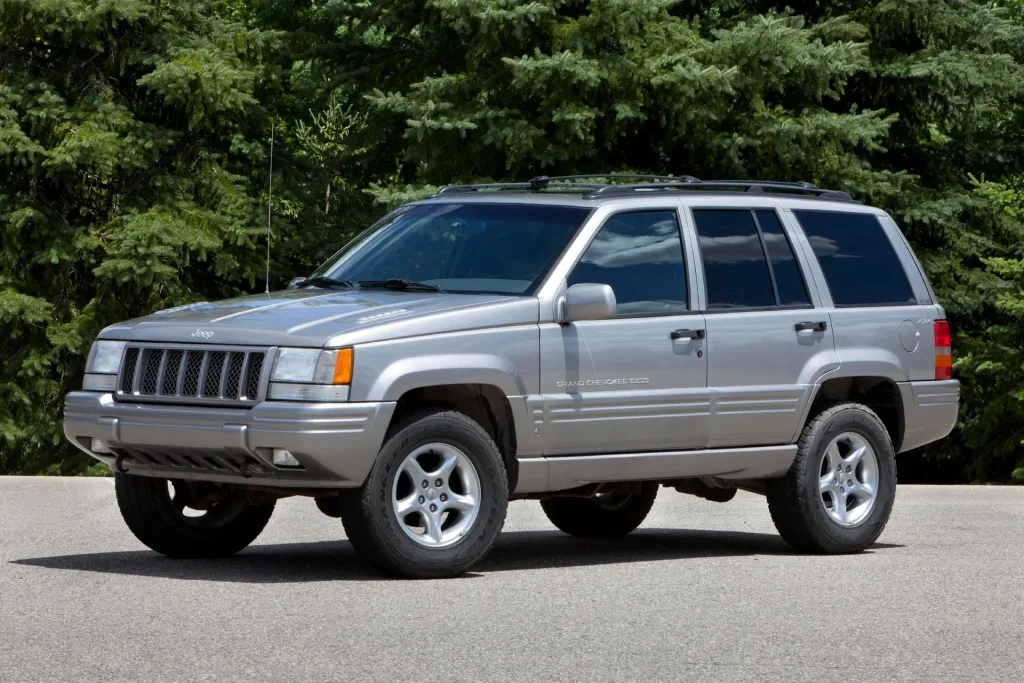
The debut of the Jeep Grand Cherokee in 1993 was nothing short of revolutionary. It was the first SUV to combine rugged off-road capabilities with the kind of comfort you’d expect from a luxury vehicle. Up until then, SUVs were mainly seen as utilitarian vehicles meant for rough terrain, but the Grand Cherokee changed that narrative by appealing to both adventure seekers and everyday drivers.
The vehicle’s four-wheel-drive system allowed it to tackle off-road conditions like mud, snow, and sand with ease, but it also had a relatively smooth on-road performance. Jeep set new standards for what an SUV could offer, but as with any new model, there were teething problems.
- Transmission Durability: The automatic transmission in the first-generation models was somewhat unreliable. Drivers often reported problems when driving in tough conditions, which were later addressed in the second generation.
- Electrical System Reliability: Early models had a few issues with the electrical systems, from malfunctioning dashboard displays to problems with the vehicle’s wiring, which occasionally caused more serious failures.
- Fuel Pump Longevity: Fuel pump issues were common in these early models. Jeep later improved fuel system reliability in subsequent generations.
Despite these setbacks, the first-generation Grand Cherokee laid a strong foundation for what would become an iconic SUV. The Quadra-Trac 4WD system introduced in this era also set a precedent for off-road dominance, and Jeep would continue to build upon it in future models.
Second Generation (1999-2004)
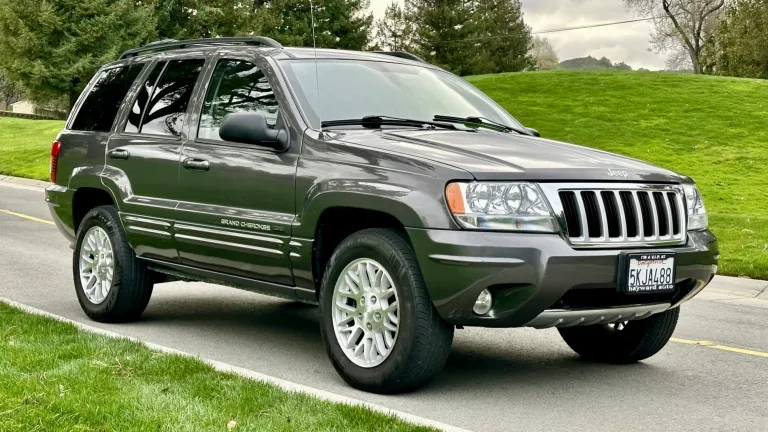
The second generation of the Grand Cherokee brought in much-needed updates. Jeep focused on improving the interior comfort and making the vehicle more refined while maintaining its off-road prowess. The exterior design was refreshed, and the ride quality was improved, making the vehicle more appealing to urban buyers without losing its rugged heritage.
However, there were still some technical issues:
- Power Window Mechanisms: Some owners reported that the power windows failed prematurely. This was a recurring problem for several model years, but Jeep eventually improved the durability of these components.
- HVAC System Components: Heating, ventilation, and air conditioning (HVAC) systems also saw some inconsistencies, leading to problems with cabin climate control.
- Transfer Case Durability: For those who used their vehicles in heavy off-road conditions, the transfer case, which enables power to be distributed between the front and rear axles, showed signs of wear. This was particularly true for drivers who consistently engaged the four-wheel-drive system.
Overall, the second generation brought in refinements and solutions to earlier problems but still left room for improvements, especially for drivers pushing their vehicles to the limits in rough conditions.
The Modern Era: Significant Strides
Third Generation (2005-2010)
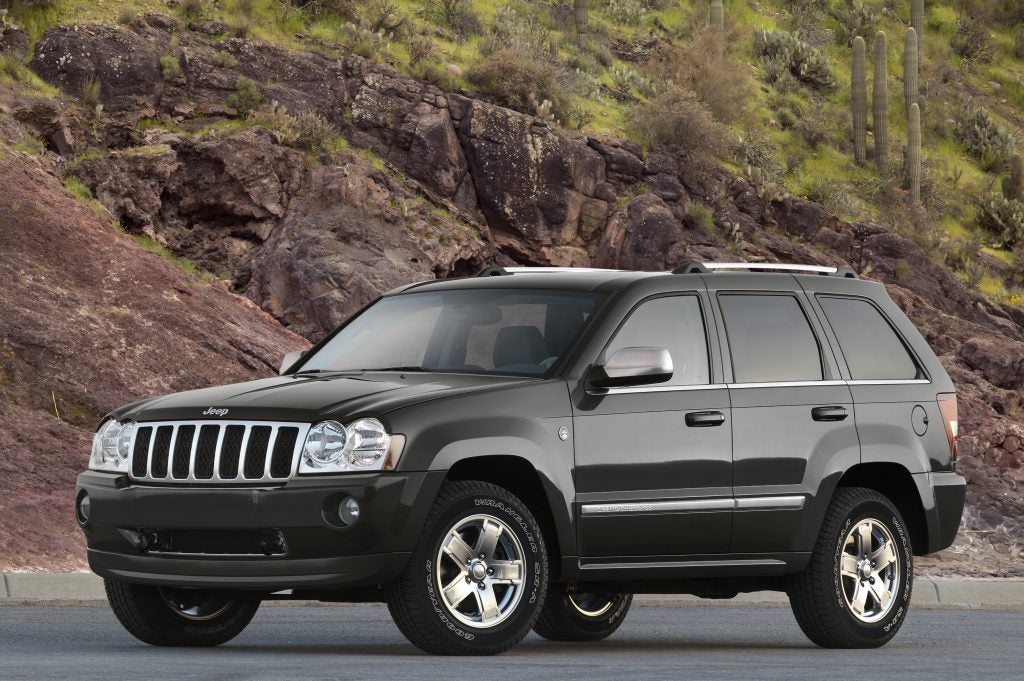
By the time the third generation rolled out in 2005, Jeep was positioning the Grand Cherokee as more of a refined, luxury SUV while still retaining its off-road capabilities. The model grew larger, providing more interior space and improved ride comfort. Jeep also introduced a range of new engines, including a 5.7-liter HEMI V8, which delivered impressive power and towing capacity.
However, a few key issues persisted:
- Electrical System Complexities: As the Grand Cherokee became more tech-heavy, electrical problems became more complex. This included failures in the CAN bus system, which manages communication between different electronic components in the vehicle.
- Engine Reliability: Some of the more powerful engines, particularly the diesel options, experienced problems with longevity and reliability. This was especially a concern for high-mileage drivers.
- Transmission Performance: While Jeep made significant improvements to the transmission, there were still complaints about delayed shifting and occasional rough transitions between gears.
Despite these hurdles, the third-generation Grand Cherokee offered superior luxury, a smoother ride, and more advanced technology than its predecessors, marking an important shift in the vehicle’s identity.
Fourth Generation (2011-2020)
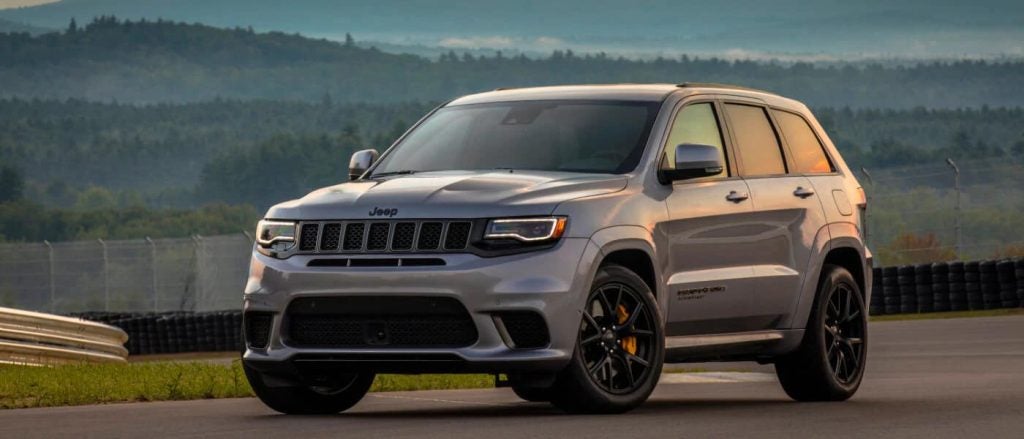
The fourth generation represented one of the most significant leaps forward for the Grand Cherokee. Jeep turned its focus toward luxury, comfort, and cutting-edge technology, bringing it into competition with other premium SUV brands. The Uconnect infotainment system made its debut, offering users a high-tech experience with features like navigation, voice command, and smartphone integration.
Even though the fourth generation was a big success, there were still some early challenges:
- Early Transmission Software Issues: Some of the early 2014 models faced problems with the eight-speed automatic transmission, which were mostly due to software glitches. Jeep quickly addressed these issues through software updates.
- Electrical Module Improvements: The vehicle’s electrical systems received further refinement over the years. By 2020, many of the early glitches had been ironed out, making the Grand Cherokee much more reliable in this regard.
- Emissions System Updates: The diesel models, particularly in markets with strict emissions standards, required several updates to bring them in line with regulations.
Despite these challenges, the fourth generation of the Grand Cherokee cemented its place as one of the most sought-after luxury SUVs, especially for buyers looking for a blend of off-road capability and on-road comfort.
Today's Grand Cherokee: A Testament to Continuous Improvement
Fifth Generation (2021-Present)
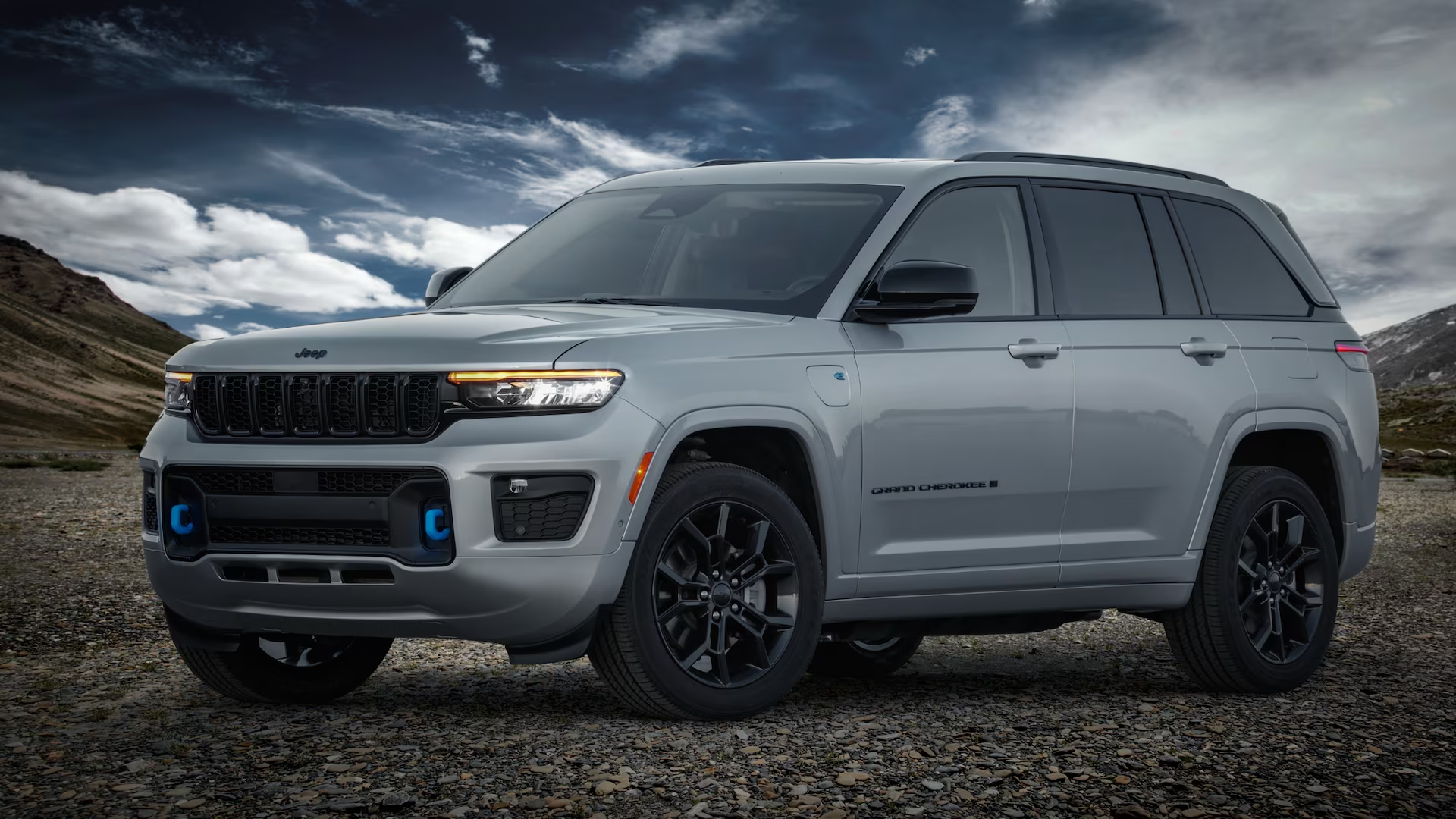
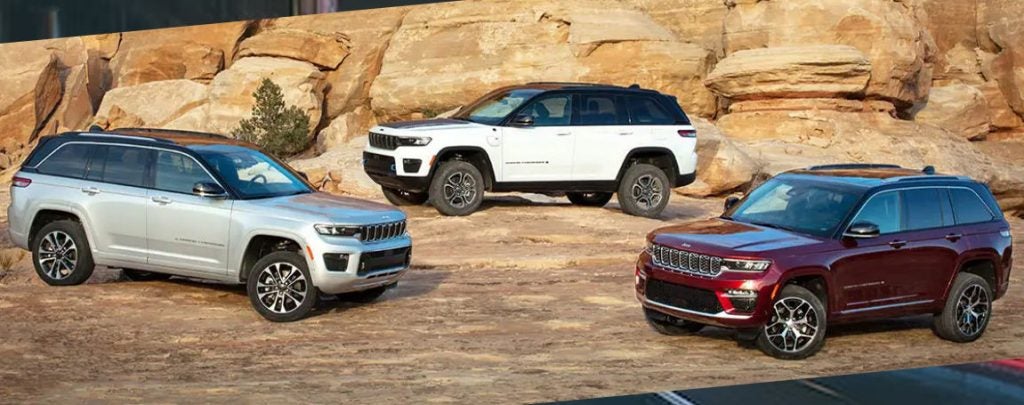
The latest iteration of the Jeep Grand Cherokee, introduced in 2021, is a true reflection of decades of engineering, design, and technological advancements. This generation brings with it a host of state-of-the-art features that make it not only one of the best off-road vehicles but also one of the most luxurious and tech-savvy SUVs on the market today.
Some standout features of the fifth generation include:
- Advanced Safety Features: The new Grand Cherokee comes with a full suite of advanced driver assistance systems (ADAS). These include lane-keeping assistance, adaptive cruise control, blind-spot monitoring, and even automated emergency braking. These features enhance both driver confidence and vehicle safety, making it one of the safest SUVs available today.
- Cutting-Edge Infotainment Systems: The Uconnect 5 system provides a seamless infotainment experience with a large touchscreen, faster processing power, and wireless connectivity options. Whether you're streaming music, navigating, or connecting your smartphone, the Uconnect system is one of the best in its class.
- Improved Reliability: Years of continuous refinement have resulted in one of the most reliable SUVs on the market. Engine performance, transmission, and overall vehicle durability have seen vast improvements.
Why Choose a Recent Jeep Grand Cherokee?
- Refined Engineering: With decades of experience and continuous improvements, the Grand Cherokee is one of the most reliable and well-engineered SUVs on the market. Each generation has built on the strengths of its predecessors while addressing earlier shortcomings.
- Advanced Technology: From the Uconnect system to the latest safety features, the Grand Cherokee’s technology is cutting-edge. The vehicle offers everything from driver assistance systems to full connectivity, making it a pleasure to drive both in the city and on long road trips.
- Fuel Efficiency: Jeep has made great strides in improving the fuel efficiency of the Grand Cherokee, without compromising on performance. The newer engines, including hybrid options, offer a balance between power and economy, making the Grand Cherokee a greener choice.
- Enhanced Comfort: The fifth-generation Grand Cherokee’s interior is a masterpiece of design and craftsmanship. With premium materials, top-tier comfort features, and state-of-the-art tech, the Grand Cherokee offers an elevated driving experience.
Conclusion
The Jeep Grand Cherokee’s evolution from a rugged, off-road vehicle to a modern luxury SUV is a testament to its continuous improvement. Over the years, Jeep has addressed past challenges while introducing innovative technologies that have kept the Grand Cherokee at the forefront of the SUV market. Whether you're looking for a new model or a pre-owned vehicle, the Grand Cherokee remains a smart choice for adventure-seekers and everyday drivers alike.
FAQs
What makes the Jeep Grand Cherokee stand out?
The Grand Cherokee combines rugged off-road capabilities with modern luxury features, offering a perfect balance of performance and comfort.
How has the fuel economy of the Grand Cherokee improved?
Newer models are designed with improved fuel efficiency, thanks to advancements in engine technology and hybrid options.
What are the best features in recent Grand Cherokee models?
Advanced safety systems, cutting-edge infotainment, and superior comfort are some of the standout features in the latest models.
Is the Grand Cherokee suitable for long road trips?
Absolutely! With its smooth ride, spacious interior, and state-of-the-art features, the Grand Cherokee is perfect for long-distance travel.
How does the Grand Cherokee handle off-road terrain?
Thanks to its advanced 4x4 systems and Selec-Terrain technology, the Grand Cherokee excels on all types of terrain, from snow to mud and rocky paths.