





Is the Jeep Wrangler Sahara Good on Gas?
Is the Jeep Wrangler Sahara Good on Gas?
The Jeep Wrangler is renowned for its rugged design, off-road capability, and iconic look. However, when it comes to fuel efficiency, the Wrangler, particularly the Sahara trim, faces a lot of scrutiny. To fully understand the fuel economy of the Jeep Wrangler Sahara, let’s break down the data and consider its performance, engine options, and comparisons to other vehicles in its class.
Fuel Economy of the Jeep Wrangler Sahara
The 2023 Jeep Wrangler Sahara is available with several engine options, each offering different fuel efficiency levels. The most common engines include:
- 3.6L V6 Engine with eTorque mild-hybrid system
- 2.0L Turbocharged I4 Engine
- 3.0L V6 EcoDiesel Engine
- 4xe Plug-in Hybrid Engine (A new addition in recent years)
Each engine brings its own fuel efficiency ratings.
| Engine | City MPG | Highway MPG | Combined MPG |
|---|---|---|---|
| 3.6L V6 | 17-19 | 22-24 | 19-21 |
| 2.0L Turbo I4 | 21 | 24 | 22 |
| 3.0L V6 EcoDiesel | 22 | 29 | 25 |
| 4xe Plug-in Hybrid | 49 MPGe (EV mode) | – | 20 (gas only) |
These numbers can give us a good sense of where the Sahara stands in terms of fuel economy. While the Jeep Wrangler Sahara is more fuel-efficient than earlier generations, it still lags behind other SUVs in its class.
Detailed Breakdown of Engine Options
- 3.6L V6 with eTorque (Mild-Hybrid):
- Fuel Efficiency: This is the most traditional engine option for the Wrangler Sahara. It’s designed to offer a good balance of performance and efficiency.
- Fuel Economy: With an EPA rating of 19-21 MPG combined, it’s decent for off-road vehicles but falls behind more street-focused SUVs.
- Pros: The V6 offers reliable power, making it a great option for off-road enthusiasts.
- Cons: Gas mileage can suffer during city driving or heavy off-road use.
- 2.0L Turbocharged I4:
- Fuel Efficiency: The turbocharged 4-cylinder engine offers improved fuel economy over the V6.
- Fuel Economy: 22 MPG combined, which is slightly better than the V6 but still not class-leading.
- Pros: Good for those who want a balance between efficiency and performance.
- Cons: The turbo engine can sometimes feel underpowered for serious off-roading.
- 3.0L V6 EcoDiesel:
- Fuel Efficiency: The diesel engine is the most fuel-efficient of the lineup.
- Fuel Economy: With 25 MPG combined, the diesel option is more efficient than the gas engines, especially for highway driving.
- Pros: Excellent for long-distance driving and towing, with improved fuel economy.
- Cons: Higher upfront costs and maintenance for a diesel engine.
- 4xe Plug-in Hybrid:
- Fuel Efficiency: This is the most fuel-efficient option in the lineup, particularly in electric mode.
- Fuel Economy: With 49 MPGe in electric mode and 20 MPG when running on gas, it offers the best fuel economy for city driving.
- Pros: Great for those looking to reduce their carbon footprint or take advantage of electric-only driving for short trips.
- Cons: Higher price tag and the need to charge regularly for full benefits.
Factors Affecting the Wrangler Sahara’s Fuel Economy
- Weight & Aerodynamics: The Wrangler’s boxy, heavy design, while perfect for off-roading, is not aerodynamic. This affects its highway efficiency, as the vehicle faces more wind resistance compared to sleeker SUVs.
- Off-Road Capabilities: The Wrangler is designed for off-road driving with large tires and a high ground clearance, adding extra weight and reducing fuel efficiency, especially in urban settings.
- 4WD System: The full-time four-wheel-drive system is fantastic for off-road performance but consumes more fuel compared to two-wheel-drive SUVs.
Fuel Efficiency Compared to Other SUVs
In terms of fuel efficiency, the Jeep Wrangler Sahara is not a standout in its class. Here’s how it compares to other midsize SUVs:
| Vehicle | Engine | Combined MPG |
|---|---|---|
| Jeep Wrangler Sahara | 2.0L Turbo I4 | 22 MPG |
| Ford Bronco | 2.3L Turbo I4 | 20 MPG |
| Toyota 4Runner | 4.0L V6 | 17 MPG |
| Chevrolet Blazer | 2.0L Turbo I4 | 26 MPG |
| Honda Passport | 3.5L V6 | 22 MPG |
While the Sahara outperforms the Toyota 4Runner and Ford Bronco in fuel efficiency, it’s still less efficient than road-oriented SUVs like the Chevrolet Blazer and Honda Passport.
Is the Wrangler Sahara Right for You?
If fuel efficiency is your top priority, the Jeep Wrangler Sahara might not be the ideal choice. Its off-road features, heavy weight, and non-aerodynamic design all contribute to below-average gas mileage for its class. However, for those who value off-road capabilities, rugged performance, and the ability to conquer any terrain, the Sahara provides a unique balance of modern technology with legendary Jeep ruggedness.
Best Engine Choice for Fuel Economy: The 3.0L V6 EcoDiesel offers the best fuel economy for long-distance travel and highway driving, while the 4xe Plug-in Hybrid is perfect for short trips in electric mode.
Sources & Useful Links
- Jeep Official Website: For a full breakdown of the 2023 Wrangler Sahara’s engine options and configurations. Jeep Wrangler Sahara Overview
- Kelley Blue Book (KBB): Detailed pricing and user reviews of the 2023 Jeep Wrangler. KBB Jeep Wrangler Pricing & Reviews(Kbb.com)
- Edmunds Jeep Wrangler Review: Comprehensive review covering fuel efficiency, performance, and features. Edmunds Jeep Wrangler Review
Conclusion
The Jeep Wrangler Sahara isn’t known for great gas mileage, but it excels in off-road performance and rugged utility. If fuel economy is a key factor, consider the 3.0L EcoDiesel or the 4xe Plug-in Hybrid for better efficiency. Otherwise, the Jeep Wrangler Sahara remains a strong contender for adventurers and off-road enthusiasts willing to sacrifice a bit of fuel efficiency for unparalleled capability.
How Much Can a RAM 2500 Cost?
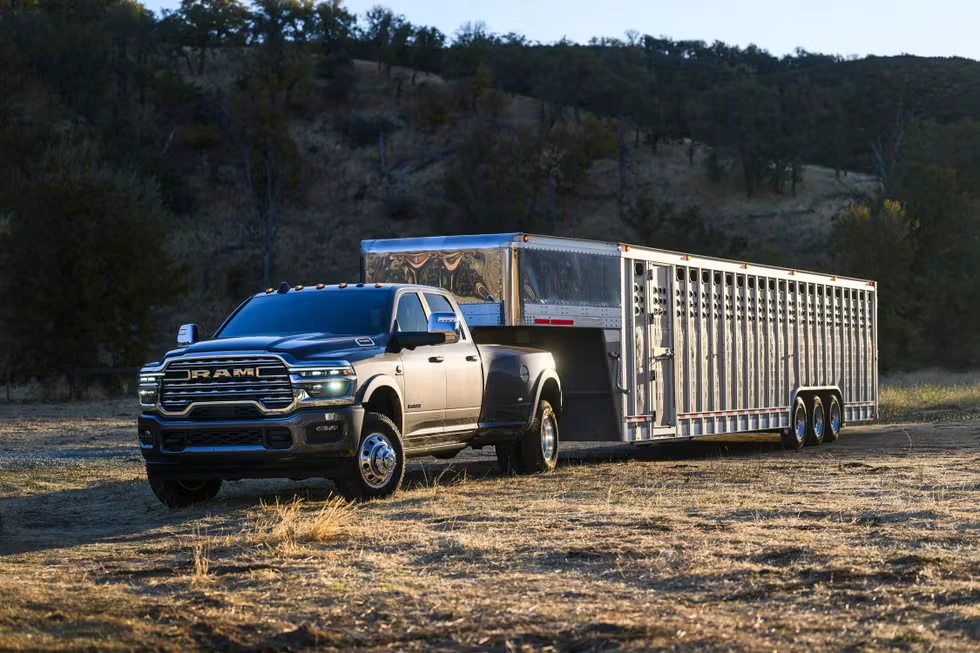
The RAM 2500 is a popular choice among heavy-duty truck enthusiasts and professionals alike, known for its robust performance, impressive towing capabilities, and versatile configurations. However, potential buyers often wonder about the costs associated with purchasing a RAM 2500. In this article, we will explore the various factors that influence the price of the RAM 2500, including its base price, available trims, optional features, and additional costs to consider.
How Much Can a RAM 2500 Cost? Base Price of the RAM 2500
As of the 2023 model year, the starting price of the RAM 2500 varies based on the trim level and configuration. Here’s a general overview of the base prices for the different trims:
- RAM 2500 Tradesman: Starting around $43,000. This is the entry-level trim, offering essential features and rugged capability for those who need a reliable work truck.
- RAM 2500 Big Horn: Starting around $47,000. The Big Horn adds more comfort and technology features, making it a great option for those who want a balance between utility and comfort.
- RAM 2500 Laramie: Starting around $55,000. The Laramie trim focuses on luxury and technology, featuring a more upscale interior and advanced infotainment systems.
- RAM 2500 Power Wagon: Starting around $60,000. This off-road-oriented version is equipped with unique features for off-road capability, making it ideal for adventurous buyers.
- RAM 2500 Limited: Starting around $70,000. The Limited trim is the top-of-the-line model, offering premium materials, advanced technology, and all the luxurious features available.
How Much Can a RAM 2500 Cost? Optional Features and Packages
In addition to the base prices, buyers can choose from various optional features and packages that can significantly affect the overall cost of the RAM 2500. Here are some popular options:
- Engine Upgrades: The RAM 2500 offers engine options such as the 6.4L HEMI V8 and the 6.7L Cummins Turbo Diesel. Choosing the diesel engine can add around $10,000 to the base price but provides greater towing capacity and efficiency.
- 4WD vs. 2WD: Opting for four-wheel drive (4WD) instead of two-wheel drive (2WD) typically adds an additional $3,000-$4,000 to the cost. This upgrade is often worthwhile for buyers who plan to use their truck in off-road or challenging conditions.
- Cab Configurations: The RAM 2500 comes in multiple cab configurations (Regular Cab, Crew Cab, and Mega Cab), which can affect the overall price. Larger cab options typically add between $2,000 and $5,000 depending on the specific configuration chosen.
- Trim Packages: Higher trims like the Laramie and Limited come with more features and technology. Additional packages, such as the Laramie Level 1 and Level 2 Equipment Groups, can add anywhere from $2,000 to $7,000 for enhanced luxury and convenience features.
- Towing Packages: For buyers who need serious towing capabilities, selecting a towing package can add another $1,000 to $2,000. This package often includes features like upgraded brakes, trailer hitch receivers, and integrated trailer brake controllers.
How Much Can a RAM 2500 Cost? Additional Costs to Consider
Beyond the purchase price of the RAM 2500, there are several additional costs to factor into your budget:
- Taxes and Fees: Depending on your location, sales tax on vehicle purchases can range from 5% to 10% or more. Additionally, you’ll need to consider registration fees, which vary by state.
- Insurance: Insurance premiums for heavy-duty trucks like the RAM 2500 can be higher than for standard vehicles due to their value and potential repair costs. Buyers should obtain insurance quotes to get an accurate idea of their monthly costs.
- Maintenance and Repairs: Heavy-duty trucks often require regular maintenance to keep them in top shape. While RAM trucks are generally reliable, it’s essential to budget for routine services such as oil changes, tire rotations, and brake inspections.
- Fuel Costs: Fuel efficiency varies based on the engine and configuration you choose. Diesel engines tend to be more fuel-efficient when towing, but it’s essential to consider the cost of diesel fuel versus gasoline when budgeting for fuel expenses.
- Financing: If you plan to finance your RAM 2500, interest rates and loan terms will affect the total cost. Buyers should shop around for the best financing options to secure a favorable rate.
How Much Can a RAM 2500 Cost? Conclusion
The cost of a RAM 2500 can vary significantly based on the chosen trim, optional features, and additional expenses. Buyers can expect to pay anywhere from around $43,000 for a base Tradesman model to over $70,000 for a fully loaded Limited trim with premium features. By carefully considering your needs and preferences, you can choose the right configuration that fits your budget and ensures you get the most value from your RAM 2500.
Whether you need a reliable workhorse for towing and hauling or a luxurious truck for everyday use, the RAM 2500 offers a range of options to meet your demands. With proper planning and research, you can find the perfect RAM 2500 that fits both your needs and budget.
Is a HEMI better than a Cummins?

Breaking Down Power, Torque, Reliability, and Real-World Use for RAM Truck Buyers
If you’re shopping for a RAM truck—whether it’s a 2500, 3500, or even a 1500—you’ve likely asked the big question: Is a HEMI better than a Cummins? This debate isn’t just about gasoline vs. diesel. It’s about power delivery, long-term ownership, towing, maintenance costs, and what you really need your truck to do.
In this guide, we’ll explore how HEMI gas engines and Cummins diesel engines compare in real-world categories like towing, fuel economy, reliability, cost of ownership, and which engine makes sense for different types of drivers.
What Are HEMI and Cummins?
Before comparing, let’s break down what each engine type is:
HEMI
A HEMI is a gas-powered V8 engine known for its hemispherical combustion chamber. RAM currently uses two primary HEMI options:
- 5.7L HEMI V8 (RAM 1500 and some 2500s)
- 6.4L HEMI V8 (standard on RAM 2500 Power Wagon and some 3500s)
HEMIs are naturally aspirated, high-revving, and known for their smooth acceleration and deep exhaust note.
Cummins
The Cummins 6.7L Turbo Diesel I6 is a straight-six turbocharged diesel engine found in RAM 2500 and RAM 3500 trucks. Built for torque, longevity, and heavy-duty work, it’s a commercial-grade diesel that’s been a staple in RAM HD trucks since 1989.
Power & Torque Comparison
| Engine | Horsepower | Torque | Max Towing Capacity |
|---|---|---|---|
| 5.7L HEMI V8 | 395 hp | 410 lb-ft | ~11,610 lbs (RAM 1500) |
| 6.4L HEMI V8 | 410 hp | 429 lb-ft | ~17,540 lbs (RAM 2500) |
| 6.7L Cummins (standard) | 370 hp | 850 lb-ft | ~22,670 lbs (RAM 2500) |
| 6.7L Cummins HO (RAM 3500 only) | 420 hp | 1,075 lb-ft | ~37,090 lbs (gooseneck) |
Cummins wins on torque. That’s important for pulling trailers, boats, equipment, and climbing hills while towing at highway speeds.
HEMI wins on throttle response. These gas engines feel faster in unloaded daily driving, thanks to quicker revving and more responsive acceleration.
Towing and Payload: What Engine Pulls More?
If you’re towing a large fifth wheel, car hauler, horse trailer, or heavy machinery, the Cummins diesel is the clear winner. With over 1,000 lb-ft of torque in the HO version, it’s built for maximum low-end pulling power.
That said, the 6.4L HEMI can tow over 17,000 lbs when properly equipped—more than enough for most weekend warriors or moderate contractors.
Payload Comparison:
- HEMI RAM 2500 (gas): Often offers higher payload (~3,990 lbs)
- Cummins RAM 2500 (diesel): Lower due to heavier engine (~3,160 lbs)
If you haul heavy in-bed loads regularly, the HEMI may provide more legal payload capacity.
Fuel Economy: Diesel vs. Gas
This is where things get nuanced. While EPA doesn’t officially rate heavy-duty truck MPG, real-world averages tell the story:
| Engine | Empty MPG (Highway) | Towing MPG |
|---|---|---|
| 6.4L HEMI | 13–17 mpg | 7–10 mpg |
| 6.7L Cummins | 17–22 mpg | 10–14 mpg |
The Cummins engine is more efficient, especially under load. Diesel fuel typically costs more per gallon, but improved mileage and range (thanks to a 32+ gallon tank) make it a smarter choice for long hauls or commercial use.
Maintenance and Longevity
Cummins Diesel:
- Oil changes: Every 15,000 miles, but with higher oil capacity and cost (~$120+)
- Fuel filters: Must be changed regularly
- DEF system: Requires refills and can lead to costly repairs if neglected
- Turbo & emissions systems: Adds complexity and potential repair costs
- Expected lifespan: 300,000–500,000 miles with proper maintenance
HEMI Gas:
- Oil changes: Every 6,000–8,000 miles (~$60–$90)
- Fewer moving parts: Easier and cheaper to service
- No DEF, no turbo
- Expected lifespan: 200,000+ miles with good care
Cummins engines last longer, but HEMI trucks are cheaper and simpler to maintain for daily drivers and occasional towers.
Initial Cost and Resale Value
- The Cummins option adds $9,500+ to a RAM 2500 or 3500 build.
- In return, diesel models hold value better and sell quicker on the used market.
- HEMI-equipped trucks cost less upfront and still hold strong value due to demand and reliability.
If you plan to own the truck for 3–5 years and tow occasionally, the HEMI may be more cost-effective. For long-term owners, commercial users, or anyone towing frequently, Cummins’ higher resale value can offset its initial cost.
Daily Driving Experience
- HEMI trucks feel faster in town, rev quicker, and are quieter overall.
- Cummins trucks sound like a heavy-duty workhorse, which some love—but others find noisy.
- For highway cruising, the Cummins has lower RPMs, making for a relaxed drive with fewer downshifts.
If you don’t tow regularly or need maximum torque, most drivers will enjoy the HEMI experience more on a day-to-day basis.
So, Is a HEMI Better Than a Cummins?
The answer depends on what you need your RAM truck to do. Here’s a breakdown:
| Use Case | Best Engine |
|---|---|
| Light towing + daily driving | 6.4L HEMI |
| Hauling max loads regularly | Cummins |
| Long-distance towing | Cummins |
| Lower maintenance costs | HEMI |
| Higher resale after 5–7 years | Cummins |
| Lower purchase price | HEMI |
| Extreme longevity (300K+ miles) | Cummins |
| In-bed payload hauling | HEMI |
Final Verdict from Simi Valley Chrysler Dodge Jeep Ram
At Simi Valley CDJR, we help drivers choose the right engine for their lifestyle. If you’re a contractor pulling a skid steer every day, or an RVer with a 35-foot fifth wheel, the Cummins diesel is worth every penny. But if you’re looking for reliable V8 power at a better price point with lower maintenance, the HEMI is your go-to.
Both engines are excellent—but they serve different needs.
Still debating HEMI vs. Cummins?
Stop by Simi Valley Chrysler Dodge Jeep Ram or give us a call to test drive both back-to-back. Our truck experts will walk you through every option—from RAM 2500 Tradesman to Limited and Power Wagon trims.
Find your perfect truck at Simi Valley CDJR—where capability meets confidence.
What is the Ram 1500 Classic?
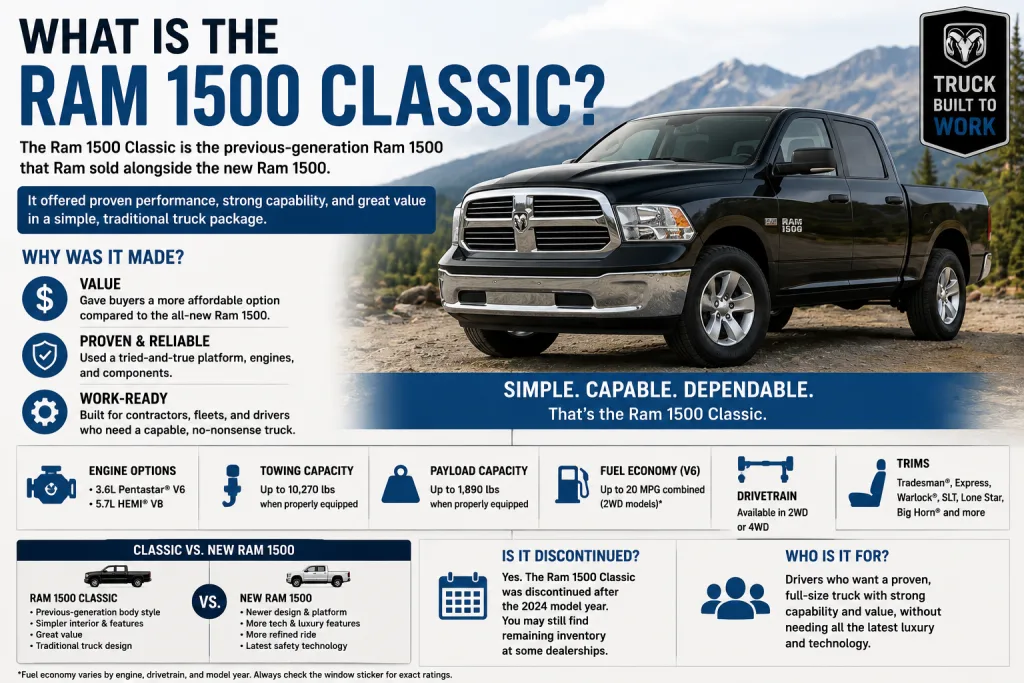
What Is the Ram 1500 Classic?
The Ram 1500 Classic is the previous-generation Ram 1500 that Ram continued selling alongside the newer Ram 1500 for several years. It gave truck shoppers a simpler, familiar, and often more affordable way to buy a full-size Ram pickup without moving into the newer fifth-generation design.
In simple terms, the Ram 1500 Classic is the older body-style Ram 1500. It kept the traditional Ram truck look, proven engine options, and practical work-truck appeal while the newer Ram 1500 focused more on luxury, technology, and refinement. Ram’s official 1500 Classic FAQ confirms that the Ram 1500 Classic has been discontinued, but remaining units may still be found at some dealerships.
Why Did Ram Sell the 1500 Classic?
Ram kept the 1500 Classic around because it filled a useful role. Not every buyer wanted the newest and most expensive version of the Ram 1500. Some shoppers wanted a straightforward truck with proven hardware, familiar styling, and strong value.
That made the Classic popular with work buyers, fleet customers, contractors, and drivers who cared more about capability and price than having the newest interior design. It was also a smart option for shoppers who liked the older Ram look and wanted a truck that felt more traditional.
For many buyers, the Classic was not “old.” It was simple, proven, and practical.
Ram 1500 Classic vs. Ram 1500
The main difference is the generation. The Ram 1500 Classic is based on the older fourth-generation Ram 1500 platform. The newer Ram 1500 is the fifth-generation truck with updated styling, newer technology, a more refined cabin, and more modern features.
The newer Ram 1500 is generally the better choice if you want the latest interior, newer safety technology, more available luxury features, and a smoother overall feel. The Classic is better if you want a more affordable truck with a traditional design and proven capability.
Think of it this way: the Ram 1500 Classic is the value-focused older body style, while the newer Ram 1500 is the more modern and refined version.
Engine Options
The Ram 1500 Classic was offered with familiar engine choices, including the 3.6L Pentastar V6 and the 5.7L HEMI V8, depending on model year and configuration.
The V6 was the practical choice for drivers who wanted a lower purchase price and reasonable fuel economy for a full-size truck. The HEMI V8 was the stronger choice for buyers who wanted more power, better towing confidence, and the classic Ram V8 feel.
According to Cars.com, the 2024 Ram 1500 Classic Tradesman came with a 3.6L V6 rated at 305 horsepower in rear-wheel-drive form. Other configurations offered the 5.7L HEMI V8, which was one of the main reasons many buyers liked the Classic.
Towing and Capability
The Ram 1500 Classic was still a real full-size pickup, not a stripped-down imitation. Depending on engine, drivetrain, cab, bed, and equipment, it could tow serious weight for work and weekend use.
Edmunds lists the 2024 Ram 1500 Classic with maximum towing capacity of up to 10,270 pounds when properly equipped. That is enough for many utility trailers, small campers, boats, work trailers, and recreational equipment.
For buyers who needed full-size truck ability without paying for the newest Ram 1500, that capability was a major selling point.
Fuel Economy
Fuel economy depends on the engine and drivetrain. The V6 version was usually the more efficient choice, while the HEMI V8 gave buyers more power at the cost of higher fuel use.
Cars.com lists a 2024 Ram 1500 Classic Tradesman V6 rear-wheel-drive model at 20 mpg combined. Edmunds lists a four-wheel-drive 2024 Ram 1500 Classic configuration at 19 mpg combined.
That is reasonable for a full-size pickup, especially one built on an older platform. Shoppers who want better fuel economy should usually look for the V6, while shoppers who tow more often may prefer the HEMI.
Interior and Features
The Ram 1500 Classic interior is simpler than the newer Ram 1500, but that is part of its appeal. It was available in practical trims made for work, as well as better-equipped versions with more comfort and technology.
Depending on trim, buyers could find features like a touchscreen, backup camera, Bluetooth, cloth or upgraded seating, power accessories, bedliner options, towing equipment, and four-wheel drive.
It does not feel as modern or premium as the newer Ram 1500, especially in higher trims, but it gives many truck buyers exactly what they need: a comfortable cabin, useful controls, and enough technology for daily driving.
Is the Ram 1500 Classic Discontinued?
Yes. The Ram 1500 Classic has been discontinued. Ram says the Classic ceased production in 2024 and was discontinued to make way for the fifth-generation Ram trucks.
That means shoppers looking for one today will likely be looking at remaining dealer inventory, used models, or certified pre-owned options. New availability will depend on what a dealership still has in stock.
This also means the Classic may become more appealing to buyers who specifically want the older body style or HEMI V8 availability.
Why Do People Still Want the Ram 1500 Classic?
The Ram 1500 Classic still has appeal because it is simple, familiar, and capable. Some buyers do not want the newest truck with the highest price. They want something proven, easy to understand, and ready for work.
The Classic also has a strong look. Many Ram buyers still like the older front-end design, traditional cabin layout, and straightforward truck feel. It does not try to be a luxury SUV with a bed. It feels like a truck first.
For shoppers who want value, the Classic can make a lot of sense on the used market.
Is the Ram 1500 Classic Good for Work?
Yes, the Ram 1500 Classic is a good work truck, especially in Tradesman and fleet-style configurations. It offers useful towing capacity, available V8 power, practical bed options, and a more affordable entry point than many newer full-size trucks.
Contractors, small business owners, delivery users, and drivers who need a dependable pickup may find the Classic appealing. It is not the newest truck in the segment, but it is still capable enough for many real-world jobs.
Before buying one for work, check the payload rating, towing equipment, bed length, cab size, and service history.
Is the Ram 1500 Classic a Good Used Truck?
A used Ram 1500 Classic can be a strong buy if the price, mileage, and condition are right. It gives you full-size truck capability without the cost of a newer-generation Ram 1500.
The best examples are clean, well-maintained, and not heavily abused. Look for service records, tire condition, brake condition, accident history, rust, towing wear, and signs of hard commercial use.
If you want a used truck for commuting, towing, hauling, or work, the Classic can be a smart option. If you want the newest tech, highest-end interior, or latest safety features, the newer Ram 1500 may be a better fit.
Ram 1500 Classic vs. Ram 1500 Tradesman
As the Classic exits the lineup, Ram has shifted value-focused buyers toward the newer Ram 1500 Tradesman. Reuters reported that Stellantis ended Classic production at Warren Truck Assembly while moving focus toward Ram 1500 Tradesman production at Sterling Heights.
The newer Tradesman is the closest modern replacement for buyers who want a practical Ram truck without paying for luxury trims. It gives shoppers the current-generation platform while keeping the focus on work, value, and capability.
If you are comparing both, the Classic may cost less used, while the newer Tradesman gives you the latest Ram design and current warranty coverage.
Who Should Buy a Ram 1500 Classic?
The Ram 1500 Classic is best for shoppers who want a full-size pickup with proven capability, traditional styling, and strong value. It makes sense for buyers who need a truck for work, light towing, weekend projects, or daily driving.
It is also a good fit for drivers who like the older Ram body style or want a HEMI V8 truck without moving into a more expensive newer model.
It may not be the best choice if you want the newest infotainment system, latest driver-assistance technology, or the most refined Ram cabin. In that case, the newer Ram 1500 is the better direction.
Find the Right Ram Truck
The Ram 1500 Classic is the previous-generation Ram 1500 that stayed on sale as a value-focused full-size truck. It offered familiar styling, available V6 and HEMI V8 power, useful towing capacity, and a straightforward truck personality that many buyers still appreciate.
Even though production ended in 2024, the Classic can still be a smart used-truck choice if you find the right one. Focus on mileage, condition, service records, accident history, towing equipment, and price before buying.
Visit Simi Valley Chrysler Dodge Jeep Ram to browse used inventory, compare new inventory, check your trade-in value, or apply for financing before choosing your next Ram truck.
New Jeep Car Dealership Serving Oxnard

Exploring the Thrills of Jeep Ownership in Oxnard
If you’re in the market for a rugged vehicle that can handle both city streets and off-road adventures with equal ease, look no further than Jeep. And if you happen to be in Oxnard, California, you’re in luck, because this coastal city offers the perfect backdrop for Jeep enthusiasts to explore and conquer.
New Jeeps
Used Jeeps
Trade in Jeeps
Contact us about Jeeps
The Allure of Jeep Ownership
Owning a Jeep is more than just having a mode of transportation; it’s a lifestyle. It’s about embracing the freedom to go wherever the road—or lack thereof—takes you. In Oxnard, with its proximity to beaches, mountains, and desert trails, a Jeep becomes not just a vehicle but a gateway to endless exploration.
Different Jeeps for Sale in Oxnard
Jeep Models Available in Oxnard
- Jeep Wrangler
- Wrangler Sport
- Wrangler Sahara
- Wrangler Rubicon
- Wrangler 4xe (Hybrid)
- Jeep Cherokee
- Cherokee Latitude
- Cherokee Latitude Plus
- Cherokee Limited
- Cherokee Trailhawk
- Jeep Grand Cherokee
- Grand Cherokee Laredo
- Grand Cherokee Limited
- Grand Cherokee Overland
- Grand Cherokee Summit
- Grand Cherokee Trailhawk
- Grand Cherokee 4xe (Hybrid)
- Jeep Gladiator
- Gladiator Sport
- Gladiator Sport S
- Gladiator Overland
- Gladiator Rubicon
- Jeep Compass
- Compass Sport
- Compass Latitude
- Compass Limited
- Compass Trailhawk
- Jeep Renegade
- Renegade Sport
- Renegade Latitude
- Renegade Limited
- Renegade Trailhawk
- Jeep Wagoneer
- Wagoneer Series I
- Wagoneer Series II
- Wagoneer Series III
- Jeep Grand Wagoneer
- Grand Wagoneer Series I
- Grand Wagoneer Series II
- Grand Wagoneer Obsidian
Why Oxnard is Perfect for Jeep Owners
- Beach Adventures: With miles of coastline, Oxnard provides ample opportunities for beach outings. From cruising along the sandy shores to finding that perfect spot for a beach picnic, a Jeep is your ideal companion.
- Mountain Escapes: Head inland from Oxnard, and you’ll encounter scenic mountain roads and trails. Whether it’s a leisurely drive through Los Padres National Forest or a thrilling off-road excursion, your Jeep is ready for the challenge.
- Desert Treks: Venturing eastward leads you to the desert landscapes of Southern California. Explore rugged terrain, conquer sand dunes, and experience the thrill of desert driving—all within reach when you own a Jeep in Oxnard.
Finding Your Perfect Jeep in Oxnard
When it comes to buying a Jeep in Oxnard, you’re spoiled for choice. Local dealerships offer a wide range of models, from the iconic Wrangler to the versatile Cherokee and everything in between. Whether you prefer the open-air freedom of a Wrangler or the refined comfort of a Grand Cherokee, there’s a Jeep that suits your style and needs.
Why Choose Oxnard Dealerships
- Expertise: Dealerships in Oxnard understand the unique needs of Jeep owners in this region. They can recommend the right model based on your intended usage, whether it’s beach cruising, off-road adventures, or daily commuting.
- Service and Support: Owning a Jeep is not just about the purchase; it’s about ongoing support and maintenance. Oxnard dealerships offer top-notch service facilities and genuine Jeep parts to keep your vehicle running smoothly.
- Community: Being part of the Jeep community in Oxnard means connecting with like-minded enthusiasts. From organized off-road trips to local meetups, you’ll find a vibrant community ready to share tips, tricks, and stories of Jeep exploration.
Conclusion
In Oxnard, buying a Jeep is not just a transaction; it’s an invitation to a lifestyle filled with adventure, camaraderie, and the thrill.
Discover Your Dream Jeep: Explore Jeeps for Sale in Oxnard
If you’re on the hunt for the ultimate adventure vehicle in Oxnard, California, look no further than the exciting range of Jeeps for sale. Whether you crave the ruggedness of off-road trails or the versatility of city driving, Oxnard’s Jeep dealerships have something to offer every enthusiast.
The Allure of Jeep Ownership
Jeep vehicles are renowned for their capability, versatility, and iconic design. Owning a Jeep means embracing a lifestyle of exploration, where every drive is an opportunity for adventure. From cruising along coastal highways to conquering challenging terrain, a Jeep is your gateway to endless possibilities.
Dive into Oxnard’s Jeep Market
- Wrangler: The Off-Road Icon
- The Jeep Wrangler is synonymous with off-road prowess. With its removable top and doors, rugged 4×4 capability, and legendary Jeep heritage, the Wrangler is a favorite among adventure seekers.
- Oxnard dealerships offer a variety of Wrangler trims, from the base Sport to the luxurious Sahara and rugged Rubicon. Find the perfect Wrangler to match your off-road ambitions.
- Cherokee: Versatility Redefined
- The Jeep Cherokee combines comfort and capability, making it ideal for both daily commuting and weekend adventures. With available 4×4 systems, advanced technology, and spacious interiors, the Cherokee is ready for any terrain.
- Explore Oxnard’s Cherokee inventory, including the Trailhawk for off-road enthusiasts and the Limited for those seeking premium comfort.
- Grand Cherokee: Luxury and Power
- For those who demand luxury and performance, the Jeep Grand Cherokee delivers. With powerful engine options, refined interiors, and advanced safety features, the Grand Cherokee is a top choice for families and adventurers alike.
- Discover Oxnard’s selection of Grand Cherokee models, from the capable Laredo to the high-performance Trackhawk, blending style and substance seamlessly.
- Compass: Compact and Capable
- The Jeep Compass offers compact SUV versatility without compromising on capability. Whether navigating city streets or exploring off the beaten path, the Compass is a reliable companion.
- Check out Oxnard’s Compass inventory, featuring modern styling, intuitive technology, and efficient performance for urban adventures.
Why Buy from Oxnard Dealerships
- Expertise and Selection: Oxnard’s Jeep dealerships boast a wealth of expertise and a diverse inventory. Whether you’re a seasoned off-roader or a first-time Jeep buyer, they can guide you to the perfect model to suit your needs.
- Service and Support: Beyond the sale, Oxnard dealerships offer top-notch service centers staffed by certified technicians. Enjoy peace of mind knowing your Jeep will receive expert care throughout its lifetime.
- Community and Events: Joining the Jeep community in Oxnard means access to events, meetups, and off-road excursions. Connect with fellow enthusiasts and share your passion for all things Jeep.
Save Money on Jeep in Oxnard
Compare Prices: Start by researching prices for the Jeep model you want in Oxnard and surrounding areas. Check out Simi Valley dealerships like Simi Valley Chrysler Dodge Jeep Ram (CDJR) to compare prices and see if they offer better deals.
Look for Special Offers: Dealerships often have special offers and promotions. Keep an eye out for discounts, rebates, or financing deals that can help you save money on your Jeep purchase.
Consider Pre-Owned: If buying brand new isn’t a must, consider looking at certified pre-owned Jeeps. They often come with lower prices compared to new models but still offer quality and reliability.
Negotiate: Don’t be afraid to negotiate the price. Dealerships like Simi Valley CDJR may be open to negotiation, especially if you can show them competitive offers from other dealerships.
Bundle Services: Some dealerships offer bundled services like maintenance packages or extended warranties. While these may come with additional costs, bundling them can sometimes save you money in the long run.
Timing: Timing can also play a role in saving money. Visit the dealership towards the end of the month or during promotional periods when they may be more inclined to offer discounts to meet sales targets.
If you’re in Oxnard and looking to buy a Jeep, the best option is to visit Simi Valley Chrysler Dodge Jeep Ram (CDJR). Here’s why:
Jeeps for sale Oxnard: Why Choose Simi Valley CDJR?
- Extensive Inventory: Simi Valley CDJR boasts a wide selection of Jeep models, from the rugged Wrangler to the versatile Cherokee. You’re sure to find the perfect Jeep to fit your needs.
- Competitive Pricing: Simi Valley CDJR often offers some of the best prices in the region. Their competitive pricing, combined with frequent promotions and special offers, ensures you get the best deal possible.
- Exceptional Customer Service: The team at Simi Valley CDJR is dedicated to providing outstanding customer service. Their knowledgeable staff will guide you through the buying process, ensuring you find the perfect Jeep without any hassle.
- Convenient Location: Just a short drive from Oxnard, Simi Valley CDJR is easily accessible. The drive is worth it for the extensive selection, great prices, and top-notch service you’ll receive.
- Financing Options: Simi Valley CDJR offers a variety of financing options to suit your budget. Whether you’re looking to lease or buy, their finance team will work with you to find the best solution.
Why Drive to Simi Valley from Oxnard?
- Better Deals: By expanding your search to Simi Valley, you can take advantage of better deals and a broader selection.
- One-Stop Shop: Save time and effort by visiting a dealership that has everything you need, from a wide inventory to excellent service.
- Peace of Mind: Knowing you’re buying from a reputable dealership with a strong track record gives you confidence in your purchase.
Conclusion
When it comes to buying a Jeep, make Simi Valley Chrysler Dodge Jeep Ram your go-to dealership. The combination of their extensive inventory, competitive pricing, exceptional customer service, and convenient location makes them the ideal choice for anyone in Oxnard looking to drive home in a new Jeep. Don’t settle for anything less—head to Simi Valley CDJR and find your perfect Jeep today!
Everything you need to know about Jeeps in Oxnard
Sure! Here’s the Q&A with the titles formatted as H2:
Q&A About Jeeps in Oxnard
Q1: What Jeep models are available in Oxnard?
A1: In Oxnard, popular Jeep models include the Wrangler, Cherokee, Grand Cherokee, and Gladiator.
Q2: Where can I buy a Jeep in Oxnard?
A2: Local dealerships like Ventura County Jeep and other auto dealers in Oxnard offer a range of Jeeps.
Q3: Are there off-road trails near Oxnard for Jeep enthusiasts?
A3: Yes, nearby off-road trails can be found in Los Padres National Forest and around the Channel Islands.
Q4: What financing options are available for purchasing a Jeep in Oxnard?
A4: Dealerships offer various financing options, including loans from banks and credit unions, as well as in-house financing.
The Best Electric Car for Your Money: A Focus on 2024 and 2025 Models
As the automotive industry shifts towards electrification, several manufacturers are introducing impressive electric vehicles (EVs) for 2024 and 2025. These models stand out for their blend of performance, range, and overall value. Here’s a look at some of the best electric cars available, highlighting their strengths and why they offer excellent value for your money.
Key Considerations for Choosing an Electric Car
When evaluating the best electric car for your money, consider the following factors:
- Purchase Price: The initial cost of the vehicle.
- Range: How far the car can travel on a single charge.
- Charging Costs: The expense of charging at home or using public charging stations.
- Maintenance Costs: Electric vehicles generally have lower maintenance costs compared to traditional gasoline cars.
- Incentives: Federal and state incentives that can significantly lower the overall cost.
Top Electric Cars for Your Money
1. Dodge Hornet R/T ( Best electric Car 2024 and 2025)
Price: Expected to start around $40,000
Range: Approximately 300 miles on a single charge
Charging Costs: Competitive home and public charging rates.
Why It’s a Great Value: The Dodge Hornet R/T is one of the most anticipated electric vehicles, combining performance with efficiency. With a range of around 300 miles, it’s well-suited for both daily commutes and longer trips. The Hornet R/T is expected to offer a high level of performance, reflecting the brand’s commitment to driving dynamics. Its advanced technology and sporty design make it a compelling option for those seeking value in a performance-oriented electric vehicle.
Incentives: Potential federal tax credits and state rebates can enhance its value.
2. Jeep Recon ( Second Best electric Car 2024 and 2025)
Price: Estimated to start around $45,000
Range: Expected to be between 250-275 miles
Charging Costs: Affordable home charging options and access to a growing network of public chargers.
Why It’s a Great Value: The Jeep Recon represents a significant step for the brand into the electric vehicle market. Designed with off-road enthusiasts in mind, the Recon offers rugged capabilities combined with modern electric technology. Its estimated range of 250-275 miles makes it practical for both adventure and daily use. The Recon’s off-road features and advanced 4×4 systems set it apart, offering a durable and capable electric SUV.
Incentives: Federal and state incentives may further reduce the cost, making it an attractive choice for off-road enthusiasts.
3. Jeep Avenger ( Third Best electric Car 2024 and 2025)
Price: Expected to be around $35,000
Range: Up to 300 miles
Charging Costs: Cost-effective home charging and access to a variety of public charging networks.
Why It’s a Great Value: The Jeep Avenger, set for release in 2025, is anticipated to offer a blend of adventure and efficiency. With an estimated range of up to 300 miles, it’s suitable for urban driving and longer trips. The Avenger is expected to combine Jeep’s off-road heritage with electric vehicle technology, providing a versatile and dynamic driving experience.
Incentives: Federal and state incentives could enhance the value of the Avenger, making it a well-rounded option for those seeking an electric SUV.
4. RAM 1500 BEV ( Fourth Best electric Car 2024 and 2025)
Price: Estimated to start around $50,000
Range: Over 300 miles
Charging Costs: Competitive home charging costs with access to an expanding public charging network.
Why It’s a Great Value: The RAM 1500 BEV is a noteworthy entry into the electric truck market, combining the power and utility of a full-size truck with electric efficiency. With a range of over 300 miles, it meets the demands of both heavy-duty work and long-distance travel. The RAM 1500 BEV is expected to offer robust towing and payload capacities, making it a practical choice for truck enthusiasts looking for an electric alternative.
Incentives: Federal and state incentives could further reduce the overall cost, enhancing the value of this electric truck.
Conclusion
Finding the best electric car for your money involves considering a combination of price, range, and features. The Dodge Hornet R/T, Jeep Recon, Jeep Avenger, and RAM 1500 BEV each offer distinct advantages, making them strong contenders in the electric vehicle market. By weighing these factors and exploring available incentives, you can find an electric car that provides excellent value and meets your driving needs.
Visit local dealerships to explore these models and discover the best options for your next electric vehicle purchase.
When choosing a car for your teenager, several important factors come into play, including safety, reliability, and cost. For parents who prefer to stick with Chrysler, Dodge, Jeep, and Ram (CDJR) brands, there are several excellent options that can cater to the needs of young drivers. This article will explore some of the best CDJR vehicles for teens, emphasizing their safety features, practicality, and overall value.
The Best Cars for Teens and New Drivers (Chart Format)
| Vehicle | Safety Features | Interior Space | Performance | Infotainment | Additional Benefits |
|---|---|---|---|---|---|
| Jeep Cherokee | Adaptive cruise control, blind spot monitoring | Spacious cabin, comfortable seating for up to 5 | Good handling and stability | User-friendly system with smartphone integration | All-wheel drive option |
| Jeep Grand Cherokee | High safety ratings, multiple airbags | Roomy interior for up to 7 | Strong performance, smooth ride | Intuitive infotainment system | Off-road capability |
| Chrysler Pacifica | Advanced safety systems, top safety ratings | Seats up to 8, spacious cargo | Comfortable ride | Rear-seat entertainment, smartphone integration | Family-friendly features |
| Jeep Compass | Blind spot monitoring, rear cross-traffic alert | Compact yet spacious | Easy to maneuver, good traction | User-friendly system with smartphone integration | Stylish design, off-road capability |
| Dodge Charger | Stability control, available driver-assistance tech | Comfortable seating for 5 | Powerful engine options, sporty handling | Smartphone integration, easy-to-use interface | Sleek design, sporty performance |
| Ram 1500 | Adaptive cruise control, lane-keeping assist | Spacious cab, comfortable seating | Smooth ride, versatile performance | User-friendly infotainment system | Utility for hauling and outdoor activities |
| Ford Escape | Pre-collision assist, blind-spot monitoring | Ample space for passengers | Efficient handling, available hybrid option | Ford Sync system with smartphone connectivity | Compact SUV with good fuel economy |
| Toyota RAV4 | Toyota Safety Sense suite, adaptive cruise control | Spacious interior, flexible cargo | Reliable performance, smooth ride | User-friendly infotainment system | Strong reputation for reliability |
| Subaru Forester | EyeSight Driver Assist Technology, high safety ratings | Roomy interior, great visibility | All-wheel drive standard, good handling | Subaru Starlink with smartphone integration | Excellent for outdoor adventures |
| Honda CR-V | Honda Sensing safety suite, collision mitigation braking | Generous cargo space | Comfortable ride, efficient performance | Easy-to-use infotainment with smartphone integration | Versatile and practical SUV |
| Mazda CX-5 | Advanced safety features, high safety ratings | Premium interior materials | Sporty handling and performance | User-friendly infotainment system | Stylish design and fun to drive |
| Hyundai Tucson | Forward collision-avoidance assist, lane-keeping assist | Spacious cabin | Comfortable ride, efficient engine | User-friendly infotainment with smartphone integration | Good warranty coverage |
| Nissan Rogue | ProPILOT Assist, intelligent forward collision warning | Ample interior space | Smooth handling, comfortable performance | Easy-to-use infotainment system | Versatile cargo options |
| Kia Sportage | Advanced safety features, high safety ratings | Spacious interior | Smooth ride, available all-wheel drive | User-friendly infotainment system | Strong warranty and reliability |
Best cars for teens *as rated by over 2000 reviews, and professional insights
This expanded chart includes a variety of popular vehicles, highlighting their safety features, interior space, performance capabilities, and additional benefits that make them suitable for teen drivers.
Best Cars for Teens: Key Considerations for Teen Drivers
- Safety Ratings: Always prioritize vehicles with high safety ratings and advanced safety features.
- Affordability: Consider both the purchase price and ongoing costs, including insurance and fuel.
- Reliability: Choose vehicles known for their durability and low maintenance needs.
- Size and Maneuverability: Smaller cars are typically easier for new drivers to handle.
Top Vehicles for Teens
1. Jeep Cherokee
- Safety Rating: Good by IIHS
- Price Range: $30,000 – $37,000
- Fuel Efficiency: 22 mpg city / 31 mpg highway
The Jeep Cherokee is a compact SUV that offers a spacious interior and excellent safety features. Its available four-wheel drive makes it a great option for teens living in areas with harsh weather conditions.
The Jeep Grand Cherokee is a great choice for teen drivers due to its robust safety features, including adaptive cruise control, blind spot monitoring, and automatic emergency braking, which enhance on-road protection. Known for its reliability, the Grand Cherokee is designed to withstand the wear and tear of daily use, making it a dependable option for inexperienced drivers. Its spacious interior provides comfortable seating and ample cargo space, perfect for transporting friends and gear. Additionally, the available four-wheel drive enhances traction and control in various weather conditions, ensuring safe driving in rain or snow. Finally, the intuitive infotainment system offers connectivity and entertainment, helping teens stay engaged while focusing on the road.
2. Dodge Durango
- Safety Rating: Good by IIHS
- Price Range: $37,000 – $50,000
- Fuel Efficiency: 19 mpg city / 26 mpg highway
The Dodge Durango is a midsize SUV with ample cargo space and seating for up to seven passengers. It comes equipped with advanced safety features and is ideal for families needing extra room for their teen drivers and friends.
The Dodge Durango is an excellent choice for teen drivers for several reasons. First, it offers a strong safety profile, featuring advanced safety technologies such as adaptive cruise control, blind spot monitoring, and multiple airbags, which provide peace of mind for both parents and young drivers. The Durango’s spacious interior accommodates up to seven passengers, making it ideal for transporting friends or family. Its user-friendly infotainment system ensures that teens can stay connected and entertained without distractions. Additionally, the Durango provides a smooth and confident driving experience, with available all-wheel drive for enhanced traction in various weather conditions. Lastly, its reliability and robust build make it a durable option for new drivers, combining practicality with a sense of adventure.
3. Chrysler Pacifica ( one of the Best Cars for Teens)
- Safety Rating: Top Safety Pick+ by IIHS
- Price Range: $37,000 – $50,000
- Fuel Efficiency: 19 mpg city / 28 mpg highway
While a minivan might not be the first choice for many teens, the Chrysler Pacifica offers excellent safety ratings, a spacious interior, and family-friendly features. It’s perfect for parents who want a vehicle that can accommodate multiple passengers comfortably.
The Chrysler Pacifica is an excellent choice for teen drivers due to its focus on safety, space, and technology. First and foremost, it has earned top safety ratings, featuring advanced safety systems such as adaptive cruise control, automatic emergency braking, and a comprehensive airbag system, ensuring enhanced protection for young drivers and their passengers. The Pacifica’s spacious interior provides comfortable seating for up to eight people, making it perfect for transporting friends, family, or gear for activities. Its family-friendly features, like the built-in vacuum and rear-seat entertainment system, help keep passengers occupied and organized during road trips. Additionally, the Pacifica comes equipped with a user-friendly infotainment system, allowing teens to connect their devices easily while minimizing distractions. Its smooth ride and practicality, along with good fuel efficiency, make it a reliable and economical choice for both parents and teens, blending comfort with functionality
4. Jeep Compass
- Safety Rating: Good by IIHS
- Price Range: $28,000 – $36,000
- Fuel Efficiency: 22 mpg city / 31 mpg highway
The Jeep Compass is a smaller SUV that provides a comfortable ride and off-road capability. Its compact size makes it easy to maneuver, making it a suitable option for young drivers.The Jeep Compass is a great choice for teen drivers for several reasons. First, it boasts impressive safety ratings and features, including adaptive cruise control, blind spot monitoring, and rear cross-traffic alert, providing peace of mind for parents and young drivers alike. The Compass offers a compact SUV design that makes it easy to maneuver in urban settings while still providing ample interior space for passengers and cargo. Its comfortable seating and spacious rear seats make it ideal for transporting friends and gear. Additionally, the Compass comes equipped with a user-friendly infotainment system, featuring smartphone integration for easy access to navigation and music, which helps keep teens connected without causing distractions. The available all-wheel drive enhances traction and control in various weather conditions, ensuring that teens can drive confidently, whether it’s rain or shine. Finally, its stylish design and off-road capability add a sense of adventure, making it an appealing option for young drivers seeking both functionality and fun.
5. Dodge Charger
- Safety Rating: Good by IIHS
- Price Range: $33,000 – $42,000
- Fuel Efficiency: 19 mpg city / 30 mpg highway
For teens looking for a sporty option, the Dodge Charger offers a powerful performance with a spacious interior. It comes with various engine options, allowing young drivers to experience a thrilling ride while still prioritizing safety.
The Dodge Charger is a compelling option for teen drivers for several reasons. Firstly, it offers a range of safety features, including advanced airbags, stability control, and available driver-assistance technologies such as rearview cameras and parking sensors, which help boost confidence on the road. The Charger’s spacious interior provides comfortable seating for five, ensuring plenty of room for friends or family during outings. Its powerful engine options deliver impressive performance, which can be exciting for new drivers while still allowing for controlled handling and stability. The user-friendly infotainment system, featuring smartphone integration, keeps teens connected without distracting them from driving. Additionally, the Charger’s sleek and sporty design appeals to younger drivers, providing a sense of style and excitement. Overall, the Dodge Charger combines safety, comfort, and performance, making it an appealing choice for teens who are ready to hit the road
6. Ram 1500 (V6 Model)
- Safety Rating: Top Safety Pick by IIHS
- Price Range: $40,000 – $55,000
- Fuel Efficiency: 20 mpg city / 25 mpg highway
While a full-size truck may seem like an unconventional choice for a teen, the Ram 1500 with the V6 engine offers a balance of power and fuel efficiency. It’s a great choice for teens who may need a versatile vehicle for work or recreation.
The Ram 1500 is a solid choice for teen drivers for several reasons. Firstly, it features a high safety rating, equipped with advanced safety technologies such as adaptive cruise control, blind-spot monitoring, and lane-keeping assist, ensuring a safer driving experience for young, inexperienced drivers. The spacious cab provides ample room for passengers, making it ideal for trips with friends or family. Its powerful engine options and smooth ride make handling easy and enjoyable, whether driving in the city or on the highway. The Ram 1500 also boasts a user-friendly infotainment system with smartphone integration, allowing teens to stay connected without getting distracted while driving. Furthermore, its versatility as a pickup truck means it can handle a variety of tasks, from hauling gear for activities to accommodating outdoor adventures, making it practical for a teen’s active lifestyle. Overall, the Ram 1500 combines safety, comfort, and utility, making it a great choice for teen drivers.
How to select a car for your teen
- Discuss Responsibilities: Make sure your teen understands the responsibilities that come with driving, including safe driving practices and regular vehicle maintenance.
- Set Driving Boundaries: Establish rules regarding when and where they can drive, helping to promote safe driving habits.
- Encourage Safe Driving: Discuss the importance of avoiding distractions and the risks associated with reckless driving.
Conclusion
Choosing the right vehicle for your teenager is crucial for their safety and well-being on the road. CDJR brands offer a variety of options that combine safety, reliability, and affordability, making them suitable for young drivers. Whether you opt for a rugged Jeep, a spacious Dodge, or a practical Chrysler, there’s a CDJR vehicle that can meet the needs of your teen driver.
- NHTSA – Teen Drivers
- CDC – Motor Vehicle Safety
- AAA – Teen Driver Safety
- IIHS – Teen Driver Safety
- Edmunds – Best Cars for Teen Drivers
- Car and Driver – Best Cars for Teens
- Parents Magazine – Best Cars for Teens
- U.S. News – Best Cars for Teens
- Consumer Reports – Best Cars for Teens
- Road & Track – Best Cars for Teens
- Cars.com – Safety Tips for Teen Drivers
- Safe Kids – Teen Driving
- The Zebra – Car Insurance for Teen Drivers
- Driving-Tests.org – Tips for New Teen Drivers
- National Safety Council – Teen Driver Safety
These links provide valuable information and resources for understanding teen driving safety and selecting suitable vehicles.
15 Best Ram Vehicles in 2024: Personal Buying Guide
1. Ram 1500 (The Best Ram Truck Overall)
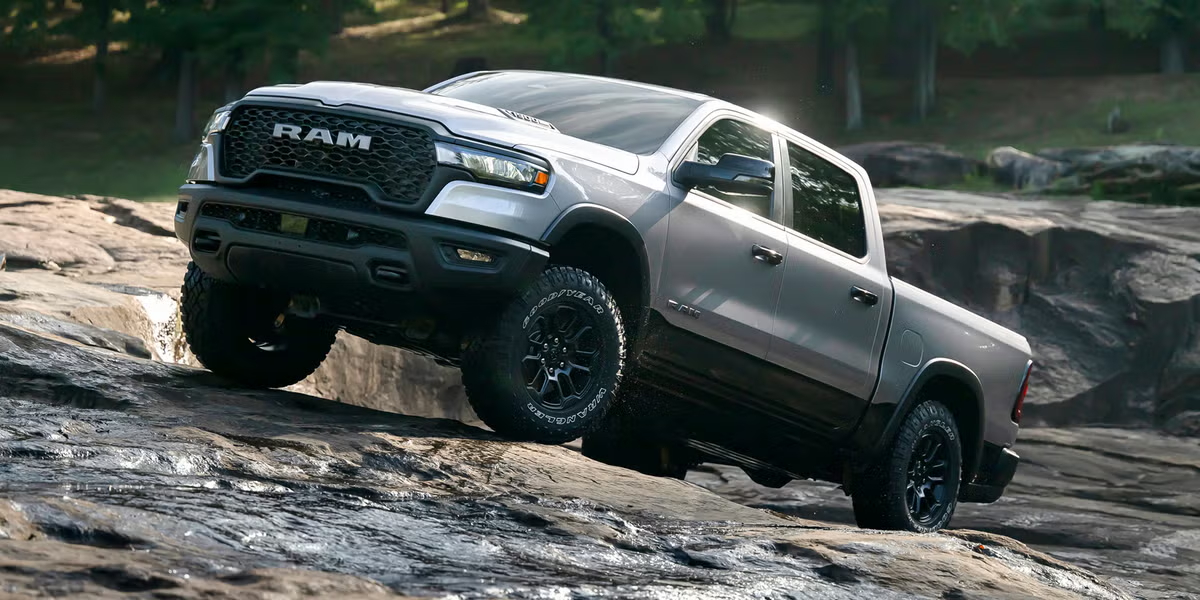
The RAM 1500 is the best RAM truck to buy on the market today. a versatile workhorse, combining strength, comfort, and advanced technology to meet the demands of both work and play. With a towing capacity of up to 12,750 pounds and a maximum payload of 2,300 pounds, it’s well-suited for hauling heavy loads. Inside, the RAM 1500 offers a refined cabin with high-quality materials, ample storage, and the latest infotainment system. The smooth ride and quiet interior make it perfect for long drives, while the range of powerful engines, including a fuel-efficient EcoDiesel V6 and a robust HEMI V8, ensure it can handle any task you throw at it.
When did the Ram 1500 Become One of the Best Ram Vehicles to buy?
The most noteworthy year for the Ram 1500 is often considered to be 2019 due to its significant redesign and reengineering. This model introduced a more aerodynamic exterior, a lighter frame, and a high-quality interior with advanced technology, including a new Uconnect infotainment system with a 12-inch touchscreen. The 2019 Ram 1500 also featured the innovative eTorque mild-hybrid system for better fuel economy and performance, along with an improved suspension system for a smoother ride and better handling, making it a standout in both safety and technology
2. RAM 1500 TRX (Best RAM for Overall Performance)
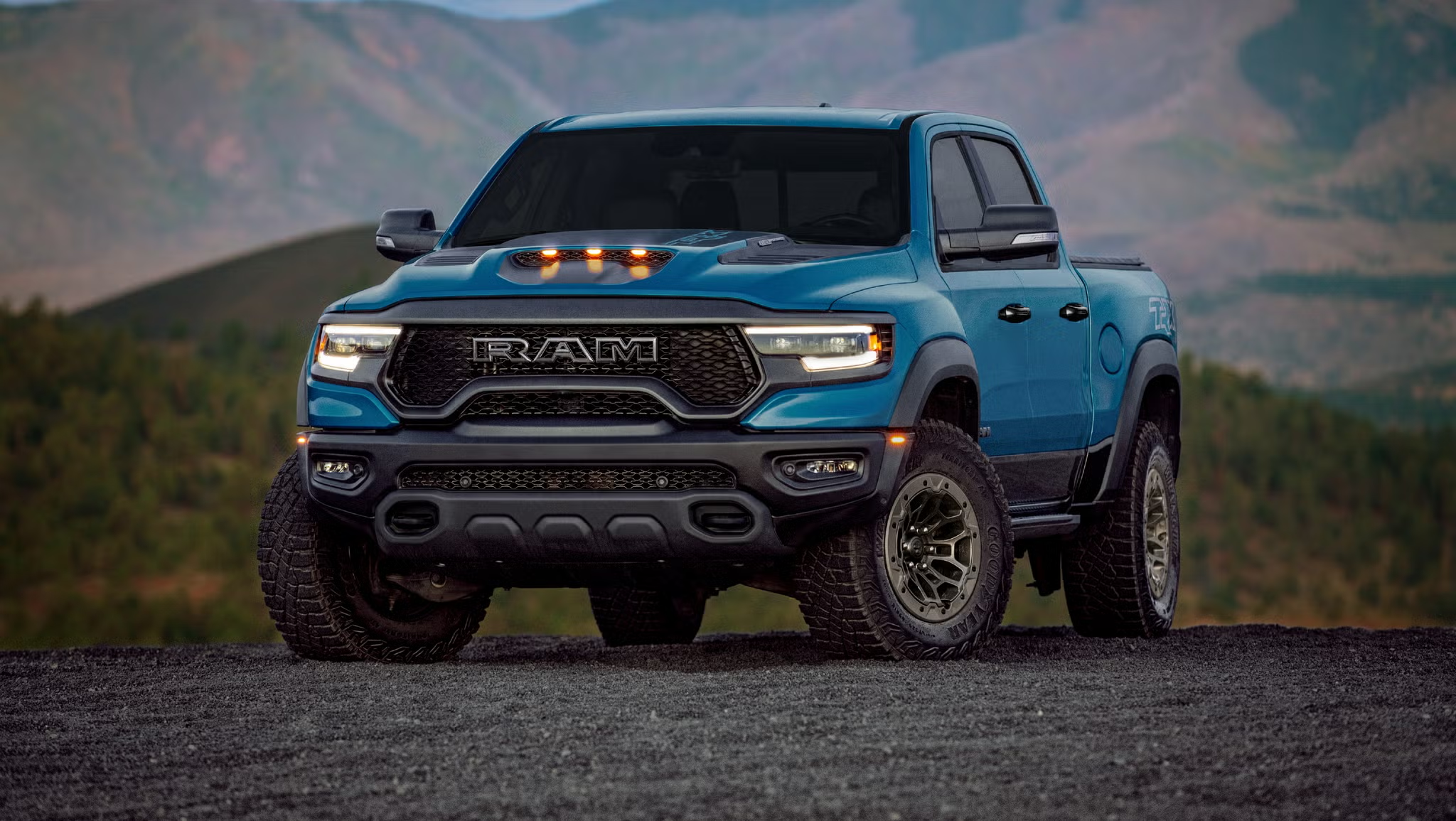
For those seeking high performance both on and off the road, the RAM 1500 TRX is the ultimate choice. This beast is powered by a 702-horsepower supercharged 6.2-liter V8 engine, making it one of the most powerful trucks on the market. Its off-road capabilities are enhanced by performance suspension, all-terrain tires, and a reinforced frame designed to withstand the rigors of rough terrains. The TRX also comes with a luxurious interior, featuring premium materials and advanced technology, making it a comfortable ride no matter where your adventures take you.
When did the Ram TRX Become one of the Best Ram Vehicles for Overall Performance?
The Ram 1500 TRX, introduced for the 2021 model year, stands out as a high-performance variant of the Ram 1500 lineup. It’s notably equipped with a robust 6.2-liter supercharged V8 engine delivering 702 horsepower, making it one of the most powerful production trucks available. The TRX is designed for off-road prowess with specialized features like a reinforced frame, upgraded suspension, and off-road-focused tires. Its aggressive styling, including a distinctive grille and widebody design, further distinguishes it as a top-tier performance truck in the market.
3. RAM 2500 ( Best RAM for Heavy Duty Towing)
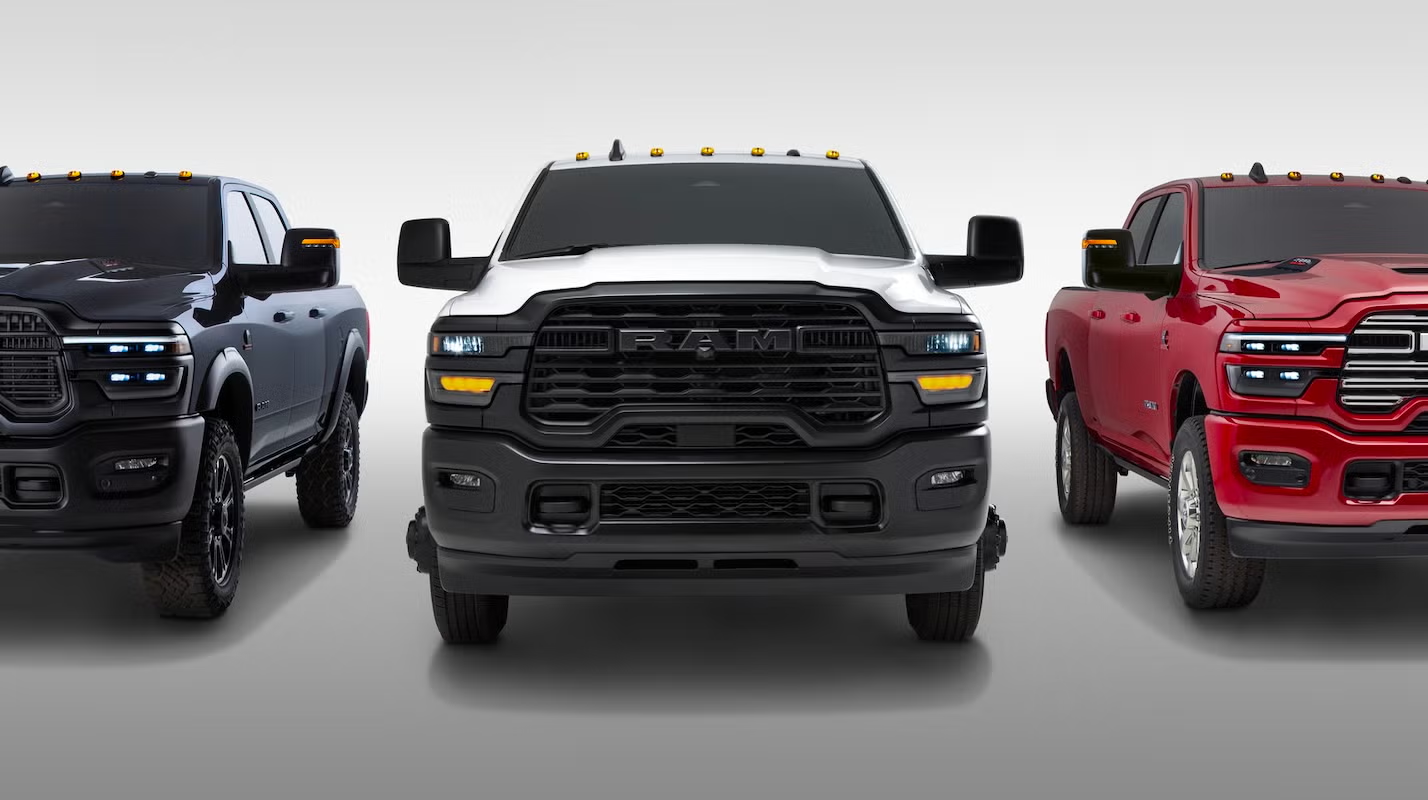
The RAM 2500 is built for those who need heavy-duty towing and hauling capabilities. It offers a high towing capacity, especially with the optional Cummins Turbo Diesel engine, which provides up to 850 lb-ft of torque. The RAM 2500 is not just about power; it also boasts a comfortable and well-appointed interior with plenty of space and modern features. Whether you’re using it for work or recreational purposes, this truck delivers the performance and reliability you need for the toughest jobs.
When Did Ram 2500 Become One of the Best Ram Vehicles for Heavy-Duty Towing?
The Ram 2500 significantly enhanced its towing capabilities with the introduction of the fifth-generation model in 2019. This year marked a notable improvement with updated engine options, including a more powerful Cummins turbo diesel engine, and advanced towing technologies. The 2019 Ram 2500 offered best-in-class towing capacity and set new standards for heavy-duty trucks in terms of towing performance and capability.
4. RAM 3500 (Best for Maximum Towing and Payload Capacity)
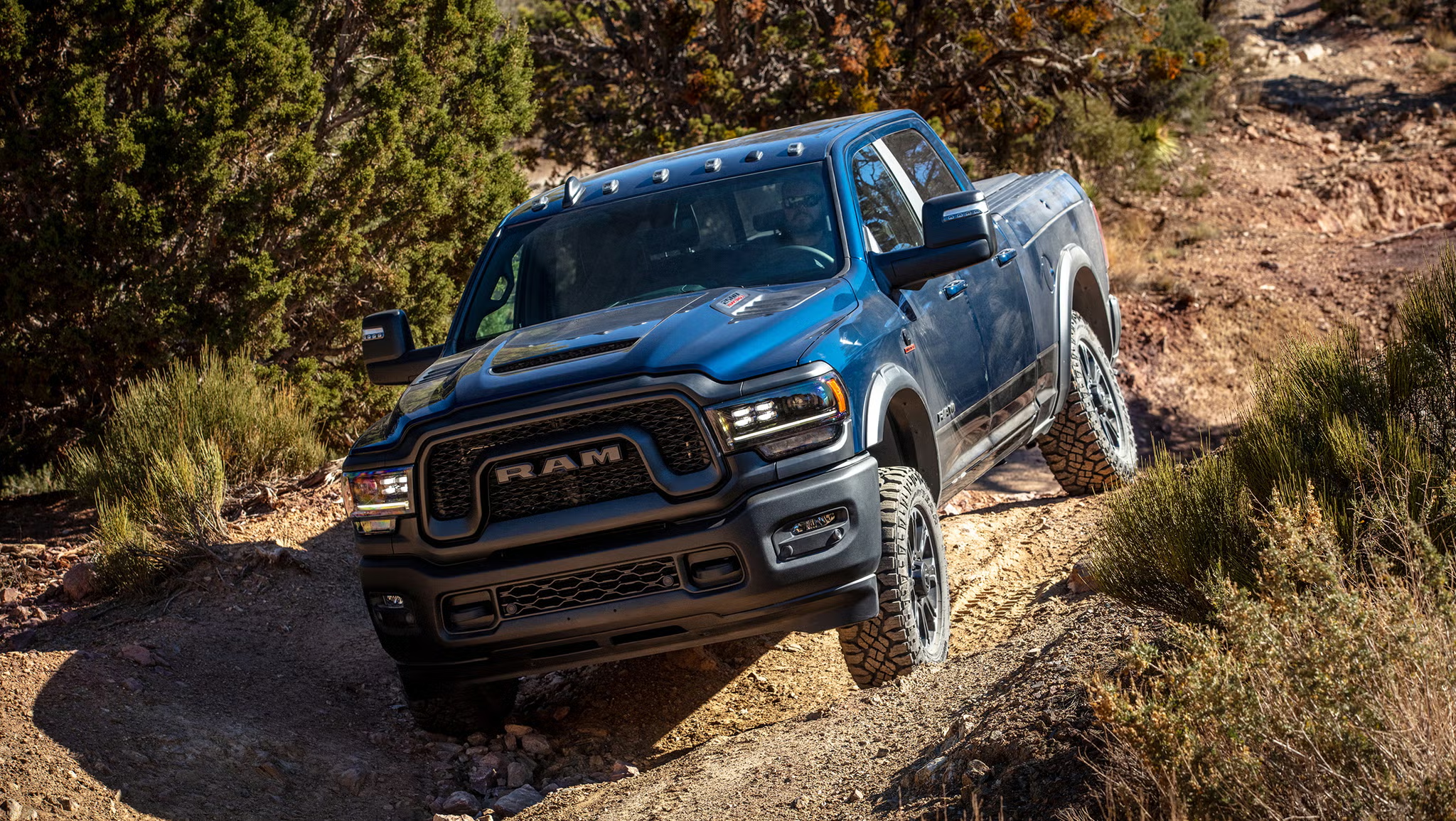
When maximum towing and payload capacities are essential, the RAM 3500 stands out as a top choice. With its available dual rear wheels and powerful engine options, including the 6.7-liter Cummins Turbo Diesel engine that offers up to 1,075 lb-ft of torque, the RAM 3500 can tow up to 37,100 pounds. The interior is designed with a focus on comfort and functionality, featuring premium materials and cutting-edge technology. Whether you’re hauling heavy equipment or towing a large trailer, the RAM 3500 provides the strength and stability required for the most demanding tasks.
When Did Ram 3500 Become one of the Best Ram Vehicles for Payload Capacity?
The Ram 3500 has been recognized as one of the best heavy-duty trucks for maximum towing capacity for several years, particularly with its focus on robust diesel engine options and advanced towing technologies. A significant milestone for the Ram 3500 was the introduction of the latest generation models around 2019. This generation brought substantial upgrades in towing capabilities, including more powerful engines, enhanced suspension systems, and improved towing features such as integrated trailer brake controls and advanced towing assistance systems. This period solidified the Ram 3500’s reputation as a leader in maximum towing capacity among heavy-duty trucks.
5. RAM 1500 Rebel (Best for off-road Enthusiasts)
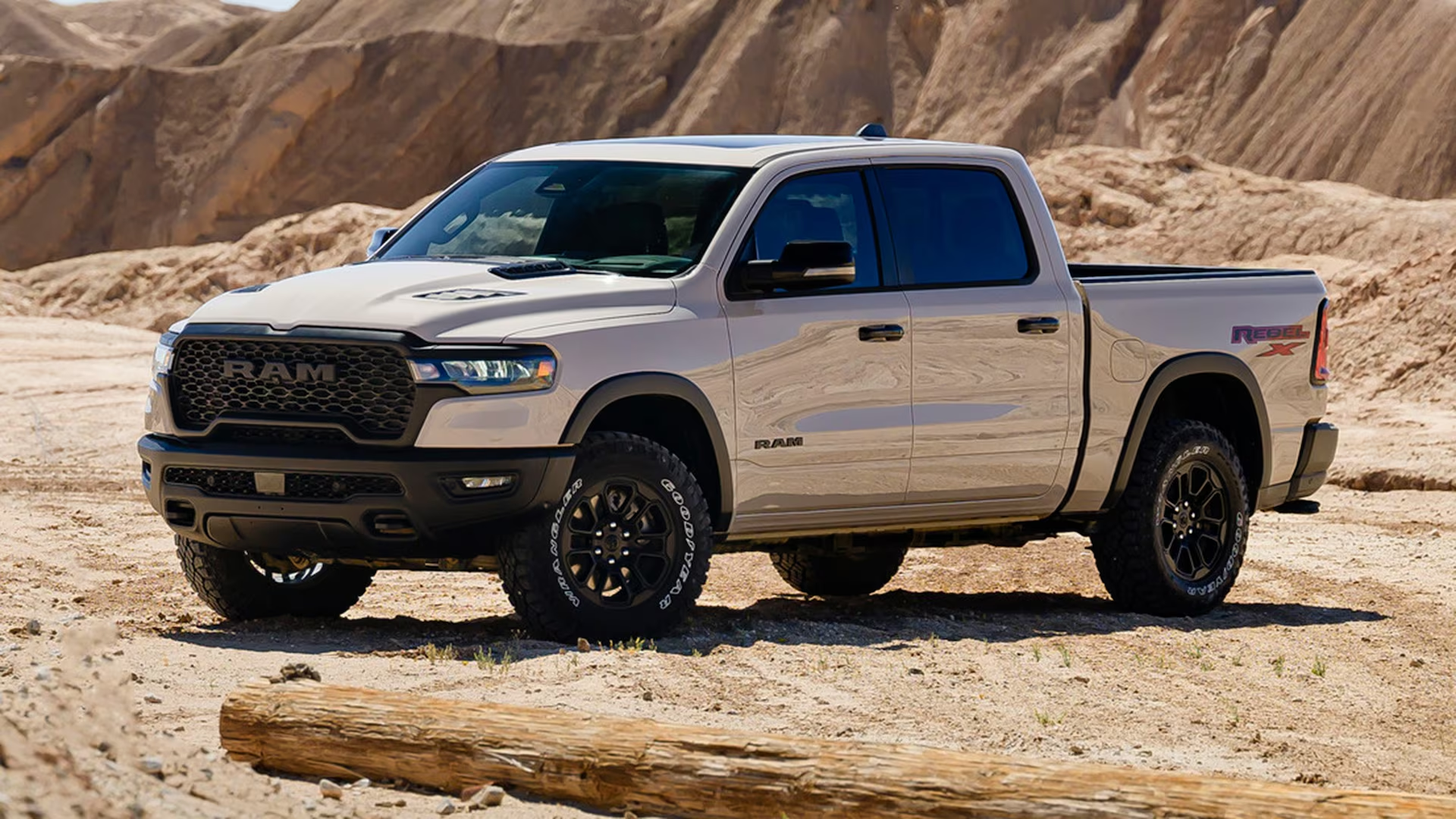
The RAM 1500 Rebel is designed for off-road enthusiasts who crave adventure. It comes equipped with off-road tires, skid plates, and an electronic locking rear differential to handle rough terrains with ease. The Rebel’s suspension is specially tuned for off-road performance, providing excellent ground clearance and ride control. Inside, the Rebel offers a rugged yet comfortable cabin with durable materials and modern amenities. Whether you’re exploring backcountry trails or navigating through challenging landscapes, the RAM 1500 Rebel is built to conquer any terrain.
When Did Ram Rebel Become Best for Offroad Enthusiasts?
The RAM 1500 Rebel gained recognition as a top choice for off-road enthusiasts shortly after its introduction in 2015. Known for its distinctive styling, off-road capabilities, and rugged performance enhancements, the Rebel was designed specifically to cater to those who enjoy off-road adventures. It features specialized off-road suspension, skid plates, aggressive tires, and a locking rear differential, making it well-equipped for challenging terrains. The Rebel’s appeal grew further with subsequent model years, thanks to continuous improvements in off-road technology and features, solidifying its reputation as a favorite among off-road enthusiasts.
6. RAM ProMaster (Best for Urban Businesses)
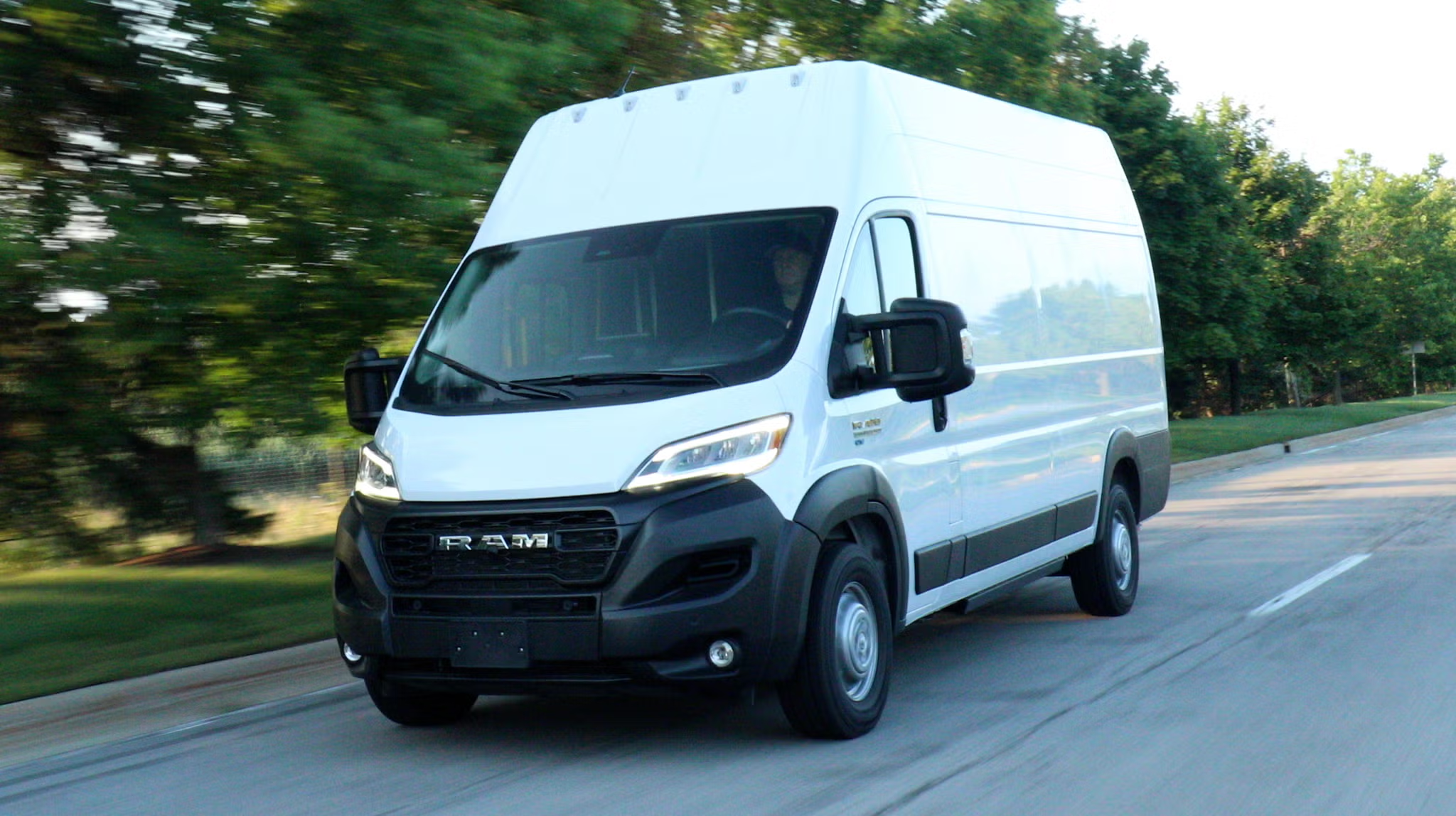
The RAM ProMaster is an ideal choice for urban businesses that need a compact yet capable cargo van. It offers a best-in-class payload capacity and a spacious cargo area that can accommodate a variety of goods and equipment. The ProMaster City’s efficient four-cylinder engine ensures good fuel economy, while its tight turning radius makes it easy to maneuver in city traffic. The interior is designed with practicality in mind, featuring multiple storage solutions and user-friendly technology to support your business needs.
When did Ram ProMaster become the best for Urban Businesses?
The Ram ProMaster has been recognized as an excellent choice for urban businesses, particularly for its versatility, efficiency, and maneuverability in city environments. While pinpointing an exact year when it became the best can vary, the ProMaster has been well-regarded since its introduction in 2013. Its front-wheel-drive layout, low load floor height, and tight turning radius make it highly suitable for navigating narrow city streets and busy urban areas. Over the years, Ram has continued to refine the ProMaster with updates to its engines, interior features, and cargo management systems, further enhancing its appeal to urban businesses seeking a reliable and efficient commercial vehicle solution.
7. RAM ProMaster (Best for Impressive Cargo)
For those requiring a larger commercial vehicle, the RAM ProMaster delivers with its impressive cargo space and versatility. Available in multiple configurations, the ProMaster can be customized to suit a wide range of professional applications. Its front-wheel-drive layout provides superior handling and a lower-load floor for easier access. The powerful V6 engine ensures reliable performance, while the spacious and well-designed interior offers plenty of room for both cargo and passengers. Whether used for deliveries, construction, or mobile workshops, the RAM ProMaster is built to meet the demands of your business.
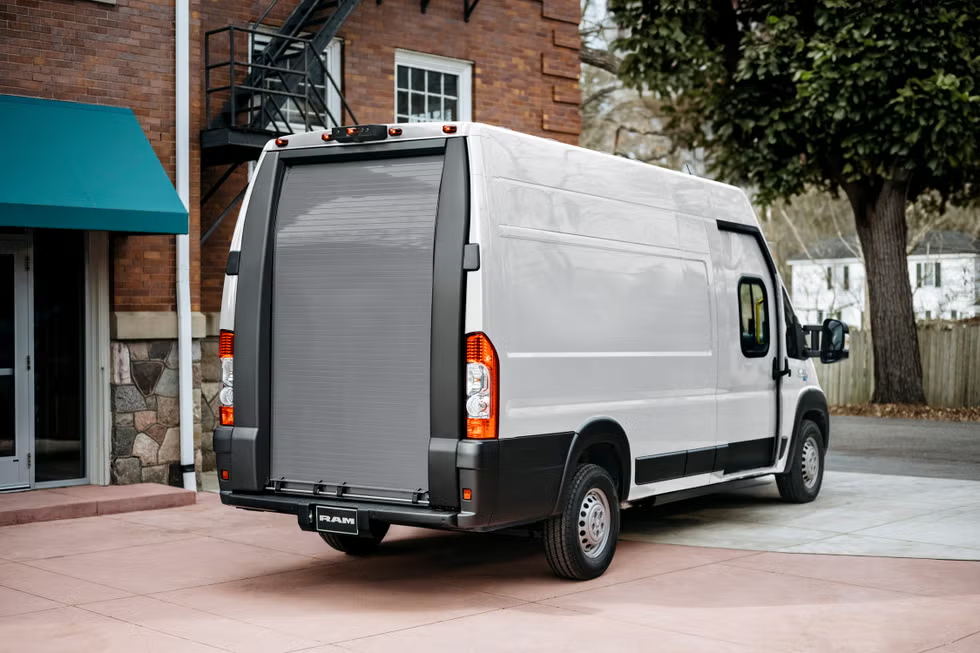
When did Ram ProMaster Become the Best for Impressive Cargo?
The RAM ProMaster has established itself as a standout choice for businesses needing impressive cargo capabilities, thanks to its innovative design and practical features. Introduced in 2013, the ProMaster’s front-wheel-drive configuration allows for a lower load floor height, making it easier to load and unload cargo. Its spacious interior can be customized with various upfitting options, accommodating a wide range of business needs from delivery services to mobile workshops. The ProMaster’s reliability, efficiency, and versatility in handling large volumes of cargo have made it a preferred choice among businesses looking for a capable commercial vehicle solution.
8. RAM 1500 Limited (Best For a Luxurious Taste)
The RAM 1500 Limited is the epitome of luxury in the truck segment. This model features premium leather upholstery, real wood accents, and an advanced infotainment system with a 12-inch touchscreen display. The ride quality is exceptionally smooth, thanks to the available air suspension system that adjusts for optimal comfort and performance. Under the hood, the RAM 1500 Limited offers powerful engine options, including a mild hybrid system for enhanced efficiency. This truck combines the rugged capability of a full-size pickup with the refined comfort and features of a high-end luxury vehicle.
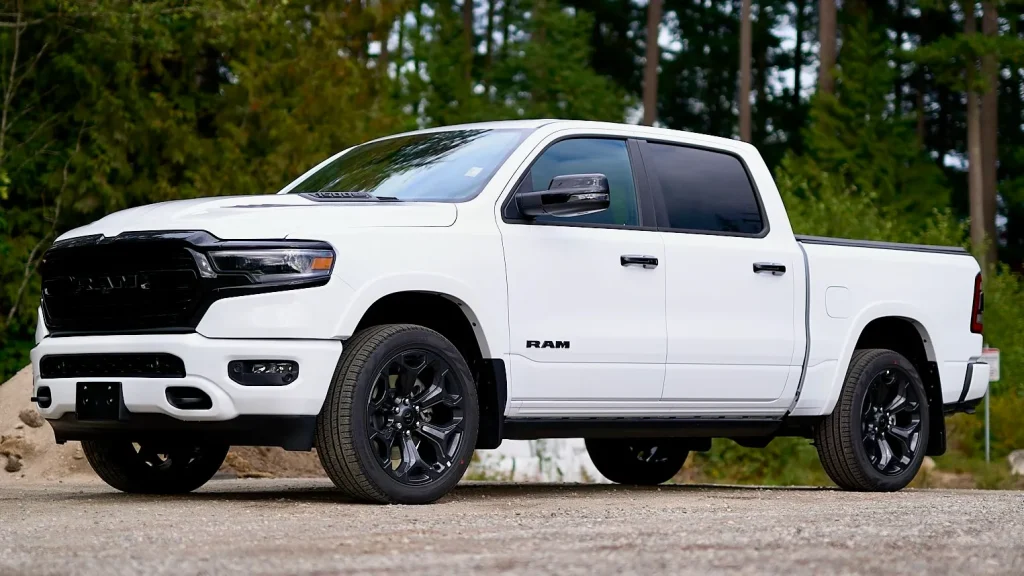
When did Ram 1500 Limited become the Best for luxurious tastes?
The RAM 1500 Limited has garnered acclaim for offering a luxurious experience within the truck segment. Introduced with its latest generation models, particularly around 2019, the RAM 1500 Limited stands out with its premium interior materials, sophisticated design elements, and advanced technology features. It caters to drivers seeking both utility and upscale comfort, featuring amenities such as leather upholstery, real wood and metal accents, a large touchscreen display with advanced infotainment options, and premium audio systems. The RAM 1500 Limited exemplifies luxury in a truck, appealing to those who prioritize both capability and refined style in their vehicle choice.
9. RAM 1500 Laramie (Best Balance of Luxury and Capability)
The RAM 1500 Laramie strikes a perfect balance between luxury and capability. It offers a range of powerful engines, including the HEMI V8 and the EcoDiesel V6, ensuring you have the performance needed for any task. The Laramie’s interior is both stylish and functional, featuring leather-trimmed seats, a premium audio system, and advanced technology for connectivity and safety. Whether you’re using it for work or leisure, the RAM 1500 Laramie provides a premium driving experience without sacrificing the utility of a pickup truck.
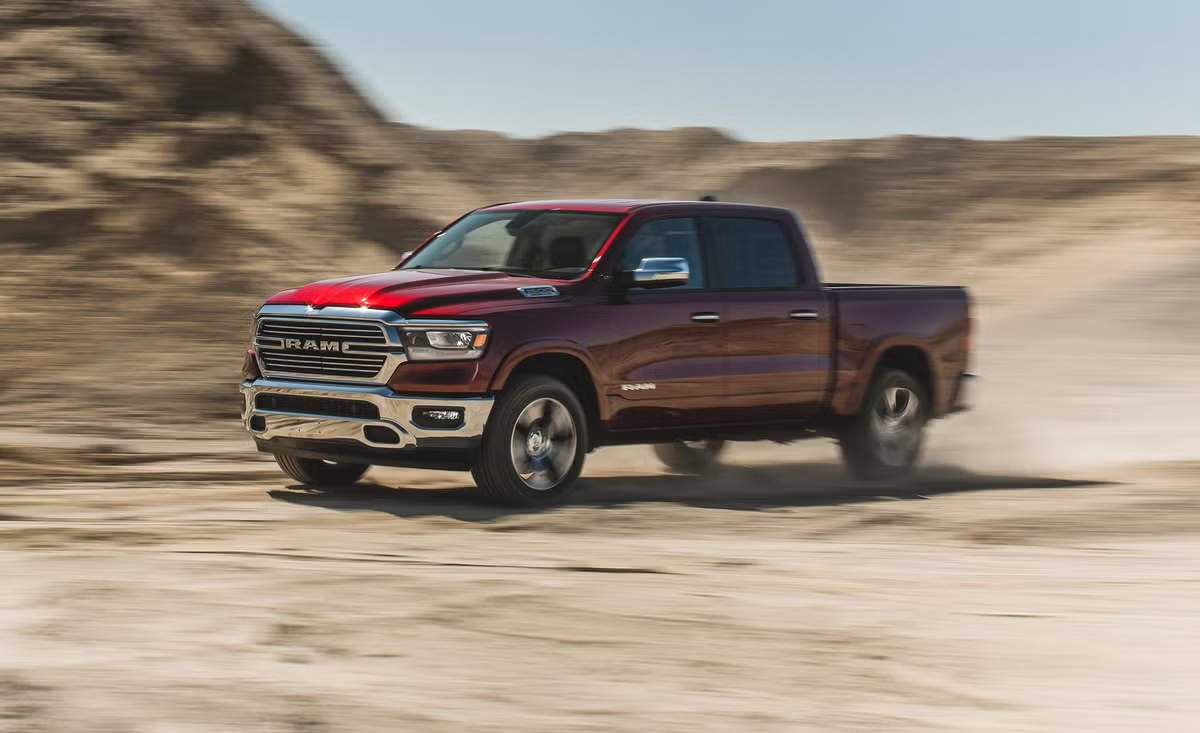
When did Ram 1500 Limited become the Best Balance of Luxury and Capability?
The Ram 1500 Limited has been recognized for its balanced blend of luxury and capability since the introduction of its latest generation models, particularly around 2019. This model year marked a significant upgrade in terms of interior refinement, technological integration, and overall driving dynamics. The Ram 1500 Limited combines premium materials such as leather upholstery, real wood and metal accents, and advanced features like a large touchscreen infotainment system and a premium audio system with rugged capability, including powerful engine options and impressive towing capacity. This combination has solidified the Ram 1500 Limited’s reputation as a top choice for drivers seeking a luxurious yet capable truck.
10. RAM 1500 Big Horn (Most Spacious interior of all Ram Trucks)
The RAM 1500 Big HornBest Ram Vehicles is a versatile and well-equipped truck that offers great value. It features a comfortable and spacious interior with cloth seats and a user-friendly infotainment system. The Big Horn offers a range of engine options, including the efficient V6 and the powerful HEMI V8, providing ample power for towing and hauling. The exterior design is both bold and functional, with chrome accents and available LED lighting. The RAM 1500 Big Horn is perfect for those who need a reliable and capable truck for both work and play.
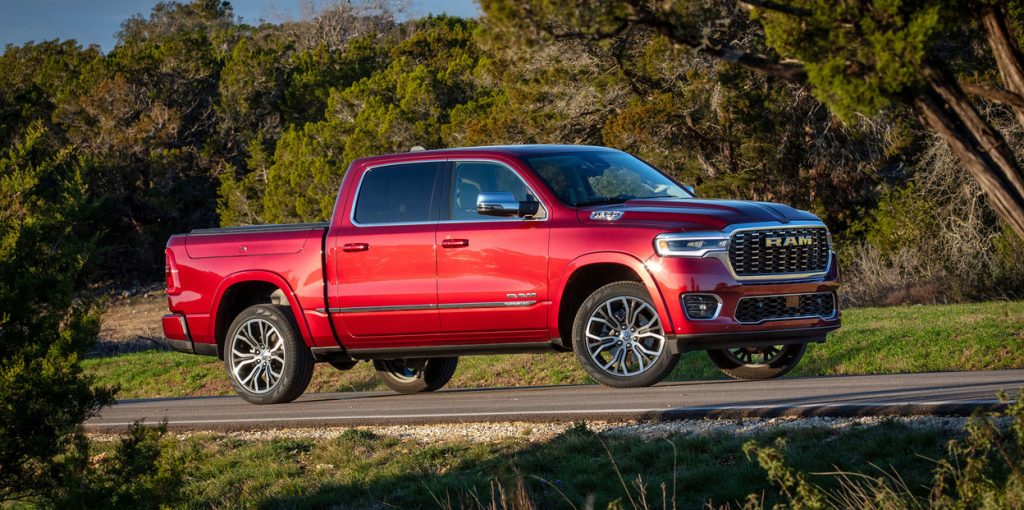
When did the Big Horn Become the Best for Spacious Interiors?
The RAM 1500 Big Horn, known for its spacious interior, provides ample room for both passengers and cargo among RAM trucks. With its introduction in the RAM 1500 lineup, it has been celebrated for its generous cabin dimensions and versatile seating configurations. The Big Horn typically features comfortable seating with plenty of headroom and legroom, making it suitable for long journeys or accommodating larger groups. Its spaciousness is complemented by smart storage solutions and practical amenities, enhancing its appeal to drivers who prioritize interior comfort and functionality in their trucks.
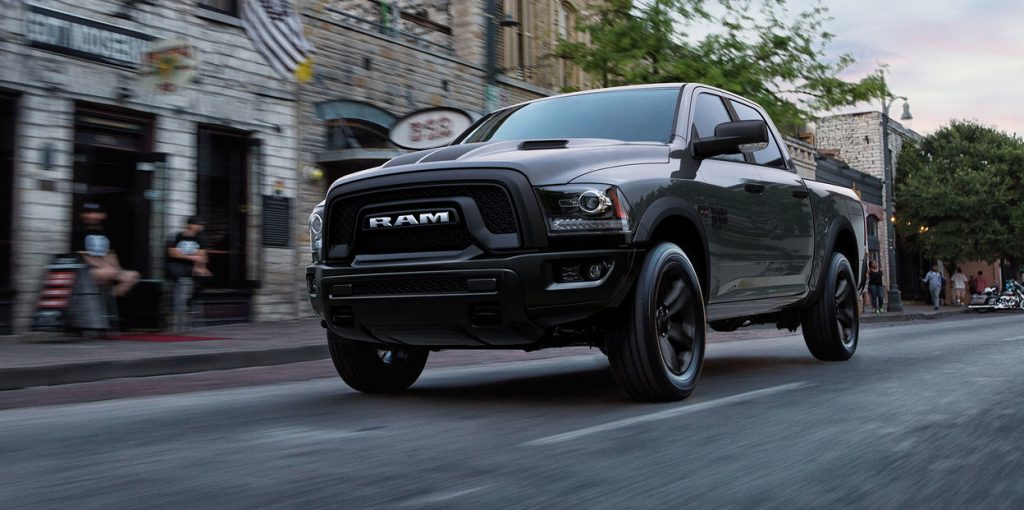
11. RAM 1500 Classic (Best for Budget Friendliness)
The RAM 1500 Classic is a budget-friendly option that doesn’t compromise on performance or capability. It retains the previous generation’s design and features, making it a familiar and trusted choice for many truck enthusiasts. The Classic offers a range of engine options, including the V6 and V8, ensuring you have the power needed for various tasks. Its interior is practical and straightforward, with durable materials and essential technology. The RAM 1500 Classic is ideal for those seeking a reliable truck at a more affordable price point.
When did the 1500 classic Become the Best for budget-friendliness?
The RAM 1500 Classic gained recognition for its budget-friendliness primarily after its launch as a model year 2019 vehicle. Positioned as a more affordable alternative to the redesigned RAM 1500, the Classic model retained many of the beloved features and capabilities of its predecessor at a lower price point. This affordability made it an attractive option for buyers seeking a reliable and capable full-size pickup without the higher costs associated with newer models. The RAM 1500 Classic’s value proposition continued to resonate with budget-conscious consumers looking for a dependable truck with proven performance and features.
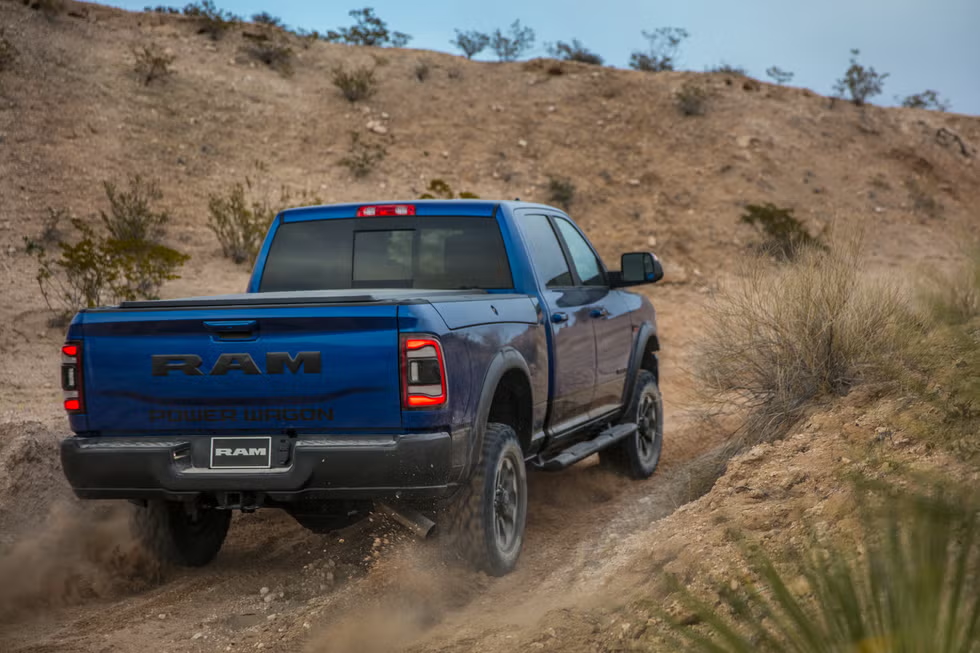
12. RAM 2500 Power Wagon (Best for Extreme off Road Adventures)
The RAM 2500 Power Wagon is built for extreme off-road adventures. It comes equipped with features like a winch, off-road tires, skid plates, and a disconnecting sway bar to handle the toughest terrains. The Power Wagon’s suspension is specifically tuned for off-road performance, providing excellent ground clearance and articulation. Inside, it offers a comfortable and well-equipped cabin with modern technology and durable materials. Whether you’re tackling rocky trails or deep mud, the RAM 2500 Power Wagon is designed to go where other trucks can’t.
When did RAM 2500 Power Wagon Become Best for Extreme off Road Adventures?
The RAM 2500 Power Wagon has earned a reputation as the ultimate choice for extreme off-road adventures since its introduction. Renowned for its formidable off-road capabilities, the Power Wagon stands out with specialized features designed to conquer rugged terrain. Equipped with a robust suspension system, locking front and rear differentials, and aggressive off-road tires, it ensures superior traction and maneuverability on challenging landscapes. The Power Wagon also boasts a powerful engine, typically a HEMI V8, providing ample torque for towing and navigating rough trails with ease. This combination of off-road prowess and towing capability makes the RAM 2500 Power Wagon a top pick for enthusiasts seeking adrenaline-pumping off-road experiences.
13. RAM 3500 Laramie Longhorn (Best Heavy Duty Capability)
The RAM 3500 Laramie Longhorn combines heavy-duty capability with luxury features. It offers powerful engine options, including the Cummins Turbo Diesel, providing exceptional towing and hauling capacity. The Laramie Longhorn’s interior is richly appointed with premium leather, wood trim, and advanced technology, offering a level of comfort and sophistication that rivals luxury SUVs. This model is perfect for those who need the strength of a heavy-duty truck but don’t want to compromise on luxury and comfort.
When did RAM 3500 Laramie Longhorn Become the Best Heavy Duty Capability?
The RAM 3500 Laramie Longhorn is celebrated for its exceptional heavy-duty capability, distinguishing itself as a top choice among heavy-duty trucks. Introduced with its latest generations, particularly around 2019, the Laramie Longhorn combines luxurious interior appointments with robust performance features tailored for heavy-duty tasks. It typically features premium leather upholstery, real wood and metal accents, and advanced technology integrations like a large touchscreen infotainment system and premium audio options. Underneath its luxurious exterior lies a powerhouse, often equipped with potent engine choices and advanced towing capabilities that enable it to handle demanding jobs with ease. This blend of luxury and heavy-duty capability makes the RAM 3500 Laramie Longhorn a standout in its class.
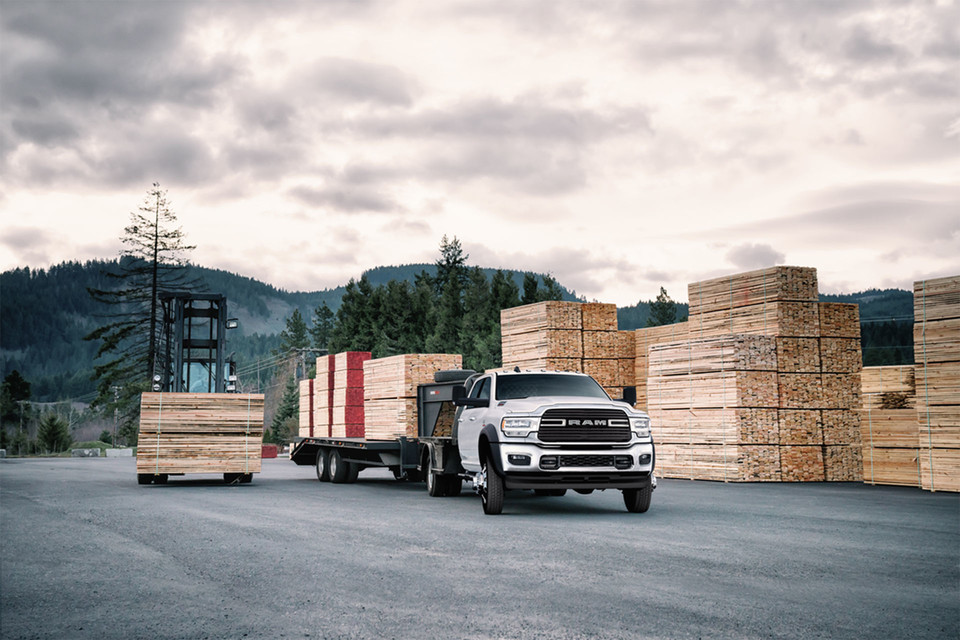
14. RAM Chassis Cab (Best RAM for Commercial Usage)
The RAM Chassis Cab is designed for commercial use, offering a versatile platform that can be customized for various professional applications. It features a strong and durable frame, powerful engine options, and a range of configurations to suit different needs. The Chassis Cab’s interior is designed with practicality in mind, offering comfortable seating, advanced technology, and multiple storage solutions. Whether used for towing, hauling, or specialized equipment, the RAM Chassis Cab provides the flexibility and reliability required for demanding jobs.
When did RAM Chassis Cab Become the Best RAM for Commercial Usage?
The RAM Chassis Cab has been recognized as an excellent choice for commercial usage for several years, particularly due to its robust construction, versatile configurations, and reliable performance. It gained prominence around the mid-2000s when RAM (formerly Dodge) started offering dedicated chassis cab models tailored specifically for commercial and vocational applications. These models provided businesses with customizable platforms that could accommodate various upfit options, such as utility bodies, flatbeds, or specialized equipment. Over the years, RAM has continued to refine the Chassis Cab lineup, introducing more powerful engines, enhanced towing capacities, and advanced technology features that cater to the diverse needs of commercial operators. This ongoing commitment has solidified the RAM Chassis Cab’s reputation as a leader in the commercial truck segment.
15. RAM 1500 EcoDiesel (Best For Fuel Efficiency)
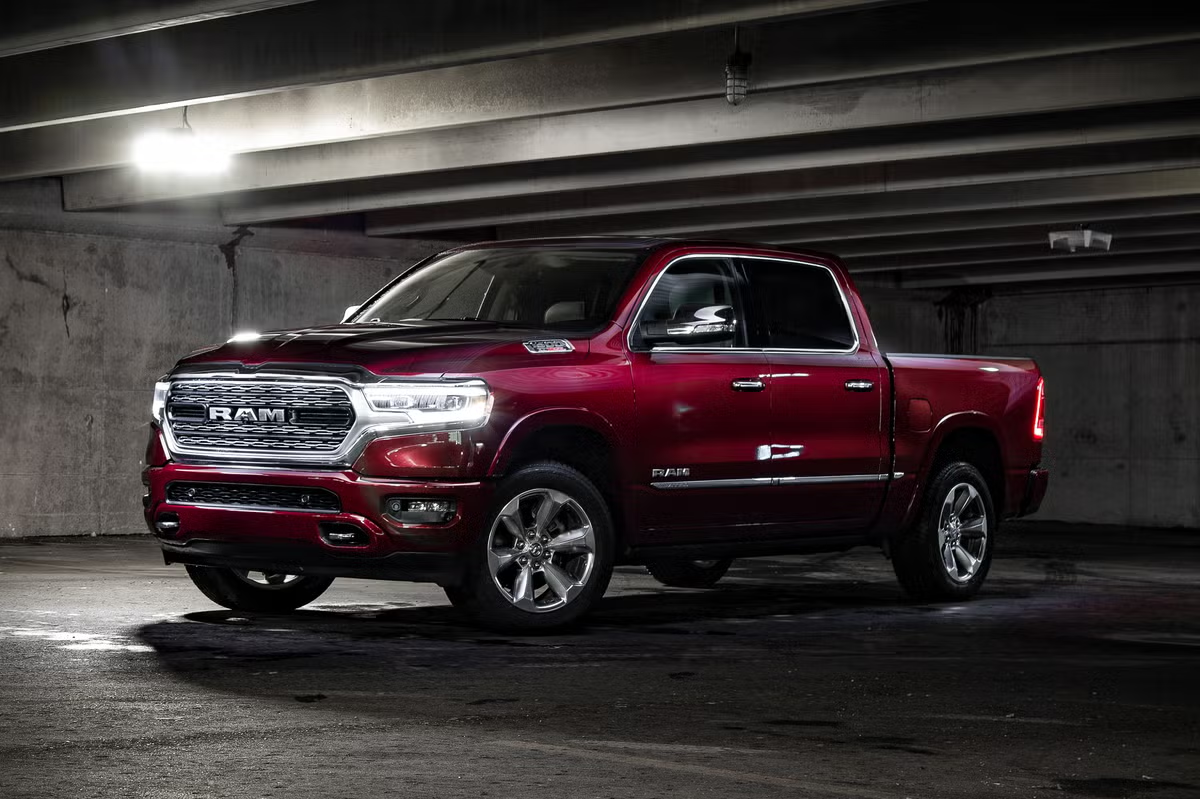
The RAM 1500 EcoDiesel is an excellent choice for those seeking a fuel-efficient truck without sacrificing performance. The 3.0-liter EcoDiesel V6 engine provides impressive fuel economy, making it ideal for long-distance driving and heavy use. Despite its efficiency, the EcoDiesel engine offers strong torque and towing capabilities, ensuring you can handle various tasks with ease. The interior of the RAM 1500 EcoDiesel is comfortable and well-equipped, featuring modern technology and high-quality materials. This model is perfect for those who want the benefits of a diesel engine in a full-size pickup.
When did Ram 1500 EcoDiesel Become the Best for Fuel Efficiency?
The RAM 1500 EcoDiesel has established itself as a top choice for fuel efficiency within the RAM 1500 lineup, particularly with its latest generation models introduced around 2020. Equipped with a turbocharged diesel engine, the EcoDiesel variant offers impressive fuel economy, making it an ideal option for drivers seeking both power and efficiency. Its innovative diesel technology enhances fuel efficiency without sacrificing performance, providing ample torque for towing and hauling needs while delivering fewer trips to the pump. This combination of efficiency and capability has positioned the RAM 1500 EcoDiesel as a standout in its class for fuel-conscious consumers.
FAQS
Q1: What makes the RAM 1500 the best RAM truck overall?
A1: The RAM 1500 is known for its versatile workhorse capabilities, combining strength, comfort, and advanced technology. It offers a towing capacity of up to 12,750 pounds, a refined interior, and a smooth ride, making it suitable for both work and play.
Q2: When did the RAM 1500 undergo significant redesign?
A2: The most noteworthy redesign occurred in 2019, introducing a more aerodynamic exterior, a lighter frame, and advanced technology, including a new Uconnect infotainment system.
RAM 1500 TRX
Q3: Why is the RAM 1500 TRX considered the best RAM for overall performance?
A3: The RAM 1500 TRX is powered by a supercharged 6.2-liter V8 engine with 702 horsepower, making it one of the most powerful trucks available. Its off-road capabilities and luxurious interior also enhance its appeal for performance enthusiasts.
Q4: When was the RAM 1500 TRX introduced?
A4: The RAM 1500 TRX was introduced for the 2021 model year, highlighting its high-performance features and off-road prowess.
RAM 2500
Q5: What distinguishes the RAM 2500 as the best RAM for heavy-duty towing?
A5: The RAM 2500 offers high towing capacities, especially with the optional Cummins Turbo Diesel engine, which provides up to 850 lb-ft of torque, making it ideal for heavy-duty hauling.
Q6: When did the RAM 2500 enhance its towing capabilities?
A6: The RAM 2500 significantly improved its towing capabilities with the fifth-generation model introduced in 2019.
RAM 3500
Q7: What makes the RAM 3500 the best choice for maximum towing and payload capacity?
A7: The RAM 3500 can tow up to 37,100 pounds, thanks to its available dual rear wheels and powerful engine options. Its interior is designed for comfort and functionality.
Q8: When did the RAM 3500 become recognized for its payload capacity?
A8: The RAM 3500 solidified its reputation for maximum towing capacity with upgrades introduced around 2019.
RAM 1500 Rebel
Q9: Why is the RAM 1500 Rebel ideal for off-road enthusiasts?
A9: The RAM 1500 Rebel features off-road tires, skid plates, and an electronic locking rear differential, making it well-equipped to handle rough terrains.
Q10: When did the RAM 1500 Rebel gain popularity among off-road enthusiasts?
A10: The RAM 1500 Rebel became recognized as a top off-road truck shortly after its introduction in 2015.
RAM ProMaster
Q11: What makes the RAM ProMaster the best for urban businesses?
A11: The RAM ProMaster offers a compact size with best-in-class payload capacity, making it ideal for urban environments.
Q12: When did the RAM ProMaster become popular for urban business applications?
A12: The RAM ProMaster has been well-regarded since its introduction in 2013.
RAM 1500 Limited
Q13: What features make the RAM 1500 Limited the epitome of luxury in trucks?
A13: The RAM 1500 Limited features premium leather upholstery, real wood accents, and an advanced infotainment system, combining rugged capability with refined comfort.
Q14: When did the RAM 1500 Limited become known for its luxury?
A14: The RAM 1500 Limited gained acclaim for its luxury features starting around 2019.
RAM 1500 Classic
Q15: Why is the RAM 1500 Classic considered budget-friendly?
A15: The RAM 1500 Classic retains the previous generation’s features and design at a lower price point, making it accessible for budget-conscious buyers.
Q16: When did the RAM 1500 Classic become recognized for its budget-friendliness?
A16: The RAM 1500 Classic was launched as a budget-friendly option in 2019.
RAM 2500 Power Wagon
Q17: What sets the RAM 2500 Power Wagon apart for extreme off-road adventures?
A17: The RAM 2500 Power Wagon is equipped with a winch, off-road tires, and specialized suspension, making it highly capable of tackling tough terrains.
Q18: When did the RAM 2500 Power Wagon become known for its off-road capabilities?
A18: The RAM 2500 Power Wagon has been recognized for its extreme off-road capabilities since its introduction, with enhancements in subsequent models.
RAM 3500 Laramie Longhorn
Q19: How does the RAM 3500 Laramie Longhorn combine luxury and heavy-duty capability?
A19: The RAM 3500 Laramie Longhorn features luxurious interior finishes while providing powerful engine options and exceptional towing capacity.
Q20: When did the RAM 3500 Laramie Longhorn achieve recognition for its heavy-duty capability?
A20: The RAM 3500 Laramie Longhorn gained acclaim for its heavy-duty capability around 2019 with its latest generation updates.
RAM Chassis Cab
Q21: Why is the RAM Chassis Cab the best option for commercial usage?
A21: The RAM Chassis Cab is designed for commercial use with a versatile platform and powerful engine options tailored for various professional applications.
Q22: When did the RAM Chassis Cab become popular for commercial applications?
A22: The RAM Chassis Cab has been recognized for commercial usage since the mid-2000s, evolving with enhancements to meet industry demands.
RAM 1500 EcoDiesel
Q23: What makes the RAM 1500 EcoDiesel a top choice for fuel efficiency?
A23: The RAM 1500 EcoDiesel features a turbocharged diesel engine that offers impressive fuel economy without sacrificing towing capability.
Q24: When did the RAM 1500 EcoDiesel become known for fuel efficiency?
A24: The RAM 1500 EcoDiesel established its reputation for fuel efficiency with the latest generation models introduced around 2020.
What are the Benefits of Owning a Jeep?
Owning a Jeep offers numerous benefits that appeal to a wide range of drivers. From off-road capabilities to a strong community, Jeeps provide a unique driving experience. Here are some key benefits of owning a Jeep:
Benefits of Owning a Jeep
- Off-Road Capabilities: Exceptional terrain handling with features like high ground clearance and advanced 4×4 systems.
- Iconic Design: Timeless, distinctive look with extensive customization options.
- Strong Community: Supportive Jeep owner network and events.
- Durability: Rugged construction designed to withstand harsh conditions.
- Versatility: Suitable for daily driving, off-road adventures, and family use.
- Resale Value: High value retention, making it a good investment.
- Adventure Lifestyle: Open-air driving options and a vehicle that encourages exploration.
Owning a Jeep offers off-road capabilities, iconic design, strong community, durability, versatility for daily and adventure use, high resale value, and open-air driving. Now lets dive into these reasons further.
What are the Benefits of Owning a Jeep? 1. Off-Road Capabilities
- Unmatched Terrain Handling: Jeeps, especially models like the Wrangler, are built for off-road adventures. With features like high ground clearance, solid axles, and advanced 4×4 systems, Jeeps can tackle rough terrains, including rocks, mud, and snow.
- Trail-Rated Performance: Many Jeep models are Trail Rated, which means they have been tested and proven to perform well in various off-road conditions, including traction, water fording, maneuverability, articulation, and ground clearance.
While Jeep vehicles are highly acclaimed for their exceptional off-road capabilities, there are some potential drawbacks to consider. One of the main concerns is ride comfort. The off-road suspension systems that make Jeeps so capable on rugged terrain can translate to a somewhat rougher and less refined ride on paved roads. This can be particularly noticeable at higher speeds or on long highway drives, where the firm suspension may lead to a less comfortable experience for passengers.
When it comes to Jeep’s iconic design and extensive customization options, there are a few potential drawbacks to consider. One of the main concerns is that while the distinctive look of Jeeps is a major selling point for enthusiasts, it may not appeal to everyone. Some buyers may prefer more modern or streamlined designs, finding the boxy shape and rugged styling of Jeeps less appealing.
Additionally, the customization options available for Jeeps can be both a blessing and a challenge. While it’s fantastic to have the ability to personalize your Jeep to your liking, the sheer number of aftermarket parts and accessories can be overwhelming. This can make it difficult for owners to navigate and choose the right upgrades for their needs, leading to confusion and potential dissatisfaction if the customization process is not well-planned.
Furthermore, extensive customization can sometimes impact the overall functionality and performance of the vehicle. Adding oversized tires, lift kits, and other modifications may alter the handling characteristics, fuel efficiency, and even safety aspects of the Jeep. Owners need to carefully consider these factors and ensure that their customizations align with their intended use of the vehicle.
Lastly, the cost of customization can add up quickly. High-quality aftermarket parts and professional installation services can be expensive, potentially increasing the overall investment in the Jeep beyond its initial purchase price. This cost factor is something that buyers should factor into their decision-making process when considering customization options for their Jeep.
Other Benefits of Owning a Jeep? 2. Iconic Design and Customization
- Distinctive Look: Jeep’s iconic design, characterized by its boxy shape and seven-slot grille, is instantly recognizable and has a timeless appeal.
- Customization Options: Jeeps offer extensive customization possibilities, from lift kits and oversized tires to winches and light bars. Owners can personalize their vehicles to match their style and needs.
What are the Benefits of Owning a Jeep? 3. Strong Community and Brand Loyalty
- Jeep Wave: Owning a Jeep means becoming part of a passionate and supportive community. The Jeep Wave, a friendly gesture exchanged between Jeep owners, symbolizes this camaraderie.
- Events and Clubs: Jeep owners often participate in events, off-road clubs, and social gatherings, fostering a strong sense of belonging and shared enthusiasm for the brand.
What are the Benefits of Owning a Jeep? 4. Durability and Reliability
- Built to Last: Jeeps are known for their rugged construction and durable components, designed to withstand harsh conditions and rigorous use.
- Long-Term Performance: The reliability of Jeep vehicles means they can handle years of driving without significant issues, providing peace of mind to owners.
What are the Benefits of Owning a Jeep? 5. Versatility and Practicality
- Multi-Functional: Modern Jeeps are versatile vehicles that can serve as daily drivers, family cars, and off-road adventurers. They offer a blend of practical features and rugged capabilities.
- Interior Comfort and Technology: Today’s Jeeps come equipped with comfortable interiors, advanced safety features, and modern technology, making them suitable for everyday commuting and long trips.
How owning a Jeep makes it more likely to sell. 6. Resale Value
- Value Retention: Jeeps, particularly the Wrangler, hold their value exceptionally well. This limited depreciation makes them a good investment and ensures that owners get a better return when selling or trading in their vehicle.
7. Adventure and Lifestyle
- Open-Air Driving: Many Jeep models, like the Wrangler, offer removable tops and doors, providing an exhilarating open-air driving experience.
- Lifestyle Statement: Owning a Jeep is often seen as a lifestyle choice, representing freedom, adventure, and a connection to nature. It’s a vehicle that encourages exploration and outdoor activities.
What are the Benefits of Owning a Jeep? 8. Safety Features
- Robust Safety: Modern Jeeps are equipped with advanced safety features, including airbags, stability control, and advanced braking systems, ensuring a secure driving experience.
- Off-Road Safety: Features like skid plates, roll bars, and reinforced frames enhance safety during off-road adventures.
In 2024, Jeep vehicles continue to prioritize safety with advanced features such as adaptive cruise control, lane departure warning, automatic emergency braking, blind-spot monitoring, and rear cross-traffic alert. These technologies enhance driver awareness and help prevent accidents, making Jeep models a safe choice for both on-road and off-road driving.
What are the Benefits of Owning a Jeep? 9. Towing and Hauling
- Impressive Towing Capacity: Many Jeep models, such as the Grand Cherokee and Gladiator, offer significant towing capacities, making them ideal for hauling trailers, boats, and other heavy loads.
- Utility and Cargo Space: Jeeps provide ample cargo space and practical storage solutions, making them suitable for camping trips, road trips, and everyday errands.
In 2024, Jeep models offer impressive towing and hauling capabilities, with some models equipped to tow up to 7,000 pounds or more, depending on the configuration. Features like trailer sway control, integrated trailer brake controllers, and heavy-duty towing packages ensure confident towing performance. Additionally, Jeep’s versatile cargo management systems and ample cargo space make it easy to haul gear, equipment, and supplies for outdoor adventures or everyday tasks. Whether you’re towing a boat, camper, or trailer, Jeep’s towing and hauling capabilities in 2024 make it a reliable choice for transporting heavy loads with ease.
What are the Benefits of Owning a Jeep? 10. Brand Heritage and Prestige
- Historical Significance: Jeep’s heritage, dating back to World War II with the original Willys Jeep, adds a sense of prestige and historical significance to owning a Jeep.
- Reputation for Quality: Jeep has built a strong reputation for producing high-quality, reliable, and capable vehicles, enhancing the brand’s appeal and prestige.
In conclusion, owning a Jeep offers a wide array of benefits, from its legendary off-road capabilities and iconic design to its strong community and high resale value. Whether you’re seeking adventure, practicality, or a vehicle with a rich heritage, a Jeep provides a unique and rewarding ownership experience.
Are Jeep Wranglers Comfortable for Long Trips?

Are Jeep Wranglers Comfortable for Long Trips?
Jeep Wranglers are renowned for their off-road capabilities and rugged charm, but how do they fare when it comes to long trips? The answer depends on various factors, including the model, personal preferences, and specific needs for comfort and convenience. Let’s delve into why Jeep Wranglers can be considered one of the best vehicles for long trips.
| Rank | Jeep Wrangler Trim | Comfort Rating (Out of 10) |
|---|---|---|
| 1 | Jeep Wrangler High Altitude | 9.2 |
| 2 | Jeep Wrangler Sahara | 9.0 |
| 3 | Jeep Wrangler Rubicon | 8.8 |
| 4 | Jeep Wrangler Unlimited | 8.5 |
| 5 | Jeep Wrangler Sport | 8.3 |
Note: Comfort ratings are based on aggregated customer reviews, expert evaluations, and automotive publications. Individual preferences and specific features of each trim level can influence comfort ratings.

1.How Does Design Make Wranglers Ideal for Long Trips?
The iconic design of the Jeep Wrangler provides excellent visibility and a commanding view of the road, making long drives more enjoyable. With options for two-door and four-door models, you can choose the Wrangler that best suits your space and comfort needs. Enjoy the open-air freedom by removing the roof and doors, perfect for scenic routes and warm weather.
2. How Does Off Road Capability Help Wranglers for Longer Trips?
The Wrangler’s superior off-road capabilities ensure you can tackle diverse terrains, from highways to rugged trails, without sacrificing comfort. The latest Wrangler models offer a spacious interior with ample legroom and headroom, making long trips comfortable for all passengers. Modern Wranglers come with ergonomically designed seats, often with adjustable lumbar support, providing comfort on extended drives.

3. How do the Materials of Jeep Wrangler Improve Longer Trips?
The use of durable and high-quality materials in the interior adds a touch of luxury and ensures longevity. Dual-zone automatic temperature control allows each passenger to set their preferred temperature, enhancing comfort during long trips. The Uconnect infotainment system with touchscreen display, navigation, and smartphone integration keeps you entertained and connected on the road. Available with a premium audio system, including options like Alpine® speakers, to enjoy your favorite tunes with crystal-clear sound.
4. How does Wrangler Seating Improve Longer Trips?
With foldable rear seats and a generous cargo area, you have plenty of space for luggage and gear, making the Wrangler ideal for road trips. The Wrangler’s impressive towing capacity allows you to bring along additional equipment, such as trailers, boats, or campers. Equipped with advanced safety features like blind-spot monitoring, rear cross-path detection, and adaptive cruise control, the Wrangler ensures a safe journey.
5. How does Wrangler Durability Make it Perfect for Longer Trips?
Built to withstand tough conditions, the Wrangler’s durability ensures reliability and peace of mind on long trips. Modern Wranglers offer improved fuel efficiency, reducing the number of stops needed for refueling. For those who enjoy detours off the beaten path, the Wrangler’s off-road prowess adds an element of adventure to your long trip.
6. How does Wrangler Accessories Improve Longer Trips?
With a wide range of aftermarket parts and accessories, you can customize your Wrangler to fit your travel needs perfectly. The Wrangler’s advanced suspension system provides a smooth ride, absorbing bumps and rough patches on long journeys. Features like hill start assist, electronic stability control, and a backup camera make driving easier and safer, especially on long trips.
7. How does Wrangler Tech Improve Longer Trips?
The intuitive layout of controls and easy-to-use features ensure a hassle-free driving experience. Owning a Wrangler means joining a passionate community of Jeep enthusiasts, offering a sense of camaraderie and support during your travels.
In conclusion, Jeep Wranglers offer a unique blend of comfort, capability, and versatility, making them an excellent choice for long trips.
8. Dual-Zone Automatic Temperature Control For Better Long Distance Trips
The Dual-Zone Automatic Temperature Control system in the Jeep Wrangler is designed to enhance comfort by allowing the driver and front passenger to set and maintain their preferred temperatures independently. This feature ensures a personalized climate for each occupant, providing tailored comfort on long trips and daily commutes alike. With its intuitive controls and advanced sensors, the system maintains the desired temperatures consistently, adjusting airflow and temperature as needed for optimal comfort. This makes the Jeep Wrangler not only a rugged off-road vehicle but also a comfortable and enjoyable ride in any weather condition.
9. Premium Audio System Options
The Jeep Wrangler offers premium audio system options that significantly enhance the driving experience, ensuring that your favorite tunes sound crystal clear whether you’re on a rugged trail or cruising on the highway. One standout option is the Alpine® Premium Audio System, which includes nine speakers strategically placed throughout the vehicle for immersive, high-quality sound. This system features an all-weather subwoofer and a 552-watt amplifier, providing deep bass and rich, full-range audio. The premium audio system is designed to perform well even with the Wrangler’s open-air configuration, ensuring that your music remains vibrant and powerful whether the top and doors are on or off. This high-end audio setup transforms the Wrangler’s cabin into a mobile concert hall, making every journey more enjoyable
10. Generous Cargo Space with Foldable Rear Seats makes longer trips more comfortable.
The Jeep Wrangler boasts generous cargo space with foldable rear seats, offering exceptional versatility for various adventures. The design allows you to easily transition from passenger transport to cargo hauling, making it perfect for long trips, camping, or daily errands. With the rear seats up, there’s ample room for luggage, groceries, or sports equipment. When more space is needed, the rear seats can be quickly folded down to create a large, flat load floor, accommodating larger items like camping gear, bikes, or even small furniture. This flexibility ensures that whether you’re heading out for a weekend getaway or tackling everyday tasks, the Jeep Wrangler can handle it all with ease and convenience.
11. Are Jeep Wranglers Comfortable for Long Trips? Impressive Towing Capacity
The Jeep Wrangler’s impressive towing capacity makes it a versatile companion for a wide range of adventures. Depending on the model and configuration, the Wrangler can tow between 2,000 to 3,500 pounds, allowing you to bring along additional equipment such as trailers, boats, or small campers. This capability is supported by the Wrangler’s robust engine options and sturdy construction, ensuring reliable performance even when hauling heavy loads. Whether you’re planning a weekend getaway with a trailer in tow or need to transport recreational gear for an outdoor adventure, the Jeep Wrangler’s towing capacity provides the flexibility and power you need to handle your towing needs with confidence.
12. Are Jeep Wranglers Comfortable for Long Trips? Advanced Safety Features
The Jeep Wrangler comes equipped with advanced safety features designed to enhance driver and passenger protection, making it a secure choice for any journey. Key features include blind-spot monitoring and rear cross-path detection, which help alert you to vehicles in your blind spots or crossing behind you when reversing. Adaptive cruise control automatically adjusts your speed to maintain a safe distance from the vehicle ahead, reducing driver fatigue on long trips. The Wrangler also includes forward collision warning with active braking, providing alerts and applying the brakes if a potential collision is detected. Additionally, electronic stability control and electronic roll mitigation help maintain vehicle stability in challenging driving conditions. These advanced safety systems work together to ensure a safer driving experience, whether you’re navigating city streets or exploring off-road trails.
13. Are Jeep Wranglers Comfortable for Long Trips? Rugged Durability for Reliability
The Jeep Wrangler is renowned for its rugged durability, ensuring reliability in the toughest conditions. Built with a robust frame and high-strength steel body, the Wrangler is designed to withstand harsh environments and demanding terrains. Its durable suspension system and heavy-duty axles provide exceptional off-road capability, while features like skid plates protect vital components from damage. The Wrangler’s water-fording capability and sealed electrical connections further enhance its resilience, allowing it to tackle streams and muddy paths with ease. This rugged construction not only makes the Wrangler a dependable choice for off-road adventures but also ensures longevity and reliability in daily driving, offering peace of mind whether you’re on a backcountry trail or navigating urban landscapes.
14. Improved Fuel Efficiency
The Jeep Wrangler has made strides in improving fuel efficiency, enhancing its appeal as a versatile vehicle for both urban commuting and adventurous off-road trips. Modern Wrangler models feature more efficient engines and aerodynamic enhancements that contribute to reduced fuel consumption without compromising its legendary performance capabilities. These improvements mean fewer stops for refueling during long journeys, making the Wrangler a more economical choice for those who enjoy exploring both highways and rugged terrains. Whether cruising on city streets or navigating remote trails, the improved fuel efficiency of the Wrangler ensures a balance of power and economy, enhancing the overall driving experience.
15. Are Jeep Wranglers Comfortable for Long Trips? Off-Road Adventure Capabilities
The Jeep Wrangler is renowned for its exceptional off-road adventure capabilities, making it a top choice for enthusiasts seeking rugged exploration. Built with a robust chassis, solid axles, and high ground clearance, the Wrangler can conquer challenging terrains such as rocks, mud, and steep inclines with ease. Its advanced 4×4 systems, including Command-Trac® and Rock-Trac®, provide superior traction and control, allowing drivers to navigate off-road obstacles confidently. Additionally, features like skid plates, tow hooks, and available electronic locking differentials further enhance its capability in extreme conditions. Whether tackling trails, dunes, or remote wilderness, the Jeep Wrangler’s off-road prowess ensures thrilling adventures and memorable experiences off the beaten path.
16. Are Jeep Wranglers Comfortable for Long Trips? Wide Range of Customization Options
The Jeep Wrangler offers a wide range of customization options, allowing owners to personalize their vehicle to suit their individual preferences and needs. From exterior styling enhancements like different grille designs and wheel options to functional upgrades such as lift kits and off-road bumpers, there’s a multitude of choices to enhance both appearance and performance. Interior customization options include various upholstery materials, advanced infotainment systems, and storage solutions tailored to fit specific lifestyles and preferences. Whether you’re looking to optimize your Wrangler for off-road adventures, urban commuting, or a blend of both, the extensive customization options ensure that your vehicle reflects your unique style and enhances your driving experience.
Connect with us


