





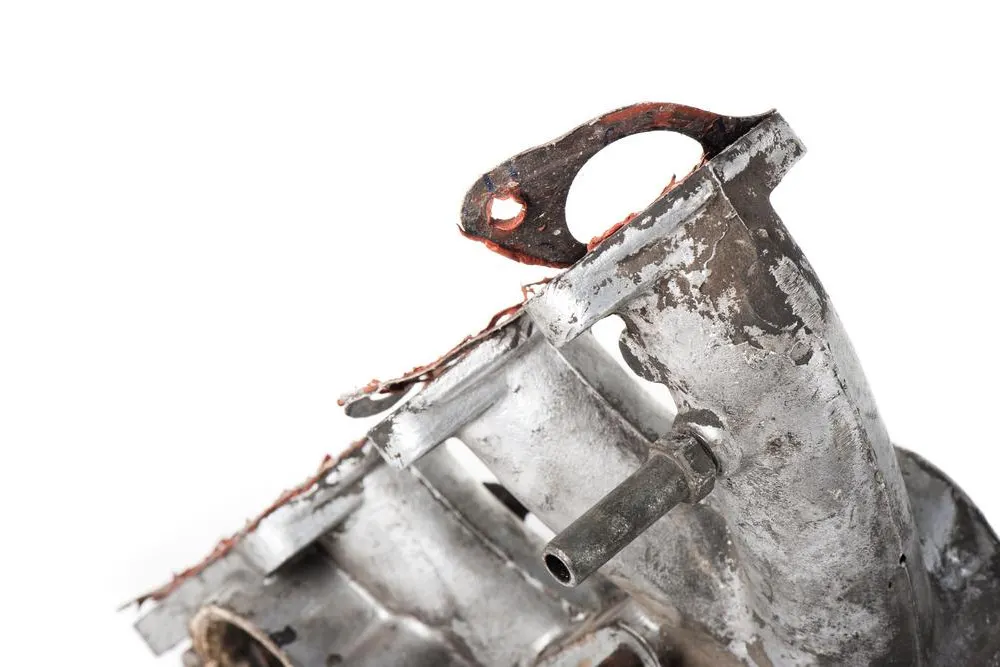
The exhaust manifold gasket is one of the most overlooked sealing components in an internal combustion engine. Yet when it fails, it can cause noise, performance loss, fuel economy issues, sensor faults, and even long-term engine damage.
This in-depth guide covers:
- What an exhaust manifold gasket does
- How it fails
- Symptoms of a bad exhaust manifold gasket
- Diagnosis procedures
- Replacement process step-by-step
- Torque considerations
- Repair costs
- Prevention strategies
- Performance implications
If you want a complete mechanical understanding, this is it.
What Is an Exhaust Manifold Gasket?
The exhaust manifold gasket seals the connection between:
- The engine cylinder head
- The exhaust manifold
Its job is to:
- Prevent exhaust gas leaks
- Maintain proper exhaust flow
- Protect oxygen sensor readings
- Preserve backpressure balance
- Prevent hot gas escape into engine bay
Exhaust gases leaving the combustion chamber can exceed 1,200°F (650°C). Without a proper seal, extreme heat and pressure escape through the weakest point — the gasket.
Why the Exhaust Manifold Gasket Matters
An exhaust manifold leak is not just a noise issue.
It can cause:
- Incorrect air-fuel mixture readings
- Oxygen sensor faults
- Lean running conditions
- Reduced engine efficiency
- Increased emissions
- Cabin exhaust smell
- Carbon monoxide intrusion
Because it sits upstream of oxygen sensors in many designs, a leak directly impacts engine management.
How an Exhaust Manifold Gasket Works
When the engine runs:
- Combustion occurs in the cylinder
- Exhaust valves open
- Exhaust gases exit through exhaust ports
- Gasket seals those ports
- Manifold collects gases into one pipe
The gasket must maintain a perfect seal across multiple ports simultaneously.
Even minor warping can cause leakage.
Types of Exhaust Manifold Gaskets
Different engines use different materials:
1. Multi-Layer Steel (MLS)
Most common in modern engines
High durability
Excellent heat resistance
2. Graphite Composite
Used in older engines
Flexible
Less durable under high heat
3. Copper Gaskets
Common in performance builds
Reusable in some cases
High thermal conductivity
4. Metal Embossed Gaskets
Designed for specific port shapes
Often OEM-specific
Choosing correct gasket type matters.
Symptoms of a Bad Exhaust Manifold Gasket
Here are the most common warning signs:
1. Ticking Noise on Cold Start
This is the most recognizable symptom.
When cold:
- Metal contracts
- Gap is larger
- Leak is louder
As engine warms:
- Metal expands
- Noise may reduce
This ticking often sounds like a lifter tap.
2. Exhaust Smell in Cabin
Leaking exhaust gases can enter HVAC intake.
Dangerous due to carbon monoxide.
Never ignore this symptom.
3. Check Engine Light
Common codes include:
- P0171 (lean condition)
- P0420 (catalyst efficiency)
- O2 sensor-related codes
A leak upstream of oxygen sensor alters readings.
4. Reduced Engine Performance
Loss of exhaust pressure balance affects scavenging.
Results in:
- Sluggish acceleration
- Poor throttle response
5. Visible Soot Marks
Black carbon deposits around manifold flange indicate leakage.
Causes of Exhaust Manifold Gasket Failure
Several factors contribute:
1. Heat Cycling
Repeated expansion and contraction weakens gasket material.
2. Manifold Warping
Cast iron manifolds can warp under extreme heat.
Aluminum heads expand differently than iron manifolds.
3. Improper Torque
Under-torqued bolts cause leaks.
Over-torqued bolts cause distortion.
4. Broken Manifold Bolts
Very common on older engines.
When one bolt fails, gasket loses clamping force.
5. Engine Overheating
Excessive temperature accelerates gasket breakdown.
Diagnosing an Exhaust Manifold Gasket Leak
Proper diagnosis is critical.
Method 1: Visual Inspection
Look for:
- Black soot trails
- Burn marks
- Cracks in manifold
Method 2: Listen for Cold Start Tick
Start engine cold.
If ticking fades after warming, suspect gasket leak.
Method 3: Smoke Test
Introduce smoke into exhaust system.
Observe leakage at manifold flange.
Method 4: Soapy Water Test
Spray mixture on suspected area.
Look for bubbling during idle.
Method 5: OBD Scan
Check for lean codes or O2 sensor irregularities.
Exhaust Manifold Gasket Replacement: Step-by-Step
This process varies by engine layout, but general procedure includes:
Step 1: Disconnect Battery
Prevent electrical shorts.
Step 2: Remove Heat Shields
Access manifold bolts.
Step 3: Spray Penetrating Oil
Apply to manifold bolts.
Let sit for 15–30 minutes.
Critical step to avoid bolt breakage.
Step 4: Remove Manifold Bolts Carefully
Use proper socket.
Work evenly.
Avoid snapping studs.
Step 5: Remove Manifold
Inspect for:
- Warping
- Cracks
- Erosion
Use straight edge to check flatness.
Step 6: Clean Mating Surfaces
Remove old gasket material.
Use:
- Plastic scraper
- Brake cleaner
Avoid gouging aluminum head surface.
Step 7: Install New Exhaust Manifold Gasket
Align ports precisely.
Install manifold evenly.
Step 8: Torque Bolts in Sequence
Follow manufacturer torque spec.
Usually between:
- 15–30 ft-lbs depending on engine
Tighten in crisscross pattern.
Step 9: Reinstall Components
Reattach:
- Heat shields
- O2 sensors
- Exhaust pipes
Step 10: Start Engine and Inspect
Listen for leaks.
Check for exhaust smell.
Scan for codes.
Torque Considerations
Torque is critical.
Too loose:
- Leak develops
Too tight:
- Manifold warps
- Bolts stretch
Always use torque wrench.
Follow service manual specifications.
Cost of Exhaust Manifold Gasket Replacement
DIY Cost
- Gasket: $15–$80
- Tools: if needed
Total: $30–$150
Professional Repair
Labor is main expense.
Front-wheel-drive transverse engines require more labor.
Typical cost:
- $300–$900
- More if bolts break
Broken studs significantly increase cost.
What Happens If You Ignore It?
Ignoring a leaking exhaust manifold gasket can lead to:
- Burned exhaust valves
- O2 sensor damage
- Catalytic converter damage
- Head warping
- Carbon monoxide exposure
Long-term neglect increases repair costs.
Exhaust Manifold Gasket vs Cracked Manifold
Symptoms overlap.
Difference:
Gasket leak:
- Leak at flange
- Usually ticking
Cracked manifold:
- Visible crack
- May worsen under load
Proper inspection required.
Preventing Future Exhaust Manifold Gasket Failure
1. Use OEM-Quality Gasket
Cheap gaskets fail early.
2. Replace Bolts If Needed
Stretched or rusted bolts lose clamping force.
3. Avoid Overheating
Maintain cooling system.
4. Proper Torque Procedure
Never guess torque value.
5. Check Manifold Flatness
Machine if warped.
Performance Impact
A leaking exhaust manifold gasket disrupts exhaust scavenging.
Effects include:
- Reduced torque
- Delayed turbo spool (turbo engines)
- Inconsistent AFR
Turbocharged engines are particularly sensitive.
Turbo Engines and Exhaust Manifold Gaskets
In turbo applications:
Leak before turbo reduces boost pressure.
Symptoms include:
- Turbo lag
- Reduced boost
- Whistling noise
Always inspect carefully.
Is It Safe to Drive With a Leaking Exhaust Manifold Gasket?
Short term:
- Possibly safe
Long term:
- Not recommended
Risk of carbon monoxide in cabin is serious.
Repair promptly.
Common Mistakes During Replacement
- Not cleaning surface properly
- Reusing damaged bolts
- Ignoring warped manifold
- Skipping torque sequence
- Installing gasket backward
Precision matters.
When to Replace Manifold Instead of Gasket
Replace manifold if:
- Cracked
- Severely warped
- Flange eroded
Machining may be possible in some cases.
Final Thoughts
The exhaust manifold gasket may seem like a simple sealing component, but it plays a critical role in:
- Engine performance
- Emissions compliance
- Cabin safety
- Long-term durability
When it fails, symptoms escalate quickly.
Early diagnosis, proper torque, quality gasket selection, and careful installation prevent repeated failure.
If you hear a ticking noise at startup, smell exhaust inside the cabin, or see soot near the manifold — do not ignore it.
Repairing an exhaust manifold gasket early is far cheaper than repairing engine damage later.
TPMS Scan Tool: Tire Pressure Monitoring System
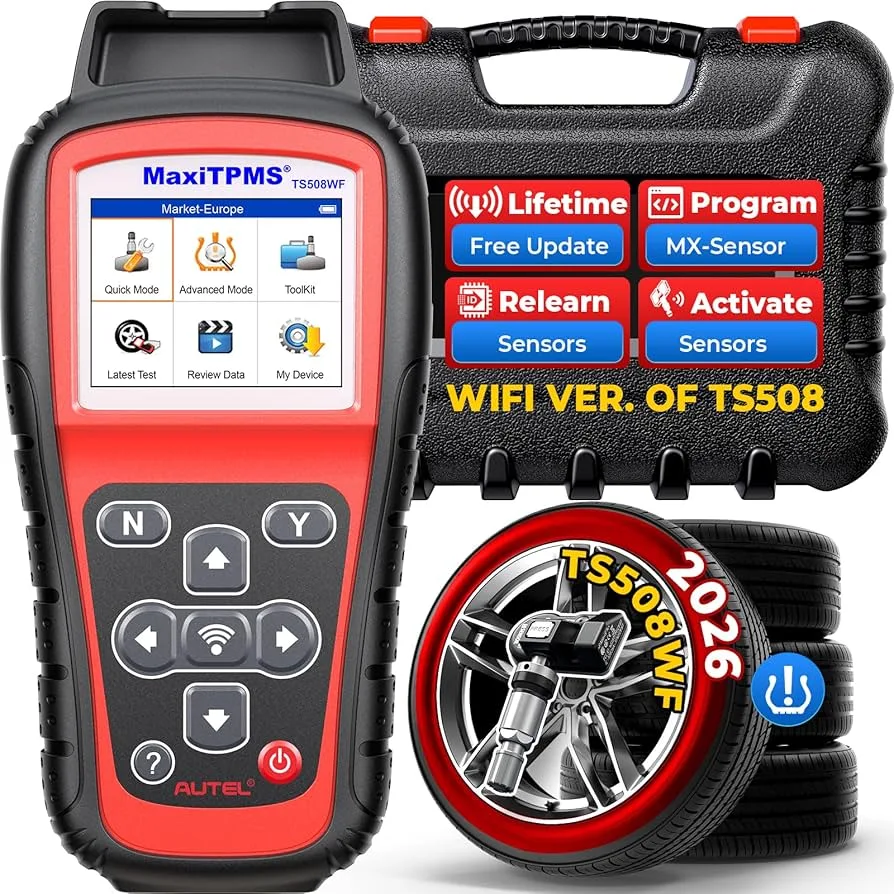
What Is a TPMS Scan Tool?
A TPMS scan tool is a diagnostic device specifically designed to communicate with tire pressure monitoring sensors and the vehicle’s TPMS control module.
Unlike a standard OBD-II scanner that reads engine codes, a scan tool for TPMS can:
- Activate tire pressure sensors
- Read individual sensor IDs
- Display live tire pressure and temperature
- Check sensor battery status
- Perform TPMS relearn procedures
- Register new sensors in the ECU
- Reset TPMS warning lights properly
It works both wirelessly (via radio frequency activation) and through the vehicle’s OBD-II port.
Not all scan tools support TPMS. This is a crucial distinction.
Understanding How TPMS Works
Before understanding the tool, you must understand the system.
There are two types of TPMS systems:
Direct TPMS
Each wheel contains a battery-powered sensor that measures tire pressure and transmits data wirelessly to the vehicle. This system requires a TPMS scan tool for diagnostics and programming.
Indirect TPMS
Uses ABS wheel speed sensors to estimate tire pressure based on rotation differences. No physical pressure sensors inside the tires.
Most modern vehicles use direct TPMS, especially in North America.
How a TPMS Scan Tool Works
A scan tool with TPMS capability operates in two modes:
1. RF Sensor Activation Mode
The tool emits a low-frequency signal near the tire valve stem. This “wakes up” the sensor. The sensor then transmits:
- Tire pressure
- Internal temperature
- Sensor ID number
- Battery condition
The tool displays this data instantly.
2. OBD-II Communication Mode
After reading sensor data, the tool connects to the vehicle’s OBD-II port to:
- Write new sensor IDs into the ECU
- Perform relearn procedures
- Clear TPMS diagnostic trouble codes
- Confirm successful programming
This two-way communication is what separates a true TPMS scan tool from a basic code reader.
TPMS Scan Tool vs Standard OBD-II Scanner
This is where many vehicle owners get confused.
Standard OBD-II Scanner:
- Reads engine fault codes
- Clears check engine light
- Displays basic live engine data
- Cannot activate TPMS sensors
- Cannot program sensor IDs
Scan Tool for TPMS:
- Activates sensors via RF
- Reads sensor IDs and pressure
- Performs relearn procedures
- Programs new sensors
- Diagnoses TPMS-specific faults
If your tool does not have an RF antenna, it cannot properly service TPMS.
What Is a Scan Tool With TPMS Capability?
A true scan tool with TPMS functionality includes:
- RF antenna for sensor activation
- OBD-II programming ability
- Sensor relearn support
- Compatibility database by make/model
- Firmware updates
Entry-level OBD scanners do not include these features.
Can You Reset TPMS With Scan Tool?
This is one of the most searched questions.
Can you reset TPMS with scan tool?
Yes — but only if the scan tool supports TPMS relearn functions.
Simply clearing codes does not fix:
- Dead sensor batteries
- Unregistered new sensors
- ID mismatches after tire rotation
A proper reset involves either:
- Relearn procedure
- Sensor reprogramming
- ID registration
How to Reset TPMS With Scan Tool (Step-by-Step)
Here is the professional process.
Step 1: Connect the Tool
Plug into the OBD-II port. Turn ignition to ON position.
Step 2: Select Vehicle Information
Choose:
Make → Model → Year → TPMS System
Step 3: Read Sensor Data
Activate each sensor at the wheel using the RF antenna. Confirm:
- Pressure reading
- Sensor ID
- Battery status
If a sensor does not respond, it may be dead.
Step 4: Perform Relearn Procedure
There are three common relearn types:
- Auto relearn (drive cycle)
- Stationary relearn
- OBD relearn
Follow on-screen instructions.
Step 5: Confirm Light Is Cleared
If successful, the TPMS warning light will turn off.
Can a Scan Tool Reset TPMS Without Replacing Sensors?
If sensors are functional and IDs are correct, yes.
If a sensor battery is dead, no tool can fix it. The sensor must be replaced and programmed.
Toyota TPMS Scan Tool Guide
Toyota vehicles often require OBD ID registration. This is why “tpms scan tool toyota” is frequently searched.
Many Toyota models:
- Do not auto-learn new sensors
- Require manual ID entry via scan tool
- Use Techstream-compatible protocols
A proper Toyota TPMS scan tool must support:
- OBD relearn
- Sensor ID registration
- Sensor cloning (if using universal sensors)
Without OBD programming, Toyota TPMS reset may fail.
Toyota TPMS Scan Tool Procedures
Typical Toyota process:
- Activate each sensor and record IDs
- Replace defective sensors
- Connect scan tool to OBD
- Register new sensor IDs
- Confirm relearn completion
Toyota systems are strict about ID matching.
Can OBD II Scan Tool Cen-Tech Functions Reset TPMS?
Another common question.
Most basic Cen-Tech OBD-II tools:
- Read engine codes
- Clear engine codes
They typically do not:
- Activate TPMS sensors
- Perform relearn
- Register new IDs
Therefore, in most cases, no — a basic OBD II scan tool cannot properly reset TPMS.
You need a scan tool with TPMS capability.
Types of TPMS Relearn Procedures
Understanding relearn methods is critical.
1. Auto Relearn
Drive vehicle for 10–20 minutes at specified speed. ECU automatically detects sensors.
Common in domestic vehicles.
2. Stationary Relearn
Vehicle enters learn mode. Sensors activated in sequence (usually LF → RF → RR → LR).
3. OBD Relearn
Scan tool writes sensor IDs directly into ECU.
Common in Toyota and many Asian brands.
Programming Aftermarket Universal TPMS Sensors
Universal sensors must be programmed before installation.
Steps:
- Use TPMS scan tool to read original sensor ID
- Clone ID into universal sensor
- Install new sensor
- Perform relearn
If cloning is not supported, OBD ID registration is required.
When You Actually Need a TPMS Scan Tool
You need one if:
- TPMS light flashing
- Replaced a sensor
- Installed new wheels
- Rotated tires and light stays on
- Vehicle will not auto-relearn
- Multiple sensors replaced
Modern vehicles make this tool almost mandatory for tire service.
Common TPMS Problems Identified With a Scan Tool
1. Dead Sensor Battery
Sensor does not respond during activation.
2. ID Not Registered
Sensor transmits but ECU rejects ID.
3. Weak Signal
Intermittent data, often due to aging battery.
4. Wrong Frequency
315 MHz vs 433 MHz mismatch.
Scan tool reveals all these instantly.
Sensor Frequency Considerations
North America commonly uses:
- 315 MHz
European imports often use:
- 433 MHz
Your TPMS scan tool must support correct frequency range.
How Long Do TPMS Sensors Last?
Most sensors last 7–10 years.
The battery is sealed inside and cannot be replaced.
Scan tools help identify weak batteries before total failure.
TPMS Fault Codes Explained
Common TPMS diagnostic trouble codes include:
- No signal detected
- Sensor not learned
- Low battery
- Communication fault
- Receiver module failure
A proper scan tool for TPMS decodes these clearly.
Why TPMS Lights Flash
A flashing TPMS light usually indicates:
- System fault
- Communication failure
- Multiple sensor malfunction
Solid light usually indicates low tire pressure.
Scan tool confirms which issue is present.
Why Cheap TPMS Tools Fail
Low-cost tools often:
- Lack full vehicle coverage
- Cannot perform Toyota OBD relearn
- Do not support cloning
- Have limited update capability
Professional tools cost more because of software support and vehicle database access.
TPMS Scan Tool Features to Look For
When buying a scan tool with TPMS, ensure it includes:
- Wide vehicle coverage
- Toyota compatibility
- OBD relearn support
- Sensor cloning
- Battery voltage detection
- Live pressure and temperature data
- Regular software updates
Avoid tools that only clear TPMS codes.
Real-World Diagnostic Scenarios
Scenario 1: TPMS Light After Tire Rotation
Cause: Position mismatch.
Fix: Perform stationary relearn with scan tool.
Scenario 2: One Tire Shows 0 PSI
Cause: Dead sensor battery.
Fix: Replace sensor and register new ID.
Scenario 3: TPMS Light Returns After Clearing
Cause: Sensor ID not properly registered.
Fix: Perform OBD relearn.
Can You Drive With TPMS Light On?
Yes, but it is not recommended.
Risks include:
- Underinflated tire
- Reduced traction
- Increased tire wear
- Blowout risk
Diagnose properly with scan tool.
TPMS Scan Tool vs Dealer Software
Dealer-level tools:
- Provide full factory access
- Cost significantly more
Aftermarket professional TPMS tools:
- Provide 90% of capability
- More affordable
- Cover multiple brands
Independent shops rely heavily on these.
Final Thoughts: Is a TPMS Scan Tool Worth It?
If you:
- Replace your own TPMS sensors
- Own multiple vehicles
- Operate a tire shop
- Work on Toyota vehicles
- Install aftermarket wheels
Then yes.
A tpms scan tool is no longer optional in modern automotive diagnostics.
Without it, you cannot:
- Properly program sensors
- Diagnose TPMS faults accurately
- Complete relearn procedures
- Reset warning lights correctly
As vehicles become more electronically integrated, TPMS servicing becomes more technical.
A true scan tool with TPMS capability gives you complete control over tire pressure monitoring diagnostics.
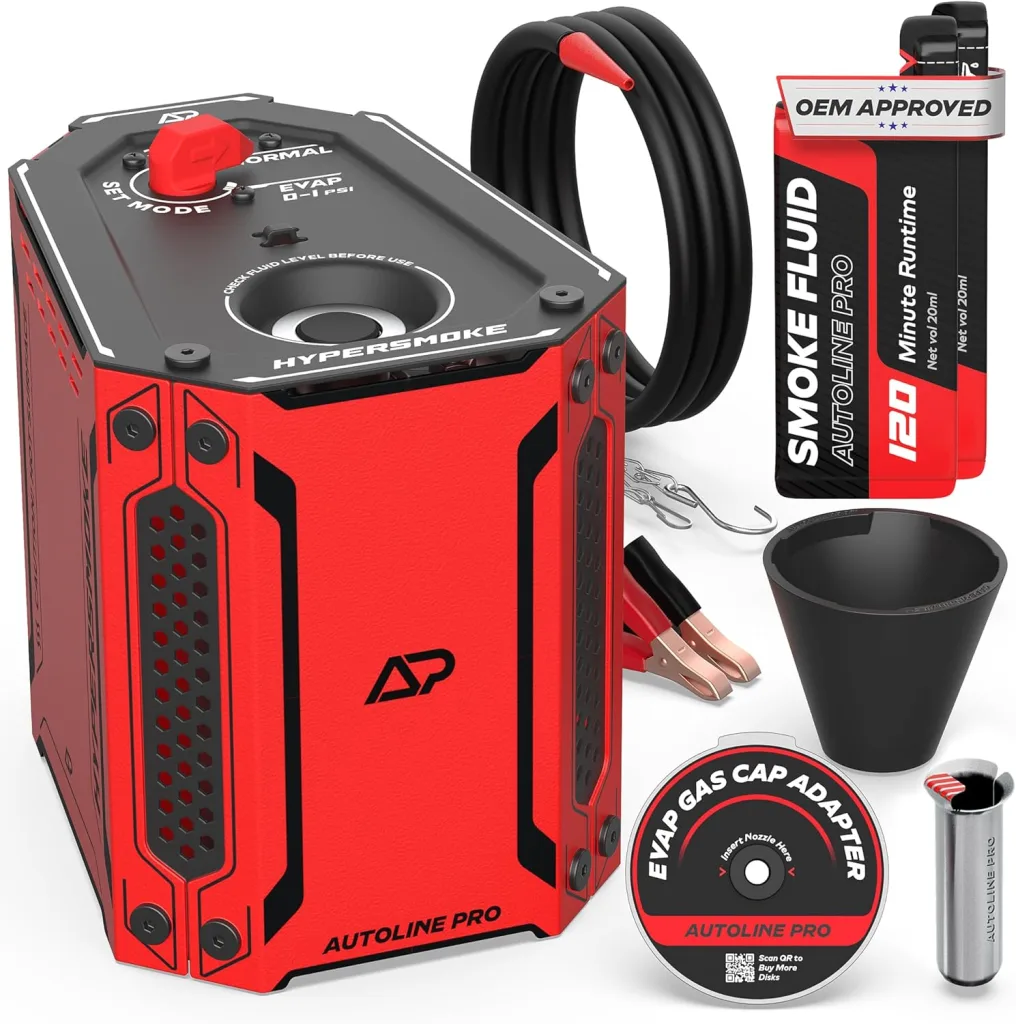
What Is a Coolant Pressure Tester?
A coolant pressure tester is a hand-operated diagnostic tool that pressurizes your vehicle’s cooling system when the engine is off. By simulating operating pressure, it helps identify leaks in:
- Radiators
- Heater cores
- Hoses
- Water pumps
- Thermostat housings
- Intake manifolds
- Head gaskets
A coolant system pressure tester kit typically includes:
- A hand pump with pressure gauge
- Multiple radiator cap adapters
- Expansion tank adapters
- Optional cap testing attachment
Instead of waiting for the engine to overheat under load, a pressure tester lets you perform a coolant system pressure test in a controlled environment.
Why a Coolant System Pressure Test Is Critical
Your cooling system operates under pressure. Most modern vehicles run between 13 and 16 PSI, while some run higher. Pressure raises the boiling point of coolant, allowing the engine to operate safely at higher temperatures.
When pressure drops due to a leak:
- Coolant boils sooner
- Engine temperature rises
- Air enters the system
- Internal damage risk increases
A pressure tester for coolant system diagnostics allows you to:
- Detect external leaks
- Identify slow seepage
- Confirm internal head gasket issues
- Verify repairs
Without proper testing, you are guessing.
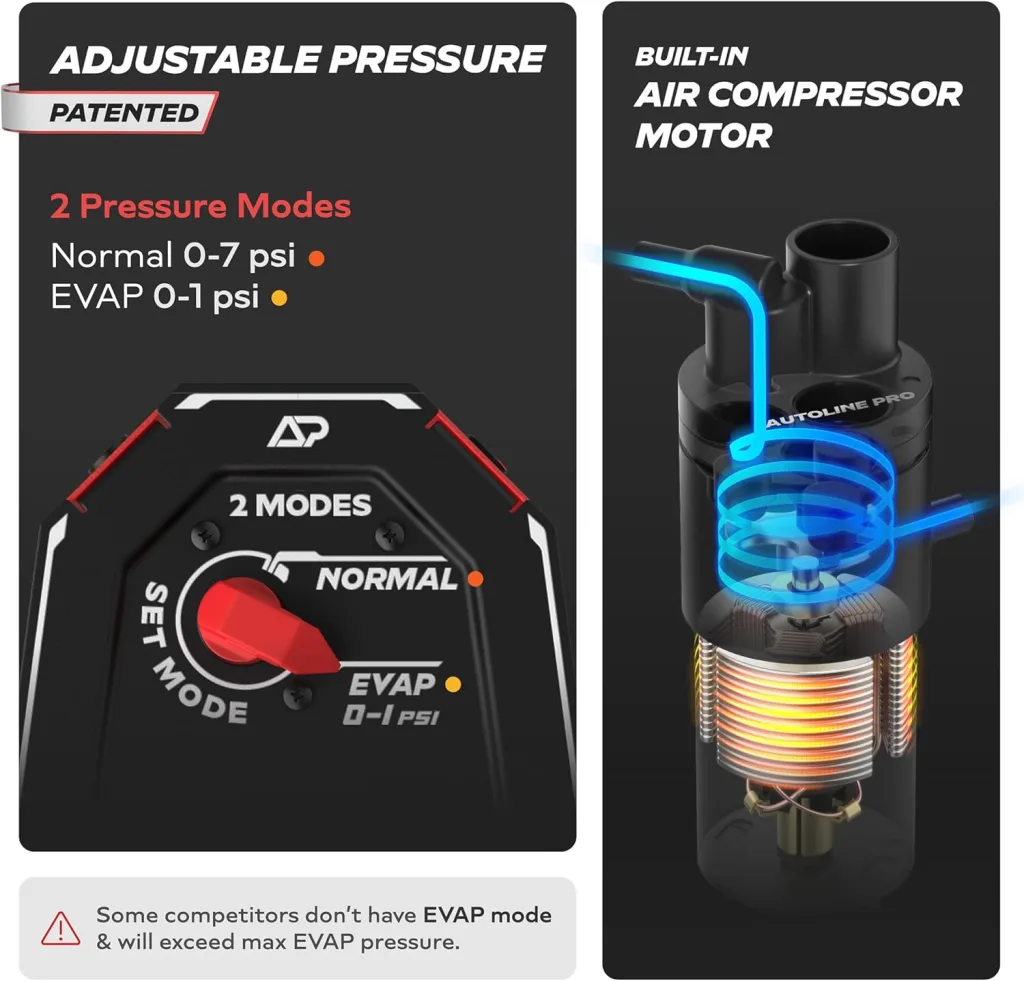
How a Coolant Pressure Tester Works
A coolant system is sealed. When you connect a coolant system pressure tester, you:
- Attach the correct adapter
- Pump the system to rated pressure
- Monitor pressure stability
If pressure drops, there is a leak.
The Physics Behind It
Cooling systems rely on:
- Thermal expansion
- Controlled pressure
- Sealed circulation
When coolant heats up, it expands. The radiator cap regulates excess pressure. If the system cannot maintain pressure, coolant escapes or vaporizes.
A proper coolant system pressure test replicates real-world operating conditions without running the engine.
Coolant Pressure Tester Kit Components Explained
A professional-grade coolant pressure tester kit includes:
1. Hand Pump
Creates pressure manually. Should include a clear, easy-to-read PSI gauge.
2. Adapter Set
Vehicles use different radiator necks and expansion tank designs. A complete kit includes:
- Japanese adapters
- European adapters
- Domestic adapters
- Quick-connect reservoir fittings
3. Radiator Cap Tester
Allows testing the cap’s pressure relief function separately.
4. Extension Hoses
For hard-to-reach locations.
Cheap kits often fail due to inaccurate gauges or poor sealing. Accuracy matters.
How to Use a Coolant Pressure Tester (Step-by-Step)
Let’s answer the most searched question directly:
How to use a coolant pressure tester properly
Follow this exact process.
Step 1: Engine Must Be Cold
Never perform a coolant system pressure test on a hot engine. Hot coolant can cause severe burns.
Wait at least 2–3 hours after driving.
Step 2: Remove Radiator Cap or Reservoir Cap
Depending on your vehicle design:
- Traditional system: remove radiator cap
- Modern system: remove expansion tank cap
Inspect cap condition.
Step 3: Select the Correct Adapter
From your coolant pressure tester kit, choose the adapter that fits tightly.
Improper adapter selection is a common DIY mistake.
Step 4: Attach the Tester
Secure the adapter and connect the pump assembly. Ensure:
- Tight seal
- No air gaps
- No cross-threading
Step 5: Pump to Rated Pressure
Check your radiator cap rating. Usually:
- 13 PSI
- 15 PSI
- 16 PSI
Do not exceed the cap rating.
Pump slowly until reaching the recommended PSI.
Step 6: Monitor Pressure
Let the system sit for 10–20 minutes.
Healthy system: Pressure holds steady
Leak present: Pressure drops
If pressure drops:
- Inspect hoses
- Check radiator seams
- Inspect water pump
- Look under vehicle
Step 7: Inspect for External Leaks
Use a flashlight and inspect:
- Hose clamps
- Heater core lines
- Radiator tanks
- Drain plugs
- Thermostat housing
If visible coolant appears, you found the leak.
Step 8: If No External Leak Is Visible
Possible internal leak:
- Head gasket
- Intake gasket
- Cracked head
- Cracked block
Remove spark plugs and inspect for coolant contamination.
How to Do a Coolant Pressure Test on a Sealed System
Some vehicles lack a radiator cap. You must:
- Use reservoir adapter
- Pump through expansion tank
- Follow identical pressure monitoring steps
Modern European vehicles almost always require expansion tank testing.
How to Pressure Test a Coolant System After Repairs
After replacing:
- Radiator
- Water pump
- Thermostat
- Hoses
Always perform a coolant system pressure test before starting the engine.
This confirms:
- Proper clamp seating
- No loose fittings
- No hidden cracks
Professional shops never skip this step.
How to Find a Coolant Leak Without a Pressure Tester
Now let’s address another major search query:
How to find a coolant leak without a pressure tester
It is possible, but less precise.
Method 1: Visual Inspection
Look for:
- Crusty residue
- White/green deposits
- Damp hose ends
- Steam under hood
Method 2: Cardboard Test
Place cardboard under vehicle overnight. Identify drip location.
Method 3: UV Dye Test
Add UV coolant dye and use UV flashlight.
Method 4: Combustion Leak Test
Use block tester fluid to detect head gasket failure.
Method 5: Engine Oil Inspection
Milky oil = possible internal coolant leak.
However, none of these methods match the accuracy of a pressure tester for coolant system diagnostics.
Common Cooling System Failures Found During Pressure Testing
1. Radiator End Tank Cracks
Plastic tanks crack under stress.
2. Hose Micro-Splits
Under pressure, tiny splits leak.
3. Water Pump Weep Hole Failure
Coolant appears under pulley area.
4. Heater Core Leaks
Wet carpet on passenger side.
5. Head Gasket Failure
Pressure drops with no external leak.
Signs You Need a Coolant System Pressure Test
- Engine overheating
- Low coolant warning
- Sweet smell
- White exhaust smoke
- Bubbles in reservoir
- Frequent top-offs
If you see these signs, test immediately.
Testing the Radiator Cap
Many cooling problems are caused by a failed cap.
Using your coolant pressure tester kit, attach the cap tester.
Pump and observe release pressure.
If it opens below rated PSI, replace it.
Advanced Diagnostic Techniques
1. Overnight Pressure Test
Pressurize system and leave overnight.
Morning drop = slow leak.
2. Cylinder Inspection
Remove spark plugs after pressurizing.
Coolant in cylinder confirms internal leak.
3. Cooling System Combustion Gas Test
Use block tester alongside pressure test.
Choosing the Best Coolant Pressure Tester Kit
When selecting a kit, look for:
- Accurate gauge
- Metal pump assembly
- Wide adapter coverage
- Pressure release valve
- Cap testing function
Avoid ultra-cheap kits with plastic fittings.
Professional brands last years.
Professional vs DIY Coolant System Pressure Test
DIY Advantages:
- Saves money
- Immediate diagnosis
Professional Advantages:
- Experience
- Combustion gas tools
- Smoke testing
- Cooling system vacuum refill
If overheating is severe, professional diagnosis is recommended.
Safety Precautions
- Never test hot engine
- Never exceed rated PSI
- Wear gloves
- Wear eye protection
- Release pressure slowly
Cooling systems can cause serious injury if mishandled.
How Long Should a Coolant Pressure Test Hold?
Healthy system:
- No pressure drop for 20 minutes
Acceptable:
- Minor 1 PSI drop over 15 minutes
Unacceptable:
- Rapid drop within minutes
How Much Does a Coolant Pressure Tester Cost?
Basic kit: $40–$80
Professional kit: $120–$300
Considering potential engine damage, it is a worthwhile investment.
Common Mistakes During Coolant System Pressure Testing
- Testing hot engine
- Over-pressurizing system
- Using wrong adapter
- Ignoring radiator cap
- Not checking heater core
Precision matters.
Can a Coolant Pressure Test Detect a Head Gasket Leak?
Yes.
If:
- Pressure drops
- No external leak
- Spark plug contamination present
- White smoke observed
Then internal failure likely.
However, always confirm with combustion gas tester.
How Often Should You Pressure Test a Cooling System?
- During overheating diagnosis
- After major cooling repair
- When buying used vehicle
- If coolant loss occurs
Not required for routine maintenance unless symptoms appear.
Coolant Pressure Tester vs Cooling System Vacuum Tester
Pressure tester:
- Detects leaks
Vacuum tester:
- Refills system without air pockets
Professionals use both.
Final Thoughts: Why Every DIY Mechanic Needs One
A coolant pressure tester is not optional for serious automotive diagnostics. It is foundational.
Whether you are:
- Learning how to pressure test coolant system components
- Trying to find a coolant leak without a pressure tester
- Performing a complete coolant system pressure test
Understanding this process prevents engine destruction.
Cooling system failure escalates fast. Early detection is everything.
If you care about engine longevity, accurate diagnostics, and avoiding catastrophic overheating, a high-quality coolant pressure tester kit belongs in your toolbox.
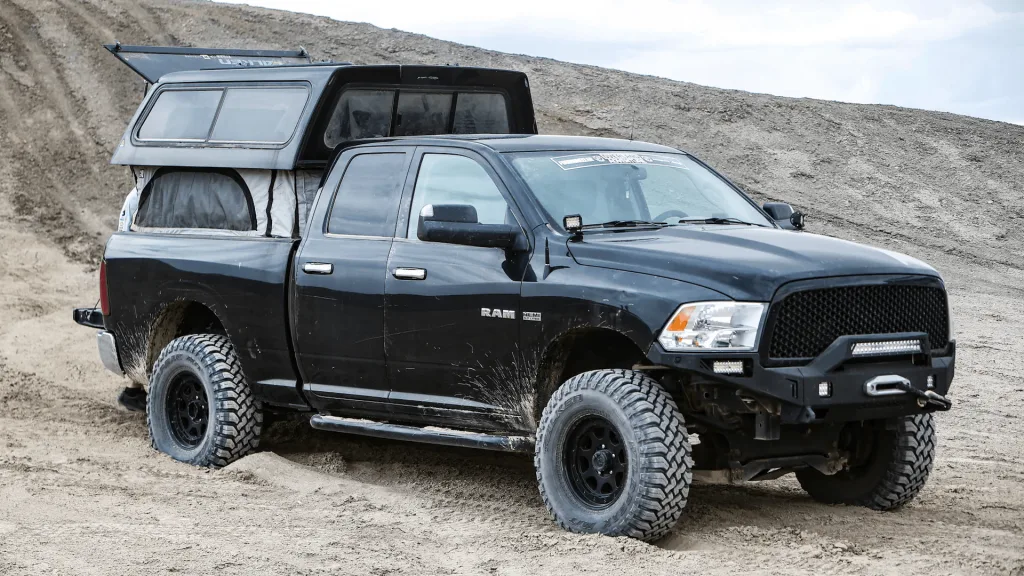
Whether you’re planning weekend getaways, long road trips, or rugged off-grid travel with your 2022 Dodge Ram 1500, adding a camper top or truck shell can completely transform your pickup into a versatile adventure vehicle. From enhanced cargo security and weather protection to converting your truck into a mobile basecamp, the right camper top makes your Ram more useful, comfortable, and capable—without losing payload or usability.
In this guide we’ll break down:
- What a camper top is
- Benefits of adding one to your Ram 1500
- Types of camper tops and shells
- Materials and design considerations
- Best options for camping
- Installation and compatibility tips
- How a camper top affects performance and payload
- Practical tips for overlanding and outdoor use
Let’s dig in.
🚗 What Is a Camper Top for a Truck?
A camper top (also called a camper shell, truck topper, cap, or canopy) is a rigid or semi-rigid cover that attaches to your truck’s bed and encloses it to form a weather-proof storage or camping space over the Ram 1500’s cargo area. It typically matches or extends above the height of the cab and creates a space similar to a small RV pop-up cabin on your truck.
Originally developed to enable real camping and truck-based travel, modern camper tops also protect valuables, tools, and gear from weather, theft, and damage.
📈 Why Add a Camper Top to Your 2022 Dodge Ram 1500?
Installing a camper top on a 2022 Ram 1500 extends the truck’s versatility far beyond hauling:
🔐 1. Weather Protection & Security
A camper shell keeps your gear dry, secure, and out of direct sunlight or rain. Fiberglass or aluminum shells lock up tightly, dramatically lowering theft risk compared with an open bed or soft cover.
🛏️ 2. Truck-Based Camping
With a high-profile camper shell or integrated pop-up design, you can set up sleeping space, cooking areas, or storage inside your truck bed—turning your Ram into a small, efficient camper.
🏕️ 3. Overlanding & Outdoor Adventures
Couple the camper top with rooftop tents, ladders, and racks, and suddenly your Ram becomes a full expedition vehicle capable of carrying gear, fuel, recovery tools, and bedding without sacrificing interior cabin space.
📦 4. Cargo Organization & Weatherproof Storage
Campers and shells help organize smaller gear, tools, and supplies, keeping everything organized and protected. Lockable doors, compartments, and integrated lighting can further enhance usability.
📊 Types of Camper Tops You Can Install
There are multiple styles of camper tops available for the 2022 Ram 1500, each with pros and cons depending on use cases:
🛻 1. Hard Shell Camper Tops
Hard shells are rigid fiberglass or aluminum camper shells that fit the truck bed and create a secure, enclosed space.
Advantages:
- Maximum security (lockable, tough materials)
- Weather-tight protection
- Can support roof racks, gear, or rooftop tents
- Designed for long-term camping setups
Considerations:
- Adds weight above the bed
- Costs more than soft covers
- Professional installation may be required
These tops are popular for serious camping, overlanding, or when you want a fixed enclosed space for cargo and equipment.
🧰 2. Soft Tops & Camp Shells
Soft tops are fabric-based, often with roll-up or convertible side panels.
Advantages:
- Lightweight
- Easy to install / remove
- Lower cost than hard caps
- Great for occasional camping or hauling gear
Drawbacks:
- Less security than hard shells
- Limited insulation and weather protection compared with rigid tops
Soft tops offer flexibility and are excellent for owners who want occasional camping capability but still need full bed access.
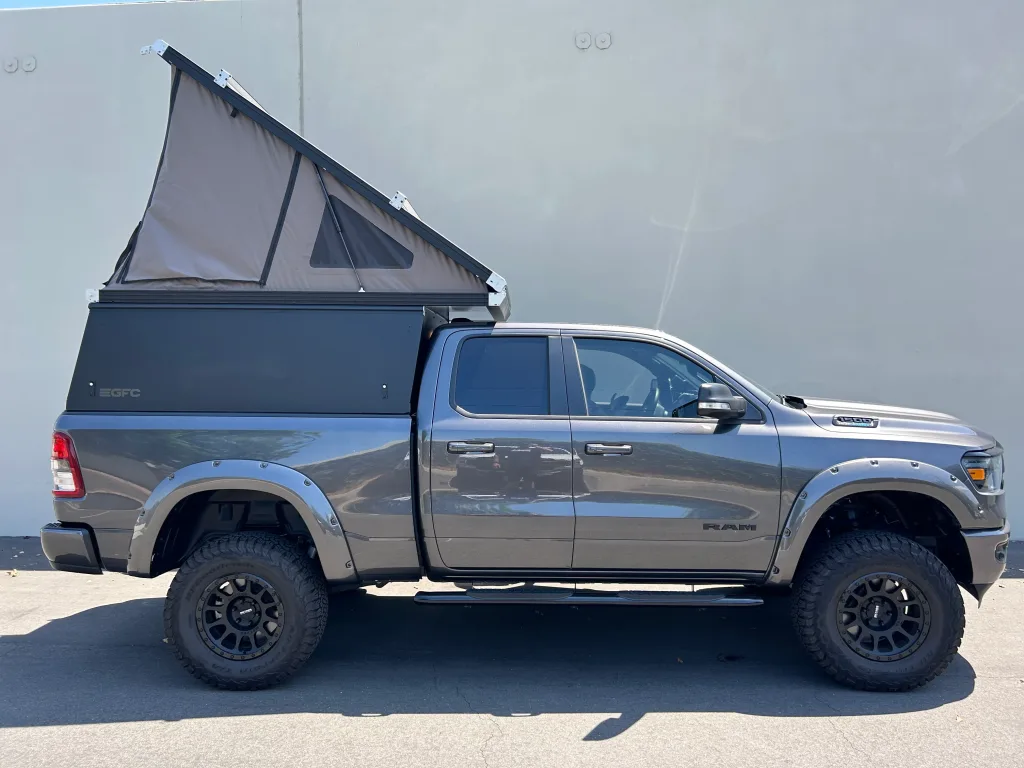
🏕️ 3. Pop-Up Campers & Slide-In Units
For more dedicated campers, pop-up or slide-in units provide full camping amenities inside the truck bed.
Key options include:
- Pop-Up Truck Toppers (minimalist camping spaces hugging bed rails)
- Slide-In Camper Units (complete cabins that lift inside bed frame)
Pop-up units like the Project M Topper bolt to your truck and provide living space without consuming full bed depth, while larger slide-in units give full cabin camping features like beds, storage, and even small kitchens.
🛠 Materials & Build Choices
Your camper top’s material impacts cost, weight, durability, and overall functionality:
| Material | Pros | Cons |
|---|---|---|
| Fiberglass | Very durable, paintable to match truck color, great insulation | Heavier, higher cost |
| Aluminum | Light, strong, rust-resistant | Less insulation, fewer custom finishes |
| Steel | Extremely strong | Heavy and prone to corrosion |
| Canvas/Fabric | Lightweight, affordable | Limited security, wear over time |
Most dedicated camper tops for serious outdoor use are fiberglass or aluminum. Soft covers use canvas or reinforced vinyl and focus on flexibility and ease of use rather than permanence.
🧭 Finding the Right Fit for Your 2022 Ram 1500
🔎 1. Bed Size & RamBox Compatibility
Before picking a topper, measure your truck’s bed length (common options are 5’7″, 6’4″, or 8’ beds) and know whether you have a RamBox bed storage system—some shells won’t fit RamBox models without modification.
🏋️ 2. Payload Capacity
A camper top adds weight. Fiberglass or hard shells typically weigh several hundred pounds, so ensure your Ram’s payload capacity (which varies by engine and trim) can accept that extra load plus gear and passengers. Too much weight can negatively affect suspension, handling, and fuel economy.
🌦 3. Weather & Climate
If you camp in harsh conditions (rain, snow, high winds), prioritize a hard shell with strong seals and weatherstrip. Pop-up or soft tops may struggle in extreme conditions but deliver flexibility in mild climates.
🧭 4. Security Needs
If you carry expensive gear or tools, a lockable hard top with integrated locks and secure windows is preferable over soft covers.
🛠 Installation & Maintenance Tips
- Professional Install vs DIY: Many hard shells require professional mounting to ensure a proper seal and avoid leaks; soft tops often clamp on and can be installed at home.
- Check Seal Integrity: Weather seals wear over time—inspect them yearly and replace worn seal elements.
- Inspect Hardware & Locks: Keep latches, hinges, and locks lubricated to prevent corrosion and ensure smooth operation.
- Weight Management: If your top is heavy, consider bed reinforcements or weight distribution setup if you plan long trips.
- Accessory Integration: Look for options with integrated rails for roof racks, awnings, or other accessories.
🏕️ Best Camper Top Options for the 2022 Ram 1500
Here’s a breakdown of top styles you might consider if you want to turn your Ram into a true adventure rig:
🔐 1. Expedition-Style Hard Shells
Heavy-duty, lockable, and overland-ready shells like the OVS Expedition Cap offer a secure base for camping and gear storage. These are designed around securing the cargo area, resisting water, and supporting rooftop gear.
Ideal for: Frequent adventurers, hunters, gear-heavy builds, long trips.
🛻 2. Aluminum Budget Camper Shells
A.R.E. truck caps and similar aluminum tops balance strength, low weight, and corrosion resistance. They’re common choices for work and recreation, and they can be painted to match your Ram’s color.
Ideal for: Owners who want security and weather protection without spending on fiberglass.
🏕️ 3. Slide-In Pop-Up Campers
Slide-in pop-up campers give you sleeping space and basic amenities within your Ram’s bed frame. They range from lightweight to more complete units with beds, water storage, and kitchens.
Ideal for: Dedicated campers and weekend warriors who want a compact cabin.
🧰 4. Soft Top Camper Covers
Soft tops like the Softopper® allow quick conversion between open bed and covered camper space. They’re UV-resistant and easy to fold up or remove.
Ideal for: Occasional campers, seasonal use, and flexible cargo needs.
📊 How a Camper Top Affects Your Truck
Adding a camper top alters how your Ram performs and feels:
⚖️ Weight & Payload
Hard shells can weigh several hundred pounds. Combine this with gear and passengers, and you begin to eat into your truck’s payload capacity. Always verify that your chosen top plus gear doesn’t exceed your payload rating. Exceeding payload leads to suspension sag, reduced braking performance, and uneven tire wear.
🛞 Lower Center of Gravity
Pop-up and slide-in units may raise weight higher above the bed, which can affect handling slightly—especially on curves and off-road trails.
🛣 Fuel Efficiency
Aerodynamics change with a camper shell. Well-designed lids can actually improve airflow and fuel economy compared with heavy cargo loads, but tall shells may modestly increase drag at highway speeds.
📦 Usability
A camper top drastically increases the usefulness of your bed space for protecting gear, organizing camping setups, and safely storing equipment out of sight.
📌 Practical Uses for Your 2022 Ram 1500 Camper Top
Here’s how owners commonly use a camper top:
🏕️ 1. Truck Camping
With a hard or pop-up shell, add bedding, cooking tools, and gear for lightweight RVing without a trailer.
🚵 2. Overland Builds
Integrate roof racks, recovery gear, tents, lighting, and water storage for extended overland journeys.
🧰 3. Work & Utility
Secure tools and equipment for contractors or field technicians—no need to leave valuable items exposed.
🌦 4. Hunting & Fishing Trips
Camper tops provide secure storage for gear, and with padded insulation, they reduce noise and exposure.
🧠 Choosing the Right Camper Top
When selecting a camper top for your 2022 Dodge Ram 1500, ask yourself:
- What is my primary use? Weekend camping, work, overlanding, travel?
- How often will I install/remove it?
- Do I need security features?
- What is my budget?
- Does my truck’s payload accommodate the added weight?
Once you understand your goals, the right shell or topper becomes much easier to choose.
🚐 Ready to Outfit Your Ram for Adventure?
If you’re thinking about adding a camper top to your 2022 Dodge Ram 1500 but aren’t sure where to start, Simi Valley Chrysler Dodge Jeep Ram can help connect you with parts, accessories, and expert advice on fitting truck camper tops or related gear. Visit Simi Valley CDJR Parts & Accessories to explore options and speak with specialists.
⚠️ Final Tips & Takeaways
- Always match the camper top to your bed size and payload capacity.
- Hard shells offer the best security and weather protection.
- Pop-ups and slide-ins bring real camping comfort.
- Soft tops are great for versatile, lightweight use.
- Regular maintenance of seals, locks, and fasteners increases longevity.
With the right camper top, your Ram 1500 becomes more than a truck—it becomes a mobile adventure base.
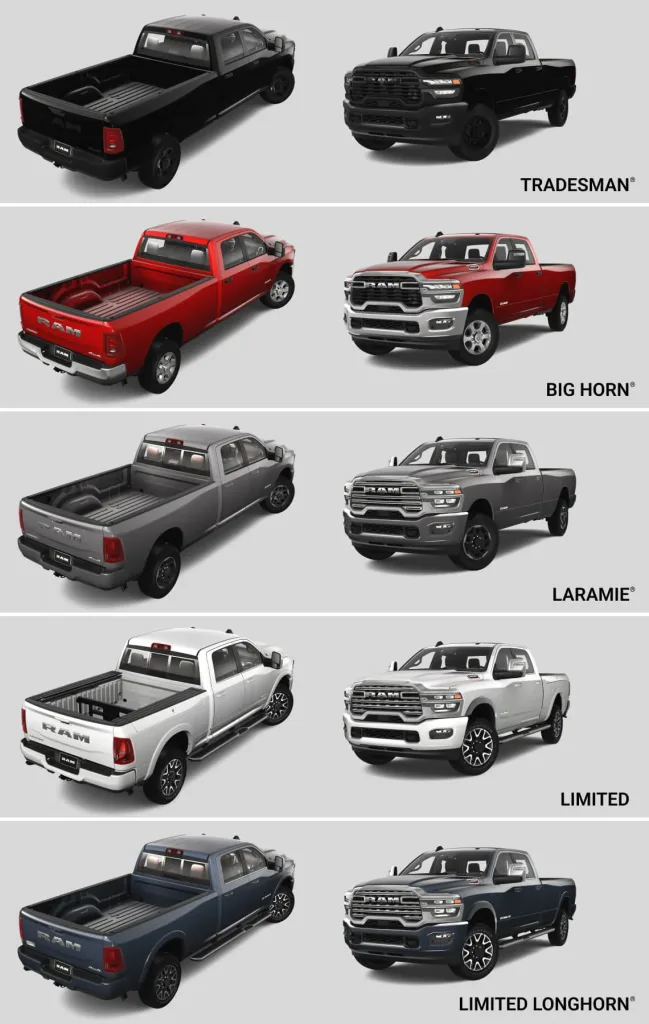
The Ram 1500 Family – Trims Reviewed
When you’re in the market for a full-size pickup that flexes capability, comfort, capability, and technology, the 2026 Ram 1500 remains at the forefront of the segment. With ten distinct trims, each tailored for different lifestyles — from rugged workhorse to premium luxury cruiser — there’s a configuration for every driver and every job.

This guide breaks down every 1500 trim level in plain language, with detailed feature highlights and direct links to relevant Simi Valley Chrysler Dodge Jeep Ram content so you can explore deeper.
🚙 Overview: What Makes the 2026 Ram 1500 Stand Out
The 2026 model year continues Ram’s reputation for combining robust capability, refined interiors, modern tech, and serious towing power. With standard and available engines like the 3.6-liter Pentastar V6, the powerful 5.7-liter HEMI® V8 with eTorque, and twin-turbo inline-six options, Ram adapts performance to match your needs.
Across every trim level, buyers can choose from multiple cab styles, bed lengths, and 4×2/4×4 drivetrains, plus advanced driver aids and connected features powered by the latest Uconnect® infotainment system.
Before we dive into each trim, see a full introduction to the 1500’s design and tech, including interior upgrades and exterior features, in our Ram 1500 overview at 2026 Ram 1500 Design, Features, and Colors | Simi Valley CDJR Blog.
🧰 1. Tradesman – The Baseline Workhorse
The Tradesman is the backbone of the Ram 1500 lineup — the no-nonsense work truck that’s rugged, dependable, and built for productivity.
📌 What Comes Standard
- 3.6 L Pentastar® V6 engine with eTorque standard (gas-electric hybrid assist)
- Basic interior focused on durability
- Heavy-duty suspension and utility-ready design
- Standard towing gear and trailer sway control
Tradesman trims are ideal for contractors, fleet buyers, and anyone who needs a truck where performance is front and center and luxury is optional.
👉 For a deeper look at Tradesman and what makes it such a dependable choice, visit New Ram 1500 Inventory at Simi Valley CDJR to see current models in stock.
🆕 2. Express – A Slight Step Up With Practical Upgrades
The Express trim sits above Tradesman and is perfect for buyers who want a bit more style and convenience without jumping to a higher price bracket.
💡 Notable Features
- Larger wheels and body-color exterior elements
- LED fog lamps
- Interior upgrades like rear in-floor storage and satellite radio capability
The Express trim keeps the hard-working spirit of the Tradesman but smooths out some of the edges with useful comfort and tech features.
👉 Check current availability and options for Express models at Simi Valley CDJR New Ram 1500 Vehicles.
👔 3. Big Horn – Comfort Meets Value
The Big Horn trim is often one of the most popular choices because it blends comfort, capability, and value.
🚘 Key Upgrades Over Base Trims
- Larger infotainment display (typically 12-inch Uconnect®)
- Stylish exterior accents and upgraded wheels
- Cloth or optional premium seating
- Additional convenience features (e.g., voice-activated controls)
Big Horn represents a “sweet spot” for many buyers — it brings enough tech and comfort to handle daily driving while still offering plenty of towing and hauling capability.
👉 Find examples of Big Horn models and pricing at Simi Valley CDJR New Inventory.
🔥 4. Warlock – Bold Styling With an Edge
The Warlock trim gives the Ram 1500 a strong visual identity with blacked-out graphics and unique styling cues.
🖤 What Makes Warlock Different
- Gloss black exterior trim
- Aggressive wheels and accents
- Optional off-road hardware
- Enhanced interior style elements
Warlock is perfect for buyers who want their truck to stand out visually without necessarily paying for a full off-road upgrade package.
👉 Curious how Warlock compares to other trims? Explore options at Simi Valley CDJR New Ram 1500 for Sale.
🏜️ 5. Rebel – Built For Off-Road Action
The Rebel is where capability meets adventure. If your Ram spends as much time off the pavement as on it, Rebel has the hardware to match.
🔋 Off-Road Features
- Standard 4×4 drivetrain
- Underbody skid plates
- All-terrain tires
- Specialized suspension and off-road tuning
Rebel adds serious ruggedness to the Ram 1500 without sacrificing everyday usability — a balance that makes it a favorite for trail riders and weekend warriors.
👉 See current Rebel inventory at Simi Valley CDJR New Ram 1500 Trucks.
⚔️ 6. RHO – High-Performance Off-Road Alternative
Ram introduced RHO as a performance-oriented off-road trim, effectively filling the gap left by the discontinued TRX.
🚀 RHO Highlights
- Powerful 3.0 L twin-turbo inline-six (up to ~540 hp)
- Adaptive suspension and Bilstein Black Hawk dampers
- Enhanced ground clearance and off-road tuning
- Digital displays and premium interior options
RHO positions itself as a competitor to other performance pickups, delivering serious trail capability while offering more comfort and modern tech than traditional off-road trims.
👉 Get details on RHO features and walk-throughs at Simi Valley CDJR Blog (search for RHO in the blog index).
🪶 7. Laramie – Elevated Comfort & Daily Drive Luxury
If you want your Ram to be as comfortable on the highway as it is capable on the job, the Laramie trim brings in a suite of premium comforts and tech.
✨ Premium Features
- Leather seating surfaces
- Larger Uconnect® screens with navigation
- Advanced driver assistance (available)
- Heated/ventilated seating options
Laramie trims elevate the interior experience without jumping all the way to flagship luxury pricing.
👉 See Laramie versions currently in stock at Simi Valley CDJR New Ram Vehicles.
💼 8. Limited – Luxury & Technology Unleashed
The Limited trim is where luxury meets power, ideal for buyers who want premium amenities and technology with full truck capability.
🛋️ What You Get
- Premium leather with advanced adjustability
- Top-tier Uconnect® system with large displays
- Class-leading audio systems
- Most driver assistance features standard or available
Limited models make the truck feel more like a luxury SUV than a work pickup, without compromising towing, hauling, or utility.
👉 Explore Limited Ram 1500 models at Simi Valley CDJR New Inventory.
🐎 9. Limited Longhorn – Western Luxury Refined
Blending upscale comfort with rustic premium design, the Limited Longhorn takes the luxury of Limited and adds Western-inspired detailing.
🎨 Signature Elements
- Exclusive leather with filigree details
- Warm wood accents
- Rich interior color palettes
Limited Longhorn is perfect for buyers who want a luxurious interior with unique style not found on other trims.
👉 Find Limited Longhorn models at Simi Valley CDJR New Ram 1500.
💎 10. Tungsten – Pinnacle of Premium Ram Trucks
At the very top of the Ram 1500 lineup sits Tungsten, the most luxury-focused and feature-rich trim available.
🏆 Elite Features
- Best-in-class comfort seating (massaging, power adjustable)
- Premium tech and connectivity
- Audio and convenience at the highest level
- Most advanced driver assistance available
Tungsten is ideal for drivers who demand maximum refinement, high-end amenities, and standout style without sacrificing capability.
👉 Browse Tungsten trims at Simi Valley CDJR New Inventory.
🔧 Engines & Performance Across Trims
Across the 2026 lineup, Ram provides a range of engines to suit different priorities, including:
- 3.6-liter Pentastar V6 with eTorque – excellent all-around performance and fuel efficiency
- 5.7-liter HEMI® V8 with eTorque – classic Ram power with strong torque and towing performance
- 3.0-liter Hurricane inline-six – turbocharged performance and refined power delivery
- High-output twin-turbo inline-six (in RHO) – performance-oriented tuning for spirited driving and off-road prowess
These engines are paired with an 8-speed automatic transmission and are designed to balance towing capacity, efficiency, and everyday driveability.
🧠 How to Choose the Right Ram 1500 Trim
With ten trims and multiple engine choices, deciding can be overwhelming. Here’s a simple framework:
- Work-oriented & budget-friendly: Tradesman or Express
- Best everyday balance: Big Horn or Warlock
- Off-road adventure: Rebel or RHO
- Premium comfort & tech: Laramie or Limited
- Top-tier luxury: Limited Longhorn or Tungsten
Each trim can be further customized with packages and options, making the Ram 1500 one of the most flexible truck lineups on the market.
🛠️ Explore More With Simi Valley CDJR
Whether you’re comparing trims, planning your next test drive, or ready to lock in pricing, Simi Valley Chrysler Dodge Jeep Ram has the most up-to-date inventory and expert support to help you find your ideal 2026 Ram 1500.
👉 Start your search here: View New 2026 Ram 1500 Inventory | Simi Valley CDJR
👉 Learn more about trim comparisons and details in our blog archive: Simi Valley CDJR Ram 1500 Blog
📌 Final Thoughts
From base Tradesman grit to Tungsten-level luxury, the 2026 Ram 1500 lineup delivers remarkable versatility. Each trim level brings unique strengths to the table, ensuring that whether you’re hauling heavy loads, navigating off-road terrain, or simply cruising in comfort, there’s a Ram built for your journey.
Remember: the right truck is more than just its badge — it’s how well it fits your lifestyle, job demands, and personal preferences.
Want help narrowing it down? Reach out to Simi Valley Chrysler Dodge Jeep Ram today, and let a product expert guide you to the perfect Ram 1500 for your next adventure.
Valve Cover Gasket Replacement Explained
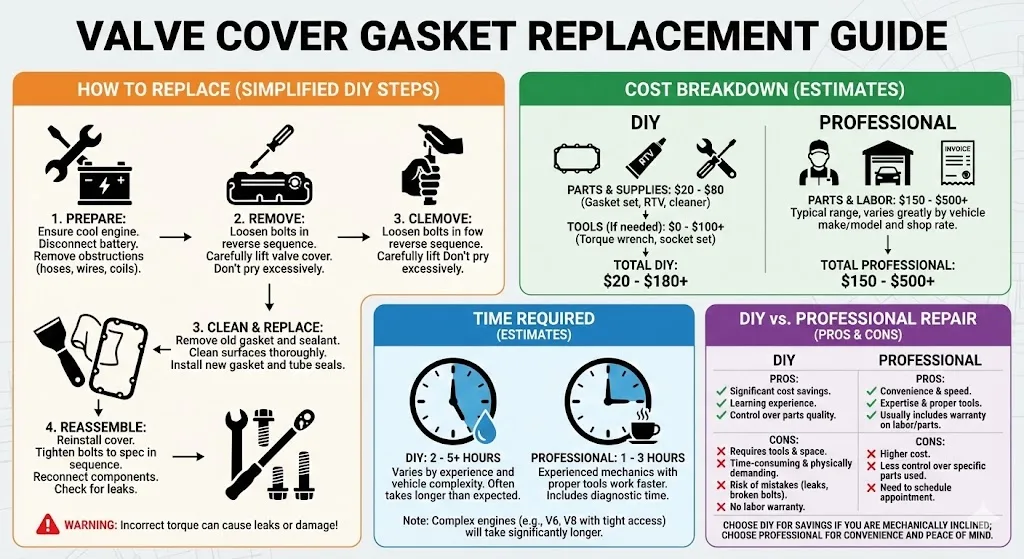
How to Replace a Valve Cover Gasket, Cost Breakdown, Time Required, and DIY vs Professional Repair
A leaking valve cover gasket is one of the most common engine oil leaks drivers encounter. While it may start as a minor seep, ignoring it can lead to oil loss, engine misfires, burning oil smells, and even damage to surrounding components. Many drivers ask how to replace a valve cover gasket, how much does it cost to replace a valve cover gasket, and whether you can replace a valve cover gasket yourself.
This in-depth guide explains what a valve cover gasket does, when to replace it, how hard a valve cover gasket replacement really is, how long it takes, and whether DIY replacement is a good idea. All guidance aligns with service standards used at Simi Valley Chrysler Dodge Jeep Ram.
For professional diagnosis and engine oil leak repair, visit:
https://www.simivalleychryslerdodgejeepram.com/service.aspx
What Is a Valve Cover Gasket?
The valve cover gasket is a rubber, silicone, or composite seal that sits between the valve cover and the cylinder head. Its job is to keep engine oil contained while allowing access to internal valve train components.
Over time, exposure to heat cycles causes the gasket to:
- Harden
- Shrink
- Crack
- Lose elasticity
Once this happens, oil begins to seep or leak from the top of the engine.
When to Replace a Valve Cover Gasket
Drivers often ask when to replace valve cover gasket or do you need to replace valve cover gasket.
Common signs include:
- Oil leaking onto the engine block
- Burning oil smell
- Oil pooling around spark plugs
- Engine misfires
- Low oil levels without visible drips
Even small leaks should not be ignored, as oil can damage ignition components and rubber hoses.
Simi CDJR technicians routinely identify valve cover gasket leaks during routine inspections.
https://www.simivalleychryslerdodgejeepram.com/service.aspx
What Happens If You Don’t Replace a Valve Cover Gasket?
Failing to replace a leaking gasket can lead to:
- Oil-soaked ignition coils
- Spark plug fouling
- Engine bay contamination
- Increased fire risk
- Premature engine wear
What starts as a minor repair can escalate into a more expensive service if left unresolved.
How Hard Is a Valve Cover Gasket Replacement?
One of the most common questions is how hard is it to replace a valve cover gasket.
The difficulty varies based on:
- Engine layout (inline vs V-engine)
- Accessibility
- Number of components blocking the valve cover
- Vehicle age
General difficulty:
- Inline 4-cylinder engines: moderate
- V6 engines: moderate to difficult
- V8 engines: moderate to complex
Some vehicles require removal of intake components, wiring harnesses, or ignition coils.
Can You Replace a Valve Cover Gasket Yourself?
Many people ask:
- Can you replace a valve cover gasket yourself?
- Can I replace a valve cover gasket myself?
The answer: Yes, but with conditions.
DIY replacement is possible if:
- You have mechanical experience
- You have the correct tools
- You can follow torque specifications
- You understand gasket seating procedures
DIY risks include:
- Over-torquing bolts
- Pinching the gasket
- Improper sealing
- Creating new leaks
Professional installation reduces these risks significantly.
How to Replace a Valve Cover Gasket (General Overview)
Searches like how to replace valve cover gasket or how to replace the valve cover gasket are extremely common. Below is a high-level overview.
Step 1: Disconnect Battery
Prevent accidental electrical damage.
Step 2: Remove Obstructions
Remove ignition coils, hoses, and wiring as required.
Step 3: Remove Valve Cover
Unbolt evenly and carefully lift the cover.
Step 4: Clean Surfaces
Old gasket material and oil residue must be removed completely.
Step 5: Install New Gasket
Seat the gasket properly into the valve cover groove.
Step 6: Reinstall Valve Cover
Torque bolts in sequence using manufacturer specifications.
Step 7: Reassemble Components
Reconnect all removed components and battery.
Improper torque is one of the most common causes of repeat leaks.
How Long Does It Take to Replace a Valve Cover Gasket?
Drivers frequently ask:
- How long does it take to replace valve cover gasket?
- How many hours to replace valve cover gasket?
Typical time estimates:
- Inline engines: 1 to 2 hours
- V6 engines: 2 to 4 hours
- V8 engines: 3 to 6 hours
Time varies based on accessibility and engine design.
At Simi CDJR, labor time is based on manufacturer flat-rate guidelines.
https://www.simivalleychryslerdodgejeepram.com/service.aspx
How Much Does It Cost to Replace a Valve Cover Gasket?
Cost is one of the most searched topics:
- How much to replace valve cover gasket
- How much does valve cover gasket replacement cost
- How much is labor for valve cover gasket replacement
Typical cost factors:
- Engine type
- Labor hours
- Gasket material
- Number of valve covers
General cost range:
- Parts: relatively affordable
- Labor: primary cost driver
Complex engines or multiple valve covers increase labor time and cost.
Professional service includes proper sealing, torque procedures, and leak verification.
How Much Should a Valve Cover Gasket Replacement Cost?
When drivers ask how much should a valve cover gasket replacement cost, they are often comparing quotes.
A proper replacement includes:
- New gasket
- Surface cleaning
- Correct torque sequence
- Leak inspection
Lower prices may indicate shortcuts, such as reusing old seals or skipping surface prep.
Where to Get Valve Cover Gasket Replaced
Another common query is where to get valve cover gasket replaced.
Dealership service offers:
- Manufacturer-trained technicians
- Factory torque specs
- OEM or approved gaskets
- Warranty-backed labor
Simi Valley Chrysler Dodge Jeep Ram performs valve cover gasket replacements following manufacturer standards.
https://www.simivalleychryslerdodgejeepram.com/service.aspx
Is Valve Cover Gasket Replacement Easy?
Drivers often ask:
- Is valve cover gasket easy to replace?
- Are valve cover gaskets easy to replace?
For experienced technicians, yes. For DIY beginners, it can be challenging due to:
- Tight spaces
- Torque sensitivity
- Risk of leaks
What seems simple can quickly become frustrating without proper tools.
Valve Cover Gasket Replacement vs Ignoring the Leak
Replacing the gasket:
- Prevents oil loss
- Protects engine components
- Restores cleanliness
- Prevents misfires
Ignoring the leak:
- Causes oil contamination
- Leads to secondary repairs
- Increases total repair cost
Preventative repair is always cheaper than reactive repair.
Why Professional Valve Cover Gasket Replacement Makes Sense
At Simi Valley Chrysler Dodge Jeep Ram, valve cover gasket service includes:
- Leak confirmation
- Proper gasket selection
- Torque-controlled installation
- Post-repair inspection
- Oil contamination cleanup
This ensures the repair is done correctly the first time.
https://www.simivalleychryslerdodgejeepram.com/service.aspx
Final Thoughts
A leaking valve cover gasket may seem minor, but it should never be ignored. Understanding how to replace a valve cover gasket, how long it takes, and how much it costs helps you make an informed decision about DIY versus professional service.
If you notice oil leaks, burning smells, or engine misfires, schedule an inspection at Simi Valley Chrysler Dodge Jeep Ram Service Center to prevent further damage and restore engine reliability.
Radiator Flush Explained – Mechanic Advice
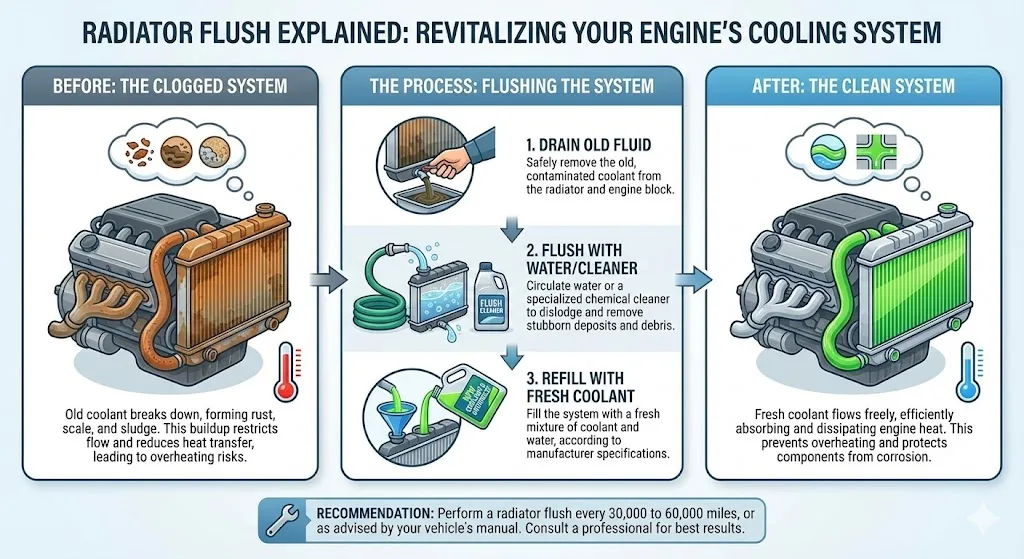
What a Radiator Flush Does, How to Flush a Radiator, and How Much It Costs
A radiator flush is one of the most misunderstood cooling system services. Many drivers know coolant is important, but few understand what a radiator flush actually does, how often to flush radiator fluid, or how much a radiator flush should cost. Ignoring cooling system maintenance can lead to overheating, corrosion, heater failure, and in severe cases, engine damage.
This in-depth guide explains what a radiator flush is, how to flush a car radiator, whether a do-it-yourself radiator flush is safe, and when professional service is the smarter choice. The guidance aligns with best practices referenced throughout Simi Valley Chrysler Dodge Jeep Ram service resources.
For cooling system inspections and professional radiator flush service, visit Simi Valley Chrysler Dodge Jeep Ram Service Center.
https://www.simivalleychryslerdodgejeepram.com/service.aspx
What Is a Radiator Flush?
A radiator flush is a maintenance service that removes old coolant, rust, scale, and contaminants from the radiator and entire cooling system. Over time, coolant degrades and loses its ability to protect internal components from corrosion and overheating.
A proper radiator flush:
- Drains old coolant
- Circulates cleaning solution or fresh coolant
- Removes debris and buildup
- Refills the system with manufacturer-approved coolant
This process restores the cooling system’s ability to regulate engine temperature effectively.
What Does a Radiator Flush Do?
Many drivers ask what does a radiator flush do or what does flushing the radiator do.
A radiator flush:
- Removes rust and scale from internal passages
- Prevents overheating
- Protects the water pump and thermostat
- Improves heater performance
- Extends engine life
Coolant doesn’t just cool the engine. It also lubricates seals and prevents corrosion. When coolant breaks down, those protections disappear.
Simi CDJR service content frequently emphasizes cooling system health as critical to engine reliability.
https://www.simivalleychryslerdodgejeepram.com/blogs/5737
Is a Radiator Flush Necessary?
Is a radiator flush necessary?
Yes, in most cases.
Modern engines operate at higher temperatures and tighter tolerances than older designs. Even “long-life” coolant degrades over time due to heat cycles and contamination.
Skipping radiator flushes can lead to:
- Internal corrosion
- Heater core clogging
- Radiator blockage
- Premature water pump failure
A radiator flush is preventative maintenance, not a repair after failure.
How Often to Flush Radiator Fluid
One of the most common questions is how often to flush radiator fluid or how often should you flush your radiator.
General guidelines:
- Every 30,000 to 60,000 miles, depending on vehicle and coolant type
- Every 3 to 5 years
- Sooner if coolant appears dirty or discolored
Always follow manufacturer recommendations, as some Chrysler, Dodge, Jeep, and Ram vehicles use specific extended-life coolants.
Simi CDJR technicians verify coolant type and service intervals during inspections.
https://www.simivalleychryslerdodgejeepram.com/service.aspx
How Long Does a Radiator Flush Take?
Drivers often ask how long does a radiator flush take or how long does it take to flush a radiator.
Typical service time:
- 45 minutes to 1.5 hours
Time varies based on:
- Vehicle design
- Cooling system capacity
- Level of contamination
DIY flushes often take longer due to setup and cleanup.
How to Flush a Radiator (DIY Overview)
Many people search how to flush a radiator, how to flush a car radiator, or how to flush radiator coolant. Below is a general overview of a do it yourself radiator flush. This is for educational purposes only.
Step 1: Allow Engine to Cool
Never attempt a radiator flush on a hot engine. Pressurized coolant can cause severe burns.
Step 2: Drain Old Coolant
- Place a drain pan under the radiator
- Open the drain valve or remove the lower hose
- Allow coolant to fully drain
Coolant is toxic and must be disposed of properly.
Step 3: Flush With Water or Cleaner
This is where many search how to flush a radiator with a garden hose.
- Close drain
- Fill system with water or flush solution
- Run engine briefly
- Drain again
This helps remove loose debris, but does not always remove internal scale.
Step 4: Refill With Correct Coolant
- Close drain
- Refill with manufacturer-approved coolant
- Bleed air from system
Improper bleeding can cause air pockets and overheating.
Important DIY Risks
DIY radiator flush risks include:
- Trapped air pockets
- Incorrect coolant mixture
- Coolant contamination
- Damaged radiator drain valves
Because of these risks, professional service is often safer.
How to Flush a Radiator at Home: What Most DIY Guides Miss
Searches like how to flush radiator at home or how to flush a radiator at home often omit critical steps:
- Thermostat operation during flush
- Heater core circulation
- Proper coolant ratio
- Cooling system pressure testing
A partial flush may leave contaminants behind.
Simi CDJR service includes system-wide circulation and pressure verification.
https://www.simivalleychryslerdodgejeepram.com/service.aspx
How Much Is a Radiator Flush?
Pricing is a major concern. Drivers ask:
- How much is a radiator flush?
- How much does a radiator flush cost?
- How much should a radiator flush cost?
Typical radiator flush cost ranges:
- Entry level: lower for small systems
- Higher for larger engines, trucks, or specialty coolant
Factors affecting cost:
- Vehicle size
- Coolant type
- System capacity
- Labor time
At Simi CDJR, pricing reflects manufacturer-approved coolant, proper disposal, and professional inspection.
https://www.simivalleychryslerdodgejeepram.com/service.aspx
How Much Does It Cost to Flush a Radiator Fluid?
Another variation drivers search is how much to flush radiator fluid.
This cost includes:
- Coolant
- Labor
- System flushing process
- Inspection
Cheaper services may only drain and refill, not perform a true flush.
What Is in Radiator Flush?
Many drivers ask what is in radiator flush products.
Radiator flush solutions typically contain:
- Detergents to loosen scale
- Corrosion inhibitors
- Neutralizing agents
However, improper use can dislodge debris that clogs narrow passages.
Professional flush machines control flow and pressure to avoid damage.
What Does Flushing the Radiator Do for Performance?
A clean cooling system:
- Maintains stable engine temperature
- Prevents overheating under load
- Improves heater efficiency
- Reduces stress on engine components
Overheating is one of the fastest ways to damage an engine.
When NOT to Flush a Radiator
A radiator flush should be delayed or avoided if:
- The system is already leaking
- Coolant loss is unexplained
- Engine shows overheating symptoms
In these cases, inspection is required before flushing.
Simi CDJR technicians inspect cooling systems before performing any flush service.
https://www.simivalleychryslerdodgejeepram.com/service.aspx
Radiator Flush vs Coolant Drain and Refill
Drain and refill:
- Removes some coolant
- Leaves contaminants behind
Radiator flush:
- Circulates cleaning solution
- Removes internal debris
- More thorough
Flushes are recommended at longer intervals, while drain and refill may be used for interim maintenance.
Professional Radiator Flush at Simi CDJR
At Simi Valley Chrysler Dodge Jeep Ram, radiator flush service includes:
- Full system circulation
- Manufacturer-approved coolant
- Air bleed procedures
- Cooling system inspection
- Leak and pressure checks
This ensures long-term cooling system reliability.
https://www.simivalleychryslerdodgejeepram.com/service.aspx
Final Thoughts
A radiator flush is not just about replacing coolant. It protects your engine, heater system, and cooling components from corrosion and overheating. Understanding how to flush a radiator, how often to flush radiator fluid, and how much a radiator flush costs helps you make informed maintenance decisions.
If your vehicle is due for cooling system service, schedule a professional radiator flush at Simi Valley Chrysler Dodge Jeep Ram Service Center to ensure the job is done correctly.
https://www.simivalleychryslerdodgejeepram.com/service.aspx
Tire Repair Kit Explained – Mechanic Advice
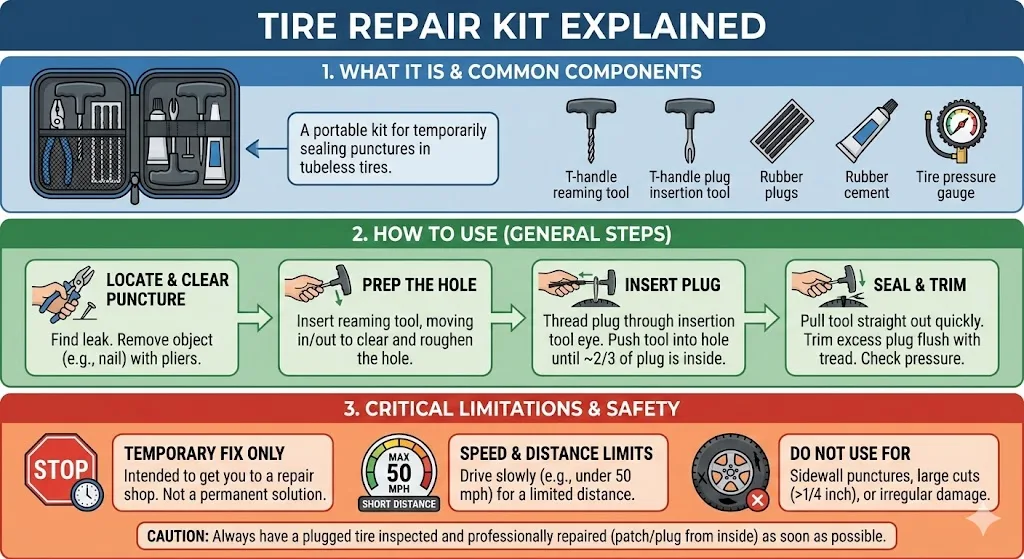
What a Tire Repair Kit Is, How to Use One, and When It’s Actually Safe
A flat tire can happen without warning, and many modern vehicles no longer come with a full-size spare. Instead, manufacturers often include a tire repair kit designed to temporarily restore mobility. While these kits can be useful in emergencies, they are often misunderstood.
This in-depth guide explains what a tire repair kit is, how different types work, how to use a tire repair kit properly, and when a tire repair kit should not be relied on as a permanent solution. The guidance aligns with tire and safety recommendations discussed across Simi Valley Chrysler Dodge Jeep Ram service resources.
For proper tire inspection and long-term repair, professional service at Simi Valley Chrysler Dodge Jeep Ram Service Center is always recommended.
https://www.simivalleychryslerdodgejeepram.com/service.aspx
What Is a Tire Repair Kit?
A tire repair kit is an emergency solution designed to temporarily seal a puncture and restore air pressure so you can safely drive to a repair facility. Tire repair kits vary by vehicle and purpose, but they generally fall into two categories:
- Plug-style tire repair kits
- Sealant-based flat tire repair kits
Some kits are designed specifically for tubeless tires, while others are compact sealant systems paired with a small air compressor.
Common Types of Tire Repair Kits
Flat Tire Repair Kit (Sealant + Compressor)
A flat tire repair kit typically includes:
- Liquid sealant
- Small electric air compressor
- Inflation hose and power cable
These kits inject sealant into the tire and inflate it simultaneously. They are commonly supplied with newer vehicles in place of a spare tire.
Simi CDJR service articles often address the limitations of sealant-based systems and why professional inspection is required afterward.
https://www.simivalleychryslerdodgejeepram.com/blogs/5737
Tubeless Tire Repair Kit
A tubeless tire repair kit usually contains:
- T-handle reaming tool
- Plug insertion tool
- Rubber plugs
- Adhesive or rubber cement
These kits are used to physically plug a puncture in a tubeless tire’s tread area.
Bike Tire Repair Kit / Bicycle Tire Repair Kit
A bike tire repair kit or bicycle tire repair kit is specifically designed for:
- Thinner tire casings
- Lower air pressures
- Inner tube or tubeless bicycle systems
These kits should never be used on automotive tires, as they are not designed for vehicle weight, speed, or load.
How to Use a Tire Repair Kit
One of the most common searches is how to use a tire repair kit, and the answer depends on the type of kit you have.
How to Use a Sealant-Based Flat Tire Repair Kit
This process applies to most factory-supplied flat tire repair kits.
Step 1: Park Safely
- Pull over to a safe, flat location
- Turn off the engine
- Engage the parking brake
Step 2: Connect the Sealant
- Attach the sealant hose to the tire valve
- Plug the compressor into the vehicle’s power outlet
Step 3: Inflate the Tire
- Turn on the compressor
- Allow sealant and air to enter the tire
- Inflate to the recommended pressure
Step 4: Drive Immediately
- Drive for 5–10 minutes
- This spreads the sealant inside the tire
After use, the tire must be professionally inspected, even if it appears to hold air.
Simi CDJR service technicians routinely clean and inspect tires after sealant use to ensure no internal damage exists.
https://www.simivalleychryslerdodgejeepram.com/service.aspx
How to Use a Tubeless Tire Repair Kit
Drivers also frequently search how to use tubeless tire repair kit. This applies to plug-style kits.
- Locate the puncture
- Remove the object
- Ream the hole
- Insert the plug
- Trim excess rubber
- Inflate tire
- Check for leaks
This method is typically considered a temporary repair, not a permanent fix.
Are Tire Repair Kits Permanent?
This is one of the most misunderstood aspects of tire repair kits.
Most tire repair kits are NOT permanent solutions.
Sealant kits:
- Do not inspect internal tire structure
- Can mask internal damage
- Often void tire warranties
Plug kits:
- Do not reinforce internal layers
- Cannot detect belt separation
Professional tire repair standards require:
- Tire removal
- Internal inspection
- Patch or patch-plug repair
Simi CDJR recommends professional evaluation after any tire repair kit use.
https://www.simivalleychryslerdodgejeepram.com/service.aspx
Does Tesla Come With a Tire Repair Kit?
Many drivers ask does Tesla come with a tire repair kit, especially Tesla Model 3 owners. Some Tesla vehicles include a sealant-based repair kit, while others do not.
Regardless of brand, the limitations of tire repair kits remain the same:
- Temporary mobility only
- Speed and distance restrictions
- Mandatory professional inspection afterward
The same principles apply to Chrysler, Dodge, Jeep, and Ram vehicles equipped with repair kits instead of spare tires.
How to Use Tesla Tire Repair Kit Model 3 (General Principles)
Searches like how to use Tesla tire repair kit Model 3 reflect confusion around electric vehicles and tire repair. While procedures vary slightly by manufacturer, the fundamentals are the same:
- Sealant + compressor
- Temporary use only
- Speed limitations
- Immediate service required
Simi CDJR service guidance applies similar caution to all sealant-based systems.
https://www.simivalleychryslerdodgejeepram.com/service.aspx
When NOT to Use a Tire Repair Kit
Do not use a tire repair kit if:
- Damage is on the sidewall
- Tire has a blowout
- Tire has multiple punctures
- Wheel is damaged
- Tire pressure dropped to zero at speed
In these cases, towing or tire replacement is the safest option.
Tire Repair Kit vs Spare Tire
Tire repair kit advantages:
- Lightweight
- Saves trunk space
- Quick roadside use
Disadvantages:
- Temporary repair
- Limited effectiveness
- Cannot repair large damage
Spare tire advantages:
- True replacement
- No sealant residue
- No speed restrictions
Simi CDJR service teams can help drivers evaluate whether a spare tire conversion is appropriate.
https://www.simivalleychryslerdodgejeepram.com/service.aspx
How Long Can You Drive on a Tire Repaired With a Kit?
Most manufacturers recommend:
- Driving no more than 50–100 miles
- Staying below highway speeds
- Visiting a service center immediately
Driving longer than recommended increases the risk of tire failure.
Are Tire Repair Kits Safe?
Tire repair kits are safe only when used correctly and temporarily.
They are unsafe when:
- Used as permanent repairs
- Used on sidewall damage
- Ignored without follow-up inspection
Safety systems like ABS and traction control depend on tire integrity.
Professional Tire Repair at Simi CDJR
At Simi Valley Chrysler Dodge Jeep Ram, tire service includes:
- Internal tire inspection
- Proper patch installation
- Sealant cleanup
- TPMS sensor inspection
- Tire replacement if necessary
This ensures your vehicle remains safe at highway speeds and under load.
https://www.simivalleychryslerdodgejeepram.com/service.aspx
Final Thoughts
A tire repair kit is an emergency mobility solution — not a permanent fix. While it can help you get back on the road temporarily, it does not replace professional tire repair or replacement.
If you’ve used a tire repair kit, or your vehicle came equipped with one instead of a spare, schedule a tire inspection at Simi Valley Chrysler Dodge Jeep Ram Service Center to ensure long-term safety and reliability.
https://www.simivalleychryslerdodgejeepram.com/service.aspx
Tire Plug Kit Guide : Mechanic Advice
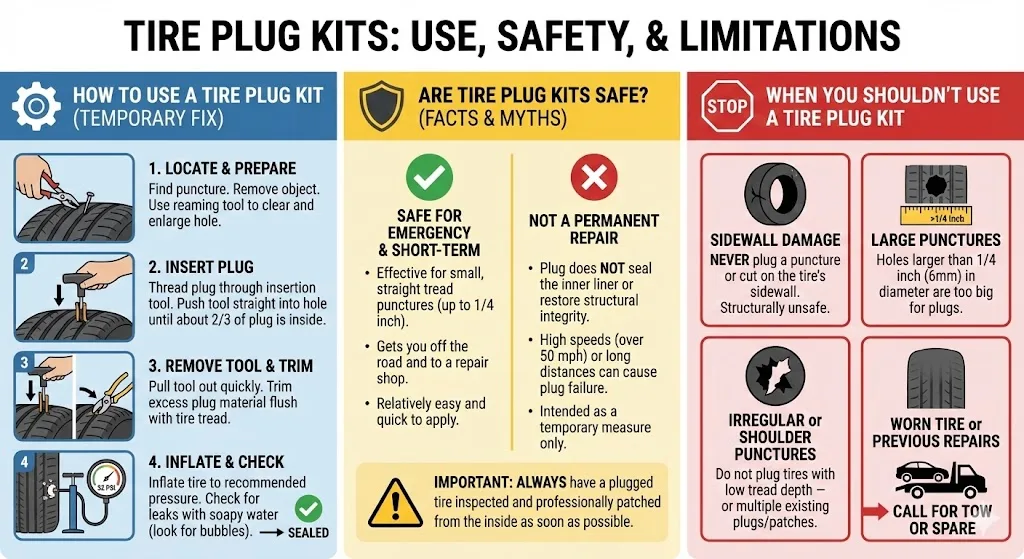
How to Use a Tire Plug Kit, Are Tire Plug Kits Safe, and When You Shouldn’t Use One
A flat tire can happen anywhere — on the freeway, at work, or in your driveway. When it does, many drivers turn to a tire plug kit as a quick roadside solution. But questions remain:
- How to use a tire plug kit properly?
- Are tire plug kits safe?
- Are tire plug kits permanent?
- How long does a tire plug kit last?
- What is the best tire plug kit?
This complete guide answers those questions and explains when a tire plug repair kit is appropriate — and when professional tire repair is the safer option.
For proper tire inspection and repair, Simi Valley Chrysler Dodge Jeep Ram provides professional tire services that ensure safe and long-lasting results.
https://www.simivalleychryslerdodgejeepram.com/service.aspx
What Is a Tire Plug Kit?
A tire plug kit is a compact repair kit designed to temporarily seal punctures in tubeless tires. Most kits include:
- T-handle reaming tool
- Insertion tool
- Sticky rubber plugs
- Rubber cement (in some kits)
- Razor blade
Common variations include:
- Slime tire plug kit
- Slime deluxe tire plug kit
- CRC tire plug kits
- Basic tire plug repair kit options
These kits are commonly used for small punctures caused by nails or screws in the tread area.
How to Use a Tire Plug Kit
One of the most searched questions is how to use a tire plug kit, and while the process may seem simple, proper steps matter.
Step 1: Locate the Puncture
- Inspect the tire carefully
- Identify the object causing the leak
- Confirm it is in the tread area
Do not attempt to plug:
- Sidewall damage
- Large tears
- Blowouts
Step 2: Remove the Object
- Use pliers to pull out the nail or screw
- Be prepared for air loss
Step 3: Use the Reaming Tool
- Insert the reamer into the hole
- Move it in and out to clean and widen the puncture
- This prepares the tire for the plug
This step ensures the plug bonds properly.
Step 4: Insert the Plug
- Thread the sticky plug through the insertion tool
- Apply rubber cement if included
- Push the plug into the puncture firmly
- Leave about half an inch exposed
Then pull the tool straight out.
Step 5: Trim Excess Plug
- Cut off excess rubber
- Inflate tire to proper pressure
- Check for leaks
That explains how to plug a tire with a plug kit, but the bigger question is whether it’s a safe long-term fix.
Are Tire Plug Kits Permanent?
This is one of the most important questions.
Are tire plug kits permanent?
In most cases, no.
A tire plug kit is typically considered a temporary repair. While some plugs may last months or even years, professional tire repair standards recommend:
- Internal patch + plug combination
- Tire removal for inspection
- Damage verification
Professional repair ensures no internal sidewall damage occurred.
Simi CDJR recommends professional inspection after any puncture to verify structural integrity.
https://www.simivalleychryslerdodgejeepram.com/service.aspx
Are Tire Plug Kits Safe?
Are tire plug kits safe?
They can be safe under specific conditions:
Safe when:
- Puncture is less than 1/4 inch
- Damage is in the tread area
- No sidewall damage
- Tire is otherwise in good condition
Unsafe when:
- Damage is near the sidewall
- Tire has internal separation
- Multiple punctures exist
- Tire is worn below safe tread depth
A tire plug alone does not allow inspection of internal tire layers. That’s why professional repair is considered safer.
How Long Do Tire Plug Kits Last?
Another common question: how long does a tire plug kit last?
There is no guaranteed lifespan. Some plugs may last the remaining life of the tire, while others may fail sooner depending on:
- Driving conditions
- Tire age
- Installation quality
- Speed and load stress
For daily driving and highway speeds, professional patch repair is strongly recommended after using a plug as a temporary fix.
Do Tire Plug Kits Work?
Yes — for small tread punctures, a tire plug repair kit can stop air loss effectively.
However:
- It does not restore structural integrity
- It does not inspect for internal damage
- It may void tire warranties
Professional tire services provide a more complete solution.
https://www.simivalleychryslerdodgejeepram.com/service.aspx
Best Tire Plug Kit: What to Look For
When people search best tire plug kit, they typically compare:
- Slime tire plug kit
- Slime deluxe tire plug kit
- Heavy-duty T-handle kits
- Compact roadside kits
What matters most:
- Strong insertion tool
- Quality rubber plugs
- Durable reaming tool
- Clear instructions
Brand matters less than correct usage and understanding limitations.
Where to Buy a Tire Plug Kit
Drivers often ask:
- Where to buy tire plug kit
- Does dollar general sell tire plug kits
While many retail stores sell basic kits, quality and completeness vary.
For safety-critical repairs, professional tire inspection is more reliable than retail plug-only solutions.
https://www.simivalleychryslerdodgejeepram.com/service.aspx
How Much Does a Tire Plug Kit Cost?
Another frequent question:
- How much is a tire plug kit?
- How much does a tire plug kit cost?
Most retail kits range between $10 and $30 depending on brand and included tools.
However, cost should not be the only factor when considering tire safety.
How to Plug a Tire Without a Kit
Some drivers search:
- How to plug a tire without a kit
- How to plug a tire without a plug kit
This is strongly discouraged.
Improvised methods:
- Do not seal properly
- Risk sudden failure
- Compromise safety
Always use proper equipment or seek professional repair.
How to Use a Slime Tire Plug Kit
The process for how to use a Slime tire plug kit or Slime deluxe tire plug kit is similar to other kits:
- Remove puncturing object
- Ream the hole
- Insert plug
- Trim excess
- Inflate and test
Brand does not change repair limitations.
Tire Plug Kit vs Patch Repair
Key difference:
Plug:
- Installed externally
- Quick roadside solution
- Temporary in most cases
Patch:
- Installed internally
- Requires tire removal
- More reliable long-term
Professional patch-plug combination repairs are considered industry standard.
Simi Valley Chrysler Dodge Jeep Ram offers tire inspections and safe repair procedures to ensure long-term reliability.
https://www.simivalleychryslerdodgejeepram.com/service.aspx
When NOT to Use a Tire Plug Kit
Do not use a tire plug kit if:
- Damage is on sidewall
- Puncture is larger than 1/4 inch
- Tire cords are visible
- Tire is severely worn
- Tire has multiple punctures close together
These situations require professional evaluation or tire replacement.
Why Professional Tire Service Is Safer
At Simi Valley Chrysler Dodge Jeep Ram, tire service includes:
- Full tire removal
- Internal inspection
- Proper patch installation
- TPMS inspection
- Pressure balancing
This ensures the tire remains safe at highway speeds and under load.
Final Thoughts
A tire plug kit can be a useful emergency solution. It answers the immediate need to restore air pressure and get you moving again. However, it is rarely considered a permanent repair.
If you’ve used a plug or are unsure about tire safety, schedule a professional tire inspection at Simi Valley Chrysler Dodge Jeep Ram Service Center.
How to Read Tire Size : Mechanic Guide
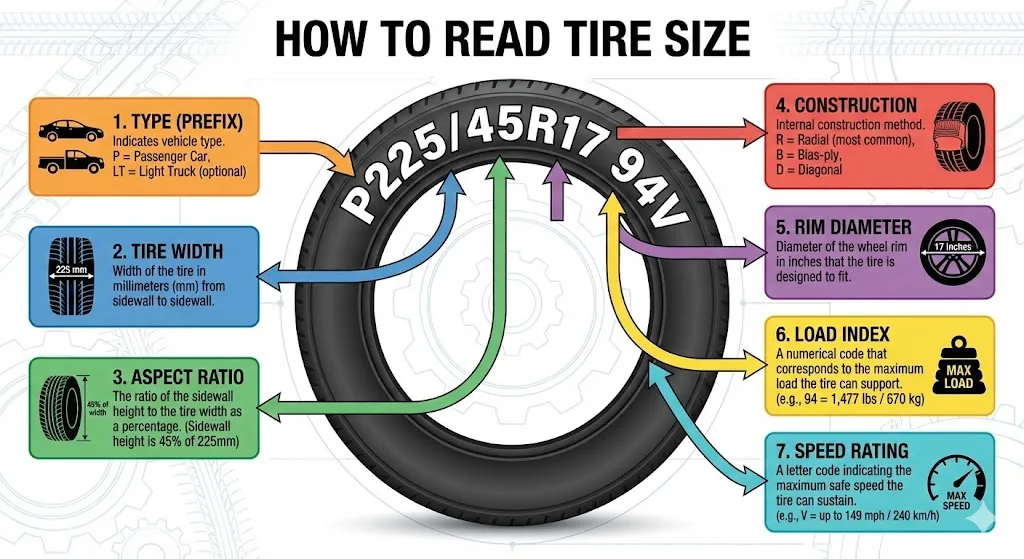
A Complete Guide to Understanding Tire Size Numbers on Your Vehicle
Tire size numbers can look confusing at first glance, but they contain critical information about your vehicle’s handling, safety, ride comfort, and performance. Whether you are replacing worn tires, upgrading wheels, or preparing for seasonal driving, understanding how to read a tire size ensures you choose the correct fit for your Chrysler, Dodge, Jeep, or Ram vehicle.
This in-depth guide explains how to read tire size numbers, what each marking means, where to find your factory tire size, and how incorrect sizing can impact performance. The information aligns with guidance commonly discussed in Simi Valley Chrysler Dodge Jeep Ram service and maintenance resources.
For tire inspections, fitment verification, or professional tire replacement, visit Simi Valley Chrysler Dodge Jeep Ram Service Center.
https://www.simivalleychryslerdodgejeepram.com/service.aspx
What Does Tire Size Mean?
A tire size is a standardized code printed on the sidewall of every tire. This code describes the tire’s:
- Width
- Sidewall height
- Construction type
- Wheel diameter
- Load capacity
- Speed rating
Understanding how to read tire sizes ensures your replacement tires match factory specifications, maintaining correct speedometer calibration, suspension geometry, and braking performance.
Simi CDJR service content regularly highlights the importance of using manufacturer-approved tire sizes for safety and warranty compliance.
https://www.simivalleychryslerdodgejeepram.com/blogs/5737
Where to Find Your Tire Size
Before learning how to read tire size numbers, you should know where to find them:
- On the tire sidewall – the most common location
- Driver’s door jamb placard – lists factory tire size and pressure
- Owner’s manual – includes approved tire specifications
The door jamb label is the most reliable reference if your tires have been changed previously.
How to Read a Tire Size: Step-by-Step Breakdown
Let’s break down a common example:
P265/70R17 113T
This format is used across nearly all passenger vehicles and trucks.
1. Tire Type Prefix (P)
The first letter indicates the tire type.
- P = Passenger vehicle tire
- LT = Light truck tire (common on Ram trucks)
Many Jeep and Ram vehicles use LT-rated tires for higher load capacity. Simi CDJR tire service articles often discuss the importance of selecting the correct tire class for trucks and SUVs.
https://www.simivalleychryslerdodgejeepram.com/service.aspx
2. Tire Width (265)
The first number represents tire width in millimeters.
- 265 means the tire is 265 mm wide from sidewall to sidewall
Wider tires generally offer improved traction but may impact fuel economy and steering feel.
Understanding how to read tire size numbers helps ensure clearance with suspension components and fenders.
3. Aspect Ratio (70)
The aspect ratio is the height of the tire’s sidewall expressed as a percentage of the width.
- 70 means the sidewall height is 70 percent of 265 mm
Higher aspect ratios provide:
- More ride comfort
- Better absorption of road imperfections
Lower aspect ratios offer:
- Sharper handling
- Sportier appearance
4. Construction Type (R)
The letter R stands for radial construction, which is standard on modern vehicles.
Radial tires:
- Improve durability
- Enhance ride quality
- Reduce rolling resistance
Nearly all Chrysler, Dodge, Jeep, and Ram vehicles use radial tires.
5. Wheel Diameter (17)
This number tells you the wheel diameter in inches.
- 17 means the tire fits a 17-inch wheel
This is one of the most critical numbers when replacing tires. Installing a tire on the wrong wheel diameter is unsafe and impossible.
Simi CDJR technicians verify wheel diameter during every tire replacement service.
https://www.simivalleychryslerdodgejeepram.com/service.aspx
6. Load Index (113)
The load index represents how much weight each tire can safely support.
- 113 corresponds to a specific weight rating
Using a tire with an insufficient load index can result in premature wear or failure, especially on trucks and SUVs.
7. Speed Rating (T)
The final letter indicates the tire’s maximum safe speed.
Common speed ratings include:
- S – typical for sedans
- T – common for SUVs
- H / V – performance-oriented vehicles
Your replacement tire should always meet or exceed the factory speed rating.
How to Read Tire Sizes for Trucks and SUVs
Many Jeep and Ram vehicles use LT tire sizing, which looks slightly different:
LT275/65R18
Key differences:
- LT indicates light truck construction
- Thicker sidewalls
- Higher load ratings
Simi CDJR service guidance emphasizes matching LT ratings for vehicles designed for towing or off-road use.
https://www.simivalleychryslerdodgejeepram.com/service.aspx
Why Tire Size Matters More Than You Think
Using the wrong tire size can cause:
- Speedometer inaccuracies
- Reduced braking performance
- Uneven tire wear
- Suspension strain
- Traction control errors
Modern vehicles rely on precise tire diameter calculations for ABS and stability systems. Even small deviations can affect system performance.
Common Tire Size Reading Mistakes
Misreading Width vs Wheel Size
Some drivers confuse tire width with wheel diameter, leading to incorrect purchases.
Ignoring Load Index
Choosing tires based only on size without matching load rating can compromise safety.
Mixing Sizes
Different tire sizes front and rear can disrupt traction systems unless factory-approved.
Simi CDJR technicians routinely correct these issues during tire inspections.
https://www.simivalleychryslerdodgejeepram.com/service.aspx
How to Read Tire Size Numbers on the Sidewall
In addition to the main size code, tires include other markings:
- DOT code – manufacturing date
- UTQG ratings – treadwear, traction, temperature
- Maximum load and pressure
While important, these markings do not replace the primary tire size code when selecting replacements.
Can You Change Tire Size?
In some cases, yes — but changes should be approved and calculated carefully.
Potential reasons for changing tire size:
- Off-road upgrades
- Winter tire packages
- Wheel upgrades
Risks include:
- Rubbing against suspension
- Incorrect gearing
- Reduced fuel efficiency
Before changing tire size, Simi CDJR recommends professional fitment verification.
https://www.simivalleychryslerdodgejeepram.com/service.aspx
Tire Size and Seasonal Tires
Winter tires often use:
- Slightly narrower widths
- Higher sidewall ratios
This improves traction in snow and slush. The correct winter tire size should still remain within manufacturer-approved limits.
Simi CDJR service teams regularly assist with seasonal tire sizing and installation.
https://www.simivalleychryslerdodgejeepram.com/service.aspx
How Often Should Tire Size Be Checked?
You should confirm tire size:
- When replacing tires
- After buying a used vehicle
- When upgrading wheels
- Before seasonal tire changes
Incorrect tire sizing is one of the most common causes of drivability complaints.
Professional Tire Services at Simi CDJR
At Simi Valley Chrysler Dodge Jeep Ram, tire services include:
- Factory tire size verification
- Load and speed rating matching
- Tire mounting and balancing
- TPMS inspection
- Alignment checks
Using dealership-grade tools ensures your vehicle maintains factory handling and safety standards.
https://www.simivalleychryslerdodgejeepram.com/service.aspx
Final Thoughts
Knowing how to read a tire size empowers you to make informed decisions about tire replacement and upgrades. Tire size numbers are not random — each digit plays a role in how your vehicle handles, rides, and performs.
If you’re unsure about tire sizing or want professional guidance, schedule a tire inspection at Simi Valley Chrysler Dodge Jeep Ram Service Center.
https://www.simivalleychryslerdodgejeepram.com/service.aspx
Connect with us


