




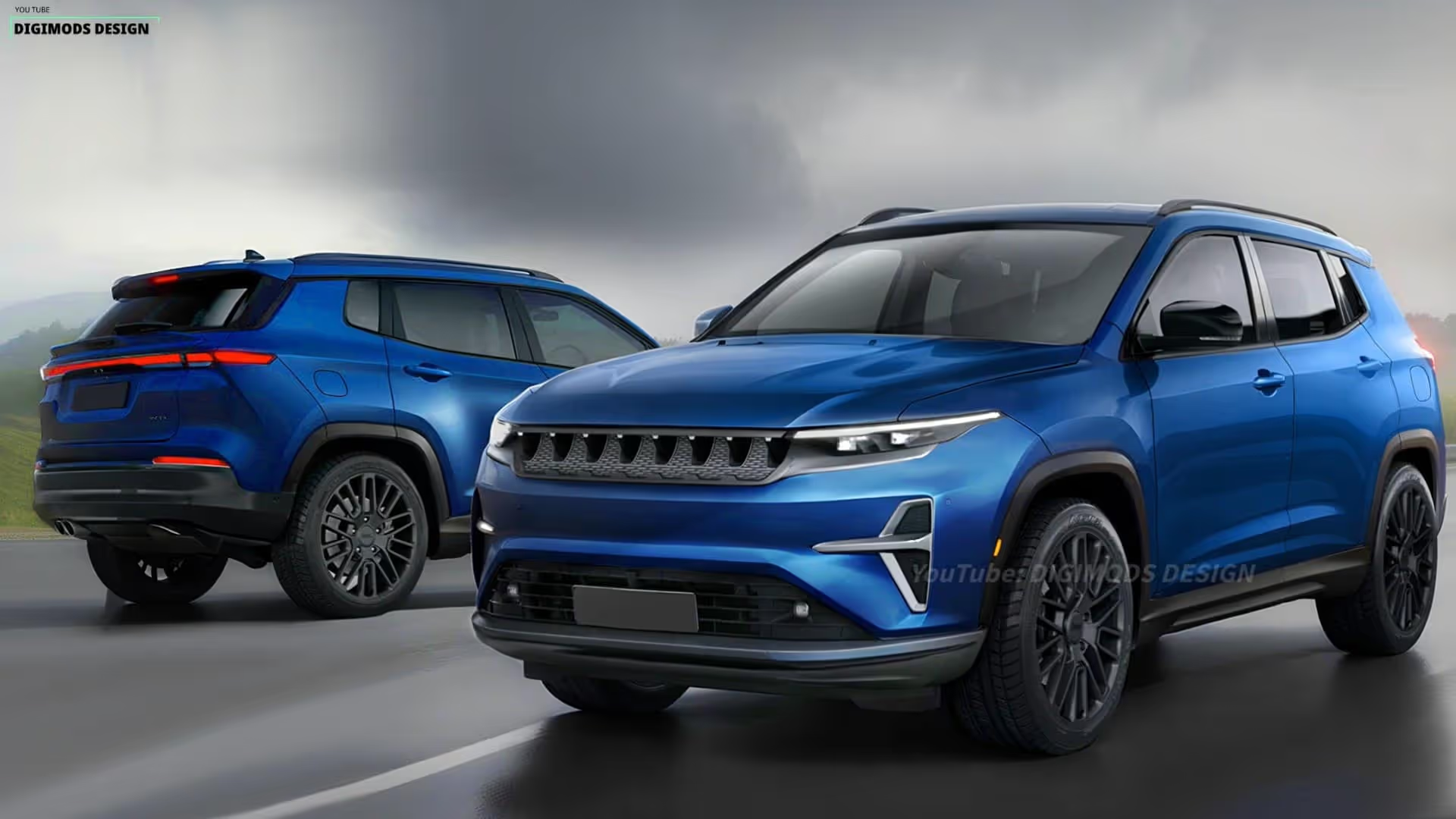
The Jeep Compass has long been a bridge between rugged off-road capability and urban practicality, appealing to drivers who want adventure-ready versatility without sacrificing daily comfort. As the 2025 model year approaches, Jeep is poised to refresh its compact SUV with updates that blend modern design, advanced technology, and a stronger push toward electrification. Here’s an in-depth look at what to expect from the 2025 Jeep Compass, including insights into its design evolution, powertrain options, and competitive positioning.
Design Evolution: Merging Heritage with Modernity
The 2025 Jeep Compass is expected to refine its iconic design language while embracing contemporary trends. Spy shots and insider reports suggest the following updates:
Exterior Styling
- Front End: The signature seven-slot grille will likely be slimmer and more angular, flanked by standard LED headlights with adaptive beam technology. Inspired by the 2024 Jeep Wagoneer S, the grille may feature a gloss-black or body-colored finish on higher trims.
- Body Lines: Sharper character lines and a slightly longer wheelbase could improve aerodynamics and interior space.
- Rear Updates: Redesigned LED taillights and a repositioned spoiler may reduce drag, while dual exhaust tips (optional on Trailhawk trims) emphasize performance.
- Trailhawk Enhancements: Expect red recovery hooks, all-terrain tires, and increased ground clearance (up to 8.7 inches) for off-road adventures.
Jeep’s design team is leaning into a “neo-retro” aesthetic, blending classic cues (like the boxy wheel arches) with modern touches like illuminated badging. For a glimpse of Jeep’s design philosophy, explore their official design hub.
Interior Upgrades
- Dashboard Layout: A redesigned cockpit will prioritize driver-centric controls. The base model may feature a 10.1-inch touchscreen (up from 8.4 inches), while higher trims could get a 12.3-inch display running the latest Uconnect 5 system (details here).
- Materials: Soft-touch surfaces, recycled fabrics, and optional Nappa leather upholstery align with Jeep’s sustainability goals. The Trailhawk trim may add water-resistant seat covers and rubber floor mats.
- Space Optimization: A longer wheelbase could translate to 1–2 inches of additional rear legroom, addressing a common critique of the current model.
Powertrains: Balancing Efficiency and Capability
The 2025 Compass will likely retain its core engine options while expanding electrification to meet stricter emissions standards.
Gasoline Engines
- 1.3L Turbocharged I4: The base engine (177 hp, 200 lb-ft) will pair with a 6-speed manual or 9-speed automatic transmission. Fuel economy is expected to remain around 27 MPG combined.
- 2.4L Tigershark I4: Optional on Latitude and Limited trims, this engine (180 hp, 175 lb-ft) will include cylinder deactivation for improved efficiency.
4xe Plug-In Hybrid
Jeep is rumored to introduce a 4xe variant to the Compass lineup, mirroring the success of the Wrangler 4xe and Grand Cherokee 4xe. Key specs (based on the Renegade 4xe):
- Combined Output: 190 hp and 236 lb-ft of torque.
- Electric Range: ~30 miles (EPA-estimated).
- Charging: Level 1/2 compatibility with a full charge in 2–4 hours.
This hybrid system could make the Compass 4xe one of the most fuel-efficient models in its class, targeting rivals like the Toyota RAV4 Prime.
Trailhawk Performance
The off-road-focused Trailhawk trim will retain Jeep’s Selec-Terrain System with Rock, Sand/Mud, Snow, and Auto modes. Upgrades may include:
- Heavy-Duty Cooling: For sustained off-road performance.
- Tow Ratings: Up to 2,000 lbs (similar to the current model).
Technology and Safety: Closing the Gap with Competitors
The 2025 Compass aims to leapfrog rivals with cutting-edge tech and safety features.
Infotainment and Connectivity
- Uconnect 5: Faster processing, wireless Apple CarPlay/Android Auto, and Alexa Built-In. Over-the-air updates will keep software current.
- Digital Cockpit: A 10.25-inch configurable gauge cluster with navigation, off-road telemetry, and hybrid battery status.
- Premium Audio: Optional 9-speaker Alpine system with noise cancellation.
Advanced Driver-Assistance Systems (ADAS)
- Standard Features: Automatic emergency braking, lane-keep assist, and adaptive cruise control.
- Optional Upgrades: Highway Assist (Level 2 autonomy), night vision camera, and a 360-degree parking system.
- Safety Ratings: While the 2025 model hasn’t been tested yet, the current Compass earns a 4-star NHTSA rating.
Trim Levels and Pricing Strategy
Jeep will likely structure the 2025 Compass into four main trims, with pricing reflecting inflation and added tech:
| Trim | Starting Price (Est.) | Key Features |
|---|---|---|
| Sport | $29,000 | 17-inch wheels, cloth seats, manual climate control, 10.1-inch touchscreen. |
| Latitude | $33,500 | Dual-zone climate, heated mirrors, 8-way power driver’s seat, wireless charging. |
| Limited | $38,000 | Leather upholstery, 19-inch wheels, panoramic sunroof, Alpine audio. |
| Trailhawk | $40,500 | All-terrain tires, Selec-Terrain, skid plates, red tow hooks. |
A 4xe Plug-In Hybrid variant could start at $42,000, undercutting the Ford Escape PHEV ($41,995).
Competitive Landscape: How the Compass Stacks Up
The 2025 Compass faces fierce competition in the compact SUV segment. Here’s how it compares to key rivals:
1. Honda CR-V Hybrid
- Strengths: 40 MPG combined, Honda Sensing® safety suite, spacious interior.
- Weaknesses: Less off-road capability.
- Price: Starts at $34,500.
2. Hyundai Tucson Hybrid
- Strengths: Futuristic design, 38 MPG combined, generous warranty.
- Weaknesses: Less brand cachet for adventure seekers.
- Price: Starts at $33,000.
3. Ford Escape PHEV
- Strengths: 37-mile electric range, 210 hp, SYNC 4A infotainment.
- Weaknesses: Bland styling, limited off-road features.
- Price: Starts at $41,995.
The Compass’s Trailhawk trim gives it a unique edge in off-road readiness, a segment where only the Subaru Forester Wilderness competes directly. For a detailed comparison, visit Edmunds.
Release Timeline and Market Strategy
- Unveiling: Jeep will likely debut the 2025 Compass at the 2024 Los Angeles Auto Show in November.
- Production: Manufacturing will continue at Jeep’s Toluca Plant in Mexico, with deliveries starting in Q1 2025.
- Global Markets: The Compass will remain a global model, with slight variations for Europe and Asia.
Consumer Expectations and Early Reactions
Enthusiast forums like Jeep Compass Forums and Reddit’s r/Jeep reveal high anticipation for the 4xe variant. Many users hope for:
- Longer Electric Range: 40+ miles to rival the Mitsubishi Outlander PHEV.
- Faster Charging: DC fast-charging capability.
- Lower Pricing: Incentives to compete with federal tax credits for EVs.
Sustainability and Electrification Goals
The 2025 Compass is part of Stellantis’s broader Dare Forward 2030 plan, which aims for 100% EV sales in Europe and 50% in the U.S. by 2030. Jeep’s commitment to electrification is further evidenced by its upcoming Recon EV and Wagoneer S models.
Final Thoughts: A Pivotal Moment for Jeep
The 2025 Jeep Compass represents a critical step in balancing tradition with innovation. By integrating hybrid technology, modern design, and rugged capability, Jeep aims to appeal to eco-conscious buyers and off-road enthusiasts alike. While challenges remain—particularly in matching the tech offerings of rivals like Hyundai—the Compass’s unique identity could secure its place in a crowded market.
For the latest updates, follow Jeep’s official newsroom or configure your ideal Compass via the Jeep Build & Price tool.
Related Links:
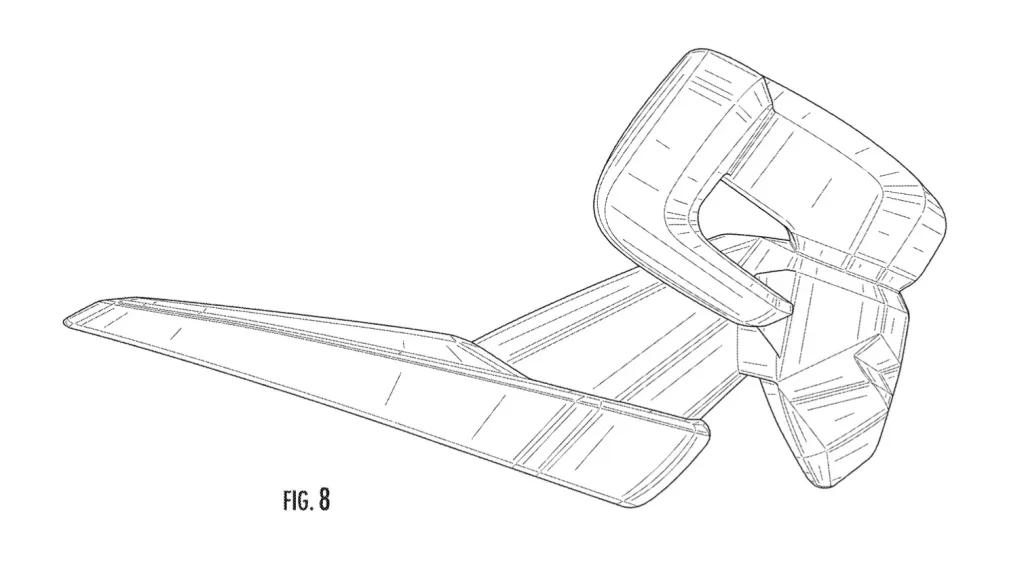
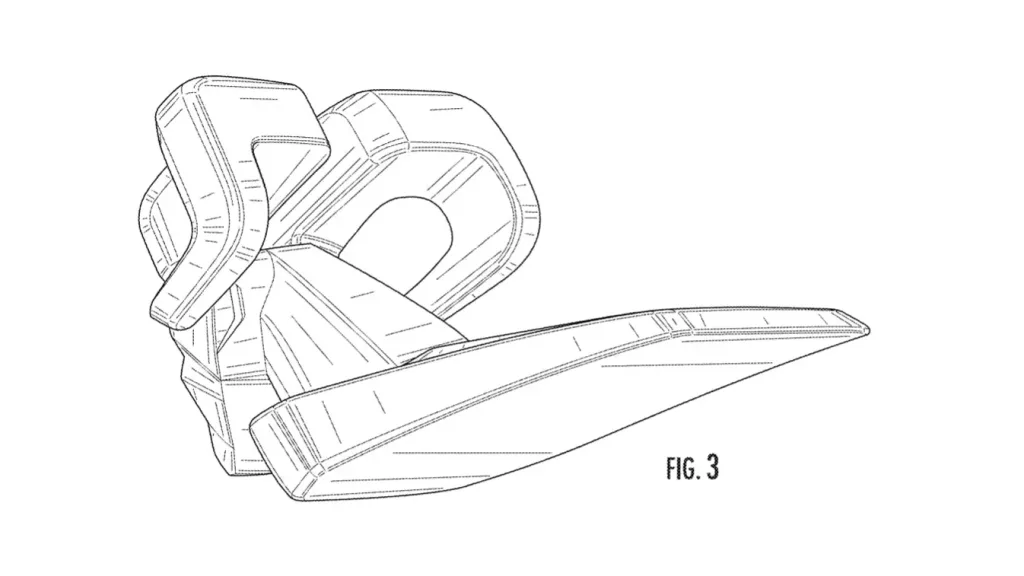
For decades, hood ornaments symbolized automotive prestige, craftsmanship, and brand identity. From the Rolls-Royce Spirit of Ecstasy to the Mercedes-Benz three-pointed star, these gleaming emblems transformed vehicles into moving works of art. However, as safety regulations and minimalist design trends took hold in the late 20th century, hood ornaments largely vanished from production vehicles—relegated to vintage cars and luxury relics. Now, rumors suggest that RAM Trucks, a brand synonymous with rugged capability, might revive this classic feature. Could the iconic hood ornament make a comeback on RAM’s heavy-duty pickups? Here’s what we know—and why this move could redefine modern truck culture.
The Rise and Fall of Hood Ornaments
Hood ornaments, also known as mascots, emerged in the early 1900s as functional radiator caps but quickly evolved into symbols of status and artistry. By the 1930s, brands like Packard, Cadillac, and Bentley adorned their vehicles with intricate sculptures, from leaping jaguars to winged goddesses. These ornaments weren’t just decorative; they embodied a brand’s heritage and ambition.
Why They Disappeared:
- Safety Regulations: In the 1970s, governments worldwide began mandating pedestrian safety standards. Protruding ornaments were deemed hazardous in collisions.
- Aerodynamics: As fuel efficiency became a priority, automakers streamlined designs, eliminating drag-inducing elements.
- Cost-Cutting: Complex ornaments added production expenses, and their theft became a nuisance.
By the 2000s, most mass-market brands abandoned hood ornaments. Even luxury marques like BMW and Audi shifted to flat, embedded badges. Today, only Rolls-Royce and Jaguar retain traditional mascots, with retractable designs to comply with regulations.
RAM’s Historical Connection to Hood Ornaments
RAM Trucks, a division of Stellantis, traces its roots to Dodge’s rugged pickup lineage. While modern RAM trucks are celebrated for their brawny grilles and aggressive styling, older models occasionally featured bold hood ornaments:
- 1980s Dodge Ram: The “Ram’s head” hood ornament—a chrome-plated bighorn sheep—became a symbol of Dodge’s tough, no-nonsense trucks.
- 1990s Transition: As trucks grew more aerodynamic, Dodge replaced the standing ram with a streamlined badge. By 2009, when RAM became a standalone brand, the ornament had vanished entirely.
For many enthusiasts, the classic Ram’s head represents a bygone era of Americana. Its potential return taps into a growing nostalgia for retro design in the automotive world, seen in models like the Ford Bronco and Chevrolet Blazer.
Why RAM Might Revive the Hood Ornament
1. Differentiating in a Crowded Market
The full-size truck segment is fiercely competitive, with the Ford F-150, Chevrolet Silverado, and GMC Sierra vying for dominance. RAM has carved a niche with premium interiors and innovative features like the RAM 1500’s Air Suspension. A hood ornament could further distinguish RAM as a fusion of heritage and innovation.
2. Tapping into Nostalgia
Retro styling resonates with buyers. The Jeep Wrangler retains its boxy silhouette as a nod to its WWII origins, while the Toyota Land Cruiser reboot leans on vintage cues. For RAM, a revived hood ornament could attract longtime truck loyalists and younger buyers seeking authenticity.
3. Elevating Luxury Appeal
RAM’s high-trim models, like the Limited Longhorn, compete with luxury brands. A tasteful ornament could amplify this positioning, echoing the opulence of early 20th-century cars. Imagine a matte-black ram’s head on the RAM TRX, complementing its supercharged Hellcat engine.
4. Marketing and Brand Storytelling
A hood ornament revival offers a narrative of craftsmanship and legacy. RAM could leverage this in campaigns, much like Lincoln’s “Quiet Flight” ethos or Cadillac’s Art & Science design language.
Design Challenges and Innovations
Reviving a hood ornament in 2024 isn’t as simple as bolting on a vintage ram’s head. Modern vehicles must comply with strict safety and aerodynamic standards. Here’s how RAM could navigate these hurdles:
1. Retractable or Collapsible Designs
Rolls-Royce’s Spirit of Ecstasy retracts into the grille upon impact. RAM could adopt a similar mechanism, ensuring the ornament folds away during collisions. Patent filings from Stellantis suggest active aerodynamic features, which might include such technology.
2. Lightweight Materials
Using aluminum, carbon fiber, or 3D-printed composites would reduce weight and improve durability. Illuminated ornaments with LED accents could enhance visibility and modernize the classic look.
3. Integration with ADAS Sensors
Modern trucks rely on cameras and radar for features like adaptive cruise control. RAM could design ornaments that double as sensor housings, akin to Volvo’s emblem-integrated cameras.
4. Customization Options
Offering personalized ornaments—engraved initials, alternative finishes—would appeal to buyers seeking exclusivity. RAM already provides bespoke options through its RAM Express Custom Shop.
Industry Reactions and Competitor Responses
A RAM hood ornament revival could ripple through the automotive industry:
- Ford: Might counter with heritage badges for the F-150, reviving classic emblems like the 1970s “Ford Script” logo.
- GM: Could reintroduce the Chevrolet Bowtie as a stand-up ornament on high-end Silverado trims.
- Tesla Cybertruck: The polarizing stainless-steel truck lacks traditional branding, but RAM’s move might inspire retro-futuristic accents.
Luxury brands like Lexus or Genesis could also explore ornaments to underscore their premium positioning.
Enthusiast and Public Sentiment
Automotive forums and social media reveal mixed reactions:
- Proponents: “The ram’s head is iconic. It’s time to bring back that swagger!” – Reddit user on r/Trucks.
- Skeptics: “Hood ornaments are outdated. RAM should focus on tech, not trinkets.” – Comment on MotorTrend’s Facebook.
Notably, vintage RAM hood ornaments sell for $200–$500 on eBay, signaling demand among collectors.
Case Study: Successful Retro Revivals
RAM can draw lessons from brands that successfully merged nostalgia with innovation:
- Ford Bronco: The 2021 reboot retained the original’s boxy shape but added modern tech like a 12-inch touchscreen. Sales surged, with 230,000 units sold in 2023.
- Mini Cooper: BMW’s 2001 revival preserved the classic Mini’s charm while updating performance and safety.
- Volkswagen Beetle: Though discontinued, the 1998 “New Beetle” capitalized on 1960s nostalgia to attract a new generation.
The Road Ahead: What to Expect
While RAM hasn’t confirmed the hood ornament’s return, clues suggest it’s under consideration:
- Trademark Filings: Stellantis recently renewed trademarks for classic Dodge and RAM logos, including stylized ram’s head designs.
- Concept Vehicles: The RAM 1500 Revolution BEV Concept features a backlit RAM badge, hinting at advanced emblem technology.
- CEO Statements: Stellantis CEO Carlos Tavares has emphasized “embracing heritage to fuel innovation” in interviews with CNBC.
If launched, the ornament could debut on a high-end variant like the 2025 RAM 2500 Limited or a special edition celebrating RAM’s 45th anniversary.
Conclusion: A Symbol of Past and Future
The potential return of RAM’s hood ornament isn’t just about aesthetics—it’s a statement. In an era dominated by EVs and autonomous tech, it bridges RAM’s rugged legacy with a future where design and identity remain paramount. Whether you view it as a charming throwback or a marketing gimmick, one thing is clear: In the battle for truck supremacy, even the smallest details can make a big impact.
For now, keep an eye on RAM’s official newsroom and social channels. That chrome ram’s head might soon be galloping back onto highways—and into history.
Related Links:
(Due to technical issues, the search service is temporarily unavailable.)
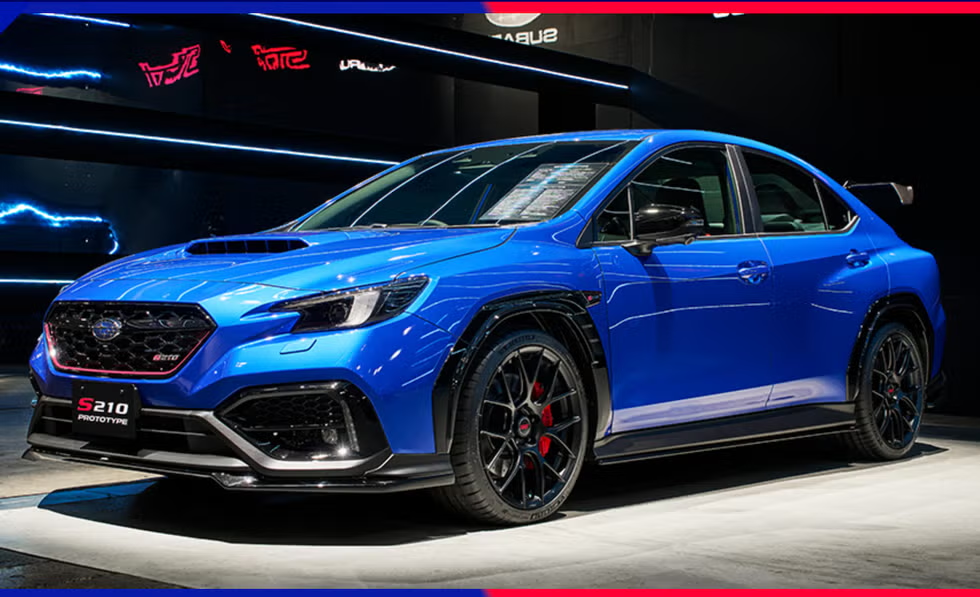
Subaru WRX STI S210: Myth, Misconception, and the Legacy of STI’s Special Editions
The Subaru WRX STI has long been a symbol of rally-bred performance, captivating enthusiasts with its turbocharged engines, all-wheel-drive prowess, and limited-edition models. Among the whispers in automotive forums and social media, the term “Subaru WRX STI S210” occasionally surfaces, sparking curiosity and confusion. However, Subaru has never produced an official WRX STI model designated as the S210. This article dives into the origins of the S210 myth, explores Subaru’s iconic STI special editions, and examines the future of the WRX STI lineage.
Understanding Subaru’s Chassis Codes and Naming Conventions
Subaru uses alphanumeric chassis codes to classify its vehicles, a practice common among Japanese automakers. These codes help identify platforms, generations, and body styles. For the WRX STI, key chassis codes include:
- GC/GM/GF (1992–2000): The original Impreza-based WRX STI, including classics like the 22B STI.
- GD/GG (2000–2007): The second-generation WRX STI, famous for its blob-eye and hawk-eye designs.
- GR/GV (2007–2014): The third-generation hatchback and sedan models, including the 2011 WRX STI Cosworth CS400.
- VA (2014–2022): The final gasoline-powered generation, culminating in the 2021 WRX STI Type RA.
The “S210” designation doesn’t align with Subaru’s official nomenclature. The “S” prefix typically denotes limited-run, performance-tuned models developed by Subaru Tecnica International (STI), such as the S201–S209 series. The confusion likely stems from overlapping terminology or aftermarket projects.
The “S210” Myth: Possible Origins
1. Misinterpretation of STI’s Special Editions
Subaru’s STI division has a history of releasing numbered, limited-production models, such as the S201 (2000), S202 (2002), and S209 (2019). Enthusiasts anticipating a follow-up to the S209 might speculate about an “S210,” though Subaru has not confirmed such a model. For reference, explore the history of these cars via Subaru STI’s official heritage page.
2. Aftermarket and Tuner Projects
Japanese tuning firms like Prodrive and STI occasionally produce one-off concepts or prototype vehicles. For example, Prodrive’s P25, a modern reimagining of the Subaru Impreza 22B, sparked rumors of a factory-backed revival. Similarly, an “S210” could be a speculative name for an unreleased tuner build.
3. Toyota Chassis Code Confusion
Toyota uses the S210 code for its Mark X sedan, sold in Japan. This overlap might have caused mix-ups in online discussions, especially given Subaru’s partnership with Toyota on vehicles like the BRZ/GR86.
4. Fan-Made Concepts and Renderings
Digital artists and enthusiasts often create fictional Subaru models, such as the WRX STI Hatchback Concept or electric STI renderings. These designs sometimes adopt placeholder names like “S210,” fueling misinformation.
Subaru WRX STI Special Editions: A Legacy of Performance
While the S210 remains a mystery, Subaru’s STI-branded special editions are legendary. Below, we break down the most iconic models and their impact on automotive culture.
1. Subaru WRX STI S201 (2000)
- Engine: 2.0L EJ207 turbocharged flat-4 (300 hp / 253 lb-ft).
- Features: Lightweight aluminum hood, close-ratio 5-speed manual transmission, Prodrive-tuned suspension, and a limited-slip differential.
- Production: 300 units (Japan-only).
- Legacy: The S201 set the template for future STI special editions. Learn more via Japanese Nostalgic Car.
2. Subaru WRX STI S202 (2002)
- Engine: 320 hp EJ207 with a larger turbocharger and intercooler.
- Features: Carbon-fiber rear wing, Recaro bucket seats, 17-inch BBS wheels, and a titanium muffler.
- Production: 400 units (Japan-only).
- Market Value: Well-preserved S202s now sell for over $60,000 at auctions like Bring a Trailer.
3. Subaru WRX STI S209 (2019)
- Engine: 2.5L EJ25 turbocharged flat-4 (341 hp / 330 lb-ft) – the most powerful U.S.-spec STI.
- Features: Widebody fenders, Bilstein dampers, forged BBS wheels, and a carbon-fiber roof.
- Production: 209 units (U.S.-only).
- Review: MotorTrend hailed it as a “send-off to the EJ engine.”
4. Subaru WRX STI S208 (2017)
- Engine: 2.0L EJ20 turbocharged flat-4 (329 hp) with a twin-scroll turbocharger.
- Features: Adjustable rear wing, carbon-fiber roof, and track-focused aerodynamics.
- Production: 450 units (Japan-only).
- Details: Explore its specs on Goo-Net Exchange.
The Hypothetical S210: What Could It Have Been?
If Subaru had developed an S210, it likely would have followed the trajectory of its predecessors:
| Feature | Hypothetical S210 Specs |
|---|---|
| Engine | 2.4L FA24 turbocharged flat-4 (400+ hp) |
| Transmission | 6-speed manual or 8-speed automatic |
| Drivetrain | Symmetrical AWD with Driver-Controlled Center Differential |
| Weight Reduction | Carbon-fiber body panels, stripped interior |
| Production | 250–300 units (global) |
Such a car might have competed with the Toyota GR Corolla Morizo Edition or Honda Civic Type R Limited Edition.
Why Subaru Discontinued the Gasoline-Powered STI
In 2022, Subaru announced the end of the gasoline-powered WRX STI, citing:
- Stricter Emissions Regulations: The EJ25 engine couldn’t meet Euro 7 and U.S. Tier 3 standards.
- Electrification Goals: Subaru aims for 40% electrified sales by 2030.
- Market Shifts: Declining demand for manual-transmission sports cars.
The final 2022 WRX STI bowed out with a farewell video celebrating its rally heritage.
The Future of the WRX STI: Electric Revival?
Subaru has hinted at an electric STI, possibly debuting by 2026. Key details from Subaru’s EV roadmap:
- Platform: Co-developed with Toyota on the e-TNGA architecture.
- Performance: Dual motors for AWD, targeting 400+ hp and rally-inspired dynamics.
- Design: Previewed by the STI E-RA Concept, unveiled at the 2022 Tokyo Auto Salon.
Community Reactions to the S210 Myth
Enthusiast forums like NASIOC and Reddit’s r/WRXSTI are rife with debates about the S210. Some argue it’s a mistranslation of Japanese market materials, while others blame AI-generated clickbait articles.
How to Spot Fake S210 Listings
Scammers occasionally list fictional “S210” models for sale. Red flags include:
- VIN Mismatches: Cross-check VINs via Subaru’s VIN Decoder.
- Unverified Sellers: Stick to reputable dealers like Subaru Certified Pre-Owned.
- Too Good to Be True: An “S210” priced below $30,000 is likely a standard WRX with STI badges.
The Legacy of Subaru STI’s Special Editions
From the S201 to the S209, these models represent the pinnacle of Subaru’s engineering:
- Rally DNA: Direct links to Subaru’s World Rally Championship dominance in the 1990s–2000s.
- Collectibility: Limited production runs ensure rising values, as seen on Hemmings.
- Cultural Impact: Featured in films like Baby Driver and games like Gran Turismo.
Final Thoughts
While the Subaru WRX STI S210 remains a myth, its legend underscores the passion surrounding Subaru’s performance legacy. As the automotive world shifts toward electrification, the next chapter of the STI story promises innovation without forgetting its roots. For now, enthusiasts can cherish the roar of the EJ engine—and keep an eye on Subaru’s next move.
Related Links:
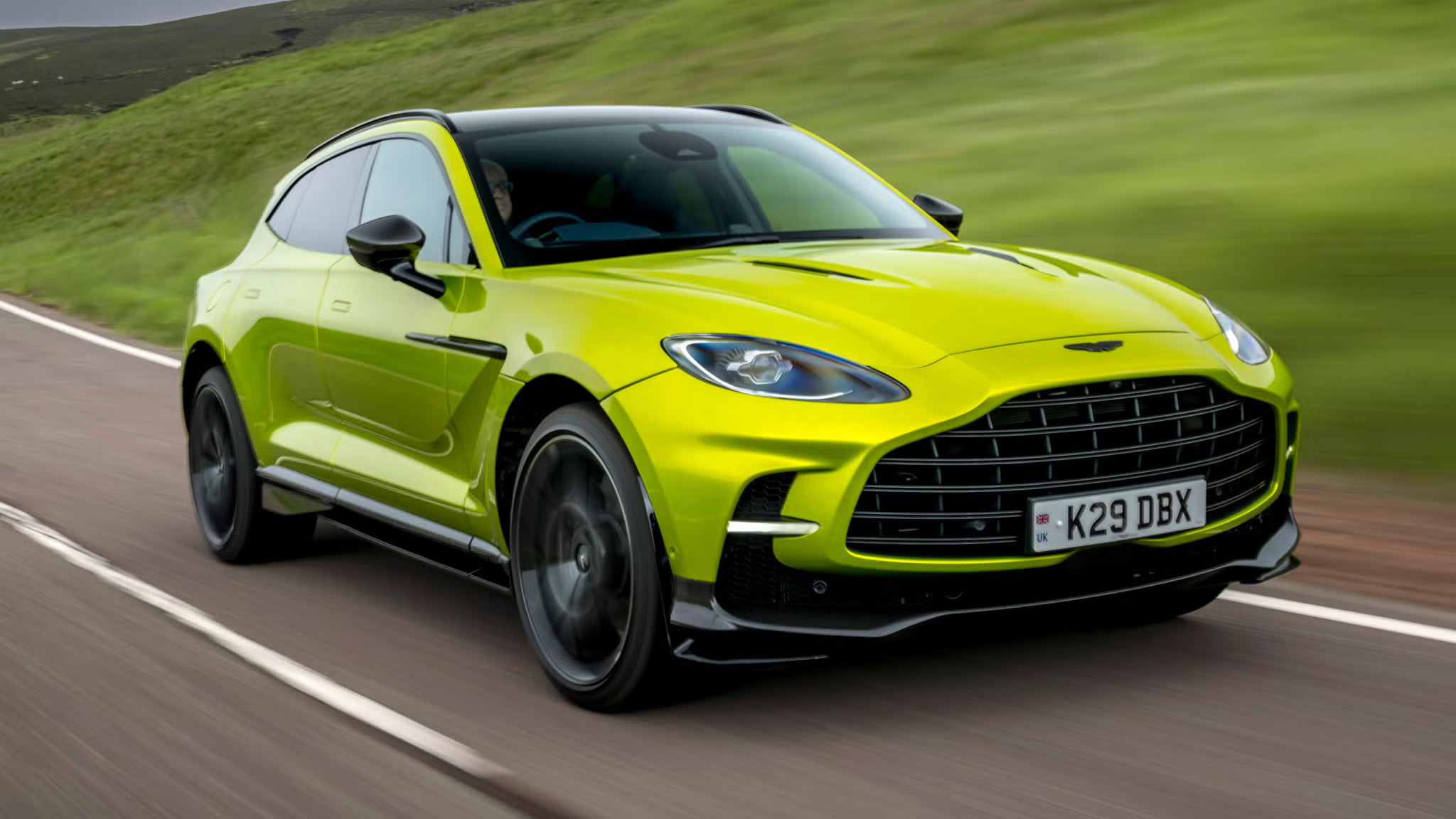
Luxury British automaker Aston Martin Lagonda has announced significant staff reductions and a delay in its electric vehicle (EV) rollout plans as it grapples with mounting financial losses and a challenging transition to electrification. The company, famed for its association with James Bond and high-performance sports cars, is restructuring to stabilize its finances amid supply chain hurdles, rising costs, and weaker-than-expected demand for its current lineup.
Staff Cuts and Restructuring
Aston Martin confirmed it will cut up to 10% of its workforce—approximately 200 employees—primarily in management and manufacturing roles. The move follows a strategic review aimed at reducing operational costs by £18 million ($23 million) annually. CEO Amedeo Felisa stated, “We must streamline operations and focus on profitability to ensure the long-term success of our brand,” during a press briefing covered by Reuters.
This marks the latest in a series of workforce reductions for the brand, which has struggled financially since its 2018 IPO. In 2020, Aston Martin cut 500 jobs amid pandemic-related disruptions. Union representatives, including those from Unite the Union, expressed concerns over the impact on workers, emphasizing the need for retraining programs to transition employees into emerging EV roles.
Financial Struggles Deepen
The layoffs come as Aston Martin reported a pre-tax loss of £285 million ($360 million) for 2023, up from £264 million ($334 million) in 2022. Key factors include:
- Sluggish Sales: Deliveries fell 9% year-over-year to 6,620 vehicles in 2023, despite new models like the DB12 coupe. The DBX SUV, which accounted for 50% of sales, saw a 15% decline in demand, as noted in the company’s 2023 Annual Report.
- Mounting Debt: Net debt rose to £1.04 billion ($1.32 billion) due to high-interest loans and R&D costs. Aston Martin’s debt-to-equity ratio now stands at 1.8, far exceeding rivals like Ferrari (0.5), per Bloomberg.
- Supply Chain Costs: Persistent semiconductor shortages and logistics delays inflated expenses by £45 million ($57 million), according to Automotive News Europe.
While revenue grew 18% to £1.6 billion ($2 billion), driven by higher average selling prices, the company’s margins remain under pressure. Shareholders, including Saudi Arabia’s Public Investment Fund (PIF) and China’s Geely, have pushed for urgent cost-cutting measures. Geely, which owns a 17% stake, has advocated leveraging its EV expertise from brands like Lynk & Co and Zeekr, as reported by Financial Times.
EV Plans Postponed Until 2027
Aston Martin’s electrification strategy has hit a roadblock. Initially, the company pledged to launch its first battery-electric vehicle (BEV) by 2025, but it now says the debut will be delayed until at least 2027.
Reasons for the Delay:
- Partnership Challenges: Aston Martin relies on Mercedes-Benz for EV architecture and Lucid Motors for battery tech. Supply agreements have slipped, with Mercedes prioritizing its own EQ lineup and Lucid focusing on its Air sedan.
- Regulatory Uncertainty: The UK’s delayed 2030 ICE ban (now 2035) reduced urgency. The revised policy, detailed on the UK Government website, allows legacy automakers more time to transition.
- Consumer Demand: CEO Felisa noted that Aston Martin’s clientele still prefers hybrid and internal combustion engine (ICE) models, citing a survey where 70% of buyers prioritized “engine sound and performance” over sustainability.
Revised Roadmap:
- Hybrid Focus: The Valhalla plug-in hybrid supercar (1,000+ hp) remains on track for a 2024 launch, with pre-orders exceeding 500 units.
- BEV Pushed Back: The first electric Aston Martin, likely an SUV, is now slated for 2027. The company plans to utilize Lucid’s SpaceX-derived battery tech for faster charging and higher energy density.
Industry Context: Luxury Brands Struggle with EV Shift
Aston Martin’s woes mirror broader challenges in the luxury automotive sector:
- Ferrari: Prioritizing hybrids, with its first BEV due in 2025. The Italian marque’s SF90 Stradale PHEV accounts for 25% of sales, as reported by Motor1.
- Bentley: Committed to full electrification by 2030 but faces similar cost hurdles. Its Beyond100 strategy relies on parent company Volkswagen’s EV platforms.
- Lotus: Leaning on Chinese parent Geely for EV tech amid losses. The Eletre SUV, built on Geely’s SEA platform, aims to capture 10% of the luxury EV market by 2026.
Analysts argue that smaller luxury brands lack the scale to absorb EV development costs, which can exceed $2 billion per platform. “Aston Martin’s delay reflects the brutal economics of electrification for niche players,” said Bloomberg Intelligence analyst Michael Dean in a recent interview.
Investor Reactions and Stock Performance
Aston Martin’s shares fell 12% following the announcements, hitting a 2024 low of £1.50 ($1.90) on the London Stock Exchange (LSE: AML). The stock has plummeted over 95% since its 2018 IPO price of £19 ($24), underperforming the STOXX Europe 600 Automobiles & Parts Index by 40% year-to-date.
However, some investors see long-term potential:
- Geely’s Influence: The Chinese automaker may integrate Aston Martin into its EV portfolio, sharing platforms with brands like Polestar and Smart.
- Formula 1 Boost: The Aston Martin Aramco F1 team’s success, including Fernando Alonso’s podium finishes, has boosted brand visibility. Sponsorship revenue rose 30% in 2023, per RaceFans.
What’s Next for Aston Martin?
The company aims to achieve positive free cash flow by 2025 through:
- Core Model Updates: Refreshing the DBX SUV and Vantage sports car, with a focus on lightweight materials from the Valkyrie hypercar.
- Cost Reductions: Trimming manufacturing complexity by 20% and reducing overheads via automation.
- Hybrid Sales: Banking on high-margin PHEVs like the Valhalla to bridge the EV gap.
Yet, challenges persist. Rising interest rates, geopolitical tensions, and competition from rivals like Porsche’s electric Macan (2024) threaten to derail progress.
Employee and Market Reactions
Employees facing layoffs have voiced frustration over the lack of transparency. “We were told electrification was the future, but now we’re paying the price for mismanagement,” shared one anonymous worker in an interview with Autocar. Meanwhile, luxury analysts like Bernstein’s Daniel Roeska suggest Aston Martin must “double down on exclusivity” to justify premium pricing, as noted in a research report.
The Bottom Line
Aston Martin’s latest cuts underscore the steep cost of evolving a legacy automaker in the EV era. While its heritage and loyal customer base provide a lifeline, the path to profitability remains fraught with risks. As Felisa stated, “We must balance our racing spirit with financial discipline.”
For now, the roar of Aston Martin’s V12 engines will continue—but the silence of its delayed EVs leaves investors and enthusiasts wondering if the brand can electrify its future in time.
Related Links:
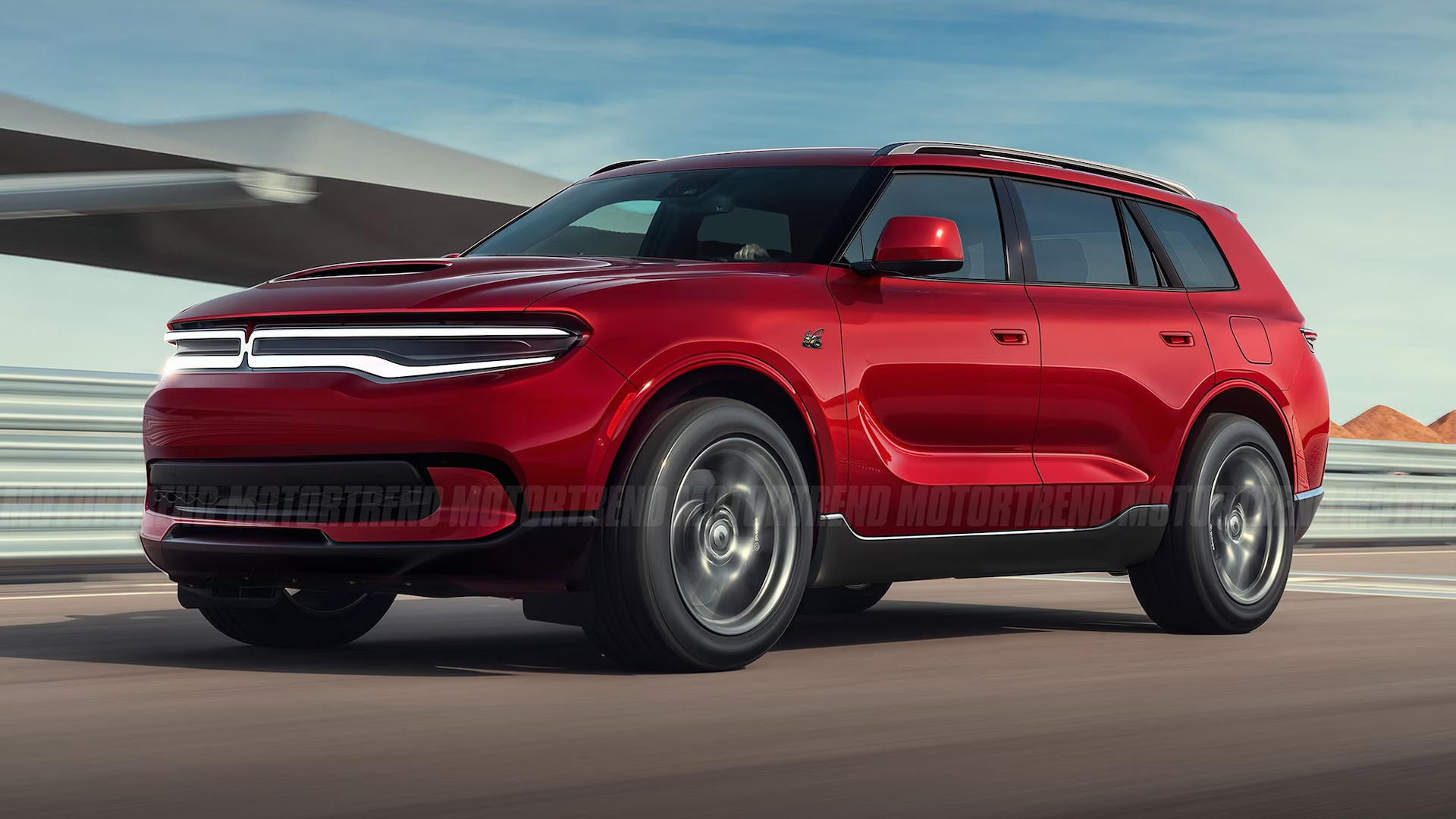
The Dodge Durango has carved a niche as a powerful, family-friendly SUV with muscle-car DNA, thanks to its available Hemi V8 engines and performance-focused SRT variants. While Dodge has not officially confirmed details about the 2026 Durango, industry analysts and leaks provide clues about its potential release timeline, pricing, and upgrades. Below, we break down the latest rumors and what to expect from this next-generation SUV.
2026 Dodge Durango Release Date
Dodge typically follows a 5–6 year lifecycle for the Durango, with mid-cycle refreshes around the 3-year mark. The current third-generation Durango debuted in 2020 and received updates for 2024, including the high-performance Durango SRT 392 Last Call Edition.
- Expected Announcement: Late 2025 (similar to the 2024 Durango’s reveal in Q3 2023).
- Production Start: Early 2026 at Detroit’s Sterling Heights Assembly Plant.
- On-Sale Date: Summer/Fall 2026.
Factors That Could Delay the Release:
- Supply chain challenges (e.g., semiconductor shortages).
- Dodge’s focus on electrification (e.g., the 2024 Dodge Charger EV).
For official updates, monitor Dodge’s newsroom.
2026 Dodge Durango Price: What to Expect
The 2026 Durango will likely see a 3–5% price increase over the 2024 model due to inflation and new tech. Below are estimated starting prices by trim:
| Trim | 2024 Price | 2026 Expected Price |
|---|---|---|
| Durango SXT (V6) | $41,820 | $43,000–$44,000 |
| Durango GT (V8) | $49,220 | $50,500–$51,500 |
| Durango R/T (V8) | $53,420 | $55,000–$56,000 |
| Durango Citadel | $57,720 | $59,500–$60,500 |
| Durango SRT 392 | $70,595 | Discontinued* |
| Durango Hybrid | N/A | $58,000–$62,000 (est.) |
* Dodge ended Hemi V8 production in 2023, so the SRT 392 may be replaced by a twin-turbo Hurricane engine.
Key Factors Influencing Price:
- Electrification: A plug-in hybrid (PHEV) or Hurricane I6 engine could raise costs.
- Tech Upgrades: Larger screens, advanced driver aids, and premium materials.
- Competition: Rivals like the 2026 Ford Explorer and Hyundai Palisade may pressure Dodge to keep prices competitive.
Expected Features and Changes
The 2026 Durango is rumored to receive a redesign or significant refresh to align with Dodge’s electrification goals. Here’s what’s circulating in auto circles:
1. Powertrain Options
- Hurricane Twin-Turbo I6: Replacing the Hemi V8, this 3.0L engine delivers 510 hp (as seen in the Jeep Wagoneer).
- PHEV Variant: A hybrid setup pairing a turbo-four engine with electric motors for 30+ MPG combined.
- Base Engine: The 3.6L Pentastar V6 (295 hp) will likely carry over.
2. Exterior Design
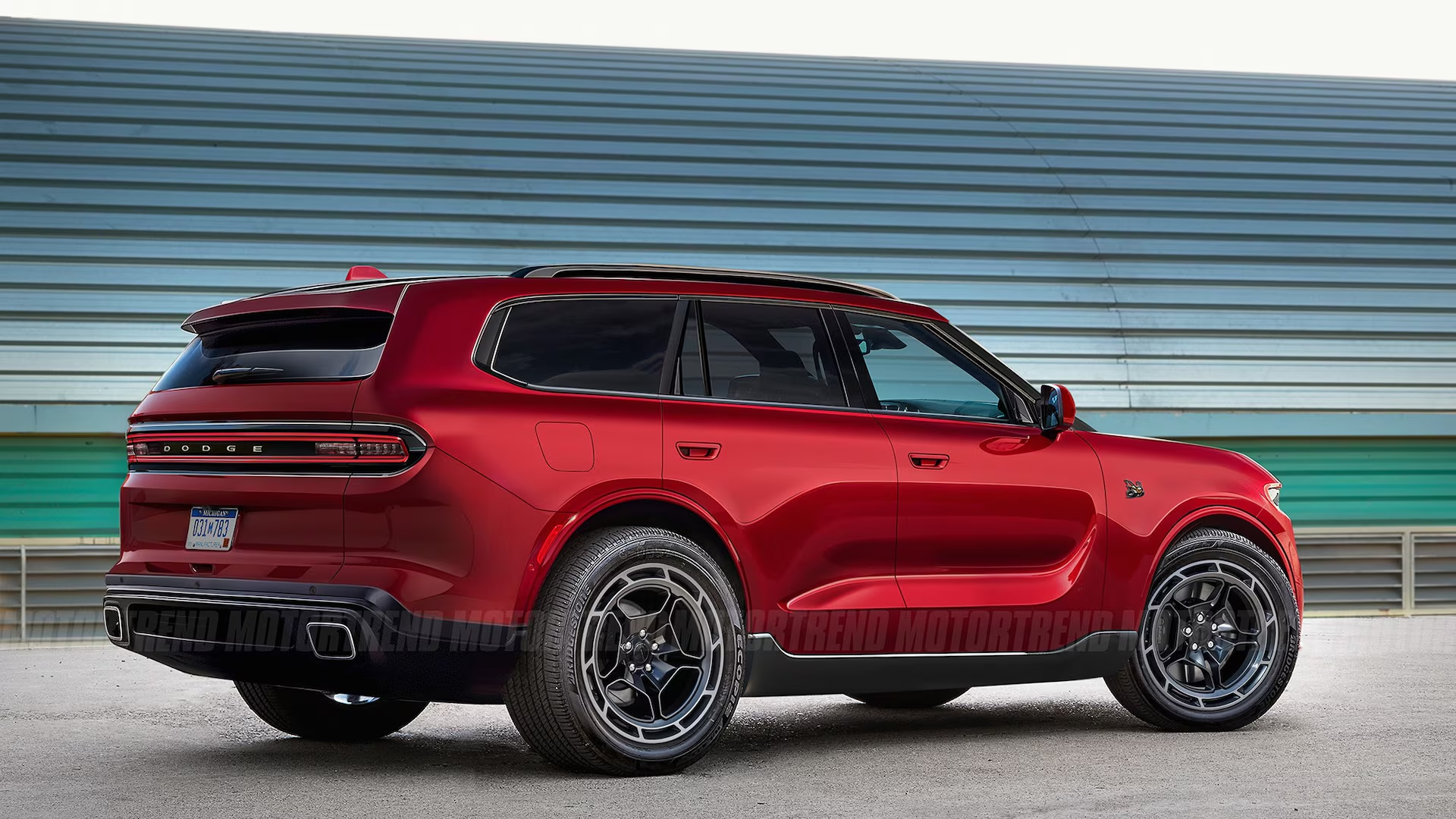
- Bolder Styling: A wider grille, slimmer LED headlights, and aerodynamic tweaks inspired by the Dodge Hornet.
- New Wheels: 22-inch alloy designs and optional blackout packages.
- Paint Options: New hues like “Hellraisin” purple or “Destroyer Gray.”
3. Interior and Tech
- Uconnect 6 System: A 12.3-inch digital cluster and 14-inch touchscreen with over-the-air updates.
- Premium Materials: Heated/cooled Nappa leather seats, suede headliners, and customizable ambient lighting.
- Enhanced ADAS: Highway Assist (Level 2 autonomy), improved parking sensors, and night vision.
4. Performance Upgrades
- Track Mode: Adjustable suspension and exhaust settings (if the SRT trim returns).
- Tow Package: Expected max towing capacity of 8,700 lbs (similar to current models).
Competitors to Watch
The 2026 Durango will battle these midsize SUVs:
- Ford Explorer ST: 400-hp twin-turbo V6, $55,000+ (2026 expected updates here).
- Chevrolet Traverse: Redesigned for 2024, starting at $38,000 (details).
- Kia Telluride X-Pro: Rugged trim with 291 hp, $46,000+ (2026 rumors).
Compare specs on Edmunds or Car and Driver.
Should You Wait for the 2026 Durango?
Wait if:
- You want hybrid/electric powertrains for better fuel economy.
- Modern tech (e.g., Uconnect 6, hands-free driving) is a priority.
- You’re willing to pay a premium for the latest design.
Buy a 2024–2025 model if:
- You want a Hemi V8 (before it’s phased out).
- Current incentives are strong (check Dodge’s deals).
- You need a vehicle immediately.
How to Stay Updated
- Official Dodge Channels:
- Visit the Durango page for announcements.
- Follow Dodge on social media for teasers.
- Spy Photos and Leaks:
- Track automotive news on Motor1 or Autoevolution.
- Dealer Insights:
- Contact dealers via Dodge’s dealer locator for pre-order details.
Final Thoughts
The 2026 Dodge Durango is poised to blend brute strength with modern efficiency, thanks to its expected Hurricane engine and hybrid options. While pricing will rise slightly, its rugged versatility and tech upgrades should keep it competitive in the crowded SUV market.
For now, test-drive the 2024 Durango to gauge if the current model suits your needs—or hold out for 2026’s potential innovations. 🚗💨
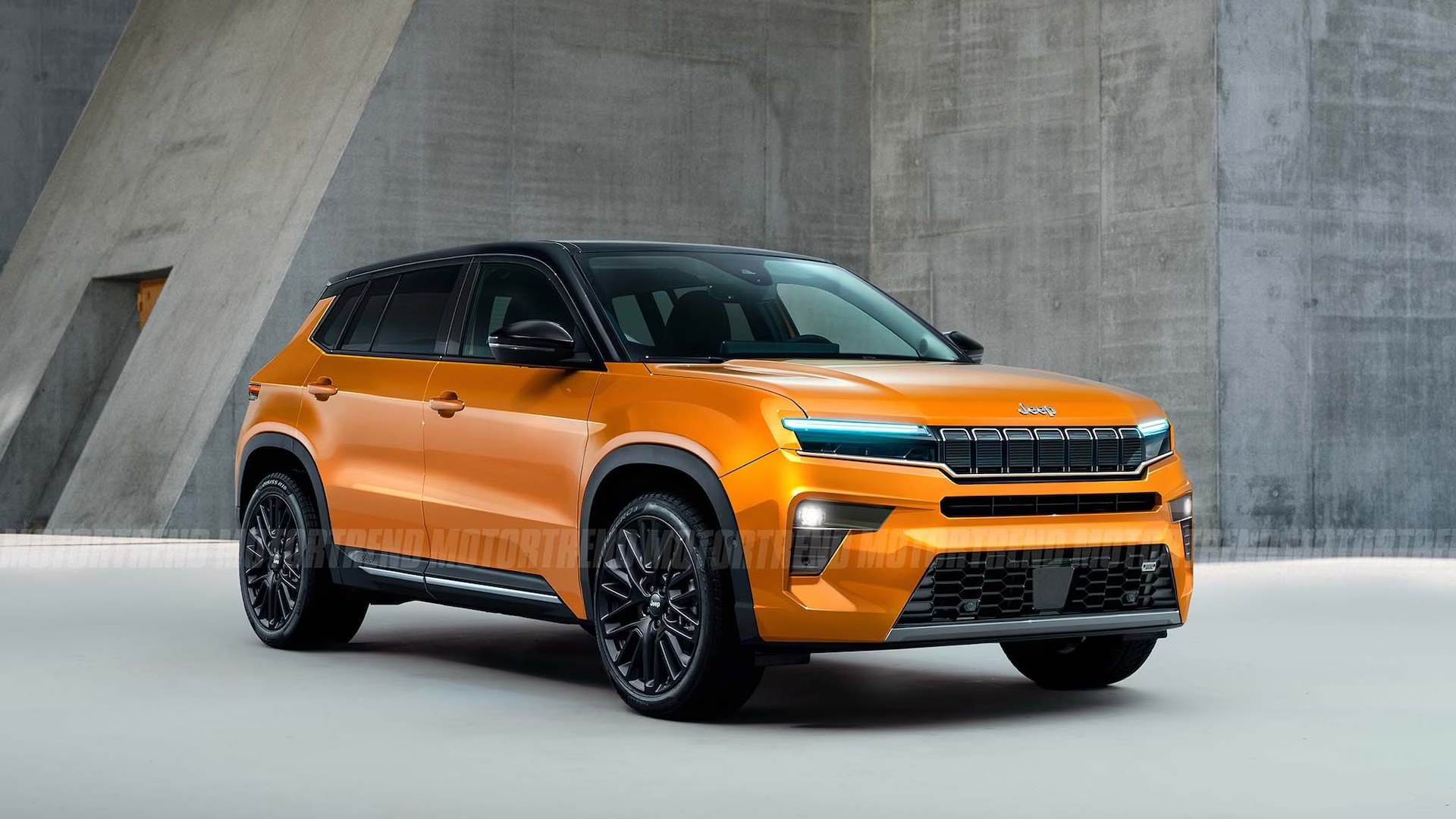
The Jeep Grand Cherokee has long been a flagship model for the brand, blending rugged capability with premium comfort. While Jeep has not yet officially confirmed details about the 2026 Grand Cherokee, industry trends, spy shots, and insider reports hint at what’s next for this iconic SUV. Below, we break down the latest updates, expected release timeline, and potential upgrades.
Expected 2026 Jeep Grand Cherokee Release Date
Jeep typically unveils new model-year vehicles in the latter half of the preceding year. For example:
- The 2022 Grand Cherokee (current generation) debuted in September 2021.
- The 2024 Grand Cherokee 4xe (plug-in hybrid) was announced in Q3 2023.
Based on this pattern, the 2026 Jeep Grand Cherokee will likely be revealed in late 2025, with deliveries starting in early 2026. However, Jeep could accelerate timelines to compete with rivals like the Ford Explorer and Toyota Grand Highlander.

Key Dates to Watch:
- Official Announcement: Late 2025 (Jeep’s Newsroom will confirm).
- Production Start: Early 2026 at Jeep’s Detroit Assembly Plant.
- On-Sale Date: Spring/Summer 2026.
What’s New for 2026? Rumored Updates and Features
The 2026 Grand Cherokee is expected to receive a mid-cycle refresh (facelift) of the current fifth-generation model (WL platform). Here’s what analysts and enthusiasts are predicting:

1. Exterior Design Tweaks
- Revised Grille and Lighting: Slimmer LED headlights, a larger seven-slot grille, and updated bumpers for a modern look.
- New Wheel Designs: Larger alloy wheels (up to 22 inches) and aerodynamic enhancements.
- Paint Options: Bold new colors like “Hydro Blue” or “Gobi Clearcoat” (similar to the Jeep Wrangler).
2. Interior Upgrades
- Enhanced Tech: A larger Uconnect 6 infotainment screen (up to 12.3 inches), digital key compatibility, and faster wireless charging.
- Premium Materials: Optional quilted leather seats, recycled suede accents, and improved noise insulation.
- Third-Row Availability: The three-row Grand Cherokee L may gain additional cargo flexibility.
3. Powertrain Options
Jeep is prioritizing electrification, so expect updates to hybrid and all-electric systems:
- 4xe Plug-In Hybrid: The current 375-hp PHEV (25 miles electric range) could see a battery boost for 30+ miles of EV range.
- Hurricane Twin-Turbo Engine: The 510-hp inline-6 from the Jeep Wagoneer might replace the V8 in high-performance trims.
- Fully Electric (BEV) Variant: Rumors suggest a Grand Cherokee EV is in development, possibly debuting as a 2027 model.
4. Advanced Driver-Assistance Systems (ADAS)
- Level 2+ Autonomy: Enhanced adaptive cruise control, lane-centering, and automated parking.
- Off-Road Tech: Updates to the Selec-Terrain system and improved camera views for rock crawling.
2026 Grand Cherokee Trims and Pricing
The 2026 lineup will likely retain core trims but add new packages:
| Trim | Expected Starting Price | Key Features |
|---|---|---|
| Laredo | $42,000 | Base V6, 10.1-inch Uconnect, heated seats |
| Limited | $50,000 | Luxury interior, 19-speaker McIntosh audio |
| Trailhawk | $55,000 | Off-road tires, skid plates, Quadra-Drive II |
| Overland | $60,000 | Air suspension, panoramic sunroof |
| Summit | $65,000+ | Full Nappa leather, advanced ADAS |
| Trackhawk | $90,000+ (if revived) | 700+ hp Hurricane engine |
Note: Prices may rise 3–5% over 2024 models due to inflation and tech upgrades.
Competitors to Watch
The 2026 Grand Cherokee will face stiff competition in the midsize SUV segment:
- Ford Explorer: Redesigned for 2025 with hybrid power and SYNC 5 tech.
- Hyundai Palisade: Expected 2026 refresh with hydrogen fuel-cell options.
- Chevrolet Traverse: All-new design in 2024, likely adding a PHEV variant.
Compare specs and pricing at Cars.com or MotorTrend.
How to Stay Updated
- Jeep’s Official Channels:
- Check the Grand Cherokee page for announcements.
- Sign up for updates via Jeep’s email newsletter.
- Spy Shots and Leaks:
- Follow automotive journalists on Autoblog or Car and Driver.
- Dealer Insights:
- Contact local dealers through Jeep’s dealer locator for pre-order details.
Should You Wait for the 2026 Model?
Consider waiting if:
- You want cutting-edge hybrid/electric tech.
- Modern styling and cabin upgrades matter.
- You’re eligible for tax credits on PHEV/EV models.
Buy now (2024–2025) if:
- You need a vehicle immediately.
- Current incentives are strong (e.g., 0% APR deals).
Use TrueCar’s Deal Rating Tool to evaluate discounts on in-stock models.
Final Thoughts
While the 2026 Jeep Grand Cherokee remains shrouded in mystery, its refresh will likely emphasize electrification, tech, and refined off-road prowess. For now, keep an eye on Jeep’s announcements and compare it to rivals like the Kia Telluride or Honda Pilot.
Jeep’s commitment to innovation suggests the 2026 Grand Cherokee could be one of the most advanced models in its history—worth the wait for adventure seekers and tech enthusiasts alike. 🏔️

The Jeep Wagoneer, a nameplate synonymous with American luxury and adventure since the 1960s, is poised to redefine the full-size SUV segment once again with its 2026 iteration. Whether you’re a family seeking premium comfort, an off-road enthusiast craving capability, or a tech-savvy driver hungry for innovation, the 2026 Wagoneer promises to deliver. This SEO-optimized article dives into the latest rumors, anticipated features, and strategic updates, ensuring you’re primed for what’s next.
Design and Styling: Modern Elegance Meets Timeless Heritage
The 2026 Jeep Wagoneer is expected to refine its bold, stately aesthetic while honoring its iconic roots. Spy shots from Car and Driver suggest a refreshed front fascia with a more sculpted seven-slot grille flanked by slim, adaptive LED headlights. Aerodynamic tweaks, like active shutters and a lower roofline, may improve efficiency without compromising its commanding presence.
Inside, the Wagoneer’s cabin is rumored to elevate luxury with handcrafted materials—think quilted leather seats, open-pore wood trim, and ambient lighting. A dual-screen setup, potentially spanning up to 12.3 inches for the digital cluster and 14.5 inches for the Uconnect infotainment system, could mirror the Grand Wagoneer’s premium layout. Third-row passengers will likely enjoy segment-leading legroom, cementing the Wagoneer as a family hauler par excellence.
Key Design Features:
- Streamlined exterior with adaptive LED lighting.
- Opulent interior with dual large-format screens.
- Enhanced aerodynamics for improved efficiency.
Powertrain and Performance: Electrified Power for Every Need
Jeep’s commitment to electrification is expected to shine in the 2026 Wagoneer. The base model may retain the proven 5.7L Hemi V8 (392 hp, 404 lb-ft), while a turbocharged 3.0L Hurricane inline-six (510 hp) could serve as a high-output option. The real headline, however, is the anticipated plug-in hybrid (PHEV) variant, pairing a V6 engine with a robust electric motor for 50+ miles of electric-only range—a first for the Wagoneer lineup.
Rumors also hint at a fully electric Wagoneer EV under Stellantis’s STLA Frame platform, though its debut may follow 2026. All models will likely feature standard 4×4 capability and an 8-speed automatic tuned for seamless power delivery.
Powertrain Highlights:
- 5.7L V8 and 3.0L Hurricane inline-six options.
- New PHEV variant with 50+ miles electric range.
- Potential EV model on the horizon.
Off-Road Capability: Luxury Meets Grit
Don’t let the plush interior fool you—the 2026 Wagoneer is built to conquer. Jeep’s Quadra-Drive II 4×4 system with rear electronic limited-slip differential should remain standard, alongside an adaptive air suspension offering up to 10 inches of ground clearance. New terrain modes (Rock, Sand, Mud) and optional 33-inch all-terrain tires could further its Trail Rated credentials.
Off-Road Features:
- Quadra-Drive II 4×4 with active suspension.
- Up to 10 inches of adjustable ground clearance.
- Trail-focused drive modes and tire options.
Technology and Safety: Cutting-Edge Innovation
The 2026 Wagoneer will likely debut Jeep’s next-gen Uconnect system, featuring 5G connectivity, augmented reality navigation, and voice-activated controls. A 23-speaker McIntosh audio system could return, while an expanded suite of ADAS might include hands-free highway driving, intersection collision assist, and night vision.
Tech and Safety Upgrades:
- Uconnect with AR navigation and 5G.
- Advanced driver aids for semi-autonomous driving.
- Premium McIntosh sound system.
Pricing and Availability: Luxury at a Premium
Expect the 2026 Wagoneer’s base price to start around **65,000∗∗,withthePHEVandhigh−endtrims(SeriesIII)exceeding65,000∗∗,withthePHEVandhigh−endtrims(SeriesIII)exceeding100,000. Federal tax credits may apply to the hybrid model. Jeep will likely unveil the SUV in late 2025, with deliveries beginning early 2026.
Pricing Insights:
- Base model: ~$65,000.
- PHEV and Series III trims: 90,000–90,000–110,000.
- Debut expected late 2025.
Why It Matters: Redefining the Luxury SUV
The 2026 Wagoneer’s PHEV variant bridges eco-consciousness and opulence, appealing to urban families and adventurers alike. By merging Jeep’s off-road DNA with limousine-like refinement, it challenges rivals like the Cadillac Escalade and Lincoln Navigator while carving a niche in electrification.
Comparison Table: 2026 vs. Current Wagoneer
| Feature | 2026 Wagoneer (Est.) | 2024 Wagoneer |
|---|---|---|
| Base Engine | 5.7L V8 | 5.7L V8 |
| Top Engine | 3.0L Hurricane I6 (510 hp) | 6.4L V8 (471 hp) |
| Hybrid Option | PHEV (50+ mi EV) | None |
| Infotainment | 14.5″ Uconnect + AR | 12.0″ Uconnect |
| Starting Price | ~$65,000 | ~$60,000 |
Conclusion: The New Standard in Premium Adventure
The 2026 Jeep Wagoneer is more than an SUV—it’s a statement. With its blend of electrified power, tech-forward luxury, and uncompromising capability, it honors its legacy while charging into the future. Stay tuned to Jeep’s official channels for updates, and prepare to redefine your journey.
Sources:
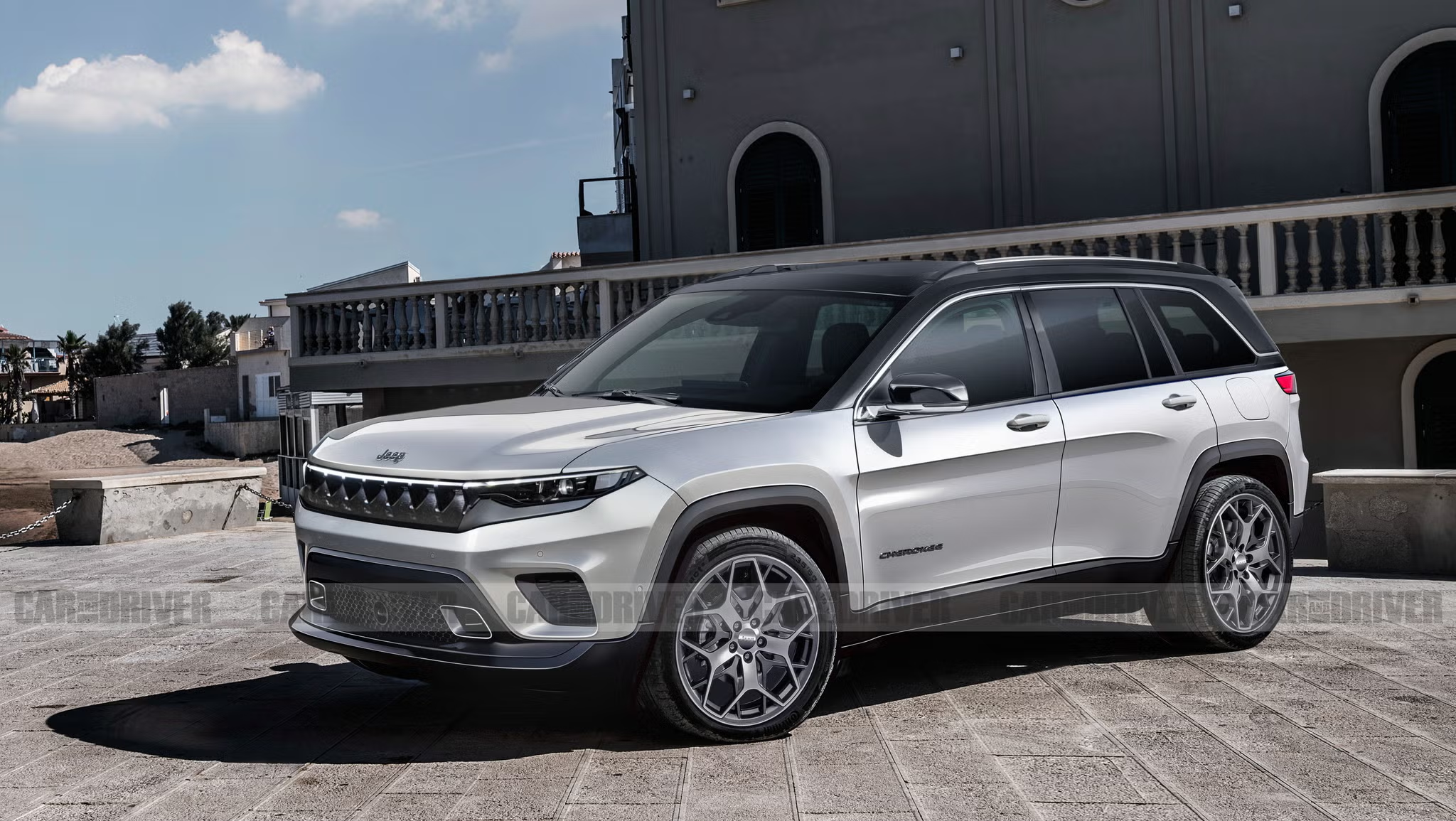
The Jeep Cherokee is back, and it’s gearing up to reclaim its spot as a compact SUV powerhouse. After a brief hiatus following its discontinuation in 2023, the 2026 Jeep Cherokee promises to blend rugged capability with modern innovation. Whether you’re a longtime Jeep fan or a newcomer curious about this iconic nameplate, here’s everything you need to know about this highly anticipated revival—from its design and performance to its tech, pricing, and how it stacks up against the competition.
Release Date and Availability: When Can You Get Your Hands on It?
Jeep has confirmed that the 2026 Cherokee will hit dealerships in late 2025 or early 2026. While pre-order details are still under wraps, expect announcements soon as the launch date approaches. If you’re eager to be among the first to own this revived SUV, keep an eye on Jeep’s official website or social media channels for the latest updates. The Cherokee’s return is generating buzz, so securing one early might be a smart move.
Design and Styling: A Bold New Look with Classic Jeep DNA
The 2026 Jeep Cherokee is set to turn heads with a refreshed design that honors its heritage while embracing modern trends. Here’s what we know so far:
- Exterior: Recent spy shots suggest a boxier, more muscular stance. The split headlights of past models are gone, replaced by a unified front end featuring Jeep’s signature seven-slot grille. At the rear, square taillights and a bolder bumper enhance its rugged appeal. This shift to a more upright design signals a return to the Cherokee’s roots, with a contemporary twist. Check out the latest insights on Car and Driver for more details.
- Interior: Inside, Jeep is aiming for a premium upgrade. Expect increased cabin space, high-quality materials, and a layout that balances functionality with comfort. Rumors point to a larger infotainment screen—possibly 12.3 inches—and a digital gauge cluster, keeping pace with competitors like the Ford Bronco Sport.
Performance and Specifications: Power Meets Versatility
While Jeep hasn’t released official specs, industry trends and rumors offer a glimpse of what’s under the hood:
- Engine Options: The base model is likely to feature a turbocharged 2.0L four-cylinder engine, offering a solid mix of power and efficiency. For those craving more, a hybrid powertrain could deliver around 375 horsepower, appealing to performance enthusiasts and eco-conscious buyers alike. Learn more about Jeep’s engine options on their official engines page.
- Off-Road Capability: True to Jeep’s legacy, the Cherokee will shine off the pavement. A Trailhawk trim is expected, complete with enhanced suspension, all-terrain tires, and advanced traction control—perfect for tackling rocky trails or snowy backroads.
Technology and Safety Features: Modern Tech for Modern Drivers
The 2026 Cherokee is poised to deliver cutting-edge tech and safety features to meet today’s demands:
- Infotainment: Jeep’s latest Uconnect 5 system will likely anchor the tech lineup, with wireless Apple CarPlay, Android Auto, and a larger touchscreen. Additional perks like built-in navigation, multiple USB ports, and an optional premium audio system could elevate the experience. Explore the features of Uconnect to see what’s in store.
- Safety: Safety is front and center, with features like blind-spot monitoring, lane-keeping assist, and adaptive cruise control expected to be standard or available. These additions make the Cherokee a practical choice for families and daily commuters.
Pricing: What Will It Cost?
Jeep hasn’t shared official pricing yet, but estimates place the base model around $35,000. Higher trims, especially those with hybrid powertrains or off-road packages, could climb closer to $50,000. This pricing aligns the Cherokee with rivals like the Toyota RAV4 and Honda CR-V, offering a competitive mix of value and features. For more detailed pricing estimates, check out Edmunds.
Comparison with Competitors: How Does It Stack Up?
The 2026 Cherokee enters a packed compact SUV market. Here’s where it stands:
- Hybrid Powertrain: If the hybrid option delivers, it could outshine gas-only competitors like the RAV4 and CR-V, especially for buyers prioritizing efficiency.
- Off-Road Capability: The Trailhawk trim sets it apart from pavement-focused SUVs, making it a direct rival to the Ford Bronco Sport and Subaru Forester Wilderness.
- Refinement and Reliability: To compete with segment leaders, Jeep will need to match their interior quality and long-term dependability. The Cherokee’s success will depend on blending ruggedness with everyday appeal.
For a deeper dive, read this Cherokee overview on MotorTrend.
Why It Matters: A Broader Appeal for a New Era
The 2026 Cherokee’s hybrid option and updated design show Jeep’s intent to attract a wider audience. Urban drivers will love the potential for electric-only commuting, while off-road fans can rely on Jeep’s legendary capability. This versatility could make the Cherokee a standout choice for buyers seeking the best of both worlds.
Conclusion: The Cherokee Is Ready to Make a Statement
The 2026 Jeep Cherokee is shaping up to be a compelling option in the compact SUV segment. With its bold design, versatile powertrains, advanced tech, and off-road prowess, it’s ready to tackle city streets and rugged trails alike. As we approach its debut, the excitement is palpable. Whether you’re a Jeep loyalist or just shopping for a capable SUV, the Cherokee promises to deliver.
What do you think about the 2026 Jeep Cherokee? Are you excited for its return? Share your thoughts in the comments below and stay tuned for more updates as we near the official launch! Follow Jeep on Instagram for the latest news.
Rise of the Legend: 2026 Jeep Wrangler Unveiled

The Jeep Wrangler has been an icon of adventure and freedom for decades, and the upcoming 2026 model is generating buzz among enthusiasts and casual drivers alike. Whether you’re researching the latest updates, planning your next off-road trip, or simply curious about what’s next for this legendary SUV, this SEO-optimized blog post has you covered. Packed with detailed insights, hyperlinks to authoritative sources, and a reader-friendly structure, we’ll explore the anticipated design, powertrain, off-road capability, technology, pricing, and more for the 2026 Jeep Wrangler.

Design and Styling: Evolution with a Nod to Heritage
The 2026 Jeep Wrangler is expected to refresh its iconic design while staying true to its rugged roots. Based on industry rumors and spy shots from Car and Driver, the exterior will likely feature a modernized front end—think updated LED headlights and a refined seven-slot grill that enhances aerodynamics without losing its classic appeal. The boxy silhouette that defines the Wrangler’s off-road-ready stance is here to stay, ensuring it remains instantly recognizable.
Inside, expect a leap forward in comfort and style. The cabin is rumored to sport a larger infotainment screen—potentially 12.3 inches—paired with a fully digital gauge cluster, as seen in premium competitors like the Ford Bronco. Upgraded materials, such as soft-touch plastics and premium leather options, will elevate the interior, blending luxury with the Wrangler’s utilitarian charm.
Key Design Features:
- Refined exterior with updated headlights and grill.
- Larger infotainment screen and digital dashboard.
- Premium interior materials for enhanced comfort.
Powertrain and Performance: Power Meets Innovation
The 2026 Jeep Wrangler is set to offer a versatile lineup of powertrains, catering to both traditionalists and eco-conscious buyers. The base model is likely to retain the 2.0-liter turbocharged four-cylinder engine, delivering approximately 270 horsepower and 295 lb-ft of torque—a proven balance of efficiency and capability. For those craving more power, the 3.6-liter Pentastar V6, with around 285 horsepower and 260 lb-ft, should remain an option.
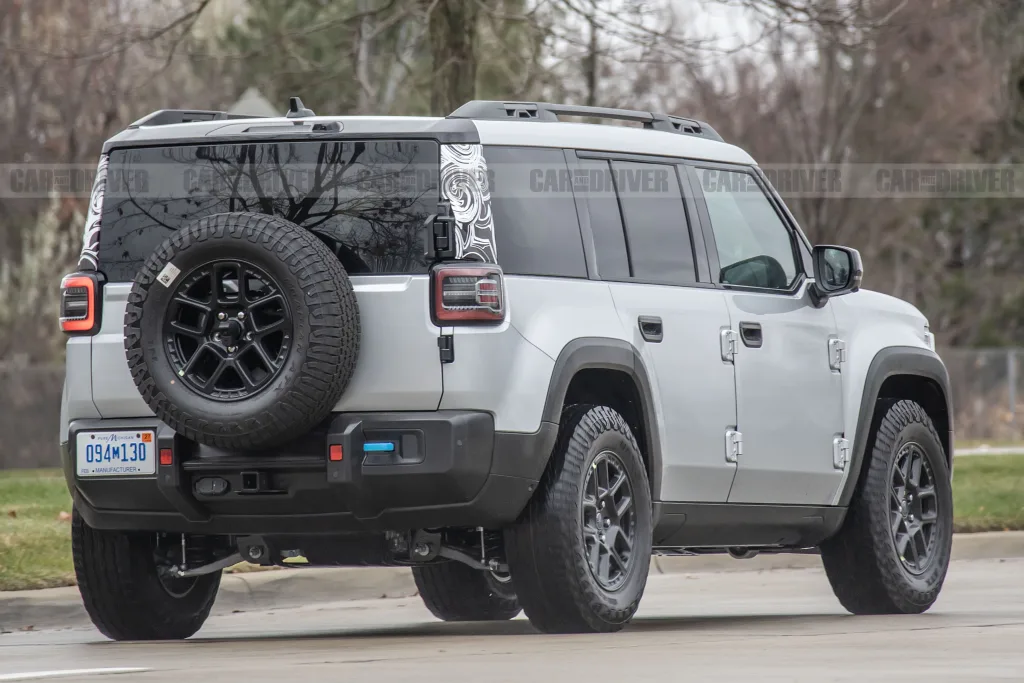
The standout update is the hybrid 4xe system. Leaks suggest an improved version with a larger battery pack (possibly 20 kWh, up from 14 kWh), extending the electric-only range from 20 miles to an impressive 30-40 miles. This hybrid, combining a 2.0L turbo engine with electric motors, will maintain its robust 375 horsepower output, making it a compelling choice for both city commutes and rugged trails. While a fully electric Wrangler is on the horizon, it’s more likely to debut post-2026 as part of Stellantis’ electrification strategy.
Powertrain Highlights:
- 2.0L turbo four-cylinder and 3.6L V6 options.
- Enhanced 4xe hybrid with 30-40 miles of electric range.
- Future potential for a fully electric model.
Off-Road Capability: Unmatched Adventure Awaits
Jeep’s off-road legacy is non-negotiable, and the 2026 Wrangler will uphold this tradition with gusto. Expect core features like the Command-Trac four-wheel drive system, a two-speed transfer case, and locking differentials to carry over, ensuring it can tackle any terrain. Rumors hint at upgrades like an adaptive suspension system for better ride quality and larger, more aggressive tire options for extreme off-roading. These enhancements could further improve the Wrangler’s approach and departure angles, solidifying its status as a Trail Rated champion.
Off-Road Features:
- Proven 4WD system with locking differentials.
- Potential adaptive suspension and enhanced tires.
- Best-in-class ground clearance and water fording.
Technology and Safety: Smart Meets Tough
The 2026 Wrangler is poised to embrace modern technology without sacrificing its rugged spirit. The infotainment system will likely feature the latest Uconnect 5 platform, offering wireless Apple CarPlay, Android Auto, and over-the-air updates. A larger touchscreen—up to 12.3 inches—and a digital gauge cluster will keep drivers connected and informed.
Safety is also a priority, with an expanded suite of advanced driver assistance systems (ADAS). Features like blind-spot monitoring, lane-keeping assist, and adaptive cruise control are expected, potentially joined by semi-autonomous highway driving capabilities. These upgrades make the Wrangler safer and more versatile for everyday use.
Tech and Safety Upgrades:
- Uconnect 5 with wireless connectivity.
- Larger touchscreen and digital dashboard.
- Comprehensive ADAS for enhanced safety.
Pricing and Availability: What to Expect
While official pricing remains under wraps, estimates peg the 2026 Jeep Wrangler’s starting price at around $35,000 for the base Sport trim. Higher trims like the Sahara and Rubicon, along with the hybrid 4xe, could climb to $50,000 or more. Federal tax credits for plug-in hybrids may offset some of the 4xe’s cost, making it a smart buy for eco-minded adventurers.
The 2026 model is expected to debut in late 2025 or early 2026, possibly showcased at events like the Los Angeles Auto Show. Keep an eye on Jeep’s official site for pre-order details and launch announcements.
Pricing and Availability Insights:
- Starting price around $35,000.
- Premium trims and hybrid likely above $50,000.
- Expected launch in late 2025 or early 2026.
Why It Matters: A Broader Appeal
The rumored hybrid range expansion (30-40 miles electric-only) is a game-changer, transforming the Wrangler into a practical daily driver while preserving its off-road soul. This shift could attract urban buyers who value efficiency alongside adventure, broadening Jeep’s audience in a competitive market.
Comparison Table: 2026 vs. Current Wrangler
| Feature | 2026 Jeep Wrangler (Estimated) | Current 2025 Wrangler (JL) |
|---|---|---|
| Base Engine | 2.0L Turbo Four-Cylinder | 2.0L Turbo Four-Cylinder |
| Horsepower/Torque | ~270 hp / 295 lb-ft | 270 hp / 295 lb-ft |
| Hybrid Option | Updated 4xe, ~375 hp, 30-40 mi EV | 4xe, 375 hp, 20 mi EV |
| Infotainment | ~12.3-inch, Uconnect 5 | 8.4-inch or 12.3-inch, Uconnect 4 |
| Starting Price | ~$35,000 | ~$30,000 |
| Availability | Late 2025/Early 2026 | Currently Available |
This table highlights the evolution from the current JL generation to the anticipated 2026 model.
Conclusion: The Future of Off-Road Excellence
The 2026 Jeep Wrangler promises to blend its timeless heritage with cutting-edge innovation. From refreshed styling and a luxurious interior to an improved hybrid powertrain and advanced tech, it’s shaping up to be a standout in the SUV world. Whether you’re hitting the trails or navigating city streets, this Wrangler aims to deliver unmatched versatility and capability.
Stay ahead of the curve—follow Jeep on social media or sign up for updates to catch the latest news as it drops. The 2026 Jeep Wrangler isn’t just a vehicle; it’s the next chapter in a legacy of adventure. Are you ready to join the ride?

Choosing the best synthetic motor oil is critical for maximizing engine performance, fuel efficiency, and longevity. With so many brands claiming superiority, it’s easy to feel overwhelmed. In this guide, we break down the top synthetic motor oil brands, key factors to consider, and how to pick the right one for your vehicle.
What Makes Synthetic Motor Oil the Best? Key Factors
Not all synthetic oils are created equal. Here’s what separates the best from the rest:
- Viscosity Rating
- Matches your engine’s requirements (e.g., 5W-30, 0W-20). Check your owner’s manual.
- Example: Thinner oils (0W-20) improve cold starts, while thicker oils (10W-40) suit high-mileage engines.
- Additives
- Detergents: Prevent sludge buildup (critical for turbocharged engines).
- Anti-Wear Agents: Protect components like camshafts and pistons.
- Friction Reducers: Boost fuel economy.
- Certifications
- API SP: The latest standard for gasoline engines (resists low-speed pre-ignition).
- ACEA C3: Meets strict European specs for low-SAPS (sulfated ash, phosphorus, sulfur).
- Brand Reputation
- Trusted brands invest in rigorous testing and proprietary formulas.
The Best Synthetic Motor Oil Brands of 2023
Based on lab tests, customer reviews, and industry accolades, these brands lead the pack:
1. Mobil 1 Extended Performance
- Best For: High-mileage engines, turbocharged motors.
- Viscosity Options: 0W-20, 5W-30, 10W-30.
- Key Features:
- Guaranteed protection for up to 20,000 miles.
- Exceptional thermal stability (handles extreme heat).
- Drawback: Pricier than competitors.
- Shop Mobil 1
2. Pennzoil Platinum Full Synthetic
- Best For: Fuel efficiency, reduced emissions.
- Viscosity Options: 0W-16, 5W-20, 5W-30.
- Key Features:
- Made from natural gas (cleaner base oil).
- 25% better wear protection than industry standards (per Pennzoil’s testing).
- Drawback: Less effective in extreme cold vs. Mobil 1.
- Shop Pennzoil
3. Royal Purple High-Performance Synthetic
- Best For: Sports cars, heavy-duty trucks.
- Viscosity Options: 5W-30, 10W-40, 15W-40.
- Key Features:
- Proprietary additive (Synerlec®) reduces friction by 50%.
- Boosts horsepower and torque in dyno tests.
- Drawback: Overkill for daily drivers.
- Shop Royal Purple
4. Amsoil Signature Series
- Best For: Extended oil change intervals (up to 25,000 miles).
- Viscosity Options: 0W-20, 5W-30, 5W-50.
- Key Features:
- 75% more engine protection than API SP requirements.
- Prevents deposits in direct-injection engines.
- Drawback: Only available online or through dealers.
- Shop Amsoil
5. Castrol Edge Full Synthetic
- Best For: German cars (BMW, Mercedes, Audi).
- Viscosity Options: 0W-40, 5W-30, 10W-60.
- Key Features:
- Titanium-infused formula strengthens oil under pressure.
- Meets BMW LL-01 and Mercedes 229.5 specs.
- Drawback: Limited viscosity range.
- Shop Castrol
Synthetic Motor Oil Comparison Chart
| Brand | Best For | Price per Quart | Certifications |
|---|---|---|---|
| Mobil 1 Extended Perf. | High-mileage engines | $8–$10 | API SP, ACEA A3/B4 |
| Pennzoil Platinum | Fuel efficiency | $7–$9 | API SP, GM dexos1® |
| Royal Purple | Performance vehicles | $10–$12 | API SP |
| Amsoil Signature | Extended intervals | $12–$14 | API SP, ACEA C3 |
| Castrol Edge | European cars | $8–$10 | API SP, BMW LL-01 |
How to Choose the Best Synthetic Motor Oil for Your Car
- Check Your Owner’s Manual: Follow the manufacturer’s viscosity and certification guidelines.
- Consider Driving Conditions:
- Cold Climates: Opt for 0W-20 or 5W-30.
- Towing/Heavy Loads: Use high-temperature stable oils (e.g., 10W-40).
- Budget vs. Benefits: Premium oils like Amsoil cost more but offer longer intervals.
Myths About Synthetic Motor Oil
- Myth: “You can’t switch back to conventional oil.”
Truth: Synthetic and conventional oils are compatible. - Myth: “All synthetics are the same.”
Truth: Additive packages and base oil quality vary widely.
FAQs: What Users Really Ask
Q: What is the best fully synthetic motor oil for turbocharged engines?
A: Mobil 1 Extended Performance or Pennzoil Platinum, due to their superior anti-sludge additives.
Q: What is the best synthetic motor oil on the market for diesel trucks?
A: Shell Rotella T6 or Mobil 1 Turbo Diesel Truck 5W-40.
Q: Is synthetic oil worth the cost?
A: Yes—it lasts longer, protects better, and improves fuel economy by 2–3%.
Final Verdict
The best synthetic motor oil depends on your vehicle and driving habits:
- Daily Drivers: Pennzoil Platinum or Castrol Edge.
- Performance Cars: Royal Purple or Amsoil.
- Longevity: Mobil 1 Extended Performance.
Always prioritize API/ACEA certifications and viscosity requirements. When in doubt, consult a trusted mechanic or your car’s manufacturer.
Explore More:
- API Motor Oil Guide
- Consumer Reports Synthetic Oil Ratings
Connect with us


