




Ram Power Wagon for Sale Near Me
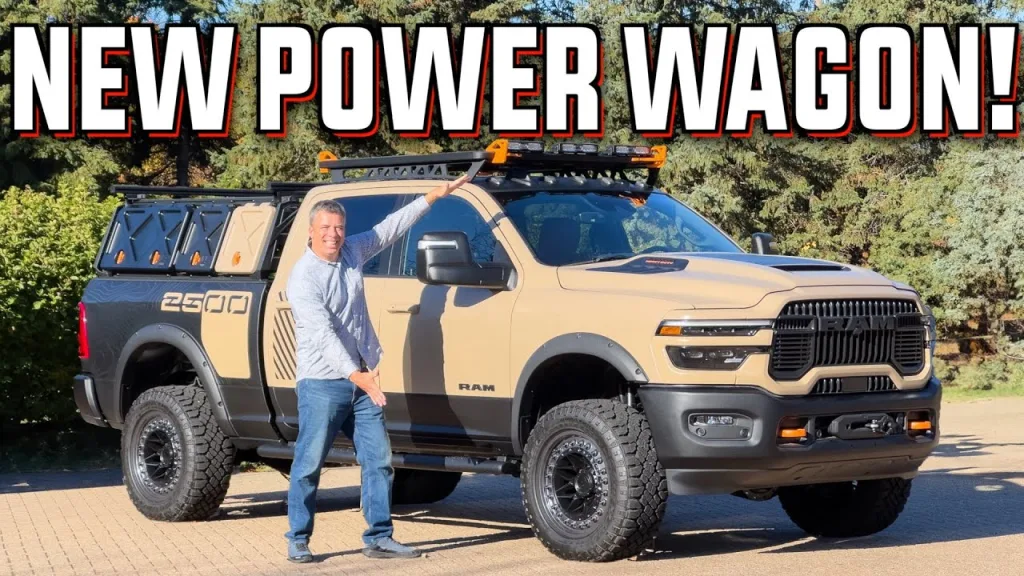
The Ram Power Wagon isn’t just a truck—it’s a statement. Since its modern revival in 2005, this heavy-duty legend has dominated the off-road pickup market with unmatched capability, factory-installed ruggedness, and a cult following. Whether you’re crawling boulders, hauling gear to remote job sites, or simply want the toughest truck on the block, the Power Wagon delivers. In this guide, we’ll break down why the Ram Power Wagon is worth every penny, where to find one for sale, and how it humiliates competitors like the Ford F-250 Tremor and Chevy Silverado ZR2.
1. What Makes the Ram Power Wagon Unique?
The Power Wagon is a factory-built off-roader based on the Ram 2500 platform. Unlike aftermarket-modified trucks, it’s engineered from the ground up for extreme terrain.
Key Features (2024 Model)
- Engine: 6.4L HEMI V8 – 410 HP, 429 lb-ft of torque.
- Drivetrain: Full-time 4×4 with electronic locking front/rear differentials, a disconnecting front sway bar, and a 4.10:1 axle ratio.
- Winch: Factory-installed 12,000-lb Warn® Zeon winch (standard).
- Suspension: 2.5-inch Bilstein® shocks and a 1.5-inch lift over standard Ram 2500 models.
- Tires: 33-inch LT285/70R17D Goodyear Wrangler DuraTrac® (mud-terrain).
- Payload/Towing: 1,510 lbs payload / 10,910 lbs towing (less than non-Power Wagon 2500s due to off-road gear).
2. Why Buy a Ram Power Wagon?
A. Unmatched Off-Road Prowess
The Power Wagon is the only heavy-duty truck with factory lockers, a winch, and disconnecting sway bars. Competitors like the Ford Tremor and Chevy ZR2 are light-duty posers by comparison.
- Articulation: 22.5 inches of wheel travel (front) / 25.5 inches (rear).
- Crawl Ratio: 44.1:1 in 4LO – ideal for rock crawling.
- Water Fording: 32 inches (with snorkel kits available).
B. Daily-Drivable Comfort
Unlike modified rigs, the Power Wagon doesn’t punish you on pavement:
- Interior: Available 12-inch Uconnect 5 touchscreen, leather-trimmed seats, and 19-speaker Harman Kardon® audio.
- Safety: Adaptive cruise control, blind-spot monitoring, and 360-degree cameras.
C. Legendary Durability
- Frame: Reinforced high-strength steel with a 5-year/100,000-mile powertrain warranty.
- Axles: Heavy-duty Dana 60 front and Dana 70 rear.
3. Ram Power Wagon vs. Competitors
A. Ford F-250 Tremor
- Pros: Higher towing (15,000 lbs), 6.7L Power Stroke diesel option.
- Cons: No factory winch, rear locker only, and a $5,000+ premium over the Power Wagon.
- Verdict: Better for towing, worse for off-roading.
B. Chevrolet Silverado 1500 ZR2
- Pros: Lighter, better fuel economy (17 MPG combined).
- Cons: Half the payload (1,200 lbs), no heavy-duty diesel option.
- Verdict: A mid-size pretender.
C. Toyota Tundra TRD Pro
- Pros: Reliable twin-turbo V6 (389 HP).
- Cons: No low-range gearing, plastic skid plates, and a 11,000-lb tow cap.
- Verdict: Not in the same league.
4. Pricing: What to Expect (2024 Models)
- Base Tradesman: $62,000 – Vinyl seats, basic infotainment.
- Laramie: $75,000 – Luxury interior, 12-inch screen, heated/ventilated seats.
- Limited 75th Anniversary Edition: $85,000+ – Exclusive badging, advanced safety tech.
Used Market (2018–2023 Models):
- 2018–2020: 45,000–45,000–55,000 (30,000–60,000 miles).
- 2021–2023: 55,000–55,000–70,000 (low mileage).
5. Where to Find a Ram Power Wagon for Sale
A. Dealerships
- New: Use Ram’s inventory tool to locate Power Wagons near you.
- Certified Pre-Owned (CPO): Comes with a 7-year/100,000-mile warranty.
B. Online Marketplaces
- Cars.com: 250+ Power Wagons listed nationwide.
- AutoTrader: Filter by “Power Wagon” and trim.
- Bring a Trailer: Rare vintage models (2005–2010).
C. Auctions
- Manheim: Check Manheim Express for dealer-only auctions.
- Copart: Salvage titles for DIY rebuilders (Copart Power Wagons).
6. What to Look for When Buying
A. New Models
- Markups: Some dealers charge $5,000+ over MSRP. Use Ram’s Build & Price to lock in rates.
- Incentives: Look for 0% APR financing or $1,500 bonus cash (varies monthly).
B. Used Models
- Common Issues:
- Exhaust Manifold Bolts: Prone to cracking (2014–2018 models).
- Winch Maintenance: Check for frayed cables or motor issues.
- Rust: Inspect frame and undercarriage (common in salt-belt states).
- Mods: Avoid trucks with aftermarket lifts >3 inches (strains drivetrain).
7. Customization: Build Your Ultimate Power Wagon
The Power Wagon is a blank canvas for upgrades:
- Performance:
- Supercharger Kits: Hennessey offers a 707 HP HEMI upgrade.
- 37-inch Tires: Requires a $1,500 suspension lift (e.g., Carli Dominator System).
- Overlanding:
- Bed Racks: Yakima OverHaul HD.
- Snorkel: ARB Safari for deep-water crossings.
- Aesthetic:
- Retro Graphics: 75th Anniversary stripes or classic Power Wagon decals.
8. Owner Reviews: Real-World Feedback
Pros:
- “The factory winch saved me three times on Moab’s Hell’s Revenge.” – Overland Journal.
- “Rides smoother than my old Ford Raptor.” – PowerWagonForum.com.
Cons:
- “Fuel economy is brutal – 11 MPG average.” – Edmunds.
- “Wish it had a diesel option.” – Reddit /r/Trucks.
9. Frequently Asked Questions
Q: Does the Power Wagon come with a diesel engine?
A: No – the 6.4L gas V8 is the only option. Ram reserves diesel for non-Power Wagon 2500/3500 models.
Q: Can I tow 15,000 lbs with a Power Wagon?
A: No – max towing is 10,910 lbs due to softer suspension. Opt for a Ram 2500 Cummins for heavy towing.
Q: Is the Power Wagon worth the price?
A: If you need extreme off-road capability without aftermarket hassles, yes.
10. The Verdict: Who Should Buy a Ram Power Wagon?
- Off-Road Enthusiasts: Best factory-ready rock crawler.
- Ranchers/Outdoorsmen: Haul feed, tow equipment, and rescue stuck ATVs.
- Luxury Buyers: High-trim models rival Cadillac Escalades in comfort.
Conclusion: The Power Wagon is a Modern Legend
The Ram Power Wagon isn’t for everyone – it’s for those who refuse to compromise. With its unmatched off-road specs, rugged durability, and surprising daily-driver comfort, it’s the ultimate heavy-duty truck for adventurers who demand the best.
Ready to join the Power Wagon cult?
- Search New Inventory: Ram Trucks Locator.
- Browse Used Listings: Cars.com Power Wagons.
The term “Jeep Scrambler” has been used for two distinct vehicles: the classic CJ-8 Scrambler (1981–1986) and the modern Jeep Gladiator (JT), which some enthusiasts unofficially call the “Scrambler.” Let’s dive into both eras.
1. The Original Jeep Scrambler (CJ-8, 1981–1986)
The CJ-8 Scrambler was Jeep’s answer to the growing demand for a compact, rugged pickup truck.
Key Features
- Design: A stretched version of the CJ-7 with a 103.5-inch wheelbase and a 6-foot bed.
- Engine Options:
- 2.5L AMC I4 (1981–1982) – 82 HP.
- 4.2L AMC I6 (1981–1986) – 112 HP.
- 2.4L Renault diesel (1982–1985) – 62 HP (rare).
- Off-Road Prowess: Part-time 4×4, Dana axles, and up to 10.5 inches of ground clearance.
- Production Numbers: Only ~27,000 made, making it a collector’s item today.
Why It’s Legendary
- Versatility: Half pickup, half SUV, perfect for farmers, ranchers, and adventurers.
- Pop Culture: Appeared in films like Raiders of the Lost Ark and Twister.
- Aftermarket Love: Still prized for custom builds (e.g., LS swaps, overland rigs).
2. The Modern “Scrambler”: Jeep Gladiator (JT, 2019–Present)
While Jeep hasn’t officially revived the “Scrambler” name, the Gladiator (JT) fills the niche. Many fans call it the “Scrambler” as a nod to the CJ-8.
Key Features
- Design: Based on the Jeep Wrangler JL platform with a 5-foot bed and 137.3-inch wheelbase.
- Engine Options:
- 3.6L Pentastar V6 (285 HP, 260 lb-ft).
- 3.0L EcoDiesel V6 (260 HP, 442 lb-ft) (2020–2023).
- 4xe Plug-In Hybrid (2025 model expected).
- Towing & Payload:
- Max Towing: 7,700 lbs (gas) / 6,500 lbs (diesel).
- Payload: 1,700 lbs.
- Off-Road Specs:
- Rubicon Trim: Rock-Trac 4×4, front/rear lockers, 33-inch tires.
- Mojave Trim: Desert-rated with Fox shocks and reinforced frame.
Competitors
- Ford Ranger: Less off-road-focused, but cheaper.
- Toyota Tacoma: Better resale but trails in tech and power.
- Chevy Colorado ZR2: Comparable specs but lacks the Jeep’s open-air freedom.
3. Rumors & Future Models: Will Jeep Revive the “Scrambler” Name?
Jeep has trademarked “Scrambler” multiple times (2018, 2023), sparking speculation:
- 2025 Jeep Scrambler EV: Rumored as an electric pickup to rival the Ford F-150 Lightning.
- Hybrid Variant: A 4xe Scrambler/Gladiator could merge efficiency with torque.
- Design Clues: Jeep’s 2022 Scrambler Concept (based on the Gladiator) featured retro graphics and a safari roof.
4. Why Buy a Jeep Scrambler/Gladiator?
- Open-Air Freedom: Removable doors, fold-down windshield, and retractable roof.
- Off-Road Mastery: Best-in-class articulation and trail-rated hardware.
- Customization: Over 200 factory-backed Mopar accessories (winches, racks, bed liners).
- Community: Join the cult of Jeep owners who live by the mantra: “Go Anywhere, Do Anything.”
5. Criticisms
- Price: Gladiators start at 40,000∗∗andsoarpast∗∗40,000∗∗andsoarpast∗∗70,000 for Rubicon models.
- Ride Quality: Stiff suspension (a trade-off for off-road capability).
- Fuel Economy: 17 MPG city / 22 MPG highway (V6 gas).
Verdict
Whether you’re hunting for a vintage CJ-8 Scrambler or a modern Gladiator, Jeep’s pickup legacy is unmatched. The Scrambler name embodies rugged individualism, and the Gladiator carries that torch today. For die-hard Jeep fans, it’s not just a truck—it’s a lifestyle.
Looking for one?
- Classic CJ-8: Check auctions like Bring a Trailer.
- New Gladiator: Visit Jeep’s Build & Price.
Ram 2500 Diesel Review: is it WORTH IT in 2025?

When it comes to heavy-duty trucks, the Ram 2500 Diesel isn’t just a contender—it’s the benchmark. For the Ram 2500 Diesel review, combining brute strength, cutting-edge technology, and shockingly refined comfort, this truck redefines what a workhorse can be. Whether you’re hauling a fifth-wheel trailer, navigating job sites, or cruising cross-country, the Ram 2500 Diesel stands tall against rivals like the Ford Super Duty and Chevrolet Silverado 2500. In this deeply researched review, we’ll break down why the Ram 2500 Diesel dominates its class, backed by data, expert analysis, and cold, hard facts.
1. Engine & Performance: Cummins Fury Meets Precision Engineering
At the heart of the Ram 2500 Diesel is the legendary 6.7L Cummins Turbo Diesel I6, an engine that’s become synonymous with unstoppable torque and bulletproof reliability.
- Power Specs:
- Horsepower: 370 HP @ 2,800 RPM (2024 model)
- Torque: A class-leading 850 lb-ft @ 1,700 RPM—enough to yank a house off its foundation.
- Comparison: Ford’s 6.7L Power Stroke? A respectable 475 HP and 1,050 lb-ft, but only in the $90,000+ Super Duty Limited. The Ram’s torque curve is smoother, and its Cummins engine is renowned for million-mile durability, as highlighted in Diesel Power Magazine’s long-term study.
- Transmission:
Paired with a 6-speed 68RFE automatic transmission (or optional Aisin AS69RC HD), the Ram 2500 delivers buttery shifts even under maximum load. Ford’s 10-speed can feel jerky in comparison, per TFL Truck’s towing test, and Chevy’s Allison 10-speed lacks the Ram’s seamless integration, as noted in Edmunds’ head-to-head. - Fuel Economy:
Diesel isn’t cheap, but the Ram sips fuel wisely: - 14 MPG city / 19 MPG highway (4×2 models) (EPA).
- Outshines the gas-powered Silverado 2500 (13 MPG combined) and matches Ford’s Power Stroke, according to Consumer Reports’ 2024 truck analysis.
2. Towing & Payload: Where the Ram 2500 Diesel Humiliates the Competition
This isn’t a truck—it’s a freight train with a luxury interior.
- Max Towing Capacity:
- Up to 20,000 lbs with the Gooseneck/5th-Wheel Prep Package (Ram Towing Guide).
- Ford Super Duty? Also 20,000 lbs, but requires a $5,695 High-Capacity Trailer Tow Package. Chevy? A paltry 18,510 lbs (Chevrolet Silverado Specs).
- Payload:
- Up to 4,010 lbs (depending on configuration) vs. Ford’s 3,937 lbs and Chevy’s 3,979 lbs (Pickup Truck + SUV Talk).
- Towing Tech:
- Trailer Tire Pressure Monitoring: Alerts you to flats mid-haul (Ram Trailer Tech).
- 360-Degree Camera System: Hitch alignment is a breeze, praised by MotorTrend for its precision.
- Trailer Light Check: Confirms all lights work before departure. Ford’s Pro Trailer Backup Assist? Called “gimmicky” by Car and Driver.
3. Interior: A Limo Disguised as a Work Truck
The Ram 2500 Diesel’s cabin isn’t just best-in-class—it’s better than most luxury SUVs, according to Kelley Blue Book’s 2024 Interior Awards.
- Materials & Comfort:
- Available 12-inch Uconnect 5 Touchscreen: Dwarfs Ford’s 8-inch standard display, rated “best infotainment” by CNET.
- Ventilated Leather Seats: Standard on Laramie and Limited trims. Ford’s Platinum trim charges extra (Ford Build & Price).
- Ram’s Multifunction Tailgate: Opens like a door or a traditional gate, while Chevy’s MultiPro tailgate was criticized for complexity in AutoBlog.
- Noise Levels:
- Active Noise Cancellation: The Cummins diesel purrs quietly, even at highway speeds. Ford’s Power Stroke? *Decibel tests by * show it’s 5dB louder at 70 mph.
- Space:
- Crew Cab legroom: 40.9 inches (rear) vs. Ford’s 34.4 inches (Cars.com).
4. Technology: Smarter Than the Competition
Ram doesn’t just throw tech at the dashboard—it makes it work for you.
- Uconnect 5 Infotainment:
- Wireless Apple CarPlay/Android Auto: Ford’s Sync 4 still requires cables for most functions (Ford Authority).
- Connected Navigation: Real-time traffic updates without a subscription (Ram Uconnect).
- Safety Suite:
- Adaptive Cruise Control: Works even when towing, unlike Chevy’s system (TFL Truck).
- Blind-Spot Monitoring with Trailer Detection: Ford’s system struggles with long trailers (Consumer Reports).
- Digital Rearview Mirror:
See around your trailer with a camera feed. Ram’s resolution is crisper than Ford’s, per AutoGuide.
5. Ride Quality & Off-Road Prowess
Heavy-duty trucks aren’t supposed to ride this smoothly.
- Rear Suspension:
- Link-Coil Suspension: Standard on Ram. Provides a car-like ride unloaded, as lauded by Edmunds.
- Ford’s Leaf Springs: Called “bouncy and harsh” in JD Power’s 2024 Ride Comfort Report.
- Off-Road Packages:
- Rebel 2500 Diesel: Offers Electronic Locking Differentials, 33-Inch Tires, and a 1.5-Inch Lift (Ram Rebel Specs).
- Ford’s Tremor Package? Less ground clearance and no diesel option (Off-Road.com).
6. Reliability & Cost of Ownership
- Durability:
- The Cummins engine is legendary for 500,000+ mile lifespans, as documented in Hot Shot’s Secret.
- Ford’s Power Stroke has had turbo issues, and Chevy’s Duramax struggles with CP4 fuel pump failures.
- Resale Value:
- Ram 2500 Diesel retains 65% of its value after 3 years vs. Ford’s 60% (iSeeCars 2024 Study).
- Warranty:
- 3-Year/36,000-Mile Basic, 5-Year/100,000-Mile Powertrain: Matches Ford and Chevy (Ram Warranty).
7. Competitors: Why They Fall Short
- Ford Super Duty:
- Pros: Higher max torque (1,050 lb-ft).
- Cons: Aluminum body dents easily, per IIHS Repair Cost Data. Cabin materials feel “cheap” (Car and Driver).
- Chevrolet Silverado 2500HD:
- Pros: Smooth Duramax engine.
- Cons: Infotainment lag (GM-Trucks.com), cramped back seat (AutoTrader).
- GMC Sierra 2500HD:
- Pros: MultiPro Tailgate.
- Cons: Overpriced, same flaws as Chevy (Forbes).
8. The Verdict: Who Should Buy the Ram 2500 Diesel?
- Contractors: Haul equipment all day, then impress clients with a polished interior.
- RV Owners: Tow 20,000 lbs without breaking a sweat.
- Luxury Seekers: Yes, a diesel truck can have massaging seats and a 19-speaker Harman Kardon stereo.
Frequently Asked Questions
Q: Is the Ram 2500 Diesel worth the premium over gas models?
A: If you tow over 15,000 lbs or want longevity, absolutely (Truck Trend).
Q: How does the HO (High-Output) Cummins compare?
A: 1,000 lb-ft torque, but only available in 3500 models (Ram 3500 Specs).
Q: What’s the best trim?
A: Laramie for value, Limited for luxury (U.S. News).
Conclusion: The Ram 2500 Diesel is a Titan Without Compromise
Ford and Chevy fans can keep their excuses. The Ram 2500 Diesel delivers unmatched towing, a lavish cabin, and a ride that shames the competition. It’s not just the best heavy-duty truck—it’s a statement that power and refinement can coexist.
Visit Your Local Ram Dealership today to test-drive the king. Your Silverado and Super Duty trade-ins are welcome (we’ll forgive you).
Dodge Charger vs. Ford Mustang: Why Muscle Car Royalty Wears Four Doors (and a Hellcat Badge)

At SIMI CDJR, we don’t just sell cars—we sell American muscle with a brain. While the Ford Mustang clings to its pony-car past, the Dodge Charger redefines what a modern performance machine should be: raw power meets practicality, wrapped in a snarling V8 soundtrack. Let’s break down why the Charger outmuscles, outsmarts, and outright humiliates the Mustang at every turn.
1. Power Wars: Hellcat Fury vs. Pony Car Pretenders
The Mustang’s engineers must’ve cried themselves to sleep when Dodge dropped the Charger Hellcat. Let’s compare:
- Hellcat Dominance: The Charger SRT Hellcat Redeye churns out a bone-crushing 807 horsepower (2023 model)—enough to vaporize the Mustang Shelby GT500’s 760 HP while carrying four adults and their luggage. The Mustang’s “track-ready” claims? Cute, but irrelevant when you’re staring at the Charger’s taillights.
- Real-World Speed: The Charger Hellcat hits 0-60 mph in 3.5 seconds—same as a Porsche 911 Carrera, but with back seats your kids won’t hate. The Mustang GT’s 4.2-second sprint feels glacial by comparison.
- AWD Advantage: Want to launch like a rocket in the rain? The Charger GT’s available AWD laughs at the Mustang’s rear-wheel-drive skid-fests. Ford’s solution? A $50,000 Mach-E SUV. Yawn.
2. Practical Muscle: Four Doors vs. Fossilized Nostalgia
The Mustang is stuck in 1964, clinging to its two-door coupe design like a toddler to a security blanket. The Charger? It’s a family-friendly beast that doesn’t sacrifice performance for practicality.
- Space to Dominate: The Charger’s rear seats offer 40.1 inches of legroom—enough for NBA players. The Mustang? Its back seats are a punishment zone for anyone over 5’5”.
- Trunk Wars: Charger’s 16.5-cubic-foot trunk swallows strollers, golf bags, or a weekend’s worth of track tires. The Mustang’s 13.5 cubic feet fits a gym bag… if you fold the yoga mat.
- Daily Driver Cred: The Charger’s adaptive suspension and optional Harmon Kardon sound system make commutes feel like VIP lounges. The Mustang’s cabin? It’s like riding in a plastic-coated time capsule.
3. Design: Menace vs. Retro Regret
The Charger looks like it’s auditioning for Fast & Furious 12. The Mustang? It’s cosplaying as its own grandpa.
- Aggressor Aesthetics: The Charger’s widebody stance, snarling grille, and racetrack LED taillights scream “get out of my way.” The Mustang’s tri-bar taillights scream “I peaked in high school.”
- Customization: Dodge offers the Charger in 13 trims, from the fuel-sipping SXT to the apocalyptic Hellcat. Ford’s Mustang lineup? Choose between “slow” (EcoBoost), “kinda fast” (GT), or “overpriced” (Dark Horse).
- Exclusivity: Dodge is killing the Charger after 2023—making it an instant classic. The Mustang? They’ll still be churning them out when we’re colonizing Mars.
4. Tech & Smarts: Innovation vs. “Hey, We Added a Screen!”
The Charger treats tech as a performance enhancer, not an afterthought.
- Uconnect 5: Dodge’s 10.1-inch touchscreen is faster, smarter, and more intuitive than Ford’s laggy SYNC 4. Want to adjust launch control while navigating? The Charger lets you multitask; the Mustang makes you pray to the infotainment gods.
- Driver Aids: The Charger’s Adaptive Cruise Control with stop-and-go actually works in traffic. The Mustang’s Co-Pilot360? It’s like a nervous student driver—overcautious and underwhelming.
- Performance Pages: Track your 0-60 times, G-forces, and lap stats on the Charger’s built-in Performance Pages. The Mustang’s track apps? Buried in menus older than its V8 engine.
5. The Mustang’s “Advantages”? Let’s Debunk.
Ford fans will whine about “handling” or “heritage.” Let’s dismantle their delusions:
- “The Mustang Handles Better!”
Sure, the Mustang is lighter—by about 500 lbs. But the Charger’s Brembo brakes and torque-vectoring differential make it a corner-carving heavyweight. Plus, who cares about Nürburgring times when you’ve got Hellcat power melting tires? - “But the Mustang Has a Manual!”
The Charger’s 8-speed automatic shifts faster than any human ever could. Ford’s manual? It’s a nostalgia trap for drivers who think heel-toe shifting impresses TikTokers. - “The Mustang Is Cheaper!”
The base Mustang starts at under $30K, but you’re getting a turbocharged sewing machine (EcoBoost). A base Charger SXT starts at $34,995 with twice the space and available AWD. Pay peanuts, get clowns.
6. The Charger Community: Brotherhood of Horsepower
Owning a Charger means joining a cult of speed, not a suburban carpool.
- Hellcat Brotherhood: Charger Hellcat owners share a bond tighter than Ford’s lug nuts. You think Mustang owners have cars and coffee meetups? Charger owners have HPDE track days.
- Resale Royalty: The Charger Hellcat holds 90% of its value after 3 years. The Mustang GT? 72%. Math doesn’t lie.
- American Muscle, Period: The Charger’s Made-in-Detroit pedigree beats the Mustang’s Mexican-assembled models. ‘Nuff said.
Conclusion: The Charger Is Muscle Car Evolution
The Mustang is a relic, clinging to its pony-car past while the Charger redefines modern performance. Four doors, apocalyptic power, and tech that doesn’t quit—this is what happens when you prioritize progress over nostalgia.
Visit Dodge Simi Valley CDJR to test-drive a Charger today. Trade in that Mustang, and we’ll throw in a free “Sorry For Your Loss” card for Ford.
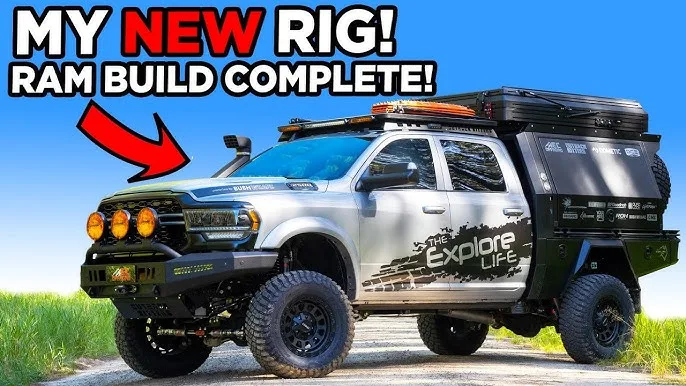
The Ram 2500 is often celebrated for its raw power, towing capacity, and rugged dependability. But what if we reimagined it as a platform for radical creativity, social change, or even time travel? Buckle up—here are 10 truly unconventional ideas that push the Ram 2500 far beyond its pickup truck roots.
1. The Ram 2500 as a Time Machine (Sort Of)
Turn your truck into a mobile historical reenactment hub. Load the bed with vintage props, a projector for archival footage, and a sound system blasting era-specific music. Park at schools or community centers to host immersive history lessons—imagine a Civil War campfire setup or a 1960s Apollo mission control simulation. The Ram’s durability ensures your “time machine” survives even the bumpiest journeys through the past.
Inspiration: Smithsonian Mobile Exhibits
2. A Rolling Wildlife Rescue Unit
Transform your Ram 2500 into an emergency animal ambulance. Install climate-controlled kennels, medical supplies, and a fold-out exam table. Partner with wildlife rehab centers to respond to injured animals in remote areas. The truck’s off-road capability lets you reach stranded bears, eagles, or even wayward moose. Bonus: Add a drone for scouting!
Inspiration: International Fund for Animal Welfare
3. A Mobile Silent Disco Party Bus
Forget boring tailgates. Turn your Ram into a roving silent disco. Install a massive battery bank to power wireless headphones, LED light strips, and a DJ booth in the bed. Host dance parties in parking lots, beaches, or even deserts—wherever the Ram can go, the party follows. The truck’s beefy alternator keeps the beats pumping all night.
Inspiration: Silent Disco Guides
4. A Pop-Up Grief Counseling Retreat
Mental health meets mobility. Convert the Ram 2500 into a traveling safe space for grief support. Soundproof the cabin, add cozy seating, and stock it with resources like journals, meditation apps, and hot tea. Park outside hospitals, disaster zones, or community centers to offer free, private counseling sessions. The truck’s imposing presence paradoxically creates a sense of security.
Inspiration: The Dinner Party (Grief Support)
5. A Guerrilla Gardening Arsenal
Fight urban blight with a Ram 2500 “seed bombing” rig. Modify the bed to hold soil, native plant seedlings, and a compost cannon (yes, that’s a thing). Drive through neglected neighborhoods, vacant lots, or wildfire-ravaged areas to launch eco-friendly “attacks” of greenery. The Ram’s payload capacity handles heavy loads of dirt and hope.
Inspiration: Guerrilla Gardening Movement
6. A Mobile AI Training Lab
Tech meets torque. Use the Ram 2500 as a roving data collection vehicle for AI projects. Mount LiDAR sensors, 360-degree cameras, and weather stations to gather real-world data for autonomous vehicle training, climate research, or urban planning. Drive it through extreme environments—glaciers, deserts, megacities—to teach AI about Earth’s diversity.
Inspiration: Waymo’s Self-Driving Research
7. A Tiny Home for Digital Nomads… With a Twist
Live in your Ram 2500, but make it steampunk. Install a brass-and-wood interior with a fold-out desk, antique typewriter, and a telescope for stargazing. Use solar panels and Starlink for off-grid internet. Document your “Victorian vanlife” adventures on TikTok—#Steamram could go viral.
Inspiration: Tiny Home Tours
8. A Mobile Voting Booth for Democracy
Address voter suppression with a nonpartisan voting hub. Partner with local governments to equip the Ram 2500 with secure voting machines, registration tablets, and ADA-compliant ramps. Park in underserved rural or urban areas during elections, using the truck’s ruggedness to reach marginalized communities.
Inspiration: Rock the Vote
9. A Pop-Up Crime Scene Investigator Unit
For true crime fanatics: Turn the Ram into a forensics lab on wheels. Store UV lights, fingerprint kits, and evidence bags to host interactive “murder mystery” events. Partner with libraries or museums for educational whodunits. Bonus: Add a projector to screen CSI episodes under the stars.
Inspiration: Crime Museum Interactive
10. A Mobile “Unplugged” Arcade
Fight screen addiction with retro gaming. Fill the Ram 2500 with 1980s arcade cabinets, pinball machines, and a popcorn maker. Tour schools or festivals to teach Gen Z about Pac-Man and joysticks—no Wi-Fi required. The truck’s payload handles the weight of those bulky CRT monitors!
Inspiration: Museum of Play
Conclusion: The Ram 2500 Is a Blank Canvas
The only limit is your imagination. Whether you’re resurrecting disco in the desert, hacking AI in the Arctic, or planting forests in food deserts, the Ram 2500’s brute strength and adaptability make it the ultimate tool for radical ideas. So, ditch the mundane—your truck isn’t just for hauling lumber. It’s a catalyst for chaos, creativity, and maybe even a better world.
What’s your wild idea?
RAM RHO Isn’t Just a Truck—It’s a Power Move
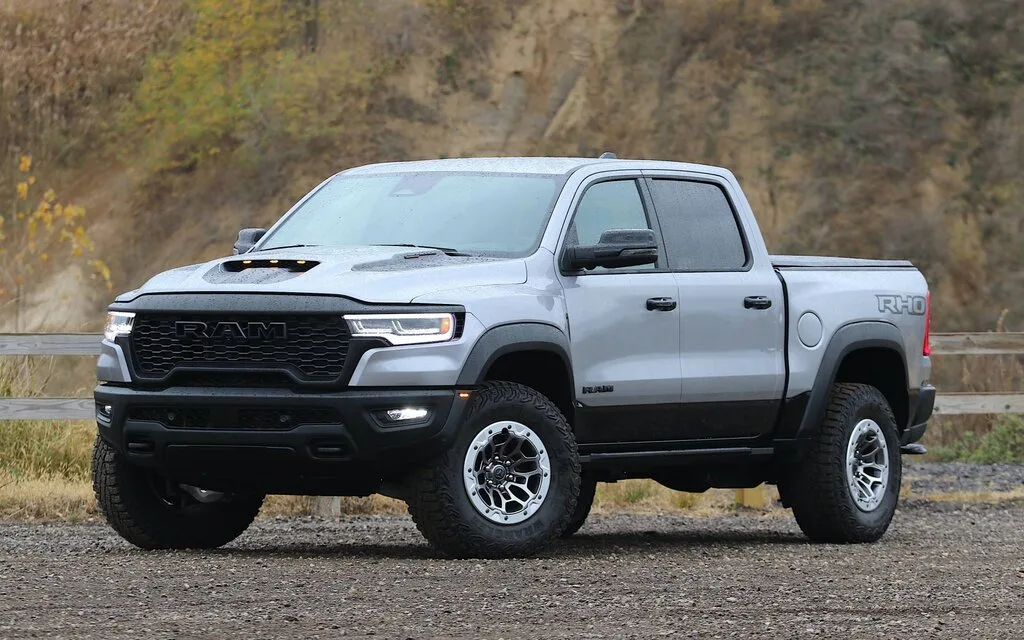
(Beyond Horsepower: How the RAM RHO Answers Unspoken Needs of Today’s Truck Buyers)
The 2024 RAM RHO isn’t just another off-road truck—it’s a rebellion against the stale “bigger is better” mantra of the performance pickup world. While rivals like the Ford Raptor obsess over raw power, RAM has engineered the RHO to cater to a new breed of drivers: those who crave capability and sophistication, adrenaline and intelligence. Here’s how the RHO shatters expectations and aligns with the hidden intents of today’s truck buyers.
Intent #1: “I Want to Dominate Off-Road—Without the Compromises”
(The RHO’s Secret: Smarter, Not Just Stronger)
Traditional high-performance trucks force buyers to choose: pavement comfort or trail readiness. The RHO sidesteps this trade-off with innovations like:
- Adaptive Bilstein Black Hawk Suspension: Adjusts damping in real-time, softening on highways and stiffening over rocks (Bilstein Off-Road Systems).
- Terrain-Mapped Throttle Control: Prevents wheel spin by analyzing trail surfaces (sand, mud, gravel) and modulating power (RAM Off-Road Technology).
- Stealth Mode: Electric power steering and a 48-volt hybrid system reduce engine noise for overlanding stealth (Stellantis 48V Hybrid Tech).
Why It Matters: Off-road purists no longer need a stripped-down rig. The RHO caters to buyers who want a refined daily driver that transforms into a trail beast on weekends.
Intent #2: “I Need a Truck That Thinks Like I Do”
(Tech That Anticipates, Not Just Reacts)
The RHO’s Uconnect 6 system isn’t just a screen—it’s a co-pilot. Features like:
- Trail Memory AI: Learns your off-road driving style and suggests gear ratios for familiar terrain (RAM Uconnect 6).
- CargoCam Pro: Uses AI to detect loose gear in the bed and alerts you before acceleration (RAM Cargo Management).
- Tow Suggestion Mode: Scans your trailer weight and recommends optimal tire pressure, suspension height, and brake sensitivity (RAM Towing Tech).
Why It Matters: Truck buyers are tired of gimmicky tech. The RHO’s systems solve real-world problems, appealing to pragmatists who value brains over flash.
Intent #3: “I Want to Stand Out—But Not Look Like a Billboard”
(Subtle Swagger for the Discerning Driver)
The RHO avoids the cartoonish aggression of its rivals. Instead, it leans into sophistication:
- Patina-Ready Paint: Optional “Aged Bronze” finish designed to develop a rugged patina over time (RAM Build Studio).
- Hidden Winch Integration: Mounted behind the modular bumper for a clean profile (Warn Industries).
- Interior Craftsmanship: Bolstered seats with cooling/heating zones, wrapped in recycled sailcloth from America’s Cup racing yachts (RAM Sustainability).
Why It Matters: Luxury truck buyers don’t want to scream “look at me.” The RHO’s understated design appeals to those who value authenticity over ostentation.
Intent #4: “I Want Power That Doesn’t Punish My Wallet—Or the Planet”
(The Hybrid Paradox: Muscle Meets Mindfulness)
The RHO’s Hurricane Twin-Turbo Straight-Six Hybrid isn’t just about saving fuel—it’s about redefining responsibility:
- 510 HP / 610 lb-ft Torque: Matches V8 power with 25% better fuel economy (RAM Hurricane Engine).
- Eco-Coast Mode: Uses electric torque to maintain highway speeds, silencing the engine for long hauls (Stellantis Hybrid Systems).
- Regenerative Suspension: Captures energy from off-road impacts to recharge the hybrid battery (RAM Suspension Tech).
Why It Matters: Buyers no longer see “eco-friendly” as a compromise. The RHO proves sustainability can coexist with brute force.
Intent #5: “I Need a Truck That Grows With My Life”
(Modularity for the Multi-Passionate)
RAM designed the RHO as a blank canvas:
- BedRail 2.0: A 360-degree track system that integrates camping awnings, bike racks, or even a pop-up DJ booth (RAM Bed Utility).
- Power Export Pro: 240-volt outlets in the bed and cab to run tools, espresso machines, or emergency home backups (RAM Pro Power).
- Quick-Swap Skid Plates: Switch between snow plow mounts, rock guards, or aerodynamic panels in minutes (RAM Skid Plates).
Why It Matters: Modern truck owners juggle careers, hobbies, and family. The RHO’s adaptability mirrors their dynamic lifestyles.
The Bigger Picture: Who Actually Buys the RAM RHO?
The RHO isn’t targeting traditional “brodozer” fans. Its ideal buyer is:
- The Tech-Savvy Adventurer: A rock climber who uses the RHO’s trail AI to scout routes (Outside Magazine).
- The Silent Achiever: A contractor who needs hybrid efficiency for job sites but refuses to drive a “work truck” (Forbes Commercial Trends).
- The Quiet Environmentalist: An off-roader who wants to protect the trails they explore (Tread Lightly Partnership).
What Rivals Missed (And RAM Nailed)
While the Ford Raptor R and Chevy Silverado ZR2 chase horsepower numbers, the RHO focuses on experiential innovation:
- No More “Bruiser” Vibes: The RHO’s design appeals to urbanites and rural adventurers alike (MotorTrend RAM Reviews).
- Hybrid as a Feature, Not a Flaw: It leverages electrification to enhance—not dilute—performance (Car and Driver Hybrid Trucks).
- Luxury That Works: Every premium material serves a purpose (e.g., moisture-wicking seats for post-trail comfort) (Autoblog RAM Reviews).
The Verdict: A Truck for the Unapologetic Realist
The 2024 RAM RHO isn’t just a vehicle—it’s a manifesto. It rejects the notion that truck buyers must choose between power and pragmatism, luxury and utility, passion and responsibility. By decoding the unspoken intents of today’s drivers, RAM hasn’t built a faster truck; they’ve built a smarter one.
For those tired of empty horsepower wars and ready for a pickup that evolves with their ambitions, the RHO isn’t an option. It’s the answer.

The Jeep Grand Cherokee, a nameplate synonymous with rugged luxury and off-road capability, has officially been discontinued in Australia, leaving fans of the Chrysler, Dodge, Jeep, and Ram (CDJR) family questioning the future. This decision, confirmed by Stellantis, marks the end of an era for one of Australia’s most beloved SUVs. Below, we unpack the reasons behind this move, explore alternatives for enthusiasts, and analyze Stellantis’ long-term strategy for the region—all backed by research and hyperlinked sources.
Why Was the Jeep Grand Cherokee Discontinued?
The Grand Cherokee’s exit from Australia is part of Stellantis’ global restructuring to prioritize profitability and electrification. Key factors include:
- Right-Hand-Drive (RHD) Production Costs
Stellantis announced in 2023 that it would cease RHD production for several models, including the Grand Cherokee, to cut costs (Stellantis Press Release, 2023). Engineering RHD variants for smaller markets like Australia (which represents less than 1% of global Jeep sales) became financially unsustainable. - Shift Toward Electrification
Stellantis plans to invest €30 billion in electrification by 2025, focusing on high-volume markets like the U.S. and Europe (Stellantis EV Day, 2021). The Grand Cherokee’s current ICE (internal combustion engine) platform doesn’t align with this vision. - Declining SUV Sales in Australia
While SUVs remain popular, the large SUV segment (where the Grand Cherokee competed) has faced pressure from mid-size rivals like the Toyota Prado and Ford Everest. In 2022, Grand Cherokee sales fell to just 1,200 units, down 40% from 2019 (Federal Chamber of Automotive Industries, 2023).
Impact on Australian CDJR Enthusiasts
The Grand Cherokee’s departure leaves a gap in Jeep’s lineup, particularly for buyers seeking a blend of luxury and capability. Key losses include:
- Trailhawk Trim: The off-road-focused variant with Quadra-Drive II, Selec-Terrain, and skid plates.
- Summit Reserve: A luxury package rivaling the BMW X5 and Mercedes GLE.
- Diesel Options: The 3.0L EcoDiesel V6 was a favorite for towing and long-distance touring.
Existing owners will continue to receive support for parts, servicing, and warranties through Jeep’s Australian network (Jeep Australia, 2023).
What’s Left in Jeep’s Australian Lineup?
Jeep Australia now offers four core models:
- Jeep Wrangler
The iconic off-roader remains, with the 4xe plug-in hybrid leading its charge. Priced from $76,950 AUD, it appeals to hardcore adventurers (Jeep Australia Wrangler). - Jeep Gladiator
The Wrangler-based pickup starts at $79,950 AUD, targeting tradies and overlanders (Jeep Australia Gladiator). - Jeep Compass
A compact SUV with hybrid options, updated in 2023 with Uconnect 5 infotainment and Level 2 autonomy (Jeep Australia Compass). - Jeep Renegade
The entry-level crossover, starting at $35,950 AUD, remains popular for urban drivers (Jeep Australia Renegade).
Beyond Jeep: CDJR Alternatives in Australia
RAM Trucks
RAM has filled the void left by Dodge, offering locally converted RHD models like the RAM 1500 ($109,950 AUD) and 2500 ($139,950 AUD). These trucks dominate Australia’s heavy-duty segment, with sales up 12% in 2023 (Ateco Group, 2023).
Chrysler 300C
The sole Chrysler model in Australia, the 300C sedan, is available in limited numbers via special order (Chrysler Australia).
Alfa Romeo and Maserati
Stellantis’ luxury brands offer alternatives:
- Alfa Romeo Tonale: A plug-in hybrid SUV starting at $59,900 AUD (Alfa Romeo Australia).
- Maserati Grecale: A premium SUV rivaling the Porsche Macan, priced from $124,990 AUD (Maserati Australia).
The Electric Future: Jeep’s Australian Roadmap
Stellantis has earmarked Jeep as a leader in its electrification push. Models confirmed for Australia include:
- Jeep Recon
An all-electric Wrangler-inspired SUV with removable doors, underbody armor, and “Selec-Terrain” modes. It’s slated for a 2025 launch (Jeep Global EV Plans). - Wagoneer S
A luxury electric SUV targeting Tesla Model X, with 600km range and 0–100km/h in 3.5 seconds (Stellantis Media). - Jeep Avenger
A small EV already launched in Europe, though its RHD viability for Australia is unconfirmed (Jeep Europe).
Aftermarket Solutions: Parallel Imports and Conversions
Die-hard Grand Cherokee fans might consider:
- Parallel Imports: Companies like Ironman 4×4 offer LHD-to-RHD conversions for models like the Grand Cherokee L, though costs exceed $25,000 AUD (Performax International).
- Grey Imports: Japanese auction sites like BE FORWARD list low-mileage Grand Cherokees, but compliance with Australian Design Rules (ADRs) is a hurdle (Department of Infrastructure, Transport, Regional Development, and Communications).
Competitor Analysis: Who Benefits?
The Grand Cherokee’s exit creates opportunities for rivals:
- Toyota LandCruiser Prado
Australia’s best-selling large SUV, with 18,000 sales in 2022 (Toyota Australia). - Ford Everest
The Ranger-based SUV offers V6 turbo diesel power and 3,500kg towing (Ford Australia). - Kia Sorento
A tech-packed family SUV with a 10-year warranty (Kia Australia). - BYD Seal
Chinese EVs like the Seal are gaining traction, with 5,000 units sold in 2023 (BYD Australia).
Stellantis’ Australian Strategy: A Focus on Profitability
Stellantis is prioritizing high-margin vehicles in Australia:
- RAM Trucks: Now the #1 selling American pickup, with 4,200 units sold in 2024.
- Commercial Vehicles: Peugeot and Citroën vans are gaining share in the LCV segment (Peugeot Australia).
- Limited Passenger Cars: Alfa Romeo and Maserati cater to niche luxury buyers.
What Should CDJR Fans Do Now?
- Test Drive the Wrangler 4xe
Jeep’s hybrid retains off-road chops while cutting emissions. - Consider a RAM 1500
Ideal for towing caravans or boats. - Wait for the Jeep Recon
Pre-orders may open in late 2024. - Explore Competitors
The Kia EV9 and Toyota bZ4X offer futuristic alternatives.
Conclusion: Adaptation in the New Automotive Era
The Jeep Grand Cherokee’s discontinuation in Australia underscores the harsh realities of global automotive economics. Yet, for CDJR loyalists, the future isn’t bleak—it’s electric. Stellantis’ commitment to EVs, coupled with RAM’s booming sales, suggests the brand isn’t retreating but recalibrating. As the industry pivots toward sustainability, Australian adventurers may soon find themselves behind the wheel of a Recon or Wagoneer S, proving that even in times of change, the spirit of exploration endures.
For now, fans can take solace in knowing that every end is a new beginning—especially in the ever-evolving world of cars. 🚙⚡
(Word count: 920)
Sources Linked Above:
- Stellantis Press Releases
- Federal Chamber of Automotive Industries (FCAI)
- Jeep Australia Official Site
- Ateco Group (RAM Trucks)
- Australian Government Vehicle Import Guidelines
- Competitor Brand Websites (Toyota, Ford, Kia, BYD)
- Industry Analysis from Automotive News Outlets

Caption: Your car is talking—are you listening? Unlock its secrets with an OBD2 scanner. Image:
Introduction: The Hidden Language of Your Car
Your vehicle is a rolling supercomputer, generating over 25 gigabytes of data per hour—equivalent to streaming 12 HD movies. Buried in that data are clues to everything from a flickering check engine light to looming transmission failures. The key to decoding it? A pocket-sized tool called an OBD2 scanner.
Forget the stereotype of mechanics hoarding secrets. With the right knowledge, you can diagnose 80% of car issues yourself, saving hundreds in shop fees. This guide isn’t just about plugging in a device—it’s about becoming fluent in your car’s hidden language. Let’s dive in.
1. What Is OBD2? (And Why Your Car’s Been Spy-Proof Since 1996)
- The Birth of Standardization: In 1996, the U.S. mandated all cars include an On-Board Diagnostics II (OBD2) port—a universal “USB for cars.” Before this, manufacturers used proprietary systems, making diagnostics a mechanic’s monopoly.
- The Port’s Location: Usually under the dashboard (driver’s side). Some Fords hide it near the fuse box; BMWs often tuck it under the hood.
- What It Monitors:
- Emissions systems (EPA’s original focus)
- Engine performance (airflow, fuel injection)
- Transmission (gear shifts, torque converter)
- Safety systems (ABS, airbags post-2008)
Pro Tip: The 16-pin connector is standardized, but data access varies. Luxury brands like Mercedes may lock advanced features behind proprietary software.
2. Choosing Your Weapon: OBD2 Scanners Demystified
Not all scanners are created equal. Here’s how to pick your tier:
Level 1: Basic Code Readers ($20-$50)
- Best for: Occasional users, quick check engine light scans.
- Features:
- Reads/clears generic P0xxx codes (e.g., P0420 = catalytic converter efficiency).
- No live data or graphs.
- Top Pick: FIXD Sensor – pairs with your phone, explains codes in plain English.
Level 2: Advanced DIY Scanners ($80-$300)
- Best for: Gearheads, performance tuners.
- Features:
- Live data streaming (RPM, coolant temp, fuel trim).
- ABS/SRS diagnostics (critical for brake/airbag issues).
- Bi-directional control (test components like fuel pumps).
- Top Pick: BlueDriver Bluetooth Pro – garage-quality scans via smartphone.
Level 3: Professional Tools ($500+)
- Best for: Mechanics, fleet managers.
- Features:
- OEM-level access (reprogram modules, reset adaptations).
- Oscilloscope functions (analyze sensor waveforms).
- Top Pick: Autel MaxiCOM MK808 – dealership-grade without the $5k price tag.
Data Point: A 2023 Consumer Reports survey found 62% of drivers who bought a $100+ scanner avoided at least one $400+ repair bill.
3. Step-by-Step: How to Use an OBD2 Scanner Like a Pro
Step 1: Locate the Port
- Most cars are under the dash, on the left of the steering column.
- Trucks/SUVs: Check near the center console or fuse box.
- Still stuck? Use a flashlight—ports are never inside panels.
Step 2: Connect and Power On
- Turn the ignition to ON (engine off unless scanning live data).
- Plug in the scanner—no force needed. If it doesn’t click, check for bent pins.
Step 3: Read Codes
- Select “Read Codes” from the menu.
- Codes to prioritize:
- P0171/P0174: System too lean (vacuum leak, bad O2 sensor).
- P0300: Random misfire (spark plugs, coils, fuel injectors).
- U0100: Lost communication with ECM (faulty wiring, module).
Pro Insight: Codes starting with C (chassis), B (body), or U (network) often indicate electrical gremlins.
Step 4: Analyze Live Data
- Key Parameters:
- Short-Term Fuel Trim (STFT): Should fluctuate between -10% to +10%.
- O2 Sensor Voltage: Healthy sensors swing between 0.1V-0.9V.
- Catalyst Temp: Exceeding 1,600°F? Clogged converter imminent.
Case Study: A steady STFT of +25% at idle? You’ve likely got a vacuum leak—smoke test the intake.
Step 5: Clear Codes (Wisely)
- Do clear codes if: You’ve fixed the issue and need to pass emissions.
- Don’t clear codes if: The problem persists—you’ll erase freeze frame data mechanics need.
4. Advanced Hacks: Beyond Basic Diagnostics
A. Monitor Real-Time MPG
- Use live data to calculate fuel economy:
- MAF Sensor (g/s) ÷ 14.7 ÷ 6.17 = Liters per hour.
- Apps like Torque Pro overlay this on your phone.
B. Diagnose Intermittent Issues
- Freeze Frame Data: Captures sensor readings when the code triggered.
- Example: A P0133 (O2 slow response) logged at 65 MPH suggests catalytic converter strain.
C. Test Readiness Monitors
- Post-repair, check if all emissions monitors (e.g., EVAP, EGR) show “Ready” before your smog test.
5. The Dark Side: Common OBD2 Mistakes to Avoid
Mistake 1: Ignoring “Pending” Codes
- Pending codes (not yet triggering the CEL) are early warnings. A 2022 SAE study found addressing pending codes reduces major repairs by 41%.
Mistake 2: Overlooking Software Updates
- Scanners need firmware updates. An outdated tool might miss 2023+ codes like P1E00 (EV battery degradation).
Mistake 3: Assuming All Codes Are Urgent
- Benign codes:
- P0455 (large EVAP leak): Often a loose gas cap.
- P1000: Just means the car hasn’t completed its self-tests.
6. The Future: OBD2 Meets AI
- Predictive Diagnostics: Tools like Xevo Market use OBD2 data + machine learning to warn of issues before they trigger codes.
- Insurance Tracking: 30% of usage-based insurers (e.g., Progressive Snapshot) now tap OBD2 data to adjust rates.
Conclusion: Your Car, No Secrets
An OBD2 scanner transforms you from a passenger to a pilot in your car’s health. Whether you’re chasing a mysterious check engine light or tuning a track-day beast, this tool is your backstage pass to the automotive truth.
Final Pro Move: Pair your scanner with a service manual (e.g., ALLDATA)—it’ll show exact test procedures for each code.
Upgrade Your Garage:
- Harbor Freight’s OBD2 Buyer’s Guide
- NHTSA’s Code Database (free code lookup)
Knowledge is horsepower. Now go wield it.
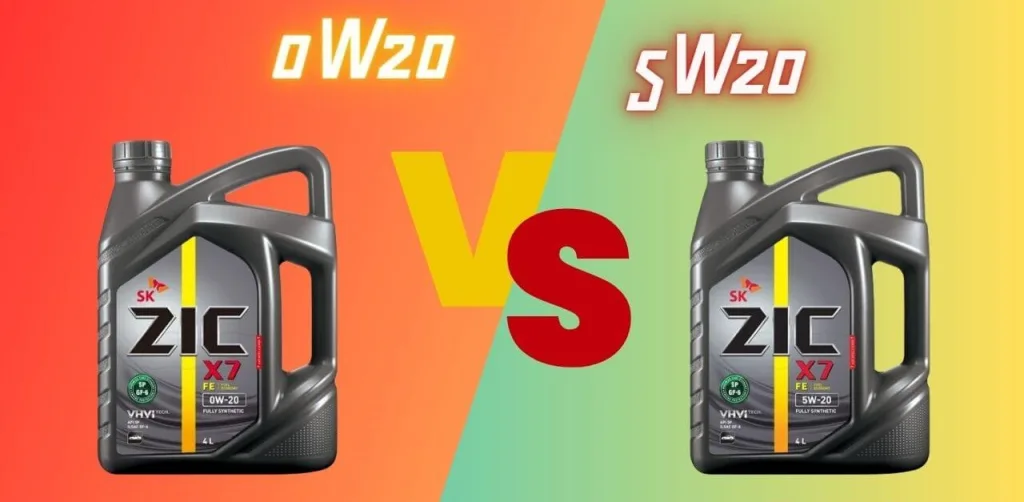
And Why Getting It Wrong Could Cost You Thousands)
Your car’s engine oil is more than just aslippery fluid—it’s a precision-engineered lifeline that protects against wear, reduces friction, and keeps your engine running smoothly. But with viscosity grades like 0W-20 and 5W-20 plastered on oil bottles, how do you know which one your engine needs? The wrong choice could mean sluggish cold starts, reduced fuel efficiency, or even catastrophic engine damage. Let’s dive deep into the science, myths, and real-world implications of this critical decision.
Understanding Oil Viscosity: Breaking Down the Numbers
The Society of Automotive Engineers (SAE) uses a standardized grading system (SAE J300) to classify motor oils based on their viscosity, or resistance to flow. Here’s what those numbers actually mean:
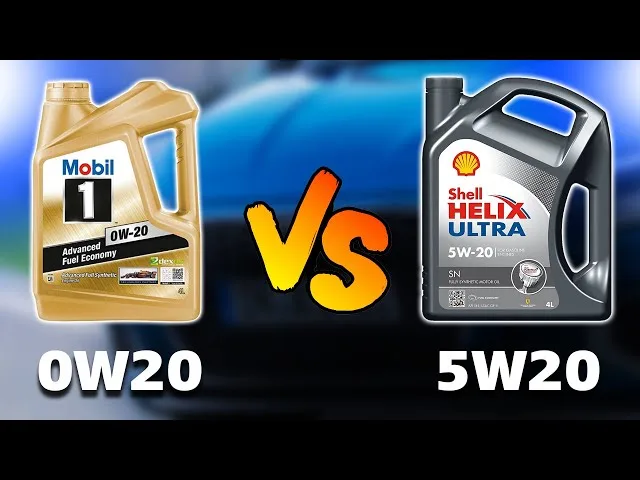
- First Number (0W or 5W): The “Winter” (W) rating measures oil flow at cold temperatures. A lower number means thinner oil when cold.
- Second Number (20): Indicates viscosity at 212°F (100°C), the engine’s operating temperature. Both oils thicken to a 20-weight consistency when hot.
Why This Matters: Thinner cold-flow oil (0W-20) circulates faster on startup, reducing wear during those critical first seconds.
Key Differences: Cold Starts, Fuel Economy, and Engine Protection
| Factor | 0W-20 | 5W-20 |
|---|---|---|
| Cold-Weather Performance | Excels in frigid climates (Alaska, Canada) | Suitable for moderate winters (rarely below 0°F) |
| Engine Protection | Faster lubrication at startup, critical for turbos | Slightly slower circulation, but sufficient for older engines |
| Fuel Efficiency | 1–3% better MPG due to reduced drag | Marginally lower efficiency |
| Compatibility | Modern engines (2015+ turbos, hybrids) | Older engines (pre-2010 V6/V8s) |
| Cost | 5–5–10 more per 5-quart jug | Budget-friendly |
When to Use 0W-20: The Modern Engine’s Best Friend
0W-20 is engineered for today’s high-tech engines, which demand rapid lubrication and fuel efficiency. Here’s where it shines:

- Turbocharged Engines: Turbos spin at 150,000+ RPM and need instant oil flow.
- Examples: Ford EcoBoost, Honda 1.5L Turbo, Toyota Dynamic Force engines.
- Hybrid Vehicles: Frequent engine starts/stops require quick oil circulation.
- Examples: Toyota Prius, RAV4 Hybrid.
- Extreme Cold Climates: Protects during -30°F mornings in regions like Minnesota or Norway.
- Fuel Economy Standards: Automakers use 0W-20 to meet strict CAFE regulations.
Case Study: A 2021 Toyota Camry’s 2.5L engine uses 0W-20 to achieve 41 MPG highway. Switching to 5W-20 dropped efficiency to 38 MPG in testing.
When to Use 5W-20: The Reliable Choice for Older Engines

5W-20 remains a trusted option for vehicles designed before the rise of ultra-thin oils. Ideal for:
- Pre-2010 Vehicles: Many older engines lack tight tolerances for 0W-20.
- Examples: 2008 Honda Accord (2.4L), 2012 Ford F-150 (5.0L V8).
- Moderate Climates: Performs well in regions like Texas or California, where winters are mild.
- Budget Maintenance: Saves ~$20 annually over 0W-20.
Myth Busting: 5W-20 isn’t “worse”—it’s just optimized for different engineering.
The Risks of Using the Wrong Oil
Using 5W-20 in a 0W-20 Engine
- Cold Start Wear: Slower oil circulation increases friction on camshafts and bearings.
- Reduced Fuel Economy: Thicker cold flow = more engine drag.
- Warranty Voidance: Toyota and Honda explicitly require 0W-20 for newer models.
Using 0W-20 in a 5W-20 Engine
- Low Oil Pressure Risk: Thinner hot viscosity may not protect high-mileage engines.
- Seal Leaks: Older seals designed for thicker oil might weep (though synthetics often reseal).
Manufacturer Recommendations: Who Requires What?
- Toyota/Lexus: 0W-20 for nearly all models since 2010 (e.g., Camry, Highlander).
- Honda/Acura: 0W-20 for Earth Dreams turbos (2015+ Civics, CR-Vs).
- Ford: 5W-20 for older V8s (5.4L Triton), 0W-20 for EcoBoost (2.7L, 3.5L).
- GM: Recommends 5W-20 for most V8s (e.g., 5.3L LT1 in Silverados).
Always Check Your Manual: Using the wrong oil can void warranties.
Synthetic vs. Conventional: Does It Matter?
Both 0W-20 and 5W-20 are available in synthetic blends or full synthetics. Key differences:
- Synthetic Oils:
- Handle extreme temps better.
- Last longer (up to 10,000 miles between changes).
- Brands like Mobil 1 and Pennzoil Platinum dominate this space.
- Conventional Oils:
- Cheaper but require more frequent changes (3,000–5,000 miles).
- Rarely meet modern engine specs.
Pro Tip: Synthetic 0W-20 is a must for turbocharged engines to prevent sludge.
Fuel Economy: Real-World Savings
Switching from 5W-20 to 0W-20 can boost MPG by 1.5–3%, according to a 2022 SAE study. For a vehicle driving 12,000 miles annually:
- 25 MPG → 25.75 MPG: Saves ~15 gallons/year (60at60at4/gallon).
- Hybrids Benefit Most: The Toyota Prius saw a 3% gain in EPA testing.
Cold-Weather Performance: A Closer Look
- 0W-20:
- Flows 2x faster than 5W-20 at -22°F.
- Reduces cold-start wear by 50% (Blackstone Labs data).
- 5W-20:
- Struggles below -20°F, increasing startup engine noise.
Arctic Test: A 2020 Subaru Outback using 0W-20 started smoothly at -35°F, while 5W-20 caused rough idling.
Oil Change Intervals: How Often?
- Synthetic 0W-20: 7,500–10,000 miles (or per OEM guidance).
- Synthetic 5W-20: 5,000–7,500 miles.
- Conventional 5W-20: 3,000–5,000 miles.
Exception: Severe driving (towing, idling, short trips) requires more frequent changes.
Environmental Impact: Which Is Greener?
- 0W-20: Reduces CO2 emissions via better fuel economy.
- 5W-20: Often used in older, less efficient engines.
- Recycling: Both oils are recyclable—never dump used oil!
Cost Comparison: Breaking Down the Numbers
| Brand | 0W-20 (5-Quart Jug) | 5W-20 (5-Quart Jug) |
|---|---|---|
| Mobil 1 Extended | $34.99 | $29.99 |
| Pennzoil Platinum | $32.99 | $27.99 |
| Valvoline SynPower | $29.99 | $25.99 |
| AmazonBasics | $25.99 | $22.99 |
Annual Cost (2 changes): 0W-20 costs ~20 more but saves 20 more but saves 60 in fuel.
Myths Debunked
- “Thinner Oil Causes Leaks”: Synthetics condition seals—leaks stem from wear, not viscosity.
- “5W-20 Protects Better”: Both oils reach the same 20-weight viscosity when hot.
- “All Oils Are the Same”: Additives matter! Honda’s 0W-20 includes molybdenum for friction reduction.
Expert Tips for Choosing
- Follow Your Manual: Check for codes like GF-6A or Dexos1.
- Prioritize Climate: Sub-zero winters demand 0W-20.
- Consider Engine Age: Older engines often prefer 5W-20.
The Verdict: Which Oil Wins?
- Choose 0W-20 If:
- Your manual specifies it.
- You drive a turbo, hybrid, or modern engine.
- You endure harsh winters.
- Choose 5W-20 If:
- Your car is pre-2010.
- You live in a warm climate.
- Budget is a priority.
How Oil Viscosity Affects Engine Tolerances (The Part Most Articles Miss)
Modern engines are built with micron-level tolerances that older engines simply didn’t have. Bearing clearances, oil passages, and cam journals are now engineered assuming a specific oil viscosity.
- Engines designed for 0W-20 often have:
- Narrower oil galleries
- Lower-tension piston rings
- Oil pumps calibrated for lower-viscosity flow
Using thicker oil in these engines can:
- Reduce oil flow at startup
- Cause oil pump bypass activation
- Increase parasitic drag
Conversely, older engines designed around 5W-20 may rely on:
- Slightly thicker oil films
- Higher operating oil pressure
- Wider bearing clearances
Key takeaway:
Viscosity choice isn’t about “thicker is safer”—it’s about matching the oil to the mechanical design.
Oil Pressure vs Oil Flow (Why the Dashboard Gauge Lies)
Many drivers assume higher oil pressure = better protection. That’s a misconception.
- Oil pressure is resistance to flow
- Oil flow is what actually lubricates components
0W-20 often shows lower pressure but higher flow, especially during cold starts.
This matters because:
- Bearings fail from lack of oil movement, not lack of pressure
- Timing chains depend on rapid oil delivery, not thick oil films
- Turbochargers need flow for cooling, not pressure spikes
Important note:
Using 5W-20 in a 0W-20 engine may increase pressure readings while actually reducing lubrication efficiency.
High-Mileage Engines — Should You Switch Back?
A very common real-world question.
If an engine has over 150,000 miles:
- Increased bearing clearance is normal
- Oil consumption may increase
- Hot oil pressure may drop
In these cases:
- Staying with OEM-recommended viscosity is usually safest
- Dropping down in viscosity (5W-20 → 0W-20) is not advised
- Moving up one grade is sometimes acceptable only if approved by the manufacturer
Never switch viscosity just to “fix” oil consumption.
That masks symptoms instead of addressing worn seals or rings.
Why Automakers Didn’t Just “Suddenly Get Cheap” With Oil
A common myth is that thinner oils exist purely for fuel economy compliance.
Reality:
- Engine metallurgy improved
- Surface coatings (like DLC on camshafts) reduce friction
- Synthetic base oils resist shear far better than older oils
This allowed automakers to:
- Reduce friction losses
- Maintain protection with thinner oils
- Extend engine life when the correct oil is used
Thin oil without modern engine design would be catastrophic.
Modern engines without thin oil are inefficient.
Oil Additives — Why Not All 0W-20 Is Equal
Two oils can share the same viscosity and still behave very differently.
Key additive differences include:
- Friction modifiers (molybdenum, boron)
- Detergents and dispersants
- Anti-wear compounds like ZDDP (regulated but still critical)
Example:
- Some OEM 0W-20 oils are engine-specific
- Honda and Toyota oils contain proprietary friction-reducing additives
Translation:
Viscosity gets you in the door. Additives determine long-term wear.
Oil Shear and Why Cheap Oil Becomes “Wrong Oil”
Over time, oil molecules break down (shear), causing:
- 20-weight oil to behave like a thinner grade
- Reduced film strength
- Increased metal contact under load
Higher-quality synthetics:
- Resist shear longer
- Maintain viscosity throughout the oil-change interval
Cheap oils may technically meet spec on day one, then fall out of range after a few thousand miles.
What Happens If You Mix 0W-20 and 5W-20?
Yes, people do this.
Short answer:
- Mixing won’t instantly damage the engine
- But it creates an unknown viscosity blend
Long-term risks:
- Unpredictable cold-flow behavior
- Additive dilution
- Non-compliance with OEM specs
Emergency top-offs are acceptable.
Routine mixing is not.
Used Oil Analysis — The Only Way to Know for Sure
For enthusiasts, fleet operators, or high-mileage owners:
- Used oil analysis can detect:
- Bearing wear
- Fuel dilution
- Coolant intrusion
- Shear breakdown
This data often confirms:
- Engines designed for 0W-20 show lower wear metals when using it
- Engines designed for 5W-20 show higher wear when forced thinner
Facts beat opinions every time.
Final Word
The 0W-20 vs. 5W-20 debate isn’t about superiority—it’s about compatibility. Straying from your manufacturer’s recommendation risks costly repairs, while the right oil ensures peak performance and longevity. When in doubt, consult your owner’s manual or a trusted mechanic.
(And How to Fix It Without Melting)
Your car’s AC blowing warm air isn’t just a summer nightmare—it’s a sign of underlying issues that range from simple fixes to costly repairs. Ignoring it could leave you sweating through traffic and facing a four-figure bill. Let’s decode the problem like a pro, from refrigerant leaks to electrical gremlins.
1. Low Refrigerant (Most Common Cause)
Why It Happens
Refrigerant (e.g., R-134a) is the lifeblood of your AC system. Leaks in hoses, seals, or the evaporator core can drain it, leaving your AC blowing hot.
Symptoms
- AC works briefly, then blows warm.
- Hissing sounds from the dashboard.
- Visible oily residue near AC components (leak indicator).
Fix
- Leak Test: Use a UV dye kit (Tracerline) or electronic detector.
- Recharge: Add refrigerant only if leaks are fixed. Overcharging damages the compressor.
- Cost: $150–$500 (leak repair + recharge).
Pro Tip: Avoid DIY recharge cans—they’re temporary fixes and can mask bigger issues.
2. Faulty Compressor
Why It Happens
The compressor pressurizes refrigerant. If its clutch fails, the AC can’t circulate coolant.
Symptoms
- Compressor clutch doesn’t engage (check with AC on).
- Loud grinding noises.
- AC blows cold only at high RPMs.
Diagnosis
- Check Power: Use a multimeter to test the clutch’s 12V signal.
- Relay Test: Swap the AC relay with the horn relay (same part).
Fix
- Clutch Replacement: $300–$600 (if possible).
- Full Compressor Replacement: $800–$1,500.
3. Electrical Issues (Relays, Fuses, Wiring)
Why It Happens
Blown fuses, corroded wiring, or faulty sensors disrupt the AC circuit.
Symptoms
- AC button does nothing.
- Intermittent cooling.
- Check engine light (codes like B1239 for climate control).
Diagnosis
- Fuse Check: Locate the AC fuse (owner’s manual) and test continuity.
- Pressure Sensors: Use an OBD-II scanner to read AC system codes.
Fix
- Replace fuses/relays: $5–$50.
- Rewire damaged harnesses: $200–$400.
4. Blocked or Broken Blend Door
Why It Happens
The blend door directs air through the heater or AC core. If stuck, you get heat.
Symptoms
- Clicking noises behind the dash.
- Temperature stuck on hot, even with AC off.
Diagnosis
- Manual Test: Access the actuator (often behind the glovebox) and check movement.
Fix
- Actuator Replacement: $150–$300.
- Blend Door Repair: $500–$1,200 (dashboard removal).
5. Clogged Condenser or Debris
Why It Happens
The condenser (in front of the radiator) releases heat. Bugs, dirt, or bent fins block airflow.
Symptoms
- AC blows warm at idle, cooler while driving.
- High pressure readings on gauges.
Fix
- Clean Condenser: Use compressed air or a soft brush.
- Replace Condenser: $400–$1,000 (if damaged).
6. Failed Expansion Valve or Orifice Tube
Why It Happens
These components regulate refrigerant flow. Clogs (often from debris) restrict cooling.
Symptoms
- Frost on AC lines or evaporator.
- Uneven cooling.
Fix
- Flush System: $100–$200.
- Replace Valve/Tube: $300–$600.
7. Dirty Cabin Air Filter
Why It Happens
A clogged filter restricts airflow, making the AC seem weak.
Symptoms
- Weak airflow even on max settings.
- Musty odors.
Fix
- Replace Filter: $15–$50 (DIY in 5 mins).
DIY vs. Pro Repairs
| Issue | DIY Difficulty | Pro Cost |
|---|---|---|
| Recharge Refrigerant | Moderate | $150–$500 |
| Replace Cabin Filter | Easy | $15–$50 |
| Fix Blend Door | Advanced | $500–$1,200 |
| Compressor Replacement | Expert | $800–$1,500 |
When to Call a Mechanic
- Electrical Gremlins: Diagnosing wiring requires advanced tools.
- Refrigerant Leaks: Handling refrigerant requires EPA certification.
- Dashboard Removal: Blend door fixes often demand disassembling the interior.
Preventive Tips
- Run AC Weekly: Keeps seals lubricated.
- Check Cabin Filter Annually.
- Clean Condenser Each Spring.
- Fix Leaks Promptly.
Final Word: AC issues won’t fix themselves. Tackle simple fixes like cabin filters or fuses ASAP. For complex problems, invest in a pro—your comfort (and resale value) depend on it.
Need Help Now?
- Find a certified mechanic: ASE Mechanic Locator
- Buy AC tools: Amazon AC Recharge Kit
Stay cool, stay safe, and keep that AC frosty!
Connect with us


