






Everything You Need to Know About 0W-20 Oil:
Modern vehicles require advanced engine oils to maximize performance, reduce wear, and improve fuel efficiency. Among the most popular choices for many car manufacturers is 0W-20 oil. Designed to deliver excellent lubrication, especially in extreme temperatures, 0W-20 oil has become a go-to option for a wide range of vehicles. Whether you’re a DIY enthusiast or someone looking for the best oil for your next oil change, this guide covers everything you need to know about 0W-20 oil, including the top-rated options available on Amazon.com.
What is 0W-20 Oil?
0W-20 is a synthetic motor oil designed to provide optimal lubrication for modern engines. The “0W” indicates its viscosity (thickness) at low temperatures, meaning it flows easily even in extreme cold, while the “20” represents its viscosity at higher engine operating temperatures. This makes 0W-20 an excellent choice for ensuring smooth engine performance, especially in colder climates or during winter months.
Key Benefits of 0W-20 Oil:
- Cold Start Protection: Flows easily at low temperatures, reducing engine wear during cold starts.
- Fuel Efficiency: Its low viscosity minimizes friction, improving fuel economy.
- Engine Cleanliness: Advanced detergents in synthetic formulas reduce sludge and deposits.
- Extended Engine Life: Provides superior wear protection, ensuring long-lasting performance.
Top 0W-20 Oils on Amazon.com
Here are three of the best-rated 0W-20 oils available on Amazon:
1. Mobil 1 Advanced Fuel Economy Full Synthetic Motor Oil

Description:
Mobil 1 is a trusted name in engine oil, and its Advanced Fuel Economy 0W-20 delivers exceptional performance. Designed to improve fuel efficiency while protecting your engine, this oil is suitable for a wide range of vehicles, including hybrids.
Key Features:
- Exceeds industry standards for wear protection and engine cleanliness.
- Recommended for vehicles with turbocharged engines.
- Provides up to 10,000 miles of protection between oil changes.
Pros:
- Excellent fuel economy benefits.
- Reliable in both hot and cold conditions.
- Available in multiple sizes for convenience.
Cons:
- Slightly higher price compared to conventional oils.
Best For:
Drivers who want a top-performing oil for everyday and hybrid vehicles.
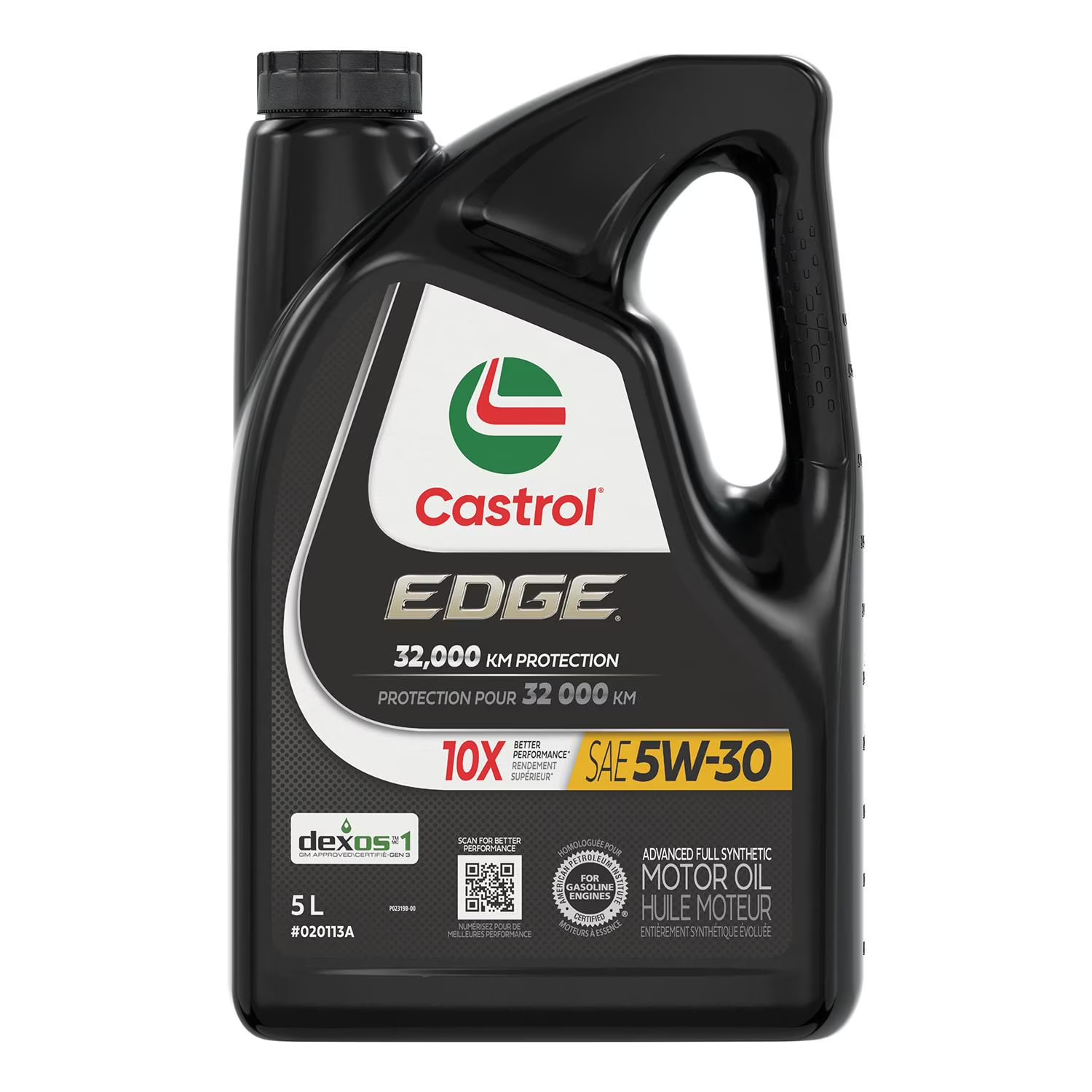
2. Castrol EDGE Advanced Full Synthetic Motor Oil
Description:
Castrol EDGE features Fluid Titanium Technology that adapts to extreme pressures inside the engine, reducing metal-to-metal contact and wear. This makes it a great choice for high-performance vehicles.
Key Features:
- Meets stringent API SN Plus and ILSAC GF-6 standards.
- Proven to enhance engine performance in turbocharged engines.
- Offers exceptional oxidation resistance for longer oil life.
Pros:
- Outstanding protection for high-stress driving conditions.
- Compatible with turbocharged and direct-injection engines.
- Helps reduce engine deposits and sludge.
Cons:
- Slightly pricier than other 0W-20 oils.
Best For:
Performance car owners or those who drive in extreme conditions, such as towing or racing.
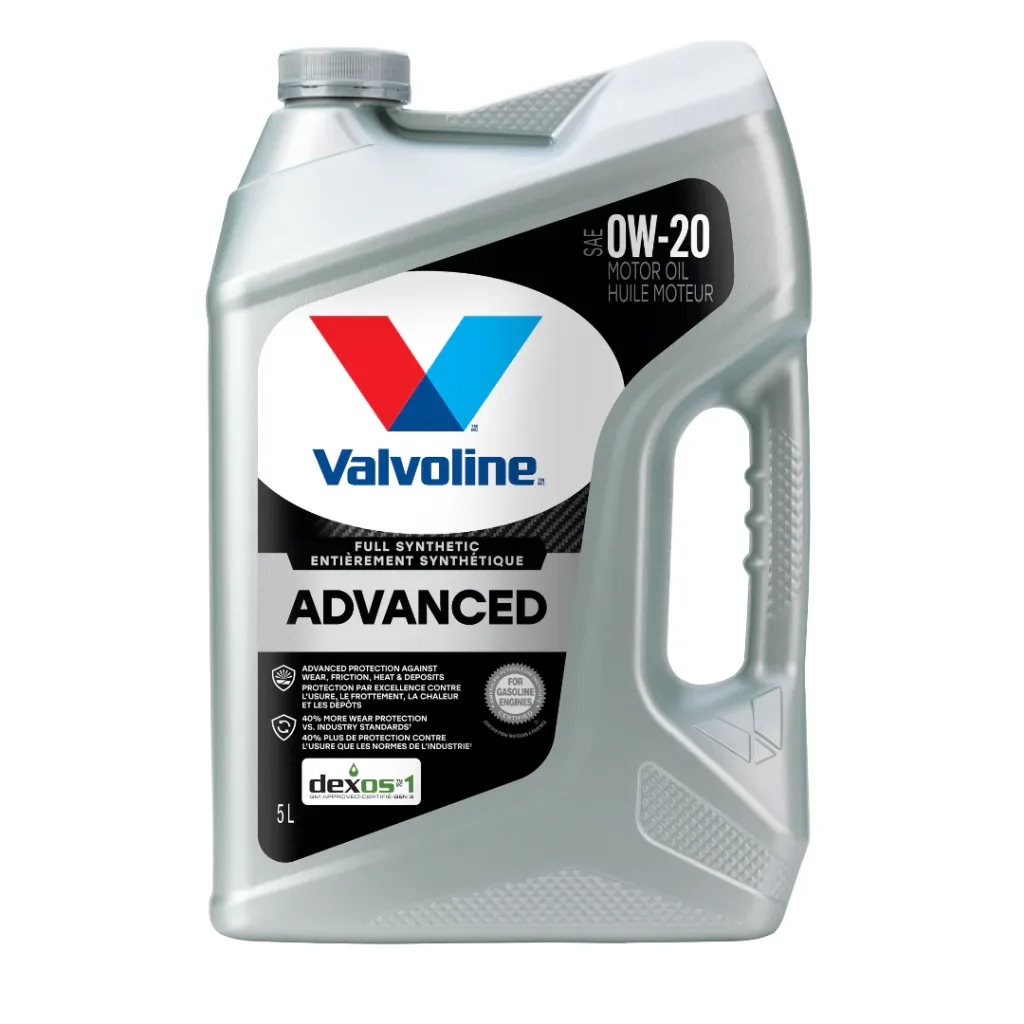
3. Valvoline Advanced Full Synthetic SAE 0W-20 Motor Oil
Description:
Valvoline is known for its consistent quality, and the Advanced Full Synthetic 0W-20 is no exception. It provides excellent protection against wear and deposit formation, making it ideal for everyday use.
Key Features:
- Special additives reduce oil breakdown under high temperatures.
- Meets or exceeds API and ILSAC standards.
- Provides enhanced protection for modern engines, including hybrids.
Pros:
- Affordable price without sacrificing quality.
- Compatible with most vehicles requiring 0W-20 oil.
- Superior wear protection.
Cons:
- Doesn’t offer specific fuel efficiency claims.
Best For:
Drivers looking for a reliable, budget-friendly synthetic oil for daily commuting.
Why Choose 0W-20 Oil?
1. Superior Performance in Extreme Temperatures
One of the standout qualities of 0W-20 oil is its ability to perform exceptionally well across a broad range of temperatures. During cold starts, when most engine wear occurs due to insufficient lubrication, the oil’s low viscosity allows it to flow quickly and coat engine components almost instantly. This fast circulation reduces friction and wear on vital parts like the crankshaft, camshaft, and pistons. In freezing temperatures, traditional oils can thicken and struggle to flow, but 0W-20 remains fluid, providing consistent protection even in sub-zero conditions.
At the other extreme, 0W-20 oil retains its protective qualities at high operating temperatures, ensuring that your engine remains well-lubricated even during prolonged highway driving or under heavy loads. This makes it a versatile option for drivers in diverse climates, from harsh winters to scorching summers. Its ability to maintain stability under these varying conditions ensures a smoother, more reliable performance and extends your engine’s lifespan.
2. Improved Fuel Efficiency
1. Superior Performance in Extreme Temperatures
One of the standout qualities of 0W-20 oil is its ability to perform exceptionally well across a broad range of temperatures. During cold starts, when most engine wear occurs due to insufficient lubrication, the oil’s low viscosity allows it to flow quickly and coat engine components almost instantly. This fast circulation reduces friction and wear on vital parts like the crankshaft, camshaft, and pistons. In freezing temperatures, traditional oils can thicken and struggle to flow, but 0W-20 remains fluid, providing consistent protection even in sub-zero conditions.
At the other extreme, 0W-20 oil retains its protective qualities at high operating temperatures, ensuring that your engine remains well-lubricated even during prolonged highway driving or under heavy loads. This makes it a versatile option for drivers in diverse climates, from harsh winters to scorching summers. Its ability to maintain stability under these varying conditions ensures a smoother, more reliable performance and extends your engine’s lifespan.
2. Improved Fuel Efficiency
Fuel efficiency is a key benefit of using 0W-20 oil, making it a favorite among environmentally conscious drivers and those looking to save money at the pump. The oil’s thin formulation minimizes internal friction between engine components, allowing them to move more freely. By reducing this friction, the engine doesn’t have to work as hard, which in turn lowers fuel consumption.
Additionally, the low viscosity of 0W-20 oil ensures that the engine operates efficiently, particularly during the initial start-up phase when fuel efficiency tends to dip. Over time, this enhanced efficiency translates into measurable savings, especially for those who drive frequently or over long distances. Many car manufacturers specifically recommend 0W-20 oil for their hybrid and eco-friendly models to achieve maximum fuel economy without compromising performance.
3. Compatibility with Modern Engines
As engine technology evolves, manufacturers are increasingly designing vehicles to be compatible with 0W-20 oil, particularly for modern, high-performance engines. This oil is widely recommended for turbocharged, direct injection, and hybrid engines, which demand advanced lubrication to manage higher pressures and temperatures. Its synthetic formulation not only meets these demands but also addresses potential issues like low-speed pre-ignition (LSPI), a common challenge in turbocharged engines.
Moreover, 0W-20 oil helps vehicles meet stringent emissions standards, as its formulation minimizes harmful deposits that could affect catalytic converters and other emissions control systems. By choosing 0W-20 oil, you ensure that your engine runs cleaner and more efficiently, reducing both wear and environmental impact. Its widespread compatibility with modern engines also makes it a go-to choice for car owners who want to align with manufacturer recommendations while maximizing the performance and longevity of their vehicles.
How to Choose the Best 0W-20 Oil
When selecting a 0W-20 oil, consider the following factors:
- Manufacturer Recommendations: Always check your vehicle owner’s manual for the recommended oil specifications.
- Certifications: Look for oils that meet API SN Plus, ILSAC GF-6, or equivalent standards for modern engines.
- Driving Conditions: For high-stress driving or extreme climates, choose premium options like Mobil 1 or Castrol EDGE.
- Price and Availability: While synthetic oils can be more expensive, they often last longer, making them a cost-effective choice over time.
Conclusion
Selecting the appropriate 0W-20 oil for your vehicle is crucial for ensuring long-term engine health and optimal performance. This low-viscosity oil is specially formulated to protect engines under various driving conditions, from cold starts in winter to high-speed highway driving. High-quality options like Mobil 1 Advanced Fuel Economy, Castrol EDGE, and Valvoline Advanced Full Synthetic provide superior lubrication, minimize wear and tear, and enhance engine cleanliness. These oils are also designed to reduce harmful deposits and sludge, ensuring that your engine remains in peak condition no matter the circumstances.
Each of these top-rated oils caters to specific driving needs and preferences. For instance, Mobil 1 Advanced Fuel Economy is ideal for those seeking enhanced fuel efficiency, while Castrol EDGE, with its Fluid Titanium Technology, is a go-to choice for high-performance vehicles that endure extreme pressures. Meanwhile, Valvoline Advanced Full Synthetic offers a budget-friendly yet reliable solution for daily drivers who prioritize consistent engine protection. Regardless of your vehicle type—whether it’s a hybrid, a turbocharged car, or a standard commuter—using these premium synthetic oils ensures that your engine stays protected and efficient.
When it comes to convenience, platforms like Amazon.com make it easier than ever to purchase the right oil for your vehicle. With detailed product descriptions, customer reviews, and competitive pricing, Amazon offers a one-stop solution for automotive maintenance. By choosing a high-quality 0W-20 oil, you’re not just investing in better fuel economy and reduced engine wear—you’re also prolonging your vehicle’s lifespan. Explore the range of options available on Amazon today to find the perfect oil for your car and keep it running smoothly for years to come.
FAQs
- Can I use 0W-20 oil in any car?
Always refer to your owner’s manual to confirm compatibility, as not all engines are designed for low-viscosity oils. - What makes synthetic 0W-20 better than conventional oil?
Synthetic oils offer superior protection, better fuel efficiency, and longer-lasting performance compared to conventional oils. - How often should I change 0W-20 oil?
Depending on your vehicle and driving habits, you can typically go 7,500 to 10,000 miles between changes. - Is 0W-20 oil suitable for high-performance cars?
Yes, especially products like Castrol EDGE, which are designed to handle extreme pressures and high temperatures. - What happens if I use the wrong oil viscosity?
Using the wrong oil can lead to reduced performance, increased wear, and potentially void your engine warranty. - Does 0W-20 oil improve fuel efficiency?
Yes, its low viscosity reduces internal engine friction, contributing to better fuel economy. - Is it safe to switch brands of 0W-20 oil?
Yes, as long as both oils meet the required specifications for your vehicle. - Can 0W-20 oil be used in older vehicles?
It depends on the engine’s design. Check with your manufacturer or mechanic before switching to a low-viscosity oil. - Does 0W-20 oil protect against sludge?
Yes, synthetic 0W-20 oils are formulated with detergents that help prevent sludge and deposits. - Where can I buy 0W-20 oil?
You can find it at auto parts stores, dealerships, and online platforms like Amazon.com, where you can often get competitive prices and convenient delivery options.
Connect with us


