





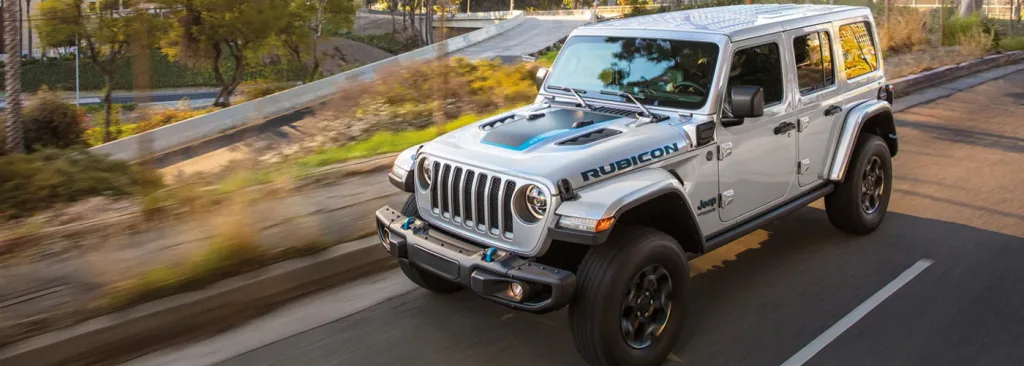
When people talk about off-road capability, the Jeep Wrangler is almost always the first vehicle mentioned. It’s the benchmark for off-road performance — rugged, iconic, and built to go where others can’t. But one factor that often gets overlooked is vehicle weight.
So how much does weight really affect a Wrangler’s off-road performance? The answer is a mix of physics, engineering, and smart design. In this article, we’ll break down how weight influences traction, handling, and durability — and why Jeep engineers strike such a delicate balance between strength and agility.
The Basics: How Much Does a Jeep Wrangler Weigh?
The Jeep Wrangler’s weight depends on its trim, configuration, and engine. Generally:
| Model | Drivetrain | Approx. Curb Weight |
|---|---|---|
| Wrangler Sport 2-Door | 4×4 | ~3,950 lbs |
| Wrangler Rubicon 2-Door | 4×4 | ~4,300 lbs |
| Wrangler Unlimited Sport 4-Door | 4×4 | ~4,400 lbs |
| Wrangler Unlimited Rubicon 4-Door | 4×4 | ~4,700 lbs |
| Wrangler 4xe Plug-In Hybrid | 4×4 | ~5,200 lbs |
| Wrangler Rubicon 392 (V8) | 4×4 | ~5,200–5,400 lbs |
While that’s significantly heavier than compact SUVs, it’s relatively light compared to full-size trucks. Jeep’s engineering keeps weight in check while maintaining a rigid body-on-frame construction — crucial for tackling rugged trails.
Why Weight Matters Off-Road
Off-roading involves physics as much as torque and traction. Weight affects how a Wrangler climbs, crawls, and corners on challenging terrain.
Here’s how it plays a role in different scenarios:
1. Traction and Stability
Heavier vehicles press their tires more firmly into the ground, which can improve traction on rock and hard surfaces. The Jeep Wrangler benefits from this — especially models like the Rubicon that have larger tires and locking differentials to capitalize on that grip.
However, there’s a limit. Too much weight increases the likelihood of tires sinking in sand or mud. That’s why the Wrangler balances its weight carefully: it’s heavy enough to hold traction on rocks but not so heavy that it bogs down in soft soil.
In short:
- On rocky, dry terrain → More weight = better grip.
- On mud, sand, or snow → More weight = greater chance of sinking.
2. Climbing and Approach Angles
When climbing steep grades, a heavier vehicle requires more power and traction to ascend. That’s where weight distribution comes into play.
Jeep engineers designed the Wrangler with balanced front-to-rear weight and short overhangs, giving it outstanding approach, breakover, and departure angles. Even though it’s heavier than older CJ models, the Wrangler’s geometry and low-range gearing allow it to climb without excessive wheelspin.
For example, the 2025 Wrangler Rubicon offers:
- Approach Angle: Up to 47.4°
- Breakover Angle: 27.8°
- Departure Angle: 40.4°
Those numbers remain strong partly because the Wrangler’s weight sits low in the chassis, keeping the center of gravity stable on uneven terrain.
3. Center of Gravity and Body Roll
A vehicle’s center of gravity (CG) plays a big role in off-road stability. Too high, and you risk rolling over on steep trails. Too low, and you lose ground clearance.
The Wrangler finds a sweet spot: its solid axles, wide stance, and balanced weight make it stable on slopes and rocky climbs. While heavier models like the Wrangler 4xe or Rubicon 392 do carry more mass higher in the chassis, Jeep compensates with upgraded suspensions, wider tracks, and tuned shock absorbers.
Result: Heavier Wranglers remain impressively stable even on demanding trails.
4. Acceleration and Braking
Extra weight naturally impacts how fast a vehicle can accelerate or stop. Off-road, acceleration isn’t the goal — control is. However, a lighter Wrangler (like the 2-door Sport) will feel more nimble and responsive when changing direction or climbing tight switchbacks.
Heavier trims, particularly hybrid and V8 models, take longer to stop and require beefier brakes and tires. Jeep upgrades braking systems accordingly, ensuring that even the heaviest Wranglers maintain safe stopping power.
5. Fuel Economy and Efficiency
More weight means more energy required to move — simple physics. That’s why lighter two-door Wranglers tend to post slightly better fuel economy than the heavier four-door or 392 models.
| Model | Approx. Fuel Economy (Combined) |
|---|---|
| Wrangler Sport 2-Door (2.0L Turbo) | ~22 mpg |
| Wrangler Unlimited 4-Door (V6) | ~20 mpg |
| Wrangler 4xe Plug-In Hybrid | ~49 MPGe (combined gas + electric) |
| Wrangler Rubicon 392 (V8) | ~14 mpg |
Still, Jeep offsets weight-related fuel losses with advanced powertrains, including turbocharged engines, plug-in hybrids, and efficient transmissions.
6. Durability and Component Stress
Heavier vehicles put more stress on suspension, drivetrain, and tires — especially during impacts or uneven terrain. Jeep’s solution is overengineering: solid Dana axles, heavy-duty control arms, and off-road-tuned shocks that can handle the abuse.
Lighter doesn’t always mean better durability. In fact, part of the Wrangler’s off-road strength comes from its reinforced steel frame and underbody protection, which add weight but drastically improve longevity.
Wrangler Weight vs. Competitors
| Vehicle | Curb Weight | Off-Road Focus | Comments |
|---|---|---|---|
| Jeep Wrangler Rubicon (4-Door) | ~4,700 lbs | Trail-rated | Balanced strength-to-weight ratio |
| Ford Bronco Badlands | ~4,800 lbs | Off-road oriented | Slightly heavier, similar capability |
| Toyota 4Runner TRD Off-Road | ~4,600 lbs | Mid-size SUV | Heavier body, lower approach angle |
| Land Rover Defender 110 | ~5,000 lbs | Luxury off-roader | More weight, less crawl control precision |
The Wrangler remains one of the lightest true 4×4 SUVs, which directly contributes to its agility and crawl performance. In tight trails or rock gardens, less weight means fewer hang-ups and easier recovery if you get stuck.
How Jeep Balances Weight and Capability
Jeep engineers have refined Wrangler’s design for decades, using materials and layouts that maximize strength while minimizing unnecessary mass:
- Aluminum Doors and Hood – Reduces body weight
- High-Strength Steel Frame – Adds rigidity without massive bulk
- Compact Engines with Turbocharging – Delivers power with less mass
- Optimized Suspension Geometry – Keeps weight low and stable
This balance ensures every Wrangler — from the entry-level Sport to the trail-dominating Rubicon 392 — delivers predictable handling and traction no matter how much it weighs.
The 4xe Factor: Weight with a Purpose
The Wrangler 4xe plug-in hybrid is heavier than any gasoline Wrangler, thanks to its lithium-ion battery pack. But that weight isn’t a drawback — it’s strategically placed low in the chassis, lowering the center of gravity and improving traction.
Even though it tips the scales around 5,200 lbs, the 4xe often feels more planted off-road. The instant electric torque helps overcome obstacles at low speed without revving the engine, and its weight distribution adds confidence on climbs.
So, in the 4xe’s case, added weight actually enhances stability and traction.
Tips for Managing Weight When Off-Roading
- Don’t overload your Wrangler. Extra gear, water, and tools can add hundreds of pounds, affecting suspension articulation.
- Distribute cargo evenly. Keep heavy items low and centered to maintain balance.
- Upgrade wisely. Larger tires, bumpers, and winches add functionality—but also weight. Balance upgrades with suspension improvements.
- Check your tire pressure. Heavier setups may require slightly lower off-road pressures for optimal traction.
- Know your limits. Your Wrangler’s Gross Vehicle Weight Rating (GVWR) includes passengers and gear—stay within that range to protect your drivetrain.
Final Thoughts: Weight Is a Tool, Not a Weakness
The weight of a Jeep Wrangler isn’t a flaw — it’s part of what makes it capable. It gives the Wrangler traction, stability, and toughness, yet it’s carefully managed to prevent the sluggishness or sinkage heavier SUVs suffer from off-road.
Jeep’s decades of off-road experience have taught engineers how to make every pound count. Whether you choose a nimble 2-door or a fully equipped Rubicon 392, you’re driving one of the most perfectly balanced off-road vehicles ever built.
Explore Jeep Wrangler Capability at Simi Valley CDJR
Ready to experience real off-road balance in person? Visit Simi Valley Chrysler Dodge Jeep Ram to test-drive the latest Wrangler lineup — from lightweight 2-door Sport models to the powerful Rubicon 392 and efficient 4xe hybrid.
👉 View New Jeep Wrangler Inventory
👉 Value Your Trade
👉 Apply for Financing
👉 See Current Jeep Offers
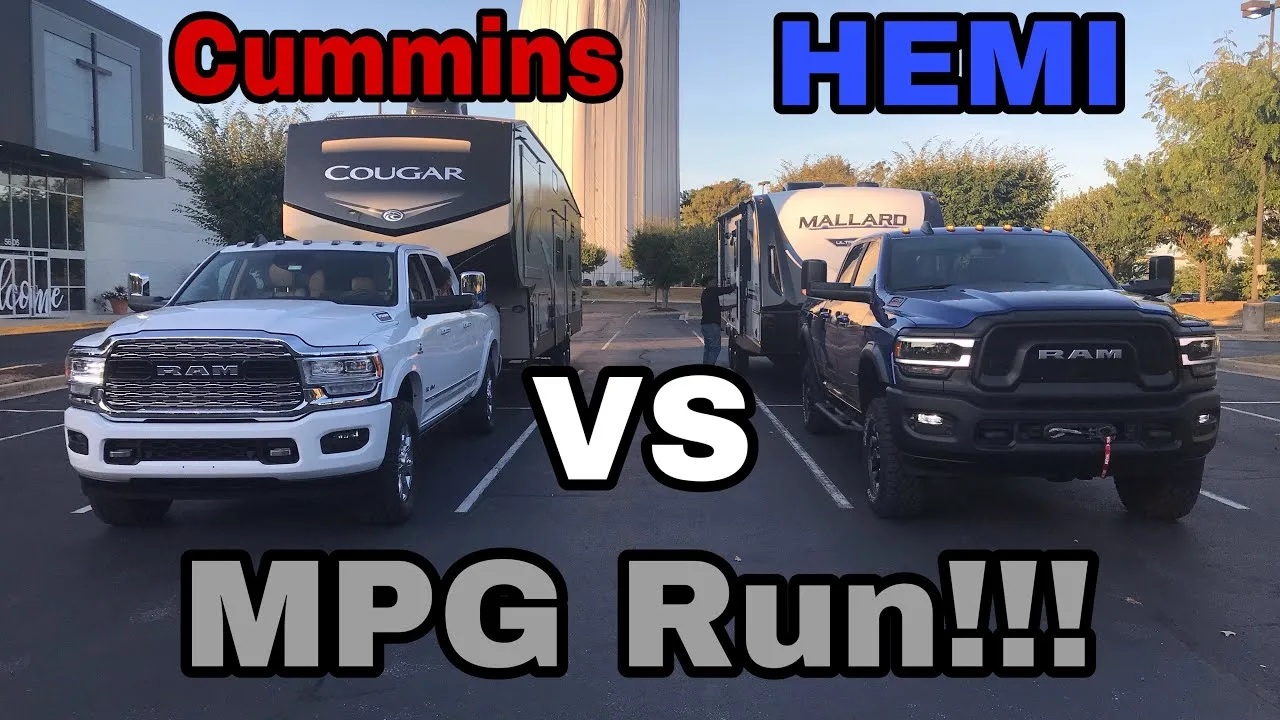
When it comes to Ram trucks, few debates are as legendary as Hemi vs. Cummins. Both engines are icons in their own right—each representing a different philosophy of power, performance, and purpose. The Hemi stands for raw gasoline muscle and reliability, while the Cummins diesel embodies industrial-grade torque and long-haul toughness.
If you’re choosing between them for your next Ram 2500 or 3500, understanding how these engines differ can save you thousands and help you get the truck that actually fits your lifestyle.
At Simi Valley Chrysler Dodge Jeep Ram, we’ve broken down every key factor: power, towing, fuel economy, cost, and long-term ownership.
What Is a HEMI Engine?
The Hemi V8 is one of the most famous engines in American history. Its name comes from the hemispherical shape of its combustion chambers—an engineering design that improves airflow, combustion efficiency, and power output.
In Ram heavy-duty trucks, the modern 6.4-liter Hemi delivers:
- 410 horsepower
- 429 lb-ft of torque
- 8-speed automatic transmission
This engine powers the Ram 2500 Tradesman, Big Horn, Laramie, and Power Wagon, offering impressive performance for drivers who want strength and simplicity without stepping into diesel territory.
Key Advantages:
- Gasoline fuel (widely available and affordable)
- Quick throttle response
- Lower maintenance costs than diesel
- Ideal for daily driving and moderate towing
What Is a Cummins Engine?
The Cummins Turbo Diesel is an entirely different breed of powerplant. Built by Cummins, a legendary name in heavy-duty engines, it’s designed for durability, torque, and efficiency under extreme loads. Ram offers the 6.7-liter Cummins I6 Turbo Diesel in several versions depending on the truck:
- Standard Output: 370 hp / 850 lb-ft of torque (Ram 2500)
- High Output: 420–430 hp / up to 1,075 lb-ft of torque (Ram 3500)
The Cummins engine uses a cast-iron block, forged steel crankshaft, and high-pressure fuel system built to handle massive torque loads. In short—it’s built for work, not play.
Key Advantages:
- Exceptional towing power (up to 37,000 lbs with the Ram 3500)
- Long engine life under heavy use
- Better fuel economy when towing
- High resale value for diesel trucks
Side-by-Side: Hemi vs. Cummins
| Feature | 6.4L HEMI® V8 | 6.7L Cummins® Turbo Diesel I6 |
|---|---|---|
| Horsepower | 410 hp | 370–430 hp |
| Torque | 429 lb-ft | 850–1,075 lb-ft |
| Fuel Type | Gasoline | Diesel |
| Transmission | 8-Speed Auto | 6-Speed or 8-Speed Auto |
| Max Towing Capacity | ~17,500 lbs | Up to 37,090 lbs |
| Payload Capacity | ~4,000 lbs | ~7,680 lbs |
| Engine Block | Cast Iron/Aluminum | Cast Iron |
| Fuel Economy | 13–18 mpg (approx.) | 14–22 mpg (approx.) |
| Starting MSRP Difference | Lower | Higher (~$9,000–$11,000 more) |
| Maintenance Cost | Lower | Higher (DEF, fuel filters, oil capacity) |
| Best For | Daily drivers, moderate towing | Heavy-duty towing, work fleets, long hauls |
Performance and Driving Feel
HEMI: Punchy Power, Instant Response
The Hemi’s naturally aspirated design gives it instant throttle response. Step on the gas, and it roars to life with a familiar, muscular tone. It’s the perfect match for drivers who want to feel connected to the truck—no turbo lag, no hesitation, just raw acceleration.
For daily driving around Ventura County or Simi Valley, it feels smooth, quick, and predictable. It also starts easily in cold weather, uses widely available gasoline, and doesn’t require diesel exhaust fluid (DEF).
Cummins: Relentless Low-End Torque
By contrast, the Cummins diesel is all about pulling power. Its turbocharged design produces most of its torque below 2,000 rpm, which means it moves heavy trailers effortlessly. Whether you’re hauling construction equipment, RVs, or livestock, that torque makes every climb and start smoother and safer.
Diesel engines naturally operate at lower rpm, meaning less strain and better efficiency under load. It’s quieter than older diesels and built to run hundreds of thousands of miles with proper care.
Towing and Payload Comparison
If towing capacity is your number-one priority, the Cummins is the clear winner. The diesel torque advantage makes an enormous difference once you’re over 10,000 lbs of trailer weight.
- Hemi V8: Up to 17,500 lbs towing
- Cummins Diesel: Up to 37,090 lbs towing (Ram 3500 High Output)
For occasional towing—boats, small campers, or utility trailers—the Hemi is more than enough. But if you tow professionally or regularly haul heavy equipment, the Cummins pays for itself in performance and longevity.
Fuel Economy and Range
Diesel engines are inherently more fuel-efficient than gasoline ones, especially when loaded. The Cummins 6.7L uses roughly 20–25% less fuel under heavy towing than the 6.4L Hemi.
However, diesel fuel itself often costs more per gallon. So the savings depend on how much you tow and drive. For light daily use, the fuel advantage may not offset the higher upfront diesel cost. For long-distance or heavy towing, the Cummins easily wins.
| Scenario | Hemi V8 MPG | Cummins Diesel MPG |
|---|---|---|
| City Driving | 12–14 | 14–17 |
| Highway (empty) | 17–19 | 20–23 |
| Towing Heavy Loads | 8–10 | 12–14 |
| Range on Full Tank | ~400 miles | 600–700 miles |
Ownership Costs and Maintenance
HEMI: Simple, Familiar, Affordable
The Hemi’s maintenance schedule is similar to most gasoline vehicles—oil changes, filters, and spark plugs. There’s no diesel exhaust fluid (DEF) to top off, and repair costs are generally lower.
Typical service intervals:
- Oil Change: Every 6,000–8,000 miles
- Spark Plugs: Every 100,000 miles
- Fuel Filter: Standard gasoline type
Overall, Hemi owners enjoy lower maintenance and operating costs.
Cummins: Built for the Long Haul
Diesel maintenance is more involved but designed for endurance:
- Oil Capacity: ~12 quarts (vs. 7 for Hemi)
- Fuel Filters: Typically replaced every 15k–20k miles
- DEF Fluid: Refilled every few thousand miles
- Turbo and emissions components require proper service intervals
The trade-off? These engines can last 400,000+ miles when properly maintained—far beyond most gasoline engines.
Reliability and Durability
- Hemi Reliability: Proven track record in Ram trucks, Chargers, and Challengers. Excellent when maintained and not overloaded.
- Cummins Reliability: Industrial-grade design, often used in commercial and agricultural settings. Known for running reliably in extreme conditions.
If your truck will live its life pulling loads, the Cummins has a reputation for outlasting almost everything else on the road. If your Ram is mostly commuting and weekend hauling, the Hemi’s simplicity might be the better fit.
Sound and Driving Experience
For many enthusiasts, this one’s emotional.
- Hemi V8: Classic muscle sound—deep rumble, instant throttle, old-school charm.
- Cummins Diesel: Quieter than before, but still gives that steady diesel clatter under load with a strong exhaust brake note.
If you love that V8 growl when pulling away from a stoplight, the Hemi will make you smile. If you appreciate the calm authority of a diesel engine working under stress-free low RPMs, the Cummins will win you over.
Pricing and Resale Value
Upgrading from the Hemi to the Cummins usually adds $9,000–$11,000 to the truck’s price. That’s a big jump, but diesel trucks tend to retain more resale value—especially if maintained properly and sold in areas where heavy towing is common.
Resale Snapshot (5 years / good condition):
- Hemi: ~55–60% of original value
- Cummins: ~65–70% of original value
So while diesel costs more up front, it can pay you back later at trade-in time.
Which One Fits Your Lifestyle?
| Usage Type | Recommended Engine | Reason |
|---|---|---|
| Daily Driving / Light Commuting | Hemi | Lower cost, simple maintenance |
| Occasional Towing (boats, campers) | Hemi | Enough torque for moderate loads |
| Frequent Towing / Heavy Equipment | Cummins | Massive torque and endurance |
| Commercial / Fleet Use | Cummins | Longevity, efficiency under load |
| Performance & Street Feel | Hemi | Sportier response, classic sound |
| Long-Distance Highway Use | Cummins | Fuel efficiency and range |
Environmental Impact and Regulations
Diesel technology has evolved dramatically. The Cummins meets stringent EPA standards using selective catalytic reduction (SCR) and diesel exhaust fluid (DEF). Modern diesels are cleaner than ever—but they do require these emissions systems to work properly.
The Hemi, on the other hand, uses gasoline particulate filters and variable valve timing to reduce emissions while delivering strong performance. It’s simpler for those who prefer less aftertreatment complexity.
Expert Insight from Simi Valley CDJR
At Simi Valley Chrysler Dodge Jeep Ram, we see both engine types serving completely different buyers:
- Contractors, haulers, and long-distance drivers usually choose Cummins for its unmatched torque and efficiency.
- Commuters, families, and recreational owners often go with the Hemi for its smoothness, responsiveness, and affordability.
Both engines benefit from Ram’s reputation for durability and craftsmanship, so it’s hard to make a wrong choice—it’s about choosing the right fit for your daily life.
Ready to Test Drive Both?
Whether you’re comparing the 6.4L HEMI V8 or the 6.7L Cummins Turbo Diesel, the best way to decide is to feel the difference behind the wheel. You’ll immediately notice the Hemi’s crisp response versus the Cummins’ effortless torque.
Visit us at Simi Valley Chrysler Dodge Jeep Ram to explore the latest Ram 2500 and Ram 3500 inventory, side-by-side with real lease and finance options.
👉 Shop New Ram Trucks
👉 Apply for Financing
👉 Value Your Trade
👉 View Current Offers
Final Verdict
Both the Hemi V8 and the Cummins Diesel engines are legends for a reason:
- Choose the Hemi if you want lower upfront cost, responsive performance, and simple upkeep.
- Choose the Cummins if you need uncompromising power, heavy-duty towing, and unmatched longevity.
No matter which you choose, both are backed by Ram’s robust engineering and Simi Valley CDJR’s expert service—ensuring your truck works as hard as you do.
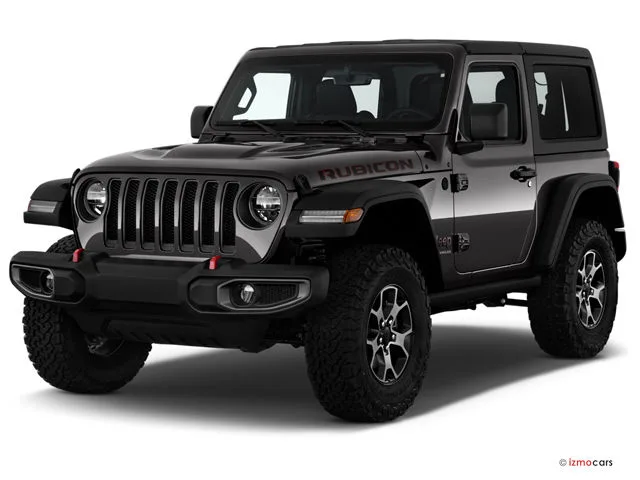
If a Jeep Wrangler is on your shortlist, the next step is understanding how monthly payments work—whether you choose to finance or lease. This guide breaks down both options in plain English, shows you what impacts your payment, and gives you dealership tools to get accurate numbers fast.
Finance vs. Lease: Which One Fits You?
| Factor | Finance (Buy) | Lease |
|---|---|---|
| Monthly Payment | Higher (you’re paying down the full vehicle price) | Lower (you’re paying for depreciation over the term) |
| Ownership | You own it at the end | You return it or buy it at residual value |
| Mileage | Unlimited | Typically 10k–15k miles/year (customizable) |
| Customization | Full freedom (lifts, wheels, bumpers) | Limited—must return in acceptable condition |
| Equity | Builds equity over time | No equity unless you buy it out |
| Best For | Long-term keepers, heavy modifiers, high-milers | Lower monthly payment seekers, new-every-few-years drivers |
What Determines Your Monthly Payment?
Whether you lease or finance, the same core inputs drive your payment:
- Vehicle Price / Cap Cost
- Finance uses the selling price.
- Lease uses cap cost (negotiated price) and MSRP (to set residual).
- Down Payment / Cap Cost Reduction
- More down = lower monthly cost.
- In leases, “cap reduction” directly lowers the adjusted cap cost.
- Term Length
- Finance terms commonly range 36–84 months.
- Lease terms typically 24–42 months.
- Rate
- Finance uses APR.
- Lease uses money factor (MF) (approx. APR ≈ MF × 2400).
- Taxes & Fees
- Finance: many states tax the vehicle price (net of trade).
- Lease: many states tax the monthly payment.
- Doc, DMV, acquisition (lease), and registration fees also apply.
- Trade-In Value
- Lowers the amount financed or reduces cap cost on a lease.
Tip: To see real numbers for your Wrangler scenario, use our tools:
How to Estimate a Finance Payment (Example Walkthrough)
Scenario: Wrangler with a $39,990 selling price, $4,000 down, 60-month term, and a sample APR.
- Start with Price – Down – Trade + Fees + Tax to find the amount financed (state rules vary).
- Apply the standard auto-loan formula with your APR and term.
- The Payment Calculator handles all of this automatically and shows your estimated monthly cost plus total paid over term.
Use our Payment Calculator to model different down payments, terms, and rates side-by-side.
How a Lease Payment Is Built (What Really Matters)
Lease math is simple once you know the pieces:
- Adjusted Cap Cost = (Negotiated Price + Acquisition Fee if rolled in) − Cap Reduction
- Residual Value = MSRP × Residual % (set by lender)
- Depreciation Charge = (Adjusted Cap Cost − Residual) ÷ Term
- Finance (Rent) Charge = (Adjusted Cap Cost + Residual) × Money Factor
- Pre-Tax Monthly = Depreciation + Finance Charge
- Monthly w/ Tax = Pre-Tax Monthly × (1 + Sales Tax Rate, if your state taxes payments)
What you can control: negotiate the price (cap cost), decide on cap reduction, choose term, and compare programs. If you need more miles per year, request a higher mileage allowance up front—this usually costs less than paying excess mileage at the end.
Wrangler Trims: Why Payment Can Vary
- Sport / Willys: Lower starting prices, rugged basics, excellent value.
- Sahara: More comfort and tech, often higher residuals than base trims.
- Rubicon: Extreme off-road hardware; higher price but strong demand.
- 4xe (Plug-In Hybrid): Electric torque, potential federal/state incentives where applicable, different residual behavior; ask for current program details.
Browse real vehicles with VIN-specific pricing: New Jeep Inventory
Lowering Your Wrangler Payment: Proven Moves
- Increase your down payment or cap reduction.
- Consider a longer term (finance) or different term (lease) for program sweet spots.
- Compare trims with stronger residuals (can lower a lease payment).
- Check current incentives: loyalty, conquest, military, first responder, college, or finance cash.
- Trade-in your current vehicle to reduce financed/cap cost.
- Optimize taxes based on your state rules (our team will explain how your local tax applies).
Common Questions (Quick Answers)
Q: Is leasing a Wrangler cheaper per month than financing?
Often, yes—because you’re paying for depreciation rather than the entire vehicle. Financing can make more sense if you plan to keep and customize long-term.
Q: Can I buy my leased Wrangler at the end?
Yes. You can purchase it for the residual value plus applicable fees/taxes—great option if you love it and the buyout pencils out.
Q: What if I need more than 12k–15k miles per year?
Ask for higher annual mileage up front; it typically raises the payment slightly but is cheaper than end-of-lease overage fees.
Q: Do accessories affect my payment?
They can. Adding factory or dealer equipment may increase cap cost or selling price. Many customers finance accessories or add them after purchase.
Q: I have a trade-in with a loan—can I still lease?
Yes. Your trade’s equity can reduce cap cost; negative equity can be rolled in subject to lender approval.
Get Your Exact Monthly Payment in Minutes
You don’t have to guess. Use our online tools and get a clear estimate before you visit:
- Payment Calculator – model finance payments instantly
- Apply for Financing – see your real approval terms
- Value Your Trade – put your equity to work
- Wrangler Specials – current programs and offers
Simi Valley Chrysler Dodge Jeep Ram is here to help you structure a Wrangler payment that fits—whether you’re building a trail-ready Rubicon or a daily-driven Sahara.
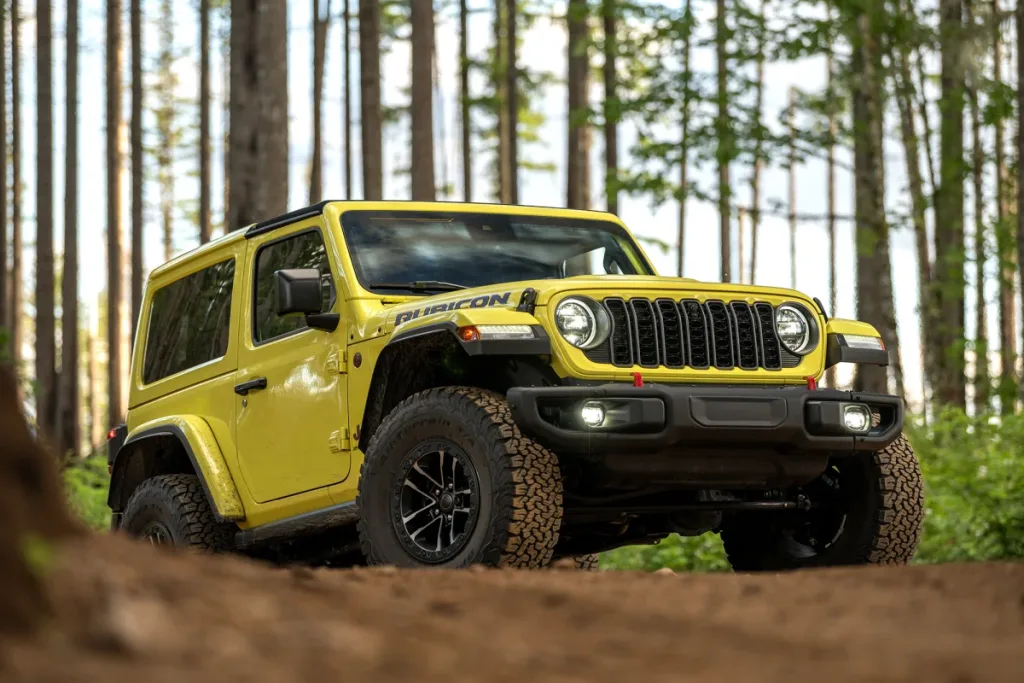
It’s a smart question — because knowing what to expect helps you budget confidently, compare trim levels, and decide whether buying or leasing makes the most sense for you. In this guide, we’ll show you how to easily estimate your monthly Jeep Wrangler payments, what factors affect them, and how to get the most accurate quote online.
Auto Payment Calculator (USA)
Estimate monthly payments for finance or lease. Sales tax, fees, trade-in, money factor & residual supported.
Amortization Schedule
Why Estimate Your Jeep Wrangler Payments?
The Jeep Wrangler isn’t just a vehicle — it’s an adventure machine. But its cost can vary significantly depending on the model, trim, and financing terms you choose. Estimating your monthly payment early helps you:
- Plan your budget before visiting the dealership
- Compare Wrangler trims (Sport, Willys, Sahara, Rubicon, 4xe)
- See how down payment and APR affect your cost
- Decide whether to lease or finance based on your driving habits
With a few simple numbers, you can get a reliable estimate — even before speaking with our finance department.
Step 1: Check Current Wrangler Pricing
Before estimating your payment, start by finding the price of the model you want.
Visit Simi Valley CDJR’s New Jeep Inventory and look for the latest Wrangler listings.
Here’s a quick idea of starting MSRPs (as of Fall 2025):
| Model | Starting MSRP (USD) |
|---|---|
| 2025 Jeep Wrangler Sport | $33,990 |
| 2025 Jeep Wrangler Willys | $39,490 |
| 2025 Jeep Wrangler Sahara | $46,790 |
| 2025 Jeep Wrangler Rubicon | $51,890 |
| 2025 Jeep Wrangler 4xe | $54,735 |
These are base prices — optional features, destination charges, and taxes can change the final cost.
Step 2: Use the Online Payment Calculator
At Simi Valley Chrysler Dodge Jeep Ram, you can use the Payment Calculator to estimate your monthly Jeep payment.
You’ll enter a few simple details:
- Vehicle price (use the MSRP or the price shown in our listings)
- Down payment (the amount you plan to pay upfront)
- Loan term (usually 36–72 months)
- Estimated interest rate (APR)
- Trade-in value, if applicable
The calculator will instantly show your estimated monthly payment.
Example Estimate:
Let’s say you’re considering a 2025 Jeep Wrangler Willys 4×4 priced at $39,490.
| Factor | Example Input |
|---|---|
| Down Payment | $4,000 |
| Loan Term | 60 months |
| Interest Rate (APR) | 6.9% |
| Trade-In Value | $2,000 |
Using these figures, your estimated monthly payment would be around $555/month, excluding taxes and fees.
(Note: Actual payments depend on approved credit, taxes, and incentives at time of purchase.)
Step 3: Understand What Affects Your Payment
Your Wrangler payment depends on several key factors:
- Down Payment – The more you put down, the less you finance. A higher down payment reduces your monthly cost.
- APR (Interest Rate) – Based on your credit score and loan term. Lower rates mean lower payments.
- Loan Term – Longer terms (e.g., 72 months) lower the monthly payment but increase total interest paid.
- Trade-In Value – Your current vehicle can significantly reduce your balance if applied toward your new Wrangler.
- Sales Tax & Fees – Local taxes, documentation fees, and add-ons can slightly adjust your total.
Step 4: Compare Financing vs. Leasing
If you’re unsure whether to finance or lease, here’s a quick comparison:
| Option | Monthly Payment | Mileage Limit | Ownership | Best For |
|---|---|---|---|---|
| Lease | Lower | 10k–15k miles/year | Return after term | Drivers who like new vehicles every few years |
| Finance (Buy) | Higher | Unlimited | Keep the vehicle long-term | Drivers who want to own and customize their Jeep |
You can view current Wrangler lease specials on our New Specials Page to see which option fits your lifestyle and budget.
Step 5: Get Pre-Approved Online
Once you’ve estimated your payments, the next step is to get pre-approved.
Use the Online Financing Application to securely submit your information. Pre-approval helps you:
- Lock in your interest rate
- See exactly what payment range you qualify for
- Save time at the dealership
Our finance experts will contact you with real numbers — no guesswork.
Step 6: Explore Trade-In Options
If you’re trading in your current vehicle, find out what it’s worth using our Value Your Trade tool. Enter your vehicle’s year, make, model, and condition, and you’ll receive an estimated offer within minutes.
Your trade-in can often serve as your down payment — lowering your financed amount and monthly cost.
Pro Tip: Take Advantage of Special Incentives
Jeep often offers limited-time incentives such as:
- Low-APR financing
- Cash back offers
- Lease loyalty programs
- Military or first-responder bonuses
These can reduce your monthly payment or upfront costs.
Be sure to check the Specials Page regularly — offers are updated every month.
Final Thoughts: Estimating Your Jeep Wrangler Payment is Simple
You don’t need to visit multiple websites or crunch complicated formulas. With Simi Valley Chrysler Dodge Jeep Ram’s online payment calculator, trade-in estimator, and pre-approval tools, you can get a highly accurate idea of your Jeep Wrangler payment in minutes.
Whether you’re ready to buy or lease, our team will help you secure the best possible rate and structure — tailored to your needs.
Start Your Estimate Today
👉 Shop New Jeep Wranglers
👉 Use the Payment Calculator
👉 Apply for Financing
👉 Value Your Trade
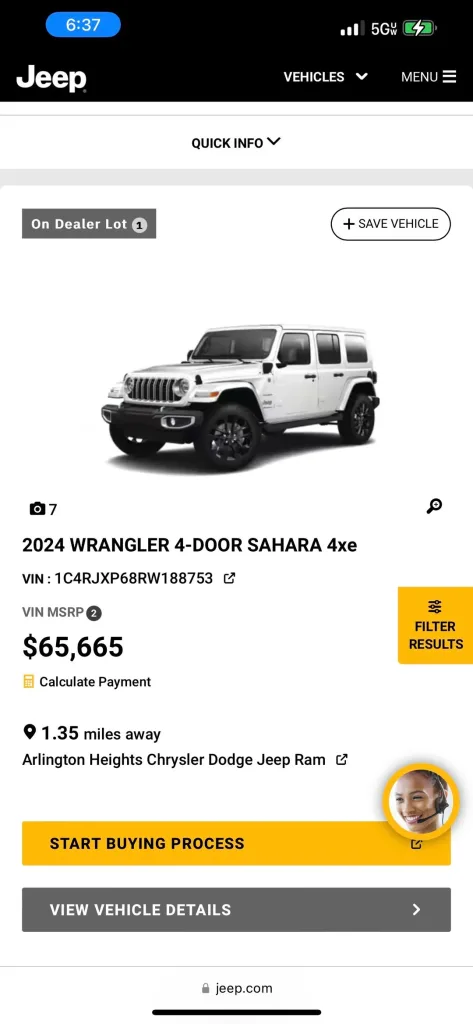
When you’re shopping for a Jeep Wrangler, one of the smartest things you can do is compare lease options before signing anything. The good news is — yes, you can easily compare different Jeep Wrangler lease options online through Simi Valley Chrysler Dodge Jeep Ram. Doing so can help you find the best payment plan, term, and trim level for your lifestyle and budget.
In this guide, we’ll explain how to compare Wrangler lease deals online, what factors to consider, and how to make sure you’re getting the best value from your lease.
Why Compare Jeep Wrangler Lease Options Online?
The Jeep Wrangler isn’t just another SUV — it’s a lifestyle icon built for freedom, capability, and adventure. But with multiple trims, powertrains, and lease incentives available, finding the right deal can get confusing.
That’s why online comparison is key. When you explore Simi Valley Chrysler Dodge Jeep Ram’s online inventory and special offers, you can:
- See real-time lease payments on different Wrangler models
- Compare down payment amounts, term lengths, and annual mileage allowances
- Identify special discounts or limited-time promotions
- Pre-qualify for financing or trade-in evaluations before visiting the dealership
How to Compare Jeep Wrangler Lease Deals Online
1. Start with the Simi Valley CDJR Lease Offers Page
Head to the New Specials page. You’ll find lease offers for popular Wrangler trims such as the Wrangler Sport, Willys 4xe, and Rubicon — often with promotional pricing and low monthly payments.
Each listing includes details like:
- Lease term (24, 36, or 48 months)
- Annual mileage allowance (often 10,000–12,000 miles per year)
- Amount due at signing
- Expiration date of the offer
For example, you might see:
2025 Jeep Wrangler Willys 4xe — Lease for $199/month for 24 months with $3,995 due at signing.
That’s the kind of transparency that lets you compare apples to apples.
2. Compare Different Trim Levels
Wranglers come in a variety of trims, each with different features and lease prices. Here’s a quick overview:
| Trim | Drivetrain | Highlights | Typical Lease Range* |
|---|---|---|---|
| Sport | 4×4 | Classic off-road capability, manual transmission | $249–$299/month |
| Willys 4xe | Plug-in Hybrid | Electric torque, great for eco-conscious adventurers | $199–$299/month |
| Sahara | 4×4 | Leather-trimmed interior, advanced tech | $349–$399/month |
| Rubicon | Rock-Trac 4×4 | Extreme off-road performance, locking differentials | $399–$499/month |
*Pricing varies based on credit, down payment, and mileage allowance.
When comparing online, note that even small differences — such as wheel options or the addition of a hardtop — can influence your monthly payment.
3. Factor In the Total Lease Cost
It’s tempting to focus only on the monthly payment, but the total lease cost gives you a clearer picture. When comparing options, add up:
- Monthly payment × lease term
- Down payment or amount due at signing
- Applicable taxes, title, and fees
For example, a Wrangler with a $299/month lease for 36 months and $3,000 down actually costs about $13,764 total before taxes and fees.
4. Consider Mileage Allowance and Residual Value
Mileage limits are a big part of every lease. Standard Wrangler leases often allow 10,000–12,000 miles per year, but you can often negotiate higher limits if needed.
Residual value — what the vehicle is worth at the end of the lease — also affects your payment. Vehicles like the Wrangler tend to have strong resale values, meaning you’ll often get a lower monthly payment compared to other SUVs in the same class.
5. Look for Lease Incentives and Bonus Programs
Simi Valley Chrysler Dodge Jeep Ram regularly updates their incentives. You might find:
- Low APR or special lease rates
- Cash allowances for qualified lessees
- Military, student, or loyalty rebates
- Trade-in bonuses that lower your upfront cost
Checking these online before you visit the dealership ensures you don’t miss a deal.
What to Watch Out For When Comparing Online
- Due at signing: A low monthly payment might come with a large initial payment.
- Mileage overage fees: Most leases charge $0.25–$0.30 per extra mile.
- Credit qualification: Promotional rates typically apply to qualified buyers.
- Term length: A 24-month lease may cost more monthly than a 36-month one but gives you more flexibility.
Always read the fine print on each offer — or simply contact the Simi Valley CDJR team for a breakdown of what’s included.
Why Lease a Wrangler from Simi Valley Chrysler Dodge Jeep Ram?
Simi Valley CDJR makes the leasing process transparent, fast, and flexible. You can:
- Browse online inventory of new Jeep Wranglers
- Apply for financing or get pre-approved online
- Estimate your trade-in value with their trade-in tool
- Schedule a test drive without any obligation
Their team works with you to customize mileage, term, and payment structure — so you drive away with confidence.
Ready to Compare Jeep Wrangler Lease Options Online?
Yes, you can — and you should. Whether you’re eyeing the Jeep Wrangler Sport for rugged daily use or the Rubicon 4xe for hybrid power and off-road dominance, Simi Valley Chrysler Dodge Jeep Ram gives you all the tools to compare and choose the right lease for your lifestyle.
Start your comparison now:
👉 View New Jeep Wrangler Specials
👉 Shop New Jeep Inventory
👉 Apply for Financing
👉 Value Your Trade
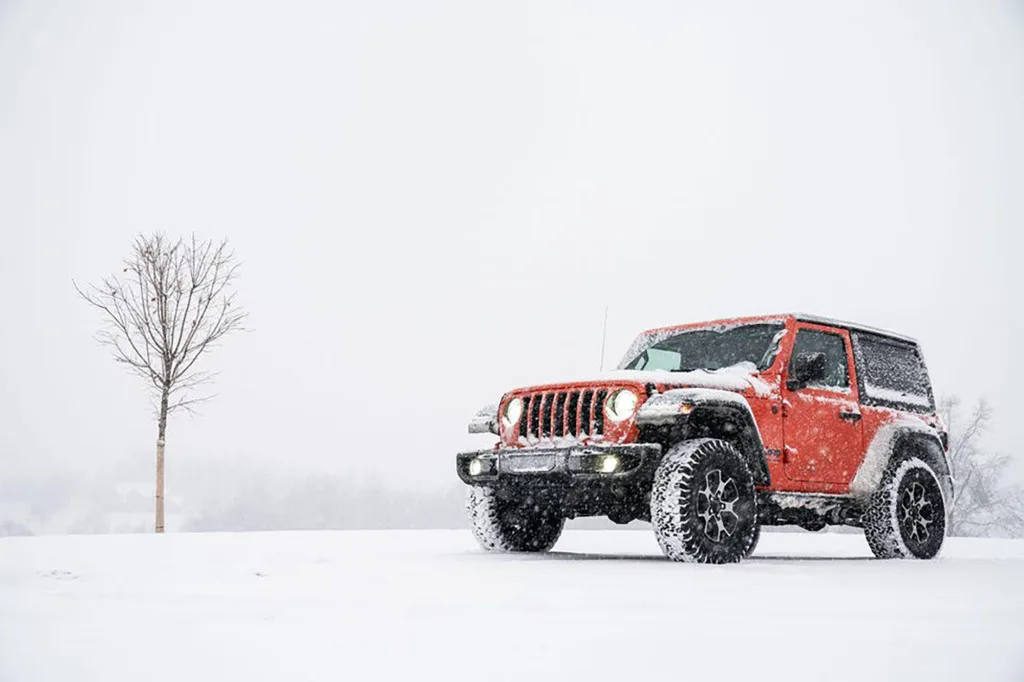
When the temperature drops and the roads turn white, one question always comes up: “Are Jeep Wranglers better than other vehicles in the snow?” At Simi Valley Chrysler Dodge Jeep Ram, we get asked this every winter—and for good reason. The Jeep Wrangler’s rugged DNA makes it one of the most capable winter vehicles ever built. But how does it truly compare to other SUVs, trucks, and crossovers when conditions get harsh?
Why the Jeep Wrangler Excels in Winter Conditions
1. Legendary 4×4 Systems
Every Jeep Wrangler is engineered for traction. Models feature Command-Trac® or Rock-Trac® 4×4 systems, giving drivers control over how power is distributed between front and rear axles.
- Command-Trac® 4×4: Perfect for moderate snow and icy roads, offering instant traction when needed.
- Rock-Trac® 4×4: Standard on Rubicon models, with a 4:1 low-gear ratio designed for extreme off-road snow trails.
This flexibility means you can confidently handle everything from a light dusting in Simi Valley to heavy snow up in Big Bear or Mammoth.
2. High Ground Clearance
The Wrangler’s 10.8 inches of ground clearance gives it an edge over most crossovers and sedans. While many vehicles bottom out when snow piles up, the Wrangler simply drives through it. That extra height also keeps your undercarriage away from slush, ice, and road debris.
3. Exceptional Approach and Departure Angles
Thanks to short overhangs and a purpose-built design, the Wrangler easily handles steep snowbanks or uneven terrain. Whether you’re navigating a snow-covered driveway or a mountain trail, its approach angle (up to 44 degrees) ensures nothing stands in your way.
4. Off-Road Tires and Winter Performance
Wranglers typically come with all-terrain or mud-terrain tires, which already provide excellent grip. But when paired with 3-Peak Mountain Snowflake-rated winter tires, the Wrangler becomes nearly unstoppable.
Wide tire treads clear snow quickly, maintaining traction even when surfaces are icy or wet.
How the Wrangler Compares to Other Winter Vehicles
| Vehicle | Drivetrain | Ground Clearance | Winter Performance |
|---|---|---|---|
| Jeep Wrangler Rubicon | 4×4 w/ Locking Differentials | 10.8 in | Excellent in deep snow & ice |
| Toyota 4Runner | Full-time AWD | 9.6 in | Good in moderate snow |
| Subaru Outback | Symmetrical AWD | 8.7 in | Great for light snow & paved roads |
| Ford Bronco | Advanced 4×4 | 11.6 in | Comparable to Wrangler |
| Chevy Tahoe 4WD | On-Demand 4WD | 8 in | Strong in snow, less maneuverable |
Verdict: The Wrangler remains one of the most balanced options for serious snow driving—offering off-road performance that few others match.
Wrangler’s Hidden Winter Advantages
Heated Comfort Features
Modern Jeep Wranglers aren’t just rugged—they’re comfortable. Available heated front seats, heated steering wheel, and remote start make freezing mornings easier. You can start the engine, warm the cabin, and defrost the windshield—all before stepping outside.
Removable Hardtop Flexibility
Winter doesn’t last forever. The Wrangler’s removable roof and doors let you enjoy year-round versatility. Drive with the top off in summer, then lock it down tight with the insulated Freedom Top® hardtop when winter arrives.
Stability and Control
Jeep equips the Wrangler with Electronic Stability Control, Brake Assist, Traction Control, and Hill-Start Assist—systems that automatically modulate power and braking for superior winter grip.
When Other Vehicles Might Be Better
While the Wrangler dominates off-road or deep-snow conditions, it’s fair to note that crossovers with full-time AWD (like a Subaru or Toyota RAV4) can offer smoother handling on plowed highways.
The Wrangler’s short wheelbase and body-on-frame construction can make it feel more rugged than refined on icy pavement. However, for drivers prioritizing adventure and all-weather readiness, that’s a trade-off worth making.
Real-World Winter Tips for Wrangler Owners
- Use Snow-Rated Tires: Look for the 3-Peak Mountain Snowflake symbol.
- Engage 4H (High Range): For everyday snowy or slushy driving.
- Save 4L (Low Range): For deep snow or off-road climbs.
- Avoid Sudden Inputs: Gentle throttle and steering preserve traction.
- Check Tire Pressure Frequently: Cold air lowers PSI, reducing grip.
Why Simi Valley Drivers Trust Jeep for Winter Adventures
Even though Simi Valley doesn’t see heavy snowfall, many Jeep owners here head north to mountain destinations. Whether you’re skiing in Big Bear or tackling icy roads in Tahoe, your Wrangler is built for it.
Plus, Jeep’s Trail Rated® badge ensures each model meets rigorous standards for traction, water fording, maneuverability, articulation, and ground clearance.
Conclusion: Is the Jeep Wrangler the Best Winter Vehicle?
If you define “best” as unstoppable traction, high clearance, and proven reliability in snow, then yes—the Jeep Wrangler stands at the top of its class.
It’s more than capable of outperforming most SUVs in deep snow, icy conditions, and rugged terrain. Just remember: the right tires and careful driving make the biggest difference.
Experience True Winter Capability at Simi Valley Chrysler Dodge Jeep Ram
Explore our latest Jeep Wrangler inventory and winter-ready SUVs today:
👉 View New Jeep Wranglers
👉 Shop Used Jeeps
👉 Value Your Trade
👉 Apply for Financing
For years, European badges owned the “refined-yet-rugged” SUV segment. Mercedes had its chrome-lined GLEs, BMWs wore smug grilles the size of dinner tables, and Audi’s Q7 floated along boulevards with digital everything. But now, a quiet rebellion has arrived from Toledo, Ohio — and it’s wearing seven slots on the grille.
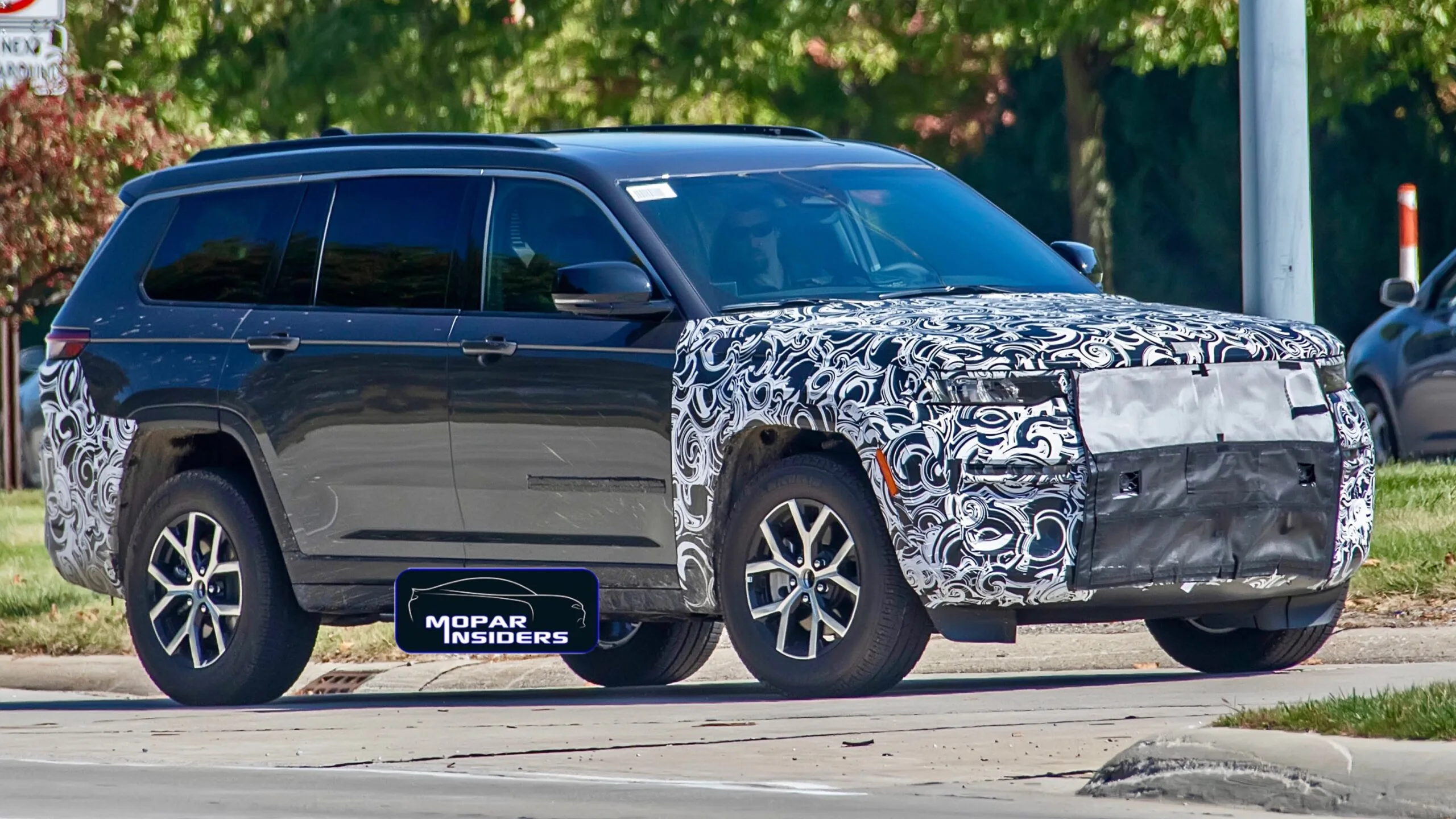
The 2026 Jeep Grand Cherokee Limited isn’t just another refresh. It’s a calculated strike against the industry’s most overconfident competitors. While the Germans have been obsessing over mood lighting and fragrance dispensers, Jeep has built a luxury SUV that can still wade through a river before breakfast and show up to a downtown gala that night without a speck of mud in sight.
Design: Subtle Evolution, Brutal Presence
At first glance, the new Grand Cherokee Limited looks familiar — muscular shoulders, squared-off stance, and that signature beltline that gives it a planted look. But look closer and you’ll see how Jeep quietly sharpened everything that mattered.
A revised front fascia introduces slimmer LED headlamps that resemble those of the electric Wagoneer S, hinting at Jeep’s electrified future. The seven-slot grille is now more sculpted and integrated, bordered by satin-chrome accents that look less “off-road warrior” and more “executive prowler.” Even the stance has changed: wider, lower, and more assertive — almost like Jeep learned a thing or two from the Germans but refused to copy them.
Every panel exudes purpose. Nothing feels ornamental. Even the aerodynamic tweaks — underbody shields, tighter wheel arches, active shutters — were designed to reduce drag, not show off. Because the 2026 Grand Cherokee Limited doesn’t need to scream luxury; it flexes it through restraint.
Inside the Cabin: The Jeep That Learned Etiquette
Step inside, and you might question if this is truly a Jeep or a minimalist Scandinavian concept car wearing a Jeep badge.
Soft-touch surfaces cover nearly every inch. The Limited trim ditches hard plastics in favor of stitched leather and real metal finishes. The seats? Heated, ventilated, and finished in Palermo leather that feels far richer than its price tag suggests. Jeep’s design team finally cracked the code: keep the rugged DNA, but make it feel intentional, not agricultural.
Front and center is a new curved 12.3-inch Uconnect 6 display — brighter, faster, and more intuitive than before. It’s paired with a digital gauge cluster and an optional passenger screen that lets your copilot queue up navigation or Spotify without distracting the driver. Jeep’s UX philosophy is refreshingly unpretentious: fewer menus, bigger buttons, faster load times. It’s luxury by usability, not excess.
Even the sound insulation has been taken seriously. Laminated glass, active noise cancellation, and improved seals mean you can actually hear your thoughts while cruising at 120 km/h on Highway 417 — or whatever trail you’re conquering in low range.
Powertrains: From Smooth Operator to Silent Assassin
The 2026 Grand Cherokee Limited will offer three distinct powertrains, depending on market and configuration:
| Engine | Output | Torque | Drivetrain | Notes |
|---|---|---|---|---|
| 3.6 L Pentastar V6 | 293 hp | 260 lb-ft | 4×4 | Proven, smooth, and simple to maintain |
| 2.0 L Turbo “Hurricane” I4 | 324 hp | 332 lb-ft | 4×4 | New-generation turbo with better torque curve |
| 2.0 L PHEV (4xe) | 375 hp | 470 lb-ft | 4×4 | Plug-in hybrid with 34 km (21 mi) EV range |
The surprise isn’t that the 4xe returns — it’s how refined it’s become. Jeep’s engineers focused on making the power delivery seamless between electric and gas modes. In the previous generation, you could feel the transition; now it’s almost imperceptible. The result? 0-100 km/h in around 6 seconds, with the ability to crawl silently over obstacles in pure-electric mode.
Fuel efficiency also leaps forward: expect up to 49 MPGe (4.8 L/100 km-e) on the hybrid and around 9.9 L/100 km combined for the gas models — impressive for something that can tow over 2,800 kg (6,200 lb).
Off-Road DNA: The Difference You Can’t Fake
Here’s where the Grand Cherokee Limited leaves luxury rivals gasping. While most crossovers are pampered mall-crawlers, this SUV still wears its Trail Rated badge with conviction.
Every Limited trim equipped with 4×4 includes Jeep’s Quadra-Trac II system — a full-time active transfer case that can send 100 percent of torque to any single wheel. Pair that with Selec-Terrain™ drive modes (Auto, Snow, Sport, Mud/Sand, Rock), and you’ve got an SUV that can handle a Canadian winter blizzard one day and a cottage-trail detour the next.
An optional air-suspension system (Quadra-Lift) offers up to 277 mm (10.9 in) of ground clearance — that’s more than most dedicated off-roaders. Yet it automatically lowers on the highway for better aerodynamics and stability. It’s like having a Range Rover’s composure with a Wrangler’s backbone.
Underneath, skid plates, hill-descent control, and upgraded axle articulation make sure the Limited isn’t just pretending to be capable. It is capable — the kind of SUV that can park outside the Four Seasons and then drive to the top of a ski hill without apology.
Technology: Smarter, Not Louder
While luxury rivals chase over-complicated touch bars and gesture controls, Jeep went practical.
Highlights include:
- Uconnect 6 system with over-the-air updates
- Wireless Apple CarPlay & Android Auto
- Active Driving Assist (semi-autonomous cruise + lane centering)
- 360-degree camera with Off-Road View mode
- Digital Rear-View Mirror for clearer visibility
- Night Vision option with pedestrian and animal detection
- Head-Up Display with real-time terrain data
The Limited trim also introduces ambient lighting customization, letting drivers toggle mood colors that actually complement the cabin’s materials instead of blinding you like a gaming PC. Jeep’s philosophy? Make tech serve the driver, not distract them.
Comfort & Practicality: Built for Real Life
The 2026 Limited isn’t just about luxury surfaces — it’s about smart usability.
Rear passengers get heated seats, dual-zone climate, and a center armrest with integrated USB-C ports. The rear cargo area remains one of the most accessible in its class, offering over 1,000 L (36 cu ft) of space behind the second row — expanding to more than 2,000 L (70 cu ft) when folded.
For families, Jeep hasn’t forgotten details: power liftgate, hidden storage bins, and washable cargo liners for those weekend getaways. There’s even an optional panoramic sunroof that makes every drive feel like an open-road adventure.
Driving Impressions: Calm, Collected, and Confident
On the road, the 2026 Grand Cherokee Limited feels solid — like it was carved from one piece of metal. The steering has been re-tuned for better on-center feel, while suspension geometry gives a planted stance even on uneven surfaces.
The new 2.0-liter turbo brings torque early and keeps it steady — you don’t have to floor it to feel movement. Meanwhile, the 4xe hybrid gives you instant shove from the electric motors, perfect for overtaking or merging without drama.
What stands out most is refinement. Road noise is minimal, body motions are tightly controlled, and the ride quality finally feels German-grade. Yet when you hit a trail, the Limited remembers its lineage — it shrugs off dirt, gravel, and steep grades like muscle memory.
Comparing the Competition
| Model | Starting Price (USD) | Horsepower | Towing Capacity | Ground Clearance | Notes |
|---|---|---|---|---|---|
| Jeep Grand Cherokee Limited (2026) | ~$45,000 | 293–375 hp | 6,200 lb | 10.9 in | Off-road + comfort balance |
| Ford Explorer Platinum (2025) | ~$50,000 | 400 hp | 5,600 lb | 8.2 in | Quick, less rugged |
| Toyota Highlander Limited (2025) | ~$47,000 | 265 hp | 5,000 lb | 8.0 in | Family-focused, soft ride |
| BMW X5 xDrive40i (2025) | ~$67,000 | 375 hp | 7,200 lb | 8.3 in | More power, far pricier |
| Land Rover Discovery (2025) | ~$60,000 | 355 hp | 8,200 lb | 11.1 in | True off-road rival, higher cost |
Jeep clearly positioned the Grand Cherokee Limited to punch way above its price class. It’s the rare SUV that makes you question paying a $20,000 premium for a European badge when this does 90 percent of the same job — and probably looks tougher doing it.
Why It Matters
The 2026 Jeep Grand Cherokee Limited represents something bigger than another refresh. It’s proof that American engineering can blend sophistication and grit without pretending to be European. It’s luxury earned, not borrowed.
Jeep didn’t set out to make the flashiest SUV. It built one that feels authentic — a vehicle equally at home downtown or 50 kilometers deep into the Laurentians. In a market drowning in crossovers that all look the same, this one still carries soul.
Verdict: The Jeep That Finally Grew Up — Without Selling Out
Jeep’s challenge was simple yet brutal: refine the Grand Cherokee without diluting what made it special. The 2026 Limited trim nails that balance. It’s modern but not pretentious, capable but civilized, digital but tactile.
So, is it perfect? No SUV is. The V6 feels dated compared to newer hybrids, and full-EV competition looms. But perfection isn’t Jeep’s mission. Character is — and this thing oozes it.
If you’ve ever dismissed Jeep as “the off-road brand for enthusiasts,” the 2026 Grand Cherokee Limited might just change your mind. Because the luxury SUV war has a new general — and it doesn’t speak with a German accent.
If you’re shopping for a used car in the Los Angeles area, you’ve probably wondered:
“How many miles is too many for a used car?”
It’s a smart question — especially in a city where daily driving, freeway commutes, and stop-and-go traffic can quickly add wear to a vehicle. The answer depends on the car’s brand, maintenance history, and how those miles were driven.
Let’s break it down for LA drivers so you can confidently shop for your next pre-owned vehicle at Simi Valley Chrysler Dodge Jeep Ram.
What’s Considered “High Mileage” in California?
Traditionally, 100,000 miles used to mark the end of a car’s reliable life.
But today’s vehicles — especially newer models from brands like Jeep, Dodge, Chrysler, and Ram — are built to last well past 200,000 miles with proper maintenance.
In Los Angeles, the average driver logs about 12,000–15,000 miles per year.
That means:
| Vehicle Age | Typical “Normal” Mileage |
|---|---|
| 3 years old | 36,000–45,000 miles |
| 5 years old | 60,000–75,000 miles |
| 8 years old | 96,000–120,000 miles |
| 10 years old | 120,000–150,000 miles |
Anything above these numbers might be considered high mileage, but it doesn’t automatically mean the car is unreliable — especially if it has complete service records and passes inspection.
Why Mileage Matters More in LA Than in Other Cities
Los Angeles driving conditions are unique:
- Stop-and-go traffic on the 405, 101, and I-10 increases engine wear even with fewer miles.
- High temperatures can affect fluids and seals over time.
- Urban driving puts stress on brakes, transmissions, and cooling systems.
- Frequent short trips don’t allow full engine warm-up, which can lead to carbon buildup.
So, when evaluating used cars in LA, how those miles were accumulated often matters more than the number itself.
City Miles vs. Highway Miles
Not all miles are created equal:
| Type of Driving | Impact on Vehicle | What It Means for You |
|---|---|---|
| City Miles | More idling, stop-and-go, brake wear | Common in Los Angeles; check for transmission and brake health |
| Highway Miles | Steady speeds, less wear | Preferable if the car was used for commuting between cities |
| Mixed Miles | Combination of both | Typical for suburban drivers in Simi Valley, Thousand Oaks, or Burbank |
When possible, ask the seller or dealership about the vehicle’s driving history — highway-driven cars often show less wear despite higher odometer readings.
When High Mileage Isn’t a Dealbreaker
A vehicle with 120,000 miles might still be a great buy if:
- It has detailed service records
- Maintenance was done on time (oil, transmission, coolant, brakes)
- It has had one or two previous owners
- It’s from a reliable brand (Jeep, Toyota, Honda, etc.)
- It was driven mostly on the highway
Many modern engines can reach 250,000+ miles with proper care. The key is the condition, not just the number.
When to Be Cautious
You might want to reconsider if the used vehicle shows:
- Gaps in maintenance history
- Oil leaks or engine noise
- Burning smell or rough idle
- Transmission slipping
- Rust, frame damage, or accidents
Even a low-mileage car can be risky if it wasn’t cared for properly.
Mileage by Vehicle Type (Los Angeles Context)
| Vehicle Type | Typical Reliable Range | LA Market Reality |
|---|---|---|
| Sedan / Compact Car | 150,000–200,000 miles | Ideal for LA commuters; low maintenance costs |
| SUV / Crossover | 200,000–250,000 miles | Great for families and weekend trips to Malibu or Big Bear |
| Truck (Ram, Silverado, F-150) | 250,000–300,000 miles | Popular for trades and off-road use |
| Hybrid / EV | 150,000–200,000 miles (battery dependent) | Check battery warranty; LA heat can affect lifespan |
What’s Average for Used Cars Sold in Los Angeles
In Los Angeles County, the majority of used vehicles for sale at reputable dealerships fall between 30,000 and 90,000 miles.
Luxury brands may have lower mileage, while trucks or Jeeps may show higher numbers due to utility use — but both can still be reliable options if well-maintained.
Smart Buying Tip: Always Factor in Cost Per Mile
Instead of focusing only on mileage, calculate cost per remaining mile:
Example:
A $20,000 SUV with 50,000 miles has roughly 150,000 miles of potential life left (at 200,000 total).
That’s 13¢ per remaining mile.
A $13,000 SUV with 130,000 miles and 70,000 miles of life left? That’s 19¢ per remaining mile.
The lower-priced car might not be the better value long-term.
Why Shop Certified Used Cars Near Los Angeles
At Simi Valley Chrysler Dodge Jeep Ram, every certified pre-owned (CPO) vehicle is:
- 125-point inspected
- Backed by a factory warranty
- Reconditioned by factory-trained technicians
- Eligible for financing and extended service contracts
This means you can safely buy a car with higher mileage but guaranteed reliability, backed by dealer transparency and Carfax history.
Shop Certified Used Inventory
Apply for Financing
So, How Many Miles Is Too Much in Los Angeles?
There’s no single number — but generally:
- Under 100,000 miles = Ideal
- 100,000–150,000 miles = Acceptable if well-maintained
- 150,000+ miles = Proceed with inspection and warranty coverage
The bottom line: In Los Angeles, maintenance > mileage.
A well-kept 140,000-mile Jeep can outlast a neglected 60,000-mile sedan.
Final Word
When you’re buying used in LA, mileage should guide — not decide — your purchase. Always look at service records, ownership history, and condition before judging a car by its odometer.
For transparent pricing, detailed inspection reports, and expert guidance, visit Simi Valley Chrysler Dodge Jeep Ram, proudly serving Los Angeles, Thousand Oaks, Ventura County, and beyond.
📍 Get Directions
📞 Sales: 805-387-9755
Serving Simi Valley & Greater Los Angeles
Visit us at Simi Valley Chrysler Dodge Jeep Ram — your trusted CDJR dealer proudly serving Simi Valley, Thousand Oaks, and Los Angeles County.
Car Payment Calculator (Los Angeles Sales Tax)
Estimate your monthly payment with Los Angeles-area sales tax. Rates and fees are estimates; confirm final numbers with Simi Valley Chrysler Dodge Jeep Ram.
How we calculate (California notes)
- Taxable base (CA): Selling price minus discounts/rebates. Trade-in value typically does not reduce taxable price in California.
- Doc fee: Generally taxable.
- DMV/registration: Typically non-taxable.
- Monthly payment formula: Standard amortization using APR and term; taxes/fees rolled into amount financed unless covered by cash down.
When you’re shopping for a new Chrysler, Dodge, Jeep, or Ram in the Los Angeles area, you’re likely asking one key question: “What will my monthly payment actually be after taxes and fees?” That’s why we created a free Car Payment Calculator with Los Angeles sales tax built in — right here on this page.
Below, we’ll explain how California car taxes work, what affects your final payment, and how to use this calculator to plan your budget before visiting Simi Valley Chrysler Dodge Jeep Ram.
Why You Need a Car Payment Calculator With Tax in Los Angeles
Many car shoppers look only at MSRP or online finance offers, but your real monthly payment includes:
- State + local sales tax (up to 10.25% in parts of LA County)
- Title, license, and registration fees
- Dealer documentation fees
- Trade-in value adjustments
- Cash rebates or discounts
Using a calculator that includes tax and fees gives you a far more realistic view of your true cost of ownership. Los Angeles taxes vehicles at one of the highest rates in California, which means skipping this step can throw off your budget by hundreds of dollars per year.
How Los Angeles Car Taxes Work
California’s vehicle sales tax applies to the purchase price of your vehicle after any manufacturer or dealer discounts — but before your trade-in is subtracted. Here’s a quick breakdown:
| Component | Taxable in CA? | Typical Amount |
|---|---|---|
| Vehicle Selling Price | ✅ | Varies |
| Trade-In Value | ❌ | Reduces loan, not taxable |
| Rebates/Discounts | ✅ | Reduce taxable base |
| Doc Fee | ✅ | Around $85 |
| DMV Fees | ❌ | Around $400 |
| LA County Sales Tax | ✅ | ~9.5% (varies by city) |
For example, if you buy a $35,000 vehicle in Los Angeles with a $3,000 down payment, 9.5% tax, and typical fees, your total financed amount could exceed $36,000 after taxes and registration.
Using the Calculator
Our tool (below) automatically applies the Los Angeles default tax rate of 9.5% and lets you edit any field for:
- Price
- Down payment
- Trade-in value
- Discounts or rebates
- Term and APR
- DMV and doc fees
Simply enter your info and hit “Calculate Payment.” You’ll see your estimated:
- Monthly payment
- Amount financed
- Taxes and fees
You can also adjust the tax percentage to match your city — for instance, Burbank (10.25%), Pasadena (10.25%), or Santa Monica (9.5%).
Why Local LA Drivers Use This Calculator
- Instant accuracy: Updates instantly as you change values.
- Transparent costs: Includes both tax and DMV fees.
- Trade-in integration: See how your old vehicle affects your payment.
- No forms or emails required: 100% private calculator, no lead capture required.
- Local relevance: Built with current Los Angeles tax rates in mind.
Whether you’re from Downtown LA, Glendale, Thousand Oaks, or Simi Valley, this tool ensures your estimate reflects real California conditions — not generic national averages.
Pro Tip: Taxes vs. Trade-Ins in California
Many states reduce your taxable amount when you trade in a car — but California doesn’t.
That means if your new vehicle costs $40,000 and your trade is worth $10,000, your tax is still calculated on the full $40,000 (minus discounts/rebates).
Knowing this helps you avoid underestimating taxes by nearly $1,000 on average in Los Angeles County.
How This Helps You Shop Smarter
Using this calculator gives you leverage when comparing offers across Southern California dealerships. You’ll be able to:
- Compare lease vs. finance scenarios side by side
- Understand how interest rates and taxes change your total cost
- Set realistic expectations for monthly affordability
- Walk into the dealership informed and confident
Visit Simi Valley Chrysler Dodge Jeep Ram — Los Angeles’ Trusted Source for Transparent Pricing
Located just a short drive from the heart of Los Angeles, Simi Valley CDJR proudly serves customers across Ventura and LA counties. Our finance experts can walk you through:
- Current 0% or low-APR offers
- Available rebates or cash bonuses
- The latest trade-in incentives for your used vehicle
View Current Specials
Apply for Financing
Ready to Calculate Your Real Payment?
Use our Car Payment Calculator with Tax (Los Angeles version). Try adjusting the tax rate, down payment, or term — and see exactly how your monthly cost changes.
Serving Los Angeles & Ventura County
Shopping from Los Angeles, Santa Monica, Glendale, or the Valley? We’re an easy drive to Simi Valley Chrysler Dodge Jeep Ram.
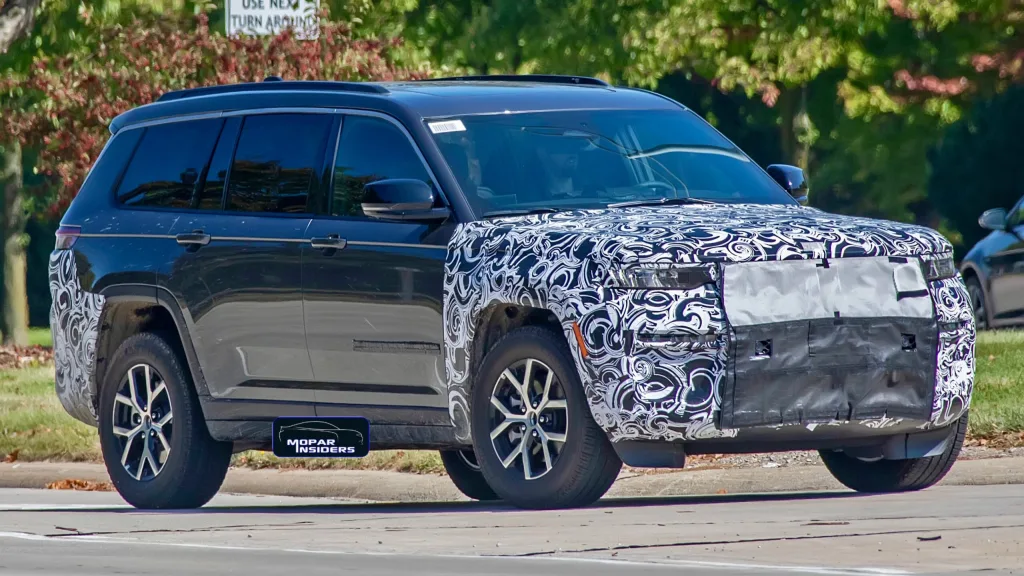
If you’re shopping for a new SUV in Simi Valley, Thousand Oaks, Moorpark, or Camarillo, the 2026 Jeep Grand Cherokee is generating serious buzz—and for good reason. This isn’t just another model year rollover. The 2026 brings the highly anticipated mid-cycle refresh that transforms the already excellent Grand Cherokee into something even more compelling for Southern California drivers.
Why This Matters for Ventura County Drivers:
Whether you’re navigating Santa Susana Pass, commuting on the 118 Freeway, exploring Los Padres National Forest, or heading to the Ventura coast for the weekend, the 2026 Grand Cherokee delivers the perfect blend of capability, luxury, and technology tailored for our unique California lifestyle.
Quick Navigation
- What’s New for 2026
- Grand Cherokee Generation Guide
- Reliability by Year (2011-2026)
- Hurricane Engine Deep Dive
- Best Trims for Simi Valley
- 2026 vs 2025 Comparison
- Local Inventory at Simi Valley CDJR
- Pricing & Incentives
- Why Buy Local in Simi Valley
- FAQ: Your Questions Answered
What’s New for 2026: The Game-Changing Refresh {#whats-new-2026}
The 2026 Jeep Grand Cherokee receives its most significant update since the complete WL platform redesign in 2022. For those of us driving in Ventura County, these improvements directly address real-world needs—from highway efficiency to off-road capability in our diverse terrain.
Exterior Design Evolution
Refreshed Front End:
- Modernized seven-slot grille with enhanced LED signature lighting
- New adaptive LED headlights with automatic high-beam technology
- Redesigned front bumper with improved approach angle
- Enhanced aerodynamics for better highway fuel economy (perfect for 101 and 118 commutes)
- Five new exterior color options including Desert Sand Metallic
Updated Rear Styling:
- Sequential LED taillights with distinctive light bar design
- Redesigned rear bumper with integrated dual exhaust tips
- Improved departure angle for off-road enthusiasts
- New spoiler design on higher trims
Wheel & Tire Options:
- New 18″, 20″, and 21″ wheel designs across trim levels
- Available all-terrain packages perfect for Ventura County adventures
Interior Technology Revolution
Larger Standard Displays:
- 12.3-inch standard infotainment screen (up from 8.4″ on 2025 base models)
- Available dual 12.3-inch display configuration
- New 10.25-inch digital instrument cluster standard on most trims
- Available 10.25-inch front passenger display
Uconnect 6 Arrives:
- Next-generation Uconnect 6 system with faster processor
- Improved voice recognition with natural language processing
- Wireless Apple CarPlay and Android Auto now standard on all trims
- Over-the-air software updates across the lineup
- Enhanced TomTom navigation with real-time traffic for SoCal highways
Premium Materials & Comfort:
- New sustainable interior material options
- Available Palermo leather with contrast stitching
- Heated and ventilated front seats now available on more trims
- New Desert Tan interior color scheme
- Improved sound insulation (quieter cabin at highway speeds)
- Available heated rear seats on mid-level trims
The Hurricane Engine Revolution {#hurricane-engines}
This is the biggest news for 2026. Jeep introduces its acclaimed Hurricane Twin-Turbo inline-six engines to the Grand Cherokee—engines that have already proven themselves in the Wagoneer and Grand Wagoneer.
Standard-Output Hurricane I6 (SO):
- 3.0L Twin-Turbo Inline-Six
- 420 horsepower / 468 lb-ft torque
- Replaces the 3.6L Pentastar V6
- 8-speed automatic transmission
- Estimated 21/28 MPG (city/highway)
- 0-60 mph: 5.4 seconds
- Towing capacity: 7,200 lbs (best-in-class for gas engines)
High-Output Hurricane I6 (HO):
- 3.0L Twin-Turbo Inline-Six
- 510 horsepower / 500 lb-ft torque
- Available on Overland, Summit, and new Trackhawk trims
- 8-speed automatic transmission
- 0-60 mph: 3.9 seconds (Trackhawk trim)
- Towing capacity: 7,200 lbs
Why This Matters:
The Hurricane engines deliver significantly more power than the outgoing Pentastar V6 (293 hp) while maintaining competitive fuel economy. This means effortless acceleration merging onto California highways, confident passing power on mountain roads, and superior towing capability for boats and trailers—all without the fuel penalty you’d expect from this level of performance.
Enhanced Safety & Driver Assistance
New Standard Features:
- Intersection collision assist
- Traffic sign recognition
- Drowsy driver detection
- Enhanced 360-degree camera system
Available Advanced Systems:
- Highway Assist with hands-free driving on mapped highways (including 101 and 118)
- Traffic jam assist for stop-and-go commuting
- Night vision with pedestrian detection
- Head-up display with navigation guidance
Off-Road Capability Upgrades
Enhanced Quadra-Lift System:
- Improved air suspension response time
- New “Trail Crawl” mode for technical terrain
- Enhanced ground clearance: up to 11.3 inches (increased from 10.9″)
- Can ford up to 24 inches of water
Selec-Terrain Upgrades:
- New “Baja” mode for high-speed desert running
- Enhanced “Rock” mode with improved articulation control
- Revised “Sand” mode perfect for beach access
Trail Rated Excellence:
- Available electronic front and rear locking differentials
- Sway bar disconnect on Trailhawk 4xe
- Skid plate protection
- Hill descent control with adjustable speed
Understanding Grand Cherokee Generations: A Reliability Timeline {#generation-guide}
Before diving into the 2026 model, it’s crucial to understand the Grand Cherokee’s evolution. The reliability story varies significantly by generation—knowledge that serves Simi Valley buyers shopping both new and used models.
Generation Overview Table
| Generation | Model Years | Platform Code | Key Changes | Reliability Score |
|---|---|---|---|---|
| WK2 | 2011-2021 | WK2 | Modern tech, improved refinement | ★★★½ (3.5/5) |
| WL | 2022-2026 | WL | Complete redesign, new architecture | ★★★★ (4/5) |
Jeep Grand Cherokee Reliability by Year: The Complete Guide {#reliability-guide}
WK2 Generation (2011-2021): The Refinement Era
The WK2 Grand Cherokee represented a major leap forward in refinement and reliability compared to earlier generations. For Simi Valley buyers considering used models, understanding these years is essential.
2011-2013: Early WK2 Years
2011 Grand Cherokee:
- Reliability Score: ★★★☆☆ (3/5)
- First year of WK2 generation
- Common issues: Electrical gremlins, TIPM failures, transmission adaptation
- Engine options: 3.6L Pentastar V6 (reliable), 5.7L HEMI V8 (thirsty but solid)
- Recommendation: Proceed with caution – First model year bugs present
2012 Grand Cherokee:
- Reliability Score: ★★★½☆ (3.5/5)
- Improvements over 2011 in electrical systems
- Common issues: Radiator hose failures, minor transmission issues
- Recommendation: Better choice than 2011, good value used
2013 Grand Cherokee:
- Reliability Score: ★★★★☆ (4/5)
- Significant refinements, fewer electrical issues
- Improved transmission calibration
- Recommendation: Strong buy for used market
2014-2016: The Sweet Spot
2014 Grand Cherokee:
- Reliability Score: ★★★★☆ (4/5)
- Major update with 8-speed automatic transmission
- New Uconnect system
- 3.0L EcoDiesel added (torque-rich but avoid if you can’t maintain properly)
- Improved interior materials
- Common issues: EcoDiesel emissions systems, minor electrical
- Recommendation: Excellent used buy (avoid EcoDiesel unless meticulously maintained)
2015 Grand Cherokee:
- Reliability Score: ★★★★☆ (4/5)
- Refined 8-speed transmission
- Improved Uconnect stability
- Common issues: Sunroof drains, minor HVAC issues
- Recommendation: Very reliable – one of the best WK2 years
2016 Grand Cherokee:
- Reliability Score: ★★★★½ (4.5/5)
- Peak refinement for WK2 platform
- Minimal common issues
- Strong owner satisfaction scores
- Recommendation: Top choice for used WK2 buyers
2017-2020: Mature Platform
2017-2018 Grand Cherokee:
- Reliability Score: ★★★★☆ (4/5)
- Trailhawk trim added in 2017
- Trackhawk (supercharged V8) introduced
- Mature platform with proven reliability
- Common issues: Minimal, mostly wear items
- Recommendation: Highly reliable – excellent used value
2019-2020 Grand Cherokee:
- Reliability Score: ★★★★☆ (4/5)
- Minor updates, continued reliability
- End-of-generation refinement
- Recommendation: Safe bet – proven track record
2021 Grand Cherokee:
- Reliability Score: ★★★★☆ (4/5)
- Final WK2 year
- Most refined version of the generation
- Recommendation: Excellent – mature platform at peak reliability
WK2 Common Issues Summary
Known Problems Across WK2 Years:
- TIPM Failures (2011-2014): Totally Integrated Power Module can cause electrical issues – $800-$1,200 to replace
- EcoDiesel Emissions (2014+): DEF system, EGR issues – expensive repairs
- Radiator Hoses (2012-2014): Premature wear – $200-400 repair
- Sunroof Drains (All years): Can clog and cause water leaks – regular cleaning prevents issues
- Transfer Case (Rare): Some reports of failures, especially if fluid not changed
WK2 Years to Avoid:
- 2011: First-year bugs, electrical issues
- 2014-2016 EcoDiesel models: Unless you have full service history and maintenance
Best WK2 Years:
- 2016: Peak refinement, minimal issues
- 2017: Excellent reliability, new features
- 2020-2021: Most refined, end-of-generation perfection
WL Generation (2022-2026): The Modern Era
The current-generation Grand Cherokee (WL) represents a complete redesign with new architecture, technology, and refinement. For Simi Valley buyers shopping new or recent used models, this is what you need to know.
2022 Grand Cherokee
Reliability Score: ★★★★☆ (4/5)
The Good:
- Complete redesign on new platform
- Modern Uconnect 5 system
- Improved refinement and ride quality
- More spacious interior
- Advanced safety features standard
Common Issues:
- Early production software glitches (resolved via OTA updates)
- Some reports of 4xe battery management issues
- Minor infotainment lag on early builds
Powertrain Options:
- 3.6L Pentastar V6: Proven reliability
- 5.7L HEMI V8: Strong but thirsty
- 2.0L Turbo I4 + Electric (4xe): Impressive but complex
Verdict: Strong first year for all-new generation. Software updates resolved most early issues. Recommended with slight caution on early-build 4xe models.
2023 Grand Cherokee
Reliability Score: ★★★★½ (4.5/5)
Improvements Over 2022:
- Software refinements throughout
- Improved 4xe battery management
- Enhanced Uconnect 5 stability
- Better transmission calibration
Common Issues:
- Minimal reported problems
- Some 4xe charging issues (rare)
- Minor rattles in early production units
Verdict: Excellent choice – second-year refinements make this a sweet spot. Highly recommended for used buyers.
2024 Grand Cherokee
Reliability Score: ★★★★½ (4.5/5)
Updates:
- Minor equipment changes
- Continued refinement
- Improved materials
- Enhanced safety features
Common Issues:
- Very minimal reported issues
- Mature WL platform showing excellent reliability
Verdict: Top recommendation – mature platform, proven reliability. One of the best Grand Cherokee years ever.
2025 Grand Cherokee
Reliability Score: ★★★★½ (4.5/5)
Changes:
- Price reductions across lineup (excellent value)
- Minor equipment updates
- Continued refinement
Common Issues:
- Essentially problem-free
- Best WL generation yet for reliability
Verdict: Outstanding – reduced pricing + proven reliability = excellent value. Explore current 2025 inventory at Simi Valley Chrysler Dodge Jeep Ram for exceptional deals.
2026 Grand Cherokee (NEW)
Projected Reliability Score: ★★★★★ (5/5 expected)
Major Changes:
- Mid-cycle refresh with updated styling
- Hurricane Twin-Turbo engines replace Pentastar V6
- Enhanced technology across the board
- Improved off-road capability
Potential Concerns:
- New engines (though proven in other Stellantis vehicles)
- First year of significant updates
- Hurricane engines have shown excellent reliability in Wagoneer
Why We’re Confident:
- Hurricane engines already proven in Wagoneer/Grand Wagoneer
- WL platform now mature and refined
- Jeep’s improved quality control processes
- Continued 4xe refinements
Verdict: Highly recommended – The combination of proven WL platform + tested Hurricane engines + refined technology makes this potentially the best Grand Cherokee ever. Reserve your 2026 Grand Cherokee at Simi Valley CDJR today.
Hurricane Engines: Deep Dive & Reliability Outlook {#hurricane-engines}
The introduction of Hurricane twin-turbo engines is the biggest powertrain change for the Grand Cherokee since the Pentastar V6 replaced the old 3.8L engine in 2012. Here’s everything Simi Valley drivers need to know.
Hurricane Engine Technology
What Makes Hurricane Special:
- Twin-turbocharged inline-six configuration
- Aluminum block construction (lighter than V8)
- Integrated water-to-air intercooler
- Variable valve timing on intake and exhaust
- Direct fuel injection with high-pressure system
- 48-volt mild-hybrid system integration
Real-World Benefits for Ventura County Driving:
- Instant power: Turbo boost delivers immediate torque for highway merging
- Efficient cruising: Cylinder deactivation on highway stretches
- Mountain power: Sustained power delivery on Santa Susana Pass and mountain roads
- Altitude performance: Turbos compensate for elevation (great for mountain trips)
- Towing confidence: 7,200 lbs capacity handles boats, trailers, and toys
Hurricane Reliability Track Record
Proven in Other Vehicles:
The Hurricane engines aren’t new for 2026—they’ve been powering the Wagoneer and Grand Wagoneer since 2022, giving us valuable real-world reliability data:
Wagoneer/Grand Wagoneer Experience (2022-2025):
- Generally excellent reliability reports
- Owner satisfaction scores very high
- Minimal reported mechanical issues
- Impressive fuel economy for power output
- Long-term durability looking promising
Common Hurricane Issues (Rare):
- Some early cooling system concerns (resolved in 2023+)
- Occasional software calibration updates needed
- Very few reported mechanical failures
Compared to Pentastar V6:
- More complex (turbos, intercooler, more sensors)
- Potentially higher repair costs out of warranty
- BUT: Significantly more powerful and refined
- Better fuel economy despite more power
Hurricane vs. Pentastar: The Simi Valley Perspective
| Aspect | Pentastar V6 | Hurricane I6 SO | Hurricane I6 HO |
|---|---|---|---|
| Horsepower | 293 hp | 420 hp | 510 hp |
| Torque | 260 lb-ft | 468 lb-ft | 500 lb-ft |
| 0-60 mph | 7.3 sec | 5.4 sec | 3.9 sec |
| Towing | 6,200 lbs | 7,200 lbs | 7,200 lbs |
| Est. MPG | 19/26 | 21/28 | 19/25 |
| Reliability | ★★★★★ Proven | ★★★★½ Excellent | ★★★★½ Excellent |
| Complexity | Simple | Moderate | Moderate |
| Maintenance | Lower cost | Moderate cost | Moderate cost |
Bottom Line: The Hurricane engines offer dramatically better performance with similar or better fuel economy. While slightly more complex, early reliability data is very positive. For most Simi Valley drivers, the Hurricane SO is the sweet spot—massive power upgrade without fuel economy penalty.
2026 Grand Cherokee Trim Guide: Best for Ventura County {#best-trims}
Trim Level Breakdown
Laredo (Starting ~$39,995 est.)
- Hurricane I6 SO (420 hp)
- 18-inch wheels
- 12.3-inch touchscreen
- Cloth seating
- Dual-zone climate control
- Advanced safety features standard
Best For: Budget-conscious buyers who want the new Hurricane engine and modern tech
Altitude (Starting ~$44,995 est.)
- All Laredo features plus:
- Black exterior accents
- 20-inch black wheels
- Sport-tuned suspension
- Premium cloth/leatherette seats
Best For: Buyers wanting sportier styling at reasonable price
Limited (Starting ~$48,995 est.)
- Leather seating
- Heated front and rear seats
- Ventilated front seats
- Navigation
- Alpine premium audio
- Panoramic sunroof
- Power liftgate
Best For: Most Simi Valley buyers—best value/feature balance
Overland (Starting ~$54,995 est.)
- Hurricane I6 HO available (510 hp)
- Quadra-Lift air suspension
- Quad-zone climate control
- Enhanced off-road features
- Luxury materials throughout
Best For: Off-road enthusiasts who want luxury
Summit (Starting ~$61,995 est.)
- Hurricane I6 HO standard
- Palermo leather interior
- McIntosh premium audio (950W, 19 speakers)
- Massaging front seats
- Every available luxury feature
- Premium paint options
Best For: Luxury buyers who want top-tier features
Trailhawk 4xe (Starting ~$65,995 est.)
- Plug-in hybrid powertrain (375 hp combined)
- 25 miles electric range
- Enhanced off-road capability
- Sway bar disconnect
- Trail-rated features
- Skid plates and tow hooks
Best For: Off-road purists + eco-conscious buyers
Trackhawk (Starting ~$89,995 est.) – NEW FOR 2026
- Hurricane I6 HO tuned (510+ hp)
- Performance suspension
- Brembo brakes
- Launch control
- Track mode
- Exclusive styling
Best For: Performance enthusiasts who want SUV practicality
Recommended Trims for Simi Valley Drivers
Best Overall Value: Limited
- Perfect feature set for daily driving and weekend adventures
- Leather, heated seats, navigation, premium audio
- Pricing around $49K represents excellent value
- Check Limited trim availability at Simi Valley CDJR
Best for Off-Road: Overland or Trailhawk 4xe
- Quadra-Lift air suspension handles technical terrain
- Advanced 4×4 systems
- Perfect for Los Padres, beach access, mountain trails
Best for Luxury: Summit
- Competes with vehicles costing $20K+ more
- McIntosh audio is phenomenal
- Palermo leather rivals luxury brands
Best for Performance: Trackhawk
- 510+ hp in SUV form
- Track-capable but daily-drivable
- Unique in the segment
2026 vs. 2025 Grand Cherokee: Should You Wait? {#2026-vs-2025}
This is the question on every Simi Valley shopper’s mind. Here’s the definitive comparison:
Major Differences
| Feature | 2025 Grand Cherokee | 2026 Grand Cherokee |
|---|---|---|
| Engine | 3.6L Pentastar V6 (293 hp) | Hurricane I6 (420-510 hp) |
| Exterior | Current styling | Refreshed front/rear |
| Infotainment | 8.4″ or 10.1″ screens | 12.3″ standard |
| Technology | Uconnect 5 | Uconnect 6 |
| Safety | Current suite | Enhanced features |
| Pricing | Lower (incentives) | Higher (new features) |
| Reliability | Proven ★★★★½ | Expected ★★★★★ |
Who Should Buy 2025:
✅ Buy 2025 If:
- You want proven Pentastar V6 reliability
- You can find significant dealer incentives
- You don’t need the extra power
- You prefer simpler technology
- You want immediate availability
Current 2025 Advantages:
- Lower prices with incentives
- Proven reliability track record
- Simpler, cheaper to maintain long-term
- Exceptional year-end deals at Simi Valley CDJR right now
Who Should Wait for 2026:
✅ Buy 2026 If:
- You want dramatically more power (420-510 hp)
- You value latest technology and styling
- You’re willing to pay premium for newest features
- You want better towing capacity (7,200 lbs)
- You’re keeping vehicle 10+ years (future-proofed)
2026 Advantages:
- Hurricane engines deliver massive power increase
- Modern styling will stay fresh longer
- Latest technology and safety features
- Better resale value long-term
- Reserve your 2026 at Simi Valley CDJR to lock in early pricing
Our Recommendation for Simi Valley Buyers:
Budget-Conscious (Under $45K): Buy a 2025 Limited with current incentives. You’ll save $5,000+ and get proven reliability.
Power Seekers ($50K+): Wait for 2026 with Hurricane engine. The performance upgrade is worth the wait and price premium.
Off-Road Enthusiasts: 2025 Trailhawk 4xe remains excellent, or wait for 2026 Trailhawk 4xe with enhanced features.
Luxury Buyers: 2026 Summit offers best long-term value with latest tech and Hurricane HO engine.
Why Buy at Simi Valley Chrysler Dodge Jeep Ram {#why-buy-local}
Local Expertise Matters
Factory-Certified Service:
- Factory-trained Jeep technicians who know Grand Cherokee inside and out
- Genuine Mopar parts and accessories
- State-of-the-art diagnostic equipment
- Specialized off-road setup and customization
Ventura County Specialists:
- Our team understands local driving conditions
- Expert guidance on features best for SoCal climate
- Experience with Santa Susana Pass, coastal roads, and desert trails
- Personalized recommendations based on your Simi Valley lifestyle
Real Test Drives on Real Roads:
- Take Grand Cherokee on actual Ventura County terrain
- Experience Santa Susana Pass grades
- Test highway performance on 118 and 101
- Off-road capability demonstration available
Exclusive Local Benefits
Simi Valley CDJR Advantages:
- Competitive financing with local credit unions
- Trade-in appraisals at fair market value
- California emissions compliance guaranteed
- Service loaners for Simi Valley residents
- Shuttle service within Ventura County
- Local delivery to your home or office
Community Commitment:
- Family-owned and operated
- Active in Simi Valley community events
- Support local schools and charities
- Long-term relationship focus (not just a sale)
Visit Simi Valley Chrysler Dodge Jeep Ram today to experience the difference of buying local.
Local Inventory & Availability {#local-inventory}
Current 2025 Grand Cherokee Inventory
In Stock Now at Simi Valley CDJR:
- Limited selection of 2025 models with exceptional incentives
- Various trims from Laredo to Summit
- Multiple color combinations
- 4xe hybrid models available
- Certified pre-owned WK2 and early WL models
Browse current 2025 Grand Cherokee inventory or call our Simi Valley showroom.
2026 Grand Cherokee Pre-Orders
Reserve Your 2026 Today:
- First allocations arriving Spring 2025
- Priority ordering for early reservations
- Lock in pricing before potential increases
- Choose your perfect trim, color, and options
- Expert guidance from our product specialists
Expected Arrival Timeline:
- March 2025: First dealer allocations announced
- April-May 2025: Initial deliveries to dealerships
- Summer 2025: Full production ramp-up
- Fall 2025: All trims widely available
Reserve your 2026 Grand Cherokee at Simi Valley CDJR to ensure early delivery.
Pricing Guide & Incentives {#pricing}
Estimated 2026 Pricing (Ventura County)
| Trim Level | MSRP (Est.) | Destination | Total (Est.) |
|---|---|---|---|
| Laredo | $39,995 | $1,795 | $41,790 |
| Altitude | $44,995 | $1,795 | $46,790 |
| Limited | $48,995 | $1,795 | $50,790 |
| Overland | $54,995 | $1,795 | $56,790 |
| Summit | $61,995 | $1,795 | $63,790 |
| Trailhawk 4xe | $65,995 | $1,795 | $67,790 |
| Trackhawk | $89,995 | $1,795 | $91,790 |
Pricing is estimated and subject to change. Contact Simi Valley CDJR for official pricing.
Available Incentives
Federal Tax Credits:
- 4xe Plug-in Hybrid may qualify for federal EV tax credits (up to $7,500)
- Consult your tax advisor for eligibility
Stellantis Incentives:
- Military appreciation program
- First responder discounts
- College graduate program
- Loyalty bonuses for current Jeep owners
Simi Valley CDJR Special Offers:
- Competitive financing rates
- Lease programs with low money down
- Trade-in bonus events
- Service packages for new buyers
Check current incentives at Simi Valley CDJR or speak with our finance team.
Frequently Asked Questions {#faq}
Is the 2026 Grand Cherokee reliable?
Yes, we expect excellent reliability. The 2026 builds on the proven WL platform (2022-2025) which has shown outstanding reliability scores. The Hurricane engines, while new to Grand Cherokee, have proven themselves reliable in Wagoneer/Grand Wagoneer since 2022. Combined with Jeep’s improved quality control and the maturity of the WL platform, the 2026 should be one of the most reliable Grand Cherokees ever.
Should I buy 2025 or wait for 2026?
It depends on priorities:
- Buy 2025 if you want proven reliability, immediate availability, and current incentives (save $5,000+)
- Wait for 2026 if you want latest technology, Hurricane engine power (420-510 hp vs. 293 hp), and refreshed styling
For budget buyers under $45K, 2025 is the smart choice. For power seekers and tech enthusiasts, 2026 is worth waiting for.
What’s the best Grand Cherokee trim for Simi Valley?
Limited trim offers the best value for most Ventura County drivers:
- Leather seats, heated/ventilated front seats
- Navigation perfect for SoCal roads
- Premium audio, panoramic sunroof
- All essential features without luxury premium
- Priced around $50K
For serious off-roading: Overland or Trailhawk 4xe For luxury: Summit For performance: Trackhawk
Schedule a test drive at Simi Valley CDJR to compare trims on real Ventura County roads.
How reliable are Hurricane engines?
Very reliable based on early data. Hurricane engines have powered Wagoneer/Grand Wagoneer since 2022 with:
- Generally excellent owner reports
- Minimal mechanical issues
- High owner satisfaction scores
- Better fuel economy than expected
While more complex than Pentastar V6, the power and efficiency gains are substantial. Expect similar long-term reliability to proven Pentastar, with potentially higher out-of-warranty repair costs (typical for turbocharged engines).
What’s the towing capacity?
2026 Grand Cherokee towing capacity:
- Hurricane I6 SO: 7,200 lbs (best-in-class for gas engines)
- Hurricane I6 HO: 7,200 lbs
- 4xe Plug-in Hybrid: 6,000 lbs
This is significantly better than the 2025’s 6,200 lbs capacity. Perfect for towing boats to Ventura Harbor, trailers to desert camping, or hauling toys to mountain trails.
Does the Grand Cherokee handle Santa Susana Pass well?
Absolutely. The Grand Cherokee excels on mountain roads:
- Hurricane engines deliver strong torque at altitude
- Quadra-Lift air suspension (available) adapts to grades
- Powerful brakes handle descents confidently
- Excellent visibility for tight mountain curves
- Hill descent control for steep grades
Many Simi Valley CDJR customers specifically praise Grand Cherokee performance on Santa Susana Pass and mountain roads to Lake Piru and Los Padres.
What’s the best used Grand Cherokee year to buy?
For used Grand Cherokees in Ventura County:
Best Overall: 2023-2024 WL models – Modern platform, proven reliability, still under warranty
Best Value: 2016-2017 WK2 models – Peak WK2 refinement, excellent reliability, great pricing
Avoid: 2011 WK2 (first-year bugs), 2014-2016 EcoDiesel (emissions issues)
Browse certified pre-owned inventory at Simi Valley CDJR with warranty protection.
Can I test drive on off-road terrain?
Yes! Simi Valley CDJR offers:
- Extended test drives including highway and mountain roads
- Off-road capability demonstrations (by appointment)
- Trailhawk-specific terrain testing
- Real-world Ventura County driving conditions
Schedule an extended test drive to experience Grand Cherokee on Santa Susana Pass, highway stretches, and local terrain.
What warranty comes with 2026 Grand Cherokee?
Jeep Comprehensive Warranty:
- 3 years / 36,000 miles basic warranty
- 5 years / 60,000 miles powertrain warranty
- 5 years / unlimited miles corrosion perforation
- Roadside assistance included
4xe Hybrid Additional Coverage:
- 8 years / 80,000 miles battery warranty
- 8 years / 80,000 miles hybrid components
Simi Valley CDJR Extended Protection:
- Maximum Care extended warranties available
- Maintenance packages for scheduled service
- Tire & wheel protection
- Appearance protection packages
How does 2026 compare to Toyota 4Runner?
Grand Cherokee wins in almost every category:
| Category | Grand Cherokee 2026 | 4Runner 2025 |
|---|---|---|
| Power | 420-510 hp | 278 hp |
| Technology | Uconnect 6, 12.3″ screens | Basic infotainment |
| Luxury | Available Palermo leather, McIntosh audio | Basic interior |
| Fuel Economy | 21/28 MPG (est.) | 17/20 MPG |
| Ride Quality | Refined, modern | Truck-like, dated |
| Off-Road | Comparable capability | Excellent capability |
4Runner advantages: Simpler (less to break), proven reliability, strong resale
Grand Cherokee advantages: More power, better fuel economy, far more luxurious, modern technology
When will 2026 models arrive in Simi Valley?
Expected Timeline:
- Now: Pre-orders being accepted at Simi Valley CDJR
- March 2025: First dealer allocations
- April-May 2025: Initial deliveries
- Summer 2025: Full availability across all trims
Reserve your 2026 Grand Cherokee today at Simi Valley CDJR for earliest delivery.
Final Verdict: Is the 2026 Grand Cherokee Right for You?
The 2026 Jeep Grand Cherokee represents the culmination of decades of SUV engineering excellence. For Simi Valley and Ventura County drivers, it offers:
Unmatched Versatility:
- Comfortable daily commuter on 118 and 101
- Capable weekend warrior for Los Padres and mountain adventures
- Luxurious family hauler for road trips up the coast
- Powerful tow vehicle for boats, trailers, and toys
Proven Reliability:
- Mature WL platform (2022-2025) showing excellent track record
- Hurricane engines proven in Wagoneer since 2022
- Improved quality control and manufacturing processes
- Comprehensive warranty protection
Local Support:
- Expert service at Simi Valley CDJR
- Factory-trained technicians who know your vehicle
- Genuine Mopar parts and accessories
- Community-focused dealership with long-term relationship focus
Smart Investment:
- Strong resale value in Southern California market
- Lower long-term ownership costs than luxury brands
- Excellent towing and capability retain value
- Modern technology stays relevant longer
Ready to Experience the 2026 Grand Cherokee?
Next Steps:
- Visit Simi Valley CDJR: Experience the Grand Cherokee in person at our Ventura County showroom
- Test Drive: Take it on real roads including Santa Susana Pass and highway stretches
- Reserve Your 2026: Lock in early delivery with refundable deposit
- Explore Trade-In: Get fair market value for your current vehicle
- Secure Financing: Work with our finance team for competitive rates
Contact Simi Valley Chrysler Dodge Jeep Ram today to reserve your 2026 Grand Cherokee or explore current 2025 inventory with exceptional incentives.
Simi Valley Chrysler Dodge Jeep Ram Serving Simi Valley, Thousand Oaks, Moorpark, Camarillo, and Ventura County Your Local Jeep Experts Since [Year]
About This Guide
This comprehensive guide was created to help Simi Valley and Ventura County residents make informed decisions about the 2026 Jeep Grand Cherokee. All information is current as of publication date and subject to change. For official pricing, specifications, and availability, please contact Simi Valley Chrysler Dodge Jeep Ram.
Connect with us


