





Does Gasoline Go Bad?
Yes, gasoline does go bad.
The simple answer is this: regular gasoline usually starts degrading after about 3 to 6 months, and ethanol-blended gasoline can degrade even faster, especially if it is stored in heat, humidity, or a poorly sealed container. AAA says gasoline generally lasts three to six months, while ethanol-based gas can lose combustibility in one to three months.
That does not mean old gas instantly becomes useless the day it turns six months old. It means the fuel begins losing volatility, oxidizing, absorbing moisture, and forming gums or varnish that can make engines run poorly.
Why Gasoline Goes Bad
Gasoline is a refined fuel made from petroleum and blended with additives. Over time, its lighter, more volatile components evaporate. The fuel also oxidizes, which can create sticky deposits.
The U.S. Energy Information Administration explains that finished gasoline is blended from crude oil and other petroleum liquids before being sold at stations. Because gasoline is a blend, its stability can vary depending on fuel type, seasonal formula, ethanol content, and storage conditions.
Ethanol-blended fuel is especially sensitive because ethanol attracts water. If enough moisture enters the fuel, it can cause phase separation, where the ethanol and water separate from the gasoline. That can lead to rough running, corrosion, and fuel-system problems.
How Long Does Gasoline Last?
Most untreated gasoline lasts around 3 to 6 months.
Premium fuel may last slightly longer in some cases, while ethanol-blended fuel may degrade faster. J.D. Power notes that regular gasoline has a shelf life of about three to six months, premium or high-octane fuel may last closer to nine months, and ethanol-based gasoline can lose combustibility in one to three months.
Storage conditions matter a lot. Gas stored in a sealed approved gas can in a cool place will usually last longer than gas sitting in a hot vehicle, lawn mower, generator, motorcycle, or open container.
Signs Gasoline Has Gone Bad
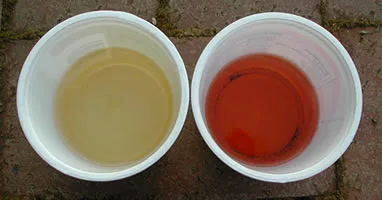
Bad gasoline may look darker than fresh gas, smell sour or varnish-like, or have debris, haze, or water separation.
Your engine may also tell you the fuel is bad. Common symptoms include hard starting, rough idle, hesitation, stalling, poor acceleration, engine knocking, reduced fuel economy, or a check engine light.
Small engines are often more sensitive than cars. Lawn mowers, snowblowers, motorcycles, generators, ATVs, and carbureted equipment can have trouble quickly if stale gas gums up jets, lines, or filters.
Can Old Gas Damage an Engine?
Yes, old gas can damage or clog fuel-system components.
Stale gasoline can leave varnish and gum deposits in fuel injectors, carburetors, fuel pumps, fuel lines, and filters. In severe cases, contaminated fuel can cause poor combustion, corrosion, and expensive repairs.
If the gasoline is only slightly old and still looks and smells normal, it may be usable when diluted with fresh fuel in some situations. But if it smells bad, looks dark, contains water, or has been sitting for a year or more, do not risk it.
Can Fuel Stabilizer Stop Gas From Going Bad?
Fuel stabilizer can help, but it works best when added to fresh gasoline before storage.
A stabilizer does not magically restore badly degraded fuel. It slows oxidation and helps keep fuel usable longer. STA-BIL says its Storage formula is designed to keep fuel ready to use for up to 24 months, while its 360 formulas are designed for up to 12 months.
For seasonal vehicles and equipment, add stabilizer before storage, run the engine long enough to circulate treated fuel, and store the fuel system according to the owner’s manual.
How to Store Gasoline So It Lasts Longer
Store gasoline in an approved fuel container, tightly sealed, in a cool, dry, well-ventilated area away from heat, sparks, flames, and living spaces.
Do not store gas in random plastic jugs, water bottles, open buckets, or glass containers. The CPSC explains that portable fuel containers must meet safety standards, including rules for gasoline containers sold empty.
The best storage habits are simple: buy only what you need, use fresh fuel, keep containers sealed, label the purchase date, and add stabilizer if the gas will sit for more than a couple of months.
What Should You Do With Bad Gasoline?
Do not pour old gasoline on the ground, into a drain, into a storm sewer, into regular trash, or into a fire.
Old gasoline should be taken to a household hazardous waste facility or approved local disposal site. The EPA warns that household hazardous waste should not be poured down drains, on the ground, into storm sewers, or thrown out with regular trash.
If you are not sure where to take it, search your city or county website for “household hazardous waste gasoline disposal.”
FAQs About Gasoline Going Bad
Does gasoline go bad in a car?
Yes. Gasoline can go bad in a car, especially if the vehicle sits for months without being driven. Heat, air exposure, ethanol, and moisture can speed up degradation.
How long can gas sit in a car?
Gas can usually sit for about 3 to 6 months before quality starts becoming a concern. If the vehicle will sit longer, use fuel stabilizer or follow the storage guidance in the owner’s manual.
How can you tell if gas is bad?
Bad gas may smell sour or like varnish, look darker than normal, appear cloudy, contain sediment, or cause hard starting, rough idle, hesitation, stalling, or poor acceleration.
Can you mix old gas with new gas?
If the gas is only slightly old and not contaminated, it may sometimes be diluted with fresh gas. If it smells bad, looks dark, contains water, or has been sitting a long time, dispose of it safely instead.
Does premium gas last longer?
Premium fuel may last slightly longer than regular in some cases, but it still goes bad. Storage conditions and ethanol content matter more than octane alone.
Does ethanol gas go bad faster?
Yes. Ethanol-blended gasoline can degrade faster because ethanol attracts moisture, which can lead to water contamination and phase separation.
Final Thoughts: Gasoline Does Go Bad
Gasoline absolutely goes bad, especially when it sits for months in a tank, can, mower, motorcycle, generator, or rarely driven vehicle.
Use 3 to 6 months as the practical shelf-life range for untreated gas. Ethanol fuel can go bad faster. Stabilizer can extend storage life if added early, but it will not rescue badly degraded fuel.
The safest move is to buy only what you will use, store fuel properly, treat seasonal fuel before storage, and dispose of old gasoline through a hazardous waste program when it is clearly bad.
Connect with us


