Simi Valley Chrysler Dodge Jeep Ram

Blog / General

Blog

All General Jeep Ram Dodge Questions Car Buying Guides Chrysler Simi Valley Chrysler Dealer Simi Valley Used Cars
Are They Still Making Dodge Charger

Are They Still Making Dodge Charger

The Dodge Charger is an iconic muscle car that has captured the hearts of performance enthusiasts for decades. As one of the last remaining full-size sedans with the heart and soul of a muscle car, it’s no surprise that many are curious about the future of the Dodge Charger. So, is Dodge still making the Charger? The short answer is yes. Dodge is continuing to produce the Charger, and in fact, the 2024 model year brings some exciting updates and new features. Let’s take a deeper dive into the current production status of the Dodge Charger and what you can expect from the 2024 lineup. 2024 Dodge Charger: A New Chapter in Performance Dodge has embraced both innovation and tradition with the 2024 Dodge Charger, making sure it stays true to its muscle car roots while adapting to the future of the automotive world. In addition to the classic gasoline-powered versions, Dodge has introduced a new electric variant, the Charger Daytona, as part of their shift towards electrification. The 2024 Dodge Charger lineup will feature both traditional gasoline engines and the upcoming electric variants. The Charger Daytona is the first Dodge model to feature a battery-electric powertrain, signaling Dodge’s commitment to adapting to the electric vehicle (EV) market. This all-electric muscle car will keep the spirit of the Charger alive while delivering cutting-edge performance and zero-emission driving. The Verge offers a great overview of the price and features of the new Charger Daytona, which is expected to hit dealerships soon. Powertrain Options for the 2024 Dodge Charger Dodge continues to offer a variety of powertrains for the 2024 Charger, maintaining the performance-oriented nature of the car. The Charger SIXPACK will be the gas-powered variant, equipped with the 3.0-liter inline-six Hurricane engine, capable of delivering impressive power and performance. In addition to the V6 and V8 engine options, the Charger Daytona R/T and Scat Pack models will feature the latest in performance technology. You can learn more about this in detail from Motor1. Charger R/T: Starting at $59,595, this model offers a balance of muscle car power and electric innovation. Charger Scat Pack: Starting at $73,190, it is designed for enthusiasts looking for a faster, more aggressive driving experience with 0-60 mph in just 3.3 seconds. Both of these variants still maintain the aggressive design and performance-oriented qualities that have become synonymous with the Charger brand. Dodge’s official site also shares detailed insights into the tech and performance features of these models. A Shift Toward Electrification One of the most exciting developments for the 2024 Dodge Charger is the introduction of the Charger Daytona, an electric muscle car. The Charger Daytona will be available in both the R/T and Scat Pack models, and its arrival is set to revolutionize the muscle car world. This marks Dodge’s shift to embracing electric vehicles while still retaining the aggressive, performance-first DNA that the Charger is known for. The electric Charger will offer futuristic design elements, including a high-tech cockpit and the same exhilarating driving experience. The transition to electric cars is inevitable, and Dodge is ensuring that its fans can still enjoy the power and performance they’ve come to love, but with an eco-friendly twist. To learn more about the Charger Daytona, check out this informative article from Thedrive, which explores the specifics of the EV muscle car. What’s New for the 2024 Dodge Charger? For the 2024 model year, Dodge has added several key upgrades to improve the Charger’s performance, technology, and comfort: Revamped Technology: Expect new infotainment options, including a larger touchscreen display with Uconnect 5, which integrates Apple CarPlay and Android Auto for seamless smartphone connectivity. Enhanced Safety Features: Dodge has upgraded its safety systems, offering standard features such as adaptive cruise control, lane-keep assist, and automatic emergency braking. New Styling Options: The 2024 Charger will be available in a variety of trims, offering more customization options to match your personal style and performance needs. These enhancements make the Charger even more appealing to those looking for a blend of raw power and modern technology. According to Mopar Insiders, the 2024 model also introduces a more refined exterior with updated styling cues that give the vehicle a more aerodynamic and aggressive stance. The Future of the Dodge Charger: What’s Next? The future of the Dodge Charger looks bright, with the integration of electric powertrains and an emphasis on high-performance vehicles. As the automotive industry continues to shift toward electrification, Dodge has successfully merged its performance heritage with new technology. While the Charger Daytona offers a glimpse into the future, the brand’s continued focus on gas-powered options ensures the Charger remains a viable option for traditional muscle car lovers. Additionally, with the 2025 Dodge Charger SIXPACK set for production, as mentioned by Mopar Insiders, it’s clear that Dodge plans to keep the muscle car spirit alive while evolving with the times. The future of the Charger combines performance and sustainability, ensuring it stays relevant for years to come. Conclusion: Is Dodge Still Making the Charger? Absolutely! Dodge continues to produce the Charger, and the 2024 model year introduces exciting updates with both gasoline-powered and electric options. Whether you prefer the traditional V6 or V8 engines, or are ready to embrace the future with the Charger Daytona EV, Dodge has something for everyone. With enhanced performance, technology, and safety features, the 2024 Dodge Charger continues to live up to its legacy as one of the most powerful and iconic muscle cars on the road. For more information on the 2024 Dodge Charger, visit Dodge’s official site and stay up to date with the latest updates in the automotive world. Citations: "2024 Dodge Charger Updates," Mopar Insiders "Dodge Charger 2024 Overview," Dodge "Dodge Charger Daytona EV Performance Features," Thedrive "2024 Dodge Charger Pricing and Features," The Verge "Dodge Charger Daytona R/T and Scat Pack," Motor1


Tim Kuniskis DODGE

Stellantis Brings Back Timothy Kuniskis to Lead Ram Brand and Boost Sales Amid Challenges

In a bold move to steer the Ram brand back to its prime, Stellantis has announced the return of Timothy Kuniskis as CEO of the iconic truck brand. Kuniskis, who had retired in June 2024 after a distinguished career with Stellantis, re-enters the company at a pivotal time when the automaker faces significant hurdles in the competitive North American market. Kuniskis’s return to the helm of Ram is a strategic response to the brand’s declining sales and its battle to maintain its place among the top contenders in the highly competitive truck sector. After a drop in sales, particularly in the U.S. market, Stellantis has recognized the need for strong leadership to rejuvenate the brand, and Kuniskis, with his rich history of driving growth and innovation at Stellantis, is the perfect person to lead the charge. The Context Behind Kuniskis’s Return Timothy Kuniskis is no stranger to Ram’s success. Before his brief retirement, Kuniskis played a significant role in transforming Ram into one of the most competitive and sought-after truck brands in North America. His leadership was instrumental in the launch of the revolutionary 2019 Ram 1500, which became a benchmark for the industry in terms of design, performance, and customer appeal. Kuniskis oversaw the development of the truck's luxury features, innovative technologies, and improved fuel efficiency, which positioned Ram as a serious competitor to Ford and Chevrolet in the full-size truck market. However, despite the brand’s strong reputation, Ram has been grappling with a significant downturn in sales. Through the third quarter of 2024, Ram’s U.S. sales had plummeted by 24%, putting additional pressure on Stellantis to make strategic changes. The automaker's overall sales numbers have also been on the decline, with a 27% dip in revenue. This led to the sudden resignation of CEO Carlos Tavares in December 2024, following internal conflicts and pressure from unionized auto workers. With these challenges, Stellantis has made a decisive decision to rehire Kuniskis, aiming to restore Ram's growth and solidify its competitive edge against rivals like Ford’s F-Series and General Motors’ Silverado. The hope is that Kuniskis’s leadership can reignite the Ram brand’s momentum and accelerate its recovery in the U.S. market. A Legacy of Leadership and Innovation Kuniskis’s track record with Stellantis speaks for itself. He joined the company in 1992 and worked in various roles across marketing, sales, and operations before taking the helm of the Ram brand. Under his leadership, Ram’s focus on premium features, such as advanced infotainment systems, plush interiors, and towing capabilities, set the brand apart in a crowded truck market. The launch of the 2019 Ram 1500, which was named North American Truck of the Year, cemented his reputation as an industry leader capable of delivering both innovation and customer satisfaction. Before his retirement, Kuniskis oversaw the introduction of new models, including the Ram 2500 and 3500, which featured heavy-duty performance enhancements, and the Ram TRX, a high-performance variant designed to take on the mighty Ford Raptor. His focus on luxury and performance helped redefine the truck market, appealing to a new generation of truck buyers who wanted more than just raw power—they wanted technology, comfort, and versatility. But even as he retired, Kuniskis’s legacy remained firmly embedded within the Ram brand. His influence was clear in the designs and strategies that followed his departure, but the downturn in sales, coupled with Stellantis's recent struggles, has shown that the brand needed more than just continuity—it needed a leader with a proven ability to innovate and take risks. Kuniskis's return reflects Stellantis’s acknowledgment of this need. The Road Ahead for Ram: What Kuniskis Must Tackle The road ahead for Kuniskis and Ram is undoubtedly filled with challenges. The truck market has become increasingly competitive, with Ford and General Motors making major strides in electric truck production. Ford’s F-150 Lightning and the Chevrolet Silverado EV are pushing the envelope on electric truck technology, forcing Ram to play catch-up in the electric vehicle (EV) segment. Kuniskis will need to spearhead Ram’s transition to electric trucks, as Stellantis has committed to producing a wide range of EVs in the coming years. Ram’s forthcoming electric truck, the 1500 REV, is set to debut in the coming years, and Kuniskis’s leadership will be critical to ensure that it meets customer expectations while also maintaining the brand's legacy of performance, luxury, and durability. In addition to EV development, Kuniskis will also need to address the brand’s current challenges. Sales have been slipping, and Ram must find ways to recapture lost ground. A focus on customer engagement, dealer relations, and introducing new features and capabilities could prove crucial to maintaining Ram’s position in the market. Additionally, Kuniskis will have to rebuild Ram’s reputation in light of the management shakeups under Tavares’s leadership. Ram’s recent decline in market share could be a result of a failure to connect with consumers or a lapse in understanding what the modern truck buyer truly wants. Kuniskis’s history of developing consumer-centric products and delivering quality should serve as a strong foundation for rebuilding the brand’s credibility and appeal. Stellantis’ Broader Strategy Kuniskis’s return comes as part of a broader strategy by Stellantis to realign its leadership and bolster its North American operations. With Jeffrey Kommor resuming his role as U.S. sales chief and Antonio Filosa, head of North America, pushing to increase Stellantis’s market share in the U.S. from its current 8% to double digits, the company is clearly putting emphasis on revitalizing its brands. This restructuring effort also comes at a time when Stellantis is transitioning to electrification, with ambitious plans to meet net-zero emissions by 2038. The company is focusing on improving its lineup of electric vehicles, including the Ram 1500 REV, which is expected to be a key player in the brand’s future. The reappointment of Kuniskis signals that Stellantis recognizes the need for strong leadership to guide its brands through a rapidly changing automotive landscape. Kuniskis’s experience with the brand, coupled with his deep understanding of the North American market, makes him an ideal candidate to steer Ram into the future. What Does This Mean for the Future of Ram? Ram’s future under Kuniskis will likely involve a fine balance between continuing its legacy of performance while adapting to the future of electrification. The Ram 1500 REV will be one of the most critical products for the brand in the coming years, and Kuniskis will need to make sure that it is not only competitive with electric rivals but also continues to cater to the needs of traditional truck buyers. Beyond electric trucks, Ram will need to evolve its offerings to include more technology and innovation that resonates with both existing customers and new ones. The luxury truck market is a growing segment, and Ram’s success will depend on its ability to continue appealing to high-end buyers while also catering to those who prioritize utility and towing capacity. Kuniskis will also have to oversee a revitalization of Ram’s dealership and customer service experience. A focus on enhancing the overall ownership experience and streamlining the sales process will be key to improving customer loyalty and driving future sales. In short, the future of Ram looks bright, but the journey won’t be without its challenges. Kuniskis’s return marks a new chapter in the brand’s evolution, and all eyes will be on him as he leads the charge to restore Ram to its rightful place in the competitive North American truck market. Conclusion: A New Chapter for Ram and Stellantis Stellantis’s decision to bring back Timothy Kuniskis as CEO of Ram is a significant step in the company’s strategy to reinvigorate the brand and address the challenges it faces in the evolving truck market. With Kuniskis’s proven track record and leadership experience, Ram is poised for a strong comeback, ready to compete head-to-head with rivals while embracing the future of electric mobility. As Stellantis positions itself for the next chapter, Kuniskis will play a crucial role in guiding Ram through the transition to a more sustainable and competitive future. His return is a signal that Stellantis is committed to securing Ram’s legacy and ensuring that it remains a dominant force in the truck market for years to come.

Tavares

Stellantis Shakes Things Up After Tavares' Resignation: Rejoining ACEA and Rethinking Strategy

In a bold move signaling a shift in strategy, Stellantis is making waves in the auto industry following the resignation of its long-time CEO, Carlos Tavares. The company, known for brands like Jeep, Chrysler, and Ram, is reversing its decision to leave the European Automobile Manufacturers Association (ACEA) and is now seeking to rejoin the influential lobby group, a decision that marks a significant departure from Tavares’ controversial leadership style. A New Era for Stellantis: Joining Forces Again Stellantis, Europe’s second-largest automaker, confirmed it intends to apply for membership in ACEA once more after leaving the group in 2022. At the time, Tavares had made the bold decision to pull Stellantis out of ACEA to champion a more independent approach through the creation of the Freedom of Mobility Forum. The forum was meant to focus on sustainable mobility without the constraints of traditional lobbying groups. But with Tavares stepping down amidst internal pressures, Stellantis seems ready to recalibrate its strategy. The news marks a dramatic turnaround, as Stellantis’ decision to re-enter ACEA reflects its renewed commitment to working closely with European automakers to navigate the challenges of the automotive industry’s green transformation. The association plays a pivotal role in shaping Europe’s future auto policies, including the race toward zero-emission mobility. ACEA Welcomes Stellantis Back with Open Arms The ACEA, which represents some of the biggest car manufacturers globally, including BMW, Ford of Europe, Toyota, and Volkswagen Group, has expressed its excitement about Stellantis’ decision to reapply for membership. Luca de Meo, the ACEA President and CEO of Renault Group, extended a warm welcome, emphasizing that Europe’s auto industry must unite to tackle the mounting challenges of sustainable transportation. "In the face of Europe’s competitiveness crisis and the pressing need to master the green transition, it is more important than ever to stand united," de Meo stated. He added, "ACEA members may be competitors in the marketplace, but we all share the same goal: a competitive and sustainable transition to zero-emission mobility." This signals that Stellantis is not just about to play catch-up—it’s positioning itself to be a key player in shaping the future of mobility in Europe and beyond. A Shift in Leadership and Direction The decision to rejoin ACEA comes as Stellantis seeks to regain its footing following a period of internal turmoil. Under Tavares, the company had pursued a strategy of aggressive cost-cutting and expansion, often at the expense of collaboration with other automakers. His resignation followed growing tension with the board and union auto workers, compounded by his often "arrogant" leadership style. Now, with the company under new leadership, Stellantis seems poised to embrace a more cooperative, collective approach to the evolving challenges of the automotive sector, especially in light of the green transition. As Stellantis moves forward under the guidance of its new leadership team, it seems ready to balance the competitive edge that comes with being a global powerhouse while joining forces with rivals to create a sustainable and competitive auto industry in Europe. With ACEA backing Stellantis’ re-entry, the stage is set for the company to take a more active role in shaping European auto policies for the future. Tavares’ Legacy: A Mixed Record Carlos Tavares’ time at the helm of Stellantis was marked by major accomplishments and equally significant controversies. He steered the company through mergers, cost reductions, and a push for greater efficiency. However, his aggressive approach and resistance to unions, coupled with his decision to distance Stellantis from ACEA, left some questioning his vision. While Tavares’ resignation certainly marks the end of an era, Stellantis’ shift in direction could signal a brighter future for the company—one where collaboration, sustainability, and a stronger presence in the green automotive space are top priorities. With the ACEA partnership back on the table, Stellantis is ready to enter a new chapter, working alongside the biggest players in the industry to push for a future of zero-emission vehicles and sustainable growth. What Does This Mean for North America? For North America, Stellantis’ decision to rejoin ACEA could signal a shift in strategy that will affect the company’s operations across the continent. The move to collaborate more closely with European automakers could lead to stronger partnerships that benefit Stellantis’ North American lineup, particularly as the region’s automotive market also faces an accelerated transition to electric vehicles. This renewed cooperation might mean more advanced EV technology for Jeep, Chrysler, and Ram vehicles in the U.S. and Canada, as the company works to meet the growing demand for sustainable mobility. Moreover, Stellantis' new leadership is likely to bring a more collaborative approach to its dealings with regulators and environmental advocates in North America, as pressure mounts for automakers to meet stricter emissions standards and climate goals. Stellantis could potentially leverage its ACEA membership to influence policies in North America, ensuring its brands stay competitive while meeting zero-emission targets. The shift away from Tavares’ more independent stance may also open the door for more cooperative efforts with U.S.-based automakers and suppliers, as Stellantis navigates the complex landscape of global electric vehicle production. The company will likely work more closely with other industry giants in shaping a future where electric vehicles dominate the roads. For North American consumers, this could translate into better EV options, improved infrastructure, and potentially lower prices as Stellantis works to scale production and reduce costs. As Stellantis evolves, the potential impact on North America is immense. With stronger ties to European automakers, a renewed focus on collaboration, and an accelerated push toward electric mobility, Stellantis could soon be positioning itself to lead the charge on both sides of the Atlantic.

Stellantis Teams Up with CATL for $4.3 Billion EV Battery Plant

Stellantis and CATL Unveil $4.3 Billion EV Battery Plant: The Next Big Step for North American Electric Vehicles

Jeep, Ram, and Chrysler are going electric in a big way. Stellantis, the powerhouse behind some of the most iconic American car brands, has just revealed a groundbreaking partnership with CATL, the Chinese battery giant, to build a $4.3 billion electric vehicle (EV) battery plant. The new facility will make lithium-ion phosphate batteries, which are crucial for powering the automaker’s upcoming electric cars and SUVs. This ambitious move is part of Stellantis’ strategy to ramp up its EV production and make these vehicles more affordable for consumers. With the company planning to invest up to $4.3 billion in the project, the battery plant promises to deliver a much-needed boost to Stellantis’ electric portfolio. And they’re not going it alone — CATL, the world's largest battery manufacturer, is on board as a joint partner, each owning 50% of the venture. What’s at Stake for Stellantis? Stellantis isn't just talking about electric cars; they’re putting their money where their mouth is. The $4.3 billion investment will be used to establish a cutting-edge battery plant in Zaragoza, Spain. The plant will primarily produce lithium-ion phosphate batteries, which are set to lower the cost of Stellantis’ electric vehicles. But it’s not just about cutting costs. The move will also create approximately 3,000 new jobs and contribute to the region’s clean energy ambitions. Zaragoza’s already home to one of Stellantis' car plants, where the electric Peugeot e-208, Opel Corsa-e, and Lancia Ypsilon are manufactured. With Spain’s backing, including a $146 million subsidy, the new plant is expected to be up and running soon, pending regulatory approval. John Elkann, Stellantis’ chair, highlighted that this partnership with CATL takes the company's approach to battery production and sustainable energy to a whole new level. He said, “This joint venture will bring innovative battery production to a manufacturing site that is already a leader in clean and renewable energy, helping drive a 360-degree sustainable approach.” CATL and Stellantis: A Powerful Pair For CATL, this partnership is a major leap forward, as the company continues to expand its global footprint. Already operating battery plants in Germany and Hungary, CATL’s entry into Spain with Stellantis will solidify its position in Europe, a region rapidly shifting towards electric mobility. CATL’s CEO, Robin Zheng, called the joint venture “a significant step,” noting that it takes their collaboration with Stellantis to “new heights.” Together, the two companies aim to not only provide affordable EV batteries but to also enhance the sustainability of the entire manufacturing process. The Road Ahead for Stellantis This project is part of Stellantis’ larger goal to reach net-zero carbon emissions by 2038. But the company’s journey hasn’t been without its bumps. Despite Stellantis’ ambitious EV push, the automaker has faced some recent challenges, with its sales slowing in North America and Europe. The company’s net revenue dropped 27% last quarter, falling to $35.8 billion. The leadership of Stellantis also experienced turbulence with CEO Carlos Tavares stepping down amid board conflicts. But Elkann, who has taken the reins after Tavares’ resignation, remains focused on the company’s long-term vision. The new battery plant and partnership with CATL may be just the shot in the arm Stellantis needs as it pushes to electrify its fleet and make waves in the EV market. What Does This Mean for Jeep and Ram? For Jeep lovers and Ram truck fans, this partnership could signal exciting things to come. As Stellantis builds a more affordable, sustainable EV lineup, expect the electric versions of these iconic brands to hit the market in force. The new battery plant will play a critical role in supporting the demand for these vehicles, ensuring they are both affordable and environmentally friendly. As we move toward a future of cleaner, greener transportation, Stellantis is positioning itself as a key player in the electric revolution. The $4.3 billion investment in this cutting-edge battery plant is a bold step forward, and one that could change the automotive landscape for good. Stay tuned—there’s no telling what’s next for Jeep, Ram, and the entire Stellantis lineup!

Are RAM 1500 Reliable

Are RAM 1500 Reliable

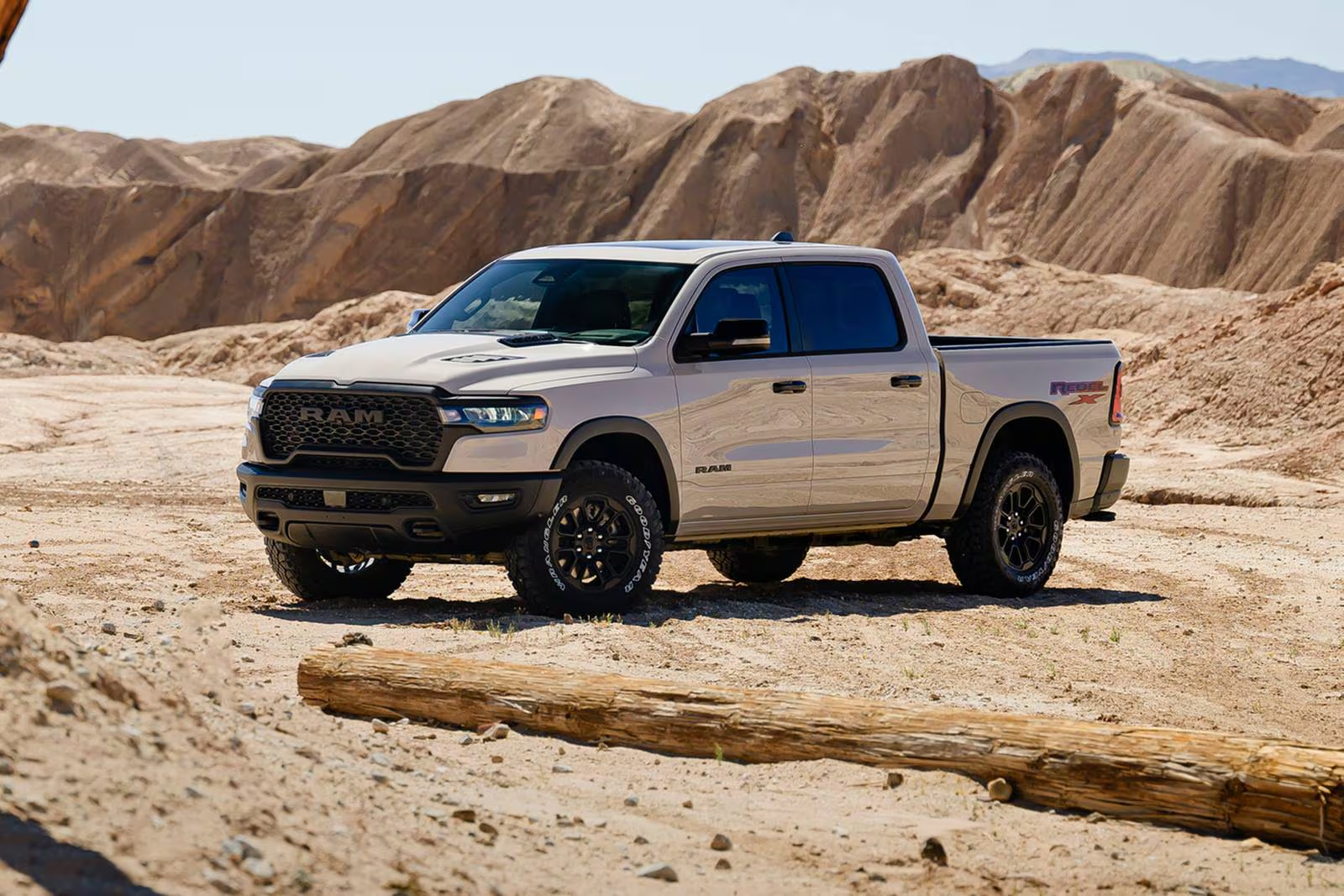
Look into Performance, Durability, and Long-Term Ownership When it comes to full-size pickup trucks, the RAM 1500 is a strong contender in the market. Known for its rugged performance, strong towing capabilities, and comfortable ride, the RAM 1500 has earned a loyal following over the years. But when considering a vehicle for long-term ownership, reliability is key. No one wants to deal with constant breakdowns, costly repairs, or engine issues. In this article, we’ll dive deep into the reliability of the RAM 1500, addressing the performance of its engines, common issues, maintenance tips, and consumer feedback. If you’re looking to buy a RAM 1500 or just want to understand how it holds up over time, this guide will provide all the information you need. Overview of the RAM 1500: A Versatile Pickup The RAM 1500 is part of the RAM truck lineup, which includes lighter-duty trucks that are perfect for both everyday driving and tough work tasks. As a full-size pickup, the RAM 1500 is designed to handle heavy loads, offer excellent towing capacity, and deliver a comfortable driving experience for both work and leisure. The RAM 1500 is available in multiple configurations, including different engine options, trim levels, and both two-wheel-drive and four-wheel-drive configurations. For those looking for performance, the RAM 1500 offers several engine options, including the 3.6-liter V6, the powerful 5.7-liter HEMI V8, and the 3.0-liter EcoDiesel V6 for those interested in fuel efficiency without compromising towing power. Whether you’re using your RAM 1500 for commuting, hauling, or off-roading, there’s an engine and configuration to fit every need. But performance isn’t everything when it comes to reliability. Owners want to know that the RAM 1500 will last, handle rough roads, and provide dependable service for years to come. Let’s dive into what makes the RAM 1500 a reliable choice for many truck owners. What Makes RAM 1500 Reliable? Several key factors contribute to the reliability of the RAM 1500. Below are some of the most important aspects that make the truck a trusted choice for those looking for long-lasting performance. 1. Engine Options and Longevity The RAM 1500 offers a variety of engines, each known for its performance and durability. Here’s a breakdown of the engine options: 3.6-Liter V6: The base engine for the RAM 1500, this engine delivers a solid balance of power and fuel efficiency. The 3.6-liter V6 has proven to be reliable in many RAM models, and with regular maintenance, it can easily last for several hundred thousand miles. It provides enough towing and hauling capacity for everyday use and light to medium-duty tasks. 5.7-Liter HEMI V8: The HEMI V8 engine is a favorite among RAM truck enthusiasts, known for its powerful performance and reliability. This engine delivers impressive towing capacity, excellent horsepower, and torque. The HEMI V8 has been a staple in RAM trucks for many years, and with proper care, it can last well beyond 200,000 miles. 3.0-Liter EcoDiesel V6: For those looking for more fuel efficiency, the EcoDiesel V6 is an excellent option. Diesel engines are known for their longevity, and this one is no exception. The EcoDiesel engine provides strong towing capacity while maintaining excellent fuel economy, making it a great choice for long-haul trips and towing heavy loads. Diesel engines, if maintained well, can last well into the 300,000-mile range. Overall, the RAM 1500’s engines are built to last, and each option has been designed for long-term reliability and performance. Regular oil changes, filter replacements, and timely repairs can ensure that your engine continues to perform without issue. 2. Transmission and Drivetrain Reliability The RAM 1500 comes with an 8-speed automatic transmission across most models, contributing to smooth gear shifts, improved fuel economy, and better handling. This transmission system is known for its smoothness and reliability, even under heavy loads. Transmission failure is not a common issue for the RAM 1500, and when properly maintained, the truck’s drivetrain is built to withstand long-term use. Additionally, the 4WD drivetrain in the RAM 1500 provides added traction and control, making it suitable for off-road use. Owners of 4WD RAM 1500s have reported great satisfaction with the truck’s ability to handle tough terrains, including snow, mud, and gravel, while still being reliable for daily driving. 3. Suspension and Handling The RAM 1500 features a coil-spring rear suspension, which gives it a smoother ride compared to the traditional leaf-spring suspension found in many other trucks. This makes the RAM 1500 not only comfortable for daily driving but also durable enough to handle tough work and off-road conditions. The coil-spring suspension reduces wear and tear on key components, improving the truck's overall reliability. The RAM 1500 is also equipped with air suspension in some trims, allowing for improved ride quality and the ability to adjust ride height. This feature adds to the overall comfort and durability of the vehicle, especially for those who plan to use it for towing or hauling. 4. Durability and Build Quality One of the defining traits of the RAM 1500 is its strong build quality. The truck features a high-strength steel frame that can withstand the demands of daily work and heavy towing. The body is designed with durable materials to resist rust and corrosion, which helps maintain the truck’s integrity over the years. Whether you’re using your RAM 1500 for work or play, the truck’s solid construction ensures that it can handle demanding conditions. The interior is also designed with durability in mind, offering a comfortable ride while being resistant to wear and tear. Common Problems with the RAM 1500 While the RAM 1500 is generally a reliable truck, some owners have reported occasional issues. Here are some of the most common problems that RAM 1500 owners have experienced: 1. Transmission Issues Some owners of 2013-2017 RAM 1500 models have reported issues with the 8-speed automatic transmission, including rough shifting, delayed acceleration, or transmission failure. However, these issues are generally isolated and are often related to faulty solenoids or software issues. Updating the software or replacing the transmission fluid can often resolve these problems. 2. Electrical Problems Uconnect is the infotainment system used in many RAM 1500 models, and while it is generally reliable, some owners have reported issues with the system freezing, glitching, or becoming unresponsive. These issues are often related to software malfunctions, and updates from the manufacturer typically resolve them. Electrical issues like malfunctioning sensors or battery drains have also been reported but are relatively rare. How reliable has your RAM been ? by u/tortillas007 in ram_trucks 3. Air Conditioning Problems Another issue reported by some owners is air conditioning failure. This can be due to refrigerant leaks, faulty compressors, or clogged condensers. While it is not a widespread problem, it is something to be aware of if you're buying an older model. 4. Brake Wear As with any vehicle, the brake system on the RAM 1500 can experience wear over time. Owners who use their trucks for towing or heavy hauling may find that the brake pads wear out quicker, leading to squeaking, reduced braking performance, or vibrations. Regular brake inspections and timely replacements can ensure optimal performance and safety. How to Maintain Your RAM 1500 for Maximum Reliability To ensure your RAM 1500 stays reliable for years, regular maintenance is crucial. Here are some key maintenance tips: Change the oil regularly: Follow the manufacturer’s recommendations for oil changes to keep the engine running smoothly. Check the transmission fluid: Ensure it is at the correct level and change it as needed to prevent shifting issues. Inspect the brakes: Regularly check the brake pads and rotors to ensure they are functioning correctly, especially if you tow a lot. Monitor tire pressure. Proper tire maintenance improves fuel efficiency and extends tire life. Perform suspension inspections: Regularly check the suspension system for wear, especially if you frequently drive off-road or haul heavy loads. Consumer Feedback: What Do RAM 1500 Owners Say About Reliability? The feedback from RAM 1500 owners is generally positive, especially for recent model years. Owners consistently praise the truck for its performance, towing capacity, and overall comfort. Many report that the RAM 1500 can handle tough work tasks while providing a smooth ride for daily driving. The engine options, particularly the HEMI V8 and EcoDiesel V6, have received high marks for their power and reliability. However, some owners of earlier models (2013-2017) have raised concerns about transmission issues and electrical glitches, although these problems are not widespread. Overall, the RAM 1500 has earned a solid reputation for reliability, with most issues being relatively minor and easily fixed with maintenance. Conclusion: Is the RAM 1500 Reliable? Yes, the RAM 1500 is a reliable truck, offering excellent performance, durability, and comfort. While some common issues like transmission and electrical problems have been reported, they are relatively minor and can be easily addressed with proper care. The RAM 1500’s powerful engine lineup, smooth transmission, and solid build quality make it one of the most reliable options in the full-size pickup market. With regular maintenance, the RAM 1500 can easily last for several hundred thousand miles, providing dependable service for both work and play. For anyone in the market for a truck that combines muscle car performance with everyday practicality, the RAM 1500 is a top choice. It’s a truck that’s built to last, perform, and impress.

Types of Oil Wrenches For Automobiles

Types of Oil Wrenches For Automobiles

When it comes to changing the oil in your vehicle, having the right tools is essential for a smooth and efficient process. One of the most important tools you'll need is an oil wrench. Oil wrenches are designed to help you remove the oil filter, which can often be difficult to loosen by hand due to the tightness or location of the filter. In this article, we will discuss the various types of oil wrenches available for automobiles and how they can make your oil change tasks easier. To learn more about the best oil filter wrenches, be sure to check out this article on the best oil filter wrench recommendations from mechanics, which will give you expert insights into choosing the right tool for your needs. 1. Strap Oil Wrench A strap oil wrench is one of the most common types used for oil filter removal. It consists of a durable strap that wraps around the oil filter. Once the strap is in place, you use a handle to rotate the wrench and remove the filter. This type of wrench is ideal for users who want a simple, cost-effective solution. Pros: Affordable, easy to use, works well on filters that are located in tight spaces. Cons: May not work as well on filters that are particularly tight or stuck. If you need an oil filter wrench with a design that provides more grip and torque, you might want to look into this recommended oil filter wrench, which provides enhanced grip for stubborn filters. 2. Pliers-Style Oil Wrench Pliers-style oil wrenches work similarly to traditional pliers but with a design specifically made for removing oil filters. The adjustable grip allows you to easily clamp the pliers around the oil filter and rotate it to loosen it. Pliers-style wrenches are known for providing a lot of control and leverage, making them ideal for stubborn filters. Pros: Provides excellent grip and leverage, suitable for tight or hard-to-reach oil filters. Cons: Can be difficult to use on smaller filters. For a detailed guide on how to use pliers-style oil wrenches, consider checking this article for further tips and recommendations. 3. Socket-Style Oil Wrench A socket-style oil wrench is similar to a standard socket wrench, but it’s designed specifically for oil filter removal. This tool fits over the oil filter and provides a firm grip, making it easier to twist off the filter. Socket-style wrenches are often used with a ratchet handle for more torque, which is helpful for removing stubborn filters. Pros: Provides excellent grip and torque, works well with tight filters, ideal for users who already have a ratchet wrench. Cons: Requires an additional ratchet wrench, may not fit in tighter spaces. For more information on socket-style wrenches, including the best models for oil filters, make sure to check out this expert guide. 4. Cap-Style Oil Wrench The cap-style oil wrench is a specialized tool that fits over the top of the oil filter and provides a secure grip. It works by using the sides of the filter to provide more surface area for gripping. These wrenches are often used for larger filters, and they provide excellent leverage when trying to remove stubborn filters. Pros: Provides a strong, secure grip on larger filters, offers good leverage. Cons: May not work well on smaller filters, requires a good fit to avoid slippage. For a deeper look at cap-style oil wrenches and to see some of the best options available, make sure to read this detailed review. 5. Chain Oil Wrench A chain oil wrench uses a chain that wraps around the oil filter and tightens as you turn the handle. This style provides an adjustable fit, making it ideal for a wide range of filter sizes. The chain wrench offers great leverage, making it useful for removing stubborn or over-tightened oil filters. Pros: Adjustable, works well with a variety of filter sizes, provides good torque. Cons: The chain can be difficult to handle, and it may not be as quick to use as some other styles. If you’re interested in learning more about chain-style wrenches and the best models on the market, check out this article on the best oil filter wrenches for expert recommendations. 6. Universal Oil Wrench A universal oil wrench is designed to fit various filter sizes, making it a versatile tool for both professional mechanics and DIY car owners. These wrenches often have an adjustable head that can be resized to fit different filter types, ensuring a secure grip on almost any oil filter. Pros: Versatile, fits a variety of filter sizes, convenient for those with different vehicles. Cons: May not provide as strong a grip as more specialized wrenches. For a list of the top-rated universal oil wrenches and how to choose the best one for your needs, refer to this guide. 7. Manual vs. Powered Oil Wrenches Manual oil wrenches, such as strap wrenches or pliers, are popular for their simplicity and effectiveness. However, for larger or more stubborn oil filters, powered oil wrenches (electric or pneumatic) are an excellent option. These tools provide automatic or motorized assistance to remove filters with greater ease, making them ideal for high-volume shops or professional mechanics. Pros: Faster, less effort required, more powerful. Cons: Higher cost, may not be necessary for DIY jobs. To find out which powered oil wrenches are best for automobile maintenance, check out this expert review. Conclusion Whether you're changing the oil in your car, truck, or another vehicle, an oil wrench is an indispensable tool to have in your garage. From strap wrenches to socket-style and powered models, there are plenty of options to help make oil changes easier. Understanding the different types of oil wrenches and their advantages will help you choose the best one for your needs. To dive deeper into the best oil filter wrenches available on the market and get more expert insights, be sure to check out this comprehensive article.

How to Jump-Start a Semi Truck and Stay Prepared on the Road

How to Jump-Start a Semi Truck and Stay Prepared on the Road

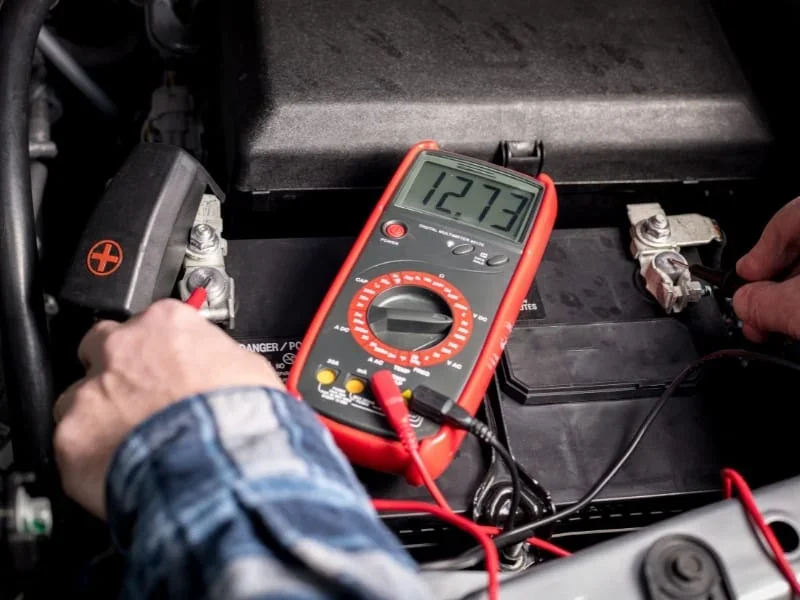
Dead batteries can strike at the most inconvenient times, whether you're driving a regular car, motorcycle, or even a semi-truck. It’s important to know how to get your vehicle up and running again, but it’s equally crucial to be prepared for these situations before they happen. One of the best ways to ensure you're always ready is to have a reliable jump starter on hand. In this post, we’ll explain how to jump-start a semi truck and how having a reliable jump starter, like the NOCO Boost Plus GB40, can make all the difference. Jump-Starting a Semi Truck: The Basics When it comes to jump-starting a semi-truck, it’s not much different from a regular car, but there are key differences to remember due to the size of the truck’s battery. Here’s a quick recap of how to jump-start a semi-truck: Ensure Safety: Park both vehicles close, but make sure they don’t touch. Connect the Cables: Connect the red cable to the positive terminals of both batteries, then the black cable to the grounded metal surface of the semi-truck and the negative terminal of the assisting vehicle. Start the Assisting Vehicle: Let the second vehicle run for a few minutes before attempting to start the semi-truck. Start the Semi Truck: After a few minutes, try starting the truck. If it doesn’t start, give it a bit more time. Disconnect the Cables: Disconnect the cables in reverse order, starting with the black cable, and let the semi-truck run for at least 30 minutes to fully charge the battery. While these steps can get you back on the road, there’s a smarter way to be prepared for jump-starting your semi-truck (or any vehicle, for that matter) without relying on a second vehicle: by using a NOCO Boost Plus GB40 jump starter. Why the NOCO Boost Plus GB40 Is a Must-Have for Jump-Starting Dead car batteries or semi truck batteries can be frustrating and inconvenient, especially if you’re far from home or stuck in a remote location. The NOCO Boost Plus GB40 is a portable jump starter that makes it easy to get your vehicle started again without needing another car. It’s not just for regular vehicles—it’s versatile enough for larger engines too, which makes it perfect for semi trucks. Key Features of the NOCO Boost Plus GB40: UltraSafe Technology: With spark-proof functionality and reverse polarity protection, the GB40 ensures safe operation even for first-time users. High Efficiency: Capable of up to 20 jump-starts on a single charge, it’s reliable when you need it most. Multifunctional Use: The GB40 can also charge your devices via its USB port and even features a 100-lumen LED flashlight with seven modes, including an SOS strobe. Compact and Durable: Despite being lightweight and portable, its rugged, water-resistant casing makes it durable for any conditions. Why the NOCO Boost Plus GB40 is Ideal for Semi Trucks When it comes to semi trucks, a dead battery can cause serious delays. That’s where the NOCO Boost Plus GB40 stands out. Its 1,000-amp peak current ensures it can jump-start not only cars but also larger vehicles like semi trucks, which often require more power to get going. Its ability to jump-start both gasoline engines up to 6.0L and diesel engines up to 3.0L makes it perfect for a variety of vehicles, including those with large batteries like semi trucks. Peace of Mind on the Road If you drive a semi-truck or any vehicle with a heavy-duty battery, carrying a jump starter like the NOCO Boost Plus GB40 ensures you're prepared for the unexpected. Whether you’re facing a dead battery in the middle of a highway or need to charge your phone while on the road, this jump starter has you covered. Plus, its compact size means you can easily store it in your vehicle, ready for action when you need it. You can read our detailed review here for more information on how the NOCO Boost Plus GB40 can help with emergency jump-s tarts. Conclusion: Stay Prepared for Anything No one ever plans for a dead battery, especially in a large vehicle like a semi truck, but being prepared can save you a lot of time and stress. With the NOCO Boost Plus GB40, you can be confident that you’ll always have the power to jump-start your vehicle and get back on the road, no matter where you are. Whether you're navigating city streets, long-hauling through rural highways, or parked in the middle of nowhere, the GB40 ensures that a dead battery won’t slow you down. By combining knowledge on how to jump-start a semi truck with the reliable power of the NOCO Boost Plus GB40, you’ll always be ready for whatever comes your way.

Can You Disable Afm With A Scan Tool

Can You Disable Afm With A Scan Tool

Active Fuel Management (AFM) is a system designed by General Motors to improve fuel efficiency by deactivating half of the engine’s cylinders when the vehicle is cruising or under light load. While this can lead to improved fuel economy, some drivers find it disruptive, particularly when the engine switches between operating on fewer cylinders and full power. For those who prefer to disable AFM and maintain full-cylinder operation, there are a few ways to achieve this — one of which is using a scan tool. BUY NOW AFM DISABLER In this blog, we'll explore how you can disable AFM with a scan tool, why you might want to do so, and the pros and cons of this method. We’ll also link you to an expert-reviewed list of the best AFM disablers, so you can make an informed decision about whether a scan tool or a separate device is the right choice for you. What is AFM and Why Disable It? Before diving into how to disable AFM, let’s first take a quick look at the system itself. AFM is a technology that activates and deactivates cylinders in your engine based on load demands. For example, when you're cruising on the highway and not accelerating, the system may deactivate half of the cylinders, improving fuel efficiency. This is especially useful for vehicles with V8 engines, but it can sometimes cause noticeable engine performance fluctuations, such as a sudden drop in power or a "jerking" feeling when transitioning between four and eight cylinders. For some drivers, these changes in engine performance are distracting or unwanted, which leads them to disable AFM altogether. While there are many ways to disable the system, using a scan tool is one of the most direct methods, and it can often be done without needing any extra devices or hardware. How to Disable AFM with a Scan Tool A scan tool, also known as an OBD-II (On-Board Diagnostics) tool, is a device that connects to your vehicle’s onboard computer system to monitor and adjust various vehicle parameters. Many scan tools allow you to access and modify the settings for your car’s engine control module (ECM), including disabling systems like AFM. Steps to Disable AFM Using a Scan Tool: Choose a Compatible Scan Tool: You’ll need a scan tool that supports the ability to modify or reprogram vehicle settings. Tools like HP Tuners, Diablosport, or EFI Live are some of the more popular options that support AFM disablement. These tools are often used by automotive enthusiasts and professionals for tuning vehicles and making changes to engine management systems. Connect the Scan Tool to Your Vehicle: Most scan tools connect to the OBD-II port, which is usually located under the dashboard near the driver’s seat. Plug the scan tool into this port, ensuring it's securely connected. Access the AFM Settings: Once the scan tool is connected, navigate through the software to find the AFM settings. These will typically be found under engine management or fuel system settings. Some scan tools may list AFM as "Active Fuel Management" or "Cylinder Deactivation." Disable the AFM System: Follow the instructions on the scan tool to disable the AFM system. This will prevent the engine from deactivating any cylinders, ensuring that all cylinders fire at all times for maximum power and performance. Save and Exit: Once you’ve disabled the AFM system, save the changes and exit the scan tool. Your vehicle should now be running on all cylinders, providing more consistent power and eliminating the transitions between four and eight cylinders. Benefits of Disabling AFM with a Scan Tool: Full Cylinder Operation: The primary benefit of disabling AFM with a scan tool is that your engine will always run on all cylinders. This eliminates the jerky transition between four-cylinder and eight-cylinder operation, resulting in a smoother driving experience. Improved Performance: For drivers who regularly tow, haul, or drive in performance-demanding conditions, disabling AFM can provide a noticeable improvement in power delivery and throttle response. More Control Over Engine Settings: Using a scan tool provides the flexibility to adjust more than just the AFM settings. You can also modify other engine parameters, allowing for a more customized driving experience. Potential Drawbacks of Disabling AFM with a Scan Tool: Fuel Efficiency Impact: The most significant drawback to disabling AFM is that it may reduce your vehicle’s fuel efficiency. AFM is designed to improve fuel economy by deactivating cylinders under light load conditions. By disabling it, your engine will always run on all cylinders, which can lead to higher fuel consumption. Warranty Concerns: Some vehicle manufacturers may void the warranty if you modify the ECM settings, including disabling AFM. It's important to check your vehicle’s warranty terms before making any changes to the vehicle’s factory settings. Requires a Specialized Tool: Using a scan tool to disable AFM requires access to a compatible tool and knowledge of how to use it. While the process is not difficult, it may not be ideal for someone who isn’t familiar with automotive diagnostics or tuning. Alternative Option: AFM Disablers If you're looking for a simpler solution or prefer not to use a scan tool, an AFM disabler may be a better choice. These devices are designed to plug into your vehicle’s OBD-II port and immediately disable the AFM system. They are much easier to install and can often be removed if necessary. One of the most popular AFM disablers on the market is the Range Technology Active Fuel Management Disabler, which offers an easy, plug-and-play installation. Once connected, it disables the AFM system and ensures the engine operates on all cylinders at all times. If you’re interested in learning more about AFM disablers, check out this expert-reviewed list of the Best AFM Disablers. This article provides a detailed comparison of the top AFM disablers, their pros, cons, and installation procedures. Which Method is Right for You? Choosing between disabling AFM with a scan tool or using an AFM disabler comes down to your personal preferences and needs. If you're comfortable using advanced tools and want more control over your vehicle’s settings, a scan tool might be the best option. However, if you're looking for a simpler and more straightforward solution, an AFM disabler is a great alternative. Conclusion Disabling AFM with a scan tool can be a great way to enhance your vehicle’s performance by ensuring it runs on all cylinders at all times. It offers more control and can eliminate the unwanted engine transitions caused by AFM. However, it’s essential to consider the potential impact on fuel efficiency, warranty implications, and the learning curve associated with using a scan tool. If you're looking for a more user-friendly option, an AFM disabler provides an easy plug-and-play solution. Whichever method you choose, make sure you weigh the pros and cons and decide based on your specific driving needs. For more information on AFM disablers and to explore the best options available, check out the expert-reviewed list in the article Best AFM Disablers.

afm_disabler

What is An Afm Disabler

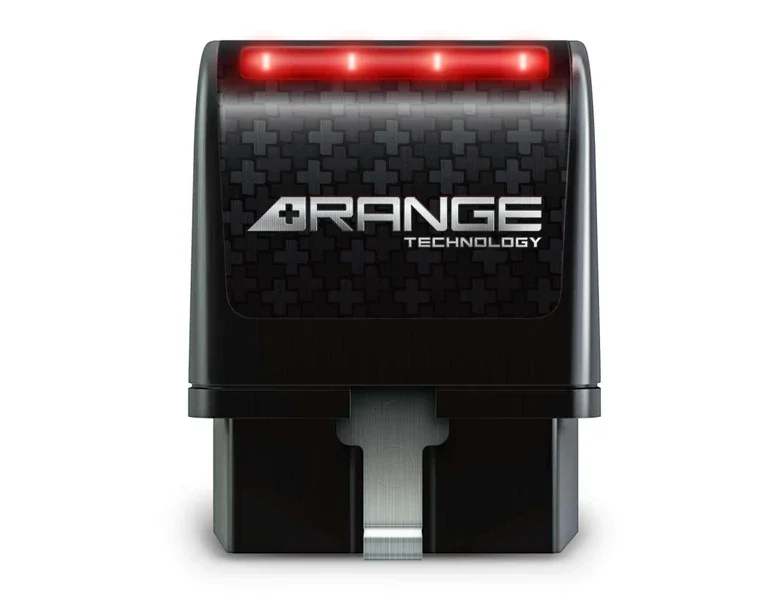
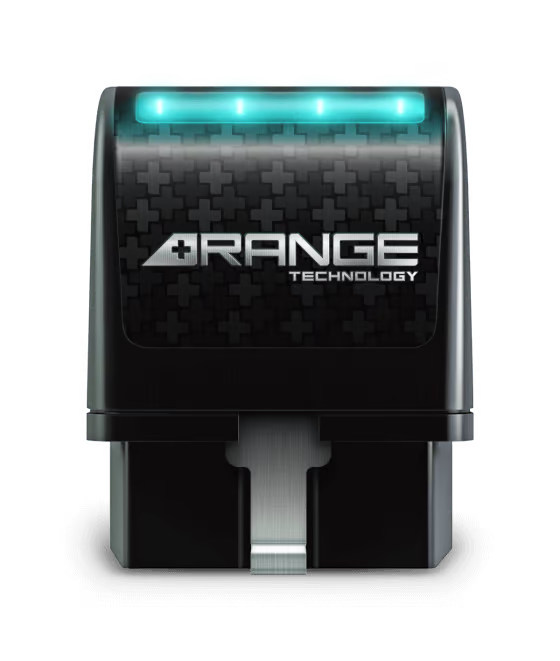
If you own a modern vehicle with an Active Fuel Management (AFM) system, you may have heard of AFM disablers, devices that are used to alter the way your engine operates. But what exactly is an AFM system, what does an AFM disabler do, and why would you want to use one? This article will provide an in-depth explanation of AFM systems, how AFM disablers work, the pros and cons of using one, and much more. What is Active Fuel Management (AFM)? Active Fuel Management (AFM) is a technology developed by General Motors (GM) to improve fuel efficiency in V8 engines. It works by deactivating half of the engine’s cylinders when the vehicle is cruising at low speeds or under light load conditions, such as highway driving. The system can seamlessly switch between running on all eight cylinders or only four, depending on the demands of the vehicle. This system aims to save fuel by reducing engine power when full power isn't needed. However, while AFM can lead to significant fuel savings, some drivers find it less than ideal due to the sometimes noticeable transition between operating on fewer cylinders. This is where AFM disablers come into play. What is an AFM Disabler? An AFM disabler is a device designed to prevent the AFM system from deactivating any of the engine’s cylinders. By doing this, it ensures that the engine always runs on all its cylinders, providing consistent power and performance at all times. The device plugs into the vehicle's OBD-II (On-Board Diagnostics) port, and once activated, it overrides the AFM system. The primary purpose of an AFM disabler is to eliminate the lag or hesitation that occurs when the engine switches between a four-cylinder and an eight-cylinder operation. Many drivers find this transition to be noticeable and, at times, annoying, especially when accelerating or towing. How Does an AFM Disabler Work? AFM disablers work by interrupting the signal that controls the deactivation of the engine’s cylinders. In most vehicles with AFM, the system is controlled by the vehicle's Engine Control Unit (ECU). The AFM disabler sends a signal to the ECU, telling it to keep all cylinders active, preventing it from switching between operating on four or eight cylinders. Installing an AFM disabler is usually a simple process. The device is typically designed to plug into the OBD-II port located beneath the dashboard. Once connected, the device is activated, and the vehicle will no longer switch between running on fewer cylinders. Many AFM disablers are designed to be easy to remove, allowing you to return the vehicle to its factory settings if needed. Why Do People Use AFM Disablers? There are several reasons why drivers may choose to install an AFM disabler in their vehicles: Improved Performance and Power Delivery: AFM systems can sometimes cause a noticeable lag or hesitation when the engine transitions between operating on fewer cylinders. This can be particularly frustrating during acceleration or when towing heavy loads. By disabling the AFM system, the engine runs on all cylinders at all times, providing a more consistent and responsive driving experience. Enhanced Throttle Response: The transition between four-cylinder and eight-cylinder operation can also affect throttle response. When AFM is disabled, the vehicle has quicker throttle response and smoother acceleration, which some drivers find more enjoyable, particularly in performance or towing situations. Better Sound Quality: Some drivers prefer the more robust sound that comes from a full V8 engine firing on all cylinders. AFM can sometimes cause the engine to sound quieter or more muffled when it’s running on fewer cylinders. Disabling the system allows the engine to produce a fuller, more aggressive exhaust note. Improved Towing Performance: When towing heavy loads, AFM can cause the engine to switch between cylinders, which can result in jerky performance. Keeping the engine running on all cylinders helps maintain consistent power, improving towing capability and driving comfort. Benefits of Using an AFM Disabler 1. Consistent Power Delivery: One of the main reasons people use AFM disablers is for the consistent power delivery they provide. When AFM is disabled, your engine runs on all cylinders at all times. This results in smoother and more immediate acceleration, which can be especially important for those who drive in situations that require steady power, such as when towing or merging onto highways. 2. Enhanced Throttle Response: Another benefit of using an AFM disabler is enhanced throttle response. With AFM active, there may be a slight delay in throttle response due to the engine switching between running on all cylinders and only a few. Disabling AFM eliminates this delay, making the vehicle feel more responsive to the driver’s inputs. 3. Improved Engine Sound: The sound of a V8 engine is often a point of pride for car enthusiasts. Many drivers feel that AFM makes the engine sound less powerful or aggressive when it's running on only four cylinders. By disabling the AFM system, drivers can enjoy a more constant, full-throttle engine sound at all times. 4. Increased Towing and Hauling Capacity: When towing a trailer or carrying a heavy load, having all cylinders firing ensures that the engine can maintain its power output, even under stress. AFM can cause a decrease in performance when it activates or deactivates cylinders, which can be problematic in high-demand situations. With an AFM disabler, the engine operates at full capacity, offering more towing and hauling power. Potential Drawbacks of AFM Disablers While AFM disablers can provide significant benefits, there are some potential drawbacks to consider: 1. Reduced Fuel Efficiency: The primary function of the AFM system is to improve fuel efficiency by deactivating cylinders when they are not needed. By disabling AFM, your vehicle will always run on all cylinders, which could lead to reduced fuel economy. While this may not be a major concern for some drivers, those who prioritize fuel savings may want to reconsider installing an AFM disabler. 2. Possible Warranty Issues: Installing an AFM disabler may void the manufacturer’s warranty in some cases. This is particularly true for vehicles that are still under warranty, as modifying the engine management system may cause the manufacturer to refuse warranty claims. It’s always a good idea to check the terms of your vehicle’s warranty before installing an AFM disabler. 3. Battery Drain: Some AFM disablers can drain your vehicle’s battery if left plugged in for extended periods of time. This is especially true for devices that don’t have an auto-off function. If you plan to leave your car parked for long periods, it may be necessary to unplug the disabler to avoid draining the battery. Popular AFM Disablers There are several AFM disablers on the market, each offering its own set of features. Some of the most popular options include: 1. Range Technology Active Fuel Management Disabler: The Range Technology AFM Disabler is one of the most popular devices on the market. It’s a plug-and-play device that easily connects to the OBD-II port and effectively disables the AFM system. It’s known for being easy to install and remove, allowing users to return their vehicle to its factory settings when needed. 2. DiabloSport S1000 Sprint Car Fuel Management Module: This module is another widely used AFM disabler. It works by interrupting the signal that controls the deactivation of cylinders. Like the Range Technology device, the DiabloSport unit is easy to install and can be removed if desired. 3. TunerTech AFM Disabler: The TunerTech AFM Disabler is another option that helps prevent the engine from switching between four-cylinder and eight-cylinder operation. It is also easy to install and remove and is known for being an affordable option. Should You Use an AFM Disabler? Whether or not you should install an AFM disabler depends on your individual needs and preferences. If you find the transition between four-cylinder and eight-cylinder operation jarring or undesirable, an AFM disabler can offer a smoother driving experience by maintaining full-cylinder power. However, it’s important to consider the potential drawbacks, such as decreased fuel efficiency and possible warranty implications. If you are primarily concerned with fuel efficiency, or if you drive a vehicle under warranty, it might be best to leave the AFM system intact. On the other hand, if you prioritize performance and a more consistent driving experience, an AFM disabler may be the right choice for you. Conclusion AFM disablers are a useful tool for those who want to maintain consistent engine performance by disabling the Active Fuel Management system. They offer benefits such as improved power delivery, throttle response, and towing capabilities. However, they come with some potential drawbacks, such as reduced fuel efficiency and possible warranty concerns. Before installing an AFM disabler, it’s essential to weigh the pros and cons and consider your specific driving needs. If you're unsure, it's always a good idea to consult a mechanic or the vehicle manufacturer to make sure the device is compatible with your car and won't interfere with your vehicle's performance or warranty. Whether you decide to install an AFM disabler or not, it’s important to be informed about how your vehicle's engine management system works and how it affects your driving experience.

Best Car Wax

Best Car Wax

Turtle Wax is a trusted name in the automotive industry, known for producing innovative products that enhance and protect vehicle surfaces. Among their standout offerings is the Turtle Wax Hybrid Solutions Ceramic Spray Coating, a product designed to revolutionize car care by combining ease of application with superior durability and shine. This ultimate guide explores everything you need to know about this product, from its features and benefits to tips for achieving professional-grade results. What is the Turtle Wax Hybrid Solutions Ceramic Spray Coating? The Hybrid Solutions Ceramic Spray Coating is a premium product designed to protect a vehicle’s exterior while enhancing its appearance. Infused with advanced SiO₂ (silicon dioxide) technology, this spray-on coating provides a durable, hydrophobic layer that repels water, prevents contaminants from adhering to surfaces, and boosts gloss for a showroom-worthy finish. Unlike traditional waxes, ceramic coatings form a molecular bond with the vehicle’s surface, creating long-lasting protection that can endure the harshest environmental conditions. Turtle Wax’s formula takes this technology and simplifies it into an easy-to-use spray application, making it accessible to car owners of all experience levels. Key Features of Turtle Wax Hybrid Solutions Ceramic Spray Coating 1. Advanced SiO₂ Technology The spray contains silicon dioxide, a key ingredient in professional ceramic coatings. This technology creates a hard, glass-like barrier over the surface of your car, offering superior protection against scratches, UV rays, and environmental contaminants such as dirt, bird droppings, and tree sap. 2. Hydrophobic Properties The product is renowned for its water-repelling capabilities. Once applied, water beads up and rolls off effortlessly, reducing water spots and making it easier to maintain a clean vehicle after rain or washing. 3. High-Gloss Shine One of the most noticeable effects of the Hybrid Solutions Ceramic Spray Coating is the dramatic enhancement in gloss. It amplifies the depth and richness of the vehicle’s paint, leaving a mirror-like finish that turns heads. 4. Versatility This product isn’t limited to just the painted surfaces of your car. It can be safely applied to glass, plastic trim, and headlights, ensuring uniform protection and shine across the entire vehicle. 5. Long-Lasting Protection When properly applied, the ceramic coating can last up to 12 months, depending on environmental conditions and maintenance routines. This longevity makes it a cost-effective alternative to frequent waxing. 6. Ease of Application The spray-on formula eliminates the complexity often associated with ceramic coatings. A simple spray-and-wipe process is all it takes to achieve stunning results, making it ideal for DIY enthusiasts and professionals alike. Benefits of Using Turtle Wax Hybrid Solutions Ceramic Spray Coating 1. Enhanced Durability Unlike traditional waxes that wear off after a few weeks, this ceramic spray coating forms a semi-permanent bond with the surface, ensuring protection that lasts months longer. It resists the effects of UV rays, oxidation, and chemical exposure, keeping your car looking new for longer. 2. Effortless Maintenance The hydrophobic layer created by the coating ensures that dirt, grime, and other contaminants have a harder time adhering to the surface. This makes routine washing much easier, saving time and effort. 3. Cost-Effective While professional ceramic coatings can cost hundreds or even thousands of dollars, the Turtle Wax Hybrid Solutions Ceramic Spray Coating delivers similar benefits at a fraction of the price. One bottle provides enough product to coat several vehicles, offering excellent value for money. 4. Protection Across All Seasons Whether it’s protecting against the blazing summer sun, resisting road salt during winter, or shielding against springtime pollen, this product is designed to perform in all weather conditions. Step-by-Step Application Guide Achieving professional-grade results with Turtle Wax Hybrid Solutions Ceramic Spray Coating is simple if you follow these steps: Step 1: Wash and Dry Your Vehicle Start with a clean slate by thoroughly washing your car to remove dirt, grease, and other contaminants. Dry the vehicle completely to prevent water spots during application. Step 2: Apply the Spray Coating Shake the bottle well before use. Spray a light mist of the product onto a clean microfiber cloth or directly onto the vehicle’s surface. Avoid over-saturating the surface. Step 3: Spread Evenly Use the microfiber cloth to spread the product evenly across the surface, working in small sections to ensure thorough coverage. Step 4: Buff to a Shine Flip the cloth to a dry side and buff the surface gently until it feels smooth and the shine becomes evident. Step 5: Allow to Cure For maximum durability and hydrophobicity, allow the coating to cure for 24 hours without exposure to water or extreme weather conditions. Pro Tips for Best Results Use in a Shaded Area: Direct sunlight can cause the product to dry too quickly, making it harder to buff out streaks. Apply on Cool Surfaces: Hot surfaces can lead to uneven application. Ensure the car is cool to the touch before starting. Use Quality Microfiber Cloths: A high-quality microfiber cloth is essential for spreading the product evenly and buffing to a flawless finish. Reapply for Enhanced Protection: While a single coat is sufficient, applying a second coat after curing can enhance protection and shine. Maintain the Coating: Regularly wash your car with a pH-balanced soap to prolong the life of the ceramic layer. Comparison with Competitors While there are numerous ceramic spray coatings on the market, Turtle Wax Hybrid Solutions Ceramic Spray Coating stands out for its balance of performance, ease of use, and affordability. Competing products often require more complicated application processes or come with higher price tags. Turtle Wax strikes the perfect balance, making high-quality ceramic protection accessible to everyone Customer Reviews Positive Feedback “The shine is incredible, and the water just rolls off like magic!” “It’s so easy to use. I achieved a professional finish in under an hour.” “Durability is excellent—I’ve gone months without needing to reapply.” Constructive Feedback “It works great, but you need to buff quickly to avoid streaks.” “Not ideal for very hot or humid conditions, as it dries too fast.” Final Verdict: Should You Buy It? The Turtle Wax Hybrid Solutions Ceramic Spray Coating is a game-changer in the world of car care. It combines cutting-edge ceramic technology with a user-friendly application process, making it accessible to both DIY enthusiasts and professionals. With its impressive shine, hydrophobic properties, and long-lasting protection, this product is a must-have for anyone looking to keep their vehicle in top condition. For the price, durability, and ease of use, it’s hard to find a product that offers better value. Whether you’re a car enthusiast or simply want to protect your investment, Turtle Wax’s Hybrid Solutions Ceramic Spray Coating is a smart choice. Rating: 9/10 Invest in your car’s beauty and protection with this innovative solution—you won’t be disappointed!

car battery

Best Car Battery

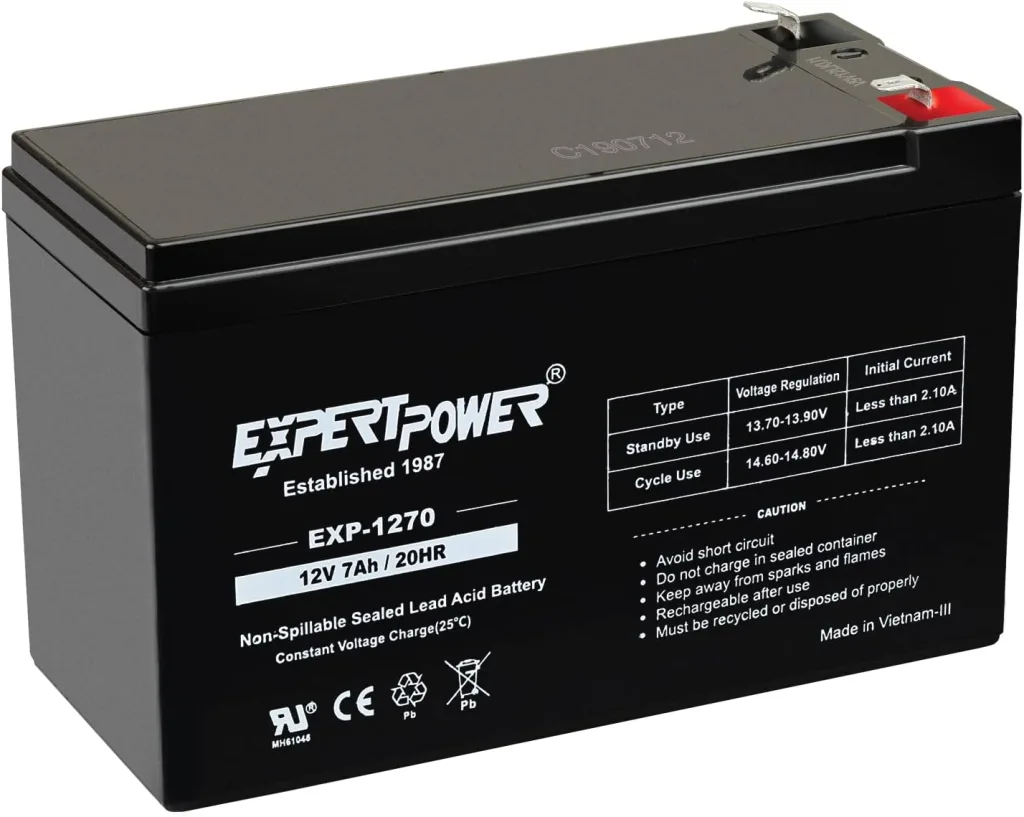
The ExpertPower 12V 7Ah Rechargeable Sealed Lead Acid Battery is one of the most highly-rated products in the automotive replacement battery category. Its reputation for dependability, rugged construction, and versatility makes it a popular choice for a variety of applications, from home security systems to scooters and emergency power supplies. In this comprehensive review, we’ll delve into its features, performance, and why it stands out in a crowded market. Performance: Reliable Power When You Need It Most At its core, the ExpertPower 12V 7Ah battery is designed to deliver consistent and reliable power. This makes it particularly valuable for situations where dependable energy is essential, such as during power outages or for devices that require uninterrupted power. Capacity and Output: With a capacity of 7Ah and a 12-volt output, this battery provides ample power for various small-to-medium-sized devices. Whether you’re using it for an alarm system, an uninterruptible power supply (UPS), or even a mobility scooter, the battery maintains stable performance. Charge Retention: ExpertPower's sealed lead-acid (SLA) technology ensures that the battery retains its charge for extended periods. Even after being stored for weeks or months, it delivers power without significant degradation. Applications: The versatility of this battery cannot be overstated. From providing backup power to home systems to powering solar panels, it meets diverse energy needs with ease. Ease of Use: Designed with Users in Mind The ExpertPower 12V 7Ah battery’s user-friendly design ensures that both novices and experienced users can install and operate it with minimal hassle. Maintenance-Free Design: Traditional lead-acid batteries often require frequent maintenance, such as adding water. However, this battery is completely maintenance-free, thanks to its valve-regulated construction. This feature is especially convenient for those who prefer a “set-it-and-forget-it” approach. Simple Installation: The battery is compact and lightweight, making it easy to transport and install. Clear labeling and standard F1 terminals allow for straightforward connections to most devices. Trouble-Free Orientation: Unlike older battery models, the ExpertPower SLA battery is spill-proof and can operate in any orientation. This flexibility is crucial for applications where space or positioning is limited. Durability: Built to Last One of the standout features of the ExpertPower 12V 7Ah battery is its robust construction. This ensures it can withstand tough conditions, providing peace of mind for users who rely on it for critical applications. High-Impact ABS Plastic Case: The battery’s outer casing is made from non-conductive ABS plastic, which offers excellent resistance to shocks, vibrations, chemicals, and heat. This makes it ideal for outdoor applications or environments where durability is critical. Spill-Proof Technology: Utilizing Absorbent Glass Mat (AGM) technology, the battery immobilizes the acid inside, preventing leaks. This design ensures safety and efficiency, particularly in environments where spills could cause damage or pose risks. Longevity: The ExpertPower battery is designed to deliver a long service life, even with frequent use. While some users report a lifespan of 4-6 years under normal conditions, this can vary depending on usage patterns and maintenance. Advanced Technology: The AGM Edge The incorporation of Absorbent Glass Mat (AGM) technology sets the ExpertPower battery apart from traditional lead-acid batteries. Improved Safety: AGM technology immobilizes the acid between the plates, reducing the risk of spills and leaks. The valve-regulated design further enhances safety, making the battery suitable for both indoor and outdoor use. High Discharge Rate: The battery can deliver high currents on demand, making it suitable for devices that require a quick burst of energy. This feature is particularly valuable for UPS systems, which need instant power during outages. Enhanced Shelf Life: AGM batteries generally have a longer shelf life than their traditional counterparts, maintaining their charge for extended periods. Versatility: A Battery for Every Need The ExpertPower 12V 7Ah battery shines in its versatility, catering to a broad range of applications. This adaptability is one of the key reasons for its popularity. Home Security Systems: The battery is commonly used as a backup power source for home alarm systems, ensuring continuous operation during power outages. Uninterruptible Power Supplies (UPS): In the event of a power failure, this battery provides instant energy to keep essential devices running. Outdoor Activities: The compact design makes it an excellent choice for powering camping equipment, lighting systems, and other outdoor devices. Mobility Devices: It is also widely used in mobility scooters and other assistive devices, providing reliable power for users who depend on them. Renewable Energy Systems: The battery integrates seamlessly into solar and wind power systems, offering a cost-effective storage solution. Value for Money: A Cost-Effective Power Solution Priced at $22.99 (at the time of review), the ExpertPower 12V 7Ah battery offers exceptional value for money. Its affordability, combined with durability and versatility, makes it an excellent investment. Savings on Replacement: The long lifespan of this battery reduces the need for frequent replacements, saving you money in the long run. Competitive Pricing: Compared to similar products in its category, the ExpertPower battery is competitively priced without compromising quality. Additional Features: The inclusion of advanced AGM technology and spill-proof construction adds value, making it a superior choice for many applications. What Customers Say The ExpertPower 12V 7Ah battery has received over 20,000 reviews on platforms like Amazon, with an average rating of 4.4 out of 5 stars. Here’s a summary of customer feedback: Positive Reviews: Many customers praise the battery’s reliability and performance, particularly for backup power and security systems. Users appreciate its affordability and ease of installation. The rugged construction and spill-proof design are frequently highlighted as standout features. Constructive Criticism: A few users report that the battery’s lifespan can be shorter under heavy use or extreme conditions. Some mention issues with compatibility, especially for specific devices requiring non-standard terminals. Pros and Cons Pros: Reliable and consistent performance. Maintenance-free and user-friendly design. Rugged ABS casing with spill-proof construction. Advanced AGM technology for enhanced safety. Compact and lightweight for easy installation. Versatile applications across multiple devices. Affordable price point. Cons: Reduced lifespan under heavy or extreme conditions. Not compatible with all devices without modification. Conclusion: A Top-Notch Power Solution The ExpertPower 12V 7Ah Rechargeable Sealed Lead Acid Battery is an excellent choice for anyone seeking a reliable, versatile, and cost-effective power source. Its rugged construction, advanced technology, and user-friendly design make it suitable for a wide range of applications, from home security systems to outdoor adventures. While it may have some limitations under heavy use, the overall performance and value make it a worthwhile investment. Whether you need backup power for critical devices or a dependable battery for everyday use, the ExpertPower 12V 7Ah battery delivers on all fronts. Rating: 4.5/5 If you’re in the market for a dependable and long-lasting battery, the ExpertPower 12V 7Ah Rechargeable Sealed Lead Acid Battery should be at the top of your list.

California Ev Rebate Calculator 2025

California Ev Rebate Calculator 2025

California EV Rebate Calculator 2025 California EV Rebate Calculator 2025 Find Your Rebate Eligibility Use this tool to estimate your rebate for purchasing an electric vehicle in California. Select Vehicle Type: Battery Electric Vehicle (BEV) Plug-in Hybrid Electric Vehicle (PHEV) Fuel Cell Electric Vehicle (FCEV) Select Income Level: Low Income Moderate Income Above Average Income Enter Vehicle Price (USD): Calculate Rebate Estimated Rebate: $0 © 2025 California EV Rebate Calculator California EV Rebate Calculator 2025: Your Guide to Savings on Electric Vehicles California is leading the charge in the transition to electric vehicles (EVs), offering a range of rebates and incentives to make EV ownership more accessible and affordable. Whether you're considering a battery electric vehicle (BEV), a plug-in hybrid (PHEV), or a hydrogen fuel cell vehicle (FCEV), the California EV Rebate Calculator for 2025 is your ultimate tool to estimate your potential savings. In this article, we’ll explore how the calculator works, the available rebates, eligibility requirements, and tips for maximizing your benefits. Car Loan Payoff Calculator By Flipcars.ca 1. Why EV Rebates Matter in California California is committed to reducing greenhouse gas emissions and achieving carbon neutrality by 2045. As part of this initiative, the state offers incentives to encourage residents to switch to EVs, which produce significantly fewer emissions than traditional gas-powered vehicles. Rebates can help offset the upfront cost of EVs, which often have a higher sticker price than internal combustion engine vehicles. With the California EV rebate programs, combined with federal tax credits, EV ownership becomes much more affordable. 2. What Is the California EV Rebate Calculator? The California EV Rebate Calculator 2025 is an online tool designed to estimate the rebates and incentives available to you based on your chosen vehicle, income level, and location. By entering simple details like vehicle type, price, and household income, the calculator provides a quick overview of potential savings. What It Includes: Clean Vehicle Rebate Project (CVRP): State-funded rebates for eligible EVs. Federal Tax Credits: Incentives of up to $7,500 based on battery size. Local Utility Rebates: Additional savings from utility companies. Clean Cars 4 All: Income-qualified grants for replacing older vehicles. 3. Key EV Rebate Programs in California A. Clean Vehicle Rebate Project (CVRP) The CVRP provides rebates for new EV purchases or leases. Rebate amounts vary depending on the vehicle type and income level: Battery Electric Vehicles (BEVs): Up to $7,000 for low-income buyers. Plug-in Hybrid Electric Vehicles (PHEVs): Up to $4,500. Fuel Cell Electric Vehicles (FCEVs): Up to $9,500. B. Federal EV Tax Credit The federal government offers a tax credit of up to $7,500 for eligible EVs. This credit is applied to your tax liability and varies based on the vehicle’s battery capacity and manufacturer sales. C. Local Utility Provider Rebates Many utility companies in California, like Southern California Edison and PG&E, offer rebates for EV buyers. For example: Southern California Edison: Up to $1,000 for new EV purchases. PG&E: $800 for home charging station installations. D. Clean Cars 4 All Program This program targets low-income households by offering grants of up to $9,500 to retire high-polluting vehicles and replace them with new or used EVs. 4. How the Calculator Works The EV Rebate Calculator considers the following factors to provide an accurate rebate estimate: A. Vehicle Type Different vehicle types qualify for varying rebate amounts: BEVs: Higher rebates due to zero-emission capabilities. PHEVs: Moderate rebates based on emission reduction potential. FCEVs: Significant rebates due to hydrogen technology adoption. B. Income Level Household income determines eligibility for additional savings: Low Income: Maximum rebates available. Moderate Income: Standard rebate amounts. High Income: May qualify for reduced rebates or be ineligible for some programs. C. Vehicle Price Vehicles priced above certain thresholds (e.g., $60,000 for BEVs) may have reduced rebate eligibility. 5. Example Calculation: Buying a Tesla Model 3 Let’s say you’re a California resident purchasing a Tesla Model 3 in 2025. Here’s how the rebates break down: Vehicle Price: $45,000 Household Income: Moderate Rebate Estimates: CVRP: $4,500 Federal Tax Credit: $7,500 Utility Rebate (SCE): $1,000 Total Savings: $13,000 With these rebates, your effective cost is reduced to $32,000, making EV ownership more affordable. 6. Eligibility Requirements A. Residency You must be a California resident to qualify for state rebates like the CVRP and Clean Cars 4 All. B. Vehicle Requirements Must be a new vehicle purchased or leased. The vehicle must be on the list of eligible models for the rebate program. C. Income Limits Some rebates are income-dependent. For example: Higher rebates are available for households earning below 300% of the federal poverty level. 7. Tips to Maximize Your EV Rebates Choose a Qualifying Vehicle: Review the eligible vehicle list to ensure your EV qualifies for rebates. Check Your Local Utility Programs: Many utility providers offer additional savings for EV purchases and home charging stations. Combine Rebates and Tax Credits: Stack state rebates with federal incentives to maximize savings. Act Early: Some rebate programs have limited funds and operate on a first-come, first-served basis. Conclusion The California EV Rebate Calculator 2025 is an invaluable tool for estimating your savings and planning your EV purchase. With generous state rebates, federal tax credits, and local incentives, owning an EV in California has never been more affordable. Whether you’re a first-time EV buyer or upgrading to the latest model, these programs make it easier to embrace sustainable transportation. Start your journey toward EV ownership today by exploring rebates and incentives available to you. Visit California Clean Vehicle Rebate Project to learn more and calculate your savings!

Contact Us

Fill out this form below and we'll contact you shortly
*Required Fields