





What Is a Valve Cover Gasket?
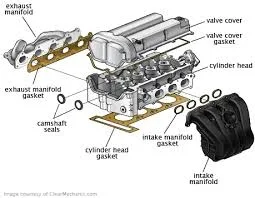
A valve cover gasket is the seal between the engine’s valve cover and the top of the cylinder head. Its job is simple: keep engine oil inside the engine and stop it from leaking out around the valve cover.
The valve cover sits on top of the engine and protects the valvetrain, including parts like the camshafts, rocker arms, valves, and timing components depending on the engine design. The gasket seals that cover so oil can lubricate those parts without leaking onto the outside of the engine.
If the valve cover gasket fails, you may notice oil leaks, a burning oil smell, smoke from the engine bay, low oil level, misfires, or oil around the spark plugs.
What Does a Valve Cover Gasket Do?
The valve cover gasket keeps oil where it belongs.
Inside the top of the engine, oil is constantly splashing and circulating to lubricate moving parts. Without a good gasket, oil can seep out between the valve cover and cylinder head.
RepairPal explains that the valve cover gasket seals the valve cover to the top of the engine and helps prevent oil leaks. When that seal wears out, oil can leak onto the engine, exhaust, spark plug tubes, or other nearby parts.
In simple terms, the gasket is a barrier. It keeps oil in and contaminants out.
Where Is the Valve Cover Gasket Located?
The valve cover gasket is located at the top of the engine, underneath the valve cover.
On many 4-cylinder engines, there is one valve cover and one valve cover gasket. On many V6 and V8 engines, there are two valve covers and two valve cover gaskets, one for each cylinder bank.
Some engines make the gasket easy to access. Others require removing intake parts, ignition coils, wiring, hoses, or other components before the valve cover can come off.
That is why replacement cost can vary a lot by vehicle.
Symptoms of a Bad Valve Cover Gasket
The most common sign of a bad valve cover gasket is an oil leak near the top of the engine.
You may see wet oil, dark residue, or grime around the valve cover. You may also smell burning oil if oil drips onto hot exhaust parts.
Common symptoms include:
Oil leaking from the top of the engine.
Burning oil smell.
Smoke from the engine bay.
Oil dripping onto the exhaust manifold.
Low engine oil level.
Oil in the spark plug wells.
Engine misfire.
Rough idle.
Check engine light.
Visible oil stains under the vehicle.
YourMechanic notes that a bad valve cover gasket can cause a burning oil smell, dirty valve cover area, low engine oil, and engine misfires if oil reaches the spark plug area.
Why Does a Valve Cover Gasket Fail?
Valve cover gaskets usually fail because of age, heat, pressure, and normal engine vibration.
Most valve cover gaskets are made of rubber, silicone, cork, or molded gasket material. Over time, heat cycles make the gasket hard, brittle, cracked, or flattened. Once it loses flexibility, it cannot seal properly.
A gasket can also leak if the valve cover is cracked, the bolts are loose, the gasket was installed incorrectly, or the PCV system is clogged and creating too much crankcase pressure.
On older vehicles, this is a very common oil leak point.
Is a Valve Cover Gasket Leak Serious?
A small valve cover gasket leak may not destroy the engine immediately, but it should not be ignored.
If the leak is minor, the vehicle may still drive normally. But the leak can get worse over time. Oil can drip onto hot exhaust parts and create a burning smell or smoke. Oil can also get into spark plug wells and cause misfires.
The bigger risk is letting the oil level get too low. Any engine oil leak becomes serious if you keep driving without checking and topping off oil.
If you smell burning oil or see smoke, get it checked quickly.
Can You Drive With a Bad Valve Cover Gasket?
You can sometimes drive with a small valve cover gasket leak, but it depends on how bad the leak is.
If the leak is minor and the oil level is full, you may be able to drive short-term while scheduling repair. But if oil is dripping onto the exhaust, causing smoke, creating misfires, or lowering the oil level quickly, you should fix it as soon as possible.
Do not ignore a leaking gasket just because the car still runs. Oil leaks usually get worse, not better.
How Much Does It Cost to Replace a Valve Cover Gasket?
A valve cover gasket replacement usually costs $150 to $600 on many common vehicles, but some engines can cost more.
The gasket itself is often not very expensive. Labor is the bigger factor. A simple 4-cylinder engine may be affordable. A V6, V8, turbocharged engine, or engine with tight access can cost more because more parts must be removed.
RepairPal provides a valve cover gasket replacement estimator and explains that the cost depends heavily on the vehicle and labor involved.
If spark plug tube seals, ignition coils, PCV parts, or the valve cover itself also need replacement, the price can increase.
Should You Replace Spark Plugs With the Valve Cover Gasket?
Sometimes, yes.
If oil has leaked into the spark plug wells, the spark plugs and ignition coils should be inspected. Oil contamination can cause misfires and poor ignition performance.
If the spark plugs are due anyway, replacing them during the valve cover gasket job can save labor. On some engines, removing ignition coils and plug access parts is already part of the job.
Ask the mechanic to check the spark plug wells before reassembling everything.
Valve Cover Gasket vs Head Gasket
A valve cover gasket and head gasket are completely different parts.
The valve cover gasket seals the top cover of the engine. It mostly keeps oil from leaking out.
The head gasket seals between the cylinder head and engine block. It handles combustion pressure, oil passages, and coolant passages. A head gasket failure is much more serious and expensive.
A valve cover gasket leak is usually a normal repair. A head gasket failure can be a major engine repair.
How to Prevent Valve Cover Gasket Leaks
You cannot prevent every gasket leak, but good maintenance helps.
Change oil on time. Keep the PCV system working properly. Do not ignore oil leaks. Use quality replacement parts. Make sure the gasket mating surfaces are cleaned properly during repair. Do not overtighten valve cover bolts because that can damage the gasket or cover.
If the valve cover is plastic, inspect it carefully. Some plastic valve covers can warp or crack with age, and replacing only the gasket may not solve the leak if the cover itself is damaged.
FAQs About Valve Cover Gaskets
What is a valve cover gasket?
A valve cover gasket is the seal between the valve cover and the cylinder head. It keeps engine oil from leaking out of the top of the engine.
What are signs of a bad valve cover gasket?
Common signs include oil leaks, burning oil smell, smoke from the engine bay, low oil level, oil around spark plugs, misfires, and oil residue around the valve cover.
Is a valve cover gasket leak expensive to fix?
It depends on the vehicle. Many repairs cost around $150 to $600, but some V6, V8, turbo, or luxury engines can cost more because access is harder.
Can I drive with a leaking valve cover gasket?
You may be able to drive short-term with a small leak, but you should monitor oil level closely. If oil is dripping onto hot exhaust parts, causing smoke, or causing misfires, repair it quickly.
Can a bad valve cover gasket cause a misfire?
Yes. If oil leaks into the spark plug wells, it can contaminate spark plugs or ignition coils and cause misfires.
Is a valve cover gasket the same as a head gasket?
No. A valve cover gasket seals the top engine cover. A head gasket seals the cylinder head to the engine block and is a much more serious repair.
Final Thoughts: A Small Gasket That Prevents Big Oil Leaks
A valve cover gasket is a simple part with an important job.
It seals the top of the engine and keeps oil from leaking out. When it fails, you may smell burning oil, see oil around the engine, notice smoke, or experience misfires if oil reaches the spark plugs.
A valve cover gasket leak is usually not as serious as a head gasket problem, but it should still be fixed before the leak worsens. Keep the oil level full, inspect the leak, and replace the gasket before a small oil seep turns into a bigger repair.
Connect with us


