





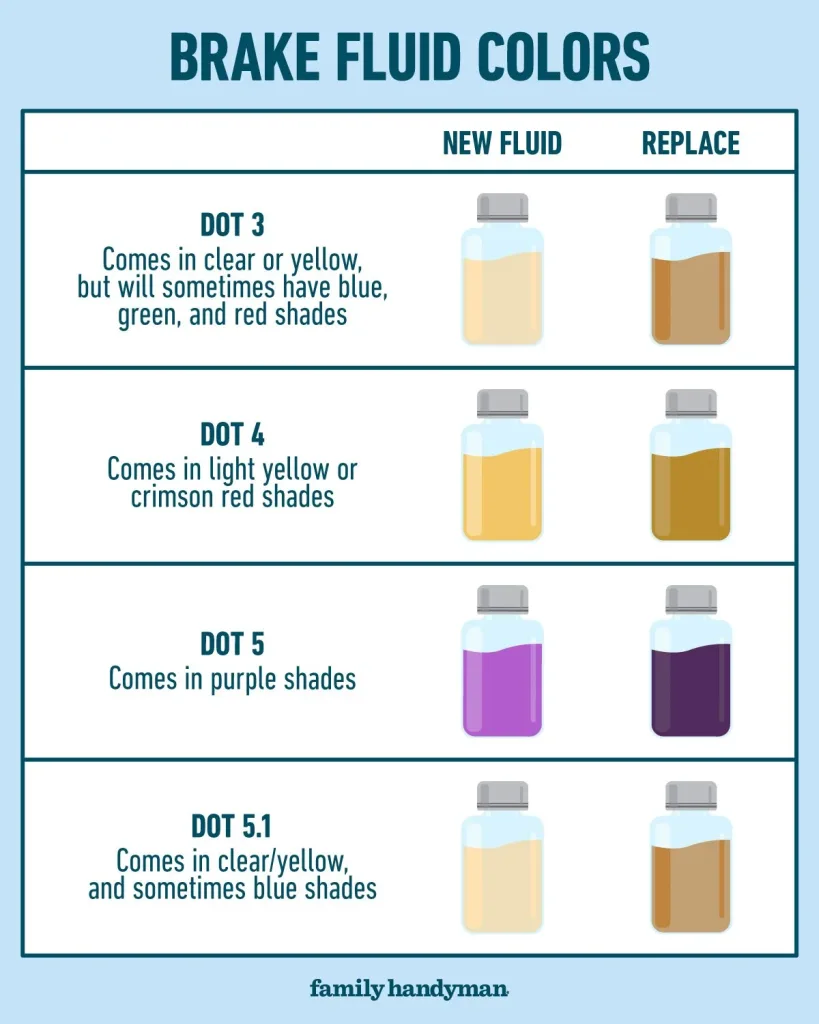
The short answer is this: healthy brake fluid is usually clear to light yellow or light amber. If it has turned dark brown, black, cloudy, or dirty-looking, that is often a sign the fluid has aged, absorbed moisture, or picked up contamination. Brake fluid is hygroscopic, which means it absorbs moisture over time, and that moisture can reduce boiling point and braking performance.
For drivers in California, especially anyone driving a Dodge, Jeep, Chrysler, or Ram vehicle in regular traffic, mountain grades, heat, or stop-and-go conditions, brake fluid condition matters more than most people think. If you need brake service, fluid inspection, or a full system check, the Simi Valley Chrysler Dodge Jeep Ram service department handles brake repair, fluid checks, and preventative maintenance. (Simi Valley Chrysler Dodge Jeep Ram)
What brake fluid is supposed to look like
Fresh brake fluid is generally transparent with a pale amber tint, though the exact shade can vary slightly by brand and specification. Valvoline describes DOT 4 brake fluid as a light amber coloured product, which aligns with how fresh fluid is normally identified in real-world service work. Industry specifications also commonly describe DOT 3, DOT 4, and DOT 5.1 brake fluid as clear to amber. (Valvoline Global)
That means if you open the reservoir and the fluid looks nearly clear, lightly golden, or faintly honey-colored, that is usually normal. What you do not want to see is fluid that looks like old engine oil, muddy tea, or dark syrup.
Why brake fluid changes color
Brake fluid does not stay fresh-looking forever. Over time, it is exposed to heat cycles, microscopic wear particles, and moisture intrusion through hoses, seals, and the reservoir venting system. That is why older brake fluid often darkens. Moisture contamination is one of the biggest concerns because it lowers the fluid’s boiling point and can contribute to corrosion or deposits inside the braking system. (alldata.com)
A color change does not always mean immediate failure, but it is a warning sign that the fluid should be inspected. Dark fluid may indicate:
- moisture contamination
- internal corrosion
- rubber seal degradation
- suspended particles or sludge
- overdue maintenance
Firestone notes that darker tint, floating particles, or an unusual emulsion can indicate contamination, though color alone is not the only diagnostic factor. (Firestone Complete Auto Care)
When the color becomes a problem
There is a major difference between light amber and dark brown or black. Once the fluid becomes very dark, the issue is not cosmetic. It can mean the fluid has degraded enough that braking performance may no longer be optimal, especially under hard use or repeated braking.
This is where people get into trouble. A vehicle can still “stop fine” in normal daily driving, yet the brake fluid may already be compromised. Under high heat, long downhill driving, towing, or repeated emergency braking, degraded fluid can create a softer pedal feel or reduced confidence. Moisture in brake fluid has been serious enough to appear in safety documentation and recalls because excess moisture can contribute to deposits or system problems. (NHTSA)
If you want your brakes inspected by a shop familiar with Mopar vehicles, you can use Simi Valley CDJR’s online service booking page or go through Mopar’s online scheduling page for Simi Valley Chrysler Dodge Jeep Ram. (mopar.com)
What color means what
Here is the practical breakdown:
Clear to light yellow / light amber
This is typically what good, fresh brake fluid looks like. (Valvoline Global)
Medium amber to brownish
Usually indicates aging fluid. It may still function, but inspection is smart, especially if it has been a long time since the last brake fluid service. (Firestone Complete Auto Care)
Dark brown or black
Often suggests old, contaminated, or moisture-laden fluid. This is where a brake fluid flush becomes more likely. (Firestone Complete Auto Care)
Cloudy or milky
Can indicate contamination or moisture problems. This should be checked promptly. (Firestone Complete Auto Care)
Fluid with particles or sludge
Not normal. That points to contamination or component wear and needs professional diagnosis. (Firestone Complete Auto Care)
Does Dodge, Jeep, Chrysler, or Ram brake fluid look different?
Not in any dramatic visual sense. On CDJR vehicles, the correct fluid type matters more than the brand color shade. Mopar sells brake fluid meeting different standards, including products identified as DOT 4 and others meeting Mopar specifications such as MS-4574 and MS-9971 depending on application. The exact fluid requirement depends on the model and year, so the owner’s manual or a dealership service department should be the final authority. (store.mopar.ca)
So while the fluid in your Ram 1500, Jeep Grand Cherokee, Dodge Durango, or Chrysler Pacifica may still look light amber when healthy, you should not assume every CDJR vehicle uses the exact same brake fluid specification. Correct spec matters.
For model-specific help, start from the Simi Valley Chrysler Dodge Jeep Ram homepage and route into service from there. (Simi Valley Chrysler Dodge Jeep Ram)
Can you judge brake fluid condition by color alone?
Not completely. Color is a useful screening clue, but it is not a laboratory test. A technician may also check:
- moisture content
- boiling point condition
- service history
- pedal feel
- reservoir level
- signs of leaks or seal wear
That said, color is still one of the fastest ways to catch a possible issue early. If the reservoir fluid looks significantly darker than a pale amber shade, it is reasonable to have it inspected.
Common mistake drivers make
A lot of owners focus on pads and rotors and ignore fluid. That is a mistake. Brake pads are visible wear items, but the hydraulic fluid is what transfers pedal force into actual braking pressure. Even with good pads, degraded brake fluid can undermine the system.
That is especially relevant for trucks and SUVs that haul weight or see hotter operating conditions. Simi Valley CDJR specifically lists brake repair and fluid checks and corrections among its service capabilities, which is exactly the type of maintenance that helps prevent bigger brake issues later. (Simi Valley Chrysler Dodge Jeep Ram)
Final answer
Brake fluid should normally be clear to light yellow or light amber. If it is dark brown, black, cloudy, or full of debris, that is not normal and it should be inspected because old brake fluid can absorb moisture and lose performance. (Valvoline Global)
For a CDJR owner, the safest move is to have the fluid checked against the correct factory specification and maintenance schedule. You can do that through Simi Valley Chrysler Dodge Jeep Ram Service or Book Service at Simi Valley CDJR. (Simi Valley Chrysler Dodge Jeep Ram)
Connect with us


