





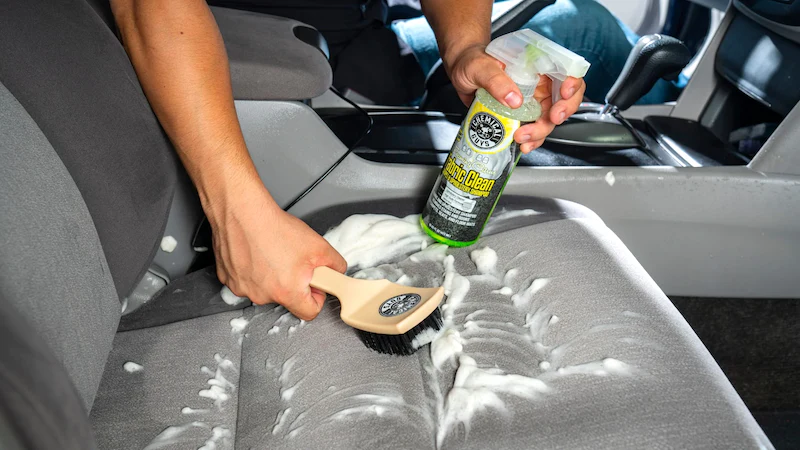
If you search how to freshen car interior, you are probably not just looking for a perfume bomb or a hanging air freshener. You are usually trying to solve a more annoying, more specific problem. Maybe the cabin smells stale. Maybe there is a musty odor every time the AC turns on. Maybe the seats and carpet hold onto food smells, smoke, sweat, or dampness. Or maybe the interior just feels tired, dusty, and older than it should.
Hidden Automotive DiscountsThat is what makes this topic more useful than it sounds. Freshening a car interior is not really about masking smell. It is about figuring out what is causing the odor or stale feeling, then cleaning or correcting the source so the cabin actually feels better to sit in.
That is also why weak advice fails. Air fresheners can temporarily cover a smell, but they usually do not solve the reason the smell is there in the first place. The U.S. Environmental Protection Agency’s guidance on indoor air quality makes the bigger principle clear: the most effective way to improve air quality is usually source control, meaning you remove or reduce the source of pollution rather than just trying to overpower it with fragrance or extra airflow. (EPA)
Why car interiors start smelling stale in the first place
A stale interior usually comes from one of a few repeat offenders:
- dust and trapped debris
- food residue or beverage spills
- moisture in carpet or under mats
- mildew or mold growth from dampness
- a dirty cabin air filter
- funky AC ducts or evaporator moisture
- smoke residue
- pet hair and body oils
- neglected fabric or leather surfaces
That is why the first step in freshening a car is not spraying something. It is identifying which kind of problem you actually have.
Consumer Reports’ car-maintenance guidance on odors points directly to some of the most common causes, including interior spills, moisture, and neglected cabin air filters. It also recommends cleaning the interior thoroughly before reaching for odor-masking products. (Consumer Reports)
The biggest mistake people make: masking instead of fixing
This is where most people waste time and money. They buy an air freshener, fogger, or scent can and assume the car is fixed because it smells stronger for a few days. Then the original odor creeps back in.
That happens because odor control and air quality are usually source problems, not fragrance problems. EPA guidance on indoor air quality says source control is typically the most effective approach, and that logic applies extremely well to cars too. If your vehicle smells musty because there is moisture in the carpet or microbial growth in the HVAC system, fragrance is not the real answer. (EPA)
So if you want your car interior to actually feel fresh, you need to think like a troubleshooter, not like a person shopping for stronger perfume.
Step 1: Remove everything that is holding odor
Before you clean anything, strip the interior down to what actually belongs there.
Take out:
- trash
- food wrappers
- old cups and bottles
- gym gear
- wet umbrellas
- reusable bags
- floor mats
- booster seats if possible
- anything stored in the trunk that may be carrying odor into the cabin
This sounds simple, but it matters more than people think. A lot of “car smell” problems are not embedded in the car at all. They are coming from neglected clutter.
Once the cabin is emptied, you can tell much more clearly whether the problem is the upholstery, the HVAC system, the carpet, or something else.
Step 2: Vacuum first, because dirt holds odor
A good interior refresh starts with a serious vacuum, not a wipe-down. Dust, crumbs, hair, skin particles, and grit all hold odor and make surfaces feel stale. Vacuum the carpets, under the seats, the seat seams, the trunk area, and especially the edges around floor rails and center consoles.
Consumer Reports’ interior-cleaning guidance recommends getting into cracks, vents, seams, and tighter areas rather than only hitting the obvious surfaces. That matters because smell does not usually build up only where it is visible. (Consumer Reports)
If the vehicle has cloth seats, vacuum those thoroughly as well. Fabric traps much more odor than many people realize.
Step 3: Clean hard surfaces the right way
Dashboards, consoles, door panels, cupholders, steering wheels, and interior trim build up body oils, dust, food film, and everyday grime. Even when they do not smell strongly, they contribute to that “used” feeling inside the car.
Use a soft microfiber cloth and an interior-safe cleaner appropriate for the materials in the vehicle. Consumer Reports notes that in many cases, mild soap and water on a soft microfiber cloth works well for interior cleaning, while a steam cleaner can lift deeper grime from carpets and upholstery when used appropriately. (Consumer Reports)
Do not forget high-touch areas like:
- steering wheel
- shifter
- infotainment controls
- climate buttons
- door pulls
- armrests
- cupholder inserts
- seatbelt buckles
These areas collect a surprising amount of residue.
Step 4: Treat the seats based on the material
Freshening cloth seats is different from freshening leather or synthetic upholstery.
For cloth seats, the main enemies are trapped moisture, absorbed odor, and embedded grime. Spot-clean stained sections and use fabric-safe interior products where needed. If there is a serious odor issue, deeper extraction or steam cleaning may help.
For leather or leatherette, the focus is usually on removing film, sweat, and residue while keeping the surface from drying out. A cleaner made for automotive leather followed by an appropriate conditioner can help the seats feel and smell better without leaving a greasy finish.
The point is not to soak the seats. It is to remove what is sitting on or inside the material and let the cabin dry thoroughly afterward.
Step 5: Pull out the mats and check for hidden moisture
If a car smells musty, damp, swampy, or vaguely like wet laundry, floor mats and the carpet underneath them deserve attention immediately.
EPA guidance on mold and moisture is highly relevant here even though it is written for broader indoor environments: the key to mold control is moisture control, and damp or water-damaged materials should be dried within 24 to 48 hours to help prevent mold growth. (EPA)
That is extremely applicable to car interiors. A wet floor mat left in place, a spilled drink that seeped into padding, or a minor leak around a door seal can create a long-lasting odor problem very quickly.
If the carpet underneath the mats feels damp, the issue is no longer just “freshening.” You need to dry the area thoroughly and figure out why moisture is there.
Step 6: If the smell hits when the AC starts, check the cabin air filter
This is one of the most overlooked fixes in the whole category.
If the car smells stale or musty when you first turn on the fan or air conditioning, the cabin air filter may be dirty or loaded with contaminants. Consumer Reports specifically recommends changing the cabin air filter when tackling interior odor problems, noting that the filter helps keep the air inside the car free of allergens and contaminants. (Consumer Reports)
A dirty filter does not just affect smell. It can also reduce airflow and make the cabin feel less clean overall. Some owner’s manuals also specify that cabin air filters require periodic replacement, which reinforces that this is a maintenance item, not a random extra. (NHTSA manual example)
If the filter is overdue, replacing it can make the cabin feel better almost immediately.
Step 7: Musty AC smell usually means moisture and HVAC funk
A musty smell that appears mainly when the AC first starts often points to moisture or microbial buildup in the HVAC system, especially around the evaporator area.
Consumer Reports has separate guidance on getting rid of musty smells from a car air conditioner and recommends steps like cleaning vents, replacing the cabin air filter, and disinfecting the system when appropriate. (Consumer Reports)
This is one of those situations where a fragrance spray does very little. If the odor is coming from the ventilation system, the ventilation system needs attention.
Step 8: Dry the cabin fully after cleaning
This is where people accidentally create the next odor problem. They shampoo the seats or carpet, wipe everything down heavily, close the doors, and then let trapped moisture sit inside the vehicle.
EPA moisture-control guidance is blunt about the larger principle: wet materials need to be dried quickly, and moisture is the key driver behind mold and musty odors. (EPA)
For a car interior, that means:
- open the doors when safe to do so
- use airflow
- avoid oversaturating fabrics
- run the fan if needed
- do not reinstall wet mats
- make sure carpet and seat fabric are actually dry before closing the car up for the night
Drying matters almost as much as cleaning.
Step 9: Smoke smell is a residue problem, not just an air problem
Smoke odor is one of the hardest interior smells to remove because it clings to fabric, headliners, vents, and hard surfaces. If the car smells like cigarettes or stale smoke, you usually need to clean nearly every touchpoint, not just one area.
That includes:
- glass
- headliner edges
- hard trim
- seats
- carpet
- vents
- cabin air filter
Consumer Reports’ odor-removal advice again supports the broader logic here: a full interior clean and filter replacement are far more effective than trying to cover the odor. (Consumer Reports)
Smoke is one of the clearest examples of why “freshening” and “masking” are not the same thing.
Step 10: Odor eliminators can help, but only after cleaning
This is where products can finally help instead of just hiding the problem.
Once the cabin is cleaned, dried, and stripped of obvious odor sources, an odor eliminator can be useful for neutralizing what is left. The key is sequence. If you use odor products before cleaning, they often just sit on top of the actual problem.
That is why source control still comes first.
What to do if the interior smells moldy or mildew-like
If the car smells distinctly moldy, damp, or like a basement, treat it like a moisture problem first. EPA guidance says mold is caused by a water or moisture problem, and air cleaners alone do not solve that root cause. (EPA)
In a vehicle, that means checking for:
- wet carpet padding
- sunroof drain issues
- door seal leaks
- trunk leaks
- AC drain issues
- repeated wet items left in the cabin
If the odor keeps returning after cleaning, chances are the underlying moisture source has not been fixed.
The fastest way to make a car interior feel fresher in one day
If you want the highest-impact same-day refresh, do this in order:
- Remove clutter and mats
- Vacuum thoroughly
- Wipe down all hard surfaces
- Spot-clean seats and carpet where needed
- Replace the cabin air filter if overdue
- Check for damp carpet or trapped moisture
- Run the HVAC after cleaning and let the cabin dry fully
- Use a light odor eliminator only after the cabin is actually clean
That sequence solves more real-world stale-interior problems than most fragrance products ever will.
How to keep the interior fresh after you fix it
Once the cabin smells good again, keeping it fresh is much easier than restoring it from a bad state.
The maintenance habits that help most are simple:
- do not leave trash or food in the vehicle
- vacuum regularly
- wipe spills quickly
- keep mats dry
- replace the cabin air filter on schedule
- air the car out occasionally
- do not leave damp clothing or gear inside
- clean vents and high-touch surfaces periodically
The goal is not perfection. It is preventing the small source problems that become bigger odor problems later.
Final verdict
If you want to freshen a car interior properly, do not start with fragrance. Start with the source. A fresh-smelling cabin usually comes from removing odor-holding clutter, vacuuming deeply, cleaning hard and soft surfaces, checking for moisture, and replacing the cabin air filter if needed. That approach lines up with the EPA’s broader guidance that source control is usually the most effective way to improve air quality, and with Consumer Reports’ practical car-specific advice on odors, AC smells, and interior cleaning. (EPA, Consumer Reports)
So the smartest answer to how to freshen car interior is this: clean first, dry fully, fix the moisture or filter issue if one exists, and only then use odor-neutralizing products lightly if you still need them. That is how you make a car smell fresher for real instead of just making it smell stronger for a few hours.
Connect with us


