





| Reason | Description |
|---|---|
| 1. Off-Road Capability | Legendary Jeep 4×4 systems, perfect for trails, mud, and sand. More on Jeep’s 4×4 systems |
| 2. Unique Pickup Design | The only open-air pickup truck on the market, combining the best of Jeep and truck worlds. Explore Gladiator design |
| 3. Removable Doors and Roof | Like the Wrangler, the Gladiator offers a convertible experience. See how the doors and roof come off |
| 4. Towing Capacity | Best-in-class towing capacity of up to 7,650 lbs, ideal for trailers and boats. More on towing |
| 5. Payload Capacity | Can carry a payload of up to 1,700 lbs, making it a solid workhorse. Payload info |
| 6. Trail Rated Performance | Every Gladiator comes Trail Rated, certified to tackle tough conditions like water fording and rocky trails. What Trail Rated means |
| 7. Off-Road Accessories | Offers tons of Mopar accessories to enhance its off-road prowess. See Mopar accessories |
| 8. Strong Resale Value | Jeep vehicles, including the Gladiator, hold their value well. Resale value trends |
| 9. Diesel Engine Option | Available 3.0L EcoDiesel engine offers excellent torque and fuel efficiency. Learn more about the EcoDiesel |
| 10. Advanced Tech Features | Equipped with Uconnect 4 or 4C NAV, including an 8.4-inch touchscreen, Apple CarPlay, and Android Auto. Explore Uconnect |
| 11. 4×4 Pickup Versatility | Combines Jeep’s iconic off-road prowess with the utility of a pickup bed. Learn more about versatility |
| 12. Rugged Durability | Built tough with a high-strength steel frame and durable underbody protection. Gladiator durability |
| 13. Spacious Interior | The Gladiator offers more rear-seat legroom than most midsize pickups, ensuring comfort for passengers. Interior details |
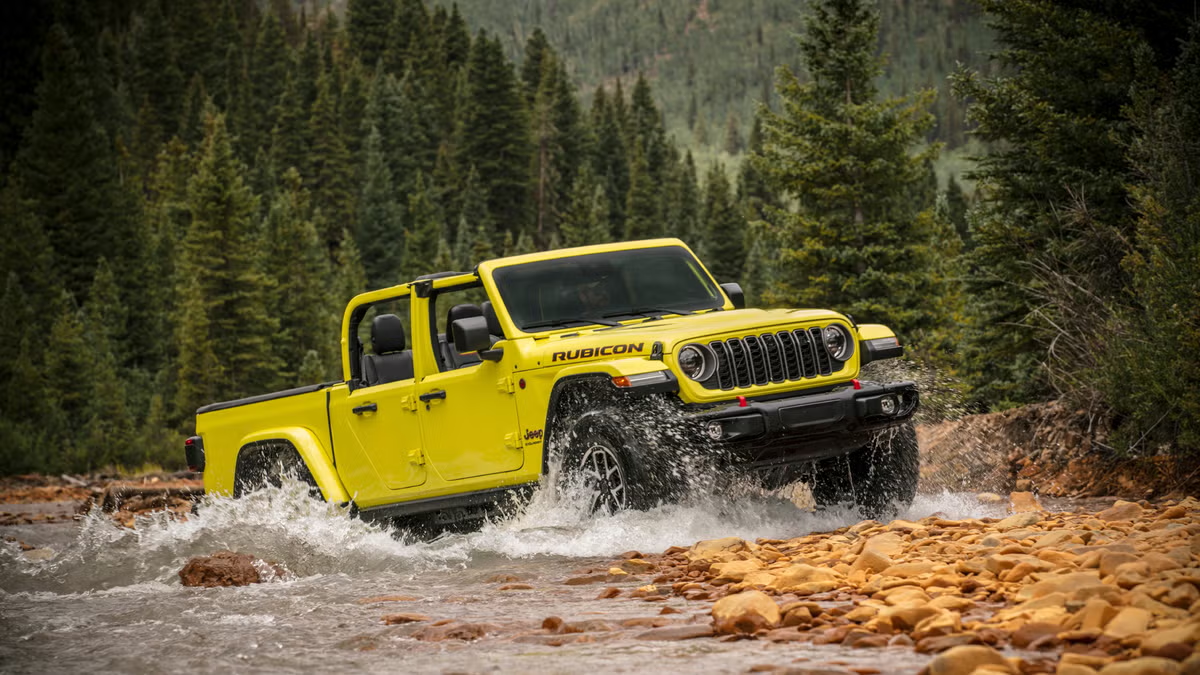
| 14. Water Fording Capability | Gladiator can ford up to 30 inches of water, perfect for adventurous trails. More on water fording |
| 15. Customization Options | Offers many factory and aftermarket options to customize it to your preferences. Jeep customization |
Is the Jeep Gladiator a Good Purchase? 15 Reasons Why
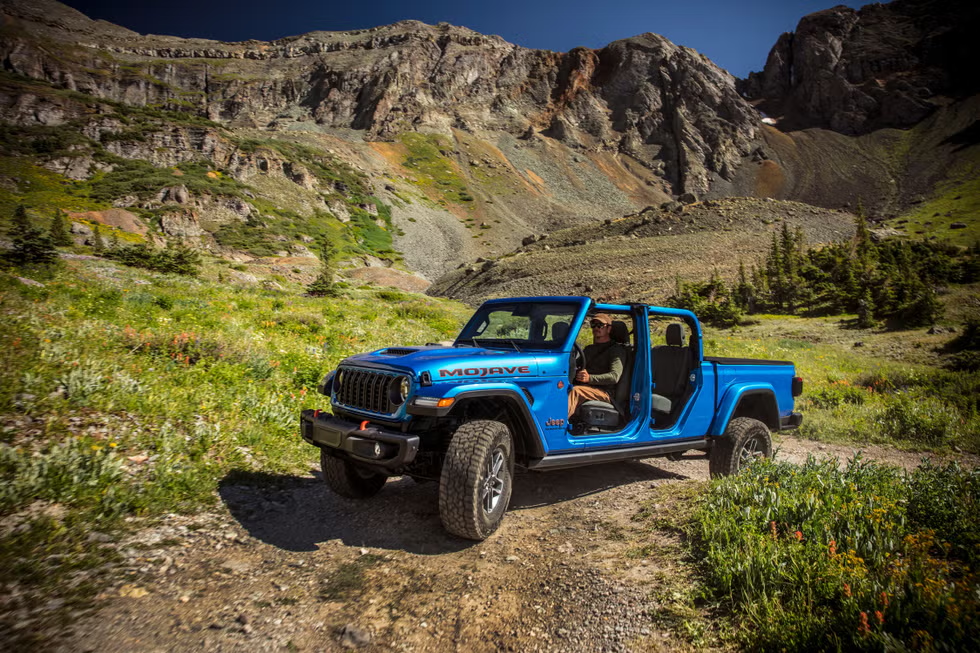
The Jeep Gladiator is one of the most distinctive and versatile vehicles on the market today, blending the iconic Jeep off-road capability with the utility of a pickup truck. Whether you’re into off-roading, need a vehicle that can tow and haul, or just love the rugged style, the Gladiator has a lot to offer. In this article, we’ll explore 15 reasons why the Jeep Gladiator is a smart purchase.
1. Is the Jeep Gladiator a Good Purchase? Legendary Off-Road Capability
Jeep vehicles are renowned for their off-road prowess, and the Gladiator is no exception. Equipped with Jeep’s 4×4 systems, the Gladiator is built for serious off-roading, from dirt trails to rocky terrain. It’s Trail Rated, meaning it has passed rigorous tests for traction, water fording, maneuverability, and ground clearance. This makes it perfect for those who love adventure.
2. Unique Pickup Truck Design
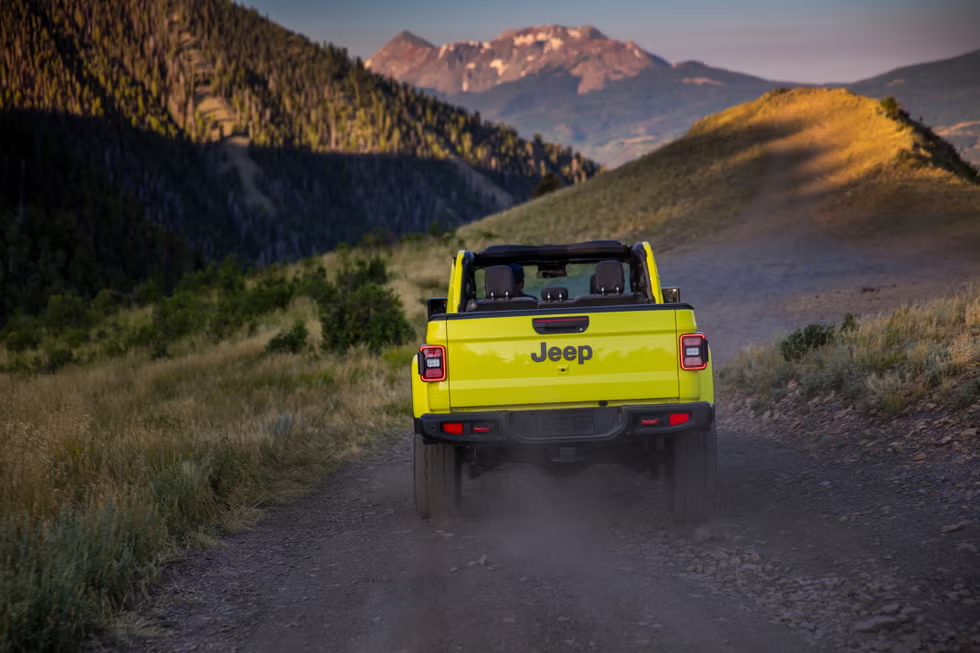
The Jeep Gladiator is the only open-air pickup truck currently available on the market. It takes the best features of a Jeep Wrangler—removable doors and roof—and adds a truck bed for extra utility. If you want the fun and freedom of a Wrangler but need the functionality of a pickup, the Gladiator gives you both.
3. Is the Jeep Gladiator a Good Purchase? Removable Doors and Roof for an Open-Air Experience
One of the most fun aspects of the Jeep Gladiator is the removable doors and roof, just like the Wrangler. This feature allows you to experience the outdoors in a way that no other pickup truck can offer. It’s the perfect vehicle for those who want to feel the wind in their hair while on an off-road adventure or cruising through the city.
How the doors and roof come off
4. Is the Jeep Gladiator a Good Purchase? Best-in-Class Towing Capacity
The Gladiator isn’t just about fun; it’s also a serious workhorse. With a best-in-class towing capacity of up to 7,650 lbs, it’s perfect for pulling a boat, trailer, or camper. Whether you’re working or playing, the Gladiator can handle your towing needs with ease.
5. Impressive Payload Capacity
In addition to its towing power, the Gladiator has an impressive payload capacity of up to 1,700 lbs. This means it can carry heavy loads in the truck bed, whether you’re hauling construction materials or gear for your next camping trip.
6. Is the Jeep Gladiator a Good Purchase? Trail Rated Performance
Every Gladiator comes with Jeep’s Trail Rated badge, which means it has been tested to perform under extreme off-road conditions. This includes traction, water fording, articulation, and ground clearance. For those who plan to take their truck off the beaten path, this is a big plus.
7. Wide Range of Off-Road Accessories
Jeep offers a ton of Mopar accessories designed to enhance the Gladiator’s off-road capabilities. From winches and lift kits to all-terrain tires, you can customize your Gladiator to tackle the most challenging trails.
8. Is the Jeep Gladiator a Good Purchase? Strong Resale Value
Jeep vehicles, particularly the Wrangler and Gladiator, are known for their strong resale value. This is a critical factor for many buyers, as it means the vehicle will retain a significant portion of its value over time, making it a smart investment.
9. Diesel Engine Option
For those who want extra power and fuel efficiency, the Gladiator offers a 3.0-liter EcoDiesel engine option. This engine provides plenty of torque for towing and off-road driving while also delivering better fuel economy than the standard gasoline engine.
Learn more about the EcoDiesel
10. Is the Jeep Gladiator a Good Purchase? Advanced Technology Features
The 2024 Jeep Gladiator comes with the Uconnect 4 or 4C NAV infotainment system, featuring an 8.4-inch touchscreen, Apple CarPlay, and Android Auto. This system is highly intuitive and user-friendly, ensuring that you stay connected whether you’re on the trail or the highway.
11. 4×4 Pickup Versatility
The Gladiator is not just an off-roader; it’s a highly versatile pickup truck as well. The 4×4 system, combined with the practicality of a truck bed, makes it a go-anywhere, do-anything vehicle. It’s the perfect blend of ruggedness and utility.
More about Gladiator versatility
12.Is the Jeep Gladiator a Good Purchase? Built for Durability
The Gladiator is built on a high-strength steel frame and features durable underbody protection, making it highly resistant to the rigors of off-road driving and heavy-duty use. Whether you’re on the trail or on the job site, the Gladiator is designed to last.
13. Spacious Interior
For a midsize truck, the Gladiator offers a surprisingly spacious interior. In fact, it has more rear-seat legroom than most competitors, making it a comfortable choice for passengers. Even tall adults will find plenty of room in the back seats.
14.Is the Jeep Gladiator a Good Purchase? Water Fording Capability
If you plan on taking the Gladiator off-road, you’ll be pleased to know that it can ford water up to 30 inches deep. This makes it an ideal choice for those who plan to traverse rivers, creeks, or mud-filled trails.
15. Customization Options
The Gladiator offers extensive customization options. Whether you’re looking for aftermarket accessories to enhance performance or just want to personalize the vehicle’s appearance, Jeep offers a wide range of factory and aftermarket options.
Conclusion: Why the Jeep Gladiator is a Great Purchase
The Jeep Gladiator stands out as a unique vehicle that combines the best of both worlds: the off-road capability of a Jeep and the practicality of a pickup truck. With its removable doors and roof, best-in-class towing, rugged durability, and spacious interior, it’s a versatile vehicle that’s perfect for work, play, or adventure.
While it may come with a higher price tag than some competitors, the Gladiator’s strong resale value, off-road performance, and customization options make it a solid investment for those who love adventure and need a capable, all-around vehicle.
For more information, explore the official Jeep Gladiator page or check out reviews on Kelley Blue Book and Edmunds.
Since its debut in 2019, the Jeep Gladiator has taken the automotive world by storm. Combining Jeep’s renowned off-road capabilities with the practicality of a pickup truck, the Gladiator has attracted a loyal following. Despite what some may perceive as sales struggles, the reality is quite different. The Gladiator continues to perform well in its segment, and it has carved out a distinctive place in the midsize truck market. Let’s explore why the Jeep Gladiator is more successful than some might believe.
1. Market Competition is Fierce, But the Gladiator Stands Strong
The midsize truck market is crowded, with strong competitors like the Toyota Tacoma, Ford Ranger, and Chevrolet Colorado. However, the Gladiator offers something these trucks don’t—a unique blend of off-road prowess and pickup utility. This combination has resonated with a particular group of buyers who want more than just a traditional truck.
While some may see the crowded market as a challenge, the Gladiator’s ability to stand out from the pack is part of its success. Its Jeep DNA makes it a top choice for those who value adventure and outdoor capabilities, while still needing the practical functions of a truck.
2. Premium Pricing Reflects Premium Value
Some may point to the Gladiator’s price tag as a potential obstacle, but the reality is that its pricing reflects the high value it offers. With features that are unrivaled in the segment—such as removable doors, a fold-down windshield, and serious off-road capabilities—the Gladiator provides more than just a basic truck. The higher price point is a testament to the vehicle’s premium design and capabilities, and for those who understand the value of what the Gladiator offers, it’s a worthwhile investment.

The Gladiator is also available in a variety of trims, allowing buyers to choose the one that fits their budget while still enjoying Jeep’s legendary performance.
3. Fuel Economy: A Balance Between Power and Efficiency
Fuel economy might be a consideration for some truck buyers, but the Jeep Gladiator delivers a solid balance between power and efficiency. The available 3.0-liter EcoDiesel V6 engine provides better fuel economy for those looking to maximize efficiency without sacrificing performance. For off-road enthusiasts who value both power and fuel savings, the EcoDiesel option makes the Gladiator an even more attractive choice.
Moreover, considering the Gladiator’s off-road capabilities and towing strength, its fuel efficiency remains competitive within its class. Consumers looking for a rugged truck that can handle tough terrains and long road trips have found the Gladiator’s performance to be more than satisfactory.
4. Jeep Gladiator’s Engine Options Meet Diverse Needs
The Jeep Gladiator offers a diesel engine option, which provides excellent torque for towing and off-road driving, as well as a standard gasoline engine for everyday driving. While some competitors may offer hybrid or electric options, Jeep is known for its focus on ruggedness and durability. The Gladiator’s current engine lineup aligns with Jeep’s brand promise—delivering powerful and reliable engines for outdoor adventures.

For buyers who prioritize off-road capability and robust towing power, the Gladiator’s engine options are more than sufficient, making it a strong contender in the midsize truck segment.
5. Niche Appeal is a Strength, Not a Limitation
Far from being a drawback, the Gladiator’s niche appeal is one of its greatest strengths. Jeep enthusiasts are a passionate and loyal group, and the Gladiator taps into that loyalty by offering the rugged, go-anywhere capability that buyers expect from the brand. It combines the best of Jeep’s off-road heritage with the utility of a pickup truck, creating a vehicle that has no direct competitors.
For those who love adventure, camping, or off-road exploration, the Gladiator is the perfect blend of form and function. Its distinctive design and unmatched versatility make it a standout choice for a growing number of buyers.
6. Interior Quality and Comfort Are Strong Points
The Jeep Gladiator doesn’t just excel in exterior ruggedness; it also offers a well-appointed interior. With high-quality materials, intuitive technology, and comfortable seating, the Gladiator’s cabin has been designed to meet the needs of both off-road enthusiasts and those who use it as a daily driver.
The available upgrades in higher trims, such as leather seating, advanced infotainment systems, and premium finishes, ensure that the Gladiator delivers on comfort as well as capability. This balance of rugged exterior and refined interior is part of what continues to draw buyers to the Gladiator.

7. Off-Road Capability is a Major Selling Point
While the Jeep Gladiator’s off-road focus may appeal to a specific set of buyers, it’s important to note that this is a key strength, not a limitation. Many truck buyers specifically seek out vehicles that can handle off-road trails, rocky terrains, and inclement weather conditions, and the Gladiator delivers exactly that.
The Rubicon trim, in particular, is renowned for its world-class off-road capabilities. With features like lockable differentials, electronic sway-bar disconnect, and 33-inch all-terrain tires, the Gladiator is perfectly suited for those who prioritize off-road adventures.
8. Jeep’s Brand Reliability Continues to Improve
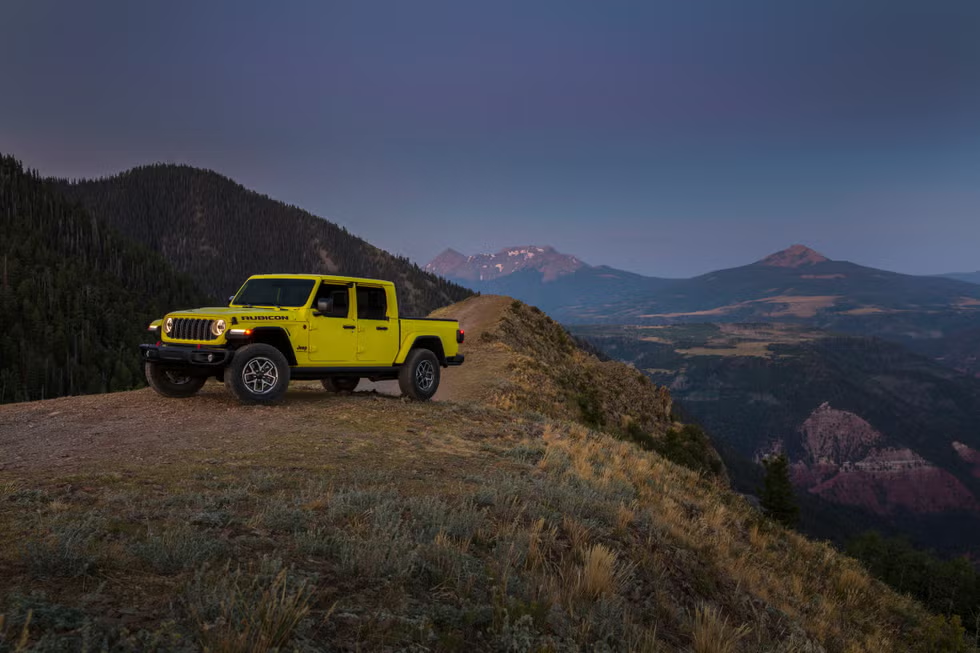
Jeep has made significant strides in terms of reliability and build quality in recent years. While every brand has its own perceptions in the marketplace, the Gladiator has proven itself to be a durable, reliable vehicle, especially in its core areas of strength—off-road driving and rugged terrain.
In fact, Jeep’s commitment to continuous improvement has been well-received by many buyers, and the Gladiator’s performance in various tests and reviews speaks to its reliability as both a daily driver and an adventure-ready machine.
9. Growing Popularity Through Strong Marketing Efforts
Jeep’s marketing strategy for the Gladiator has successfully highlighted its unique attributes. From its versatile design to its superior off-road capability, buyers are becoming more aware of the Gladiator’s strengths. The vehicle’s popularity is evident in its growing fan base, and as more consumers discover its potential, its sales performance continues to rise.
Through a combination of strong branding, targeted marketing, and consumer education, Jeep has positioned the Gladiator as a must-have vehicle for those seeking both adventure and practicality in one package.
Conclusion: The Jeep Gladiator is Gaining Momentum
Despite some misconceptions, the Jeep Gladiator is performing well in the midsize truck segment. With its distinctive blend of Jeep’s off-road capability and pickup utility, the Gladiator continues to attract a loyal customer base. From premium pricing that reflects premium value to engine options that meet diverse needs, the Gladiator is proving to be a vehicle that appeals to a wide range of buyers.
With its growing popularity and strong sales performance, the Jeep Gladiator is far from struggling. Instead, it is thriving in its niche, and as more consumers discover its unique strengths, it is poised to continue gaining momentum in the competitive truck market.
FAQs
1. Is the Jeep Gladiator a good-selling truck?
Yes, the Jeep Gladiator continues to perform well in sales, especially among off-road enthusiasts and those looking for a versatile midsize truck. Despite market rumors, its unique features and capabilities keep it in demand.
2. How does the Jeep Gladiator compare to the Toyota Tacoma?
The Jeep Gladiator offers superior off-road performance and versatility compared to the Toyota Tacoma. With features like a removable roof and doors, the Gladiator is ideal for adventure seekers, while the Tacoma focuses more on traditional truck utility.
3. What are the engine options for the Jeep Gladiator?
The Jeep Gladiator offers two engine options: a 3.6L V6 gas engine and a 3.0L EcoDiesel V6. The diesel option provides better fuel efficiency and towing capacity, making it a popular choice for those who need extra power.
4. What is the fuel economy of the Jeep Gladiator?
The Jeep Gladiator’s fuel economy ranges from 17-22 MPG with the gas engine and 22-28 MPG with the diesel engine. The EcoDiesel engine is ideal for those seeking better fuel efficiency in a midsize truck.
5. How much can the Jeep Gladiator tow?
The Jeep Gladiator has a maximum towing capacity of up to 7,650 pounds, making it one of the top performers in the midsize truck category for towing heavy loads.
6. Is the Jeep Gladiator good for everyday driving?
Yes, the Jeep Gladiator is suitable for daily driving, offering comfort, modern tech, and a smooth ride. While optimized for off-road adventures, it performs well on highways and city streets, making it versatile for everyday use.
7. Does the Jeep Gladiator have high resale value?
Yes, the Jeep Gladiator holds its value exceptionally well. Its off-road capabilities and brand reputation contribute to its strong resale value compared to other midsize trucks.
8. Can I customize my Jeep Gladiator?
Yes, the Jeep Gladiator is one of the most customizable trucks on the market. Jeep offers a wide array of factory and aftermarket accessories, from lift kits to roof racks, making it easy to personalize.
9. What safety features does the Jeep Gladiator offer?
The Jeep Gladiator comes equipped with advanced safety features, including blind-spot monitoring, adaptive cruise control, forward collision warning, and rear cross-path detection, providing both safety and peace of mind on and off the road.
10. Is the Jeep Gladiator a good off-road vehicle?
Absolutely. The Jeep Gladiator is designed for off-road enthusiasts with features like four-wheel drive, locking differentials, skid plates, and removable doors and roof. It’s one of the best off-road vehicles in its class.
Do Jeep Gladiators Hold Their Value?
Do Jeep Gladiators Hold Their Value?
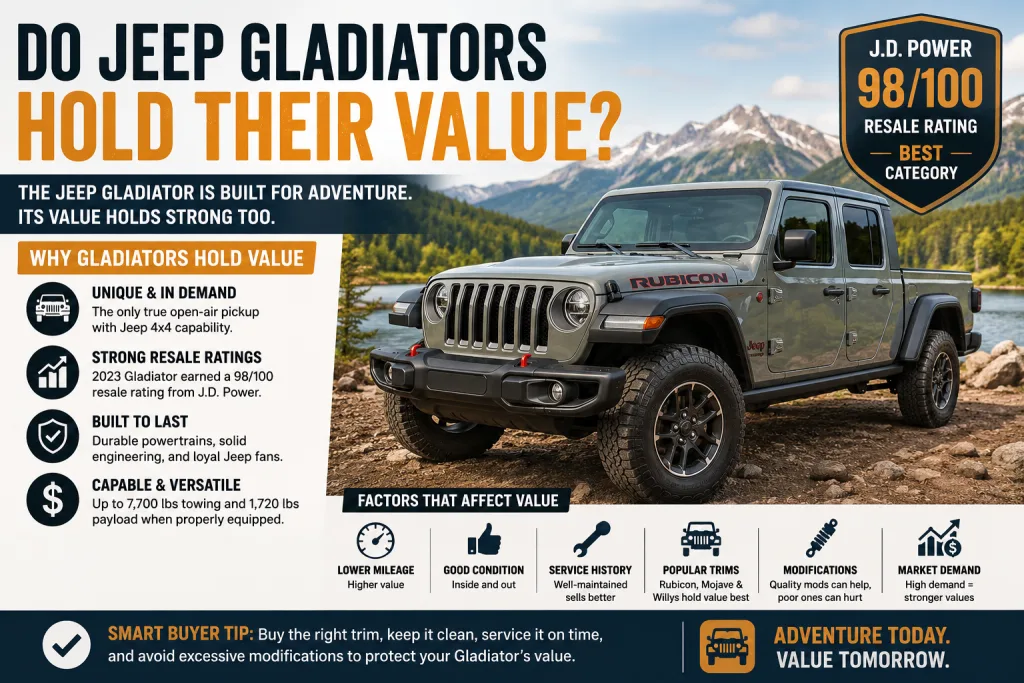
The Jeep Gladiator usually holds its value better than many vehicles, especially because it combines two things buyers continue to want: Jeep 4×4 capability and pickup truck utility. It is not a normal midsize truck, and that is exactly why resale value can stay strong when the right buyer is looking.
The short answer is yes, Jeep Gladiators can hold their value well, but not every Gladiator holds value the same way. Trim level, mileage, condition, modifications, market demand, and whether the truck was bought new or used all matter. A clean Rubicon, Mojave, or Willys with the right options can be more desirable than a heavily modified or high-mileage base model.
Why the Jeep Gladiator Holds Value
The Gladiator is different from most midsize pickups because it is both a truck and a Jeep. It offers four-wheel drive capability, removable roof panels, removable doors, trail-focused trims, and a pickup bed. That combination gives it a niche that competitors like the Toyota Tacoma, Ford Ranger, Chevrolet Colorado, and Nissan Frontier do not fully copy.
That uniqueness helps resale value. Some buyers want a truck. Others want a Wrangler-style Jeep. The Gladiator appeals to both groups, especially shoppers who need bed space but still want open-air Jeep character.
Jeep Canada lists the Gladiator with up to 7,700 pounds of towing capacity and 1,720 pounds of payload when properly equipped, which makes it useful beyond lifestyle driving. Those Jeep specs help explain why the Gladiator stays appealing to buyers who want fun and function in one vehicle.
Resale Value Ratings Are Strong
The Gladiator has performed well in resale and depreciation rankings. J.D. Power gave the 2023 Jeep Gladiator a resale rating of 98 out of 100, which falls into its “Best” category. That is a strong signal that the Gladiator is expected to retain value well compared with many other vehicles.
Depreciation estimates also show the Gladiator performing respectably. CarEdge estimates that a Jeep Gladiator depreciates about 37% after five years, leaving a five-year resale value around $29,578 based on its assumptions. That means it may retain roughly 63% of its value after five years, depending on purchase price, mileage, condition, and market conditions.
That is good for a vehicle that is still relatively expensive when new.
New vs. Used Gladiator Value
The biggest value question is whether you buy new or used. A new Gladiator gives you full warranty coverage, the latest features, and the exact trim you want. But like most vehicles, it will still take its largest depreciation hit in the early years.
A used Gladiator can be the smarter value play because someone else may have already absorbed part of that early depreciation. This is especially true if you find a clean, low-mileage Gladiator with the right trim and service history.
According to Edmunds, 2025 Jeep Gladiator trade-in values can vary widely depending on trim and condition, with estimates ranging from the high $20,000s to the mid-$40,000s. That wide range shows why trim, mileage, and equipment matter so much.
Which Jeep Gladiator Trims Hold Value Best?
The trims that tend to hold value best are usually the ones with clear buyer appeal. Rubicon and Mojave models often get the most attention because they have stronger off-road identity and more specialized hardware.
The Gladiator Rubicon is built for rock crawling and trail use. It is the one many Jeep buyers recognize immediately because of its off-road reputation. The Mojave is designed more for desert running and higher-speed off-road driving. Both trims have a stronger enthusiast following than basic versions.
Willys models can also be desirable because they offer a rugged look and useful off-road upgrades without the price of a Rubicon or Mojave. Sport and Sport S models can still hold value, but their resale strength depends more heavily on price, condition, mileage, and options.
Mileage Still Matters
Even though the Gladiator has strong Jeep appeal, mileage still affects value. A low-mileage Gladiator will usually be worth more than a high-mileage one with the same trim and equipment.
Mileage is especially important on trucks because buyers want to know how the vehicle was used. A Gladiator that spent most of its life commuting is different from one that towed heavy trailers, ran trails every weekend, or carried jobsite equipment every day.
A high-mileage Gladiator can still be a good buy if it has strong service records and no major issues. But for resale value, lower mileage almost always helps.
Condition Is a Big Deal
Condition can make or break the value of any used Gladiator. Because the Gladiator is popular with off-road buyers, shoppers will often look carefully for signs of hard use.
Scraped skid plates, frame damage, suspension wear, mismatched tires, rust, body dents, water leaks, or poorly installed aftermarket parts can all hurt value. Even if the truck looks good from a distance, a buyer or dealer may discount it if it looks abused underneath.
A clean Gladiator with original parts, good tires, a clean interior, and no accident history will usually be easier to sell and worth more.
Modifications Can Help or Hurt
Jeep owners love modifying their vehicles, but modifications do not always increase resale value. Some upgrades may make the truck more attractive to a specific buyer, but they can also narrow the market.
A quality lift kit, good tires, proper wheels, steel bumpers, or tasteful off-road accessories may help if they were installed correctly. But cheap parts, extreme lifts, poor wiring, loud exhausts, rough DIY work, or missing factory parts can lower value.
Most dealers and buyers prefer clean, well-documented upgrades. If you modify a Gladiator, keep receipts and keep the factory parts when possible.
Market Demand Matters
The Gladiator’s resale value also depends on the market. When truck demand is strong, used Gladiator values can benefit. When new vehicle incentives increase or used inventory grows, resale values can soften.
This is why the purchase price matters. A Gladiator bought with a strong discount may hold value better from the buyer’s perspective than one purchased at full sticker. Paying too much upfront can make depreciation feel worse even if the vehicle is still strong compared with competitors.
Local demand matters too. In areas where buyers love off-roading, camping, trails, and outdoor lifestyle vehicles, Gladiators may be easier to sell. In areas where buyers mainly want fuel economy or maximum towing, demand may be more limited.
How the Gladiator Compares to Other Trucks
The Gladiator competes with midsize trucks like the Toyota Tacoma, Ford Ranger, Chevrolet Colorado, GMC Canyon, and Nissan Frontier. The Tacoma is usually the resale-value benchmark in this class, but the Gladiator has its own advantage because it offers Jeep character that those trucks do not.
The Gladiator may not be the cheapest truck to buy, and it is not the smoothest or most fuel-efficient midsize pickup. But its removable roof, removable doors, 4×4 capability, and Jeep styling make it more unique.
That uniqueness helps it avoid becoming just another used truck on the lot.
Do Gladiators Depreciate?
Yes, Jeep Gladiators still depreciate. Every vehicle loses value over time, and the Gladiator is no exception. The strongest resale vehicles still drop in value as mileage rises, condition changes, and newer models arrive.
The better question is whether Gladiators depreciate less than many other vehicles. In many cases, yes. Strong resale ratings, Jeep brand loyalty, truck demand, and off-road appeal all help.
Still, buyers should be realistic. A Gladiator bought new at a high price with lots of options may lose more actual dollars than a used Gladiator bought after the first major depreciation hit.
How to Protect Gladiator Resale Value
The best way to protect value is to keep the truck clean, serviced, and close to factory condition. Regular oil changes, tire rotations, brake service, fluid checks, and documented maintenance all help.
Avoid cheap modifications and rough off-road damage. Keep the interior clean, fix small issues early, and save service records. If you use the Gladiator off-road, wash the underbody after mud, salt, sand, or trail use.
Also be smart when buying. Choose a desirable trim, useful options, good color, and fair purchase price. Resale value starts the day you buy the truck, not the day you sell it.
Is a Jeep Gladiator a Good Used Buy?
A used Jeep Gladiator can be a very good buy if you choose carefully. It gives you pickup utility, real 4×4 capability, and Wrangler-style personality in one package.
The best used Gladiators are clean, well-maintained, reasonably priced, and not heavily abused off-road. Rubicon, Mojave, and Willys trims can be especially attractive because they have stronger identity and buyer demand.
Before buying, check the vehicle history, inspect the underside, review maintenance records, look for signs of poor modifications, and test all roof and door seals. A Gladiator is fun, but condition still matters.
Find a Jeep Gladiator That Holds Its Value
Jeep Gladiators can hold their value well, especially when they are clean, properly maintained, reasonably priced, and equipped with desirable trims or options. Strong resale ratings, Jeep brand loyalty, truck practicality, and off-road capability all help the Gladiator stand out in the used market.
The smartest move is to buy the right Gladiator at the right price. A clean used model may offer better long-term value than paying top dollar for a new one, while a well-equipped new Gladiator can still make sense if you plan to keep it for years.
Visit Simi Valley Chrysler Dodge Jeep Ram to browse new inventory, compare used inventory, check your trade-in value, or apply for financing before choosing your next Jeep Gladiator.
Is RAM a Reliable Truck?
Is Ram a Reliable Truck?
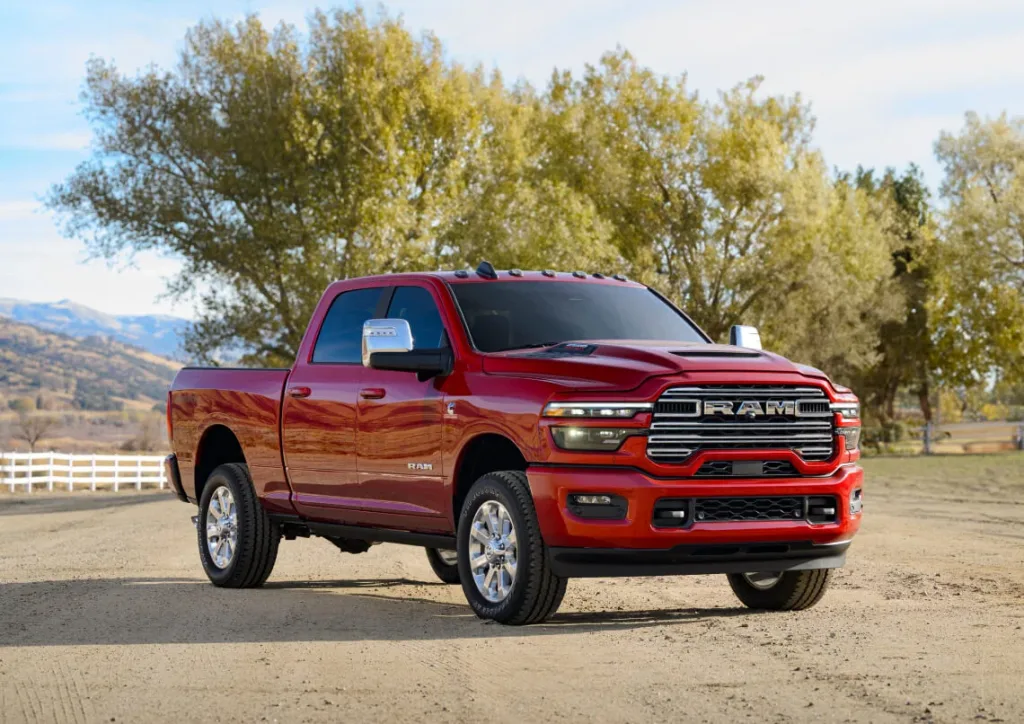
Ram trucks are generally reliable, but the honest answer depends on the model, year, engine, maintenance history, and how the truck was used.
For shoppers asking, “Is Ram a reliable truck?” the best answer is this: Ram can be a dependable truck brand, especially the Ram 1500, but it is not perfect. Some reliability sources rate the Ram 1500 well against other full-size trucks, while others flag newer model-year issues, recalls, and technology-related problems.
That means Ram is not a truck you should blindly buy. It is a truck you should buy carefully, especially if you are looking at a used Ram 1500, Ram 2500, or Ram 3500.
Is Ram Reliable Overall?
Ram has a mixed but respectable reliability reputation.
The Ram 1500 often performs well in owner satisfaction, comfort, ride quality, towing usability, and truck capability. It is also one of the most popular full-size pickups in North America, which means there is a large owner base, strong parts availability, and plenty of mechanic familiarity.
J.D. Power gives the 2026 Ram 1500 a Quality & Reliability score of 77 out of 100, which it classifies as average. The same score appears for the 2025 Ram 1500, with J.D. Power noting that previous-year ratings and review data are used. (JD Power)
That is not a bad score. It simply means the Ram 1500 is not trouble-free, but it remains competitive in the full-size truck market.
How Reliable Is the Ram 1500?
The Ram 1500 is usually the strongest reliability case in the Ram lineup.
RepairPal gives the Ram 1500 a reliability rating of 3.5 out of 5.0, ranking it 1st out of 17 full-size trucks. RepairPal also lists the average annual repair cost at $691, with major repairs described as uncommon because issue frequency is relatively low. (RepairPal.com)
That is a positive signal for shoppers comparing the Ram 1500 against other half-ton trucks like the Ford F-150, Chevrolet Silverado 1500, GMC Sierra 1500, and Toyota Tundra.
But there is another side to the story. Consumer Reports has been more critical of the newer Ram 1500, stating that the 2025 Ram 1500 is much less reliable than other vehicles from the same model year and noting that it had multiple NHTSA recalls. (Consumer Reports)
So the real answer is not “Ram is reliable” or “Ram is unreliable.” The better answer is: the Ram 1500 can be reliable, but newer model years and specific configurations need a proper check before purchase.
Why Ram Trucks Have a Strong Following
Ram trucks are popular for a reason.
The Ram 1500 is known for its smooth ride, quiet cabin, strong towing ability, and upscale interiors. Compared with many traditional work trucks, Ram has leaned heavily into comfort and refinement. That matters because many truck buyers use their pickups for both work and daily driving.
The rear coil-spring suspension on many Ram 1500 models helped separate it from leaf-spring competitors by giving it a more comfortable ride. Higher trims like Laramie, Limited, and Longhorn also gave Ram a more premium identity in the truck market.
Reliability is not just about whether a truck starts every morning. It is also about whether owners feel confident using it for commuting, towing, hauling, family travel, and long-distance driving. On that front, many Ram owners are loyal because the truck feels good to live with.
Common Ram Truck Problems to Know
Ram trucks are capable, but buyers should know the common problem areas before purchasing one.
Some owner-reported and commonly discussed Ram issues include:
- Electrical problems
- Infotainment glitches
- Air suspension issues on some equipped models
- Exhaust manifold bolt problems on older HEMI V8 trucks
- Transmission concerns on poorly maintained or heavily used trucks
- Diesel emissions system issues on some heavy-duty models
- Recall-related software or safety updates
This does not mean every Ram truck will have these problems. It means a smart buyer should inspect these areas, especially on used trucks.
For newer trucks, recalls are also worth checking. The NHTSA vehicle database is one of the best places to check open recalls by year, make, and model. You can look up a specific truck through the official NHTSA recall search.
Are Ram Trucks Expensive to Maintain?
Ram maintenance costs are usually average to slightly above average, depending on the model.
RepairPal gives the overall Ram brand a reliability rating of 3.0 out of 5.0, ranking it 23rd out of 32 brands. It lists the average annual repair cost for Ram at $858, which it describes as average ownership cost. (RepairPal.com)
That brand-wide number includes more than just the Ram 1500. Heavy-duty trucks, commercial models, diesel engines, and work-use vehicles can raise the average because they are more expensive to repair than a basic half-ton gas pickup.
A Ram 1500 used mostly for commuting and light hauling will usually be cheaper to maintain than a Ram 3500 diesel used for towing heavy loads every week.
Is the HEMI Ram Reliable?
The 5.7L HEMI V8 has a strong reputation, but maintenance matters.
Many Ram 1500 owners like the HEMI because it delivers strong power, good towing confidence, and a traditional V8 feel. It has been used across many Stellantis vehicles, which helps with parts availability and mechanic familiarity.
However, older HEMI-equipped Rams can have issues such as broken exhaust manifold bolts, lifter-related concerns, ticking noises, and fuel economy that is not as efficient as newer turbocharged or hybrid-assisted engines.
If you are buying a used Ram with the HEMI V8, service history is important. Look for regular oil changes, proper maintenance intervals, clean cold starts, no abnormal ticking, and no signs of neglected repairs.
Are Ram Diesel Trucks Reliable?
Ram heavy-duty diesel trucks can be very reliable when maintained properly, especially for towing and commercial-style use.
The Cummins diesel engine is one of Ram’s biggest strengths. Many buyers choose Ram 2500 and Ram 3500 trucks specifically because of the Cummins name. These engines are known for torque, durability, and long-haul capability.
But diesel reliability comes with a catch. Repairs can be expensive. Emissions components, fuel system issues, turbo-related repairs, and heavy-duty drivetrain work can cost much more than repairs on a gas Ram 1500.
A diesel Ram can be a great choice if you tow heavy loads, drive long distances, or need serious work-truck capability. If you mostly commute, run errands, and tow occasionally, a gas Ram 1500 may be the more practical and affordable choice.
New Ram 1500 vs Used Ram 1500 Reliability
A new Ram 1500 gives you warranty coverage, newer technology, and the latest safety features. But new model years can also bring new bugs, especially after powertrain or technology updates.
A used Ram 1500 can be a smart buy if it has a clean history, strong maintenance records, and no open recalls. It may also avoid some early-production issues that can affect newer redesigns.
For used buyers, the best approach is simple:
Check the vehicle history report.
Inspect for open recalls.
Review maintenance records.
Look underneath for rust, leaks, and impact damage.
Test the transmission under light and heavy throttle.
Check all electronics, screens, cameras, and sensors.
Have a trusted mechanic inspect the truck before purchase.
For shoppers comparing used trucks, browse options carefully and compare mileage, trim, service history, and condition. If you are shopping near Simi Valley, start with the current used truck inventory and compare each truck by year, engine, mileage, and ownership history.
Which Ram Truck Is the Most Reliable?
For most buyers, the Ram 1500 is the best balance of reliability, comfort, capability, and ownership cost.
The Ram 2500 and Ram 3500 can be extremely durable, but they are built for heavier work. They also cost more to buy, fuel, maintain, and repair. If you do not need heavy-duty towing or payload capacity, a Ram 1500 is usually the better everyday truck.
The most reliable Ram for you depends on how you plan to use it:
For daily driving: Ram 1500.
For light towing and family use: Ram 1500 Crew Cab.
For frequent heavy towing: Ram 2500.
For serious commercial towing: Ram 3500.
For lower repair risk: choose a well-maintained truck with service records over a higher-trim truck with unknown history.
Condition matters more than trim. A clean, well-maintained Ram Big Horn can be a better buy than a neglected Ram Limited.
Is Ram More Reliable Than Ford or Chevy?
Ram is competitive, but it depends on the specific truck.
Ford, Chevrolet, GMC, Toyota, and Ram all have strong truck reputations, but every brand has good years and bad years. The Ford F-150 has massive sales volume and strong engine variety. The Chevy Silverado and GMC Sierra are traditional work-truck staples. The Toyota Tundra has a loyal reliability following, although newer turbocharged models have faced scrutiny.
The Ram 1500’s biggest advantages are comfort, interior quality, ride refinement, and strong powertrain choices. Its weaker areas can include electronics, recall activity, and higher repair complexity on certain trims.
If you are comparing Ram against Ford, Chevy, GMC, or Toyota, do not rely only on brand reputation. Compare the exact model year, engine, drivetrain, mileage, maintenance history, and recall status.
What Makes a Ram Truck Last Longer?
A Ram truck will usually last longer when it is maintained properly and used within its limits.
The most important habits include:
Regular oil changes.
Transmission service when recommended.
Cooling system maintenance.
Differential and transfer case service for 4×4 models.
Using the correct fluids.
Not exceeding towing or payload ratings.
Fixing small issues before they become major repairs.
Keeping up with recall repairs.
Trucks that tow often need more attention than trucks used mostly for commuting. Heat, weight, and stop-and-go use can wear down brakes, transmissions, cooling systems, and suspension parts faster.
Should You Buy a Ram Truck?
Yes, a Ram truck can be a good buy if you choose the right one.
A Ram 1500 is a strong option if you want a comfortable full-size pickup with good capability, a refined interior, and solid real-world usability. A Ram 2500 or 3500 makes sense if you need serious towing or work-truck strength.
But reliability depends heavily on the individual truck. Before buying, check service records, recalls, accident history, drivetrain condition, and how the truck was used. A well-maintained Ram can be a dependable long-term vehicle. A neglected one can get expensive quickly.
If you are ready to compare new Ram trucks, start with the latest new Ram inventory. If you are budgeting around payments, trade value, or approval options, you can also review available financing options before visiting the dealership.
FAQs About Ram Reliability
Is Ram a reliable truck brand?
Ram can be reliable, especially the Ram 1500, but reliability varies by model year, engine, trim, maintenance history, and use. The Ram 1500 has strong ratings from some sources, while newer models have also faced recalls and mixed reliability reviews.
How long do Ram trucks last?
A well-maintained Ram truck can last well beyond 200,000 miles, especially if it receives regular oil changes, drivetrain service, cooling system maintenance, and timely repairs. Heavy towing, poor maintenance, rust, and neglected recalls can shorten its lifespan.
Is the Ram 1500 reliable?
Yes, the Ram 1500 can be reliable. RepairPal ranks it highly among full-size trucks, but Consumer Reports has been more critical of some newer model years. The safest approach is to compare the exact year, engine, mileage, and service history.
Are Ram trucks expensive to fix?
Ram repair costs are generally average to slightly above average. Heavy-duty diesel models can be much more expensive to repair than gas Ram 1500 trucks because diesel components, emissions systems, and towing-related wear can add cost.
Which Ram engine is most reliable?
The 5.7L HEMI V8 has a strong reputation when maintained properly, while Cummins diesel engines are respected for heavy-duty towing. The best engine depends on how the truck will be used. For daily driving, a gas Ram 1500 is usually more practical. For heavy towing, a Cummins diesel Ram 2500 or 3500 may make more sense.
Final Thoughts: Is Ram a Reliable Truck?
Ram is a reliable truck choice for many buyers, but it is not a brand to buy without doing homework.
The Ram 1500 has strong comfort, capability, and ownership appeal. Some reliability sources rate it well against other full-size trucks, while others point to recalls and newer-model concerns. That mixed picture is exactly why shoppers should focus on the specific truck, not just the badge.
If you want a dependable Ram, look for clean maintenance records, no open recalls, a strong inspection report, and the right engine for your needs. Do that, and a Ram truck can be a smart, capable, and long-lasting pickup.
Which Ram 2500 Engine is the Best?
Which Ram 2500 Engine is the Best?
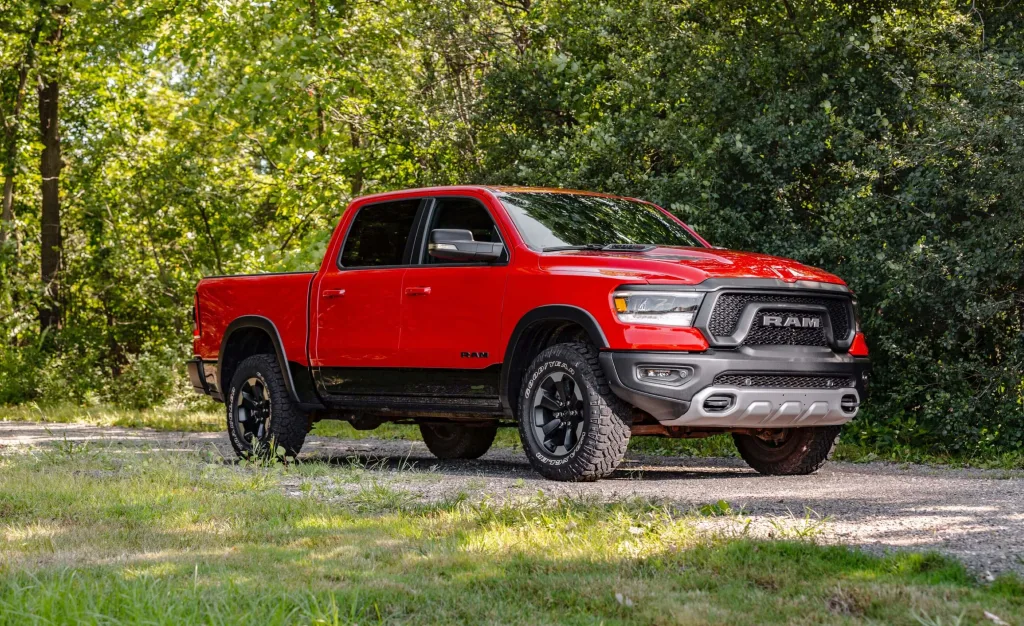
The best Ram 2500 engine for most heavy-duty truck buyers is the 6.7L Cummins Turbo Diesel because it delivers the strongest torque, the highest towing confidence, and the best long-term capability for serious work. However, the 6.4L HEMI V8 is still the better choice if you want lower upfront cost, simpler maintenance, stronger payload practicality, and a gas-powered truck for daily use.
If you are shopping for a new Ram 2500 or comparing used Ram trucks, the right engine depends on how you actually use the truck. For towing, diesel wins. For everyday driving, gas can make more sense.
Ram 2500 Engine Options
The Ram 2500 is built for drivers who need more strength than a half-ton pickup can offer. It is commonly available with two major engine choices: the 6.4L HEMI V8 and the 6.7L Cummins Turbo Diesel.
The 6.4L HEMI V8 is best for daily driving, job sites, payload, and lower-cost ownership. It gives buyers simple gas power, strong work-truck usability, and fewer diesel-specific maintenance concerns.
The 6.7L Cummins Turbo Diesel is best for frequent towing, heavy hauling, commercial use, and long-distance trailer work. It gives the Ram 2500 stronger torque, better towing confidence, and a more serious heavy-duty feel.
Both engines can be excellent. The best choice depends on whether you need a workhorse for maximum towing or a more straightforward heavy-duty truck for mixed use.
Why the 6.7L Cummins Diesel is the Best for Towing
The 6.7L Cummins Turbo Diesel is the best Ram 2500 engine if towing is your top priority. It is built for drivers who pull heavy trailers, fifth wheels, equipment, livestock trailers, or commercial loads.
The biggest advantage is torque. Diesel engines make their strength low in the rev range, which helps the truck move heavy weight with less effort. That matters when you are climbing grades, merging with a loaded trailer, or pulling long distances.
For buyers who regularly tow near the truck’s upper limits, the Cummins diesel feels more relaxed and confident than the gas V8. It also gives the Ram 2500 the heavy-duty character most truck buyers expect from a serious three-quarter-ton pickup.
Why the 6.4L HEMI V8 Still Makes Sense
The 6.4L HEMI V8 is the better Ram 2500 engine for buyers who do not tow heavy all the time. It is a strong gas engine with a simpler ownership profile, lower maintenance complexity, and excellent everyday usability.
If you use your truck for construction sites, home projects, local driving, snow, occasional towing, or hauling materials in the bed, the HEMI makes a lot of sense. It gives you heavy-duty truck capability without the added cost of diesel ownership.
Gas engines are also easier for many owners to maintain. You do not have diesel exhaust fluid, diesel emissions system concerns, or the same level of fuel-system repair cost. For buyers who keep trucks long term, that simplicity can matter.
Which Ram 2500 Engine is More Reliable?
Both engines have strong reputations when properly maintained, but they are reliable in different ways.
The 6.4L HEMI is reliable because it is simpler. It is a gas V8 with fewer diesel-specific components, which can mean fewer expensive repairs as the truck ages. For buyers who do not need diesel torque, this is often the safer long-term value choice.
The Cummins diesel is reliable because it is built for hard work. It is one of the most respected diesel names in the heavy-duty truck segment. When maintained correctly, it can handle serious mileage and demanding towing use. The trade-off is that diesel maintenance and repairs are typically more expensive.
If your definition of reliability means lower running cost and fewer complex systems, choose the HEMI. If your definition of reliability means pulling heavy loads for years without feeling overworked, choose the Cummins.
Which Ram 2500 Engine is Best for Daily Driving?
For daily driving, the 6.4L HEMI V8 is usually the better engine. It is easier to live with, more responsive in normal city driving, and does not require diesel-specific ownership habits.
A diesel Ram 2500 can be daily driven, but it makes more sense when the truck is regularly used for towing or long highway trips. If most of your driving is short trips, light loads, and city traffic, the diesel may be more engine than you need.
For many buyers, a gas Ram 2500 truck gives the right balance of strength, comfort, and ownership cost.
Which Ram 2500 Engine is Best for Towing?
For towing, the 6.7L Cummins Turbo Diesel is the clear winner. It has more torque, better pulling confidence, and is better suited to heavy trailers.
Choose the Cummins diesel if you tow large campers, fifth-wheel trailers, equipment trailers, enclosed car trailers, horse or livestock trailers, or commercial work trailers.
If towing is the main reason you are buying a Ram 2500, diesel is the engine to get.
Which Ram 2500 Engine is Best for Payload?
For payload, the 6.4L HEMI V8 often makes more sense. Diesel engines are heavier, and that extra weight can reduce available payload depending on configuration.
If you care more about loading the bed than pulling a trailer, the HEMI is a smart choice. It is ideal for tools, materials, salt spreaders, landscaping supplies, job-site equipment, and general work use.
A diesel is excellent for pulling. A gas engine is often better for carrying.
Best Ram 2500 Engine by Buyer Type
For daily drivers, the 6.4L HEMI V8 is usually the best engine because it is simpler, easier to maintain, and better suited for mixed use.
For heavy trailer owners, the 6.7L Cummins Turbo Diesel is the best engine because it provides stronger torque and better towing confidence.
For contractors, the best engine depends on workload. Choose the HEMI if you mostly carry tools and materials in the bed. Choose the Cummins if you regularly tow equipment trailers.
For RV owners, the Cummins diesel is usually the better choice because it is stronger for long-distance towing.
For budget-conscious buyers, the HEMI is usually better because it has a lower purchase cost and lower maintenance complexity.
For long-term work truck buyers, the Cummins is the better fit if the truck will be used hard and maintained properly.
For snow, utility, or local work use, the HEMI is often the smarter choice because it delivers strong gas power with practical ownership costs.
So, Which Ram 2500 Engine is the Best?
The 6.7L Cummins Turbo Diesel is the best Ram 2500 engine overall if you want maximum capability, towing strength, and long-term heavy-duty performance. It is the engine that makes the Ram 2500 feel like a true workhorse.
The 6.4L HEMI V8 is the best choice if you want a simpler, more affordable, gas-powered heavy-duty truck. It is better for daily driving, payload-focused work, and buyers who do not tow heavy trailers often.
In simple terms, choose the Cummins if you tow heavy. Choose the HEMI if you want lower-cost heavy-duty ownership.
Shopping for a Ram 2500
Before choosing an engine, think about how you will use the truck most often. A buyer towing a fifth wheel every weekend has very different needs than a contractor carrying tools around town.
You can compare available Ram 2500 inventory, check used truck options, value your current vehicle through the trade-in tool, or start with the finance application to see what fits your budget.
Frequently Asked Questions
Is the Cummins better than the HEMI in a Ram 2500?
Yes, the Cummins is better for heavy towing and long-distance hauling. The HEMI is better for lower-cost ownership, daily driving, and payload-focused work.
Is the 6.4L HEMI good in a Ram 2500?
Yes. The 6.4L HEMI is a strong gas engine for buyers who need heavy-duty capability without diesel maintenance costs.
Which Ram 2500 engine lasts the longest?
The Cummins diesel has the strongest reputation for long-term heavy-duty mileage, especially when used for towing and maintained properly. The HEMI can also last a long time when serviced consistently.
Is a diesel Ram 2500 worth it?
A diesel Ram 2500 is worth it if you tow heavy, drive long distances, or use the truck commercially. If you mainly drive locally and tow occasionally, the HEMI may be the better value.
Which Ram 2500 engine should I avoid?
There is no current Ram 2500 engine that should be automatically avoided. The bigger issue is buying the wrong engine for your needs. Avoid diesel if you do not need the added torque, and avoid gas if you plan to tow heavy loads frequently.
Which RAM 1500 Engine Is Best?

Which RAM 1500 Engine Is Best?
When it comes to the RAM 1500, one of the most significant decisions prospective buyers face is choosing the right engine. The RAM 1500 is known for its versatility, offering a range of engine options that cater to different needs, from fuel efficiency to towing capacity and overall performance. This article explores the various engines available for the RAM 1500, highlighting their strengths and weaknesses to help you determine which one is best for your needs.
1. 3.6L Pentastar V6 Engine
Overview: The 3.6L Pentastar V6 engine is the standard option for the RAM 1500 and is designed for those who prioritize a balance between power and fuel efficiency.
- Power Output: 305 horsepower and 269 lb-ft of torque.
- Fuel Economy: Up to 20 mpg in the city and 25 mpg on the highway.
- Towing Capacity: Maximum towing capacity of 7,730 pounds when properly equipped.
Pros:
- Excellent fuel efficiency for a full-size truck.
- Adequate power for daily driving and light towing.
- Lower starting cost compared to V8 options.
Cons:
- Less power and torque compared to the V8 engines, which may be a drawback for heavy-duty tasks.
Best For: Everyday driving and light towing, especially for those who value fuel economy.
2. 5.7L HEMI V8 Engine
Overview: The 5.7L HEMI V8 is a powerful option that offers enhanced performance and towing capabilities for buyers who need more muscle in their truck.
- Power Output: 395 horsepower and 410 lb-ft of torque.
- Fuel Economy: Up to 15 mpg in the city and 22 mpg on the highway.
- Towing Capacity: Maximum towing capacity of 11,610 pounds when properly equipped.
Pros:
- Strong performance for towing and off-road driving.
- Distinctive V8 sound that many truck enthusiasts appreciate.
- Capable of handling heavy loads with ease.
Cons:
- Lower fuel efficiency compared to the V6 option.
- Higher starting price point.
Best For: Towing, off-road adventures, and those who prefer a powerful engine.
3. 3.0L EcoDiesel V6 Engine
Overview: The 3.0L EcoDiesel V6 engine is the diesel option for the RAM 1500, ideal for buyers seeking a balance of power and fuel efficiency.
- Power Output: 260 horsepower and 480 lb-ft of torque.
- Fuel Economy: Up to 22 mpg in the city and 32 mpg on the highway.
- Towing Capacity: Maximum towing capacity of 12,560 pounds when properly equipped.
Pros:
- Exceptional fuel efficiency, particularly on the highway.
- High torque output makes it great for towing heavy loads.
- Generally lower emissions compared to gasoline engines.
Cons:
- Diesel engines can come with higher maintenance costs.
- Some drivers may find the initial purchase price higher than gasoline options.
Best For: Long-distance driving, frequent towing, and those prioritizing fuel economy.
4. 6.2L Supercharged HEMI V8 Engine (TRX Model)
Overview: The 6.2L Supercharged HEMI V8 is exclusive to the RAM 1500 TRX model, designed for performance enthusiasts looking for unparalleled power.
- Power Output: 702 horsepower and 650 lb-ft of torque.
- Fuel Economy: Up to 10 mpg in the city and 14 mpg on the highway.
- Towing Capacity: Maximum towing capacity of 8,100 pounds when properly equipped.
Pros:
- Unmatched power and acceleration for a full-size truck.
- Advanced off-road capabilities with unique features for extreme conditions.
- Exciting driving experience for performance lovers.
Cons:
- Very low fuel efficiency, making it less practical for everyday driving.
- Higher purchase price compared to other RAM 1500 engines.
Best For: Performance enthusiasts and those seeking a high-powered, off-road capable truck.
Conclusion
Choosing the best engine for the RAM 1500 depends on your specific needs and preferences. The 3.6L Pentastar V6 is ideal for those prioritizing fuel efficiency and everyday use, while the 5.7L HEMI V8 offers robust power for towing and off-road adventures. The 3.0L EcoDiesel V6 stands out for long-haul efficiency and high torque, making it excellent for towing. Finally, the 6.2L Supercharged HEMI V8 is perfect for those seeking an exhilarating performance experience.
Ultimately, it’s essential to consider what you value most in a truck—whether it’s fuel economy, towing capacity, or sheer power—before making your decision. Each engine option in the RAM 1500 lineup has unique strengths, ensuring there’s a suitable choice for every type of driver.
RAM 1500 Engines — Frequently Asked Questions
Which RAM 1500 engine is the best overall?
It depends on what you value most. For daily efficiency, choose the 3.6L Pentastar V6. For towing and muscle, the 5.7L HEMI V8. For long-haul torque and mpg, the 3.0L EcoDiesel V6. For extreme performance/off-road, the 6.2L Supercharged HEMI V8 (TRX).
Which RAM 1500 engine gets the best fuel economy?
The 3.0L EcoDiesel V6 leads the lineup, achieving up to 32 MPG highway when properly equipped.
Which engine tows the most?
The 3.0L EcoDiesel V6 can tow up to 12,560 lbs. The 5.7L HEMI V8 follows closely at 11,610 lbs (when properly equipped).
Which engine is the most powerful?
The 6.2L Supercharged HEMI V8 in the RAM 1500 TRX makes 702 hp and 650 lb-ft—the most powerful half-ton pickup.
What’s the best engine for off-roading?
The TRX’s 6.2L Supercharged HEMI V8 plus its desert-ready chassis and suspension is the ultimate off-road setup.
Which RAM 1500 engines are the most reliable?
The 3.6L Pentastar V6 and 5.7L HEMI V8 have excellent long-term records, often exceeding 200,000 miles with proper maintenance.
Is the 3.0L EcoDiesel worth it?
For frequent towing or long highway miles, yes. It offers excellent torque and top fuel economy, offsetting a higher initial price with long-term efficiency.
Does RAM 1500 offer a hybrid option?
Yes. eTorque mild-hybrid tech is available on the 3.6L Pentastar and 5.7L HEMI to improve efficiency and low-speed torque.
Which engine is best for city driving?
The 3.6L Pentastar V6 (especially with eTorque) feels smooth, responsive, and efficient in stop-and-go traffic.
Which engine sounds the best?
The 5.7L HEMI V8 has the classic deep V8 rumble. The 6.2L Supercharged HEMI adds an aggressive supercharger whine.
Is a 6.7 better than 5.9 Cummins?
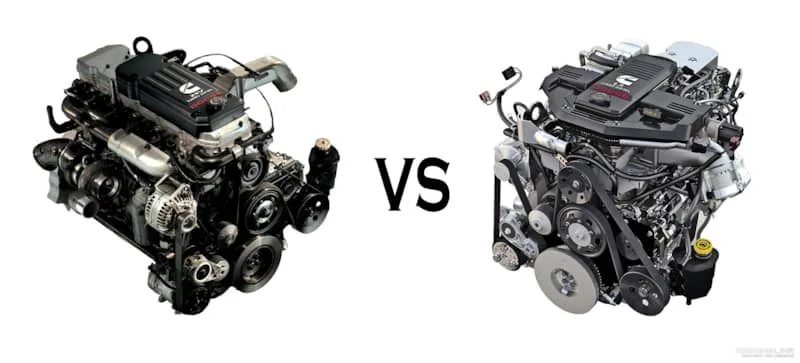
If you’ve been around diesel trucks for any length of time, chances are you’ve heard debates between fans of the 5.9L Cummins and the newer 6.7L Cummins engines. Both powerplants have made their mark under the hood of Dodge/RAM trucks, and both have legions of loyal supporters. But which one is actually better?
In this in-depth article, we’ll explore the key differences, strengths, and weaknesses between the 5.9 Cummins (1989–2007) and the 6.7 Cummins (2007–present). Whether you’re looking to buy used, swap an engine, or simply understand why enthusiasts hold one over the other, this breakdown will help you make an informed decision.
Engine Overview
| Engine | Production Years | Displacement | Horsepower Range | Torque Range |
|---|---|---|---|---|
| 5.9L Cummins | 1989–2007 | 5.9L (359 cu in) | 160–325 hp | 400–610 lb-ft |
| 6.7L Cummins | 2007–present | 6.7L (408 cu in) | 350–420 hp | 610–1,075 lb-ft |
The 5.9 was beloved for its simplicity and mechanical reliability, while the 6.7 introduced modern emissions systems, higher output, and new technology to meet changing regulations and consumer demands.
Power and Performance
Winner: 6.7 Cummins
The 6.7L Cummins clearly delivers more horsepower and torque than any 5.9 variant ever did. It’s designed to move heavier loads with ease and is better suited for modern towing demands.
However, some diesel purists argue that the older 5.9 “feels” more responsive, especially in manual transmission setups due to less computer interference.
Emissions and Tuning Potential
Winner: 5.9 Cummins (for tuners)
Winner: 6.7 Cummins (for compliance and modern tech)
The 6.7 was introduced to meet new EPA standards. As a result, it includes:
- EGR (Exhaust Gas Recirculation)
- DPF (Diesel Particulate Filter)
- DEF (Diesel Exhaust Fluid in newer models)
While these systems reduce harmful emissions, they also increase complexity and potential maintenance. Many 5.9 owners enjoy the pre-emissions simplicity, making it a favorite for tuning, swaps, and off-road builds.
That said, the 6.7’s ECM is more advanced, allowing for more sophisticated tuning when done correctly—especially in newer models with improved reliability post-2013.
Reliability
Winner: 5.9 Cummins
The 5.9 is legendary for its long-term durability, thanks in part to its simpler design:
- Fewer sensors
- No emissions systems (pre-2007)
- Robust inline-six design with iron block and head
The 6.7 also uses an iron block and retains the inline-six architecture, but early models (2007.5–2012) were known for EGR, DPF, and turbo issues. Newer 6.7s have improved substantially, with many lasting well over 300,000 miles.
If your priority is absolute mechanical simplicity, the 5.9 is still king.
Transmission Compatibility
Winner: 6.7 Cummins
The 6.7 brought better factory transmission pairings, including:
- 68RFE automatic
- Aisin AS69RC (HD trucks)
- G56 6-speed manual (available through 2018)
These options handle more torque than older transmissions like the 47RE and 48RE that came with the 5.9. As a result, you’re less likely to need an immediate transmission upgrade when modifying or towing with the 6.7.
Fuel Economy
Winner: 5.9 Cummins (lightweight trucks)
Tie: depends on load and year
Due to its smaller displacement and lighter trucks from its era, the 5.9 can deliver better MPG in unloaded, everyday driving. However, with newer tuning, gearing, and transmission tech, the 6.7 can achieve comparable or even superior fuel economy in newer RAM 2500/3500 trucks when towing.
EPA estimates are not always published for HD trucks, but real-world owners report:
| Engine | Unloaded MPG | Towing MPG |
|---|---|---|
| 5.9L | 17–22 | 10–13 |
| 6.7L | 15–20 | 9–12 |
Aftermarket Support
Winner: Tie
Both engines have massive aftermarket ecosystems:
- The 5.9 is popular for classic diesel swaps and budget builds.
- The 6.7 has a growing base of tuning, turbo, and emissions-compliant upgrades.
In either case, you won’t struggle to find parts, forums, or tuning support.
Common Issues
5.9 Cummins
- Killer Dowel Pin (early years)
- Lift pump failures (VP44 years)
- Transmission weakness in automatic setups
6.7 Cummins
- DPF and EGR clogging (2007.5–2012)
- Turbo actuator issues (especially in 2007–2014)
- Head gasket failures in high-boost builds
Newer 6.7s (post-2019) have addressed many of the early bugs, and when maintained properly, these engines are extremely robust.
Which One Should You Choose?
| Use Case | Recommended Engine |
|---|---|
| Budget build | 5.9 Cummins |
| Maximum towing | 6.7 Cummins |
| Simplified maintenance | 5.9 Cummins |
| New truck purchase | 6.7 Cummins |
| Emissions compliance | 6.7 Cummins |
| Diesel swap project | 5.9 Cummins |
| Best for tuning potential | Tie (5.9 for simplicity, 6.7 for power) |
Final Verdict
The 5.9 Cummins is a simpler, proven workhorse that remains beloved by diesel enthusiasts for good reason. Its mechanical reliability and ease of maintenance make it a favorite for older truck builds and performance projects.
The 6.7 Cummins, on the other hand, is the future. It provides more power, better transmission support, and advanced technology for serious towing, hauling, and daily usability. While early emission-era versions had issues, newer models have evolved into some of the most capable and dependable diesel engines in the market.
If you’re looking for reliability and ease of ownership, the 5.9 still holds its ground. But for raw power, towing capacity, and modern features, the 6.7 is the better choice—especially from 2013 and onward.
Let me know if you’d like a dealership-focused or off-road-builder version of this article.
5.9 Cummins vs 6.7 Cummins — Frequently Asked Questions
Which engine is better: the 5.9 Cummins or the 6.7 Cummins?
It depends on your priorities. The 5.9 is simpler and famed for mechanical reliability and easy maintenance. The 6.7 delivers higher factory power/torque, better transmission pairings, and modern tech for towing and daily usability—especially on 2013+ models.
What years did the 5.9 and 6.7 Cummins run?
The 5.9L Cummins was offered from 1989–2007. The 6.7L Cummins has been in production from 2007 to the present.
How do power and torque compare?
Typical ranges: 5.9L Cummins ~160–325 hp and ~400–610 lb-ft; 6.7L Cummins ~350–420 hp and ~610–1,075 lb-ft (varies by year/trim). The 6.7 is the clear winner for output and towing.
Which is more reliable?
The 5.9 has a reputation for bulletproof simplicity (fewer sensors, no factory DPF/DEF on pre-2007 trucks). The 6.7 is also durable—earlier emissions-era issues (2007.5–2012) improved markedly in later years. With proper maintenance, both can exceed 300k miles.
How do emissions systems affect ownership?
The 6.7 introduced EGR, DPF, and later DEF to meet EPA standards. These reduce emissions but add complexity and potential maintenance. The pre-emissions 5.9 is simpler to service but won’t meet newer compliance needs.
Which engine is better for tuning?
For simplicity and budget builds, the 5.9 is popular with tuners and swap projects. The 6.7’s newer ECMs enable sophisticated, emissions-compliant calibrations when done correctly—especially on later model years.
What transmissions pair with each?
The 5.9 commonly ran with 47RE/48RE automatics or manuals; these may need upgrades with higher power. The 6.7 pairs with stronger options like the 68RFE, Aisin AS69RC (HD), and the G56 manual (thru 2018), which handle torque better from stock.
Which gets better fuel economy?
Unloaded MPG often favors the 5.9 due to lighter trucks and smaller displacement (owners report ~17–22 mpg). The 6.7 can be similar or better under tow thanks to gearing, transmission logic, and later calibrations (e.g., ~15–20 mpg unloaded, ~9–12 towing—driver and setup dependent).
What are common issues to watch for?
5.9: early “Killer Dowel Pin,” VP44-era lift pump failures, and weaker autos (47/48RE) if tuned or towed hard. 6.7: EGR/DPF clogging on early years (’07.5–’12), turbo actuator faults (’07–’14), and head gasket risk on high-boost builds. Later 6.7s address many early problems.
Which should I choose for maximum towing?
The 6.7 Cummins. It offers higher factory torque, stronger transmission options, and better integrated tow tech in newer RAM 2500/3500 trucks.
Which is best for a budget or swap project?
The 5.9 Cummins. Its simpler electronics and broad parts availability make it a favorite for swaps and cost-effective builds.
Is a newer 6.7 (2013+) worth the premium?
Often yes. Later 6.7 models benefit from improved emissions reliability, stronger driveline pairings, better cooling, and more refined factory calibrations.
Where can I shop or test a current RAM 2500 with the 6.7?
Browse Ram 2500 to see current availability, towing packages, and trim options.
What Is the Life Expectancy of a RAM 2500?
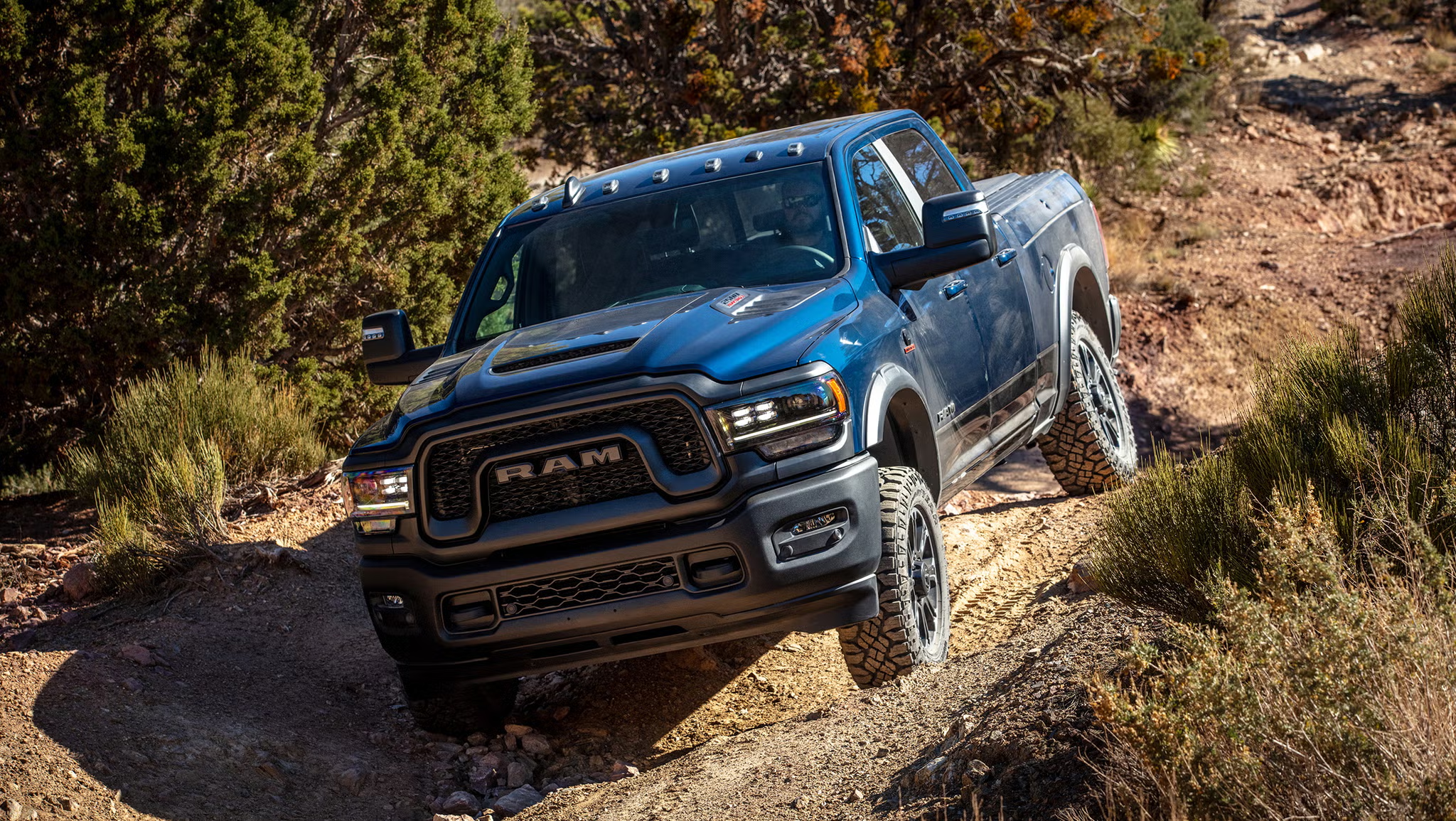
When investing in a heavy-duty truck like the RAM 2500, potential buyers often consider not just the purchase price but also the vehicle’s longevity and reliability. The RAM 2500 is known for its robust performance and durability, making it a popular choice for both work and everyday use. In this article, we will explore the life expectancy of a RAM 2500, the factors that influence its lifespan, and tips for maximizing its longevity.
Average Life Expectancy
The RAM 2500 is designed to handle heavy-duty tasks and is built with quality materials and engineering. On average, a well-maintained RAM 2500 can last anywhere from 200,000 to 300,000 miles or more. Many owners report that their trucks continue to perform reliably even beyond this range, especially if they follow regular maintenance schedules and take proper care of their vehicles.
Factors Influencing Life Expectancy
Several factors can impact the life expectancy of a RAM 2500. Here are some of the key considerations:
1. Maintenance and Care
Regular maintenance is crucial for extending the life of any vehicle, including the RAM 2500. Key maintenance practices include:
- Oil Changes: Regular oil changes help keep the engine lubricated and running smoothly. It’s recommended to change the oil every 5,000 to 7,500 miles, depending on driving conditions and oil type.
- Fluid Checks: Regularly checking and replacing fluids, such as transmission fluid, brake fluid, and coolant, can prevent costly repairs and ensure the vehicle operates efficiently.
- Tire Care: Keeping tires properly inflated and rotated regularly contributes to better fuel efficiency and handling, which can prolong the life of the vehicle.
2. Driving Habits
The way you drive can significantly affect the longevity of your RAM 2500. Gentle driving, avoiding sudden starts and stops, and adhering to speed limits can minimize wear and tear on the engine and other components. Additionally, using the truck for its intended purpose (e.g., towing, hauling) within its specified limits will help maintain its performance over time.
3. Usage
How the RAM 2500 is used plays a vital role in its life expectancy. Trucks that are primarily used for heavy towing or off-road driving may experience more stress on their components than those used for light-duty tasks. Commercial use can also contribute to wear and tear, impacting the overall lifespan.
4. Environment
Environmental factors can influence a vehicle’s longevity. Trucks exposed to harsh weather conditions, such as extreme heat, cold, or frequent rain, may experience accelerated wear on components. Additionally, if a truck is often driven on rough or unpaved roads, it may be subject to more damage compared to one that is mainly used on smooth, well-maintained roads.
5. Quality of Parts and Repairs
Using high-quality replacement parts during repairs and servicing can extend the life of your RAM 2500. It’s advisable to use OEM (original equipment manufacturer) parts whenever possible, as they are designed specifically for your vehicle and tend to have a better fit and longer lifespan than aftermarket options.
Signs Your RAM 2500 Needs Attention
Monitoring your truck for signs of trouble can help you catch potential issues early, which is essential for prolonging its lifespan. Here are some common warning signs to watch for:
- Unusual Noises: Listen for any strange sounds coming from the engine, suspension, or transmission, as they may indicate a problem.
- Warning Lights: Pay attention to any warning lights on the dashboard. Addressing these alerts promptly can prevent more severe damage down the line.
- Poor Performance: If you notice a decline in performance, such as reduced power, poor fuel efficiency, or difficulty accelerating, it’s time to have the truck checked by a professional.
- Fluid Leaks: Spotting puddles of fluid under the vehicle can indicate leaks in the engine, transmission, or cooling system, which should be addressed immediately.
Conclusion
The RAM 2500 is a robust and durable truck, with an average life expectancy of 200,000 to 300,000 miles or more when properly maintained. By adhering to a regular maintenance schedule, adopting good driving habits, and being mindful of how the truck is used, owners can significantly extend the lifespan of their RAM 2500.
Investing time and resources in care and maintenance will not only enhance the longevity of your vehicle but also ensure that it continues to perform reliably for years to come. Whether for work, recreation, or everyday use, the RAM 2500 remains a dependable choice for those seeking a heavy-duty truck that stands the test of time.
Frequently Asked Questions (FAQ)
How long will a RAM 2500 last?
A well-maintained RAM 2500 typically lasts 200,000–300,000 miles, and some exceed 400,000 miles with diligent care.
Is the Cummins diesel more durable than the HEMI V8?
Yes. The 6.7 L Cummins Turbo Diesel is built for heavy-duty hauling and often outlasts gas engines, making it ideal for long-term commercial use.
What’s the most important maintenance for longevity?
Regular oil and filter changes, proper fluid checks, and prompt attention to warning lights are the biggest contributors to long engine life.
Does towing shorten the truck’s life?
Only if towing regularly beyond rated capacity or neglecting maintenance. Staying within limits and servicing the transmission and brakes frequently keeps the truck healthy.
How often should I service my RAM 2500?
Follow the 5,000–7,500 mile interval for oil changes and inspect key systems (brakes, tires, fluids) every 10,000 miles.
Is rust a concern for RAM trucks?
In snow-belt or coastal regions, yes. Applying rustproof coating and frequent undercarriage washes can significantly extend body life.
Can I use aftermarket parts for repairs?
It’s best to stick with OEM or Mopar parts. They fit precisely and maintain factory-grade performance.
What’s the resale value like for a high-mileage RAM 2500?
Well-documented trucks with complete service histories maintain strong resale values, especially diesel models.
Does driving style really matter?
Absolutely. Gentle acceleration, proper warm-ups, and avoiding harsh braking reduce strain on drivetrain and suspension components.
Where can I get expert service for my RAM 2500?
For certified service and maintenance, visit Simi Valley Chrysler Dodge Jeep Ram, 2350 First Street, Simi Valley, CA 93065 — or call (805) 387-9755 to schedule an appointment.
is Jeep Discontinuing The Gladiator?

Is Jeep Discontinuing the Gladiator? Here’s What You Need to Know
Jeep fans are constantly keeping an eye on the brand’s next move, and a frequent question that arises is whether Jeep will discontinue the Gladiator.
Short answer: Is Jeep Discontinuing the Gladiator?
To put it simply: Jeep has no plans to stop producing the Gladiator anytime soon. In fact, the 2024 and 2025 Gladiator models showcase new updates, reinforcing its popularity among off-road enthusiasts.The likelihood of Jeep discontinuing the Gladiator in the near future is quite low, likely around 10-15%. This is based on the model’s solid sales, popularity among off-road enthusiasts, and continuous updates. However, market conditions and Jeep’s strategic shifts could influence this in the longer term.
The Gladiator’s Unique Place in Jeep’s Lineup
The Jeep Gladiator, a midsize pickup truck launched in 2019, is essentially a Jeep Wrangler with a truck bed, designed to combine the best of both worlds: off-road capability and utility. This blend has made the Gladiator a unique and appealing option for many drivers, especially those who want a rugged vehicle that can also handle the demands of hauling and towing.
Jeep continues to prioritize the Gladiator, not just as an extension of the Wrangler but as its own versatile workhorse. In the broader midsize truck segment, it competes against models like the Toyota Tacoma, Ford Ranger, and Chevrolet Colorado.
Why the Gladiator Isn’t Going Anywhere

Despite the rumors, Jeep has shown no signs of discontinuing the Gladiator. Here’s why:
- Strong Sales Figures: The Gladiator has maintained consistent sales since its launch. Its appeal to both off-road adventurers and those seeking utility makes it a favorite in its segment.
- Off-Road Heritage: Jeep is known for its off-road prowess, and the Gladiator is no exception. With the legendary Trail Rated badge, it continues to offer best-in-class off-road features like heavy-duty axles, locking differentials, and front and rear skid plates.
- Ongoing Updates: Jeep continues to enhance the Gladiator with new features and trim levels. The latest models offer tech upgrades like advanced infotainment systems, off-road cameras, and new driver assistance features. The 2025 model even hints at electrification with hybrid versions in the pipeline.
Niche Aspects That Keep the Gladiator Thriving
The Jeep Gladiator stands out due to several key factors that solidify its presence in the market:
- Customization Options: Like the Wrangler, the Gladiator is highly customizable. Jeep offers a vast array of aftermarket accessories, including off-road tires, LED lighting kits, and lift kits, allowing owners to tailor their vehicle for any adventure.
- Open-Air Driving: The Gladiator is the only pickup truck that allows for full open-air experiences, with removable doors and roof, offering an experience you can’t get from any other truck.
- Towing Capacity: With a towing capacity of up to 7,650 pounds, the Gladiator outperforms many other midsize trucks in its class, making it a practical choice for drivers needing a balance of off-road capability and work-ready power.
- Electrification Potential: Jeep has been actively moving toward electrifying its lineup. Although there’s no full-electric Gladiator on the market yet, Jeep has signaled that hybrid and plug-in versions of its models are in development. This includes the Gladiator, which could soon have a more eco-friendly, electrified version.
Performance and Powertrain
The 2024–2025 Gladiator lineup continues to offer a proven engine setup designed for reliability and versatility:
| Engine | Displacement | Horsepower | Torque | Transmission | Drivetrain |
|---|---|---|---|---|---|
| 3.6L Pentastar V6 | Gasoline | 285 hp | 260 lb-ft | 6-speed manual / 8-speed auto | 4×4 |
| 3.0L EcoDiesel V6 (discontinued after 2023) | Diesel | 260 hp | 442 lb-ft | 8-speed auto | 4×4 |
While the EcoDiesel option was phased out, Jeep has hinted that the Gladiator’s future could include electrified powertrains, possibly following the brand’s 4xe hybrid system seen in the Wrangler.
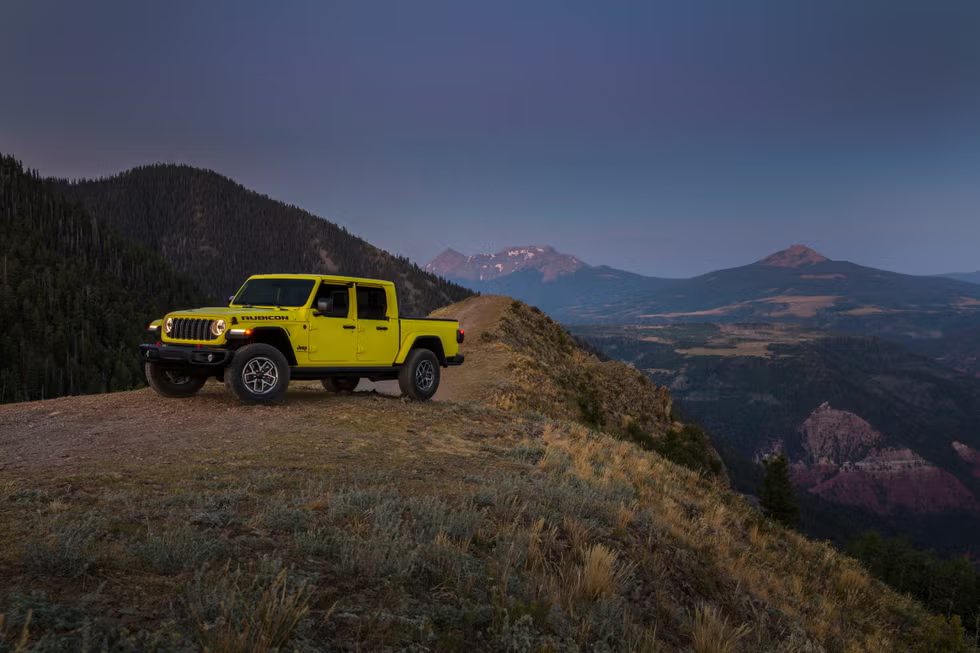
Conclusion
Jeep remains committed to the Gladiator, consistently updating it and positioning it as a key model in their lineup. With its iconic styling, unbeatable off-road capabilities, and practical utility, the Gladiator is here to stay. The future of the Gladiator may even include electrified versions, keeping the model relevant for years to come.
How the Gladiator Stacks Up Against the Competition
| Model | Engine | Horsepower | Towing (Max) | Unique Feature |
|---|---|---|---|---|
| Jeep Gladiator | 3.6L V6 | 285 hp | 7,650 lbs | Removable roof & doors |
| Toyota Tacoma | 2.4L Turbo I4 | 278 hp | 6,500 lbs | Off-road modes |
| Ford Ranger | 2.7L Turbo V6 | 315 hp | 7,500 lbs | Trail Control |
| Chevrolet Colorado | 2.7L Turbo I4 | 310 hp | 7,700 lbs | Multi-Stow tailgate |
Even with newer rivals entering the market, the Gladiator’s open-air design and legendary off-road DNA give it an identity no other pickup can match.
Looking Toward the Future: The Possibility of an Electric Gladiator
Jeep has already launched electrified versions of several models, including the Wrangler 4xe and Grand Cherokee 4xe. The next logical step is an electrified Gladiator, expected within the next few years.
Potential features could include:
- Dual electric motors with instant torque
- Regenerative braking and one-pedal off-roading
- Silent trail operation for eco-friendly exploration
- Extended range using battery + gas hybrid systems
These advancements would make the Gladiator even more appealing to a new generation of eco-conscious adventurers.
Conclusion: The Jeep Gladiator Is Here to Stay
Despite internet rumors, the Jeep Gladiator remains a cornerstone of the Jeep lineup. It continues to embody everything enthusiasts love about the brand — open-air freedom, 4×4 capability, and durable performance — now with a growing focus on technology and electrification.
As long as drivers crave adventure and utility in one package, the Gladiator will continue to roll off production lines. Jeep’s commitment to evolving the model ensures that this trail-conquering pickup has a bright future ahead.
FAQ
- Is Jeep planning to discontinue the Gladiator?
No, Jeep has no current plans to discontinue the Gladiator. The 2024 and 2025 models feature updates, indicating continued production. - How are Gladiator sales performing?
The Gladiator has maintained consistent sales since its launch, appealing to both off-road enthusiasts and those seeking utility. - Are there any major updates coming to the Gladiator?
Yes, Jeep continues to enhance the Gladiator with new features, tech upgrades, and trim levels. The 2025 model hints at potential hybrid versions. - How does the Gladiator compare to other midsize trucks?
The Gladiator offers unique features like removable doors and roof, strong off-road capabilities, and competitive towing capacity, setting it apart in its segment. - Will there be an electric version of the Gladiator?
While there’s no full-electric Gladiator yet, Jeep has signaled that hybrid and plug-in versions are in development as part of their electrification plans. - What makes the Gladiator unique in Jeep’s lineup?
The Gladiator combines the off-road capability of a Wrangler with the utility of a pickup truck, offering a unique blend in the Jeep lineup. - How customizable is the Gladiator?
Like the Wrangler, the Gladiator is highly customizable with a vast array of aftermarket accessories available. - What is the Gladiator’s towing capacity?
The Gladiator can tow up to 7,650 pounds, outperforming many other midsize trucks in its class. - Does the Gladiator have Jeep’s Trail Rated badge?
Yes, the Gladiator carries Jeep’s Trail Rated badge, indicating its strong off-road capabilities. - Are there any special editions of the Gladiator planned?
While specific special editions haven’t been announced, Jeep typically offers various trim levels and limited editions for its popular models, including the Gladiator.
Find Us
2025 RAM 1500 Tungsten: The Ultimate Pickup Truck

The RAM 1500 has always been a staple of strength, capability, and American craftsmanship. But for 2025, RAM has raised the bar to a whole new level with the introduction of the 2025 RAM 1500 Tungsten trim. Positioned as the new top-tier luxury model, the Tungsten combines brute power with refined elegance, giving full-size pickup buyers a reason to rethink what luxury and muscle mean in a truck.
This in-depth breakdown explores every aspect of the 2025 RAM 1500 Tungsten, including performance, interior upgrades, tech features, towing capacity, and how it stacks up against competitors.
Overview: What Is the RAM 1500 Tungsten?
The Tungsten trim is back, reintroduced as the most premium variant in the 2025 RAM 1500 lineup. While the name might be familiar from earlier RAM models, the 2025 version reimagines the concept—fusing luxury materials, advanced technology, and a performance-first powertrain.
Think of it as RAM’s answer to the Ford F-150 Platinum or GMC Sierra Denali Ultimate—but with bolder style and a more confident presence.
Performance & Powertrain
The RAM 1500 Tungsten drops the HEMI V8 in favor of a more modern and potent engine: the 3.0L Hurricane Twin-Turbo I6 High Output. This change signals a shift toward efficiency and higher performance without sacrificing torque.
Powertrain Specs:
| Specification | Detail |
|---|---|
| Engine | 3.0L Hurricane Twin-Turbo I6 HO |
| Horsepower | 540 hp |
| Torque | 521 lb-ft |
| Transmission | 8-speed automatic |
| Drivetrain | 4×4 standard |
| 0–60 mph (estimated) | ~5.3 seconds |
| Max Towing Capacity | Up to 11,580 lbs |
| Max Payload Capacity | 2,300 lbs |
| Fuel Type | Premium Unleaded |
The Hurricane engine gives the Tungsten quicker acceleration, better towing confidence, and improved fuel economy over the retired HEMI while remaining responsive under load or at highway speed.
Exterior Features: Bold and Polished
The RAM 1500 Tungsten stands out from every angle with premium exterior treatments and a commanding presence.
Exterior Highlights:
| Feature | Description |
|---|---|
| Wheels | 22-inch aluminum wheels with Satin Titanium finish |
| Grille | Tungsten-exclusive jeweled grille with body-colored surround |
| Headlamps | Adaptive LED projector headlamps with Tungsten signature DRLs |
| Exterior Accents | Bright Platinum-colored accents and badging |
| Tailgate | Power-operated tailgate with “TUNGSTEN” branding |
| Paint Options | Includes exclusive Indigo Frost Pearl and Ivory White Tri-Coat |
Its refined yet muscular design ensures the Tungsten turns heads in both city streets and work sites.
Interior Luxury & Comfort: RAM’s Most Opulent Cabin
The interior of the 2025 RAM 1500 Tungsten isn’t just premium—it competes with luxury sedans. RAM goes beyond what’s expected in a pickup by incorporating handcrafted materials and high-end tech.
Interior Features:
| Feature | Detail |
|---|---|
| Seating | 24-way power front seats w/ massage & memory |
| Upholstery | Indigo/Sea Salt premium quilted Natura Plus leather |
| Trim Accents | Suede-wrapped headliner, metal accents, real wood trim |
| Sound System | 23-speaker Klipsch Reference Premiere audio system (1,228-watt amp) |
| Infotainment Display | 14.5-inch touchscreen w/ Uconnect 5 NAV |
| Digital Instrument Cluster | 12.3-inch full-color customizable display |
| Rear Screen | 10.25-inch passenger-side interactive screen |
| Wireless Charging | Dual wireless pads |
| Ambient Lighting | Configurable LED ambient lighting throughout the cabin |
Every inch of the cabin is tailored for comfort and functionality, perfect for long hauls or high-end commuting.
Technology & Innovation
RAM didn’t just focus on looks and luxury—the Tungsten is loaded with cutting-edge technology, both for entertainment and safety.
Tech & Safety Highlights:
| Category | Features |
|---|---|
| Infotainment | Apple CarPlay, Android Auto, SiriusXM 360L, Alexa Built-In |
| Head-Up Display | Full-color, customizable |
| Trailer Technology | Trailer Reverse Steering Control, Surround View w/ trailer zoom |
| Driving Assistance | Adaptive Cruise Control, Lane Keep Assist, Intersection Collision Avoidance |
| Cameras | 360-degree camera + digital rearview mirror |
| Connectivity | 5G capability, Over-the-Air updates |
RAM aims to make this truck as intelligent as it is capable.
Towing & Capability
One of the biggest reasons to choose a RAM 1500 is its real-world usability. Despite its luxury leanings, the Tungsten retains all the strength of its siblings when it comes to work.
Capability Breakdown:
| Capability | Measurement |
|---|---|
| Towing | Up to 11,580 lbs |
| Payload | Up to 2,300 lbs |
| Trailer Tech | Trailer brake control, sway control, assist features |
| Suspension | Active-level four-corner air suspension (standard) |
The air suspension system enhances ride comfort and improves towing dynamics while automatically adjusting ride height based on load or drive mode.
Comparison: Tungsten vs. Competitors
| Feature | 2025 RAM 1500 Tungsten | Ford F-150 Platinum | GMC Sierra Denali Ultimate |
|---|---|---|---|
| Engine | 3.0L Twin-Turbo I6 (540 hp) | 3.5L EcoBoost V6 (400 hp) | 6.2L V8 (420 hp) |
| Interior | Quilted leather + suede | Multicontour seats, wood trim | Full-grain leather, open-pore wood |
| Infotainment | 14.5” screen + 23 speakers | 12” screen + B&O 18 speakers | 13.4” screen + Bose 12 speakers |
| Towing Capacity | 11,580 lbs | 13,500 lbs (max trim) | 13,200 lbs (max trim) |
| Rear Seat Space | Best-in-class | Competitive | Slightly less |
| Starting Price (est.) | ~$89,000 USD | ~$75,000 USD | ~$82,000 USD |
While Ford and GMC offer strong contenders, the Tungsten wins on pure luxury, infotainment experience, and unique styling.
Pricing and Availability
The 2025 RAM 1500 Tungsten is expected to start at approximately $89,000 USD, positioning it as the most premium trim in RAM’s lineup.
Availability begins in summer 2025 at select dealerships across North America. Given its exclusivity, early orders are recommended to secure your build.
Final Verdict
The 2025 RAM 1500 Tungsten redefines what it means to drive a luxury truck. It doesn’t just match competitors—it outpaces them with:
- A more powerful and modern engine,
- Class-leading interior design and materials,
- The best infotainment and audio experience in any pickup.
For drivers who want a workhorse with executive-class comfort, the Tungsten is the ultimate pickup truck.
Frequently Asked Questions (FAQ) — 2025 RAM 1500 Tungsten
1. What is the 2025 RAM 1500 Tungsten?
The Tungsten is the new top-of-the-line trim in the 2025 RAM 1500 lineup, designed to combine premium luxury with rugged performance. It introduces elevated materials, advanced technology, and a powerful new engine that redefines the luxury-truck segment.
2. What engine does the 2025 RAM 1500 Tungsten use?
It features the 3.0-liter Hurricane Twin-Turbo Inline-6 High-Output engine, producing 540 horsepower and 521 lb-ft of torque—paired with an 8-speed automatic transmission and standard 4×4 drivetrain.
3. Does the 2025 RAM 1500 Tungsten still use the HEMI V8?
No. RAM has retired the HEMI V8 in favor of the more efficient and higher-performing Hurricane I6 High Output engine, which offers better torque delivery, quicker acceleration, and improved fuel economy.
4. How fast is the RAM 1500 Tungsten?
The Tungsten is expected to accelerate from 0 to 60 mph in approximately 5.3 seconds, making it one of the quickest luxury pickups in its class.
5. What is the towing capacity of the 2025 RAM 1500 Tungsten?
It can tow up to 11,580 pounds and handle a payload capacity of 2,300 pounds, supported by RAM’s standard active-level four-corner air suspension for a smoother, more balanced ride under load.
6. What luxury features are inside the Tungsten trim?
The cabin includes:
- 24-way power front seats with massage and memory
- Indigo/Sea Salt Natura Plus leather upholstery
- Suede-wrapped headliner, real-wood trim, and metal accents
- Klipsch Reference Premiere 23-speaker audio system (1,228 W)
- 14.5-inch Uconnect 5 NAV touchscreen and 10.25-inch passenger display
- Dual wireless chargers and configurable ambient lighting
7. Does the Tungsten have the best interior in its class?
Yes. The 2025 RAM 1500 Tungsten interior rivals luxury sedans. Reviewers highlight its best-in-class materials, seat comfort, and exceptional sound insulation—setting a new benchmark for pickup-truck refinement.
8. What technology and safety features does it offer?
Key features include:
- Apple CarPlay, Android Auto, Alexa Built-In
- 5G connectivity and over-the-air updates
- Adaptive Cruise Control, Lane Keep Assist, and Intersection Collision Avoidance
- 360-degree camera, digital rearview mirror, and Head-Up Display
- Trailer Reverse Steering Control and Surround View with trailer zoom
9. How does the Tungsten compare to Ford and GMC luxury trucks?
Compared with the F-150 Platinum and GMC Sierra Denali Ultimate, the Tungsten offers:
- More horsepower (540 hp vs 400–420 hp)
- A richer interior design and materials selection
- Larger infotainment display (14.5″ vs 12–13.4″)
- Best-in-class rear seat space and ride quality
10. What exterior colors are available?
Exclusive shades include Indigo Frost Pearl and Ivory White Tri-Coat, alongside RAM’s standard palette. All Tungstens feature 22-inch Satin Titanium wheels, Platinum-colored accents, and a signature TUNGSTEN grille and badging.
11. What is the price of the 2025 RAM 1500 Tungsten?
The Tungsten is expected to start around $89,000 USD, positioning it above the Limited and Rebel trims as the pinnacle of RAM luxury.
12. When will it be available?
The 2025 RAM 1500 Tungsten will arrive at dealerships in summer 2025. Pre-orders are recommended due to limited initial production and high demand.
13. Is the Tungsten a good truck for work and towing?
Absolutely. While it’s luxurious, it retains the core RAM capability: strong payload ratings, robust chassis strength, and integrated towing technology that make it ideal for both job sites and recreational trailers.
14. What kind of fuel does it use?
The 3.0 L Hurricane Twin-Turbo I6 HO requires premium unleaded fuel for optimal performance and efficiency.
15. Where can I test-drive or buy the 2025 RAM 1500 Tungsten?
You can locate your nearest Simi Valley Chrysler Dodge Jeep Ram dealer on Google Maps or visit:
👉 Simi Valley Chrysler Dodge Jeep Ram – 2350 First Street, Simi Valley, CA 93065
📍 Map Link: View on Google Maps
📞 Sales Line: 805-387-9755
Connect with us


