





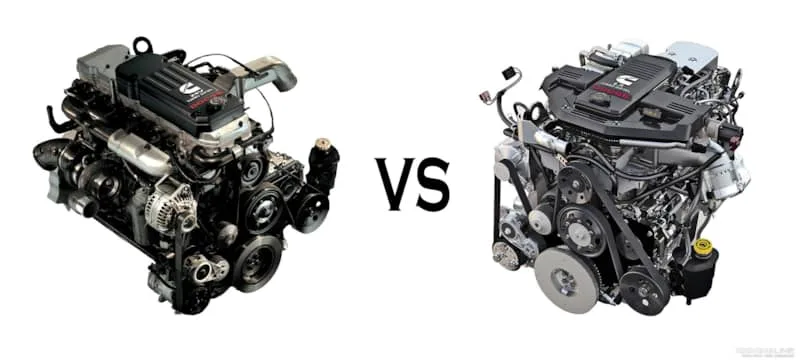
If you’ve been around diesel trucks for any length of time, chances are you've heard debates between fans of the 5.9L Cummins and the newer 6.7L Cummins engines. Both powerplants have made their mark under the hood of Dodge/RAM trucks, and both have legions of loyal supporters. But which one is actually better?
In this in-depth article, we’ll explore the key differences, strengths, and weaknesses between the 5.9 Cummins (1989–2007) and the 6.7 Cummins (2007–present). Whether you’re looking to buy used, swap an engine, or simply understand why enthusiasts hold one over the other, this breakdown will help you make an informed decision.
Engine Overview
| Engine | Production Years | Displacement | Horsepower Range | Torque Range |
|---|---|---|---|---|
| 5.9L Cummins | 1989–2007 | 5.9L (359 cu in) | 160–325 hp | 400–610 lb-ft |
| 6.7L Cummins | 2007–present | 6.7L (408 cu in) | 350–420 hp | 610–1,075 lb-ft |
The 5.9 was beloved for its simplicity and mechanical reliability, while the 6.7 introduced modern emissions systems, higher output, and new technology to meet changing regulations and consumer demands.
Power and Performance
Winner: 6.7 Cummins
The 6.7L Cummins clearly delivers more horsepower and torque than any 5.9 variant ever did. It’s designed to move heavier loads with ease and is better suited for modern towing demands.
However, some diesel purists argue that the older 5.9 "feels" more responsive, especially in manual transmission setups due to less computer interference.
Emissions and Tuning Potential
Winner: 5.9 Cummins (for tuners)
Winner: 6.7 Cummins (for compliance and modern tech)
The 6.7 was introduced to meet new EPA standards. As a result, it includes:
- EGR (Exhaust Gas Recirculation)
- DPF (Diesel Particulate Filter)
- DEF (Diesel Exhaust Fluid in newer models)
While these systems reduce harmful emissions, they also increase complexity and potential maintenance. Many 5.9 owners enjoy the pre-emissions simplicity, making it a favorite for tuning, swaps, and off-road builds.
That said, the 6.7’s ECM is more advanced, allowing for more sophisticated tuning when done correctly—especially in newer models with improved reliability post-2013.
Reliability
Winner: 5.9 Cummins
The 5.9 is legendary for its long-term durability, thanks in part to its simpler design:
- Fewer sensors
- No emissions systems (pre-2007)
- Robust inline-six design with iron block and head
The 6.7 also uses an iron block and retains the inline-six architecture, but early models (2007.5–2012) were known for EGR, DPF, and turbo issues. Newer 6.7s have improved substantially, with many lasting well over 300,000 miles.
If your priority is absolute mechanical simplicity, the 5.9 is still king.
Transmission Compatibility
Winner: 6.7 Cummins
The 6.7 brought better factory transmission pairings, including:
- 68RFE automatic
- Aisin AS69RC (HD trucks)
- G56 6-speed manual (available through 2018)
These options handle more torque than older transmissions like the 47RE and 48RE that came with the 5.9. As a result, you’re less likely to need an immediate transmission upgrade when modifying or towing with the 6.7.
Fuel Economy
Winner: 5.9 Cummins (lightweight trucks)
Tie: depends on load and year
Due to its smaller displacement and lighter trucks from its era, the 5.9 can deliver better MPG in unloaded, everyday driving. However, with newer tuning, gearing, and transmission tech, the 6.7 can achieve comparable or even superior fuel economy in newer RAM 2500/3500 trucks when towing.
EPA estimates are not always published for HD trucks, but real-world owners report:
| Engine | Unloaded MPG | Towing MPG |
|---|---|---|
| 5.9L | 17–22 | 10–13 |
| 6.7L | 15–20 | 9–12 |
Aftermarket Support
Winner: Tie
Both engines have massive aftermarket ecosystems:
- The 5.9 is popular for classic diesel swaps and budget builds.
- The 6.7 has a growing base of tuning, turbo, and emissions-compliant upgrades.
In either case, you won’t struggle to find parts, forums, or tuning support.
Common Issues
5.9 Cummins
- Killer Dowel Pin (early years)
- Lift pump failures (VP44 years)
- Transmission weakness in automatic setups
6.7 Cummins
- DPF and EGR clogging (2007.5–2012)
- Turbo actuator issues (especially in 2007–2014)
- Head gasket failures in high-boost builds
Newer 6.7s (post-2019) have addressed many of the early bugs, and when maintained properly, these engines are extremely robust.
Which One Should You Choose?
| Use Case | Recommended Engine |
|---|---|
| Budget build | 5.9 Cummins |
| Maximum towing | 6.7 Cummins |
| Simplified maintenance | 5.9 Cummins |
| New truck purchase | 6.7 Cummins |
| Emissions compliance | 6.7 Cummins |
| Diesel swap project | 5.9 Cummins |
| Best for tuning potential | Tie (5.9 for simplicity, 6.7 for power) |
Final Verdict
The 5.9 Cummins is a simpler, proven workhorse that remains beloved by diesel enthusiasts for good reason. Its mechanical reliability and ease of maintenance make it a favorite for older truck builds and performance projects.
The 6.7 Cummins, on the other hand, is the future. It provides more power, better transmission support, and advanced technology for serious towing, hauling, and daily usability. While early emission-era versions had issues, newer models have evolved into some of the most capable and dependable diesel engines in the market.
If you're looking for reliability and ease of ownership, the 5.9 still holds its ground. But for raw power, towing capacity, and modern features, the 6.7 is the better choice—especially from 2013 and onward.
Let me know if you'd like a dealership-focused or off-road-builder version of this article.
5.9 Cummins vs 6.7 Cummins — Frequently Asked Questions
Which engine is better: the 5.9 Cummins or the 6.7 Cummins?
It depends on your priorities. The 5.9 is simpler and famed for mechanical reliability and easy maintenance. The 6.7 delivers higher factory power/torque, better transmission pairings, and modern tech for towing and daily usability—especially on 2013+ models.
What years did the 5.9 and 6.7 Cummins run?
The 5.9L Cummins was offered from 1989–2007. The 6.7L Cummins has been in production from 2007 to the present.
How do power and torque compare?
Typical ranges: 5.9L Cummins ~160–325 hp and ~400–610 lb-ft; 6.7L Cummins ~350–420 hp and ~610–1,075 lb-ft (varies by year/trim). The 6.7 is the clear winner for output and towing.
Which is more reliable?
The 5.9 has a reputation for bulletproof simplicity (fewer sensors, no factory DPF/DEF on pre-2007 trucks). The 6.7 is also durable—earlier emissions-era issues (2007.5–2012) improved markedly in later years. With proper maintenance, both can exceed 300k miles.
How do emissions systems affect ownership?
The 6.7 introduced EGR, DPF, and later DEF to meet EPA standards. These reduce emissions but add complexity and potential maintenance. The pre-emissions 5.9 is simpler to service but won’t meet newer compliance needs.
Which engine is better for tuning?
For simplicity and budget builds, the 5.9 is popular with tuners and swap projects. The 6.7’s newer ECMs enable sophisticated, emissions-compliant calibrations when done correctly—especially on later model years.
What transmissions pair with each?
The 5.9 commonly ran with 47RE/48RE automatics or manuals; these may need upgrades with higher power. The 6.7 pairs with stronger options like the 68RFE, Aisin AS69RC (HD), and the G56 manual (thru 2018), which handle torque better from stock.
Which gets better fuel economy?
Unloaded MPG often favors the 5.9 due to lighter trucks and smaller displacement (owners report ~17–22 mpg). The 6.7 can be similar or better under tow thanks to gearing, transmission logic, and later calibrations (e.g., ~15–20 mpg unloaded, ~9–12 towing—driver and setup dependent).
What are common issues to watch for?
5.9: early “Killer Dowel Pin,” VP44-era lift pump failures, and weaker autos (47/48RE) if tuned or towed hard. 6.7: EGR/DPF clogging on early years (’07.5–’12), turbo actuator faults (’07–’14), and head gasket risk on high-boost builds. Later 6.7s address many early problems.
Which should I choose for maximum towing?
The 6.7 Cummins. It offers higher factory torque, stronger transmission options, and better integrated tow tech in newer RAM 2500/3500 trucks.
Which is best for a budget or swap project?
The 5.9 Cummins. Its simpler electronics and broad parts availability make it a favorite for swaps and cost-effective builds.
Is a newer 6.7 (2013+) worth the premium?
Often yes. Later 6.7 models benefit from improved emissions reliability, stronger driveline pairings, better cooling, and more refined factory calibrations.
Where can I shop or test a current RAM 2500 with the 6.7?
Browse Ram 2500 to see current availability, towing packages, and trim options.