





What is the Price of 4×4 Off-Road Jeep?

What is the Price of a 4×4 Off-Road Jeep?
When it comes to rugged, off-road capability, few vehicles match the iconic Jeep lineup. From the legendary Wrangler to the versatile Gladiator, Jeep’s 4×4 models are known for their durability, off-road prowess, and customizable features. Prices for these off-road Jeeps vary significantly depending on the model, trim level, and additional features. Below is a breakdown of the typical pricing for some of Jeep’s most popular 4×4 off-road vehicles:
1. Jeep Wrangler 4×4 What is the Price of 4×4 Off-Road Jeep?
The Jeep Wrangler is the quintessential off-road vehicle, designed with features like high ground clearance, advanced 4WD systems, and rock-climbing capabilities. It’s one of the most customizable SUVs, making it a favorite for outdoor enthusiasts.
- Starting Price:
The base two-door Wrangler Sport starts around $33,890. - High-End Price:
The fully-equipped Wrangler Rubicon X can go up to $58,640, depending on the features and options.
2. Jeep Gladiator 4×4 What is the Price of 4×4 Off-Road Jeep?
The Jeep Gladiator combines the ruggedness of a Wrangler with the versatility of a pickup truck, offering an excellent balance of off-road capability and towing power. It’s a perfect fit for those who need both adventure and utility.
- Starting Price:
The Gladiator Sport starts at $41,570. - High-End Price:
For the top-tier Gladiator Rubicon, prices can reach $55,875 or more with added features like locking differentials, steel bumpers, and off-road cameras.
3. Jeep Grand Cherokee 4×4
For those who want a mix of luxury and off-road capability, the Jeep Grand Cherokee offers a premium SUV experience while still being off-road ready. The higher trims, especially the Trailhawk, are geared toward off-roading.
- Starting Price:
The Grand Cherokee Laredo 4×4 starts around $44,520. - High-End Price:
The Grand Cherokee Trailhawk 4×4 with advanced off-road tech can push the price to $59,675.
4. Jeep Compass 4×4
If you’re looking for a smaller, more affordable off-road option, the Jeep Compass is a compact SUV that offers 4WD capability for light off-roading. It’s a more economical choice without sacrificing Jeep’s renowned capability.
- Starting Price:
The base Compass Sport 4×4 starts at $31,590.
Factors Affecting the Price of a 4×4 Off-Road Jeep
Several factors influence the price of a 4×4 Jeep, including:
- Trim Level: Higher trims like the Rubicon and Trailhawk come equipped with specialized off-road features such as locking differentials, sway bar disconnects, and more advanced 4WD systems.
- Customization and Accessories: Jeep offers a wide range of factory and aftermarket accessories, including lift kits, rock sliders, roof racks, and lighting packages, which can significantly increase the price.
- Technology and Features: Features like touchscreen infotainment systems, adaptive cruise control, and heated seats add to the cost. Off-road-specific technology, such as the TrailCam Off-Road Camera and Off-Road+ mode, are found in higher-priced trims.
What is the Price of 4×4 Off-Road Jeep? Conclusion
The price of a 4×4 off-road Jeep can range from approximately $31,590 for a more compact Jeep Compass to $58,640 or more for a top-tier Wrangler or Gladiator. The exact cost depends on the model, trim level, and additional features you choose to enhance your off-roading experience. Jeep’s range of vehicles caters to a wide variety of budgets, whether you’re looking for an affordable, light off-roading vehicle or a fully equipped, rugged machine capable of tackling the toughest trails.
For more detailed information on specific models, configurations, and pricing, visit Jeep’s official website(
)(
Kbb.com).
Are Jeeps Meant for Off-Roading?

The Jeep brand is nearly synonymous with off-roading. But what exactly makes a Jeep an icon in rugged terrain? Are all Jeeps equally capable? And what are the best choices for mudding, rocky trails, and tough off-road conditions?
This guide breaks down everything you need to know about off-road Jeeps, from the best models to the difference between everyday 4x4s and hardcore off-road warriors.
Are Jeeps Meant for Off-Roading?
The answer is a clear yes. Off-road Jeep models like the Wrangler, Gladiator, and certain Cherokee trims are designed with trail capability in mind. Features like high ground clearance, four-wheel drive (4WD), locking differentials, skid plates, and rock-crawling modes make Jeeps uniquely suited for rough terrain.
Whether you are seeking an off roader Jeep for weekend adventures or want to climb mountains, Jeep offers configurations ready for the challenge.
What Is an OHV, and Is a Jeep an OHV?
An OHV (Off-Highway Vehicle) refers to any motorized vehicle designed for off-pavement use. So, is a Jeep an OHV? When used off-road, yes. Jeeps like the Wrangler are often classified as OHVs, especially when tackling trails not open to regular passenger vehicles.
Do All Jeeps Have Four-Wheel Drive?
Not all Jeeps have 4WD standard. However, nearly all models offer it as an option. So if you are wondering, do all Jeeps have four-wheel drive, the answer is that while base trims like certain Cherokees or Compasses may start as front-wheel-drive (FWD), serious off-roaders like the Wrangler and Gladiator always come standard with 4WD.
Good Jeeps for Off-Roading: Which Ones to Choose?
If you are seeking the best Jeep for off-road adventures, here are standout choices:
| Model | Key Off-Road Features |
|---|---|
| Jeep Wrangler Rubicon | Locking diffs, disconnecting sway bar, rock rails |
| Jeep Gladiator Mojave | Desert-rated, reinforced frame, Fox shocks |
| Jeep Grand Cherokee Trailhawk | Quadra-Drive II, air suspension, off-road drive modes |
| Jeep Cherokee Trailhawk | Active Drive Lock 4×4, skid plates, off-road tires |
Looking for a list of good Jeeps for off roading? Start here.
Jeeps for Mudding: Best Picks
When it comes to getting dirty, mudding Jeeps need torque, clearance, and aggressive tires. The Jeep for mudding top picks are:
- Jeep Wrangler Rubicon: Built for deep ruts and mudholes
- Jeep Gladiator Rubicon: Longer wheelbase but impressive articulation
- Modified Wrangler Sport or Sahara: Lift kits and mud tires transform them into mud monsters
Searching for the best Jeeps for mudding? Choose Rubicons or models upgraded with the right accessories.
Jeep Off-Road Technology: New Innovations
In recent news, Jeep has been working on advanced off-road tech, including a Jeep drone off-roading patent. This concept would use drones to scout trail paths ahead of the vehicle, offering a real-time aerial perspective to help drivers pick the safest or most exciting line.
While still in development, it shows Jeep’s commitment to staying at the forefront of off-roading innovation.
Off-Roading vs. Off-Road Jeep Lifestyle
When discussing off roading or off-roading, it means taking a vehicle onto non-paved surfaces such as dirt, rocks, sand, or mud. Jeep owners embrace the off-roading lifestyle, hitting trails every weekend and investing in gear like winches, skid plates, lift kits, and mud-terrain tires.
A Jeep on rocks, for example, needs features like rock rails, high approach angles, and selectable lockers—all found in Jeep Rubicon trims.
Cherokee vs Wrangler: Off-Road Showdown
The Cherokee vs Wrangler off road debate is common. While the Jeep Cherokee Trailhawk can tackle tough terrain thanks to its Active Drive Lock 4×4 system, the Wrangler Rubicon dominates extreme rock crawling, deep water fording, and mud pits. If serious trail use is your goal, the Wrangler wins hands down.
Mudding Jeep vs Rock Crawling Jeep
If you are choosing between a mudding Jeep and a Jeep on rocks, think about your priorities:
| Goal | Best Jeep Option |
|---|---|
| Deep mud | Wrangler Rubicon or Gladiator Rubicon |
| Rock crawling | Wrangler Rubicon, Gladiator Mojave |
Both mudding Jeeps and rock-crawling Jeeps require proper tires, recovery gear, and sometimes aftermarket modifications for maximum performance.
4×4 Off Road Jeep Basics
When people mention a 4 4 off road Jeep, they usually refer to a Jeep model with 4-wheel drive (4×4) capability specifically tuned for off-road terrain. Jeeps with selectable low-range gearing (4-Low) excel in rock crawling, deep mud, and steep hill climbs.
Popular 4×4 off-road Jeep models include:
- Wrangler Rubicon
- Gladiator Mojave
- Grand Cherokee Trailhawk
Conclusion: Why Jeep Leads Off-Roading
Whether you are searching for off-road Jeep options, the best Jeep for offroad adventures, or want a Jeep for mudding, the brand continues to set the benchmark.
With legendary 4×4 systems, trail-proven engineering, and new tech like the Jeep drone off-roading patent, it’s no wonder Jeeps offroad better than almost any other SUV on the market.
Ready to explore?
Visit Simi Valley Chrysler Dodge Jeep Ram to check out new and used off-road-ready Jeeps today.
Call us at +1 (805) 387-9755 or stop by 2350 First St, Simi Valley, CA 93065.
Adventure starts now.
Is the Jeep Wrangler Expensive on Gas?
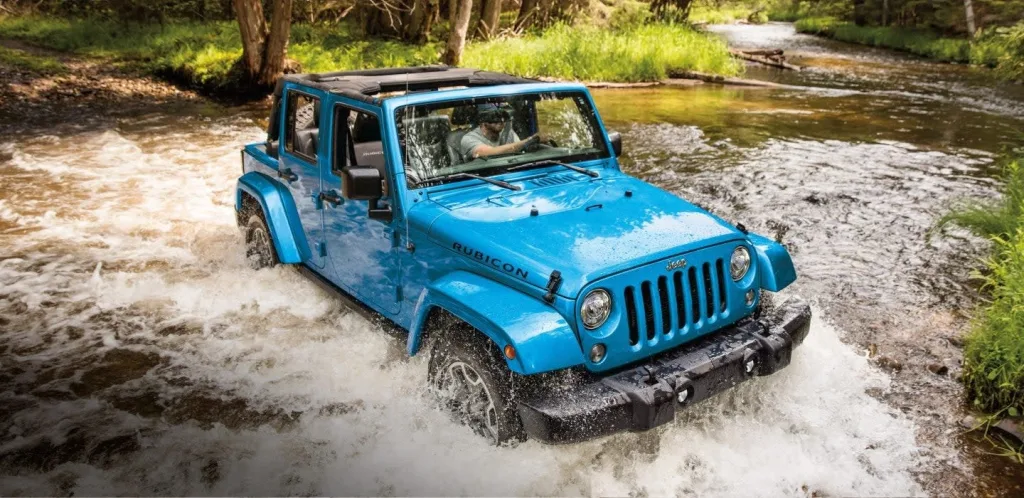
The Jeep Wrangler is one of the most iconic SUVs ever made. Built for adventure, it promises durability, rugged style, and unbeatable off-road performance. However, many buyers ask an important question before taking one home: Is the Jeep Wrangler expensive on gas?
In this guide, we break down the real-world mileage, fuel economy, gas costs, and maintenance expenses associated with owning a Wrangler. Whether you are searching for the mpg of a Jeep Wrangler, comparing gas mileage on a Rubicon, or wondering about the monthly gas expense of owning one, this article will help you make an informed decision.
Jeep Wrangler Miles per Gallon: What to Expect
The Jeep Wrangler mileage depends heavily on the model, engine, and configuration. Here’s a breakdown of the average numbers for modern Wranglers:
| Model | City MPG | Highway MPG | Combined MPG |
|---|---|---|---|
| 3.6L V6 (Gas) | 17 | 23 | 19 |
| 2.0L Turbo 4-Cylinder | 21 | 24 | 22 |
| 3.0L EcoDiesel V6 | 22 | 29 | 25 |
| 4xe Plug-In Hybrid (PHEV) | 49 MPGe (electric) | 20 MPG (gas only) | Combined varies |
| 6.4L V8 Rubicon 392 | 13 | 17 | 14 |
Key Insights:
- The diesel Jeep Grand Cherokee and Wrangler EcoDiesel models offer the best highway fuel economy.
- The Wrangler 4xe provides excellent efficiency for short commutes thanks to its electric range.
- Rubicon 392 owners sacrifice some mpg for V8 performance and power.
Jeep Wrangler Gas Mileage for 4-Door vs. 2-Door
Size impacts fuel economy. Here’s how gas mileage for a 4-door Jeep Wrangler compares:
| Body Style | Engine | Combined MPG |
|---|---|---|
| 2-Door | 3.6L V6 | 20 mpg |
| 4-Door (Unlimited) | 3.6L V6 | 19 mpg |
| 4-Door 4xe | PHEV | 49 MPGe (electric), 20 mpg (gas) |
If you’re looking at the gas mileage for a Jeep Wrangler 4-door, expect slightly lower mpg than the 2-door, mainly due to weight differences.
Gas Mileage for Jeep Rubicon Models
The Jeep Wrangler Rubicon trims, with their bigger tires and off-road equipment, have slightly lower mpg figures:
| Model | Combined MPG |
|---|---|
| Wrangler Rubicon 3.6L V6 | 18 mpg |
| Wrangler Rubicon 2.0L Turbo | 21 mpg |
| Wrangler Rubicon 392 V8 | 14 mpg |
The gas mileage on a Jeep Rubicon will vary if you modify it further (adding lifts, bigger tires, etc.).
Fuel Economy of Older Jeep Wranglers: 2000 Jeep Wrangler Example
What about an older model? Many drivers ask about gas mileage for a 2000 Jeep Wrangler:
| Engine | City MPG | Highway MPG | Combined MPG |
|---|---|---|---|
| 4.0L I6 | 14 | 17 | 15 |
Whether searching for 2000 Jeep Wrangler fuel economy, Jeep Wrangler 2000 mpg, or mpg Jeep Wrangler 2000, you’ll find that older Wranglers deliver ruggedness but lower fuel efficiency by today’s standards.
Jeep Wrangler Gas Tank Size and Range
Understanding how much gas a Jeep Wrangler holds helps plan long trips:
| Model | Tank Size |
|---|---|
| 2-Door | 17.5 gallons |
| 4-Door (Unlimited) | 21.5 gallons |
With an average combined fuel economy of 20 mpg, you can expect about 400 miles per tank for a 4-door Wrangler in mixed driving conditions.
Monthly Gas Expense for a Jeep Wrangler
Wondering about the monthly cost of gasoline or your monthly gas expense with a Wrangler?
| Driving Habit | Estimated Monthly Gas Cost |
|---|---|
| 1,000 miles/month | $175 to $250 |
| 1,500 miles/month | $260 to $375 |
Assuming regular unleaded fuel prices around $4.00/gallon in California, your monthly gas expense will vary depending on how much and where you drive.
Jeep Wrangler Maintenance Cost: Is It Expensive?
Besides gas, maintenance matters. Here’s what you can expect:
| Maintenance Task | Frequency | Estimated Cost |
|---|---|---|
| Oil Changes | Every 5,000–7,500 miles | $80–$120 |
| Tire Rotations | Every 5,000–6,000 miles | $40–$60 |
| Brake Pads | Every 40,000–70,000 miles | $200–$400 |
Jeep Wrangler maintenance costs are considered average for an SUV. According to industry data, the typical annual cost for maintaining a Wrangler is about $650–$800 depending on driving habits and model year.
Fuel Efficiency: Jeep Wrangler vs Competitors
How does the Jeep Wrangler fuel efficiency compare to other SUVs?
| Vehicle | Combined MPG |
|---|---|
| Jeep Wrangler 2.0L Turbo | 22 mpg |
| Toyota 4Runner | 17 mpg |
| Ford Bronco 2.3L Turbo | 20 mpg |
Wranglers are slightly less efficient than some crossovers but deliver unmatched off-road performance.
Are Jeep Wranglers Worth It?
Given their resale value, iconic design, off-road prowess, and solid reliability, many buyers conclude that Jeep Wranglers are absolutely worth it, despite slightly lower fuel economy compared to typical crossovers.
If you’re looking for a vehicle built to tackle all terrains, few options match the appeal of a Wrangler.
Final Thoughts
The fuel economy for a Jeep Wrangler varies based on engine, model year, and body style. While they are not the most fuel-efficient vehicles, modern Wrangler models have improved significantly in terms of mpg compared to earlier generations.
Whether you’re researching the gas mileage for a 4-door Jeep Wrangler, the gas mileage on a Jeep Rubicon, or asking how many miles per gallon do Jeep Wranglers get, remember that performance, capability, and adventure often outweigh minor gas mileage differences.
For current inventory, pricing, and incentives, visit Simi Valley Chrysler Dodge Jeep Ram or call us at +1 (805) 387-9755.
We have a wide selection of new and used Jeep Wranglers for sale, ready for your next adventure.
What Year Grand Cherokee Is the Most Reliable?
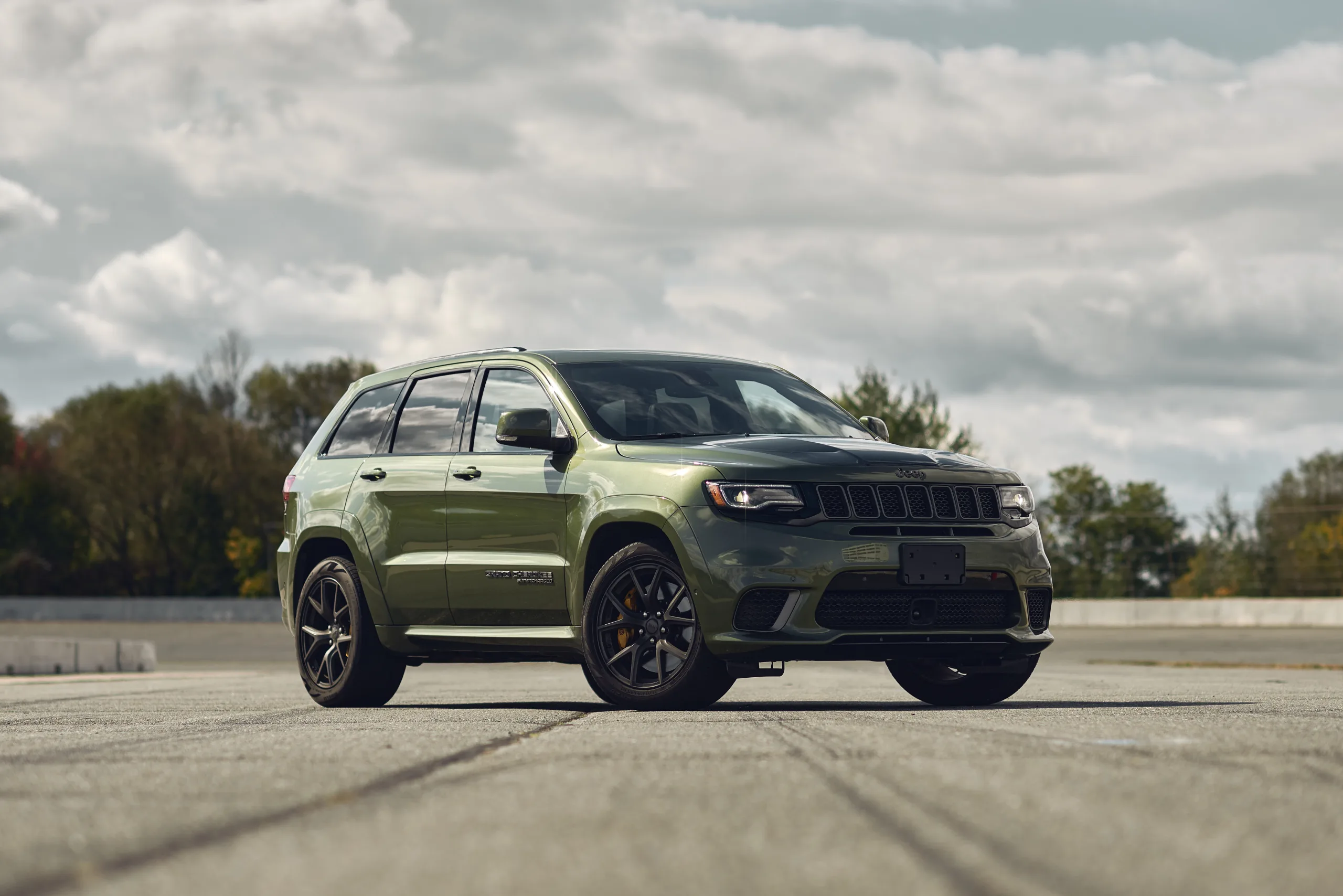
Introduction
Jeep Grand Cherokee reliability by year is one of the most researched topics for SUV shoppers, especially those trying to pinpoint the best years for Jeep Grand Cherokee and the most reliable Jeep Grand Cherokee year, as well as identify the jeep grand Cherokee years to avoid. The Grand Cherokee has long been a leader in the SUV segment, blending comfort, capability, and strong engine performance. However, not all model years deliver the same ownership experience. Some stand out for long-term durability and low repair costs, while others come with recurring issues and costly fixes. Based on owner reports, reliability data, and industry evaluations, here’s a detailed breakdown to help you choose the right model year.
1. 2010 Jeep Grand Cherokee. What Year Grand Cherokee Is the Most Reliable?

The 2010 model is widely regarded as one of the most reliable years for the Grand Cherokee. With fewer reported issues compared to other years, this model stands out for its sturdy construction and fewer electrical and mechanical problems. It came with a variety of engine options, including the 3.7L V6, 4.7L V8, and a 5.7L HEMI V8, which were all praised for their longevity.
| Model Year | Key Features | Reported Issues | Reliability Score |
|---|---|---|---|
| 2010 | Sturdy engine options, off-road capability | Minimal electrical issues | 4.5/5 |
2. What Year Grand Cherokee Is the Most Reliable? 2015 Jeep Grand Cherokee
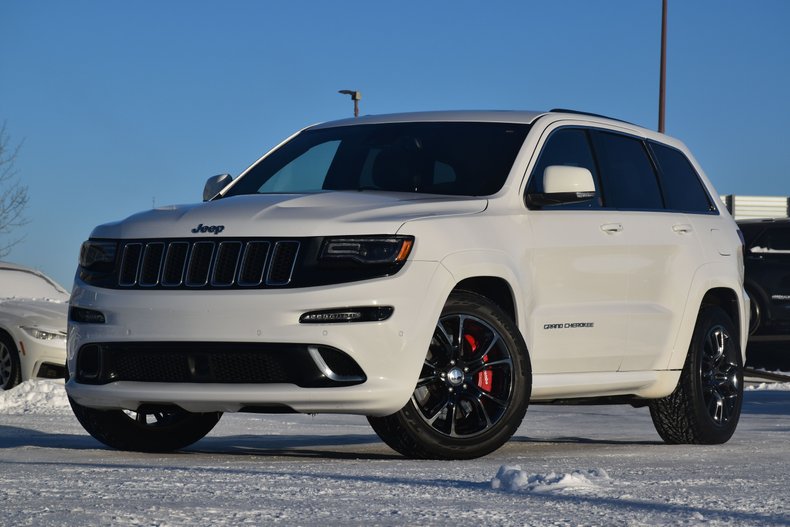
The 2015 Grand Cherokee is another model year known for its reliability. It scored well in consumer satisfaction surveys and had fewer major issues, particularly with engine and transmission performance. The 2015 version came with a fuel-efficient EcoDiesel V6 engine option, which provided excellent mileage while still delivering the necessary power for off-roading.
| Model Year | Key Features | Reported Issues | Reliability Score |
|---|---|---|---|
| 2015 | EcoDiesel V6, updated technology | Few engine/transmission issues | 4/5 |
3. 2016 Jeep Grand Cherokee. What Year Grand Cherokee Is the Most Reliable?
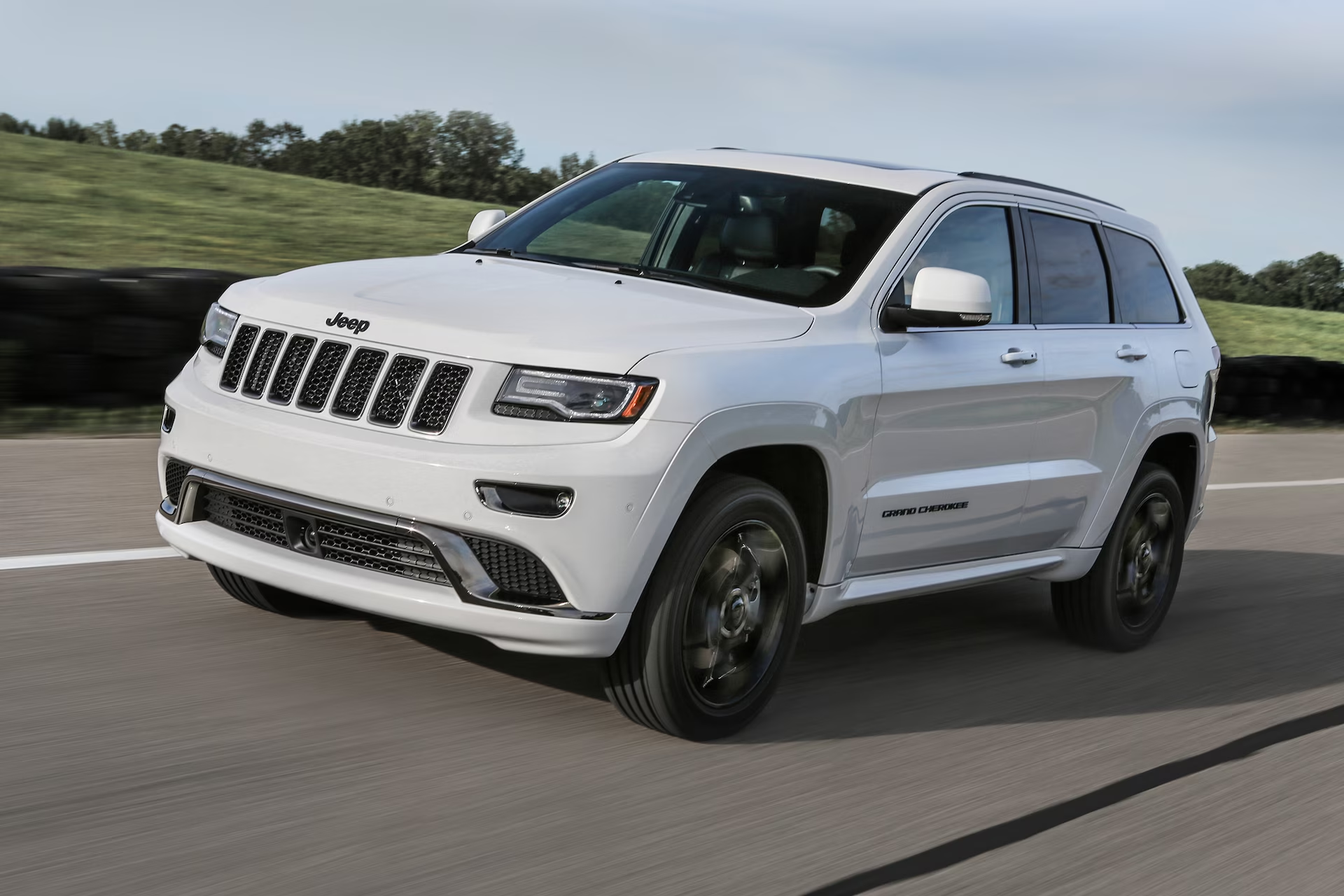
The 2016 Jeep Grand Cherokee was one of the most reliable years post-2010. This model built on previous improvements in engine performance and technology, offering better fuel economy, advanced safety features, and a refined ride. The 2016 Grand Cherokee is especially praised for its smooth-shifting 8-speed automatic transmission and upscale interior.
| Model Year | Key Features | Reported Issues | Reliability Score |
|---|---|---|---|
| 2016 | 8-speed automatic transmission, premium interior | Few engine complaints | 4/5 |
4. What Year Grand Cherokee Is the Most Reliable? 2021 Jeep Grand Cherokee
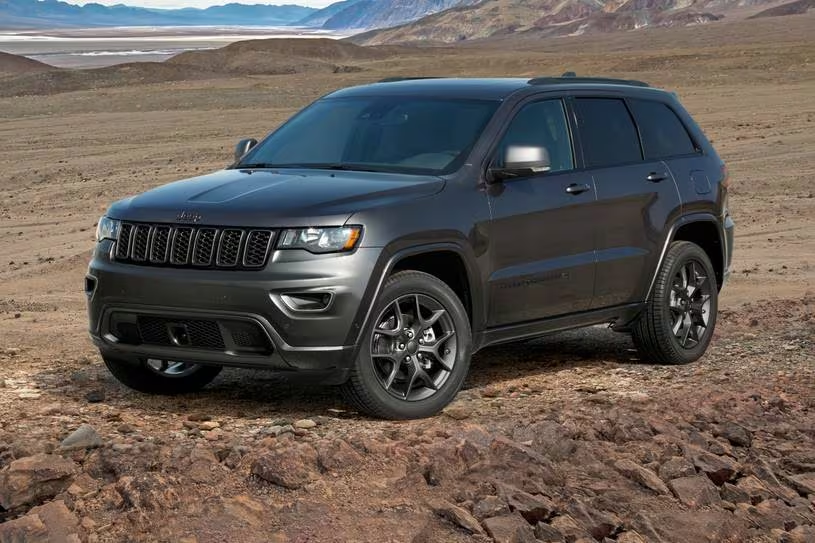
The 2021 Jeep Grand Cherokee is noted for its advanced tech features and overall improved build quality. Although newer, it ranks high in reliability scores, with owners reporting minimal issues, especially with the Quadra-Lift air suspension and the Uconnect infotainment system. The engines are also durable, especially the Pentastar V6, which has been proven to last.
| Model Year | Key Features | Reported Issues | Reliability Score |
|---|---|---|---|
| 2021 | Advanced tech, Uconnect, Quadra-Lift suspension | Few suspension issues | 4.5/5 |
What Year Grand Cherokee Is the Most Reliable? Common Issues with Older Models
While some years have been more reliable, certain models before 2010 (like the 2005-2007 models) have seen more frequent complaints. These include problems related to:
- Electrical systems: Faulty wiring, failing power windows, and dashboard glitches were common.
- Transmission failures: Some models, especially in the early 2000s, were known for issues with shifting and transmission life.
- Suspension issues: Many users complained about the front suspension in older Grand Cherokees, which could be costly to fix.
| Model Year | Common Issues |
|---|---|
| 2005-2007 | Transmission, and engine issues |
| 2008-2009 | Transmission, engine issues |
Are Jeep Grand Cherokees Reliable Vehicles?
Are Jeep Grand Cherokees reliable vehicles? Overall, yes — but reliability is highly year-dependent. The Grand Cherokee nameplate spans multiple generations, platforms, engines, and transmission systems, which means reliability varies significantly between model years. Some versions deliver excellent long-term durability and strong drivetrain performance, while others suffer from recurring electrical, transmission, and suspension issues. This is why consumer searches like is jeep grand cherokee reliable, is the jeep grand cherokee reliable, and grand cherokee reliability continue to grow — buyers are no longer asking if the model is good, but which version is good.
Jeep Grand Cherokee Reliability by Year: The Real Differentiator
Jeep Grand Cherokee reliability by year is the most accurate way to assess ownership risk. Reliability patterns show that early-generation launch years typically carry higher defect rates, while later-cycle refresh models benefit from engineering corrections and software stability. This is why searches for jeep grand cherokee reliability, jeep grand cherokee reliability by year, and most reliable jeep grand cherokee years dominate buyer research behavior. Year selection matters more than trim level, mileage, or even engine choice.
Jeep Grand Cherokee Best Years vs. Jeep Grand Cherokee Years to Avoid
Clear reliability patterns exist between the jeep grand cherokee best years and the jeep grand cherokee years to avoid. The best-performing years are usually post-refresh models with refined transmissions, updated electronics, and stabilized engine platforms. In contrast, higher-risk years typically involve early redesigns, first-year platforms, or models with known drivetrain and electrical system defects. This is why searches such as what year jeep grand cherokee to avoid, jeep grand cherokee years to avoid, and most reliable grand cherokee years continue to rise in buyer research trends.
Best Years for Jeep Grand Cherokee Ownership
The best years for Jeep Grand Cherokee ownership are defined by long-term durability, lower repair frequency, and stable mechanical platforms. Buyers searching for the best jeep grand cherokee years, best year for jeep grand cherokee, and best year jeep grand cherokee are typically prioritizing reliability over features or styling. These years consistently show better performance in owner satisfaction data, service history records, and long-term maintenance costs.
Most Reliable Jeep Grand Cherokee Year and Ownership Stability
There is no single universal answer to the most reliable jeep grand cherokee year, but reliability data shows strong clustering around specific production periods. Searches like most reliable jeep grand cherokee, most reliable jeep grand cherokee year, and most reliable jeep grand cherokee years reflect buyer demand for long-term dependability rather than short-term appeal. The most reliable models are typically those produced after platform stabilization, drivetrain refinement, and software maturity.
Jeep Cherokee Reliability vs. Jeep Grand Cherokee Reliability
Comparisons between jeep cherokee reliability and grand cherokee reliability are increasingly common. While both models share brand DNA, they differ significantly in complexity, drivetrain options, and electronic systems. Searches such as jeep cherokee reliability by year, jeep cherokee years to avoid, most reliable jeep cherokee year, and best years for jeep cherokee reflect similar buyer behavior patterns — year selection is more important than model name. In both lineups, reliability is determined more by generation and engineering cycle than by branding.
Long-Term Ownership Reality
Whether buyers are searching are jeep cherokees reliable, are jeep grand cherokees reliable, or are jeep grand cherokees reliable vehicles, the conclusion is consistent: reliability is not model-wide — it is year-specific. Understanding production cycles, redesign years, and platform maturity is the only accurate way to assess long-term ownership risk. This is why modern buyer research focuses on jeep grand cherokee reliability by year rather than generalized reliability rankings.
What Year Grand Cherokee Is the Most Reliable? Conclusion
If you’re looking for a reliable Jeep Grand Cherokee, the 2010, 2015, 2016, and 2021 models are excellent choices. These years have consistently received high marks for their durability, engine performance, and fewer reported issues. As with any used vehicle, ensuring regular maintenance and a thorough inspection before purchase is key to ensuring reliability.
For more details on reliability and specific owner experiences, check out resources like Consumer Reports and CarComplaints.
These insights should help you choose a model year that fits your needs while offering peace of mind in terms of long-term reliability.
Enjoy long-term dependability from your Jeep Grand Cherokee.
FAQs About the Most Reliable Jeep Grand Cherokee Model Years
- What is the most reliable Jeep Grand Cherokee model year?
The 2013 Jeep Grand Cherokee is frequently highlighted for its reliability, offering a strong balance of performance and durability. - Are newer Jeep Grand Cherokee models reliable?
Yes, models like the 2019 Jeep Grand Cherokee have shown strong reliability, benefiting from advancements in technology and design. - Which Jeep Grand Cherokee model years should be avoided?
The 2011, 2012, 2014, and 2015 Jeep Grand Cherokee models have been reported to have significant issues, particularly related to engine and electrical systems. - What are common problems in less reliable Jeep Grand Cherokee models?
Common issues include engine problems, electrical system failures, and transmission issues, especially in the 2011 and 2014 models. - How can I ensure the Jeep Grand Cherokee I purchase is reliable?
Opt for model years known for their reliability, such as 2013 and 2019. Always conduct a thorough inspection, review the vehicle’s maintenance history, and consider obtaining a pre-purchase inspection from a trusted mechanic. - What is the best Jeep Grand Cherokee model for resale value?
The 2020 Jeep Grand Cherokee holds its value well, thanks to its modern technology, advanced safety features, and strong demand in the used car market. - Are Jeep Grand Cherokees expensive to maintain?
On average, the annual maintenance cost for a Jeep Grand Cherokee is around $666, according to industry data. While older models (2005-2009) tend to require more costly repairs, newer models (2015 and beyond) have improved reliability and lower maintenance costs. - What are common problems with older Jeep Grand Cherokee models?
Some older Jeep Grand Cherokee models (especially 2005-2009) are known for issues such as:- Transmission failures – Difficulty shifting and premature wear.
- Electrical problems – Faulty wiring, dashboard malfunctions, and power window failures.
- Suspension issues – Worn-out components leading to an unstable ride.
- Is the Jeep Grand Cherokee good for off-roading?
Yes, especially models like the Trailhawk trim, which includes Quadra-Drive II, Selec-Terrain traction management, and skid plates for rugged performance. The older 1998 and 2003 models (ZJ and WJ) are also respected for their off-road durability. - What is the best Jeep Grand Cherokee trim for long-term reliability?
The Limited and Overland trims tend to be more reliable than base models, as they come with higher-quality materials, better technology, and well-tested drivetrain options.
Are Jeep Grand Cherokees Good for Towing?
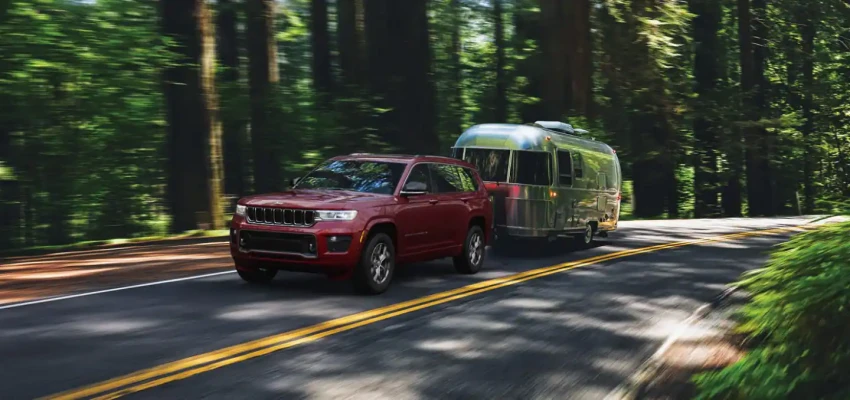
If you are considering a vehicle that combines luxury, off-road capability, and solid towing performance, the Jeep Grand Cherokee is likely already on your shortlist. But how good is the Grand Cherokee for towing, and what models offer the best towing numbers?
This comprehensive guide will cover everything you need to know about Jeep Grand Cherokee towing, including towing capacities for different engines, diesel Grand Cherokee towing capacity, and tips for maximizing your towing experience.
Is the Jeep Grand Cherokee Good for Towing?
Yes, Jeep Grand Cherokees are excellent for towing. With their available V6, V8, plug-in hybrid, and past diesel engine options, Grand Cherokees offer a wide range of towing capabilities, reaching up to 7,200 pounds when properly equipped.
Thanks to a solid chassis, available four-wheel-drive systems, and optional Trailer Tow Packages, the Grand Cherokee easily competes with larger SUVs in towing confidence while providing a smoother ride.
Jeep Grand Cherokee Towing Capacity by Engine (2024–2025 Models)
| Engine | Horsepower | Torque | Max Towing Capacity |
|---|---|---|---|
| 3.6L Pentastar V6 | 293 hp | 260 lb-ft | 6,200 lbs |
| 5.7L HEMI V8 (previously available) | 357 hp | 390 lb-ft | 7,200 lbs |
| 2.0L Turbo PHEV (4xe) | 375 hp | 470 lb-ft | 6,000 lbs |
| 3.0L EcoDiesel V6 (Discontinued after 2022) | 260 hp | 442 lb-ft | 7,200 lbs |
Key Takeaways:
- The 5.7L HEMI V8 and 3.0L EcoDiesel models historically offered the highest towing figures.
- The 3.6L V6 remains a capable option for lighter trailers and boats.
- The new 4xe plug-in hybrid models tow up to 6,000 lbs, combining efficiency with strength.
Diesel Jeep Grand Cherokee Towing Capacity
If you are searching specifically for a diesel Jeep Grand Cherokee towing setup, you should know:
- The 3.0L EcoDiesel V6 offered in Grand Cherokee models from 2014 to 2022 had a maximum towing capacity of 7,200 pounds when equipped with the available Trailer Tow Package.
- Diesel models excel in low-end torque, making them particularly good for towing heavy loads at lower speeds, such as RVs, boats, or loaded trailers.
While Jeep no longer offers diesel powertrains in new Grand Cherokees as of 2023, a certified pre-owned EcoDiesel Grand Cherokee remains a fantastic towing option.
Does Towing Capacity Vary by Trim?
Yes, towing capacity can vary depending on the trim level and whether your Grand Cherokee is equipped with the Trailer Tow Package.
| Trim | Standard Towing Capacity | Towing with Tow Package |
|---|---|---|
| Laredo | 3,500 lbs | 6,200 lbs |
| Limited | 3,500 lbs | 6,200 lbs |
| Overland | 3,500 lbs | 6,200 lbs |
| Summit | 3,500 lbs | 6,200 lbs |
| Trailhawk (V6) | 3,500 lbs | 6,200 lbs |
| Trailhawk (4xe) | 3,500 lbs | 6,000 lbs |
Without the tow package, most V6-powered Grand Cherokees are limited to 3,500 pounds. Upgrading to the tow package is essential if you want to fully unlock the Grand Cherokee’s towing potential.
What Comes in the Jeep Grand Cherokee Tow Package?
The Trailer Tow Group (or Trailer Tow Package) typically includes:
- Heavy-Duty Engine Cooling
- Class IV Receiver Hitch
- Rear Load-Levelling Suspension
- Full-Size Spare Tire
- Trailer Hitch Zoom (camera assist)
- 4- and 7-pin wiring harnesses
The package is relatively inexpensive and dramatically improves towing safety and performance. It is highly recommended if towing is a priority.
Real-World Towing Experience
Drivers consistently praise the Grand Cherokee for its stable handling under load, confident braking, and smooth ride quality, even when pulling medium-sized trailers.
The Grand Cherokee’s independent front and rear suspension designs, coupled with adaptive air suspension (on Overland and Summit trims), provide additional support for heavier loads without the bouncy, truck-like ride often found in other SUVs.
For longer towing journeys, Grand Cherokee models equipped with adaptive cruise control and lane-keep assist make trailering much less stressful.
Towing Comparisons: Jeep Grand Cherokee vs Rivals
| SUV | Max Towing Capacity | Engine Options | Notable Features |
|---|---|---|---|
| Jeep Grand Cherokee | 7,200 lbs | V6, V8, PHEV | Quadra-Drive II 4×4, air suspension |
| Ford Explorer | 5,600 lbs | EcoBoost V6 | Tow package optional |
| Toyota 4Runner | 5,000 lbs | 4.0L V6 | Off-road ready but lower towing |
| Chevy Traverse | 5,000 lbs | V6 | Primarily FWD, not true 4×4 |
The Grand Cherokee outperforms most midsize SUV competitors in towing power, while also offering true off-road capability and luxury appointments.
Tips for Safe Towing with a Grand Cherokee
- Always verify your specific model’s towing capacity in the owner’s manual.
- Use the correct hitch class for the load being pulled.
- Balance your trailer load properly (about 60% of the weight forward).
- Check tire pressures on both your vehicle and trailer before every trip.
- Engage Tow/Haul mode if equipped, to optimize transmission shift points.
- Use trailer brake controls when hauling heavier loads.
Conclusion: Is the Jeep Grand Cherokee Good for Towing?
Absolutely. With towing capacities reaching up to 7,200 pounds, the Jeep Grand Cherokee proves itself a capable and versatile SUV for families, adventurers, and weekend warriors alike. Whether you need to tow a boat, a camper, or a utility trailer, the Grand Cherokee can handle the job confidently while maintaining a refined, comfortable ride.
If you are looking for a Jeep Grand Cherokee ready for towing, visit us at Simi Valley Chrysler Dodge Jeep Ram to explore current inventory and custom towing packages.
Contact us at +1 (805) 387-9755
or stop by: 2350 First St, Simi Valley, CA 93065.
For more information on the towing capabilities of the Jeep Grand Cherokee, you can visit:
How Much will a Jeep Grand Cherokee Tow?

How Much Will a Jeep Grand Cherokee Tow?
The Jeep Grand Cherokee is known for its blend of luxury, capability, and towing power. Depending on the engine option and configuration, it offers impressive towing capacities, making it suitable for both everyday drivers and those needing serious hauling power. Whether you’re towing a boat, camper, or trailer, the Grand Cherokee provides plenty of muscle for the task.
1. Engine Options and Towing Capacities
The Jeep Grand Cherokee offers several engine choices, each with varying towing capacities:
- 3.6-liter Pentastar V6: This engine is standard in most Grand Cherokee trims and offers a respectable towing capacity of 6,200 pounds. It’s the most common option for drivers who need moderate towing power.
- 5.7-liter V8 HEMI: For those seeking more power, the 5.7-liter V8 provides a maximum towing capacity of 7,200 pounds, which makes it ideal for heavier trailers or equipment.
- 3.0-liter EcoDiesel V6 (available in older models): If you’re looking for fuel efficiency and towing capacity, the EcoDiesel V6 can tow up to 7,200 pounds.
- 6.4-liter V8 SRT: This high-performance engine found in the Grand Cherokee SRT offers the same 7,200-pound towing capacity but with more speed and performance-oriented handling.
- 6.2-liter Supercharged V8 (Trackhawk): While the Trackhawk is built for speed and performance, it doesn’t sacrifice towing ability. It still manages to tow up to 7,200 pounds, making it one of the few performance-oriented SUVs that still have great hauling potential.
How Much will a Jeep Grand Cherokee Tow? Towing Capacity by Engine
| Engine Type | Towing Capacity |
|---|---|
| 3.6-liter Pentastar V6 | 6,200 lbs |
| 5.7-liter V8 HEMI | 7,200 lbs |
| 3.0-liter EcoDiesel V6 (older) | 7,200 lbs |
| 6.4-liter V8 SRT | 7,200 lbs |
| 6.2-liter Supercharged V8 Trackhawk | 7,200 lbs |
2. How Much Will a Jeep Grand Cherokee Tow? Key Towing Features
The Jeep Grand Cherokee is more than just powerful engines. It’s packed with features designed to make towing easier and safer:
- Trailer Sway Control: This system helps keep the trailer stable by adjusting the vehicle’s braking and throttle.
- Rear Load-Leveling Suspension: Automatically adjusts the vehicle’s suspension height when towing heavy loads, ensuring a smooth and level ride.
- Hill Descent Control: Helps manage downhill speeds when towing on steep terrain, which can be critical when pulling a heavy trailer.
- Integrated Trailer Hitch: Factory-installed and engineered for maximum towing capability, this ensures that the Grand Cherokee is always ready for the task.
3. Best Towing Capacity for Off-Roading
While the Grand Cherokee is capable of towing substantial loads, it’s also equipped with off-roading technology through Jeep’s Quadra-Drive II® 4WD system. For those looking to tow and head off-road, this system provides superior traction and control, allowing drivers to confidently tow on difficult terrain.
4. How Much Will a Jeep Grand Cherokee Tow? Real-World Towing
While official towing capacity figures are useful, real-world towing also depends on other factors such as payload (passengers and cargo), terrain, and weather conditions. Always ensure that you’re within the vehicle’s Gross Combined Weight Rating (GCWR) to safely tow heavier loads.
Comparison with Competitors
The Grand Cherokee holds its own against key competitors like the Ford Explorer and Toyota 4Runner. Here’s how they compare:
| Model | Max Towing Capacity |
|---|---|
| Jeep Grand Cherokee | 7,200 lbs |
| Ford Explorer | 5,600 lbs |
| Toyota 4Runner | 5,000 lbs |
| Chevrolet Tahoe | 8,600 lbs |
How Much Will a Jeep Grand Cherokee Tow? Conclusion
The Jeep Grand Cherokee is one of the most versatile SUVs on the market when it comes to towing, with capacities ranging from 6,200 to 7,200 pounds, depending on the engine configuration. Combined with Jeep’s advanced towing features and off-road capability, the Grand Cherokee is an excellent choice for those who need a reliable vehicle for both towing and everyday driving. Whether you’re pulling a trailer or hauling heavy loads for a weekend getaway, the Grand Cherokee has the power, technology, and capability to get the job done efficiently and safely.
For more information, you can check out these sources on the Jeep Grand Cherokee’s towing capabilities:
Is a Dodge Demon or Hellcat Faster?
Is a Dodge Demon or Hellcat Faster?
When it comes to high-performance muscle cars, few names command attention like the Dodge Demon and the Dodge Hellcat. Both vehicles are part of Dodge’s legendary lineup and represent the pinnacle of American automotive engineering. However, if you’re trying to determine which one is faster, there are several factors to consider.
Is a Dodge Demon or Hellcat Faster? Performance Specifications
Dodge Demon:
- Engine: The Demon features a supercharged 6.2-liter HEMI V8 engine that produces an astounding 840 horsepower and 770 lb-ft of torque.
- Acceleration: It can achieve 0-60 mph in just 2.3 seconds, making it one of the fastest production cars ever.
- Quarter Mile: The Demon can complete the quarter-mile in around 9.65 seconds, making it the first production car to break the 10-second barrier.
Dodge Hellcat:
- Engine: The Hellcat also boasts a supercharged 6.2-liter HEMI V8 but generates slightly less power at 717 horsepower (or up to 797 horsepower in the Hellcat Redeye).
- Acceleration: The Hellcat can go from 0-60 mph in approximately 3.5 seconds.
- Quarter Mile: The Hellcat completes the quarter-mile in around 11.2 seconds.
Is a Dodge Demon or Hellcat Faster? Comparison of Speed
Based on the performance specifications, it’s clear that the Dodge Demon is faster than the Dodge Hellcat. The Demon’s higher horsepower and optimized performance features allow it to outpace the Hellcat in both acceleration and quarter-mile times.
Is a Dodge Demon or Hellcat Faster? Driving Experience
While speed is a critical factor, the driving experience differs between the two:
- Demon: The Demon is built for drag racing and extreme performance. It comes with features like a TransBrake system, which allows for better launches and enhanced traction on the track. However, it’s important to note that the Demon is designed primarily for speed, and its practicality for everyday driving is limited due to its stripped-down interior and racing-focused design.
- Hellcat: The Hellcat, while still a powerhouse, offers a more balanced driving experience. It is better suited for daily use, with a more comfortable interior and various driving modes that cater to both performance and comfort. The Hellcat can also be more manageable for everyday driving.
Is a Dodge Demon or Hellcat Faster? Conclusion
In summary, if sheer speed and performance are your primary considerations, the Dodge Demon is undeniably the faster option, excelling in acceleration and quarter-mile times. However, if you’re looking for a high-performance vehicle that can also serve as a comfortable daily driver, the Dodge Hellcat remains an excellent choice.
For more detailed insights into the performance of both vehicles, check out articles on Car and Driver and MotorTrend.
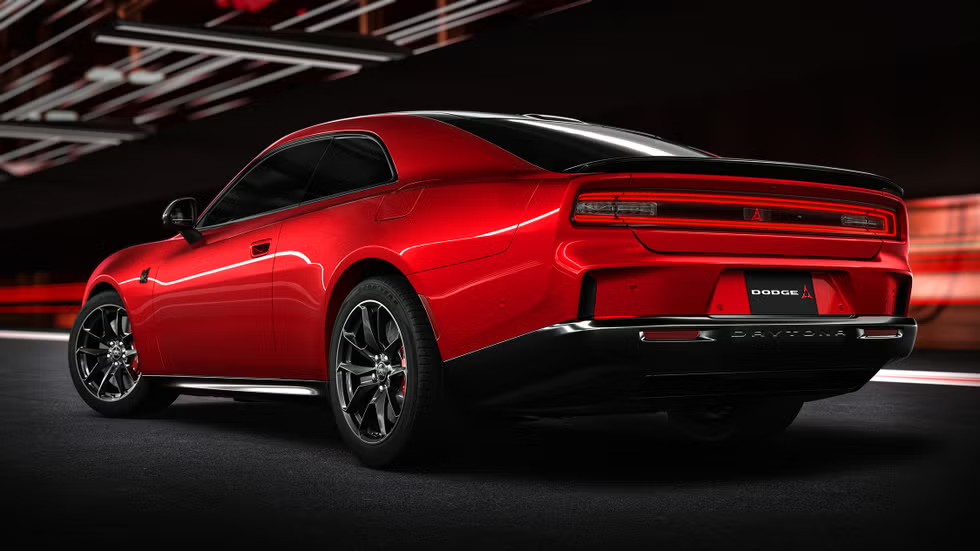
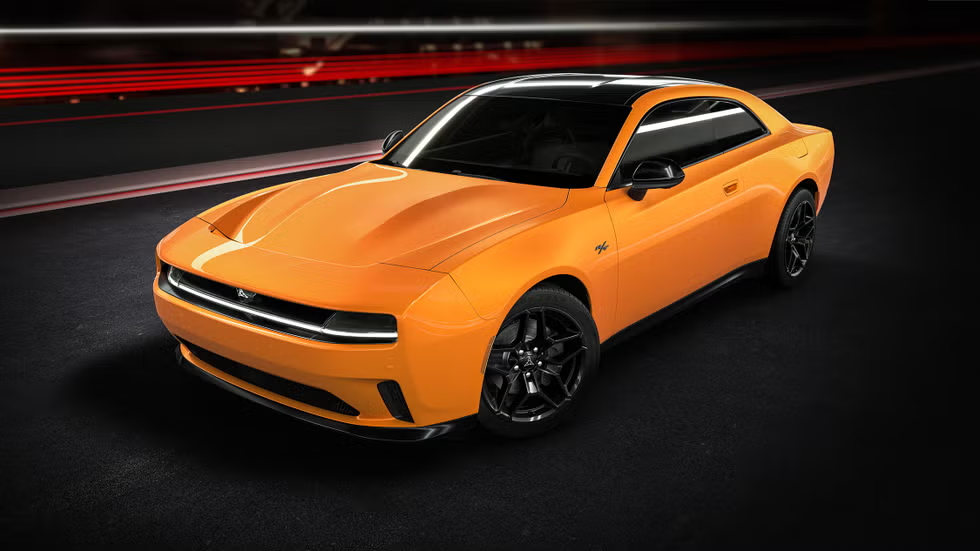
The 2024 Dodge Charger marks a significant shift in the iconic muscle car’s history, transitioning to an all-electric powertrain while maintaining its performance heritage. This comprehensive guide breaks down the pricing structure, features, and key information for potential buyers interested in the latest iteration of this American classic.
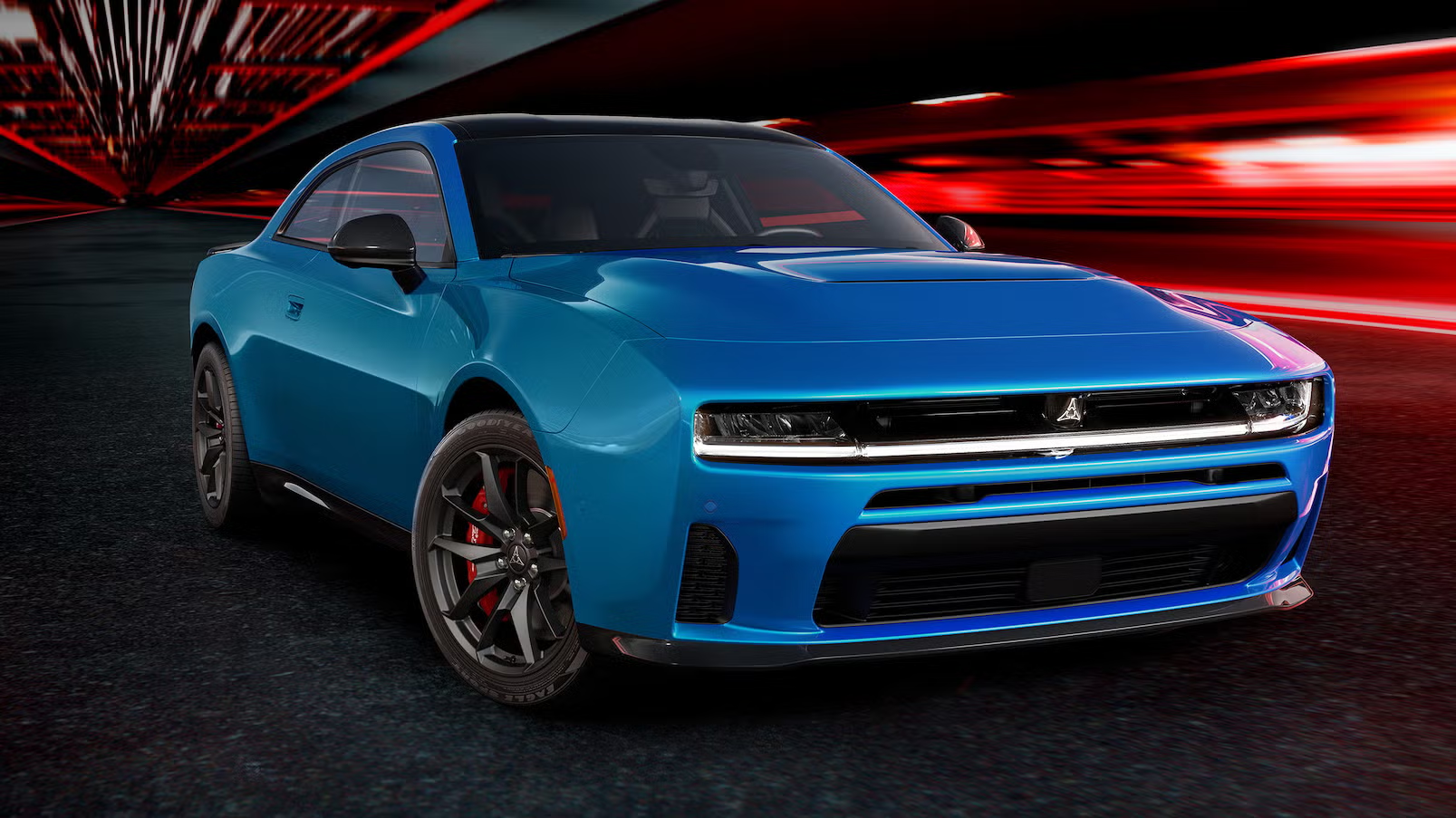
2024 Dodge Charger Daytona Pricing
The 2024 Dodge Charger Daytona comes in two primary trim levels, each with its own pricing structure:
Dodge Charger Daytona R/T
Starting Price: $61,590 (including $1,995 destination fee)
The Charger Daytona R/T serves as the entry-level model for the electric Charger lineup. It comes equipped with:
- Direct Connection Stage 1 Upgrade
- 496 horsepower and 404 lb-ft of torque
- 18-inch aluminum wheels with 245/55R18 all-season tires
- Sport suspension
Dodge Charger Daytona Scat Pack
Starting Price: $75,185 (including destination fee)
The Scat Pack trim offers enhanced performance and features:
- Direct Connection Stage 2 Upgrade
- 670 horsepower and 627 lb-ft of torque
- 0-60 mph in 3.3 seconds
- Quarter-mile time of 11.5 seconds
- Track Package with red Brembo brakes and adaptive damping suspension
- 20-inch aluminum wheels with 325/35R-20 all-season tires
Key Features and Options
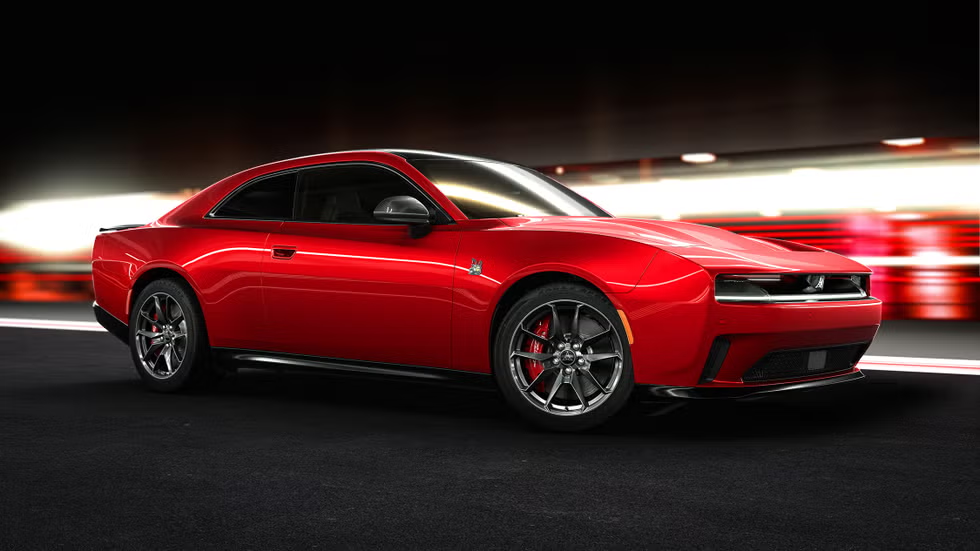
Both Charger Daytona models come with a range of standard features and available options:
Standard Features
- All-wheel drive
- 10.3-inch digital instrument cluster
- 12.3-inch touchscreen with wireless Apple CarPlay and Android Auto
- Wireless smartphone charger
- Heated front seats
- Power-adjustable driver’s seat
- Remote start
Available Packages
- Plus Group ($4,995)
- 16-inch digital gauge cluster
- Powered rear hatch
- LED headlights
- 20-inch Dark Aluminum wheels
- Sun & Sound Package ($2,495)
- Full glass roof
- 18-speaker Alpine PRO audio system with subwoofer
- Carbon & Suede Package (Scat Pack only, $2,995)
- Leather/suede high-back performance seats
- Carbon fiber and suede interior accents
- 20-inch Dark Aluminum wheels
- 3-Season Tires (Scat Pack only, $695)
- Goodyear Eagle F1 Supercar 3 summer tires
Performance and Technology
The 2024 Charger Daytona boasts impressive performance specs and cutting-edge technology:
- 100.5-kWh lithium-ion battery pack (93.5-kWh usable)
- Dual electric motors (one per axle) for all-wheel drive
- Power Shot feature for 15-second boosts of 40 extra horsepower
- Fratzonic exhaust system for simulated engine sound
- Drive eXperience Recorder for capturing performance data
Cargo and Interior Space
The new Charger Daytona offers improved practicality:
- 38.5 cubic feet of cargo space with rear seats folded
- 23 cubic feet with seats up
- 1.5 cubic foot front trunk (frunk)
- 60:40 split-folding rear seats
Federal Tax Credit and Incentives
Both the R/T and Scat Pack models qualify for the full $7,500 federal EV tax credit when leased. This incentive can significantly reduce the effective cost for buyers.
FAQs
- When will the 2024 Dodge Charger Daytona be available?
Production is set to begin in summer 2024, with vehicles expected to reach dealerships in the fourth quarter of 2024. - What is the estimated range for the 2024 Charger Daytona?
While Dodge has not officially released range figures, it’s expected to be above average for its class, despite the vehicle’s 5,838-pound weight. - Can I still get a gas-powered Charger in 2024?
The 2024 model year marks the transition to all-electric powertrains for the Charger. Gas-powered versions will no longer be available. - How does the pricing compare to previous gas-powered Chargers?
The electric Charger Daytona models are priced significantly higher than their gas-powered predecessors. The R/T is nearly $14,000 more than the 2023 gas R/T, while the Scat Pack is over $20,000 higher than the 2023 gas Scat Pack. - Where is the 2024 Dodge Charger manufactured?
The new Charger will be produced at the Windsor Assembly Plant in Ontario, Canada.
In conclusion, the 2024 Dodge Charger Daytona represents a bold step into the electric future of this iconic muscle car. With its powerful electric powertrains, advanced technology, and performance-oriented features, it aims to carry on the Charger’s legacy while embracing the shift towards electrification. While the pricing is higher than previous gas-powered models, the available federal tax credits and potential long-term savings on fuel and maintenance costs may make it an attractive option for muscle car enthusiasts looking to go electric.
For more detailed information, you can check sources like Edmunds and Kelley Blue Book.
How Long to Keep a Car for the Best Value?
When it comes to owning a vehicle, timing is everything—especially if you want to maximize your investment. Whether you’re thinking about trading in your current ride or just curious about how long to keep a car, this guide will help you make the right financial move.
Let’s break down the key factors that influence the best time to trade in a vehicle, how vehicle depreciation works, and which cars hold their value the longest.
How Long Do Most People Keep a Car?
According to recent data, the average car ownership period in the U.S. is about 8.4 years. However, many drivers choose to trade in much sooner—between 3 to 5 years—depending on their lifestyle, financial goals, and vehicle condition.
Why? Because that’s the sweet spot between value retention, warranty coverage, and newer technology upgrades.
When Should You Trade in Your Car?
The best time to trade in a car is typically between years 3 and 5, especially if you:
- Want to avoid costly repairs after the manufacturer warranty ends
- Want to retain higher resale or trade-in value
- Prefer driving a vehicle with modern safety and tech features
- Are nearing the mileage threshold that lowers trade-in offers (usually 100,000 miles)
At Simi Valley Chrysler Dodge Jeep Ram, many of our trade-in customers opt to switch vehicles before hitting the 60,000–80,000 mile range, while their vehicles are still in high demand.
Understanding Depreciation: Why Timing Matters
All vehicles depreciate, but the rate of depreciation varies by brand, model, mileage, and condition. Here’s a general timeline of how car value drops:
| Years Owned | Average Depreciation (%) | Notes |
|---|---|---|
| 1 Year | 20–30% | Major value drop after first year |
| 3 Years | 35–50% | Best resale value before wear sets in |
| 5 Years | 50–65% | Warranty typically ends, value drops sharply |
| 7+ Years | 65–80% | Significant depreciation; value largely based on condition |
Key Insight: If you wait too long, your car’s value could dip well below the amount you’d need to upgrade affordably.
What Cars Keep Their Value the Best?
Some vehicles retain more value than others due to their reliability, brand reputation, and market demand. According to industry analysts, here are the top performers:
| Vehicle Type | Model Example | 5-Year Value Retention |
|---|---|---|
| Full-Size SUV | Jeep Wrangler | Up to 75% |
| Midsize Pickup | Toyota Tacoma | ~65% |
| Full-Size Pickup | RAM 2500 / 3500 | ~60–65% |
| Compact SUV | Honda CR-V, Jeep Cherokee | ~58% |
| Muscle Car | Dodge Charger / Challenger | ~55% |
At Simi Valley CDJR, RAM and Jeep models frequently lead trade-in value charts due to high durability and brand loyalty.
How to Maximize Trade-In Value
Here are tips to help you get the most when trading in your vehicle:
- Maintain a full service record
A clean service history builds buyer confidence and boosts appraisal value. - Keep mileage below key thresholds
Vehicles under 100,000 miles often bring better offers. - Avoid aftermarket modifications
They may hurt resale value or limit buyer interest. - Trade in during high-demand seasons
Spring and summer tend to bring higher trade-in offers due to increased demand. - Get your vehicle appraised
Use tools like Kelley Blue Book, then compare your value at trusted dealerships like ours.
Should You Sell Privately or Trade In?
Selling privately may get you a higher price—but it’s not always worth the hassle. Consider:
| Method | Pros | Cons |
|---|---|---|
| Private Sale | Higher sale price | More time, paperwork, and risk |
| Dealer Trade-In | Fast, easy, sales tax savings | Slightly lower price |
Bonus: In California, trading in a vehicle may reduce the taxable amount of your new car purchase, which can result in significant savings.
So, How Long Should You Keep a Car?
For most drivers, the best balance between value retention and usability is to keep your car for 3 to 5 years. This window allows you to:
- Drive a modern vehicle under warranty
- Avoid major depreciation losses
- Maintain strong trade-in value
And with models like the RAM 1500, Jeep Wrangler, and Dodge Charger, you’ll enjoy exceptional resale value even after several years.
Ready to Trade In?
Simi Valley Chrysler Dodge Jeep Ram makes it easy to get top dollar for your trade-in. Whether you’re upgrading to a new RAM 2500, a rugged Jeep Grand Cherokee, or a powerful Dodge Durango, our team is here to help.
Get a free appraisal today at
www.simivalleychryslerdodgejeepram.com
Or visit us at:
2350 First St, Simi Valley, CA 93065
Call: +1 (805) 387-9755
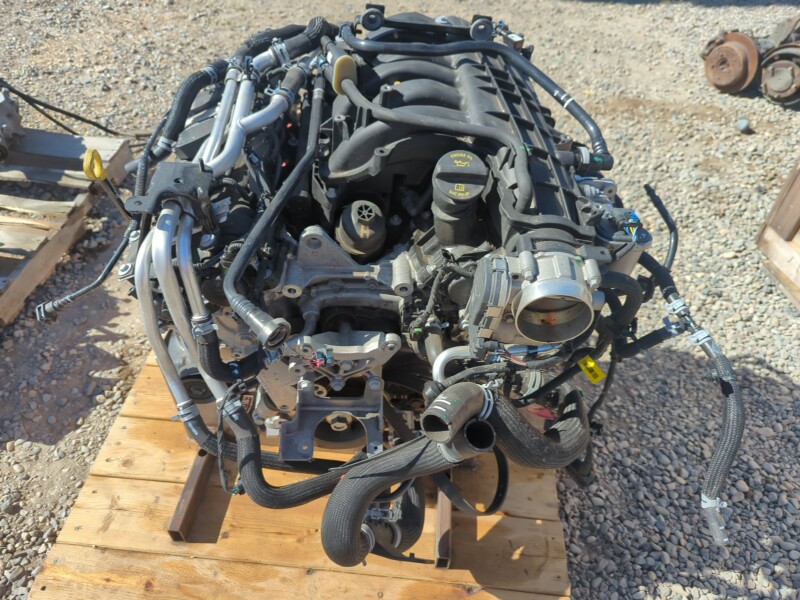
Few vehicles inspire as much debate about engines as the Jeep Wrangler. From the old-school V6s of the late 2000s to today’s turbocharged and plug-in hybrid options, Wrangler powertrains have evolved dramatically. Some are genuinely robust. Others demand compromises. This guide breaks down every major Jeep Wrangler engine, including the hybrid 4xe, explains real-world reliability, and answers the recurring question buyers ask: is the Wrangler engine weak without the hybrid assist?
Jeep Wrangler Engine Options Explained
Over the years, the Wrangler has offered one of the widest engine menus in the off-road segment. Each option exists for a different type of owner, and none are perfect for everyone.
3.6L Pentastar V6 (2012–Present)

This is the backbone of modern Wrangler ownership.
Why it’s popular
- Naturally aspirated, simple by modern standards
- Strong low-end torque for crawling
- Proven across millions of Stellantis vehicles
What to know
Early versions (2012–2014) suffered from cylinder head failures and oil cooler leaks. These issues were largely resolved after mid-decade revisions. When maintained properly, this engine routinely crosses high mileage without internal failure.
For buyers asking “best Jeep Wrangler engine,” this is still the safest long-term bet.
3.8L V6 (2007–2011)
This engine powered the early JK generation and is widely criticized.
Reality check
- Underpowered for the Wrangler’s weight
- Poor fuel economy
- Not unreliable, just inefficient and dated
The 3.8L rarely catastrophically fails, but it struggles under load, especially with larger tires or armor. Owners upgrade around it rather than because of it.
2.0L Turbocharged Inline-4 (2018–Present)
This engine divides opinion more than any other Wrangler motor.
Strengths
- Strong torque delivery
- Better fuel economy than the V6
- Pairs well with the 8-speed automatic
Concerns
Turbo complexity means heat management matters. Oil quality and service intervals are critical. When maintained, it performs well. When neglected, it doesn’t forgive.
This engine feels stronger on-road than the V6 but less mechanical off-road purists trust it less long term.
3.0L EcoDiesel V6 (2020–2023)

Torque monster. Niche appeal.
Why people love it
- Exceptional low-rpm torque
- Ideal for towing and long-distance driving
Why it disappeared
- Emissions complexity
- Higher ownership costs
- Limited buyer demand
Reliable when driven regularly, problematic for short trips and infrequent use.
Jeep Wrangler 4xe Hybrid Engine: Is It Actually Better?
The Wrangler 4xe combines:
- 2.0L turbo gasoline engine
- Two electric motors
- 17-kWh battery pack
Total system output sits well above the standard engines, but raw numbers don’t tell the whole story.
Is the Wrangler engine weak without the hybrid assist?
This is a common search for a reason.
On its own, the 2.0L turbo is not weak. However, the instant torque from the electric motor completely changes how the Wrangler feels. Off the line, crawling over obstacles, and city driving all benefit from electric assist. Without it, the gas engine feels more conventional and less dramatic.
In other words:
- The engine isn’t weak
- The hybrid system makes it feel significantly stronger and smoother
Reliability reality of the 4xe
The hybrid system itself has proven solid so far, but ownership success depends heavily on usage patterns:
- Regular charging helps battery health
- Software updates are essential
- Long-term complexity is higher than any non-hybrid Wrangler
This is not a “set it and forget it” drivetrain. It rewards informed owners.

Older Wrangler Engines by Year (Quick Reality Check)
2007–2011 Wrangler engines
Reliable but underpowered. Buy for simplicity, not performance.
2012–2014 Wrangler engines
Avoid early Pentastar years unless documented repairs were completed.
2015–2017 Wrangler engines
Pentastar reliability improved significantly. Strong used-market years.
2018–2023 Wrangler engines
Modern performance, more electronics, higher repair costs if neglected.
Check Engine Light on Jeep Wrangler: What It Usually Means
The Wrangler is notorious for triggering check engine lights that range from trivial to serious.
Common causes include:
- Loose or failing gas cap
- EVAP system leaks
- Oxygen sensor faults
- Battery voltage irregularities
In hybrids, software and sensor calibration issues can also trigger warnings without mechanical failure.
Ignoring a Wrangler check engine light is a mistake. Diagnosing early prevents cascading issues.
Engine Replacement and Swap Reality
Engine replacement costs vary widely depending on generation and powertrain. Older V6 swaps are straightforward. Modern turbo and hybrid replacements are expensive and often not financially sensible unless under warranty.
Hellcat-swapped Wranglers exist, but they are novelty builds, not practical ownership choices.
So, What’s the Best Jeep Wrangler Engine?
It depends on priorities.
- Best long-term reliability: 3.6L Pentastar (2015+)
- Best daily driving feel: 2.0L Turbo
- Best performance and efficiency: 4xe Hybrid
- Best torque for towing: EcoDiesel
There is no universally perfect Wrangler engine. There is only the right engine for how you actually drive.
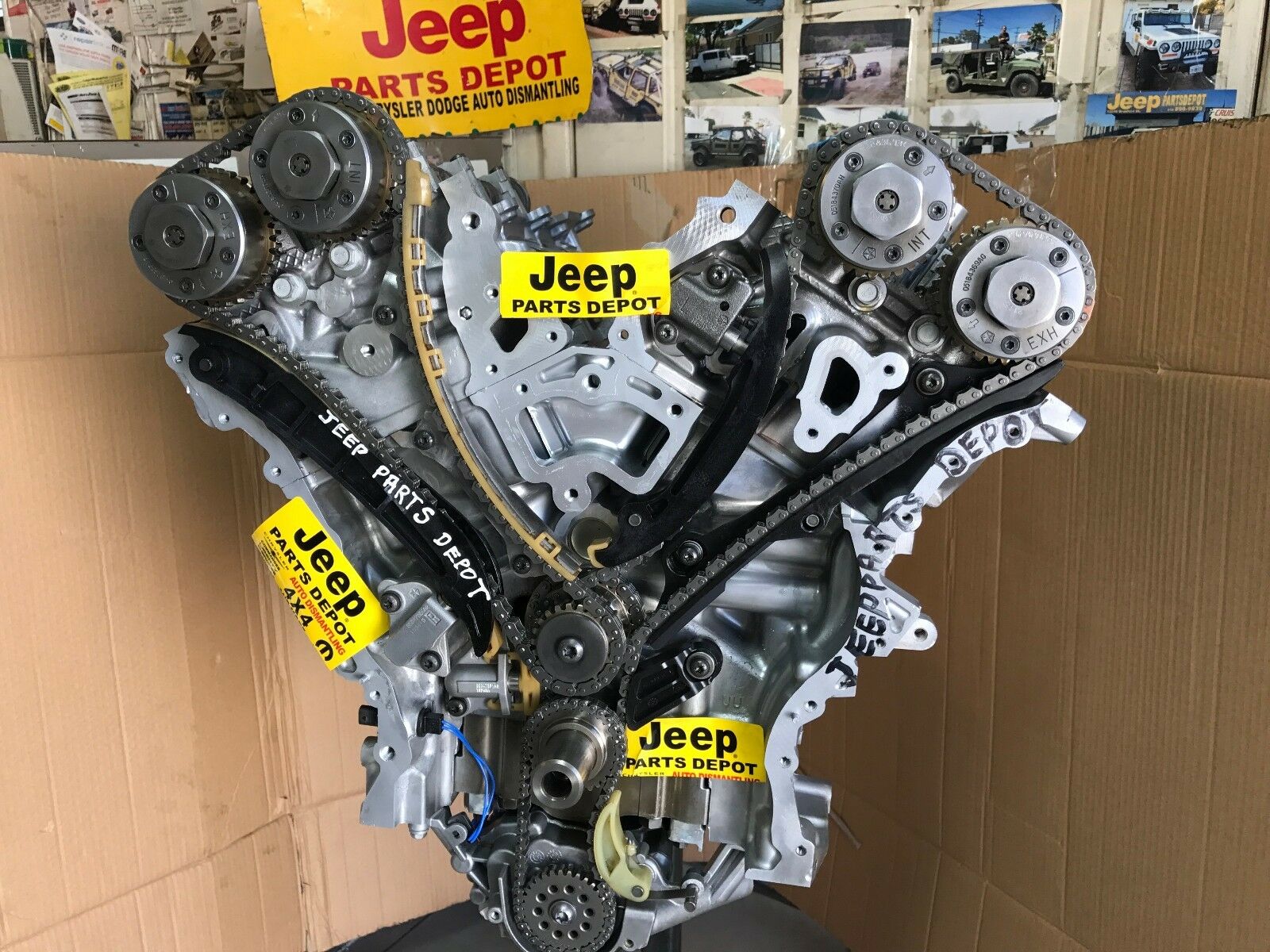
Final Verdict
The Jeep Wrangler engine lineup reflects the vehicle itself: purpose-built, imperfect, and unapologetically specialized. The hybrid doesn’t fix weaknesses so much as it reshapes the experience. The non-hybrid engines are not weak, but they are honest. They demand realistic expectations, consistent maintenance, and an understanding that Wranglers are engineered for capability first, comfort and efficiency second.
If you choose the right engine for your use case, the Wrangler remains one of the most mechanically characterful vehicles you can still buy.
1. Is the Jeep Wrangler engine reliable?
Yes, most Jeep Wrangler engines are reliable when properly maintained. The 3.6L Pentastar V6 (2015 and newer) has the strongest long-term reliability record, while earlier engines require more caution.
2. Is the Jeep Wrangler engine weak without the hybrid system?
No, the engine itself is not weak. However, the hybrid system in the Wrangler 4xe adds instant electric torque, which makes the vehicle feel significantly stronger at low speeds compared to the gas engine alone.
3. What engine does the Jeep Wrangler 4xe use?
The Wrangler 4xe uses a 2.0-liter turbocharged four-cylinder gasoline engine paired with electric motors and a battery pack to create a plug-in hybrid system.
4. Which Jeep Wrangler engine lasts the longest?
The 3.6L Pentastar V6 is widely considered the longest-lasting Wrangler engine, with many examples exceeding high mileage when oil changes and cooling system maintenance are done on time.
5. Are older Jeep Wrangler engines reliable?
Older Wrangler engines can be reliable, but performance and efficiency are lower. Engines from 2007–2011 are mechanically simple but underpowered, while 2012–2014 models had known cylinder head issues.
6. What causes the check engine light on a Jeep Wrangler?
Common causes include a loose gas cap, EVAP system leaks, oxygen sensor failures, battery voltage issues, or software faults. Many check engine lights are minor but should still be scanned.
7. Is the Jeep Wrangler 2.0L turbo engine reliable?
The 2.0L turbo engine is reliable when maintained correctly. Because it is turbocharged, oil quality, cooling, and service intervals are more critical than with naturally aspirated engines.
8. Is the Jeep Wrangler hybrid engine expensive to repair?
Potentially yes. Hybrid components add complexity, and repairs outside warranty can be more expensive than traditional gas engines. Regular charging and software updates reduce long-term risk.
9. What is the best Jeep Wrangler engine for daily driving?
For daily driving, the 2.0L turbo and the 4xe hybrid offer the best balance of power and efficiency. The hybrid is smoother in city driving due to electric assist.
10. Which Jeep Wrangler engine should I avoid?
Buyers typically avoid early 2012–2014 3.6L engines unless documented repairs were completed, and 2007–2011 models if performance and fuel economy matter.
11. Does the Jeep Wrangler engine overheat?
Wrangler engines do not commonly overheat when properly maintained. Cooling issues usually stem from neglected coolant service, faulty thermostats, or aftermarket modifications.
12. How much does it cost to replace a Jeep Wrangler engine?
Engine replacement costs vary by year and engine type. Older V6 engines are cheaper to replace, while turbocharged and hybrid engines are significantly more expensive.
13. Is the Jeep Wrangler diesel engine reliable?
The diesel engine offers excellent torque and highway efficiency, but emissions systems require regular use and proper driving patterns. It is less suitable for short trips only.
14. Does lifting a Jeep Wrangler affect engine reliability?
A lift itself does not damage the engine, but larger tires and added weight increase strain on the drivetrain. Regearing and proper tuning help preserve engine health.
15. What is the best Jeep Wrangler engine overall?
For long-term ownership and simplicity, the 3.6L V6 remains the best all-around choice. For performance and efficiency, the 4xe hybrid delivers the most capability if maintained correctly.
Connect with us


