





Car Shows Near Me [ California Exclusive ]

California is not just a golden state of beaches and celebrities; it’s also a haven for car enthusiasts with a vibrant automotive culture. From the high-end luxury models displayed at the Pebble Beach Concours d’Elegance to the vintage charm of Hot August Nights, California’s car shows offer something for everyone. Whether you are looking for classic car shows near me or interested in specific events like Corvette car shows near me, the state’s calendar is bustling with opportunities.
This article explores the top car shows across the state that you simply cannot afford to miss, perfect for those searching for car shows near me this weekend or even car shows tonight near me. For enthusiasts who can’t get enough, there are always options every week, ensuring you have access to car shows near me today or any day you choose to indulge in your automotive passion.
Continuing on, California’s robust lineup of automotive events caters to all tastes, whether you’re scouting for the grandeur of meticulously restored classics or the latest high-tech marvels. If you’re planning your weekend and need to pinpoint car shows near me this weekend today, California offers a seamless blend of historical showcases and cutting-edge expos. This ensures that no matter where you are in the state, you can easily find a car show this weekend near me.
These events not only display beautiful cars but also serve as social gatherings for networking and sharing knowledge, making them ideal for any car enthusiast looking to immerse themselves fully in the automotive community. The state’s dynamic car culture means you’re never too far from witnessing automotive history and innovation firsthand, so whether it’s a spontaneous day out or a planned visit, the excitement of a car show is just around the corner.
Iconic Annual Car Shows in California
Pebble Beach Concours d’Elegance This prestigious event is the highlight of Monterey Car Week and features a spectacular display of classic elegance and automotive glamour. Since its inception in 1950, the Pebble Beach Concours has attracted enthusiasts and collectors who exhibit some of the rarest and most expensive cars in the world.
What to Expect Visitors can expect to witness a meticulously curated selection of vintage vehicles and concept cars in an unmatched scenic backdrop along the Pacific coastline. The competition is stiff, and the standards are high, ensuring only the most pristine cars make it to the lawn.
LA Auto Show One of the most anticipated annual auto shows in the world, the LA Auto Show showcases the latest innovations from renowned car manufacturers.
Features and Highlights From the latest electric vehicles to next-gen supercars, the LA Auto Show offers a glimpse into the future of automotive design and technology. The show also includes numerous test drives, interactive exhibits, and a marketplace for automotive accessories.
The Classic Auto Show, Los Angeles A paradise for classic car fans, this event brings together the finest of vintage cars from various collectors and clubs across the nation.
Range of Exhibits Expect everything from muscle cars to vintage models that have shaped American automotive history. The show also features restoration workshops and live auctions, making it a perfect venue for hobbyists and serious collectors alike.
Specialized Car Shows for Enthusiasts
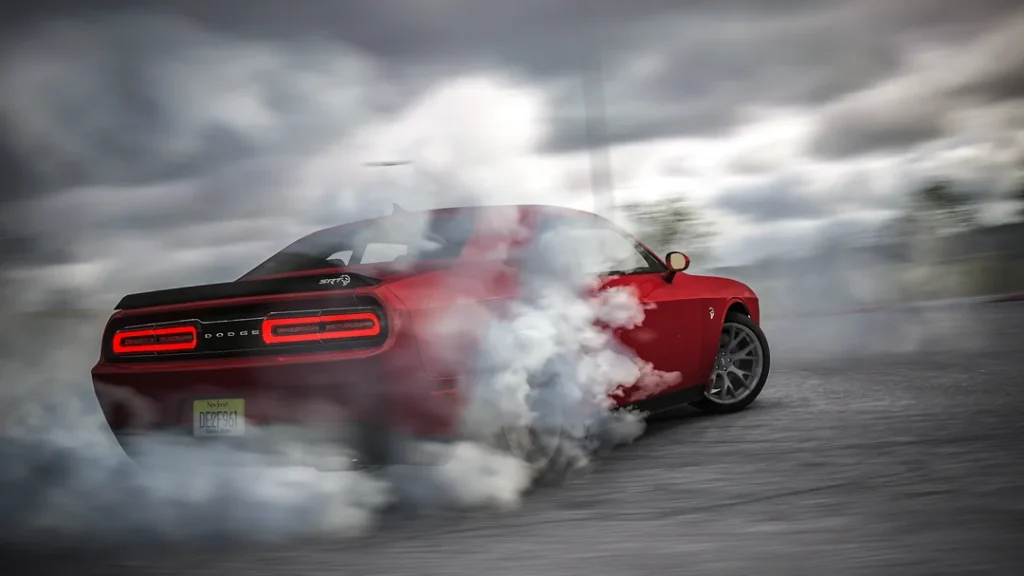
Bimmerfest for BMW Lovers Held in Fontana, this show unites fans of the German brand with activities, vendor booths, and plenty of BMWs from all eras.
Event Details Bimmerfest features track days, autocross competitions, and a massive car show that celebrates the heritage and performance of BMW vehicles.
Hot August Nights in Reno Despite crossing into Nevada, Hot August Nights is a cornerstone event for Californian classic car enthusiasts, drawing visitors from all over the state. The week-long event turns Reno into a hub of nostalgia with a focus on cars from the golden era of the ’50s and ’60s.
Event Scope Expect a festive atmosphere with live music, classic car competitions, and a vibrant street fair. The main attraction is the array of restored and maintained classic cars that evoke a sense of nostalgia, making it a must-visit for those who cherish the auto designs of yesteryears.
Why It’s a Must-Visit It’s not just a car show; it’s a celebration of mid-century American culture. The event offers a unique blend of automotive history with entertainment that appeals to all ages, making it a perfect family outing.
Emerging Car Shows
Silicon Valley Auto Show As you might expect in the heart of tech innovation, the Silicon Valley Auto Show is where cutting-edge technology meets automotive design. It’s a showcase for new technologies and a preview of what’s to come in the automotive industry.
Technological Innovations on Display Visitors will experience the latest in electric vehicles, self-driving cars, and connected car technologies showcased by startups and major manufacturers alike.
Interactive Experiences The show offers more than just displays; it includes interactive sessions where attendees can engage with new technologies, participate in VR driving simulations, and attend panels and talks by industry leaders.
San Diego International Auto Show This show features a wide range of vehicles from global manufacturers, with a special emphasis on new releases and concept cars.
Family-Friendly Features With a dedicated Kids Zone equipped with simulators and interactive games, the San Diego International Auto Show is ideal for families. It also offers a range of activities designed to entertain while educating about automotive technology and sustainability.
Highlights and Exclusives Attendees get exclusive first looks at new models released on the market, with opportunities to test drive select vehicles directly at the show.
Car Shows with a Local Flavor
Sacramento Autorama One of the longest-running auto shows in the country, the Sacramento Autorama is famed for its display of custom cars and hot rods.
Custom Cars and Hot Rods This show is a haven for those who appreciate the artistry in car customization. Awards like the “Custom d’Elegance” recognize the best in show, emphasizing creativity and craftsmanship.
Entertainment and Awards The event is packed with live performances, celebrity appearances, and competitions that make it a dynamic experience for attendees.

Ventura Nationals Previously known as the Primer Nationals, this car show is all about celebrating pre-1965 American-made vehicles.
Focus on Vintage and Classic Cars Ventura Nationals showcases the finest in vintage and custom culture with a particular focus on the traditions of American car culture.
Community and Culture It’s a cultural event that gathers like-minded enthusiasts to appreciate the craftsmanship of older vehicles and the stories they carry, set against the backdrop of Ventura’s scenic views.
Tips for Attending Car Shows in California
When planning to attend any of these spectacular car shows, consider these tips to enhance your experience:
- What to Bring: Essentials include comfortable walking shoes, a camera, sunscreen, and a hat. Check if the event allows outside food and beverages; if not, plan accordingly.
- Best Practices for a Great Experience: Arrive early to beat the crowds and get the best views of the cars. Plan your visit to ensure you see all the sections of the show that interest you. Engaging with exhibitors and car owners can also enrich your visit.
The Impact of Car Shows on Local Communities
Car shows do more than entertain; they play a crucial role in boosting local economies through tourism and promoting community engagement. They also serve as gatherings that foster a sense of community and pride in automotive history and innovation.
Conclusion
California’s car shows offer a rich tapestry of experiences that appeal to car lovers of all types. Whether you’re into classic cars, the latest tech innovations, or family-friendly events, there’s something for everyone. Don’t miss the opportunity to be part of these incredible gatherings that celebrate more than just cars but a shared passion for all things automotive.
FAQs
- What are the best times of year to attend car shows in California?
- Spring and summer are popular due to the pleasant weather, but check specific show dates as some occur in the fall.
- Can children attend these car shows?
- Yes, many car shows in California are family-friendly with activities for children.
- How can I participate in a car show with my own vehicle?
- Most shows have registration processes for exhibitors on their websites. It’s advisable to register early as spaces can be limited.
- What are some tips for first-time attendees?
- Wear comfortable clothing, plan your itinerary in advance, and don’t hesitate to engage with exhibitors and car owners.
- Are there opportunities to purchase cars at these shows?
- Yes, some car shows have sales areas or auctions where you can bid on or buy cars.
Unbeatable Lease Deal on the 2024 Dodge Hornet R/T PLUS EAWD at Simi Valley Chrysler Dodge Jeep Ram
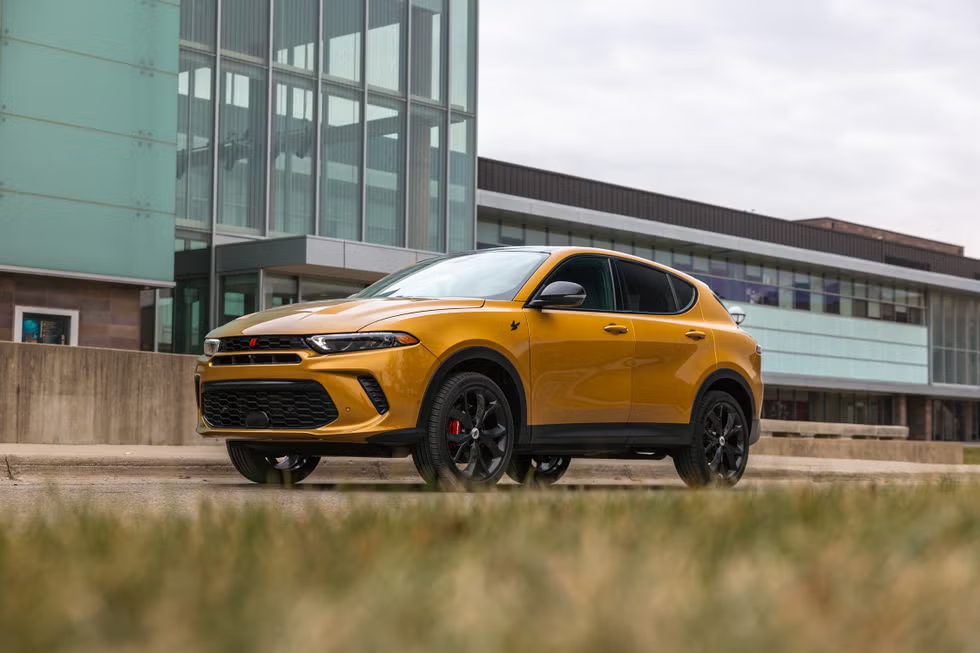
If you’ve been waiting for the perfect time to get behind the wheel of a powerful, stylish, and eco-friendly vehicle, this is your moment. Simi Valley Chrysler Dodge Jeep Ram is offering an incredible lease deal on the 2024 Dodge Hornet R/T PLUS EAWD. With a monthly payment of just $299 + tax for 24 months, this offer is designed to put you in one of the most exciting new vehicles on the market without breaking the bank.
The Offer:
- Monthly Payment: $299/month + tax for 24 months
- Total Due at Signing: $14,995 (includes $3,995 cash or trade equity + $2,500 bonus cash rebate + $2,000 SFS lease loyalty rebate + $6,500 federal tax credit)
- Mileage Allowance: 7,500 miles/year (additional miles at $0.25/mile)
- Zero Security Deposit
- Offer Expires: October 31, 2024
Why the 2024 Dodge Hornet R/T PLUS EAWD is a Game Changer
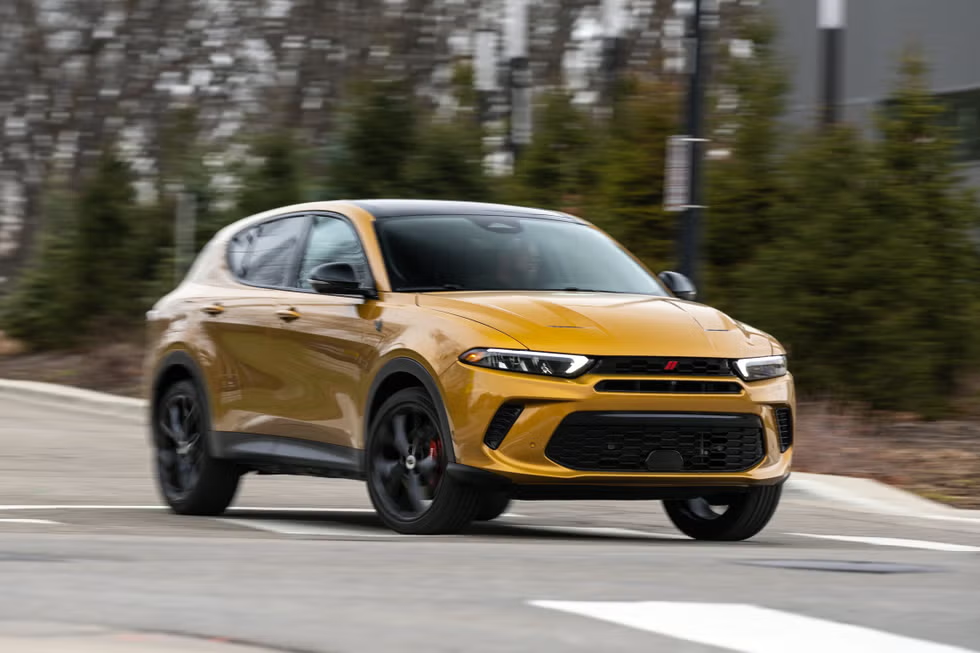
The 2024 Dodge Hornet R/T PLUS EAWD combines thrilling performance, cutting-edge technology, and an eco-friendly hybrid powertrain to give you the best of both worlds. Whether you’re navigating busy city streets or heading out on a long-distance road trip, the Hornet delivers with style, power, and efficiency.
Key Features of the Dodge Hornet R/T PLUS EAWD:
- Plug-In Hybrid Powertrain: Experience the perfect blend of gas and electric power, giving you impressive fuel efficiency without sacrificing performance.
- Advanced All-Wheel Drive (EAWD): Navigate any terrain with confidence, knowing you have the capability to handle all road conditions.
- Luxury Interior: With premium materials, advanced infotainment, and cutting-edge driver assistance features, every ride is both comfortable and connected.
- High-Tech Features: Enjoy features like a customizable digital cockpit, wireless Apple CarPlay® and Android Auto™, and a state-of-the-art Uconnect® 5 system with a 10.25-inch touchscreen.
Act Fast – This Deal Won’t Last!
This limited-time offer on the 2024 Dodge Hornet R/T PLUS EAWD is the perfect opportunity for drivers looking for a stylish, powerful, and fuel-efficient vehicle. With the lease deal expiring on October 31, 2024, there’s no better time to visit Simi Valley Chrysler Dodge Jeep Ram and explore their full Dodge inventory.
Whether you’re looking to upgrade your current vehicle or lease a brand-new hybrid SUV, the Dodge Hornet R/T PLUS EAWD is an ideal choice. And with additional savings through trade-in offers and loyalty rebates, this deal is truly hard to beat.
Browse more Dodge inventory here.
Disclaimer:
UP TO $50,590 MSRP. $3,995 CASH OR TRADE EQUITY + $2,500 BONUS CASH REBATE + $2,000 SFS LEASE LOYALTY REBATE + $6,500 FEDERAL TAX CREDIT = $14,995 DUE AT SIGNING PLUS FIRST PAYMENT, TAX AND LICENSE. SUBJECT TO CHANGE. $0 SECURITY DEPOSIT. MILEAGE CHARGE $.25/MILE OVER 7,500 MILES/YEAR. ON APPROVED CREDIT THROUGH STELLANTIS FINANCIAL SERVICES. 1 AVAILABLE AT THIS OFFER VIN R3A25182. DEALER INSTALLED ACCESSORIES EXTRA. MUST HAVE A CURRENT VALID QUALIFYING STELLANTIS FINANCIAL SERVICES LEASE IN THE HOUSEHOLD. MUST SHOW PROOF OF QUALIFYING CURRENT SFS LEASE TO RECEIVE LEASE LOYALTY REBATE. NOT ALL BUYERS WILL QUALIFY. SEE DEALER FOR DETAILS. ENDS 10/31/24.
Limited-Time Lease Offer: 2024 Jeep Wrangler Sport S 4xe at Simi Valley Chrysler Dodge Jeep Ram
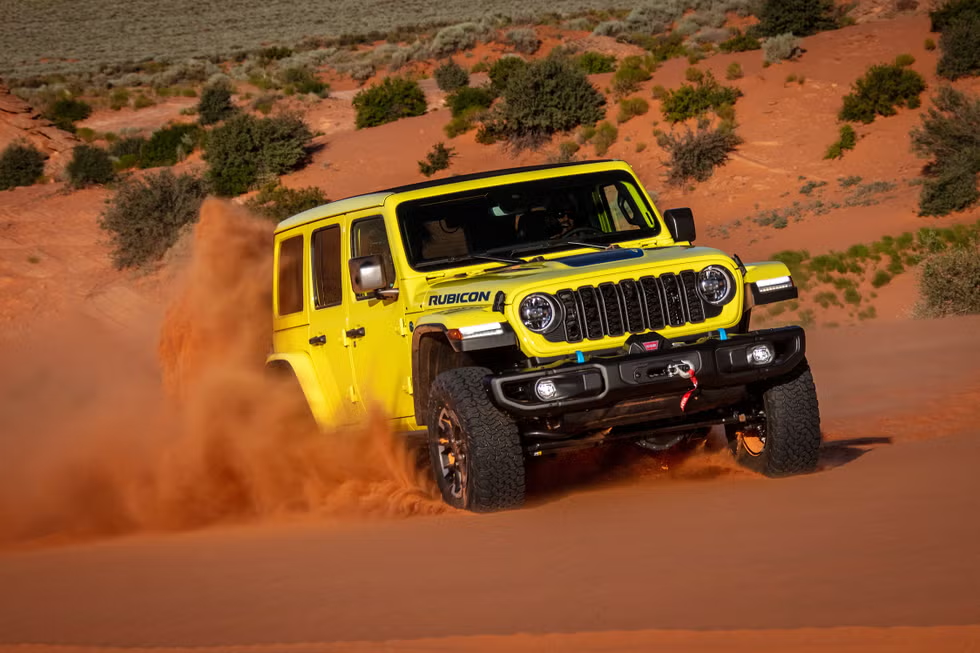
If you’ve been waiting for the perfect opportunity to drive away in a brand-new Jeep Wrangler, now’s your chance! For a limited time, Simi Valley Chrysler Dodge Jeep Ram is offering an unbeatable lease deal on the 2024 Jeep Wrangler Sport S 4xe. This offer gives you the best of both worlds: the legendary off-road capability of a Jeep Wrangler, combined with the fuel efficiency and eco-friendly benefits of a hybrid.
The Offer:
- Monthly Payment: $349/month + tax for 39 months
- Total Due at Signing: $10,495 (including $2,995 cash or trade equity + $7,500 federal tax credit)
- Mileage Allowance: 5,000 miles/year (additional mileage charged at $0.25/mile)
- Zero Security Deposit
- Offer Expires: October 31, 2024
Why Choose the 2024 Jeep Wrangler Sport S 4xe?
The Jeep Wrangler Sport S 4xe is perfect for those who want to balance rugged off-road performance with greener driving. The 4xe hybrid technology allows you to enjoy the power and performance of a traditional Jeep, while also benefiting from electric driving that reduces emissions and improves fuel efficiency.
Key Features of the Jeep Wrangler Sport S 4xe:
- Hybrid Powertrain: Combines gas and electric power for enhanced fuel economy without sacrificing performance.
- Legendary Off-Road Capability: Equipped with Jeep’s Trail Rated® badge, the Wrangler Sport S 4xe can handle any terrain.
- Modern Tech: Features like Uconnect® infotainment system, Apple CarPlay®, and Android Auto™ keep you connected on every journey.
- Open-Air Freedom: The removable top and doors give you the classic Jeep experience, allowing you to enjoy California’s beautiful weather to the fullest.
Don’t Wait – This Deal Ends Soon!
With the lease offer expiring on October 31, 2024, you don’t want to miss out on the chance to drive home in a 2024 Jeep Wrangler Sport S 4xe at such an incredible price. Whether you’re planning your next off-road adventure or simply want a hybrid SUV that turns heads on the streets of California, this Wrangler is the perfect choice.
Head over to Simi Valley Chrysler Dodge Jeep Ram now to explore this offer and take advantage of the best deals in Southern California.
Check out the full Jeep inventory here.
Disclaimer:
UP TO $53,185 MSRP. $2,995 CASH OR TRADE EQUITY + $7,500 FEDERAL TAX CREDIT = $10,495 DUE AT SIGNING PLUS FIRST PAYMENT, TAX AND LICENSE. SUBJECT TO CHANGE. $0 SECURITY DEPOSIT. MILEAGE CHARGE $.25/MILE OVER 5,000 MILES/YEAR. ON APPROVED CREDIT. NOT ALL BUYERS WILL QUALIFY. DEALER INSTALLED ACCESSORIES EXTRA. ONE AVAILABLE AT THIS OFFER VIN RW364623. SEE DEALER FOR DETAILS. ENDS 10/31/24.
If you’re in the market for a new vehicle in California, you’re in luck. In a competitive effort to move inventory before the year ends, major discounts on some of the most sought-after cars have been popping up at select dealerships across the state. From powerful Jeep Wranglers to versatile RAM trucks, now is the perfect time to get behind the wheel without breaking the bank.
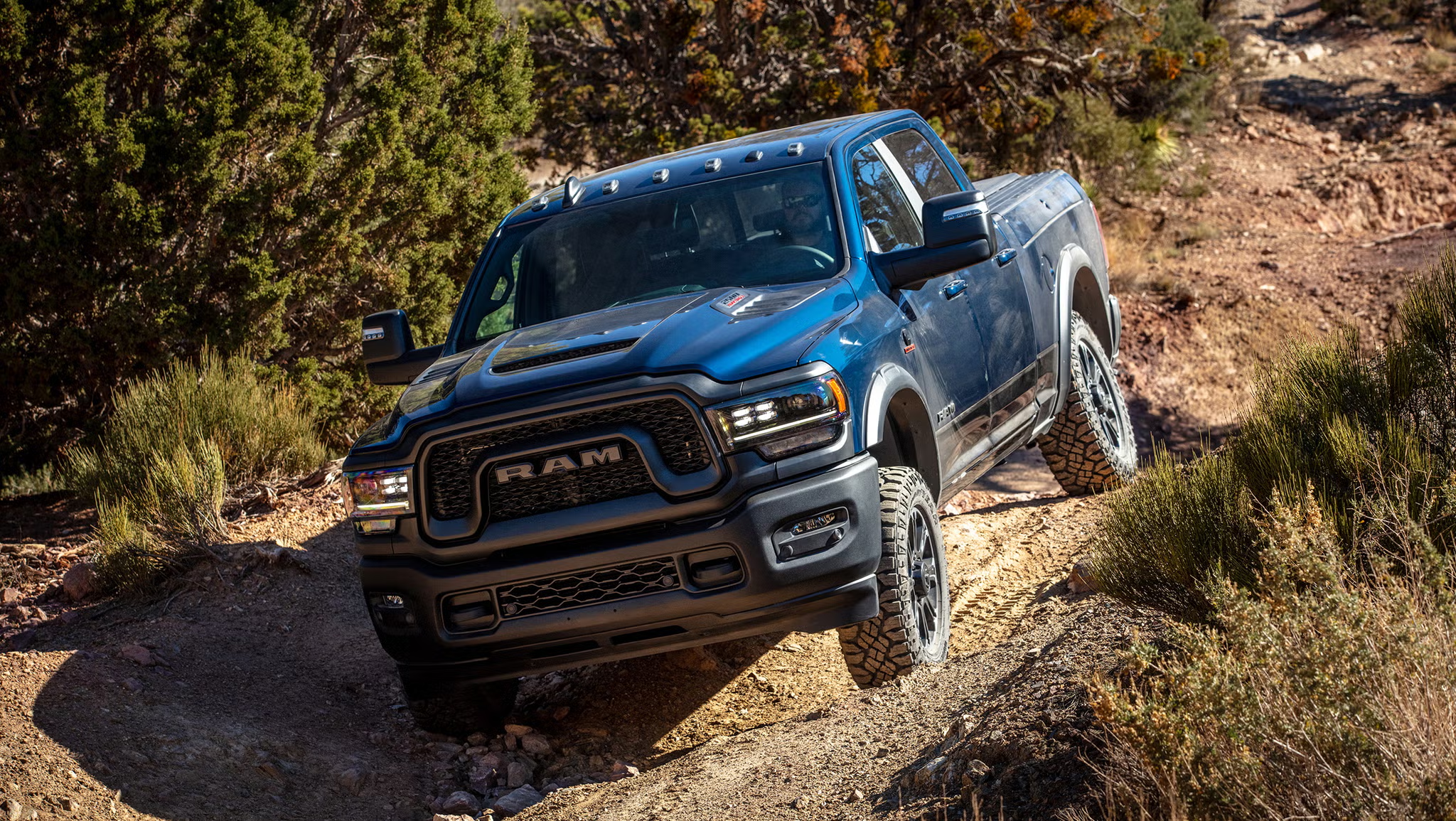
But there’s one dealership in particular that’s making waves with its exclusive offers: Simi Valley Chrysler Dodge Jeep Ram. Known for its unbeatable pricing and stellar customer service, this dealership is offering incredible markdowns on both new and used vehicles that can save you thousands.
Let’s dive into the deals and the cars you won’t want to miss!
Top Vehicles on Discount at Simi Valley Chrysler Dodge Jeep Ram
1. Jeep Wrangler
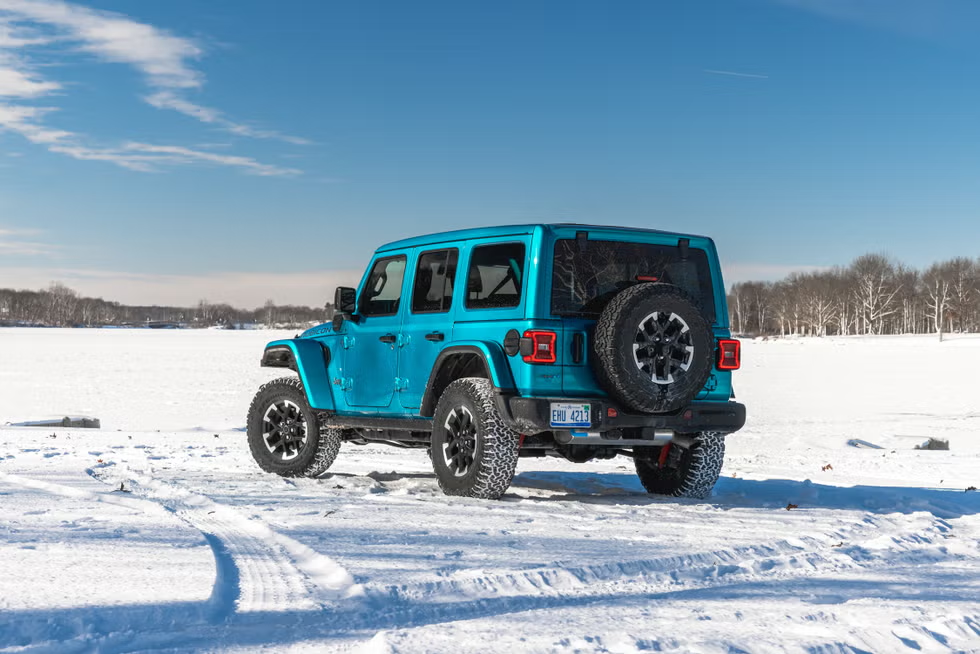
The Jeep Wrangler is more than just an off-road beast; it’s a lifestyle vehicle for those who crave adventure. Whether you’re taking it off-road in the mountains or cruising down the Pacific Coast Highway, the Wrangler delivers a rugged yet enjoyable ride. And right now, you can save big on models like the Wrangler Unlimited by visiting the dealership’s Jeep inventory page.
California drivers are already seizing this incredible opportunity, with many scoring discounts of up to $6,000 on brand-new Jeep Wranglers and other top-tier models. These massive savings are giving buyers the chance to own one of the most iconic off-road vehicles at a price that’s hard to believe. Whether you’re an off-road enthusiast or simply want a stylish, rugged ride for your daily commute, now is the perfect time to make your move. With limited-time promotions like this, you can experience the freedom, power, and adventure of the Jeep Wrangler without breaking the bank. These deals are flying off the lot fast, so don’t wait—your dream Jeep could be just a few clicks away. Secure your Wrangler at a fraction of the cost and start exploring California’s scenic trails in style!
2. RAM 1500
Need a truck that can handle any task? The RAM 1500 is perfect for both work and play. With its best-in-class towing capacity, comfortable interior, and rugged design, the RAM 1500 is a favorite among truck enthusiasts in California. Simi Valley Chrysler Dodge Jeep Ram is offering limited-time deals on new models, and you can explore their RAM truck inventory to find your perfect pickup.
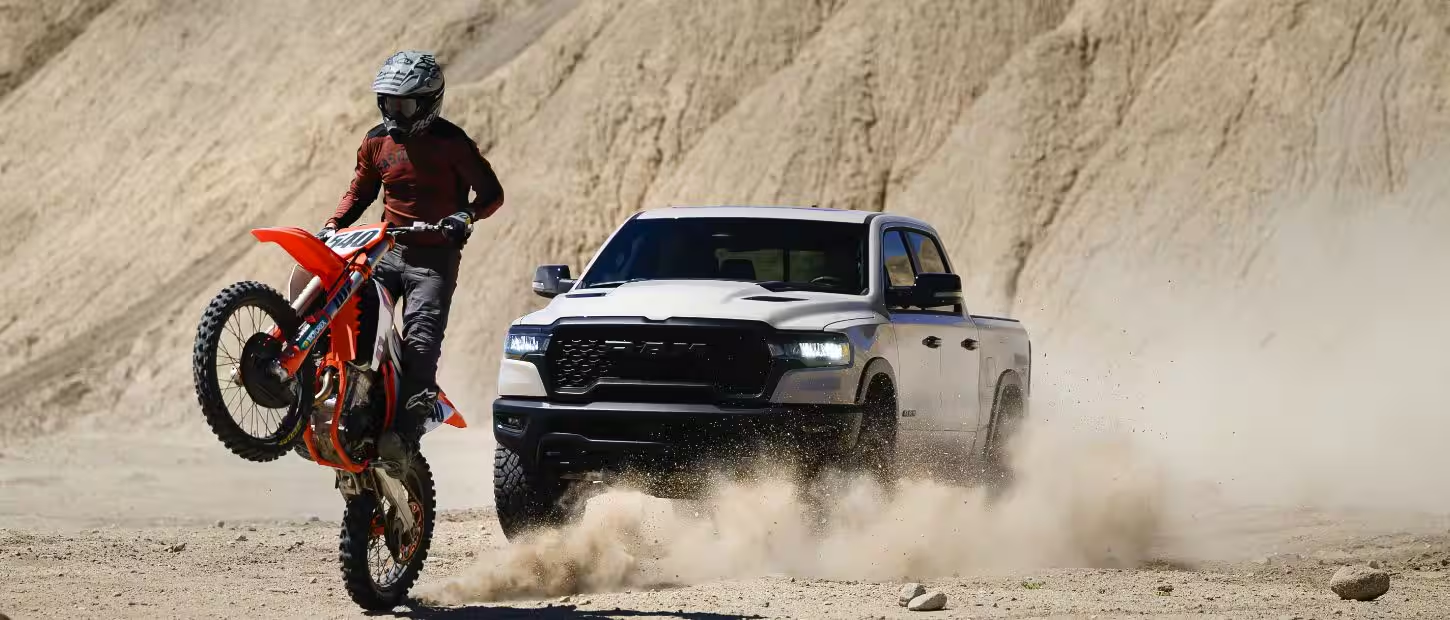
For those looking for a used RAM to get even more value, check out their used car listings, which feature some of the best deals in Southern California.
3. Dodge Charger
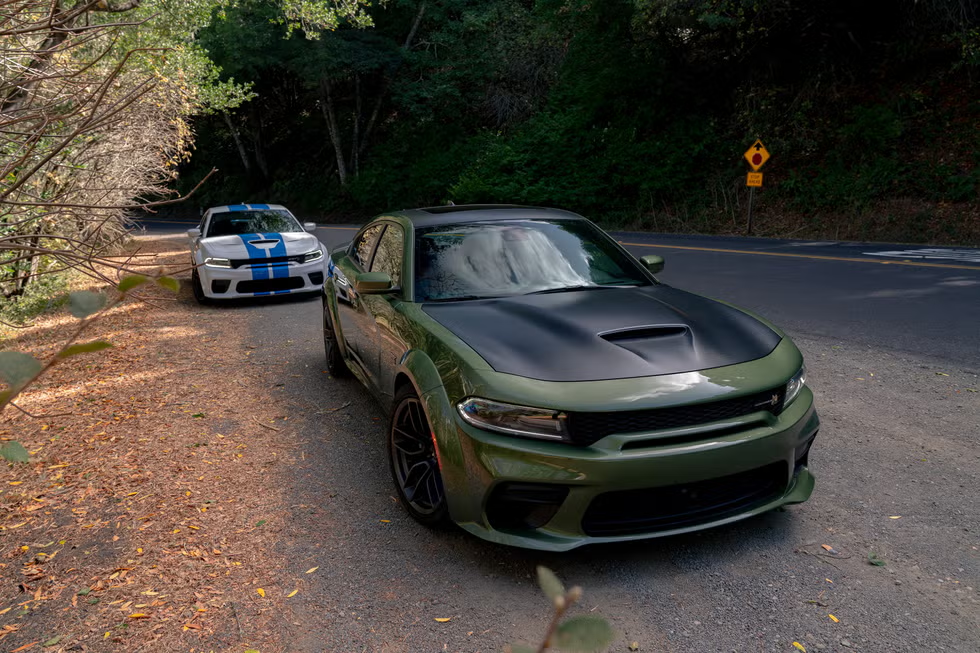
If you’re looking for power and performance, the Dodge Charger is a must-consider. With models like the Charger SRT Hellcat, you’ll get a high-performance muscle car that dominates the road. Right now, you can find amazing savings on these models by browsing Dodge inventory.
Plus, Simi Valley CDJR is throwing in additional trade-in bonuses for California drivers, making this the perfect time to upgrade your vehicle.
How to Secure Your Discount
With these vehicles in high demand, here’s how you can take advantage of the offers before they’re gone:
- Visit Simi Valley Chrysler Dodge Jeep Ram’s Website
Head to their new car inventory page to browse the latest models, or check out their used car listings for even bigger savings. - Contact the Dealership Directly
Speak with one of their sales associates to get up-to-the-minute details on inventory and pricing. Sometimes the best deals aren’t posted online, so make sure to ask if there are any unadvertised specials. - Act Fast
The best deals are going quickly! With the year coming to an end, dealerships are working hard to clear out inventory. Don’t wait too long – visit the dealership or schedule a test drive online to lock in your deal. - Leverage Trade-In Offers
If you have a vehicle you’re looking to trade in, now is the perfect time. Simi Valley Chrysler Dodge Jeep Ram is offering top dollar for trade-ins, and when combined with the current discounts, you could be saving even more.
What Are California Drivers Saying?
The buzz around these special California offers is spreading like wildfire, and it’s easy to see why. Drivers across the state are ecstatic about the unbeatable deals they’ve uncovered, with many sharing their success stories on social media and car forums. One thrilled customer from Los Angeles mentioned landing a 2024 Jeep Wrangler Rubicon for an incredible $5,500 off the sticker price, thanks to a combination of dealership discounts and trade-in incentives. With savings like that, it’s no wonder people are flocking to take advantage of these limited-time promotions.
In San Diego, another driver upgraded to a RAM 1500 Big Horn after finding a jaw-dropping $7,000 dealer incentive, making their dream of owning a top-tier truck a reality. These savings are not just isolated incidents—they are part of a broader trend that’s sweeping across California. Simi Valley Chrysler Dodge Jeep Ram has built a reputation for offering some of the most competitive deals in Southern California, making it a must-visit destination for anyone looking to score big on a new or used car.
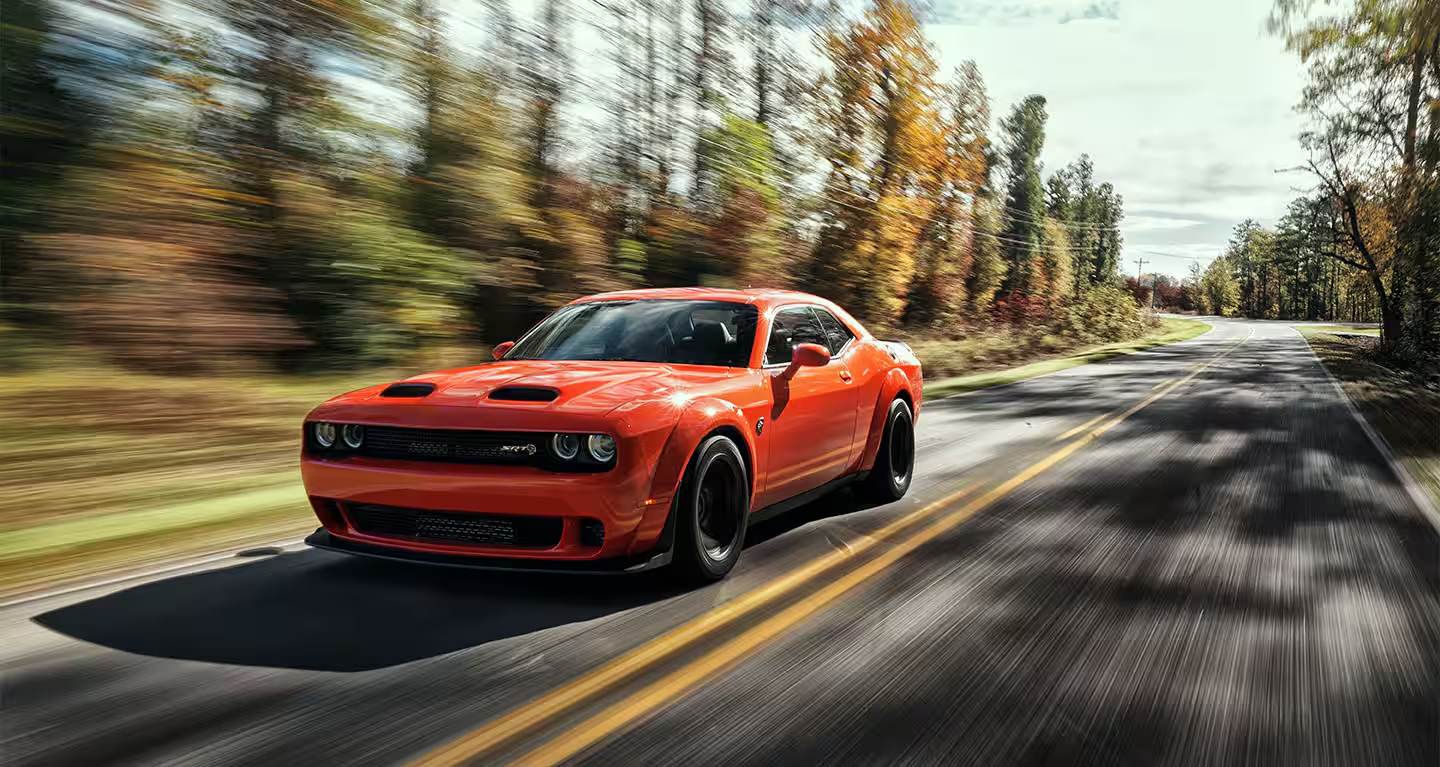
This dealership has become a hub for drivers seeking exceptional value, whether you’re eyeing a rugged Jeep Wrangler, a family-friendly Chrysler Pacifica, or a high-performance Dodge Charger. With a massive inventory of new and used vehicles, Simi Valley Chrysler Dodge Jeep Ram is the go-to spot for finding top-quality cars at unbeatable prices.
What’s more, their dedication to customer satisfaction and transparent pricing has made them a standout dealership, with glowing reviews from happy buyers who have driven away with huge savings. Whether you’re in Los Angeles, San Diego, or anywhere in between, this dealership is worth the trip if you’re looking to take advantage of these extraordinary offers.
Don’t let these deals pass you by—visit Simi Valley Chrysler Dodge Jeep Ram and explore their extensive inventory of new cars here. If you’re on the hunt for a quality pre-owned vehicle, check out their used cars for unbeatable value.
Ready to drive off in your dream car? Whether you’re looking for a Chrysler, Dodge, Jeep, or RAM, Simi Valley Chrysler Dodge Jeep Ram has got you covered with deals that won’t last long!
Don’t Miss Out on These Incredible Discounts
California car buyers know a good deal when they see one, and this season is packed with opportunities. Whether you’re eyeing a new Jeep Wrangler, a durable RAM 1500, or a sleek Dodge Charger, you’ll find something that fits your budget at Simi Valley Chrysler Dodge Jeep Ram.
For more information, check out their full Chrysler inventory, Dodge vehicles, and Jeep models. Happy driving, California!
FAQs for Buying a Car in California
What discounts are currently available at Simi Valley Chrysler Dodge Jeep Ram?
Simi Valley Chrysler Dodge Jeep Ram is offering significant discounts on various models, including up to $6,000 off on new Jeep Wranglers and up to $7,000 on RAM 1500 trucks. These deals are part of a year-end effort to clear inventory.
How can I take advantage of these discounts?
Visit the dealership’s website to browse their new and used car inventory. Contact the dealership directly to inquire about specific offers and unadvertised specials. It’s also beneficial to act quickly as these deals are for a limited time.
Are there additional savings for trade-ins?
Yes, the dealership is offering top dollar for trade-ins, which can be combined with current discounts for additional savings.
What should I consider when buying a used car in California?
Always request a current vehicle history report (e.g., Carfax), have the car inspected by a mechanic, and ask about any past accidents or repairs. Ensure you see a recent smog certificate as required by California law.
How can I secure the best financing options?
Compare financing offers from different lenders, including those provided by the dealership. Consider using tools like finance calculators to understand your monthly payments and total loan cost.
Are there any special offers for electric vehicles?
Some electric vehicles, like the Dodge Charger Daytona EV, come with significant discounts and may qualify for federal tax credits when leased.
What should I do if I encounter issues with a dealership?
If you suspect any form of auto fraud or have issues with your purchase, it’s important to document all communications and seek legal advice if necessary.

California Car Seat Laws: Everything You Need to Know
California car seat laws are simple at the basic level: children under 8 years old must ride in a car seat or booster seat in the back seat, and children under 2 years old must ride rear-facing unless they are at least 40 pounds or at least 40 inches tall.
That is the legal baseline. But for parents, caregivers, and drivers, the safest answer goes a little further. The right car seat depends on the child’s age, height, weight, seat fit, and the manufacturer’s instructions for the specific car seat.
California’s official child passenger safety guidance comes from agencies like the California Highway Patrol, the California Office of Traffic Safety, and the state’s Vehicle Code.
What Is the California Car Seat Law?
California law requires children to be properly secured in an appropriate child passenger restraint system.
Under California Vehicle Code Section 27360, children under 8 years old must be properly secured in a child passenger restraint system in the rear seat. The law also requires children under 2 years old to ride in a rear-facing car seat unless they weigh 40 pounds or more, or are 40 inches tall or taller. You can review the statute under Vehicle Code 27360.
In plain English, here is the rule:
Children under 2: rear-facing car seat unless 40 lb or 40 in.
Children under 8: car seat or booster seat in the back seat.
Children 8 or older: seat belt is allowed if it fits properly.
Children under 16: must be properly restrained by a seat belt or appropriate child restraint.
That is the legal framework, but it should not be treated as the only safety standard. A child may legally be old enough to use a seat belt, but still not fit safely without a booster.
California Rear-Facing Car Seat Law
California requires children under 2 years old to ride in a rear-facing car seat unless they weigh at least 40 pounds or are at least 40 inches tall.
This is one of the most important parts of California car seat law because rear-facing seats provide better protection for a young child’s head, neck, and spine during a crash.
The California Highway Patrol states that children under 2 must ride rear-facing unless they meet the 40-pound or 40-inch exception. The car seat must also be used according to the height and weight limits set by the car seat manufacturer.
That last part matters. Even if a child turns 2, parents should not automatically switch to forward-facing. Many safety experts recommend keeping children rear-facing until they reach the rear-facing height or weight limit of their specific seat.
California Forward-Facing Car Seat Rules
Once a child outgrows the rear-facing limits of the car seat, they can move to a forward-facing car seat with a harness.
California law does not set one single age for switching to forward-facing beyond the rear-facing requirement for children under 2. Instead, the next step depends on the child’s size and the car seat manufacturer’s instructions.
A forward-facing seat should be used with the harness until the child reaches the seat’s height or weight limit. Do not rush this stage. A properly fitted harness gives better protection than a booster seat for children who are not ready for the vehicle’s seat belt.
Parents should check:
The seat’s forward-facing weight limit.
The seat’s forward-facing height limit.
Harness slot position.
Chest clip position.
Installation tightness.
Whether the top tether is used correctly.
The top tether is especially important because it helps reduce forward movement in a crash.
California Booster Seat Law
Children under 8 years old must use a car seat or booster seat in the back seat unless they are at least 4 feet 9 inches tall.
California’s child passenger safety guidance says children under 8 must be secured in a car seat or booster seat in the back seat. Children who are 8 years old or at least 4 feet 9 inches tall may use a seat belt, but only if the belt fits properly. The California Office of Traffic Safety summarizes this on its child passenger safety page.
A booster seat is designed to position the vehicle’s lap and shoulder belt correctly. Without a booster, the seat belt may sit across the child’s stomach or neck, which can increase injury risk in a crash.
A booster is usually still needed if:
The lap belt rides on the stomach instead of low on the hips.
The shoulder belt touches the neck or face.
The child slouches to bend their knees.
The child cannot sit upright for the whole trip.
The child’s back does not rest against the vehicle seat.
When Can a Child Stop Using a Booster Seat in California?
Legally, a child in California can stop using a booster when they are 8 years old or at least 4 feet 9 inches tall, as long as the seat belt fits correctly.
But safe fit matters more than age alone.
A child is usually ready for a regular seat belt when they pass the five-step seat belt fit test:
They can sit all the way back against the vehicle seat.
Their knees bend naturally at the edge of the seat.
The lap belt sits low across the hips and upper thighs.
The shoulder belt crosses the chest and shoulder, not the neck.
They can stay seated this way for the entire ride.
The California Highway Patrol strongly recommends that children continue using a booster until the adult seat belt fits properly. Local California safety agencies also promote the five-step test as a practical way to decide whether a child is truly ready for a seat belt.
Can a Child Ride in the Front Seat in California?
California law generally requires children under 8 years old to ride in the back seat in an appropriate car seat or booster seat.
There are exceptions, but the back seat is still the safer choice whenever possible.
According to California child passenger safety guidance, a child under 8 may ride in the front seat only in limited situations, such as when there is no rear seat, the rear seats are side-facing jump seats, the child restraint cannot be properly installed in the rear seat, all rear seats are already occupied by children under 8, or medical reasons require the child to ride in front.
Even when an exception applies, a rear-facing car seat should never be placed in front of an active passenger airbag. Front airbags can seriously injure or kill a rear-facing child passenger.
First 5 California also advises that all children younger than 13 should ride in the back seat because of the danger posed by front airbags. You can review its parent guidance on car safety.
California Seat Belt Law for Older Children
Children who are 8 years old or older, but under 16, must be properly secured in a seat belt or appropriate child passenger restraint system.
This matters because some children are technically old enough to use a seat belt under California law, but still too small for the belt to fit safely. If the shoulder belt crosses the neck or the lap belt rides over the stomach, a booster may still be the safer option.
The adult seat belt should fit across the strongest parts of the body: low across the hips and across the shoulder and chest.
What Are the Penalties for Violating California Car Seat Laws?
Drivers can be cited for violating California child passenger restraint laws.
The exact fine can vary after penalty assessments and local fees, but the legal violation can become much more expensive than the base fine. More importantly, improper restraint can put a child at serious risk in a crash.
California also treats child restraint safety as a public safety issue, not just a ticket issue. The NHTSA says car seats and booster seats provide protection for infants and children in a crash, but they must be selected and used correctly.
If you are unsure whether your seat is installed properly, it is worth getting it checked.
Where Can You Get a Car Seat Checked in California?
California parents and caregivers can often get help from trained child passenger safety technicians.
The California Highway Patrol offers child safety seat inspection support through many local CHP offices. You can start with the CHP’s child safety seats page and contact your local CHP office for available inspection events or appointments.
This is useful because many car seats are installed incorrectly. Common mistakes include loose installation, wrong recline angle, incorrect harness height, twisted straps, unused tether, or moving a child to the next seat stage too early.
Common Car Seat Mistakes to Avoid
Even careful parents can make car seat mistakes. The most common issues include:
Turning a child forward-facing too early.
Moving from a harness seat to a booster too soon.
Letting a child use the adult seat belt before it fits.
Installing the car seat too loosely.
Not using the top tether on a forward-facing seat.
Placing the chest clip too low.
Using a seat that is expired, recalled, damaged, or missing labels.
Using a car seat after a serious crash.
Putting a rear-facing seat in front of an active airbag.
The safest approach is to follow both California law and the car seat manufacturer’s instructions.
Used Car Seats: Are They Safe?
A used car seat may be safe, but only if you know its full history.
Avoid a used car seat if:
It is expired.
It has been in a moderate or severe crash.
It has missing parts.
The labels are missing.
The manual is missing and cannot be replaced.
It has been recalled and not repaired.
You do not know its history.
Before using any car seat, check for recalls through the manufacturer or the official NHTSA car seat recall tool.
California Car Seat Laws and Rideshare Vehicles
California child passenger safety laws still matter in rideshare vehicles, taxis, and family vehicles. Parents and caregivers should bring the correct car seat or booster when transporting a child who legally or safely needs one.
Do not assume a rideshare driver will provide a child seat. Most will not. If your child needs a car seat or booster in your own vehicle, you should plan for one in a rideshare vehicle too.
Are California Car Seat Laws Changing?
California’s current basic rule remains that children under 8 must use a car seat or booster unless they meet the height exception, and children under 2 must ride rear-facing unless they meet the 40-pound or 40-inch exception.
However, California has also moved toward stronger seat belt fit rules for older children. CalMatters reported that a new law signed in 2025 adds seat belt fit requirements for children, with changes taking effect in 2027. The report notes that the existing booster-seat age and height rules remain, but the new law focuses on whether the seat belt properly fits the child. You can read the update from CalMatters.
For now, parents should follow current law and use the five-step seat belt fit test before letting a child ride without a booster.
FAQs About California Car Seat Laws
What is the car seat law in California?
California requires children under 2 to ride in a rear-facing car seat unless they weigh at least 40 pounds or are at least 40 inches tall. Children under 8 must ride in a car seat or booster seat in the back seat unless they are at least 4 feet 9 inches tall.
What age can a child stop using a car seat in California?
A child can stop using a car seat or booster at age 8 or when they are at least 4 feet 9 inches tall, but only if the vehicle seat belt fits correctly.
Can a 7-year-old ride without a booster in California?
Usually no. A 7-year-old must normally ride in a car seat or booster seat in the back seat. The main exception is if the child is at least 4 feet 9 inches tall and the seat belt fits properly.
Can a child sit in the front seat in California?
Children under 8 are generally required to ride in the back seat in a proper car seat or booster. Limited exceptions exist, but children under 13 are strongly recommended to ride in the back seat whenever possible.
What is the rear-facing car seat law in California?
Children under 2 years old must ride in a rear-facing car seat unless they weigh 40 pounds or more, or are 40 inches tall or taller.
Final Thoughts: California Car Seat Laws Are the Minimum
California car seat laws are designed to keep children safer, but the law should be treated as the minimum standard.
The basic rule is clear: children under 2 should ride rear-facing unless they meet the size exception, and children under 8 should use a car seat or booster in the back seat. Older children should stay in a booster until the seat belt fits correctly.
For parents, grandparents, caregivers, and anyone driving children in California, the safest move is simple: use the right seat, install it correctly, keep children in the back seat, and do not rush the move to the next stage.
The Best Used Cars to Own in California
California’s varied geography and road conditions demand a versatile vehicle that can handle everything from city streets to rugged mountain roads. Buying a used vehicle allows you to get high-quality performance without the steep price of a new car. In this guide, we’ll explore the best-used vehicles available from Chrysler, Dodge, Jeep, and RAM at Simi Valley CDJR, and why they’re perfect for California drivers.
Table of Contents
- Why Buy a Used Car in California?
- Top Used Chrysler, Dodge, Jeep, and RAM Vehicles for California
- Best Used Sedans for City Driving
- Best Used SUVs for Off-Road and Adventure
- Best Used Trucks for Work and Play
- Recommended Used Cars from Simi Valley CDJR
- Jeep Grand Cherokee
- Dodge Durango
- RAM 1500
- Chrysler Pacifica
- Jeep Wrangler
- Why Buy Used from Simi Valley Chrysler Dodge Jeep Ram?
- Frequently Asked Questions (FAQs)
- Conclusion: The Best Used Car for Your California Lifestyle
1. Why Buy a Used Car in California?
Buying a used car makes financial sense, especially in California where the cost of living is high. A used vehicle allows you to:
- Avoid the sharp depreciation that occurs in the first few years of new car ownership.
- Access luxury, performance, and technology features for a lower price.
- Enjoy a wider selection of vehicles to choose from, including certified pre-owned options with extended warranties.
2. Top Used Chrysler, Dodge, Jeep, and RAM Vehicles for California
California offers unique driving conditions. Whether you’re navigating traffic in Los Angeles, taking weekend trips to Big Bear, or exploring the desert trails of Joshua Tree, your vehicle needs to be versatile and reliable. Here’s why these brands stand out:
Best Used Sedans for City Driving
Dodge Charger
For those who need a sedan that can handle California’s busy city streets with style, power, and agility, the Dodge Charger is an excellent option. Whether it’s your daily commute through congested highways or a weekend getaway down the Pacific Coast Highway, the Charger offers a thrilling drive with muscle-car performance.
Key Features:
- V6 and V8 engine options for power and performance.
- Rear-wheel and all-wheel drive models available.
- Spacious interior and advanced tech features.
Best Used SUVs for Off-Road and Adventure
Jeep Grand Cherokee
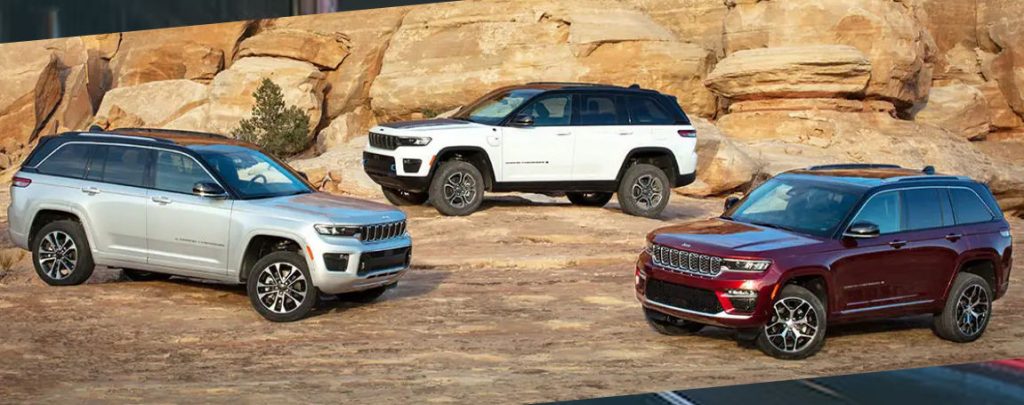
The Jeep Grand Cherokee is a California favorite for its combination of luxury, off-road capability, and on-road comfort. Whether you’re heading to the mountains, desert, or just cruising the city streets, the Grand Cherokee delivers. With its off-road prowess and comfortable, tech-savvy interior, it’s the go-to used SUV for California adventurers.
Key Features:
- Available 4×4 systems for off-roading.
- Powerful V6 and V8 engine options.
- Premium interiors with tech features such as Uconnect and Apple CarPlay.
Jeep Wrangler
No list of the best used cars for California would be complete without the Jeep Wrangler. Known for its unbeatable off-road capability, the Wrangler is the ideal vehicle for those who love outdoor adventures. Its removable top, doors, and incredible 4×4 capabilities make it perfect for California’s beaches, deserts, and mountains.
Key Features:
- Legendary 4×4 capability.
- Removable roof and doors for open-air driving.
- Highly customizable with aftermarket parts.
Best Used Trucks for Work and Play
RAM 1500
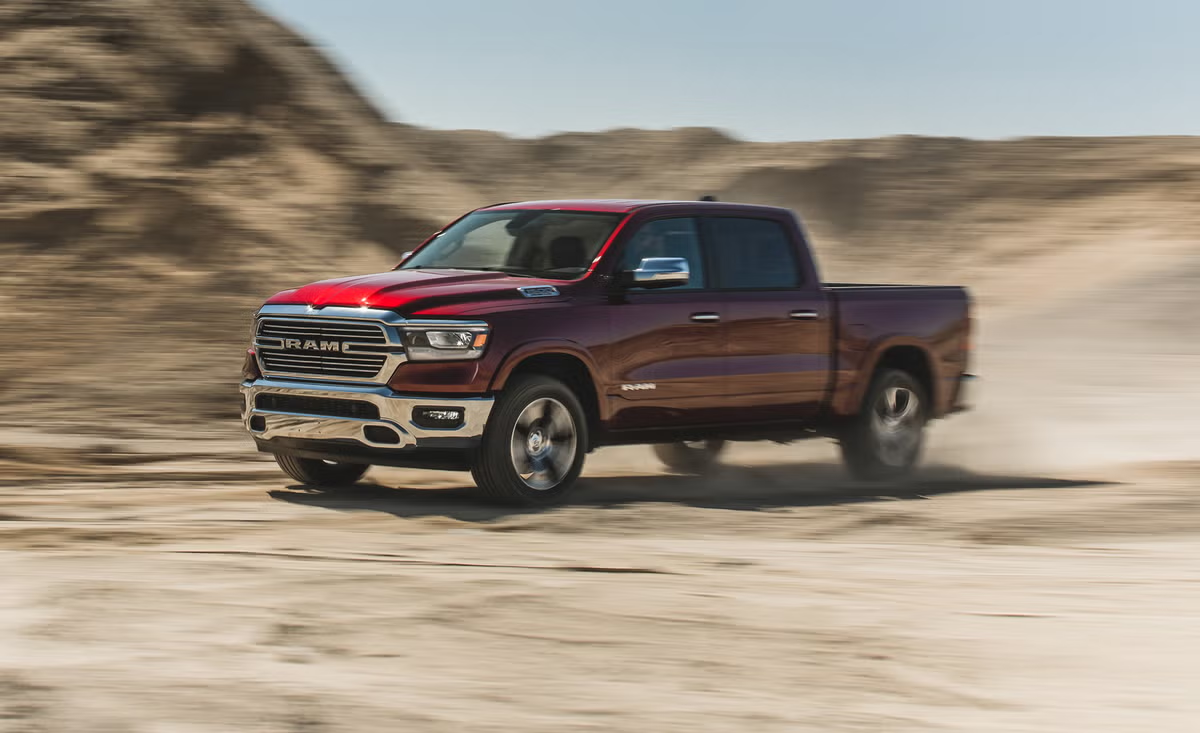
For those who need a truck for work, play, or both, the RAM 1500 is a standout. Offering best-in-class towing capabilities and luxurious interior comfort, the RAM 1500 is perfect for everything from hauling equipment to towing boats or trailers for weekend trips. Its smooth ride and powerful engine make it ideal for navigating both city streets and rugged terrains.
Key Features:
- Class-leading towing capacity of up to 12,750 lbs.
- Luxurious, spacious interior with modern tech.
- Multiple engine options, including a fuel-efficient diesel option.
Best Family Minivan for Comfort
Chrysler Pacifica
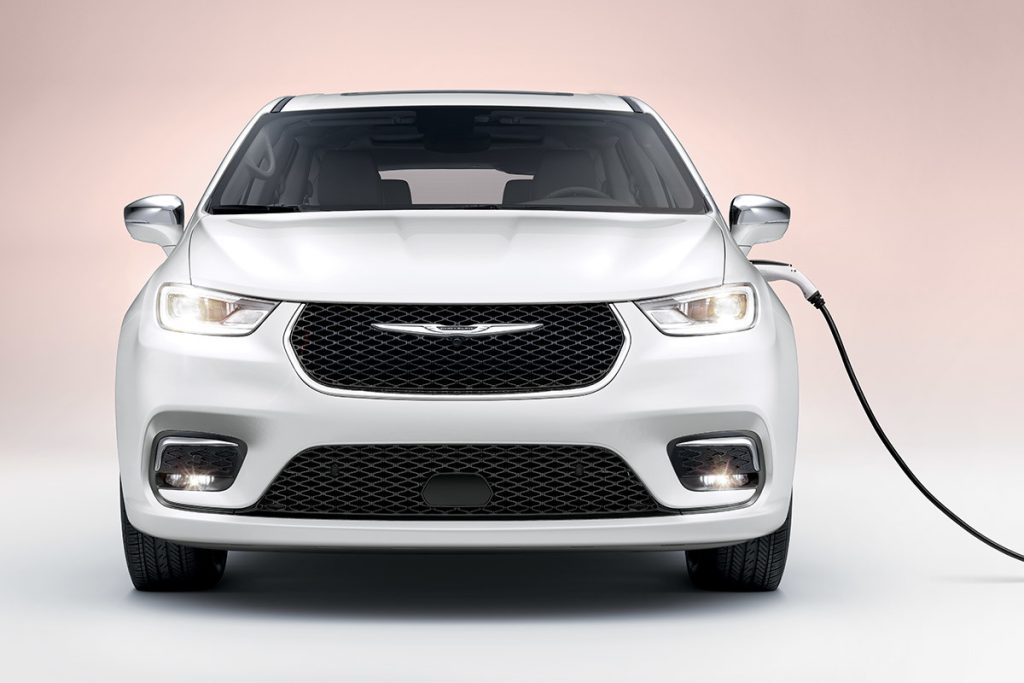
If you’re looking for a family-friendly vehicle, the Chrysler Pacifica is hard to beat. Known for its top safety ratings, spacious interior, and impressive fuel efficiency, the Pacifica is perfect for California families. It’s ideal for long road trips, carpooling, and weekend family outings across the state.
Key Features:
- Stow ‘n Go seating for maximum cargo space.
- Available hybrid model for better fuel efficiency.
- Top safety features and ratings.
3. Recommended Used Cars from Simi Valley CDJR
At Simi Valley Chrysler Dodge Jeep Ram, we have a wide range of high-quality used vehicles, including certified pre-owned options. Here’s a closer look at the top models you can find at our dealership:
Jeep Grand Cherokee
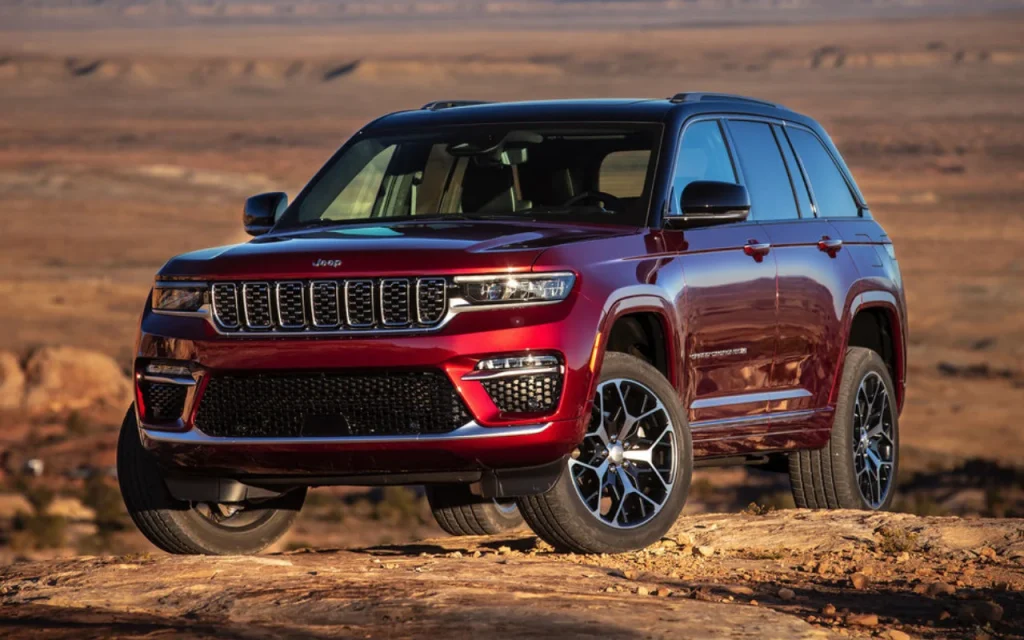
A perfect blend of luxury and off-road capability. The Grand Cherokee is versatile enough for California’s diverse landscapes.
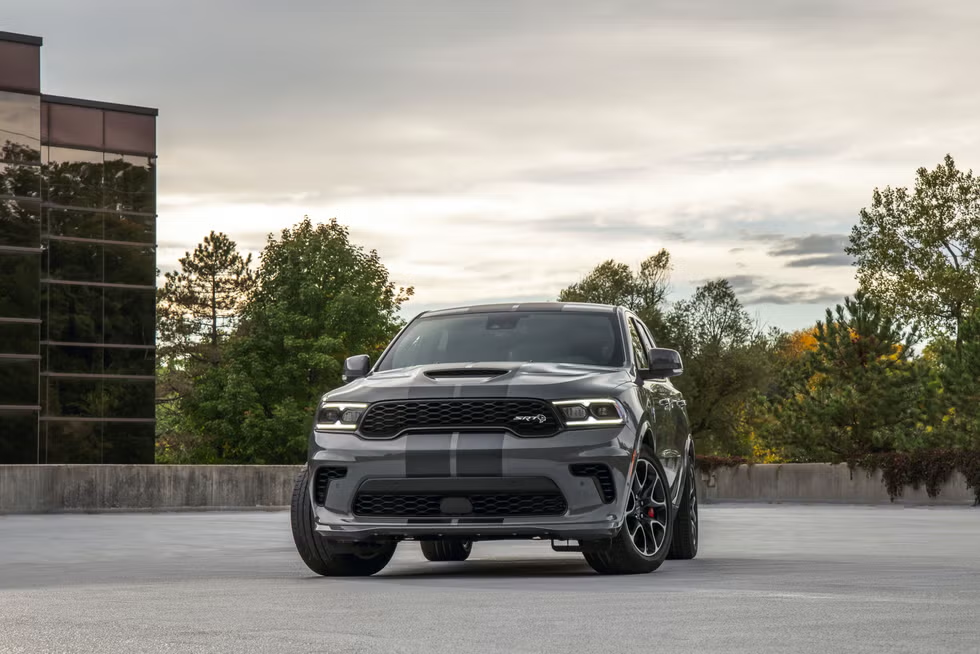
Dodge Durango
For those seeking more space and power, the Dodge Durango offers three rows of seating, impressive towing capabilities, and a rugged, yet refined, design.
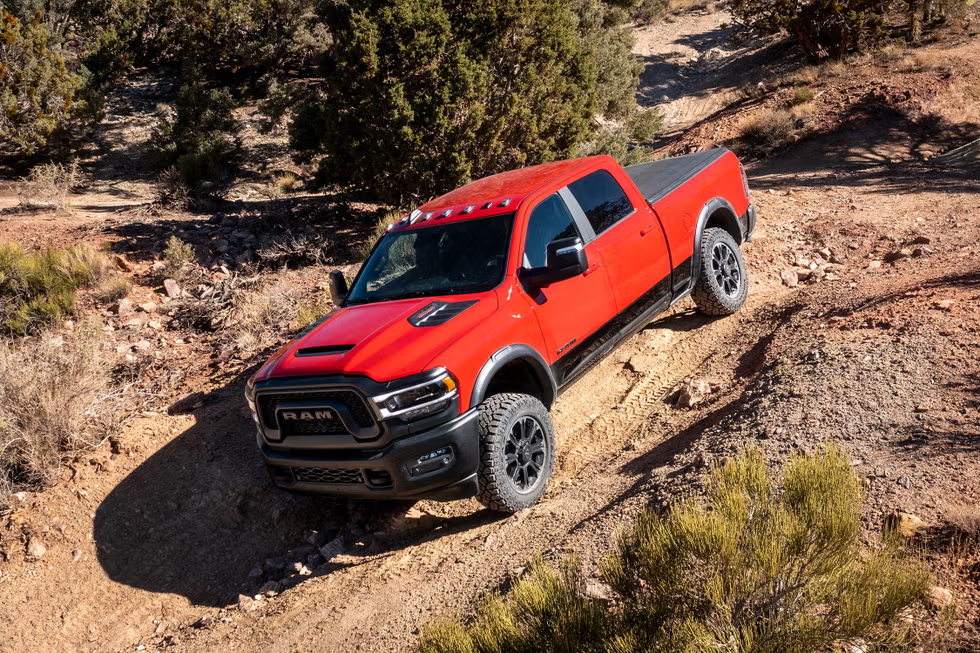
RAM 1500
A favorite for truck enthusiasts, the RAM 1500 delivers best-in-class towing and a luxurious interior that feels more like a high-end SUV than a work truck.
Chrysler Pacifica
The go-to for California families. The Pacifica offers tons of space, advanced safety features, and even a hybrid option for fuel-conscious drivers.
Jeep Wrangler
For true adventure lovers, the Jeep Wrangler offers unmatched off-road capability, open-air driving, and the ability to tackle any terrain California throws your way.
4. Why Buy Used from Simi Valley Chrysler Dodge Jeep Ram?
At Simi Valley CDJR, we pride ourselves on providing the best selection of used vehicles. Whether you’re looking for a capable SUV, a rugged truck, or a comfortable family vehicle, we have a wide range of options. Here’s why you should choose us:
- Certified Pre-Owned Vehicles: Many of our used vehicles are certified, meaning they’ve passed rigorous inspections and come with extended warranties.
- Competitive Financing: We offer competitive financing options to make buying a used car easy and affordable.
- Exceptional Customer Service: With over 15 years of experience, our team is dedicated to helping you find the perfect used car for your needs.
- Full-Service Dealership: From sales to service, we’re your one-stop shop for all your automotive needs in California.
5. Frequently Asked Questions (FAQs)
Q1: Is buying a used car in California a good investment?
A1: Absolutely! With the high cost of living, a used car offers excellent value. You avoid the steep depreciation of a new car while still getting great features and reliability.
Q2: What is the best used SUV for off-roading in California?
A2: The Jeep Wrangler is the top choice for off-roading in California, with its legendary 4×4 capabilities and rugged design.
Q3: Which used truck is best for towing in California?
A3: The RAM 1500 is known for its best-in-class towing capacity, making it ideal for those who need to tow boats, trailers, or heavy loads.
Q4: Does Simi Valley CDJR offer warranties on used vehicles?
A4: Yes, we offer certified pre-owned vehicles that come with extended warranties and comprehensive inspections.
Q5: Can I trade in my old car at Simi Valley CDJR?
A5: Yes! We offer competitive trade-in options to help you save on your next purchase.
6. Conclusion: Find the Best Used Car for Your California Lifestyle
California’s diverse terrains and driving conditions require a versatile, reliable vehicle. Whether you’re looking for a rugged SUV, a family-friendly minivan, or a powerful truck, Simi Valley Chrysler Dodge Jeep Ram has the perfect used car for you. Our extensive selection of certified pre-owned vehicles ensures that you get the best value without compromising on quality.
Visit us today at Simi Valley CDJR and find the best used car to fit your California lifestyle!
Best Car to Own in California: Your Ultimate Guide
Owning a car in California is more than just about getting from point A to point B. With diverse terrains, from the winding Pacific Coast Highway to the rugged off-road trails, selecting the best car to suit the California lifestyle is crucial. Whether you’re a beachgoer, an adventurer, or a city commuter, choosing the right vehicle is key. At Simi Valley Chrysler Dodge Jeep Ram, we’re here to help you find the perfect match.
Table of Contents
- Why California’s Unique Terrain Matters
- Best Car Types for California Drivers
- SUVs for Adventurers
- Sedans for Urban Dwellers
- Hybrid and Electric Vehicles for Eco-Friendly Commuters
- Recommended Cars for California
- Jeep Grand Cherokee
- Dodge Charger
- RAM 1500
- Chrysler Pacifica
- Why Choose Simi Valley CDJR for Your Next Car?
- Frequently Asked Questions (FAQs)
- Conclusion: Your Perfect Car Awaits
1. Why California’s Unique Terrain Matters
California offers a vast array of landscapes—from sun-drenched beaches and mountain ranges to sprawling cities. Your car needs to adapt to both long-distance road trips and city commutes, all while being comfortable, safe, and fuel-efficient. Depending on where you spend most of your time, your needs can vary drastically, which is why finding the right fit is critical.
2. Best Car Types for California Drivers
SUVs for Adventurers
California is home to many outdoor enthusiasts. For those who love heading up to Big Bear for snowboarding or to Joshua Tree for some off-road desert action, a reliable SUV with great off-road capabilities is essential. Look for models with all-wheel drive, great ground clearance, and ample cargo space for your gear.
Sedans for Urban Dwellers
If your day-to-day life revolves around navigating city streets in places like Los Angeles, San Diego, or San Francisco, then a sleek, fuel-efficient sedan may be your best bet. Compact yet comfortable, these vehicles offer agility and fuel savings perfect for long commutes and crowded parking lots.
Hybrid and Electric Vehicles for Eco-Friendly Commuters
California is leading the charge in eco-friendly initiatives, and it’s no surprise that hybrid and electric vehicles are booming in popularity here. Whether you want to take advantage of HOV lane benefits or simply reduce your carbon footprint, an electric or hybrid car is a smart choice.
3. Recommended Cars for California
Jeep Grand Cherokee
One of the most versatile SUVs on the market, the Jeep Grand Cherokee is perfect for those who enjoy a mix of luxury and rugged capability. Its advanced 4×4 systems make it ideal for weekend getaways in the mountains or desert, while its upscale interior ensures a comfortable commute through Los Angeles.

Key Features:
- 4×4 options for off-roading
- Luxurious interior with tech features
- Great towing capacity (up to 7,200 lbs)
- Available hybrid model (4xe)
Dodge Charger
For those who crave speed and style, the Dodge Charger is a standout. Whether you’re cruising down PCH or making your daily commute, this muscle car offers thrilling performance without sacrificing practicality. Plus, with available all-wheel drive, it’s more adaptable to varied terrains than you might expect.
Key Features:
- Available V8 engine for ultimate power
- All-wheel drive options
- Stylish, aggressive design
- Comfortable for long commutes
RAM 1500
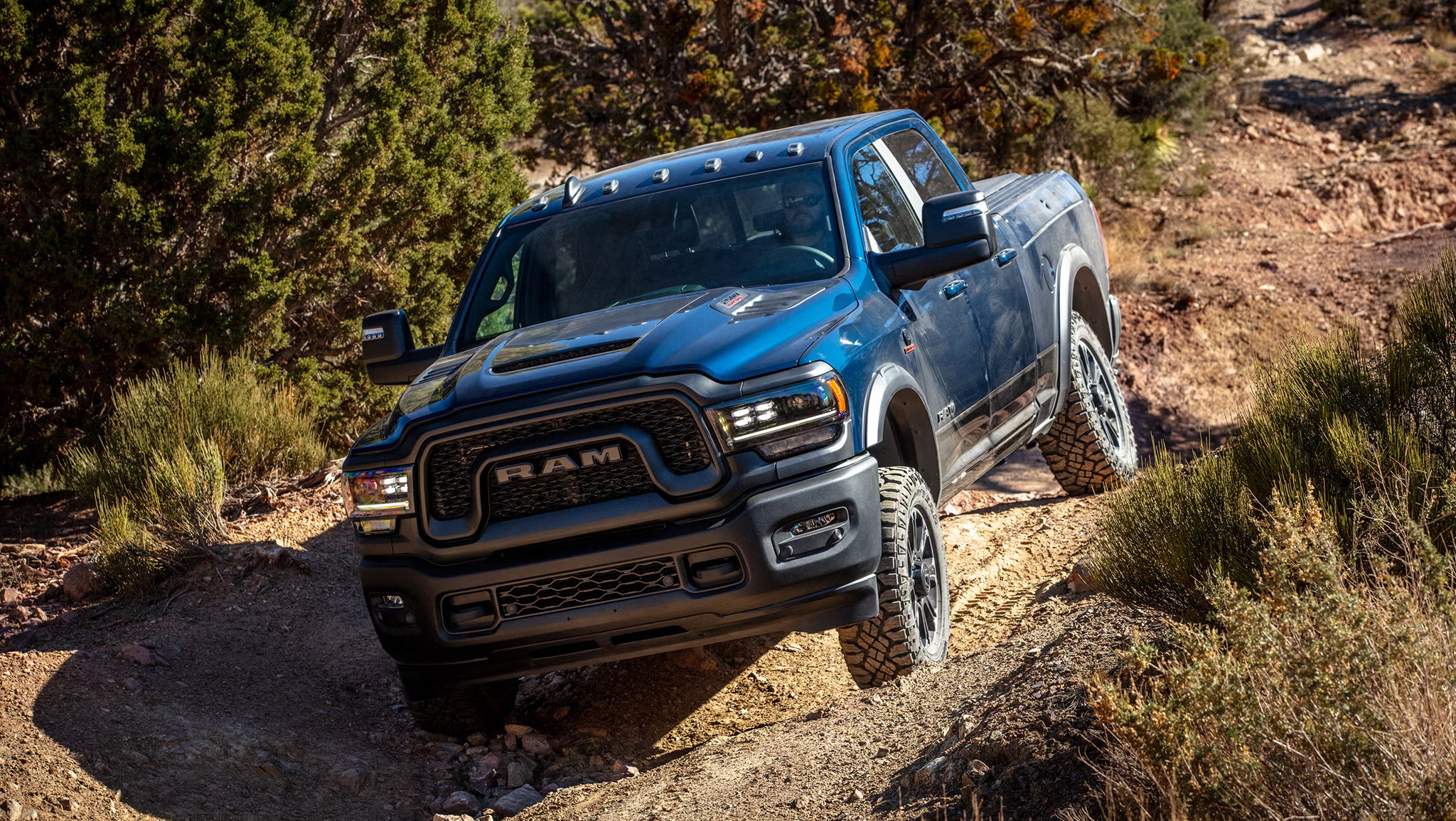
The RAM 1500 is a top choice for Californians who need a workhorse truck without compromising on comfort. Whether you’re hauling equipment, towing a boat to Lake Tahoe, or simply navigating the daily grind, the RAM 1500 offers unmatched versatility and luxury in a pickup truck.
Key Features:
- Class-leading towing capacity (up to 12,750 lbs)
- Smooth ride with coil-spring rear suspension
- Luxurious interior with advanced tech features
- Available eco-friendly diesel and hybrid engines
Chrysler Pacifica
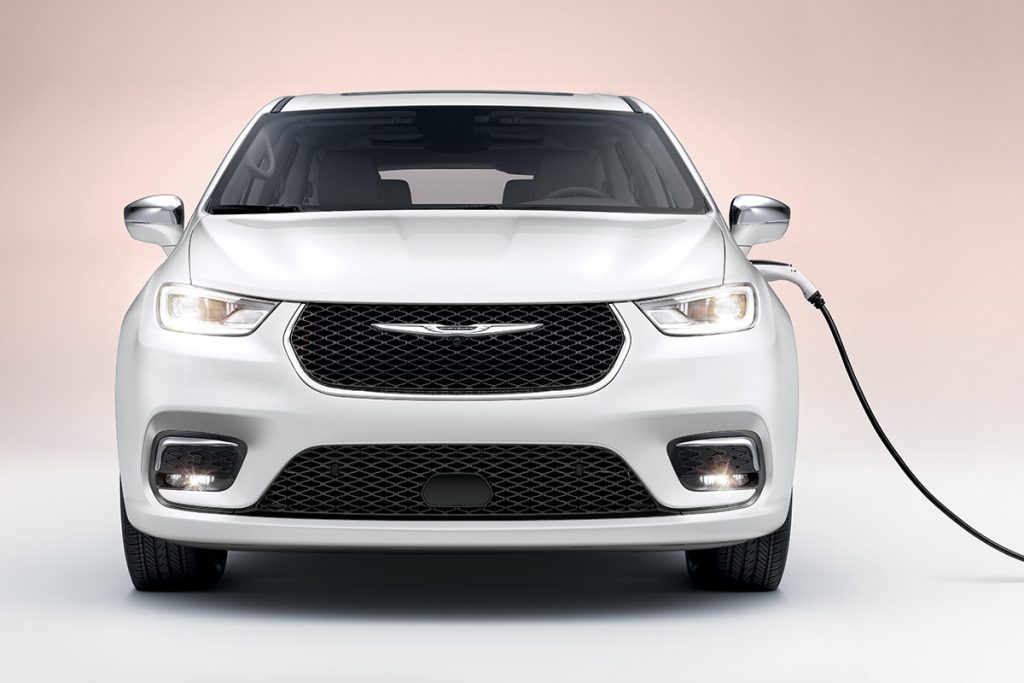
For families looking for the ultimate blend of comfort, technology, and safety, the Chrysler Pacifica is a fantastic option. From trips to Disneyland to carpooling across town, the Pacifica has everything you need, including a hybrid model that helps you save on gas.
Key Features:
- Best-in-class safety features
- Hybrid option for better fuel efficiency
- Stow ‘n Go seating for flexible cargo space
- Entertainment system for rear passengers
4. Why Choose Simi Valley CDJR for Your Next Car?
At Simi Valley Chrysler Dodge Jeep Ram, we are more than just a dealership; we are your partners in finding the right car for your California lifestyle. With over 15 years of experience in the automotive industry, we know what works best for California drivers. Our extensive inventory includes all the best models from Jeep, Dodge, Chrysler, and RAM, ensuring you have plenty of options to choose from. Plus, our friendly and knowledgeable staff will guide you through every step, making your car-buying experience smooth and hassle-free.
Why Simi Valley CDJR?
- Extensive selection of new and pre-owned vehicles
- Competitive financing options
- Certified service center for all your maintenance needs
- Exceptional customer service tailored to your needs
5. Frequently Asked Questions (FAQs)
Q1: What is the best vehicle for off-roading in California?
A1: The Jeep Grand Cherokee is one of the top choices for off-roading, with its 4×4 capabilities and rugged build, perfect for exploring California’s diverse terrains.
Q2: Which car is most fuel-efficient for California commutes?
A2: For long commutes, the Chrysler Pacifica Hybrid offers excellent fuel economy, with the added benefit of hybrid efficiency, making it a top pick for eco-conscious drivers.
Q3: Is the RAM 1500 good for towing in California?
A3: Yes, the RAM 1500 boasts class-leading towing capabilities, perfect for hauling boats, trailers, or other large items across California.
Q4: Does Simi Valley CDJR offer financing?
A4: Absolutely! We offer a range of competitive financing options to fit your budget, whether you’re buying or leasing.
Q5: Do you offer trade-in options?
A5: Yes, we provide fair market value for trade-ins to help you save on your next vehicle purchase.
6. Conclusion: Your Perfect Car Awaits
Choosing the right car for California living requires balancing performance, comfort, and versatility. Whether you’re navigating city streets, hitting the beach, or exploring off-road trails, Simi Valley Chrysler Dodge Jeep Ram has the perfect vehicle for you. With our exceptional selection, friendly staff, and unbeatable customer service, we are your go-to dealership for all your automotive needs in California.
Ready to find your next car? Visit us today at Simi Valley CDJR and experience why we’re the best in the business!
Buscar un automóvil, ya sea que estés comprando tu primer auto o estés actualizando a uno nuevo, puede ser una tarea abrumadora. Hay innumerables opciones, desde sedanes económicos hasta autos deportivos de alto rendimiento. En esta guía, te ayudaremos a navegar el proceso de compra, comprender las opciones disponibles y tomar la mejor decisión para tus necesidades.
Índice del Artículo:
- Introducción: La Emoción de Comprar un Auto Nuevo
- Comprendiendo tus Necesidades y Presupuesto
- Cómo Establecer un Presupuesto Realista
- Elegir entre Autos Nuevos, Usados y Certificados
- Tipos de Autos Disponibles
- Sedanes
- SUVs y Crossovers
- Camionetas
- Autos Deportivos
- Vehículos Eléctricos e Híbridos
- Dónde Comprar un Auto
- Concesionarios vs. Vendedores Privados
- Programas de Autos Certificados
- Plataformas Online para Comprar Autos
- Investigación Antes de Comprar
- Informes de Historial del Vehículo
- La Importancia de las Pruebas de Manejo
- Verificación de Recalls y Problemas Comunes
- Financiación de tu Compra
- Préstamos para Autos vs. Leasing
- Comprendiendo Tasas de Interés y Términos
- Opciones de Intercambio de tu Auto Viejo
- Negociación del Precio
- Consejos para Obtener la Mejor Oferta
- Cómo Manejar los Extras del Concesionario
- El Papel del Tiempo en las Negociaciones
- Seguro y Registro
- Requisitos de Seguro Automotriz
- Cómo Registrar tu Vehículo Nuevo
- Inspección del Auto Antes de Comprar
- Consejos para la Inspección Previa a la Compra
- Señales de Alerta Comunes
- Mantenimiento de tu Nuevo Auto
- Programas de Mantenimiento Regular
- Información sobre Garantías y Coberturas
- La Prueba de Manejo: Por Qué es Crucial
- Qué Observar Durante la Prueba
- Probar Diferentes Condiciones de Carretera
- Autos Usados: Lo que Debes Saber
- Ventajas de Comprar Usado
- Riesgos y Cómo Evitarlos
- Autos Certificados: ¿Valen la Pena?
- Qué Significa un Auto Certificado
- Beneficios en Comparación con Autos Usados
- El Futuro de la Compra de Autos
- Autos Eléctricos y el Impacto de la Tecnología
- Modelos de Suscripción para la Propiedad de Autos
- Conclusión: Tomando la Mejor Decisión
Carros en Venta: Guía Completa para Encontrar el Vehículo Perfecto
Introducción: La Emoción de Comprar un Auto Nuevo
Comprar un automóvil es una de esas experiencias que mezcla emociones y expectativas. Para muchos, adquirir un nuevo vehículo no es solo un medio de transporte, sino también un reflejo de estilo de vida, personalidad y necesidades diarias. Ya sea que estés en busca de un sedán elegante para moverte con estilo por la ciudad o una SUV robusta y confiable para llevar a la familia de manera segura en todas tus aventuras, la compra de un auto puede marcar un antes y un después en tu vida.
Sin embargo, junto con la emoción viene una parte inevitable de estrés. Con tantas opciones disponibles en el mercado —desde autos nuevos hasta usados, pasando por eléctricos e híbridos—, el proceso de decisión puede ser abrumador. ¿Qué tipo de vehículo es el más adecuado para ti? ¿Qué características son realmente esenciales? ¿Deberías optar por un auto nuevo o uno de segunda mano? ¿Cómo puedes obtener el mejor precio sin sentir que has dejado dinero sobre la mesa?
Cada paso del proceso, desde la investigación inicial hasta el momento en que te entregan las llaves, requiere planificación y decisiones bien informadas. Además, la negociación, la búsqueda de financiamiento adecuado y el asegurarse de que el auto cumpla con todas tus expectativas en términos de rendimiento y comodidad, pueden añadir una capa extra de complejidad.
A pesar de todos estos desafíos, la experiencia de comprar un auto puede y debe ser gratificante. Esta guía está diseñada para ayudarte a simplificar ese proceso, brindándote las herramientas y el conocimiento necesario para tomar decisiones informadas. No importa si tu objetivo es conseguir un vehículo que se ajuste a tu presupuesto o uno que te haga sentir como en la cúspide del mundo al manejar, con la información correcta podrás convertir esta experiencia en algo memorable, emocionante y libre de complicaciones. ¡Prepárate para disfrutar del viaje de encontrar el auto en venta perfecto para ti!
Comprar un automóvil es una decisión importante, y en Simi Valley Chrysler Dodge Jeep RAM, nos aseguramos de que sea una experiencia excepcional. Nuestra concesionaria se destaca por ofrecer una amplia selección de vehículos nuevos y usados, precios transparentes sin sorpresas y un servicio al cliente que va más allá de lo esperado. Ya sea que busques un sedán elegante, una SUV robusta o un camión confiable, nuestro equipo está aquí para ayudarte a encontrar el vehículo perfecto que se adapte a tus necesidades y estilo de vida
Comprendiendo tus Necesidades y Presupuesto
Cómo Establecer un Presupuesto Realista
El primer y más importante paso al comprar un auto es determinar cuánto puedes gastar de manera realista. Es fácil dejarse llevar por la emoción de la compra, pero establecer un presupuesto claro desde el principio te ayudará a evitar problemas financieros en el futuro. No solo debes considerar el precio de etiqueta del vehículo, sino también los costos adicionales como el seguro, las tarifas de registro, los impuestos y el mantenimiento continuo. Todos estos son gastos necesarios que pueden acumularse rápidamente si no los tienes en cuenta al principio.
Además, es importante pensar en cómo planeas financiar el auto. Si pagas al contado, sabrás exactamente cuánto puedes destinar al vehículo. Sin embargo, si planeas financiar la compra mediante un préstamo, debes tener en cuenta las tasas de interés y los pagos mensuales que puedes permitirte sin comprometer otros aspectos de tu vida financiera. Un buen consejo es que el pago mensual del préstamo no supere el 15% de tus ingresos mensuales para mantener un equilibrio saludable en tu presupuesto.
También considera el valor a largo plazo del auto que estás comprando. Algunos autos pueden tener un precio inicial bajo, pero si requieren reparaciones frecuentes o tienen un alto costo de mantenimiento, podrías terminar gastando más de lo planeado a largo plazo. Por eso, es esencial investigar tanto el costo de adquisición como los costos a lo largo del ciclo de vida del vehículo.
Elegir entre Autos Nuevos, Usados y Certificados
Una vez que hayas establecido tu presupuesto, el siguiente paso es decidir si comprar un auto nuevo, usado o certificado. Cada opción tiene sus propias ventajas y desventajas.
Los autos nuevos son atractivos porque vienen con las últimas tecnologías, características de seguridad avanzadas y la tranquilidad de contar con una garantía de fábrica. Además, tienen un historial limpio, lo que significa que no debes preocuparte por posibles problemas ocultos. Sin embargo, los autos nuevos también son los más caros y sufren una depreciación rápida durante los primeros años. Esto significa que, aunque puedes disfrutar de las ventajas de tener lo último, también estás asumiendo el costo de esa depreciación.
Por otro lado, los autos usados son más accesibles económicamente, ya que han pasado por la fase inicial de depreciación. Con una buena investigación, puedes encontrar autos usados que aún estén en excelentes condiciones y con muchos años de vida útil por delante. Sin embargo, los autos usados vienen con ciertos riesgos. Pueden tener un historial de accidentes, reparaciones o problemas mecánicos que podrían no ser evidentes al principio. Es por eso que obtener un informe del historial del vehículo y hacer una inspección mecánica son pasos cruciales antes de comprar un auto usado.
Finalmente, los autos certificados de segunda mano ofrecen una opción intermedia. Estos vehículos suelen tener menos kilómetros recorridos y han pasado por inspecciones rigurosas realizadas por el fabricante o el concesionario. Además, suelen venir con garantías extendidas, lo que te da una mayor tranquilidad en comparación con un auto usado regular. Aunque los autos certificados son más costosos que los usados tradicionales, ofrecen una mayor seguridad y fiabilidad, lo que los convierte en una excelente opción para aquellos que quieren la tranquilidad de un auto nuevo sin el alto precio.
En resumen, la decisión entre nuevo, usado o certificado depende de tus prioridades y presupuesto. Los autos nuevos ofrecen lo mejor en términos de tecnología y garantías, los usados son más económicos pero conllevan más riesgo, y los certificados son una opción equilibrada que combina precio y confianza.
Tipos de Autos Disponibles
Cuando se trata de comprar un auto, uno de los primeros pasos es decidir qué tipo de vehículo se adapta mejor a tus necesidades. Cada categoría de vehículo tiene características únicas que pueden influir en tu experiencia de manejo, comodidad y funcionalidad diaria. A continuación, se detallan los principales tipos de autos disponibles en el mercado y sus ventajas.
Sedanes
Los sedanes son la opción perfecta para quienes priorizan la eficiencia de combustible, el confort y la asequibilidad. Estos vehículos de cuatro puertas, con un diseño tradicional de tres volúmenes (compartimento del motor, del habitáculo y del maletero separados), son ideales para los desplazamientos diarios en la ciudad, así como para viajes largos en carretera. Su bajo consumo de combustible los convierte en una excelente opción para conductores que buscan reducir gastos. Además, los sedanes suelen ofrecer una conducción suave y cómoda, con suficiente espacio para los pasajeros en ambas filas. Aunque no son tan espaciosos como las SUVs, son una opción económica que cumple con las necesidades básicas de transporte familiar o individual.
SUVs y Crossovers
Las SUVs (Vehículos Utilitarios Deportivos) y crossovers se han vuelto extremadamente populares debido a su versatilidad y espacio. Estos vehículos son la elección ideal para quienes necesitan mayor capacidad de carga y un interior más amplio, perfecto para familias grandes o para aquellos que disfrutan de las actividades al aire libre. Las SUVs ofrecen una posición de manejo más elevada, lo que proporciona una mejor visibilidad y, en muchos casos, incluyen sistemas de tracción en las cuatro ruedas, lo que las convierte en una opción excelente para quienes viven en zonas con condiciones climáticas difíciles o terrenos complicados.
Además, los crossovers, que son una mezcla entre un sedán y una SUV, son una opción muy atractiva para quienes desean el estilo y la capacidad de una SUV, pero con el manejo más ágil de un automóvil compacto. Su tamaño intermedio los hace más eficientes en combustible que las SUVs más grandes, sin sacrificar demasiado espacio de carga o comodidad.
Camionetas
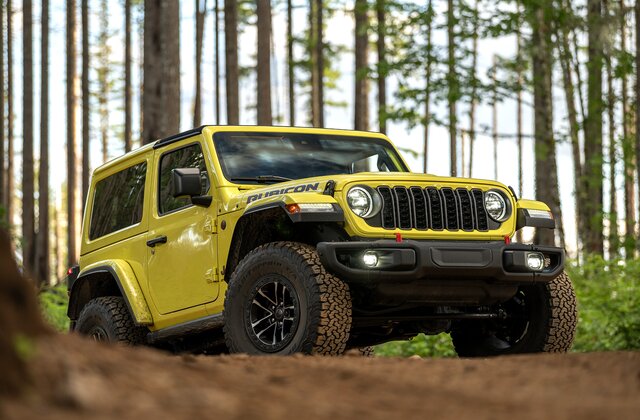
Las camionetas son los vehículos ideales para quienes necesitan un gran poder y capacidad de carga. Estas están diseñadas para trabajos pesados, como el remolque de grandes cargas o la conducción en terrenos difíciles. Su robustez y durabilidad las hacen perfectas para personas que trabajan en la construcción, el transporte o que simplemente necesitan un vehículo confiable para transportar equipos y mercancías. Las camionetas modernas no solo ofrecen potencia, sino también una sorprendente cantidad de características de confort y tecnología, lo que las convierte en una opción práctica tanto para el trabajo como para el uso personal.
Además, muchas camionetas ofrecen configuraciones versátiles, como cabinas extendidas o de doble cabina, lo que les permite transportar tanto personas como cargas con facilidad. Para los amantes del off-road, las camionetas equipadas con tracción en las cuatro ruedas son incomparables en su capacidad para conquistar terrenos difíciles.
Autos Deportivos
Para aquellos que disfrutan de la velocidad y la emoción al volante, los autos deportivos son la elección perfecta. Diseñados para el rendimiento, estos vehículos ofrecen una conducción ágil, aceleración rápida y un diseño elegante que los distingue en la carretera. Con motores potentes y una suspensión ajustada para manejar curvas a alta velocidad, los autos deportivos son ideales para los entusiastas de la conducción que buscan adrenalina y estilo en igual medida.
Sin embargo, hay que tener en cuenta que, aunque los autos deportivos son visualmente atractivos y emocionantes de conducir, suelen ser menos prácticos en términos de consumo de combustible y espacio. Por lo tanto, son más adecuados como vehículos secundarios o de recreación, en lugar de como el principal medio de transporte familiar.
Vehículos Eléctricos e Híbridos
Con el enfoque mundial cada vez mayor en la sostenibilidad y el impacto ambiental, los vehículos eléctricos (EVs) e híbridos se han convertido en una opción popular para aquellos que desean reducir su huella de carbono. Los vehículos eléctricos funcionan completamente con energía de baterías, lo que elimina la necesidad de gasolina y reduce las emisiones de carbono. Aunque su autonomía (distancia que pueden recorrer con una carga completa) ha sido una preocupación en el pasado, los avances en la tecnología de baterías han mejorado significativamente el rendimiento de los EVs.
Por otro lado, los vehículos híbridos combinan un motor de combustión interna con un motor eléctrico, lo que les permite ofrecer una excelente eficiencia de combustible y reducir las emisiones. Los híbridos no requieren estar enchufados para recargar, ya que la batería se recarga mediante el frenado regenerativo o el motor de gasolina, lo que los hace una opción cómoda para aquellos que desean un vehículo ecológico pero que no están listos para hacer la transición completa a un EV.
Tanto los vehículos eléctricos como los híbridos suelen tener incentivos fiscales y descuentos en algunos países, lo que los hace aún más atractivos para los compradores conscientes del medio ambiente. Además, a medida que la infraestructura de estaciones de carga para vehículos eléctricos continúa expandiéndose, la adopción de estos autos seguirá creciendo.
Dónde Comprar un Auto
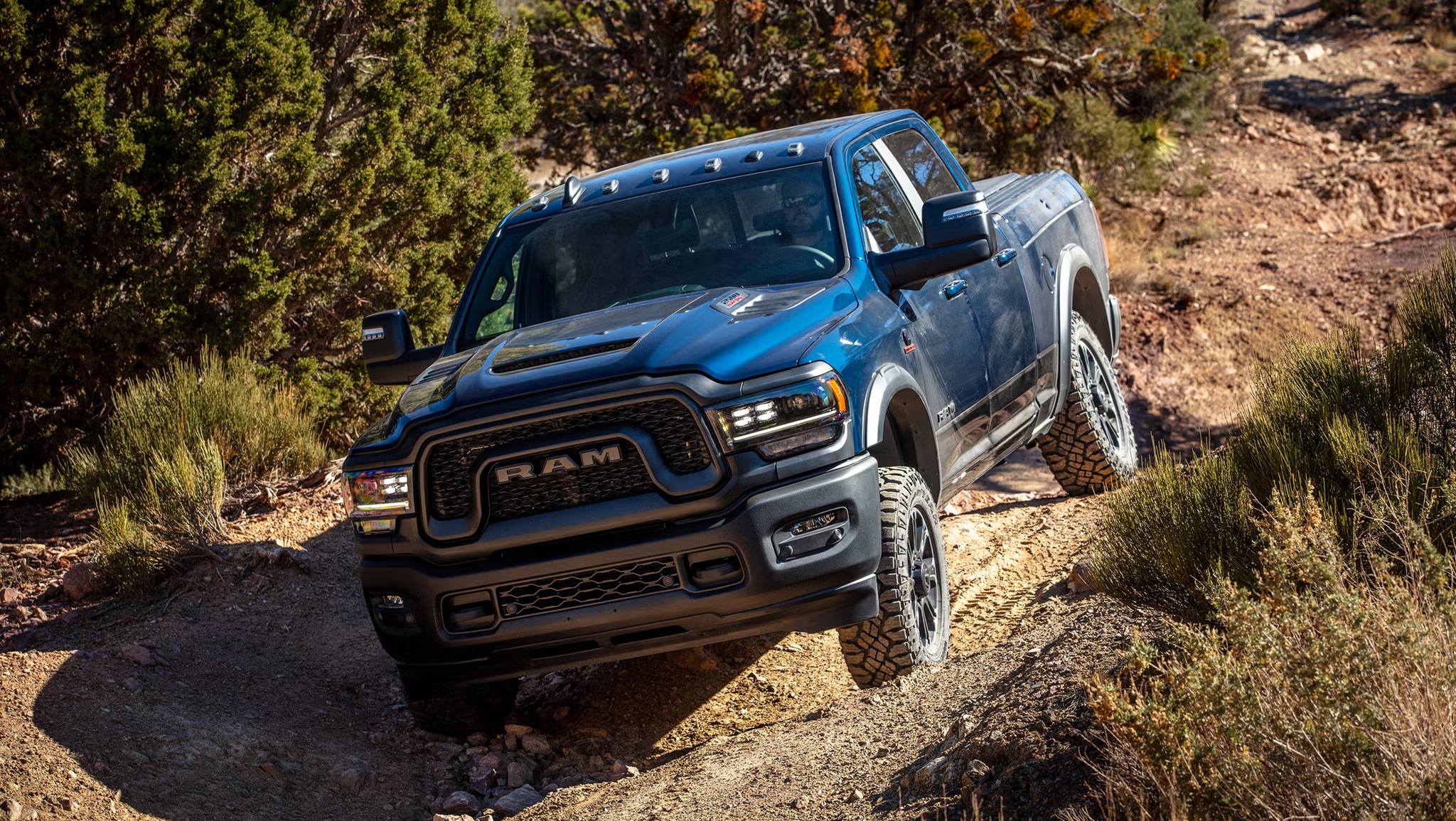
Cuando estás en el mercado para comprar un auto, uno de los factores más importantes es decidir dónde realizar la compra. Hay varias opciones disponibles, cada una con sus propios beneficios y desventajas, que pueden influir en tu decisión final. A continuación, se amplían las principales alternativas y lo que debes considerar al elegir entre ellas.
Concesionarios vs. Vendedores Privados
La primera decisión importante que debes tomar es si comprarás tu auto en un concesionario o a través de un vendedor privado. Ambas opciones tienen ventajas y desventajas que deben ser cuidadosamente sopesadas.
Concesionarios: Comprar en un concesionario ofrece varias ventajas importantes, siendo la más destacada la seguridad. Los concesionarios suelen ofrecer garantías que cubren problemas mecánicos durante un período específico, lo que te brinda tranquilidad después de realizar la compra. Además, muchos concesionarios ofrecen opciones de financiación, lo que facilita la compra al permitirte pagar el auto a plazos. Esto puede ser un factor decisivo si no puedes pagar el auto en su totalidad al momento de la compra.
Otra ventaja es la posibilidad de negociar servicios adicionales, como mantenimiento gratuito o mejoras en el vehículo, que un vendedor privado no podría ofrecer. Sin embargo, los autos vendidos en concesionarios tienden a ser más caros debido a los costos operativos del concesionario y las comisiones que incluyen en el precio del vehículo.
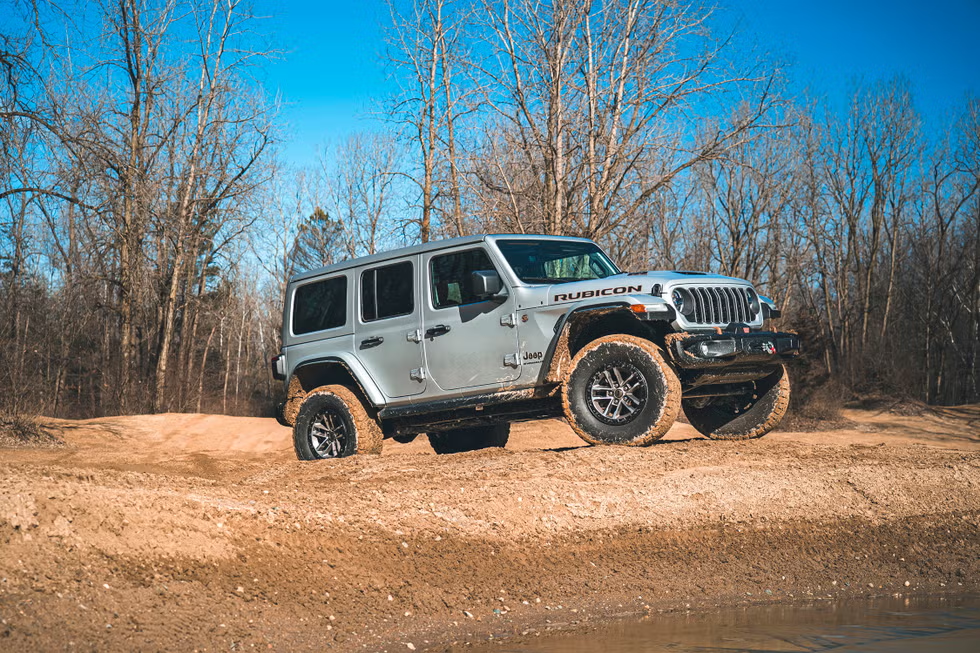
Vendedores privados: Por otro lado, comprar a un vendedor privado generalmente implica precios más bajos, ya que los vendedores suelen estar más interesados en vender el auto rápidamente y no tienen los costos adicionales que enfrentan los concesionarios. No obstante, esta opción conlleva más riesgo, ya que los autos no suelen venir con garantías, y la historia del vehículo puede ser más difícil de verificar. Además, no hay opciones de financiación, lo que significa que tendrás que pagar el auto en su totalidad al momento de la compra o gestionar un préstamo por tu cuenta.
En resumen, si valoras la seguridad y la posibilidad de financiación, un concesionario puede ser la mejor opción. Sin embargo, si prefieres ahorrar dinero y estás dispuesto a asumir un poco más de riesgo, un vendedor privado puede ofrecerte un mejor precio.
Programas de Autos Certificados
Para quienes buscan un término medio entre comprar un auto nuevo y uno usado, los programas de autos certificados son una excelente opción. Muchos fabricantes de autos ofrecen estos programas donde vehículos ligeramente usados son reacondicionados por el fabricante o concesionario y luego vendidos con garantías. Estos autos generalmente tienen un bajo kilometraje y pasan por rigurosas inspecciones para asegurar que cumplan con los estándares del fabricante.
Una de las principales ventajas de los autos certificados es que ofrecen tranquilidad. A diferencia de los autos usados normales, los autos certificados han sido sometidos a reparaciones y revisiones necesarias para asegurar su buen funcionamiento. Además, suelen venir con una garantía extendida, lo que significa que estarás cubierto en caso de que surjan problemas después de la compra. Aunque los autos certificados son más caros que los autos usados convencionales, su fiabilidad y menor riesgo los convierten en una excelente opción para quienes buscan un auto de segunda mano con menos incertidumbre.
Plataformas Online para Comprar Autos
Con el auge de la tecnología, las plataformas online se han convertido en una opción popular para la compra de vehículos. Sitios web como AutoTrader, CarGurus y Craigslist han facilitado la compra de autos, permitiendo a los compradores buscar vehículos desde la comodidad de su hogar. Estas plataformas ofrecen filtros avanzados que permiten a los usuarios buscar autos según el precio, la marca, el modelo, la ubicación y otros criterios.
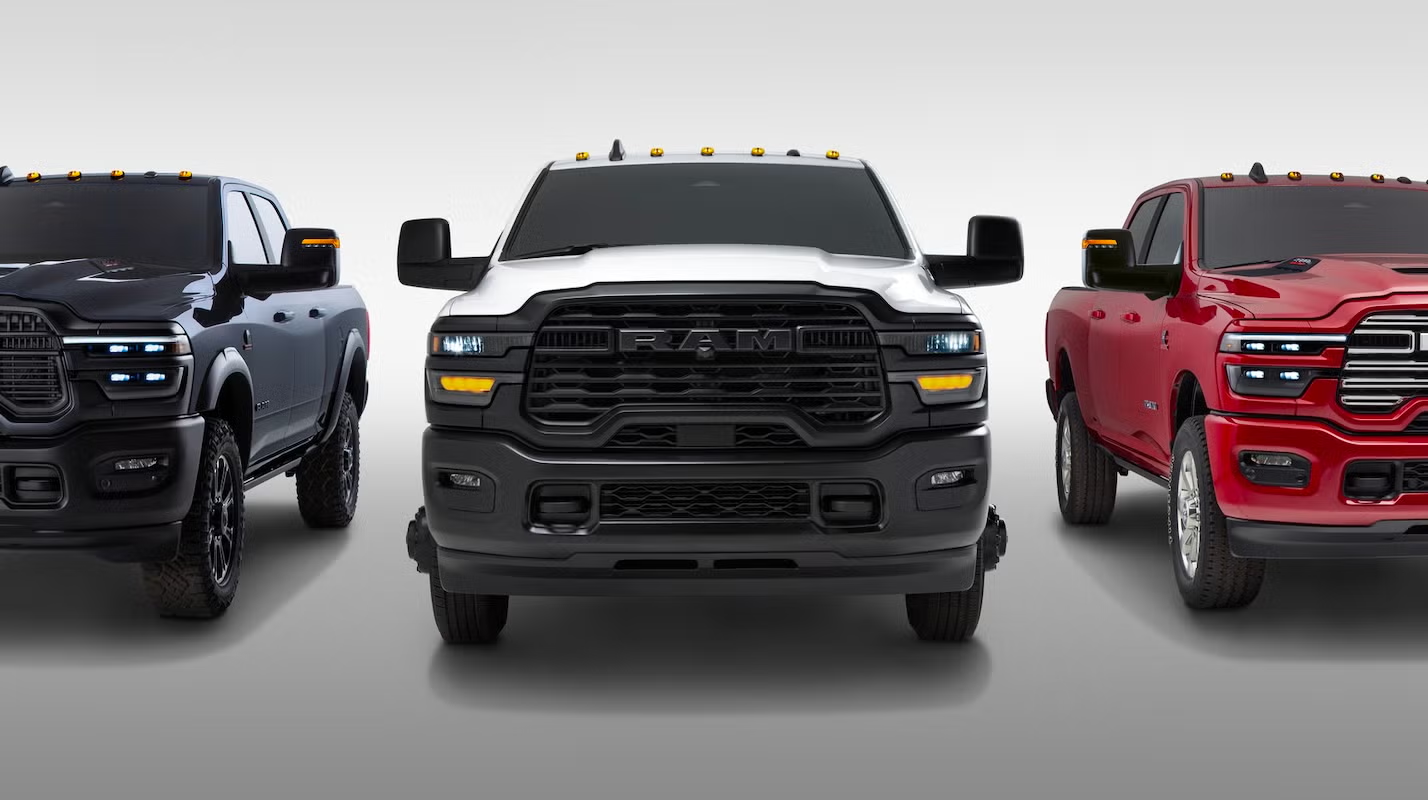
Ventajas: Una de las mayores ventajas de comprar un auto online es la transparencia en los precios. Estas plataformas permiten comparar varios vehículos de diferentes vendedores al instante, lo que te asegura obtener un buen trato. Además, muchos sitios ofrecen informes de historial del vehículo para que puedas conocer la historia del auto antes de hacer una oferta.
Precauciones: Sin embargo, debes ser cauteloso con los estafadores que utilizan estas plataformas. Antes de realizar una compra, siempre verifica la credibilidad del vendedor. Si es posible, intenta ver el auto en persona antes de transferir cualquier dinero y asegúrate de obtener todos los documentos oficiales de la venta.
Investigación Antes de Comprar
Antes de realizar cualquier compra de un vehículo, ya sea de un concesionario, vendedor privado o en línea, es esencial hacer una investigación exhaustiva para evitar sorpresas desagradables.
Informes de Historial del Vehículo
Uno de los pasos más importantes al comprar un auto usado es solicitar un informe del historial del vehículo. Este informe te proporcionará detalles clave sobre el pasado del auto, incluyendo si ha estado involucrado en accidentes, si ha tenido problemas de título o si ha recibido un mantenimiento regular. Plataformas como Carfax y AutoCheck son recursos útiles para obtener estos informes, y algunos vendedores privados también pueden proporcionártelos.
Con esta información, puedes tomar una decisión más informada sobre si el vehículo está en buenas condiciones y vale la pena la inversión. También puede ayudarte a detectar problemas ocultos que podrían no ser evidentes a simple vista.
La Importancia de las Pruebas de Manejo
Realizar una prueba de manejo es fundamental antes de comprar cualquier auto. No importa cuán prometedor se vea el auto en fotos o en el papel, solo conduciéndolo puedes tener una idea real de cómo funciona. Durante la prueba de manejo, asegúrate de prestar atención a cómo acelera, frena y gira el auto. También es importante probar diferentes tipos de terreno (si es posible) para ver cómo se comporta el vehículo en diferentes condiciones.
La prueba de manejo también te permite detectar sonidos inusuales o comportamientos extraños del auto que podrían indicar problemas mecánicos que no habían sido revelados.
Verificación de Recalls y Problemas Comunes
Otra parte clave de la investigación es verificar si el auto que estás considerando tiene algún recall pendiente. Un recall ocurre cuando el fabricante identifica un defecto en un vehículo que puede afectar su seguridad o funcionamiento. Puedes verificar esto en sitios web oficiales como NHTSA o el sitio web del fabricante del auto. Asegúrate de que cualquier recall importante haya sido resuelto antes de comprar el auto.
Además, investiga los problemas comunes asociados con el modelo del auto que estás considerando. Algunos vehículos son conocidos por tener ciertos defectos o problemas de mantenimiento recurrentes. Saber esto de antemano te ayudará a evitar sorpresas desagradables y asegurarte de que estás comprando un auto que cumpla con tus expectativas de rendimiento y durabilidad.
Cuando decides comprar un auto, una de las decisiones más importantes es cómo vas a financiar la compra. Existen diferentes opciones, y es crucial entenderlas para elegir la que mejor se ajuste a tus necesidades financieras a largo plazo. A continuación, te explicamos las principales alternativas y consejos sobre cómo manejar la financiación de tu nuevo vehículo.
Préstamos para Autos vs. Leasing
A la hora de financiar un auto, tienes dos opciones principales: tomar un préstamo para comprar el vehículo o arrendarlo (leasing). Ambas opciones tienen ventajas y desventajas que deben ser consideradas cuidadosamente.
- Préstamos para autos: Al optar por un préstamo, estarás pagando el costo completo del vehículo a lo largo del tiempo, con intereses añadidos. La ventaja principal de un préstamo es que, una vez que termines de pagarlo, el auto será completamente tuyo. Esto te permite conservar el vehículo todo el tiempo que desees, sin restricciones. Además, puedes personalizar el auto a tu gusto, ya que eres el propietario legal. Sin embargo, los pagos mensuales suelen ser más altos en comparación con un leasing, y los autos tienden a depreciarse rápidamente, lo que significa que estarás pagando por un bien que pierde valor con el tiempo.
- Leasing: El leasing, o arrendamiento, implica pagar por el uso del vehículo durante un período determinado, generalmente de dos a cuatro años. El arrendamiento suele tener pagos mensuales más bajos que un préstamo, lo que puede ser atractivo si buscas reducir tu desembolso mensual. Sin embargo, al final del contrato de leasing, no serás propietario del auto y tendrás que devolverlo, o pagar una cantidad significativa si decides comprarlo. Otra limitación del leasing es que existen restricciones en cuanto al kilometraje, y podrías enfrentar cargos adicionales si superas esos límites. El leasing es ideal para quienes quieren cambiar de auto cada pocos años sin preocuparse por la depreciación o el mantenimiento a largo plazo.
Comprendiendo Tasas de Interés y Términos
Cuando financias un auto a través de un préstamo, la tasa de interés es uno de los factores más importantes a considerar. Las tasas de interés pueden variar ampliamente según tu puntaje de crédito, el plazo del préstamo y el prestamista que elijas. Un buen puntaje crediticio te permitirá obtener una tasa de interés más baja, lo que reducirá el costo total del préstamo.
- Puntaje de crédito: Si tienes un puntaje de crédito alto, los prestamistas te considerarán un cliente de bajo riesgo, lo que significa que recibirás mejores condiciones de préstamo. Por el contrario, si tienes un puntaje de crédito bajo, es probable que enfrentes tasas de interés más altas, lo que puede aumentar significativamente tus pagos mensuales.
- Plazo del préstamo: Otro aspecto a considerar es la duración del préstamo. Los préstamos a más largo plazo suelen tener pagos mensuales más bajos, pero pagarás más intereses a lo largo del tiempo. En cambio, un préstamo a corto plazo tendrá pagos mensuales más altos, pero menos intereses acumulados.
Es recomendable comparar diferentes prestamistas para encontrar la mejor oferta posible. Muchos concesionarios también ofrecen financiación, pero no siempre tienen las mejores tasas de interés. Es útil consultar con bancos y cooperativas de crédito antes de tomar una decisión.
Opciones de Intercambio de tu Auto Viejo

Si ya tienes un vehículo que deseas cambiar, el intercambio puede ser una gran manera de reducir el costo de tu nuevo auto. Los concesionarios suelen estar dispuestos a aceptar tu auto usado como parte del pago, lo que puede disminuir el precio total o el monto que necesitas financiar.
Sin embargo, antes de aceptar una oferta de intercambio, es crucial que investigues el valor de tu auto actual. Existen herramientas en línea como Kelley Blue Book que te ayudarán a obtener una estimación precisa del valor de tu auto en función de su estado, modelo, año y kilometraje. De esta manera, estarás mejor preparado para negociar con el concesionario y asegurarte de recibir una oferta justa.
Es importante mencionar que, aunque los concesionarios suelen facilitar el proceso de intercambio, en algunos casos podrías obtener un mejor precio vendiendo tu auto de manera privada.
Negociación del Precio
Negociar el precio de un auto es una parte esencial del proceso de compra, y ser un buen negociador puede ahorrarte miles de dólares. Aquí te damos algunos consejos para asegurarte de obtener la mejor oferta posible.
Consejos para Obtener la Mejor Oferta
- Investiga previamente: Antes de entrar en negociaciones, investiga el precio promedio del auto que deseas comprar. Conocer el valor del mercado te dará una ventaja durante la negociación y te asegurará que no estás pagando de más.
- Sé firme: No tengas miedo de hacer una oferta más baja que el precio de lista. Los concesionarios suelen inflar los precios inicialmente, esperando que los compradores negocien. Prepárate para mantenerte firme en el precio que consideres justo y razonable.
- Esté dispuesto a retirarse: Uno de los mejores trucos de negociación es estar preparado para retirarte si no llegas a un acuerdo satisfactorio. Muchas veces, los vendedores intentarán retenerte con una mejor oferta si ven que estás dispuesto a marcharte.
Cómo Manejar los Extras del Concesionario
A menudo, los concesionarios intentan vender extras como garantías extendidas, protección contra el óxido, seguros adicionales o sistemas de entretenimiento. Algunos de estos servicios pueden ser útiles, pero muchos son innecesarios y solo añaden costos a la compra.
Lo mejor es evaluar cuidadosamente lo que realmente necesitas. Las garantías extendidas, por ejemplo, pueden ser beneficiosas si planeas mantener el auto a largo plazo, pero pueden no ser necesarias si prefieres cambiar de auto con frecuencia. De igual manera, servicios como la protección contra el óxido pueden ser útiles en climas con condiciones duras, pero no valen la pena si vives en un área más templada.
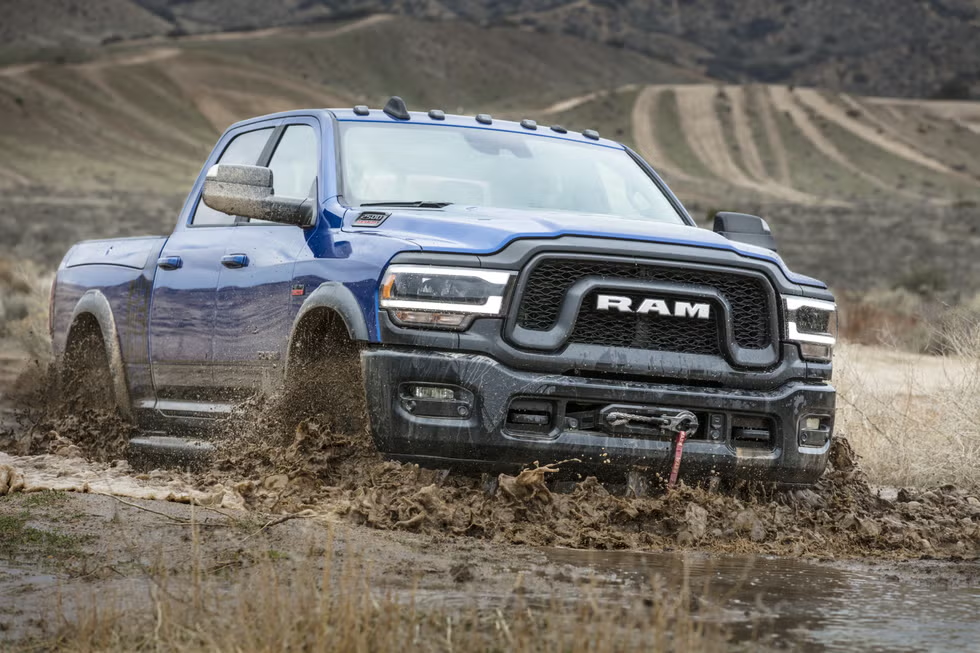
El Papel del Tiempo en las Negociaciones
Finalmente, el momento en que decides comprar tu auto puede influir significativamente en la oferta que recibas. Los concesionarios suelen estar más dispuestos a ofrecer descuentos y rebajas al final del mes, trimestre o año cuando intentan cumplir con sus metas de ventas. Además, los concesionarios suelen tener promociones especiales en días festivos o eventos como el Black Friday o el Memorial Day, lo que te brinda una oportunidad de obtener un mejor trato.
Otro aspecto a tener en cuenta es que los concesionarios suelen reducir los precios de los modelos del año anterior cuando están a punto de recibir el nuevo inventario. Si no te importa tener un modelo del año anterior, este puede ser un excelente momento para comprar a un precio más bajo.
Seguro y Registro
Cuando compras un vehículo, hay varios pasos importantes que debes seguir para asegurarte de que todo esté en orden legal y operativo. Uno de los pasos más críticos es asegurar y registrar tu nuevo automóvil. Este proceso no solo es esencial para cumplir con la ley, sino también para garantizar tu protección en caso de accidentes. A continuación, se amplían los principales aspectos a considerar.
Requisitos de Seguro Automotriz
Antes de poder conducir legalmente tu nuevo vehículo, es obligatorio contar con un seguro automotriz. Las leyes sobre seguros varían según el país, el estado o la provincia, pero en casi todas las jurisdicciones, el seguro mínimo requerido incluye la cobertura de responsabilidad civil, que cubre los daños que puedas causar a otras personas o sus propiedades en caso de un accidente.
En muchos lugares, además de la cobertura de responsabilidad, también se exige la cobertura contra lesiones personales y la protección contra conductores no asegurados. Es fundamental entender los requisitos mínimos de cobertura de tu estado o región, ya que conducir sin el seguro adecuado puede resultar en multas severas, la pérdida de la licencia y, en algunos casos, la confiscación del vehículo.
Además de cumplir con los requisitos mínimos legales, es recomendable considerar coberturas adicionales como el seguro de colisión, que cubre los daños a tu propio vehículo en caso de un accidente, y el seguro a todo riesgo, que te protege contra daños no relacionados con accidentes de tráfico, como robos o daños causados por desastres naturales.
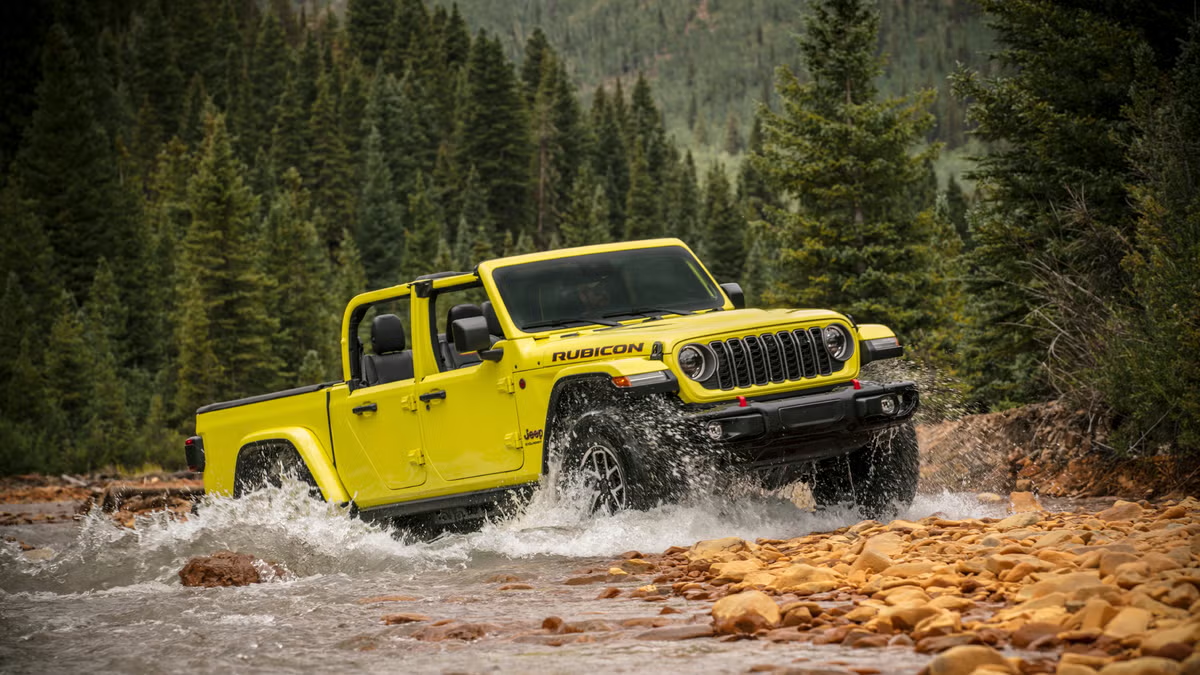
A la hora de buscar un seguro, es importante comparar tarifas entre diferentes compañías para asegurarte de obtener la mejor oferta posible. Las primas del seguro pueden variar considerablemente según tu edad, historial de conducción, tipo de vehículo y la cobertura elegida. Utilizar sitios de comparación de seguros puede ayudarte a obtener múltiples cotizaciones en poco tiempo.
Cómo Registrar tu Vehículo Nuevo
Después de comprar un automóvil, el siguiente paso es registrarlo en el Departamento de Vehículos Motorizados (DMV) o el organismo equivalente en tu área. El registro es lo que legaliza tu propiedad del vehículo y te permite circular con él. Sin este registro, no podrás obtener placas y conducir el auto en la vía pública.
Para registrar tu auto, necesitarás una serie de documentos importantes:
- Prueba de seguro: Debes demostrar que has contratado el seguro requerido por la ley.
- Factura de compra o título de propiedad: Este documento demuestra que eres el dueño legítimo del auto.
- Identificación válida: Normalmente, necesitarás tu licencia de conducir o identificación oficial.
- Prueba de inspección del vehículo (si es aplicable): En algunas áreas, los autos deben pasar inspecciones de emisiones o de seguridad antes de poder ser registrados.
Dependiendo de tu estado o país, es posible que también debas pagar ciertos impuestos o tarifas al registrar tu vehículo. Una vez que hayas completado el proceso, recibirás las placas y la tarjeta de registro, que debes llevar contigo en todo momento cuando conduces.
Inspección del Auto Antes de Comprar
Cuando estás comprando un auto, especialmente si es usado, realizar una inspección previa a la compra es fundamental para asegurarte de que el vehículo esté en buen estado. Incluso si el vehículo parece estar en perfectas condiciones, siempre es recomendable llevarlo a un mecánico de confianza para que lo revise antes de hacer la compra final.
El mecánico puede detectar problemas ocultos que no serían evidentes durante una prueba de manejo, como desgaste en las partes mecánicas, problemas eléctricos o posibles fallos en el motor. Esta inspección puede ahorrarte costosas reparaciones en el futuro y darte una mayor tranquilidad.
Señales de Alerta Comunes
Al realizar la inspección o prueba de manejo, hay varias señales de alerta que debes tener en cuenta y que podrían indicar problemas graves con el vehículo:
- Desgaste excesivo: Revisa los frenos, neumáticos, luces y cinturones de seguridad. Si estos elementos están desgastados, puede ser un signo de falta de mantenimiento.
- Óxido: Busca signos de óxido en los bajos del auto, el capó y las puertas. El óxido puede deteriorar la estructura del vehículo con el tiempo.
- Ruidos inusuales: Si escuchas ruidos extraños como chirridos o golpes al conducir, podría ser un indicativo de problemas mecánicos.
- Pintura despareja: Si notas que la pintura del auto tiene diferentes tonos o parches, podría ser una señal de que el vehículo ha sido reparado después de un accidente.
Mantenimiento de tu Nuevo Auto
Una vez que hayas comprado tu vehículo, es fundamental seguir un programa de mantenimiento regular para asegurarte de que funcione correctamente y prolongar su vida útil. Un mantenimiento adecuado no solo ayuda a prevenir problemas mecánicos graves, sino que también mantiene el valor de reventa del auto.
Programas de Mantenimiento Regular
El mantenimiento básico incluye tareas como:
- Cambios de aceite: Generalmente, se recomienda cambiar el aceite cada 5,000 a 7,500 kilómetros, dependiendo del tipo de aceite y las recomendaciones del fabricante.
- Rotación de llantas: Para asegurar un desgaste uniforme de las llantas, debes rotarlas cada 10,000 kilómetros aproximadamente.
- Revisiones de frenos: Los frenos deben revisarse al menos una vez al año o cuando notes una disminución en su rendimiento.
- Reemplazo de filtros: Cambiar los filtros de aire y combustible según las indicaciones del fabricante para mantener la eficiencia del motor.
Información sobre Garantías y Coberturas
La mayoría de los autos nuevos vienen con una garantía del fabricante que cubre las reparaciones y problemas mecánicos durante un período específico, generalmente entre 3 y 5 años o hasta un cierto kilometraje. Es fundamental leer y comprender qué está cubierto por la garantía y qué no lo está.
Algunas garantías cubren únicamente problemas relacionados con el tren motriz (motor y transmisión), mientras que otras ofrecen cobertura integral, que abarca casi todas las partes del auto, excepto el desgaste normal de ciertos componentes, como frenos o llantas.
La Prueba de Manejo: Por Qué es Crucial
La prueba de manejo es una de las partes más importantes del proceso de compra de un auto. No importa cuán bien se vea el vehículo en fotos o cuán favorable sea su historial, solo conduciéndolo podrás evaluar si realmente se ajusta a tus expectativas.
Qué Observar Durante la Prueba
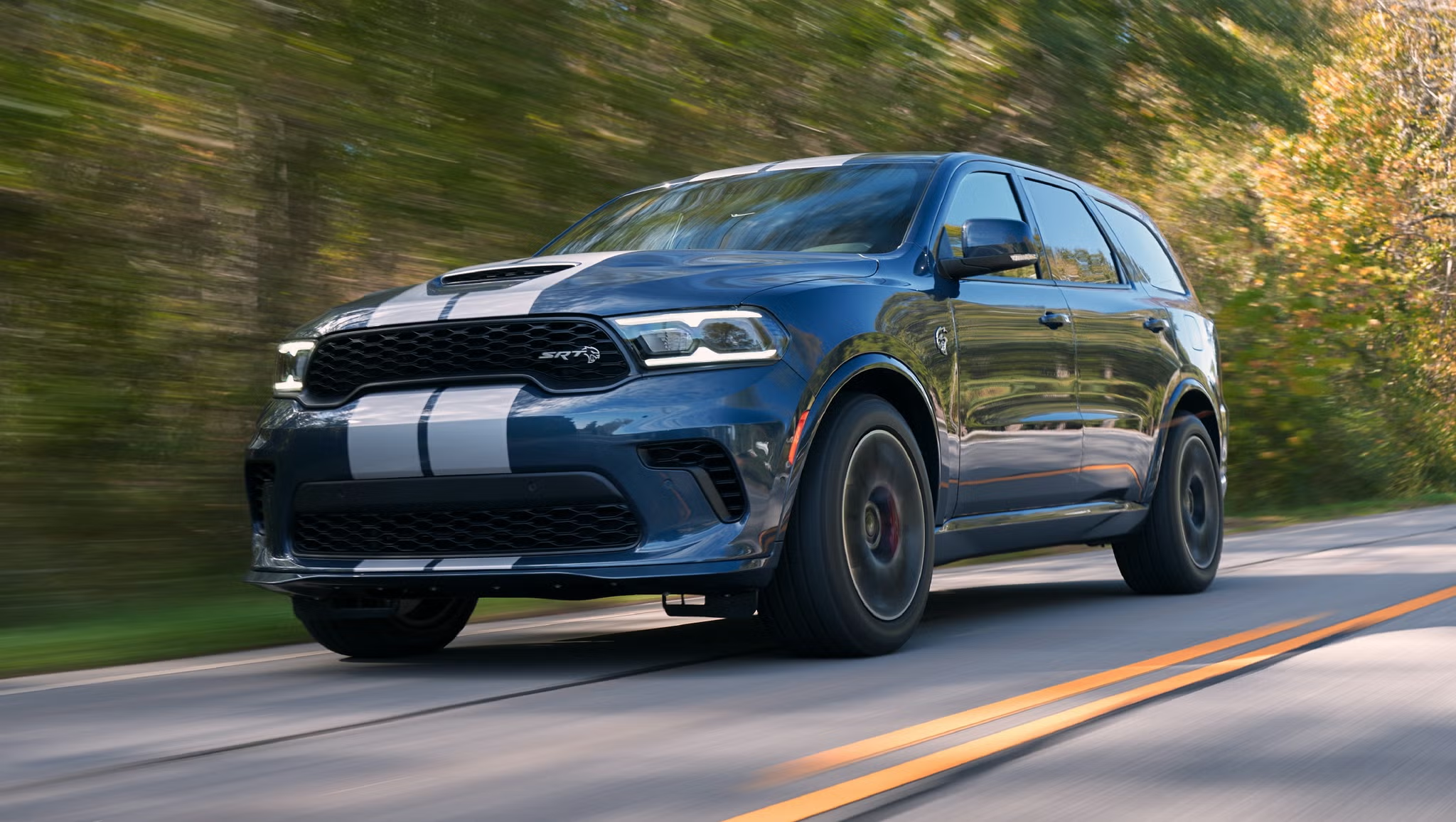
Durante la prueba de manejo, debes prestar atención a varios aspectos clave:
- Rendimiento del motor: Asegúrate de que el auto acelera sin problemas y no emite ruidos extraños.
- Frenado: Prueba los frenos en diferentes condiciones. Asegúrate de que responden con rapidez y suavidad.
- Suspensión: El auto debe manejar baches y curvas sin problemas, sin movimientos bruscos o incómodos.
- Sistema eléctrico: Revisa que todas las luces, ventanas, sistema de calefacción/aire acondicionado y otros componentes eléctricos funcionen correctamente.
Probar Diferentes Condiciones de Carretera
Durante la prueba, intenta conducir el auto en diferentes tipos de terreno. Prueba en autopistas, carreteras urbanas y, si es posible, en caminos más ásperos. Esto te permitirá ver cómo se comporta el vehículo en distintas condiciones y si su rendimiento cumple con tus expectativas para tus necesidades diarias.
Conclusión: Tomando la Mejor Decisión
Comprar un auto es una decisión importante, pero con la investigación y planificación adecuadas, puedes encontrar el vehículo perfecto para ti. Desde entender tu presupuesto hasta probar diferentes modelos, cada paso en el proceso es clave para garantizar una compra exitosa.
Preguntas Frecuentes
¿Cuáles son los beneficios de comprar un auto certificado?
Comprar un auto certificado tiene varias ventajas. En primer lugar, estos vehículos suelen venir con garantías adicionales que ofrecen mayor protección en caso de fallas mecánicas. Además, los autos certificados pasan por inspecciones rigurosas, lo que garantiza que cumplen con los estándares del fabricante. Esto los convierte en una opción más segura y confiable que los autos usados tradicionales, reduciendo el riesgo de problemas ocultos.
¿Es mejor comprar un auto nuevo o usado?
La elección entre un auto nuevo o usado depende de varios factores, incluyendo tu presupuesto y tus preferencias personales. Los autos nuevos ofrecen las últimas características tecnológicas, mejor eficiencia de combustible, y garantías completas. Sin embargo, también tienen un precio más elevado y se deprecian rápidamente en los primeros años. Los autos usados, por otro lado, son más económicos y ya han pasado por el periodo más crítico de depreciación, pero pueden tener más desgaste y pueden requerir más mantenimiento a corto plazo.
¿Cómo puedo obtener la mejor tasa de interés para un préstamo de auto?
Para asegurar la mejor tasa de interés para un préstamo de auto, es importante que compares diferentes prestamistas y evalúes las opciones de bancos, cooperativas de crédito y las propias financieras de los concesionarios. Tener un buen puntaje crediticio es fundamental, ya que los prestamistas suelen ofrecer tasas más bajas a personas con buen historial de crédito. También considera el plazo del préstamo; aunque un plazo más largo puede reducir los pagos mensuales, podrías terminar pagando más en intereses a largo plazo.
¿Qué debo buscar en un informe de historial del vehículo?
Al revisar un informe de historial del vehículo, debes prestar atención a varios factores clave. Verifica si el auto ha estado involucrado en accidentes anteriores, ya que estos pueden afectar el rendimiento y valor del vehículo. Además, revisa si tiene problemas de título, como embargos o títulos reconstruidos, lo que podría complicar la transferencia de propiedad. También es útil revisar el historial de mantenimiento, para asegurarte de que el auto ha sido bien cuidado.
¿Cuándo es el mejor momento para comprar un auto?
El mejor momento para comprar un auto es generalmente al final del mes, al final del trimestre o al final del año, cuando los concesionarios suelen estar más dispuestos a ofrecer descuentos para cumplir con sus metas de ventas. También es recomendable comprar durante eventos especiales o promociones como el Black Friday o las liquidaciones de fin de año, cuando los concesionarios buscan deshacerse de inventario de modelos del año anterior para dar paso a los nuevos.
¿Cuánto debería gastar en un auto según mi ingreso?
Una regla general es no gastar más del 15% de tus ingresos mensuales en el pago de un préstamo de auto. Esto asegura que puedes manejar cómodamente los pagos sin comprometer tu presupuesto para otros gastos esenciales.
¿Qué es mejor, financiar el auto o pagarlo en efectivo?
Financiar un auto puede ser más conveniente si no quieres desembolsar una gran cantidad de dinero de una sola vez. Sin embargo, pagar en efectivo te ahorra los intereses que se acumulan con un préstamo. Si decides financiar, es crucial buscar una tasa de interés baja para minimizar los costos a largo plazo.
¿Cómo afecta la depreciación al valor de un auto?
La depreciación es la disminución del valor de un auto con el tiempo. Los autos nuevos tienden a depreciarse rápidamente en los primeros tres años, perdiendo hasta un 20-30% de su valor. Por eso, muchos compradores optan por vehículos ligeramente usados para evitar esta pérdida inicial de valor.
¿Qué cubre una garantía de auto?
Una garantía de auto cubre las reparaciones de ciertos componentes mecánicos y eléctricos del vehículo durante un período específico. Las garantías varían, pero las más comunes incluyen la cobertura del tren motriz (motor y transmisión) y la cobertura básica completa para casi todo el vehículo. Es importante leer los términos de la garantía para saber exactamente qué está cubierto y por cuánto tiempo.
¿Es mejor comprar o arrendar un auto?
Comprar un auto es una mejor opción si planeas mantener el vehículo a largo plazo, ya que eventualmente serás el propietario total. Arrendar es ideal para aquellos que prefieren cambiar de vehículo cada pocos años y disfrutar de pagos mensuales más bajos. Sin embargo, el arrendamiento viene con límites de kilometraje y cargos adicionales si decides quedarte con el auto al final del contrato.
Best SUVs for Towing 2025 Experts Reviewed
The Best Jeep and Dodge SUVs for Towing: Power, Versatility, and Performance
When it comes to finding the perfect SUV for towing, Jeep and Dodge stand out as two brands known for their rugged power and versatility. Whether you’re towing a trailer for work, hauling a boat for a weekend trip, or pulling heavy equipment, the right SUV can make all the difference. At Simi Valley Chrysler Dodge Jeep RAM, we understand that finding the best SUV for towing is about more than just power—it’s about reliability, safety, comfort, and a range of features that make towing easier.
In this article, we’ll explore the top Jeep and Dodge SUVs for towing, breaking down their capabilities, and features, and why they excel in the towing game. Let’s dive into what makes these SUVs ideal for those heavy-duty tasks and why Simi Valley Chrysler Dodge Jeep RAM should be your go-to destination for purchasing these versatile machines.
1. Jeep Grand Cherokee: The Versatile Powerhouse
The Jeep Grand Cherokee is not just known for its sleek design and luxury; it’s also a towing beast. As one of Jeep’s flagship models, the Grand Cherokee is perfect for those who need a balance between high-end features and serious towing capability.
Towing Capacity
With a maximum towing capacity of up to 7,200 pounds, the Grand Cherokee can handle anything from large trailers to small boats with ease. Whether you’re towing for recreational purposes or work, this SUV offers enough strength to tackle any challenge.
Engine Options for Ultimate Performance
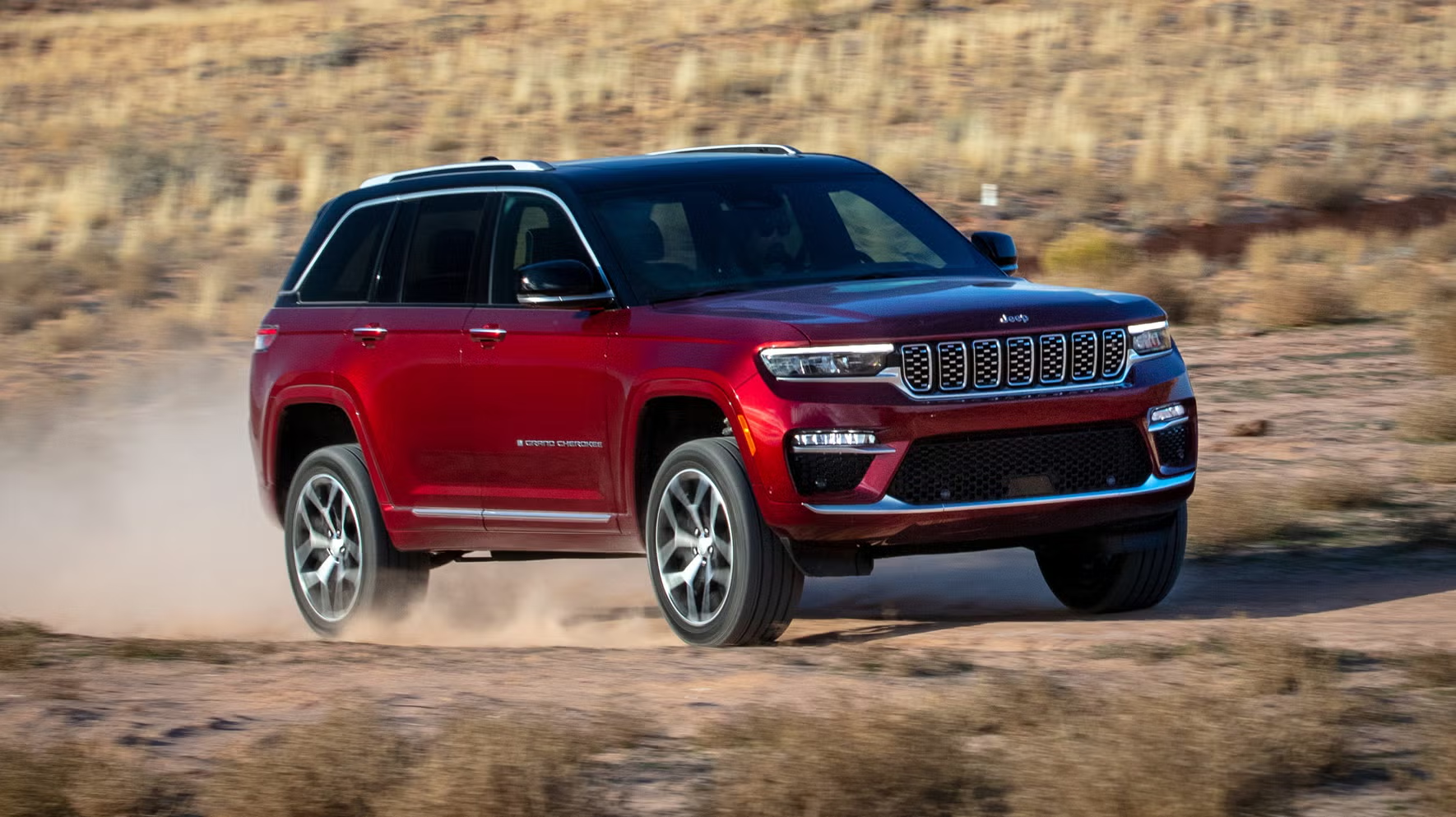
One of the key reasons the Grand Cherokee excels at towing is its range of powerful engine options. The available 5.7-liter V8 engine provides a substantial boost in towing power, offering enhanced torque and acceleration. This engine is paired with an 8-speed automatic transmission, designed for smooth shifts and maximum efficiency while towing.
Advanced Towing Features
The Grand Cherokee isn’t just about raw power. It comes equipped with a range of towing-specific technologies that make the process more manageable and safer. These include:
- Trailer Sway Control (TSC): This system detects when your trailer begins to sway and applies the brakes or adjusts engine power to help bring it back in line.
- Hill Descent Control: When towing down steep inclines, this feature ensures smooth and controlled descent without needing to ride the brakes.
- Rear Back-Up Camera with Trailer View: This system makes hitching and maneuvering a trailer easier by providing a clear view behind the vehicle, along with helpful gridlines for alignment.
Luxury Meets Utility
Inside, the Jeep Grand Cherokee offers a luxurious interior that ensures comfort during long hauls. Features like leather upholstery, advanced infotainment systems, and spacious seating make it as comfortable for the driver as it is capable of towing.
2. Dodge Durango: The Muscle SUV
If you’re looking for something with even more towing capability, the Dodge Durango should be at the top of your list. Known for its muscular appearance and powerful performance, the Durango stands out as one of the most capable SUVs in the towing department.
Towing Capacity
The Dodge Durango can tow up to an impressive 8,700 pounds when properly equipped, making it one of the most powerful SUVs available for towing. This capacity makes it ideal for those who need to tow larger boats, heavy trailers, or even campers.
Powerful Engine Options
The Durango’s strength comes from its range of available engines, with the most notable being the 6.4-liter HEMI V8. This engine delivers 475 horsepower and 470 lb-ft of torque, providing not only the raw power needed for towing but also exceptional acceleration and driving dynamics.
For those who don’t need quite that much power, the 5.7-liter HEMI V8 offers an excellent balance of towing capability and fuel efficiency, making it a great option for towing lighter loads while still enjoying a dynamic driving experience.
Tow-Specific Features
Like the Grand Cherokee, the Dodge Durango comes equipped with advanced towing technologies to enhance safety and performance, including:
- Trailer Sway Control: Helps keep the trailer stable, particularly when driving at high speeds or on winding roads.
- Adaptive Cruise Control: Automatically adjusts speed to maintain a safe distance from vehicles ahead, reducing the stress of towing long distances.
- Class IV Tow Hitch Receiver: Ensures that the Durango is ready to haul as soon as you are, with a sturdy and reliable tow hitch integrated into the design.
Spacious and Comfortable Interior
Inside, the Durango offers a spacious cabin with three rows of seating. Whether you’re taking the family on a long trip or need to transport additional gear, the Durango’s interior flexibility ensures that both passengers and cargo have plenty of room. It also features advanced tech options, including the Uconnect system, which keeps you connected on the road.
3. Jeep Wrangler: The Off-Road Towing Champion
The Jeep Wrangler is an iconic off-road SUV, but it also has some impressive towing capabilities. Known for its ruggedness and versatility, the Wrangler is an excellent choice for those who need a vehicle that can tackle rough terrain while still being able to tow a trailer or small boat.
Towing Capacity
While the Wrangler’s towing capacity doesn’t match the Grand Cherokee or Durango, it still offers a respectable 3,500 pounds for four-door models, with some variants capable of towing up to 5,000 pounds. This is more than enough for smaller trailers, campers, or recreational equipment.
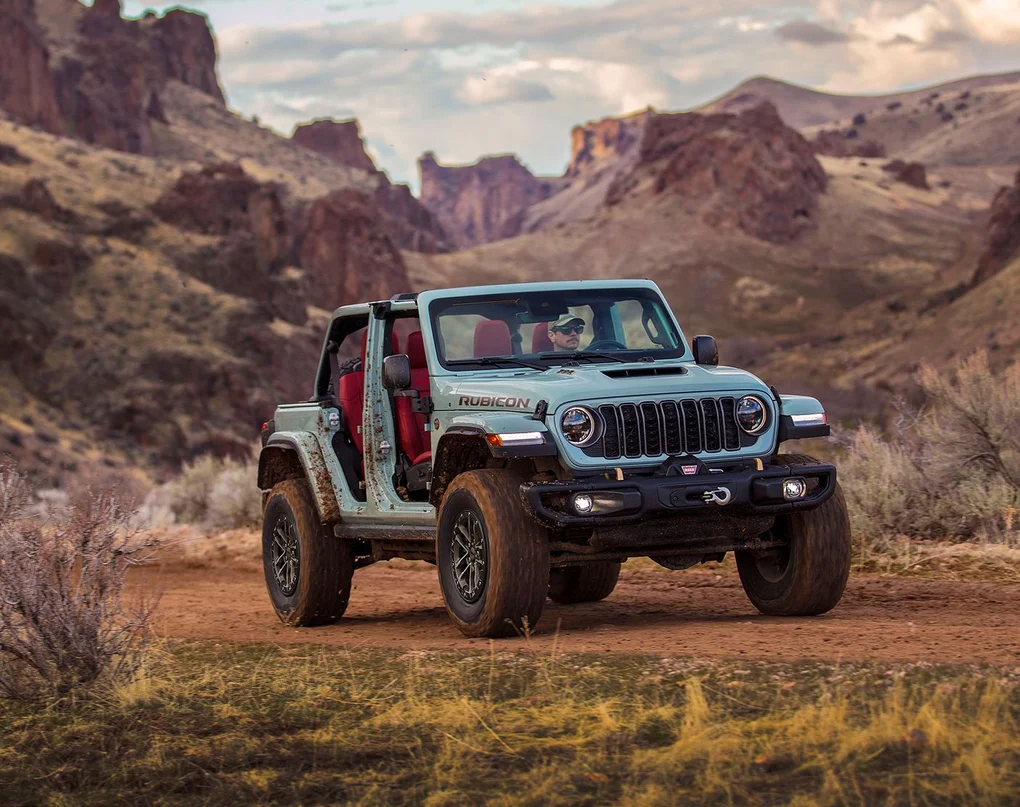
Off-Road Towing Features
The Wrangler’s real strength lies in its off-road capabilities, making it perfect for those who need to tow in rugged, off-the-beaten-path environments. Key features include:
- Trail Rated 4×4 System: Ensures that the Wrangler can tow across challenging terrain, including mud, sand, and rocky landscapes.
- Electronic Locking Differentials: These provide superior traction and control when towing over uneven ground.
- Skid Plates: Protect the underbody of the vehicle when towing through rocky or uneven terrain.
Convertible and Customizable
One of the unique selling points of the Jeep Wrangler is its customizable and convertible design. You can remove the roof, doors, and even the windshield for a completely open-air driving experience, making it one of the most fun and adventurous SUVs for towing. Whether you’re hitting the trails or cruising down the highway with a trailer in tow, the Wrangler provides a versatile and enjoyable ride.
4. Jeep Gladiator: The Ultimate Pickup for Towing
The Jeep Gladiator combines the off-road capability of the Wrangler with the utility of a pickup truck, offering an unbeatable combination of features for those who need both towing and off-road performance. It stands out in the midsize pickup category for its superior towing capacity and versatility.
Towing Capacity
The Jeep Gladiator boasts a best-in-class towing capacity of up to 7,700 pounds when properly equipped. This makes it a formidable contender for those needing a midsize vehicle capable of handling serious towing tasks, whether it’s for work or play.
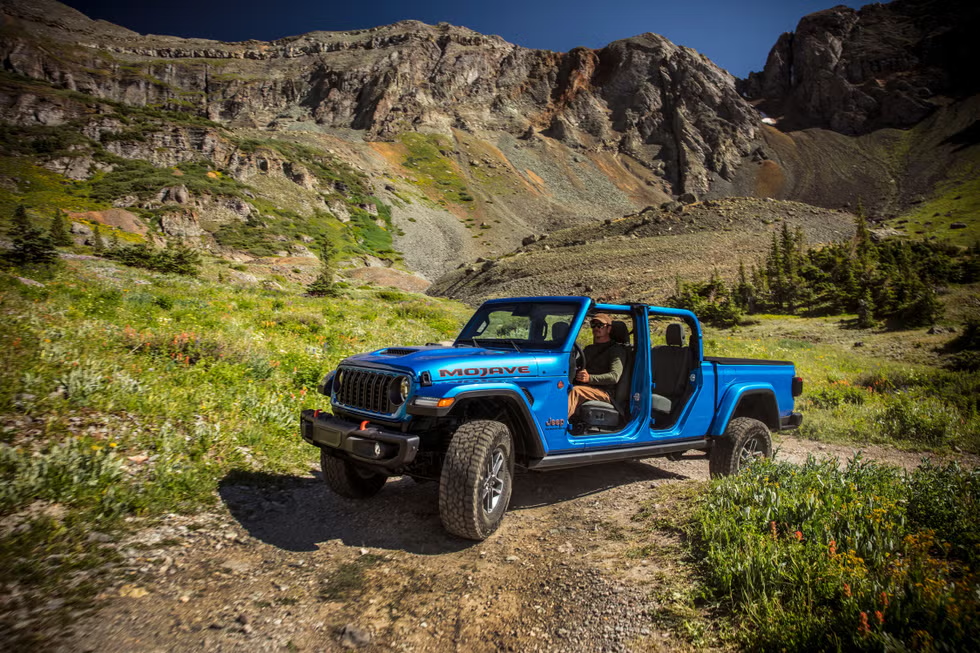
Engine and Performance
Powered by a 3.6-liter Pentastar V6 engine, the Gladiator delivers 285 horsepower and 260 lb-ft of torque, providing more than enough muscle for towing. Additionally, its 8-speed automatic transmission ensures smooth shifting and optimal power delivery when towing heavy loads.
For those looking for more fuel efficiency, the 3.0-liter EcoDiesel V6 engine is also available, offering excellent torque while maintaining lower fuel consumption. This is a great option for long-distance towing.
Key Features for Towing and Off-Roading
The Jeep Gladiator comes equipped with a range of features specifically designed to enhance its towing and off-road performance:
- Integrated Trailer Brake Controller: Provides better control over your trailer’s brakes, particularly when towing heavy loads.
- Heavy-Duty Dana 44 Axles: Ensure strength and durability, even when towing over tough terrain.
- Removable Top and Doors: Like the Wrangler, the Gladiator offers a fully customizable driving experience, with the option to remove the top and doors for an open-air feel.
5. Why Simi Valley Chrysler Dodge Jeep RAM is Your Best Choice for Towing SUVs
At Simi Valley Chrysler Dodge Jeep RAM, we take pride in offering the best selection of Jeep and Dodge SUVs designed to meet all your towing needs. But we don’t just stop at offering great vehicles—we also provide a top-notch buying experience that’s centered around you, the customer.
Expert Staff
Our team of experienced professionals is here to help you navigate the world of SUVs and towing. We understand that every towing need is different, and we’re here to guide you through the process of finding the perfect vehicle that fits your lifestyle.
Personalized Shopping Experience
At Simi Valley Chrysler Dodge Jeep RAM, we believe in providing a personalized, no-pressure shopping experience. We take the time to listen to your needs and ensure that you leave with the right vehicle, whether it’s the powerful Dodge Durango, the versatile Jeep Gladiator, or another model that suits your towing requirements.
Transparent Pricing
We understand that buying a vehicle is a big investment, which is why we offer transparent pricing and clear financing options. There are no hidden fees, and we make sure you understand exactly what you’re paying for.
Service and Maintenance Support
Your relationship with Simi Valley Chrysler Dodge Jeep RAM doesn’t end when you drive off the lot. Our service center is here to provide ongoing maintenance and support for your vehicle, ensuring it stays in top condition for all your towing adventures.
Conclusion: The Right Towing SUV for Every Need
Whether you’re towing a boat for a weekend getaway or pulling a trailer for work, Jeep and Dodge SUVs from Simi Valley Chrysler Dodge Jeep RAM provide the perfect blend of power, capability, and versatility. From the luxurious and powerful Jeep Grand Cherokee to the rugged and adventurous Jeep Wrangler, there’s a towing SUV to meet every need. The Dodge Durango offers unbeatable muscle, while the Jeep Gladiator excels as a versatile pickup truck with superior off-road towing capabilities.
Choosing the right SUV for towing is an important decision, and at Simi Valley Chrysler Dodge Jeep RAM, we’re here to help make that process easy and enjoyable. Come visit us today for a test drive, and find the perfect vehicle to handle all your towing needs.
Frequently Asked Questions (FAQs)
1. What is the most powerful Jeep SUV for towing?
The Jeep Grand Cherokee is the most powerful Jeep SUV for towing, with a maximum towing capacity of 7,200 pounds.
2. Can the Dodge Durango tow a camper?
Yes, the Dodge Durango is more than capable of towing campers, with a maximum towing capacity of 8,700 pounds when properly equipped.
3. What makes the Jeep Wrangler good for off-road towing?
The Jeep Wrangler is perfect for off-road towing due to its trail-rated 4×4 system, electronic locking differentials, and rugged design, which allow it to tow on difficult terrains with ease.
4. How much can the Jeep Gladiator tow?
The Jeep Gladiator can tow up to 7,700 pounds, making it the best in its class for midsize pickup trucks.
5. Why should I choose Simi Valley Chrysler Dodge Jeep RAM for my towing SUV?
At Simi Valley Chrysler Dodge Jeep RAM, we offer expert guidance, a wide range of towing-capable SUVs, transparent pricing, and ongoing support through our service center, ensuring you find the perfect SUV for your needs.
How Much Should a Jeep Wrangler Cost? An In-Depth Analysis
When considering the purchase of a Jeep Wrangler, potential buyers are often faced with the question: “How much should a Jeep Wrangler cost?” The answer to this question is not straightforward, as the cost of a Jeep Wrangler can vary widely based on factors such as trim level, optional features, geographical location, and market demand. This article provides a comprehensive analysis of the cost components associated with a Jeep Wrangler, helping buyers make informed decisions.
1. How Much Should a Jeep Wrangler Cost? Base Price
1.1 Entry-Level Models
The starting price of a Jeep Wrangler can vary significantly depending on the model year and specific trim. For example, the base model Wrangler Sport typically has a lower starting price compared to higher-end trims like the Rubicon or Sahara. As of 2023, the base price for a new Jeep Wrangler Sport is around $30,000 to $32,000. This entry-level model includes essential features but may lack some of the advanced technologies and off-road capabilities found in more expensive trims. This should give a better idea of how much a jeep wrangler should cost.
1.2 Mid-Range and High-End Models
Mid-range models, such as the Wrangler Sahara, offer a balance between affordability and additional features. The starting price for these models generally ranges from $38,000 to $42,000. High-end models, like the Wrangler Rubicon, known for their superior off-road capabilities, can start anywhere from $45,000 to $50,000. These models often come with advanced 4×4 systems, enhanced suspension, and premium interior materials, justifying the higher price point.
2. How Much Should a Jeep Wrangler Cost? Optional Features and Packages
2.1 Technology and Convenience Packages
Jeep offers a variety of optional packages that can significantly increase the cost of a Wrangler. Technology packages, for instance, may include features such as:
- Advanced Infotainment Systems: Upgraded Uconnect systems with larger touchscreens, navigation, and premium audio can add $1,500 to $2,000 to the base price.
- Driver Assistance Features: Options like adaptive cruise control, blind-spot monitoring, and rear cross-path detection can add another $1,500 to $2,000.
2.2 Off-Road Packages
For enthusiasts seeking enhanced off-road performance, Jeep offers packages that include features like:
- Heavy-Duty Suspension Systems: Upgraded shocks and springs can add $1,200 to $1,800.
- All-Terrain Tires and Wheels: Premium off-road tires and wheels can cost an additional $1,000 to $2,000. This should give a better idea of how much a jeep wrangler should cost.
These packages enhance the vehicle’s capabilities but also increase the overall cost. Buyers should carefully consider which features are necessary for their driving needs to avoid unnecessary expenses.
3. Geographic and Market Variations
3.1 Regional Price Differences
The cost of a Jeep Wrangler can vary by location due to factors such as local demand, taxes, and dealership markups. In high-demand areas, such as major metropolitan regions, dealers may charge a premium above the Manufacturer’s Suggested Retail Price (MSRP). Conversely, in areas with less demand, buyers might find better deals and lower prices. This should give a better idea of how much a jeep wrangler should cost.
3.2 Seasonal Pricing Trends
Seasonal trends can also affect Wrangler prices. For example, prices may be higher in the spring and summer when outdoor and off-road activities peak, and lower during the winter months. Buyers looking for the best deal might consider purchasing during the off-season when demand is lower and dealers are more likely to offer discounts and incentives.
4. How Much Should a Jeep Wrangler Cost? Used vs. New Wranglers
4.1 Depreciation and Value Retention
Jeep Wranglers are known for their strong resale value, which means that even used models can command relatively high prices. A well-maintained used Wrangler can retain much of its value, often costing only slightly less than a new one. For instance, a three-year-old Wrangler might still cost around $25,000 to $30,000, depending on its condition, mileage, and features. This should give a better idea of how much a jeep wrangler should cost.
4.2 Certified Pre-Owned Options
Certified Pre-Owned (CPO) Wranglers offer a middle ground between new and used vehicles. CPO models come with manufacturer warranties and have undergone rigorous inspections. These vehicles typically cost more than regular used models but less than new ones, offering a balance of cost savings and peace of mind. Prices for CPO Wranglers generally range from $28,000 to $40,000, depending on the model year and trim level. This should give a better idea of how much a jeep wrangler should cost.
5. How Much Should a Jeep Wrangler Cost? Financing and Leasing
5.1 Financing Options
Financing a Jeep Wrangler can affect the overall cost due to interest rates and loan terms. Buyers with excellent credit may secure lower interest rates, reducing the total cost over time. On the other hand, those with lower credit scores might face higher rates, increasing the long-term expense. It’s crucial to shop around for the best financing deals and consider the total cost of ownership, including interest. This should give a better idea of how much a jeep wrangler should cost.
5.2 Leasing Opportunities
Leasing a Wrangler can be an attractive option for those who prefer lower monthly payments and the ability to drive a new vehicle every few years. Lease terms typically range from 24 to 36 months, with monthly payments depending on the model, down payment, and negotiated lease terms. Monthly lease payments for a new Wrangler generally range from $300 to $500, making it a more affordable option for some buyers.
6. How Much Should a Jeep Wrangler Cost? Additional Costs and Considerations
6.1 Maintenance and Repairs
Owning a Jeep Wrangler comes with ongoing maintenance and repair costs. While Wranglers are known for their durability, regular maintenance is essential to keep them in optimal condition. Owners should budget for routine services such as oil changes, tire rotations, and brake inspections, as well as potential repairs for off-road wear and tear.
6.2 Insurance Costs
Insurance premiums for a Jeep Wrangler can vary based on factors such as the driver’s age, location, driving history, and the specific model and trim. Wranglers typically have higher insurance rates due to their off-road capabilities and potential for higher repair costs. It’s advisable to obtain insurance quotes from multiple providers to find the best rate.
6.3 Customization and Aftermarket Modifications
Many Wrangler owners invest in aftermarket modifications to enhance their vehicle’s performance and appearance. Popular modifications include lift kits, upgraded bumpers, winches, and lighting. While these customizations can enhance the Wrangler’s capabilities and aesthetics, they also add to the overall cost. Depending on the extent of the modifications, owners can spend several thousand dollars on aftermarket parts and installations.
Conclusion
Determining how much a Jeep Wrangler should cost involves considering various factors, including the base price, optional features, regional variations, and additional expenses such as maintenance, insurance, and customizations. By understanding these components, buyers can make informed decisions and find a Wrangler that fits their budget and needs.
Ultimately, the cost of a Jeep Wrangler reflects its robust construction, off-road capabilities, and iconic status. While Wranglers can be expensive, their value proposition lies in their durability, versatility, and strong resale value, making them a worthwhile investment for many buyers. Whether purchasing new, used, or certified pre-owned, understanding the full scope of costs associated with a Wrangler can help buyers navigate the market and secure the best possible deal.
Connect with us


