





RAM Maintenance Guide: The Service Schedule That Keeps a RAM 1500, 2500, or 3500 Running Right
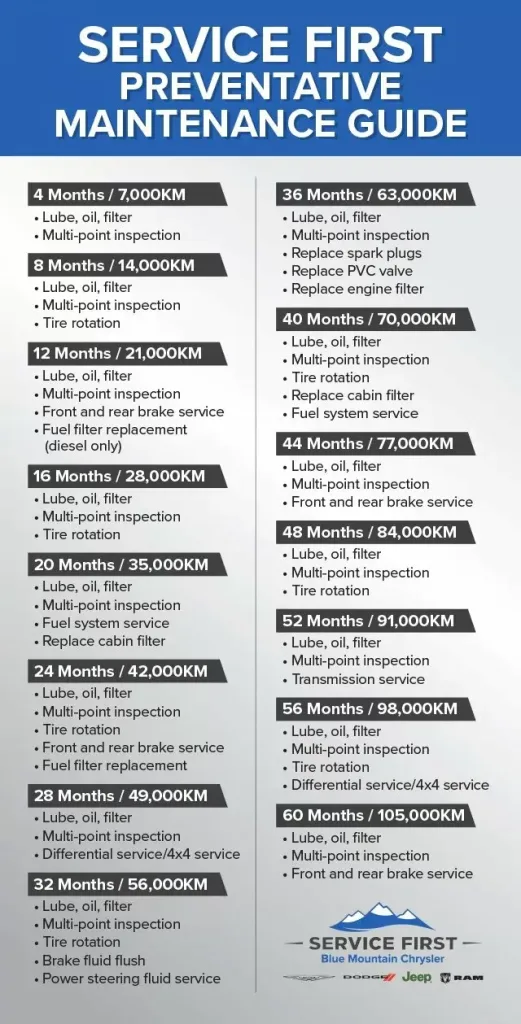
If you own a RAM truck, maintenance is not just about avoiding breakdowns. It is about protecting towing capability, preserving transmission behavior, keeping the engine clean under load, and making sure your truck still feels solid at 80,000, 120,000, or 180,000 miles.
That is why so many owners search for terms like ram maintenance, ram maintenance schedule, ram truck maintenance, and ram 1500 maintenance schedule. They are not looking for vague advice. They want to know what actually needs to be done, when to do it, and how service intervals differ between a RAM 1500 gas truck and a heavier-duty RAM 2500 or 3500.
The short version is this: RAM maintenance is mileage-based, time-based, and usage-based. If you tow, idle heavily, drive in dust, do repeated short trips, or run commercial duty, your truck often needs service sooner than a casual commuter vehicle. Official Mopar maintenance guidance also makes clear that oil change intervals are capped even if the truck seems to be running fine. For gasoline engines, oil changes generally must not exceed 8,000 miles (13,000 km), 12 months, or 350 engine hours, whichever comes first. For diesel engines in applicable heavy-duty models, oil change intervals must not exceed 15,000 miles (24,000 km) or 12 months, or sooner if the oil-life system calls for service. (Mopar Vehicle Information)
Why RAM maintenance matters more than people think
A RAM truck can be tough and still be maintenance-sensitive.
That is the part many owners overlook. A truck can tolerate abuse longer than a small car, but that does not mean skipped service is harmless. Delaying fluid service, ignoring brake wear, or stretching intervals too far can create expensive wear that shows up later as rough shifting, noisy front-end components, cooling issues under load, or driveline vibration.
RAM’s official owner resources and Mopar’s maintenance schedule tools are built around that reality. RAM directs owners to vehicle-specific manuals, maintenance schedules, and warranty information through its owner ecosystem, rather than implying one universal schedule covers every engine and truck configuration. (ramtrucks)
That means the smartest approach is not asking, “What is the maintenance schedule for all RAM trucks?” It is asking, “What is the correct schedule for my truck, engine, year, and workload?”
RAM 1500 maintenance schedule: what owners should expect
The RAM 1500 maintenance schedule is the search phrase that carries the most practical value because the 1500 is where light-duty ownership meets real truck use. Many owners daily-drive these trucks, tow on weekends, idle in traffic, and occasionally haul heavy loads. That mixed-use life is exactly why maintenance matters.
For modern gasoline RAM 1500 models, the oil change monitor helps determine service timing, but the hard limit still applies: no more than 8,000 miles (13,000 km), 12 months, or 350 engine hours between oil changes. Mopar notes that the 350-hour threshold especially matters for fleets and heavy idling use, but it can also matter for personal-use trucks that spend a lot of time warming up, idling on job sites, or sitting in traffic. (Mopar Vehicle Information)
A realistic RAM 1500 maintenance rhythm usually includes:
- engine oil and filter changes at the required interval
- tire rotation at regular service visits
- brake inspection
- suspension and steering checks
- air filter and cabin filter inspections
- fluid checks for coolant, brake fluid, and washer fluid
- driveline and axle attention depending on towing/use pattern
The reason owners search 2019 RAM 1500 maintenance schedule, 2020 RAM 1500 maintenance schedule, 2021 RAM 1500 maintenance schedule, and 2025 RAM 1500 maintenance schedule is that year-specific details can change, especially with engine options and trim content. But the general pattern remains: oil service, tire rotation, inspections, and periodic fluid or spark-plug-related work are the backbone.
RAM 2500 maintenance schedule: where heavy-duty service gets more serious
The RAM 2500 maintenance schedule matters because these trucks often live harder lives. Whether you own a gas 6.4 HEMI truck or a Cummins diesel, a 2500 usually sees more towing, more payload, more heat, and more stress than a typical half-ton.
Mopar’s published service guidance for RAM 2500/3500 trucks states:
- Gas engines: do not exceed 8,000 miles (13,000 km), 12 months, or 350 engine hours
- Diesel engines: do not exceed 15,000 miles (24,000 km) or 12 months, or sooner if prompted by the oil-life system (Mopar Vehicle Information)
That distinction is critical because many owners assume diesel automatically means “long intervals, less worry.” That is only partly true. Diesel intervals can be longer, but heavy towing, dust, idling, and severe use still change what “normal” really means.
Searches like ram 2500 diesel maintenance schedule, ram 2500 cummins maintenance schedule, and ram 2500 6.4 maintenance schedule exist for good reason. A gas 2500 and a diesel 2500 are not maintenance twins. Diesel ownership often introduces additional filter and emissions-system awareness, while gas trucks may bring their own spark plug and ignition-related maintenance priorities.
RAM 3500 maintenance schedule: built for work, but not maintenance-proof
The RAM 3500 maintenance schedule follows the same general logic as the 2500, but the stakes are higher because many 3500 trucks are used for commercial, towing, or heavy-load work.
If the truck regularly tows near its limits, idles on sites, or operates under severe service conditions, you should treat maintenance as an operating cost, not an optional inconvenience. Official RAM/Mopar materials repeatedly route owners to model- and year-specific schedules because that is the correct way to service a working truck. (Mopar)
In real-world terms, that means:
- be strict with oil intervals
- inspect brakes more often if towing
- pay attention to tires and rotation because heavy trucks can chew through edges fast when alignment or load habits are off
- watch cooling-system condition if the truck works hard in heat
- inspect driveline components and steering/suspension items before they become obvious problems
RAM maintenance schedule by usage, not just mileage
This is where smart owners save money.
A truck that drives 6,000 highway miles a year empty is not living the same life as a truck that tows trailers every weekend, idles on a worksite, or does short cold-start trips all winter. Yet both owners may believe they are “low mileage” drivers.
That is exactly why RAM and Mopar do not rely only on mileage. Engine hours and severe-service considerations exist because truck maintenance is about duty cycle, not just odometer reading. For gas trucks, that 350-hour limit is one of the most underappreciated service triggers in the entire schedule. (Mopar Vehicle Information)
If your RAM sees any of the following, your real maintenance needs are probably more aggressive than you think:
- frequent towing
- extended idling
- short-trip driving
- dusty roads or jobsite use
- extreme heat
- repeated stop-and-go traffic
- heavy payload use
What owners usually forget
The biggest RAM maintenance mistakes are rarely dramatic. They are routine things owners postpone because the truck still feels fine.
That includes:
- pushing past the oil interval because the engine sounds normal
- ignoring tire rotation and ending up with uneven wear
- delaying brake service on a truck that tows
- overlooking filters
- assuming “maintenance schedule PDF” means one simple chart covers every RAM forever
That last point matters because a huge number of searches in your keyword file revolve around RAM 1500 maintenance schedule PDF, RAM 2500 maintenance schedule PDF, and year-specific PDF queries. Owners want certainty. The right answer is to use the exact schedule for the exact truck, not a recycled chart from a forum post.
RAM maintenance near me: when local service matters
The keyword brief also shows local intent around ram maintenance near me. That search usually happens when owners know the truck is due and want someone who understands RAM service intervals, Mopar parts, and truck-specific inspection priorities.
That matters because trucks are more likely than passenger cars to be used hard, modified, or placed under towing stress. A shop that understands RAM trucks should be thinking beyond a quick oil sticker. They should be looking at brake wear patterns, steering play, suspension wear, tire condition, fluid history, and what kind of life the truck actually lives.
Final verdict
If you want the best long-term result from a RAM 1500, 2500, or 3500, the rule is simple: follow the correct schedule for the specific truck and do not treat maintenance like guesswork.
For most owners, the most important facts are these:
- modern gasoline RAM trucks generally should not go beyond 8,000 miles (13,000 km), 12 months, or 350 engine hours between oil changes (Mopar Vehicle Information)
- applicable diesel RAM heavy-duty trucks generally should not exceed 15,000 miles (24,000 km) or 12 months, or sooner if the oil-life system says so (Mopar Vehicle Information)
- towing, idling, dust, and heavy work can make “normal” service intervals too optimistic in practice (Mopar Vehicle Information)
- the correct source is always the truck’s official owner/manual and Mopar maintenance schedule, not a generic one-size-fits-all chart (ramtrucks)
That is why RAM maintenance is not just a checklist. It is part of truck ownership itself.
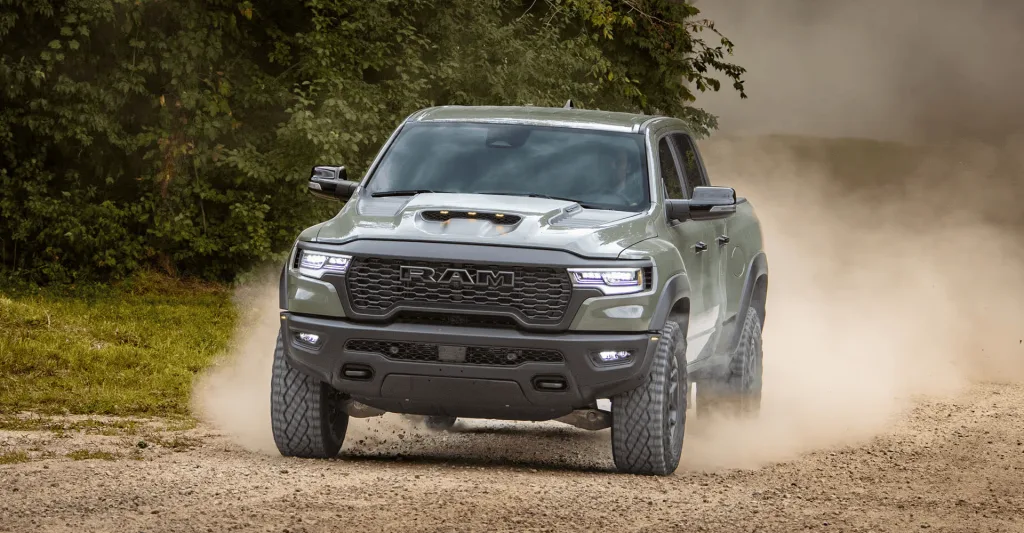
The Ram 1500 has built a strong reputation as one of the most comfortable full-size pickups on the market. It offers a smoother ride than many rivals, an upscale interior in higher trims, real towing and hauling capability, and enough range in the lineup to appeal to everyone from work-truck buyers to luxury-truck shoppers. But once the excitement of horsepower, trim packages, and touchscreen size fades, one practical question becomes much more important:
How much does a Ram 1500 cost to maintain?
The answer is that the Ram 1500 is not outrageously expensive to maintain year to year, but it can become meaningfully expensive over the long term. RepairPal currently estimates the average annual maintenance and repair cost of a Ram 1500 at $691, and rates the truck 3.5 out of 5.0 for reliability, ranking it 1st out of 17 full-size trucks in its segment. (RepairPal.com)
That sounds strong, and in one sense it is. On a yearly basis, the Ram 1500 can look fairly manageable. But long-term ownership paints a more demanding picture. CarEdge estimates that a Ram 1500 will cost about $19,201 in maintenance and repairs over the first 10 years, which it says is $9,576 more than the industry average for popular pickup models. CarEdge also estimates a 56.60% chance of a major repair during that 10-year window. (CarEdge)
So the Ram 1500 sits in an interesting position. In the short term, it can feel normal to own. Over time, though, it becomes a truck that rewards careful maintenance and punishes neglect.
If you want to explore the brand further, compare trucks, or look into ownership options, the main dealership homepage is here: Simi Valley Chrysler Dodge Jeep Ram.
The average annual maintenance cost of a Ram 1500
For most buyers, the starting point is the annual cost estimate.
RepairPal’s figure of $691 per year is useful because it gives you a realistic base budget for ordinary maintenance and repair activity. RepairPal also notes that the Ram 1500’s repair severity is average and issue frequency is low, which helps explain why it ranks relatively well within the full-size truck category. (RepairPal.com)
That number generally includes the blend of normal upkeep and occasional repairs owners tend to face over time. It does not mean you will spend exactly $691 every year. In reality, ownership cost usually comes in waves.
One year may involve little more than oil changes, tire rotations, and a filter replacement. Another year might bring brakes, tires, battery replacement, and suspension work all at once. That is why average annual cost is helpful for planning, but not enough on its own to tell the full ownership story.
Why long-term Ram 1500 ownership can cost much more
This is where the Ram 1500 becomes more revealing.
CarEdge’s estimate of $19,201 over 10 years is dramatically higher than what many buyers expect when they first hear the annual RepairPal figure. That long-term estimate also comes with a 56.60% probability of a major repair, which is a serious number for any vehicle class. (CarEdge)
The gap between annual and long-term cost exists for a simple reason: trucks age in expensive ways.
A Ram 1500 is a full-size pickup. It is larger, heavier, and usually used harder than a typical passenger vehicle. Even when owners are not towing every weekend, trucks tend to accumulate strain from cargo, rough roads, bigger wheel-and-tire packages, and longer service lives. Over a decade, that can mean:
- more expensive brake jobs
- higher tire costs
- suspension wear
- drivetrain fluid service
- steering wear
- cooling system work
- electronics issues
- air suspension or premium trim-related repairs on certain versions
So while the annual number looks reasonable, the longer-term math tells you this is a truck you should budget for seriously, especially if you plan to keep it deep into six-figure mileage.
Is the Ram 1500 cheap or expensive to maintain?
The most honest answer is this:
The Ram 1500 is moderate to slightly expensive to maintain in the short term, and clearly expensive in the long term.
That may sound contradictory, but it is not. Both things can be true at the same time.
On a yearly basis, $691 is not outrageous for a full-size truck. In fact, that looks fairly reasonable for something this large and capable. (RepairPal.com)
But once you look at 10-year ownership, the Ram 1500 no longer looks merely average. At $19,201 over 10 years, it becomes a vehicle that can cost substantially more to keep on the road than many buyers assume. (CarEdge)
That makes the Ram 1500 a truck where maintenance affordability depends heavily on how long you plan to keep it. Lease or own it for a few years under warranty, and cost can feel very manageable. Keep it a decade, and the ownership profile changes.
What routine maintenance does a Ram 1500 need?
Routine maintenance is the predictable part of ownership, and it is the area where owners have the most control over long-term cost.
A Ram 1500 will typically need the standard set of truck maintenance items, including:
- oil and filter changes
- tire rotations
- air filter replacement
- cabin filter replacement
- brake inspections and service
- battery replacement
- coolant service
- transmission service at mileage-based intervals
- differential and transfer case service on four-wheel-drive models
- spark plugs on gasoline engines
- tire replacement
- brake pads and rotors
Ram directs owners to its Mopar resources for model-specific maintenance schedules and owner’s manual servicing guidance. The official Mopar maintenance portals and Ram 1500 owner manual resources provide the schedule based on year, engine, and configuration. (Mopar)
This matters because a Ram 1500 is not one truck. A basic gas-powered rear-wheel-drive model and a heavily optioned four-wheel-drive truck with more equipment do not carry the same maintenance profile.
Why Ram 1500 maintenance cost varies so much by truck
Two Ram 1500s can look similar from the outside but have very different long-term ownership costs.
Powertrain matters
Engine choice plays a major role. Some powertrains are simpler and cheaper to maintain over time than others. A naturally aspirated or simpler gas setup may be more predictable than a more complex configuration with additional systems.
4WD vs 2WD matters
A four-wheel-drive Ram 1500 usually adds capability and resale appeal, but it also adds components that eventually need service or repair. Transfer case maintenance and front drivetrain wear become part of the equation.
Trim level matters
Higher trims often include more luxury and technology, but more content usually means more repair exposure over time. Larger wheels, premium suspensions, higher-end infotainment systems, and upscale features can all raise ownership cost.
Usage matters
A Ram 1500 used lightly as a commuter truck will age differently than one used for towing, hauling, jobsite duty, or rough-road travel. Heat cycles, load stress, and mileage type all affect long-term maintenance spending.
Previous ownership matters
A used truck with a clean service history and conservative use is one thing. A used truck with deferred maintenance, towing abuse, aftermarket suspension changes, or neglected fluids is something very different.
Model-year differences can change the ownership picture
Broad averages are helpful, but year-specific data can shift the story.
RepairPal’s page for the 2019 Ram 1500 lists an average annual maintenance cost of $550, which is materially lower than the broader Ram 1500 average. (RepairPal.com)
That is a useful reminder that some individual years may be more affordable than the model-wide average suggests. Newer trucks also tend to benefit from:
- lower mileage
- less age-related wear
- fresher electronics
- lower corrosion risk
- remaining warranty coverage in some cases
By contrast, older trucks may require more frequent attention to suspension parts, brakes, battery systems, steering components, seals, and cooling systems.
That is why buyers should never rely only on a generic “Ram 1500 maintenance cost” number. The actual truck matters more than the label.
How Ram 1500 maintenance compares with other Ram and truck ownership costs
Looking beyond the single model gives useful context.
CarEdge estimates that Ram vehicles as a brand average about $21,507 in maintenance and repair costs over 10 years, which is significantly higher than the average for popular brands overall. (CarEdge)
That matters because it tells you the Ram 1500 is not sitting inside a low-cost maintenance ecosystem. It belongs to a brand whose long-term repair costs already trend above average. So even though the 1500 performs decently in RepairPal’s truck-category reliability ranking, the bigger long-term ownership picture remains costlier than many mainstream buyers expect. (CarEdge)
Common areas that can raise Ram 1500 ownership cost
The Ram 1500’s maintenance cost becomes more noticeable when routine service overlaps with repair-prone systems or age-related wear.
The areas most likely to increase spending include brakes, tires, suspension, steering, cooling-system components, drivetrain fluid service, battery replacement, and electronics. On higher-mileage trucks, these expenses often stack together rather than arriving one at a time.
For truck owners, tires alone can significantly affect annual cost. A Ram 1500 is heavier than a typical SUV, and many trims use larger, more expensive tires. If you add towing, cargo loads, or aggressive all-terrain rubber, tire replacement cost climbs fast.
Brake service is another area where trucks naturally cost more than smaller vehicles. More weight means more wear, especially if the truck is used for towing or regular hauling.
Then there is suspension. Ram trucks ride well, which is one of their biggest advantages, but full-size trucks are still full-size trucks. As mileage rises, front-end and rear suspension wear can become part of the ownership equation.
Is the Ram 1500 reliable enough to justify the maintenance cost?
This is where the Ram 1500 gets a balanced answer rather than a simplistic one.
RepairPal’s 3.5 out of 5.0 reliability score and segment ranking suggest the truck is not fundamentally unreliable in the way some buyers fear. It actually compares fairly well within the full-size truck category on that specific source. (RepairPal.com)
But reliability and maintenance cost are not exactly the same thing.
A truck can be reasonably reliable and still cost a lot to keep over a decade. That appears to be the Ram 1500’s situation. It is not necessarily breaking constantly, but when you own it long enough, the cumulative cost of maintaining and repairing a full-size truck adds up meaningfully.
So yes, the Ram 1500 can justify its maintenance cost for buyers who value its strengths:
- class-competitive ride comfort
- premium cabin options
- strong towing and hauling capability
- broad trim and feature range
- full-size truck practicality
It makes less sense for buyers whose only goal is the absolute lowest long-term cost of ownership.
How to lower your Ram 1500 maintenance cost
There are several ways to keep a Ram 1500 from becoming more expensive than it needs to be.
The first is simple: stay ahead of maintenance instead of stretching intervals. Trucks punish neglect more than many passenger vehicles do, especially when fluids, brakes, and tires are ignored.
The second is to buy the right truck in the first place. A simpler, well-kept truck is usually cheaper to own than a more complex one with questionable history.
The third is to inspect used examples aggressively. A pre-purchase inspection can reveal:
- worn brakes
- old tires
- suspension play
- fluid leaks
- uneven tire wear
- battery issues
- deferred service
- evidence of towing stress
That inspection may save far more money than it costs.
The fourth is to avoid cheap aftermarket modifications. Poor suspension lifts, wheel changes, wiring add-ons, or tuning shortcuts can create repair chains that never seem to end.
New vs used Ram 1500 maintenance cost
A new Ram 1500 usually gives the owner a much more predictable maintenance experience.
For the first few years, ownership may consist mainly of scheduled service, tires, and occasional wear items, especially while warranty protection is still active. That makes the truck feel relatively affordable.
A used Ram 1500 can still be a good buy, but the maintenance picture becomes much more dependent on history. The wrong used truck can turn “good value” into “deferred-maintenance cleanup project” very quickly.
This is especially true in the truck market, where prior use may include:
- towing
- commercial or jobsite service
- high-mileage highway operation
- aggressive modifications
- poor service discipline
A clean Carfax helps, but it is not enough. Service records and mechanical inspection matter more.
Final verdict: What does a Ram 1500 cost to maintain?
The Ram 1500 costs about $691 per year on average to maintain and repair, according to RepairPal, and carries a 3.5 out of 5.0 reliability rating there. Over the long term, CarEdge estimates about $19,201 in maintenance and repair costs over 10 years, with a 56.60% chance of a major repair in that same period. (RepairPal.com)
That leads to a practical conclusion:
The Ram 1500 is manageable in the short term, but expensive enough in the long term that buyers should go in with open eyes.
It is not a cheap truck to own over a decade. But for buyers who want a full-size pickup with comfort, capability, and strong road manners, that cost may still be worth it. The key is to buy carefully, maintain it properly, and budget for ownership like a truck owner, not like a compact-car owner.
The Jeep Grand Cherokee has long occupied an interesting space in the SUV market. It is more upscale than a basic midsize SUV, more comfortable than a traditional off-road-focused utility vehicle, and still rugged enough to carry real Jeep DNA. But one of the most practical questions buyers ask is not about horsepower, towing, or trim levels. It is much simpler:
How much does a Jeep Grand Cherokee cost to maintain?
The answer is not outrageously high, but it is not bargain-basement cheap either. In broad terms, the Grand Cherokee sits in the middle-to-upper part of the midsize SUV ownership-cost spectrum. RepairPal estimates the Grand Cherokee’s average annual repair and maintenance cost at about $666 per year, and rates its reliability at 3.5 out of 5.0, ranking it 15th out of 26 midsize SUVs. (RepairPal.com)
If you are researching ownership costs, shopping used, or comparing models before buying, the key thing to understand is that Grand Cherokee maintenance cost depends heavily on three variables: model year, mileage, and powertrain complexity. A naturally aspirated V6 Grand Cherokee used mostly for commuting will usually cost less to maintain than a high-mileage V8 model, an air-suspension-equipped trim, or a plug-in hybrid 4xe version with more complexity.
If you want to explore current inventory, ownership options, or other Jeep research, the main dealership homepage is here: Simi Valley Chrysler Dodge Jeep Ram.
The average annual maintenance cost of a Jeep Grand Cherokee
The headline number most shoppers want is the annual average.
RepairPal’s current estimate puts the average annual repair cost for a Jeep Grand Cherokee at $666, which it describes as average ownership cost overall. The same source says major issues are less frequent than average, while repair severity is average. (RepairPal.com)
That sounds manageable, and in many cases it is. But averages can hide a lot.
An owner with a newer, well-maintained Grand Cherokee under warranty might spend very little beyond oil changes, tire rotations, brake service, and factory-scheduled maintenance. On the other hand, someone who buys an older Grand Cherokee with deferred maintenance, suspension wear, cooling-system issues, or electronics problems can quickly spend far more than the “average” suggests.
That is why annual averages are useful, but only as a baseline. Real-world maintenance cost can swing significantly depending on the exact vehicle.
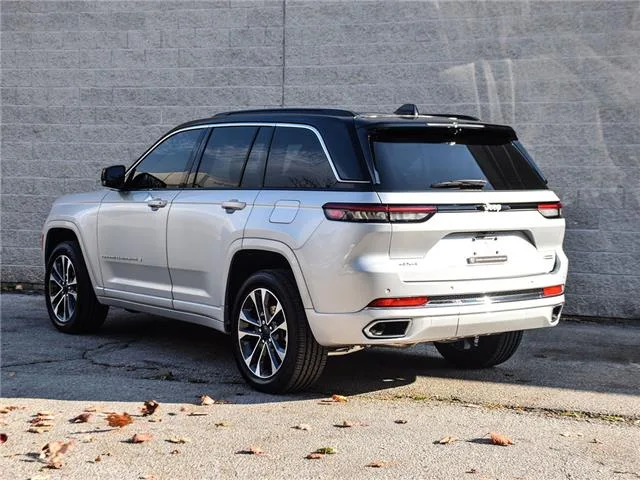
Long-term maintenance cost over 10 years
Looking at annual cost is helpful, but long-term ownership is where the Grand Cherokee becomes more revealing.
CarEdge estimates that a Jeep Grand Cherokee will cost about $11,142 over the first 10 years in maintenance and repairs. It also estimates that this is about $2,976 more than the segment average, with a 32.15% chance of a major repair during that same period. (CarEdge)
That does not make the Grand Cherokee a financial disaster. But it does place it in a category where buyers should not assume ownership will be as cheap as a simpler, lower-complexity mainstream SUV. Over a decade, the Grand Cherokee is more of a “budget for it properly” vehicle than a “set it and forget it” vehicle. (CarEdge)
For the Grand Cherokee L, CarEdge estimates a similar 10-year ownership pattern, with maintenance and repair cost at about $11,191 over 10 years. (CarEdge)
Why Grand Cherokee maintenance can get expensive
There are several reasons why the Jeep Grand Cherokee can cost more to maintain than some buyers expect.
1. It is a heavier, more complex SUV
The Grand Cherokee is not an entry-level compact crossover. It is a midsize SUV that often comes equipped with features such as:
- advanced four-wheel-drive systems
- multiple drive modes
- larger brakes and tires
- premium infotainment and electronics
- optional air suspension
- turbocharged or electrified powertrains in some trims
As complexity rises, maintenance and repair exposure tends to rise with it. Even if nothing catastrophic fails, more systems mean more possible wear points.
2. Certain trims are more expensive than others
A base or mid-level V6 Grand Cherokee is usually cheaper to maintain than a heavily optioned Summit, Overland, Trailhawk, or V8-powered version. Add adaptive suspension, bigger wheels, higher-end brake components, or plug-in hybrid hardware, and cost can climb.
3. Jeep ownership costs are above average as a brand
CarEdge estimates Jeep vehicles overall average about $11,605 in maintenance and repair costs over 10 years, which is higher than the industry average for popular brands. (CarEdge)
That matters because the Grand Cherokee is not an outlier within a cheap-to-own brand. It exists inside a brand ecosystem where long-term maintenance is already higher than average.
Routine maintenance costs you should expect
The Grand Cherokee’s true maintenance cost is made up of both routine service and unexpected repairs. Routine maintenance is the easier part to budget.
Typical scheduled service includes:
- engine oil and filter changes
- tire rotations
- engine air filter replacement
- cabin air filter replacement
- brake fluid service
- transmission service at longer intervals
- differential and transfer case fluid service on 4WD models
- brake pads and rotors
- battery replacement
- tires
The official intervals vary by year and powertrain, and Jeep directs owners to its Mopar maintenance schedule resources for factory service timing. (CarEdge)
Routine upkeep alone usually will not scare off most owners. The issue is what happens when age and mileage begin to stack up. At that point, normal wear items can overlap with more expensive repairs, and annual cost can move from “reasonable” to “noticeable” very quickly.
Repairs that can increase ownership cost
The Grand Cherokee’s maintenance cost becomes more significant when repairs move beyond scheduled service.
Some of the categories that can raise the total cost of ownership include:
- suspension component wear
- steering component wear
- cooling system repairs
- electronic issues
- infotainment glitches
- transfer case or drivetrain servicing
- brake system repairs
- air suspension faults on equipped models
- hybrid-system complexity on 4xe models
This is why averages should never be mistaken for guarantees. A trouble-free Grand Cherokee may feel fairly normal to own. A problematic one can become expensive in a hurry.
How model year affects maintenance cost
One of the biggest factors in Grand Cherokee maintenance cost is the model year.
A newer Grand Cherokee usually benefits from:
- less age-related wear
- fewer corrosion issues
- better electronics condition
- remaining warranty coverage in some cases
- lower likelihood of major component failure
An older Grand Cherokee may come with:
- suspension wear
- aging seals and gaskets
- more battery and electrical issues
- worn brakes and tires
- deferred maintenance from prior owners
RepairPal’s individual model-year pages show that yearly costs can vary by year. For example, RepairPal currently lists the 2018 Jeep Grand Cherokee annual maintenance cost at about $510, lower than the broad model average. (RepairPal.com)
That does not mean every 2018 Grand Cherokee is cheap to own. It means specific years can deviate from the broad model average depending on real-world service data. Mileage and condition still matter more than a single year-based estimate.
Grand Cherokee maintenance cost vs other SUVs
This is where context matters.
The Grand Cherokee is not the cheapest midsize SUV to maintain, and it does not pretend to be. CarEdge says its 10-year maintenance cost is several thousand dollars higher than the average for comparable SUVs. (CarEdge)
So if your number-one priority is minimum maintenance cost, there are safer bets elsewhere in the segment.
But that does not make the Grand Cherokee poor value. It simply means its ownership profile reflects what it offers:
- more premium positioning than many mainstream rivals
- stronger Jeep brand appeal
- more off-road capability in many trims
- more upscale interiors in higher trims
- a broader range of drivetrains and configurations
Vehicles with more capability and more equipment usually cost more to maintain than simpler transportation-focused models.
Is the Grand Cherokee expensive to maintain?
The fairest answer is this:
The Jeep Grand Cherokee is moderately expensive to maintain, but not extreme.
It is not a low-cost appliance SUV. But it is also not in the territory of a European luxury SUV where ownership costs can spiral dramatically just from routine service and electronics.
A good way to think about it:
- Under $700 per year on average is manageable for many buyers. (RepairPal.com)
- Around $11,142 over 10 years means you should treat maintenance as a real ownership budget line, not an afterthought. (CarEdge)
- A roughly 32.15% chance of a major repair over 10 years means long-term buyers should keep a repair reserve. (CarEdge)
So yes, the Grand Cherokee is somewhat expensive to maintain relative to the average midsize SUV, but not irrationally so for what it is.
How to reduce Jeep Grand Cherokee maintenance cost
The best way to control ownership cost is not to wait until something breaks. Preventive maintenance matters more on a vehicle like this than many owners realize.
Stay ahead of fluid service
Do not treat transmission, transfer case, differential, or brake fluid service as optional forever. Waiting too long tends to increase downstream repair risk.
Use quality tires
Cheap tires can hurt ride quality, braking, alignment behavior, and suspension wear. On a Grand Cherokee, tires influence the entire driving experience.
Do not ignore small suspension issues
Minor noises, looseness, or front-end wear can get more expensive when ignored.
Keep the battery and electrical system healthy
Modern SUVs rely heavily on electronics. Weak batteries can trigger strange behavior and false fault patterns.
Buy the right trim for your needs
If you do not need air suspension, a higher-output engine, or hybrid complexity, a simpler configuration may lower long-term maintenance exposure.
Get a pre-purchase inspection on used models
This is one of the most important cost-saving moves possible. A good inspection can reveal upcoming brake work, suspension wear, fluid leaks, tire issues, or hidden damage before you buy.
New vs used Grand Cherokee ownership cost
This is where buyer strategy matters.
A new Grand Cherokee may cost more upfront, but its maintenance cost is often easier to predict because:
- the vehicle starts with zero wear
- warranty coverage reduces repair risk
- scheduled maintenance is easier to manage on time
- you know the ownership history from day one
A used Grand Cherokee can be much cheaper to buy, but maintenance cost becomes more variable. A used example with excellent service records can be a smart buy. A neglected one can erase the purchase-price savings through repairs.
The wrong used Grand Cherokee can become expensive faster than many buyers expect.
Grand Cherokee L and 4xe considerations
Two versions deserve separate mention.
Grand Cherokee L
The larger three-row Grand Cherokee L brings extra practicality, but more size and weight can also mean more long-term wear exposure. CarEdge estimates about $11,191 over 10 years in maintenance and repair costs for the Grand Cherokee L. (CarEdge)
Grand Cherokee 4xe
The 4xe offers strong efficiency benefits and a more advanced ownership experience, but plug-in hybrid systems introduce more complexity. That does not automatically mean terrible maintenance cost, but it does mean long-term ownership should be considered differently from a simpler gas-only V6 model.
Final verdict: What does a Jeep Grand Cherokee cost to maintain?
If you want a clean, realistic conclusion, here it is:
A Jeep Grand Cherokee costs about $666 per year on average to maintain and repair, according to RepairPal, and about $11,142 over 10 years, according to CarEdge. Those numbers place it above the average midsize SUV in long-term maintenance cost, but not so high that it becomes unreasonable for buyers who understand what they are purchasing. (RepairPal.com)
The Grand Cherokee makes sense for buyers who want:
- midsize SUV practicality
- real Jeep identity
- a more premium cabin than many mainstream competitors
- available off-road capability
- a strong balance of comfort and utility
It makes less sense for buyers whose only goal is rock-bottom ownership cost.
That is the real takeaway. The Grand Cherokee is not the cheapest SUV to maintain. It is a vehicle you buy because you want what it offers, and then you maintain it properly so ownership stays predictable instead of painful.
Jeep Wrangler Years in Review
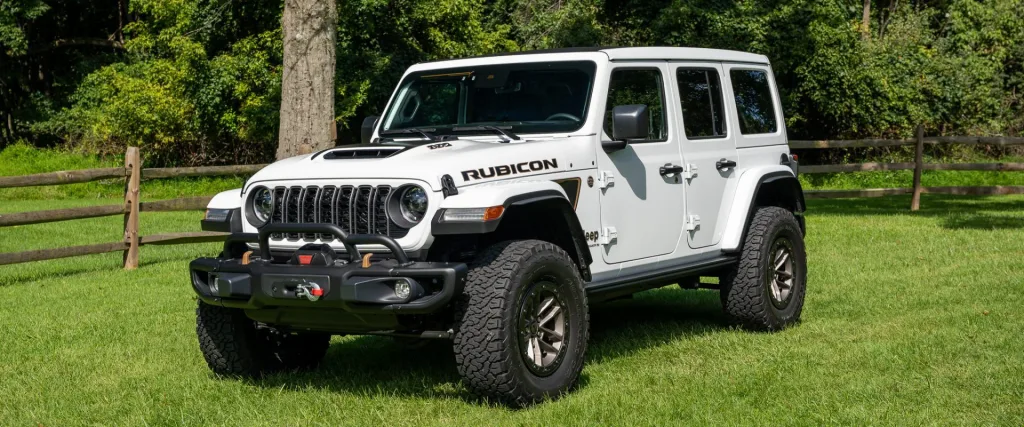
The Jeep Wrangler has one of the most loyal owner bases in the auto industry, and for good reason. Few vehicles match its combination of off-road capability, open-air driving experience, aftermarket support, and iconic design. But if you are buying used, especially without a factory warranty, one question matters more than almost anything else: which Jeep Wrangler years should you avoid?
Not every Wrangler is created equal. Some model years are much more dependable than others. Certain years are known for electrical gremlins, weak engines, steering issues, water leaks, excessive oil consumption, or expensive repair patterns that make them harder to recommend. Others are much more refined and can be excellent long-term purchases.
If you want the complete year-by-year breakdown, start with this detailed guide on Jeep Wrangler reliability by year.
This in-depth article focuses specifically on the Jeep Wrangler years to avoid, why those years developed weaker reputations, what common problems show up, and how to shop smart if you are considering a used Wrangler anyway.
Why some Jeep Wrangler years are worse than others
The Wrangler is not a normal SUV, and that changes how reliability should be judged.
A Wrangler is engineered around body-on-frame construction, solid axles, heavy-duty four-wheel-drive hardware, removable roof panels, removable doors, and a rugged chassis designed for uneven terrain. That makes it far more capable off-road than a typical crossover, but it also means more vibration, more exposure to the elements, and more wear on steering and suspension parts.
Wrangler reliability tends to suffer most when one or more of these conditions are present:
First-year redesign issues
When Jeep introduces a new generation, early production models often show bugs that later years fix.
Electrical complexity
Wranglers from certain years developed recurring issues with modules, sensors, warning lights, and related electronics.
Powertrain weaknesses
Some engines and transmission pairings are simply less desirable than others.
Steering and suspension sensitivity
Because of the Wrangler’s design, worn front-end parts can create a much more noticeable driving problem than on many other SUVs.
Heavy owner modification
Lift kits, oversized tires, and aftermarket steering components can either improve the vehicle or make it worse. On the used market, a bad modification job can make even a decent Wrangler year a nightmare.
So when people ask which Jeep Wrangler years to avoid, the answer is not just about defect counts. It is also about which years combine poor factory reliability with higher exposure to expensive or recurring repair patterns.
The Wrangler generations that matter most
For used buyers, two generations matter most:
JK generation: 2007 to 2018
This generation introduced the modern four-door Wrangler Unlimited and dramatically expanded Wrangler popularity. It also includes several of the years most buyers are warned about.
JL generation: 2018 to present
This generation improved comfort, interior quality, technology, and road manners. But, like many first-year redesigns, the early JL had issues that later models improved upon.
If your goal is to avoid the riskiest Wrangler years, you will spend most of your attention on the early JK years and the first JL year.
The Jeep Wrangler years to avoid most
2007 Jeep Wrangler
The 2007 Wrangler is one of the first years most buyers should approach with caution.
Why? Because it was the first model year of the JK generation. First-year vehicles often carry launch problems, and the 2007 Wrangler is a textbook example. It brought major changes to the platform, but it also came with more early build issues than the later JK years.
Common concerns with the 2007 Wrangler include:
- Electrical problems
- Fuel system complaints
- Water leaks
- Premature wear in steering and suspension components
- Less desirable engine performance from the 3.8-liter V6
The 3.8-liter engine in these early JK Wranglers is not universally terrible, but it is widely viewed as less refined and less satisfying than the later 3.6-liter Pentastar V6. It tends to feel underpowered, especially in four-door models, and can become even more frustrating when oversized tires or added weight are involved.
Another major reason to be careful with 2007 models is age. Even if a specific vehicle avoided major defects when new, it is now old enough that rubber seals, suspension bushings, wiring, gaskets, and interior weather protection may all need attention. On a Wrangler, that wear is more noticeable because the vehicle is so exposed to the environment.
The 2007 Wrangler is not automatically a bad purchase, but it is one of the clearest examples of a year to avoid unless the vehicle has excellent records, careful ownership history, and a very thorough inspection.
2008 Jeep Wrangler
The 2008 Wrangler often gets grouped with the 2007 because many of the same weaknesses remained.
It still used the 3.8-liter V6, it still carried early JK-generation issues, and it still showed more complaints than the better later JK years. Buyers often encounter recurring concerns around oil usage, electrical issues, steering wear, and general roughness compared with later Wranglers.
A common problem with older 2008 Wranglers on the used market is that many were bought specifically for off-road use. That means the vehicle may have been:
- Lifted
- Driven hard on trails
- Exposed to mud, water, salt, or rock damage
- Equipped with aftermarket parts that stress factory steering components
Even if the factory reliability of the 2008 model was only moderate, poor owner behavior can make it much worse today.
The biggest issue with the 2008 Wrangler is not that every one will fail. It is that there are too many reasons to choose a later model instead. When you can often stretch to a stronger Wrangler year with better mechanical reputation, the 2008 becomes hard to justify unless the price is extremely attractive.
2010 Jeep Wrangler
The 2010 Wrangler is another year that regularly appears on avoid lists.
By this point, Jeep had already been producing the JK for a few years, but the 2010 still carried several pain points that hurt its long-term reputation. Complaints often center around:
- Water leaks
- Soft top and hardtop sealing issues
- Electrical faults
- Steering vibration
- Occasional engine and oil-related concerns
One reason water leaks matter so much on a Wrangler is because they create secondary problems. A leak is not just a wet floor. Over time it can lead to:
- Mold or interior odor
- Corrosion in connectors
- Power accessory problems
- Damaged carpet and trim
- Persistent cabin noise and poor sealing
On a conventional SUV, cabin leaks are annoying. On a Wrangler, they can become part of a wider pattern of aging and deterioration if left unresolved.
The 2010 also remains tied to the less desirable 3.8-liter powertrain. If you are shopping for a JK and want to minimize risk, most buyers are better off skipping this year and going forward.
2011 Jeep Wrangler
The 2011 Wrangler is often considered one of the last and least attractive years of the early JK period.
In theory, being late in the cycle before the engine change should have made it better sorted. In practice, it still does not enjoy the reputation of later models. It shares the same core issue as earlier JK years: the 3.8-liter V6 never earned the confidence or enthusiasm that the 3.6-liter Pentastar would later bring.
The 2011 also still faces complaints involving:
- Steering and alignment behavior
- Electrical system trouble
- Interior water intrusion
- General aging-related reliability decline
This year is especially tricky because it can sometimes look appealing on the used market. Buyers may see it as a more modern Wrangler than the 2007 to 2010 models, but it still predates the major mechanical upgrade that changed the JK’s reputation.
If you are spending real money on a used Wrangler, most informed shoppers would rather move to 2012 and newer, or ideally to the better later JK years after early Pentastar bugs were worked through.
2012 Jeep Wrangler
The 2012 Wrangler is a fascinating case, because it is both an improvement and a caution year.
This was the first year Jeep put the 3.6-liter Pentastar V6 into the Wrangler. That was a major upgrade in power, drivability, and long-term appeal. On paper, that should make the 2012 an easy recommendation.
But there is a catch.
The 2012 Wrangler was the first year of that engine in the JK, and first-year mechanical changes often come with surprises. This year developed a reputation for issues involving:
- Cylinder head concerns on some early Pentastar engines
- Oil and cooling-related complaints
- Electrical issues
- New-powertrain teething problems
So while the 2012 is better than the old 3.8-liter Wranglers in many ways, it is also not the strongest Pentastar Wrangler to buy.
Think of the 2012 as a transition year. It gave buyers the engine they wanted, but not yet the polished version of ownership experience they would get in later years. If you are choosing between a 2012 and a 2015 or 2016, the later vehicle is usually the safer bet.
2018 Jeep Wrangler
The 2018 Wrangler is unusual because it overlaps two realities.
For JK buyers, 2018 can mean the final year of the old generation, which is generally more mature. But for many used buyers and reputation discussions, 2018 is strongly associated with the first-year JL generation, and that is where caution comes in.
The first-year JL brought major improvements:
- Better interior quality
- Modern infotainment
- Updated safety features
- Improved ride and refinement
- New powertrain choices
But first-year redesigns often come with bugs, and the 2018 JL proved that rule still matters.
Concerns associated with early JL models include:
- Steering box issues
- Wandering or vague steering feel
- Infotainment glitches
- Electrical complaints
- Build inconsistencies
- Early recall exposure
The reason many buyers avoid first-year JL models is simple: later JL years benefited from fixes, updates, and refinement. Unless the price difference is significant, many shoppers would rather buy a 2019 or newer JL and avoid the uncertainty.
Jeep Wrangler years that deserve caution, not automatic rejection
Not every questionable Wrangler year must be fully avoided. Some years are better described as buy carefully rather than do not buy.
2013 Jeep Wrangler
The 2013 is far better than the early JK years, but it is still close enough to the powertrain transition that some buyers prefer the 2015 to 2017 range. A well-maintained 2013 can be a solid Wrangler, but condition matters more here than in later years.
2014 Jeep Wrangler
The 2014 is often viewed as a decent middle ground. It is not usually the first year people warn against, but it also does not get the same enthusiastic recommendation as the best late-JK models. Service history is everything.
Heavily modified versions of any year
This matters enough to say clearly: a good Wrangler year can become a bad purchase if the vehicle has been poorly modified.
Watch carefully for:
- Lift kits with poor alignment
- Suspension geometry that looks off
- Tires rubbing on fenders or control arms
- Steering components under strain
- Cheap aftermarket bumpers or wiring
- Evidence of hard off-road abuse underneath
If a Wrangler has been “built” by someone who knew what they were doing, that can be fine. If it was assembled cheaply in a driveway with no alignment discipline and no documentation, walk away.
The better Wrangler years to buy instead
To understand which years to avoid, it helps to understand what the stronger years look like.
2015 to 2017 JK Wrangler
These are widely considered among the best used JK years to buy. By this point, the Pentastar engine was established, many early powertrain bugs had been addressed, and the overall platform was more mature.
Why buyers like these years:
- Better engine than early JKs
- More refined than 2007 to 2011
- Strong aftermarket support
- Good balance of old-school Wrangler simplicity and improved drivability
Among them, the 2017 Wrangler often gets especially strong praise because it was one of the last and most sorted versions of the JK.
2019 and newer JL Wrangler
If your budget allows, many buyers feel more comfortable starting with 2019 for the JL generation.
Benefits include:
- Better first-year bug resolution than 2018
- Improved tech behavior
- Stronger refinement
- Modern cabin and safety features
- Better daily driving comfort
The JL is not perfect, but later versions generally make more sense than jumping into the first production year.
Common Jeep Wrangler problems that make certain years worse
Whether you are looking at a year to avoid or just a risky used example, these are the issues that tend to matter most.
Death wobble
This phrase is famous in Jeep circles for a reason. Death wobble describes a violent front-end shaking event that can happen when steering and suspension components are worn, loose, or poorly aligned.
Not every Wrangler will experience it, but years with steering sensitivity, worn front-end parts, large tires, or questionable modifications are more vulnerable.
The problem often traces back to:
- Track bar wear
- Ball joints
- Tie rod ends
- Improper alignment
- Suspension geometry changes from lifts
- Steering stabilizer issues
A Wrangler with any hint of front-end shimmy should be inspected carefully before purchase.
Water leaks
Wranglers with removable tops are naturally more vulnerable to sealing issues than most SUVs. Years known for weatherstrip or roof leak complaints deserve special inspection around:
- Floor carpeting
- Door seals
- Rear cargo area
- Electrical connectors
- Hardtop panel joints
Water damage can quietly create expensive long-term problems.
Oil leaks and engine issues
Earlier and transition-year Wranglers can show oil leaks or engine-specific concerns. Always inspect:
- Valve cover area
- Oil filter housing area
- Signs of oil burning
- Cooling system condition
- Service records showing regular oil changes
Electrical problems
Electrical complaints are a recurring Wrangler theme across multiple years. Pay close attention to:
- Warning lights
- Power windows and locks
- Infotainment responsiveness
- Battery health
- Start-stop or auxiliary battery issues on newer models
- Evidence of aftermarket wiring
Bad wiring on a modified Jeep can turn a small issue into a major headache.
Rust and underbody damage
This is especially important in colder climates or coastal areas. Rust can affect:
- Frame rails
- Suspension mounts
- Brake lines
- Skid plates
- Body mounts
Rust is one of the fastest ways a used Wrangler stops being a fun purchase and starts becoming a money pit.
How to shop smart if you still want a “bad year” Wrangler
Sometimes a risky year is simply what fits the budget. If that is the case, the right approach is not blind avoidance. It is disciplined shopping.
Here is how to reduce your risk.
Buy on condition, not just year
A perfect 2011 can be better than a neglected 2016. Year matters, but maintenance history matters more.
Demand service records
Look for evidence of:
- Regular oil changes
- Cooling system maintenance
- Brake service
- Suspension repairs
- Steering work
- Differential and transfer case fluid changes
Inspect for modifications
Ask what was changed, when it was changed, and who installed it. A Wrangler with no documentation should be treated cautiously.
Get a pre-purchase inspection
This is not optional on a Wrangler unless the vehicle is extremely cheap. A qualified inspection can reveal:
- Hidden frame damage
- Steering wear
- Suspension issues
- Oil leaks
- Transfer case problems
- Evidence of water intrusion
Drive it at multiple speeds
A short city loop is not enough. You want to test:
- Low-speed turns
- Highway stability
- Braking behavior
- Steering centering
- Any sign of vibration
A Wrangler that feels loose, wanders, or shakes at speed is telling you something.
Final verdict: Jeep Wrangler years to avoid
If you want the clearest answer, the Jeep Wrangler years most buyers should be most careful with are:
- 2007
- 2008
- 2010
- 2011
- 2012
- 2018
The early JK years are the biggest risk because they combine first-generation bugs, the weaker 3.8-liter engine, age-related wear, and a higher probability of ownership abuse. The 2012 is better in many ways but still a transition year with first-year Pentastar concerns. The 2018 JL is best approached carefully because first-year redesigns often bring issues that later models resolve.
That does not mean every Wrangler from those years is bad. It means those are the years where the margin for error is thinner. If you buy one, you need to be more careful, more skeptical, and more committed to inspection and records.
For most shoppers, the smarter used Wrangler targets are the 2015 to 2017 JK models or 2019 and newer JL models. Those years generally offer a better balance of performance, reliability, and ownership confidence.
The Wrangler is still one of the most desirable used SUVs on the market, but it is not a vehicle you buy casually. The right year can deliver years of fun, strong resale value, and serious off-road capability. The wrong year can drain your budget through electrical problems, steering repairs, leaks, and neglected wear.
That is why understanding the Jeep Wrangler years to avoid is not just helpful. It is the difference between buying an icon and buying a project.
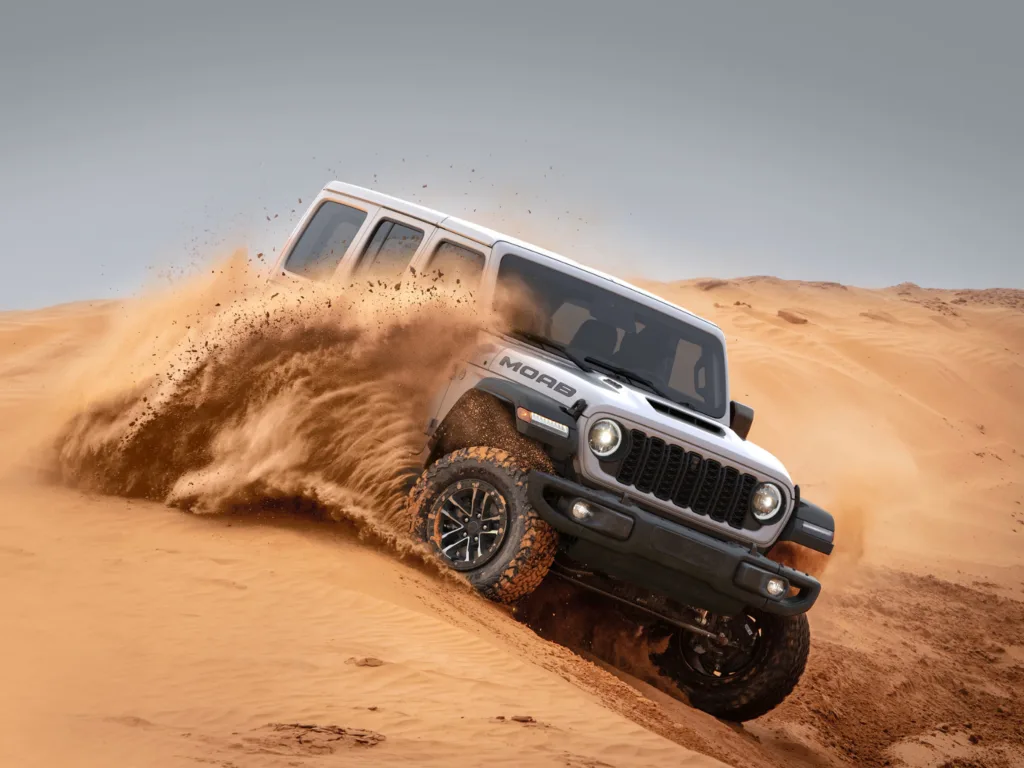
The Jeep Wrangler has been one of the most recognizable off-road vehicles in the world for decades. With removable doors, solid axles, and legendary trail capability, it represents the spirit of adventure. However, one of the most common questions among buyers is simple: how reliable is the Jeep Wrangler?
The answer is not completely straightforward. Wrangler reliability varies by model year, generation, and how the vehicle is used. Some years are extremely dependable, while others have more mechanical or electrical issues.
If you want a deeper breakdown of each model year, you can also check the detailed guide on
👉 Jeep Wrangler reliability by year breakdown.
In this comprehensive guide, we will examine the Jeep Wrangler reliability rating, common issues, best model years, maintenance expectations, and long-term durability.
Jeep Wrangler Reliability Rating Overview
When evaluating reliability, several major automotive research organizations provide ratings based on real owner data.
Typical Wrangler reliability scores include:
- RepairPal reliability rating: 3.5 out of 5.0
- Annual repair cost: about $694
- Ranking: roughly 25th among compact SUVs (RepairPal.com)
These numbers indicate that the Wrangler’s reliability is about average for its class, though it does not rank among the most dependable SUVs.
However, this rating must be interpreted carefully because the Wrangler is designed differently from most SUVs.
Unlike crossovers built primarily for commuting, the Wrangler is engineered for:
- heavy off-road use
- extreme terrain
- large tires and suspension articulation
- removable body components
Because of this design philosophy, it experiences different reliability challenges than typical vehicles.
Why Wrangler Reliability Is Often Misunderstood
Many reliability rankings compare the Wrangler with vehicles like the Toyota RAV4 or Honda CR-V. While those SUVs prioritize comfort and efficiency, the Wrangler prioritizes capability.
Several design factors influence its reliability ratings.
1. Body-on-Frame Construction
Unlike many modern SUVs that use unibody construction, the Wrangler still uses a traditional body-on-frame platform.
Benefits include:
- exceptional durability
- improved towing strength
- easier off-road modifications
However, this design also creates more vibration and mechanical stress, which can affect long-term reliability scores.
2. Solid Axle Suspension
The Wrangler uses solid front and rear axles, which are ideal for rock crawling and trail driving.
While incredibly durable off-road, this design can lead to:
- steering vibrations
- faster wear of suspension components
- alignment sensitivity
These issues can lower reliability ratings compared to vehicles with independent suspension.
3. High Modification Rates
Wranglers are among the most modified vehicles in the automotive world.
Common modifications include:
- lift kits
- oversized tires
- aftermarket bumpers
- off-road lighting systems
While these upgrades improve capability, poorly installed modifications can cause reliability problems.
Jeep Wrangler Reliability by Generation
The Wrangler’s reliability varies significantly depending on the generation.
The most relevant generations today include:
- JK (2007–2018)
- JL (2018–present)
JK Generation Reliability (2007–2018)
The JK generation introduced the popular four-door Wrangler Unlimited, dramatically increasing sales.
However, early JK models had reliability problems.
2007–2011 Wrangler Issues
The earliest JK models are widely considered the least reliable Wrangler years.
Common issues included:
- electrical failures
- oil leaks
- oxygen sensor problems
- water leaks inside the cabin
- electronic sway bar disconnect issues (simivalleychryslerdodgejeepram.com)
These problems were largely related to the 3.8-liter V6 engine and early production bugs.
Because of these issues, many buyers avoid these years unless they have documented repair history.
2012–2017 Wrangler Improvements
The Wrangler became significantly more reliable starting in 2012, when Jeep introduced the 3.6-liter Pentastar V6 engine.
This engine delivered:
- 285 horsepower
- improved fuel efficiency
- much better durability
Many Pentastar engines easily exceed 180,000 miles with routine maintenance.
Later JK models such as 2015–2017 are often considered among the most reliable Wrangler years.
The 2017 model, in particular, benefited from years of platform refinement and is frequently recommended for used buyers.
JL Generation Reliability (2018–Present)
The JL generation modernized the Wrangler with new technology and improved comfort.
Key upgrades included:
- updated interior materials
- improved safety technology
- new engine options
- better on-road handling
However, the first model year introduced several issues.
2018 JL Problems
Early JL models experienced typical first-year problems such as:
- steering box issues
- infotainment glitches
- electrical bugs
These problems were largely resolved by 2019.
Reliability of Newer JL Models
Later JL models have shown improved reliability scores.
For example:
- the JL generation received reliability scores as high as 86/100 from J.D. Power (AOL).
The most dependable JL model years are generally:
- 2019
- 2020
- 2021
- 2022
- 2023
These models combine the Wrangler’s traditional durability with more refined technology.
Common Jeep Wrangler Reliability Issues
Although Wranglers are capable vehicles, they do experience some recurring issues.
Understanding these problems helps owners maintain their vehicles properly.
1. The “Death Wobble”
One of the most famous Wrangler issues is the death wobble, a violent steering vibration that occurs at highway speeds.
This usually results from:
- worn ball joints
- loose track bars
- worn suspension bushings
- poor alignment
Although alarming, the issue is usually fixable with proper suspension maintenance.
2. Electrical Problems
Modern Wranglers include advanced electronics and infotainment systems.
Common electrical complaints include:
- dashboard warning lights
- infotainment system crashes
- battery issues
Many of these problems involve software updates rather than major mechanical repairs.
3. Oil Filter Housing Leaks
The Pentastar V6 engine occasionally develops leaks around the oil filter housing assembly.
While common, the repair is relatively inexpensive.
4. Windshield Cracking
Wranglers use a nearly vertical windshield, which increases the likelihood of rock damage.
Owners frequently report windshield replacements.
5. Roof and Water Leaks
Because Wranglers have removable tops, some owners report water leaks during heavy rain.
Improved seals in newer models have reduced this issue.
Wrangler Reliability Compared to Competitors
When compared to similar vehicles, Wrangler reliability falls somewhere in the middle.
| Vehicle | Reliability Reputation |
|---|---|
| Toyota 4Runner | Excellent |
| Jeep Wrangler | Average |
| Ford Bronco | Average |
| Land Rover Defender | Below average |
The Wrangler’s reliability ratings are lower mainly because it is designed for extreme off-road capability rather than daily commuting.
Jeep Wrangler Maintenance Costs
Maintenance costs for the Wrangler are slightly higher than average.
Average figures include:
- Annual repair cost: about $694 (RepairPal.com)
- Repair frequency: roughly 0.3 visits per year
- Probability of major repair: about 16% (RepairPal.com)
However, Wrangler maintenance remains relatively affordable due to its massive aftermarket parts availability.
How Long Do Jeep Wranglers Last?
One of the Wrangler’s biggest advantages is its longevity.
Many well-maintained Wranglers last:
- 15 to 20 years
- 200,000 to 300,000 miles depending on driving conditions (simivalleychryslerdodgejeepram.com).
Factors that influence longevity include:
- maintenance habits
- off-road usage
- climate conditions
- modification quality
Wranglers driven primarily on highways often last longer than those used heavily off-road.
Best Jeep Wrangler Years for Reliability
Based on reliability data and owner feedback, the most dependable Wrangler years include:
Best Years
- 2017 JK
- 2016 JK
- 2015 JK
- 2019 JL
- 2022–2023 JL
These models combine improved engines, refined electronics, and fewer reported problems.
Worst Wrangler Years
The least reliable years generally include:
- 2007
- 2008
- 2009
- 2010
- 2011
These models were affected by electrical failures and weaker engines.
Final Verdict: Is the Jeep Wrangler Reliable?
The Jeep Wrangler reliability rating can best be described as average but highly durable.
Strengths include:
- legendary off-road capability
- durable drivetrain components
- long vehicle lifespan
- strong resale value
Weaknesses include:
- electrical issues
- suspension wear
- lower reliability scores compared to crossover SUVs
However, reliability must be judged within the context of what the Wrangler is designed to do.
It is not simply a commuter SUV—it is an off-road machine built for extreme environments.
For buyers who want adventure, durability, and iconic design, the Wrangler remains one of the most appealing vehicles on the market.
Jeep Grand Cherokee Running Boards: Are They Worth It, Which Type Is Best, and What Owners Should Know
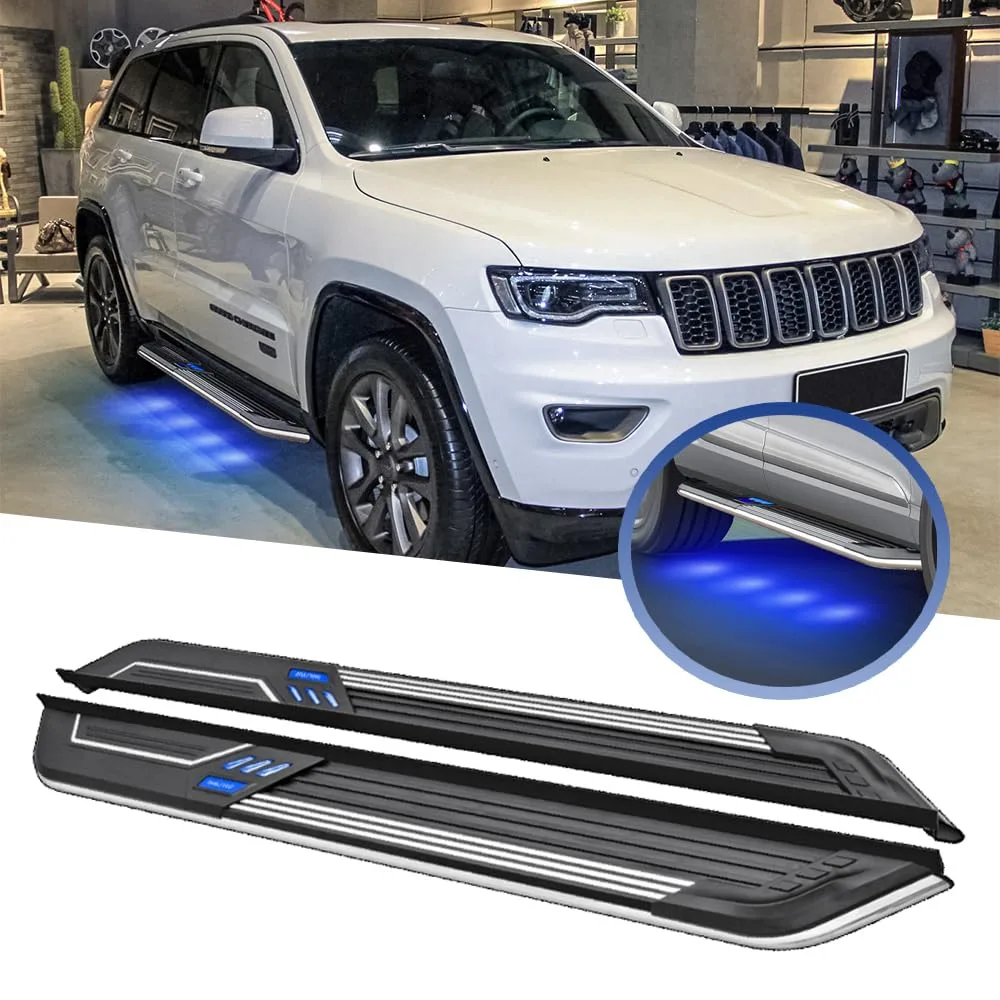
If you are shopping for Jeep Grand Cherokee running boards, you are probably trying to answer more than one question at the same time. You may want to know whether running boards make the Grand Cherokee easier to get into, whether they hurt ground clearance, whether side steps and running boards are the same thing, and whether factory-style accessories are better than generic aftermarket options.
The short answer is that running boards can be one of the smartest comfort and style upgrades for a Jeep Grand Cherokee, especially if you regularly carry kids, older passengers, or anyone who would benefit from a more stable step-in height. They can also help protect the lower body from minor road grime and give the SUV a more finished, upscale, or rugged look depending on the design you choose. Jeep and Mopar officially sell vehicle accessories, and Simi Valley Chrysler Dodge Jeep Ram positions itself as a source for Jeep inventory, service, and genuine Mopar parts and accessories. (Jeep Gear)
If you are exploring Grand Cherokee ownership, accessories, or service support, start with Simi Valley Chrysler Dodge Jeep Ram, browse the Jeep inventory, or check the service department.
What Are Jeep Grand Cherokee Running Boards?
Running boards are step surfaces mounted along the lower side of the vehicle, typically below the doors. On a Jeep Grand Cherokee, they serve two main purposes.
The first is practical. They make entry and exit easier by giving you an intermediate step between the ground and the cabin floor. That matters more than people think, especially on SUVs that sit higher than sedans.
The second is visual. Running boards change the way the Grand Cherokee looks. Some designs make it appear more premium and upscale. Others give it a stronger off-road stance. On a vehicle like the Grand Cherokee, which already balances comfort and capability, that styling difference can be a big part of the appeal.
Many buyers also use the terms running boards, side steps, and nerf bars interchangeably, but they are not always identical. Running boards usually offer a broader, flatter stepping surface. Side steps may be more compact. Nerf bars often have a rounder, more tubular appearance. For most Grand Cherokee owners, the question is not just what they are called. The real question is which setup fits how the SUV is actually used.
If you are comparing trim levels or deciding whether to accessorize a new or used model, the Grand Cherokee inventory at Simi Valley CDJR is the best place to begin.
Why Grand Cherokee Owners Add Running Boards
There is a reason this upgrade stays popular year after year. Grand Cherokee running boards are one of the few accessories that can improve both daily usability and appearance at the same time.
Easier entry and exit
This is the biggest reason most people buy them. If your passengers include children, parents, grandparents, or anyone who does not want to climb up into the cabin, a running board makes the Grand Cherokee easier to live with every single day.
Better convenience for loading
Running boards can also help when reaching roof-mounted cargo, cleaning the roofline, or loading a roof rack. Even if they are not designed as a rooftop access platform, they give you a better side position than standing directly on the ground.
Visual upgrade
A Grand Cherokee already has a strong design, but running boards can make it look more complete. On some builds, they add a premium, factory-finished appearance. On others, they make the SUV look tougher and more trail-ready.
Light body-side protection
Running boards are not the same as hardcore rock sliders, but they can still provide a little shielding from splashed debris, road grime, and incidental contact in daily driving situations.
Practical family upgrade
A lot of owners do not realize how valuable running boards are until after installation. For family use, especially repeated school runs, grocery stops, sports practice, and weekend travel, they often become one of the most appreciated accessories on the entire vehicle.
If you are keeping your Jeep long term and want accessories that improve real-world ownership, the parts and service support at Simi Valley Chrysler Dodge Jeep Ram is worth using instead of guessing your way through generic add-ons.
Are Running Boards Worth It on a Jeep Grand Cherokee?
For many owners, yes.
That does not mean every Grand Cherokee needs them. A lower trim with mostly solo driving and no family passengers may be fine without them. But if you are asking the question seriously, there is a good chance you already have the use case that makes them worthwhile.
Running boards tend to be worth it if:
- You want easier cabin access
- You drive with kids or older passengers
- You want a more finished SUV look
- You use the vehicle for travel and loading
- You prefer OEM-style fit and appearance
- You want a practical upgrade, not just cosmetic flash
They may be less necessary if:
- You prefer maximum side clearance
- You do frequent off-road driving where breakover and side clearance matter
- You want the cleanest possible side profile
- You almost never carry passengers who need a step up
So yes, for a lot of buyers, Jeep Grand Cherokee running boards are worth it. The key is choosing the right type rather than buying the first set that looks acceptable online.
Running Boards vs Side Steps on a Jeep Grand Cherokee
This is where a lot of buyers get tripped up.
A running board usually has a longer, wider stepping surface that spans much of the door area. It is often better for families, daily commuting, and anyone who values comfort and ease of use.
A side step may be more compact and may emphasize appearance or a sportier look. It can still work well, but it may not offer the same broad stepping area.
For Grand Cherokee owners, the best choice depends on what matters most:
- If comfort and everyday convenience come first, running boards usually make more sense.
- If you want a cleaner look with a smaller step pad, side steps may be enough.
- If you care about trail abuse, neither is the same thing as a true rock slider.
This is why genuine or vehicle-specific parts matter. Fitment, mounting integrity, and door-area coverage are not details you want to get wrong on a daily-driven SUV. Jeep officially promotes Mopar accessories and genuine-approved parts through its accessory channels, and Simi Valley CDJR highlights genuine Mopar parts and accessories as part of its Jeep support. (Jeep Gear)
Do Running Boards Affect Ground Clearance?
Yes, at least to some degree.
This is one of the biggest tradeoffs. Anything mounted along the lower side of the SUV can slightly reduce the clean clearance envelope compared with having nothing there at all. For most road-focused Grand Cherokee owners, this is not a major issue. But if you regularly drive rough trails, rocky paths, deep ruts, or uneven terrain, it becomes more relevant.
That does not mean you should automatically avoid running boards if you like mild adventure use. It just means you should be honest about how you actually use the SUV.
A Grand Cherokee that spends most of its life on pavement, family trips, commuting, and occasional dirt roads will usually benefit more from the convenience of running boards than it will suffer from the slight loss in side clearance.
A Grand Cherokee that regularly sees technical off-road use may be better served by a more purpose-built protection solution.
Do Running Boards Make the Grand Cherokee Safer?
They can improve entry and exit confidence, especially in bad weather or for shorter passengers, but they are not a substitute for careful movement or proper footwear. Their biggest safety contribution is reducing awkward step-up motion when getting in or out of the vehicle.
That matters more in real life than some people admit. Slipping while climbing into an SUV is not a theoretical issue. A stable side step can make a meaningful difference, especially when the ground is wet or the passenger is carrying bags, helping a child, or stepping out in a narrow parking space.
The best running board is not just the one that looks good in a photo. It is the one that gives a stable step surface and integrates cleanly with the vehicle.
Best Reasons to Choose OEM-Style or Genuine-Accessory Fitment
There are a lot of running board options out there, but factory-style fitment usually wins on the things that matter most long term:
Better fit
Vehicle-specific running boards are designed to match the body, door area, and mounting points more accurately.
Cleaner appearance
A good Grand Cherokee running board should look like it belongs there, not like it was added as an afterthought.
Better compatibility
Fitment problems are common when people buy universal accessories for a vehicle that really needs model-specific hardware.
Easier service support
Working with a dealership or genuine-parts source usually makes installation, troubleshooting, and replacement easier.
Jeep and Mopar continue to promote official accessory channels, and Simi Valley CDJR presents genuine Mopar parts and factory-trained service support as part of its Jeep ownership ecosystem. (Jeep Gear)
If you would rather do this once and do it right, connect with Simi Valley CDJR service or start from the main dealership homepage.
Jeep Grand Cherokee Running Boards for Families
This deserves its own section because family usability is where running boards make the strongest case.
On paper, a running board looks like a small upgrade. In daily family use, it can feel like a major one.
Think about what repeated SUV use actually looks like:
- kids climbing in and out
- backpacks and sports gear
- grandparents riding along
- grocery runs
- road trips
- rainy parking lots
- curbside pickups
- car seats and child assistance
In all of those situations, a usable step surface makes the Grand Cherokee easier to live with. That is why running boards often become a “why didn’t we do this earlier?” upgrade.
Jeep Grand Cherokee Running Boards for Appearance
Not every accessory has to solve a technical problem. Sometimes the point is that the SUV just looks better.
On the Grand Cherokee, running boards can help visually connect the front and rear lower body lines. They can also make the SUV feel more substantial and more premium. On some trims, they pair especially well with larger wheels, darker trim, or black exterior accents.
This is one reason people shopping for a newer Grand Cherokee often want to compare accessorized examples rather than plain stock photos. If you are browsing locally, the Jeep inventory at Simi Valley CDJR is the easiest place to start.
Should You Install Running Boards on a New or Used Grand Cherokee?
Either can make sense.
For a new Grand Cherokee, running boards are a great way to personalize the SUV right away and improve daily usability from day one.
For a used Grand Cherokee, they can be one of the most cost-effective upgrades because they change the ownership experience every time you open the door.
In both cases, the smarter move is to think in terms of long-term fit and quality, not just lowest upfront price. Cheap accessories often look fine online and disappointing in person.
If you are still deciding whether to keep your current vehicle or move into a Grand Cherokee that fits your needs better, explore the used inventory, new inventory, or check your current value on the trade-in page.
Installation: DIY or Professional?
Some owners like to install accessories themselves. That can work if the product is truly vehicle-specific, the hardware is complete, and you are comfortable working under the vehicle.
But there is a strong case for professional installation, especially on a premium SUV like the Grand Cherokee.
Why?
- Proper alignment matters
- Torque and mounting integrity matter
- You want even placement from side to side
- You do not want rattles, looseness, or crooked fitment
- If there is an issue later, support is easier when the accessory path is documented
That is where the service department at Simi Valley Chrysler Dodge Jeep Ram becomes more useful than gambling on trial-and-error installation.
What to Look for Before You Buy Jeep Grand Cherokee Running Boards
Before you choose a set, ask these questions:
Is it actually designed for your exact Grand Cherokee generation and configuration?
This matters more than people think.
Is the stepping surface wide enough to be useful?
Some products look good but offer less practical footing than expected.
Does it match the look you want?
Premium, rugged, sporty, factory-style, and blacked-out are not the same visual goal.
Are you prioritizing family convenience or off-road clearance?
Be honest about the SUV’s real job.
Are you choosing long-term fitment quality over bargain pricing?
That usually pays off.
Do you want dealership-backed service and parts support?
If yes, work through a real Jeep support channel.
Final Thoughts
Jeep Grand Cherokee running boards are one of the best examples of an accessory that can improve both form and function. They make the SUV easier to enter, more convenient for passengers, more practical for family use, and often more attractive overall. For many owners, they are not a flashy extra. They are a daily-life upgrade.
The only mistake is treating all running boards as equal. They are not. Fit, finish, width, style, clearance impact, and installation quality all matter. A well-chosen set can make your Grand Cherokee feel more complete. A poorly chosen set can feel cheap, awkward, or unnecessary.
If you want to explore Grand Cherokee ownership, factory-style service support, or genuine Mopar parts and accessories, visit Simi Valley Chrysler Dodge Jeep Ram, browse the Jeep inventory, explore the used inventory, or schedule with the service department.
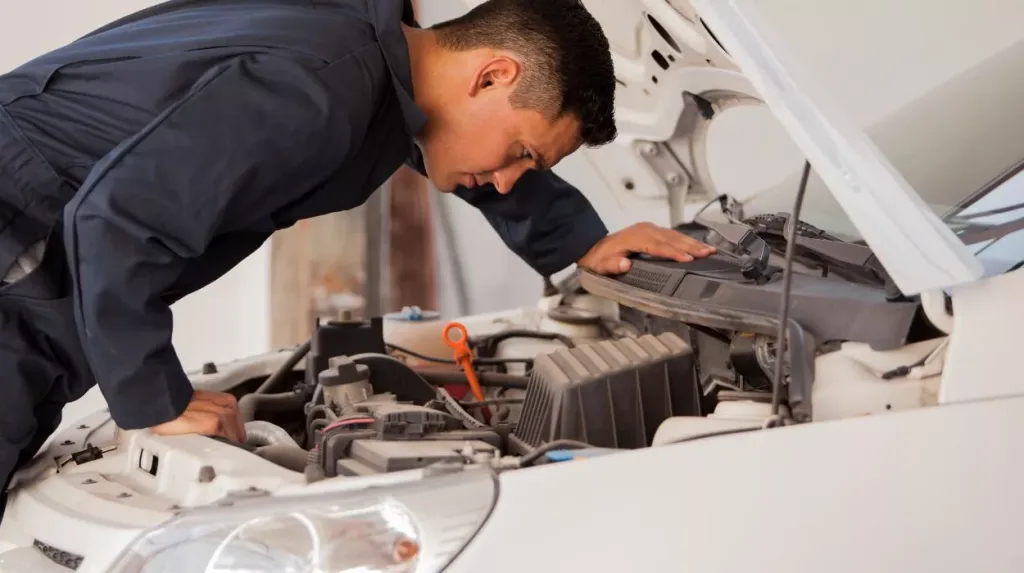
If you are wondering how long a car inspection takes, the real answer is: it depends on the type of inspection, the condition of the vehicle, and where you go. In a best-case scenario, a very basic inspection can feel quick. In the real world, though, most drivers are not just asking about a five-minute visual walkaround. They want to know how long it takes to inspect a car properly, how long a dealership inspection takes, whether a state inspection moves faster, and what can slow the whole process down.
That is why this question gets searched so often. People are trying to plan their day. They want to know whether they can wait at the service department, whether they need to drop the car off, whether they are looking at a 15-minute inspection, or whether the vehicle will be tied up for hours because something small turned into something bigger.
At Simi Valley Chrysler Dodge Jeep Ram, the better way to think about inspection time is not as one fixed number. Instead, think of it as a range based on what kind of inspection your vehicle actually needs. A quick pre-trip or basic safety check is not the same as a full used-car inspection, a multi-point dealership inspection, or a state-required emissions and safety inspection.
If you want to schedule service, start here: Simi Valley CDJR Service Department. If your inspection turns into a bigger repair or you decide it makes more sense to upgrade instead, you can also browse the new inventory or used inventory.
The Short Answer: How Long Does a Car Inspection Take?
For most drivers, a car inspection usually takes anywhere from about 15 minutes to over an hour, depending on what is being checked.
A simple inspection may be relatively fast. A more complete inspection, especially at a dealership or service center, can take longer because technicians are not just glancing at the car. They are checking important systems, identifying wear, and documenting anything that needs attention.
Here is a practical way to think about it:
- A very basic inspection can sometimes be done in around 15 to 30 minutes
- A standard dealership multi-point inspection often takes around 30 minutes to an hour
- A state inspection or emissions-related inspection may take longer depending on wait times, paperwork, and test requirements
- A full used vehicle or pre-purchase inspection can take an hour or more, especially if the technician finds issues that require deeper review
That is why search terms like how long do inspections take, how long does inspection take, how long does an inspection take, and how long does it take to inspect a car are all really asking the same thing: how much of your day this is going to consume.

Why Inspection Time Varies So Much
A lot of articles answer this question too simply. They throw out one number and move on. That is not how inspections work in real life.
A vehicle inspection time can vary because of several factors:
1. The type of inspection
This is the biggest factor. A quick car inspection near me search might bring up fast checks, but a genuine dealership inspection is usually more thorough.
2. The condition of the car
If the vehicle is clean, accessible, and in reasonably good shape, the process tends to move faster. If it has warning lights, worn tires, leaks, brake issues, or modifications, the technician may need more time.
3. Shop traffic and scheduling
Sometimes the inspection itself is not what takes the longest. The waiting line does. A service center may be ready to inspect your car quickly once it reaches the bay, but intake volume can change how long the total appointment feels.
4. Whether extra diagnosis is needed
An inspection can uncover a problem that leads to additional time. A routine check may become a brake measurement, suspension review, battery test, or scan for trouble codes.
5. Whether the vehicle needs state-specific checks
If someone is searching how long does a state inspection take or how long does a state car inspection take, they are asking about a process that often includes specific legal requirements, not just a general mechanical review.
If you want a dealership-backed inspection rather than a rushed generic check, the best place to start is the Simi Valley CDJR service department.
What Happens During a Car Inspection?
One reason people underestimate car inspection time is because they do not realize how much can be involved. A proper inspection may include checks of:
- Tires and tread depth
- Brake condition
- Battery performance
- Fluid levels and visible leaks
- Suspension components
- Steering response
- Belts and hoses
- Lights and signals
- Wiper blades
- Warning lights
- Undercarriage condition
- Cabin and engine air filters
- Charging and starting system condition
A more complete inspection may also include a road test, diagnostic scan, or measurements of brake pad life and tire wear. That is why how long does an auto inspection take does not have the same answer for every vehicle.
A technician doing a real inspection is not just looking for whether the vehicle starts. They are checking whether it is safe, whether it is wearing out in predictable ways, and whether it is about to need work that the owner should know about.
How Long Does a Car Inspection Take at a Dealership?
This is where the answer becomes especially useful for drivers. If you are asking how long does a car inspection take at a dealership, the answer is usually more reassuring than people expect. In many cases, a dealership inspection can be fairly efficient because the service department has trained technicians, proper tools, and a set inspection workflow.
At the same time, a dealership inspection may also be more detailed than the kind of quick glance you get somewhere advertising a fast car inspection near me. That is a good thing. A rushed check may get you out faster, but it may not tell you much.
At a dealership like Simi Valley Chrysler Dodge Jeep Ram, inspection time depends on whether you are coming in for:
- A general service inspection
- A brake inspection
- A pre-trip inspection
- A seasonal vehicle check
- A used vehicle evaluation
- A concern-specific inspection tied to a warning light, noise, or drivability issue
If your goal is to find out whether your vehicle is actually healthy, a slightly longer inspection is often worth it.
You can also contact the service team directly if you want to plan around wait time versus drop-off.
How Long Does a State Inspection Take?
This is one of the most common variations of the keyword. People search:
- how long does a state inspection take
- how long does a state car inspection take
- how long does a car inspection take in pa
- how long does a car inspection take in ny
- how long does a car inspection take in nc
The reason these searches are so common is simple: state inspections are different from general dealership or repair-shop inspections. They may include legal compliance items such as emissions testing, documentation, safety verification, and system-specific requirements.
In general, a state inspection can sometimes feel longer because the total time includes:
- Check-in
- Waiting line
- Required test procedure
- Paperwork
- Any re-checks if something fails
In many cases, the actual inspection portion may be reasonable, but total time is affected by demand and local procedure. That is why someone searching what time does inspection station open is really trying to beat the rush.
Even when the inspection itself is straightforward, the overall visit can still stretch out depending on how busy the location is and whether the vehicle passes cleanly the first time.
Can a Car Inspection Take Only 15 Minutes?
Sometimes, yes. That is why phrases like 15 minute inspection, 10 minutes inspection, and inspection express – 10 minute inspection appear in search data. People want speed.
But there is an important distinction here: a 15-minute inspection can happen, but it is usually either:
- A very basic check
- A lightly loaded shop handling a simple vehicle
- A narrow service-specific inspection
- A marketing phrase rather than a fully comprehensive mechanical evaluation
If the vehicle is newer, has no visible issues, and is only getting a limited inspection, the process may indeed feel quick. But if the car needs a true diagnostic-quality review, 15 minutes is not much time.
That is why drivers need to decide what they actually want. Do you want the fastest possible answer, or do you want the most useful one?
If your vehicle has symptoms, noises, warning lights, uneven tire wear, weak brakes, or charging concerns, you should not be shopping for the shortest inspection. You should be shopping for the most accurate one, which is where the Simi Valley CDJR service department becomes more valuable than a generic express lane.
How Long Should a Car Inspection Take?
This is a smarter question than it seems. When people ask how long should a car inspection take, they are usually trying to figure out whether they are being rushed or whether the shop is dragging things out unnecessarily.
A good answer is this:
A car inspection should take long enough to be thorough, but not so long that the vehicle sits untouched without a reason.
That means:
- A fast, simple inspection should not be artificially stretched
- A full inspection should not be rushed just to hit a marketing time promise
- The shop should be able to explain what is being inspected and why the timing makes sense
If a service team says the inspection is taking longer, that is not automatically bad. It may mean the technician found something worth checking more carefully. On the other hand, if the vehicle sits for a long time before anyone touches it, that is more about scheduling than inspection time itself.
What Slows Down a Car Inspection?
If you want to estimate your own vehicle inspection time, these are the biggest delay factors.
Warning lights
A check engine light, ABS light, battery light, or airbag light often turns a routine inspection into a deeper diagnostic process.
Tire or brake wear
If the technician sees unusual wear or a safety issue, they may need to measure components more carefully.
Leaks
Oil leaks, coolant leaks, and seepage around major components can require additional inspection time.
Modifications
Lift kits, aftermarket wheels, performance parts, or non-standard wiring can complicate a basic inspection.
Battery or charging issues
A weak battery or poor alternator output can require formal testing instead of a quick visual check.
Customer complaints
If you came in saying the car makes a noise, shakes at highway speed, smells like coolant, or dies overnight, the inspection becomes more than a simple multi-point review.
Heavy service traffic
Sometimes the technician is fast, but the service lane is busy.
That is why how long does it take to get your car inspected and how long does it take to get a car inspection can vary so much from one visit to the next.
How Long Does It Take to Inspect a Used Car?
A used-car inspection should generally take longer than a casual check because more is at stake. When a used vehicle is being evaluated, the technician is not just checking whether it seems okay for today. They are looking for wear patterns, deferred maintenance, hidden damage, and signs that major service may be coming soon.
A proper used-car inspection may include:
- Undercarriage review
- Brake and tire condition
- Suspension wear
- Fluid condition
- Signs of collision repair
- Engine bay issues
- Battery and charging review
- Road test impressions
- Scan for codes or pending issues
This kind of inspection is one of the most valuable services a buyer can pay for because it helps prevent the classic used-car mistake: buying a vehicle that looks clean but is expensive underneath.
If an inspection reveals that the used vehicle you were considering is not worth the trouble, you can skip the risk and browse dealer-backed options in the used inventory at Simi Valley CDJR.
Is a Quick Car Inspection Near Me Good Enough?
Sometimes it is. Sometimes it is not.
A quick car inspection near me may be enough if:
- You just want a very basic status check
- The vehicle is relatively new
- You have no warning lights or symptoms
- You only want a simple safety overview
It may not be enough if:
- The vehicle is older
- You are buying used
- You have warning lights
- The car has sat unused
- You suspect brake, battery, suspension, or leak issues
- You want confidence, not just speed
The same logic applies to search terms like fast car inspection near me and express state inspection. Fast is only good when the inspection is still meaningful.
Does the Inspection Itself Take Longer Than the Appointment?
Not always. This is one of the biggest misunderstandings people have.
The actual inspection may be relatively efficient. The full appointment may feel longer because it includes:
- Arrival and write-up
- Queue time
- Technician assignment
- Inspection process
- Review of findings
- Estimate preparation if needed
- Customer communication
So when people search how long does it take for car inspection or how long does it take for a car inspection, they are often mixing up two different timelines:
- The actual time spent inspecting the car
- The total time spent at the shop
That distinction matters for planning your day.
How to Make Your Car Inspection Faster
If you want your inspection to move as efficiently as possible, there are a few simple things you can do.
Schedule ahead
Appointments usually move more predictably than walk-ins.
Arrive on time
Showing up late often pushes the entire process back.
Be specific about the concern
If you are hearing a noise, seeing a light, or noticing a problem, describe it clearly.
Remove clutter
A vehicle packed with cargo or personal items can slow access to key inspection areas.
Bring service history if relevant
If the shop knows what was recently replaced, they can avoid unnecessary re-checks.
Choose the right type of inspection
Do not ask for a quick check if what you really need is a deeper diagnosis.
If you are ready to book service, go directly to Simi Valley CDJR service.
When a Car Inspection Turns Into Repairs
A lot of drivers ask how long is a car inspection because they expect a simple in-and-out visit. But inspections often uncover things like:
- Brake pads that are nearly worn out
- Tires that need replacement
- Weak batteries
- Fluid leaks
- Suspension wear
- Belts or hoses near failure
- Filters that are overdue
- Diagnostic trouble codes
When that happens, the question changes from inspection time to repair time.
That is not a bad thing. In fact, it is often the whole point of the inspection. It is better to discover an issue during a scheduled visit than during a roadside breakdown.
If the repair estimate makes you rethink keeping the car, you can also explore alternatives through Simi Valley CDJR’s new inventory, used inventory, or even get a value on your current vehicle through the trade-in page.
How Long Does a Car Inspection Take at a Dealership vs Other Places?
A dealership inspection is often more structured and more brand-aware than a generic quick-check location. That can make it more useful, especially if you drive a Chrysler, Dodge, Jeep, or Ram vehicle.
At a dealership, the technician may already know the common wear patterns, service intervals, and inspection priorities for your vehicle. That can improve both accuracy and efficiency.
A generic location might advertise speed, but speed is not always the same thing as value. If you are dealing with an actual concern and want a thorough review, dealership service often makes more sense.
That is especially true if your inspection is tied to future maintenance, warranty questions, OEM parts, or brand-specific service recommendations. Start with Simi Valley Chrysler Dodge Jeep Ram.
How Long Do Car Inspections Take When the Car Fails?
If the vehicle fails a required check or shows a major issue, the original inspection may still finish in a reasonable window. What changes is the next step.
At that point, the service advisor may need time to:
- Explain the failure
- Prepare an estimate
- Recommend next steps
- Schedule repairs
- Arrange re-inspection if needed
That means the inspection may not have taken too long, but the visit itself becomes longer because now you are dealing with what the inspection found.
So, How Long Does Car Inspection Take?
If you want the best practical answer, it is this:
Most car inspections take somewhere between about 15 minutes and an hour, but the total appointment can be longer depending on vehicle condition, shop traffic, and whether the technician finds issues that need additional review.
That answer works because it reflects reality. It accounts for:
- how long does car inspection take
- how long do car inspections take
- how long does it take to inspect a car
- how long does an inspection take on a car
- how long does a car inspection take at a dealership
- how long does a state inspection take
The exact number changes, but the pattern stays the same: simple inspections are faster, thorough inspections take longer, and problem cars take longest.
Final Thoughts
If you are searching how long does a car inspection take, the most important thing to understand is that speed should not be the only goal. A rushed inspection might save a few minutes, but a proper inspection can save you from far bigger problems later. The right amount of time depends on the kind of inspection, the condition of the vehicle, and what you want to learn from the visit.
For some drivers, a quick 15-minute inspection may be enough. For others, especially those with warning lights, noise complaints, used-car concerns, or overdue maintenance, a more complete inspection is the smarter move. That is why the better question is not just how long inspections take, but whether the inspection is actually thorough enough to matter.
If you want a dealership-backed inspection, service support, or help deciding whether to repair or replace your vehicle, visit Simi Valley Chrysler Dodge Jeep Ram, schedule with the service department, browse the new inventory, check the used inventory, or value your vehicle on the trade-in page.
3.6 Pentastar Years to Avoid – Expert Review
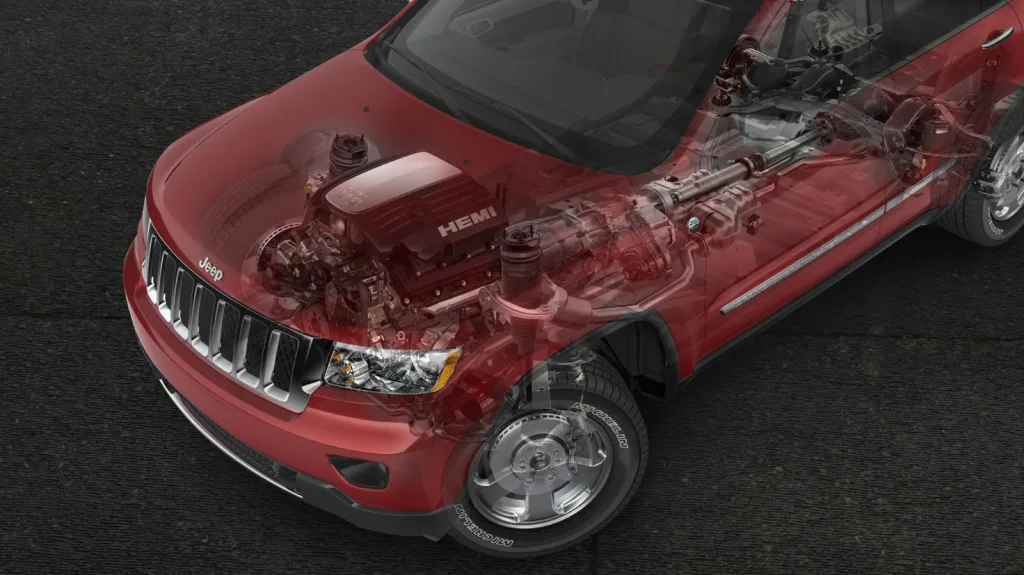
If you want the blunt answer first, the 3.6 Pentastar years that deserve the most caution are 2011, 2012, and 2013. Those are the years most closely tied to the Pentastar’s best-known early defect: left-cylinder-head/cylinder-leakage-related misfires, serious enough that FCA issued an extended-warranty bulletin covering many 2011–2013 applications, including the 2012–2013 Jeep Wrangler and multiple Chrysler, Dodge, and Jeep models. In that bulletin, FCA specifically tied the issue to misfire codes such as P0300, P0302, P0304, and P0306 and instructed dealers to check for excessive cylinder leakage and replace the cylinder head if necessary.
That does not mean every 2011–2013 Pentastar is a guaranteed problem. It does mean that if you are shopping used, those are the years where you should be the most skeptical, the most documentation-focused, and the least willing to buy a vague “runs great” example with no proof of repairs. Later Pentastar years are generally safer bets, but later engines are not flawless either. FCA service information shows later pain points including oil filter housing / oil filter adapter leak diagnosis on early 2014 ERB engines, a narrow 2016 camshaft issue on certain Grand Cherokee and Durango builds, and even a 2022 customer-satisfaction campaign for a small number of 3.6 vehicles requiring left-side cylinder-head replacement due to engine misfire.
So the smartest version of this article is not “avoid all Pentastars” and not “they are all fine.” It is this: avoid or heavily scrutinize the early 2011–2013 engines first, be careful with some 2014–2016 examples if records are weak, and judge every later engine by VIN history, service history, and symptoms rather than model year alone.
If you are comparing used Jeep inventory or want a newer model with service support behind it, start with the Simi Valley Chrysler Dodge Jeep Ram homepage, browse the used inventory, or check the service department.
Why the 3.6 Pentastar Has This Reputation
The Pentastar is not a one-year engine or a one-vehicle engine. It has been used across a huge number of Chrysler, Dodge, Jeep, and Ram products. That makes internet advice messy, because people often talk about “the Pentastar” as if a 2011 Wrangler, a 2014 Ram 1500, a 2016 Grand Cherokee, and a 2022 Wrangler all share exactly the same risk profile. They do not.
What gave the engine its reputation early on was not some vague forum rumor. FCA’s own bulletin for the X56 warranty extension explicitly covered a long list of 2011–2013 vehicles with the 3.6L ERB engine and described a repair path for misfire-related cylinder-head problems. The included applications span multiple brands and body styles, which is why the early Pentastar reputation became so widespread.
The important takeaway is that the Pentastar’s bad name mostly comes from specific clusters of issues, not from a blanket official finding that every year was defective. That distinction matters when you are buying used, because the right question is not “Is the Pentastar bad?” The right question is “Which Pentastar years and sub-groups had the most documented headaches, and has this specific vehicle already had the relevant repair?”
The Main 3.6 Pentastar Years to Avoid
2011 to 2013: the real caution zone
If you only remember one range from this article, make it this one. 2011, 2012, and 2013 are the Pentastar years I would treat with the most caution. FCA’s extended-warranty bulletin is the strongest official reason why. It covered 2011–2013 model-year applications and told dealers to diagnose excessive cylinder leakage and replace the cylinder head when needed on affected vehicles showing misfire symptoms. The bulletin specifically included vehicles such as the 2012–2013 Jeep Wrangler, 2011–2013 Grand Cherokee, 2011–2013 Charger, 2011–2013 Challenger, 2011–2013 300, 2011–2013 Durango, and others equipped with the 3.6L ERB.
This is why so many buyers and technicians still tell people to be wary of the earliest Pentastar years. The concern was not hypothetical. It was serious enough to generate official diagnostic and repair guidance tied to specific misfire fault codes.
If you are looking at one of these early engines, here is the first thing that matters: Has the cylinder-head issue already been repaired? If the seller cannot answer that, or gives you a fuzzy “I think so,” you should assume you need proof before paying real money.
2014: not automatic avoid, but not carefree either
I would not put all 2014 Pentastars in the same danger tier as 2011–2013, but I would still treat 2014 as a careful buy, especially early-build vehicles with poor maintenance records. FCA issued a 2015 technical bulletin for certain 2014 ERB vehicles built on or before January 20, 2014, including the 2014 Jeep Wrangler, 2014 Grand Cherokee, 2014 Durango, 2014 Ram 1500, and other models, because oil could pool in the valley under the intake and the oil filter housing may need to be replaced.
FCA also issued a 2013 bulletin explaining that the oil filter adapter changed for 2014 model-year vehicles, that the two designs were not interchangeable, and that installing the wrong filter could result in permanent engine damage.
That does not mean 2014 is a disaster year. It means 2014 is a year where sloppiness matters more than usual. A well-kept 2014 with the right parts, no leak history, and solid service records can still be fine. A neglected early-build 2014 with mystery oil seepage is the kind of vehicle that turns “cheap purchase” into “expensive ownership.”
2015 to 2016: usually better than the earliest years, but not immune
By this point, the Pentastar’s reputation had improved versus the earliest launch years, but I still would not call these “buy blindly” years. The big official example is a 2016 service bulletin for certain Grand Cherokee and Durango vehicles built within narrow date ranges that required left and right intake camshaft replacement because of a missing feature on the nose of the camshaft. That issue was not a full-family condemnation of all 2016 Pentastars, but it is a reminder that “later than 2013” does not mean “problem-free.”
For 2015–2016, the more practical concern in the used market is not just factory bulletins. It is whether the vehicle has been maintained carefully enough to avoid the common age-and-heat-related issues these engines can develop around the oil filter housing / cooler area, seals, and top-end noise complaints. Official service material shows how seriously FCA treated the oil-loss/oil-pooling concern in early 2014 ERB applications, and later bulletins show the manufacturer still dealing with oil-filter-area leak diagnosis on newer 3.6 applications as recently as 2025.
So if you are shopping a 2015 or 2016 Pentastar, I would not say “avoid,” but I would say inspect thoroughly and buy records, not promises.
Later Pentastar Years: Better, But Still Not Perfect
One of the biggest mistakes buyers make is swinging from one extreme to another. They hear that early Pentastars had cylinder-head trouble, then assume everything after that is bulletproof. The official record does not support that.
In February 2023, FCA issued Customer Satisfaction Notification ZD2 for a small number of 2022 vehicles equipped with the 3.6 engine, including the Jeep Wrangler, Jeep Gladiator, Ram 1500, Pacifica/Voyager, and Grand Cherokee, because the MIL could illuminate due to a cylinder misfire and the remedy was to replace the left-side cylinder head. FCA said the campaign affected only about 56 vehicles, which is a very different scale from the early-2010s reputation problem, but it proves a useful point: even later Pentastar years are not immune to batch-specific defects. (NHTSA)
Likewise, a 2025 Stellantis technical bulletin covering 2022–2025 3.6L ERC applications, including the Jeep Wrangler, Gladiator, Durango, Grand Cherokee, Ram 1500, and others, states that oil filter assemblies were being replaced at high rates and instructs dealers to properly diagnose oil leaks around the oil-filter area, cap O-ring, valve cover, and OFA-to-block mating surfaces before replacing parts. (NHTSA)
That is not the same as saying “avoid 2022–2025.” It is saying something more useful: later Pentastars are usually safer buys than 2011–2013, but they still need inspection.
The Best Way to Think About “Years to Avoid”
A smarter buyer frames the Pentastar like this:
- Highest-risk years: 2011–2013. These are the ones most directly tied to the official cylinder-head / cylinder-leakage misfire issue.
- Careful-buy years: 2014 and some 2015–2016 examples, especially if records are weak, because oil-loss/oil-pooling and some production-specific issues show up in official service material.
- Generally safer years: later Pentastars, especially when well maintained, but still check VIN-specific campaigns and leak history because later cylinders-head and oil-filter-area issues did not disappear entirely. (NHTSA)
That is much more accurate than a simplistic “all Pentastars are junk” or “only 2011 is bad” take.
Symptoms That Matter More Than Year Alone
Even if you already know which years are riskier, the vehicle in front of you still matters more than the internet’s favorite year chart. On any used Pentastar, I would pay close attention to:
Misfire history
If the vehicle has a history of P0300, P0302, P0304, or P0306-type misfire problems, that deserves real investigation, especially on early ERB engines because those are the exact kinds of codes mentioned in the FCA cylinder-head warranty-extension bulletin.
Oil smell or visible oil in the valley
On affected early-2014 ERB applications, FCA told technicians to check for oil pooling in the engine valley because the area could hold almost a quart of oil without obvious external weeping. That is not a theoretical concern; it is straight from the manufacturer’s own diagnostic aid.
Evidence of incorrect oil-filter service
FCA explicitly warned that for the 2014 model-year change, the wrong oil-filter application could result in permanent engine damage. On a used Pentastar, that means a sloppy maintenance history matters more than usual.
Top-end noise or valvetrain concern
The 2016 camshaft bulletin was narrow, but it reinforces a broader point: unusual top-end noise on a Pentastar should never be brushed off as “they all do that.”
VIN-specific campaign history
Because later issues can be very narrow and VIN-specific, always run the VIN through manufacturer and NHTSA recall/campaign resources before buying. The 2022 ZD2 campaign is a perfect example of why that matters. (NHTSA)
If you want a dealer-backed inspection instead of gambling on a private-party guess, the service department at Simi Valley Chrysler Dodge Jeep Ram is the right kind of place to start.
Which 3.6 Pentastar Years Are Usually Better?
The official material I reviewed supports a cautious but fair conclusion: the earliest 2011–2013 engines are the ones to fear most, while later years are generally better provided the vehicle has been maintained and inspected properly.
That does not mean you should automatically buy any 2017, 2018, 2019, 2020, or 2021 Pentastar. It means those years usually do not carry the same broad stigma as the launch-era engines. With later models, condition and service history become more important than online year rankings.
Should You Avoid the 3.6 Pentastar Entirely?
No. That is too broad. The Pentastar powered a huge number of Chrysler, Dodge, Jeep, and Ram vehicles for a reason. The better conclusion is:
- Avoid blind buys from 2011–2013
- Be extra careful with early 2014 and some 2015–2016 vehicles if maintenance history is weak
- Treat later engines as inspect-before-you-buy, not avoid-by-default
That is the balanced answer supported by the official bulletins.
Final Verdict
If you want the cleanest shortlist of 3.6 Pentastar years to avoid, it is this:
Avoid or heavily scrutinize 2011, 2012, and 2013 first. Those are the years most directly linked to the Pentastar’s best-known official cylinder-head / cylinder-leakage misfire problem.
After that, I would put 2014 in the “proceed carefully” category rather than the full avoid category, because official FCA service material shows early-2014 ERB engines had meaningful oil-loss / oil-pooling diagnostic concerns and a filter-adapter change that could lead to serious damage if serviced incorrectly.
2015–2016 are usually better than the earliest years, but they are still years where a weak service history, leak evidence, or top-end noise should make you walk away. The 2016 camshaft bulletin is a reminder that production-specific problems can still exist even after the early head issue period.
And for later Pentastars, the lesson is simple: better does not mean perfect. VIN-specific campaigns like the 2022 ZD2 left-cylinder-head replacement and recent 2022–2025 oil-filter-area leak bulletins prove that later engines still need real inspection. (NHTSA)
Best Automotive Spray Gun Expert Review
Finding the best automotive spray gun is not just about buying the most expensive name in the booth. It is about matching the right gun to the kind of work you actually do: full resprays, clear coat, basecoat, primer, spot repairs, restoration work, or production-level throughput. A spray gun that feels perfect for a seasoned collision shop painter can be completely wrong for a DIY user with a smaller compressor, limited booth space, and a tighter budget.
That is why the market for best automotive paint spray gun, best automotive HVLP spray gun, and best automotive spray paint gun searches is so fragmented. Some buyers want elite atomization and transfer efficiency. Others care more about cup systems, ease of cleanup, cost of consumables, or whether the gun can lay down clear without demanding hero-level trigger control.
Based on the product lineup you provided, and keeping this strictly to Amazon.com products only, the current field includes serious names like Graco, SATA, 3M, ANEST IWATA, Binks, and DeVilbiss. That matters, because these are not random rebadged tools. These are brands with real credibility in finishing, refinish, and industrial coating work.
In this guide, I will break down what actually matters when choosing the best HVLP spray gun automotive buyers should consider, then review the standout Amazon.com options from your list, explain which type of user each suits best, and help you avoid buying the wrong gun for your paint system, compressor setup, and skill level.
Quick Verdict: Best Automotive Spray Guns on Amazon.com
From the products listed, these are the strongest picks depending on use case:
Best overall for premium automotive finishing:
SATA X5500 HVLP Spray Gun 1.3
A true top-tier refinish gun for painters who care about atomization quality, consistency, and finish refinement.
Best for modern disposable cup workflow and versatility:
3M Performance Industrial Spray Gun Starter Kit 26878
Lightweight, modular, efficient, and attractive for painters who value speed, ergonomics, and easy cleanup.
Best cordless option for specialized work:
Graco Ultra Cordless Airless Handheld Paint Sprayer 17M363
Not the conventional choice for fine automotive refinishing, but extremely useful for certain coatings and mobile workflows.
Best for clear coat precision:
Iwata 2713D WS400 Series S2 Clear 1.3 HD
A serious clear gun with a reputation for refined atomization and premium finish quality.
Best pressure pot setup for medium-volume autobody work:
TCP Global 2 Quart Pressure Pot Spray Paint Tank
A practical option when continuous feed and longer work cycles matter more than boutique spray-gun prestige.
Best heavy-duty outfit for shop-style production:
Binks Paint Pressure Pot Spray Gun Outfit Kit
A traditional professional setup geared toward volume, endurance, and more industrial-style output.
Why the Right Automotive Spray Gun Matters
A great spray gun changes everything. It affects:
- Atomization quality
- Transfer efficiency
- Overspray control
- Orange peel risk
- Material waste
- Fatigue over long sessions
- Finish consistency from panel to panel
A poor gun can turn even good paint into a frustrating mess. You can have quality basecoat, proper reducer, and correct booth prep, yet still struggle with striping, blotchiness, dry spray, and uneven clear if the gun does not suit the material or the painter.
This is why buyers searching what is the best automotive spray gun or what is the best spray gun for automotive finishes need more than a list of star ratings. The real question is: best for what job?
A high-end SATA or Iwata can be extraordinary in trained hands, but that does not automatically make it the smartest buy for a hobbyist spraying a fender and bumper in a home garage.
What to Look for in the Best Automotive Paint Spray Gun
1. HVLP vs Airless vs Pressure Pot
Most people searching for the best automotive HVLP spray gun should start with HVLP because it remains the most popular category for automotive refinishing. HVLP guns generally offer:
- Better transfer efficiency
- Lower overspray
- Better control
- Suitability for basecoat and clear coat work
Airless systems, such as the Graco Ultra Cordless Airless Handheld, are different. They can be fast and convenient, but they are not usually the first choice for traditional show-quality automotive finishing.
Pressure pot systems like the TCP Global and Binks setups are useful when spraying larger volumes of material or when uninterrupted feed matters. They fit certain shop environments very well.
2. Nozzle Size
For automotive finishes, nozzle size matters a lot:
- 1.2 to 1.3 mm is commonly favored for clear coats and many basecoats
- 1.4 mm is a versatile all-around size
- 1.7 mm and above is more suitable for primer and thicker materials
Several of the premium guns in your list center around the sweet spot of 1.3 mm, which is a strong indicator that they are targeted at serious refinish work.
3. Finish Quality vs Speed
Some guns prioritize the absolute best atomization pattern and finish texture. Others prioritize speed, ease, and throughput. A production shop may value one thing. A restoration specialist may value another.
4. Weight and Ergonomics
Painter fatigue is real. Guns that are lighter, better balanced, and easier to clean can dramatically improve your real-world output. This is one reason the 3M Performance Spray Gun system stands out.
5. Compressor Compatibility
Many buyers overlook this. The best automotive spray paint gun in theory may be a terrible purchase if your compressor cannot keep up. Premium HVLP guns often need stable, sufficient air supply to perform correctly.
6. Material Compatibility
Not every gun behaves the same with primer, sealer, basecoat, single-stage, or clear. Some are excellent clear guns. Others are better generalists.
Detailed Reviews of the Best Automotive Spray Guns
1. SATA X5500 HVLP Spray Gun 1.3 with RPS Cups
Best Overall Premium Automotive Spray Gun
If your goal is to buy the best automotive spray gun for professional refinishing, the SATA X5500 HVLP 1.3 is one of the first names that deserves attention. SATA has long been associated with high-end collision and refinish work, and the X5500 sits firmly in that premium category.
Why it stands out
The X5500 is built for painters who care deeply about atomization characteristics, pattern stability, and finish quality. The 1.3 setup is especially well suited to basecoat and clear applications, and the HVLP configuration supports transfer efficiency with strong control.
Best for
- Professional collision shops
- Refinish specialists
- High-end clear coat work
- Users who already know how to tune a gun properly
Strengths
- Premium atomization
- Excellent finish quality potential
- Professional-grade construction
- Strong reputation in autobody environments
Weaknesses
- Expensive
- Likely overkill for casual users
- Requires proper air setup and technique to justify the price
Bottom line
For a pro-level buyer searching best automotive HVLP spray gun, this is one of the strongest answers on the list.
2. 3M Performance Industrial Spray Gun Starter Kit 26878
Best for Versatility, Weight, and Workflow Efficiency
The 3M Performance Industrial Spray Gun Starter Kit is one of the most interesting products here because it combines modern workflow advantages with strong real-world usability. It includes the PPS Series 2.0 Paint Spray Cup System, replaceable nozzles, whip hose, and air control.
Why it stands out
Traditional metal spray guns can be excellent, but they are also heavier and often slower to clean. The 3M system is designed around reducing fatigue, simplifying cleanup, and creating a more modular workflow. That matters in real shops.
Best for
- Busy painters who want speed and convenience
- Shops already comfortable with PPS cup systems
- Users who value lightweight tools
- People switching between materials and setups
Strengths
- Very light design
- Excellent workflow efficiency
- Easy cleanup
- Replaceable atomizing head concept reduces rebuild hassle
- Strong cup system integration
Weaknesses
- Consumables and proprietary ecosystem may not appeal to everyone
- Some traditionalists still prefer classic full-metal gun feel
Bottom line
If you want a modern, practical answer to what is the best spray gun for automotive finishes, the 3M deserves serious consideration. It may not have the mystique of SATA or Iwata, but in everyday shop use, it makes a compelling case.
3. Iwata 2713D WS400 Series S2 Clear 1.3 HD
Best Clear Coat Spray Gun on This List
ANEST IWATA has a loyal following for a reason. The Iwata WS400 Series S2 Clear 1.3 HD is targeted squarely at painters chasing premium clear coat results.
Why it stands out
Clear coat reveals everything. Poor atomization, inconsistent fan pattern, or unstable application quickly show up as texture issues, edge mapping, or extra cut-and-buff work. The WS400 series is respected because it is designed for refined atomization and clean, controlled application.
Best for
- Clear coat specialists
- Restoration painters
- High-end finish work
- Experienced users
Strengths
- Excellent clear coat potential
- Strong reputation for finish refinement
- Premium build quality
- 1.3 setup fits common automotive refinish needs
Weaknesses
- Premium pricing
- More specialized than an entry-level buyer may need
Bottom line
If the most important thing in your workflow is how your final clear lays down, this is arguably one of the most desirable Amazon.com options in the entire field.
4. Graco Ultra Cordless Airless Handheld Paint Sprayer 17M363
Best Specialized Cordless Option
The Graco Ultra Cordless Airless Handheld Paint Sprayer is not the most traditional answer for best automotive paint spray gun, but it is still a notable product because cordless, airless convenience can be extremely useful in certain circumstances.
Why it stands out
Mobility. Speed. No air hose. No large compressor dependency. That changes the job-site equation. For the right coatings and the right tasks, a cordless Graco can be incredibly practical.
Best for
- Spot work
- Mobile applications
- Nontraditional refinishing tasks
- Users who prioritize portability over classic booth-style spraying
Strengths
- Cordless convenience
- Fast setup
- Portable
- Useful for certain coatings and quick applications
Weaknesses
- Not the first choice for elite automotive basecoat-clearcoat finishing
- Different learning curve
- Less ideal for painters seeking classic HVLP control
Bottom line
This is a niche but valuable option. It is not the king of fine automotive finishing, but for the right buyer it may be the smartest tool in the bunch.
5. Binks Paint Pressure Pot Spray Gun Outfit Kit
Best for Heavy-Duty Shop-Style Volume Work
Binks has a long-standing reputation in finishing equipment, and this 2.8-gallon galvanized pressure pot outfit with 1.4 mm Trophy Series HVLP spray gun and 25 feet of hose is built for a different kind of workflow than compact gravity guns.
Why it stands out
A pressure pot setup helps maintain material supply over longer cycles and can be highly effective in production or semi-industrial environments.
Best for
- Medium- to high-volume work
- Shops spraying larger surfaces
- Users who prefer pressure-fed consistency
- Commercial or industrial-style finishing tasks
Strengths
- Large material capacity
- Reduced refill interruptions
- Shop-ready format
- Strong brand credibility
Weaknesses
- Less convenient for small touch-up jobs
- Larger footprint
- More setup complexity than a simple gravity HVLP gun
Bottom line
For buyers who need output more than portability, Binks remains a respected answer.
6. TCP Global 2 Quart Pressure Pot Spray Paint Tank
Best Budget-Conscious Pressure Pot Entry
The TCP Global 2 Quart Pressure Pot Spray Paint Tank is another pressure-fed solution, aimed at medium-volume painting and autobody work.
Why it stands out
Not everyone needs to jump straight into a premium Binks outfit. TCP Global offers a more accessible pressure pot route for buyers who want the workflow benefits without going fully premium.
Best for
- Budget-aware shop users
- Medium-volume spraying
- Those experimenting with pressure pot systems
- Repetitive autobody jobs
Strengths
- Pressure feed convenience
- Decent capacity
- Suitable for medium-volume work
- More approachable than some elite shop systems
Weaknesses
- Not as prestigious or refined as premium-tier alternatives
- May not match top-end guns in finish sophistication
Bottom line
A practical choice for buyers who want to step beyond basic gravity-feed hobby gear.
7. 3M Performance Fine Finish Spray Gun System 26978
Best 3M Upgrade for Fine Finish Work
This version pushes further toward fine-finish refinement with 15 replaceable gravity fine finish HVLP atomizing heads and PPS 2.0 compatibility.
Why it stands out
It takes the core strengths of the 3M system and leans harder into finish-oriented work.
Best for
- Users already committed to the 3M ecosystem
- Finish-focused painters
- Shops wanting fast turnaround and lower cleanup time
Bottom line
If you like the idea of the standard 3M Performance system but want a more finish-focused setup, this is a very strong option.
8. DeVilbiss DV1-B Basecoat Digital HVLP
Best for Basecoat-Focused Professionals
DeVilbiss is another serious name in refinish. The DV1-B Basecoat Digital is aimed at professional users who prioritize basecoat performance.
Why it stands out
Basecoat performance is not just about laying down color. It is about orientation, metallic control, consistency, and blend behavior. A basecoat-optimized gun can make difficult colors much more manageable.
Bottom line
For pro painters focused on color work, this is one of the more interesting specialist tools on the list.
Which Spray Gun Is Best for Different Types of Buyers?
Best for professionals
- SATA X5500 HVLP 1.3
- Iwata WS400 Series S2 Clear
- DeVilbiss DV1-B
- 3M Performance Fine Finish System
Best for workflow efficiency
- 3M Performance Industrial Spray Gun Starter Kit
Best for pressure-fed shop work
- Binks Pressure Pot Outfit Kit
- TCP Global 2 Quart Pressure Pot System
Best for mobility and specialty jobs
- Graco Ultra Cordless Airless Handheld
Best Automotive Spray Gun by Use Case
Best for clear coat
Iwata WS400 Series S2 Clear
Best for basecoat
DeVilbiss DV1-B or SATA X5500 HVLP
Best overall for premium refinish
SATA X5500 HVLP
Best value in a professional workflow system
3M Performance Industrial Spray Gun Starter Kit
Best for larger-volume jobs
Binks Pressure Pot Outfit Kit
Best entry into pressure pot spraying
TCP Global 2 Quart Pressure Pot
What Is the Best Automotive Spray Gun for Beginners?
This is where many buyers make expensive mistakes. Beginners often assume the most expensive tool will automatically produce the best results. It will not.
For a beginner, the ideal spray gun should offer:
- Predictable setup
- Easy cleanup
- Good ergonomic balance
- Tolerance for learning mistakes
- Manageable air demand
From your list, the 3M Performance Industrial Spray Gun Starter Kit is arguably the most beginner-friendly premium option because of its light weight, modular design, and easier maintenance workflow. It is still serious equipment, but it is less intimidating in day-to-day use than some old-school heavy metal setups.
What Is the Best Spray Gun for Automotive Finishes?
For pure finish quality, the shortlist is clear:
- SATA X5500 HVLP 1.3
- Iwata WS400 Series S2 Clear
- DeVilbiss DV1-B
- 3M Performance Fine Finish Spray Gun System
These are the types of products serious painters compare when finish quality is the priority rather than initial cost.
Common Mistakes When Buying an Automotive Spray Gun
Buying based only on hype
A gun can be world-class and still wrong for your shop.
Ignoring compressor requirements
Your gun is only as good as the air supply behind it.
Choosing one gun for every material
Ideally, primer, basecoat, and clear are not all forced through one compromise setup.
Underestimating cleanup time
A gun that saves ten minutes every session matters more than buyers think.
Confusing portability with finish quality
Cordless and airless can be brilliant in certain contexts, but they do not automatically replace premium refinish HVLP guns.
Final Verdict
If you want the most credible answer to best automotive spray gun from the Amazon.com-only products you listed, the winner for most serious automotive painters is the SATA X5500 HVLP 1.3. It is premium, proven, and aimed directly at professional-level refinish work.
If you want the smartest blend of modern workflow, reduced fatigue, and real-world versatility, the 3M Performance Industrial Spray Gun Starter Kit is probably the most practical buy for the widest range of users.
If clear coat quality is your obsession, the Iwata WS400 Series S2 Clear is one of the most attractive options on the board.
If you need shop-style pressure-fed volume, look hard at Binks and TCP Global.
And if portability matters more than conventional booth technique, the Graco Ultra Cordless Airless Handheld deserves a place in the conversation.
The truth is that the best automotive paint spray gun is not universal. The right answer depends on whether you are painting a full vehicle, blending a quarter panel, spraying high-build primer, or trying to maximize booth efficiency over dozens of jobs. But from the Amazon.com products you supplied, the list above gives you a real professional framework rather than generic affiliate fluff.
FAQ
What is the best automotive spray gun?
For premium professional automotive refinishing, the SATA X5500 HVLP 1.3 is one of the strongest overall choices from the Amazon.com products listed.
What is the best automotive HVLP spray gun?
The top HVLP choices here are the SATA X5500 HVLP, 3M Performance Fine Finish Spray Gun System, and Iwata WS400 Series S2 Clear, depending on whether you prioritize all-around use, workflow efficiency, or clear coat performance.
What is the best spray gun for automotive finishes?
For the best finish quality, especially in basecoat-clearcoat work, the strongest candidates are SATA, Iwata, DeVilbiss, and 3M from the provided list.
Is a pressure pot spray gun good for automotive work?
Yes, pressure pot systems like the Binks Paint Pressure Pot Outfit Kit and TCP Global 2 Quart Pressure Pot can be excellent for medium- to high-volume automotive work, especially when continuous material feed is valuable.
Is an airless sprayer good for automotive paint?
It can be useful for certain tasks, but most traditional automotive finish work still favors HVLP or other refinish-specific spray gun systems for maximum control and finish quality.
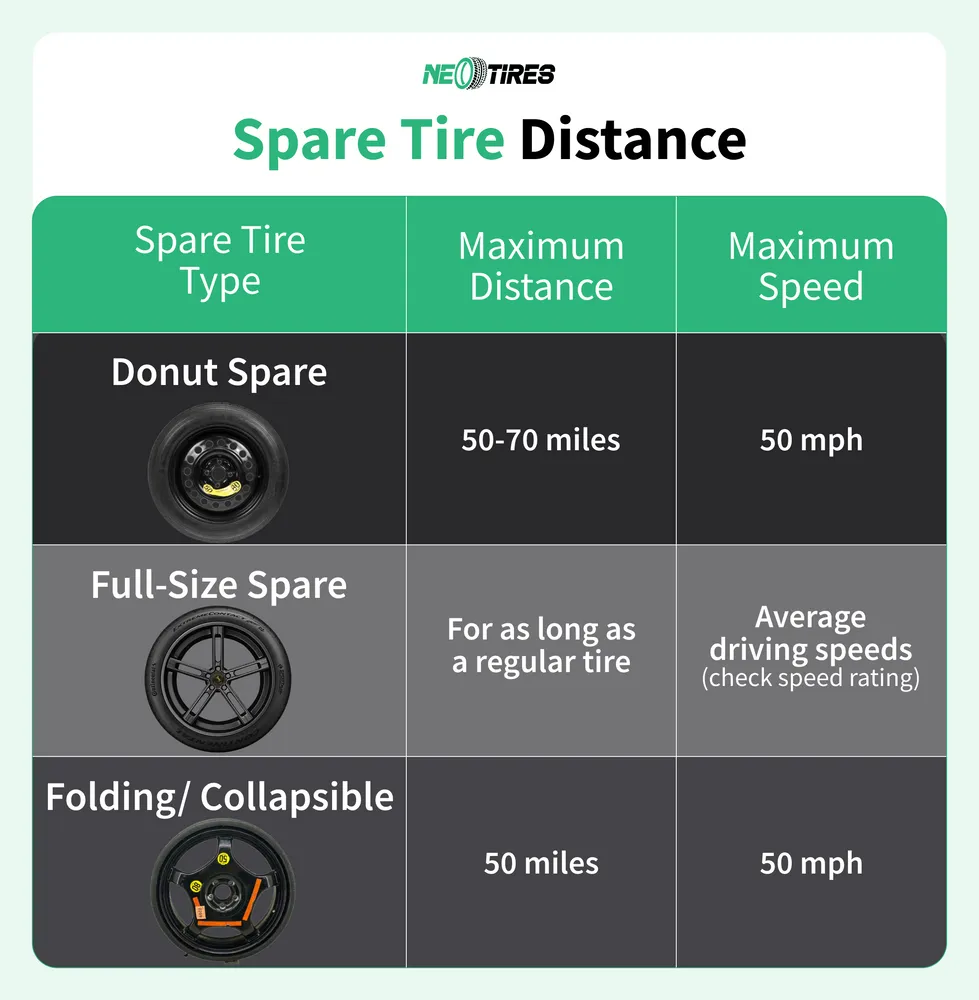
A spare tyre is not a free pass to keep driving normally. It is an emergency mobility tool designed to get you to a safe place and then to a repair facility, with limits that depend on the type of spare you have. In most real-world cases, the safe rule is:
- Temporary “space saver” or “donut” spare: keep speeds low and distance short, typically around 50 mph (80 km/h) and roughly 50 miles (80 km) as a planning baseline. (AAA)
- Full-size spare: you can usually drive more normally, but you still should treat it as temporary and match tire size, load rating, and inflation, especially on AWD systems.
If you drive a Chrysler, Dodge, Jeep, or Ram and want the safest, quickest path to get the flat fixed or replaced, start with Simi Valley CDJR service here:
https://www.simivalleychryslerdodgejeepram.com/service.aspx
Or book directly here:
https://www.simivalleychryslerdodgejeepram.com/book-your-service.html
The most important thing: what kind of spare is it?
People ask “how long can I drive on a spare tyre” as if there is one number. There is not. The answer changes dramatically based on spare type.
1) Temporary spare (space saver, donut)
This is the skinny, compact spare that saves weight and trunk space. It is designed for short-distance, low-speed use only.
Authoritative road clubs and tire brands consistently point to similar limits:
- AAA says you should not drive over 50 mph and no more than 50 miles on a donut-type spare. (AAA)
- UK guidance commonly sets the maximum speed at 50 mph for space saver spares. (RAC)
- Australia-focused guidance frequently notes space saver spares are typically limited to 80 km/h and short distance, with the exact limit on the sidewall or vehicle manual. (NRMA)
These are not “performance numbers.” They are safety limits driven by the spare’s narrower contact patch, different construction, and reduced grip.
2) Full-size spare
A full-size spare is the same size as your normal wheel and tire, or at least the same rolling diameter and load rating. This is the best spare to have from a drivability and safety standpoint.
Even so, you still want to:
- Confirm tire pressure is correct
- Confirm the tire size matches
- Avoid hard driving until you repair the original tire
- Be especially cautious if the vehicle is AWD and the tires are unevenly worn
3) Run-flat or extended-mobility tires (not a spare, but relevant)
Some vehicles have no spare because the tires can be driven temporarily when deflated. These have their own strict distance and speed limits. For example, Goodyear notes deflated operation is typically restricted to 50 mph (80 km/h) for up to 50 miles (80 km) for certain extended mobility designs, but you must follow your specific tire and vehicle guidance. (Goodyear Canada)
The practical baseline limits that answer your keyword directly
If you want a simple, high-confidence baseline for a temporary spare, this is the safest planning answer to “how long can you drive on a spare tyre”:
Typical temporary spare limits
- Speed: do not exceed 50 mph (80 km/h) (AAA)
- Distance: aim to keep it under 50 miles (80 km) as a conservative “get to a shop” guideline (AAA)
That covers the dominant real-world scenario: a space saver spare.
Two important notes:
- Your spare’s sticker and sidewall are the final authority. Many space saver spares have a clear speed marking, and your owner’s manual may specify distance and placement restrictions. The AA (UK) specifically advises checking your handbook and labels and notes there can be restrictions such as front-only or rear-only use for safety or drivetrain reasons. (The AA)
- Distance is not a “legal allowance.” It is a risk threshold. Some safety groups say there may be no explicit legal mileage cap, but it is still not recommended to drive far on a space saver. (TyreSafe | Safe Tyres Save Lives)
UK specific: how long can you drive on a spare tyre UK?
In the UK, “space saver” is the common phrase. The consistent guidance from major UK motoring organizations is:
- Do not exceed 50 mph with a space saver spare (RAC)
- Treat it as temporary mobility only, with altered handling and braking characteristics (RAC)
The RAC also highlights that grip and stability are reduced, and heavy braking or acceleration can make the vehicle more likely to skid. (RAC)
In other words, the UK version of the answer is:
- 50 mph max
- Replace or repair the original tyre as soon as possible
- Drive gently and avoid long trips
Australia specific: how long can you drive on a spare tyre Australia?
In Australia, the common rule-of-thumb for space saver spares is:
- 80 km/h maximum (NRMA)
Distance guidance varies depending on spare design, but many Australian sources describe space savers as designed for short, emergency use to reach a repair facility, often implying an “as little as necessary” approach. (NRMA)
The best Australia-specific answer is:
- Treat it as short-term emergency use
- Do not exceed 80 km/h unless the spare explicitly states a lower limit
- Head straight to a tire shop
Why the limits exist (and what actually changes when you install a spare)
A temporary spare changes your vehicle in ways that matter:
1) Less grip, especially under braking and in the wet
Space saver spares are narrower and can have different rubber compounds and tread patterns. Reduced contact patch equals reduced traction.
2) Different handling balance
One corner of the car now has a tire with different grip and stiffness. Under cornering and braking, stability can feel “off.” This is why UK organizations emphasize reduced grip and altered handling. (RAC)
3) ABS, traction control, and stability control behavior can change
These systems infer wheel speed and traction based on what the wheels are doing. If the spare has a different rolling circumference or grip level, the system can respond differently.
4) Potential drivetrain stress on AWD or 4WD
If the spare is not the same rolling diameter as the other tires, AWD systems can be forced to compensate constantly. Even a small mismatch can create heat and wear over time. This is one reason you do not want to “run it for a week” if you have AWD.
A clear “how long” answer by spare type
Here is a direct guide you can use.
Temporary spare (space saver, donut)
- Max speed: commonly 50 mph (80 km/h) (AAA)
- How long: treat as “get to repair” only, often planned around 50 miles (80 km) (AAA)
Full-size spare
- Max speed: typically normal road speeds, assuming correct rating and pressure
- How long: you can drive longer than a space saver, but you should still repair the original tire soon. If it is a matching full-size tire, the risk is far lower than a donut.
Run-flat mobility (no spare)
- Max speed and distance: depends on the tire and vehicle; 50 mph (80 km/h) for up to 50 miles (80 km) is a common design reference point in some systems, but always follow your tire’s guidance (Goodyear Canada)
What you should do immediately after installing a spare tyre
This is where people accidentally create risk.
1) Inflate the spare properly
Space saver spares often require higher PSI than your normal tires. The correct PSI is usually on:
- the spare tire sidewall
- a sticker in the trunk area
- the driver door placard
- the owner’s manual
2) Check the spare’s condition
Spare tires age out. If it is cracked, dry-rotted, or visibly damaged, it may not be safe even if it has tread.
3) Retorque the lug nuts
After driving a short distance, it is good practice to have lug torque verified. This reduces risk of wheel vibration or loosening.
4) Adjust your driving style
With a temporary spare:
- Increase following distance
- Avoid sudden lane changes
- Avoid hard braking
- Avoid potholes and rough roads where possible
- Keep speed comfortably below the spare’s rating
Can you drive on the motorway or highway with a spare?
You can, but it is not ideal with a temporary spare because highway speeds often exceed the spare’s limits, and the consequences of failure are higher.
If you must use a motorway:
- Keep speed under the spare’s rating (often 50 mph, which is below typical motorway flow) (RAC)
- Use hazard awareness and stay in the safest lane for your region
- Get off as soon as reasonably possible
The correct mindset is: a spare tyre is to get you off the road hazard and to service, not to continue your trip.
What if the spare tyre is on the front vs rear?
Some vehicles have restrictions about where a temporary spare can be used. The AA notes that temporary spares can be restricted to front-only or rear-only to avoid interference with braking components or transmission damage. (The AA)
This matters because:
- Some cars have larger front brakes that may not clear certain spares
- Some drivetrains react badly if the spare is on a driven axle
- Stability can change if the spare is on the steering axle
If you have any label on the spare that indicates front or rear placement only, follow it.
When you should not drive at all on a spare
Do not drive, even slowly, if:
- The spare is underinflated and you cannot inflate it
- The spare has visible cracking, bulging, or cord showing
- You have multiple damaged tires
- You have severe vibration after installing the spare
- The spare is a different bolt pattern or does not seat correctly
If any of those apply, tow is safer and often cheaper than dealing with a wheel-off or blowout scenario.
How long should you keep the spare on before replacing the original tyre?
The honest, safety-first answer is: as short as possible. Even when no law limits distance, multiple safety resources emphasize minimal necessary travel and prompt replacement or repair. (The AA)
A practical guideline:
- Space saver: same day repair if possible
- Full-size spare: repair within a few days, and sooner on AWD
If you need tire service and you are local, book through Simi Valley CDJR:
https://www.simivalleychryslerdodgejeepram.com/service.aspx
https://www.simivalleychryslerdodgejeepram.com/book-your-service.html
A simple reference table
| Spare type | Typical max speed | Practical distance mindset |
|---|---|---|
| Space saver, donut | 50 mph (80 km/h) | Get to repair, roughly 50 miles (80 km) baseline |
| Full-size spare | Normal, if properly rated | Short-term is fine, still repair soon |
| Run-flat mobility | Often 50 mph (80 km/h) in deflated mode | Often up to 50 miles (80 km) depending on tire |
Speed and distance references align with major guidance like AAA and Goodyear, but always defer to the tire label and your manual. (AAA)
Bottom line
If you are on a temporary spare, the safest in-depth answer is:
Connect with us


