



Dodge Canoga Park
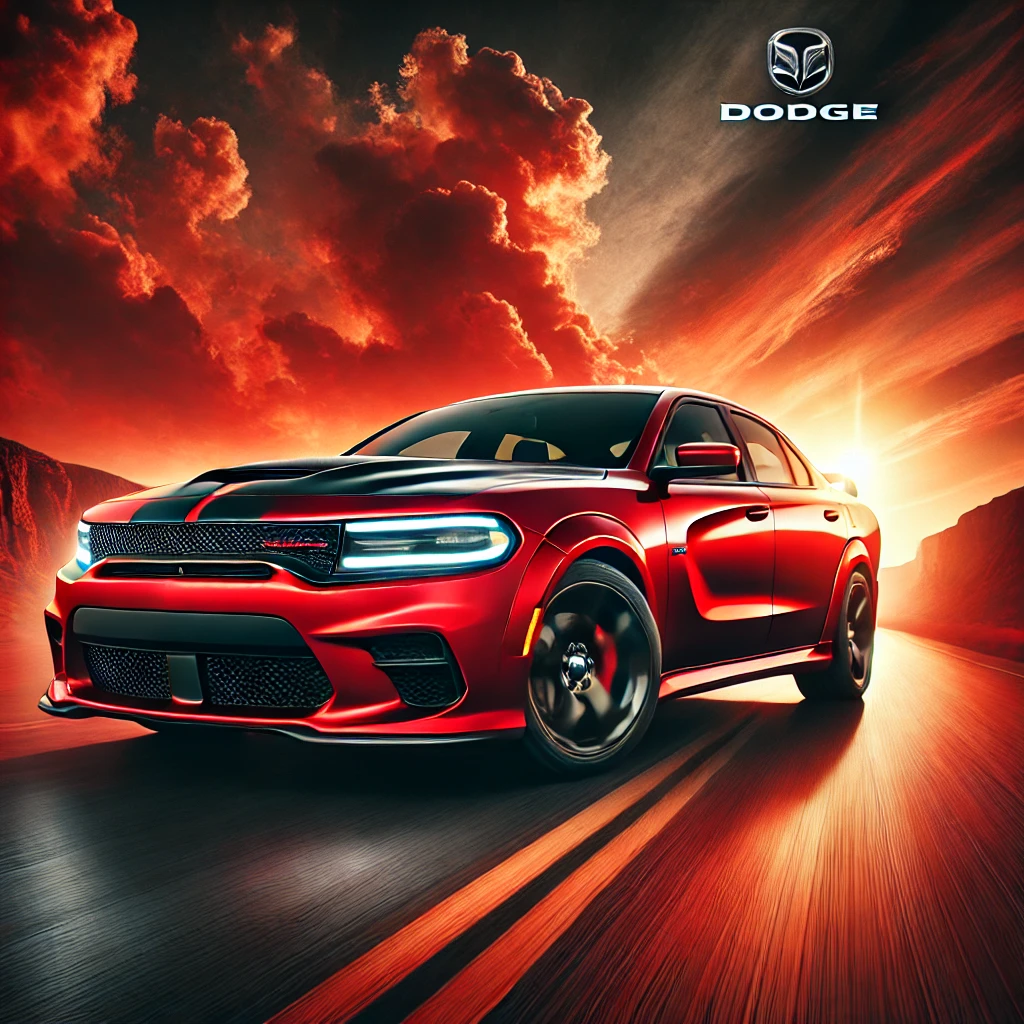
If you’re looking for the perfect Dodge vehicle near Canoga Park, Simi Valley Chrysler Dodge Jeep Ram is the place to be. We are your premier dealership offering a wide selection of Dodge vehicles to meet every need and lifestyle. Whether you’re searching for a powerful muscle car like the Dodge Charger, a family-friendly SUV such as the Dodge Durango, or a reliable truck like the Ram 1500, we have it all.
Why Choose Dodge Canoga Park?
At Simi Valley Chrysler Dodge Jeep Ram, we understand that choosing a new car, truck, or SUV is an important decision. That’s why we make it our mission to provide you with a seamless, stress-free car-buying experience. Serving Canoga Park and the surrounding areas, we offer a vast selection of new and pre-owned Dodge vehicles at competitive prices. From the moment you walk through our doors, our team is here to guide you through the process and help you find the perfect Dodge vehicle.
Explore Our Extensive Inventory of Dodge Vehicles
Our dealership in Simi Valley offers a wide variety of Dodge vehicles that cater to all types of drivers. Here’s a closer look at some of the most popular models available for Dodge Canoga Park customers:
Dodge Charger: Unleash the Power
The Dodge Charger is the epitome of American muscle. With engine options ranging from the efficient V6 to the legendary HEMI® V8, the Charger offers thrilling performance and acceleration that will leave you feeling the rush every time you hit the road. Its aggressive exterior design and sleek lines ensure you’ll turn heads wherever you go.
The Charger also delivers comfort and advanced technology, making it perfect for daily drives and weekend adventures. Whether you’re in Canoga Park or beyond, the Charger promises an exciting and luxurious ride.
Dodge Durango: Power Meets Family Comfort
The Dodge Durango is a powerful SUV that’s designed for families who want both space and performance. With room for up to seven passengers and impressive towing capabilities, the Durango can handle everything from road trips to heavy-duty hauling. Plus, with available HEMI® V8 options, the Durango delivers the performance you need for both adventure and everyday tasks.
It’s the perfect choice for Canoga Park drivers who need an SUV that can handle both family responsibilities and thrilling performance.
Ram 1500: Built for Tough Jobs
For those who need a truck that can take on any job, the Ram 1500 is the perfect option. Known for its impressive towing capacity and smooth ride, the Ram 1500 is engineered for strength, utility, and comfort. Whether you’re hauling heavy equipment, towing a trailer, or simply driving to work, the Ram 1500 provides the power and durability you need.
With engine options including the EcoDiesel V6 and the HEMI® V8, the Ram 1500 can tackle any challenge, making it the ideal truck for Canoga Park drivers who need a reliable and tough vehicle.
Flexible Financing Options
At Simi Valley Chrysler Dodge Jeep Ram, we believe that buying a vehicle should be an exciting and easy experience. That’s why we offer flexible financing options to suit your budget. Our finance team works with a variety of lenders to help you secure the best rates for your Dodge vehicle. Whether you are financing or leasing, we will ensure you get the best deal available.
Explore our financing options and get pre-approved today so you can drive home in your new Dodge vehicle with confidence.
Certified Service and Maintenance
Once you’ve purchased your Dodge vehicle, it’s important to maintain it to keep it running at its best. Our certified service department at Simi Valley Chrysler Dodge Jeep Ram is here to help with all your maintenance needs. From oil changes to engine repairs, we have you covered. Our factory-trained technicians use only genuine Dodge parts to ensure your vehicle performs as it should for years to come.
Located conveniently for Canoga Park drivers, we make it easy to schedule service online or by phone. Let us help you keep your Dodge running smoothly with our professional service and maintenance.
Visit Us Today!
If you’re in Canoga Park and ready to explore our extensive selection of Dodge vehicles, visit Simi Valley Chrysler Dodge Jeep Ram today! We’re just a short drive away and ready to help you find the perfect vehicle. Browse our inventory online or come by in person to test drive any of our exceptional Dodge models.
For more information, you can also visit us on Google to learn more about our dealership, read customer reviews, and get directions.
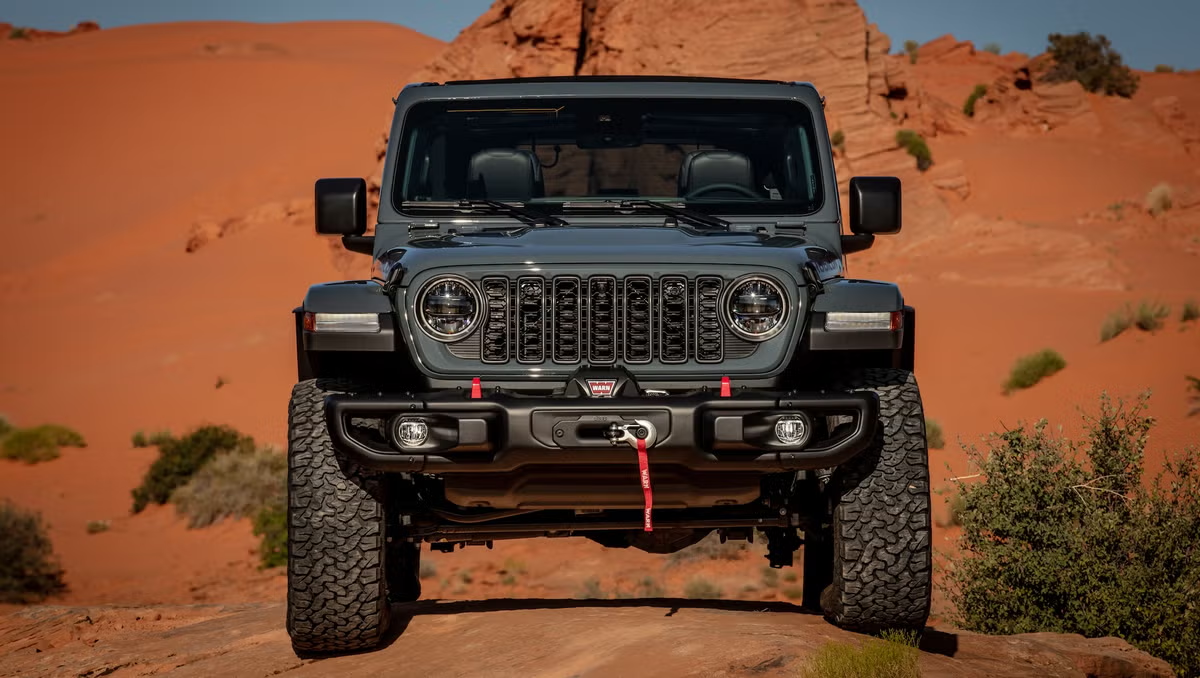
Jeep enthusiasts rejoice! The iconic Jeep Wrangler is bringing back a popular powertrain combination for the 2025 model year. In response to customer demand, Jeep has announced the return of the eight-speed automatic transmission option for V6-powered Wrangler models14.
The Return of a Beloved Combination
The 2025 Jeep Wrangler will once again offer the pairing of the 3.6-liter Pentastar V6 engine with the TorqueFlite eight-speed automatic transmission. This combination, which was previously unavailable, is now back by popular demand1. The V6 engine, delivering 285 horsepower and 260 lb-ft of torque, can now be matched with either a six-speed manual transmission or the returning eight-speed automatic1.
Pricing and Availability
The TorqueFlite eight-speed automatic transmission will be available as a $4,500 option for 2025 Wrangler four-door models equipped with the 3.6-liter V6 engine14. This option is now open for orders, giving Jeep enthusiasts the chance to secure their preferred powertrain configuration.
Powertrain Options
The 2025 Jeep Wrangler continues to offer a range of powertrain options to suit various preferences:
- 3.6-liter Pentastar V6 (285 hp, 260 lb-ft)
- 2.0-liter turbocharged inline-four (270 hp, 295 lb-ft)
- 6.4-liter V8 HEMI (470 hp, 470 lb-ft)
- 4xe plug-in hybrid powertrain
All of these options, except the V6 with manual transmission, come paired with the eight-speed automatic transmission12.
Additional Updates for 2025
While the return of the V6 and automatic transmission combination is the headline news, the 2025 Wrangler also receives a few other updates:
- New ’41 paint color inspired by WWII Willys Jeeps
- Standard power windows and locks on base trims
- Pre-ventilation feature for remote cabin temperature control4
The Wrangler Legacy Continues
The Jeep Wrangler remains a favorite among off-road enthusiasts and adventure seekers. With its legendary capability, iconic design, and now expanded powertrain options, the 2025 model is set to continue the Wrangler’s legacy of freedom and exploration12.
As Bob Broderdorf, senior vice president and head of Jeep brand North America, stated, “We deeply value our community’s passion and input.” This reintroduction of the V6 and automatic transmission pairing is a clear demonstration of Jeep’s commitment to listening to its dedicated fan base1.
Citations:
[1] Back by Popular Demand: Eight-Speed Automatic Returns to 2025 Jeep Wrangler V-6
[2] 2025 Jeep Wrangler: Features & Specs
[3] Jeep Wrangler 2025 Overview
[4] Automatic V6 Jeep Wrangler Available in 2025
[5] Car and Driver – Jeep Wrangler
[6] Car and Driver – 2025 Jeep Wrangler V6 Automatic Returns
[7] Reddit: Jeep Brings Back the 2025 Wrangler V6s
[8] Car and Driver – Jeep Wrangler Specs
[9] Motor1: Jeep Wrangler V6 Automatic Returns for 2025
“For fans of American muscle, this is a win, as the Hemi V-8 refuses to fade away, powering the 2025 Durango R/T and SRT Hellcat.”
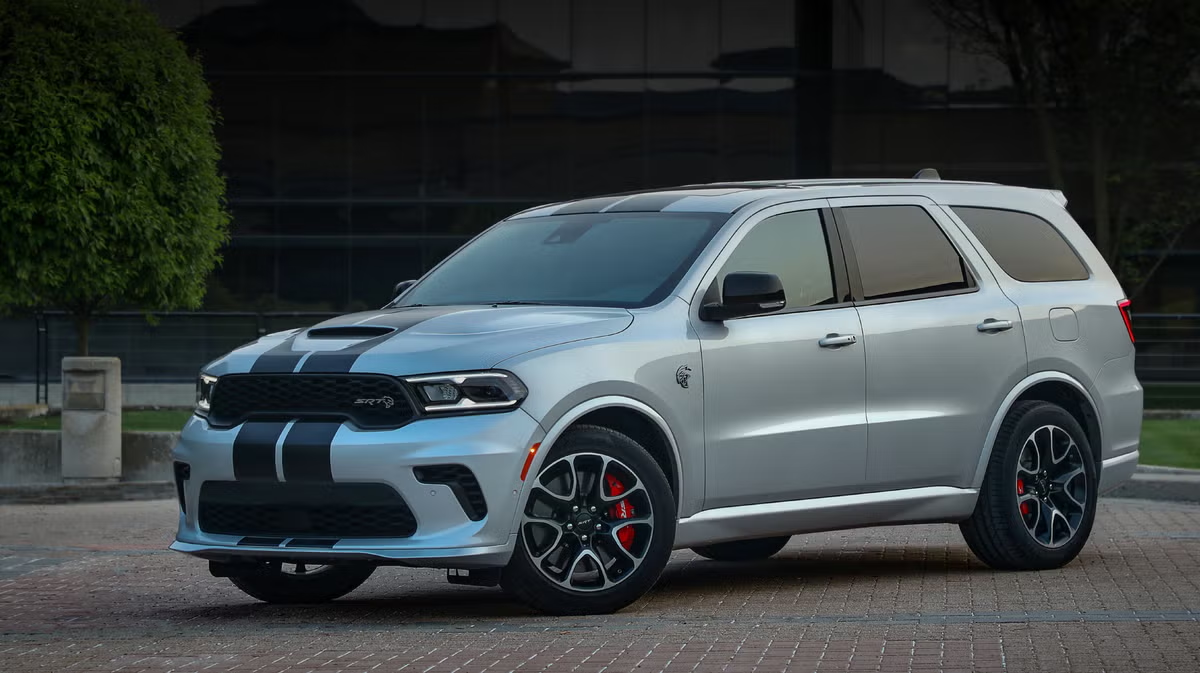
Dodge has officially extended the production of the 2025 Durango SRT Hellcat, keeping the legendary Hemi V8 alive for another year. Originally planned for a single model year, the 710-hp Durango SRT Hellcat will continue to impress performance enthusiasts, thanks to overwhelming demand. Dodge has also confirmed that the V8-powered Durango R/T will be sticking around, unchanged, alongside the Hellcat variant, pushing production well into 2025.
This announcement comes on the heels of the celebration of the 20th anniversary of the Hemi-powered Durango in 2025, a milestone Dodge couldn’t let pass without another round of roaring V8s.
The Hemi Refuses to Die
For American muscle car fans, this is a significant victory. The Hellcat-powered Durango was initially slated for a single year of production, but with Dodge’s commitment to performance and the V8 engine, they’ve extended its lifespan into 2025. The Hemi V8 refuses to fade away, providing muscle car enthusiasts with another year of heart-pounding performance. Dodge’s R/T model, which is powered by the 5.7-liter Hemi V8, will also continue into 2025.
2025 Durango R/T & SRT Hellcat: Performance Without Compromise
While the Durango SRT Hellcat remains the pinnacle of performance in the Durango lineup, the R/T model holds its own with 360 horsepower and remarkable performance. Dodge fans have not been left wanting, with both models delivering incredible power.
- Durango SRT Hellcat: 710 hp, 0-60 mph in just 3.6 seconds, powered by the 6.2-liter supercharged Hemi Hellcat V8.
- Durango R/T: 360 hp, 0-60 mph in 6.2 seconds, with a naturally aspirated 5.7-liter Hemi V8.
Both versions feature an eight-speed automatic transmission, ensuring smooth power delivery, and the SRT Hellcat, in particular, remains one of the most powerful three-row SUVs on the market.
Why the Hemi V8 Is So Important to Dodge
The continued production of the Hemi-powered Durango is a reminder of the legacy of the Hemi engine at Dodge. For decades, the Hemi V8 has powered some of the most iconic American muscle cars. Its unmistakable growl, raw power, and superior engineering have made it a favorite among enthusiasts. The Hellcat-powered Durango in particular pushes the boundaries of what a full-size SUV can do, offering impressive towing capacity, heart-stopping acceleration, and a unique blend of luxury and ruggedness.
The Future of the Hemi V8
While Stellantis, Dodge’s parent company, has made moves toward electrification, the decision to keep the Hemi engine alive for another year signals that there is still a demand for high-performance V8s in today’s automotive landscape. With the departure of former Stellantis CEO Carlos Tavares, who had advocated for the removal of the Hemi engine, many insiders are hopeful that the Hemi V8 will continue to be a staple in Dodge’s lineup for the foreseeable future.
With Dodge’s commitment to keeping the V8 in its lineup, there are no signs of the Hemi or Hellcat engines disappearing just yet. Dodge fans can continue to enjoy the raw power and performance that has made these engines legendary.
Where to Get Your 2025 Dodge Durango
If you’re eager to experience the power of the 2025 Durango SRT Hellcat or Durango R/T, Simi Valley Chrysler Dodge Jeep Ram is the place to visit. We offer a wide selection of Dodge vehicles, including the Durango SRT Hellcat, and provide expert advice on performance features, financing options, and more.
Grand Cherokee Interior 2025
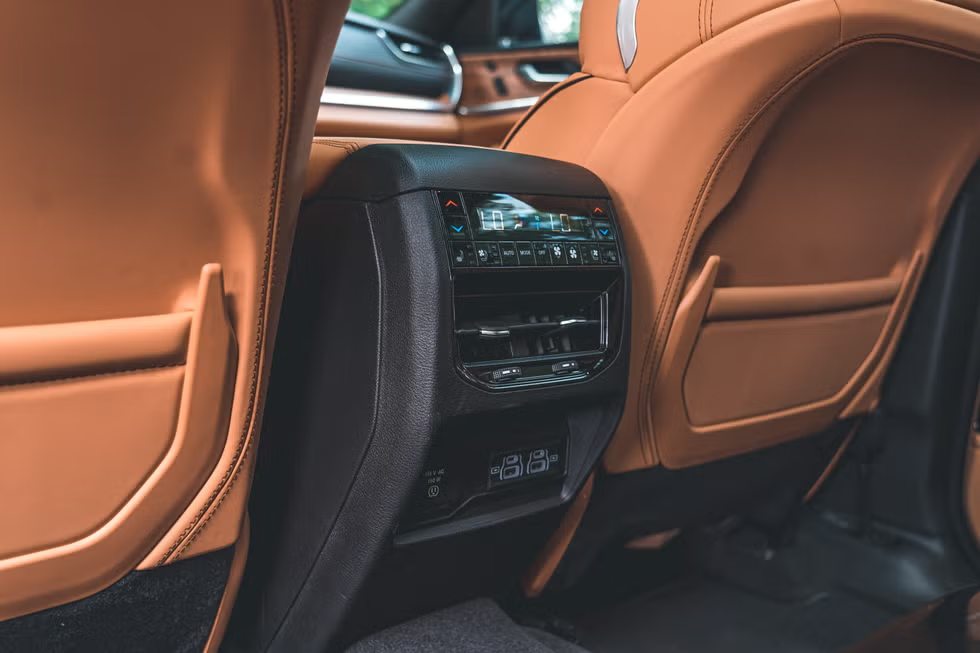
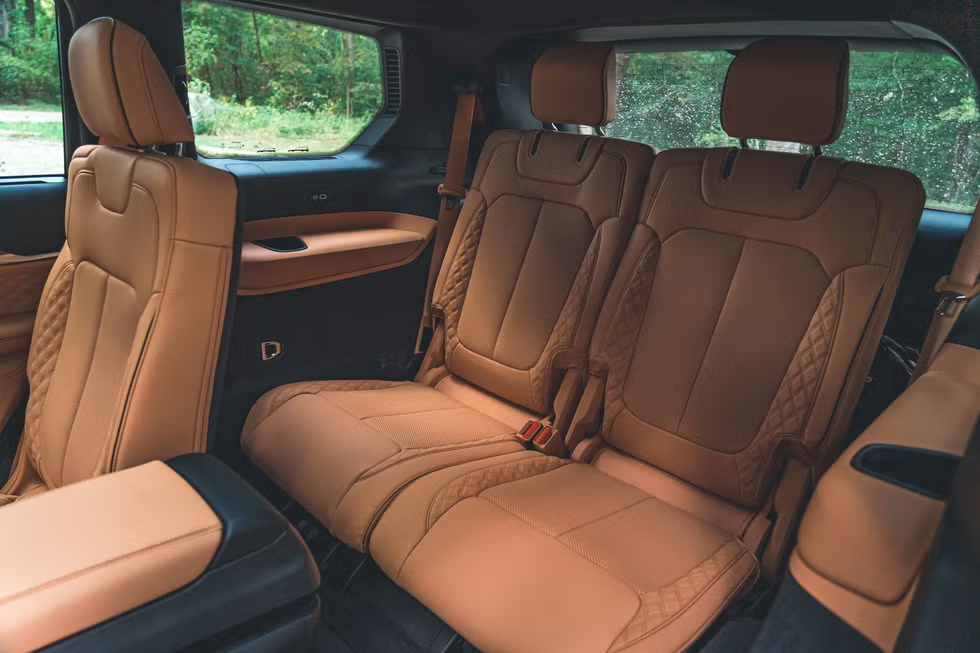
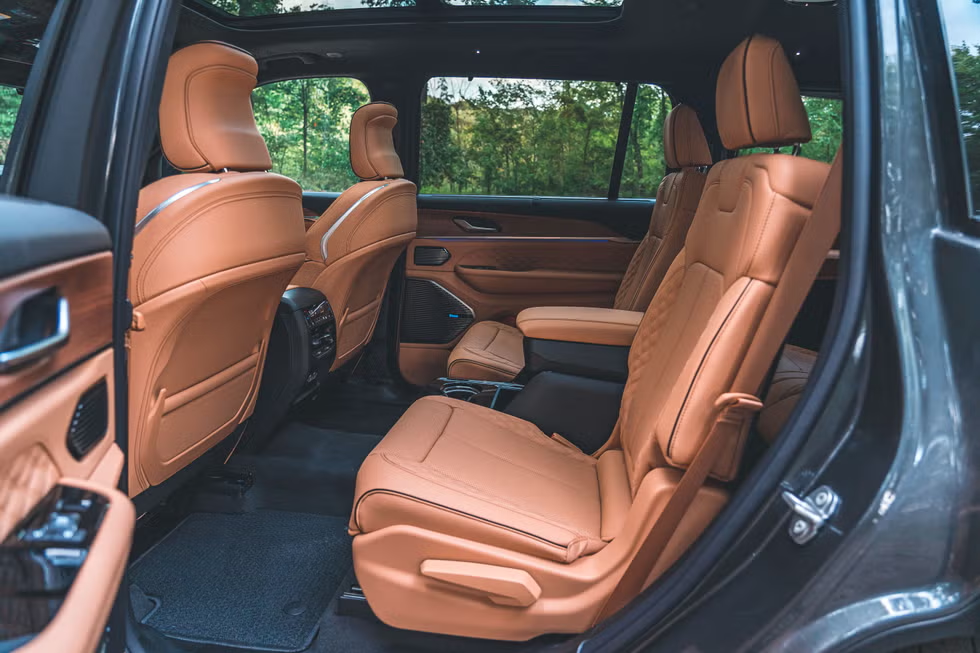
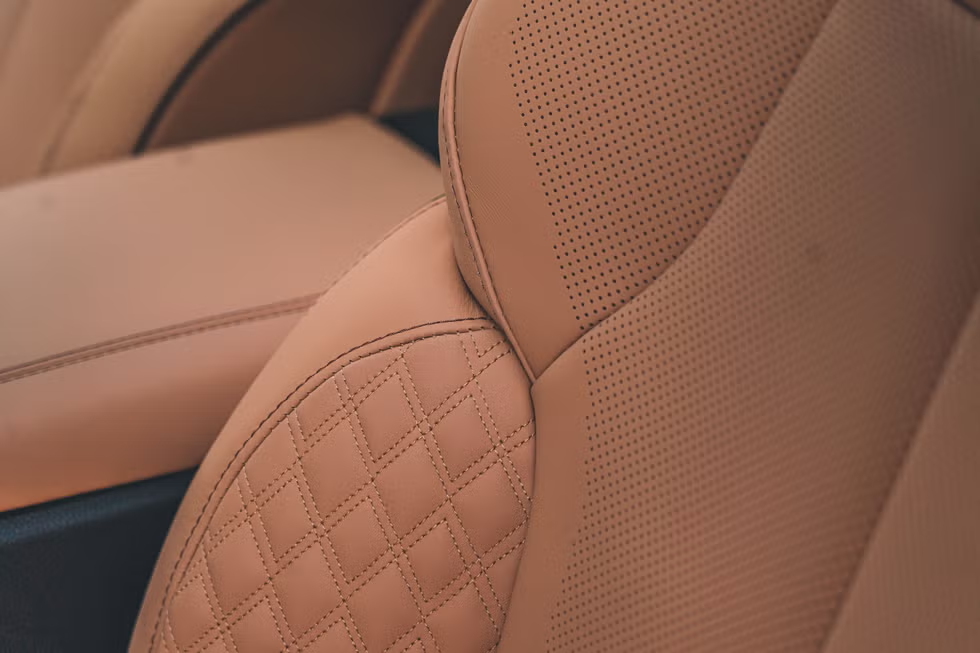
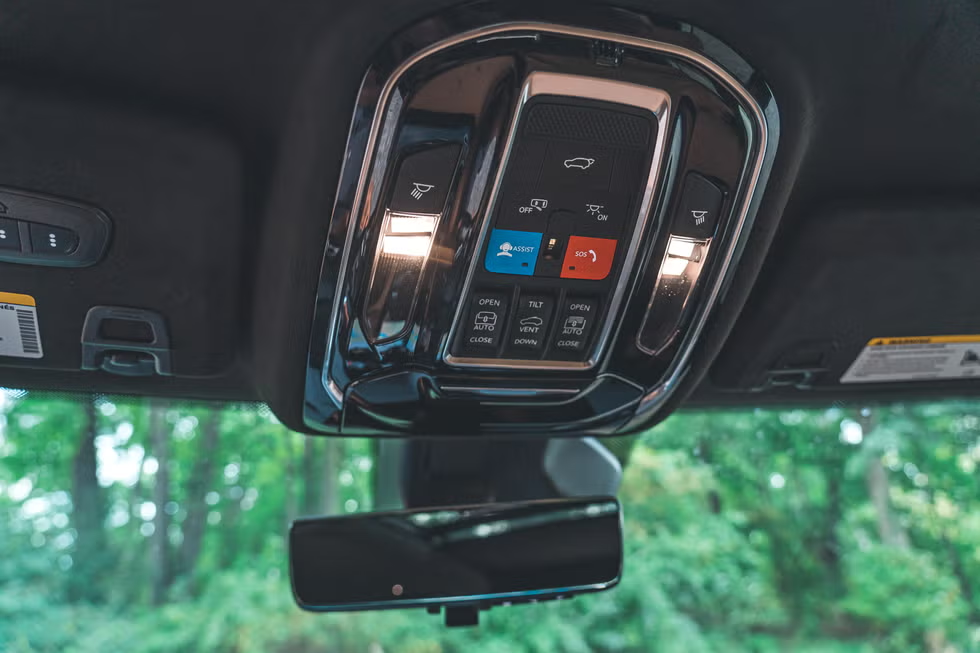
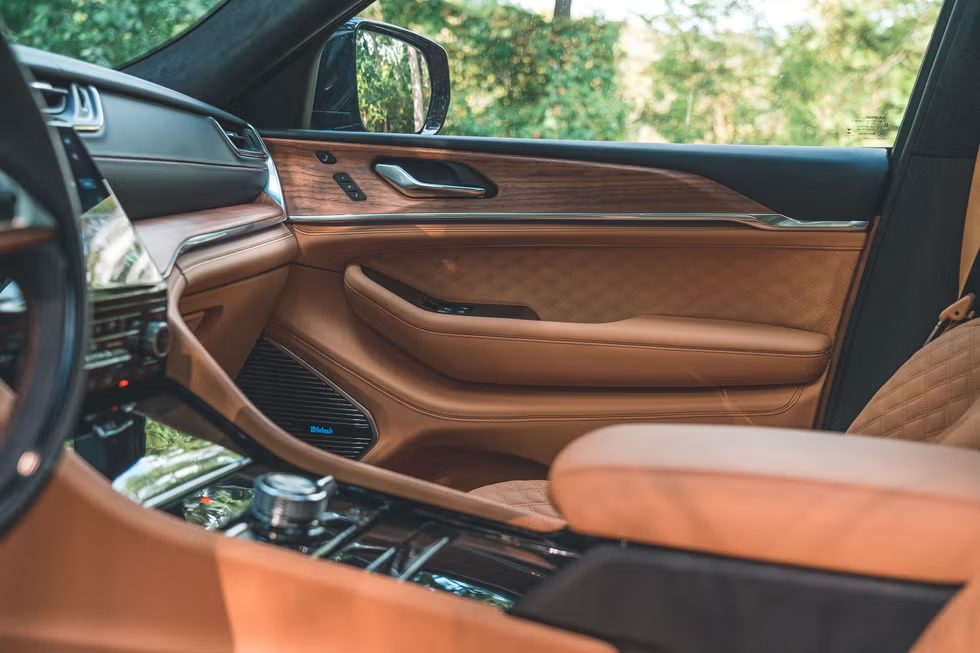
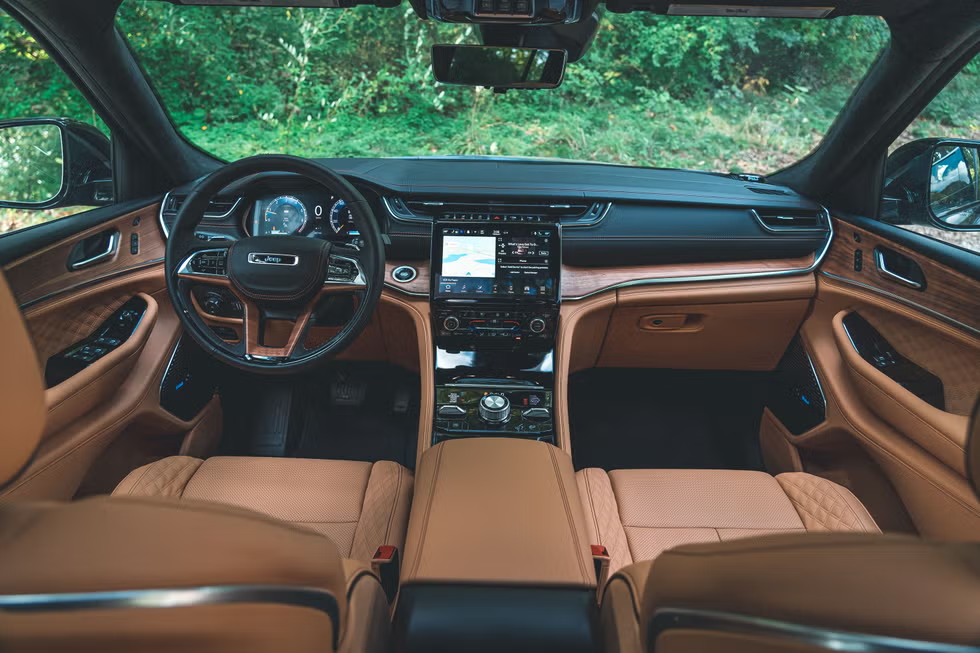
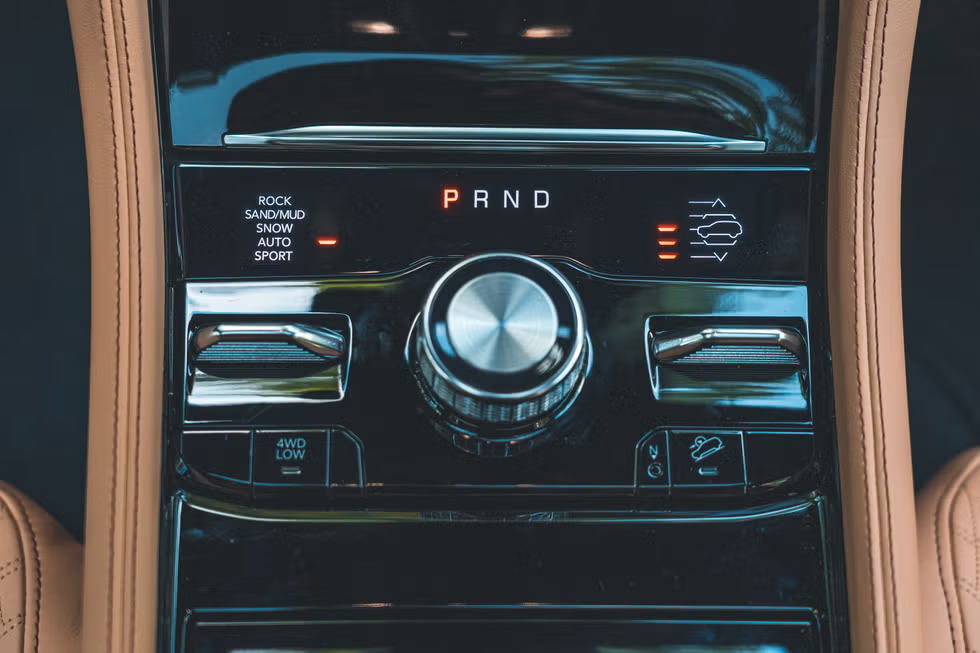
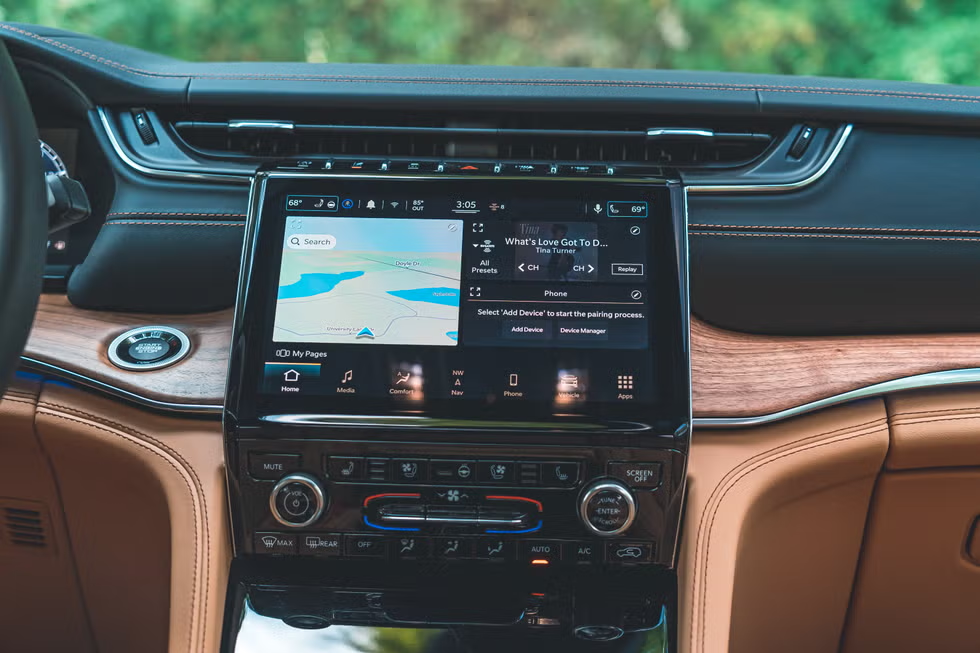
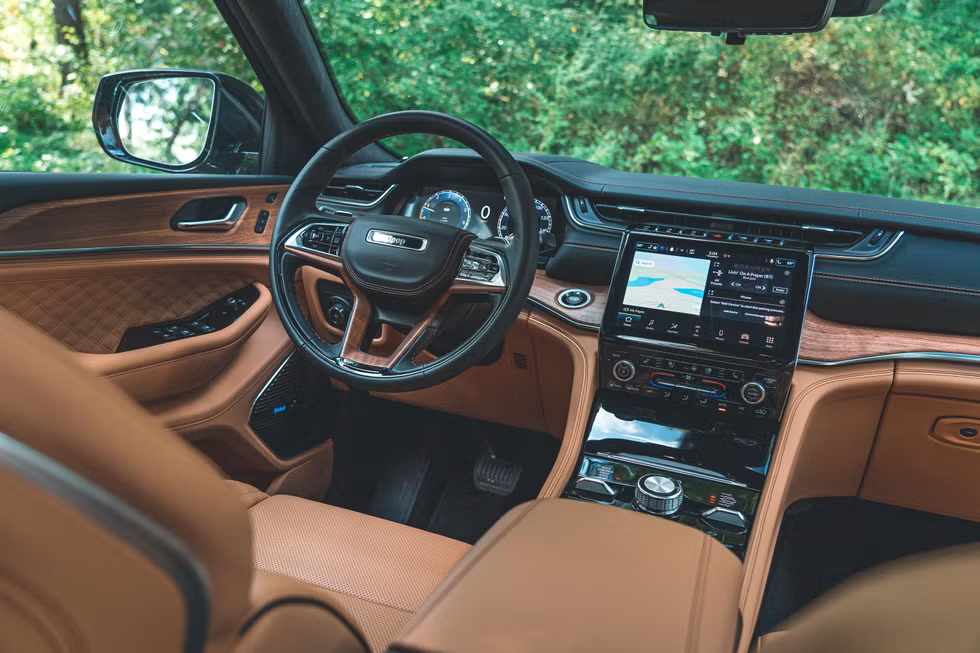
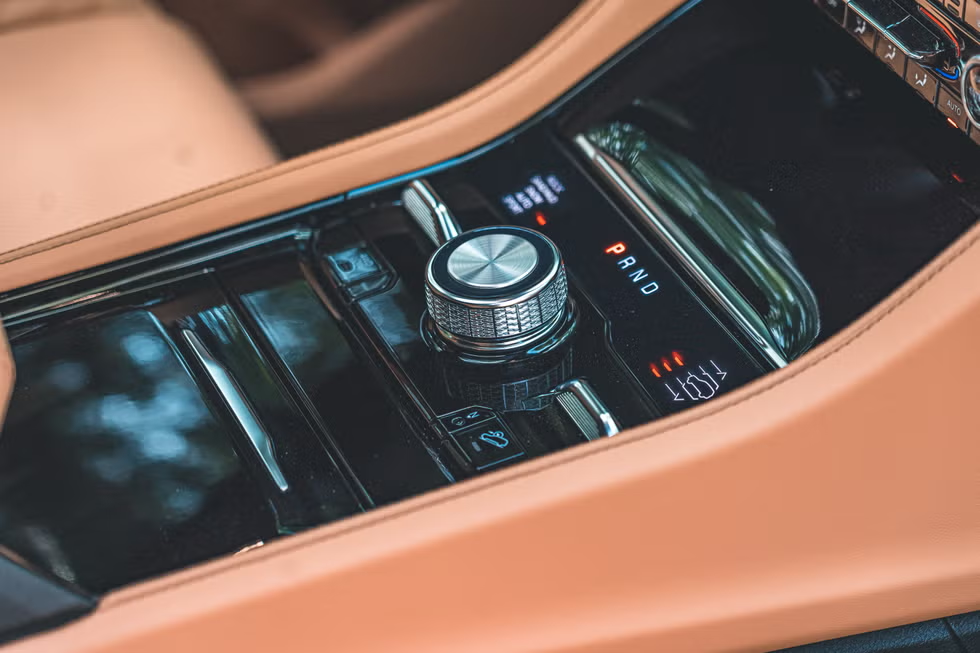
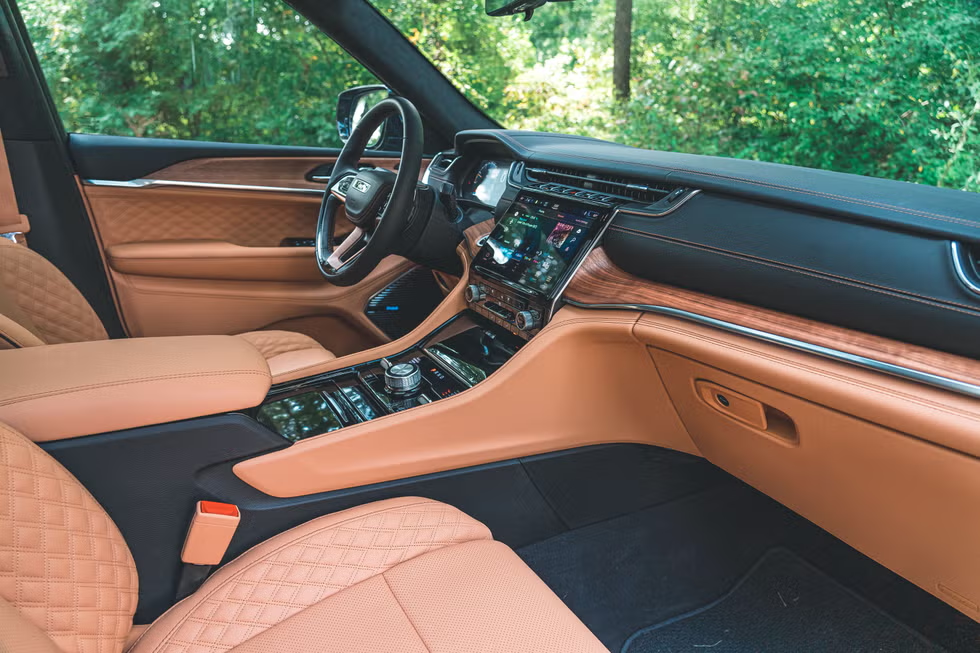
The 2025 Jeep Grand Cherokee is a prime example of blending rugged capability with refined luxury. Designed for those who crave adventure and comfort, the interior of this vehicle is as impressive as its off-road prowess. Whether you’re heading out for an off-road adventure or driving through city streets, the Grand Cherokee’s interior promises a dynamic driving experience. Here’s a closer look at what you can expect inside this highly anticipated SUV.
A Spacious and Versatile Cabin
The 2025 Grand Cherokee offers ample space for both passengers and cargo. With seating for five, the cabin is designed to accommodate families and adventurers alike. The generous legroom and headroom in both the front and second-row seats ensure comfort, whether you’re going on a short commute or a long road trip.
The second-row seats fold down to create a versatile cargo space, giving you up to 70.8 cubic feet of storage, which is perfect for transporting gear for outdoor adventures or luggage for a weekend getaway.
Premium Materials and Craftsmanship
Step inside the Grand Cherokee, and you’ll immediately notice the upscale materials and craftsmanship that elevate its cabin. Depending on the trim level, you can choose from a variety of upholstery options, including cloth, Capri leatherette, Nappa leather, and Palermo leather. These high-quality materials not only add a touch of luxury but also offer durability and comfort for all passengers.
Real wood accents and ambient lighting further enhance the atmosphere, making the Grand Cherokee’s interior feel refined and inviting. The attention to detail is evident in every aspect of the cabin, from the sleek dashboard design to the ergonomically placed controls.
Cutting-Edge Infotainment System
The 2025 Grand Cherokee is equipped with the latest Uconnect 5 infotainment system, which includes a 10.1-inch touchscreen (with an available 10.25-inch upgrade). This system is compatible with wireless Apple CarPlay®, Android Auto™, and Alexa Built-In, ensuring you stay connected and entertained no matter where you are. Whether you want to stream music, get directions, or control various vehicle settings, the Uconnect 5 system makes it easy with its intuitive interface and responsiveness.
Additionally, the Grand Cherokee offers an available 19-speaker McIntosh audio system, delivering a premium sound experience for audiophiles who crave crisp, clear sound quality.
Comfort and Convenience Features
Jeep didn’t overlook comfort in the Grand Cherokee’s interior. Whether it’s extreme weather or long drives, the Grand Cherokee ensures you stay comfortable with a range of features:
- Heated and Ventilated Seats: Available for both the front and rear rows, ensuring that passengers stay comfortable in both cold and hot climates.
- Dual-Pane Panoramic Sunroof: Available as an option, the sunroof lets in natural light, enhancing the cabin’s airy, open feel.
- Wireless Charging Pad: For added convenience, the Grand Cherokee features a wireless charging pad to keep your devices powered without the hassle of cords.
- Advanced Climate Control: Dual-zone automatic climate control comes standard, with an available option for four-zone control, allowing passengers to personalize their comfort levels.
Safety and Driver Assistance Features
The 2025 Grand Cherokee is not just about luxury and comfort; it’s also about keeping you and your passengers safe. Jeep has equipped the Grand Cherokee with over 110 safety and security features, making it one of the most well-equipped vehicles in its class. These include:
- Adaptive Cruise Control: Keeps a set speed while adjusting to traffic conditions.
- Night Vision with Pedestrian and Animal Detection: Improves visibility during low-light conditions.
- Intersection Collision Assist: Helps prevent accidents when driving through intersections.
With these advanced safety technologies, the Grand Cherokee offers peace of mind no matter where your journey takes you.
Conclusion
The 2025 Jeep Grand Cherokee’s interior represents the perfect balance of luxury, comfort, and technology. Whether you’re navigating through city traffic or embarking on a thrilling off-road adventure, this SUV offers an exceptional driving experience for all. From its spacious cabin to its cutting-edge infotainment system and advanced safety features, the 2025 Grand Cherokee is built to impress.
If you’re looking for a vehicle that combines off-road capability with interior luxury, the 2025 Jeep Grand Cherokee is a perfect choice.

When it comes to keeping your 2017 Jeep Grand Cherokee Overland running smoothly, the water pump is a key component that you’ll want to keep an eye on. The water pump plays a crucial role in regulating the engine’s temperature by circulating coolant through the engine and radiator. If your water pump starts to fail, it can lead to overheating and potential engine damage. But where exactly is the water pump located, and how can you access it for maintenance or replacement?
Location of the Water Pump in the 2017 Jeep Grand Cherokee Overland
On the 2017 Jeep Grand Cherokee Overland, the water pump is located at the front of the engine, driven by the serpentine belt. Its specific location will vary slightly depending on the engine type:
1. 3.6L V6 Engine
The 3.6L V6 engine in the 2017 Jeep Grand Cherokee has the water pump mounted near the timing cover at the front of the engine. It’s driven by the serpentine belt, which is responsible for powering other components such as the alternator and air conditioning compressor.
2. 5.7L V8 Engine
For the 5.7L V8 engine, the water pump is positioned similarly, located at the front of the engine, near the timing cover. It’s also powered by the serpentine belt, making it easier to spot when you remove the belt and other components to access the pump.
Steps to Access the Water Pump
If you’re planning to replace the water pump yourself, there are a few important steps to follow. Keep in mind that this process is a bit more complex and requires mechanical knowledge. Here’s a general overview:
- Disconnect the Battery: Start by disconnecting the battery to avoid any electrical issues while working on the engine.
- Remove the Serpentine Belt: Use a serpentine belt tool to relieve tension and remove the belt. This will give you easier access to the water pump.
- Remove Obstructing Components: Depending on the engine, you may need to remove other parts like the alternator, pulleys, or other accessories in the way of the water pump.
- Locate and Remove the Water Pump: Once you have access to the water pump, you can remove the bolts holding it in place and carefully take it out.
- Install the New Water Pump: After removing the old pump, install the new one by following the reverse order of disassembly. Make sure to replace the gasket or O-ring to prevent any leaks.
- Reassemble the Components: Reinstall the serpentine belt and any other components you removed earlier. Double-check your work to ensure everything is properly secured.
- Test the Engine: Once everything is reassembled, reconnect the battery and start the engine to check for leaks or issues..
Common Water Pump Issues
It’s important to watch out for common signs that your water pump may be failing, such as:
- Overheating: If the engine is running hot, the water pump may not be circulating coolant properly.
- Coolant Leaks: Leaking coolant around the pump can indicate a worn-out seal or gasket.
- Strange Noises: A failing water pump may make whining or grinding noises as the bearings wear out.
- Warning Lights: An illuminated temperature or check engine light could signal issues with the water pump or the cooling system.
Why You Should Leave It to the Professionals
While replacing the water pump in your 2017 Jeep Grand Cherokee Overland is a doable task for experienced DIYers, it’s often best to leave it to a professional mechanic. Incorrect installation or failure to address underlying issues in the cooling system can lead to bigger problems down the line. If you’re not confident in your mechanical skills, it’s a good idea to have a certified mechanic handle the repair.
Conclusion
The water pump on the 2017 Jeep Grand Cherokee Overland is located at the front of the engine, near the timing cover. Whether you have the 3.6L V6 or 5.7L V8 engine, the water pump is crucial for maintaining the engine’s temperature and ensuring your vehicle runs smoothly. If you notice signs of a failing water pump, such as overheating or coolant leaks, it’s important to address the issue promptly to avoid further damage. Always consider professional help if you’re not comfortable with the repair process, as proper installation is key to ensuring the longevity of your engine.
Looking for Jeep service or parts? Visit Simi Valley Chrysler Dodge Jeep Ram for expert service on your Jeep Grand Cherokee!
Jeep Cherokee Towing Capacity

The 2024 Jeep Cherokee combines rugged performance with modern versatility, making it an excellent choice for drivers who need towing capabilities. Whether you’re hauling boats, trailers, or campers, the Cherokee is equipped to handle the job. Here’s everything you need to know about the towing capacity of the 2024 Jeep Cherokee.
Standard Towing Capacity
The base model of the 2024 Jeep Cherokee comes with a 2.4L I4 MultiAir engine that offers a towing capacity of 2,000 pounds. This is sufficient for smaller loads such as utility trailers, small boats, or lightweight equipment.
Maximum Towing Capacity
When equipped with the 3.2L Pentastar V6 engine and the available Trailer Tow Package, the 2024 Jeep Cherokee can tow up to 4,500 pounds. This higher capacity is ideal for larger trailers, mid-size boats, and even some campers.
- 3.2L Pentastar V6 Engine Specs:
- 271 horsepower.
- 239 lb-ft of torque.
- Paired with a 9-speed automatic transmission.
- Designed for both power and efficiency.
Trim Levels and Towing Features
- Trailhawk Trim (4,500 lbs):
- Comes standard with the Active Drive Lock 4×4 System and Selec-Terrain Traction Management for off-road towing.
- Skid plates and tow hooks for added durability and recovery capability.
- Latitude Lux and Limited Trims (4,500 lbs):
- Ideal for towing in urban or highway environments.
- Offer comfort-focused features without sacrificing power.
- Altitude Trim (2,000 lbs):
- Suitable for lighter loads and general towing needs.
Towing Package Features
To achieve the maximum towing capacity, opt for the Trailer Tow Package, which includes:
- Class III Hitch Receiver – Securely connects to trailers and boats.
- Wiring Harness with 4- and 7-pin Connectors – Ensures compatibility with trailer lights and brakes.
- Heavy-Duty Engine Cooling System – Prevents overheating during long hauls.
- Full-Size Spare Tire – Provides reliability in case of emergencies.
Towing Safety and Technology
Jeep prioritizes safety, and the Cherokee’s towing system is no exception. Key safety features include:
- Trailer Sway Control – Automatically detects and reduces trailer sway to maintain stability.
- Hill Start Assist – Prevents rollback when starting on an incline while towing.
- ParkView Rear Backup Camera – Provides a clear view of the hitch area for easier trailer hookups.
- Blind Spot Monitoring and Rear Cross Path Detection – Alerts you to vehicles in your blind spot when towing.
Off-Road Towing Performance
For those venturing off the beaten path, the Trailhawk trim stands out. It features:
- Active Drive Lock 4×4 System – Provides added traction for rough terrains.
- Selec-Terrain Traction Management System – Adjusts for snow, sand, mud, or rock surfaces.
- Skid Plates and Tow Hooks – Protect vital components and offer recovery solutions.
What Can You Tow with the 2024 Jeep Cherokee?
- Light Trailers and Small Boats (2,000 lbs) – Ideal for the Altitude trim.
- Mid-Size Boats and Small Campers (4,500 lbs) – Easily handled by the Latitude Lux, Limited, and Trailhawk trims.
- Utility Trailers and Equipment (4,500 lbs) – Perfect for work-related tasks or off-road adventures.
Tips for Safe Towing
- Distribute Weight Properly: Ensure the load is evenly distributed to prevent trailer sway.
- Check Tire Pressure: Both the vehicle and trailer tires should be inflated to the recommended levels.
- Secure the Load: Use tie-downs and straps to keep cargo in place.
- Perform Brake Checks: Test trailer brakes before hitting the road.
- Practice Maneuvering: Get comfortable with turns and parking while towing before a long trip.
Conclusion
The 2024 Jeep Cherokee is a highly capable SUV with towing capacities ranging from 2,000 to 4,500 pounds, depending on the trim and towing package. Whether you’re planning a weekend getaway or need a reliable vehicle for work, the Cherokee’s advanced towing features, safety systems, and off-road capabilities make it a versatile choice.
For more information about pricing, availability, and test drives, visit your local Jeep dealership today!
Jeep Cherokee 2024 Trim Levels
There were no 2024 Jeep Cherokee trim levels because Jeep did not sell a new 2024 Cherokee in the U.S. or Canadian new-vehicle lineup.
The simple answer is this: the Jeep Cherokee ended after the 2023 model year, so there is no official 2024 Jeep Cherokee Latitude, Altitude, Limited, Trailhawk, or Overland lineup to compare. Kelley Blue Book reported that production of the 2023 Cherokee ended when Jeep’s Belvidere, Illinois plant was idled, and Cars.com notes that the Cherokee was discontinued after the 2023 model year before returning as an all-new 2026 hybrid model. Kelley Blue Book Cars.com
Why There Is No 2024 Jeep Cherokee
The Cherokee was discontinued after 2023, which means Jeep skipped the 2024 and 2025 model years for the Cherokee nameplate.
Some shoppers still search “2024 Jeep Cherokee trim levels” because they confuse the Cherokee with the 2024 Jeep Grand Cherokee or see older used Cherokee listings online. But the regular Cherokee and Grand Cherokee are different vehicles.
The Grand Cherokee continued for 2024.
The Cherokee did not.
What Were the Last Jeep Cherokee Trims?
The final 2023 Jeep Cherokee lineup was much smaller than earlier years.
The main 2023 Cherokee trims were:
2023 Jeep Cherokee Altitude Lux
2023 Jeep Cherokee Trailhawk
Earlier Cherokee model years also had trims like Latitude, Latitude Plus, Limited, High Altitude, and Trailhawk, depending on year and market. But by the final 2023 model year, Jeep had already simplified the lineup.
What About the 2024 Jeep Grand Cherokee?
If you meant 2024 Jeep Grand Cherokee, that SUV did have trim levels.
Common 2024 Grand Cherokee trims included:
Laredo
Laredo X
Altitude
Altitude X
Limited
Overland
Summit
Summit Reserve
Grand Cherokee 4xe trims
The 2024 Grand Cherokee was a midsize SUV positioned above the old Cherokee, with more space, more premium features, and available plug-in hybrid 4xe models.
What Replaced the Jeep Cherokee?
For 2024 and 2025, Jeep did not have a direct Cherokee replacement in the same exact slot.
Shoppers generally cross-shopped:
Jeep Compass for a smaller, more affordable Jeep SUV.
Jeep Grand Cherokee for more space and comfort.
Jeep Wrangler for stronger off-road identity.
Used Jeep Cherokee if they specifically wanted the discontinued model.
Jeep has now brought the Cherokee name back for 2026. Jeep’s official 2026 Cherokee page lists the new model as a hybrid SUV with up to 37 mpg combined, more cargo space, and 4×4 capability. Jeep
Final Answer
There are no 2024 Jeep Cherokee trim levels because Jeep did not produce a 2024 Cherokee.
If you are writing this as a blog, the correct angle is:
“There was no 2024 Jeep Cherokee. The Cherokee ended after 2023 and returned later as a redesigned 2026 hybrid SUV. Shoppers looking for a 2024 Jeep SUV should compare the 2024 Jeep Compass, 2024 Jeep Grand Cherokee, or used 2023 Jeep Cherokee models.”

Why Every Gearhead Dreams of Owning a 3rd Gen Dodge Ram
The 3rd Gen Dodge Ram is special because it sits in that perfect space between old-school truck toughness and modern usable power. It still feels mechanical, simple, loud, and durable, but it also brought better styling, stronger engines, improved interiors, serious towing ability, and one of the most beloved diesel engines ever put in a pickup.
The simple answer is this: gearheads love the 3rd Gen Dodge Ram because it offered the 5.7L HEMI V8, the legendary 5.9L Cummins diesel, the later 6.7L Cummins, bold big-rig styling, real truck capability, and huge modification potential.
The 3rd Gen Ram started with the 2002 model-year Ram 1500, while the heavy-duty 2500 and 3500 models followed for 2003. Classic.com describes the third-generation Dodge Ram as being offered in 1500, 2500, and 3500 versions with regular, Quad, and Mega Cab configurations, plus gas V6, V8, V10, diesel inline-six, and even the wild Viper V10 in the Ram SRT-10.
The 3rd Gen Ram Had the Look
The 3rd Gen Dodge Ram looked tougher than most trucks of its era.
It kept the big-rig attitude that made the second-gen Ram famous, but it sharpened everything. The grille was bigger. The headlights looked more aggressive. The body had more presence. It looked like a truck that belonged on a jobsite, at a diesel meet, towing a trailer, or parked outside a shop with a turbo whistle echoing in the background.
That design aged well because it never tried to look soft. It looked like a Ram.
For gearheads, that matters. A truck needs to have stance before you even touch the suspension, wheels, tires, exhaust, or tune. The 3rd Gen Ram had that from day one.
The 5.9L Cummins Is the Big Reason
The biggest reason gearheads love the 3rd Gen Dodge Ram is the 5.9L Cummins turbo diesel.
The 5.9 Cummins has a reputation for durability, torque, and massive tuning potential. It is a straight-six diesel that feels more industrial than delicate. It is not just an engine. It is one of the main reasons people hunt for clean 2003 to 2007 Ram 2500 and 3500 trucks.
MotorTrend calls the 5.9L Cummins a diesel with big-rig-style character and explains how the engine helped give Dodge trucks a serious advantage among diesel buyers.
For many enthusiasts, the dream setup is a clean 5.9 Cummins 4×4 with a manual transmission. Those trucks have become harder to find in clean condition, which only makes them more desirable.
The 5.7L HEMI Made the Gas Trucks Fun
Not every dream 3rd Gen Ram has a diesel.
The 5.7L HEMI V8 gave gas Ram buyers real power and a muscle-truck personality. It sounded good, pulled hard, and gave the Ram 1500 a stronger identity than the older Magnum engines.
Dodge Garage notes that the early 5.7L HEMI made 345 horsepower and 375 lb-ft of torque in Ram trucks. For the early 2000s, that was serious power in a full-size pickup.
The HEMI Ram is not as legendary as the Cummins in diesel circles, but it is still a gearhead truck. It responds well to exhaust, intake, tuning, gears, and other upgrades. It also gives buyers a lower-cost way into the 3rd Gen Ram world.
The Ram SRT-10 Was Completely Insane
The 3rd Gen Ram also gave the world the Ram SRT-10.
This was not just a trim package. It was a Ram pickup with an 8.3L Viper V10 under the hood. That is the kind of truck that makes no practical sense and perfect gearhead sense at the same time.
Classic.com notes that the 3rd Gen Ram lineup included the 8.3L Viper V10-powered SRT-10 performance variant. That truck helped prove how wild the 3rd Gen platform could be.
A Viper-powered pickup is exactly the kind of thing enthusiasts remember because it would be almost impossible to justify in today’s market.
The Heavy-Duty Trucks Were Built to Work
The Ram 2500 and 3500 versions are a major part of the 3rd Gen appeal.
These trucks were built for towing, hauling, farm use, work use, and diesel performance. The heavy-duty models gave buyers the engine, frame, drivetrain, and axle strength they wanted for serious truck jobs.
The uploaded Ram towing reference you shared shows how capability remains central to Ram truck content, with heavy-duty Ram trucks positioned around higher towing and payload demands compared with the lighter-duty Ram 1500.
That same logic is why 3rd Gen Ram HD trucks still matter. A clean Ram 2500 or 3500 from this era is not just nostalgia. It can still work, tow, haul, and handle serious use when maintained properly.
The 6.7L Cummins Changed the Later Trucks
The later 3rd Gen heavy-duty trucks moved from the 5.9L Cummins to the 6.7L Cummins.
That transition happened in the 2007.5 model period. The 6.7 brought more displacement, more emissions equipment, and a newer transmission pairing. Some diesel fans prefer the simpler 5.9, while others like the added torque and newer drivability of the 6.7.
DrivingLine explains that the 2007.5 to 2009 Ram HD trucks introduced the 6.7L Cummins, the 68RFE six-speed automatic, and stricter emissions equipment while sending the third-gen body style out with more modern diesel hardware.
That split makes the 3rd Gen interesting. Early diesel buyers chase the 5.9. Later buyers may consider the 6.7 if they want newer torque and updated drivability.
Manual Transmission Trucks Are Gearhead Gold
One reason enthusiasts obsess over 3rd Gen Rams is manual transmission availability.
A Cummins diesel paired with a manual gearbox gives the truck a mechanical feel modern pickups rarely offer. You feel connected to the engine, the torque, and the work the truck is doing.
That is a huge part of the appeal. Modern diesel trucks are more powerful, more comfortable, and more advanced, but they often feel less raw. A manual 3rd Gen Cummins still feels like a machine.
For many gearheads, that is the dream.
The Aftermarket Is Massive
The 3rd Gen Dodge Ram has a huge aftermarket.
You can build one for towing, diesel performance, overlanding, work use, off-road trails, street stance, drag racing, or daily driving. There are lift kits, turbos, injectors, exhaust systems, tuners, wheels, tires, bumpers, lighting kits, interior upgrades, steering upgrades, suspension fixes, and transmission builds everywhere.
That matters because gearheads rarely leave trucks stock.
A 3rd Gen Ram gives owners a strong starting point and almost endless room to personalize it.
The Trucks Still Feel Simple Enough to Work On
Another reason people love them is that they are modern enough to drive, but old enough to understand.
Yes, they have electronics. Yes, diesel emissions became more complicated on the later 6.7 trucks. But compared with newer pickups, many 3rd Gen Rams still feel more approachable for owners who like wrenching.
You can work on them. You can upgrade them. You can diagnose common issues. You can find parts. You can build them without needing every repair to feel like a computer science project.
That DIY-friendly personality is a major reason the 3rd Gen Ram still has a loyal following.
Common 3rd Gen Ram Problems to Watch
The 3rd Gen Ram is loved, but it is not perfect.
Buyers should watch for rust, cracked dashboards, worn front-end components, steering play, transmission wear, ball joints, track bar issues, electrical problems, fuel-system issues on diesel trucks, and signs of hard towing or poor maintenance.
Diesel trucks should be inspected carefully. A modified Cummins can be great if it was built properly. It can also be expensive if it was abused, overfueled, overheated, or tuned without supporting upgrades.
A clean truck with maintenance records is worth paying more for. A cheap 3rd Gen Ram with rust, wiring problems, transmission slip, and unknown tuning can become a very expensive project.
Best 3rd Gen Dodge Ram to Buy
For diesel enthusiasts, the best choice is often a 2004.5 to 2007 Ram 2500 or 3500 with the 5.9L Cummins.
That period is popular because it gives buyers the later high-output 5.9 Cummins without the added emissions complexity of the 6.7 trucks.
For gas buyers, a 5.7L HEMI Ram 1500 is a good choice if you want the look and sound of a 3rd Gen without diesel pricing.
For collectors, the Ram SRT-10 is the wild one.
For work, towing, and hauling, a clean 2500 or 3500 Cummins is the one most buyers still chase.
Why Values Stayed Strong
Clean 3rd Gen Dodge Rams are getting harder to find.
Many were used hard. Many rusted. Many were modified badly. Many diesel trucks were tuned, lifted, worked, and abused. That makes clean, mostly stock, well-maintained examples more valuable.
The best trucks have the right engine, clean frame, strong transmission, good service history, and no major electrical or rust problems.
That is why gearheads keep looking. The supply of good ones is shrinking.
Is a 3rd Gen Dodge Ram Still Worth Buying?
Yes, a 3rd Gen Dodge Ram is still worth buying if you choose carefully.
It makes sense if you want a truck with character, towing ability, diesel torque, HEMI sound, strong aftermarket support, and a more mechanical feel than many modern pickups.
It does not make sense if you want a perfect, quiet, fuel-efficient, low-maintenance commuter with modern safety tech. These are older trucks now. They need inspection, maintenance, and realistic expectations.
If you want a newer truck instead, compare current new Ram inventory. If you want something with more old-school personality, start with used truck inventory and inspect condition carefully before buying.
FAQs About the 3rd Gen Dodge Ram
What years are 3rd Gen Dodge Ram trucks?
The 3rd Gen Dodge Ram 1500 started for the 2002 model year, while Ram 2500 and 3500 heavy-duty models followed for 2003. The generation ran through the late 2000s depending on model.
Why do people love the 3rd Gen Dodge Ram?
People love the 3rd Gen Ram because of its bold styling, 5.9L Cummins diesel, 5.7L HEMI V8, strong towing ability, manual transmission availability, and huge aftermarket support.
Is the 5.9 Cummins the best 3rd Gen engine?
For many diesel fans, yes. The 5.9L Cummins is one of the biggest reasons the 3rd Gen Ram is so desirable.
Is the 5.7 HEMI Ram good?
Yes, the 5.7L HEMI Ram is a strong gas option. It gives the truck good power, a great sound, and lower upfront cost than many Cummins trucks.
What is the most collectible 3rd Gen Ram?
The Ram SRT-10 is the most collectible performance version because it used the Viper V10. Clean manual Cummins trucks are also highly desirable.
What should I check before buying a 3rd Gen Ram?
Check for rust, transmission condition, front-end wear, steering play, cracked dash, fluid leaks, electrical issues, service records, and signs of poor tuning or hard towing.
Final Thoughts: The 3rd Gen Ram Hits the Gearhead Sweet Spot
Every gearhead dreams of a 3rd Gen Dodge Ram because it has the right mix of attitude, power, simplicity, and capability.
The 5.9 Cummins gives diesel fans the torque and durability they want. The 5.7 HEMI gives gas buyers a proper V8 truck. The SRT-10 gives collectors a Viper-powered pickup that still feels unbelievable. The heavy-duty models give work-truck buyers real muscle.
It is not perfect, and clean examples are getting harder to find. But that is exactly why the 3rd Gen Dodge Ram has become so desirable. It feels like a truck from the last era before everything became too quiet, too digital, and too polished.
Switching from 4wd to 4wd Part Time Jeep Wrangler

The Jeep Wrangler is renowned for its off-road prowess, thanks in part to its versatile four-wheel-drive (4WD) systems. If you’re a new Jeep owner or exploring its capabilities, understanding how to switch between 4WD modes—especially to 4WD Part-Time—is essential for safe and effective operation. This article breaks down the process, the benefits, and the scenarios for using 4WD Part-Time in a Jeep Wrangler.
What is 4WD Part-Time?
4WD Part-Time is a four-wheel-drive mode designed for off-road or low-traction conditions. Unlike full-time 4WD systems, 4WD Part-Time locks the front and rear axles together, ensuring equal torque distribution to all four wheels. While this improves traction in slippery or rugged terrains, it’s not suitable for regular on-road driving due to the potential for drivetrain binding.
How to Switch from 4WD to 4WD Part-Time
Switching between 4WD modes in your Jeep Wrangler depends on the model and transfer case configuration. Here’s a general guide:
1. Identify Your Transfer Case
- Jeep Wranglers typically come equipped with transfer cases like the Command-Trac or Rock-Trac systems. The process for switching modes is similar across these systems but may have slight variations.
2. Shifting from 4WD Auto to 4WD Part-Time
- For Wrangler models with a 2H/4H Auto/4H Part-Time/4L Selector:
- Ensure the vehicle is in motion at a moderate speed (usually below 50 mph).
- Firmly grasp the transfer case lever or use the electronic selector (depending on your Wrangler’s setup).
- Shift from 4H Auto to 4H Part-Time. The system will engage immediately, and you’ll see a notification on the dashboard confirming the switch.
3. Shifting from 2H to 4WD Part-Time
- If you’re starting in 2H (two-wheel drive):
- Reduce speed to below 50 mph.
- Move the transfer case lever directly to 4H Part-Time.
- Once engaged, the 4WD Part-Time indicator light will illuminate.
4. Engaging 4L (Low Range)
- If you need extra traction in extremely rugged or steep terrains, you can shift into 4L (low range):
- Stop the vehicle completely.
- Place the transmission in neutral.
- Shift the transfer case lever from 4H Part-Time to 4L.
- Shift the transmission back into drive and proceed slowly.
When to Use 4WD Part-Time
4WD Part-Time is not meant for everyday driving on dry, paved roads. Use it in the following situations:
- Off-Roading:
- Navigate through rocky trails, mud, sand, or snow with improved traction.
- Slippery Conditions:
- Activate 4WD Part-Time on icy or wet roads where wheels might lose grip.
- Low-Speed Maneuvers:
- Use it for towing or crawling over obstacles at low speeds.
Tips for Using 4WD Part-Time
- Avoid Sharp Turns on Dry Roads: Drivetrain binding can occur when the wheels can’t slip, leading to unnecessary wear on components.
- Monitor Dashboard Indicators: Ensure the correct mode is engaged, as indicated by the dashboard lights.
- Shift Smoothly: Follow the recommended speed and conditions for switching modes to avoid damage to the transfer case.
Benefits of 4WD Part-Time
- Improved Traction: Equal torque to all wheels ensures stability and control in challenging conditions.
- Versatility: Easily switch between 2WD, 4WD Auto, and 4WD Part-Time based on the terrain.
- Off-Road Capability: Essential for Jeep Wrangler owners who venture off the beaten path.
Conclusion
Switching to 4WD Part-Time in a Jeep Wrangler is straightforward but requires proper understanding of your vehicle’s transfer case system. By using it appropriately, you can enhance your driving experience in off-road and low-traction situations while ensuring the longevity of your Jeep’s drivetrain. For expert advice or assistance with your Jeep’s 4WD system, visit Simi Valley Chrysler Dodge Jeep Ram and let our team help you get the most out of your Wrangler.
Jeep Alternator Sizing
The alternator is a critical component in your Jeep, responsible for generating electricity to power various systems and recharge the battery. Whether you’re upgrading for off-road accessories or replacing a faulty unit, understanding Jeep alternator sizing is essential to ensure optimal performance and reliability. In this guide, we’ll cover the basics of alternator sizing and help you choose the right one for your Jeep.
What Does an Alternator Do?
The alternator converts mechanical energy from the engine into electrical energy. It powers essential systems like the headlights, HVAC, and infotainment, and it recharges the vehicle’s battery. A properly sized alternator ensures these systems function smoothly, especially in demanding conditions.
Factors to Consider for Alternator Sizing
- Electrical Load Requirements:
- The electrical load includes all systems and accessories drawing power from the alternator. Off-road enthusiasts with winches, auxiliary lights, and high-powered audio systems require a higher-capacity alternator.
- Engine Size and Type:
- Larger engines typically require alternators with greater output to handle their increased electrical needs.
- Jeep Model and Year:
- Alternator sizing can vary based on your Jeep’s model and year. For example, a Jeep Wrangler JL may have different requirements compared to a Jeep Cherokee.
- Stock vs. Aftermarket:
- Stock alternators are designed to meet factory specifications, while aftermarket options can provide higher amperage for additional accessories.
Common Alternator Sizes for Jeeps
| Jeep Model | Standard Alternator Output | Upgraded Alternator Options |
|---|---|---|
| Jeep Wrangler JL | 180 amps | 220-250 amps |
| Jeep Gladiator | 180 amps | 220-240 amps |
| Jeep Cherokee | 120-160 amps | 180-200 amps |
| Jeep Grand Cherokee | 160-180 amps | 200-240 amps |
Signs You Need a Higher-Capacity Alternator
- Dim Lights:
- If your headlights or interior lights dim when additional accessories are used, your alternator may be struggling to keep up with the electrical load.
- Battery Drain:
- Frequent battery drain or failure to maintain a full charge can indicate an undersized alternator.
- Accessory Malfunctions:
- Winches, lights, or other accessories not performing as expected may require more power than your alternator can provide.
Choosing the Right Alternator for Your Jeep
- Calculate Your Total Electrical Load:
- Add up the power requirements (in amps) of all your Jeep’s electrical systems and accessories. Ensure your alternator’s output exceeds this total.
- Opt for Higher Amperage When Modifying:
- If you plan to add aftermarket accessories, consider an alternator with a higher output than your current needs.
- Consider Quality:
- Choose a reliable brand with a proven track record. Aftermarket high-output alternators from reputable manufacturers offer durability and performance.
- Consult a Professional:
- If you’re unsure about sizing, consult a Jeep specialist or technician. They can recommend the best option for your specific model and usage.
Installation Tips
- Ensure Compatibility: Verify that the alternator fits your Jeep’s engine and mounting brackets.
- Upgrade Wiring: Higher-output alternators may require upgraded wiring to handle the increased current safely.
- Test After Installation: After replacing or upgrading your alternator, test your electrical systems to ensure proper operation.
Conclusion
Choosing the right alternator size for your Jeep ensures reliable performance and the ability to power additional accessories. Whether you’re upgrading for off-road adventures or maintaining your daily driver, selecting an alternator that meets your needs is crucial. For expert advice and high-quality alternator options, visit Simi Valley Chrysler Dodge Jeep Ram today.
Connect with us


