





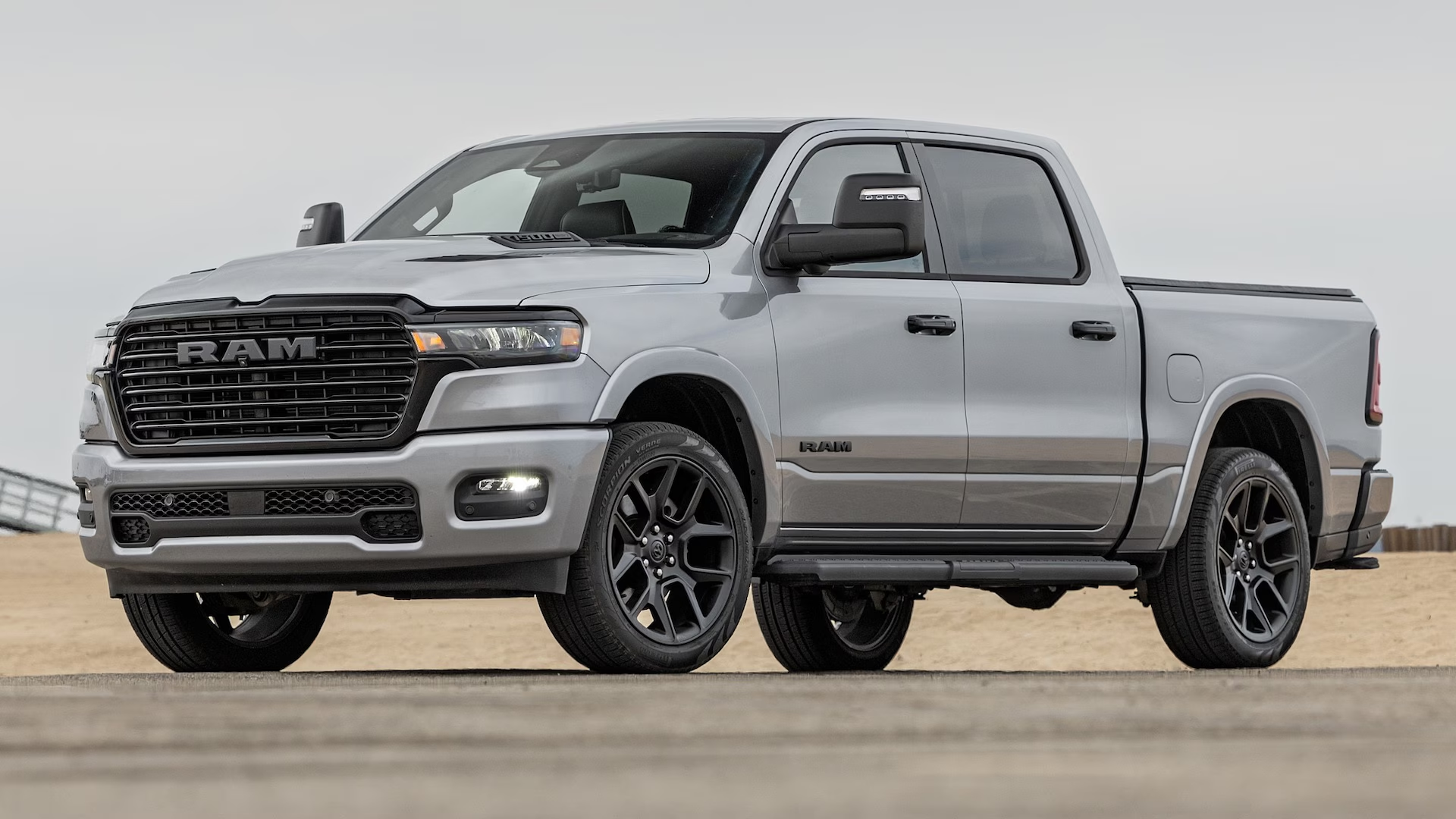
Are you ready to take your driving experience to the next level? The 2025 RAM 1500 Laramie is here and available for sale at Simi Valley Chrysler Dodge Jeep Ram. Whether you’re looking for a truck to take on tough jobs or one that combines rugged performance with luxurious comfort, the 2025 RAM 1500 Laramie delivers everything you need and more.
In this article, we’ll explore all the reasons why the 2025 RAM 1500 Laramie is the perfect truck for you and highlight the unbeatable deals we’re offering at Simi Valley Chrysler Dodge Jeep Ram. Let’s dive into the features, performance, pricing, and why visiting us for your 2025 RAM 1500 Laramie is the best decision you can make.
Why Choose the 2025 RAM 1500 Laramie?
The 2025 RAM 1500 Laramie stands out in its class by combining strength, luxury, and cutting-edge technology. This truck is designed for drivers who demand both power and comfort without compromise. Here’s why it’s the perfect choice for you:
1. Powerful Performance Options
The 2025 RAM 1500 Laramie offers a range of engine options, so you can choose the level of performance that suits your needs:
- 3.6L V6 eTorque Engine: This engine provides a balance of power and efficiency with 305 horsepower and 269 lb-ft of torque. It’s ideal for those who need a versatile engine for everyday driving and light towing.
- 5.7L V8 HEMI® Engine: With 395 horsepower and 410 lb-ft of torque, the 5.7L V8 HEMI® engine offers robust performance for heavy-duty towing and hauling. Perfect for tackling tough jobs.
- 3.0L I6 Hurricane Twin-Turbo Engine: This engine provides increased horsepower and torque, making it perfect for those who want both power and efficiency for hauling or off-roading.
The 2025 RAM 1500 Laramie also boasts a 10-speed automatic transmission, ensuring smooth shifting and optimal fuel efficiency. Whether you’re driving on the highway or navigating tough terrain, this truck is ready to perform.
You can view the engine options in detail and explore the full specifications of the 2025 RAM 1500 Laramie at Simi Valley Chrysler Dodge Jeep Ram.
2. Best-in-Class Towing and Payload Capacity
When it comes to towing, the 2025 RAM 1500 Laramie doesn’t disappoint. This truck offers a maximum towing capacity of up to 12,750 lbs when properly equipped. Whether you’re hauling a trailer, boat, or work equipment, the Laramie trim has the power to handle it.
Additionally, the RAM 1500 Laramie offers a payload capacity of up to 2,300 lbs, meaning it can carry heavy tools, materials, or gear with ease. Whether you’re at the job site or loading up for a road trip, the 2025 RAM 1500 Laramie is up to the task.
3. Luxurious Interior Features
Inside the 2025 RAM 1500 Laramie, you’ll find a cabin that combines luxury and functionality. With premium materials and advanced technology, every journey is an experience.
- Leather-trimmed Seats: The Laramie comes standard with leather-trimmed seats, providing a luxurious feel. Available ventilated and heated seats ensure comfort in all climates.
- Infotainment: The 12-inch Uconnect® 5 touchscreen is available for seamless smartphone integration via Apple CarPlay® and Android Auto™. With the Uconnect® 5 system, you can enjoy navigation, entertainment, and more, all with a user-friendly interface.
- Storage: The 2025 RAM 1500 Laramie offers ample storage space, including the RamBox® Cargo Management System, which allows you to store your tools and equipment securely.
To check out the full interior features and configurations available for the 2025 RAM 1500 Laramie, visit Simi Valley Chrysler Dodge Jeep Ram.
4. Cutting-Edge Safety and Technology
The 2025 RAM 1500 Laramie is equipped with advanced safety features designed to keep you safe on the road. Some of the available features include:
- Blind Spot Monitoring: Alerts you when a vehicle is in your blind spot, making lane changes safer.
- Rear Cross Path Detection: Helps you avoid collisions when reversing out of parking spaces.
- Adaptive Cruise Control: Maintains a safe distance between you and the vehicle in front of you, making highway driving more comfortable.
- Forward Collision Warning: Alerts you if it detects an impending collision, giving you the opportunity to react.
These advanced safety features ensure that you and your passengers stay safe on every drive, whether you’re cruising through the city or navigating challenging conditions.
5. Unbeatable Pricing and Availability
At Simi Valley Chrysler Dodge Jeep Ram, we are offering the 2025 RAM 1500 Laramie at competitive prices to make this exceptional truck even more accessible.
- MSRP: Starting at $50,000 (varies based on options and configurations)
- Simi Valley Discount: Up to $6,500 off
- National Retail Consumer Cash: -$4,000
- National Bonus Cash: -$1,500
- National Holiday Bonus Cash: -$1,000
Simi Valley Price: $43,600
This deal makes the 2025 RAM 1500 Laramie an even more attractive option for those looking to own a premium truck with incredible performance and luxury features. Visit Simi Valley Chrysler Dodge Jeep Ram for more information on pricing and availability.
Why Simi Valley Chrysler Dodge Jeep Ram?
When you choose Simi Valley Chrysler Dodge Jeep Ram, you’re choosing a dealership that puts your needs first. We offer a hassle-free buying experience, great pricing, and an exceptional customer service team to guide you every step of the way.
- Wide Selection: We offer a variety of 2025 RAM 1500 Laramie models with different configurations to suit your preferences.
- Financing Options: Our finance department works with a variety of lenders to get you the best financing rates available.
- Service Department: Our service team is here to keep your 2025 RAM 1500 Laramie running at its best with routine maintenance, repairs, and more.
Visit Us Today!
If you’re ready to experience the power and luxury of the 2025 RAM 1500 Laramie, visit the Simi Valley Chrysler Dodge Jeep Ram today. Our knowledgeable team is here to help you find the perfect truck and offer you the best pricing available.
Explore our inventory by visiting Simi Valley Chrysler Dodge Jeep Ram and schedule your test drive today!
Conclusion
The 2025 RAM 1500 Laramie offers the perfect blend of power, luxury, and technology, making it the ultimate choice for those who want the best of both worlds. Whether you need a truck for work, play, or both, the Laramie is built to handle it all. Visit Simi Valley Chrysler Dodge Jeep Ram to learn more about this incredible truck and take advantage of our unbeatable offers today!
Don’t wait—your 2025 RAM 1500 Laramie is waiting for you at Simi Valley Chrysler Dodge Jeep Ram!
Frequently Asked Questions (FAQs) About the 2025 RAM 1500 Laramie
1. How much does the 2025 RAM 1500 Laramie cost at Simi Valley Chrysler Dodge Jeep Ram?
At Simi Valley CDJR, the 2025 RAM 1500 Laramie starts at $50,000 MSRP, with dealership and national incentives bringing the price down to around $43,600.
Here’s a sample pricing breakdown:
- MSRP: $50,000
- Simi Valley Discount: -$6,500
- National Retail Consumer Cash: -$4,000
- National Bonus Cash: -$1,500
- National Holiday Bonus Cash: -$1,000
👉 Final Simi Valley Price: $43,600
This unbeatable offer makes it one of the best deals on a premium full-size truck in Southern California.
2. What engine options are available for the 2025 RAM 1500 Laramie?
The Laramie trim gives you three high-performance choices:
- 3.6L V6 eTorque Engine – 305 hp, 269 lb-ft torque for balanced power and efficiency.
- 5.7L V8 HEMI® Engine – 395 hp, 410 lb-ft torque for heavy-duty towing and hauling.
- 3.0L I6 Hurricane Twin-Turbo Engine – Enhanced torque and horsepower for maximum capability.
Each engine is paired with a 10-speed automatic transmission for smooth shifts and better fuel economy.
3. What is the towing capacity of the 2025 RAM 1500 Laramie?
When properly equipped, the 2025 RAM 1500 Laramie can tow up to 12,750 lbs, making it a leader in its class. It also features Trailer Reverse Steering Control, Integrated Trailer Brake Control, and Hill Start Assist for safer, easier towing.
4. What is the payload capacity of the 2025 RAM 1500 Laramie?
The Laramie offers a payload capacity of up to 2,300 lbs, allowing you to carry tools, materials, and cargo with confidence—perfect for both work and weekend use.
5. What interior features set the 2025 RAM 1500 Laramie apart?
The Laramie’s cabin is where rugged meets refined. Highlights include:
- Leather-trimmed, heated, and ventilated front seats
- Dual-zone climate control
- Power-adjustable driver’s seat with memory function
- RamBox® Cargo Management System
- Ample cabin storage, including under-seat and console compartments
6. What technology does the 2025 RAM 1500 Laramie include?
Every Laramie comes equipped with the Uconnect® 5 infotainment system and a 12-inch touchscreen display.
Key features include:
- Apple CarPlay® and Android Auto™ integration
- Voice command and navigation support
- Bluetooth® hands-free connectivity
- Optional Harman Kardon® premium 19-speaker sound system
7. What safety features come standard or available in the 2025 RAM 1500 Laramie?
The 2025 Laramie comes loaded with advanced driver-assistance technology:
- Blind Spot Monitoring
- Rear Cross Path Detection
- Forward Collision Warning with Active Braking
- Adaptive Cruise Control
- ParkSense® Front and Rear Park Assist
These systems help you stay safe and in control wherever you go.
8. Is the 2025 RAM 1500 Laramie good for both work and personal use?
Absolutely. The Laramie offers class-leading towing strength for the worksite, combined with luxury-level comfort for daily driving or family trips. It’s the perfect balance between professional performance and everyday versatility.
9. Does Simi Valley Chrysler Dodge Jeep Ram offer financing for the RAM 1500 Laramie?
Yes — our finance experts work with top lenders to secure low-rate financing and flexible payment plans. Whether you’re buying or leasing, Simi Valley CDJR makes the process easy and transparent.
10. Where can I test drive the 2025 RAM 1500 Laramie near Los Angeles?
You can experience the 2025 RAM 1500 Laramie today at Simi Valley Chrysler Dodge Jeep Ram — proudly serving Simi Valley, Ventura, Los Angeles, and Thousand Oaks.
📍 Address: 2350 First Street, Simi Valley, CA
📞 Phone: (805) 387-9755
Visit us to test drive the Laramie and discover why it’s one of the most powerful and luxurious trucks in America.
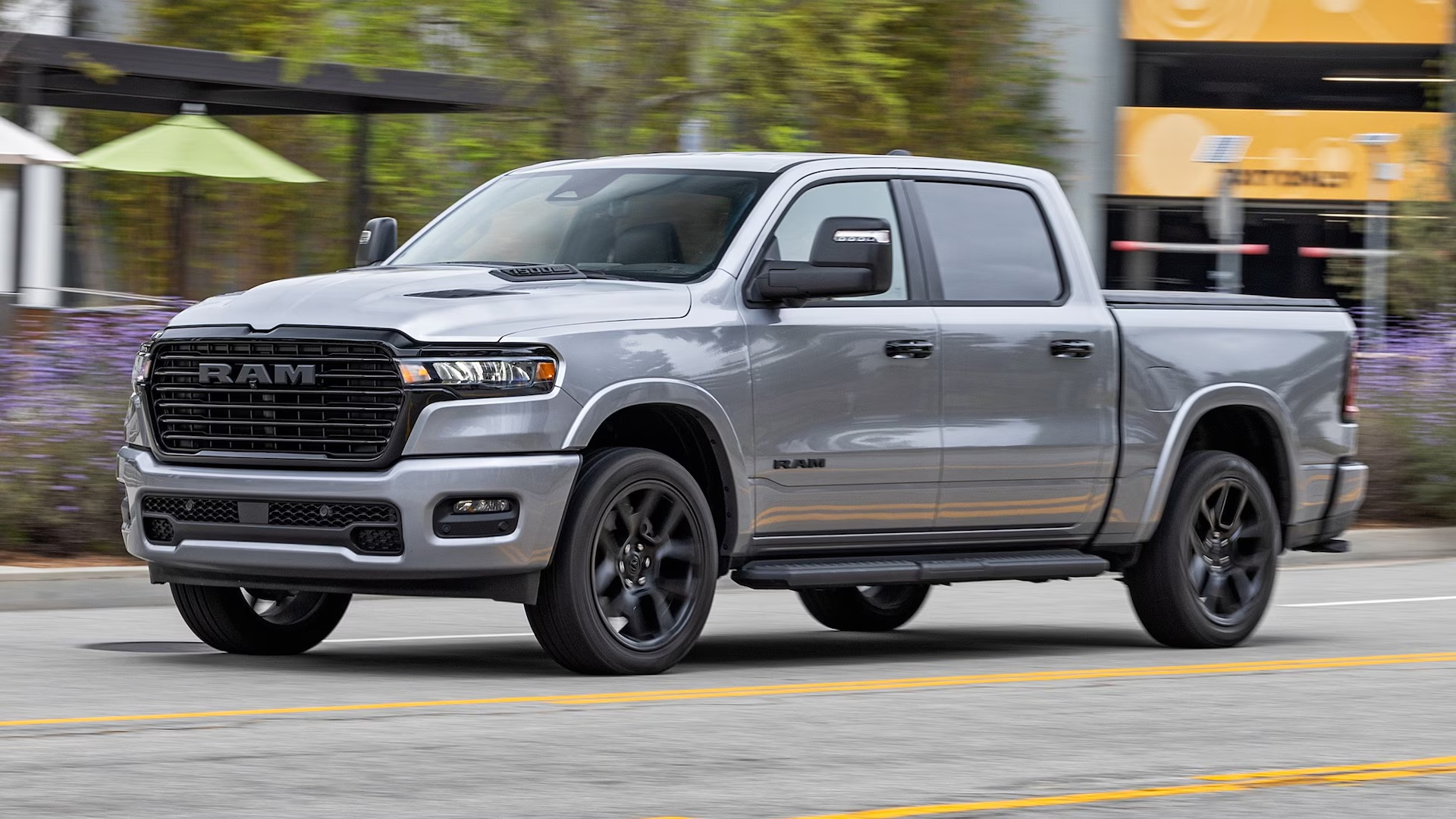
If you’re searching for a truck that combines raw power, refined luxury, and innovative technology, look no further than the 2025 RAM 1500 Laramie. The RAM 1500 Laramie has been built for drivers who demand the best of both worlds: rugged capability and exceptional comfort. At Simi Valley Chrysler Dodge Jeep Ram, we’re thrilled to offer the 2025 RAM 1500 Laramie, a truck that will elevate your driving experience whether you’re heading to work, tackling tough jobs, or enjoying a weekend adventure.
In this article, we will explore everything that makes the 2025 RAM 1500 Laramie a must-have vehicle, from its incredible performance to its luxurious interior and advanced technology, and why you should visit Simi Valley Chrysler Dodge Jeep Ram to get behind the wheel of this powerhouse truck today.
Why the 2025 RAM 1500 Laramie Is the Perfect Choice for You
The 2025 RAM 1500 Laramie isn’t just a truck—it’s a statement. This trim combines legendary RAM strength with luxury features that make every drive comfortable and enjoyable. Here’s why the 2025 RAM 1500 Laramie stands out from the competition:
1. Powerful Engine Options for Every Need
The 2025 RAM 1500 Laramie offers a range of engine options to fit your driving needs. Whether you need impressive towing capacity, excellent fuel efficiency, or all-out power, the Laramie delivers it all.
- 3.6L V6 eTorque Engine: This engine provides a balance between power and fuel efficiency, delivering up to 305 horsepower and 269 lb-ft of torque. It’s ideal for drivers who want a reliable engine for everyday driving and light towing.
- 5.7L V8 HEMI® Engine: If you’re looking for more muscle, the 5.7L V8 HEMI® engine offers 395 horsepower and 410 lb-ft of torque. It’s perfect for hauling heavy loads or towing up to 12,750 lbs.
- 3.0L I6 Hurricane Twin-Turbo Engine: For those who need even more power, the 3.0L I6 Hurricane engine provides excellent torque and horsepower for towing, off-roading, and any challenge you throw at it.
Each of these engines is paired with an 8-speed automatic transmission, providing smooth gear shifts and optimal fuel economy. Plus, the 2025 RAM 1500 Laramie offers both Rear-Wheel Drive (RWD) and Four-Wheel Drive (4WD) options to match your driving conditions.
You can explore more about the 2025 RAM 1500 Laramie’s engine specifications at RAM 1500 Laramie Specs.
2. Best-in-Class Towing and Payload Capacity
When it comes to towing, the 2025 RAM 1500 Laramie has you covered. With a maximum towing capacity of 12,750 lbs, this truck is built to pull trailers, boats, and heavy equipment without breaking a sweat. The Laramie trim is equipped with advanced towing technology like Trailer Reverse Steering Control, Integrated Trailer Brake Control, and Hill Start Assist, which makes towing easier and safer than ever.
Additionally, the 2025 RAM 1500 Laramie offers a maximum payload capacity of 2,300 lbs, which means you can carry heavy tools, materials, or any cargo you need without worrying about weight limits.
3. A Luxurious Interior for Ultimate Comfort
While the 2025 RAM 1500 Laramie is built for power, it’s also designed to ensure maximum comfort and convenience. The Laramie trim is packed with high-end features to make every journey as enjoyable as possible.
- Seating: The Laramie comes standard with leather-trimmed seating and ventilated and heated seats for both the driver and front passenger, ensuring comfort no matter the climate.
- Infotainment: The 12-inch Uconnect® 5 touchscreen is available, offering Apple CarPlay® and Android Auto™ for easy smartphone integration. The Uconnect® 5 system also supports voice commands, making it easier than ever to control navigation, music, and more.
- Storage: The 2025 RAM 1500 Laramie offers plenty of storage options, including RamBox® cargo management for securing your tools and equipment. Plus, the spacious center console and under-seat storage provide ample space for your gear.
Visit Simi Valley Chrysler Dodge Jeep Ram to explore the variety of interior features available with the 2025 RAM 1500 Laramie.
4. Cutting-Edge Safety Features
The 2025 RAM 1500 Laramie comes with advanced safety features to give you peace of mind on every drive. From active safety features to passive ones, this truck has you covered.
- Available Blind Spot Monitoring: Alerts you to vehicles in your blind spots, making lane changes safer.
- Available Rear Cross Path Detection: Helps you avoid obstacles when reversing by providing alerts when something crosses your path.
- Available Adaptive Cruise Control: Maintains a safe distance from the vehicle ahead, making highway driving less stressful.
- ParkSense® Front and Rear Park Assist: Makes parking easier with sensors that help you avoid obstacles when maneuvering in tight spaces.
The 2025 RAM 1500 Laramie has been engineered to keep you and your passengers safe on every journey.
5. Pricing and Availability
The 2025 RAM 1500 Laramie offers exceptional value for those looking for a truck that delivers both luxury and performance. Pricing for the 2025 RAM 1500 Laramie varies depending on selected configurations and options. For more details on pricing and availability, we recommend contacting Simi Valley Chrysler Dodge Jeep Ram for the most up-to-date information.
Explore Our Inventory at Simi Valley Chrysler Dodge Jeep Ram
At Simi Valley Chrysler Dodge Jeep Ram, we have a wide selection of 2025 RAM 1500 Laramie models available. Whether you’re looking for a specific color, trim, or package, we have the truck that suits your needs.
You can explore our inventory of 2025 RAM 1500 Laramie models by visiting Simi Valley Chrysler Dodge Jeep Ram. Our team is here to help you find the perfect truck, and we offer flexible financing options to fit your budget.
Why Choose Simi Valley Chrysler Dodge Jeep Ram?
At Simi Valley Chrysler Dodge Jeep Ram, we go above and beyond to ensure you have the best truck-buying experience. From our knowledgeable sales team to our expert service department, we are dedicated to helping you get the most out of your 2025 RAM 1500 Laramie.
- Wide Selection: We offer a variety of configurations for the 2025 RAM 1500 Laramie, ensuring you find the perfect truck for your needs.
- Competitive Financing: Our finance department works with a variety of lenders to get you the best rates and terms available.
- Expert Service: Our service team is here to keep your RAM 1500 Laramie running smoothly with routine maintenance, repairs, and more.
Visit Simi Valley Chrysler Dodge Jeep Ram Today!
The 2025 RAM 1500 Laramie is ready to take on any challenge, offering incredible performance, luxury, and technology. Visit Simi Valley Chrysler Dodge Jeep Ram today to see this incredible truck in person and take it for a test drive. With our competitive pricing and special offers, now is the perfect time to get behind the wheel of the 2025 RAM 1500 Laramie.
Explore our full inventory of 2025 RAM 1500 Laramie models by visiting Simi Valley Chrysler Dodge Jeep Ram or give us a call to learn more.
Conclusion
The 2025 RAM 1500 Laramie is the perfect truck for those who want the best of both worlds: rugged power and luxurious comfort. With its impressive performance, spacious and comfortable interior, and cutting-edge safety features, it’s ready to tackle any job while providing a premium driving experience. Visit Simi Valley Chrysler Dodge Jeep Ram today to explore this incredible truck and take advantage of our unbeatable offers. Don’t miss out—your perfect truck is waiting!
Frequently Asked Questions (FAQs) About the 2025 RAM 1500 Laramie
1. How much does the 2025 RAM 1500 Laramie cost at Simi Valley Chrysler Dodge Jeep Ram?
Pricing for the 2025 RAM 1500 Laramie varies based on selected configuration, drivetrain, and available packages. At Simi Valley CDJR, we regularly feature special offers and national incentives that make the Laramie more affordable than ever. Contact our sales team for the latest price and discount breakdown.
2. What engine options are available in the 2025 RAM 1500 Laramie?
The Laramie trim offers three powerful engines to suit every need:
- 3.6 L V6 eTorque Mild Hybrid – 305 hp / 269 lb-ft torque for balanced everyday power.
- 5.7 L V8 HEMI® – 395 hp / 410 lb-ft torque for towing and heavy loads.
- 3.0 L I6 Hurricane Twin-Turbo – the newest addition, delivering exceptional horsepower and torque for top performance.
All engines are paired with an 8-speed automatic transmission and available 4×4 capability.
3. What is the towing capacity of the 2025 RAM 1500 Laramie?
When properly equipped, the 2025 RAM 1500 Laramie can tow up to 12,750 lbs, making it ideal for trailers, boats, and equipment. Advanced towing tech such as Trailer Reverse Steering Control and Integrated Trailer Brake Control comes standard or available for added confidence.
4. How much payload can the 2025 RAM 1500 Laramie carry?
The truck offers a maximum payload capacity of 2,300 lbs, ensuring you can haul tools, materials, and gear efficiently on every job site.
5. What interior features come standard on the 2025 RAM 1500 Laramie?
Inside, the Laramie delivers true luxury:
- Leather-trimmed, heated, and ventilated front seats
- Power-adjustable driver’s seat with memory
- Premium materials and soft-touch surfaces
- Dual-zone automatic climate control
- Ample storage, including RamBox® Cargo Management and under-seat bins
6. What technology features are available in the 2025 RAM 1500 Laramie?
Tech highlights include the Uconnect 5 infotainment system with:
- 12-inch touchscreen display
- Apple CarPlay® and Android Auto™
- Voice command integration
- Navigation and Bluetooth® connectivity
- Available Harman Kardon® Premium Audio System with 19 speakers
7. What safety features does the 2025 RAM 1500 Laramie offer?
The Laramie trim comes equipped with advanced safety technologies such as:
- Blind Spot Monitoring
- Rear Cross Path Detection
- Adaptive Cruise Control
- ParkSense® Front and Rear Park Assist
- Forward Collision Warning with Active Braking
These features help protect you, your passengers, and your cargo wherever you drive.
8. Is the 2025 RAM 1500 Laramie good for both work and family use?
Yes. The Laramie’s combination of premium interior comfort and heavy-duty performance makes it perfect for professionals who need a truck for both weekday jobs and weekend adventures. Its spacious cabin comfortably seats five, offering SUV-like refinement with truck-grade toughness.
9. Does Simi Valley Chrysler Dodge Jeep Ram offer financing for the RAM 1500 Laramie?
Absolutely. Our finance team provides flexible loan and lease options to fit any budget, along with special APR offers and trade-in programs.
10. Where can I test drive the 2025 RAM 1500 Laramie near Los Angeles?
Visit Simi Valley Chrysler Dodge Jeep Ram — proudly serving drivers from Simi Valley, Ventura, Thousand Oaks, and Los Angeles.
📍 Address: 2350 First Street, Simi Valley, CA
📞 Phone: (805) 387-9755
Schedule your test drive today and experience the blend of strength, style, and sophistication that defines the 2025 RAM 1500 Laramie.
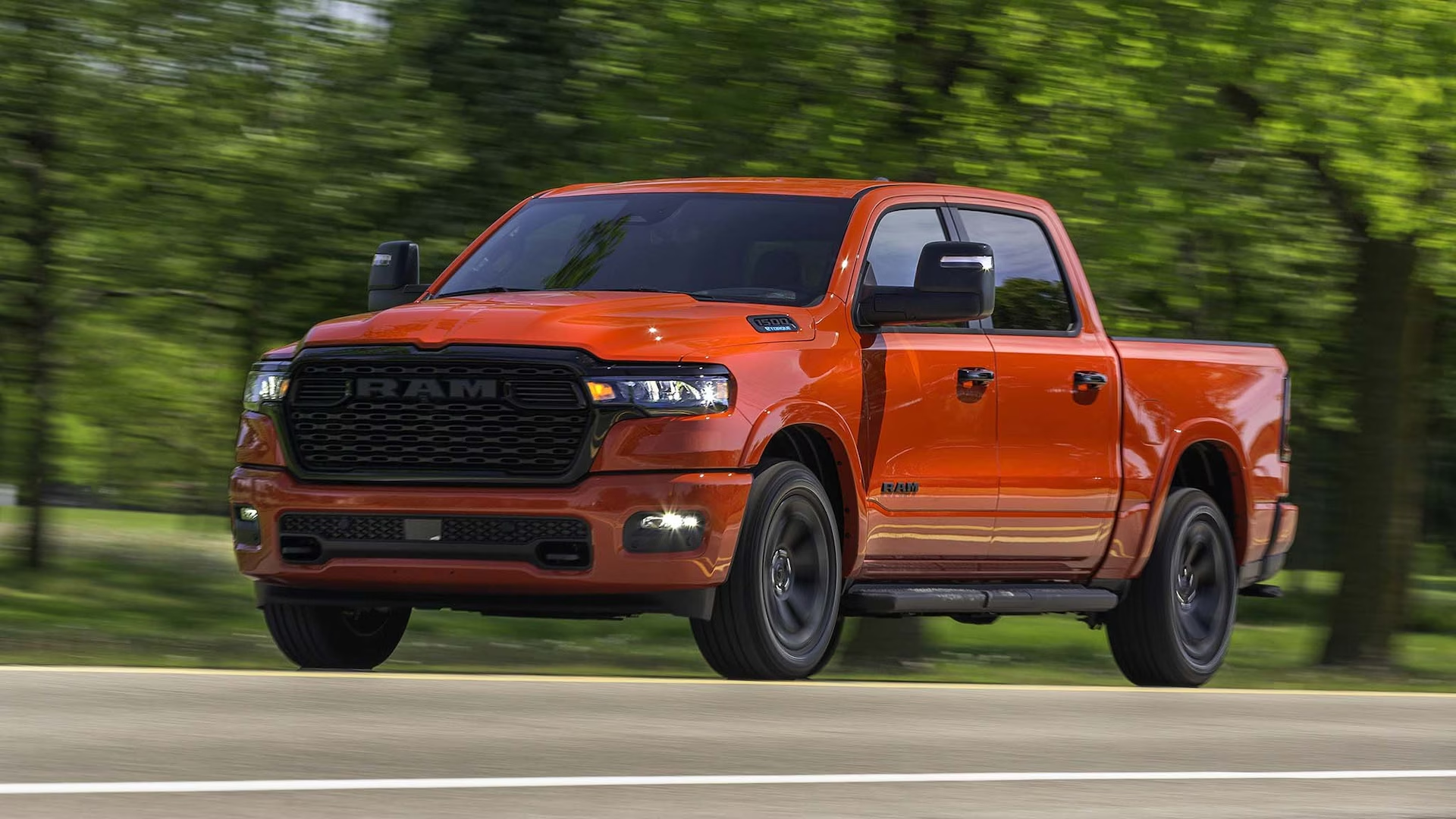
If you’re in the market for a truck that combines strength, versatility, and modern features, look no further than the 2025 RAM 1500 Big Horn/Lone Star. This rugged pickup is designed for those who need a reliable workhorse that doesn’t compromise on comfort or style. Whether you’re hauling heavy loads, tackling tough terrains, or cruising through the city, the 2025 RAM 1500 Big Horn/Lone Star is built to handle it all. At Simi Valley Chrysler Dodge Jeep Ram, we’re thrilled to offer this exceptional vehicle with the best deals in the area.
In this article, we’ll explore everything that makes the 2025 RAM 1500 Big Horn/Lone Star a standout in its class, including its performance capabilities, interior features, advanced technology, and why Simi Valley Chrysler Dodge Jeep Ram is your best destination to find this powerhouse truck.
Why Choose the 2025 RAM 1500 Big Horn/Lone Star?
The 2025 RAM 1500 Big Horn/Lone Star is the perfect blend of utility and comfort, designed to meet the needs of hardworking drivers without sacrificing luxury. Whether you’re using it for business or leisure, the RAM 1500 Big Horn/Lone Star provides everything you need to get the job done in style.
1. Powerful Performance for Every Job
When it comes to performance, the 2025 RAM 1500 Big Horn/Lone Star doesn’t disappoint. It’s engineered to deliver impressive power while maintaining fuel efficiency, making it ideal for both heavy-duty work and daily driving.
- Engine Options:
- 3.6L V6 eTorque Mild Hybrid Engine: This engine offers a great balance of power and fuel economy, with up to 305 horsepower and 269 lb-ft of torque. It’s perfect for those who need strong performance without compromising efficiency.
- 5.7L V8 HEMI Engine: For those who need more power, the available 5.7L V8 HEMI engine provides an incredible 395 horsepower and 410 lb-ft of torque, ideal for towing and hauling heavy loads.
- Towing Capacity:
- The 2025 RAM 1500 Big Horn/Lone Star can tow up to 12,750 lbs when properly equipped, making it perfect for trailers, boats, or heavy-duty equipment. Whether you’re heading to a job site or going on an adventure, this truck has the muscle to handle your towing needs.
- Payload Capacity:
- With a maximum payload capacity of up to 2,300 lbs, the RAM 1500 Big Horn/Lone Star ensures you can carry all your tools, gear, or anything else you need for the job.
You can view our inventory of 2025 RAM 1500 Big Horn/Lone Star models by visiting Simi Valley Chrysler Dodge Jeep Ram.
2. Comfortable and Spacious Interior
While the 2025 RAM 1500 Big Horn/Lone Star is built to handle tough jobs, it’s also designed to provide a comfortable and spacious interior for long drives or tough work days.
- Interior Features:
- Seating: The RAM 1500 Big Horn/Lone Star offers seating for up to six passengers, with cloth seating as standard and vinyl options for easier maintenance. The spacious cabin ensures that everyone stays comfortable, even on long trips or during extended work days.
- Storage: With ample storage compartments, including an oversized center console, under-seat storage, and an available RamBox® cargo management system, the RAM 1500 Big Horn/Lone Star ensures that you have space for everything you need.
- Technology:
- The Uconnect® 5 system comes standard, featuring an 8.4-inch touchscreen, Apple CarPlay® and Android Auto™ integration, and available 12-inch touchscreen for a more intuitive experience.
- Stay connected to your apps, navigation, and music, all with minimal distractions, making your drive both safer and more enjoyable.
Visit Simi Valley Chrysler Dodge Jeep Ram to explore the various interior configurations available for the 2025 RAM 1500 Big Horn/Lone Star.
3. Advanced Safety Features for Peace of Mind
Safety is always a priority in a vehicle as versatile as the 2025 RAM 1500 Big Horn/Lone Star. This truck is equipped with a range of standard and available safety features to protect you and your passengers, whether you’re navigating busy streets or driving off-road.
- Available Features:
- Adaptive Cruise Control: Helps maintain a safe distance from the vehicle in front of you.
- Blind Spot Monitoring: Alerts you to vehicles in your blind spot, making lane changes safer.
- Rear Cross Path Detection: Warns you of approaching vehicles while backing up.
- ParkSense® Front and Rear Park Assist: Makes parking easier with sensors that alert you to obstacles.
These advanced safety features ensure that you have confidence in every drive, whether you’re on the highway, in the city, or off-road.
Visit Simi Valley Chrysler Dodge Jeep Ram to learn more about the 2025 RAM 1500 Big Horn/Lone Star’s safety features.
2025 RAM 1500 Big Horn/Lone Star Pricing and Special Offers
The 2025 RAM 1500 Big Horn/Lone Star combines power, comfort, and safety at an affordable price. At Simi Valley Chrysler Dodge Jeep Ram, we’re proud to offer 2025 RAM 1500 Big Horn/Lone Star trucks at competitive prices with amazing discounts.
- MSRP: $50,100
- Simi Valley Discount: -$6,500
- National Retail Consumer Cash: -$4,000
- National Bonus Cash: -$1,500
- National Holiday Bonus Cash: -$1,000
Simi Valley Price: $43,600
To learn more about the available configurations, pricing, and current special offers, visit Simi Valley Chrysler Dodge Jeep Ram. Our inventory is always turning, so make sure to check back for the latest models and deals.
Why Choose Simi Valley Chrysler Dodge Jeep Ram?
At Simi Valley Chrysler Dodge Jeep Ram, we are committed to offering you the best car-buying experience possible. From the moment you walk into our dealership, our team is here to provide you with personalized service and support. Whether you’re buying a new truck, need financing, or looking for maintenance services, we’re here to help every step of the way.
- Wide Selection of Vehicles: We offer a broad selection of 2025 RAM 1500 Big Horn/Lone Star models and other RAM trucks to fit your needs.
- Competitive Financing: Our finance team will work with you to get the best rates and terms for your budget.
- Expert Service and Parts: Our service department offers routine maintenance, repairs, and more to keep your RAM 1500 Big Horn/Lone Star in top condition.
Explore our inventory today by visiting Simi Valley Chrysler Dodge Jeep Ram.
Conclusion
The 2025 RAM 1500 Big Horn/Lone Star is the perfect combination of power, performance, and comfort. Whether you’re towing a heavy load, commuting through Los Angeles, or taking the family on a weekend adventure, this truck is designed to handle everything you need. With unbeatable pricing and discounts at Simi Valley Chrysler Dodge Jeep Ram, now is the perfect time to make the 2025 RAM 1500 Big Horn/Lone Star your next vehicle.
Visit us at Simi Valley Chrysler Dodge Jeep Ram today to explore the 2025 RAM 1500 Big Horn/Lone Star in person and take advantage of our incredible deals!
Frequently Asked Questions (FAQs) About the 2025 RAM 1500 Big Horn / Lone Star
1. How much does the 2025 RAM 1500 Big Horn / Lone Star cost at Simi Valley Chrysler Dodge Jeep Ram?
At Simi Valley CDJR, you can drive home the 2025 RAM 1500 Big Horn / Lone Star for as little as $43,600, after stacked incentives and dealership savings:
- MSRP $50,100
- Simi Valley Discount – $6,500
- National Retail Consumer Cash – $4,000
- National Bonus Cash – $1,500
- National Holiday Bonus Cash – $1,000
That’s over $6,000 in dealer discounts plus national rebates — one of the best RAM 1500 Big Horn offers in Southern California.
2. What engine options are available for the 2025 RAM 1500 Big Horn / Lone Star?
Choose from two proven powertrains:
- 3.6 L V6 eTorque Mild Hybrid – 305 hp / 269 lb-ft torque for balanced power and efficiency.
- 5.7 L V8 HEMI® Engine – 395 hp / 410 lb-ft torque for maximum towing and performance.
Both pair with an 8-speed automatic transmission that delivers smooth, confident acceleration.
3. What is the towing capacity of the 2025 RAM 1500 Big Horn / Lone Star?
When properly equipped, it can tow up to 12,750 lbs, giving you the capability to haul trailers, boats, or work equipment with ease.
4. How much payload can the RAM 1500 Big Horn / Lone Star carry?
You’ll get a maximum payload capacity of 2,300 lbs, so you can load tools, materials, and gear without breaking a sweat.
5. What technology comes standard in the Big Horn / Lone Star trim?
Every model includes the Uconnect 5 infotainment system with an 8.4-inch touchscreen, Apple CarPlay®, Android Auto™, Bluetooth®, and voice command. An available 12-inch touchscreen adds enhanced graphics and split-screen functionality.
6. What interior features set the 2025 RAM 1500 Big Horn / Lone Star apart?
The interior balances comfort and utility with features such as:
- Seating for up to six passengers
- Durable cloth or optional vinyl upholstery
- Oversized center console and under-seat storage
- Available RamBox® Cargo Management System for secure bed storage
7. What safety features are available in the 2025 RAM 1500 Big Horn / Lone Star?
Safety and driver-assistance technologies include:
- Adaptive Cruise Control
- Blind Spot Monitoring
- Rear Cross Path Detection
- ParkSense® Front and Rear Park Assist
- Hill Start Assist and Electronic Stability Control
These systems help you drive with confidence on highways and job sites alike.
8. Is the 2025 RAM 1500 Big Horn / Lone Star good for both work and family use?
Absolutely. It delivers the power needed for towing and hauling while offering a comfortable, tech-forward cabin ideal for commuting or family road trips. Its quiet ride and premium interior make it a true dual-purpose truck.
9. Does Simi Valley Chrysler Dodge Jeep Ram offer financing for the RAM 1500 Big Horn / Lone Star?
Yes. Our finance team specializes in flexible financing plans for every budget. We’ll help you secure the best rates and terms so you can drive home your RAM 1500 Big Horn / Lone Star with confidence.
10. Where can I test drive the 2025 RAM 1500 Big Horn / Lone Star near Los Angeles?
Visit Simi Valley Chrysler Dodge Jeep Ram, serving drivers from Simi Valley, Ventura, Los Angeles, and Thousand Oaks.
📍 2350 First Street, Simi Valley, CA
📞 (805) 387-9755

When it comes to powerful, reliable, and efficient trucks, few vehicles can match the performance of the 2025 RAM 1500 Tradesman. Designed for both work and play, this rugged pickup offers an unbeatable combination of power, efficiency, and advanced technology. Whether you’re hauling equipment, towing heavy loads, or simply looking for a durable vehicle that can take on any challenge, the 2025 RAM 1500 Tradesman is the perfect choice. At Simi Valley Chrysler Dodge Jeep Ram, we’re proud to offer this remarkable truck at an incredible price.
In this blog, we’ll dive into everything you need to know about the 2025 RAM 1500 Tradesman, including its performance capabilities, design features, technology, and the outstanding value available at Simi Valley Chrysler Dodge Jeep Ram. Let’s take a closer look at why this truck should be your next investment.
2025 RAM 1500 Tradesman Pricing Breakdown
The 2025 RAM 1500 Tradesman is the workhorse you’ve been waiting for, and at Simi Valley Chrysler Dodge Jeep Ram, we’ve made it easier than ever to own it. With significant discounts and incentives, now is the perfect time to make the 2025 RAM 1500 Tradesman your own.
- MSRP: $50,100
- National Retail Consumer Cash Discount: -$4,000
- National Bonus Cash: -$1,500
- National Holiday Bonus Cash: -$1,000
- Simi Valley Discount: -$6,500
Simi Valley Price: $43,600
This incredible deal makes the 2025 RAM 1500 Tradesman not just a top performer but also an affordable option for drivers looking for a truck that works as hard as they do. But don’t wait too long – our inventory turns quickly. Make sure to contact us today to confirm availability.
Unmatched Performance for Work and Play
The 2025 RAM 1500 Tradesman offers a range of powerful engine options, making it versatile enough to handle both heavy-duty tasks and everyday driving needs. Whether you’re tackling tough jobs on the worksite or cruising down the highway, this truck delivers performance that doesn’t quit.
Engine Options:
- 3.6L V6 eTorque Mild Hybrid Engine
This engine provides an excellent balance between power and fuel efficiency. The 3.6L V6 engine delivers 305 horsepower and up to 269 lb-ft of torque, making it a great option for those who need power without compromising on fuel economy. - 3.0L I6 Hurricane Twin-Turbocharged Engine
For those who need even more performance, the 3.0L I6 Hurricane engine is an impressive choice. With 420 horsepower and 480 lb-ft of torque, it’s perfect for towing and hauling heavy loads with ease.
Towing Capacity:
The 2025 RAM 1500 Tradesman offers best-in-class towing capacity, capable of pulling up to 12,750 lbs when properly equipped. Whether you’re hauling a trailer, boat, or work equipment, this truck is designed to handle it all. The Tradesman is equipped with advanced towing technologies like the Trailer Reverse Steering Control and Hill Start Assist, making towing safer and easier than ever.
Payload Capacity:
With a maximum payload capacity of up to 2,300 lbs, the 2025 RAM 1500 Tradesman can carry all your tools, materials, or whatever else you need for the job. The truck’s durable bed and reinforced structure are designed to handle heavy loads without breaking a sweat.
Designed for Durability and Comfort
The 2025 RAM 1500 Tradesman isn’t just about raw power—it’s also designed to provide comfort and practicality for long hours on the road or at the job site. This truck combines rugged durability with a well-appointed interior that offers everything you need to stay productive and comfortable.
Interior Features:
- Seating: The Tradesman can seat up to six passengers with available vinyl seating for easy cleanup or premium cloth seating for added comfort. The spacious interior provides ample legroom, ensuring that everyone stays comfortable even on long drives.
- Infotainment: Stay connected with the 8.4-inch Uconnect touchscreen, which includes Apple CarPlay and Android Auto integration, allowing you to access music, navigation, and apps right from your dashboard. For those who want a larger screen, the 12-inch Uconnect touchscreen is available for an even more intuitive experience.
- Storage: The 2025 RAM 1500 Tradesman offers an array of storage compartments, including under-seat storage and a spacious center console, so you can keep your tools and gear organized and easily accessible.
- Cargo Bed: The 5’7” truck bed is designed to handle heavy-duty loads with available RamBox® cargo management for additional secure storage. The hydraulic dampened tailgate makes loading and unloading items easier, ensuring you have the space and capability to tackle any job.
Advanced Safety Features for Peace of Mind
Safety is a top priority in the 2025 RAM 1500 Tradesman, with several advanced safety and driver-assist features available to help you stay safe on the road.
Standard and Available Safety Features:
- Rearview Camera: Standard on all models, making parking and reversing easier and safer.
- Blind Spot Monitoring: Helps you stay aware of vehicles in your blind spots, ensuring safer lane changes.
- Rear Cross Path Detection: Alerts you to obstacles in your path while reversing, especially useful when backing out of tight spaces.
- Adaptive Cruise Control: Available to help you maintain a safe distance from other vehicles on the highway.
Why Choose Simi Valley Chrysler Dodge Jeep Ram?
At Simi Valley Chrysler Dodge Jeep Ram, we are committed to offering the best customer experience when purchasing your 2025 RAM 1500 Tradesman. Our knowledgeable sales team is here to help you find the perfect truck for your needs, and our finance department is dedicated to getting you the best deal with flexible financing options. Whether you’re purchasing a new RAM 1500 or a used vehicle, we offer competitive pricing and excellent service.
We Offer More Than Just Cars:
- Special Discounts and Offers: Take advantage of our Simi Valley Discount, National Retail Consumer Cash, Bonus Cash, and Holiday Bonus Cash to save even more on your 2025 RAM 1500 Tradesman.
- Expert Service and Repairs: Our service department offers routine maintenance, repairs, and more to keep your RAM 1500 running like new.
- Convenient Location: Located in Simi Valley, we’re easily accessible to drivers in the Los Angeles area, making it easy for you to stop by and take a test drive.
Schedule a Test Drive Today
If you’re ready to experience the power, capability, and comfort of the 2025 RAM 1500 Tradesman, contact Simi Valley Chrysler Dodge Jeep Ram today. Our sales team is here to help you explore the vehicle in person and answer any questions you have. Don’t miss out on this incredible offer—make the 2025 RAM 1500 Tradesman your next truck!
Visit us at Simi Valley Chrysler Dodge Jeep Ram or call (Insert Phone Number) to learn more and schedule your test drive today!
Final Thoughts
The 2025 RAM 1500 Tradesman is a standout in its class, offering unmatched power, towing capabilities, and technology. At Simi Valley Chrysler Dodge Jeep Ram, we’re proud to offer this powerful truck at an amazing price, thanks to generous discounts and incentives. Whether you need a truck for work or play, the 2025 RAM 1500 Tradesman delivers. Don’t wait – visit us today and get behind the wheel of this amazing truck!
Frequently Asked Questions (FAQs) About the 2025 RAM 1500 Tradesman
1. How much does the 2025 RAM 1500 Tradesman cost at Simi Valley Chrysler Dodge Jeep Ram?
At Simi Valley CDJR, the 2025 RAM 1500 Tradesman starts at a discounted price of $43,600 after stacking multiple national and dealership offers, including:
- $4,000 National Retail Consumer Cash
- $1,500 National Bonus Cash
- $1,000 Holiday Bonus Cash
- $6,500 Simi Valley Discount
MSRP: $50,100 → Final Price: $43,600
This limited-time offer makes it one of the best-priced full-size trucks in Southern California.
2. What engine options are available in the 2025 RAM 1500 Tradesman?
You can choose between two powerful engines:
- 3.6L V6 eTorque Mild Hybrid Engine – 305 hp and 269 lb-ft torque for excellent efficiency.
- 3.0L I6 Hurricane Twin-Turbo Engine – 420 hp and 480 lb-ft torque for heavy-duty towing and hauling.
Both engines are paired with an 8-speed automatic transmission that delivers smooth, responsive power.
3. What is the towing capacity of the 2025 RAM 1500 Tradesman?
When properly equipped, the RAM 1500 Tradesman can tow up to 12,750 lbs, making it one of the best in its class. Whether you’re hauling a boat, trailer, or work equipment, this truck has the power and control you need.
4. How much payload can the 2025 RAM 1500 Tradesman handle?
The truck offers a maximum payload capacity of 2,300 lbs, ensuring you can carry tools, gear, and building materials with ease.
5. What interior features does the 2025 RAM 1500 Tradesman include?
Inside, you’ll find comfort and practicality built for long workdays and weekend trips alike:
- Seating for up to six passengers
- Vinyl or premium cloth upholstery
- 8.4-inch Uconnect touchscreen with Apple CarPlay & Android Auto
- Available 12-inch touchscreen for enhanced visibility and usability
- Ample storage, including under-seat bins and a spacious center console
6. What technology and connectivity options are available?
The Uconnect® infotainment system keeps you connected with:
- Apple CarPlay® and Android Auto™ integration
- Voice command capability
- Bluetooth® hands-free connectivity
- Optional 4G Wi-Fi hotspot
These features make the Tradesman a smart, connected workspace on wheels.
7. What safety features are included in the 2025 RAM 1500 Tradesman?
Safety comes standard. Key features include:
- Rearview Camera
- Blind Spot Monitoring
- Rear Cross Path Detection
- Adaptive Cruise Control
- Hill Start Assist
These systems work together to enhance confidence and visibility on every drive.
8. Does the 2025 RAM 1500 Tradesman come with towing technology?
Yes. Advanced systems like Trailer Reverse Steering Control, Integrated Trailer Brake Control, and Trailer Sway Damping help make towing easier and safer, even in tight spaces or on steep grades.
9. What makes the RAM 1500 Tradesman a good value for buyers?
The Tradesman combines power, technology, and reliability with one of the best pricing structures in California. With multiple cash incentives and dealer discounts at Simi Valley CDJR, you get a high-performance truck at an unbeatable value.
10. Where can I test drive or buy the 2025 RAM 1500 Tradesman near Los Angeles?
Visit Simi Valley Chrysler Dodge Jeep Ram — conveniently located for drivers in Los Angeles, Ventura, and Thousand Oaks.
📍 Address: 2350 First St., Simi Valley, CA
📞 Phone: (805) 387-9755
Schedule your test drive today and experience why so many Southern California drivers trust Simi Valley CDJR for their next truck.
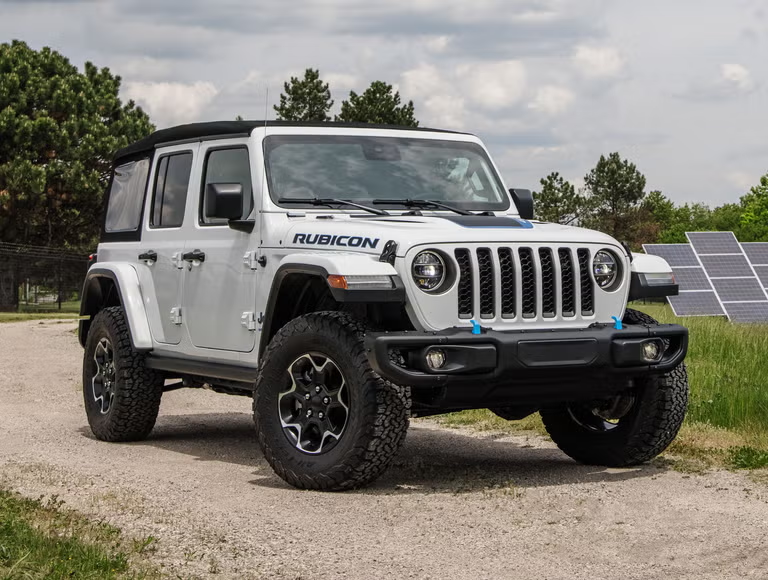
In Los Angeles, where traffic is dense and environmental concerns are top of mind, choosing a hybrid vehicle is not just a smart financial decision — it’s a commitment to sustainability. But with so many options out there, why settle for anything less than the best? Simi Valley Chrysler Dodge Jeep Ram (CDJR) stands out as your top destination for used hybrid cars in Los Angeles, offering unmatched customer service, reliability, and a broad selection of hybrid models tailored to fit your lifestyle.
Let’s dive into why buying a used hybrid car from Simi Valley Chrysler Dodge Jeep Ram is the smartest choice you can make.
Top Reasons to Choose a Used Hybrid Car from Simi Valley CDJR
1. A Reputation for Quality and Trust
When it comes to buying a used hybrid car in Los Angeles, Simi Valley Chrysler Dodge Jeep Ram has earned a solid reputation for offering vehicles that meet the highest standards. Every pre-owned hybrid on our lot goes through a rigorous inspection process, ensuring that you’re getting a car that’s not only environmentally friendly but also reliable and safe. You can trust Simi Valley CDJR to provide you with the best used hybrid vehicles available in the area.
Explore our full inventory of used hybrids at Simi Valley Chrysler Dodge Jeep Ram.
2. Wide Selection of Hybrid Models
Whether you’re looking for a compact, fuel-efficient sedan like the Toyota Prius or a stylish SUV such as the Toyota Highlander Hybrid, Simi Valley Chrysler Dodge Jeep Ram offers a diverse range of options. We specialize in providing used hybrids that offer great fuel efficiency, comfort, and performance at unbeatable prices.
Browse through our used hybrid vehicle inventory and find the perfect hybrid car today!
3. Affordable Pricing
One of the most attractive reasons to buy a used hybrid is the affordable pricing. New hybrid vehicles can come with a hefty price tag, but Simi Valley CDJR offers used hybrids at competitive prices that fit any budget. Whether you’re searching for a hybrid sedan or a family-friendly hybrid SUV, our selection ensures you get the best value for your money.
Visit Simi Valley Chrysler Dodge Jeep Ram to view our used hybrid car deals!
4. Fuel Efficiency for City Life
With Los Angeles traffic notoriously heavy, a hybrid vehicle provides the perfect solution. Hybrids are designed to conserve fuel during stop-and-go driving, helping you navigate LA’s traffic while saving at the pump. At Simi Valley Chrysler Dodge Jeep Ram, we offer hybrids that excel in fuel efficiency and reduce your overall carbon footprint.
Check out our hybrid vehicle inventory to see all the options designed to save you money on fuel!
5. Exclusive Financing and Deals
At Simi Valley Chrysler Dodge Jeep Ram, we offer exceptional financing options for our customers, making the process of buying a used hybrid even easier. Our knowledgeable team will work with you to find the best rates and terms for your budget, ensuring you drive off in your ideal hybrid without any stress.
Explore our finance options to learn more about how we make buying a hybrid car hassle-free!
6. A Green Future Starts Here
California is one of the largest markets for hybrid and electric vehicles in the United States, and Simi Valley Chrysler Dodge Jeep Ram is proud to support the state’s green initiatives. By purchasing a used hybrid, you are actively contributing to reducing air pollution and helping Los Angeles achieve its environmental goals. Hybrid vehicles are a key part of California’s long-term sustainability strategy, and Simi Valley CDJR is helping you lead the way.
Learn more about the environmental benefits of hybrid vehicles at Simi Valley Chrysler Dodge Jeep Ram.
7. HOV Lane Access
In Los Angeles, HOV lane access is a huge benefit for commuters looking to reduce their travel time. Many hybrid vehicles qualify for Clean Air Vehicle (CAV) decals, which allow you to drive in the HOV lanes with just one occupant. This makes a used hybrid not just an eco-friendly choice, but also a practical one for busy commuters.
Don’t wait! Visit Simi Valley Chrysler Dodge Jeep Ram to find out how our used hybrids can get you through LA’s traffic faster.
8. Certified Pre-Owned (CPO) Hybrids
For added peace of mind, we offer Certified Pre-Owned (CPO) hybrids that come with added benefits such as extended warranties and a comprehensive inspection. A CPO hybrid from Simi Valley Chrysler Dodge Jeep Ram means you’re getting a vehicle that meets our high standards for quality, reliability, and performance.
Discover our CPO hybrid inventory to see the hybrid vehicles that come with extra perks!
Explore all these options and more at Simi Valley Chrysler Dodge Jeep Ram.
Where to Find Your Used Hybrid Car in Los Angeles
There’s no better place to find your next used hybrid car than Simi Valley Chrysler Dodge Jeep Ram. Our dealership is conveniently located and offers a wide range of high-quality, pre-owned hybrid vehicles. Whether you’re interested in a sedan, an SUV, or even a luxury hybrid, we have something to suit every need and budget.
Start your search for the perfect hybrid today by browsing our used hybrid inventory and take advantage of our special offers and finance deals.
By making Simi Valley Chrysler Dodge Jeep Ram your go-to dealership for used hybrid cars in Los Angeles, you are not only choosing a vehicle that offers great fuel efficiency and eco-friendly benefits but also supporting a dealership that puts your needs first. Visit us today and drive home in the hybrid car of your dreams!
Frequently Asked Questions (FAQs) About Used Hybrid Cars in Los Angeles
1. Why should I buy a used hybrid car in Los Angeles?
Buying a used hybrid in Los Angeles is both cost-effective and eco-friendly. With heavy traffic and high fuel prices, hybrids help you save significantly on gas while reducing emissions. At Simi Valley Chrysler Dodge Jeep Ram, every used hybrid undergoes a comprehensive inspection to ensure reliability, performance, and long-term value.
2. What used hybrid models are available at Simi Valley CDJR?
Our inventory often includes popular hybrid models such as the Toyota Prius, Hyundai Ioniq, Ford Escape Hybrid, Toyota Highlander Hybrid, and Jeep Wrangler 4xe Plug-In Hybrid. Inventory updates regularly, so you’ll always find diverse hybrid cars and SUVs that suit your budget and lifestyle.
👉 Browse used hybrids at Simi Valley CDJR
3. Are used hybrids at Simi Valley CDJR inspected before sale?
Yes. Every pre-owned hybrid undergoes a rigorous multi-point inspection to meet Simi Valley CDJR’s quality standards. We verify battery health, emissions systems, and drivetrain components, ensuring you get a vehicle that performs like new.
4. Do used hybrids qualify for financing?
Absolutely. We offer competitive financing options for all used hybrid models. Whether you have perfect credit, no credit, or are rebuilding your score, our finance team helps tailor affordable monthly payments for your situation.
👉 Apply for financing online
5. What are the benefits of owning a hybrid vehicle in Los Angeles?
Hybrid cars are ideal for stop-and-go LA traffic, reducing fuel consumption and emissions. Many models also qualify for California’s Clean Air Vehicle (CAV) decals, giving you HOV lane access even when driving solo—a major advantage during rush hour.
6. Does Simi Valley CDJR offer Certified Pre-Owned (CPO) hybrids?
Yes. Our Certified Pre-Owned hybrids include extended warranties, detailed inspection reports, and additional peace of mind. These vehicles deliver the best of both worlds—affordable pricing and near-new reliability.
7. Are hybrid batteries expensive to replace?
While hybrid battery replacement can be costly, modern hybrids are designed for long battery life—often exceeding 150,000 miles. When you buy from Simi Valley CDJR, you can review detailed battery health reports and available warranty coverage before purchase.
8. How do I maintain a used hybrid vehicle?
Hybrid maintenance is simpler than most expect. Regular oil changes, tire rotations, and brake checks keep your car running efficiently. Hybrid-specific services—like cooling system checks and battery diagnostics—are offered by our certified service technicians.
9. Can I trade in my current vehicle for a used hybrid?
Yes. We accept trade-ins of all makes and models. You can get a fast online estimate or bring your vehicle in for an on-the-spot appraisal toward your hybrid purchase.
👉 Value your trade online
10. Why choose Simi Valley Chrysler Dodge Jeep Ram for used hybrids?
Because we combine trusted service, verified quality, and exceptional deals. Our dealership has a reputation for honesty, transparency, and selection, making it the preferred destination for used hybrid vehicles across Los Angeles and Ventura County.
The Rise of Hybrid Vehicles in California: A Comprehensive Guide to Eco-Friendly Transportation
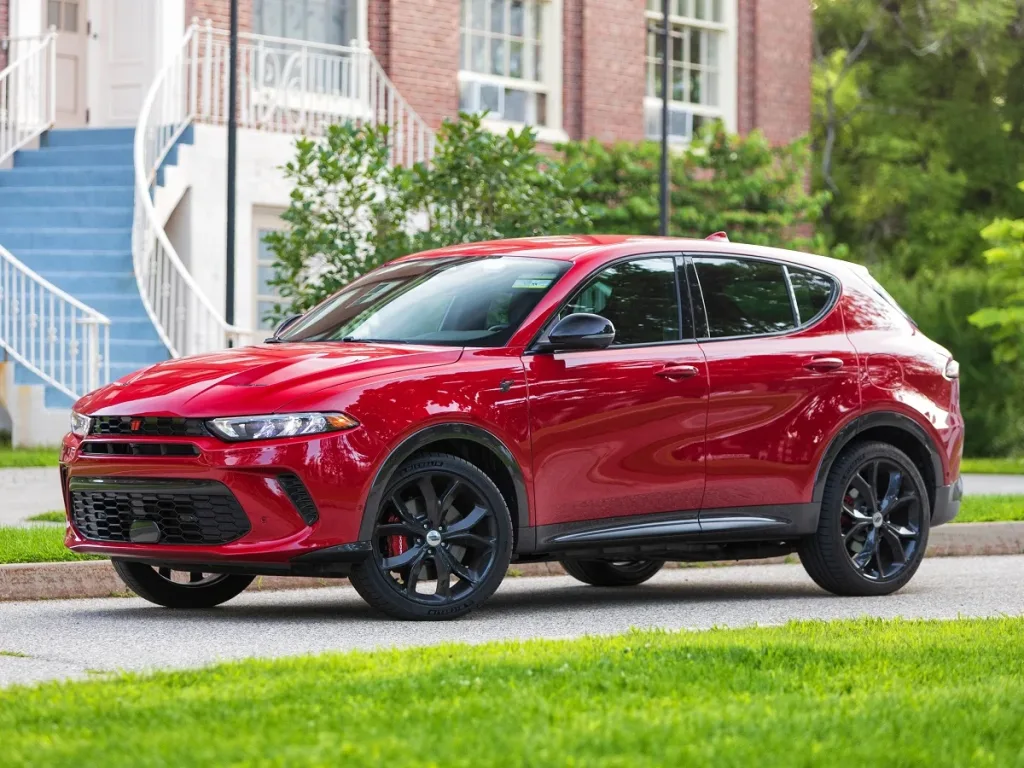
California has long been at the forefront of environmental innovation, and the adoption of hybrid vehicles is a cornerstone of the state’s efforts to combat climate change, reduce emissions, and improve air quality. Over the years, California has become a hub for the adoption of hybrid and electric vehicles (EVs), thanks to its combination of incentives, a robust automotive market, and a growing concern about environmental sustainability. In this article, we will explore California’s commitment to hybrid vehicles, the benefits they provide, the available incentives for hybrid car buyers, and the overall impact on the state’s environment and economy.
Understanding Hybrid Vehicles
Hybrid vehicles combine a traditional internal combustion engine with an electric motor. The hybrid powertrain works in tandem, using both gasoline and electricity to power the vehicle. There are different types of hybrid vehicles, with the most common being:
- Full Hybrids (HEVs): These vehicles use both an internal combustion engine (ICE) and an electric motor. The electric motor assists the gasoline engine, resulting in improved fuel efficiency and reduced emissions. Examples include the Toyota Prius and Honda Accord Hybrid.
- Plug-in Hybrid Electric Vehicles (PHEVs): These hybrids are similar to full hybrids but come with a larger battery that can be charged via an electric outlet. PHEVs can drive longer distances on electricity alone before switching to gasoline. Examples include the Chevrolet Volt and Toyota Prius Prime.
- Mild Hybrids: These vehicles use a small electric motor that assists the gasoline engine but cannot drive the vehicle on electric power alone. They improve fuel efficiency without offering the same level of electric-only driving as full hybrids or PHEVs.
Hybrid vehicles have gained popularity in California, largely because of their combination of better fuel economy, reduced emissions, and the ability to drive longer distances than fully electric cars. This makes them an appealing choice for many residents, especially those who are not yet ready to make the full transition to electric vehicles.
The Benefits of Hybrid Vehicles in California
California’s diverse geography and urban landscapes make it an ideal environment for hybrid vehicles. The state’s large cities, including Los Angeles, San Francisco, and San Diego, experience high levels of traffic, making fuel efficiency and lower emissions a priority for residents. Here are some of the key benefits that hybrid vehicles offer to California residents:
1. Fuel Efficiency and Cost Savings
One of the main advantages of hybrid vehicles is their improved fuel efficiency. By combining an electric motor with a traditional gasoline engine, hybrids use less fuel compared to conventional vehicles. This translates to fewer trips to the gas station and lower overall fuel costs. In California, where gas prices are often higher than the national average, hybrid vehicles can result in significant savings over time.
2. Environmental Benefits
Hybrid vehicles are far less polluting than traditional gas-powered cars. By relying on electric power for part of the drive, they produce fewer emissions, which is critical in California, where air quality can be a major issue. Major urban areas often struggle with smog and poor air quality, especially during hot summer months, making hybrid cars an attractive option for reducing air pollution.
California’s stringent emissions standards are designed to reduce the number of harmful pollutants like nitrogen oxides (NOx) and particulate matter that contribute to smog. By choosing hybrid vehicles, residents help improve air quality and contribute to the state’s ambitious climate goals.
3. Reduced Carbon Footprint
Hybrid cars are also an effective way to reduce your carbon footprint. With lower CO2 emissions compared to traditional vehicles, hybrids play a vital role in California’s efforts to fight climate change. The state has set aggressive goals to reduce greenhouse gas emissions and to achieve carbon neutrality by 2045. By driving a hybrid vehicle, Californians are taking a proactive step toward reducing their personal contributions to climate change.
4. Access to HOV Lanes
In California, hybrid vehicles are eligible for Clean Air Vehicle (CAV) decals, which allow drivers to use High-Occupancy Vehicle (HOV) lanes, even when driving alone. This incentive is highly appealing in California’s traffic-heavy cities, where HOV lanes can significantly reduce commute times. This perk adds to the appeal of hybrid vehicles, especially for commuters.
5. Increased Variety of Vehicle Options
The growing interest in hybrid vehicles has led to a broader range of options. Almost every major automaker offers at least one hybrid model, ranging from compact sedans to SUVs and luxury vehicles. This means that California residents have many options to choose from based on their preferences for size, style, and performance, making hybrids more accessible and appealing than ever before.
Hybrid Vehicle Incentives in California
California has made it easier and more financially feasible for residents to purchase hybrid vehicles through various incentives and rebate programs. These programs are designed to reduce the upfront cost of hybrids and further encourage their adoption across the state.
1. Clean Vehicle Rebate Project (CVRP)
The Clean Vehicle Rebate Project (CVRP) is one of the most popular programs available to Californians purchasing or leasing a hybrid or electric vehicle. This program offers rebates ranging from $1,000 to $7,500 for eligible vehicles, depending on the vehicle type and the applicant’s income level.
- Eligibility: The vehicle must meet specific emissions standards and be purchased or leased by a California resident.
- Rebate Amounts: Low-to-moderate-income households are eligible for higher rebates, with amounts of up to $7,500 for battery electric vehicles (BEVs) and up to $6,500 for plug-in hybrid electric vehicles (PHEVs).
- Application Process: Applications can be submitted online, and once approved, the rebate is issued in the form of a check or direct deposit.
2. California High-Occupancy Vehicle (HOV) Lane Access
Another major incentive for hybrid vehicle owners is the HOV lane access benefit. Many hybrid vehicles qualify for Clean Air Vehicle (CAV) decals, which allow drivers to use California’s HOV lanes, even when driving alone. This perk can significantly reduce commute times, especially in congested areas like Los Angeles and San Francisco.
3. Federal Tax Credit
In addition to state incentives, California residents can also take advantage of the federal electric vehicle tax credit, which provides up to $7,500 for the purchase of qualified plug-in hybrid and electric vehicles. This program helps reduce the overall cost of purchasing a hybrid vehicle.
4. Carpool Lanes and Parking Incentives
Certain cities in California also offer incentives like access to carpool lanes, free parking, and discounted toll fees for hybrid vehicle owners. These perks vary by location but can provide significant savings in urban areas where parking and traffic can be challenging.
5. Rebates for Charging Infrastructure
For residents who choose plug-in hybrid vehicles, California offers rebates for home charging infrastructure through the California Electric Vehicle Infrastructure Project (CALeVIP). These rebates help cover the cost of installing a home charging station, making it easier for hybrid vehicle owners to maintain and charge their vehicles at home.
The Environmental Impact of Hybrid Vehicles in California
California is committed to addressing climate change and improving air quality, and hybrid vehicles play a crucial role in these efforts. By reducing emissions and improving fuel efficiency, hybrids contribute to the state’s aggressive climate targets. In particular, hybrid vehicles help reduce the number of greenhouse gases (GHGs) emitted by traditional gas-powered vehicles, which is critical to meeting California’s goal of carbon neutrality by 2045.
1. Emission Reduction
Hybrid vehicles produce fewer emissions than traditional gas-powered vehicles, which is important in California, where poor air quality has been linked to health issues like asthma, bronchitis, and other respiratory problems. By reducing emissions, hybrid vehicles help improve air quality in major metropolitan areas.
2. Energy Efficiency
Hybrids also reduce the overall energy consumption in transportation. With their ability to switch between gasoline and electricity, hybrids use less fuel, which helps reduce the demand for oil and the state’s reliance on fossil fuels. This shift toward alternative energy sources is a critical step in reducing California’s overall carbon footprint.
Conclusion: The Future of Hybrid Vehicles in California
Hybrid vehicles are a key component of California’s sustainable transportation strategy. With incentives, environmental benefits, and a growing variety of models available, they represent a significant step forward in reducing emissions, improving air quality, and achieving the state’s long-term climate goals.
As California continues to lead the charge in the transition to a cleaner, greener future, hybrid vehicles will play an essential role in helping residents make the switch to more sustainable transportation. Whether you’re looking to save on fuel costs, reduce your carbon footprint, or take advantage of HOV lane access, hybrid vehicles offer many benefits for California residents.
For more information about available hybrid models and how you can take advantage of state and federal incentives, visit your local dealership or explore online resources about California’s hybrid vehicle programs.
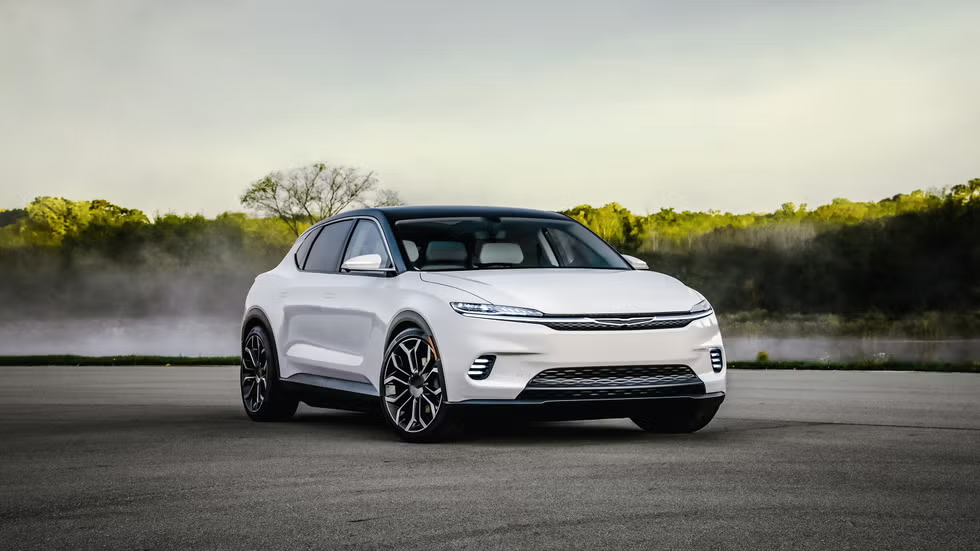
California is known for its ambitious goals to reduce carbon emissions and improve air quality, and its hybrid car rebate programs are central to these efforts. With the growing popularity of hybrid and electric vehicles (EVs), the state offers several financial incentives to encourage residents to adopt cleaner and more efficient transportation options. The California Hybrid Car Rebate, part of the broader Clean Vehicle Rebate Project (CVRP), is one of the most notable incentives. In this article, we will explore the details of the California Hybrid Car Rebate, eligibility criteria, application process, and the overall impact of these incentives on California’s transportation landscape.
What is the California Hybrid Car Rebate?
The California Hybrid Car Rebate is part of the Clean Vehicle Rebate Project (CVRP), a program designed to incentivize the purchase or lease of zero-emission vehicles (ZEVs) and low-emission hybrid vehicles. The CVRP provides rebates for qualifying vehicles such as plug-in hybrid electric vehicles (PHEVs), battery electric vehicles (BEVs), and other hybrid vehicles.
- Rebate Amount: The rebate amount varies depending on the vehicle’s type and the buyer’s income level. For hybrid vehicles, the rebate can range from $1,000 to $7,500.
- Eligible Vehicles: The program includes numerous hybrid vehicles, including PHEVs and BEVs from a variety of manufacturers. For a complete list of eligible vehicles, you can check out the CVRP’s Eligible Vehicle List.
This rebate helps reduce the cost of purchasing or leasing a new hybrid vehicle, making cleaner transportation options more accessible to residents across California.
Eligibility Criteria for the California Hybrid Car Rebate
The eligibility for the California Hybrid Car Rebate depends on several factors, including the vehicle’s emissions certification, the applicant’s income, and residency status. Here’s a breakdown of the primary eligibility criteria:
1. Vehicle Requirements
To be eligible for the rebate, the hybrid vehicle must meet certain requirements:
- Vehicle Type: The vehicle must be a new plug-in hybrid electric vehicle (PHEV), battery electric vehicle (BEV), or another qualifying hybrid vehicle. It must meet California’s strict emissions standards, which are designed to minimize air pollution.
- Emissions Standards: Only vehicles that meet the emissions standards set by the California Air Resources Board (CARB) are eligible for the rebate.
- New Vehicle Only: The rebate is available for new vehicle purchases or leases. Used vehicles are not eligible for the program.
2. Income Limitations
For low- and moderate-income households, California offers larger rebate amounts to encourage the adoption of cleaner vehicles among underserved communities.
- Low-Income Applicants: Households earning less than 300% of the federal poverty level may be eligible for up to $7,500 for new battery electric vehicles or $6,500 for new plug-in hybrid electric vehicles.
- Moderate-Income Applicants: Households earning between 300% and 400% of the federal poverty level can qualify for rebates of up to $4,500 for new qualifying vehicles.
For more information on income limits, visit the CVRP Income Limits Page.
3. Residency Requirements
Applicants must be California residents. Proof of residency, such as a California driver’s license or utility bill, is required.
How to Apply for the California Hybrid Car Rebate
The process of applying for the California Hybrid Car Rebate is simple but requires careful attention to detail. Here’s a step-by-step guide:
1. Purchase or Lease a Qualified Vehicle
Before applying for the rebate, you must first purchase or lease a qualifying hybrid vehicle. Be sure to check the CVRP’s List of Eligible Vehicles to ensure that the vehicle you choose is eligible for the rebate.
2. Submit Your Application
Once you have completed your purchase or lease, visit the CVRP Application Portal to submit your application online. You will need to provide the following documents:
- A copy of your vehicle purchase or lease agreement.
- Proof of California residency (e.g., a utility bill or driver’s license).
- A copy of the vehicle’s emissions certification.
3. Wait for Approval
After submitting your application, it will be reviewed by the California Center for Sustainable Energy (CCSE). The process typically takes 4-6 weeks, but may vary depending on the volume of applications.
4. Receive Your Rebate
Once your application is approved, you will receive your rebate check or direct deposit, depending on your selected payment method. The rebate amount will be based on the vehicle’s type and your income eligibility.
Additional California Hybrid and EV Incentives
In addition to the Hybrid Car Rebate, California offers several other programs to promote the adoption of hybrid and electric vehicles:
1. Clean Cars 4 All Program
The Clean Cars 4 All Program provides financial assistance to low-income residents, offering up to $9,500 to retire old, high-polluting vehicles in exchange for newer, cleaner vehicles like hybrid or electric models. This program helps to reduce emissions while making cleaner cars more affordable to those in need.
2. High-Occupancy Vehicle (HOV) Lane Access
Certain hybrid and electric vehicles are eligible for Clean Air Vehicle (CAV) decals, which allow solo drivers to use California’s HOV lanes. This benefit can save valuable time during commutes and make the adoption of hybrid vehicles even more appealing.
3. Federal Tax Credit
In addition to state-level incentives, California residents can take advantage of the federal electric vehicle tax credit, which offers up to $7,500 in rebates for qualifying hybrid and electric vehicles. This federal program further reduces the overall cost of adopting hybrid and electric vehicles.
Hybrid Car Rebates and California’s Environmental Goals
California’s hybrid car rebates are not only an economic incentive but also part of the state’s broader environmental strategy. These incentives play a vital role in California’s effort to reduce greenhouse gas emissions, improve air quality, and promote sustainable transportation systems.
- Reducing Greenhouse Gas Emissions: Hybrid and electric vehicles produce fewer emissions than traditional gasoline-powered vehicles, contributing to the state’s climate action goals of achieving carbon neutrality by 2045.
- Improving Air Quality: By transitioning to cleaner vehicles, California is working to reduce air pollution, particularly in urban areas where vehicle emissions contribute to smog and health problems.
- Promoting Green Technology: These rebate programs also support innovation in the green technology sector, helping to drive the development and adoption of next-generation hybrid and electric vehicles.
Where to Find Hybrid Vehicles in California
If you’re in the market for a new hybrid vehicle, you can explore available options through local dealerships. For example, Simi Valley Chrysler Dodge Jeep Ram offers a wide selection of new hybrid and electric vehicles that qualify for California’s rebate programs. Whether you’re interested in a hybrid sedan or an electric SUV, you can browse their inventory and find a vehicle that fits your needs and budget.
Conclusion
California’s hybrid car rebate programs offer significant financial incentives to encourage the adoption of cleaner, more sustainable vehicles. By providing rebates, tax credits, and other benefits, California makes it easier for residents to choose hybrid and electric vehicles, which are crucial to achieving the state’s climate goals. If you’re considering a hybrid vehicle, take advantage of these rebates to make your purchase or lease more affordable. For more information on available rebates and eligibility, visit the Clean Vehicle Rebate Project (CVRP) website or check with local dealerships like Simi Valley Chrysler Dodge Jeep Ram for available vehicles.

California has long been recognized as a leader in promoting green technologies, particularly electric and hybrid vehicles. The state has enacted numerous policies and incentives designed to encourage the adoption of cleaner, more sustainable transportation options. With the ongoing push to reduce carbon emissions and improve air quality, California’s hybrid and electric car incentives have become an essential part of the automotive landscape.
Overview of California’s Commitment to Clean Transportation
California’s environmental policies are some of the most progressive in the world. The state’s goals of reducing greenhouse gas emissions and transitioning to a zero-emission transportation system have influenced national and international policies. Through a combination of rebates, tax credits, and other incentives, California aims to make hybrid and electric vehicles (EVs) more affordable and accessible to its residents.
State-Level Incentives for Hybrid and Electric Cars
1. Clean Vehicle Rebate Project (CVRP)
One of California’s most prominent incentive programs is the Clean Vehicle Rebate Project (CVRP). Administered by the California Center for Sustainable Energy, this program offers rebates for the purchase or lease of new eligible zero-emission vehicles, including plug-in hybrid electric vehicles (PHEVs).
- Amount of Rebate: Depending on the vehicle’s classification and the buyer’s income level, rebates can range from $1,000 to $7,500.
- Eligibility: Low-to-moderate income applicants may be eligible for higher rebate amounts, further reducing the overall cost of these vehicles.
- Income Requirements: Incomes must fall within specific thresholds to qualify for increased rebates, making the program accessible to a broader population.
This program not only encourages the adoption of PHEVs and EVs but also plays a critical role in California’s effort to reach its climate goals.
2. Clean Cars 4 All (CC4A) Program
The Clean Cars 4 All program is designed to help low-income Californians retire their old, high-emitting vehicles and replace them with cleaner, more efficient vehicles.
- Incentives: Residents who trade in older vehicles can receive grants up to $9,500 to purchase or lease a new zero-emission vehicle or clean hybrid.
- Target Audience: This program is especially beneficial for low-income communities, which are often the most impacted by pollution from older vehicles.
With over $10 million in funding available annually, the program helps ensure that the benefits of cleaner transportation are available to those who need them the most.
3. Driving Clean Assistance Program (DCAP)
The Driving Clean Assistance Program (DCAP) was established by the California Air Resources Board (CARB) and offers up to $14,000 in incentives for low-income residents purchasing or leasing cleaner vehicles. This program is targeted toward further reducing emissions and enhancing the adoption of low-emission cars in California’s underserved communities.
- Incentive Breakdown:
- A rebate of up to $7,000 is available for eligible buyers of electric vehicles (EVs).
- Up to $6,000 is available for plug-in hybrid electric vehicles (PHEVs).
- Additional rebates for electric vehicle chargers can also be claimed under this program.
4. High-Occupancy Vehicle (HOV) Lane Access
One of the more attractive benefits for electric and hybrid car owners in California is the ability to use the state’s High-Occupancy Vehicle (HOV) lanes as a solo driver. With the Clean Air Vehicle (CAV) decals issued by the state, hybrid and electric vehicle owners can bypass traffic and commute more efficiently.
- Eligibility: Only vehicles that meet specific emissions and environmental standards are eligible for these decals.
- Benefit: The ability to drive in HOV lanes can significantly reduce commute times, making EV ownership even more desirable.
Federal Incentives for Hybrid and Electric Cars
While California offers some of the most comprehensive state-level incentives, federal programs also provide significant benefits for those purchasing hybrid or electric vehicles.
1. Federal Tax Credit
The federal government provides a tax credit of up to $7,500 for the purchase of new qualified plug-in electric vehicles. However, this credit has eligibility requirements that may depend on the final assembly location of the vehicle and the buyer’s income level.
- Eligibility: The tax credit applies to both fully electric and plug-in hybrid vehicles.
- Amount: The amount of the credit varies depending on the size of the battery in the vehicle, with larger batteries qualifying for higher credits.
Special Programs for Specific Demographics
1. Incentives for Low-Income Families
California has numerous programs aimed at helping low-income families access hybrid and electric vehicles. Programs like the California Low-Income EV Rebate Project ensure that the financial barriers to cleaner transportation are lowered, allowing individuals who may otherwise struggle with the upfront costs of an EV to benefit from rebates and assistance.
2. Carpool Programs and Electric Vehicle Charging Assistance
Programs like the California Electric Vehicle Charging Assistance Program provide funds for the installation of home electric vehicle charging stations. These incentives make it easier for residents to use their electric or hybrid vehicles without worrying about finding public charging stations.
Additionally, there are specialized programs aimed at facilitating carpooling with clean energy vehicles, offering perks such as free parking and reduced tolls for vehicles with multiple passengers.
Recent Developments and Future Plans
As California continues to push for cleaner transportation, several new initiatives are set to further incentivize hybrid and electric vehicles in the coming years.
- Increased Funding: Governor Gavin Newsom has announced plans to expand funding for clean vehicle incentives, ensuring that more Californians can benefit from rebates, tax credits, and other financial programs (source).
- Zero-Emission Vehicle Goals: California’s goal to have 5 million zero-emission vehicles on the road by 2030 includes not only electric vehicles but also hybrid cars that meet the state’s emission standards.
For more information on these developments, check out this article on California’s clean vehicle rebate.
Conclusion
California has established a robust set of incentives designed to make hybrid and electric vehicles more accessible to its residents. From rebates and tax credits to the ability to access HOV lanes, these incentives not only help individuals save money but also contribute to the state’s overall efforts to combat climate change and improve air quality.
By offering financial assistance, tax credits, and the benefits of HOV lane access, California has made it easier than ever to adopt a cleaner, more sustainable form of transportation. Whether you are considering buying a new electric car, upgrading to a hybrid, or simply seeking more information, California’s incentive programs are a great place to start.
For additional details on how to apply for these incentives, please visit the official California Department of Motor Vehicles Clean Vehicle Programs.

The 2025 Jeep Compass continues to deliver on what Jeep does best—blend everyday drivability with off-road confidence. But for buyers looking to bring one home, a common question emerges: Should you go with the Compass Sport or upgrade to the Compass North?
While both trims are affordable, well-equipped, and carry Jeep’s signature style, they offer distinct advantages depending on your priorities—whether it’s price, technology, all-weather capability, or comfort.
In this detailed comparison, we’ll break down the 2025 Jeep Compass Sport vs. North trims in terms of performance, features, value, and overall fit for your lifestyle.
1. Overview: Jeep Compass Sport vs. North
| Trim | Starting Price (est.) | Drivetrain | Target Buyer |
|---|---|---|---|
| Sport | $28,500 USD | FWD or 4×4 | Value-conscious Jeep shoppers |
| North | $32,000 USD | Standard 4×4 | Comfort-focused daily drivers |
The Compass Sport is the entry-level model, offering excellent value with Jeep capability. The Compass North is the step-up trim that adds more premium features, a more upscale interior, and comes standard with 4×4—ideal for Canadian winters or California mountain getaways.
2. Performance: Same Engine, Different Focus
Both trims share the same engine and transmission:
- 2.0L Turbocharged Inline-4
- 200 horsepower / 221 lb-ft torque
- 8-speed automatic transmission
Key Differences:
- Sport: Comes standard with front-wheel drive (FWD); 4×4 is optional
- North: 4×4 is standard, paired with Jeep’s Selec-Terrain® traction management system
If you plan to keep to the pavement, the Sport offers great power and fuel economy. But if you want year-round confidence or plan light off-road use, the North’s standard 4×4 system makes a strong case.
3. Exterior Differences: Rugged vs. Refined
Both trims wear Jeep’s distinctive styling, but the North gets a slightly more refined look with color-matched elements and added exterior upgrades.
Compass Sport Highlights:
- 17-inch silver aluminum wheels
- Black mirror caps and roof rails
- LED reflector headlamps
Compass North Highlights:
- 18-inch diamond-cut aluminum wheels
- Body-color mirrors and handles
- Heated mirrors with turn signals
- Optional black-painted roof
While the Sport is more utilitarian in appearance, the North leans more upscale—appealing to drivers who want style without compromising on Jeep’s DNA.
4. Interior Features and Comfort: Big Trim Gap
Here’s where the differences between Sport vs. North really start to show.
Compass Sport Interior:
- Cloth seats with manual adjustment
- Uconnect® 5 with 10.1” touchscreen
- Wireless Apple CarPlay & Android Auto
- Manual A/C
- Push-button start
- 6-speaker audio
Compass North Interior:
- Premium cloth/vinyl seats with heated front seats
- Heated steering wheel
- Dual-zone automatic climate control
- 10.25-inch digital cluster display
- Remote start
- Optional wireless charging pad
If you want heated features, climate comfort, and a more luxurious daily cabin feel, the North delivers on every front. The Sport still gets the latest tech but keeps things simple to keep costs down.
5. Technology & Infotainment
| Feature | Sport | North |
|---|---|---|
| Uconnect® 5 w/ 10.1” Touchscreen | ✅ | ✅ |
| Wireless Apple CarPlay/Android Auto | ✅ | ✅ |
| Remote Start | ❌ | ✅ |
| Heated Front Seats | ❌ | ✅ |
| Digital Cluster Display (10.25″) | ❌ | ✅ |
| Optional Alpine Audio | ❌ | ✅ |
The Sport has the same screen size and wireless smartphone features, but the North adds more digital enhancements and convenience tech, which matter if you’re tech-savvy or commuting daily.
6. Safety Features
All 2025 Jeep Compass trims, including Sport and North, benefit from Jeep’s expanded list of standard safety features.
Shared Standard Safety:
- Forward Collision Warning with Active Braking
- Blind Spot Monitoring
- Rear Cross Path Detection
- Lane Management System
- Rear View Camera
- Adaptive Cruise Control
The North also offers optional upgrades like:
- 360-degree camera
- Parallel/Perpendicular Park Assist
- Traffic Sign Recognition
For drivers who want advanced semi-autonomous options, the North trim unlocks those features, while the Sport sticks to the essentials.
7. Fuel Economy
Since both trims use the same turbo engine, fuel efficiency comes down to drivetrain:
| Trim | Drivetrain | City MPG | Hwy MPG |
|---|---|---|---|
| Sport (FWD) | FWD | 24 mpg | 32 mpg |
| Sport (4×4) | 4×4 | 23 mpg | 30 mpg |
| North | 4×4 | 23 mpg | 30 mpg |
If you want maximum fuel savings, the FWD Sport is the best bet. But if you want all-weather traction, the North’s standard 4×4 won’t cost you much more at the pump.
8. Which Trim Should You Buy?
Choose the 2025 Jeep Compass Sport if:
- You’re on a budget
- You want the lowest price with core Jeep tech
- You drive mostly in the city or fair-weather climates
- You want the option of FWD or 4×4
Choose the 2025 Jeep Compass North if:
- You want more comfort (heated seats, remote start, digital dash)
- You value a more refined look and feel
- You need standard 4×4 for winter or trail conditions
- You’re planning to keep your Compass for years and want added features
Final Verdict: Sport vs. North
The 2025 Compass Sport is for the minimalist who wants the capability of a Jeep without the extra cost. It’s honest, practical, and tech-smart. The 2025 Compass North is for those who want to elevate their daily drive—with heated touches, bigger wheels, upgraded interiors, and the confidence of standard 4×4.
Whichever you choose, both trims deliver exceptional value and safety in a rugged, compact package.
Still deciding?
Visit Simi Valley Chrysler Dodge Jeep Ram today to compare the 2025 Jeep Compass Sport vs. North in person. Our experts will walk you through each trim, help you find your perfect fit, and get you behind the wheel of your next Jeep.
Browse current inventory or schedule your test drive at simivalleychryslerdodgejeepram.com.
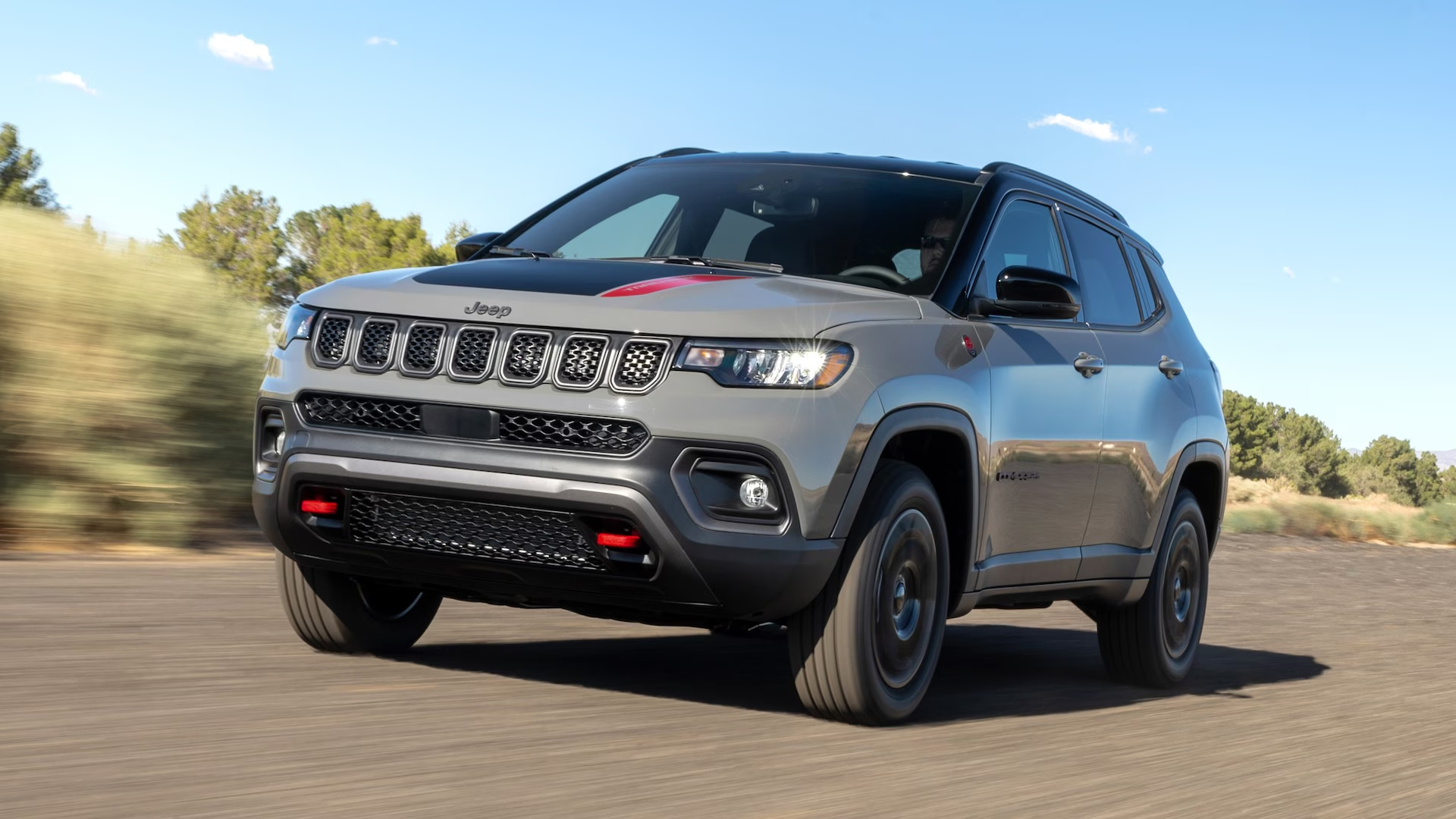
The 2025 Jeep Compass Sport does include modern amenities such as remote start capability, depending on the configuration and packages you select. The remote start feature is highly beneficial for warming up the car in cold weather or cooling the cabin on hot days before you enter, enhancing comfort and convenience for drivers.
Here’s a brief overview of how the remote start function integrates into the 2025 Jeep Compass Sport and what additional features accompany this technology.
Remote Start and Key Features in the 2025 Jeep Compass Sport
Remote Start System
The remote start system in the 2025 Jeep Compass Sport allows you to start your engine from a distance, making it possible to precondition the interior temperature. This feature is particularly useful in extreme weather conditions, providing an optimal cabin environment before you begin your journey.
How It Works
The remote start system is typically activated by a button on the key fob. With a simple press, the vehicle starts up, engaging the climate control system to adjust the interior to a pre-set temperature. This feature can also activate heated seats, the steering wheel, and defrost systems if equipped and turned on prior.
Additional Keyless Features
Alongside remote start, the Compass Sport often includes keyless entry and push-button start, enhancing the ease of access and operation. These features allow for seamless entry into the vehicle without physically using a key and starting the engine with a button push while the key remains in your pocket or bag.
Safety and Security
Security is not compromised with the remote start feature. The vehicle remains locked after activation, and the engine will automatically shut off if the key fob does not enter the vehicle within a certain period or if the vehicle is not put into drive.
Further Information and Resources
For more specific details on the remote start system in the 2025 Jeep Compass Sport, including which trims and packages include this feature as standard or an option, you can visit the official Jeep website or consult the user manual. Additionally, contacting a local Jeep dealership can provide direct information and a demonstration of the remote start system and other features.
- Jeep’s Official Website: Explore configurations and features here.
- Local Dealership: Visit or contact for a personalized walkthrough and test drive.
Understanding these features will help you maximize the use and enjoyment of your 2025 Jeep Compass Sport, especially in leveraging technology for comfort and convenience.
Connect with us


