





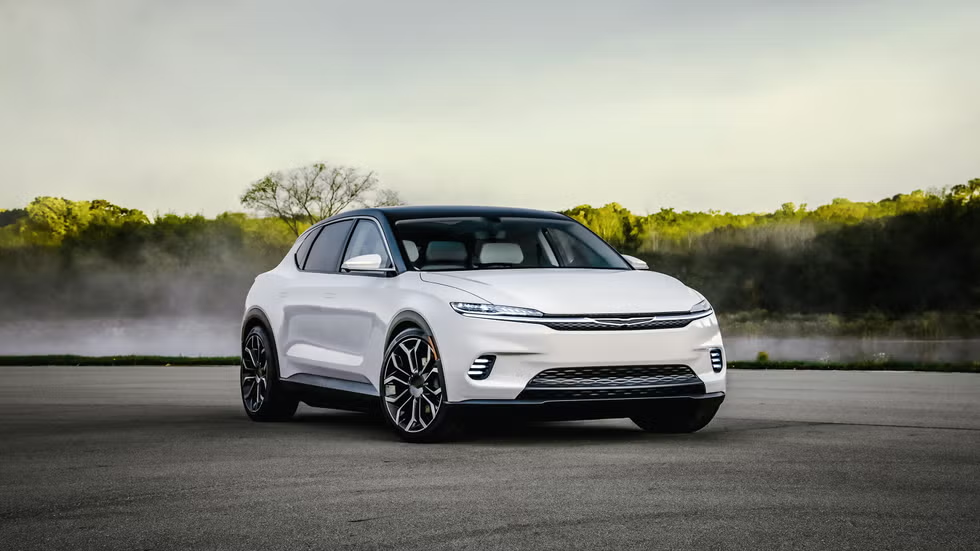
California is known for its ambitious goals to reduce carbon emissions and improve air quality, and its hybrid car rebate programs are central to these efforts. With the growing popularity of hybrid and electric vehicles (EVs), the state offers several financial incentives to encourage residents to adopt cleaner and more efficient transportation options. The California Hybrid Car Rebate, part of the broader Clean Vehicle Rebate Project (CVRP), is one of the most notable incentives. In this article, we will explore the details of the California Hybrid Car Rebate, eligibility criteria, application process, and the overall impact of these incentives on California’s transportation landscape.
What is the California Hybrid Car Rebate?
The California Hybrid Car Rebate is part of the Clean Vehicle Rebate Project (CVRP), a program designed to incentivize the purchase or lease of zero-emission vehicles (ZEVs) and low-emission hybrid vehicles. The CVRP provides rebates for qualifying vehicles such as plug-in hybrid electric vehicles (PHEVs), battery electric vehicles (BEVs), and other hybrid vehicles.
- Rebate Amount: The rebate amount varies depending on the vehicle’s type and the buyer’s income level. For hybrid vehicles, the rebate can range from $1,000 to $7,500.
- Eligible Vehicles: The program includes numerous hybrid vehicles, including PHEVs and BEVs from a variety of manufacturers. For a complete list of eligible vehicles, you can check out the CVRP’s Eligible Vehicle List.
This rebate helps reduce the cost of purchasing or leasing a new hybrid vehicle, making cleaner transportation options more accessible to residents across California.
Eligibility Criteria for the California Hybrid Car Rebate
The eligibility for the California Hybrid Car Rebate depends on several factors, including the vehicle’s emissions certification, the applicant’s income, and residency status. Here’s a breakdown of the primary eligibility criteria:
1. Vehicle Requirements
To be eligible for the rebate, the hybrid vehicle must meet certain requirements:
- Vehicle Type: The vehicle must be a new plug-in hybrid electric vehicle (PHEV), battery electric vehicle (BEV), or another qualifying hybrid vehicle. It must meet California’s strict emissions standards, which are designed to minimize air pollution.
- Emissions Standards: Only vehicles that meet the emissions standards set by the California Air Resources Board (CARB) are eligible for the rebate.
- New Vehicle Only: The rebate is available for new vehicle purchases or leases. Used vehicles are not eligible for the program.
2. Income Limitations
For low- and moderate-income households, California offers larger rebate amounts to encourage the adoption of cleaner vehicles among underserved communities.
- Low-Income Applicants: Households earning less than 300% of the federal poverty level may be eligible for up to $7,500 for new battery electric vehicles or $6,500 for new plug-in hybrid electric vehicles.
- Moderate-Income Applicants: Households earning between 300% and 400% of the federal poverty level can qualify for rebates of up to $4,500 for new qualifying vehicles.
For more information on income limits, visit the CVRP Income Limits Page.
3. Residency Requirements
Applicants must be California residents. Proof of residency, such as a California driver’s license or utility bill, is required.
How to Apply for the California Hybrid Car Rebate
The process of applying for the California Hybrid Car Rebate is simple but requires careful attention to detail. Here’s a step-by-step guide:
1. Purchase or Lease a Qualified Vehicle
Before applying for the rebate, you must first purchase or lease a qualifying hybrid vehicle. Be sure to check the CVRP’s List of Eligible Vehicles to ensure that the vehicle you choose is eligible for the rebate.
2. Submit Your Application
Once you have completed your purchase or lease, visit the CVRP Application Portal to submit your application online. You will need to provide the following documents:
- A copy of your vehicle purchase or lease agreement.
- Proof of California residency (e.g., a utility bill or driver’s license).
- A copy of the vehicle’s emissions certification.
3. Wait for Approval
After submitting your application, it will be reviewed by the California Center for Sustainable Energy (CCSE). The process typically takes 4-6 weeks, but may vary depending on the volume of applications.
4. Receive Your Rebate
Once your application is approved, you will receive your rebate check or direct deposit, depending on your selected payment method. The rebate amount will be based on the vehicle’s type and your income eligibility.
Additional California Hybrid and EV Incentives
In addition to the Hybrid Car Rebate, California offers several other programs to promote the adoption of hybrid and electric vehicles:
1. Clean Cars 4 All Program
The Clean Cars 4 All Program provides financial assistance to low-income residents, offering up to $9,500 to retire old, high-polluting vehicles in exchange for newer, cleaner vehicles like hybrid or electric models. This program helps to reduce emissions while making cleaner cars more affordable to those in need.
2. High-Occupancy Vehicle (HOV) Lane Access
Certain hybrid and electric vehicles are eligible for Clean Air Vehicle (CAV) decals, which allow solo drivers to use California’s HOV lanes. This benefit can save valuable time during commutes and make the adoption of hybrid vehicles even more appealing.
3. Federal Tax Credit
In addition to state-level incentives, California residents can take advantage of the federal electric vehicle tax credit, which offers up to $7,500 in rebates for qualifying hybrid and electric vehicles. This federal program further reduces the overall cost of adopting hybrid and electric vehicles.
Hybrid Car Rebates and California’s Environmental Goals
California’s hybrid car rebates are not only an economic incentive but also part of the state’s broader environmental strategy. These incentives play a vital role in California’s effort to reduce greenhouse gas emissions, improve air quality, and promote sustainable transportation systems.
- Reducing Greenhouse Gas Emissions: Hybrid and electric vehicles produce fewer emissions than traditional gasoline-powered vehicles, contributing to the state’s climate action goals of achieving carbon neutrality by 2045.
- Improving Air Quality: By transitioning to cleaner vehicles, California is working to reduce air pollution, particularly in urban areas where vehicle emissions contribute to smog and health problems.
- Promoting Green Technology: These rebate programs also support innovation in the green technology sector, helping to drive the development and adoption of next-generation hybrid and electric vehicles.
Where to Find Hybrid Vehicles in California
If you’re in the market for a new hybrid vehicle, you can explore available options through local dealerships. For example, Simi Valley Chrysler Dodge Jeep Ram offers a wide selection of new hybrid and electric vehicles that qualify for California’s rebate programs. Whether you’re interested in a hybrid sedan or an electric SUV, you can browse their inventory and find a vehicle that fits your needs and budget.
Conclusion
California’s hybrid car rebate programs offer significant financial incentives to encourage the adoption of cleaner, more sustainable vehicles. By providing rebates, tax credits, and other benefits, California makes it easier for residents to choose hybrid and electric vehicles, which are crucial to achieving the state’s climate goals. If you’re considering a hybrid vehicle, take advantage of these rebates to make your purchase or lease more affordable. For more information on available rebates and eligibility, visit the Clean Vehicle Rebate Project (CVRP) website or check with local dealerships like Simi Valley Chrysler Dodge Jeep Ram for available vehicles.
Connect with us


