




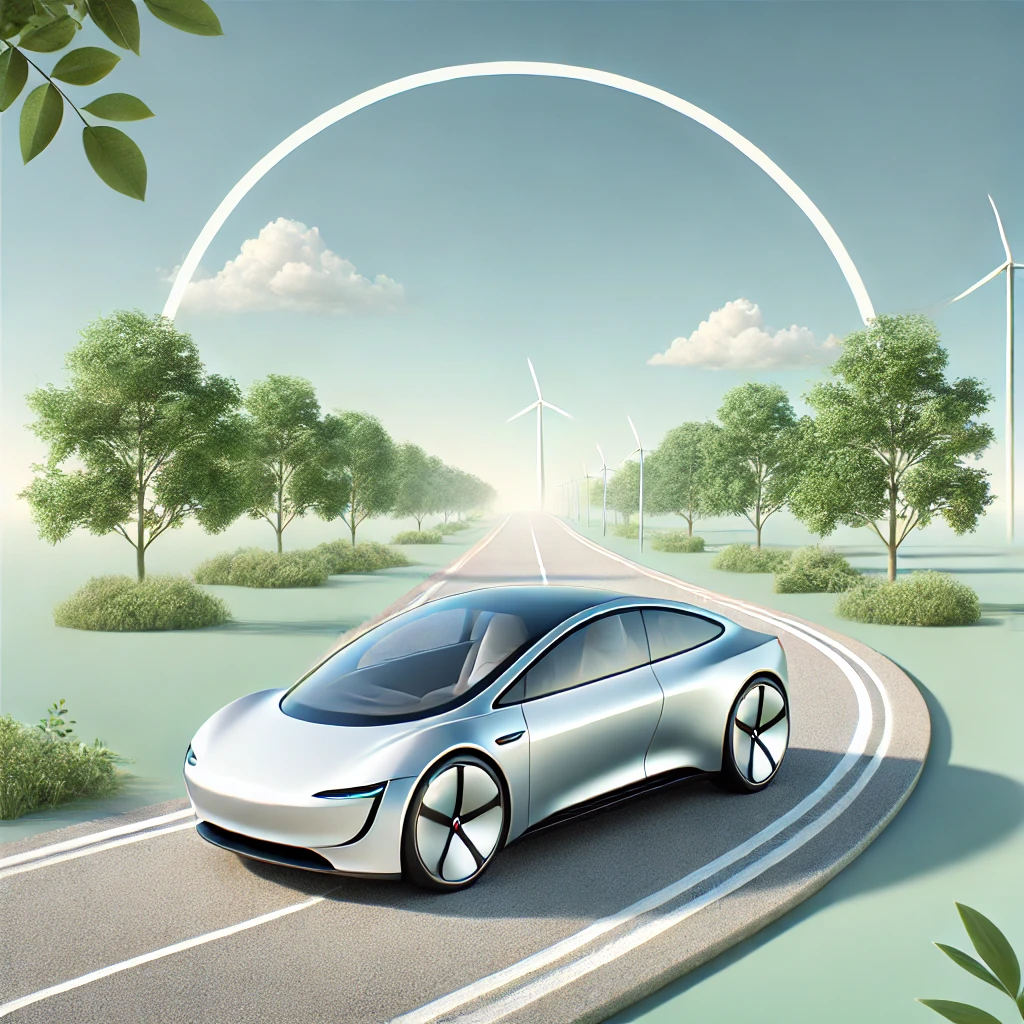
California has long been recognized as a leader in promoting green technologies, particularly electric and hybrid vehicles. The state has enacted numerous policies and incentives designed to encourage the adoption of cleaner, more sustainable transportation options. With the ongoing push to reduce carbon emissions and improve air quality, California’s hybrid and electric car incentives have become an essential part of the automotive landscape.
Overview of California’s Commitment to Clean Transportation
California’s environmental policies are some of the most progressive in the world. The state’s goals of reducing greenhouse gas emissions and transitioning to a zero-emission transportation system have influenced national and international policies. Through a combination of rebates, tax credits, and other incentives, California aims to make hybrid and electric vehicles (EVs) more affordable and accessible to its residents.
State-Level Incentives for Hybrid and Electric Cars
1. Clean Vehicle Rebate Project (CVRP)
One of California’s most prominent incentive programs is the Clean Vehicle Rebate Project (CVRP). Administered by the California Center for Sustainable Energy, this program offers rebates for the purchase or lease of new eligible zero-emission vehicles, including plug-in hybrid electric vehicles (PHEVs).
- Amount of Rebate: Depending on the vehicle’s classification and the buyer’s income level, rebates can range from $1,000 to $7,500.
- Eligibility: Low-to-moderate income applicants may be eligible for higher rebate amounts, further reducing the overall cost of these vehicles.
- Income Requirements: Incomes must fall within specific thresholds to qualify for increased rebates, making the program accessible to a broader population.
This program not only encourages the adoption of PHEVs and EVs but also plays a critical role in California’s effort to reach its climate goals.
2. Clean Cars 4 All (CC4A) Program
The Clean Cars 4 All program is designed to help low-income Californians retire their old, high-emitting vehicles and replace them with cleaner, more efficient vehicles.
- Incentives: Residents who trade in older vehicles can receive grants up to $9,500 to purchase or lease a new zero-emission vehicle or clean hybrid.
- Target Audience: This program is especially beneficial for low-income communities, which are often the most impacted by pollution from older vehicles.
With over $10 million in funding available annually, the program helps ensure that the benefits of cleaner transportation are available to those who need them the most.
3. Driving Clean Assistance Program (DCAP)
The Driving Clean Assistance Program (DCAP) was established by the California Air Resources Board (CARB) and offers up to $14,000 in incentives for low-income residents purchasing or leasing cleaner vehicles. This program is targeted toward further reducing emissions and enhancing the adoption of low-emission cars in California’s underserved communities.
- Incentive Breakdown:
- A rebate of up to $7,000 is available for eligible buyers of electric vehicles (EVs).
- Up to $6,000 is available for plug-in hybrid electric vehicles (PHEVs).
- Additional rebates for electric vehicle chargers can also be claimed under this program.
4. High-Occupancy Vehicle (HOV) Lane Access
One of the more attractive benefits for electric and hybrid car owners in California is the ability to use the state’s High-Occupancy Vehicle (HOV) lanes as a solo driver. With the Clean Air Vehicle (CAV) decals issued by the state, hybrid and electric vehicle owners can bypass traffic and commute more efficiently.
- Eligibility: Only vehicles that meet specific emissions and environmental standards are eligible for these decals.
- Benefit: The ability to drive in HOV lanes can significantly reduce commute times, making EV ownership even more desirable.
Federal Incentives for Hybrid and Electric Cars
While California offers some of the most comprehensive state-level incentives, federal programs also provide significant benefits for those purchasing hybrid or electric vehicles.
1. Federal Tax Credit
The federal government provides a tax credit of up to $7,500 for the purchase of new qualified plug-in electric vehicles. However, this credit has eligibility requirements that may depend on the final assembly location of the vehicle and the buyer’s income level.
- Eligibility: The tax credit applies to both fully electric and plug-in hybrid vehicles.
- Amount: The amount of the credit varies depending on the size of the battery in the vehicle, with larger batteries qualifying for higher credits.
Special Programs for Specific Demographics
1. Incentives for Low-Income Families
California has numerous programs aimed at helping low-income families access hybrid and electric vehicles. Programs like the California Low-Income EV Rebate Project ensure that the financial barriers to cleaner transportation are lowered, allowing individuals who may otherwise struggle with the upfront costs of an EV to benefit from rebates and assistance.
2. Carpool Programs and Electric Vehicle Charging Assistance
Programs like the California Electric Vehicle Charging Assistance Program provide funds for the installation of home electric vehicle charging stations. These incentives make it easier for residents to use their electric or hybrid vehicles without worrying about finding public charging stations.
Additionally, there are specialized programs aimed at facilitating carpooling with clean energy vehicles, offering perks such as free parking and reduced tolls for vehicles with multiple passengers.
Recent Developments and Future Plans
As California continues to push for cleaner transportation, several new initiatives are set to further incentivize hybrid and electric vehicles in the coming years.
- Increased Funding: Governor Gavin Newsom has announced plans to expand funding for clean vehicle incentives, ensuring that more Californians can benefit from rebates, tax credits, and other financial programs (source).
- Zero-Emission Vehicle Goals: California’s goal to have 5 million zero-emission vehicles on the road by 2030 includes not only electric vehicles but also hybrid cars that meet the state’s emission standards.
For more information on these developments, check out this article on California’s clean vehicle rebate.
Conclusion
California has established a robust set of incentives designed to make hybrid and electric vehicles more accessible to its residents. From rebates and tax credits to the ability to access HOV lanes, these incentives not only help individuals save money but also contribute to the state’s overall efforts to combat climate change and improve air quality.
By offering financial assistance, tax credits, and the benefits of HOV lane access, California has made it easier than ever to adopt a cleaner, more sustainable form of transportation. Whether you are considering buying a new electric car, upgrading to a hybrid, or simply seeking more information, California’s incentive programs are a great place to start.
For additional details on how to apply for these incentives, please visit the official California Department of Motor Vehicles Clean Vehicle Programs.
Connect with us


